
1,443 Photos and videos









GeronL retweeted

JAPANESE FANS CLEAN UP AT&T STADIUM AFTER WORLD CUP DRAW
Following Japan’s dramatic 2-2 comeback against the Netherlands, Samurai Blue supporters stayed behind to collect all trash in their section, continuing their renowned World Cup tradition of leaving venues cleaner than they found them.
dallasexpress.com/sports/jap…

1
4
15
432
GeronL retweeted

Jun 14
Every time a gas station clerk gets screamed at/threatened for requesting ID, they are low-key wondering if today is the day they will be publicly executed for following the law and doing their job.
It happens to clerks everyday, and once in a while a career criminal actually follows through with their threats.
It is a conscious choice to allow repeat offenders to run society, and we as a polite society would be wise to stop making this choice.
Jun 14

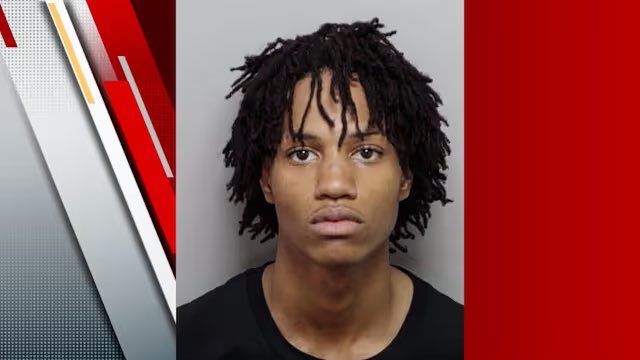
Samuel Davis (17) just stabbed a store clerk to death in San Antonio, TX for refusing to give tobacco
His bond is set to just $500k
8
24
123
3,507

RT @W_L_M__U_K: 🚨 HORRIFIC PLEASE SHARE 🚨
A 15 year old British boy has had to undergo plastic surgery after two police officers shove his…
13,781
GeronL retweeted

Jun 14
🇬🇧 Video of British police arresting a crying 5-year-old boy while he was walking alongside them as they detained his father is going viral.
They shoved the terrified little kid into the back of their patrol car like trash. When his mother, baby still clutched in her arms, rushed to rescue her son, these thugs pushed her back and ordered her to stand down.
This is the UK in 2026.
Absolutely disgusting!
1,942
11,278
28,181
881,616
attempted murder
Jun 14

🚨 HORRIFIC PLEASE SHARE 🚨
A 15 year old British boy has had to undergo plastic surgery after two police officers shove his face on to spiked railings. The police have lost all compassion and professionalism at this point
#BritainFirst
#SaveBritain
#BritishPatriot
#PoliceAccountability
#EndPoliceBrutality
#JusticeMatters
#FreeSpeechUK
#ProtectOurRights
#UnitedForBritain
#MakeYourVoiceHeard
@RestoreBritain
@RestoreNetwork_
@RupertLowe10
3
GeronL retweeted
31 YEARS ON: THE 1993 WACO SIEGE REMAINS ONE OF AMERICA’S MOST DISPUTED LAW ENFORCEMENT CONFRONTATIONS
A federal weapons raid outside Waco escalated into a 51-day standoff, a deadly gun battle, and a final assault that ended in a fire killing 76 Branch Davidians, including children.
The episode continues to fuel debate over federal power and the use of force.
dallasexpress.com/special-fe…

2
1
13
667
GeronL retweeted

Jun 14
I love Texas, and in my mind, being Texan is the most American any American can be in heart and soul. Yet I’m terrified by what I witnessed these past two days at the GOP convention in Houston.
Some people showed weak European tendencies, and I mean that in the sense that they’re beating around the bush like cowards. Too many people seem terrified to speak plainly about Islam as Islam.
Some absurd idea that Sharia is separate from the ideology and doctrine that is Islam has washed over the state of Texas. You cannot separate Sharia and Islam, they are one. I’m sure all Christians would object to separating the Ten Commandments from Christianity.
No peaceful religion needs a propaganda apparatus to tell you they are peaceful. Islam does, because it’s none of those things.
What happened to free speech, to truth, to raw honesty? Since when did Americans become afraid to stand up for their own cause?
Do as Europeans and become as Europeans. I urge you to stand tall, speak loud and clear, and don’t let anyone groom you to get involved in the homicidal virtue signalling cult.
For God sake.
203
789
3,144
50,491
entitled? No, he does not feel entitled. For 20 years he worked, he built, he innovated, bet the farm -risked everything he had to get these enterprises where they are today.
Entitled? He earned this. He made this happen.
Jun 13

Why does Elon feel likes he’s entitled to $1,000,000,000,000 ???
1
7
GeronL retweeted

Jun 14
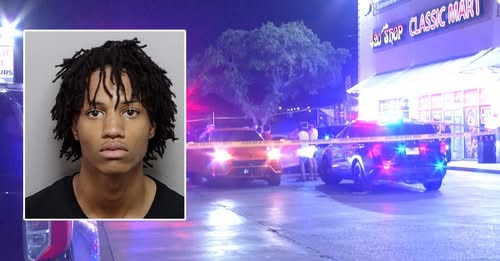
🚨17-year-old Samuel Davis went to the Classic Mart & 420 Shop in San Antonio around 1 a.m. on Friday and tried to buy a 99-cent tobacco product. The store clerk refused to sell it to him because Davis was underage.
The refusal led to an argument between the two inside the store. During the confrontation, Davis allegedly pulled out a knife and stabbed the store clerk multiple times. After the attack, Davis ran from the scene.
When police arrived, they found the store clerk suffering from several stab wounds. He died at the scene from his injuries. Investigators reviewed store surveillance footage, which reportedly captured the incident, and a witness later identified Davis from a photo lineup.
Police also spoke with a coworker who said Davis was a regular customer who often caused problems, acted aggressively, and was known to steal from the store. After a nearby standoff connected to the investigation, Davis was taken into custody and charged with murder. His bond was set at $500,000.
4,029
6,610
19,603
744,727
GeronL retweeted

Jun 13
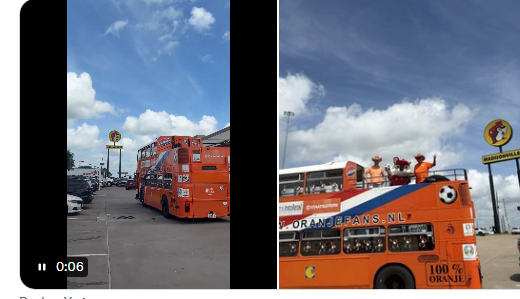
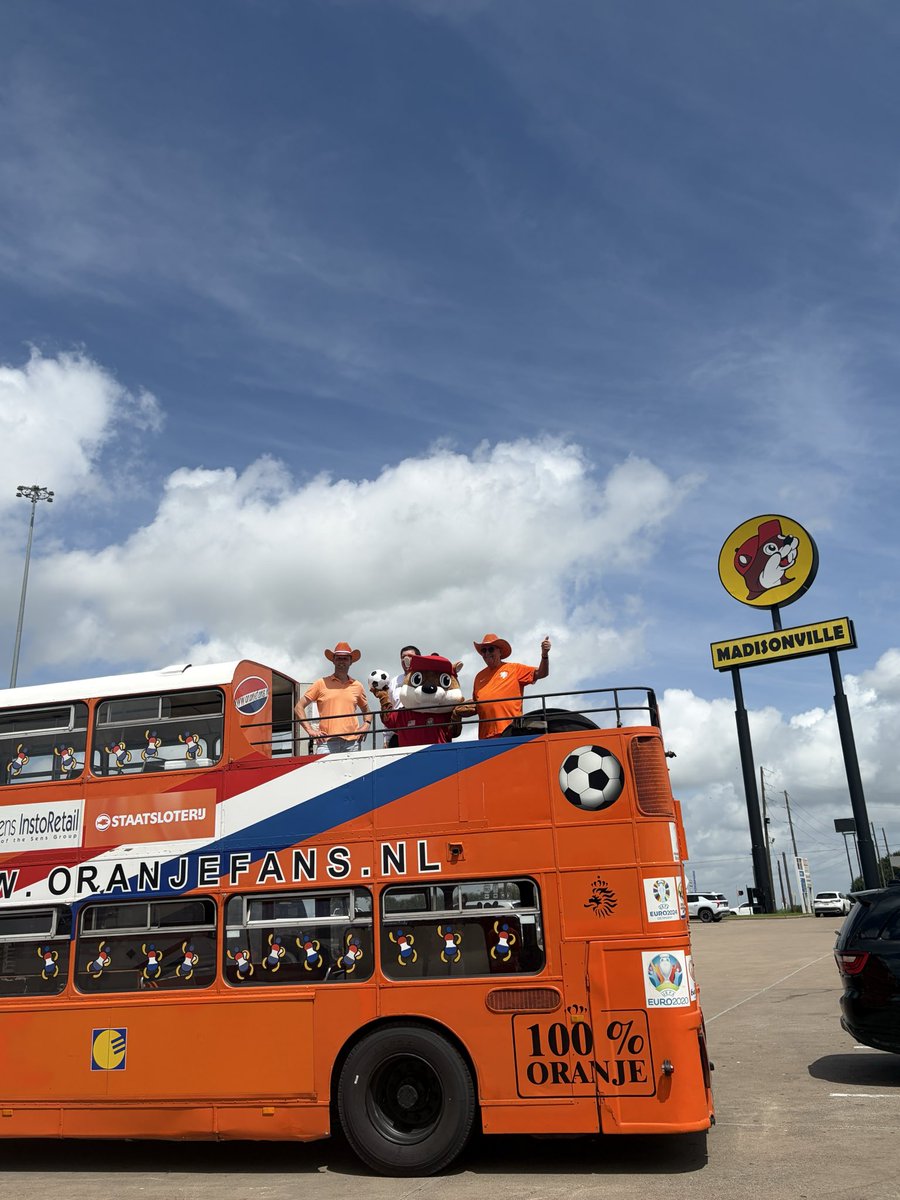
🚨🚨🚨ALERT 🚨🚨🚨
Dutch fans are at Buc-ee’s in Madisonville ahead of their match in Arlington.
98
1,090
15,791
678,653
GeronL retweeted

Jun 12
Of course the last thing that Tulsi does in office before she departs @ODNIgov is release vague, pro-Russia conspiracism bullshit with no factual revelatory value.
The Senators who opposed her confirmation hearing were right about her when they raised concerns about her foreign ties.
x.com/DNIGabbard/status/2065…
965
548
3,408
320,933
RT @TRobinsonNewEra: Footage of the Afghan attacking the public in Uxbridge today, killing one man and injuring two others, including a 14y…
12,026
GeronL retweeted
🐶🐱 DALLAS ANIMAL SHELTER URGENTLY OVERCROWDED
Animal Services has exceeded critical capacity after a surge from three large-scale cruelty seizures, pushing beyond its preferred 80% operating level.
Adoptions, fosters, volunteer shifts, and pet reclamations are urgently needed to create space and save lives.
dallasexpress.com/city/dalla…

2
29
20
833
GeronL retweeted

Jun 12
Walgreens just dropped new visa sponsored roles for F1 student visa graduates. Entry level roles that should be going to American graduates. Walgreens is going out of the way to hire international grads with visa sponsorship over American grads @Walgreens #boycottWalgreens


172
1,097
2,223
79,951
GeronL retweeted

Jun 13
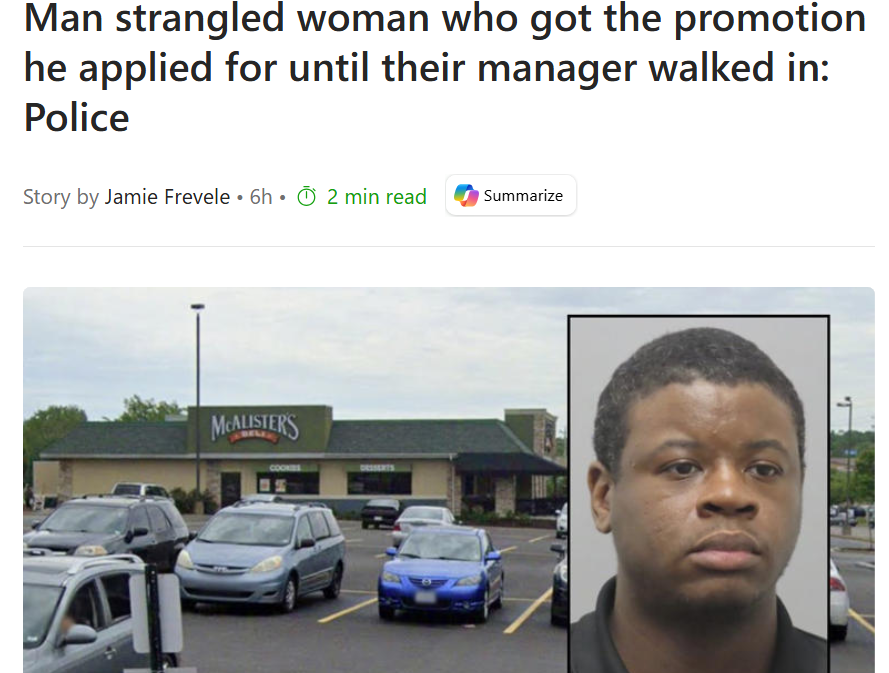
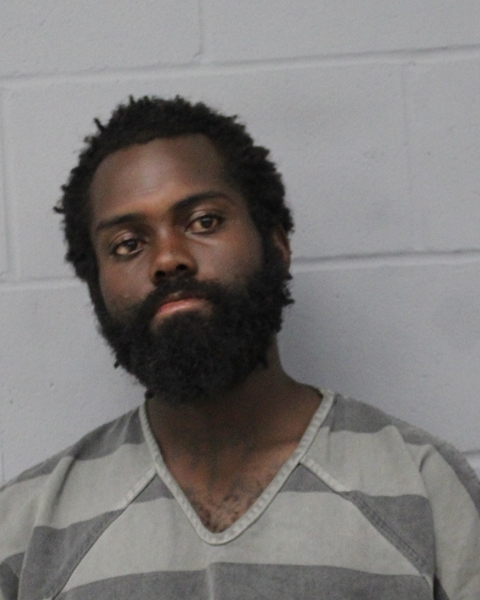
AUSTIN MAN climbed onto a sleeping woman's bed, claimed he had a gun, and strangled her until she nearly blacked out. She gouged his eye and beat him with a fan to get him off her.
It was the third West Campus apartment Octavius Brown broke into that morning. In the other two, residents woke to find him exposing himself and masturbating inside their apartments.
Octavius Brown has roughly 30 cases since 2013. Of the 14 charges filed since 2021, 9 were dismissed or rejected.
Last time I covered this man he was getting arrested for robbing a gas station while out on bond for exposing himself and masturbating in public for the tenth time.
841
2,969
7,206
486,823
GeronL retweeted
Jun 13
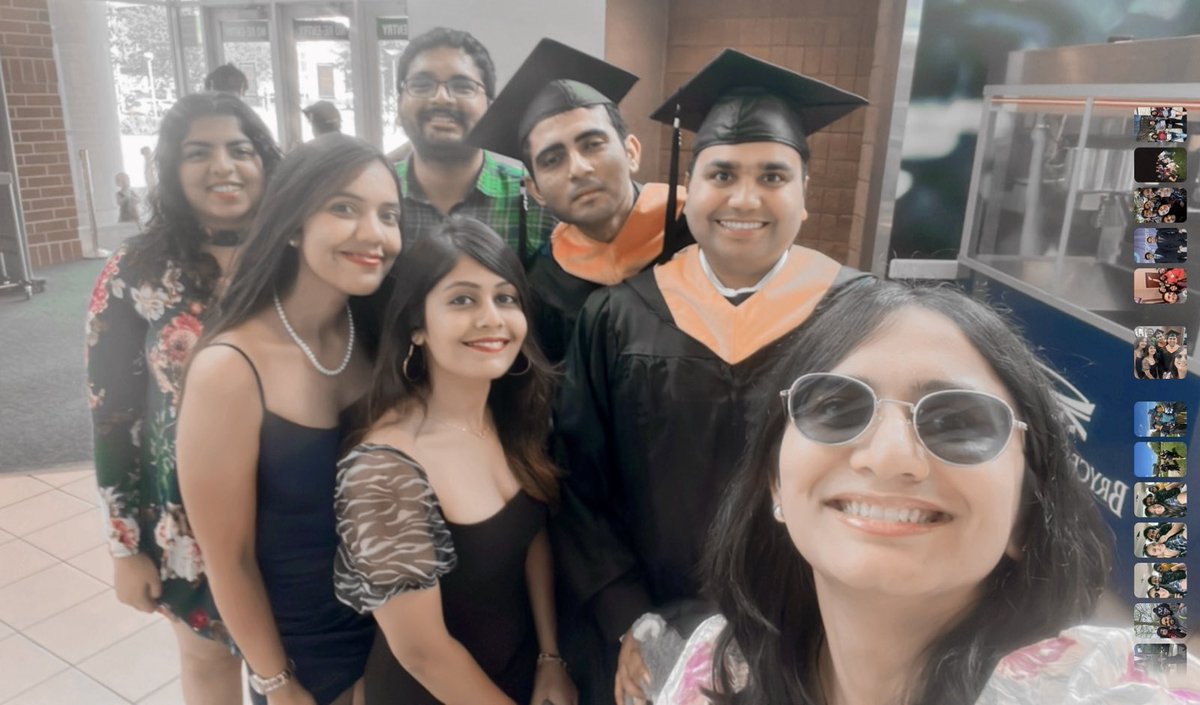
Anyone remember Akshay Gupta?
Last year he was riding a CapMetro bus to an entrepreneurship networking event in Austin when a mentally ill vagrant stepped up behind him and stabbed him to death.
The courts ruled Kandel incompetent, and in May extended his stay at the state hospital.
The attacker was homeless and had been cycling in and out of Travis County jail for years. There was literally no reason to let him out after his previous crimes -- prosecutors and judges knew he was mentally ill and a danger to the public. But they kept letting him out, until he predictably escalated his violence and a man was dead.
Gupta was in Austin an entrepreneur who moved to Austin to build technology to help seniors walk.
His corpse was sent back to India, where his parents live. "Everything is over for us," his mother said.
20 May 2025

“Hey, I am Akshay Gupta’s friend.”
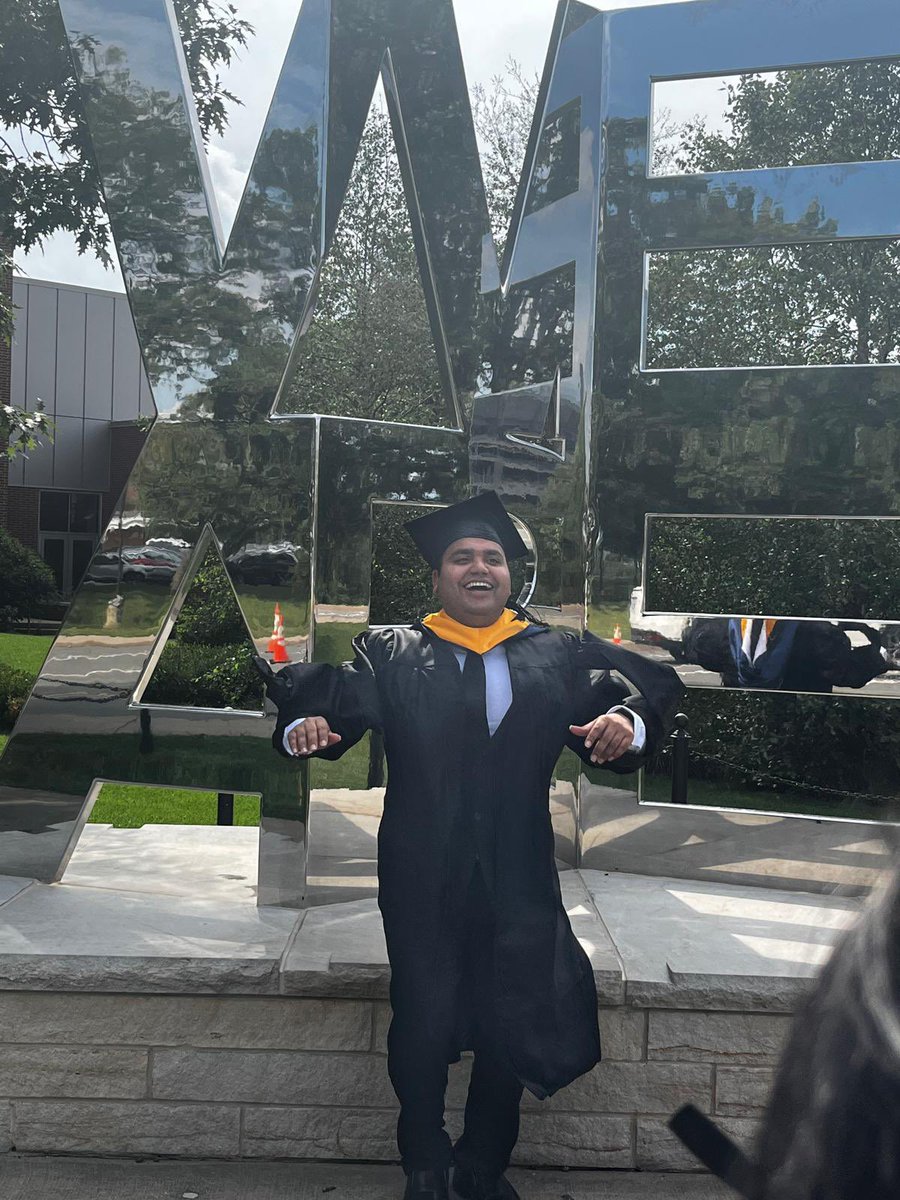
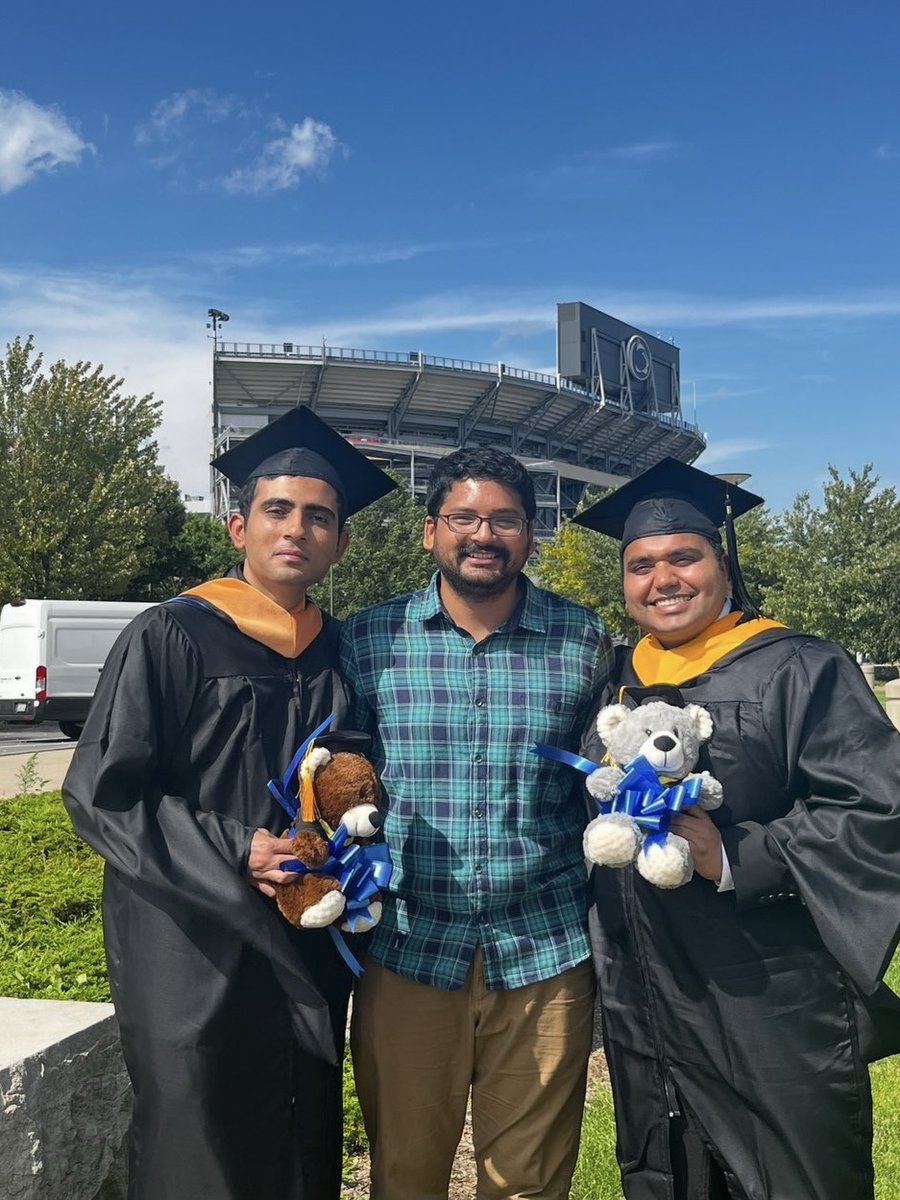
That’s how the message began—from Jasmine, his friend and classmate at Penn State.
“He used to cheer me up every time I felt like quitting my PhD.”
But this time, there was no cheer from Akshay. Jasmine came to Austin with one purpose: to see her friend’s body.
Looking at his body at the funeral house on Saturday was the most gut-wrenching experience of my life, she says.
Akshay Gupta was 30 years old. A builder. A giver. A brother. A son.
“He was so full of life. Always made everyone laugh.” He always made time for others. He mentored. He volunteered. He cooked for the homeless.
In 2023, Jasmine and Akshay went to Princeton together, where he took first place at a national hackathon. He had won similar awards at Brown, UPenn, Harvard, Johns Hopkins, Yale. His brilliance was constant, his success, earned.
“He was super intelligent and hardworking,” Jasmine said.
He had options—including a lucrative job offer from Amazon. But Akshay was focused on his health-tech startup, building something that would help seniors walk safely, avoid falls, and live independently.
He didn’t just believe in what he was building. He believed in where he was building it.
He believed in America.
“America was a dreamland,” Jasmine said. “He was more American than anyone.”
He defended the country’s ability to turn talent into success. “He wanted to make it big, and he was on the right path.”
Last Wednesday, Akshay was preparing to give a talk about his startup at a local meetup.
He never made it.
He didn’t own a car yet. He had just moved to Austin from Florida and was staying with a roommate. They’d considered California, but thought Austin would be a better place to launch.
So Akshay boarded the bus. He sat down. Moments later, he was bleeding out. Then dead.
It was the first time he rode that bus. And the last.
“We all never felt this much pain,” Jasmine said.
“He just died randomly.”
He was stabbed in the neck with a butcher knife—an unprovoked attack by a mentally ill vagrant with a long history of crimes. A man the system had released again and again, despite a trail of charges—misdemeanors, felonies, two violent offenses.
“A person that amazing just died for no reason—by someone who should have been in a hospital.”
Jasmine says that Akshay’s mother hasn’t eaten since hearing the horrific news.
His family, desperate to reach his body, couldn’t get visas in time—not his brother, not his relatives. Only his father made it, flying alone to Austin to bring his son’s body home.
On Saturday, Akshay’s father stood in silence at the funeral home beside Jasmine.
Jasmine says he didn’t speak. He didn’t cry. Until it was time to leave.
Then: “Let’s go home, son.”
12
34
188
6,126