
Cavan lad into sport,politics,history and current affairs(news & that)i love the craic but can be the serious one.a bit of a maverick.
Joined October 2010
- Tweets 91,719
- Following 4,068
- Followers 2,200
- Likes 52,271
9,226 Photos and videos










This Lady is Brilliant.

1
2
65
Gerry Mac Diarmada retweeted

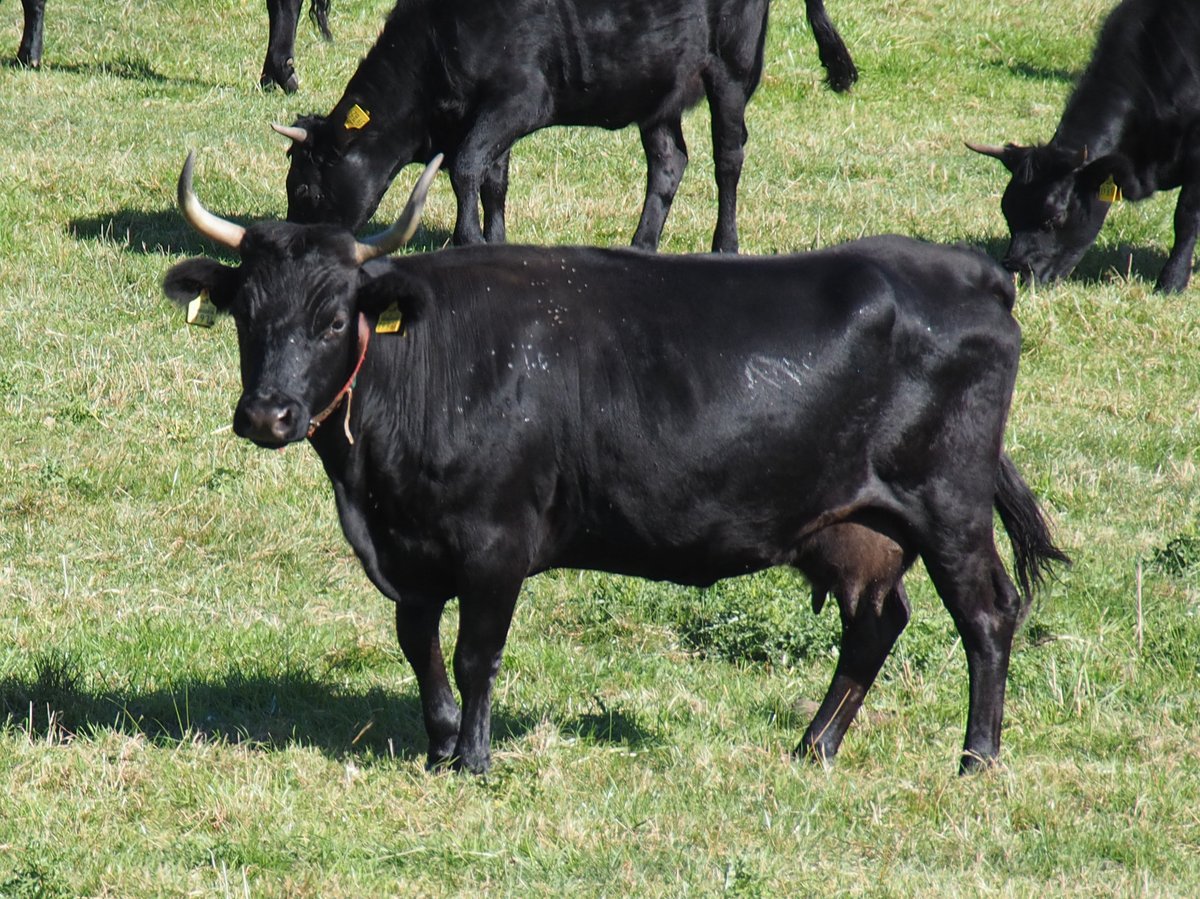
3 cows created the 1st 3 roads in Ireland! They belonged to the sea god, Manannán mac Lir! One was white, one was red & one was #black! Lady Gregory told the story. "Cow" roads were found in her 'Irish Myths and Legends'. #Otd actually root beer float day! #NationalBlackCowDay 🤣
2
7
46
800
Gerry Mac Diarmada retweeted

Jun 10
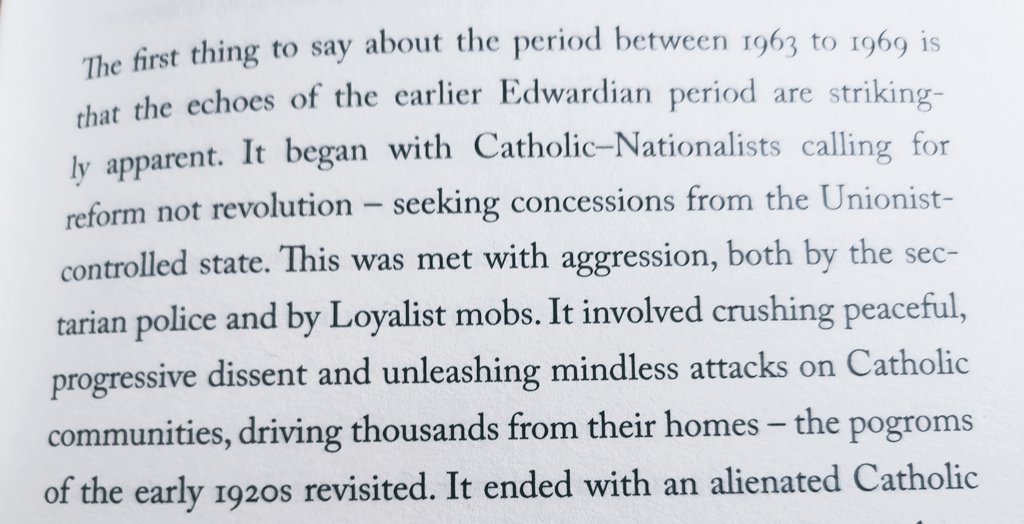
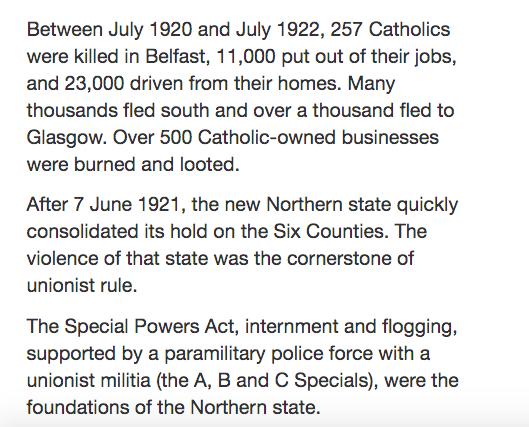
Brief history of Loyalist rioting.
The Sunningdale Agreement
The Anglo-Irish Agreement
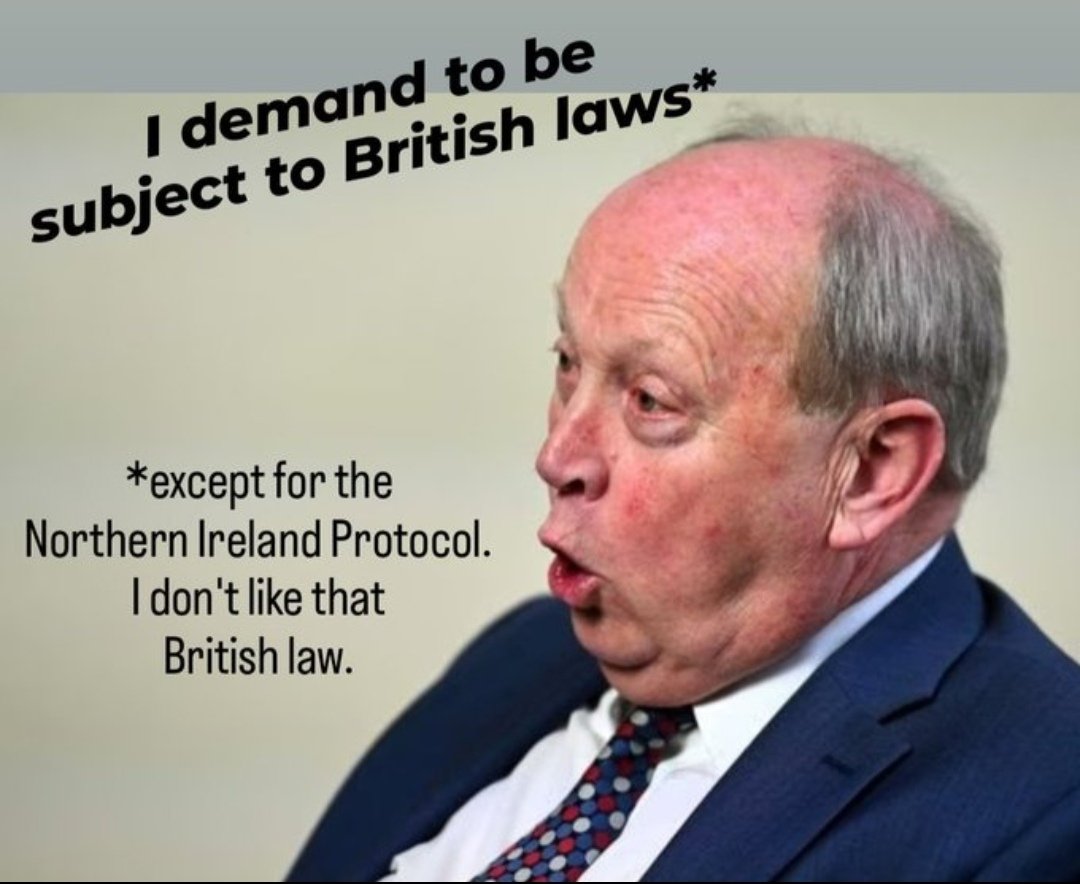
The Northern Ireland Protocol
The Drumcree Standoffs
Belfast City Hall Flag Protests
Paramilitary Flags and Symbols
Civil Rights Marches
Catholics in School
Far right racist riots.
7
29
135
4,631
Unionism has decended to its lowest denomimator, a better moderate Unionism is its majority though.
Jun 6

The contrast in behaviour between the participants of the March for #Gaza and the counter-protesters.
Carla Lockhart MP appears around 30 seconds in.
1
7
231
Gerry Mac Diarmada retweeted

Jun 7
In a normal society questions would naturally be asked at the sight of a Member of Parliament lining up with intimidating masked men chanting far-right slogans in opposition to anti-war activists… but for the DUP this will hardly even register…



40
149
592
16,889
Gerry Mac Diarmada retweeted

Jun 5
Emma Little Pengelly and the DUP are blocking the Good Jobs Bill which will introduce carers’ leave.
This would ensure workers can take time off to care for their loved ones.
This bill will be transformative for workers and their families. The DUP blocking must stop.

7
32
67
3,240
Gerry Mac Diarmada retweeted

May 30
Paris Saint-Germain supporters’ unforgettable “Free Palestine” tifo.
243
9,739
47,762
708,777
Gerry Mac Diarmada retweeted
May 29
Sinn Féin launches 12-point emergency homeless plan as homeless numbers continue to rise – @EOBroin
sinnfein.ie/news/sinn-fein-l…
31
25
67
4,375
Gerry Mac Diarmada retweeted

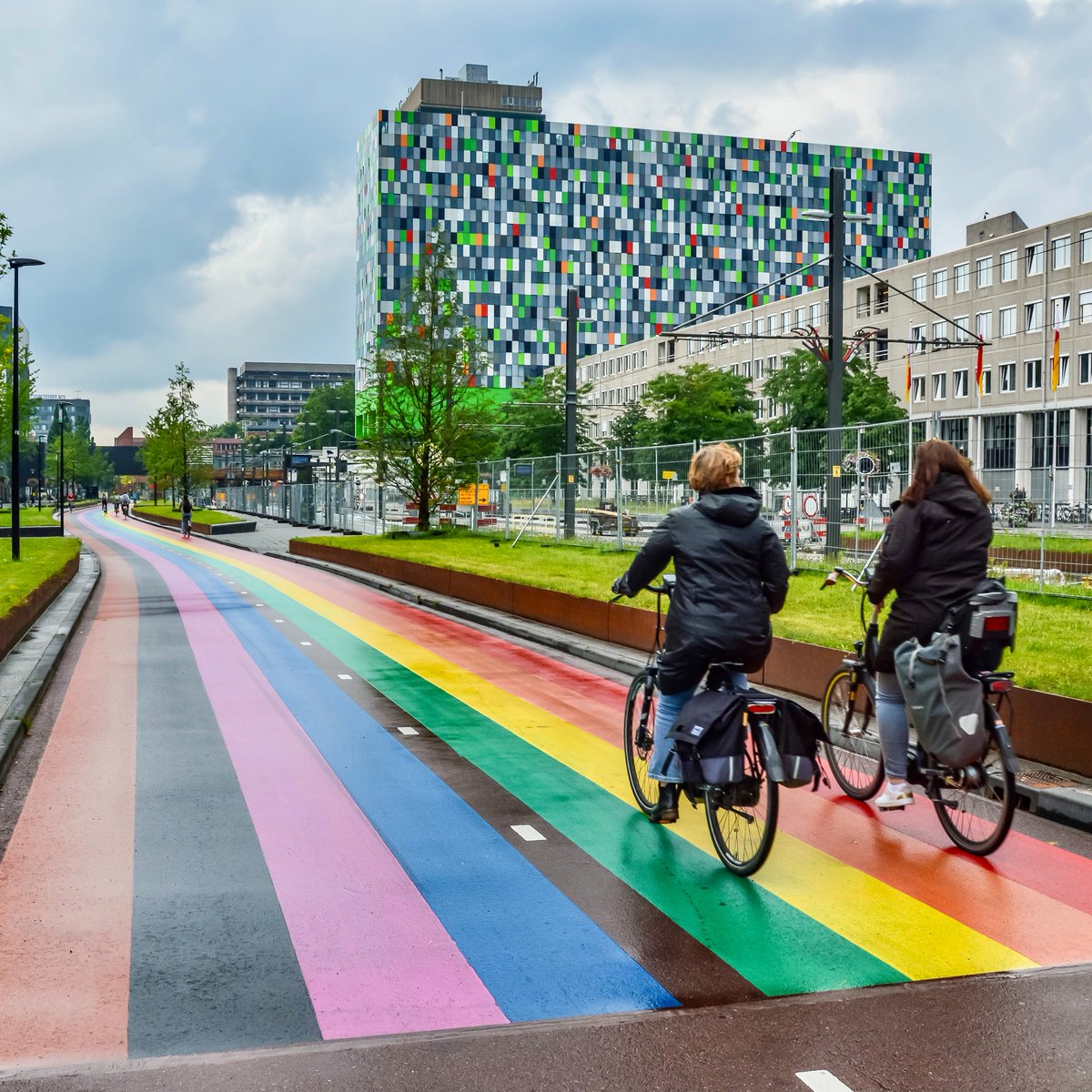
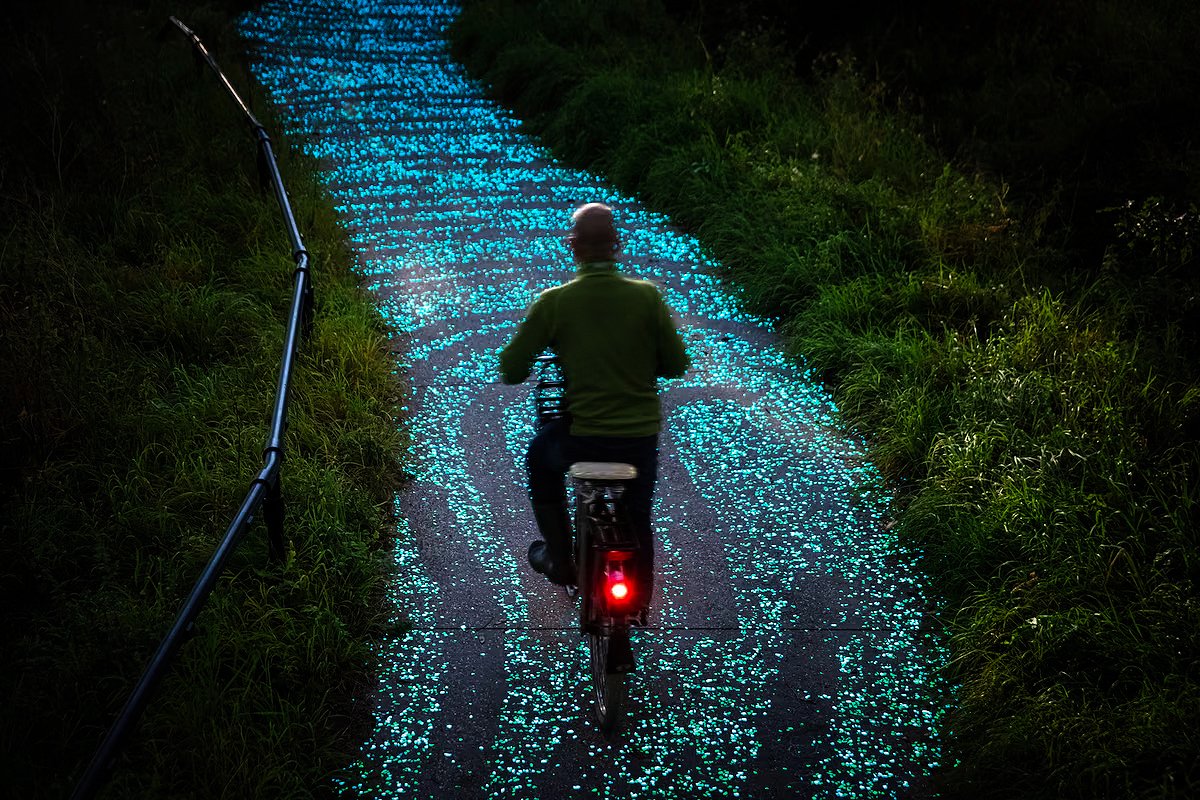
The Netherlands just put another $1.2 billion into its cycling infrastructure.
They aren't being generous, they're actually being cheap. National infrastructure projects of any size are legally required to undergo a cost-benefit analysis before they get built.
They ran the numbers on cycling and every dollar invested came back as roughly $8.90 in benefits: lives saved, healthcare costs avoided, quieter streets, cleaner air, less congestion. 6,500 fewer premature deaths a year, six more months of average life expectancy across the entire country.
A few years ago they were skeptical of a $17 million cycling bridge across the Maas River. They ran the analysis. The bridge was predicted to save $132 million over its lifetime, so they built it.
Most conversations about cycling infrastructure start with "how do we pay for it?" The Dutch conversation starts at "what's the cost-benefit ratio." That's the key difference.
The Netherlands isn't just subsidizing bicycles, it's refusing to waste money on the alternative.

24
267
920
39,788
Gerry Mac Diarmada retweeted

May 19
I want to congratulate John Swinney on being elected First Minister of Scotland today.
For the first time ever, there are now three nationalist, pro-independence First Ministers in office in the North of Ireland, Scotland, and Wales.
I look forward to working together with John Swinney and Rhun ap Iorwerth in the time ahead, as we stand up for the best interests of our people and for their right to self-determination.

ALT I want to congratulate John Swinney on being elected First Minister of Scotland today. For the first time ever, there are now three nationalist, pro-independence First Ministers in office in the North of Ireland, Scotland, and Wales. I look forward to working together with John Swinney and Rhun ap Iorwerth in the time ahead, as we stand up for the best interests of our people and for their right to self-determination.
289
546
2,293
95,628
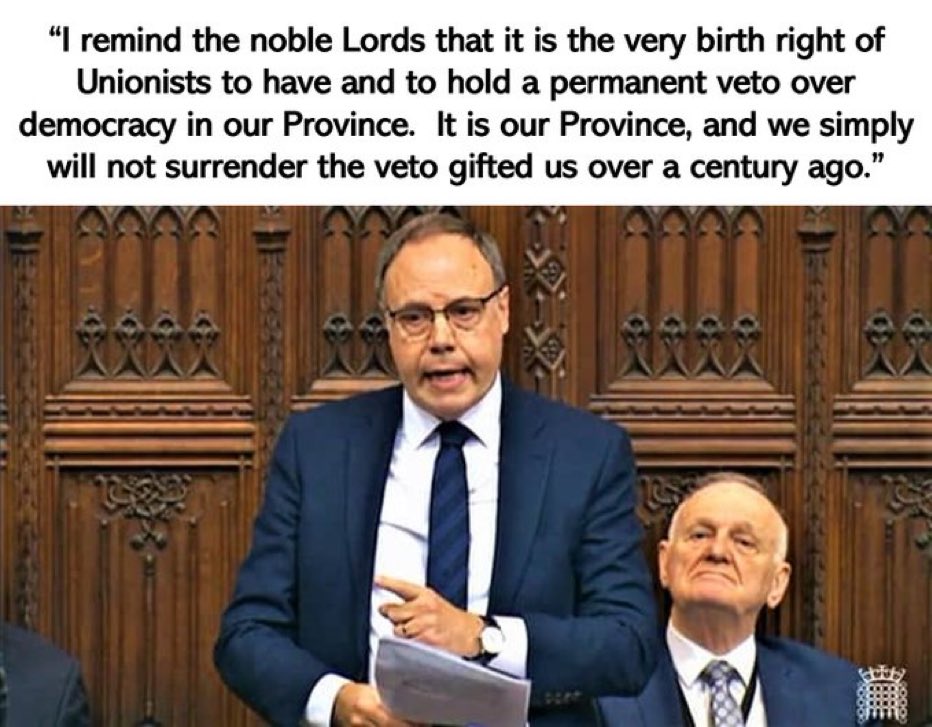
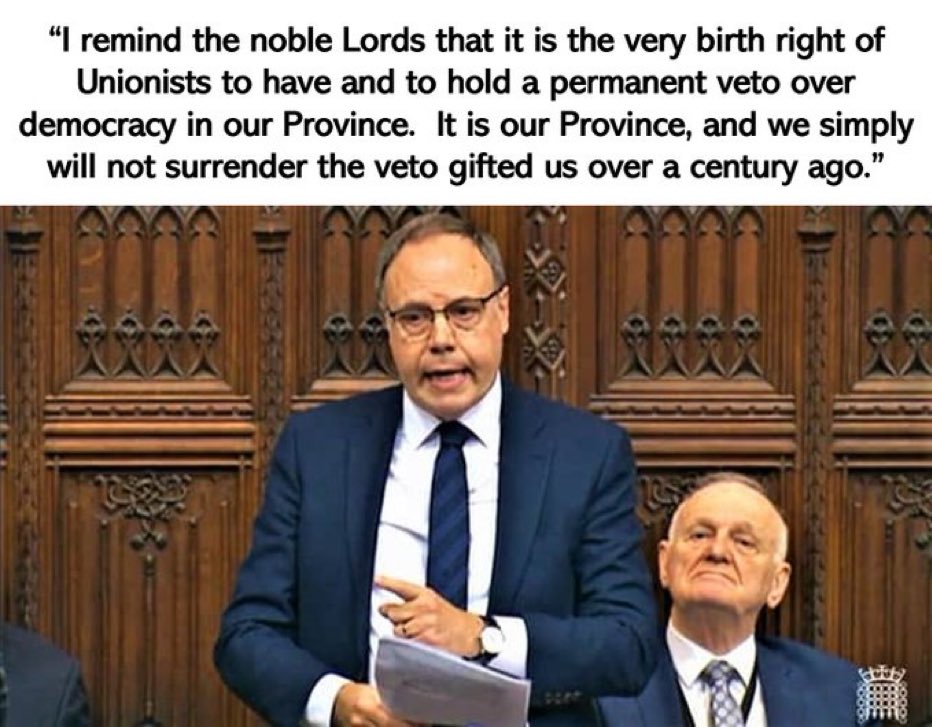
Nigel Dodds actually believes his own BS.
May 15

Delighted to have come fifth in the Lords ballot for Private Members Bills with a Bill to replace the Windsor Framework with sensible mutual enforcement arrangements.
Looking forward to introducing it in early June and to highlighting the need for postive change
78
Gerry Mac Diarmada retweeted

May 14
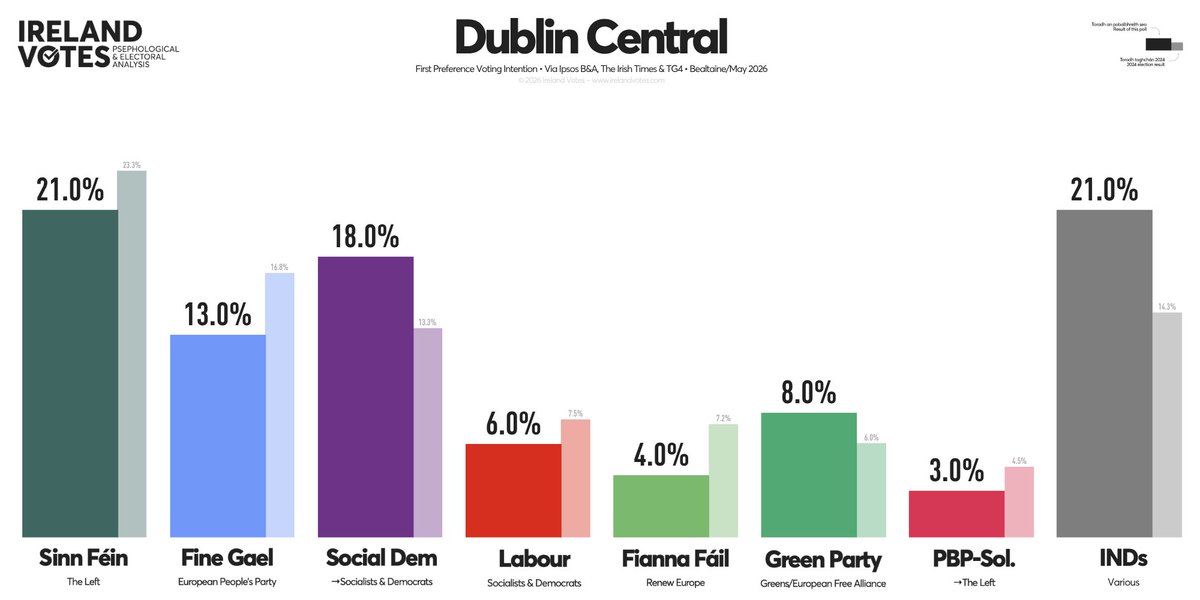
Poll/Pobalbhreith - Dublin Central:
Boylan (SF): 21%
Ennis (SD): 18%
Hutch (IND): 14%
McAdam (FG): 13%
Horner (GP): 8%
Steenson (IND): 7%
O'Dea (LAB): 7%
Stephens (FF): 4%
Ó Ceannabháin (PBPS): 3%
All others are on 1% or less.
Via @IrishTimes/@TG4/@IpsosBandA
D: Bealtaine/May 2025
#Ireland #Poll #DublinCentral #ByElection
57
83
310
142,981
Gerry Mac Diarmada retweeted

3
14
319
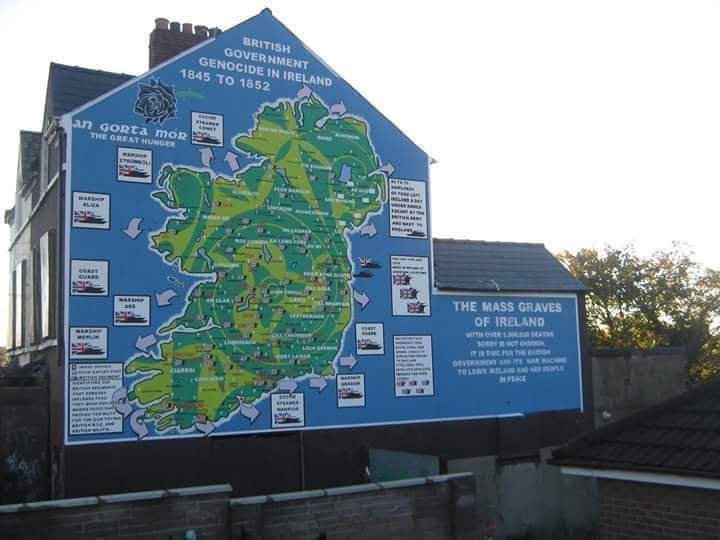
The 1840s British Genocide in Ireland, wont be Forgotten.The 200th anniversary is on the Horizon.

HOW THE BRITISH STARVED THE IRISH IN PLAIN SIGHT.
"The list of exports from Cork harbor, 'ON A SINGLE DAY' 14 Sept 1847 ran as follows, 147 barrels of pork, 986 casks of ham, 27 sacks of bacon, 528 boxes of eggs, 1,397 firkins of butter (1 firkin=25kg), etc, etc, etc, etc..............................."
2
96
Gerry Mac Diarmada retweeted

May 8
With marching season approaching
I don’t here any politicians sticking up for the Catholics in Scotland.
Every year the hate feast is allowed on the streets.
Can you imagine if the hate marches were against the Jewish community.
107
496
2,358
155,340


Place-Name funding summary.
Sinn Fein scrap funding, complain about it, restore it, then congratulate themselves . . . all while blaming unionists. 🫤
Sinn Fein waste more time manufacturing drama and outrage than anything else.
1
1
171
Gerry Mac Diarmada retweeted

May 3
🚨 JUST IN:
Portugal has officially recognized the State of Palestine.
Portugal announced that Netanyahu will be arrested if he enters the country.
Hatred of Zionism is engulfing the whole world.

257
6,916
28,161
222,485
Gerry Mac Diarmada retweeted

"And according to official documents that we found, the UDR was the largest single source of modern weapons flowing to the Loyalist Paramilitary groups, it was a recipe for disaster."
12
117
275
11,425