
The Universal Data Acceleration Network | Powered by RLNC
Joined June 2024
- Tweets 1,421
- Following 2
- Followers 53,347
- Likes 1,998
428 Photos and videos





Jun 12
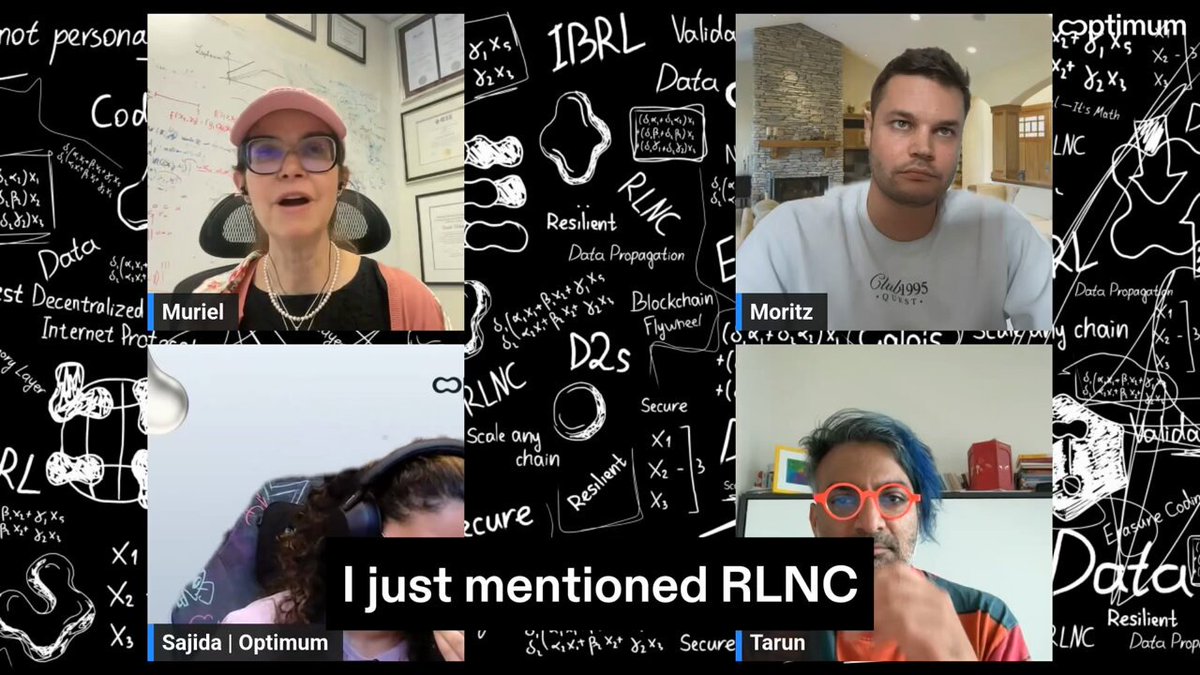
Research engineer @GrundeiMoritz on how RLNC is designed for fast data delivery.👇
28
25
154
3,604
Jun 12
Continue watching our discussion of latency economics on YouTube: youtube.com/watch?v=IcAzcJ1h…
4
1
40
1,014
Optimum retweeted

Jun 12
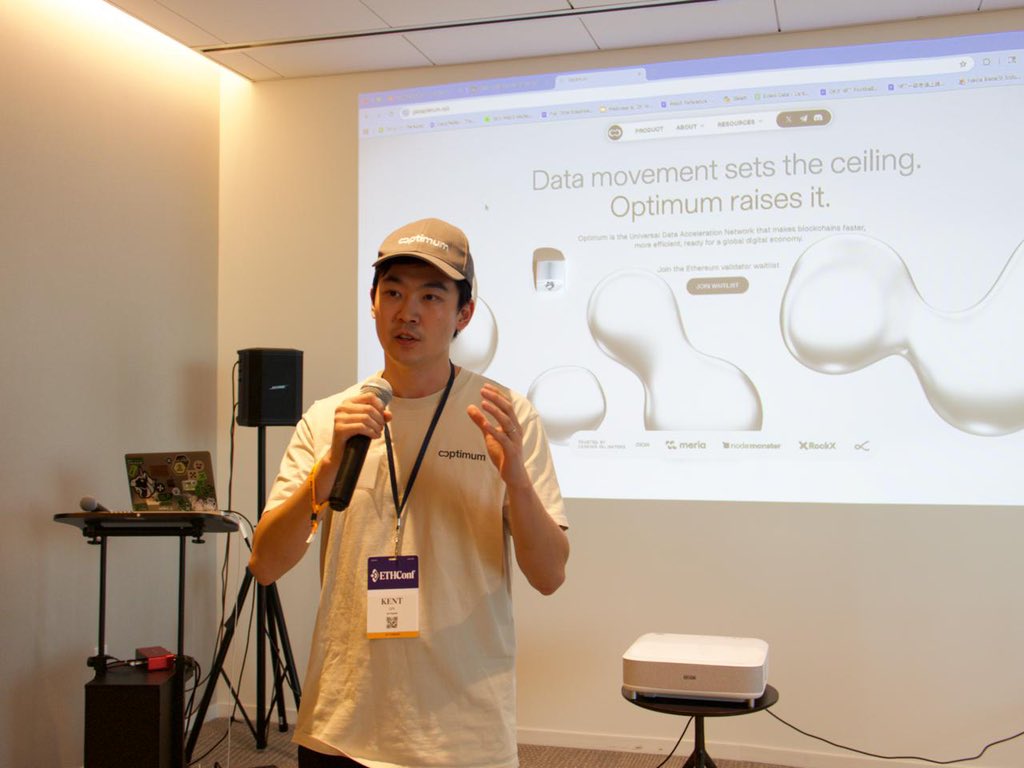
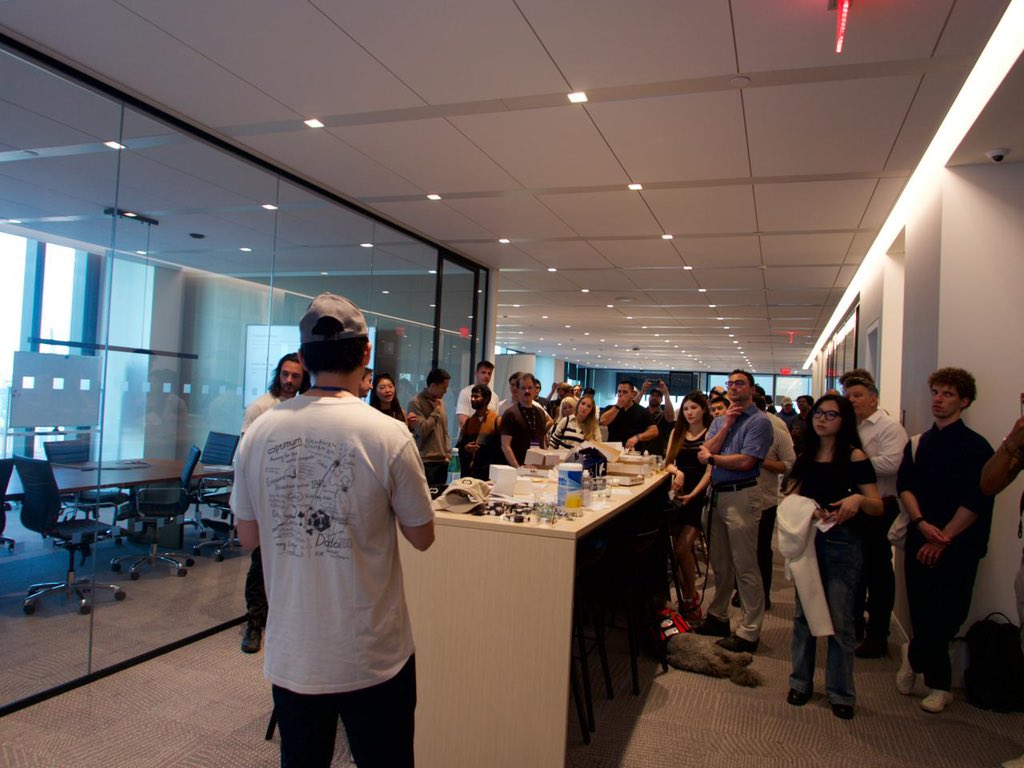
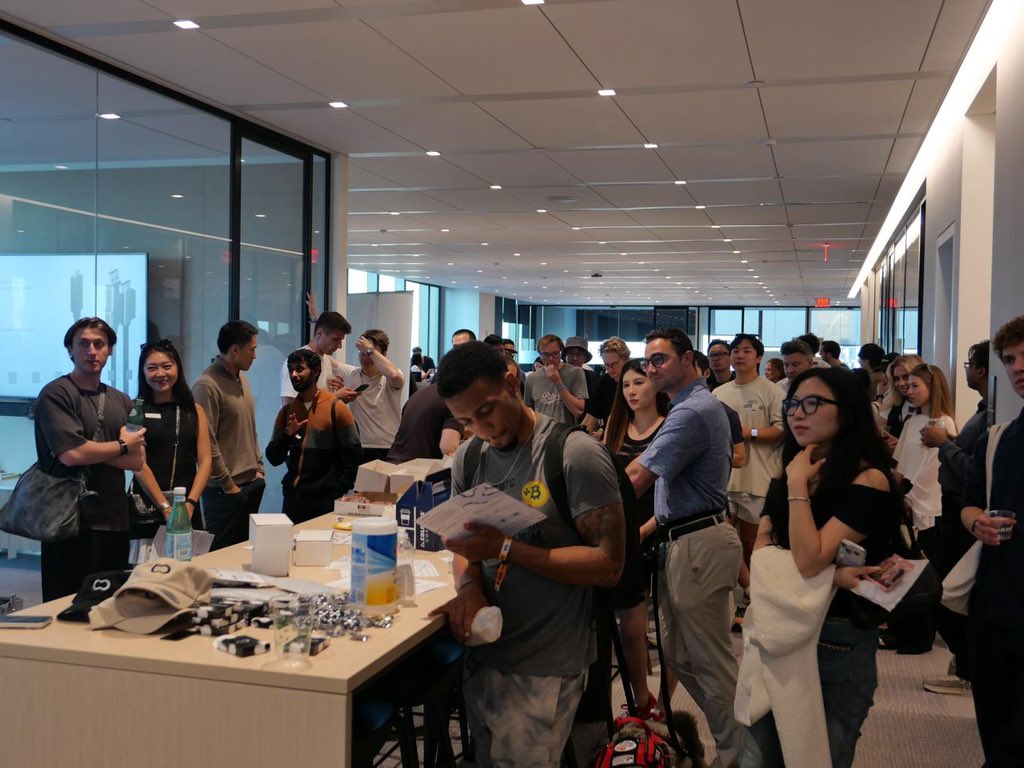
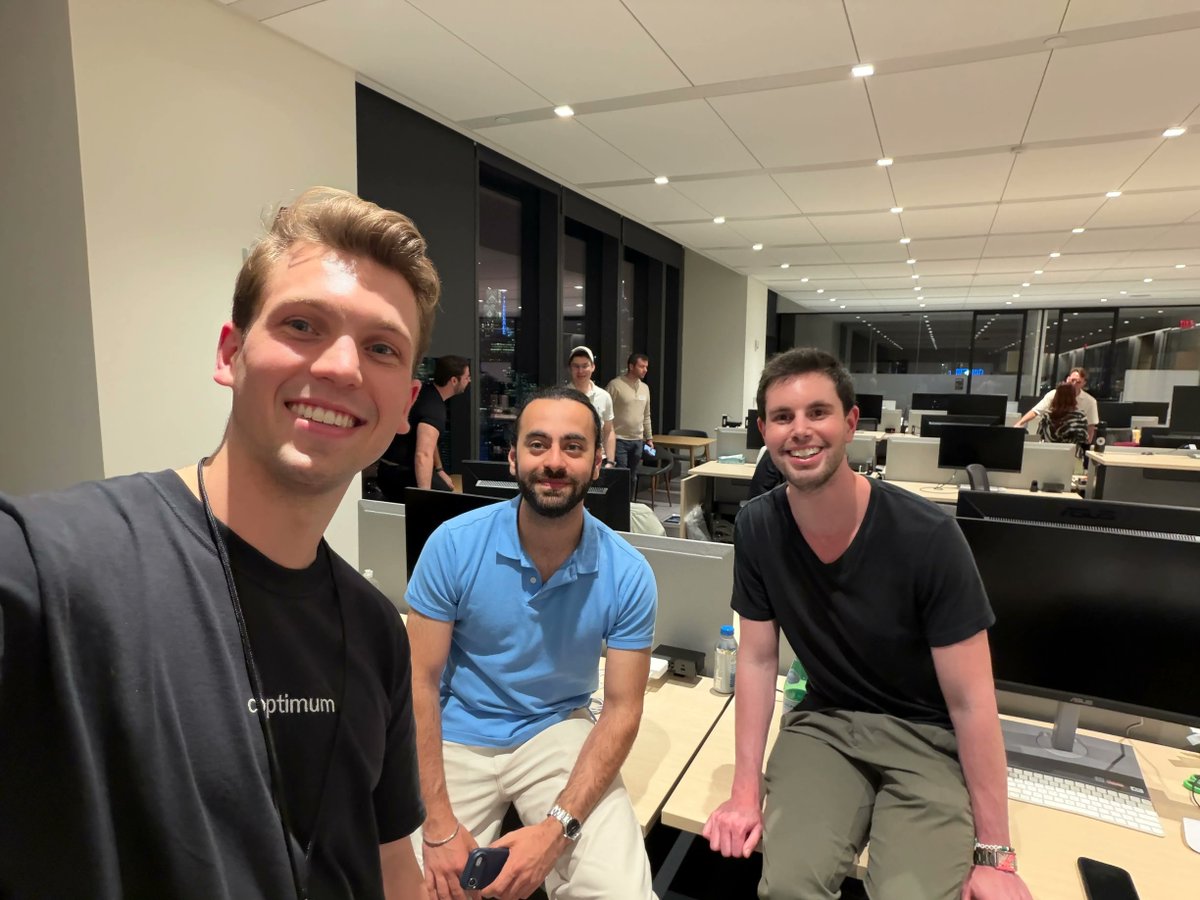
good session @okx ny for ethconf 🗽
we tuned the engine for 10 years. the road was the problem this whole time lol
that’s what optimum is. speed is money, go get it ♾
@okxchinese @wallet @Auros_global
Jun 10

Agentic trading by @okx & @Auros_global 🤝 data acceleration by @get_optimum.
The future of finance is looking bright.
15
6
82
1,760
Jun 12
55
50
203
6,999
Jun 10
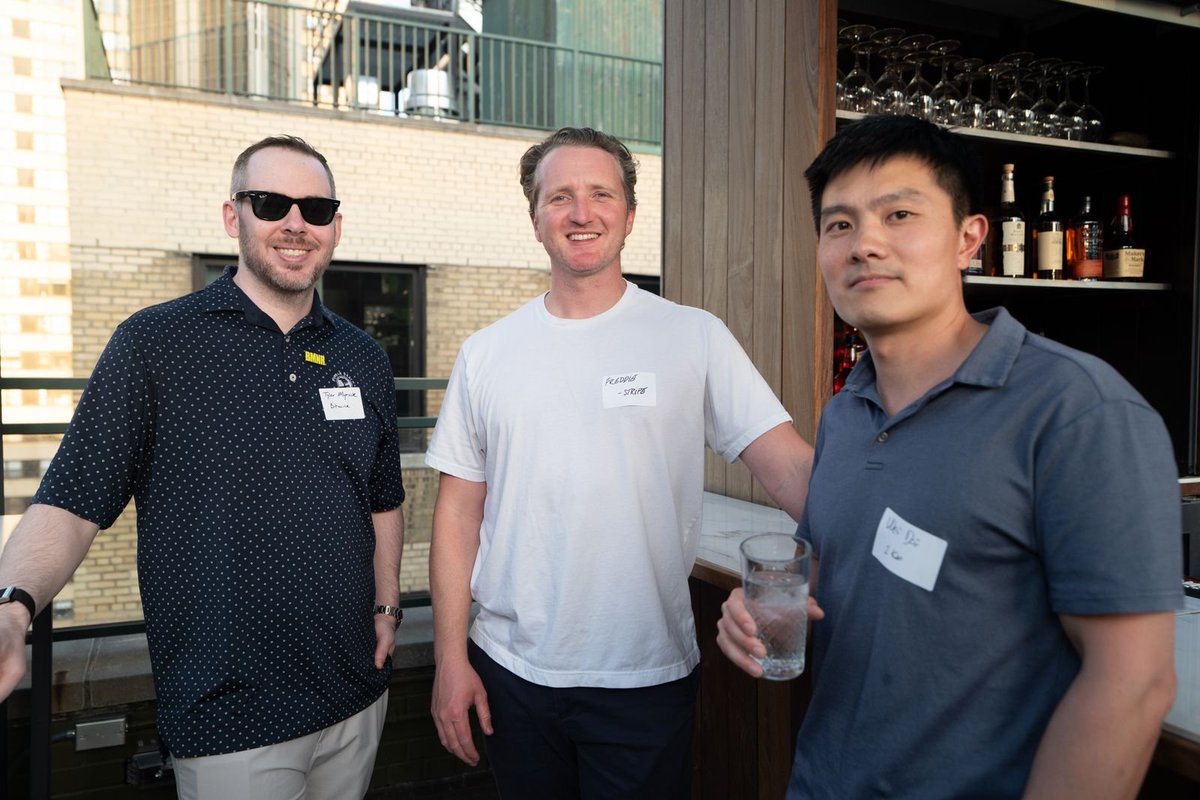
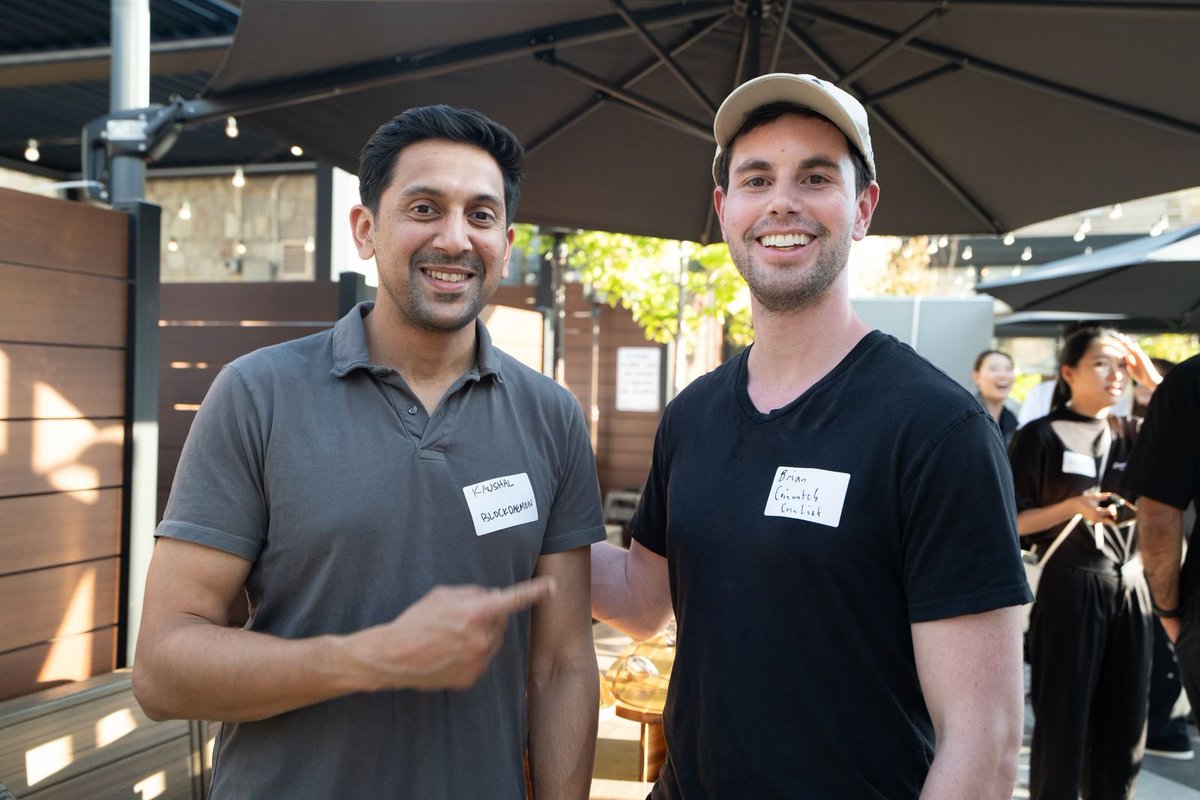
The new Wall Street is being built on Ethereum. Last week we brought together the institutional players who are making it happen.
This is Top of the Block with @BitMNR @1kxnetwork @Auros_global @BlockdaemonHQ.
51
41
213
8,736
Jun 10
Agentic trading by @okx & @Auros_global 🤝 data acceleration by @get_optimum.
The future of finance is looking bright.
51
43
243
24,576
Optimum retweeted
Jun 9
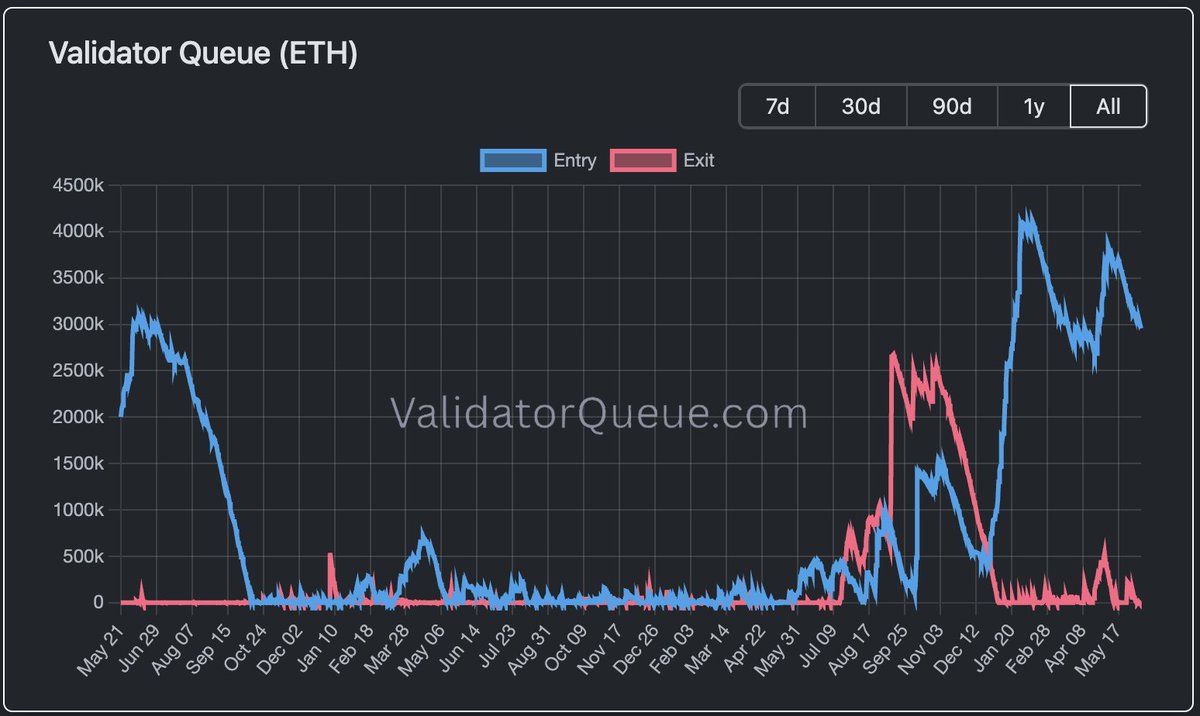
Hello, do you have a moment to talk about optimizing your staking yield?
30
11
125
2,550
Jun 9
Consistently fast data propagation is how we optimize Ethereum's block supply chain. @sajidazouarhi
37
18
168
6,151
Jun 9
Find more insights into Optimum's Latency marketplace on Youtube: youtube.com/watch?v=IcAzcJ1h…
4
47
1,723
Jun 9
3. What the RLNC fast lane does.
The end goal of data propagation is for any given node to decode the original data. When a node pays for access to the fast lane, RLNC data shards can be combined with shards from the base lane to decode faster.
The decoding speed also becomes much more consistent, so you know you're going to meet the deadline much more reliably.
2
43
975
Jun 9
5. How can we price fast lane usage?
The fast lane gives a node additional RLNC shards that are useful for decoding, so it makes the most sense to price on a per shard basis.
(Reward amount) x (increase to probability of decoding in time) / (number of RLNC shards) = price per shard.
1
36
897
Jun 9
In Conclusion.
The reliability of on time data delivery is what gives RLNC powered data propagation its value. The occasions where you would've missed out on a reward using the base lane, but instead capture it on account of using Optimum's fast lane can give us a ceiling on what users are willing to pay.
From this maximum willingness to pay we can determine how much it makes sense to charge users for fast lane access.
32
827
Jun 9
1. When does latency determine economic outcomes?
When the usefulness of information depends on when it is received. This could be a deadline that has to be met like those in Ethereum's consensus process, or a competitive situation like a block building auction.
Receiving the requisite data in time to meet the deadline earns you a reward.
3
35
1,098
Jun 9
3. The base lane & the fast lane.
Every chain has its standard data propagation scheme; uncoded gossip, Reed-Solomon, Raptor codes. We treat these as the base lane.
RLNC powered data propagation constitutes the fast lane. It runs alongside the base lane the same way you might see a toll road that parallels a highway.
1
28
756
Jun 9
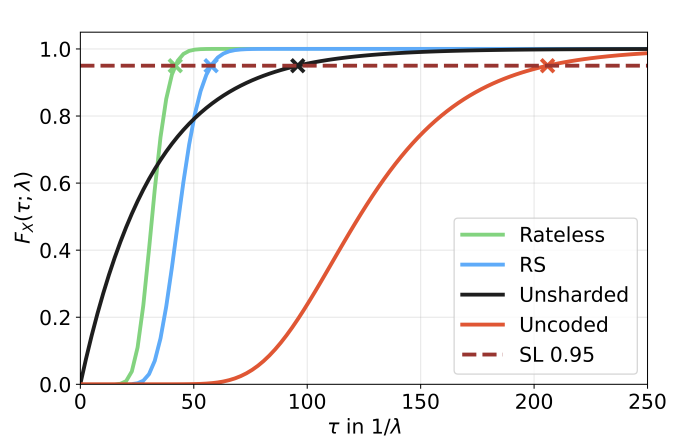
2. Picture time.
On the x-axis you have time. The deadline you need to meet.
On the y-axis you have probability of decoding.
So the curves tell you at what probability you can expect to meet a certain deadline under each method of data propagation. Here RLNC is denoted as "Rateless". It gives you the highest probability of fast decoding.
1
37
981
Jun 9
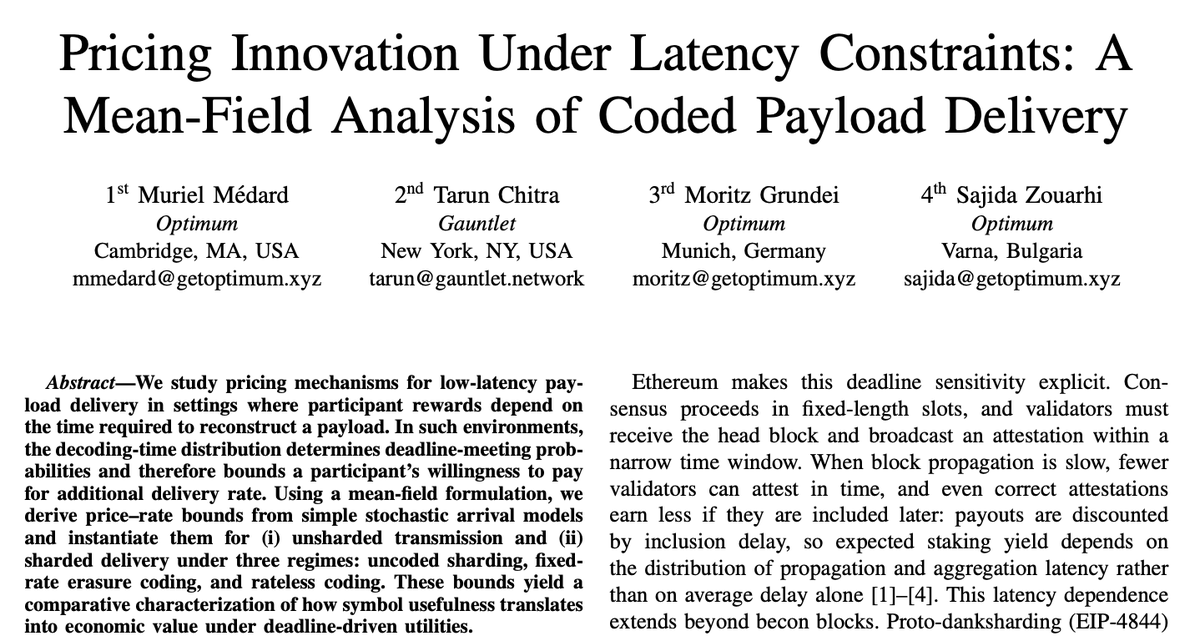
Speed is Money: What you need to know about Optimum's new latency pricing research 🧵
(Full paper can be found at arxiv.org/pdf/2603.20426)
39
41
222
13,979
Jun 8
For our friends in NYC
We’re co-hosting an exclusive happy hour with @okx and @Auros_global tomorrow night. Join us for an evening of drinks and discussion on the future of agentic trading. 🤖 🥂
Location: OKX headquarters
Time: 6-9pm EST
Luma page: luma.com/okxwallet-kxag
44
30
188
6,391
Jun 8
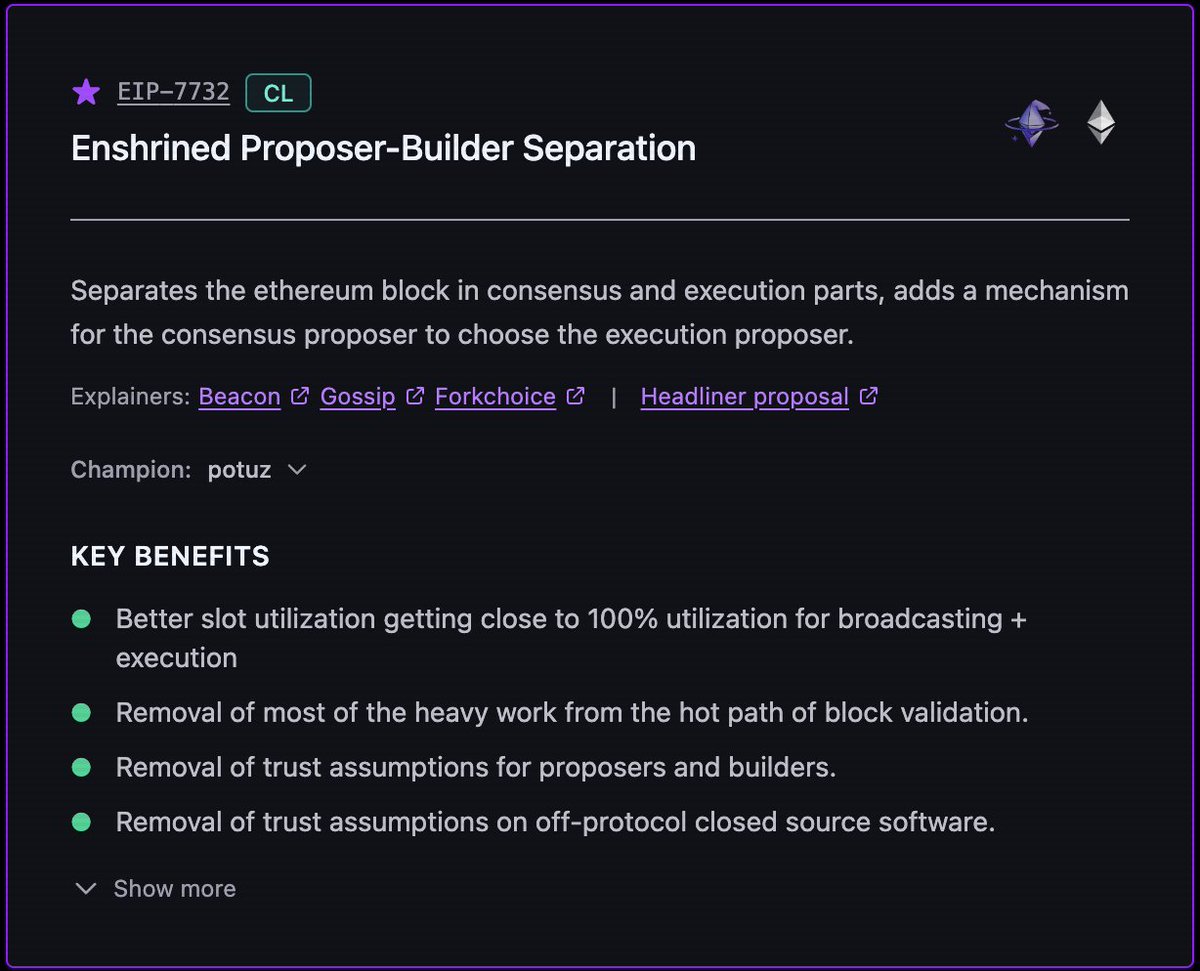
𝐞𝐏𝐁𝐒, 𝐬𝐥𝐨𝐭 𝐭𝐢𝐦𝐢𝐧𝐠𝐬, 𝐚𝐧𝐝 𝐬𝐜𝐚𝐥𝐢𝐧𝐠 𝐚𝐩𝐩𝐫𝐨𝐚𝐜𝐡𝐞𝐬
Ethereum is targeting Q3 for the next major upgrade, Glamsterdam. ePBS is the headliner, restructuring the deadlines within a slot to allow for larger blocks (higher gas limit & more blobs).
In the current slot structure a block has to be selected, proposed, propagated and attested to by the network in under 4 seconds. Increasing block size means more data has to reach nodes in the same short amount of time, and you run into bandwidth constraints.
ePBS buys more time for data propagation by separating blocks into the consensus block, execution payload, and blobs, and changing the deadlines for when those different parts of the block need to arrive.
Instead of the entire block needing to reach validators before the 4 second mark, they only need to receive the consensus block- a cryptographic commitment to a certain block & set of blobs. They make their attestation without receiving the execution payload, then have the remainder of the slot to receive that payload and verify it. Blob data is propagated separately giving nodes the full 12 seconds to receive it.
This scheme makes it easier to increase the gas and blob limits, which is good for some additional scaling. However, it's more of a sidestep than a true solution to the bandwidth bottleneck.
If you want to unlock serious throughput gains you need to improve how fast and efficiently data can move across the network. That's the key to increasing block size while ALSO shortening slot times.
Removing the bandwidth bottleneck means fundamentally upgrading the way data moves across Ethereum. Optimum's Random Linear Network Coding approach propagates Ethereum blocks with lower latency AND in a way that won't slow down as the size of blocks increase, OR as the network becomes larger and even more decentralized.
Scale the L1.
39
30
204
11,132
Jun 5
The TAM is the entire global financial system & the ticker is $ETH.
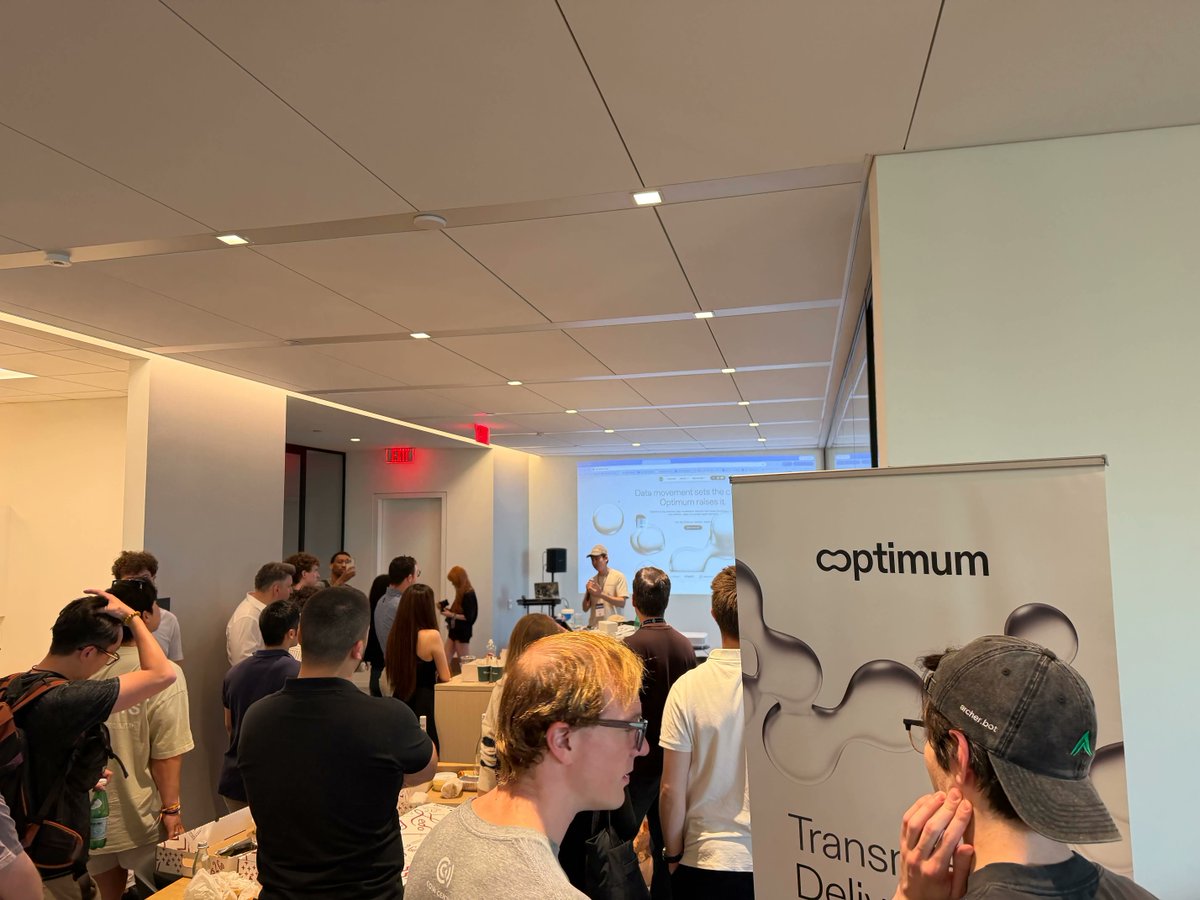
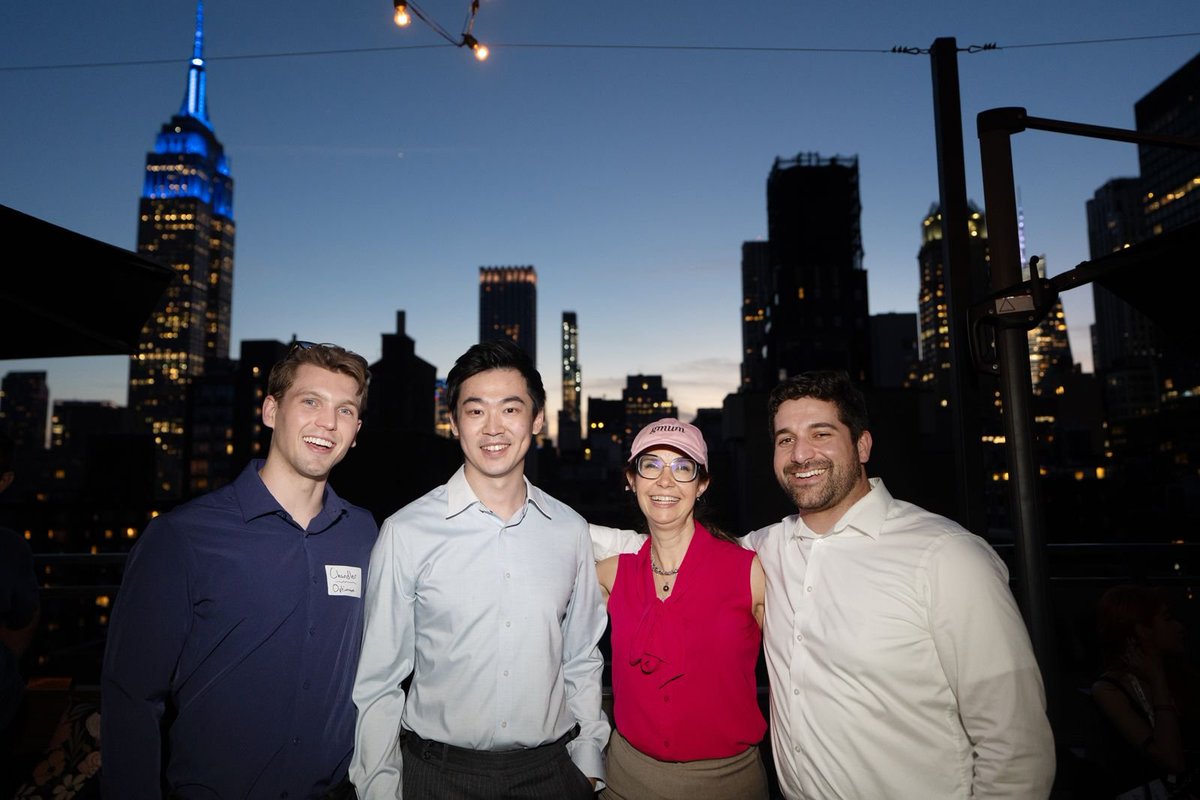
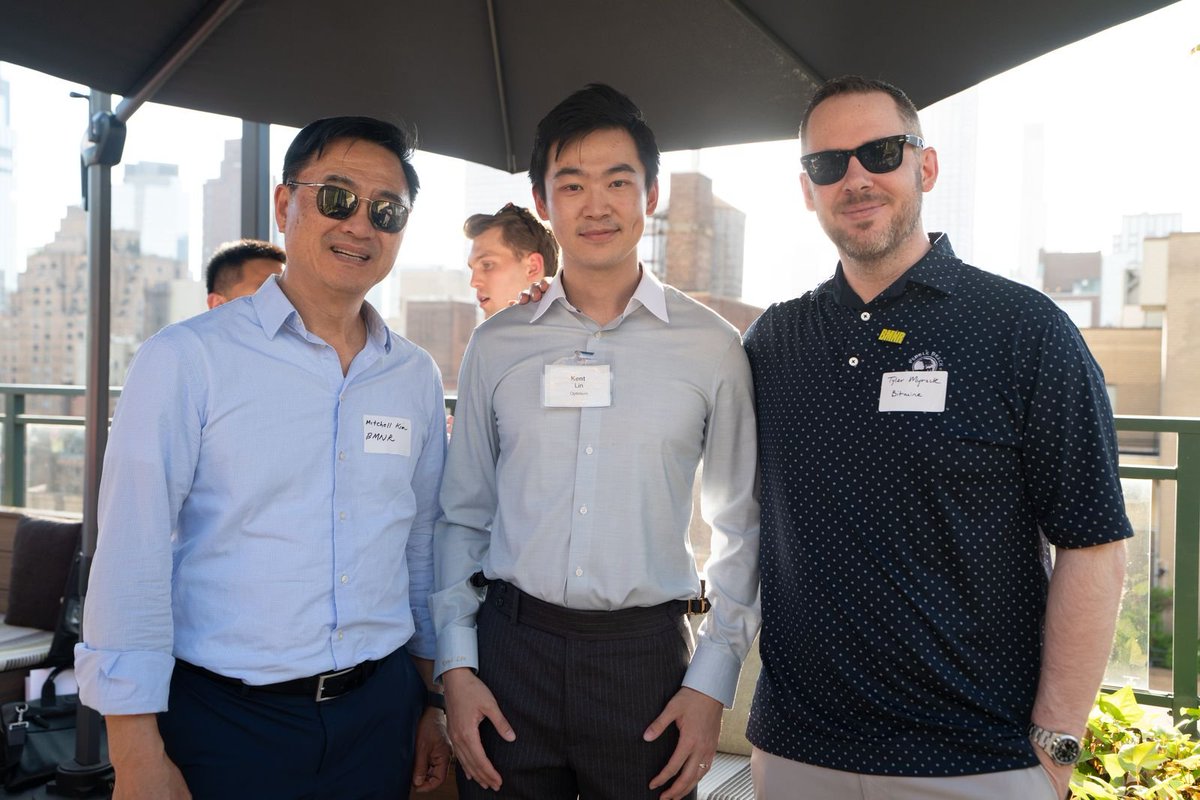
Cheers from the Optimum team, @BitMNR, @1kxnetwork, @BlockdaemonHQ and @Auros_global here at last night's Top of the Block event we hosted in NYC. 🥂
Catch us next week at @ethconf!
53
36
239
10,958
Jun 5
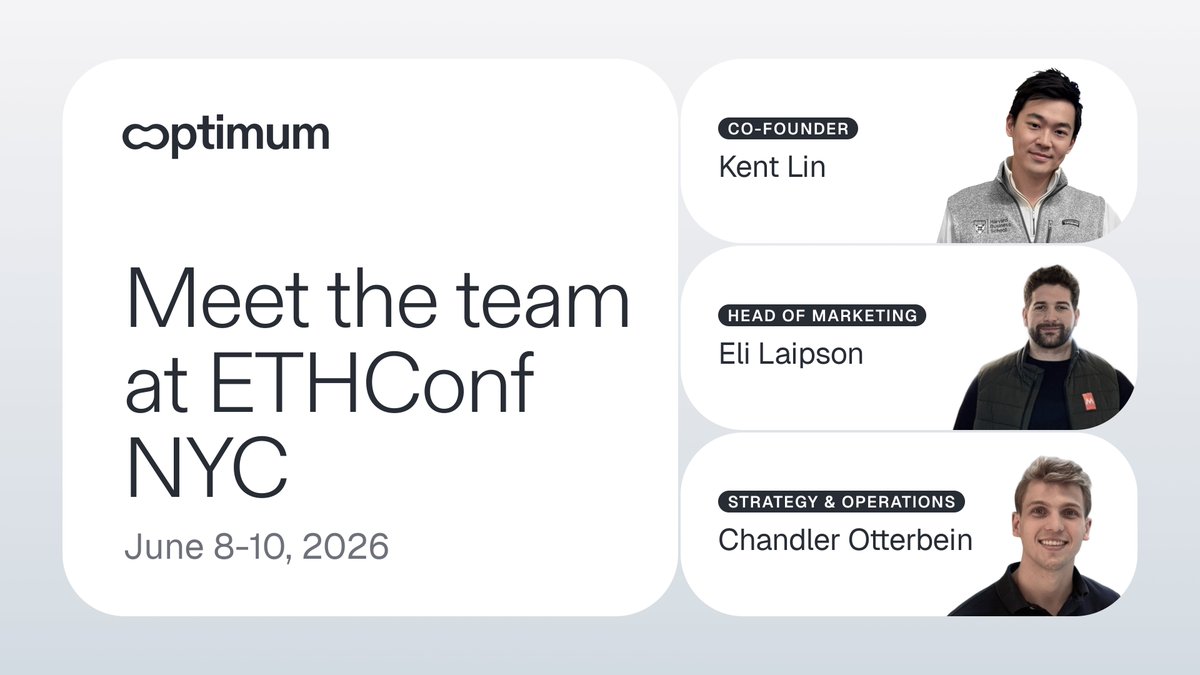
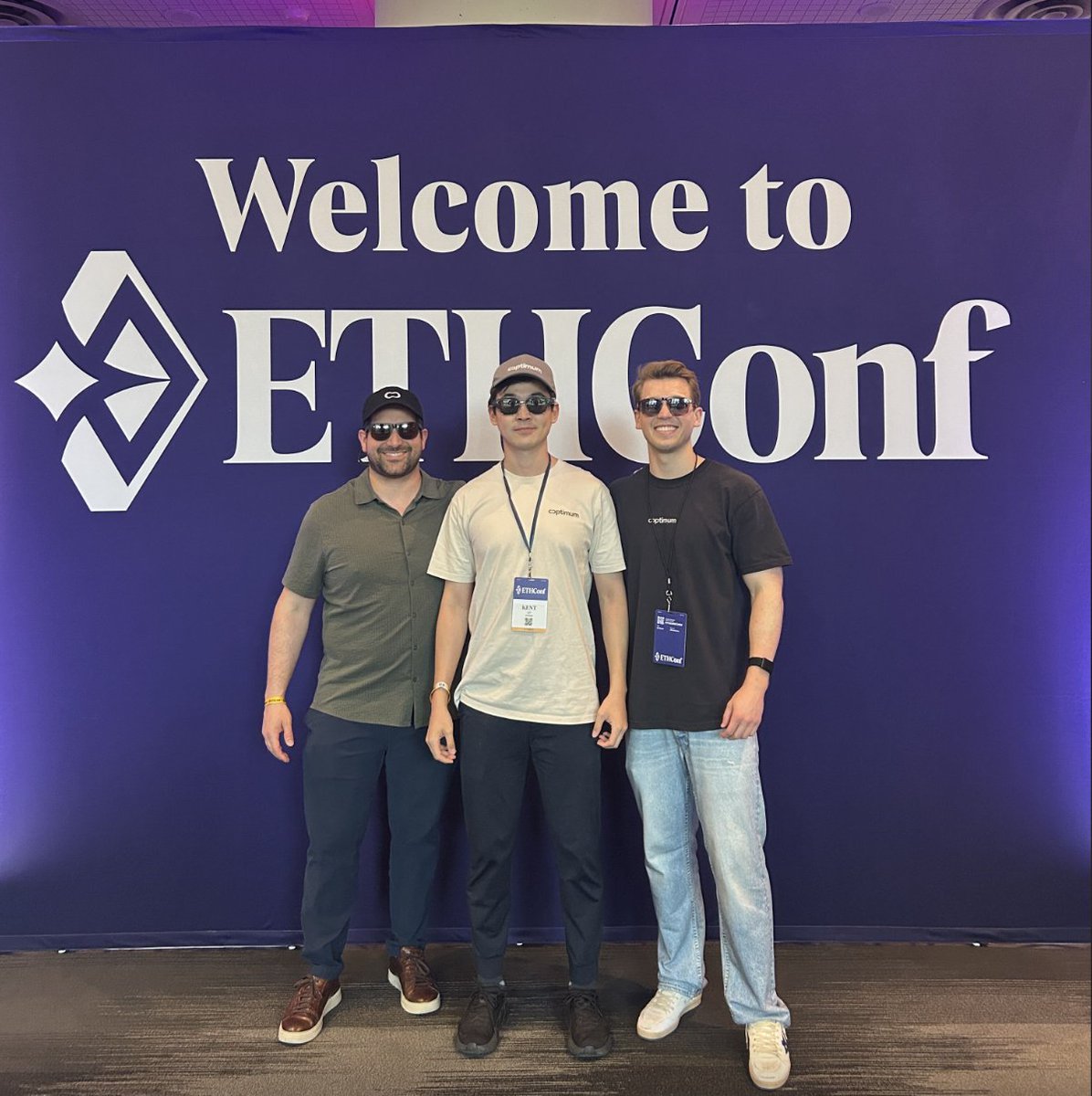
Representing Optimum at ETHConf next week we have @kentlinyy, @EliLaipson, and @ChandlerOtterbe. Reach out if you're in town and interested in meeting with them. 📲
9
14
113
4,407