
Joined August 2024
- Tweets 11
- Following 57
- Followers 3
- Likes 4
3 Photos and videos

getwater.tech retweeted

1 Jul 2025
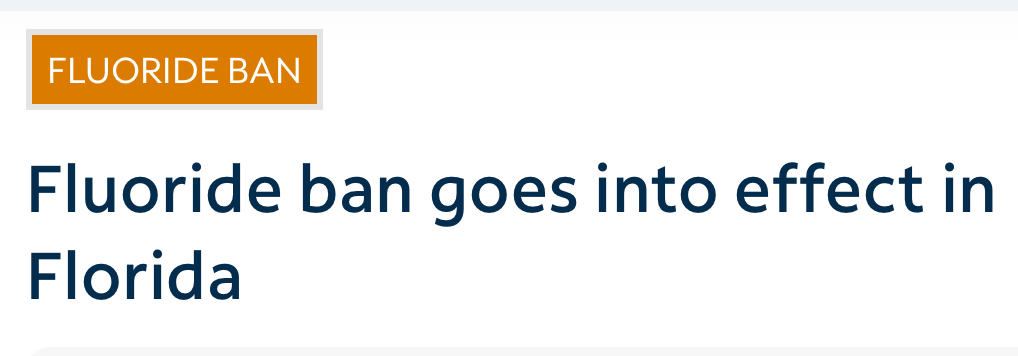
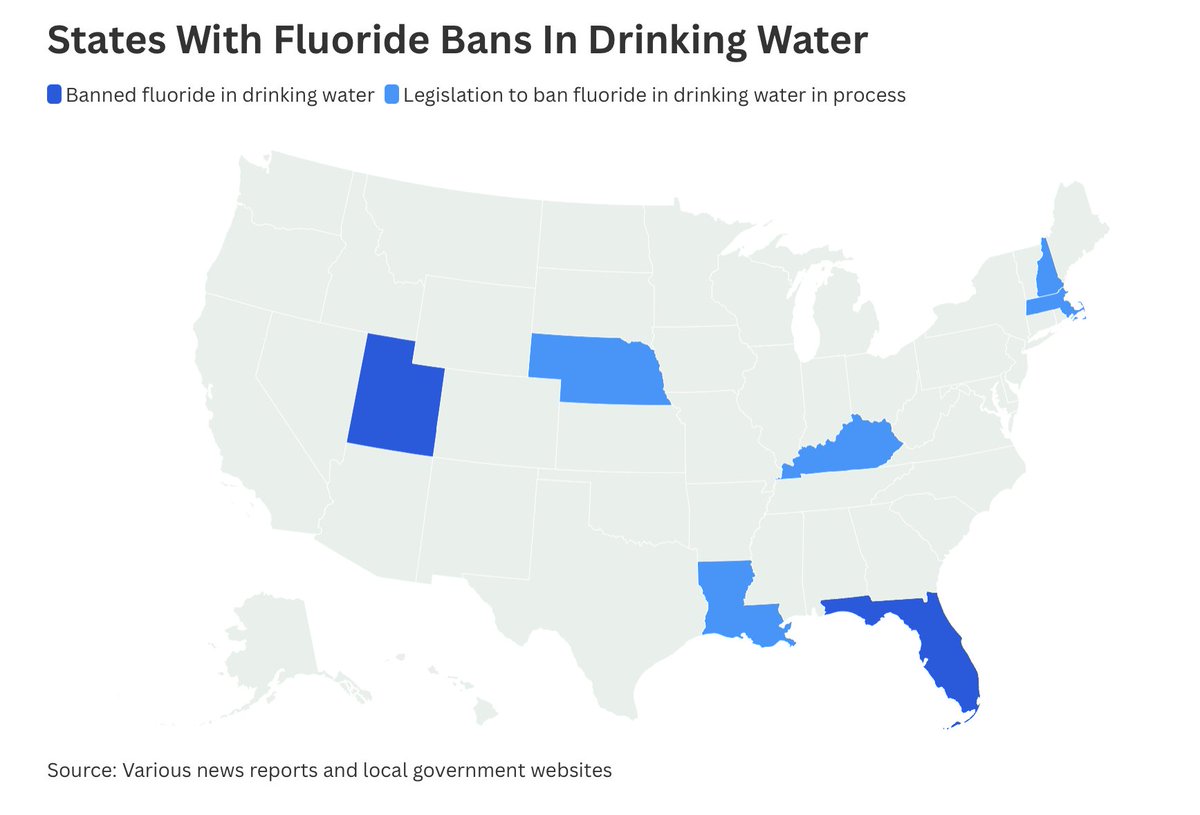
Congrats to the state of Florida, which is fluoridation-free as of today!
16
69
276
18,074

29 Jun 2025
The Mini RO 💧 is a portable reverse osmosis water system for clean water wherever your adventures take you. 🏄♂️
22
getwater.tech retweeted
27 Jun 2025
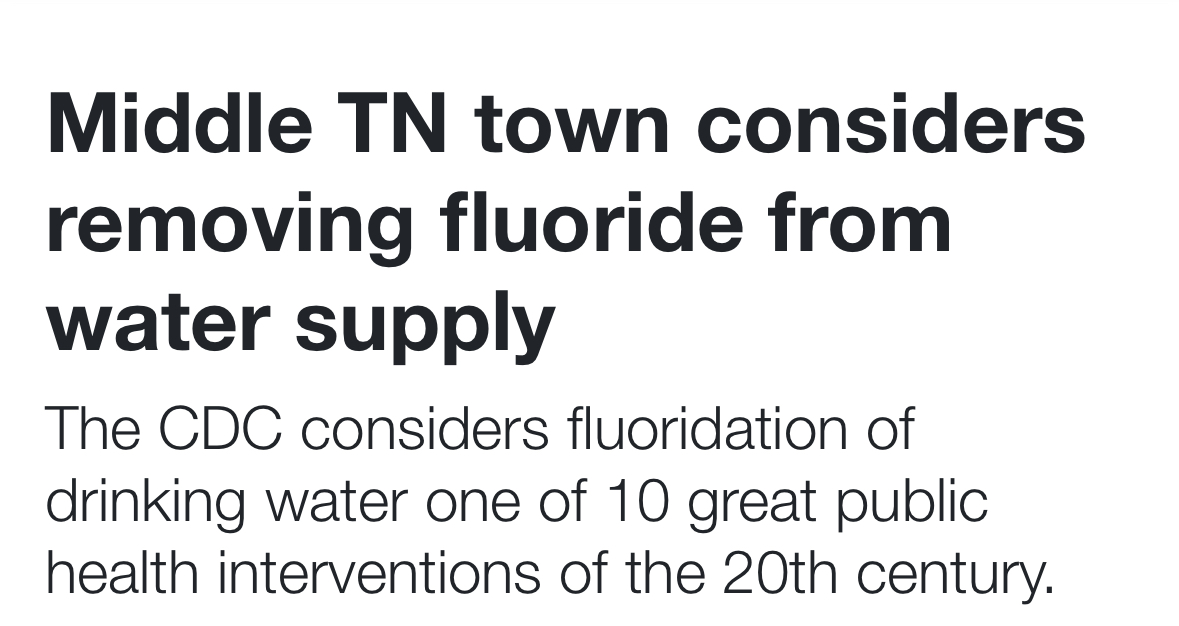
TENNESSEE - "Fluoride in our water supply is a growing issue around the country. It’s reached here to Middle Tennessee where officials in Sparta are considering having it removed.
Mayor Jerry Lowery tells WSMV4 he came to the decision after conducting months of research and talking with residents.
“You’re getting it in so many different ways that I don’t think we need to continue to put it in, because we have so many people that are not wanting it,” Lowery explained.
Prior to any decisions, Mayor Lowery organized a town hall meeting Thursday night.
“I think it needs to be out, but I’m one vote, and I want to put both sides of the coin out there, let everyone decide, let the people decide what they want,” Lowery said.
Based on feedback from Thursday’s town hall, the city could hold a vote in August to decide whether to remove fluoride from its water."
2
19
62
1,441
getwater.tech retweeted

26 Jun 2025
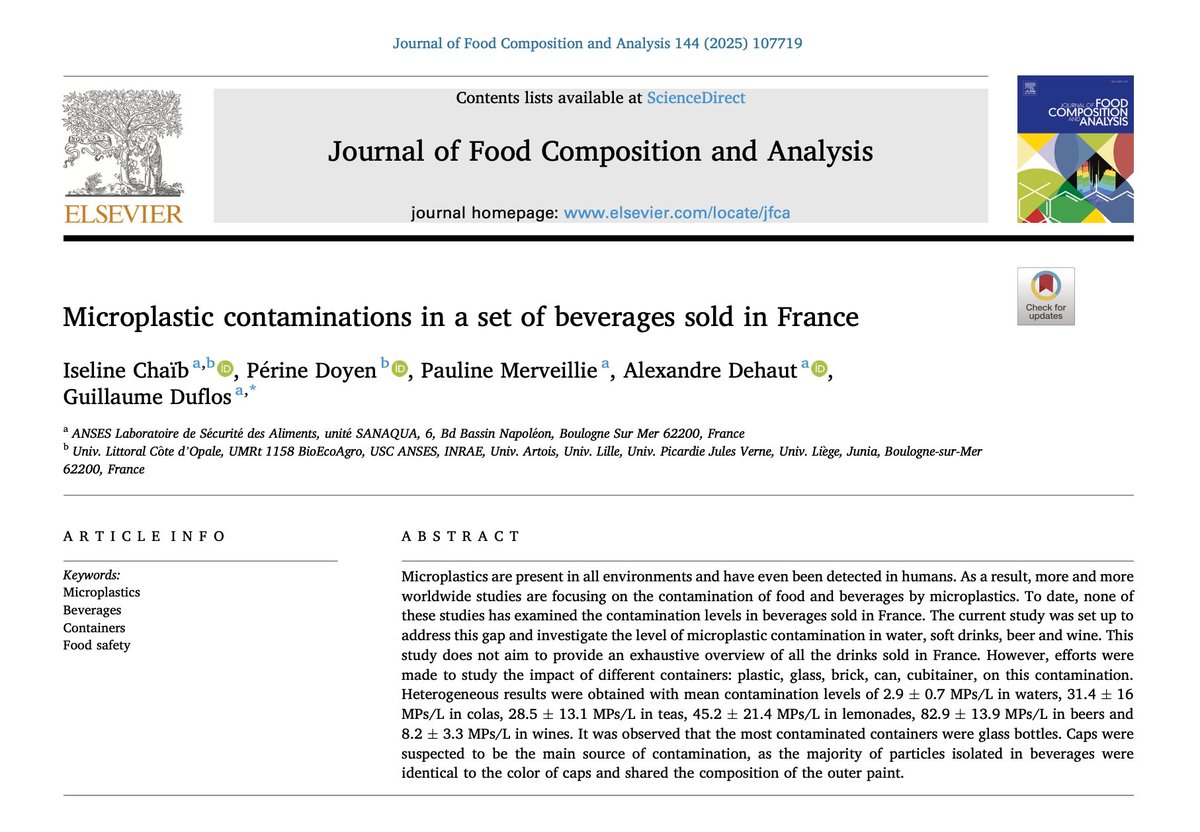
Water from glass bottles might contain up to 3x more microplastics than plastic bottles.
A recent study tested common beverages in France and consistently found glass bottles had the highest microplastic contamination, significantly exceeding plastic bottles and cans.
Beer topped the list, with small glass bottles averaging 134 microplastics per liter (MPs/L). Lemonades (112 MPs/L), colas (103 MPs/L), and cold teas (86 MPs/L) followed (all in glass), with far fewer MPs (1.5–2.4 MPs/L) in plastic bottles or cans.
Even plain bottled water wasn’t exempt. Glass bottles averaged 4.5 MPs/L. That's 181% higher than plastic bottles, which averaged 1.6 MPs/L.
Most surprising of all? The contamination wasn't from the glass itself. Rather, it came from the bottle caps. Researchers discovered that flakes of polyester-based paint on metal caps shed into the beverages. Uncleaned caps drove contamination levels as high as 287 MPs/L, while cleaning caps greatly reduced microplastic contamination by up to 70%.
It really seems that, as a consumer, there is no easy way out. So what can you do?
Filtered water from a reusable, BPA-free bottle remains your best choice to limit exposure. And recognize potential trade-offs. While glass may contain more microplastic particles, plastic bottles (especially when exposed to heat) generally test higher for PFAS and endocrine-disrupting chemicals like BPA and BPS.
140
171
1,202
238,175
getwater.tech retweeted

12 Jun 2025
Do you live near a golf course??
59
333
1,852
146,099
getwater.tech retweeted
4 Jun 2025
Q: If fluoridation was stopped, is topical fluoride enough?
“The answer is yes.”
CNN’s @drsanjaygupta has covered the the issue of water fluoridation fairly and with neutrality. The same cannot be said for the vast majority of Pharma-funded mainstream media.
4
18
53
1,752
13 May 2025
Do you know whether you should be filtering your water? Visit getwater.tech to learn more.
6
getwater.tech retweeted
8 May 2025
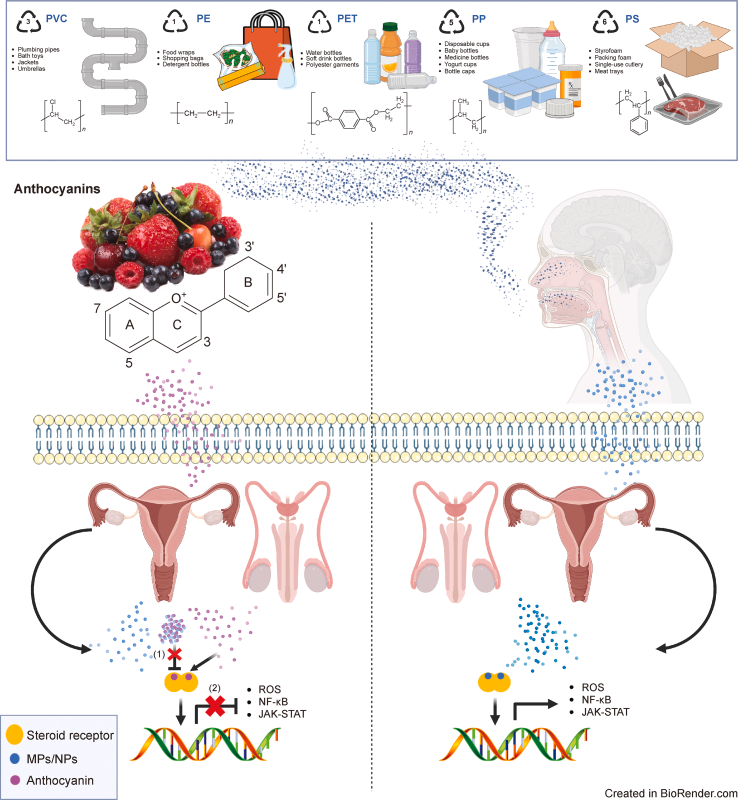
Microplastics are silently invading our cells—but colorful compounds in berries and vegetables might help neutralize their impact.
Emerging evidence indicates that anthocyanins—the vibrant pigments responsible for the rich hues of blueberries and purple cabbage—can bind to the same hormone receptors targeted by these endocrine-disrupting chemicals released from microplastics.
With their robust antioxidant and anti-inflammatory properties, anthocyanins may reduce oxidative stress and inflammation triggered by microplastic-associated contaminants.
This potential intervention is timely. Recent studies underscore the alarming scope of microplastic contamination.
In 2018 alone, an estimated 14% of cardiovascular-related deaths globally were linked to plastic exposure. New findings confirm the presence of microplastics in human ovaries, raising serious concerns about reproductive toxicity and declining fertility rates.
The chemicals released by microplastics act as xenoestrogens—endocrine disruptors capable of profoundly altering hormonal balance and reproductive health
While the implications of microplastic exposure are troubling, anthocyanin-rich foods offer a practical, science-backed strategy to bolster our defenses against this widespread environmental hazard.
Image is from this source - DOI: 10.1016/j.jpha.2024.101148
32
173
1,137
115,819
getwater.tech retweeted
7 May 2025
Who's next?
29
64
244
4,890
getwater.tech retweeted

2 May 2025
Today, NSF announced the termination of additional awards not aligned with agency priorities. This decision reflects our alignment with current priorities and our commitment to continuing to advance science and engineering R&D in the United States. bit.ly/42LQ2aN
20
23
66
35,170
23 Apr 2025
Invest in your health. Check if your water supply has reported contaminants at getwater.tech
18