
Greek art and culture through the ages. 🏛️ Your gateway to Ancient Rome & archaeology tours 👉colosseumrometickets.com
Joined November 2015
- Tweets 10,663
- Following 38,176
- Followers 215,771
- Likes 10,037
6,641 Photos and videos
Ghost of Hellas retweeted

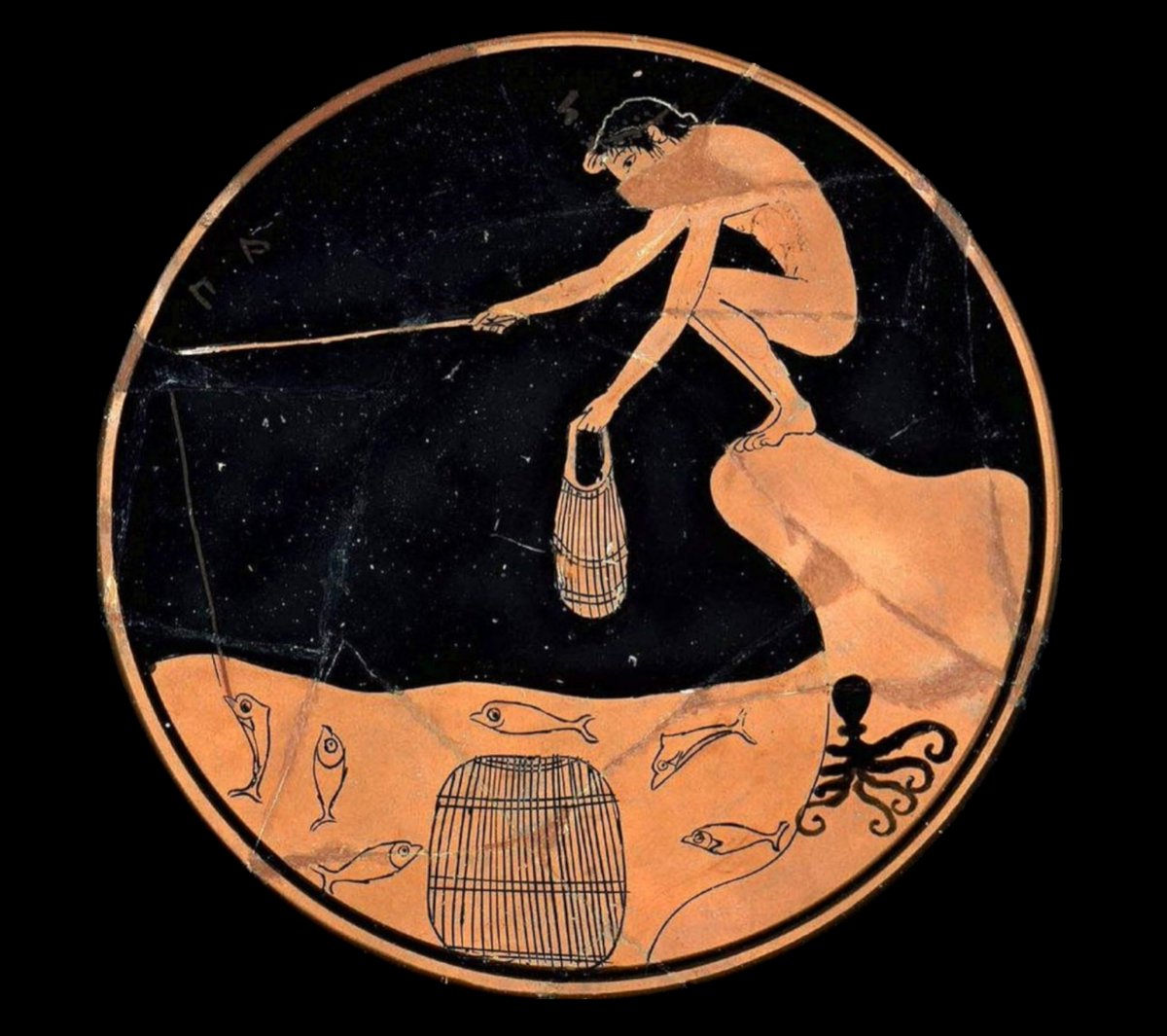
Detail of a Late Archaic kylix (drinking cup), about 510-500 BC. Period: Archaic Greek: 'An octopus hiding from a fisherman.'
According to Aristotle, an octopus would gather crustaceans, eat their meat, and throw the shells and small fish remains outside its den. For a fisherman, these scraps were telltale signs that gave away the creature's underwater hiding spot. That's why hunting an octopus was different from catching a fish swimming out in the open. It wasn't enough to just spot the prey. You had to know exactly which crevice along the rocky shore was occupied, which hole had shells piling up in front of it, and exactly where to wait.
Also, there isn't just a single catch in the scene. The fish on the line is one catch, and the octopus is another.
The kylix was used in Ancient Greek symposia. A symposium was a gathering where men reclined to drink wine, talk, and have fun. The tondo inside the kylix - its circular central area - would slowly appear as the wine was drunk. The scene would fully emerge as the drinker emptied the cup. There isn't a grand mythological event here. No heroes, battles, gods, or ceremonies. Instead, the painter chose an everyday task: a young figure fishing / hunting for an octopus.
5
88
438
36,156
Ghost of Hellas retweeted
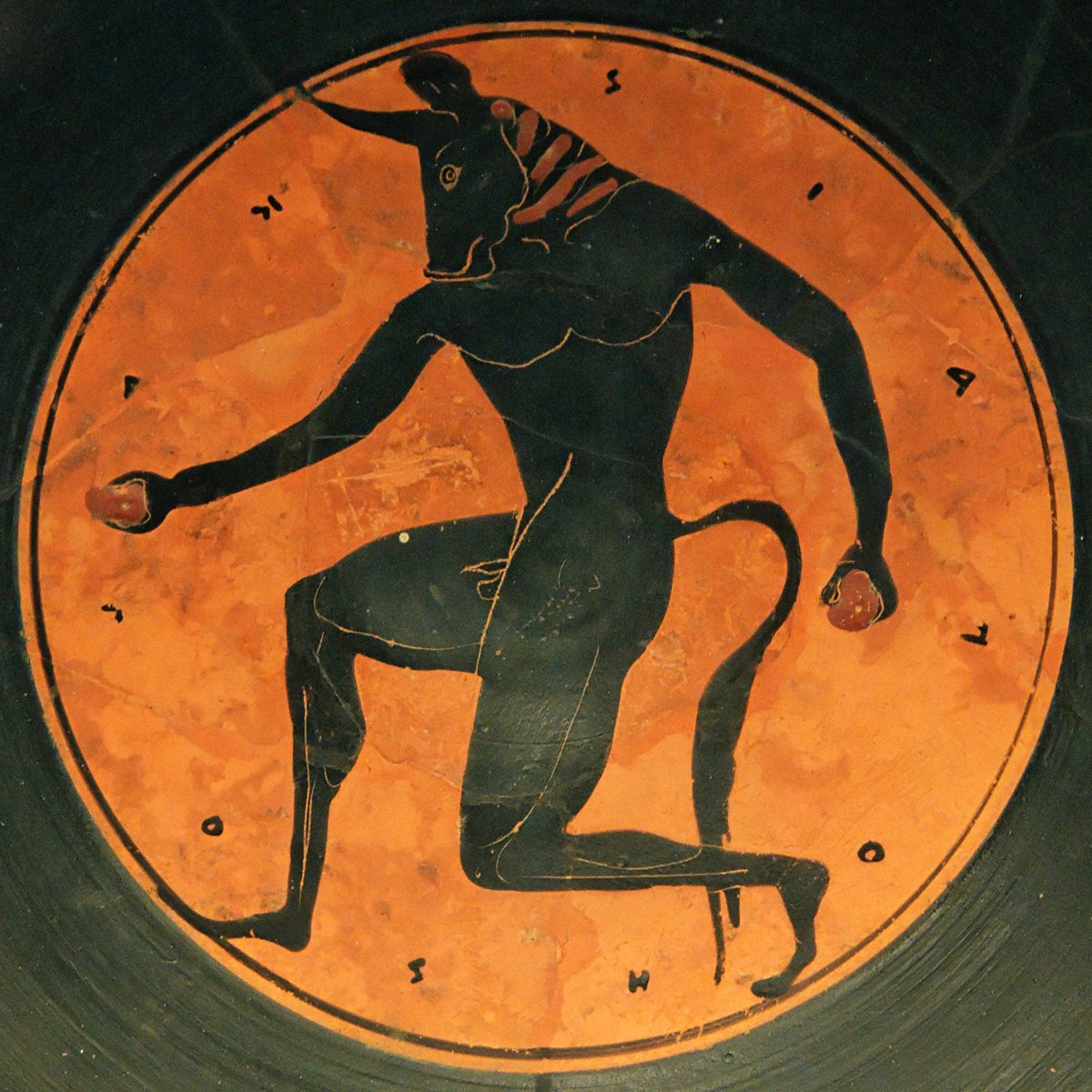
This Minotaur was at the bottom of a wine bowl. As the drink went down, the black-figure scene gradually emerged, and the person drinking from the bowl would see the Minotaur.
The piece is an Attic kylix - a two-handled ancient Greek drinking cup - that combines black-figure and red-figure techniques, and it's currently in the collection of the Museo Arqueológico Nacional in Madrid.
Inside the tondo, the Minotaur is depicted alone in a pose resembling a running stride, with one knee close to the ground. Theseus isn't in the scene. There's no sword. There's no thread of Ariadne either... In both hands, he holds round objects that look like stones. The vase painter made the Minotaur the focal point here.
In Greek mythology, the Minotaur is a Cretan creature - born to Pasiphae and the bull Poseidon sent to be sacrificed to Minos - who was locked inside the Labyrinth built by Daedalus. In most accounts, he's killed by Theseus.
The letters placed around the figure form a kalos inscription. On ancient Greek vases, kalos inscriptions were short phrases praising beauty. The phrase 'ho pais kalos' here means 'the young man is beautiful'.
11
132
698
34,692
Ghost of Hellas retweeted

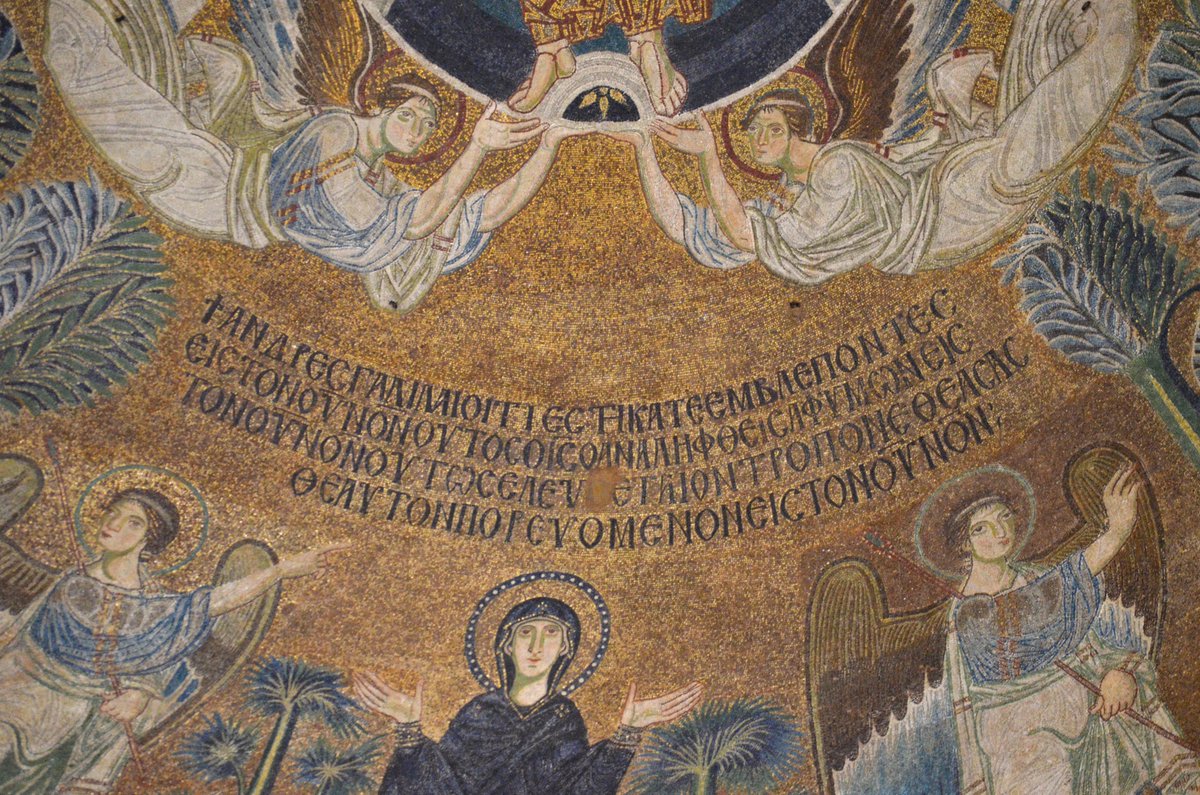
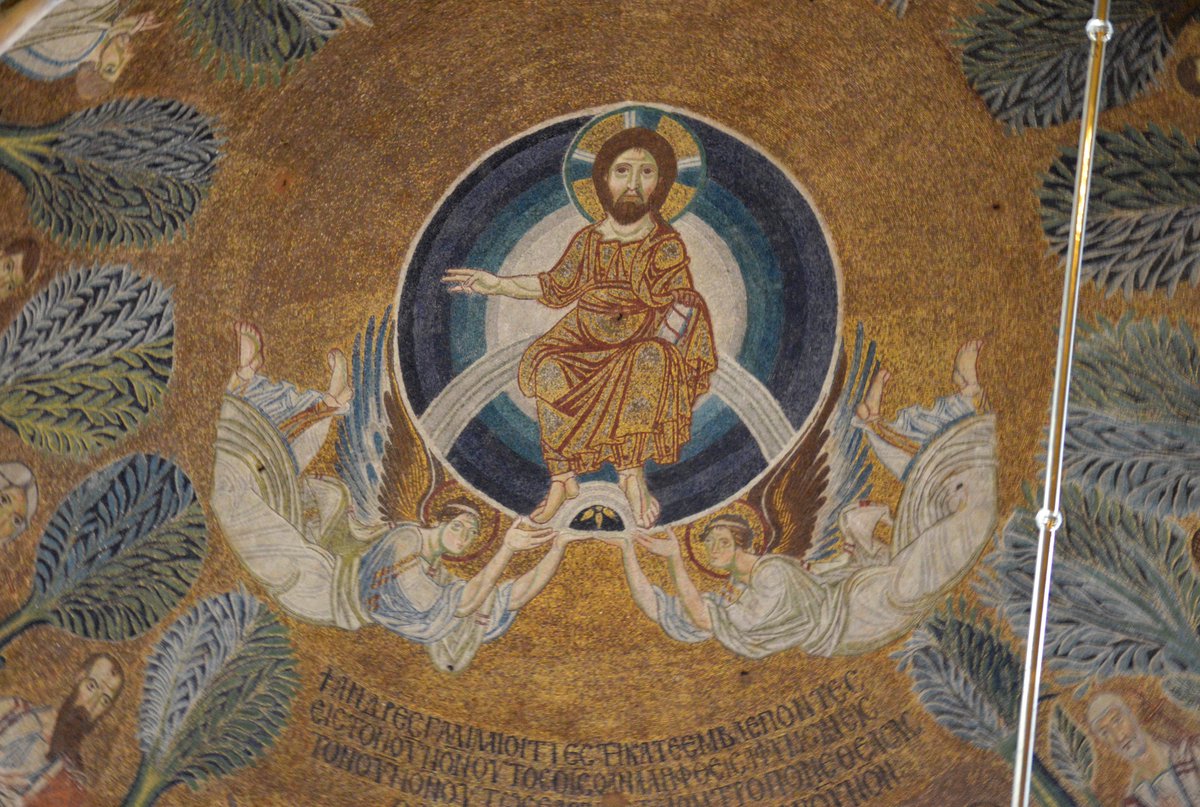
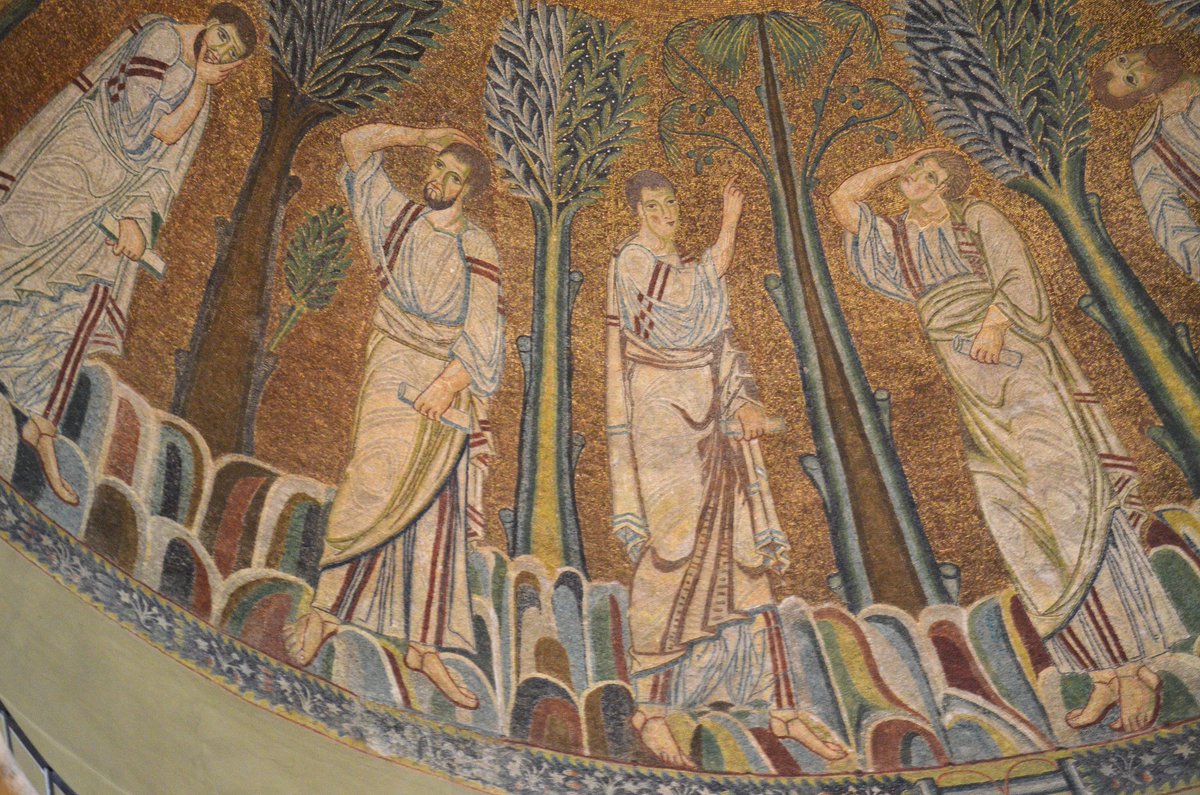
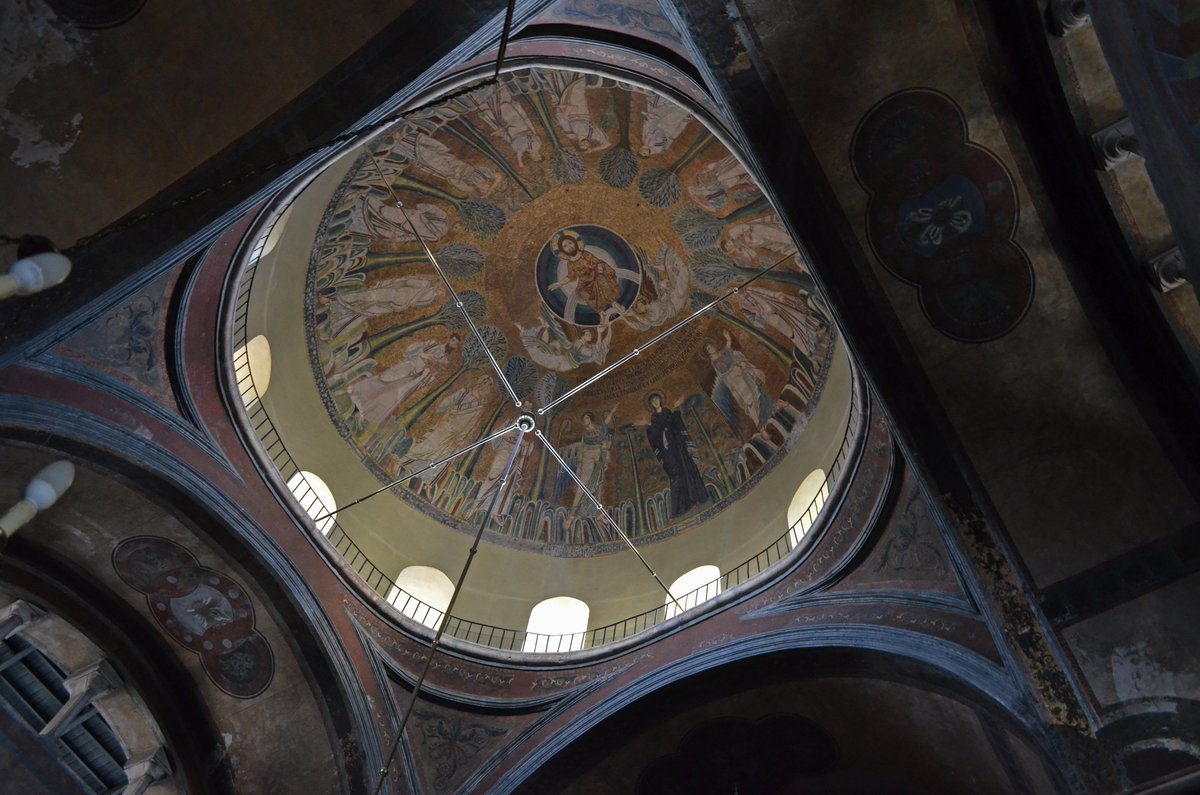
Inscription from the dome of Hagia Sophia in Thessaloniki
“Men of Galilee, why do you stand here looking into the sky? This same Jesus, who has been taken from you into heaven, will come back in the same way you have seen him go into heaven.” [Acts 1:11]
Ἄνδρες Γαλιλαῖοι, τί ἑστήκατε βλέποντες εἰς τὸν οὐρανόν; οὗτος ὁ Ἰησοῦς ὁ ἀναλημφθεὶς ἀφ’ ὑμῶν εἰς τὸν οὐρανὸν οὕτως ἐλεύσεται ὃν τρόπον ἐθεάσασθε αὐτὸν πορευόμενον εἰς τὸν οὐρανόν.
1
54
327
9,776
Ghost of Hellas retweeted
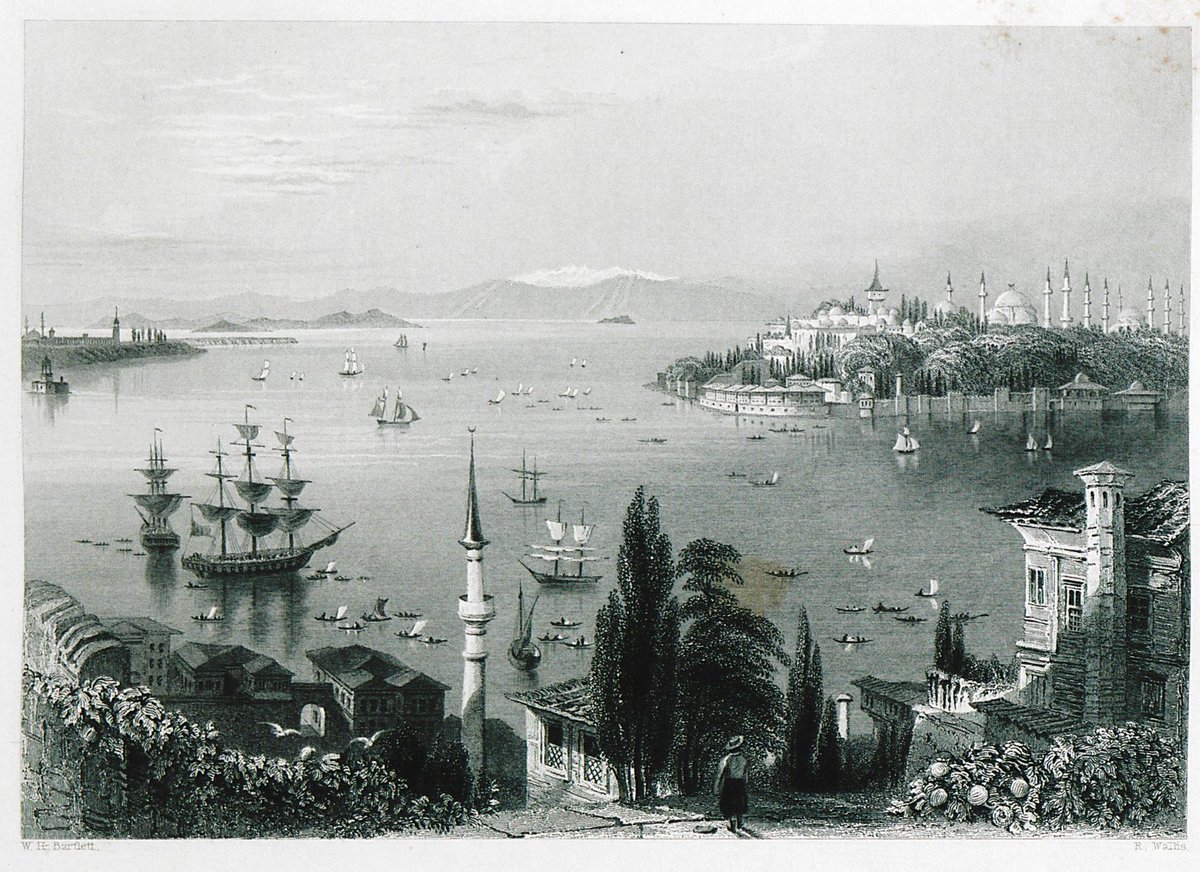
“The Seraglio Point”
From The Beauties of the Bosphorus by Miss Pardoe, illustrated in a Series of Views of Constantinople and its Environ from original Drawings by W.H. Bartlett (1838)
2
31
215
11,121
Ghost of Hellas retweeted
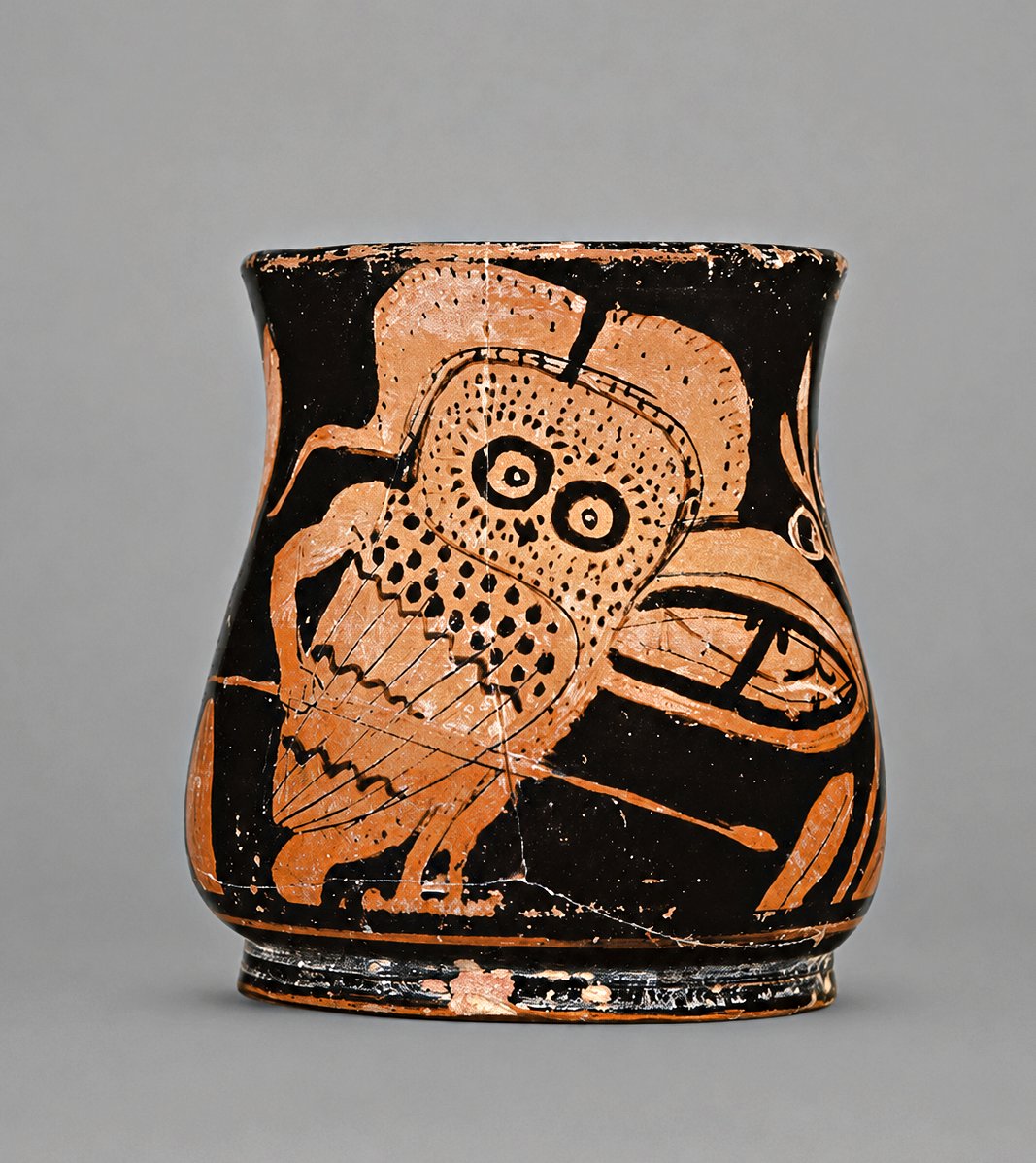
Little Owl as a Hoplite Warrior
This piece is an oinochoe, a small vessel used for pouring wine in the ancient Greek world. It's just 6.4 cm tall. According to Louvre records, it was crafted in Athens and dates to around 425-375 BC.
The figure on the front is Athena's owl. But here, the bird is equipped with a helmet, crest, shield, and spear, depicted as a little hoplite warrior.
In Athens, the owl was everywhere, appearing on vessels, coins, and public imagery. There was even an ancient Greek idiom about 'bringing owls to Athens.' It meant bringing something to a place where it's already abundant.
13
200
922
33,772
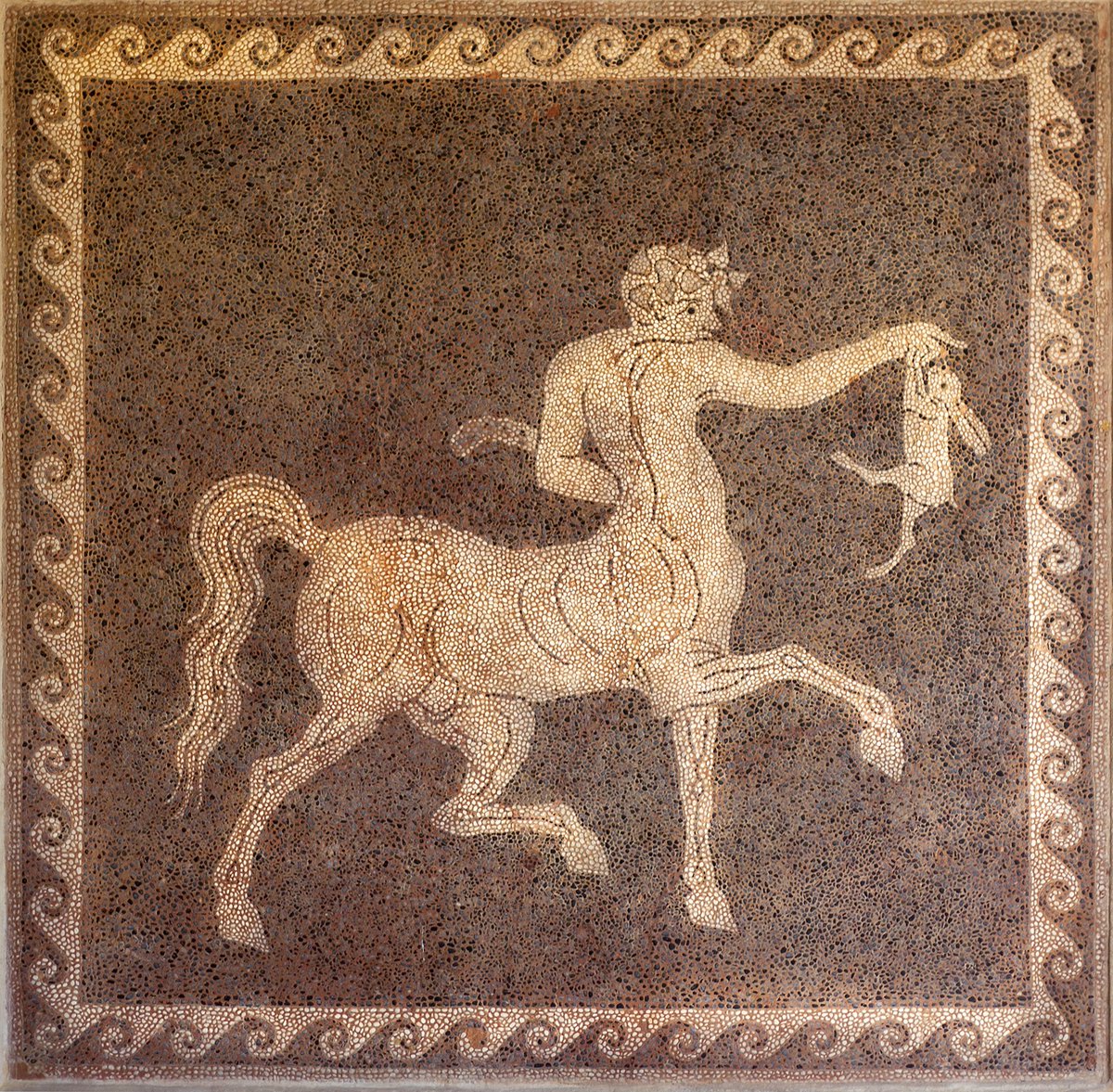
Mosaic of centaur and rabbit on wall in the Archaeological museum of Rhodes Greece.
2
98
524
9,854
Ghost of Hellas retweeted
Cosmati pavments in the Basilica of Santa Maria Maggiore
These opus sectile floors were influenced by Byzantine pavements.
1
7
98
8,360


May 31
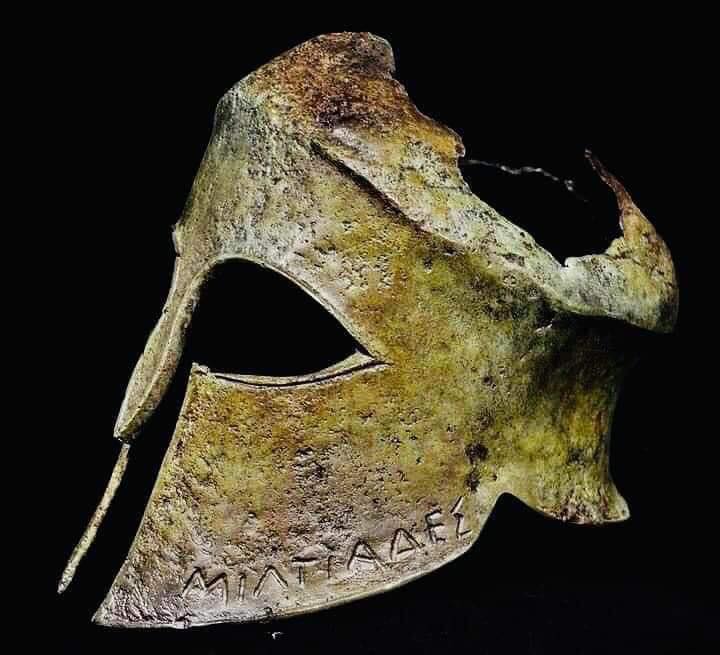
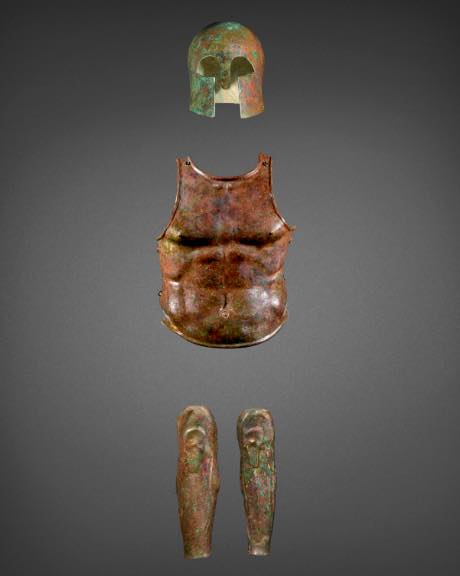
Greek Bronze Corinthian Type - "Helmet of Miltiades" the Athenian General who defeated the Persians at the Battle of Marathon in 490 BC.
The inscription on the lip of the helmet cheek section reads in Greek "Miltiades dedicated to Zeus".
1
56
249
5,659
May 31
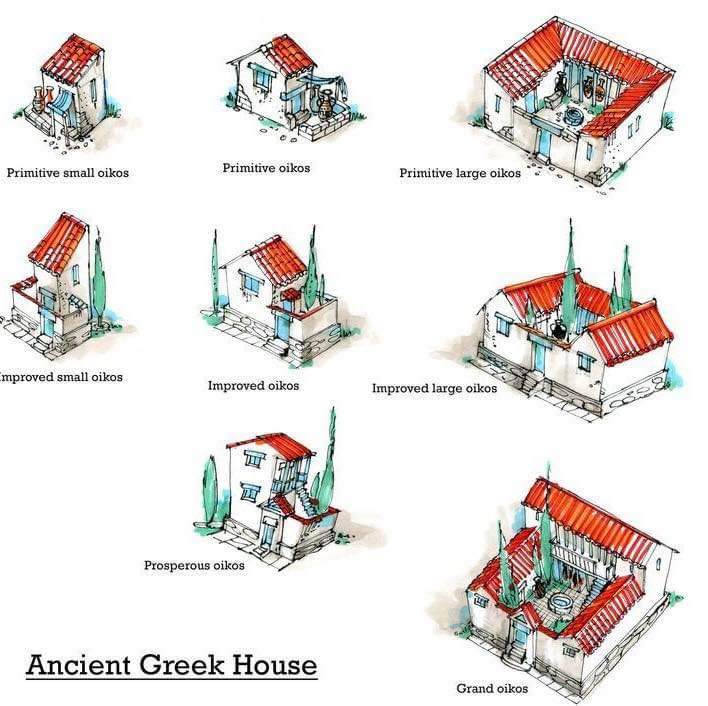
Illustration of ancient Greek house - Oikos (Oikia, plural): This is the typical term for a Greek house. Most houses in ancient Greece were oikia, designed to provide a comfortable living space for a family
8
98
628
19,831
May 31
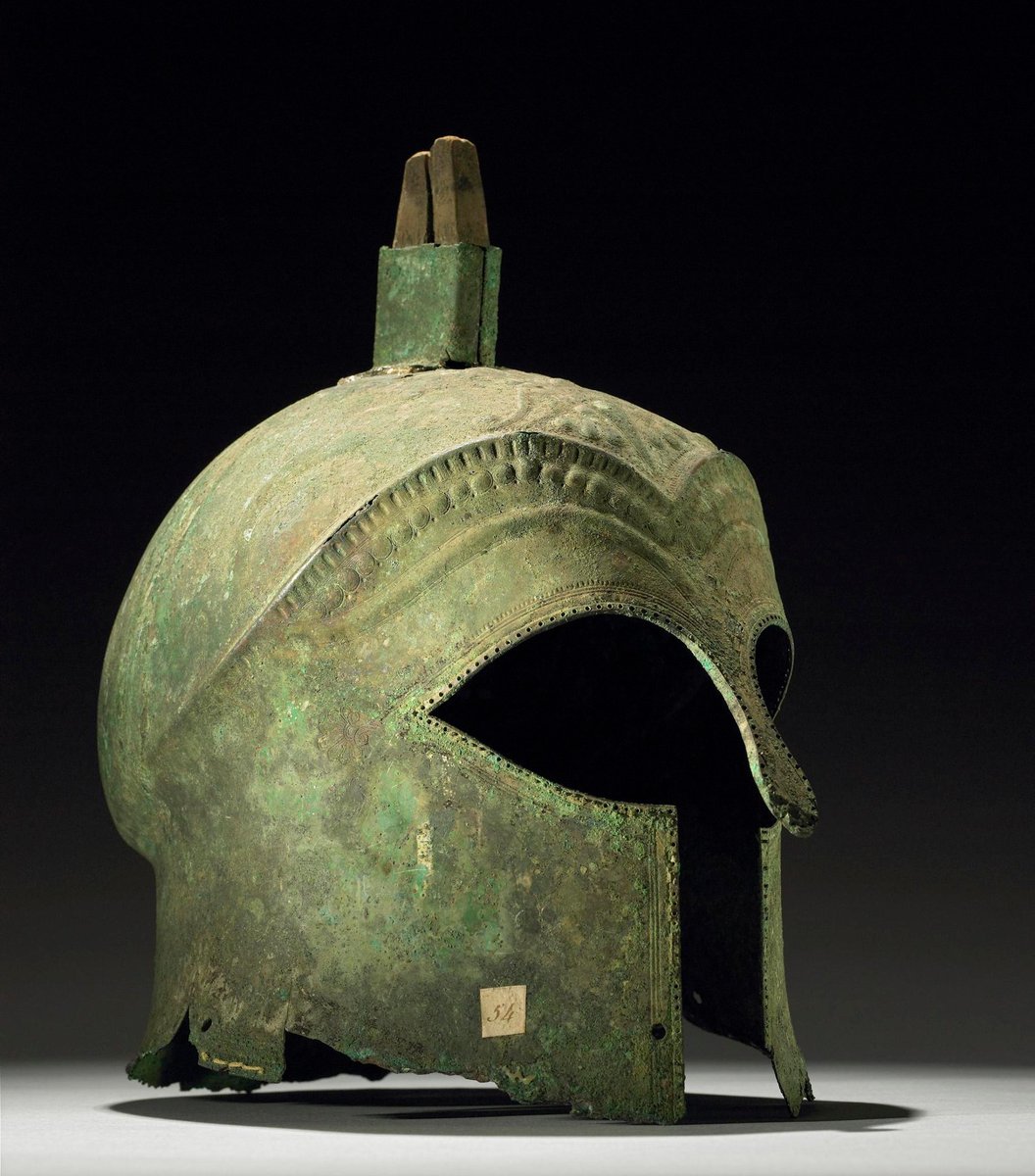
Helmet of Corinthian type.
Culture/Period: Archaic Greek
Date: 600-550 B.C.
Place of origin: Italy, Puglia (Bari province)
1
29
219
5,113
May 31
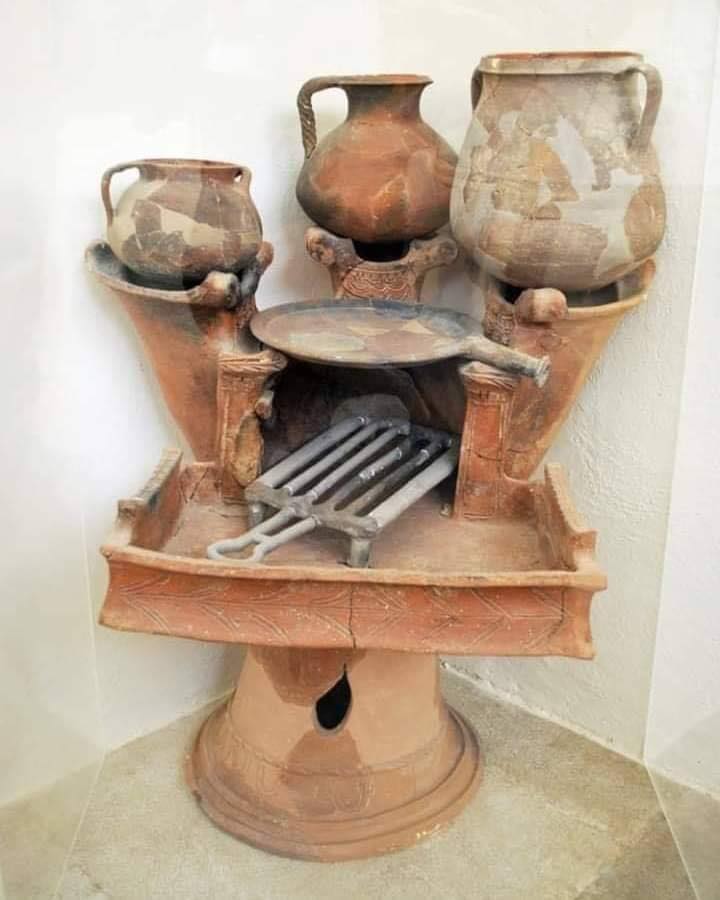
A 5th Century BC, Greek "Cooker" three (or four) stoves, an oven and grill; found on Greek island of Delos.
5
142
564
13,716
May 31
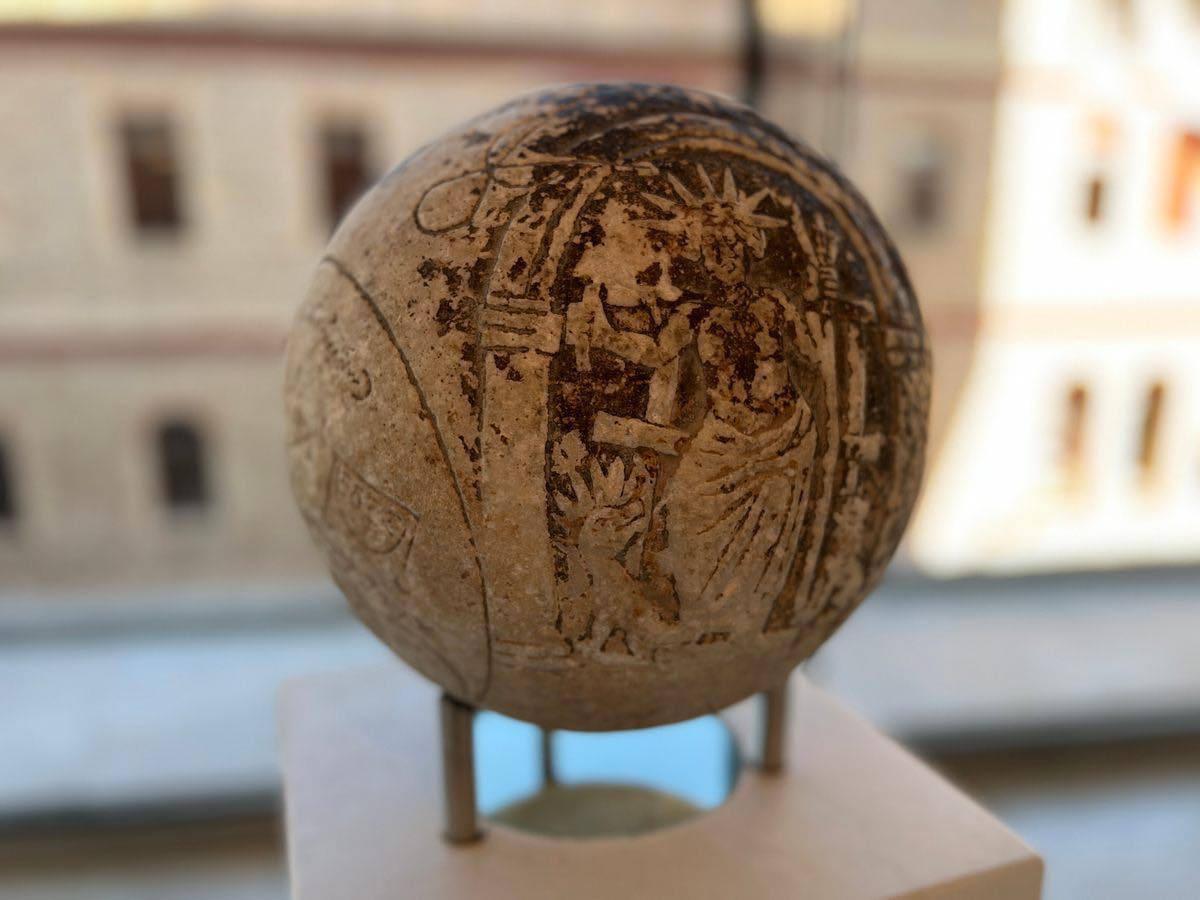
The “magic sphere” of Helios
Found in the Theater of Dionysus in 1866, this mystical object, dating back to the ~2nd-3rd century AD, is made of marble, shaped like a sphere, and depicts Helios, Greek Solar God.
2
43
206
6,924