
NHS dietitian, Msc @FoodPolicyCity supporter of realistic, sustainable food choices for people living with long term health conditions.
Joined July 2013
- Tweets 2,278
- Following 837
- Followers 695
- Likes 5,719
24 Photos and videos









Ginny Eastwood, RD retweeted

Apr 9
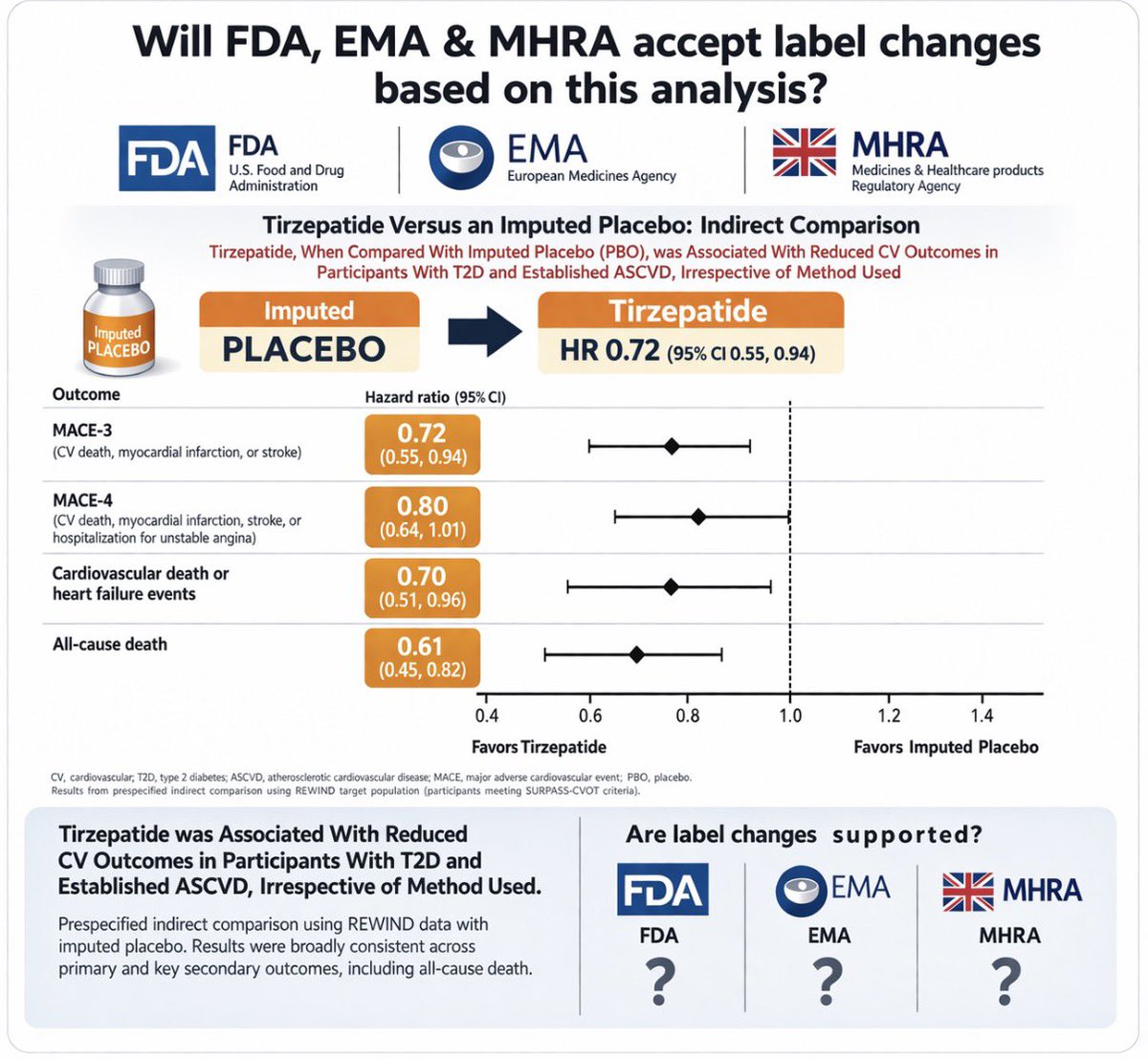
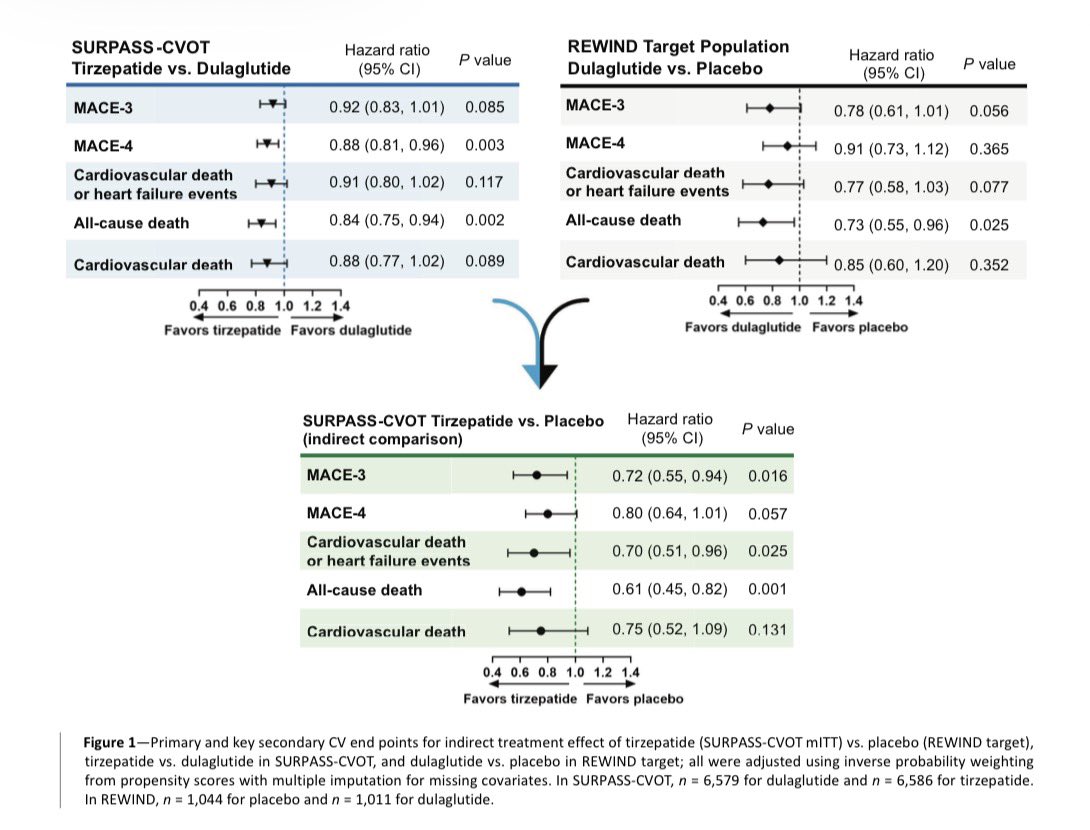
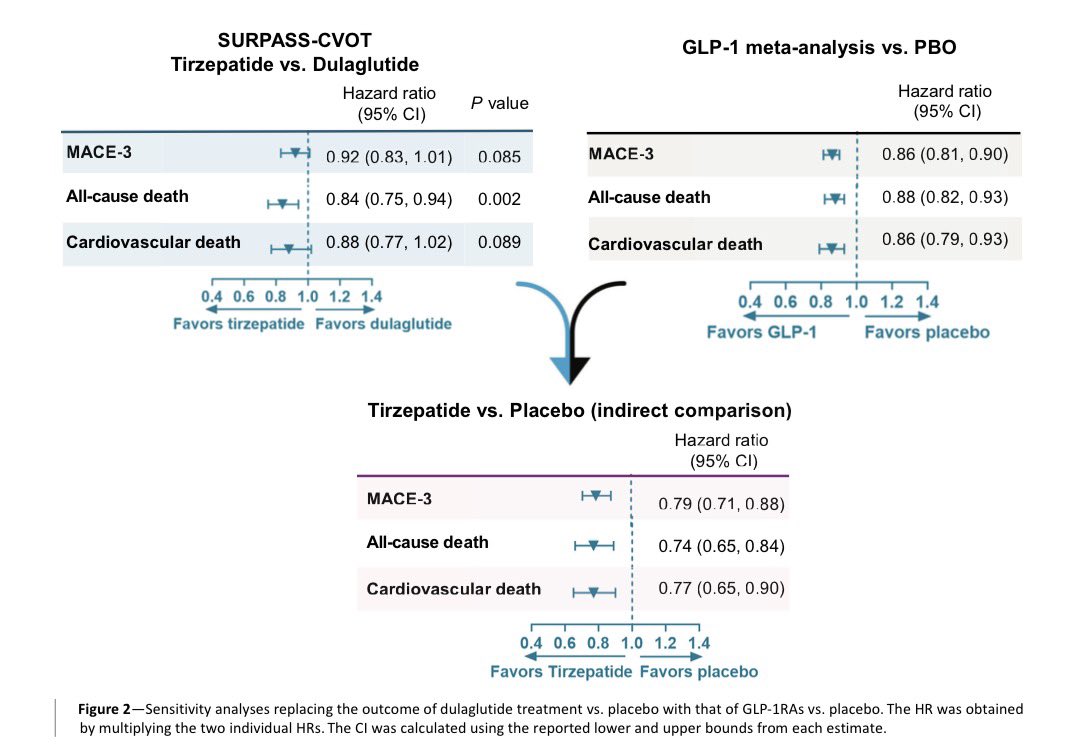
🚨SURPASS-CVOT: What’s #tirzepatide’s REAL CV benefit vs placebo❓🚨
New Diabetes Care analysis uses imputed placebo comparison from REWIND
Tirzepatide vs imputed placebo:
🔹 MACE-3: HR 0.72 (0.55 to 0.94)
🔸 All-cause mortality: HR 0.61 (0.45 to 0.82)
⚠️ Caveats matter:
1️⃣Cross-trial comparison, not direct RCT
2️⃣SGLT2i use 31% vs 0% in REWIND
3️⃣Only 21% of REWIND met SURPASS-CVOT criteria
The real question: will regulators grant a CV indication?
FDA may agree (they already gave dulaglutide one). But EMA/MHRA never added formal CV indication to dulaglutide despite REWIND.
Stakes are high: licence change = guideline change = access change
🔗 doi.org/10.2337/dc26-0298
2
12
43
3,947
Ginny Eastwood, RD retweeted
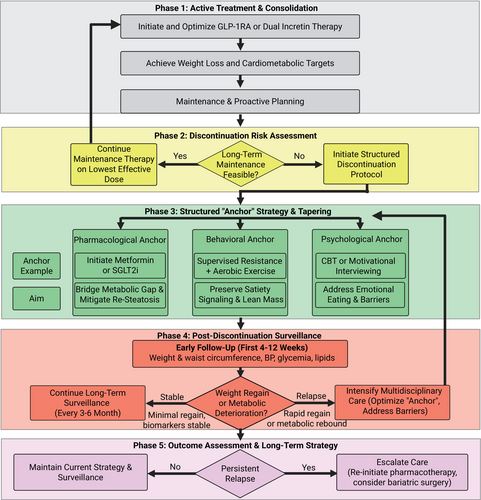
Systematic review
GLP-1RA cessation is associated with a predictable and decelerating pattern of weight regain
Plateau below pre-treatment levels, suggesting that partial weight-loss benefit may persist long-term but is substantially attenuated.
thelancet.com/journals/eclin…
1
22
60
3,721
Ginny Eastwood, RD retweeted

After what seems like a long time in waiting the HCL competency framework is finally here:
doi.org/10.1111/dme.70253
Looking out for linked assessments via DTN
Have a fab day 😀
@drpratikc @LDC_tweets @DTN_UK @TrendDiabetes @DSNforumUK
6
18
2,671
Ginny Eastwood, RD retweeted

3 Jul 2025
Why Do Patients Discontinue GLP-1 Medications for Obesity?
Adherence Challenges
❌ 50% stop treatment within 6 months
Top Reasons for Stopping
🤢 Side effects (mainly GI): 36%
🚗 Logistics (travel, time): 24%
💰 Cost & affordability: 23%
dom-pubs.onlinelibrary.wiley…

2
31
67
5,177
Ginny Eastwood, RD retweeted

4 Jul 2025
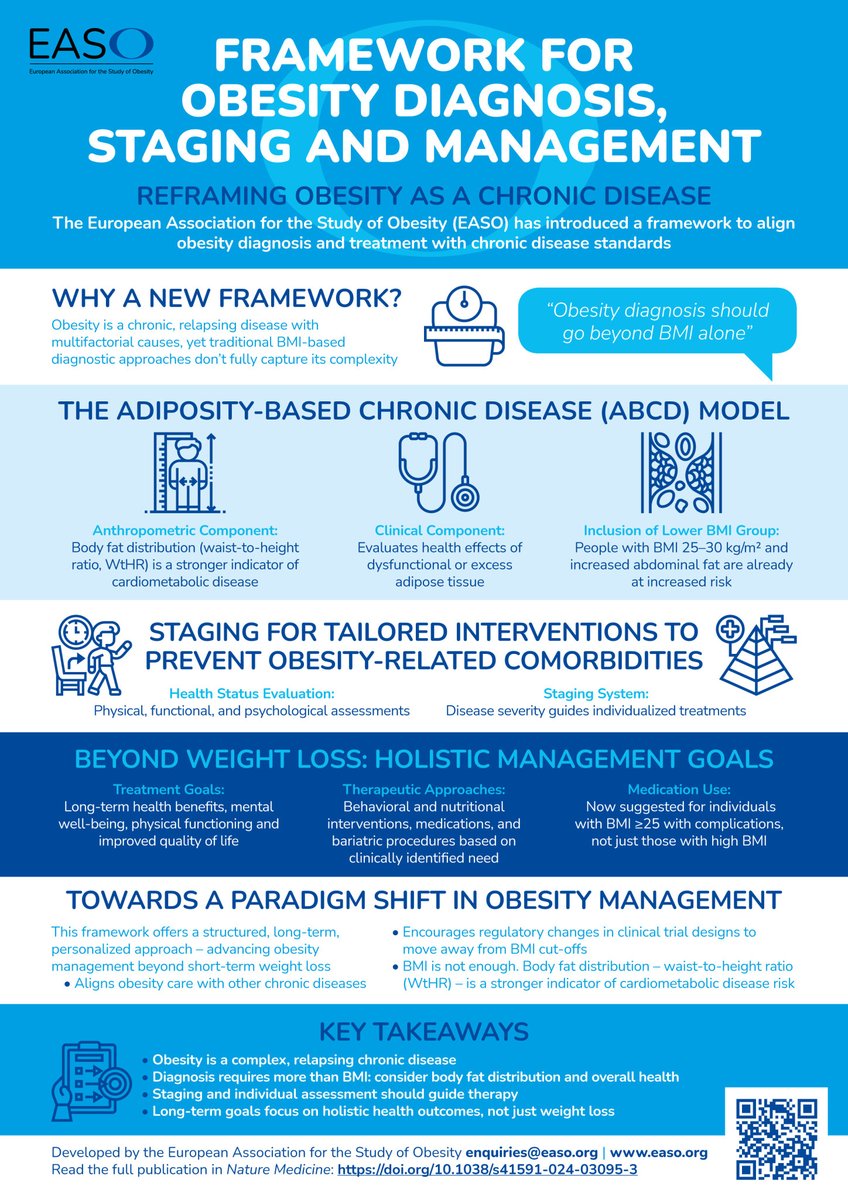
An EASO publication in @NatureMedicine proposes a framework for diagnosing, staging & managing adult obesity. Prof. @busetto_luca highlights the need for comprehensive clinical evaluations beyond BMI.
easo.org/professor-luca-buse…
2
8
24
5,263
Ginny Eastwood, RD retweeted
4 Jul 2025
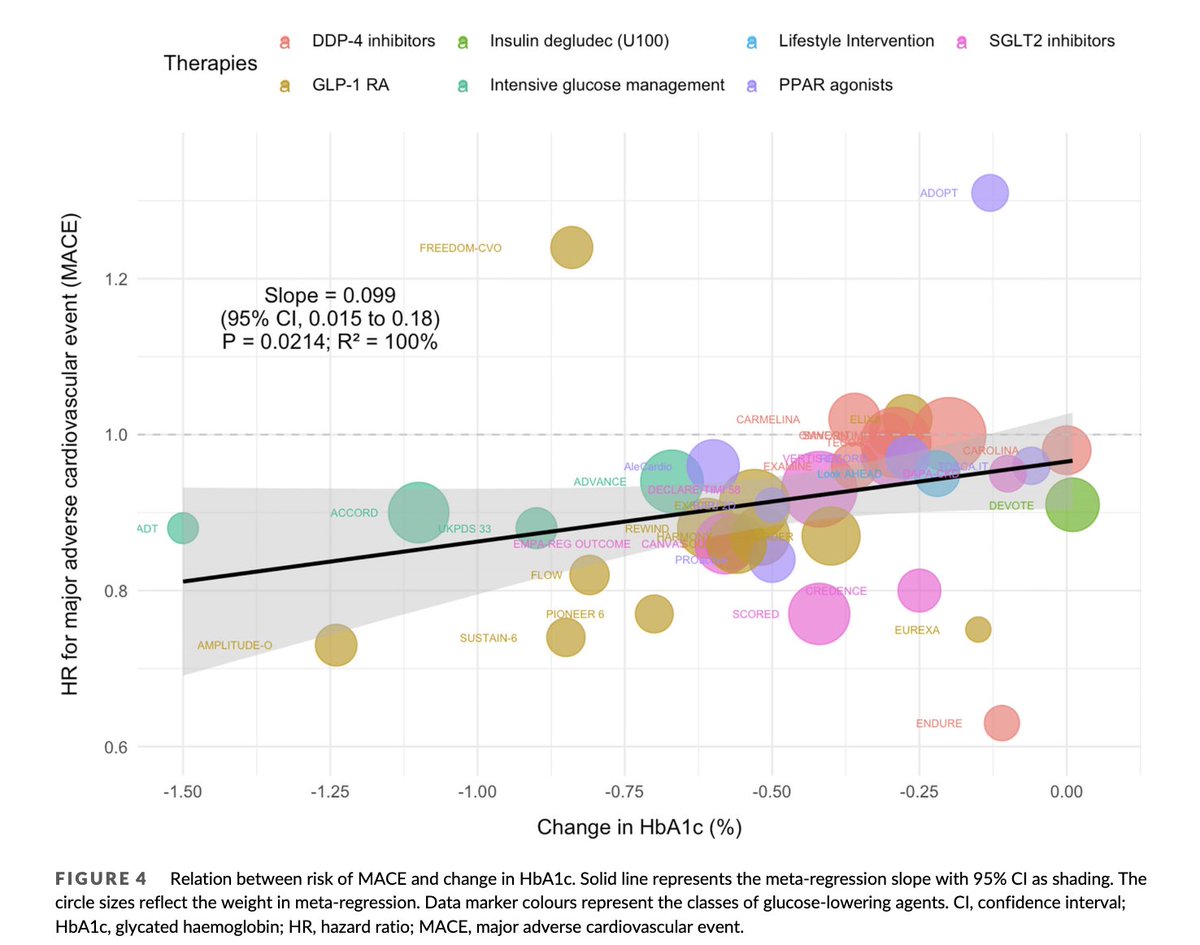
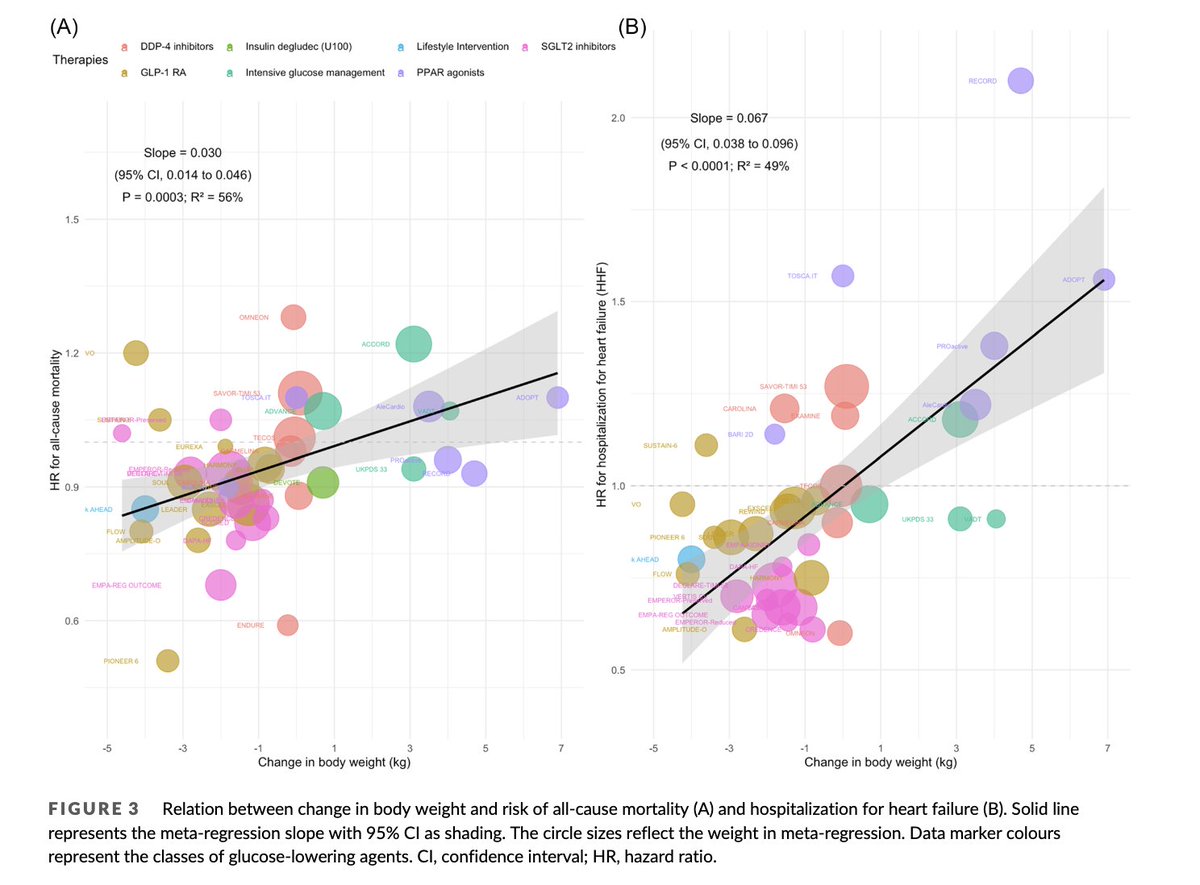
❤️ Weight & HbA1c Reductions associated with mortality & cardiovascular benefits
Meta-regression of 44 trials
⚖️ Each 1 kg weight loss = 3.4% ↓ mortality risk
🩸 Each 1% HbA1c ⬇️ = 7.6% ↓ mortality risk
📉 Effects regardless of drug class
dom-pubs.onlinelibrary.wiley…
4
51
183
42,492
Ginny Eastwood, RD retweeted

6 Jul 2025
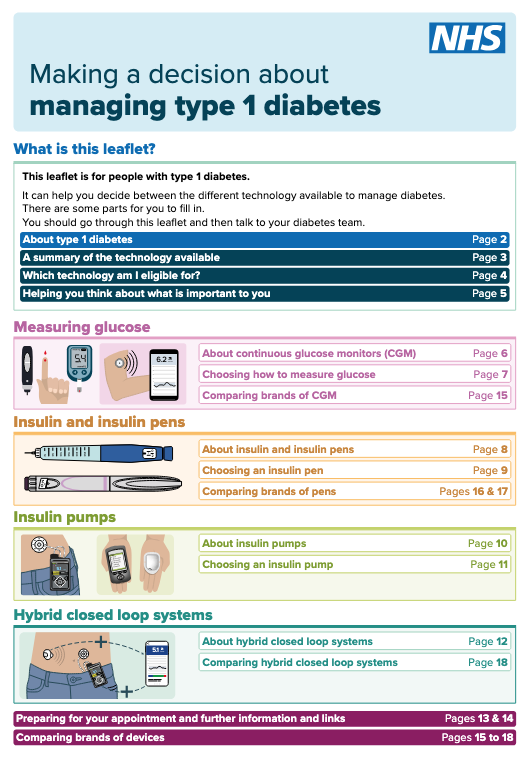
The 'Decision Support Tool' for those living with #T1Diabetes
Published January 2024 @NHSEngland
Built with many living with #T1D and clinical colleagues in the #T1D space
Do use, RT and cascade as you need to!
(Also available in Bengali; Polish; Urdu & Punjabi)
@BT1DUK @DiabetesUK @kamleshkhunti @GoggleDocs @NHSDiabetesProg @sugarydoc
Link:
england.nhs.uk/publication/d…
19
56
3,918
Ginny Eastwood, RD retweeted

5 Jul 2025
For details see the following papers:
pubmed.ncbi.nlm.nih.gov/2780…
pubmed.ncbi.nlm.nih.gov/2989…
pubmed.ncbi.nlm.nih.gov/3864…
4
24
3,344
Ginny Eastwood, RD retweeted
5 Jul 2025
While I’m happy that our 2011 mathematical model was used by @nesta_uk to estimate the step reduction in daily calories would be required to address obesity in the UK, I wish they had read our later studies. Unfortunately, a constant intensity intervention to reduce calorie intake typically results in exponential waning of the effect over time (not a sustained step reduction) and will therefore only result in about 20% of the weight loss they predicted.

Pleased to see @wesstreeting announce a new healthy food standard.
Nesta first set out this policy in 2024 and we are delighted to welcome it today.
Read more about the plan in The Observer with @RSylvester1 observer.co.uk/news/politics…
3
15
115
44,965
Ginny Eastwood, RD retweeted

5 Jul 2025
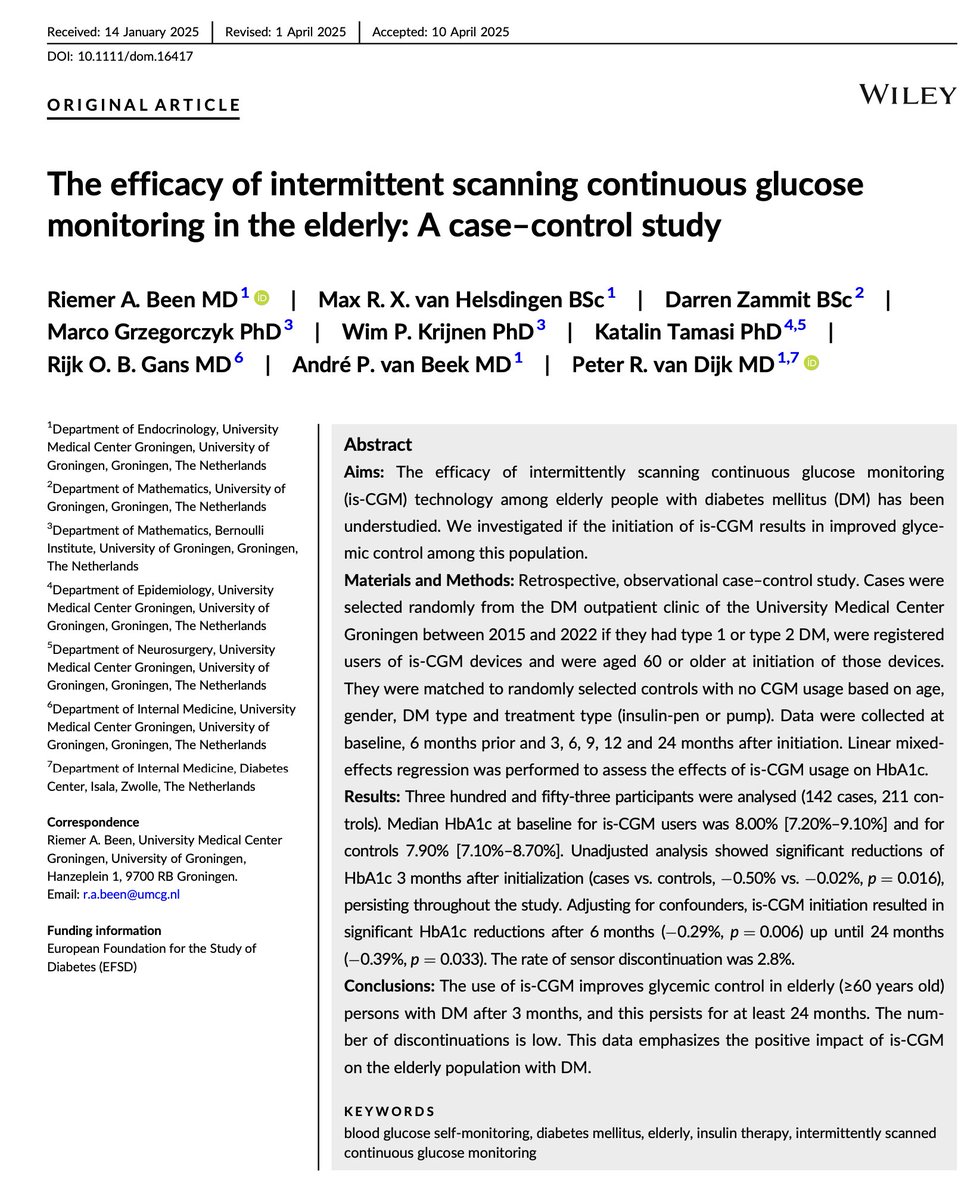
The efficacy of intermittent scanning continuous glucose monitoring in the elderly*: A case-control study.
*Older people
Older people with diabetes benefit from is-CGM. HbA1c drops sustained for 2 years, few stop using it.
More support for CGM in older age!
#DiabetesCare
1
6
16
2,437
Ginny Eastwood, RD retweeted

16 Jun 2025
Major survey of all Nutritionists and Dietitians in UK!
#AcademyNutritionSciences want to hear from every #Nutritionist or #Dietitian
What are your research experiences? Please take part, no matter whether you do no research, a little or a lot!
qualtrics.kcl.ac.uk/jfe/form…

2
36
46
7,795
Ginny Eastwood, RD retweeted

1 Jul 2025
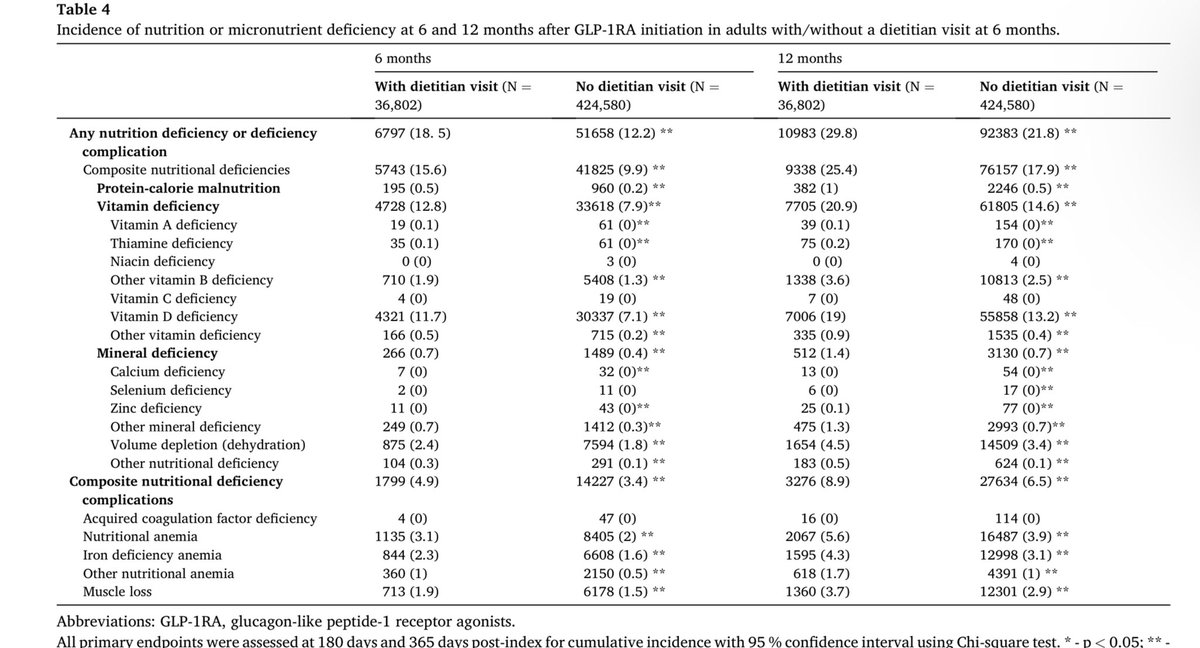
Retrospective claims data reveals over 20 % of GLP-1 medicine users had nutritional deficiencies diagnosed within one-year of starting GLP-1RA treatment. pdf.sciencedirectassets.com/…
7
39
161
27,145
Ginny Eastwood, RD retweeted

29 Jun 2025
Real-world comparison of semaglutide/tirzepatide (GLP‑1/GLP‑1 GIP) vs bariatric surgery.
📉 In a real-world matched study of 14,152 pts:
At 2 years:
• Surgery: −25.7% total weight loss (TWL)
• GLP-1s (semaglutide/tirzepatide): −5.3% TWL (ITT); −7.6% (per-protocol)
• HbA1c drop: Surgery −0.5 pts vs GLP-1s −0.2 pts (p<0.001)
⚖️ Conclusion: Surgery delivers greater, sustained weight loss & better glycemic control vs GLP-1s for eligible patients.
soard.org/article/S1550-7289…
12
44
119
18,269
Ginny Eastwood, RD retweeted

2 Jul 2025
💉 GLP-1 meds don’t just curb appetite—sometimes they curb essential nutrients too.
- - -
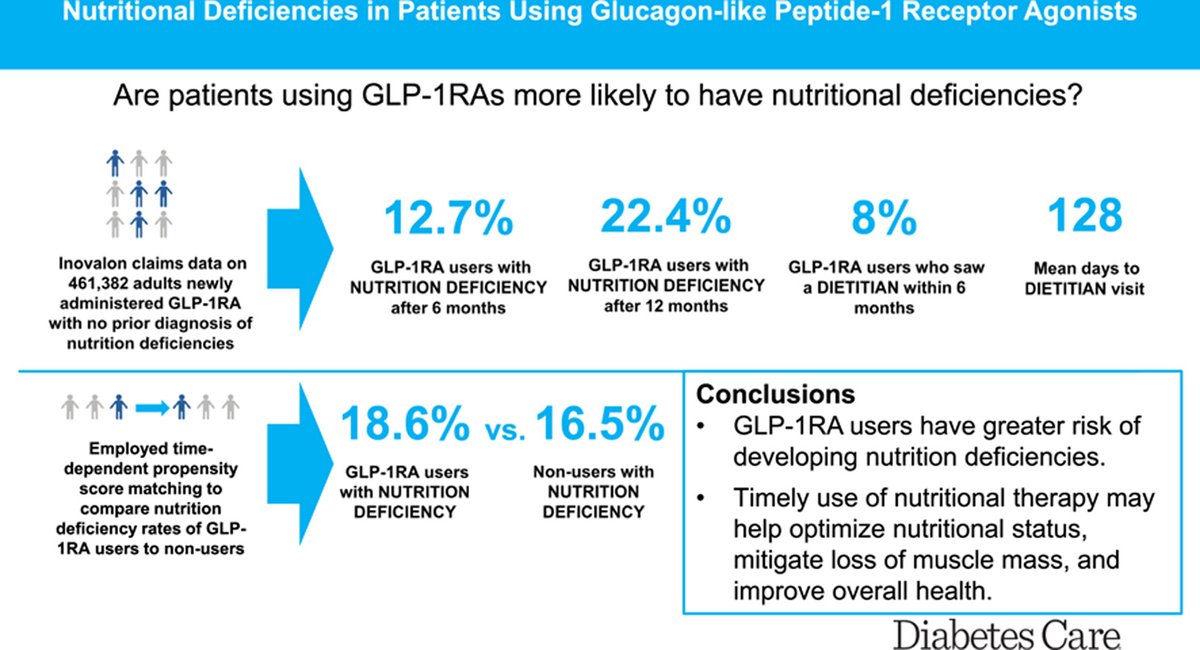
📉 In a study of 460,000 adults on GLP-1s (mostly with T2D):
🔹13% developed nutritional deficiencies in 6 months
🔹22% within 12 months
🔹Vitamin D deficiency was most common (13.6%)
🔹3% experienced muscle loss
🔍 Patients who saw a dietitian were more likely to have deficiencies identified—not because dietitians caused harm, but because they actually looked.
💡 Clinical translation:
🔹Appetite suppression can lower intake of protein, vitamins (D, B12, folate), and minerals.
🔹Without supervision, this can compromise muscle mass, hydration, and metabolic health.
🔹Older adults and those with obesity are especially vulnerable due to baseline deficiencies.
Treating obesity isn't just about weight loss—it's about preserving health while losing weight.
✅ That’s why supervised care with physicians registered dietitians is non-negotiable.
✅ Monitor labs (Vit D, B12, iron, folate).
✅ Emphasize protein, strength training, and hydration.
📚sciencedirect.com/science/ar…
Credit to @drbutsch and colleagues.
6
51
141
12,718
Ginny Eastwood, RD retweeted

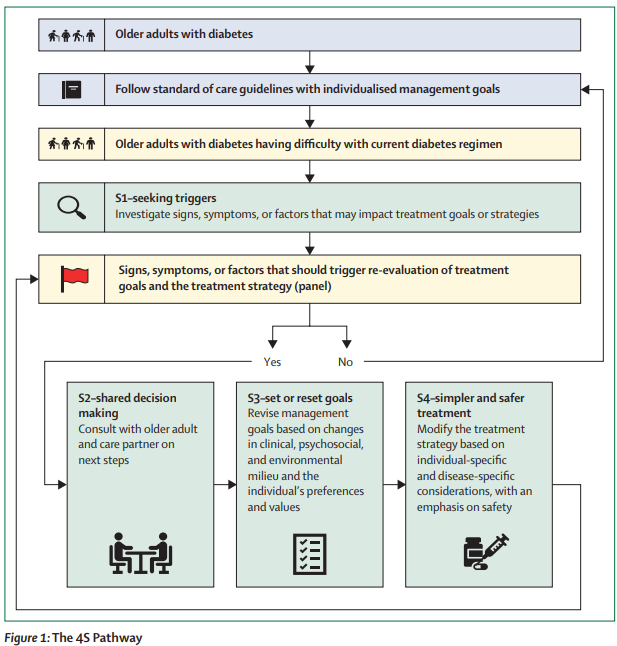
Realigning #diabetes regimens in older adults: a 4S Pathway to guide simplification and deprescribing strategies thelancet.com/journals/landi…
#T1D #T2D #olderadults
#FREE to read with registration (also FREE)
#ADA2025
12
33
2,789
Ginny Eastwood, RD retweeted

23 Jun 2025
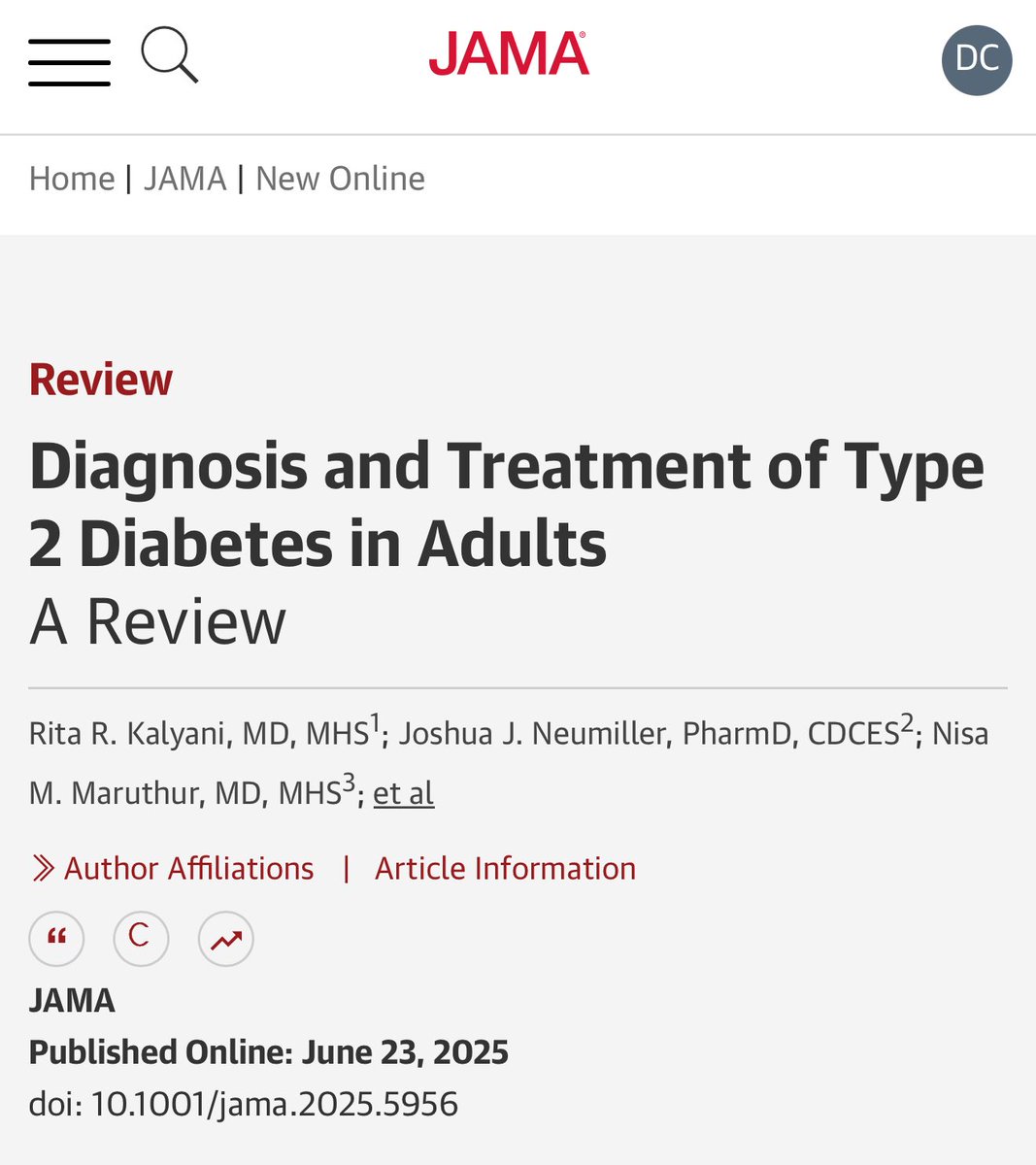
This is a very good review of type 2 diabetes
jamanetwork.com/journals/jam…
2
100
436
34,201
Ginny Eastwood, RD retweeted

23 Jun 2025
6
13
1,124
Ginny Eastwood, RD retweeted
24 Jun 2025
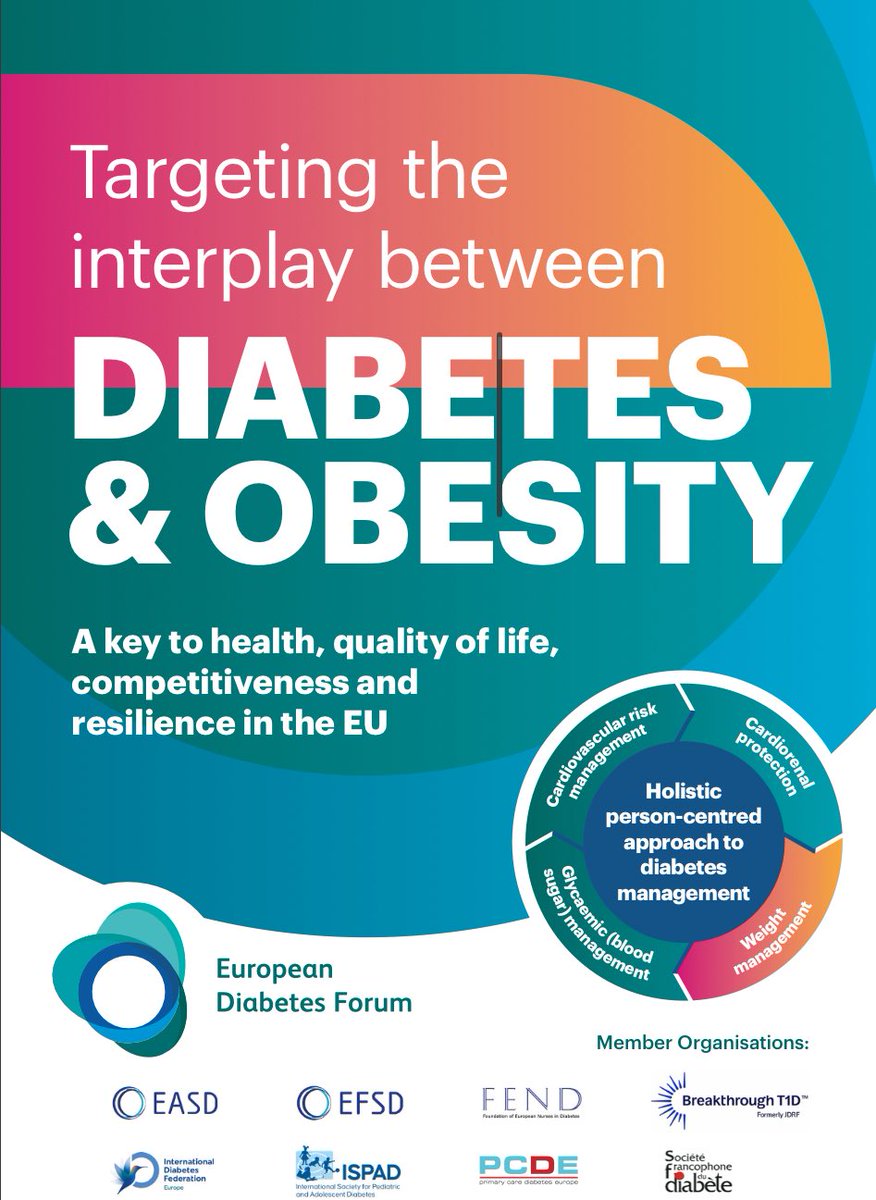
Addressing #obesity can help prevent T2D.
@EASOobesity acknowledges the importance of addressing obesity as both a risk factor for diabetes — along with CVD and cancer — and a chronic disease in its own right.
#EASOpolicy
5
8
420
Ginny Eastwood, RD retweeted
23 Jun 2025
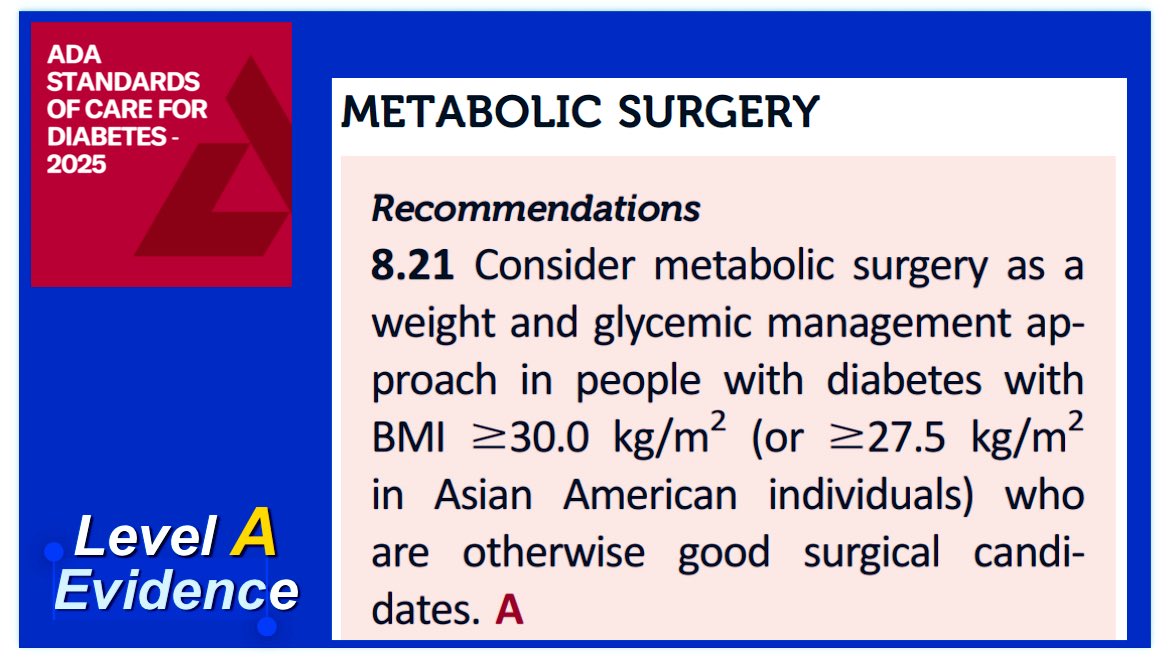
Standard of Care in 2025
#ADASciSessions #ADA2025
1
24
56
5,461
Ginny Eastwood, RD retweeted

24 Jun 2025
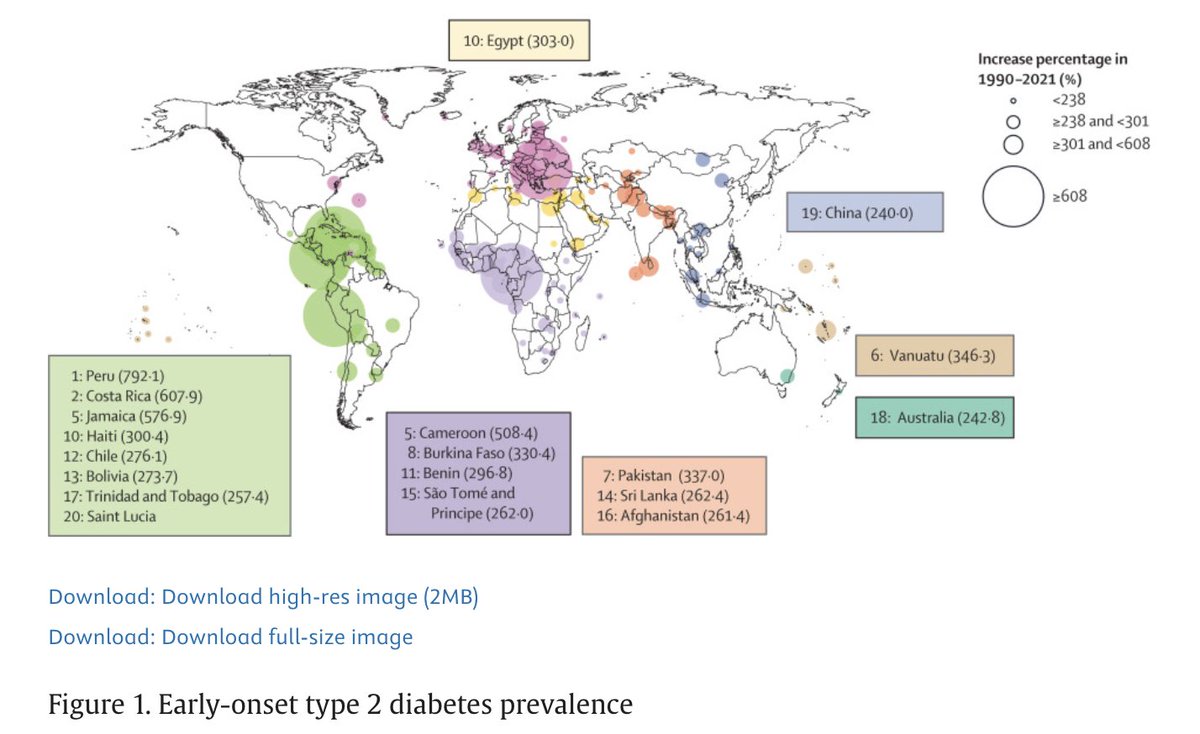
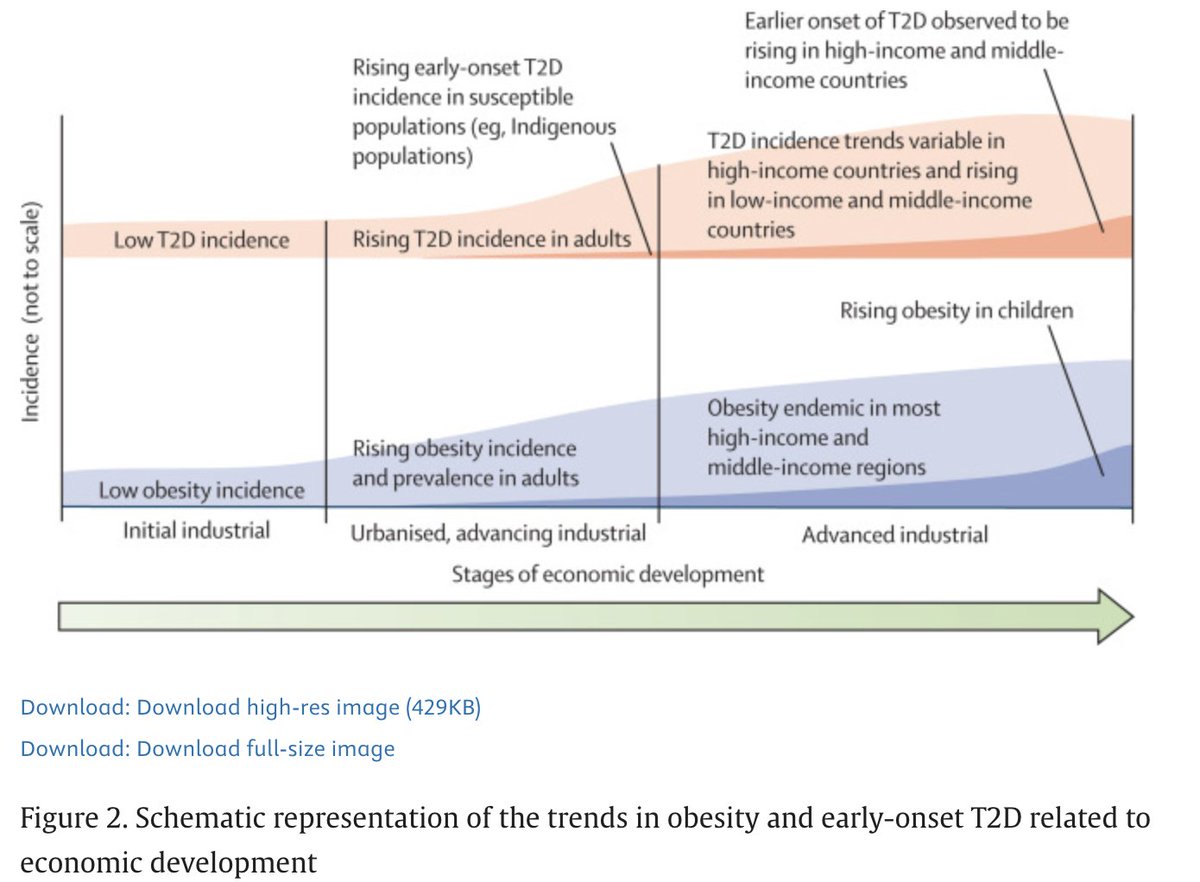
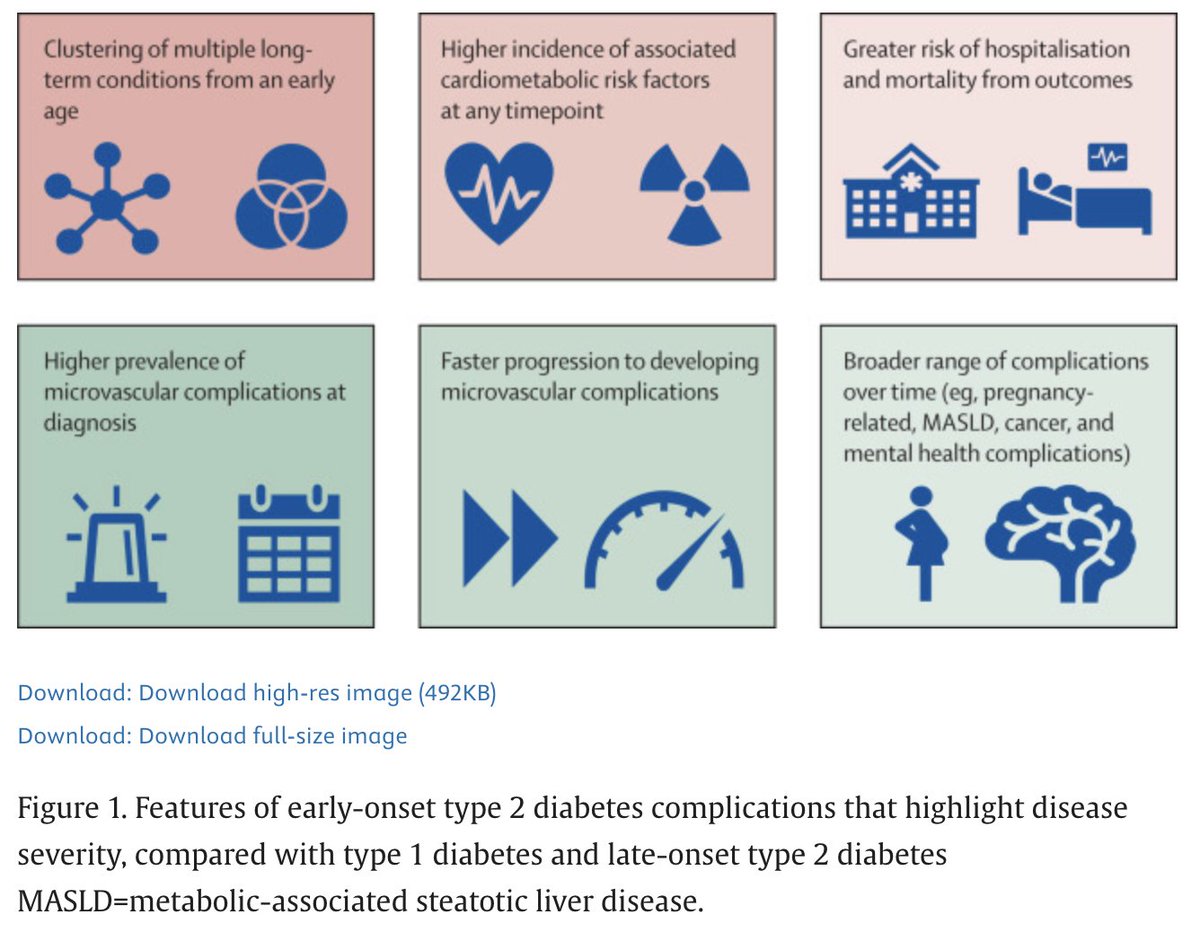
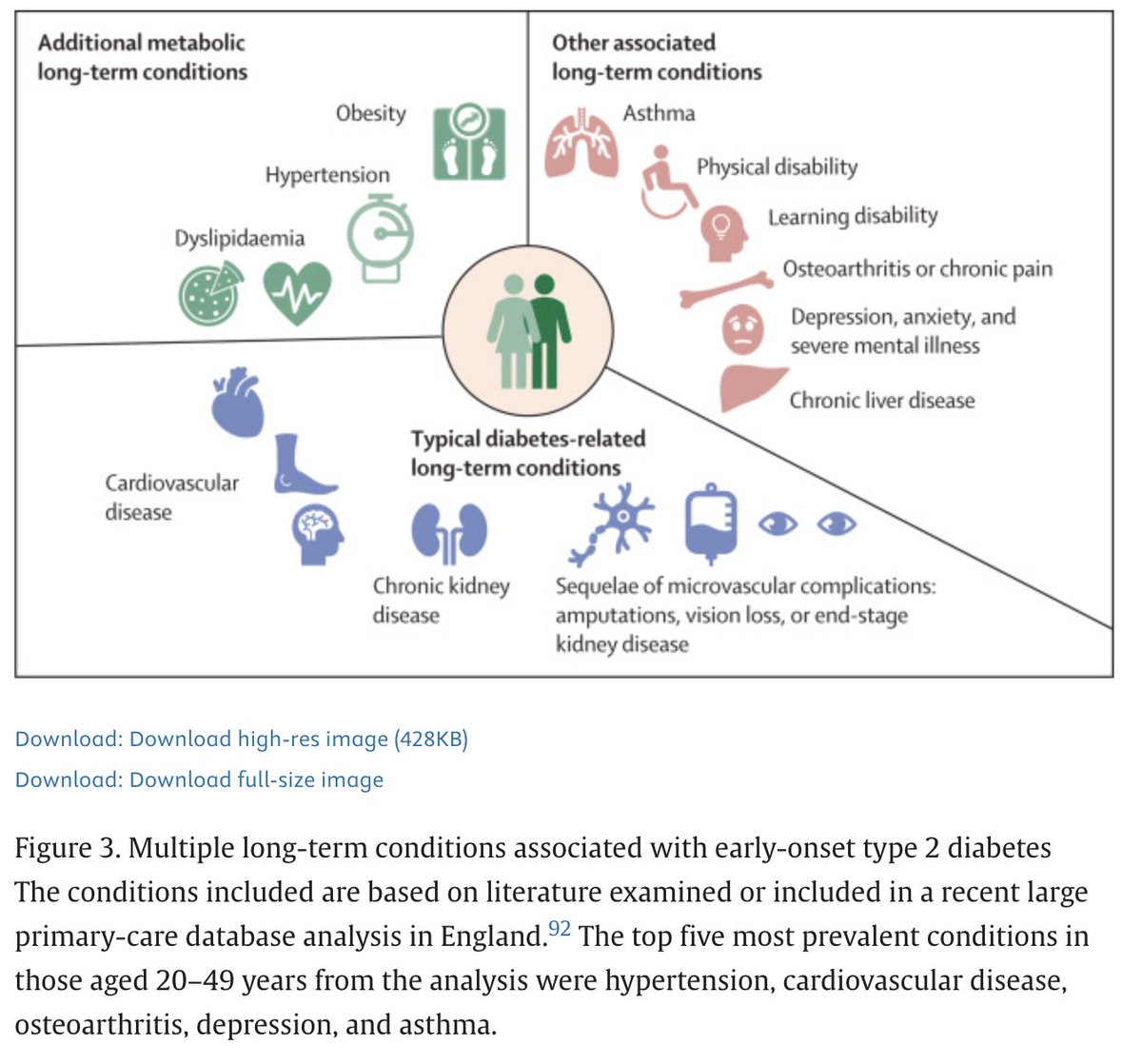
Thrilled to finally share what has kept me occupied these past few months; our @TheLancet Series on early-onset type 2 diabetes is out!
Has been an honour to be the Lead Author for this Series brining together global experts; thanks @callam_editor for inviting me
People developing #T2D at young ages, lose ~15-20 years of lifespan ☹️ We highlight emerging evidence, major research gaps and emphasise the need for population-level prevention and precision care, both necessary to reverse this concerning trend.
The articles are free to access until mid-August, please share widely (@ImperialMDR @ImperialMed @ImperialAHSC @ImperialBRC)!
Paper 1: authors.elsevier.com/a/1lJZF…
Paper 2: authors.elsevier.com/c/1lJZF…
Paper 3: authors.elsevier.com/a/1lJZG…
thanks to my fantastic co-authors (tagging the ones on here): @LeeLingLim1 @kamleshkhunti @CCikomola @Andrea_OY_Luk @Poojasachdev_dr @armocida_b
25
75
310
53,112