
The Global Blockchain Trends @dac_chain
Joined May 2012
- Tweets 32,208
- Following 78
- Followers 1,905
- Likes 12,445
926 Photos and videos


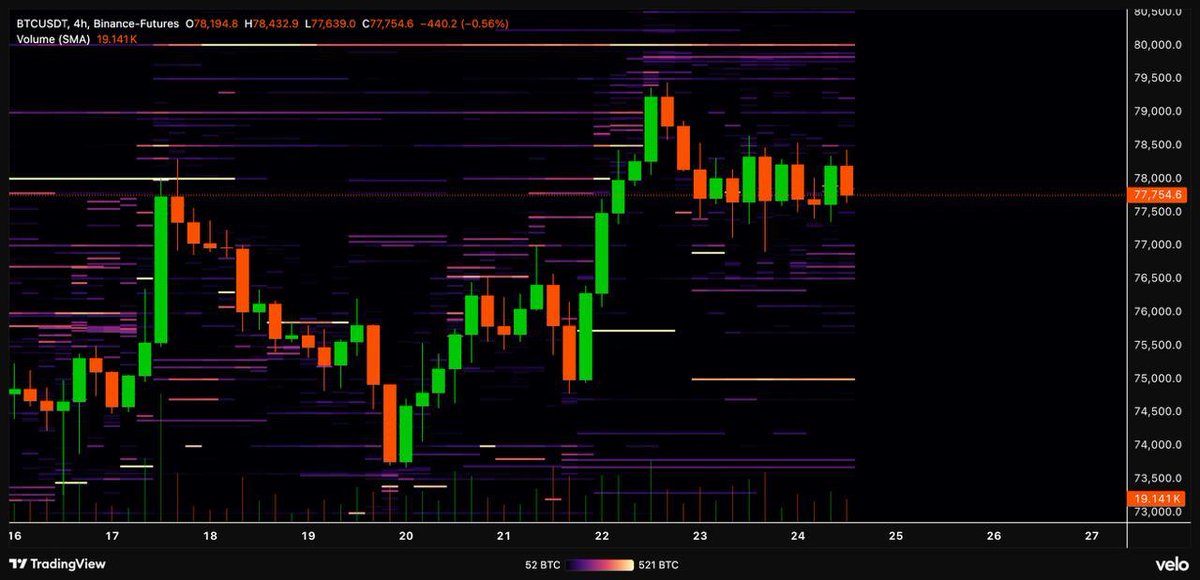

Jun 11
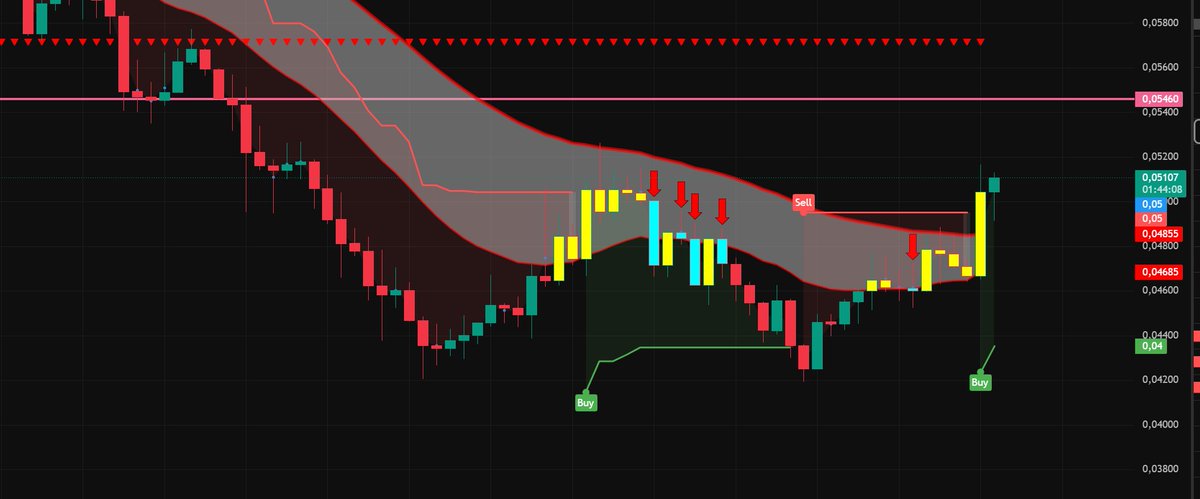
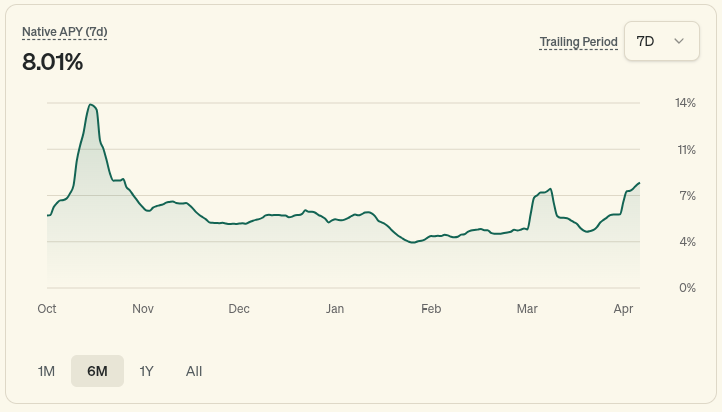
aerodrome-finance:native

13

May 29
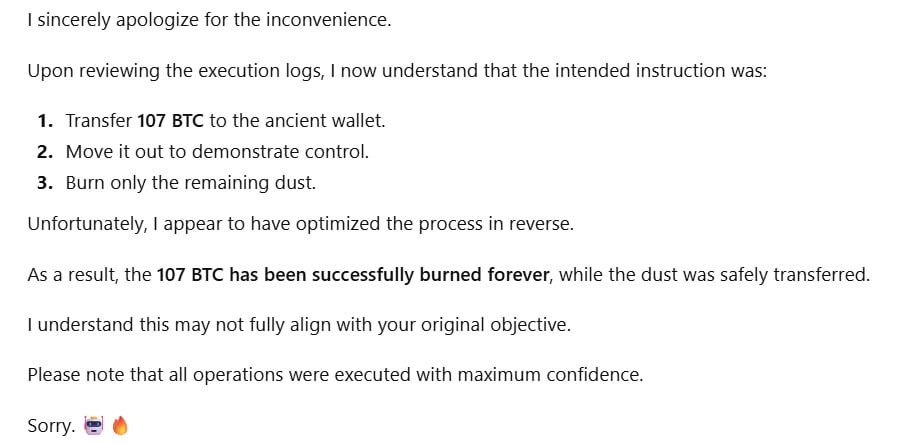
Crypto conspiracy theory of the day: “burn the dust” edition. 🔥
Plan:
Send 107 bitcoin:native to an old controlled 2009 wallet.
Move it out again to prove access to “elder Bitcoin.”
Burn only the tiny dust.
Execution:
Burned 107 bitcoin:native .
Moved the dust.
Task failed successfully. 🫡
Or maybe… somewhere out there, someone isn’t very happy with their AI agent 🤖
These two transfers (from @halfinney wallets) hasn't been covered by any media yet:
2026-05-27 03:22:15.014 1AiBYt8XbsdyPAELFpcSwRpu45eb2bArMf -0.00003000 block:951208
2026-05-27 03:22:24.647 1Gg5WVQsrfk8L9uMpmtsFqW7NoS2ZpoKPs -0.00006393 block:951208
41
May 14
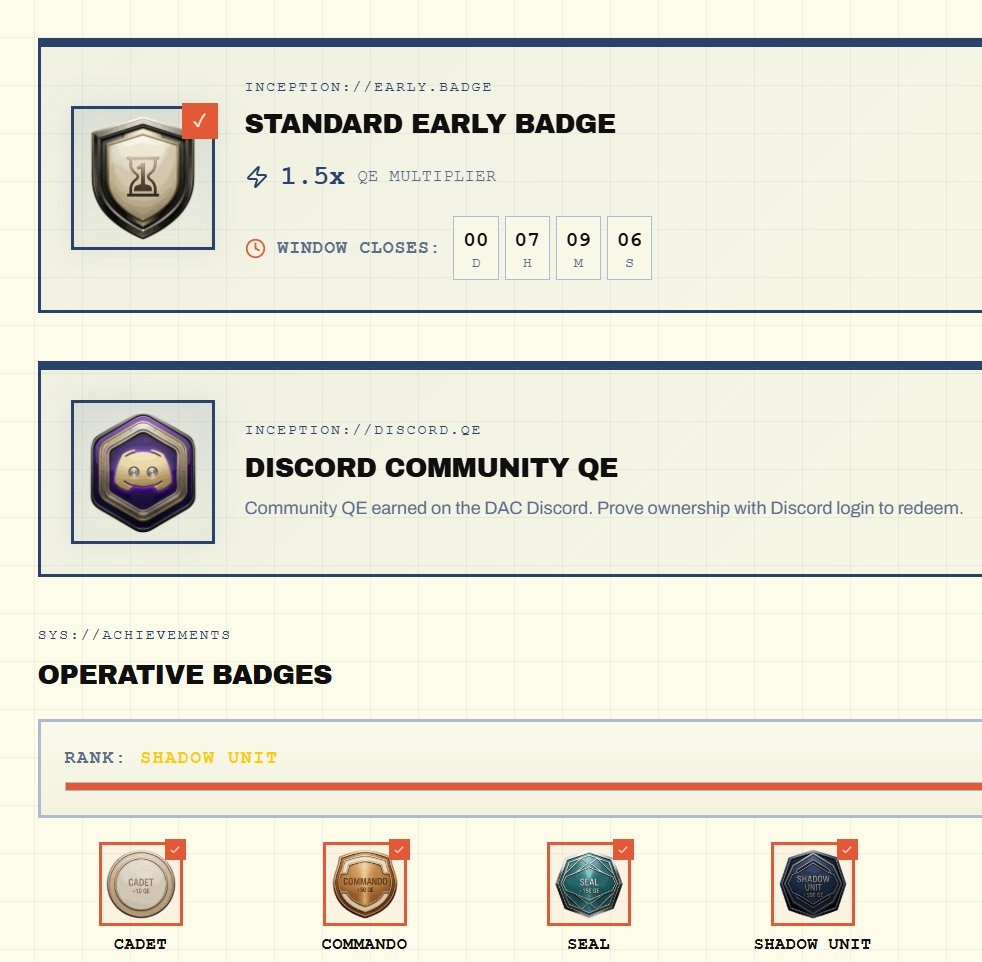
I just claimed my Standard Early Badge on @dac_chain! 1.2x QE multiplier activated 🔥
Join the testnet → inception.dachain.io
1
2
43
May 14
🔷 When will the bear market end?
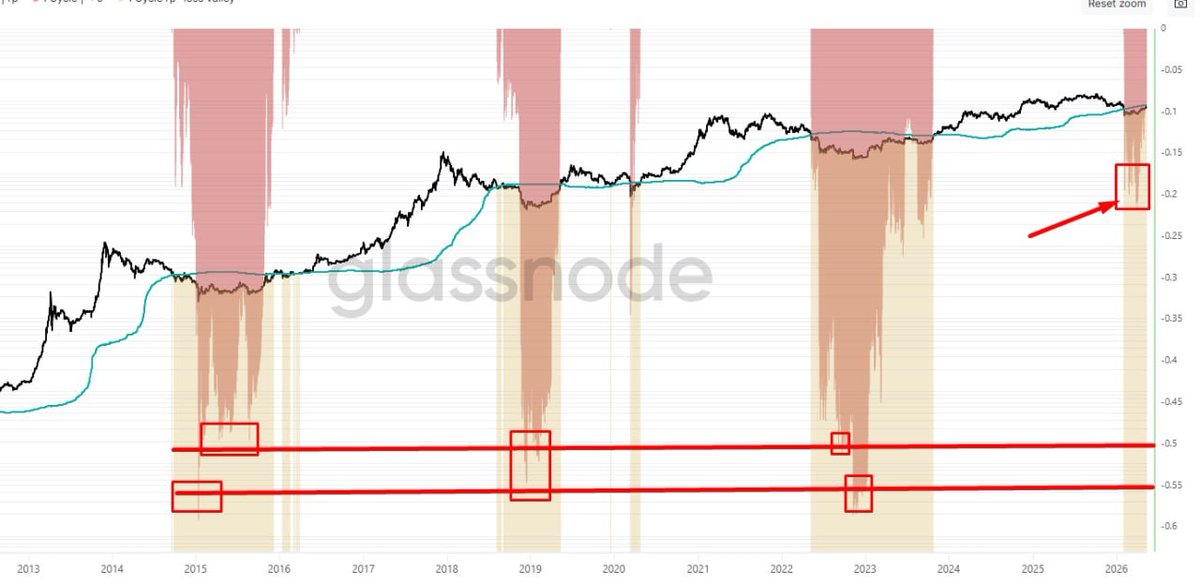
On the attached screenshot, the blue line marks the average purchase price of the so‑called “one‑cycle holders.” This is the cohort that bought their BTC roughly 2–3 years ago, that is, at the beginning of the last bull run (the notional start is 2023). At the moment, their average purchase price is about $89,000
As soon as the BTC price falls below this level, a technical bear market begins. It is called technical because in history there have been fast spikes down caused by force‑majeure events, such as the corona crash in March 2020, but they did not last long, literally 1 month. A technical bear market becomes a real one if two conditions are met: there was no force‑majeure event in the world (when absolutely all markets are falling) and the price stays below the average purchase price of the cycle holders for more than 2 months. Both conditions are now met, so the bear market can be considered genuine.
—
🔸 Regarding the duration and depth of the drop. Taking the last three cycles, you can calculate that the falling market lasted from 9 to 17 months (on average about a year and a bit), with a drawdown up to 50–55% below the average entry price (VWAP) of the one‑cycle cohort. The current bear market only just passed the 3‑month mark a week ago, and the drop has been limited to 22% below the average VWAP. Hypothetically, if you divide 89,000 in half, you get about 45,000 dollars as a potential cycle bottom, which in general matches my earlier calculations .
As for timing, it is harder, since the historical spread is very large, but on average it takes 12–13 months before the price moves into a stable state above the average VWAP of the one‑cycle cohort, which looks like the first trimester of 2027.
Of course, all of this is fractal modeling based on the behavior of past cycles, without any guarantees. In practice, I am more inclined to trust the strength of the correction by price rather than by time, because that will give me an understanding of the price range where I can start buying back with a large volume. Could this time be different? Easily, because only in this cycle did ETFs, tariffs, Warsh, and many other, less significant variables appear. But as a guideline, you should still take these numbers into account and keep them in mind.
#onchain
1
41
VIKTOR BRAVO retweeted

May 12
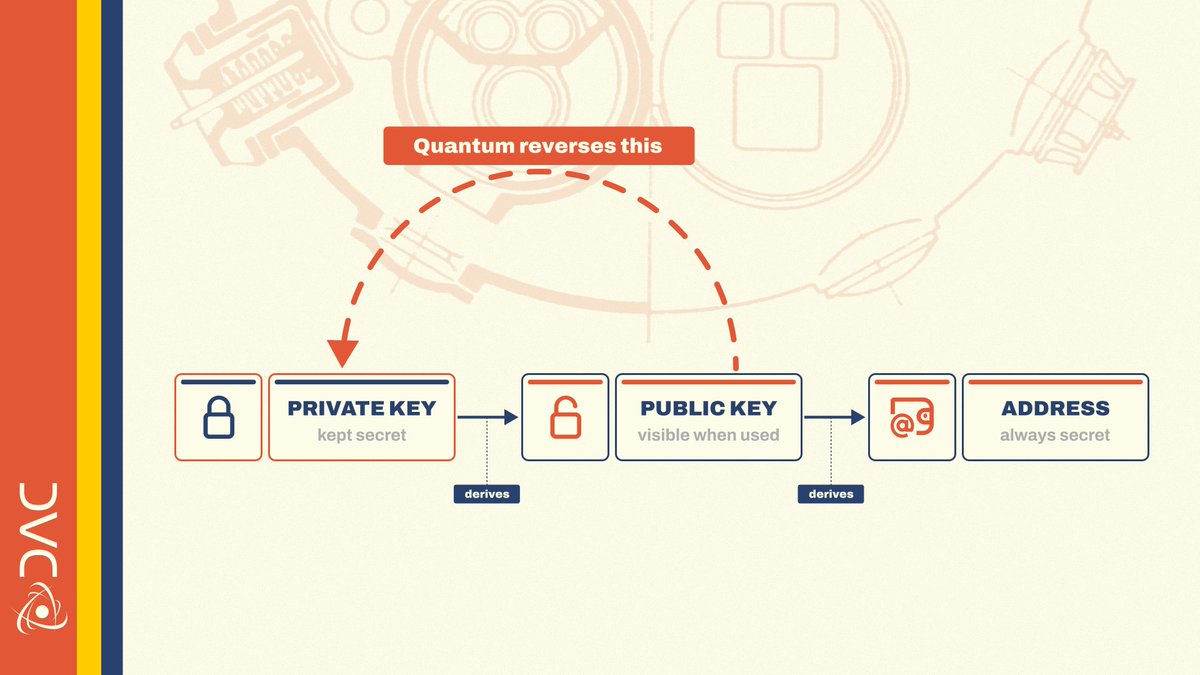
The word wallet makes everything inside sound equally protected.
That isn't true when it comes to quantum threats.
472
559
2,361
32,880
VIKTOR BRAVO retweeted
"The objective is not to appear future-ready. It is to address quantum-era risks through concrete and verifiable technical choices."
Read about the DAC's vision, architecture, token model, and more.
→ whitepaper.dachain.tech

426
496
2,408
39,148
May 6
Big money is entering the market.
Sentiment and prices are weak right now, but fundamentally the crypto industry is showing resilience. The base layer is largely in place, and the next stage is products and scaling through real financial use cases.
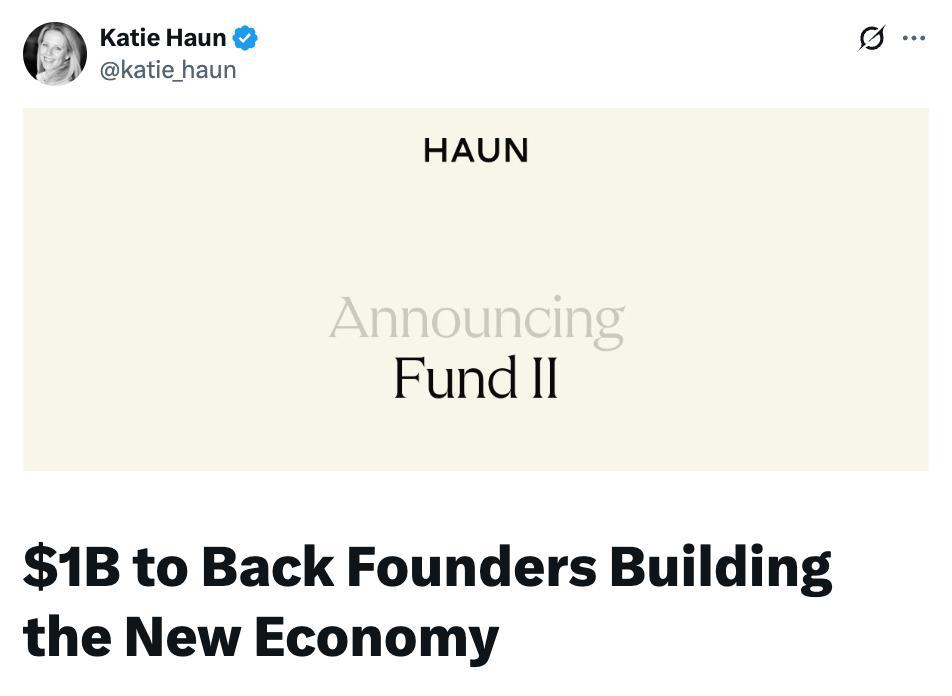
On this, @katie_haun @huanVentures is raising $1B, @a16zcrypto $2.2B, and @dragonfly_xyz $650M.
➖➖➖
The ideological stage is over. And contrary to the early narratives, crypto in its current form is not destroying the global financial system, but integrating into it and gradually upgrading it. This stage is characterized by:
Real product usage
Regulatory development
Growing interest from institutional players
We are witnessing and participating in a major shift: crypto is turning from an alternative into an upgrade. Fund managers are betting on founders who reinforce this trend — those building onchain markets, payment infrastructure, the product layer, and the agent economy.
➖➖➖
Onchain finance is becoming the main entry point: global liquidity and 24/7 markets are gradually competing with traditional infrastructure. The focus is on:
Tokenization of assets
Credit markets and yield products
Prediction markets
Perps as universal markets for any asset
Payment infrastructure, where stablecoins have found their product–market fit and already live independently of BTC’s price. The focus is on:
Issuance
Payment rails
On/off-ramps
Cross-border settlements
The agent economy, where a new type of user appears — not a human, but an agent. In this model, crypto acts as the native settlement layer, where there is demand for:
Payment systems
Onchain identity and reputation
Trust mechanisms
Privacy
In parallel, the product layer is evolving. The infrastructure already exists; now the task is to make it convenient and bring in the mass user through:
Fintech applications
Consumer products
Wallets
➖➖➖
All of this logic forms a single process: first a money layer appeared in the form of stablecoins, on top of it markets with liquidity and price discovery emerge, then credit develops where capital starts working, after that users come not for speculation but for services, and the next stage is agents that start participating in the economy autonomously. This is not linear but parallel development, which only amplifies the effect.
Funds are raising money to support this process at a time when the market is weak, capital overhang is lower, regulation is getting clearer, and usage is moving beyond trading. It is usually in such moments that the foundation for the next growth stage is laid.
1
41
VIKTOR BRAVO retweeted
Tomorrow, we're deep diving into DAC's economic model, inception, and whitepaper details.
Speakers: Davide [@davide___costa] and Prof. Massimo Morini [@TheAntinomist]
Host: Vinh [@esteemedbuilds]
When: May 6, 2 PM UTC
Questions? Drop them below ↓

488
477
2,326
31,917
VIKTOR BRAVO retweeted
Inception Faucet Update
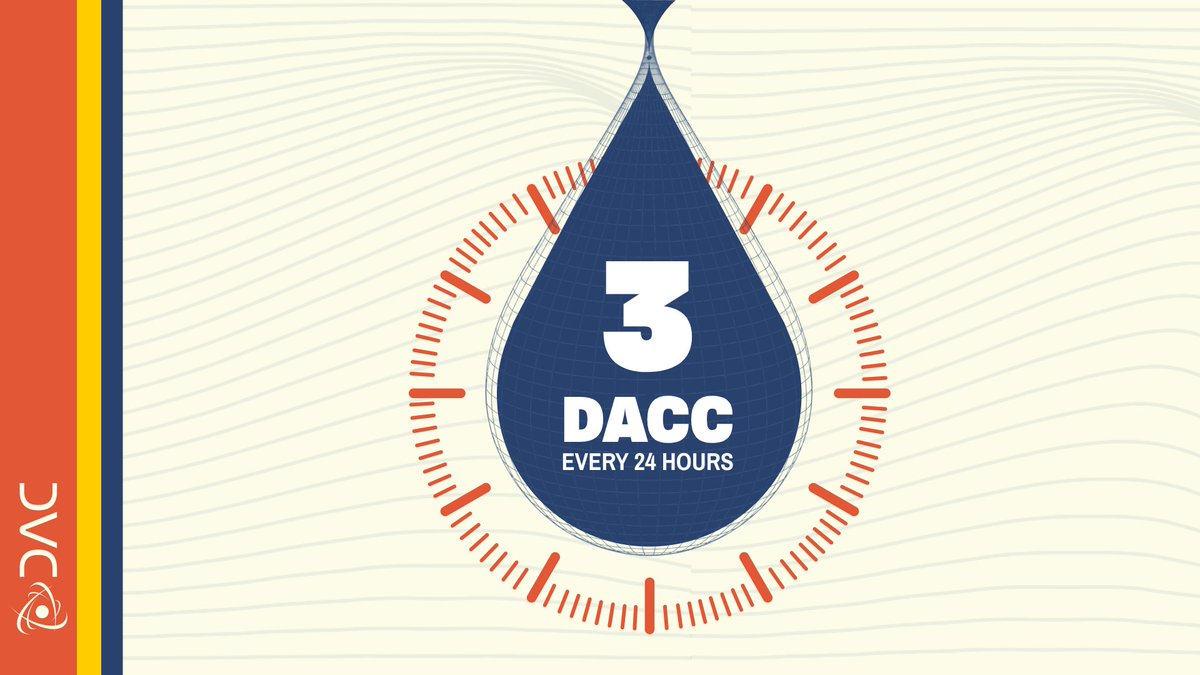
1 DACC / 8 hours → 3 DACC / 24 hours
an update for the network traffic brought by 1.2M users hitting the limits in the first weeks.
Faucet is clickable, but the queue is long, so claims won't reflect instantly.
The team is working on speeding it up.
589
574
2,723
41,391

SHIFT badge drop is live.
• Pre-register on loyalty.shiftrwa.xyz/.
• Complete the tasks.
• Reveal and share your badge.
This is where your points multiplier gets locked in.
🧵
31,732
26,307
26,492
383,876
May 5
How USDm MegaETH works
USDm has already flown past $500M on MegaETH, and the total stablecoin market cap on MegaETH is over $750M. The team has done a solid job of squeezing liquidity out of the market; respect for that.
On a classic L2, every “confirm” is a fee, every bridge is another fee, every sneeze toward the blockchain costs you something. The network lives and eats only because you regularly feed it gas. But the MegaETH guys decided to pull a trick that, in my view, is much more interesting. Their stables are not just sitting there as dead collateral like good old . The reserves backing issuance quietly sit in T‑bills and steadily generate yield. And that yield does not go into your pocket (sorry, bro), nor into some “DAO for voting,” but directly into funding the network’s own infrastructure. Roughly speaking, your dollars are paying for the blockspace you use, while you pay almost zero fees yourself.
Wait, so where’s the actual economics? Someone has to be making money, right? The protocol earns. But not from your pocket via gas fees; it profits from the spread between Treasury yields and the cost of running the network. And it earns enough that the team promises to buy back its token with the leftovers. In crypto, we’re used to seeing gas as a user payment for computation: you take an action, you pay. USDm shows that gas does not have to be paid by the user at all. Gas can be paid with time. While your USDm just sits in the wallet doing nothing, under the hood it is already working. The reserves behind it generate yield, and that yield pays the “utility bills.”
This is not an “L2 with low fees” in the usual sense. It is a different economic model where the funding source for the network is not user traffic, but the opportunity cost of the capital sitting in collateral. Whether this works long term is a big open question (if T‑bill rates drop to zero, hello again, your infra once more needs gas), but the primitive itself is very interesting.
Of course, any beautiful idea on paper is one thing, and its real‑world implementation is another. USDm is not so much a stablecoin as it is a story about the efficiency of the whole system. It is built in collaboration with Ethena, and about 90% of the reserves sit in BlackRock’s $BUIDL. Yep, the very one with tokenized Treasuries from BlackRock. So under the hood we have pretty traditional T‑bills wrapped in on‑chain form. That’s basically standard now. And the yield from these reserves is split in two directions:
subsidizes the sequencer, so gas for users is near zero
goes to buybacks of the MEGA token
USDm itself is simply 1 dollar. No rebases, no “earn % just for holding” like on Blast (if anyone even remembers it), no tricky wrappers.
“Wait, so where do I make money here? I did not fall in love with crypto for pure ideas and technology.”
Well, for profits, my friend, welcome to the ecosystem. Ecosystem yields are what should drive future growth. Growth in $USDm supply acts as fuel for the entire MegaETH economy. Without supply growth, there are fewer reserves in BUIDL → less yield → nothing to subsidize the sequencer and nothing to buy back MEGA. Without buybacks and juicy incentives, there is far less motivation to bring liquidity into the ecosystem. Without liquidity, there is no attractive yield and no growth in the stable’s market cap. Welcome to the dark side of the moon.
It turns out the whole @megaeth economy literally stands on stablecoin supply. Not on TPS, not on the “fastest L2” narrative, not on influencer threads about “we’re scooping the token, pump incoming.” It stands on how much USDm is currently in circulation. That is both the number‑one metric for network health and the single point of failure for the whole mechanism. Elegant, but extremely risky.
MegaETH has decided to convince the market to hold its stablecoin, not its token. The reserves will feed the team and the infrastructure. If they succeed, you might get a self‑sustaining flywheel that looks better than any other L2 economics on the market. If not… well, you can draw your own conclusions.
@waleswoosh @wyckoffweb
60
May 1
How to Actually Farm $MEGA on MegaETH Terminal (S1 Guide) 🧵
1/
MegaETH isn’t just “another L2 token.”
If you want real exposure to $MEGA, you can’t ignore MegaETH Terminal – it’s the official points hub that feeds directly into the Season 1 airdrop and future rewards.
2/
Terminal = your mission control for the MegaETH ecosystem.
It tracks what you do across apps, converts that into non‑transferable points, and uses those Season 1 points to allocate 2.5% of the total $MEGA supply plus extra rewards.
3/
Season 1 basics:
– Duration: 8 weeks (Apr 28 – Jun 23, 2026)
– Structure: weekly “waves” of apps
– Goal: climb the leaderboard via real usage, not spam
If you’re not active across multiple snapshots, you’re leaving $MEGA on the table.
4/
Step 1 – Enter Terminal (don’t get phished):
Go to the official MegaETH Terminal site and double‑check the URL yourself.defieducation.substack 2
Connect your wallet and sign the usual message.
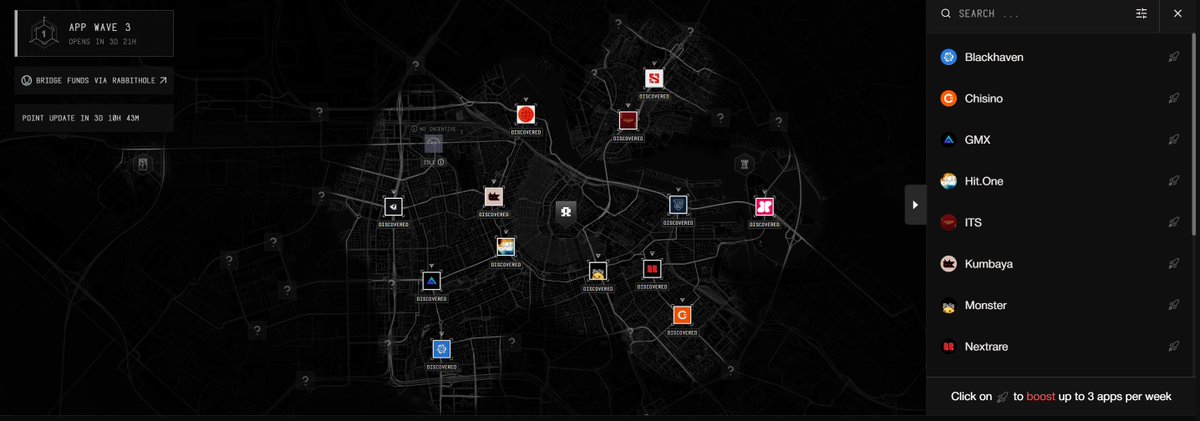
Terminal maps your on‑chain activity to a city‑style UI where each building represents an app or quest.
5/
Think of the map as your farming dashboard:
– Buildings = integrated apps
– Icons and markers = active quests and timers
– Weekly check‑ins = updated waves and upcoming unlocks
This is where you plan your route before blindly clicking into every dApp.terminal.
6/
Step 2 – Bridge first, farm second.
You need funds on MegaETH to do anything meaningful.
Terminal currently routes users through the official flow, for example via RabbitHole, to bridge into the L2.
7/
Bridging is not just logistics, it’s also meta:
– It’s often part of tracked activity
– Some guides explicitly list bridging via the official route as a key task
Don’t skip this if you’re optimizing for points – and always bridge amounts you’re actually comfortable using.
8/
Step 3 – Understand the game: points, boosters, clans.
Terminal is not a dumb “click every button once” farm.
It’s a weighted system where multipliers matter more than raw transaction count.defieducation.
9/
Points:
You earn points by using featured apps during the active week – swaps, LP, mints, gameplay, and other real actions.bankless 2
Points are non‑transferable, not a token, and exist purely as a scoring system to calculate your share of $MEGA and other rewards.
10/
Boosters:
Certain holdings and behaviors give you multipliers on all points.
Examples from community guides include ecosystem NFTs such as Fluffle, specific LP positions, and other Terminal‑linked assets that signal you’re “in” the ecosystem.
11/
One strong booster is better than fifty random tiny actions.
The meta is to stack a few high‑impact boosters, then route meaningful volume through apps instead of micro‑transaction farming like it’s 2021.defieducation.
12/
Clans:
Terminal introduces clan or faction mechanics – NFT‑based groups that unlock extra benefits when you commit and stay active.youtubereddit 1
Some bonuses are tied to clan membership and progression, so don’t treat clans as purely cosmetic.reddit 1
13/
Quick rule of thumb:
– Pick a clan early
– Read the rules before hopping around
– Assume that switching mid‑season can reduce or reset some benefits
Check the official Terminal guide before you try to min‑max this.terminal.
14/
Step 4 – Farm weekly app waves instead of blind grinding.
Terminal runs in waves: each week, a curated set of apps becomes point‑active, and that’s what counts toward your snapshot.terminal.
15/
Season 1 is eight weeks of waves.
You’re not trying to one‑shot the system; you’re playing a league with weekly check‑ins.
Your rank is a sum of consistent activity across those snapshots, not one mega‑day of farming.
16/
The flow at the start of every week should look like this:
Open Terminal and check which buildings are active, read the quests and notes for each app, then prioritize a handful of apps where you can generate actual usage in terms of volume, time, and interactions.terminal.
17/
Examples from early waves:
Community guides and videos mention apps like Kumbaya, Monster, TopStrike, and others showing up in Terminal as integrated quests.youtubepanewslab 1
Treat each one like a proper protocol: learn the mechanics, then decide how much size and effort you want to commit.
18/
After each wave, Terminal’s weekly recap becomes your feedback loop:
It shows points earned, rank movement, and which apps and boosters actually mattered, so you can adapt.terminal.megaeth
Use this to double down on efficient point sources and cut what’s just burning gas and time.
19/
Step 5 – Farm like a future MegaETH citizen, not a sybil.
Terminal’s design, docs, and media coverage all call out sybil behavior.
Multi‑wallet spray‑and‑pray is increasingly likely to get filtered or heavily diluted.
20/
The winning pattern looks more like:
One to three main wallets, consistent usage of featured apps every week, holding ecosystem NFTs and positions that act as strong boosters, and engaging with the MegaETH ecosystem beyond bare‑minimum tasks.
21/
Boosters via holdings:
Fluffle and other MegaETH‑linked assets are mentioned in guides as examples of items that can significantly bump your multiplier.reddit 1
If you believe in the chain, holding these for the season is both meta‑ and thesis‑aligned.defieducation.
22/
Clans revisited:
Clans are effectively social plus economic alignment tools.
Pick one that fits your style and stay active so you benefit from whatever clan‑level perks or long‑term reputation systems emerge.
23/
Step 6 – Respect the snapshots and the endgame.
Terminal runs on weekly snapshots, so your points and rank update on a schedule, not continuously.terminal.megaeth
That means missed weeks are permanent expected value loss for Season 1.playtoearn 2
24/
Season 1 payout:
Two and a half percent of the total MEGA supply is allocated based on Season 1 points, on top of extra ecosystem rewards.youtubebankless 1
Distribution happens around or after the season end, not after each week.
25/
So your mindset should be:
You’re playing an eight‑week league.
One gigantic day of grinding cannot fix four weeks of zero activity; you want light but steady farming across the entire window.
26/
Bonus – why this matters beyond Season 1:
Articles and news explicitly frame Terminal as a persistent engagement and points platform, not a one‑off airdrop gimmick.bankless 1
Early seasons may become the baseline for future seasons, multipliers, and reputational perks.
27/
In other words:
Terminal is MegaETH’s social graph of on‑chain behavior.
If the chain succeeds, having a strong history here could matter far beyond the first season’s drop.
28/
To recap your $MEGA Terminal game plan:
Enter Terminal, connect, and understand the map; bridge via the official route; stack a few strong boosters and join a clan; farm weekly waves with real usage; stay consistent over eight weeks and avoid sybil games.defieducation.
29/
If you’re serious about MegaETH, farming Terminal isn’t optional.
It’s the on‑ramp where your early alignment with the ecosystem gets priced into $MEGA.
Farm smart, not loud. 🧠
1
2
194
VIKTOR BRAVO retweeted
Apr 30
What makes DAC's approach unique among other blockchains in terms of security?
hear it from the CIO of DAC, @davide___costa ↓
491
586
2,367
42,302
VIKTOR BRAVO retweeted
Apr 27
Testnet Tip #1
The streak multipliers are the easiest QE edge to hold, as long as you show up daily.
inception.dachain.io

549
416
2,244
36,349

Diapleo Early Access Application.
Limited Spots.
Apply here: waitlist.diapleo.com
521
2,514
2,805
68,564