Joined January 2016
- Tweets 288
- Following 113
- Followers 6,103
- Likes 35
231 Photos and videos





Apr 25
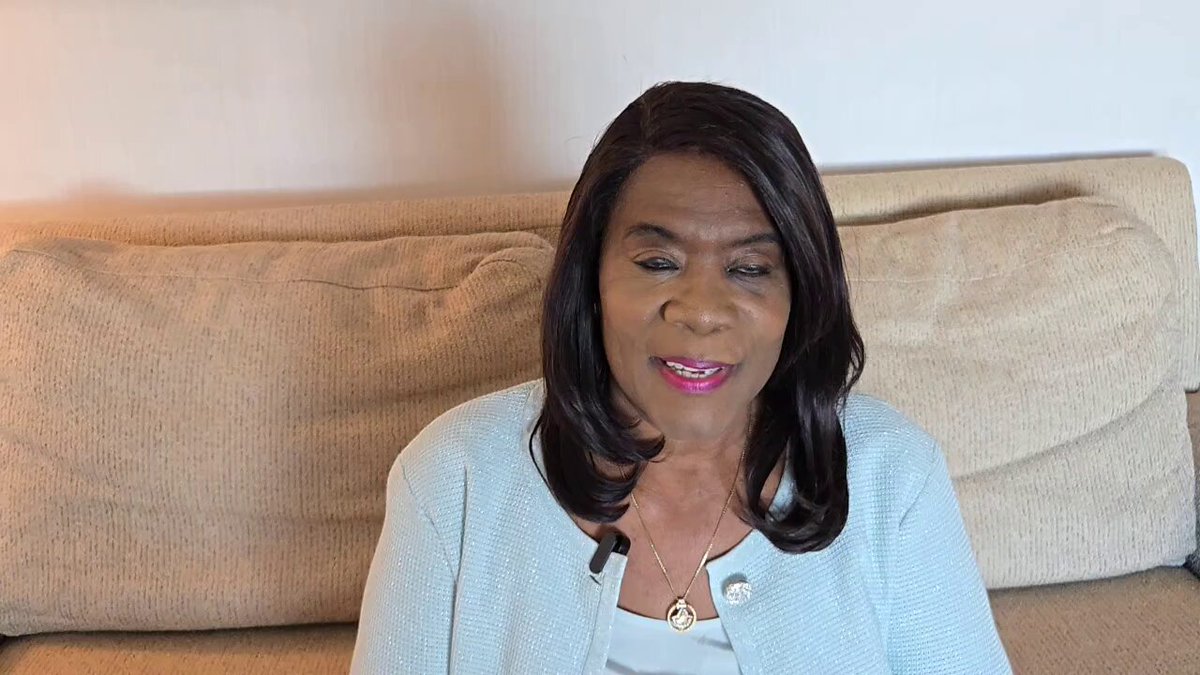
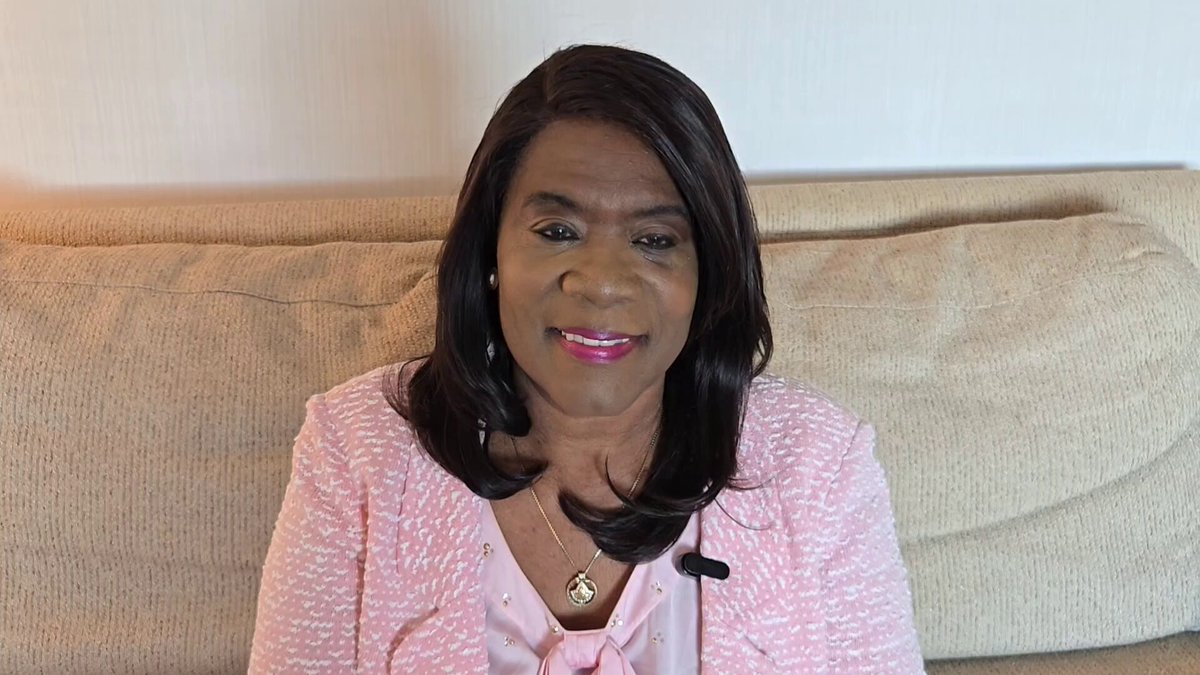
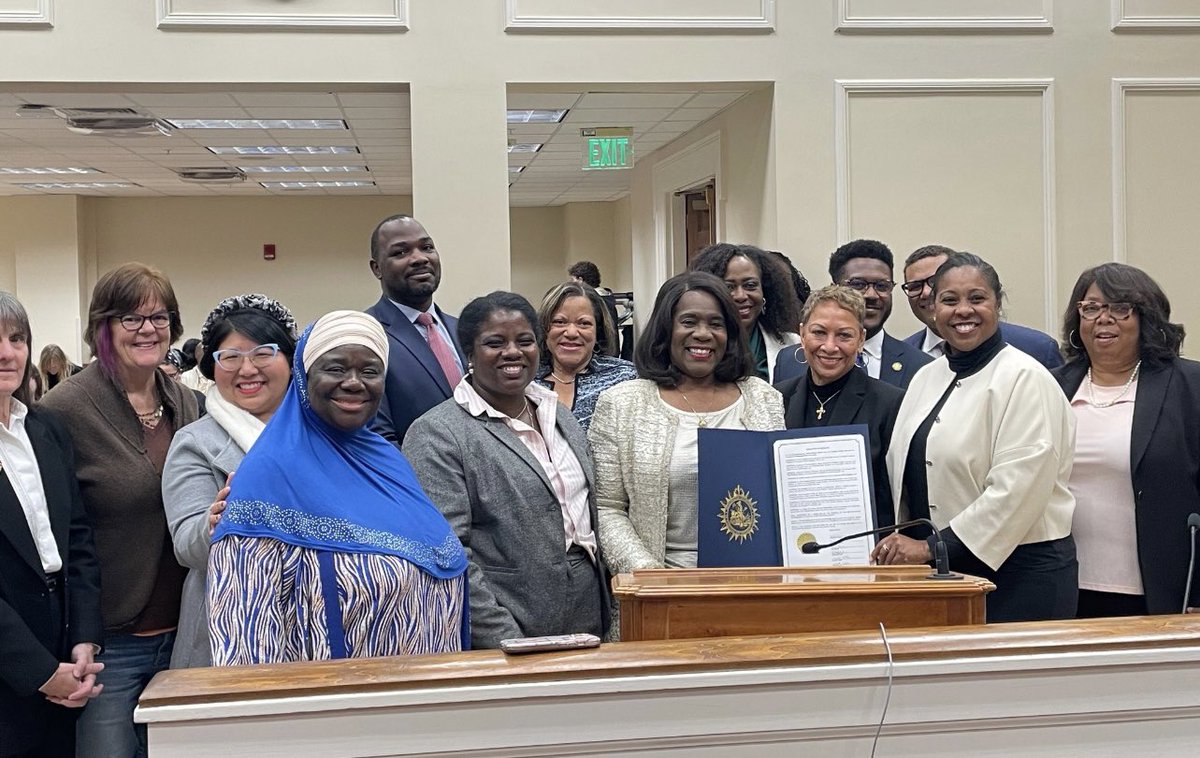
We were heartbroken to learn of the passing of Rep. G A Hardaway, a dear friend whose integrity and courage defined his life.
He carried a light within him, and was committed to equity and justice.
We lift up his family in prayer during this difficult time.
1
7
206
Apr 8
Remembering my sister, Rayverne Baskin Wilson, who passed away five years ago today. I remember her kindness, her love, and her beauty. I carry her wisdom and her strength with me every day. I honor her with gratitude for the life she lived and the imprint she left on all of us.
2
23
345
Mar 16
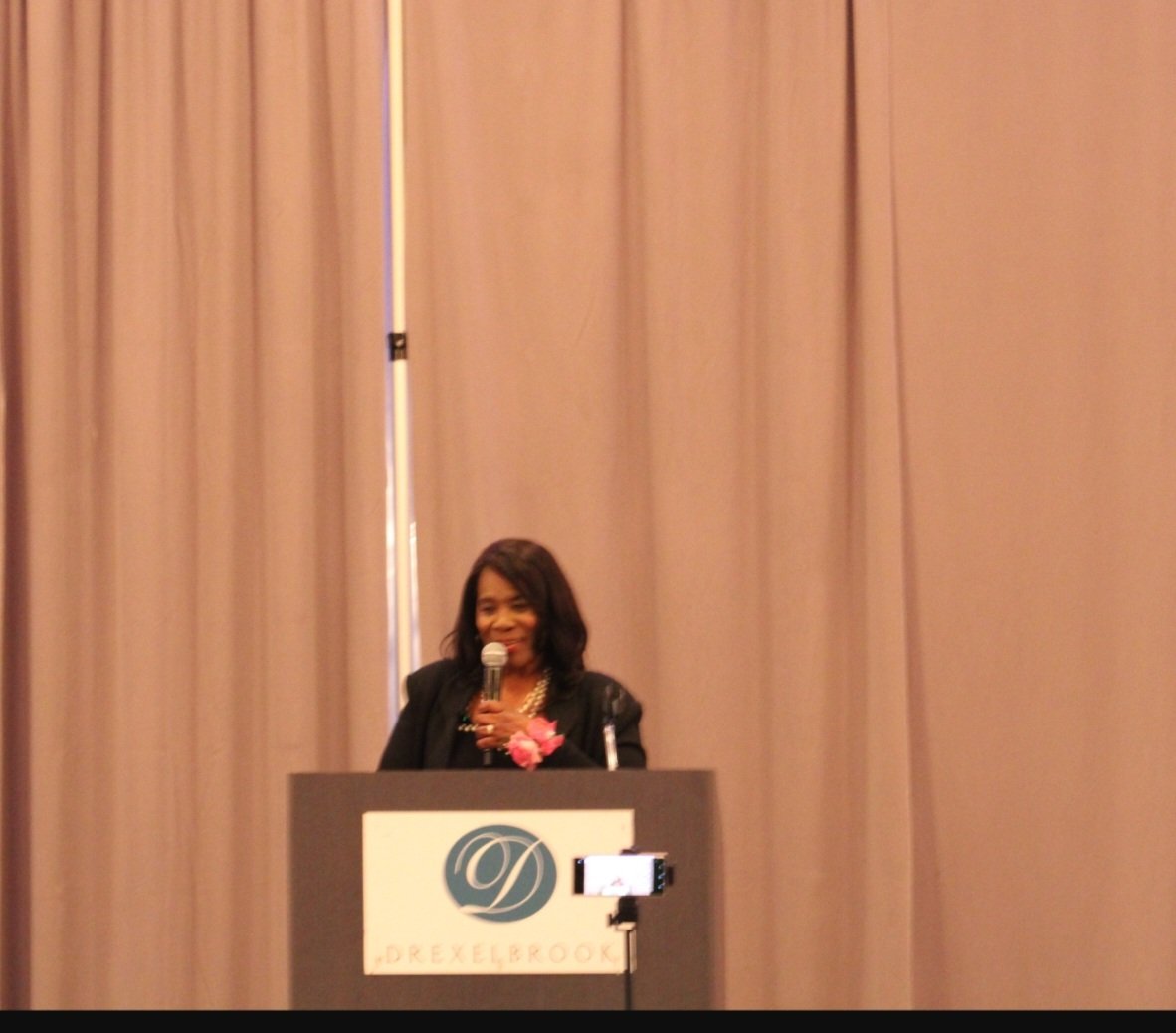
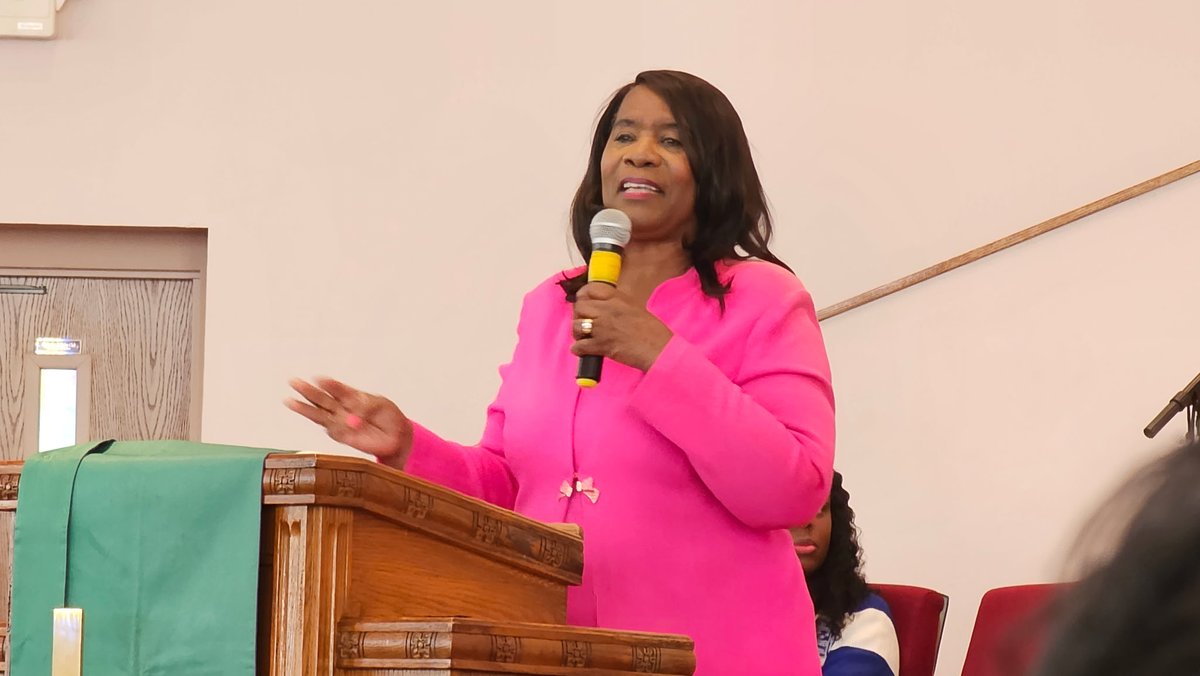
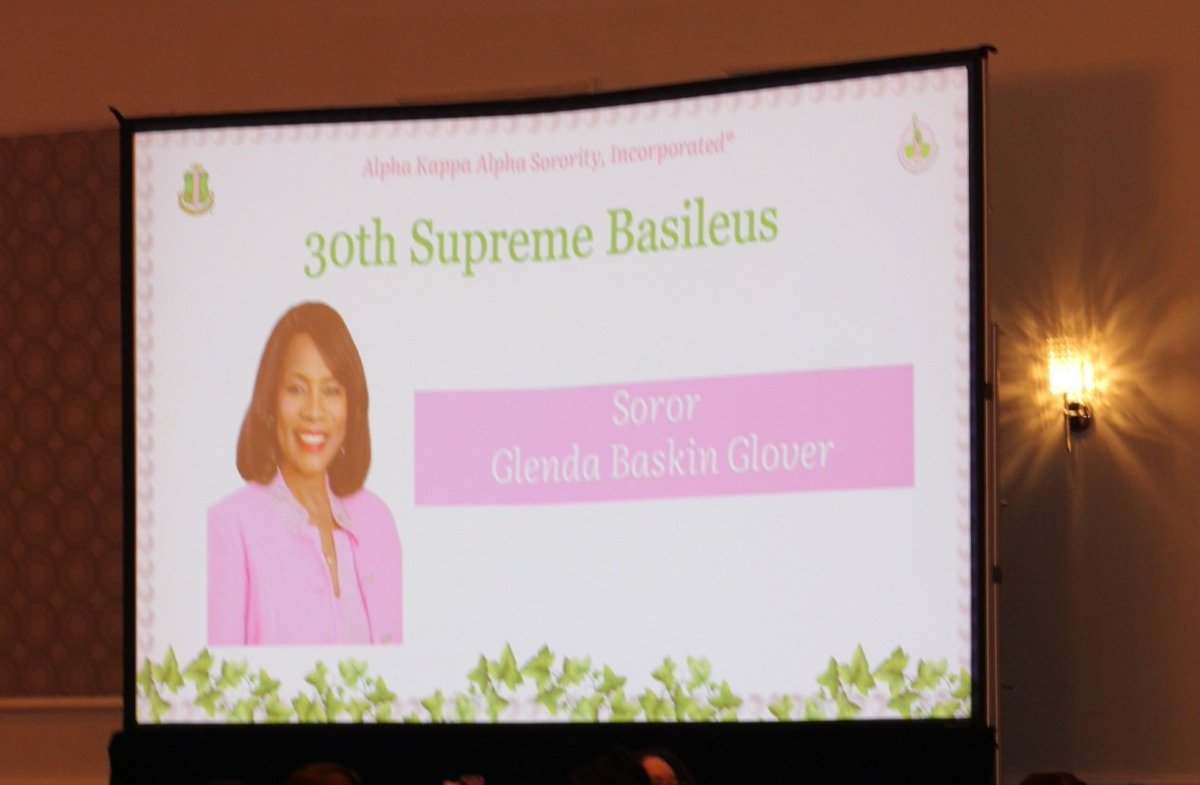
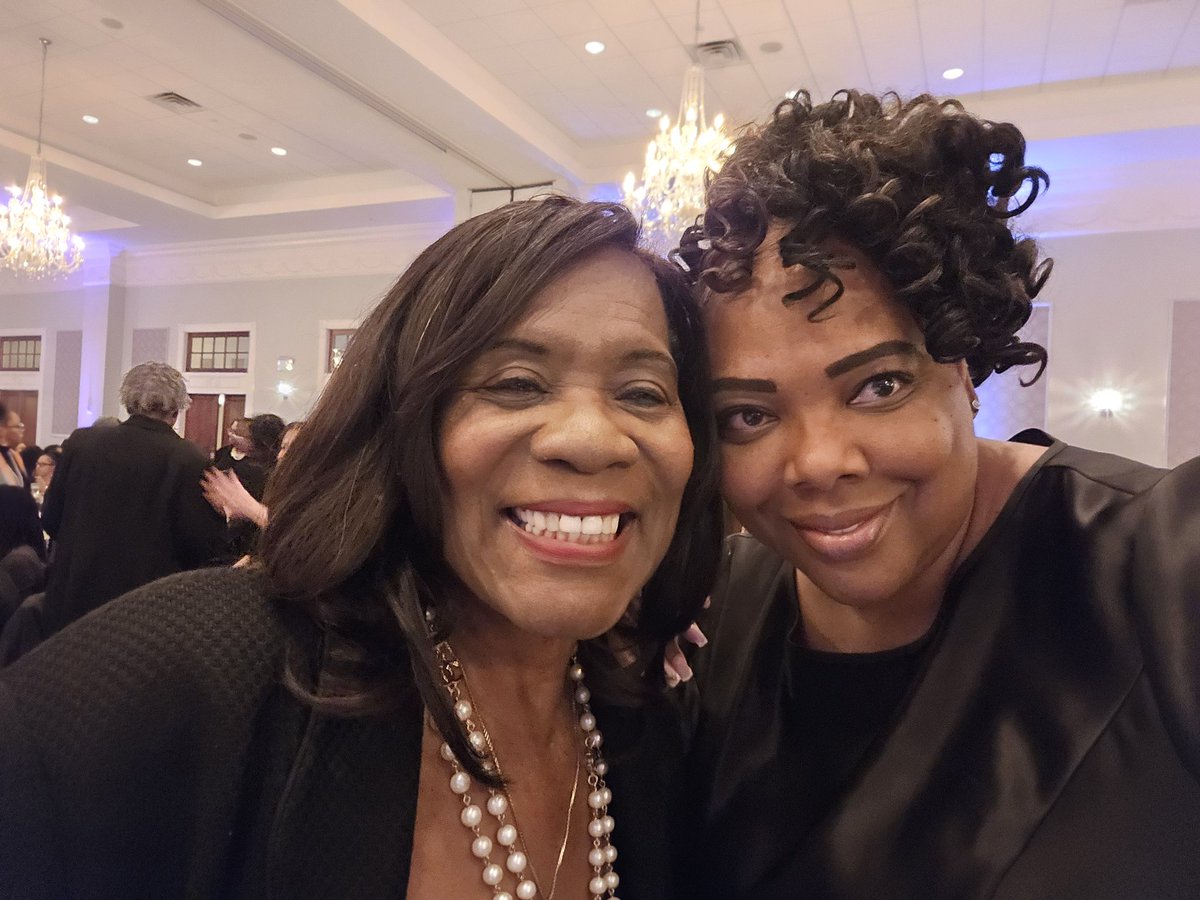
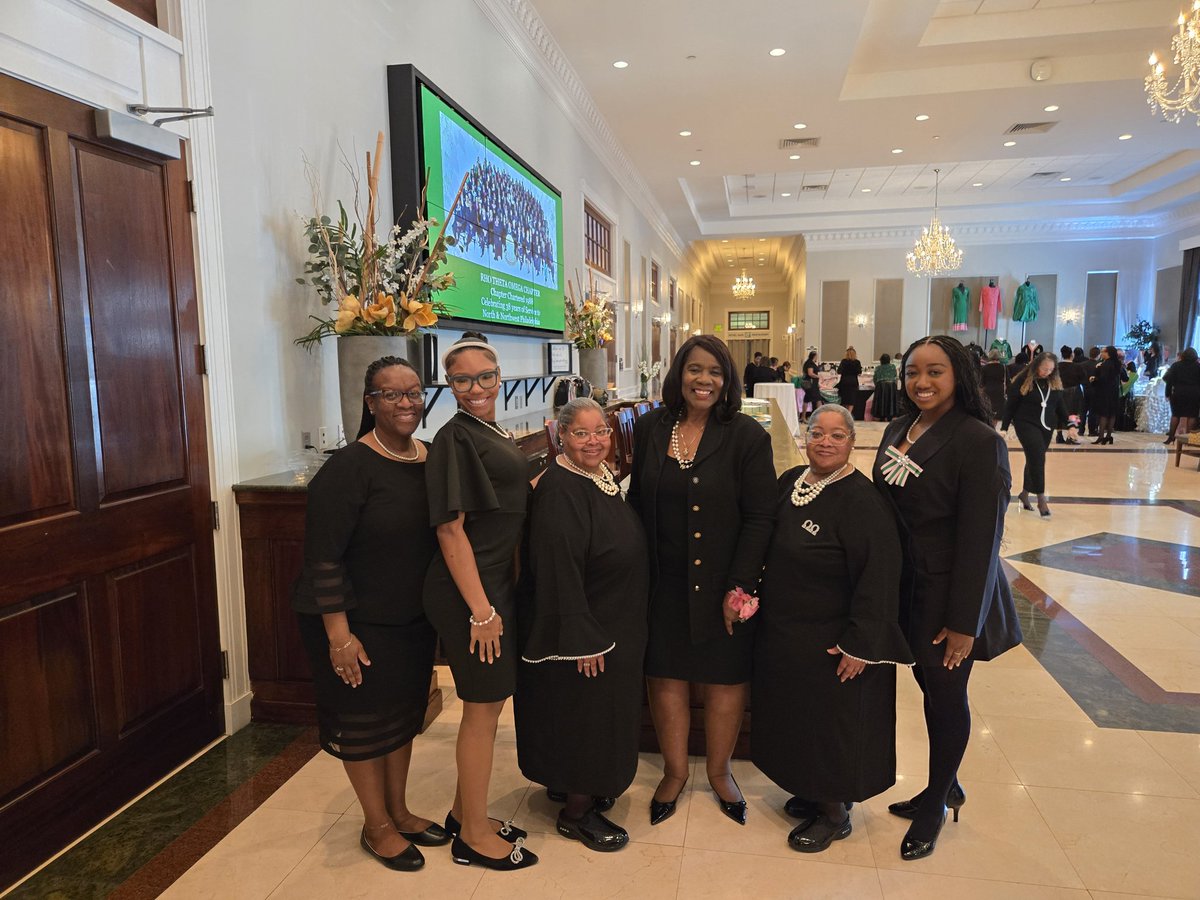
I was honored to serve as the keynote speaker for Founders Day, Cluster II in the North Atlantic Region. It was a spirited moment as we reflected on our shared legacy, celebrated the impact of our founders, and requested the members to continue with excellence while providing service within our communities. Moments like these remind us of the power of sisterhood and allow us to celebrate the vision of our founders.
1
23
370
Mar 13
I am deeply honored to be in Nassau celebrating Ambassador Andrew Young as he turns 94 years old. His extraordinary life of service, courage, and global leadership continues to inspire us all. What a privilege to honor such a remarkable legacy.
1
6
31
587
Mar 6
Today I am honored to participate in the investiture ceremony at Columbia State College in Chicago as a special guest of the new president. At her request, I joined the procession in academic regalia in keeping with the tradition for invited guests. It's a joy to celebrate this milestone with colleagues across higher education.
I was delighted to see so many members of Alpha Kappa Alpha and other members of the Divine 9 there to support her, including her sorority sisters from Zeta Phi Beta.
It’s a beautiful reminder of how deeply connected we are in this collective pursuit of academic excellence.
1
1
19
760
Mar 2
I start Women’s History Month by saluting one of the strongest women I know, Mrs. Jaqueline Jackson. Sitting with her and sharing stories of resilience and faith, while she was in Nashville this weekend, reminded me that Women’s History Month is about celebrating women like her.
1
13
44
1,087
Mar 1
Honoring Rev. Jesse L. Jackson Sr. as the Memorial Caravan Passed Through Nashville
The memorial caravan carrying the body of Rev. Jesse L. Jackson Sr., one of the icons of the Civil Rights Movement, passed through Nashville on Saturday, February 28, 2026. I was deeply honored to be asked to spearhead the procession as it moved through our city—a city whose streets still carry the echoes of the Movement he helped shape.
The caravan began its journey in Chicago, traveling through Indianapolis, Louisville, Nashville, Knoxville, and Asheville, before stopping to Columbia, South Carolina, where additional acknowledgments will be made. It will ultimately return to Chicago for the final ceremony honoring his extraordinary life. This route was not accidental; it traced the geography of struggle, sacrifice, and triumph—places where Rev. Jackson encouraged hope, expanded opportunity, and strengthened the call for equality.
During the Nashville stop, the procession paused at Swett’s Restaurant, a historic gathering place for generations of leaders, activists, and community members. The Jackson family shared a meal before holding a press conference. Congressman Jonathan Jackson, serving as the lead spokesperson, spoke with clarity and conviction about his father’s legacy. He reminded us that Nashville was not merely a passage point in the Movement—it was a training ground for giants. He invoked the names of those who fought here, including Congressman John Lewis, whose courage helped bend the arc of history.
We also extend our sincere appreciation to Governor Bill Lee, who ordered the flag lowered in Rev. Jackson’s honor. This gesture recognized not only the passing of a national leader, but the enduring impact of a man who inspired the nation to honor its promise of equality for all people.
Rev. Jackson’s journey through Nashville was more than a procession—it was a moment that allowed us to honor a life spent fighting for dignity, equity, and opportunity. It reminded us that movements do not end with the passing of a leader because his legacy is not just a memory to admire, but rather a charge that we are called to uphold with courage and conviction.
1
11
255
Feb 23
Huge congratulations to our North Atlantic Regional Director for leading a truly spectacular 95th North Atlantic Regional Conference! 🌸💚
#NAR95 #Homecoming #NorthAtlanticRegion #ServiceToAllMankind
2
15
371
Feb 20
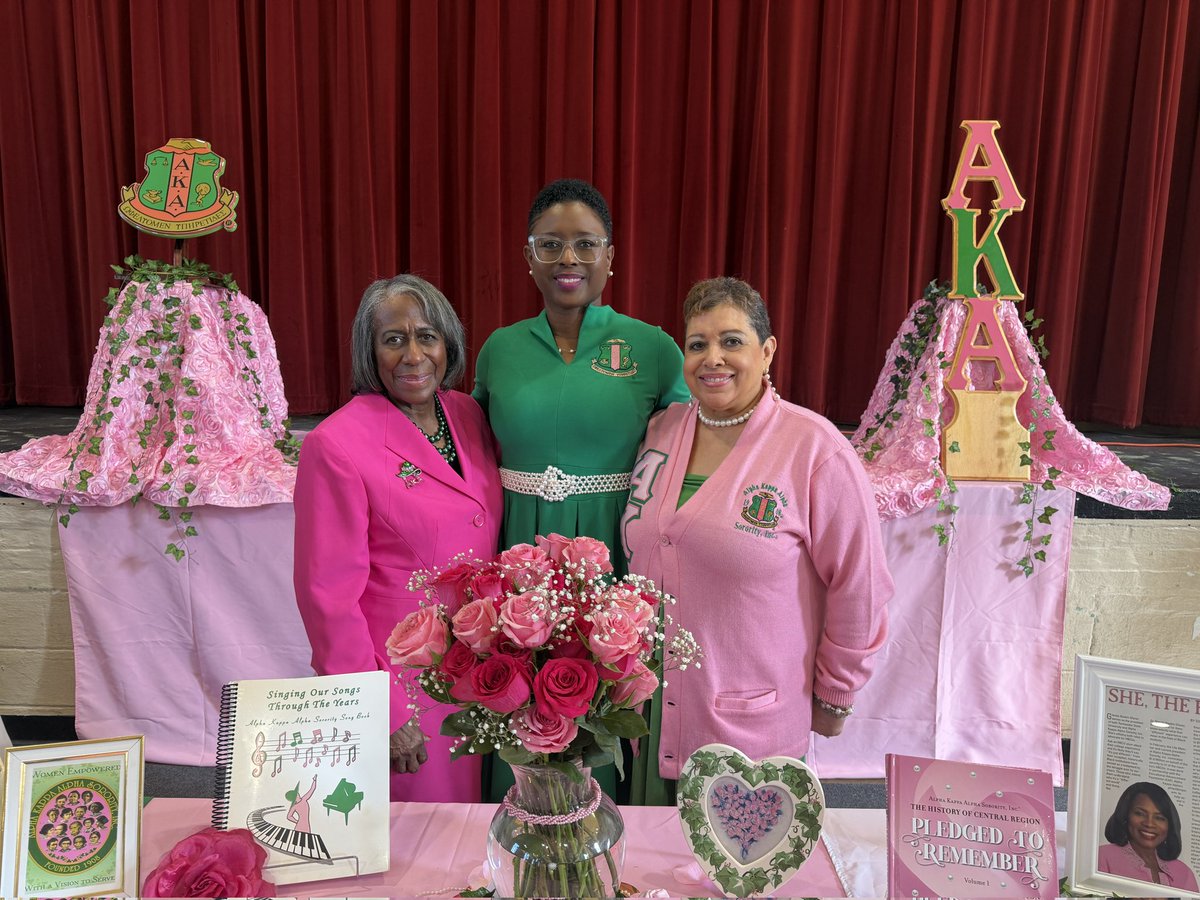
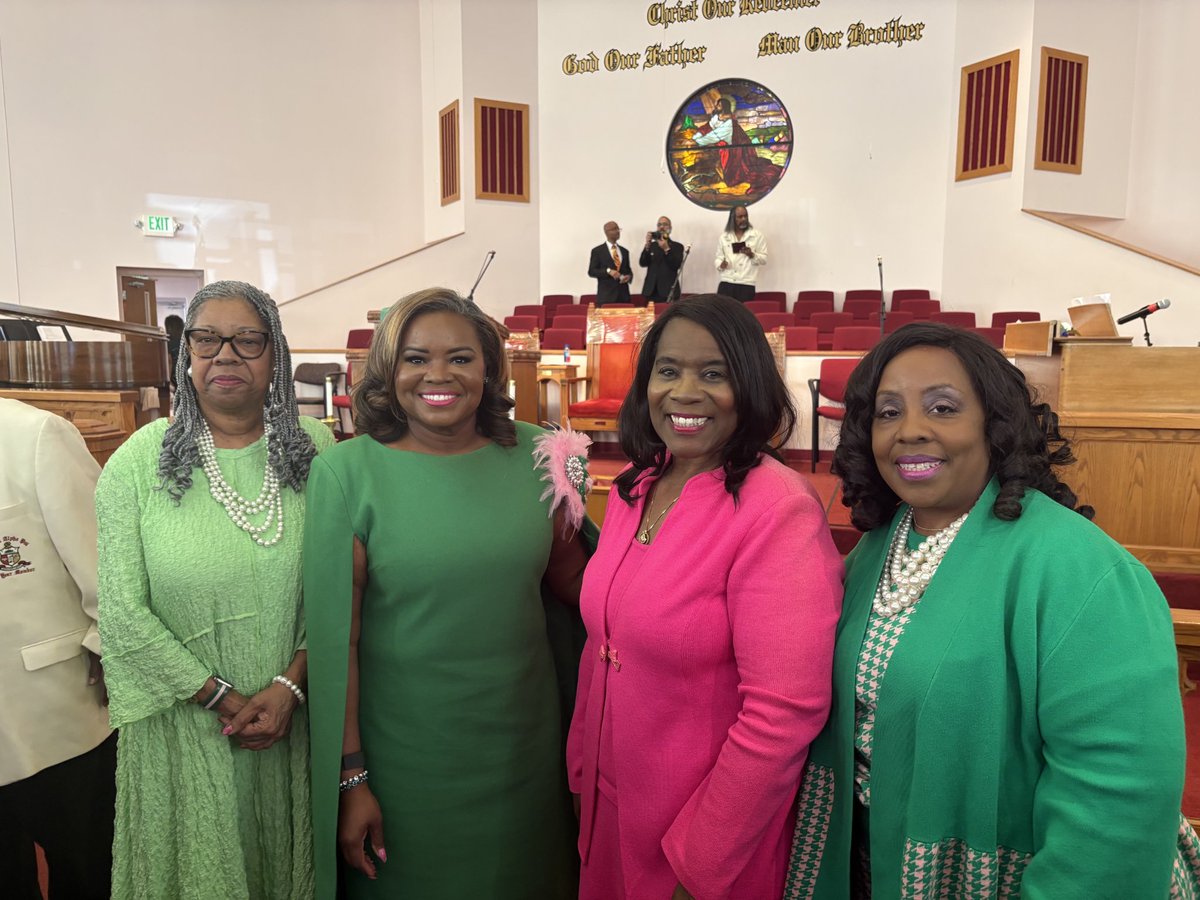
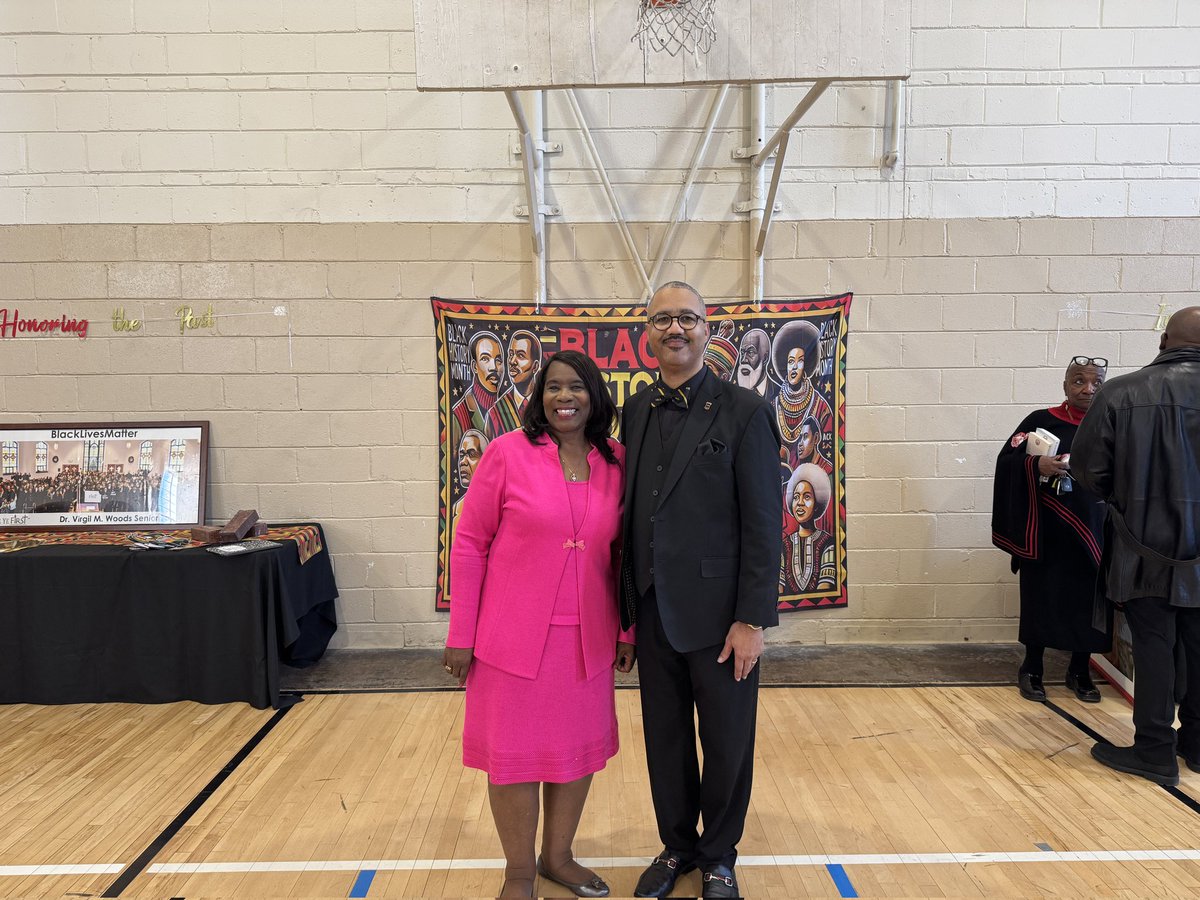
I was honored to be the keynote speaker at the First AME Church in Gary, Indiana for Black History Sunday as they acknowledged the Divine Nine . The message centered on working together as one cohesive unit.
Divine Nine - We are many letters, but one testimony. Many colors, but one purpose. Many calls but One Spirit. Together, we are one collaborative unit. Paul said we are many members - but one body.
1 Corinthians 12:4-6.
Now there are diversities of gifts, but the same Spirit. And there are differences of administrations, but the same Lord. And there are diversities of operations, but it is the same God which worketh all in all.
Nine sacred callings - yet one Spirit moving to lift us higher.
Let us continue to praise God and trust Him to lead us through these challenging times. For even in the darkest valleys His power does not waver, His promises do not fail, and His presence does not abandon us. May we stand firm, unshaken, knowing that the God who brought us this far will carry us the rest of the way.
14
278
Feb 18
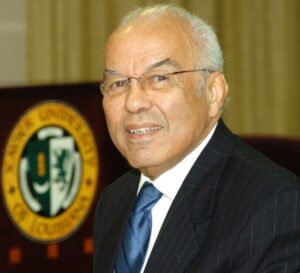
The HBCU community has lost a towering giant in Dr. Norman C. Francis—a leader whose vision, courage, and moral clarity reshaped the landscape of higher education and civil rights in this nation. Dr. Francis led Xavier University for nearly 50 years, and transformed Xavier University into a national powerhouse, opening doors of opportunity for generations of Black students who would go on to lead, to heal, and to serve.
I had the pleasure of knowing Dr. Norman Francis across the span of my educational career, and I was always struck by his brilliance, his kindness, and his deep belief in the transformative power of education. He was a powerful force during some of the most turbulent chapters in our nation’s history, from the fight for civil rights to the struggle for economic justice. Dr. Francis was a president’s president - a builder of people, a defender of human dignity, and a guardian of the educational future for young people.
Thank you, Dr. Francis, for leaving a legacy that will continue to light the way for individuals who believe in the unmatched legacy of HBCUs and the uncompromising fight for equality.
7
23
74
1,742
Feb 17
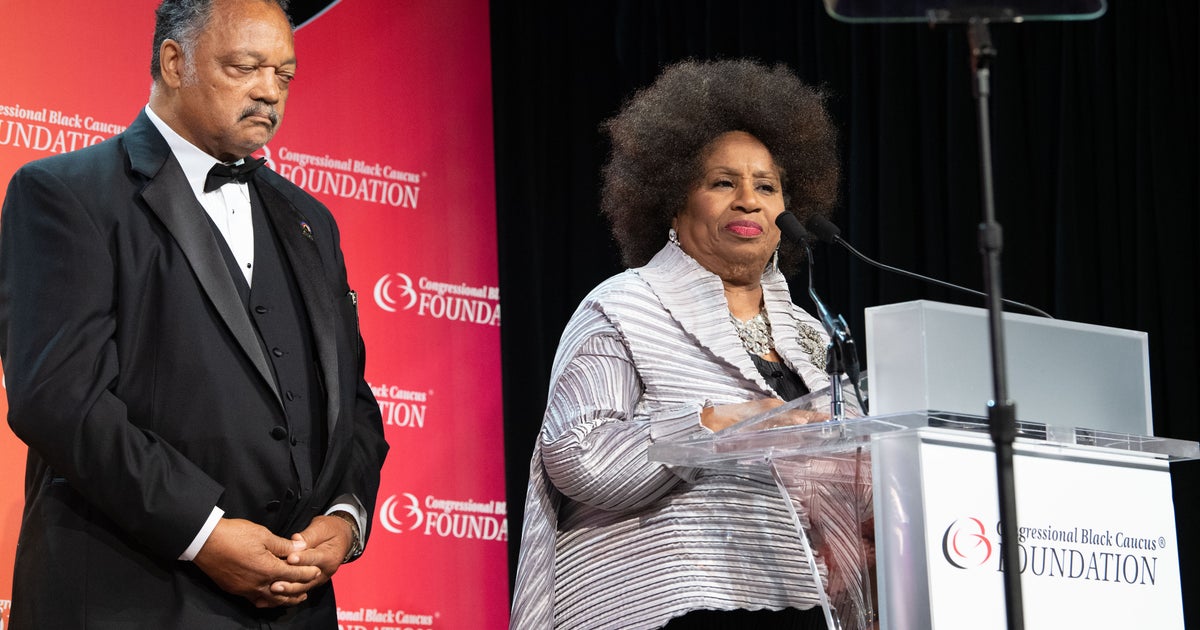
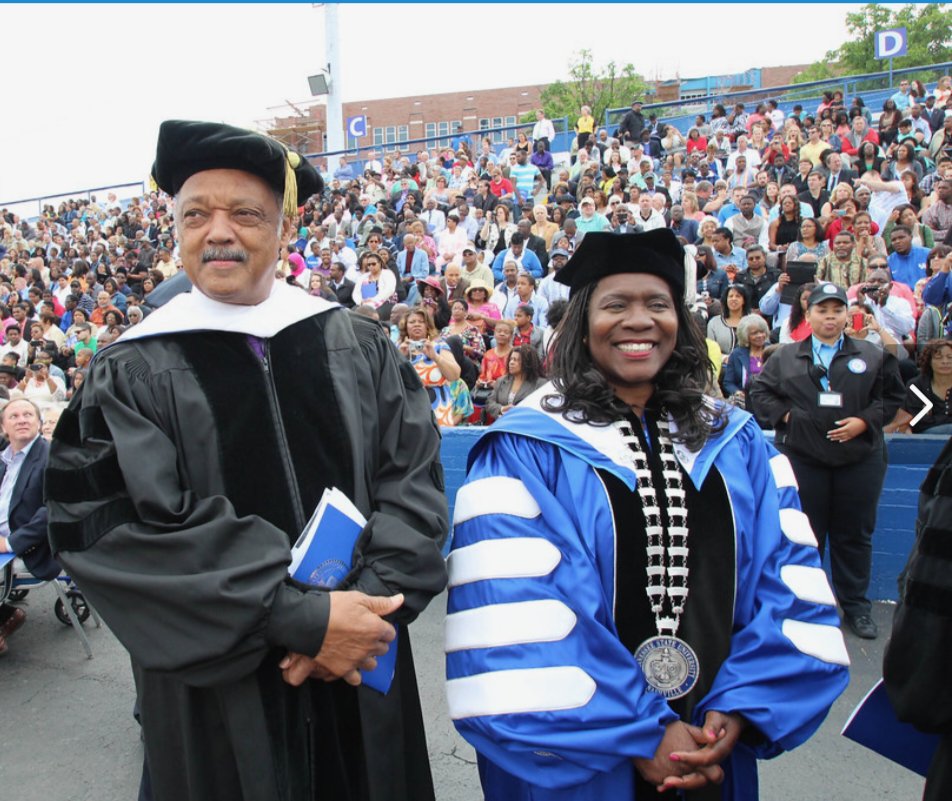
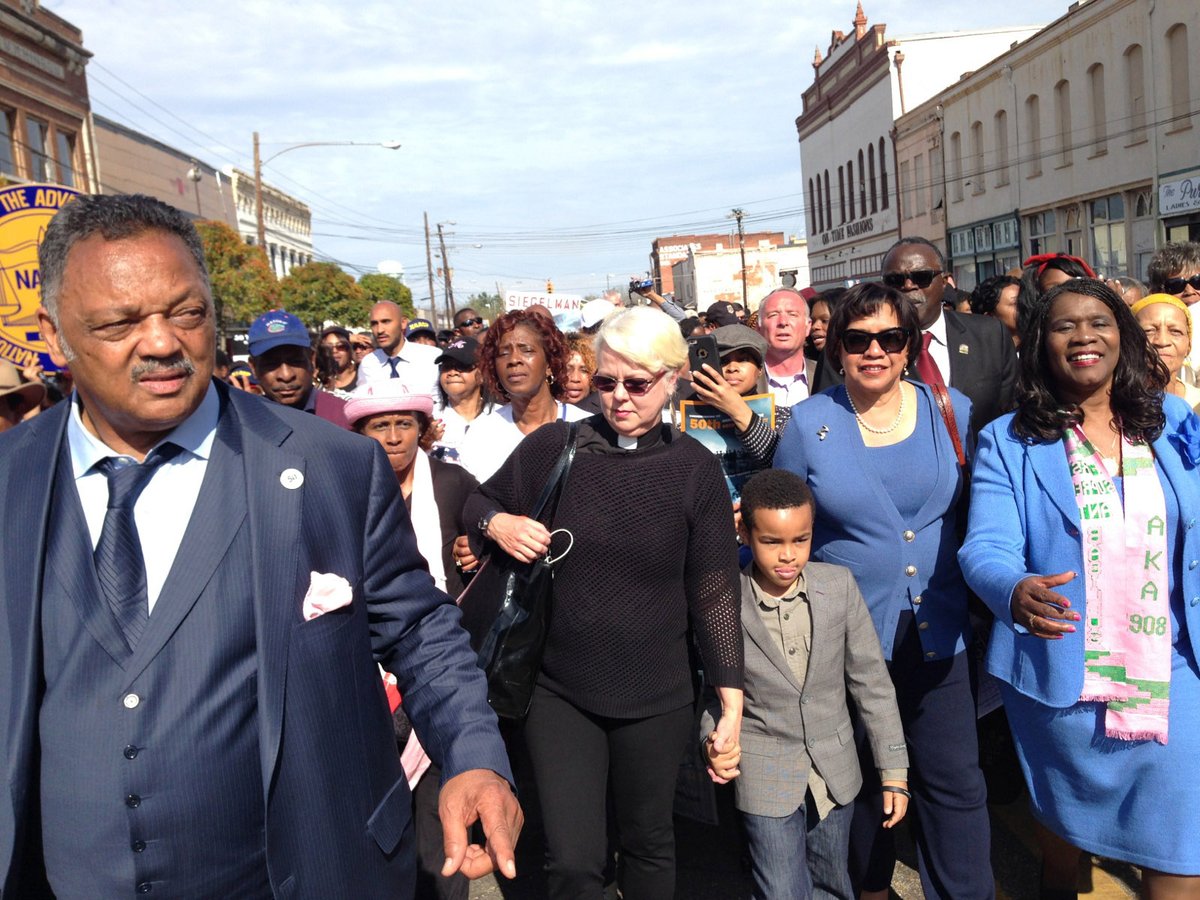
In loving memory of a dear friend, mentor, and supporter, Rev. Jesse Jackson.
I met Rev. Jackson early in my life and career as he was a confidant to my father, Henry Baskin Sr, as he supported the efforts of Memphis sanitation workers during the days of the Civil Rights Movement, as far back as the late 1960s. He was, in fact, present on the day Dr. King was assassinated.
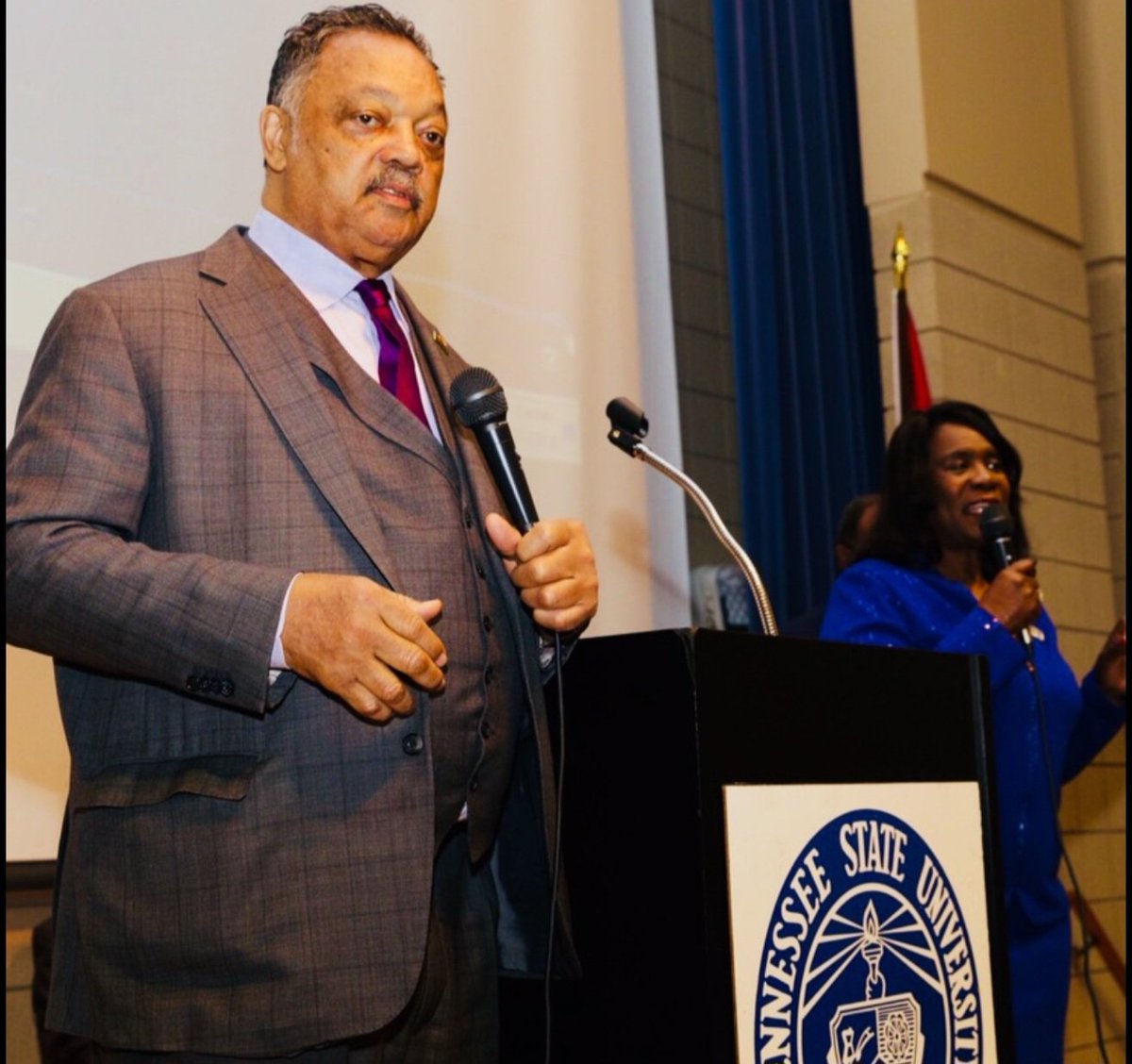
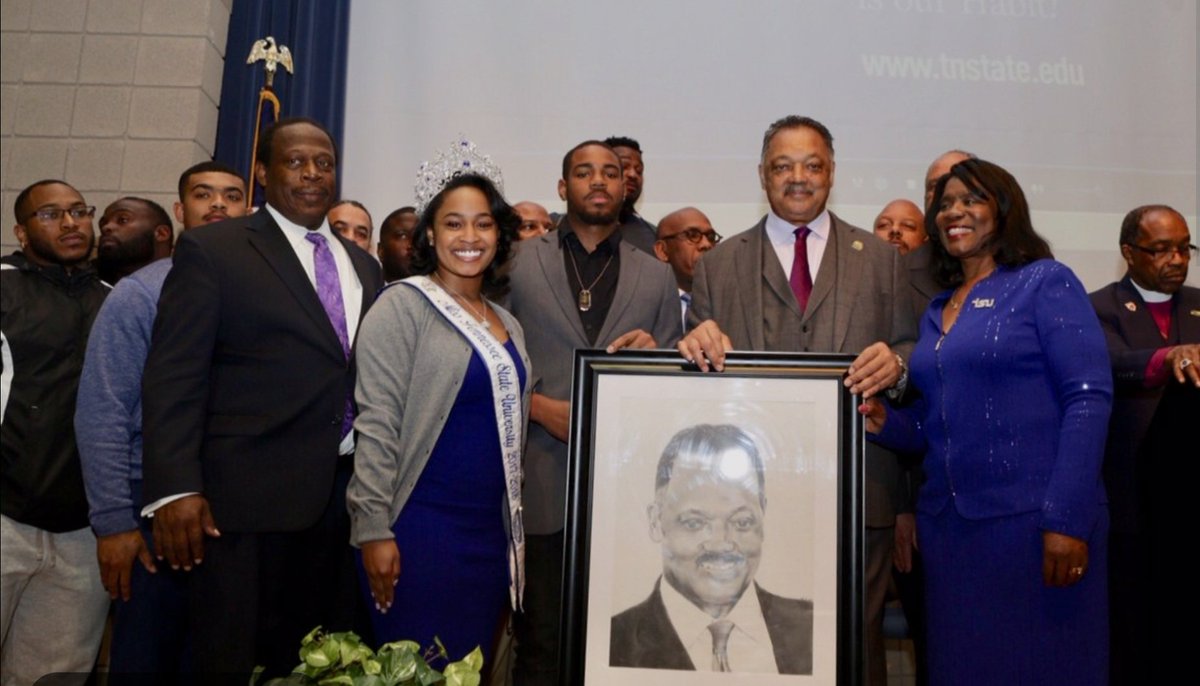
I am thankful for the way he supported me not only during the good times but also when the times were challenging. His participation as Tennessee State University’s commencement speaker in 2013 remains one of my cherished memories- a moment that captured his love for young people and his belief in the power of education to transform lives.
Rev. Jackson’s passing leaves a tremendous void in our nation and in the hearts of all who were touched by his courage, conviction, and commitment to justice. We have lost one of the greatest changemakers and fearless truth tellers the world has ever known. Let us find strength in the example he set for generations to come.
1
15
77
1,057