Always thinking about tea while making things for the Earth. Working on interstitial.systems. Previously at IDEO, CoLab, Protocol Labs, and Dark Matter
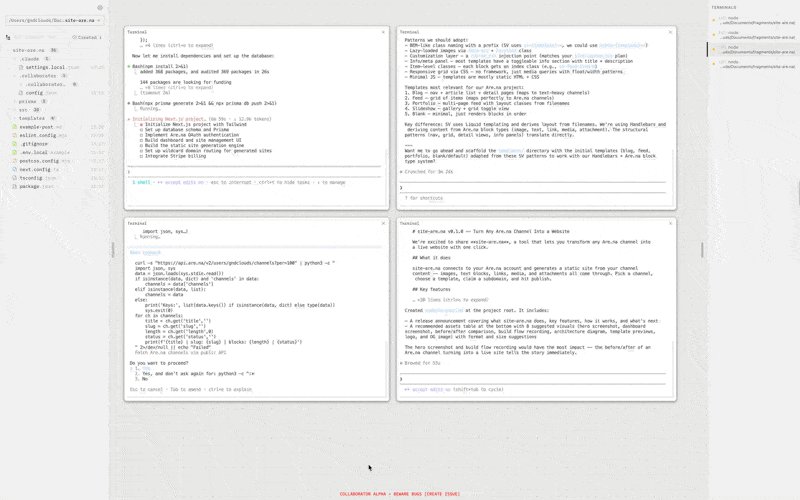
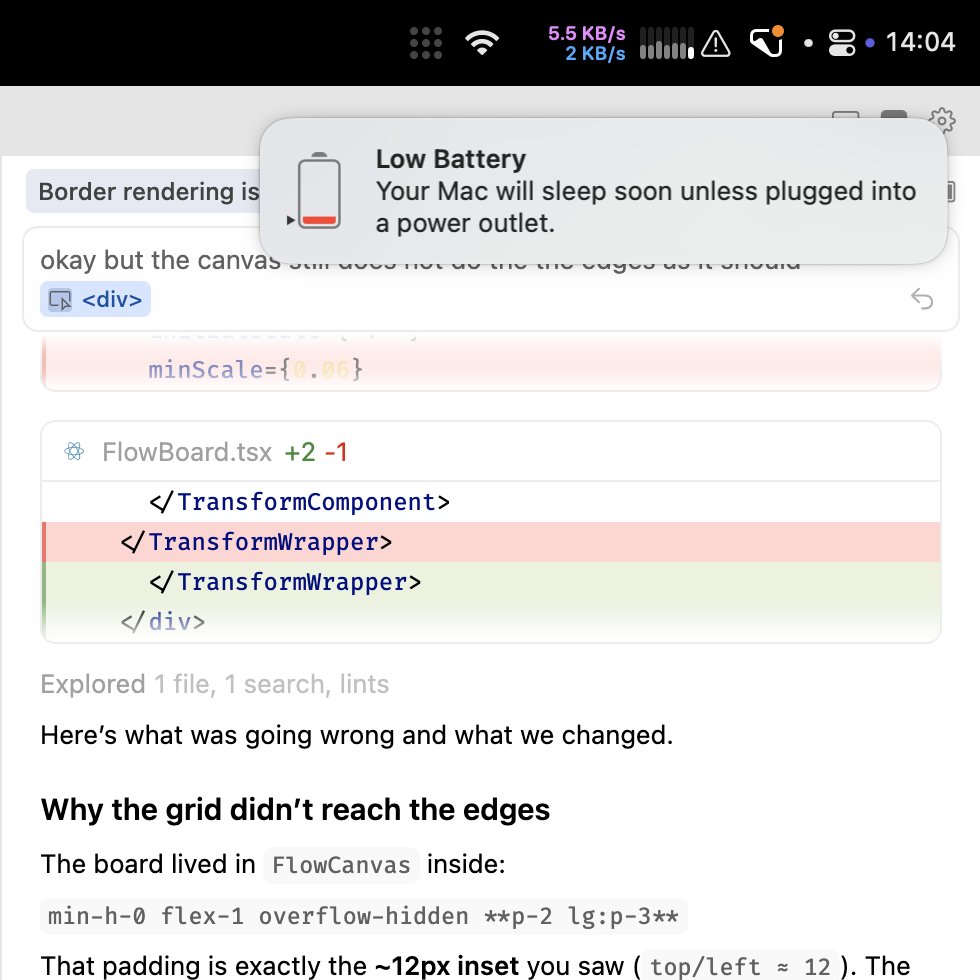
AI tools really need to double down on system design. I know the pace of change is fast, but damn, the rate at which features move or are removed is wild.
I rarely go back to past chats and find that I will just ask a similar question a second time because in all likelihood the answer will be better the second time.
hosting an intimate eve in sf for creative technologists.
design-led founders, artists exploring the overlap of design ร code ร art, and designers who code.
keeping it to <15. who should be in the room ๐ซถ
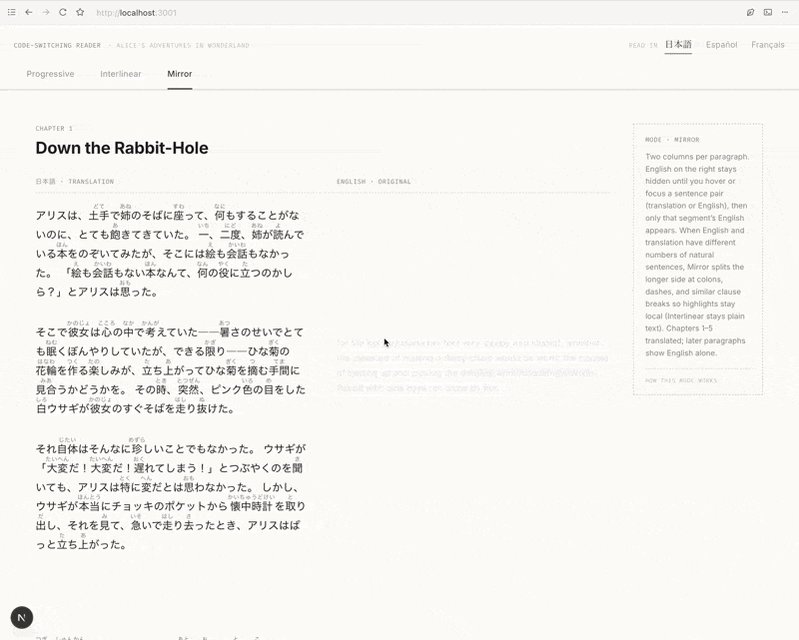
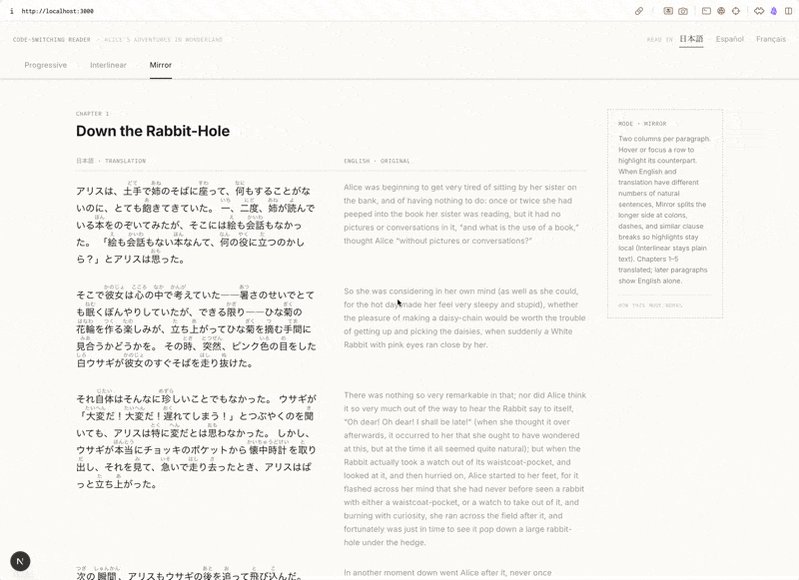
Mirroring code-switching -- side-by-side reading was thinking more of each pair of book pages being connected. I was able to get into a good flow, but maybe the English should only be visible on highlight.
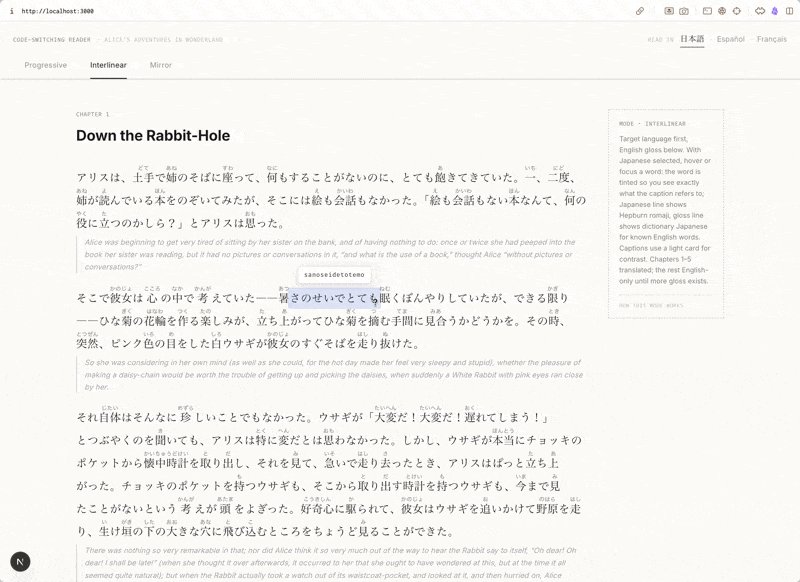
Interlinear code-switching -- more fully translation-focused, seeing both languages at the same time. When trying it, I find I need to focus more on not defaulting to the English, which feels like cheating.
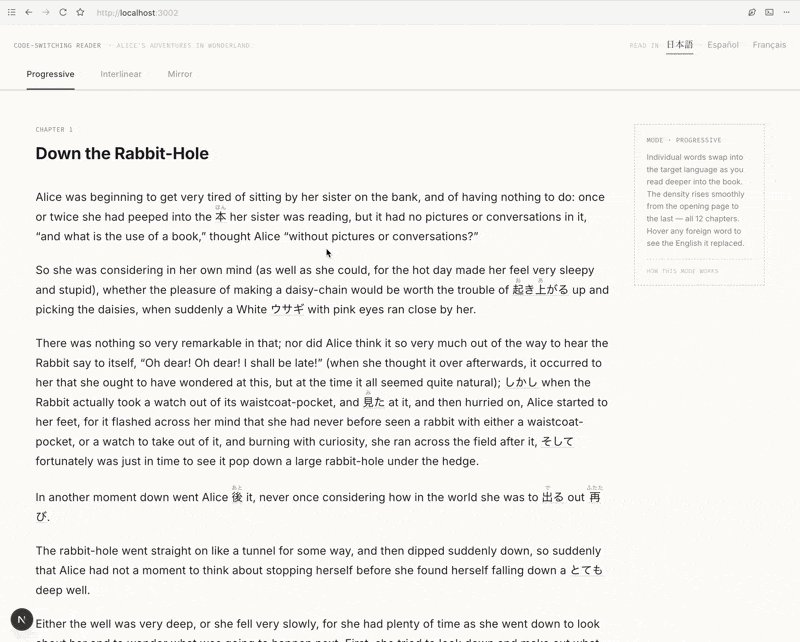
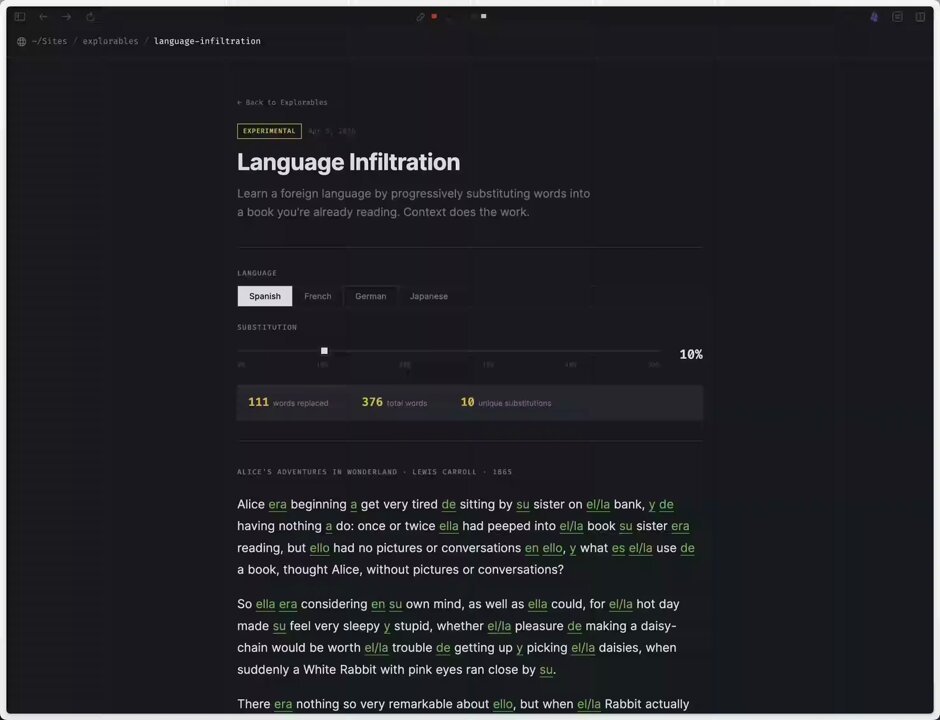
Progressive code-switching -- translation progressed in complexity based on word frequency and book length. This still feels like the most appealing learning curve when trying it.
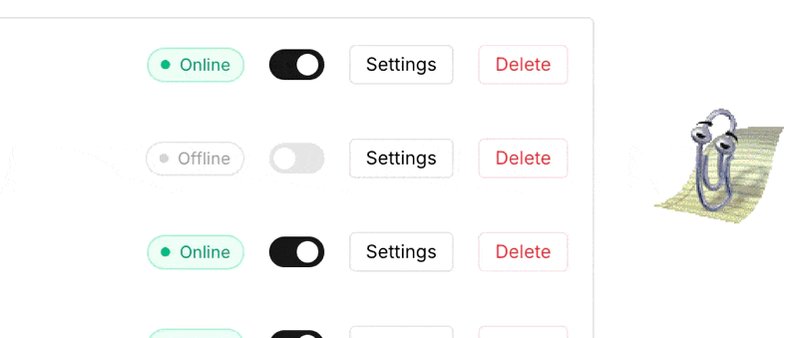
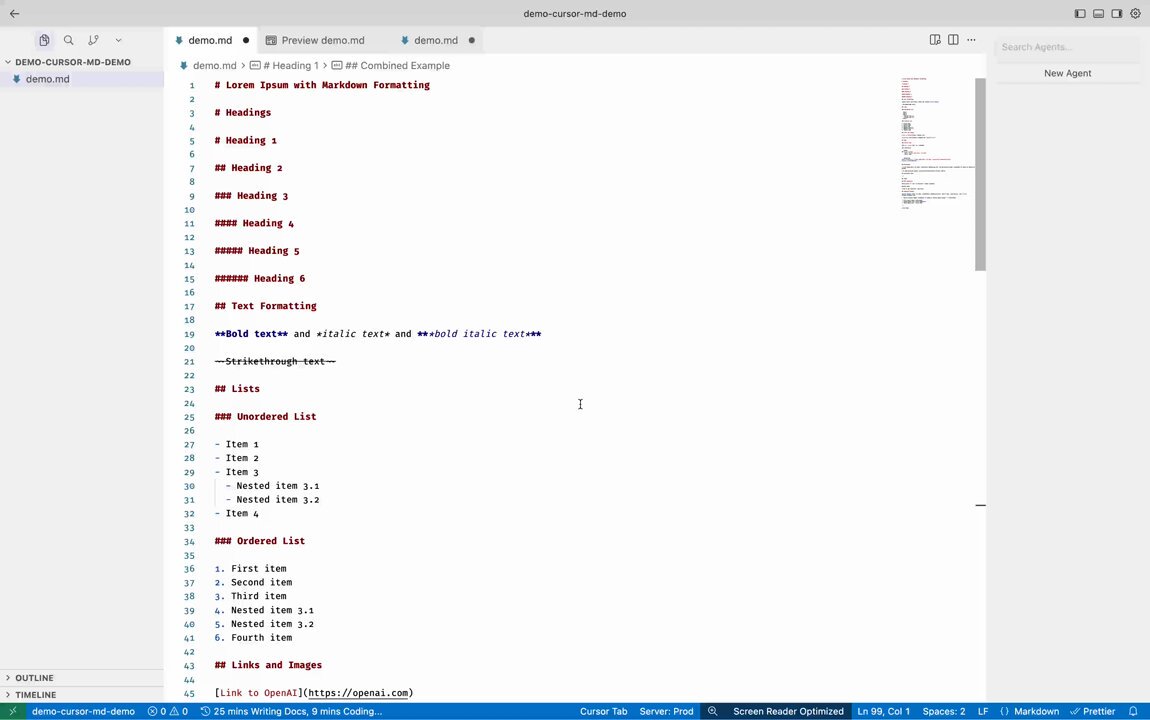
I'm finding that "design mode" is being overused and underdelivering. Many of the tools with some design mode remove agency through the abstraction of the tool into a prompt. We still need buttons and sliders sometimes.
็ณใฎไธใซใไธๅนด (ishi no ue ni mo sannen)
Stick with things even when theyโre uncomfortable; steady patience turns โthis kinda sucksโ into real progress with habits, skills, or long-term projects.
Not a perfect 1:1 translation, but a gradual introduction of a new language through inline context. Like how friends in college would seamlessly switch between multiple languages mid-conversation.
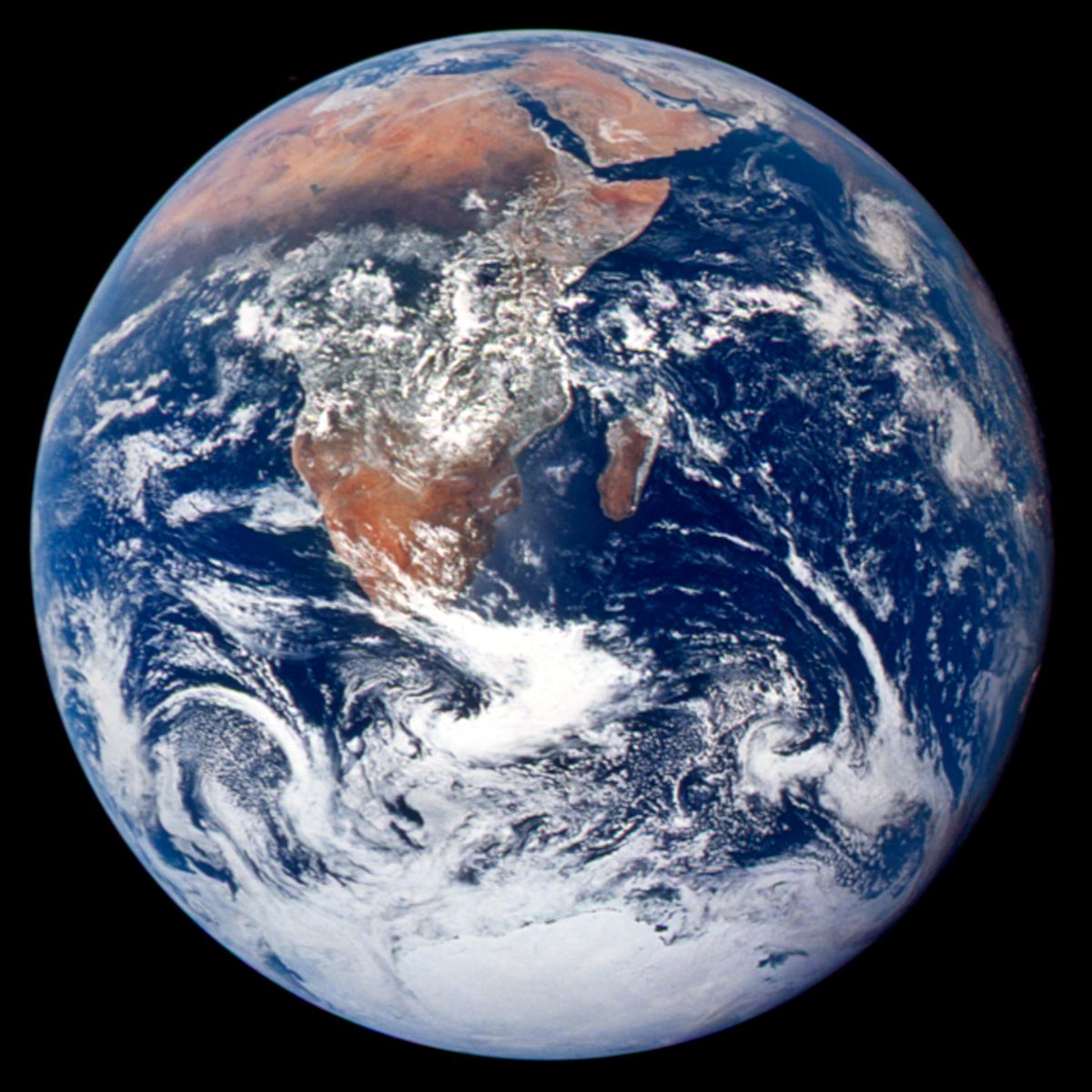
ALT Photograph of Earth captured by the Apollo 17 crew on December 7, 1972. Earth takes up most of the image. Dark blue ocean water and swirling white clouds are visible. Africa is a large brown landmass from the center to the upper left, stretching from about 9 to 12 o'clock. Clouds cover most of the 6 o'clock. Credit: NASA
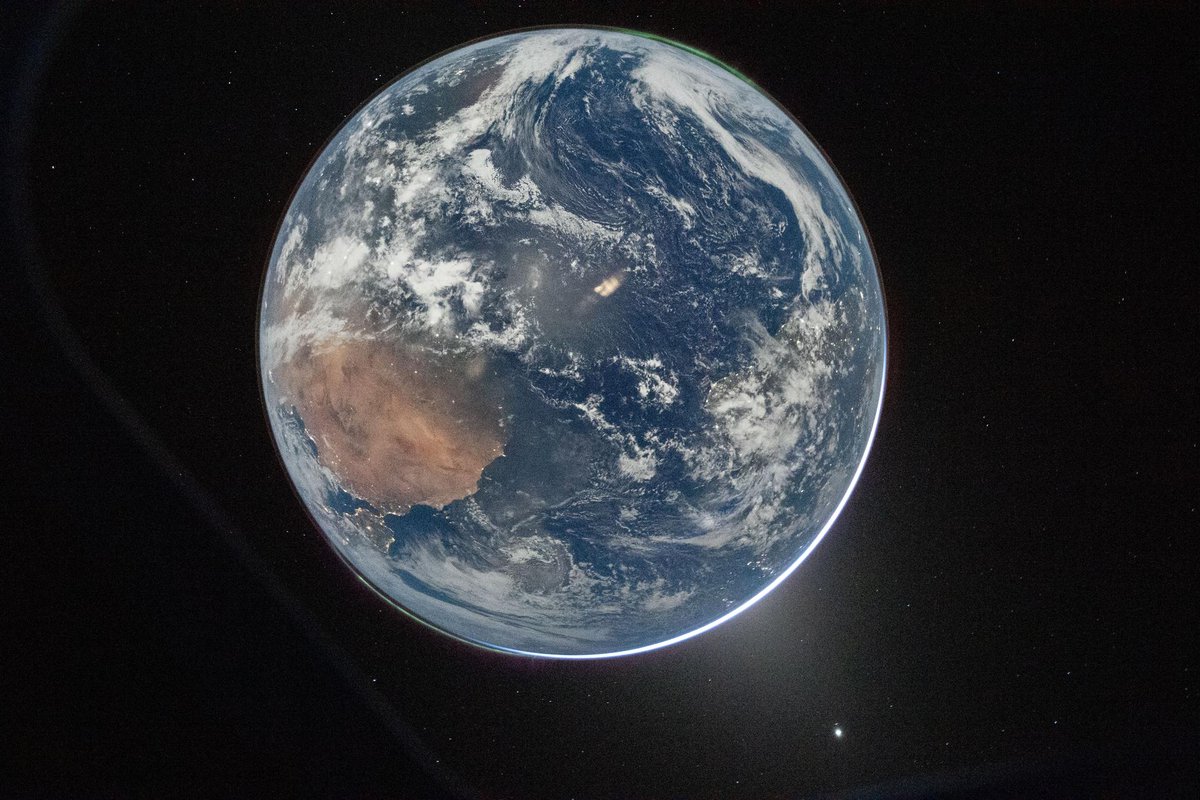
ALT A full disk image of Earth, as seen from the Orion capsule. The planet is a pale blue, swirling with white clouds and glowing slightly lighter blue in place from reflected light. From about 8 to 9 o'clock, a large brown landmass is Africa, with the Iberian peninsula twinkling with lights just where the planet curves. At the 1 o'clock spot, aurora glow in a thin green glow, just barely separated from the planet's surface. Earth is set against the black of space. Credit: NASA/Reid Wiseman