Crossover Symmetry is a research based rotator cuff and scapular strengthening system designed for athletes to enhance shoulder health and performance
Joined September 2012
- Tweets 2,839
- Following 720
- Followers 3,888
- Likes 2,054
311 Photos and videos


Crossover Symmetry retweeted

May 18
youtu.be/MxA7zNBLmvs?si=8Wqv…
100 mph is no longer rare. Unfortunately, arm injuries aren’t either.
After watching this outstanding video by Joon Lee and Adam Ottavino on the rise of 100 mph pitchers, the message felt clear: velocity keeps climbing, injuries keep climbing...and there may be no real solution to the arm injury epidemic.
I disagree. The solution is here. The challenge is having the discipline to listen.
Here’s what makes this so difficult...ArmCare tests a pitcher’s arm before they throw and compares that data to their normal baseline.
If arm strength is down 8 lbs, if fatigue is showing up, if imbalances show up, if recovery is off...the app doesn’t just show the data. It flags it and may tell that pitcher: do not pitch today.
And I get it...it’s a big game. Your ace is on the mound. You run the test, see the alert, question it, test again...same result. The arm is fatigued.
Now the coach has a decision to make. Listen to the arm...or roll the dice.
Research has shown pitching while fatigued is the #1 risk factor for injury, making a pitcher 36x more likely to get hurt...not 36%, 36 times.
That’s the uncomfortable truth. Most major arm injuries aren’t coming out of nowhere. The warning signs were there. The data was there. The arm was talking.
And here’s what’s often missed...fatigued arms usually don’t perform their best anyway. Command is often the first thing to go. More missed spots. More stressful pitches. More fatigue. More risk.
The hardest part in baseball isn’t collecting the data. It’s having the courage to trust it when the game is on the line.
1
3
5
4,251
Crossover Symmetry retweeted

20 Dec 2025
Possibly the greatest single male athletic performance of all time
1,311
8,934
111,305
3,063,134
Crossover Symmetry retweeted
2 Oct 2025
“In my 52 years of coaching pitchers, ArmCare is the single most important advancement in baseball.”
— ABCA Hall of Fame Coach Terry Ayers
2
3
684
Crossover Symmetry retweeted
31 Jul 2025
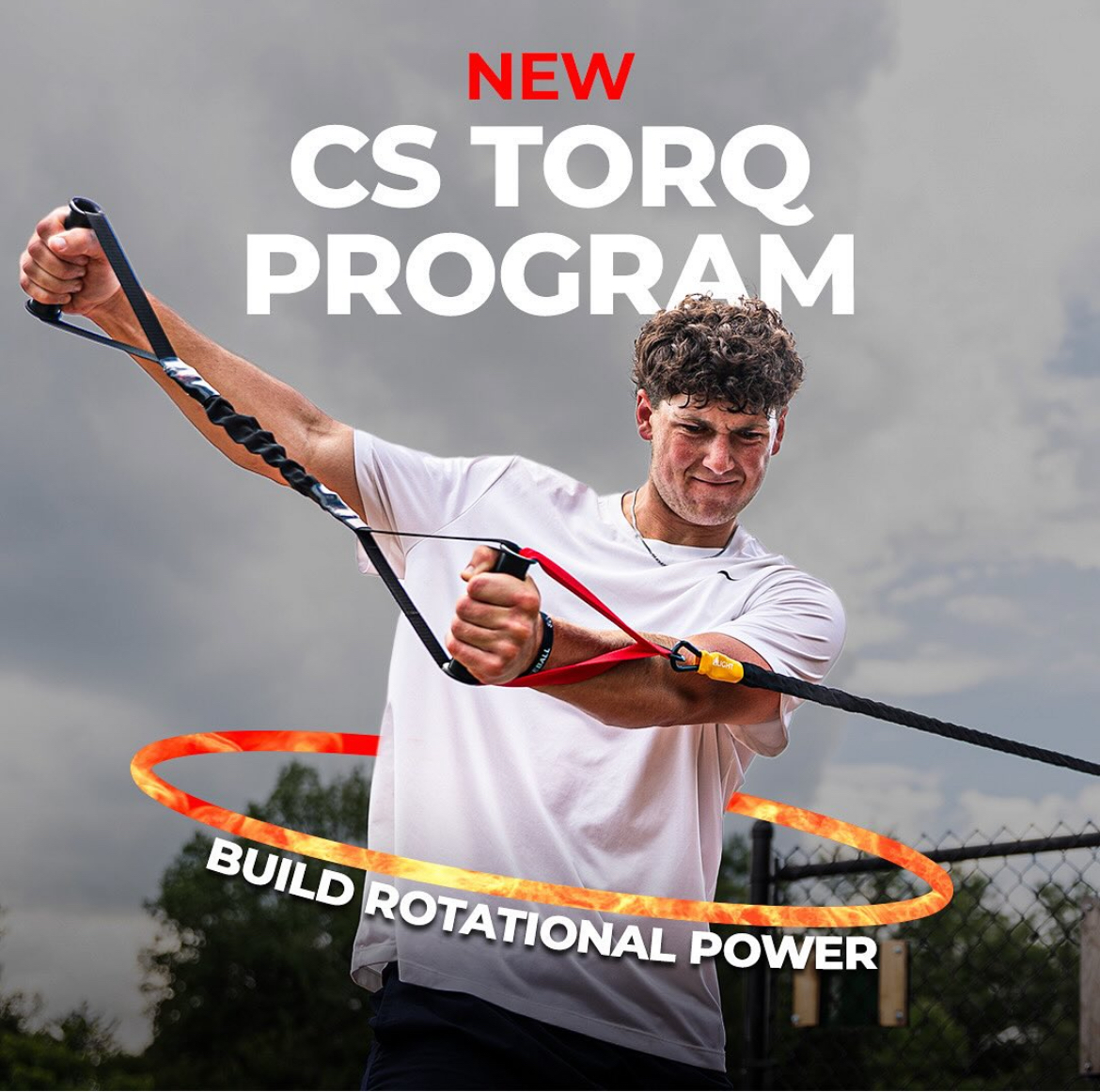
🔥 NEW PRODUCT 🔥 – Crossover Symmetry TORQ System
Now available: armcare.com/products/torq-sy…
Build Rotational Power
The Crossover Symmetry TORQ System is built for rotational athletes who want to throw harder, hit further, and move with more power.
Pitchers—CS TORQ builds the rotational strength and stability needed to add velocity, sharpen command, and stay strong all season.
Hitters—CS TORQ trains the explosive core power that drives bat speed, exit velocity, and hard contact.
This isn’t just a workout—it’s a complete strength system that trains your body to produce more power, transfer it efficiently, and turn it into on-field performance.
1
2
5
1,071
Crossover Symmetry retweeted
3 Feb 2025
We're excited to see @PerfectGameUSA leading the way as the first organization to implement Arm Health assessments at this level! 💪⚾
This partnership is a game-changer for player development and injury prevention.
3 Feb 2025

Starting this year, @ArmCarecom will provide advanced arm strength and health assessments at every PG showcase.
Through this partnership, PG becomes the first youth athlete organization to incorporate an arm care program like this.
Read more here:
perfectgame.org/Articles/Vie…
3
8
2,252

Crossover Symmetry retweeted

1 Aug 2024
Get his book "Becoming a Supple Leopard", read it, get a roller and a lacross ball and get in the pain cave. I also highly recommend the shoulder and hips bands/program from @gocrossover. Your shoulders and hips will thank you.
1
1
320
Crossover Symmetry retweeted

4 Jul 2024
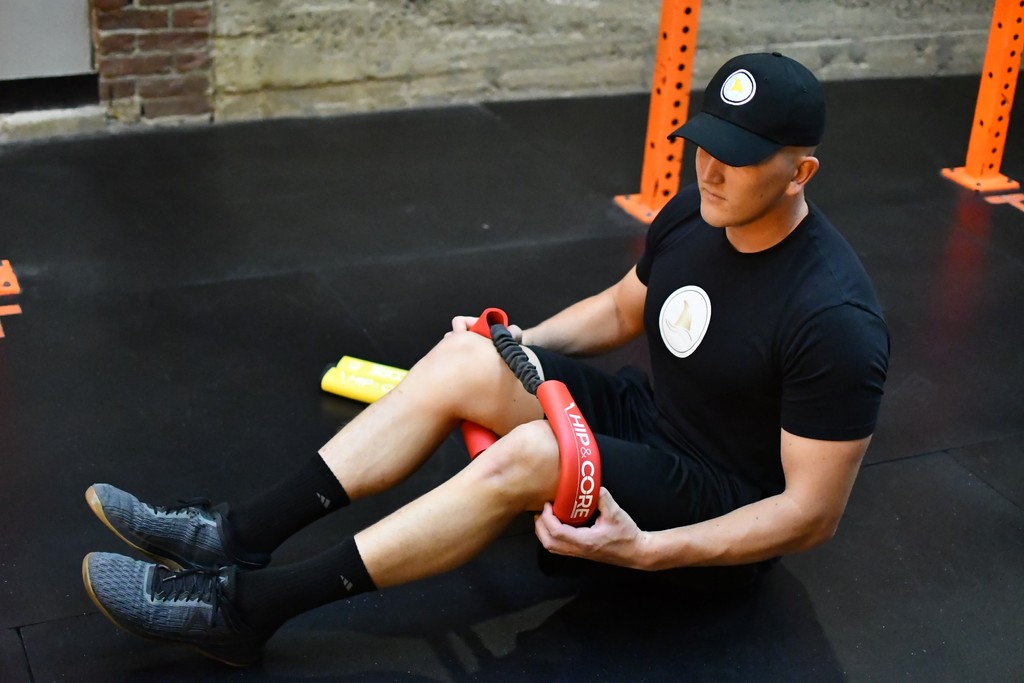
@gocrossover offers a swimmer SO MUCH in the way of building strength in those little muscles that keep the joints stable and the swimmer healthy! Give yourself the gift of healthy, fast joints with this Dryland Program and Crossover Symmetry's products: crossoversymmetry.com/pages/…
1
1
314
Crossover Symmetry retweeted
1 Apr 2024
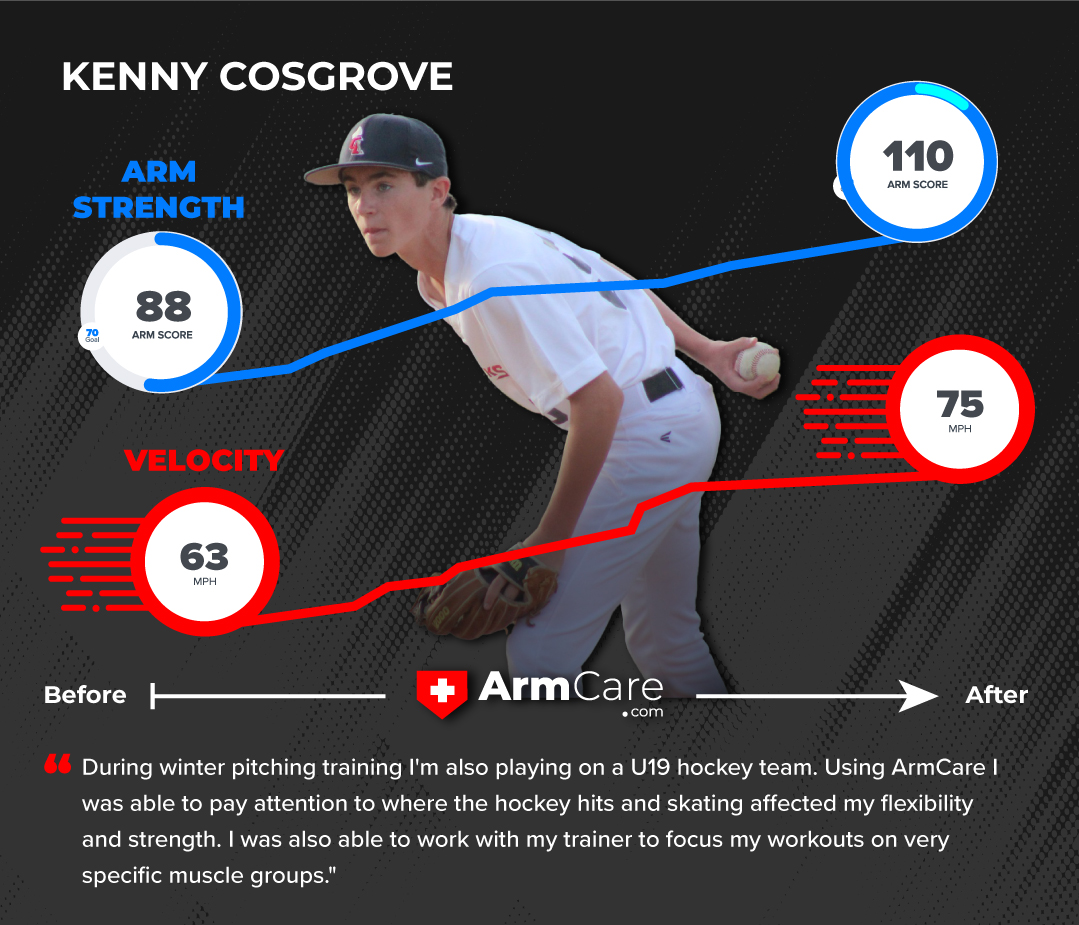
Kenny Cosgrove: He transformed his game by strength testing his arm and completing the individualized Arm Care program prescribed in the ArmCare App. Kenny boosted his arm strength from 88 to an impressive 110. The result a 12 mph increase in throwing velocity.
@cosgrove_k42844
1
3
1,101
Crossover Symmetry retweeted
6 Mar 2024
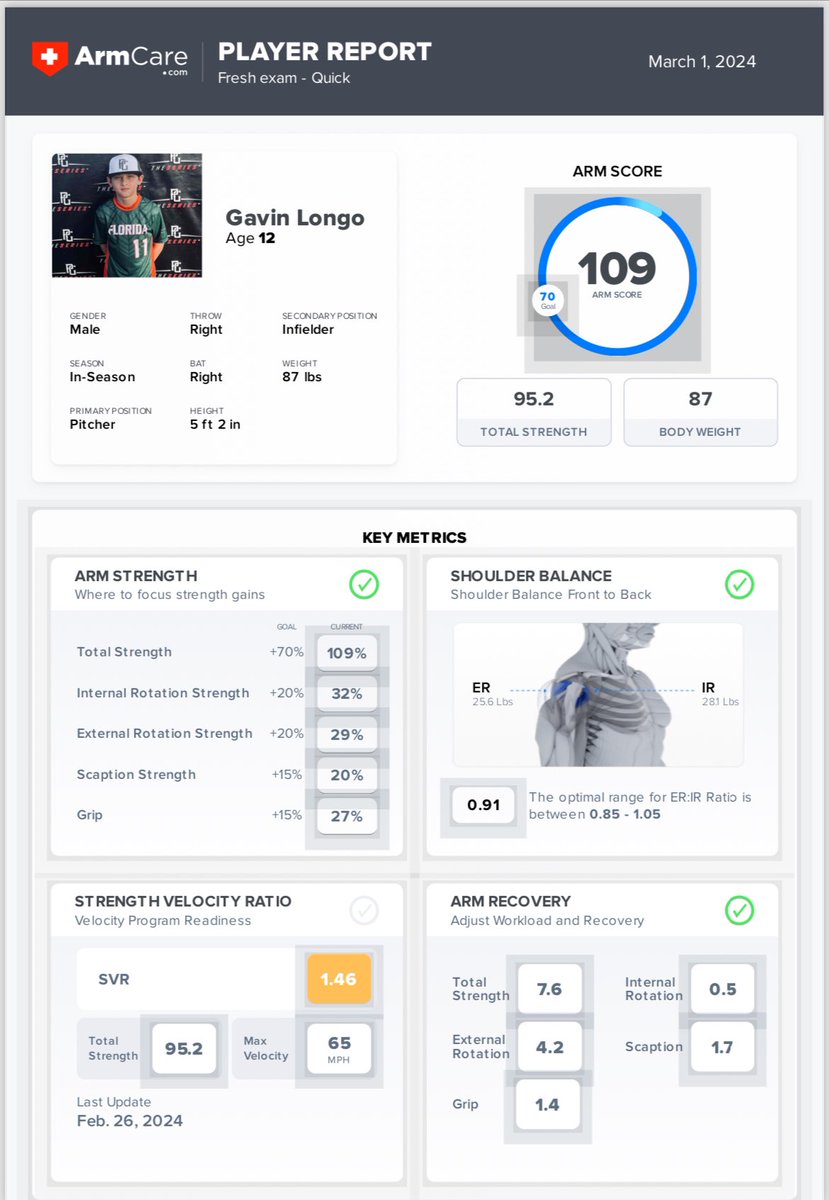
109 Arm Score is legit. Keep it up!

1
1
5
2,194
Crossover Symmetry retweeted
28 Feb 2024
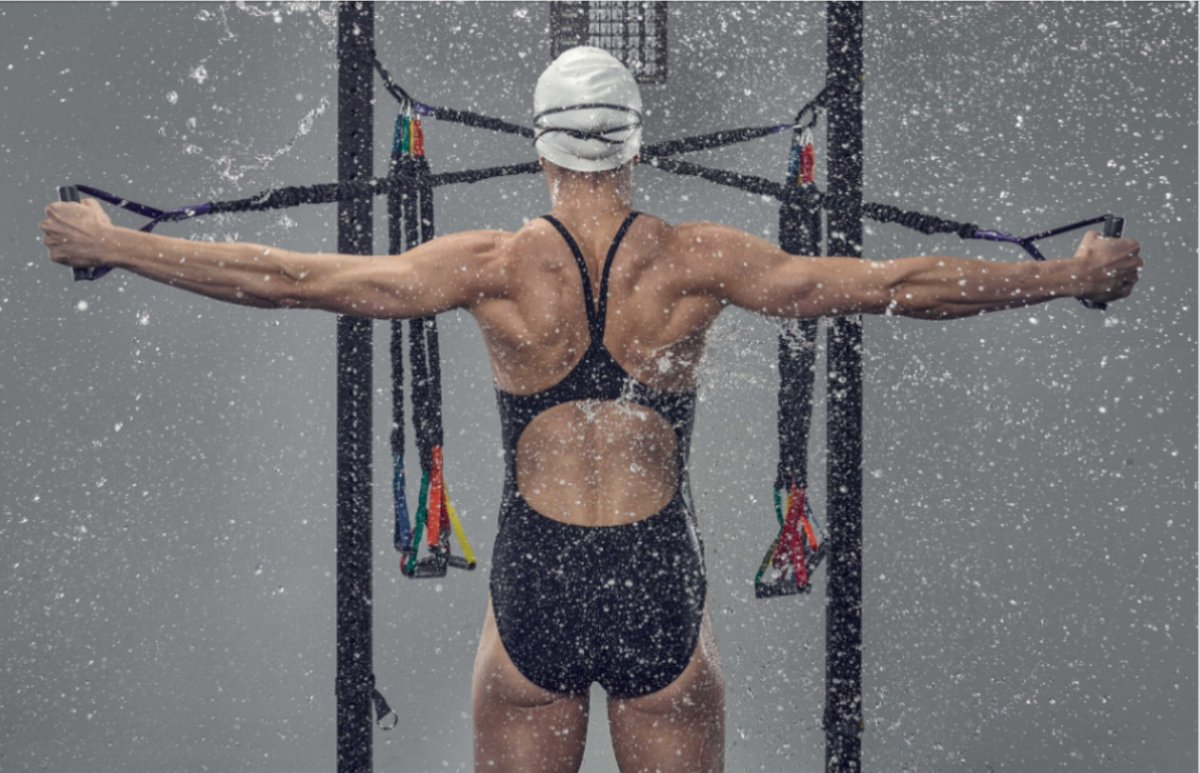
Shoulder health is CRITICALLY important to a swimmer's success! I've teamed up with @gocrossover to bring YOU this 12-week Shoulder Health Program. Getting away from discomfort and risk of injury while swimming is the best gift you can give yourself! swimlikeafish.org/dryland/sh…
2
7
580
Crossover Symmetry retweeted
21 Dec 2023
Better Mechanics?
81%
Shohei Ohtani
19%
Jared Weaver
27 votes • Final results
2
2
703
Crossover Symmetry retweeted
15 Dec 2023
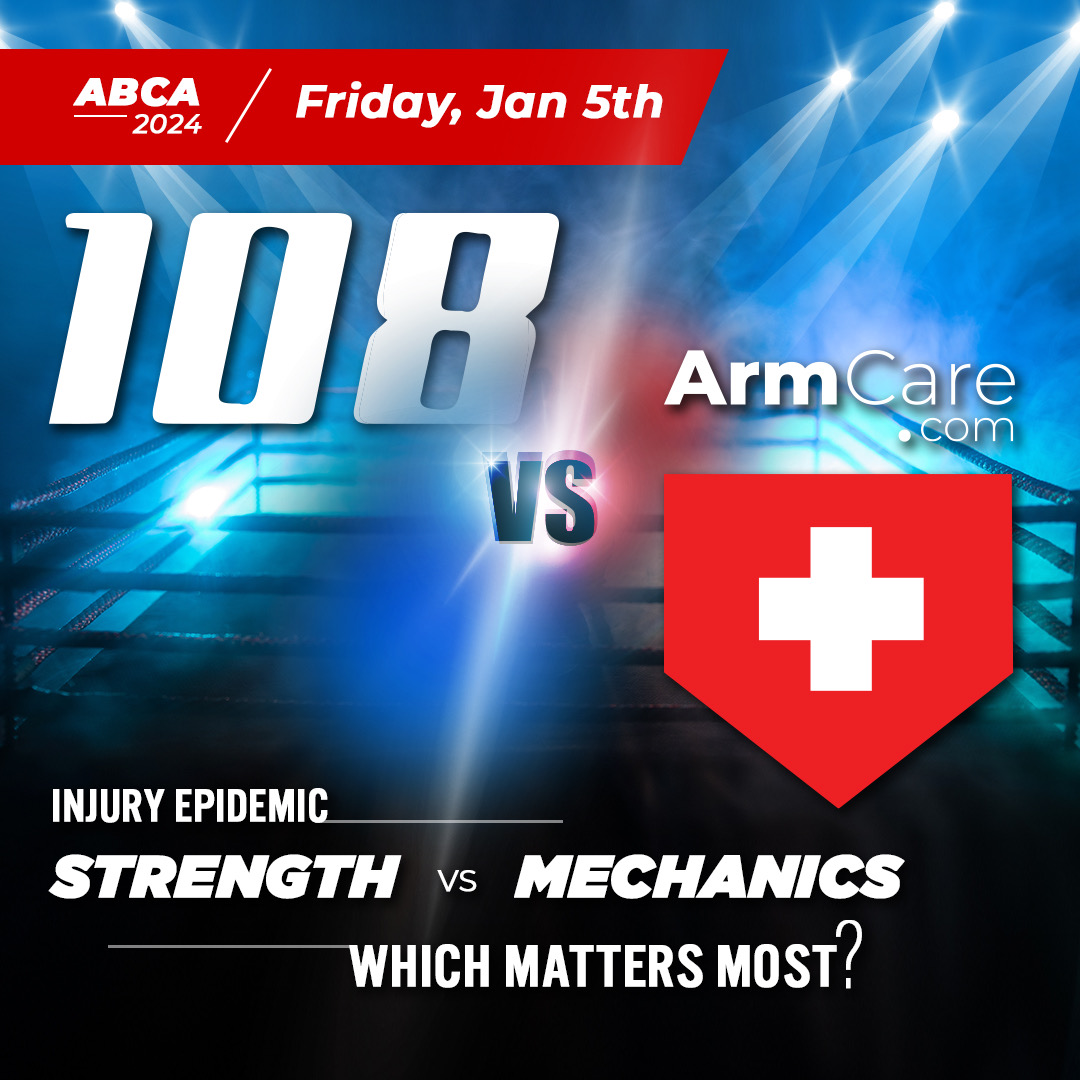
It's about to go down on January 5th at the @ABCA1945 The debate to end all debates!
@108_Performance will take on @ArmCarecom
Topic: What matters most- Strength or Mechanics to end the injury epidemic.
Details to follow. Going to be epic.
3
5
35
56,265
Crossover Symmetry retweeted
11 Dec 2023
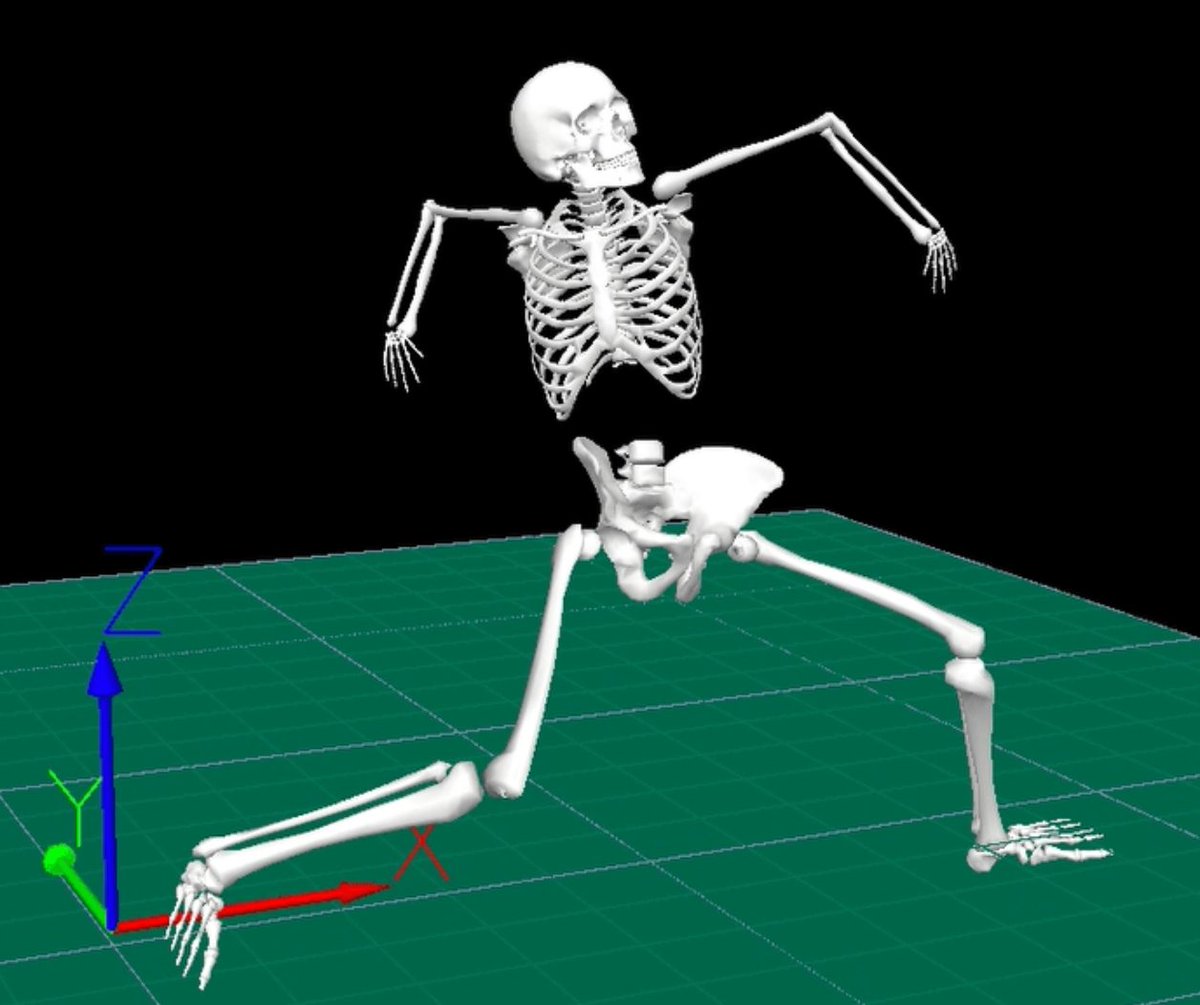
Change my Mind: Pitching Mechanics Don't Cause Arm Injuries
While it's a common belief that pitching mechanics are directly linked to arm injuries, current research suggests otherwise. Although optimizing mechanics can certainly improve performance (increased velocity & command), there isn't substantial evidence that poor mechanics cause injuries.
History has shown us pitchers with textbook mechanics who have succumbed to injuries, as well as those with unconventional techniques who thrived. At the highest levels of baseball, we often find that the differentiators for health and performance are arm strength, muscular balance, and recovery capacity.
The injury data points to fatigue, muscular imbalances, and weakness as the primary causes - all indicators that strength matters most.
Fatigue is the strongest risk predictor for injuries by far because it causes compensation, a change in mechanics. This is different from poor or optimal mechanics as there is no way to define what poor or optimal means.
The definition of poor mechanics is currently not qualified in sports science research as it relates to career longevity.
How would you define optimal mechanics? Many would argue Shohei Ohtani is the best player ever with the best hitting and pitching mechanics ever seen but he’s had 2 TJ’s and missed a ton of time.
Do you consider him to have poor mechanics? In the media, he referenced arm fatigue throughout the entire year. He’s also a starter. There’s a high likelihood that fatigue wasn’t quantified and his motion changed overloading torque on his weak arm.
So how do we combat fatigue? Players need to focus on arm strength, muscular balance and monitor fatigue. Then use this info to make adjustments to throwing workloads & guide arm care training. This will reduce injury risks significantly.
Our question for the baseball industry is, “if the throwing arm has optimal strength, fatigue-resistant and no muscular imbalances, the athlete also has no pain and is performing well -would you alter his mechanics?”
How do we know if our idea of “poor mechanics” whatever that is and changing an athletes’ motor preferences is not the real reason for injuries… increasing throwing arm fatigue by increasing effort of muscles that are unaccustomed to the athlete?
Long held injury beliefs about the inverted W have not been shown to prove true. Any arm action is at an equal risk. A change in trunk position and trunk speed has been an injury factor, but the change in typical trunk motion comes from lower ground reaction force production from lower body fatigue and also slower arm speed which arises from rotator cuff and elbow extension speed. This momentum shift has been shown to fatigue the arm further.
Fatigue causes Weakness.
Weakness causes Compensation.
Movement Compensations coupled with weakened dynamic stabilizers are a recipe for disaster.
#PitchingMechanics #ArmCare #InjuryPrevention
10
12
62
113,979
Crossover Symmetry retweeted

9 Dec 2023
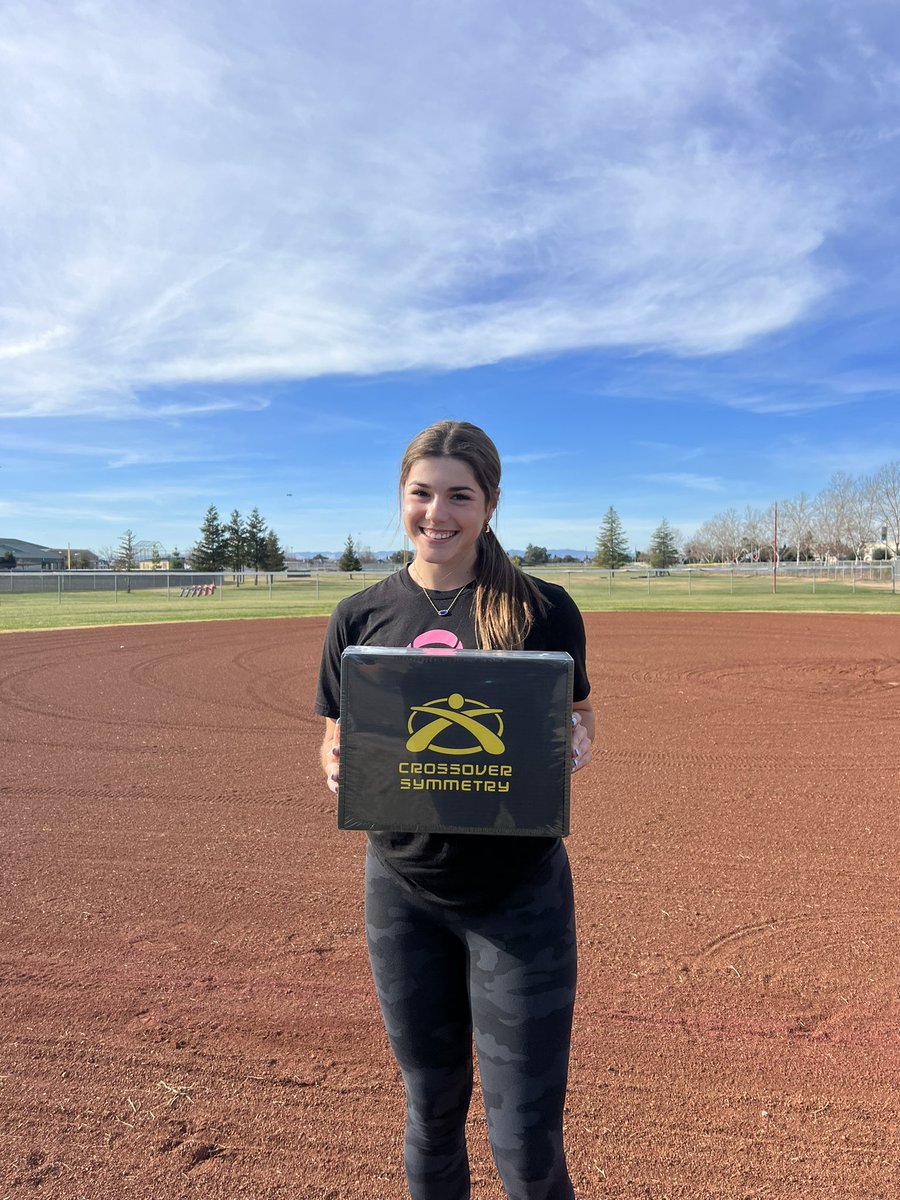
Chasing 70MPH Overhand Velo💨 Over the past year I’ve gained 4MPH training with @gocrossover!!!
4
74
4,256

8 Dec 2023
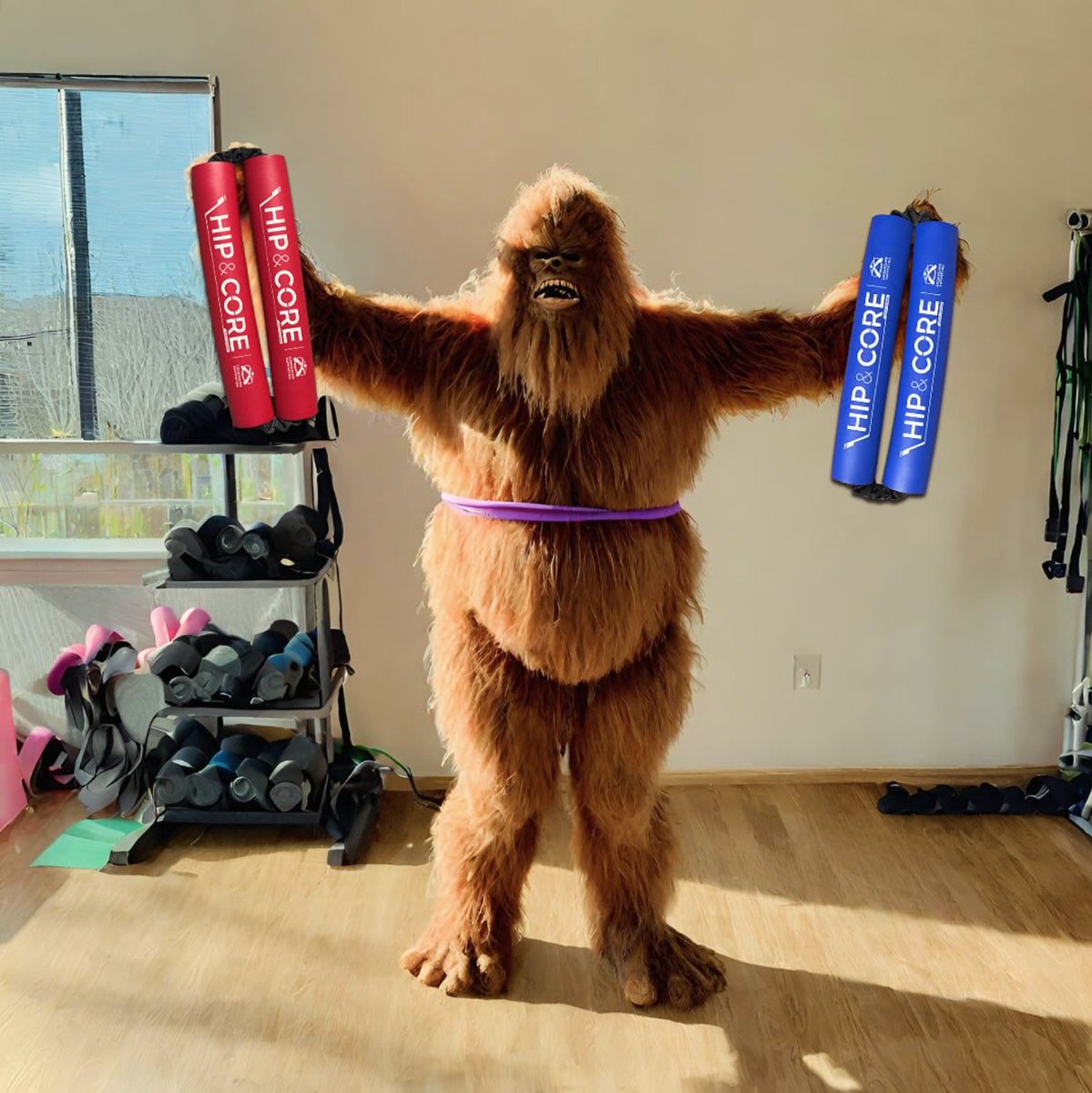
“Finally, a band that doesn’t pull out my leg hair.” -Big Foot
4
442
Crossover Symmetry retweeted
1 Dec 2023
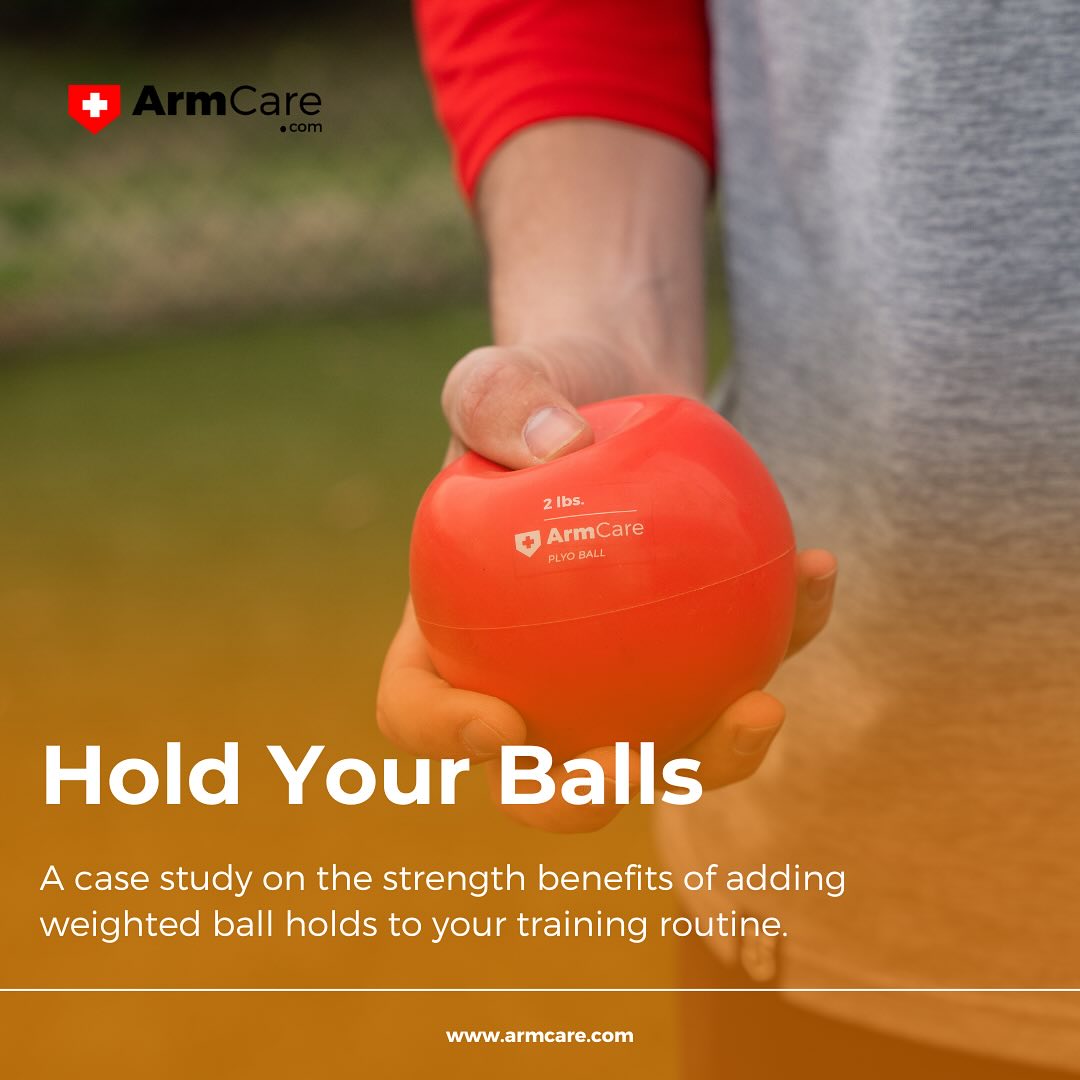
Change my mind: Weighted Ball Holds Don't Suck
Weighted ball holds have been criticized because they lack the mechanics of a true throwing motion, however we've found that holds are a great way to build shoulder strength.
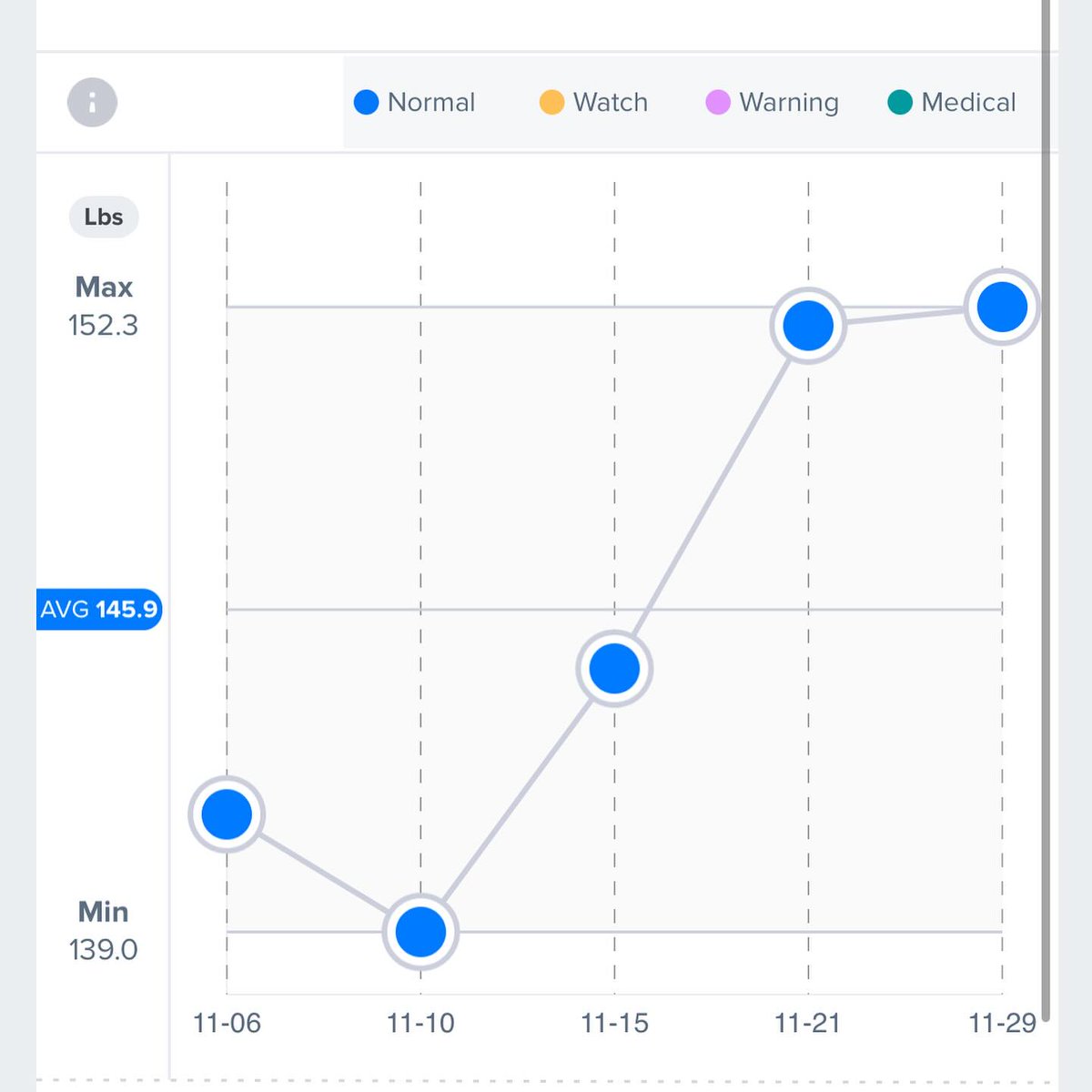
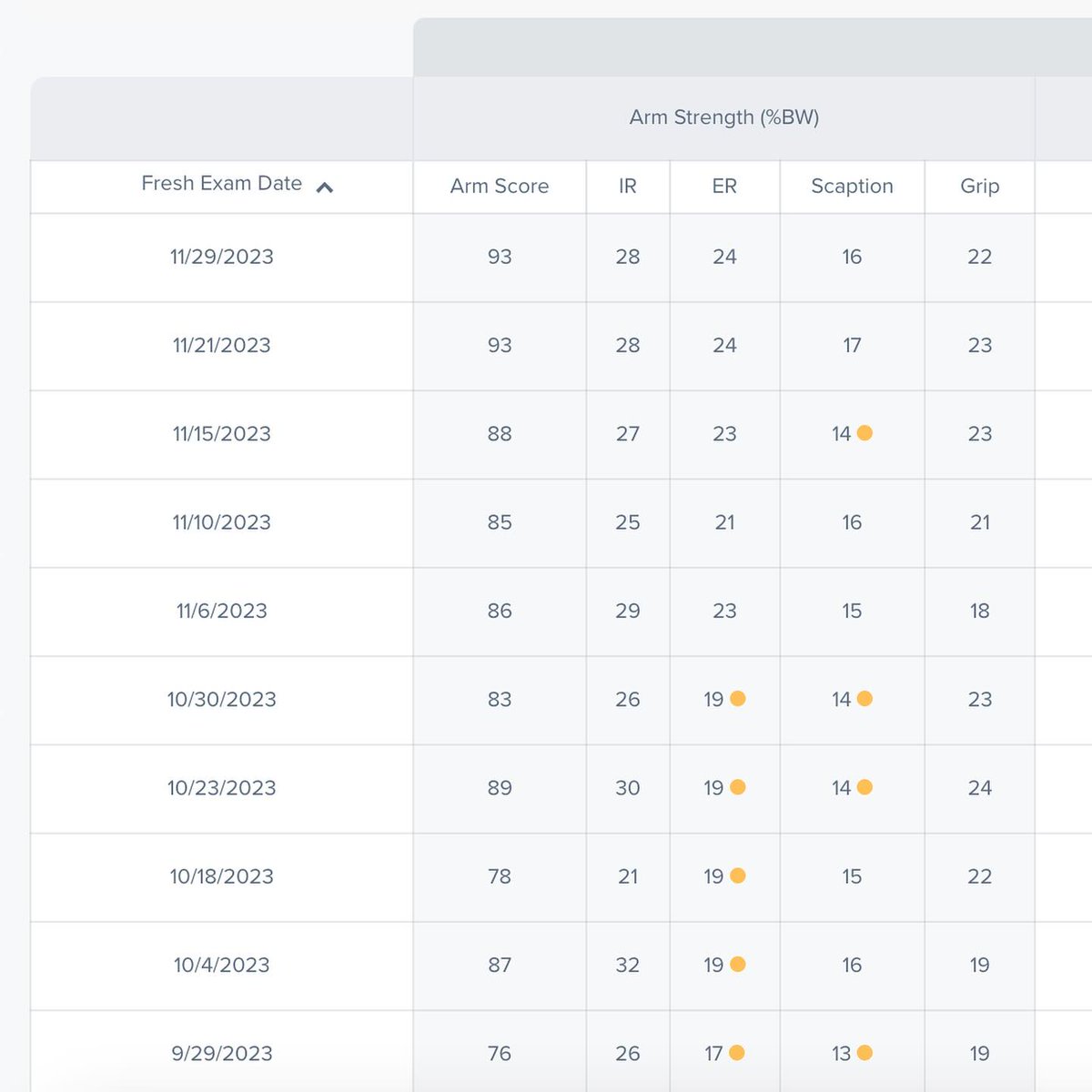
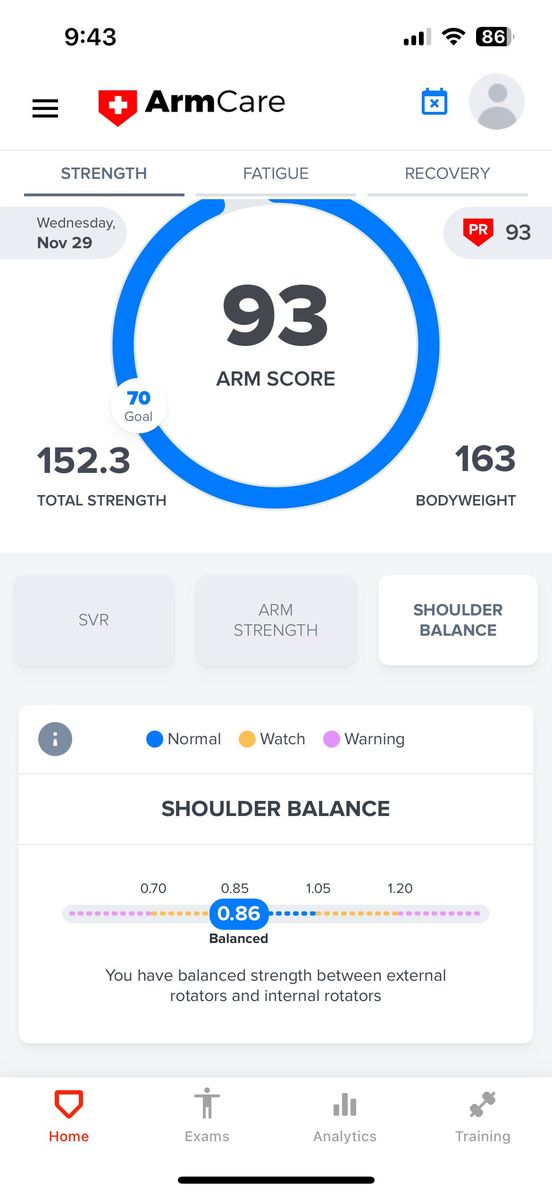
Here is an example of a player who added more light ball holds to build external rotation strength. He went from a 0.65 shoulder balance, 66 MPH Fastball, and a painful shoulder to a 0.86 shoulder balance, 76 MPH, and no more pain!
From a strength perspective, we have found that light balls help build external rotator strength, while heavy balls do more to improve internal rotation strength.
We cover this and more in our ArmCare Specialist Course. @tomhouse @DeanDoxakisNPA @NPA_Pitching
3
8
52
53,796
24 Nov 2023
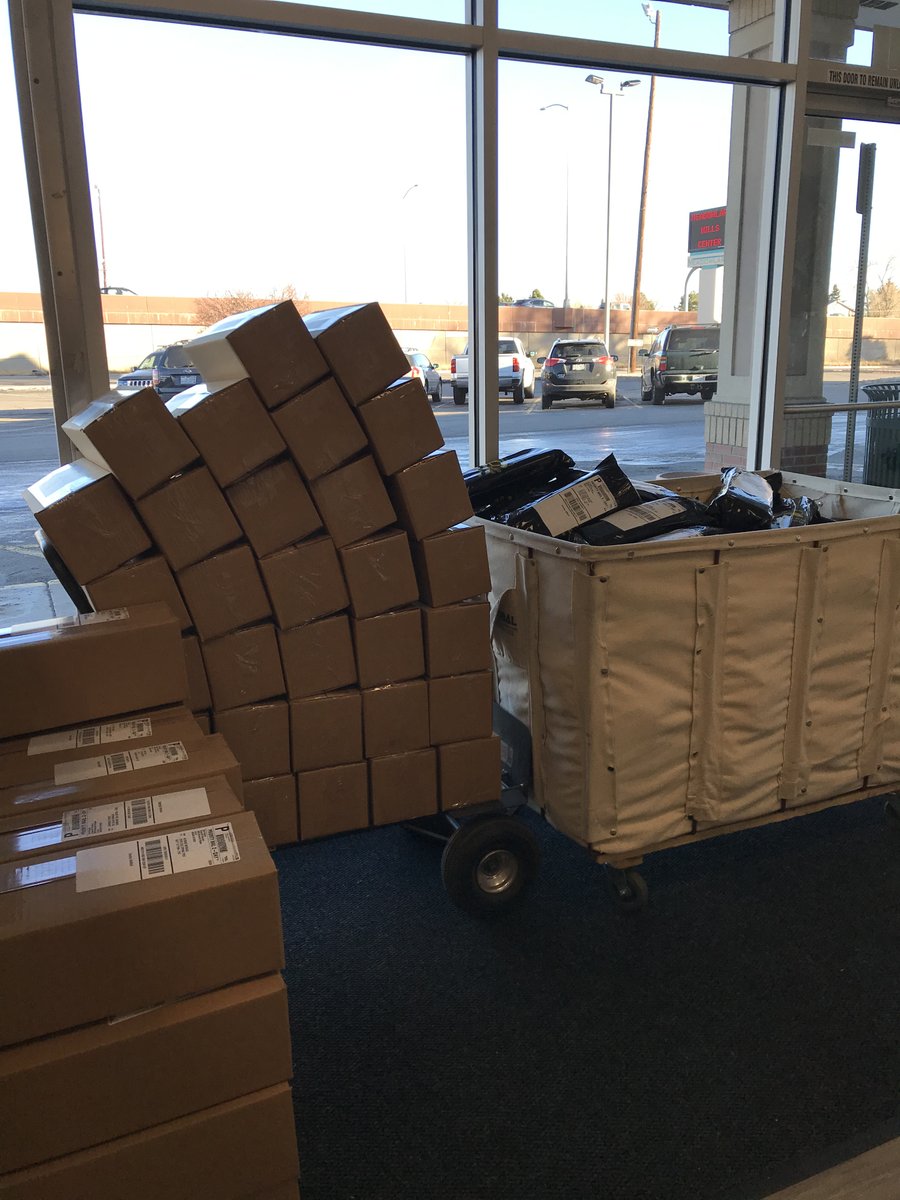
The Leaning Tower of Crossover!
Save 25% sitewide using the code: Black25 Get yours now!
2
3
1,044