Grandfather. ChPC. Owner of Throwing Rocks Consulting Services. @sskroughriders shareholder. Former database researcher @SAP. @UManitoba & @UWaterloo alumnus.
Joined July 2012
- Tweets 5,209
- Following 1,699
- Followers 1,068
- Likes 20,594
554 Photos and videos


Pinned Tweet

10 Jun 2020
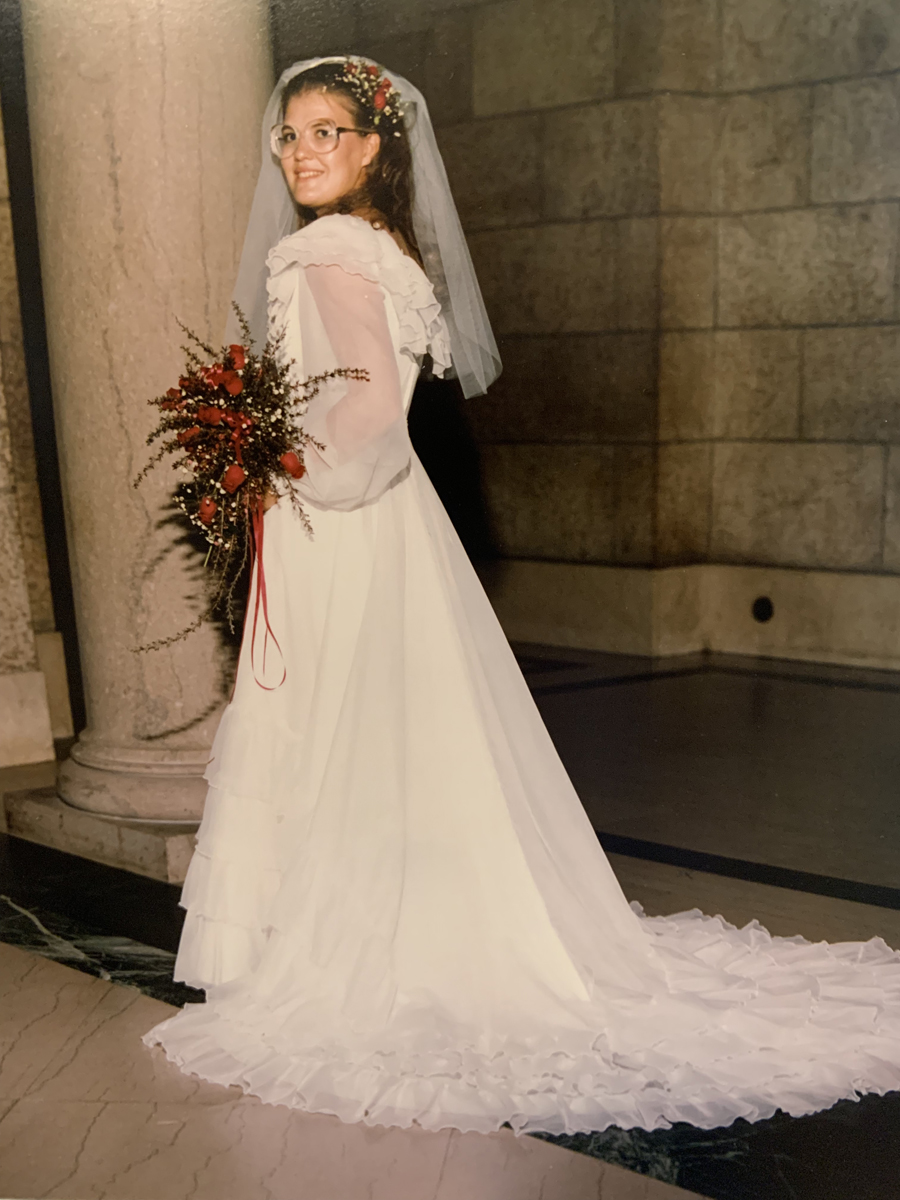
Words cannot possibly express the gratitude we have to athletes, colleagues, friends, and family for the outpouring of support we have received since Leslie passed away last Monday, May 25th.
2
38
Glenn Paulley, PhD 🌾🇨🇦 🇺🇦 🥌 retweeted

May 18
We often think coaching is all about the workouts, game plans, and the technical stuff.
It's not. That stuff matters. But it misses the stuff that actually make a difference.
Here's 23 coaching principles I've collected over two decades of coaching everyone from high school kids to some of the world's best:
1. Coach from dependence to independence.
Coaching is about making your own job kind of obsolete. Works towards having our athlete be more self-sufficient, with a coaches role moving towards a kind of mentor and partnership.
2. Coaching comes from conversation.
And most of that is observing and listening. The athlete tells you everything you need to know…if you're paying attention.
3. Caring comes first.
If they know you don’t care, the perfect plan won’t matter. The old saying “They don’t care how much you know until they know how much you care,” is still true.
4. Standards without warmth makes them fragile.
Warmth without standards leaves them lost. You need both. In parenting research they call this authoritative instead of authoritarian.
5. The story they tell themselves runs the show.
Coach the story. Knowledge doesn’t change behavior. Story does. “It’s hard to outperform your self-concept.”
6. You can't want it more than they do.
The day you start trying to is the day you've lost the room. Your job is to set the conditions and pull the lever, not push the cart.
7. Effort is contagious.
So is dread. Pay attention to which one you're spreading. You are the thermostat not the thermometer. You're changing the room temp.
8. Challenged, not threatened.
We do our best when we're stretched, not when our worth is on the line. Hard things land different when failing doesn't mean you're worthless. Stretch the challenge. Keep the worth out of it.
9. People perform best when they feel valued as a person and not just an athlete, that they belong, and when they’re performing out of joy instead of fear. Joy is a performance enhancer.
10. Reward what you preach.
If you say process and only celebrate outcomes, the brain hears the second message.What is honored will be cultivated. Watch what you praise.
11. Action is the antidote to anxiety.
One purposeful step convinces the brain the situation is manageable. Don't wrestle the monster. Point at the work and start moving.
12. Confidence is quiet. Insecurity is loud.
Arrogance sits on insecurity. Confidence sits on experience. The brashest voice in any room is usually the one most afraid of being found out. Real confidence comes from earned experience. Do the work.
13. Ego kills sync.
It crowds out the signals that lead to connection.
Always stay in learning mode. Be curious. “Once you stop learning about your athletes, you've stopped coaching.” Brother Colm O’Connell
14. Skills come from struggle.
Don’t over coach or step in too early. Rescue them too soon and they don’t keep what they almost figured out. Productive failure beats premature help.
15. Plant seeds constantly. And water them.
Any coach, teacher, or parent will tell you of the kid who told them years later they finally get it. We can’t force understanding. Just keep cultivating the space for it to grow.
16. Define success yourself.
Don't import a definition that gets in the way of the person you're trying to help become. The borrowed definition almost always fails the person who's actually in front of you.
17. Lower the bar, raise the floor.
Too often we focus on those rare days when everything aligns. You can’t control when those show up. Focus on raising your floor, making the average days better.
18. If they can only succeed with you, you’ve failed.
The goal is to give people autonomy and agency. To teach them how to do the thing, and then ultimately let them go.
19. Teach, don’t just train.
Too often, we get stuck in prescriptive mode. Remember, you are fundamentally changing the person in front of you.
20. Coaching is pattern recognition.
We pick up patterns when we pay attention. Build a database deep enough that you can see what an athlete is showing you. Then trust it.
21. Be in love with an idea, just don't marry it.
Don't become the person who swears by a single diet for everyone. Every system eventually fails, and if you've tied your identity to it, you go down with the ship.
22. The car ride home is the practice.
After a hard race or a bad workout, the brain is wide open. What you say in those minutes lasts longer than anything you said in practice all season.
23. Get out of your own way.
Most of coaching is helping people stop self-sabotaging. Under-preparation is a coping strategy. The athlete who skips the work is protecting his ego.
8
28
197
76,657
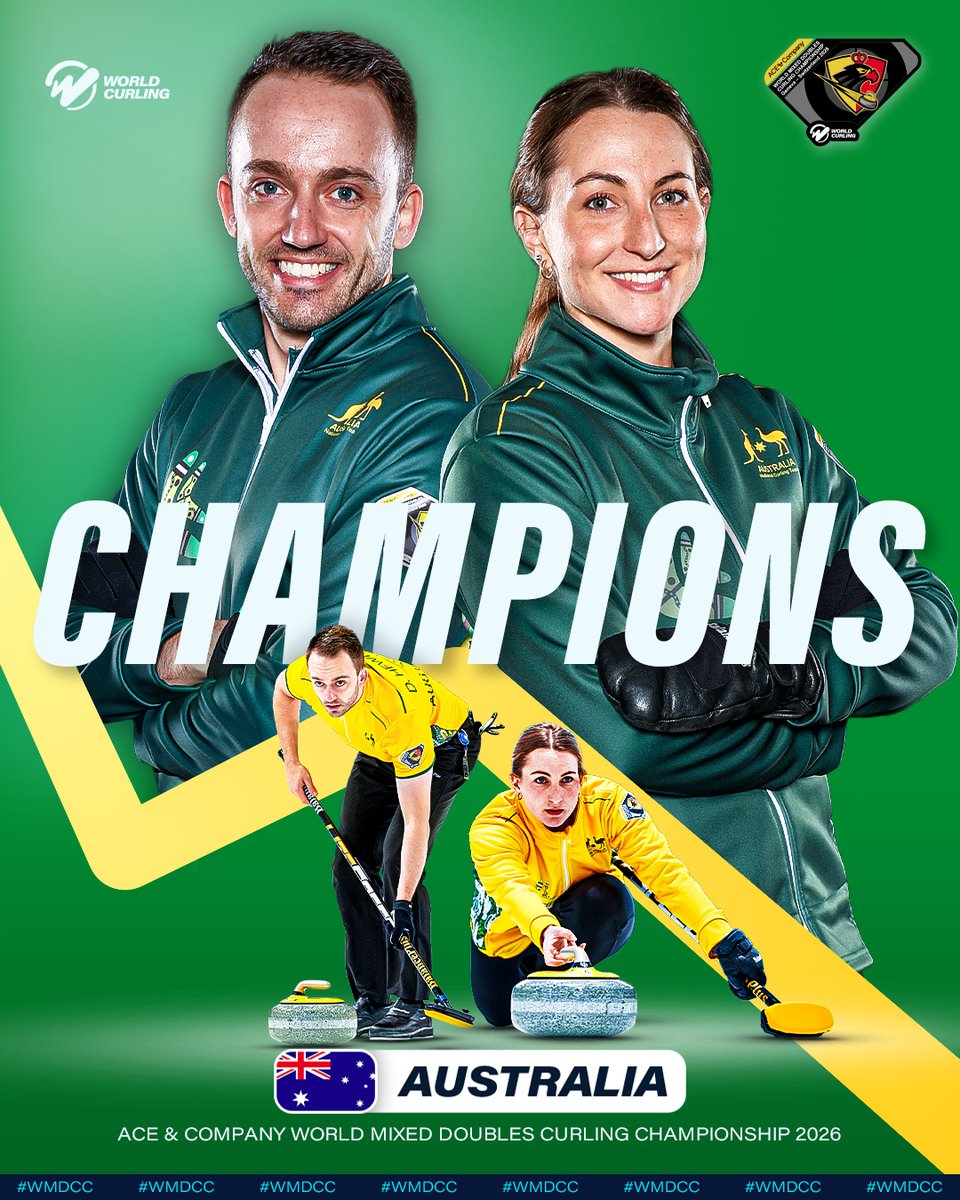
Congratulations coach @perry_marshal!

They've done it... AUSTRALIA ARE ACE & COMPANY WORLD MIXED DOUBLES 2026 CHAMPIONS 🥹🇦🇺
#WMDCC #curling
1
1
127
Glenn Paulley, PhD 🌾🇨🇦 🇺🇦 🥌 retweeted

Mar 29
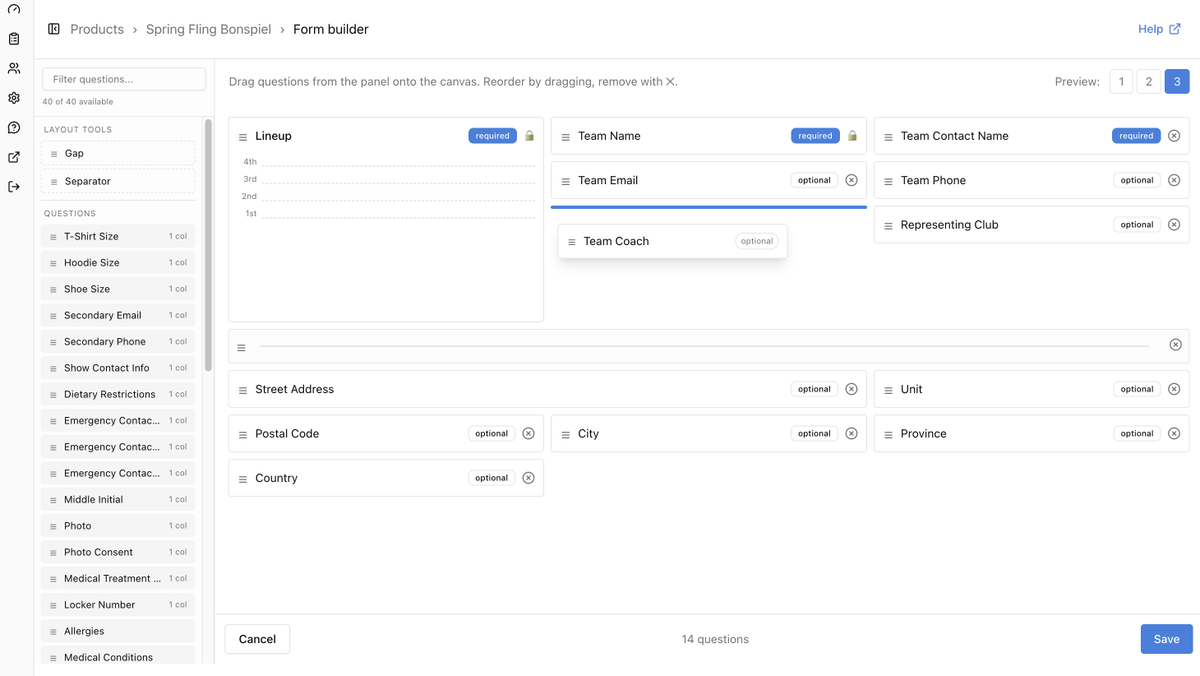
Sneak peek at Curling IO v3: a drag-and-drop form builder for registration forms. Admins arrange questions on a visual canvas, curlers get a clean responsive form. Layout control that clubs have been asking for.
curling.io/blog/drag-and-dro…
#curling @CurlingCanada
1
3
597
Glenn Paulley, PhD 🌾🇨🇦 🇺🇦 🥌 retweeted

Major Announcement: Ontario’s New Curling Future Begins 🥌
Curling Ontario, NOCA and the Ontario Curling Council have approved a historic merger to better serve clubs, athletes and communities.
Read the full press release: curlingontario.ca/ontarios-n…
9
16
3,590
Glenn Paulley, PhD 🌾🇨🇦 🇺🇦 🥌 retweeted

Mar 4
Coaches who are only in it for recognition & a winning record typically don't have the ability to coach players who struggle. They only want players who come ready to make them look good. Those people are detrimental to a kid’s development, especially kids who need extra support!
4
26
118
8,548
Glenn Paulley, PhD 🌾🇨🇦 🇺🇦 🥌 retweeted
26 Oct 2025
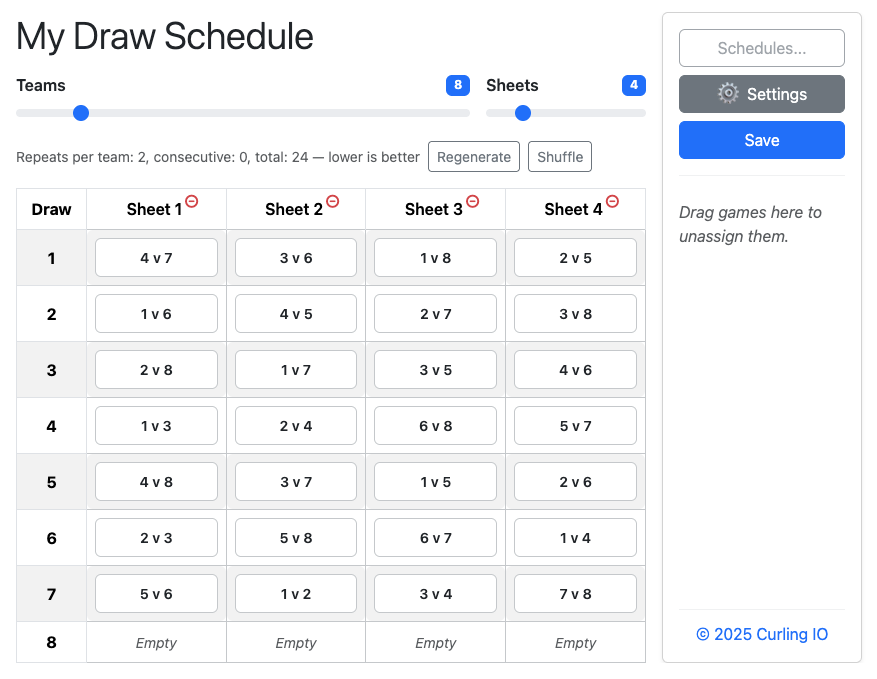
We built a free draw schedule generator for the curling community: curlingschedules.com. We'll be putting together an intro / tutorial video for it soon, but click some buttons, drag some sliders, drag and drop some games, and let us know what you think.
1
2
159
Feb 14

We're hearing of people having issues with the full screen Google ads on our website and we're looking into it.
In the meantime, we're getting closer to launching our new home page which includes enhanced search functionality and you can try it out here:
home.curlingzone.com
All links take you to the existing site for now.
4
275
Glenn Paulley, PhD 🌾🇨🇦 🇺🇦 🥌 retweeted

Announcement: Proposed merger of Curling Ontario, Northern Ontario Curling Association, and Ontario Curling Council! This unified provincial sport organization aims to enhance growth and administration in curling across the province.
Learn more: curlinginontario.ca/ontario-…
3
4
367
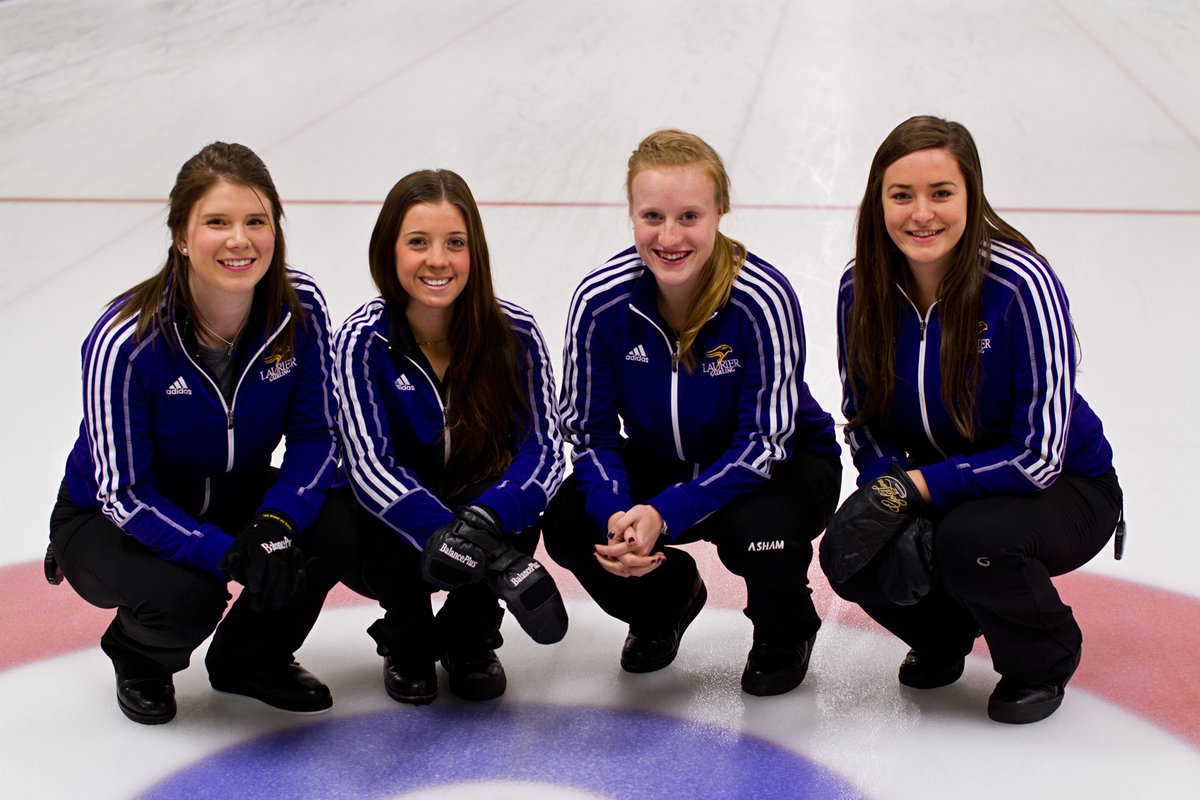
.@CurlingOntario Did you know that three of the four skips in this year's women's championships at @elmiracurling played varsity for @WLUAthletics? And both Hollie Duncan (née Nicol) and @inglisdanielle won National university championships for Laurier? #legacy
2
114
Here is the anticipated video explanation from World Curling to explain the interpretation of the new brushing rules announced this week. #curling #brushing #knifing
youtube.com/watch?v=_mC3PTx3…
2
268
Glenn Paulley, PhD 🌾🇨🇦 🇺🇦 🥌 retweeted

NEWS | World Curling has introduced a new Sweeping Technique Policy aimed at determining the acceptable effects of sweeping and removing sweeping techniques that cause unacceptable effects on the stone.
🔗 bit.ly/4jvIpNQ #curling
4
16
43
39,442
New post: Hammer efficiency, steal defence, and other metrics. #curling #analytics #strategy
glennpaulley.ca/curling/2026…
99
You can now subscribe via email or RSS to Throwing Rocks. Get the latest content delivered directly to your inbox. To subscribe via email, follow the link below and fill in the form. #curling #ThrowingRocks #blog
glennpaulley.ca/curling/subs…
118
27 Dec 2025
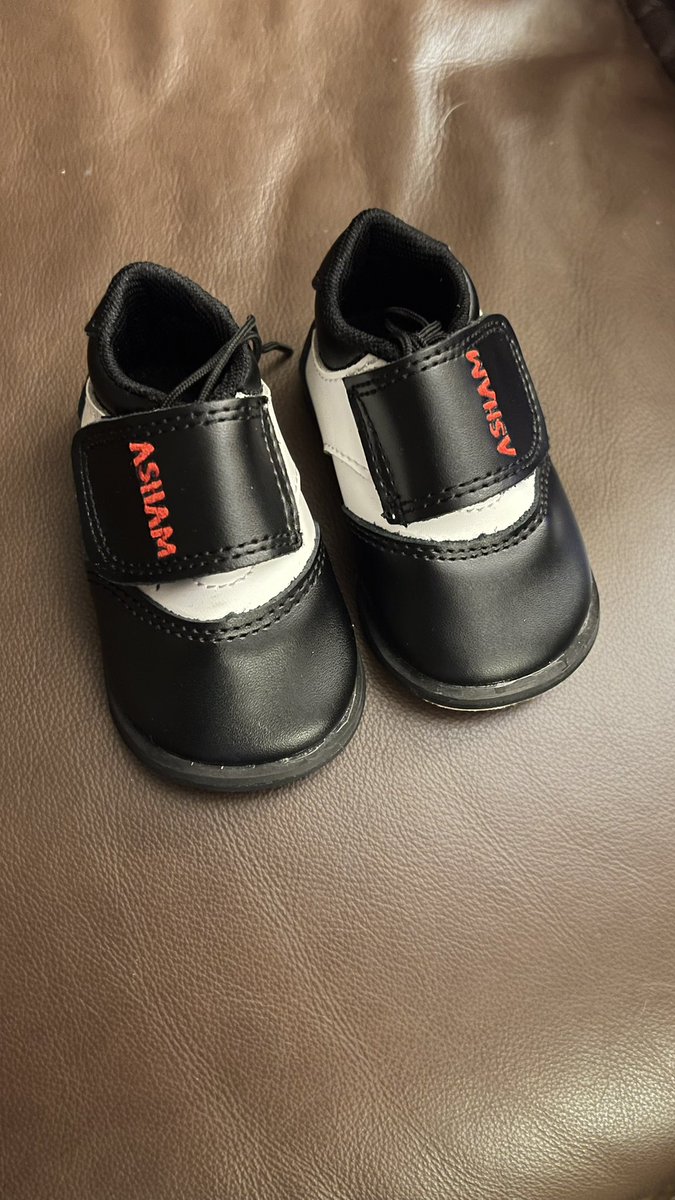
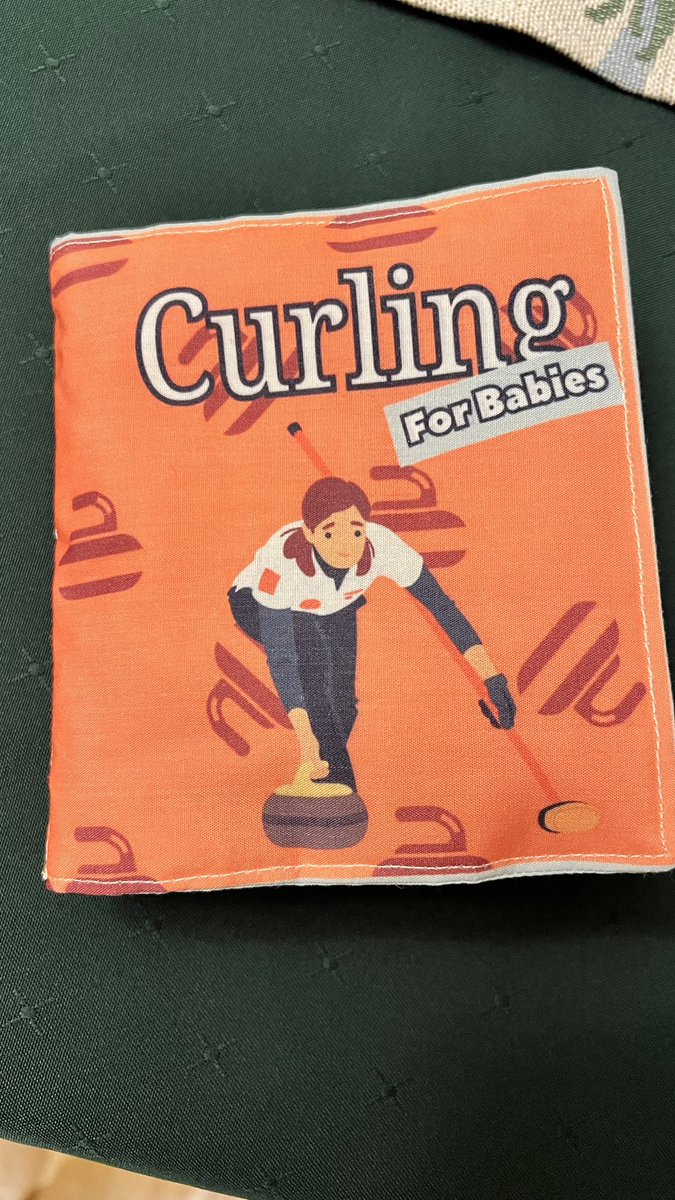
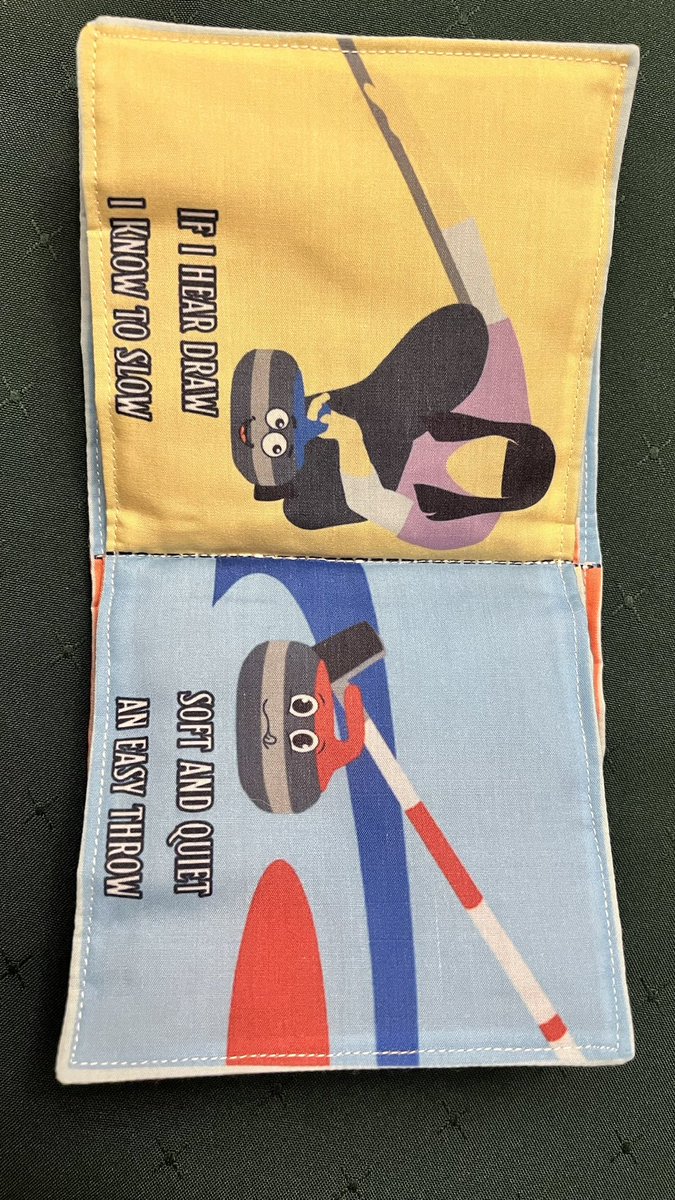
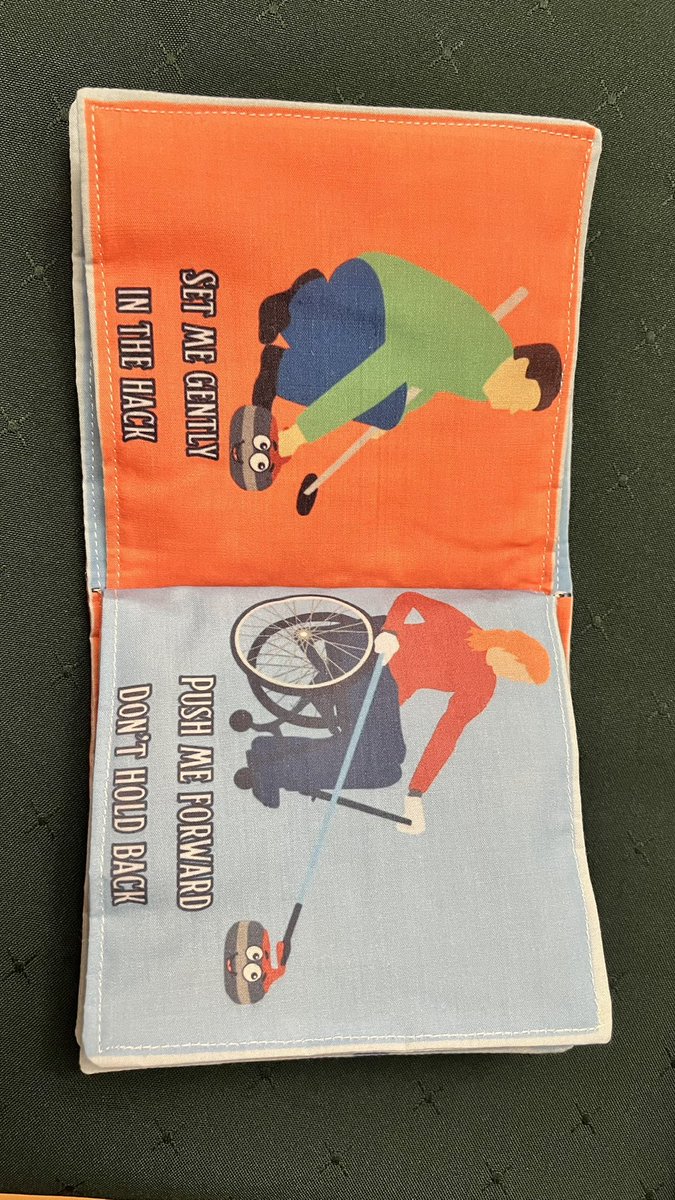
A wonderful first Christmas with my new grandson. I gave him these authentic @AshamCurling two-tone leather shoes. In return his parents gave me this children’s curling book, complete with crinkly pages for infants and toddlers, from Purple Potato Books. Adorable!
1
4
120
Glenn Paulley, PhD 🌾🇨🇦 🇺🇦 🥌 retweeted

20 Oct 2025
⭐️ Girls Rock, presented by Scotties, is coming to the Greater Toronto Area! ⭐️
Calling all girls aged 9-16. Bring your bestie, or come make a new one, and try the great sport of curling — this first-time experience is a FUN, INSPIRING, and EXCITING opportunity.
Participants will meet local and national women's curling legends, receive a ticket to the 2026 Scotties Tournament of Hearts in Mississauga, and have the chance to try on an Olympic medal!
2️⃣ OPPORTUNITIES: Events will run from 9 am to 1 pm, on January 25, 2026, at two locations — Choose the location that works best for you:
📍 Chinguacousy Curling Club
📍 Dixie Curling Centre
Register before the December 7 Deadline.
LIMITED SPACE! REGISTER TODAY ➡ curlingcanada.formstack.com/…

4
6
2,332
6 Oct 2025
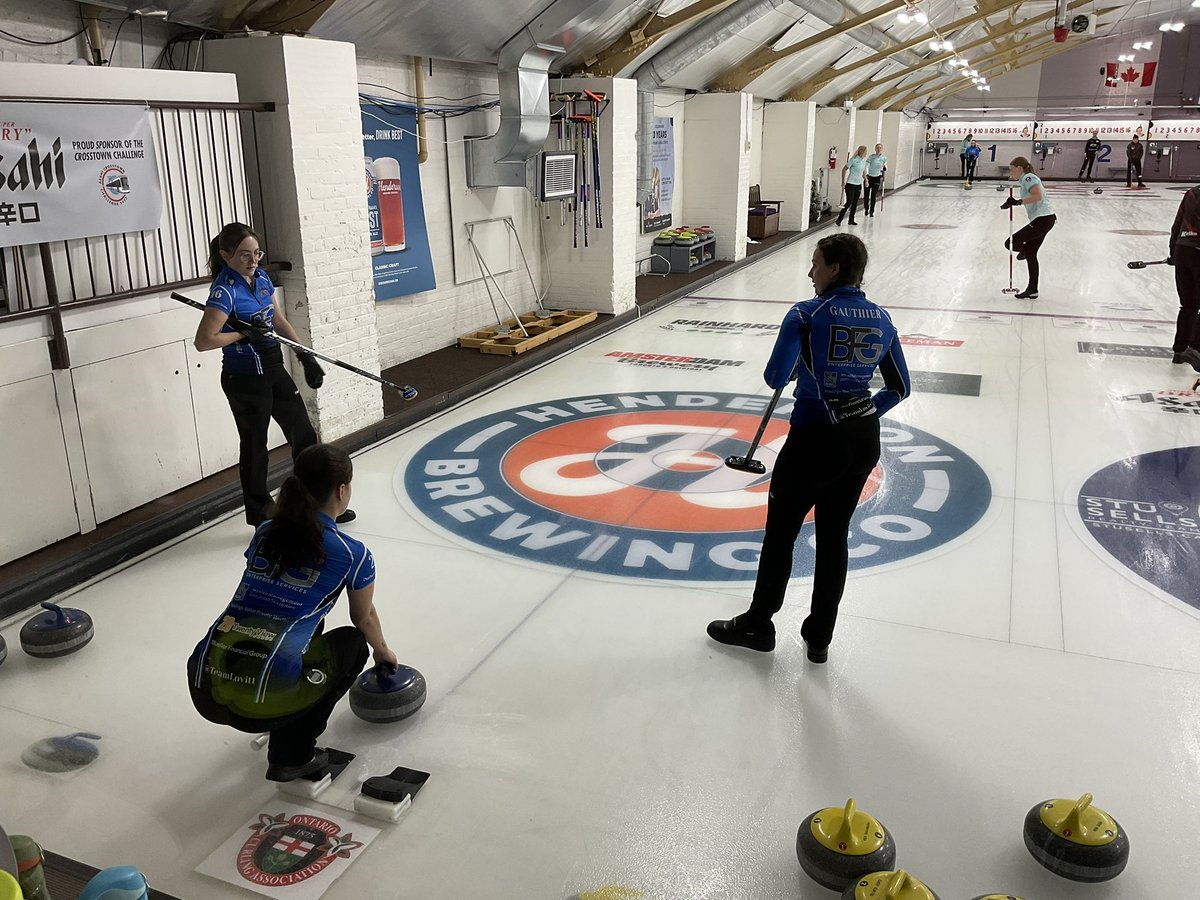
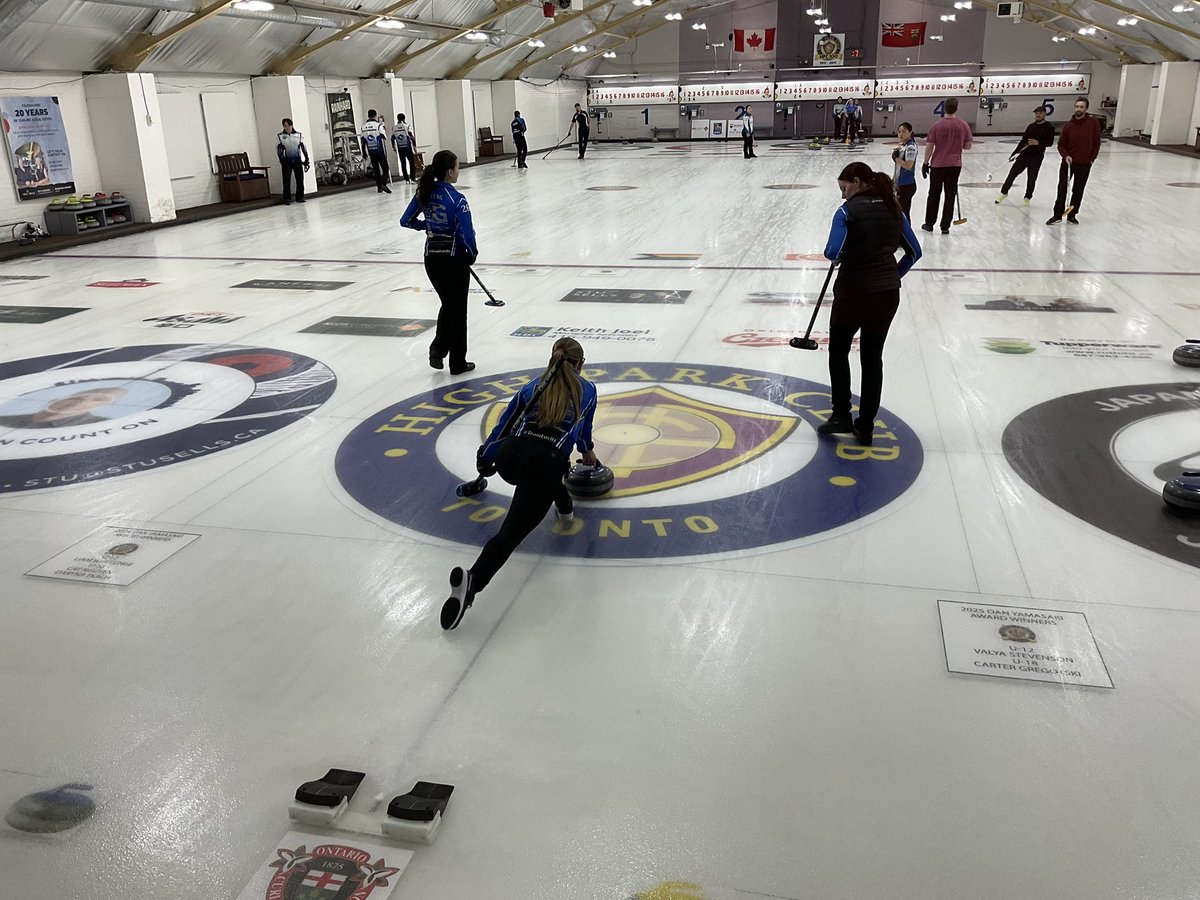
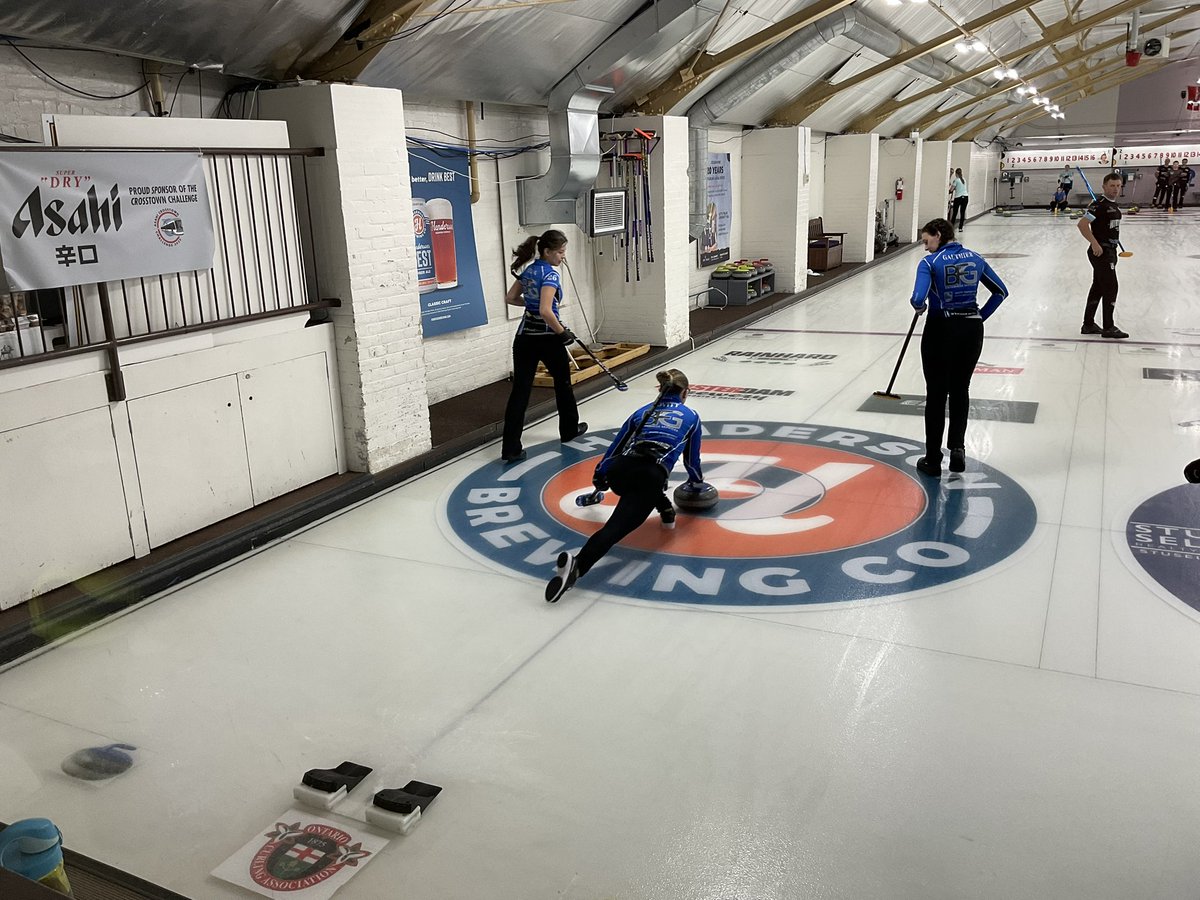
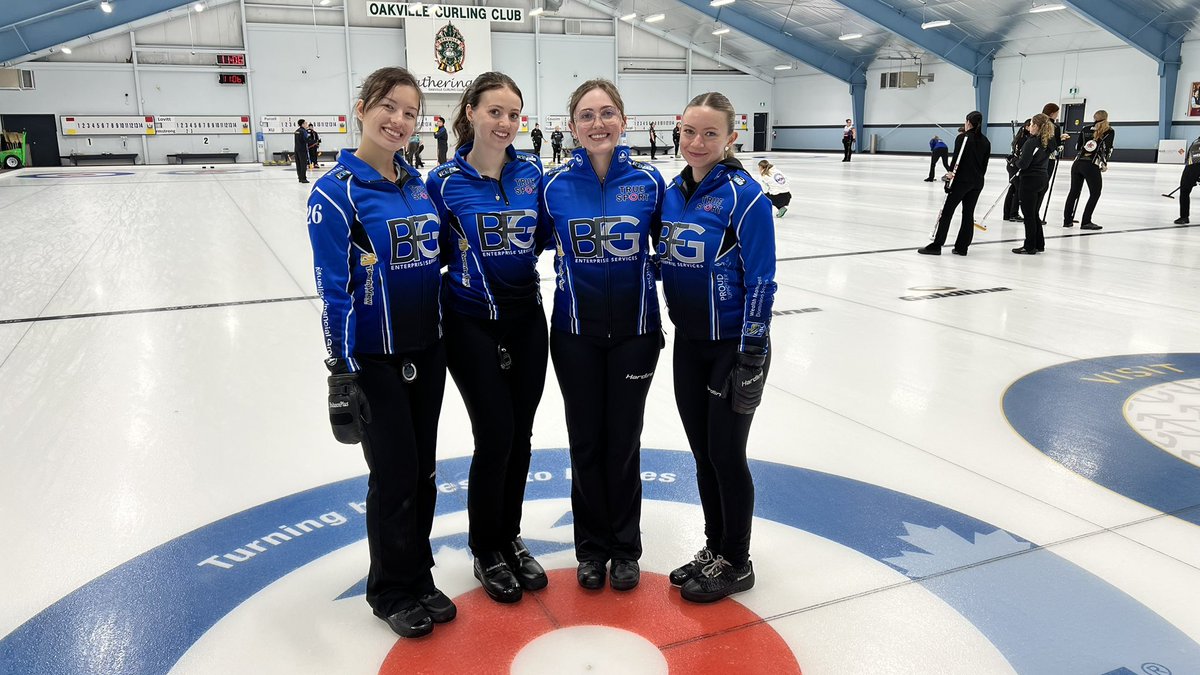
Many thanks to @Stusellsto, and to Chris Wai and his staff at the High Park Club, for hosting a fantastic Stu Sells Toronto Tankard. Perhaps the best one ever. Team Lovitt and I thoroughly enjoyed it! Best of luck to the teams left in the hunt!
1
2
121
25 Sep 2025
@blaing99 I enjoyed your discussion with Tyler during this morning’s Mouat-Muskatewicz game about the format changes with this Master’s, Brent. I am old enough to remember the change from 12 end games to 10 ends and how many at the time felt that this was a terrible idea. 1/3
1
1
192
25 Sep 2025
Of course the game had evolved prior to that - 16 ends to 12 - which I think few remembered (but my Dad did - he played in the 1930’s).
I am in broad agreement with the experimentation that the Grand Slam is doing and I also agree that differentiating the various events 2/3
1
1
99
25 Sep 2025
is a good idea, for a number of reasons including growing the viewership which in turn will help to grow interest in the game. Love the coverage on rockchannel.com. Cheers.
1
1
126
Glenn Paulley, PhD 🌾🇨🇦 🇺🇦 🥌 retweeted
15 Sep 2025
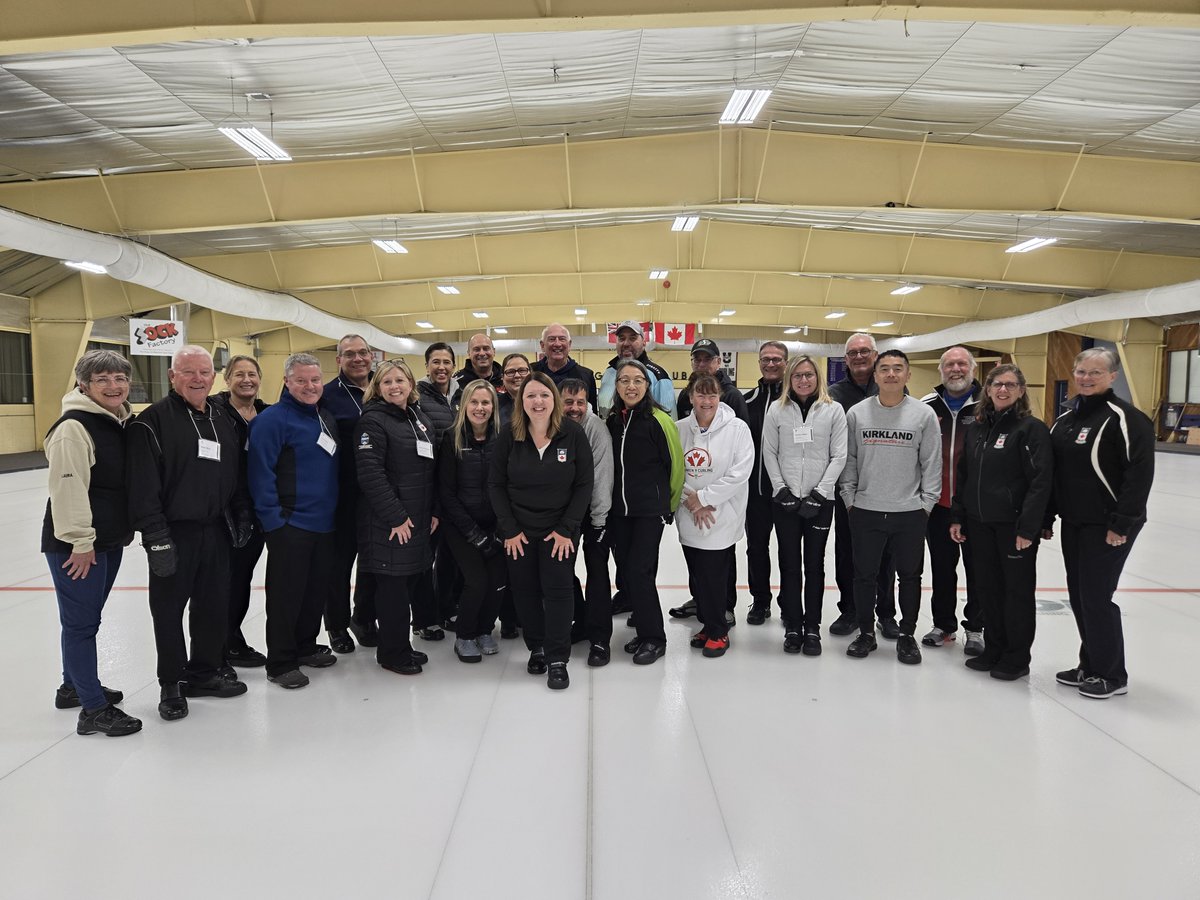
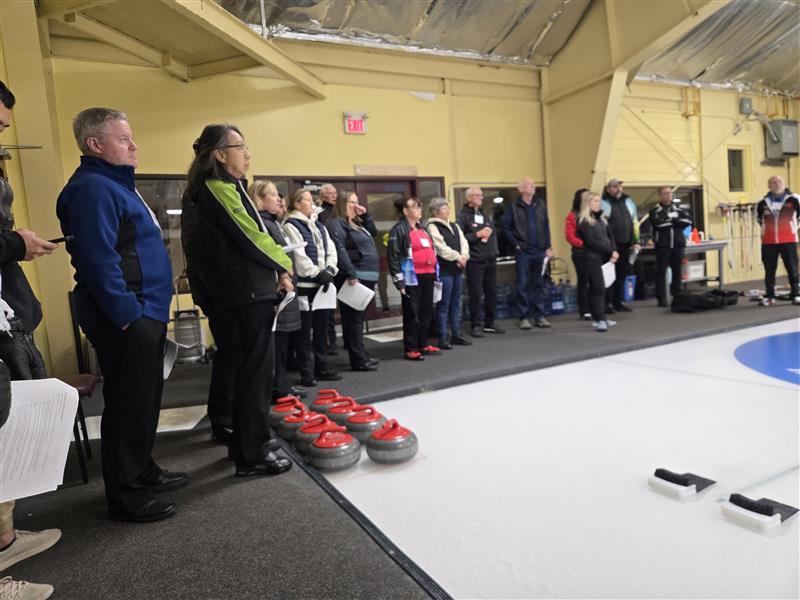
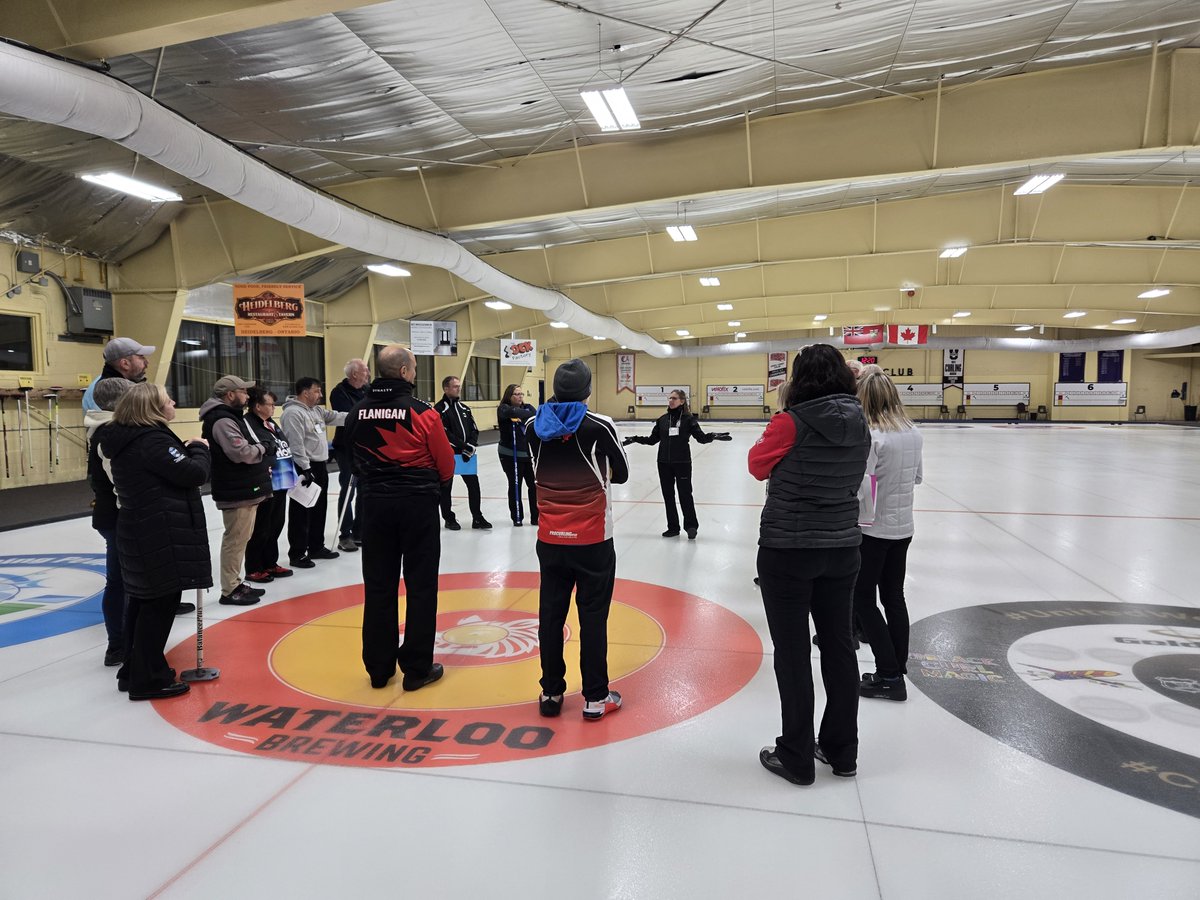
Curling Canada kicked off National Coaches Week with Master Coach Developer Training in Kitchener-Waterloo 🥌🥌
Over 700 years of coaching experience in this room, working together to launch a brand new version of Competition Coach!
4
20
4,499
Glenn Paulley, PhD 🌾🇨🇦 🇺🇦 🥌 retweeted

14 Sep 2025
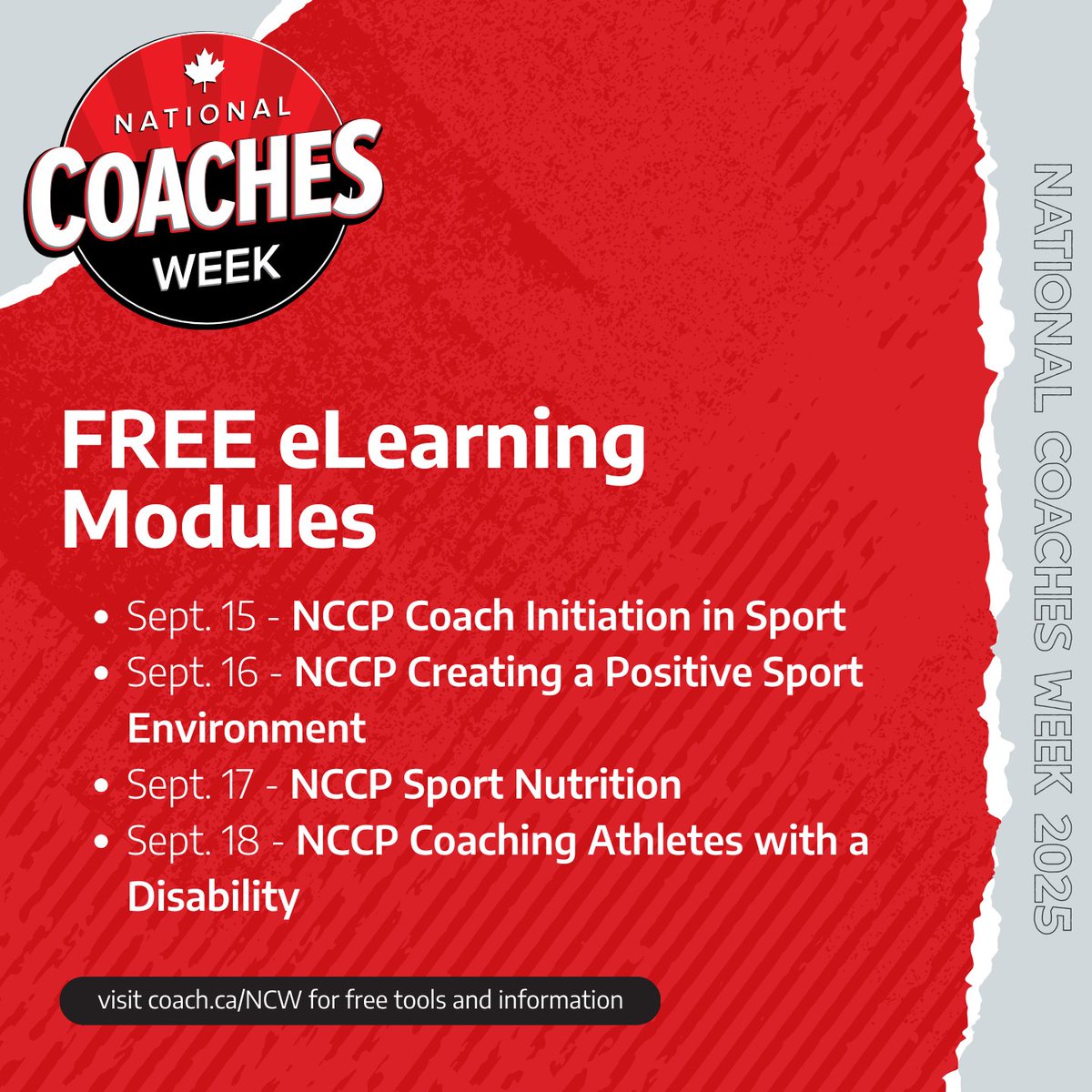
National #CoachesWeek starts tomorrow! Discover exclusive eLearning modules that will be offered during the week for a limited time only! Visit coach.ca/programs-and-initia… more details!
2
5
5
734