🇺🇸 Began my journey in Hudson, NY, lived all over the Eastern half of the US, circumnavigated the globe (unintentionally), favorite hobby is photography.
Joined September 2009
- Tweets 20,419
- Following 516
- Followers 455
- Likes 30,300
673 Photos and videos
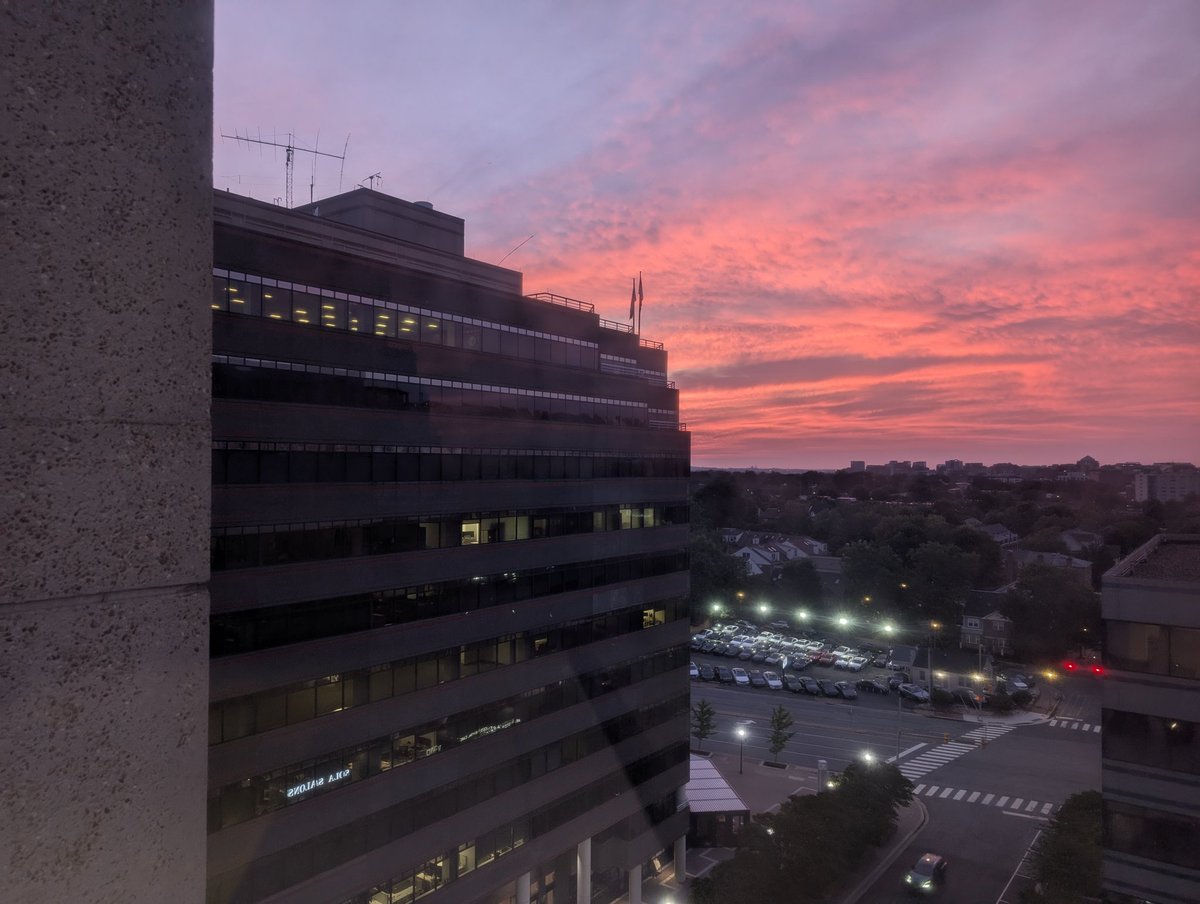

Gorio and His Jeepney retweeted

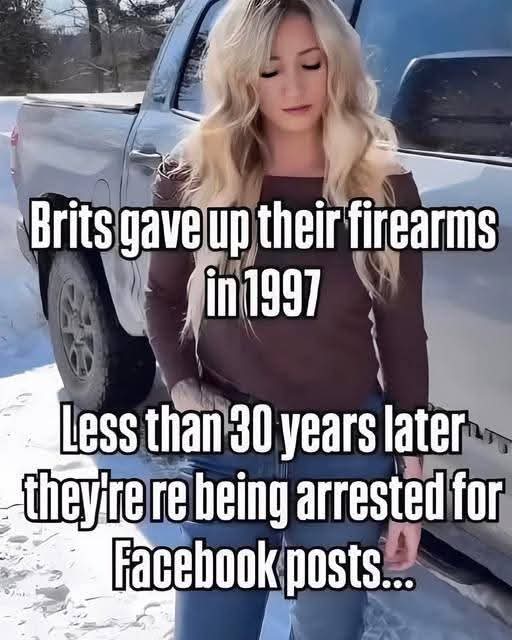
Prime example of why Americans won't give up their guns. 👇
328
4,493
17,071
122,167
Gorio and His Jeepney retweeted

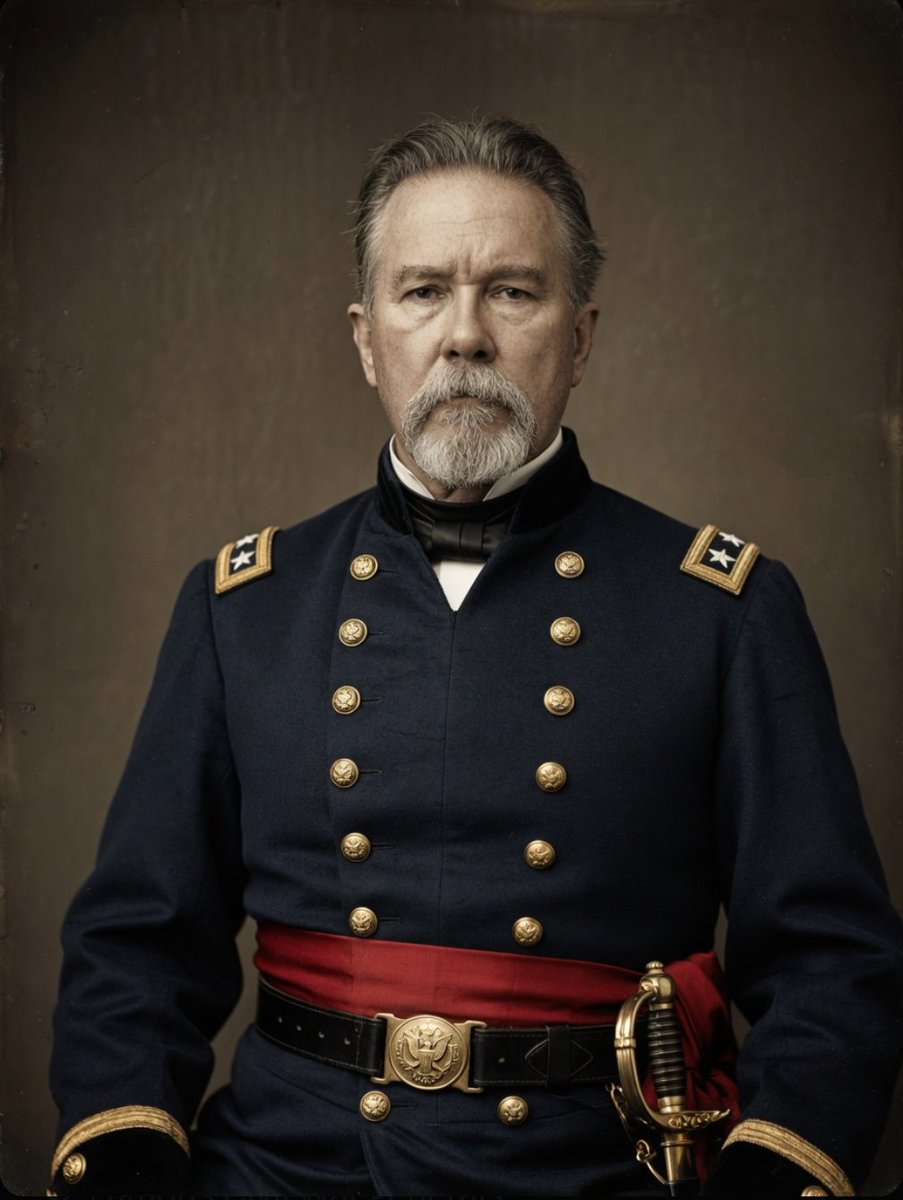
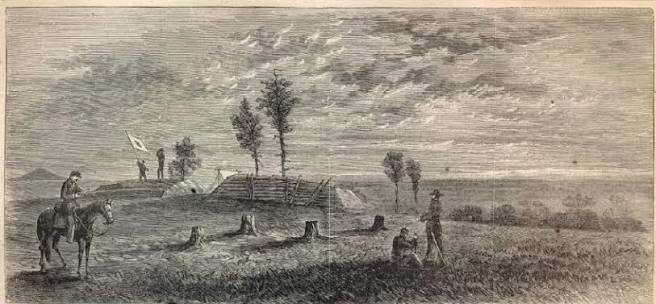
On this day in 1864, William Tecumseh Sherman lifted his field glasses, noticed a small cluster of officers loitering on a distant Georgia hilltop, got annoyed that they were studying his lines so openly, and gave a casual order to a battery to fire and make them move along. That order killed one of the strangest and most beloved men ever to wear a general's stars, and Sherman had no idea who was standing on that ridge until it was over.
To understand the moment, you have to understand the campaign it grew out of. By the summer of 1864 the war had hardened into something grinding and relentless. In the West, Sherman had been handed the job of driving south from Tennessee into Georgia to capture Atlanta, a rail and manufacturing hub that was one of the beating hearts of the Confederacy. Against him stood Joseph Johnston, a cautious, skillful general who knew he was outnumbered and refused to throw his army away in a head-on fight. So the Atlanta Campaign became a long, wet, maddening chess match through the north Georgia hills. Johnston would dig into a strong position, Sherman would refuse to attack it directly and instead slide around the flank, and Johnston would fall back to the next ridge and dig in again. Mile by mile, the armies clawed south toward Atlanta in the heat and the rain.
Pine Mountain was one of those positions. It was a forward hill that bulged out ahead of the main Confederate line near Marietta, and on the rainy morning of June 14 the three most senior Confederate commanders in that army rode up to its crest to look at the ground. There was Johnston himself, the army commander. There was William Hardee, a tough, professional corps commander who had literally written the army's tactics manual. And there was Lieutenant General Leonidas Polk. They had come up together to study the Union positions spread out below and to decide a practical question: whether this exposed, jutting hill could actually be held or whether it should be given up like all the others.
Polk was unlike any other man on that hilltop, or really any other general in the war. He had not spent his life as a soldier. He was the Episcopal Bishop of Louisiana, the spiritual leader of an entire region, a man whose ordinary work was tending churches and souls across the Deep South. But he had also graduated from West Point as a young man, where he became close friends with a cadet named Jefferson Davis, before leaving the army almost immediately to enter the ministry. When the war came, Davis, now president of the Confederacy, persuaded his old friend to take up a general's commission. So Polk set down the bishop's staff, put on the gray uniform, and went to war. The soldiers called him the Fighting Bishop, and they adored him. He was not the most gifted battlefield tactician, and he had clashed badly with commanders like Braxton Bragg earlier in the war, but his presence carried a moral weight that no ordinary general could match. To the men in the ranks he was part commander, part shepherd, a living symbol that God was on their side.
That symbolism had been on vivid display only days earlier. In the quiet of the camps during this very campaign, Polk had performed baptisms for fellow generals, pouring water over the heads of hardened men who commanded thousands. Among those he baptized was John Bell Hood, the aggressive, one-legged, crippled-armed fighter who would soon replace Johnston and hurl this army into the open in a series of bloody attacks. Picture it: a bishop in a general's coat, blessing the men who were about to send tens of thousands to their graves in front of Atlanta.
Down in the Union lines, Sherman was riding along his front when he glanced up at Pine Mountain and saw, through his glasses, the little group of officers standing there in the open, plainly studying his army. It irritated him. He did not know they were generals. He simply saw enemy officers being insolent about reconnoitering his positions, and he turned to General Oliver Howard and told him, in effect, to have a battery fire a few rounds and teach them not to stand around in plain sight. There was nothing dramatic in the order. It was the kind of routine annoyance a commander deals with a dozen times a day.
A section of the 5th Indiana Battery wheeled their Parrott rifles toward the crest and opened fire. The first shells screamed up the slope and missed. The officers on the hilltop heard them coming and understood the message, and they began to move off, but they walked rather than ran. None of them wanted to be seen scrambling for cover in front of watching soldiers. Hardee and Johnston stepped away. Polk lingered. By most accounts he paused, hands clasped behind his back, taking one last unhurried look at the Union army below, the way a man studies a view he means to remember. And in that pause, another shell came in. It struck him squarely, passing through his body and killing him instantly. His friends ran back to him, but there was nothing anyone could do. The Bishop was gone.
The shock of it tore through the entire Confederate army within hours. Losing Polk did not just mean losing a corps commander. It felt like losing a piece of the cause itself, a sign and a saint struck down on a hilltop. Johnston, normally reserved, was overcome and reportedly wept over the body of his friend. Soldiers filed past to pay respects. The story spread across the South in letters and newspapers and pulpits, and Polk was instantly transformed into a martyr, the holy man slain while watching over his army. A bloodstained Bible said to have been on him became a relic. For a brief moment the grief over one general eclipsed the larger crisis of the campaign itself.
On the Union side, once word filtered across the lines about exactly who had been killed by that battery, the reaction was colder and more practical. It was proof of something the men already sensed: on this campaign, in this kind of war, not even the most senior and most revered commanders were safe. A general could be erased from a quiet hilltop by a gun crew who never even knew his name.
And Sherman, characteristically, did not pause over it for long. He recorded the death almost matter-of-factly and kept doing exactly what he had been doing. Pine Mountain, the hill they had all come up to evaluate, proved untenable just as the exposed position suggested, and within days the Confederates abandoned it and fell back again. Sherman kept flanking, kept pressing, kept grinding south through Kennesaw Mountain and beyond, refusing to be drawn into the kind of fight Johnston wanted. By September he would take Atlanta, a victory so enormous that it helped secure Lincoln's reelection and doomed the Confederacy's last hope that the North might simply give up.
So that is the whole strange weight of this day. A bishop who became a general, a man who baptized his fellow commanders in their tents one week and was killed on a rainy ridge the next, struck down not by some grand stroke of fate but by an almost offhand order from an enemy who did not even know he was there. One of the most human and improbable deaths of the entire war, on a hill that most people have never heard of.
7
49
333
26,131
Gorio and His Jeepney retweeted
Today is June 15, 2026 and Donald J. Trump is the President of the United States of America.
414
1,280
13,956
119,217
Gorio and His Jeepney retweeted

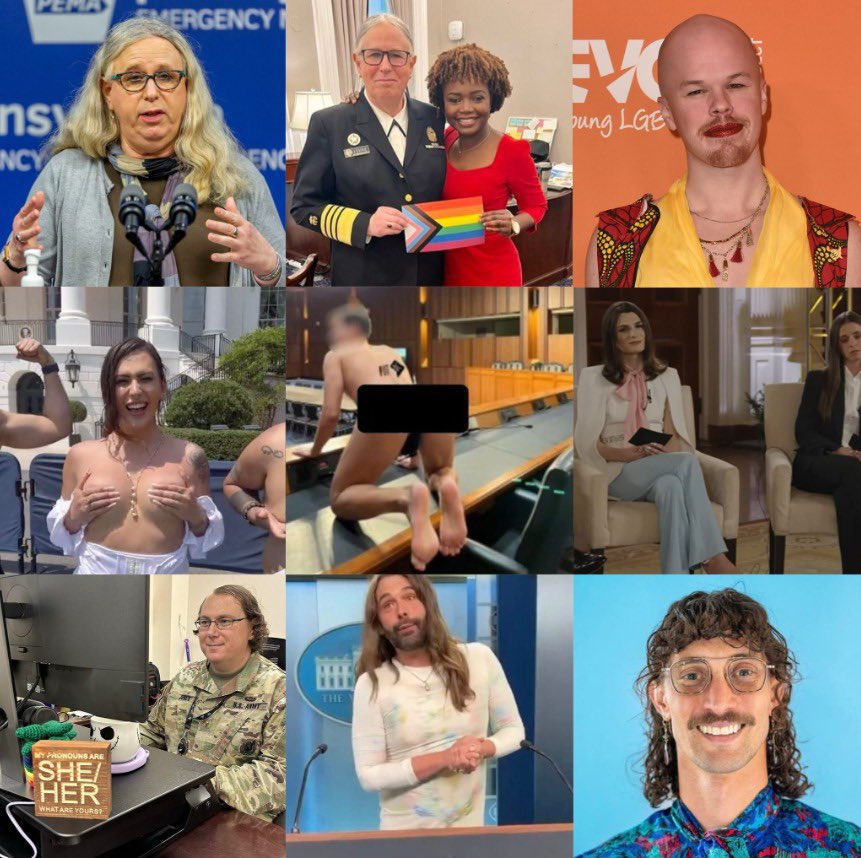
“Trump is making a mockery of the White House!”
Same people
425
8,354
42,664
496,086
Gorio and His Jeepney retweeted
Obscene. The People’s House has become a clown show.

63
345
4,574
25,537

Gorio and His Jeepney retweeted

Jun 14
@HillaryClinton
Ma’am, I was the Air Force Lt. Colonel who carried the nuclear football for your husband inside that “people’s house” you’re suddenly so precious about. I saw it all up close for two years.
While Bill was getting blow jobs in the Oval Office from an intern and groping female Air Force enlisted crew on Air Force One, you and your staff treated the military with open disdain, like we were the help, not the men and women sworn to protect this nation. The disrespect for anything non-Clinton was palpable.
You lecture about “respect for the institution” while your husband lost the nuclear codes and shrugged it off.
And when you finally slinked out in 2001? You and your crew trashed the place—vandalism, theft, glue in drawers, obscene messages, stolen property, and filth left behind for the next administration. The GAO confirmed it. Classy exit from the “people’s house.”
The White House belongs to the American people, not your grifting dynasty. They just elected a fighter who actually respects the military and the office. Keep ripping off poor kids in Haiti, selling your merch and clutching pearls.
Sit down, bitch. The adults are back in charge.
Jun 14

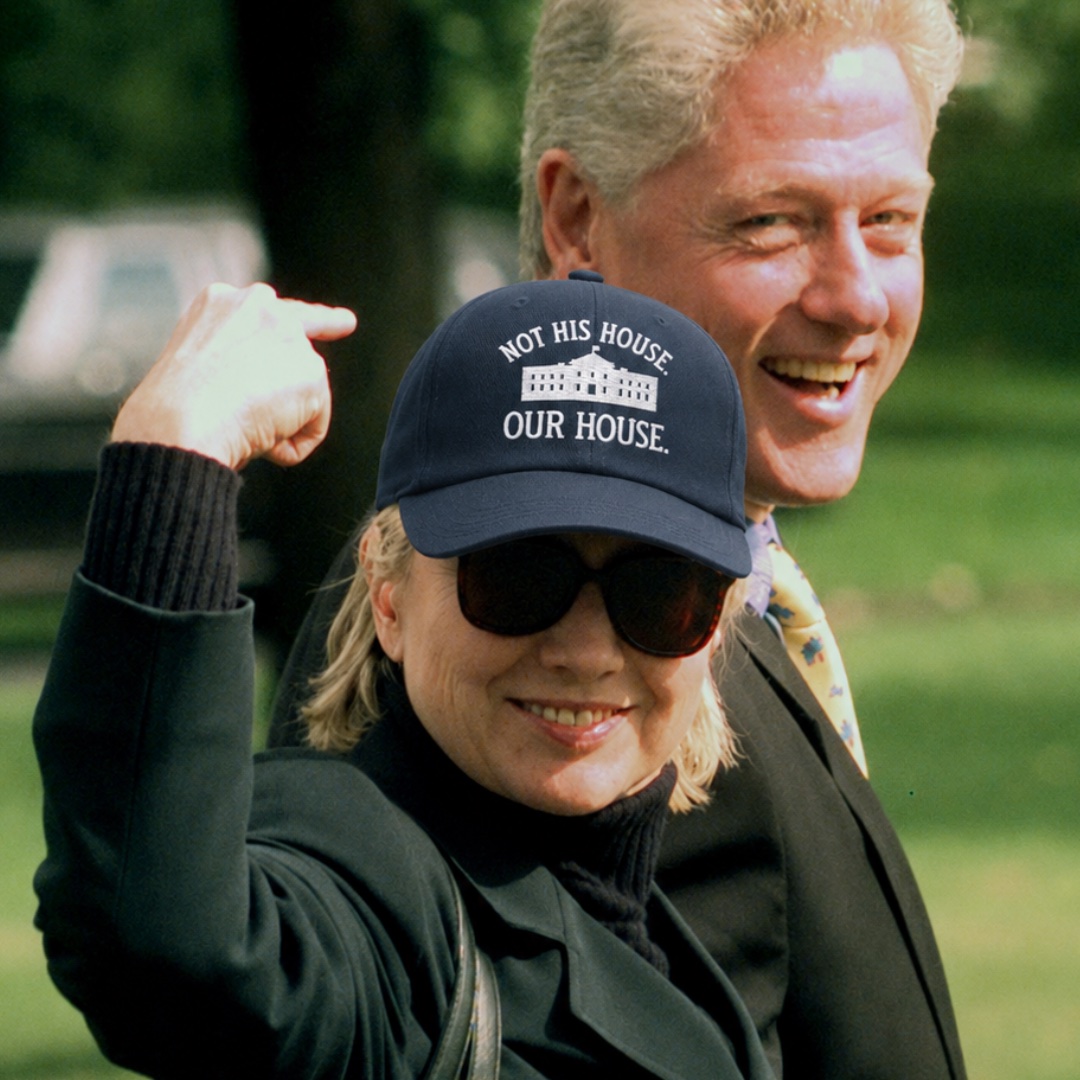
Remember, during today's literal cage match on the White House grounds:
No matter what, it's not his house. It's our house.
Get a hat, coaster, or sticker to support groups and candidates who will respect the form AND the function of the people's house. shop.onwardtogether.org/coll…
2,235
14,395
47,510
2,118,134
Gorio and His Jeepney retweeted

Jun 14
🚨 THE MASK HAS COMPLETELY SLIPPED.
Keir Starmer is banning social media for teenagers, but guess which app is magically exempt?
Bluesky. 🤡
They are blocking every platform that allows independent free speech, while leaving the ultimate left wing echo chamber wide open.
This was never about child safety. It is a highly coordinated plot to trap your kids in a digital bubble and brainwash them with pure establishment propaganda.
They want total control over what the next generation is allowed to think.
RT if you refuse to let the Labour elite indoctrinate our children! 🇬🇧🔥
1,228
16,410
58,714
789,196
Gorio and His Jeepney retweeted

Jun 14
Yup.
Jun 14

Iranian who escaped Sharia law warns the West:
"I'm Iranian. I went to prison under Islamic law.
I know how it starts… and it always starts with the Left uniting with Islamists.
I came to Canada for freedom. now I’m watching the exact same pattern.
They appease. Weakness invites more. They will never stop."
This man lived it.
The West is sleepwalking into the same nightmare.
20
360
2,339
32,530
Gorio and His Jeepney retweeted

Jun 14
So here’s the difference:
1) AOC does not have a Master’s degree in Economics, she has a Bachelor’s degree.
2) Mullin holds an associate degree in applied science for plumbing, took over his family’s business and built it into a successful company before entering politics.
The difference is that one person built something with their life using a useful degree to deliver services to someone that needed them.
The other person took money from taxpayers and delivered zero benefit to anyone but herself and now has a professional rain umbrella holder, all paid for by the tax dollars from the plumbers Mullin’s employed.
Hope that helps.
157
903
9,117
58,259
Gorio and His Jeepney retweeted

Cope bitch
62
153
7,750
44,497
Gorio and His Jeepney retweeted

Jun 14
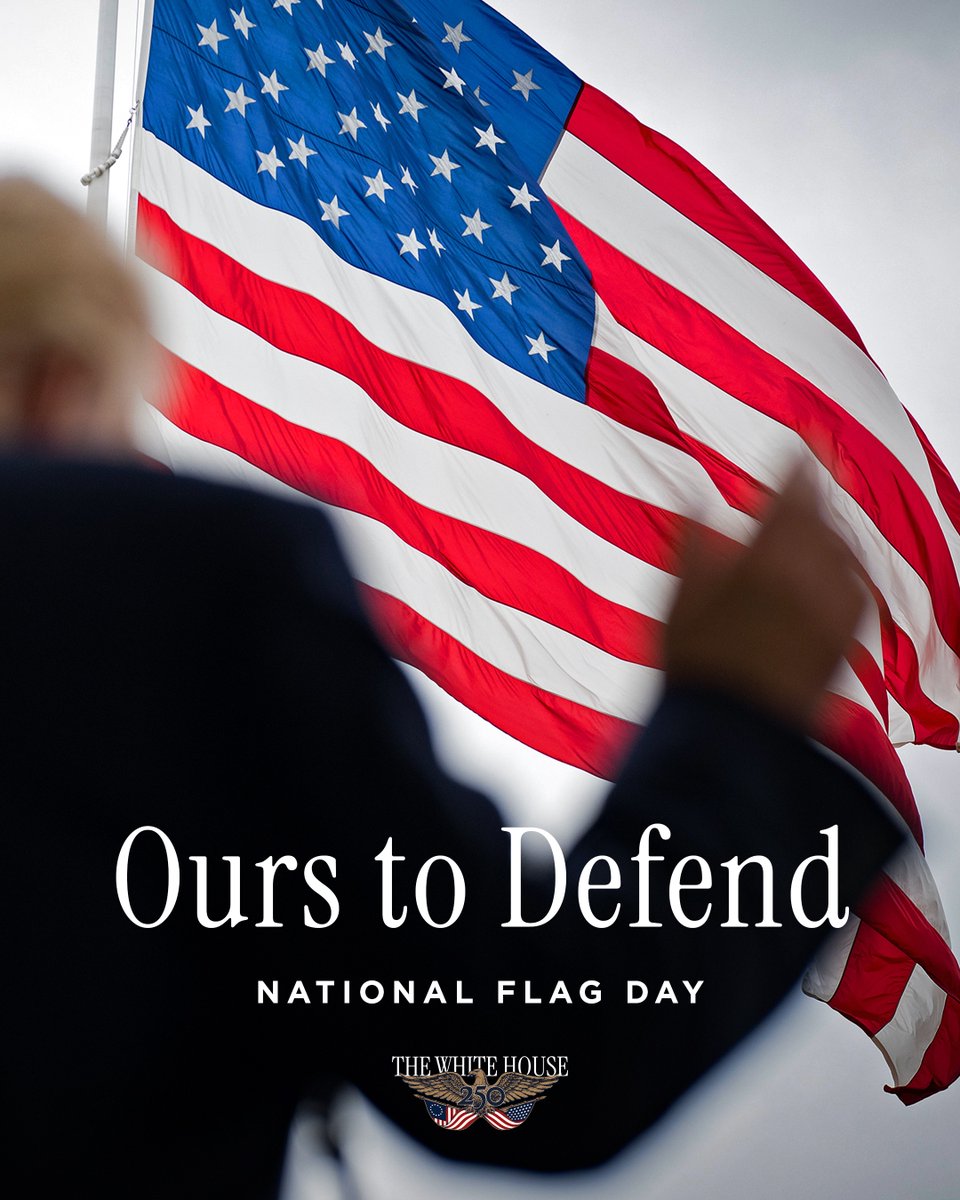
The American flag represents freedom, liberty, justice, and the will of a nation to become something greater for 250 years and counting.
On this Flag Day, stand in unity with our homeland, honor our fallen heroes, and salute the greatest mark of freedom anywhere in the world.🇺🇸
1,628
5,753
21,714
366,653
Gorio and His Jeepney retweeted

Jun 14
I assure my closeness to the people of the Philippines, struck a few days ago by a powerful earthquake. I pray for the deceased and their families, for the wounded, and for all those suffering because of this disaster.
311
3,527
32,982
800,946
Gorio and His Jeepney retweeted

Today would be a great day to fire the traitor John Thune.
156
656
5,046
42,312
Gorio and His Jeepney retweeted
Jun 14
100% of them are criminals. That’s the point.
21
190
3,505
11,311
Gorio and His Jeepney retweeted

Jun 14
At 65, I’m a man of contradictions.
I’m conservative, but gay.
I’m black, but I don’t obsess over slavery, racism, oppression, or reparations.
I don’t fit into any of their boxes.
I voted for Trump because he offered me more than any democrat has ever done.
He offered to love my country and make it GREAT AGAIN.
That's what I voted for.
Because I’m just an American who wants to see his country remain the best in the world.
And nothing Donald Trump has ever said made me afraid to vote for him.
If he could run again, I’d vote for him again.
Because let’s be honest:
He’s a better president than any of the last 3 democrats we’ve had, or whoever they crap out in 2028.
Is anybody with me on that?
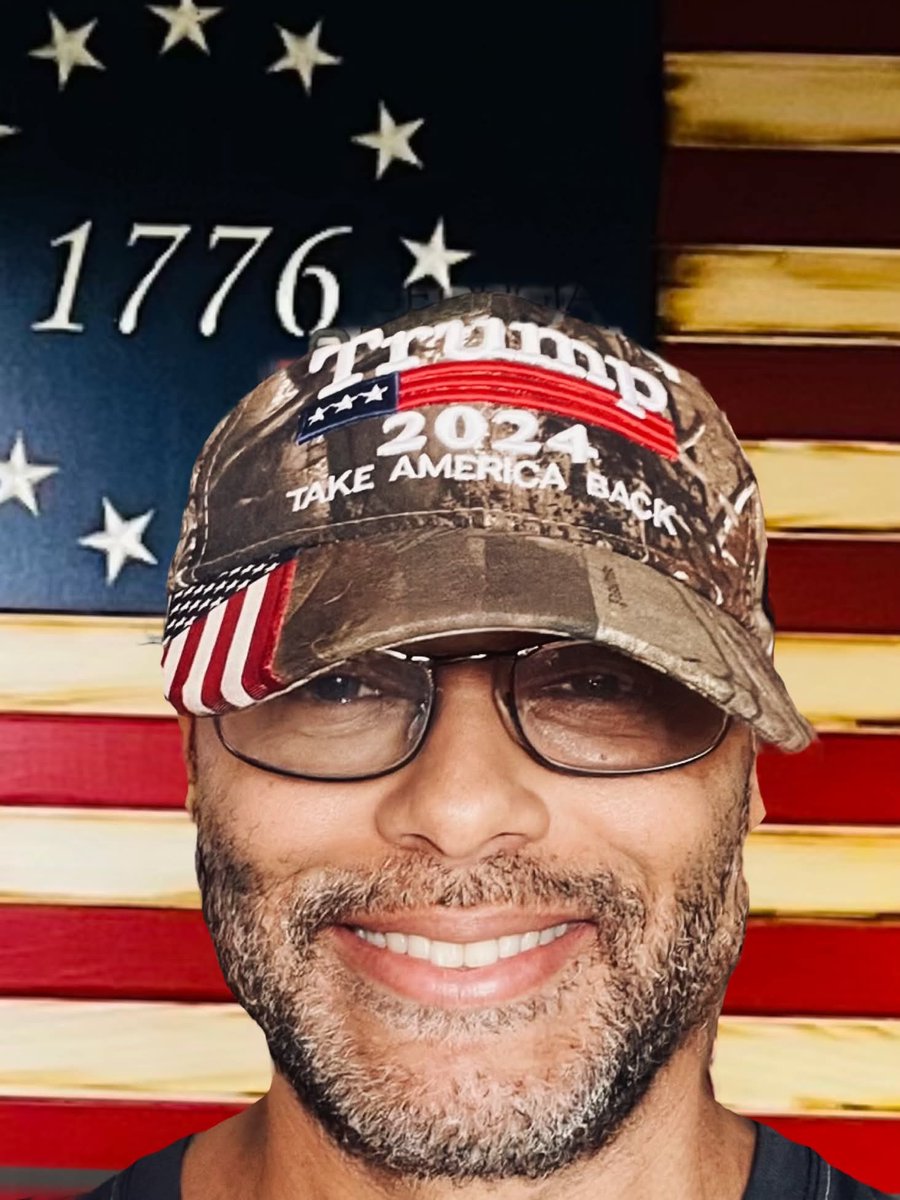
2,425
3,380
19,538
147,450
Gorio and His Jeepney retweeted
Jun 14
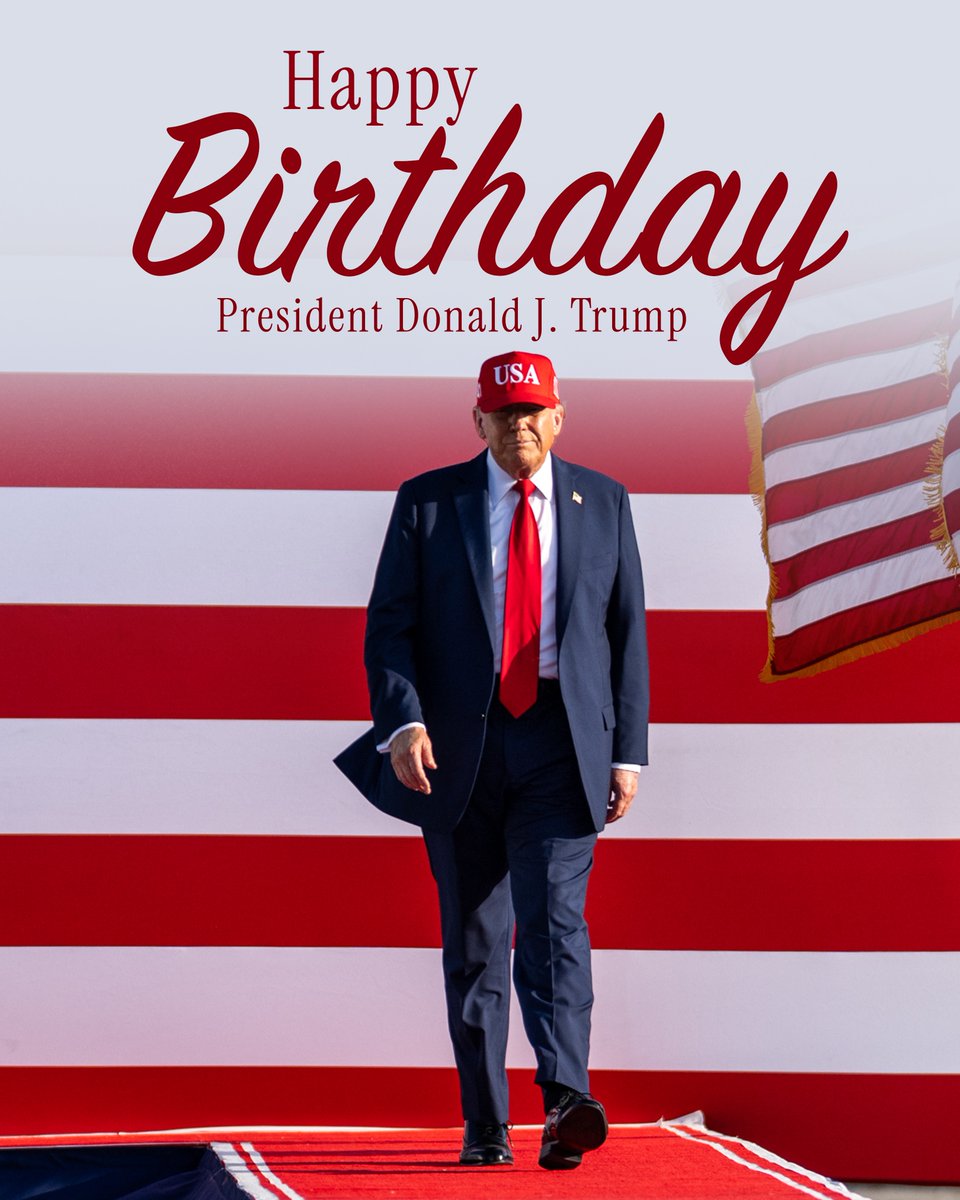
Happy Birthday to the 45th and 47th President of the United States, Donald J. Trump. A relentless patriot who fights every day for the country he loves, the people he serves, and the American Dream. 🇺🇸🇺🇸
17,918
33,486
154,064
2,106,809
Gorio and His Jeepney retweeted
Happy Birthday, President Trump!
Thank you for never backing down, never quitting, and always putting America first. Your strength, determination, and love for this country have inspired millions of Americans.
Wishing you good health, happiness, and many more years of success.
Happy Birthday, Mr. President.
1,226
6,399
26,299
186,959
Gorio and His Jeepney retweeted

Jun 14
Today is June 14, 2026 and Donald J. Trump is the President of the United States of America.
795
1,840
22,850
417,283