
cto and founder @callstackio, @reactjs foundation, codex ambassador @openai. i love cars 🏎️
Joined December 2012
- Tweets 16,779
- Following 881
- Followers 15,166
- Likes 26,259
1,051 Photos and videos
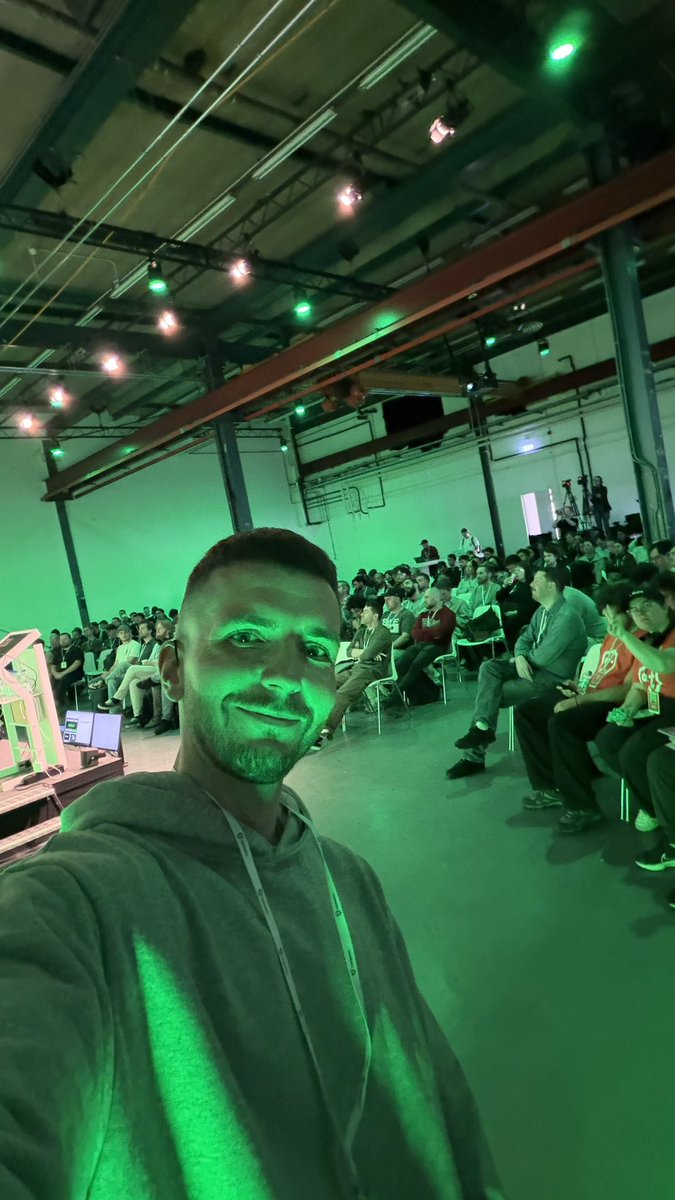
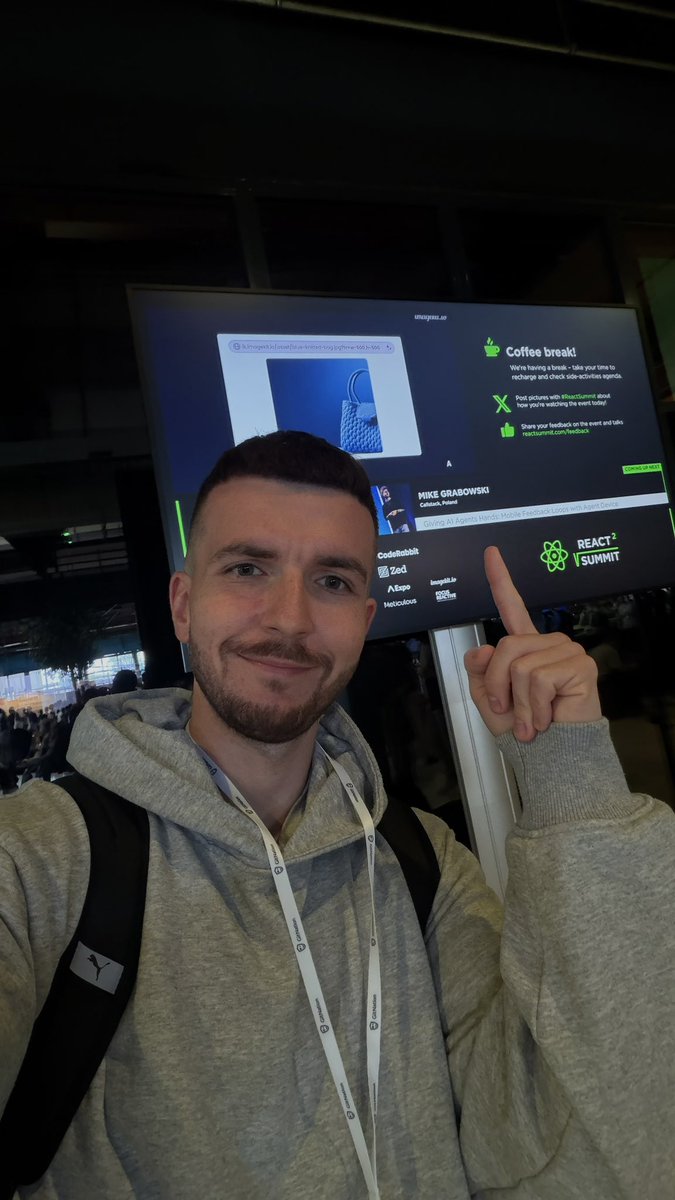
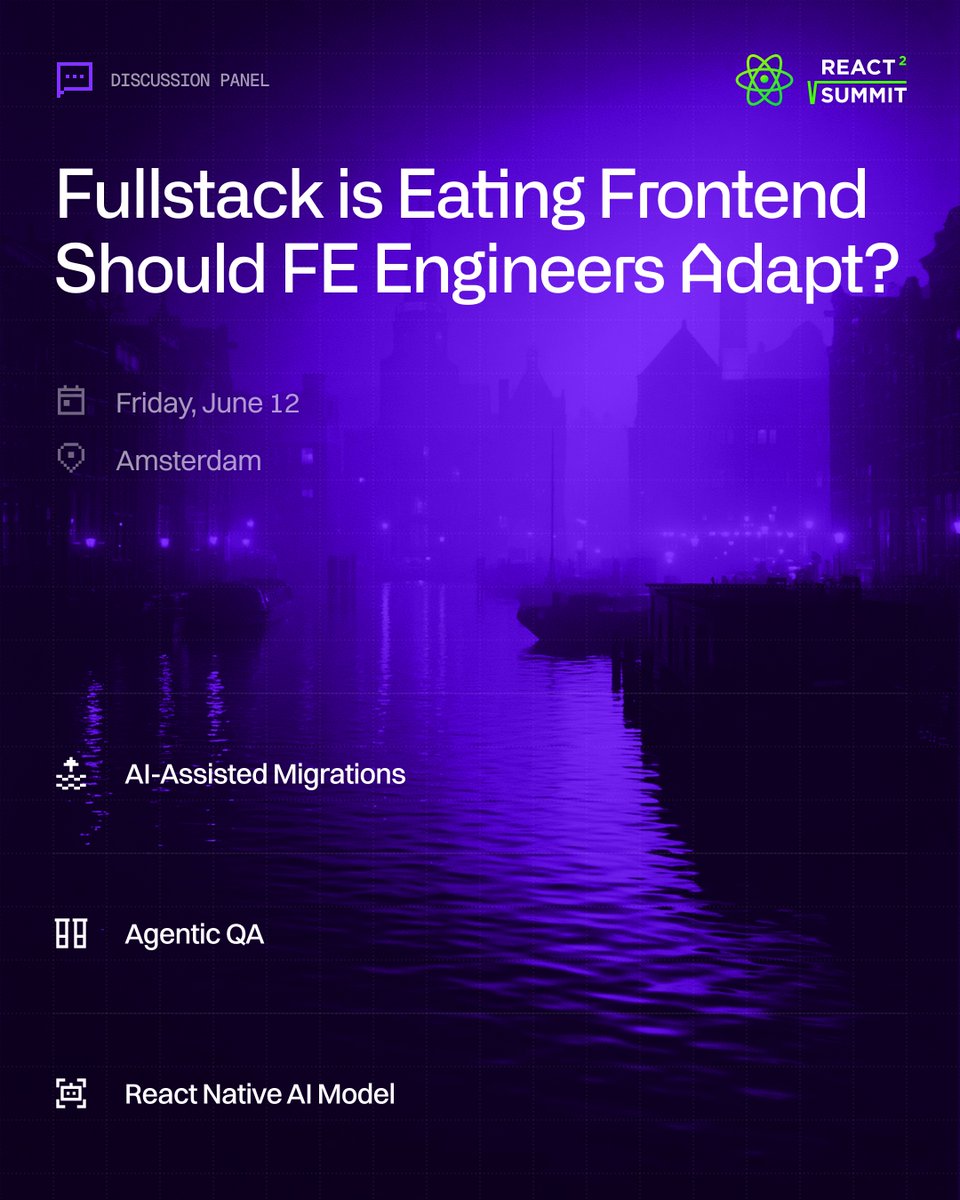
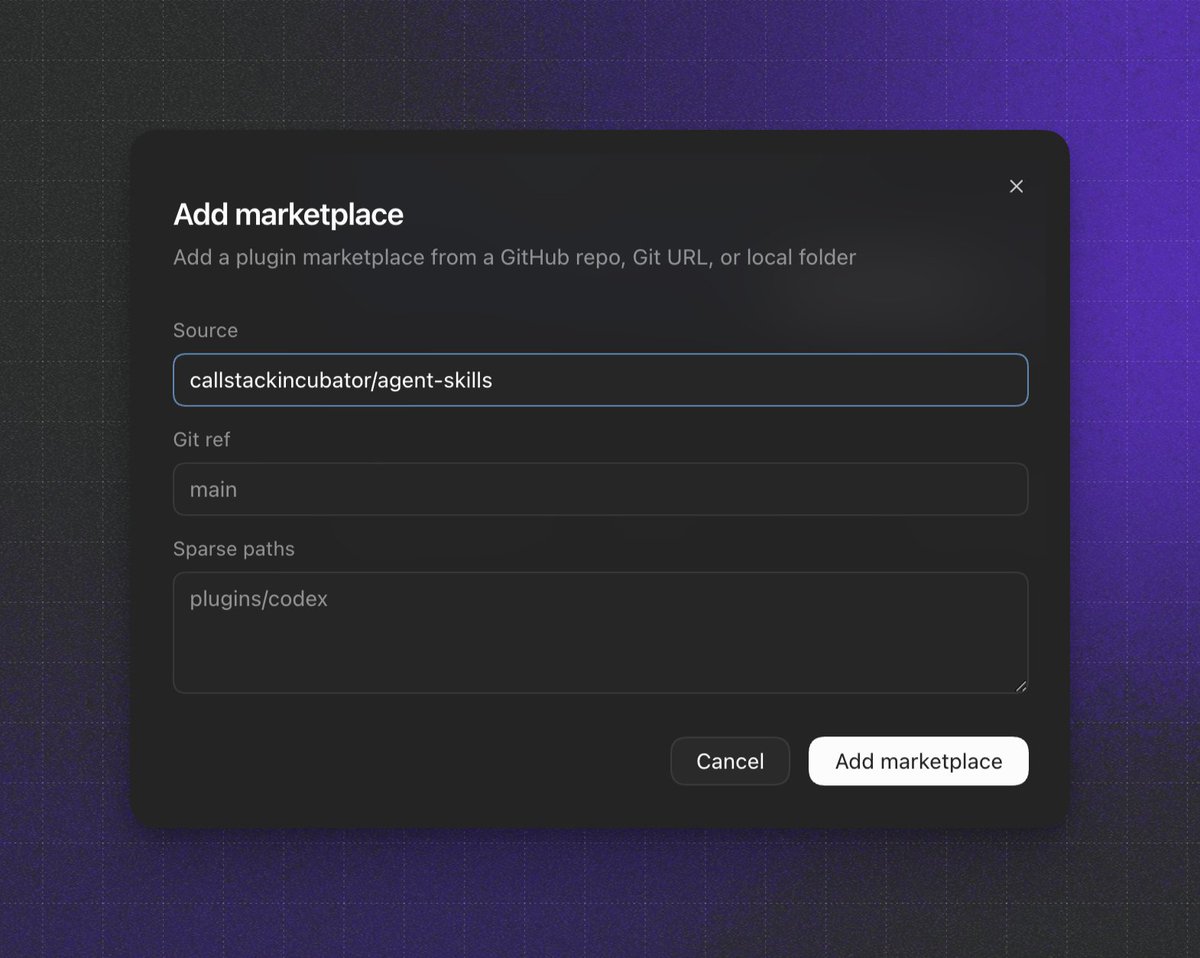

Incredibly excited for this new chapter.
Callstack turns 10 this year, and I couldn't be more proud of the team, the work we've done, and the direction we're taking next.
React Native is still our foundation. AI-native engineering is where we're going next.
Let's ship the next 10 years!
May 26

When the way software is built changes, we help companies adopt it.
For over a decade, that meant bringing React Native to production across mobile, web, desktop, and TV.
Now we are expanding that same mission to AI-native engineering: helping teams ship software with agents, safely and at scale.
This is our new manifesto.
7
4
62
8,447
Mike retweeted

Jun 12
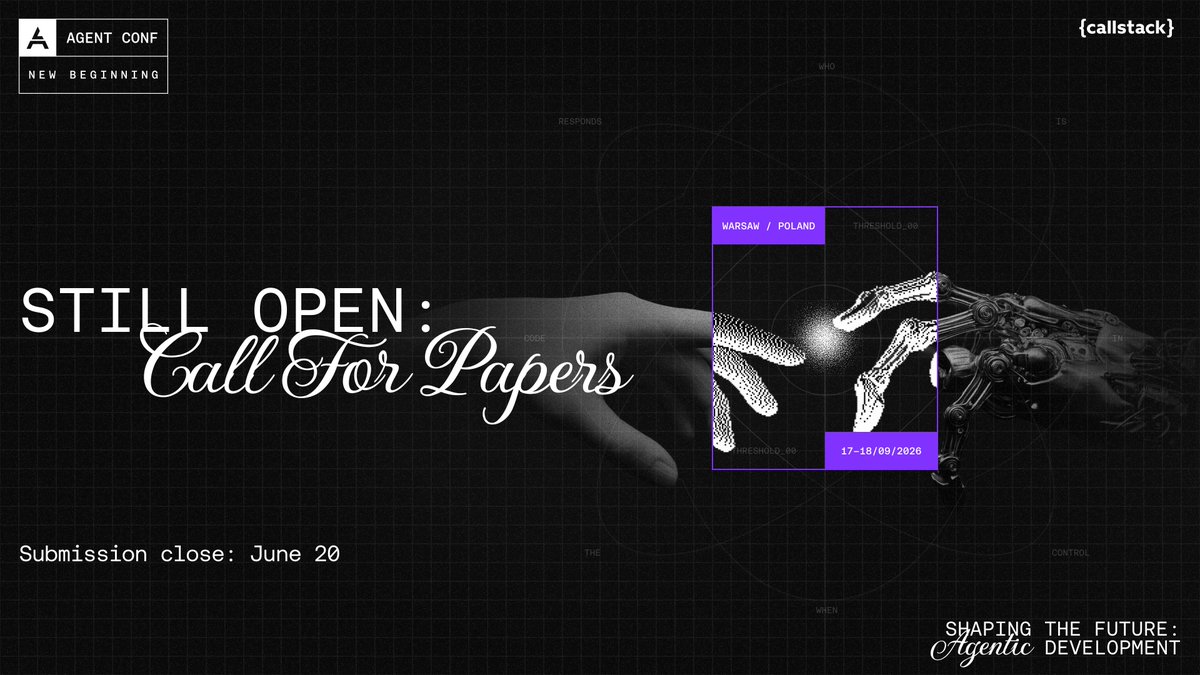
One week left: Call for Papers for Agent Conf closes June 20.
We’re looking for talks on vibe coding, agentic engineering fundamentals, orchestration and multi-agent systems, and adoption stories from teams doing the work.
What worked. What failed. What changed once agents left the demo.
Submit your talk: sessionize.com/agent-conf-20…
1
2
3
793
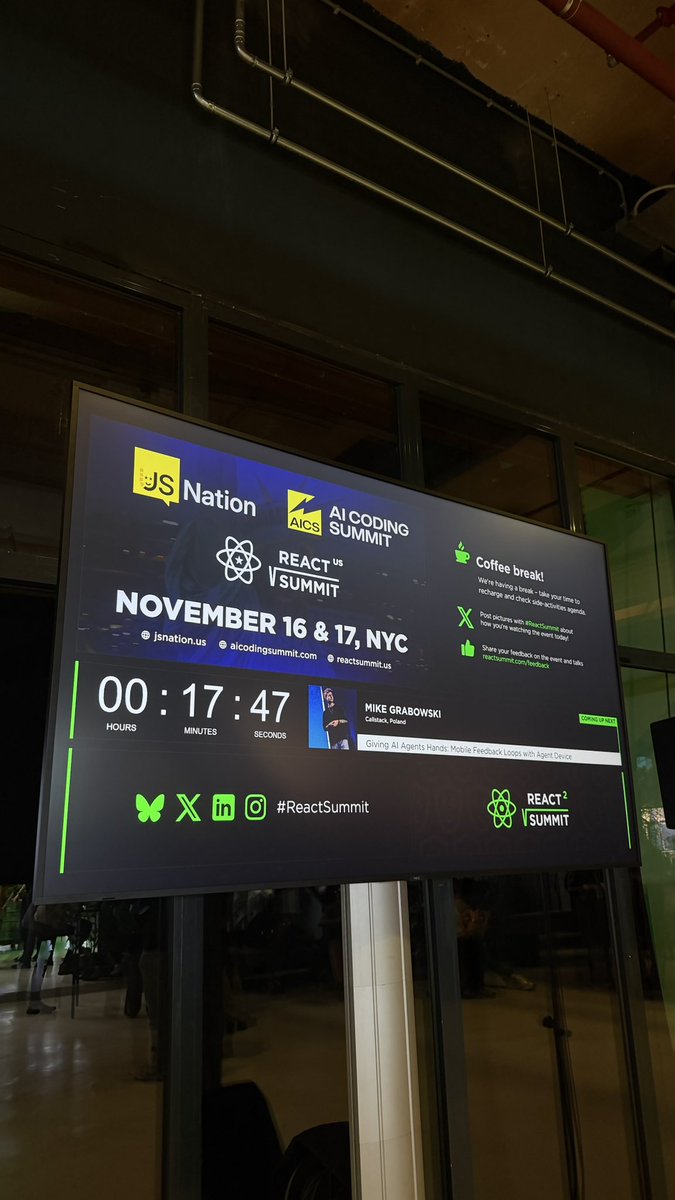

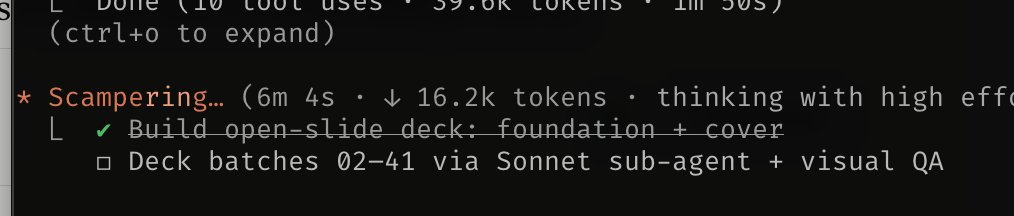
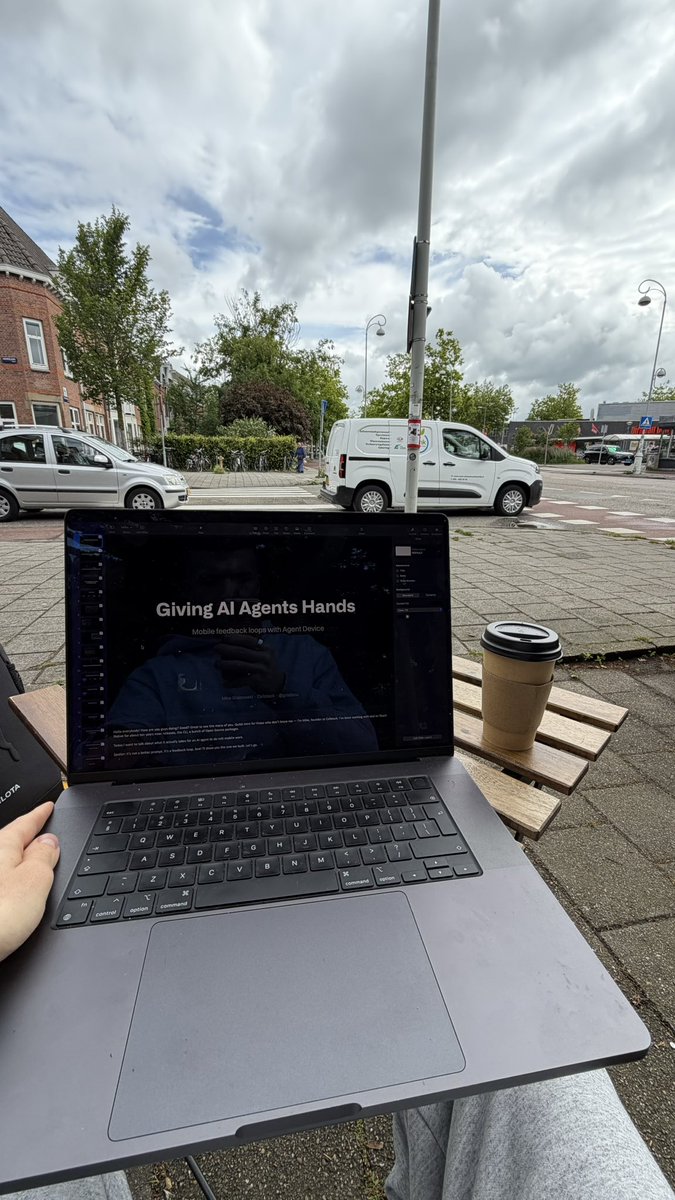
Used Fable to design the flow of my talk.
Cheaper model to structure the slides.
Surprised Fable was able to match my style, without slop, based on my transcripts, and past talks. Most of the time, models would take those into account, but still produce slop that isn't there yet.
Looking forward to Fable-equivalent landing in Codex. This will be fun!
1
619
Mike retweeted

Jun 11
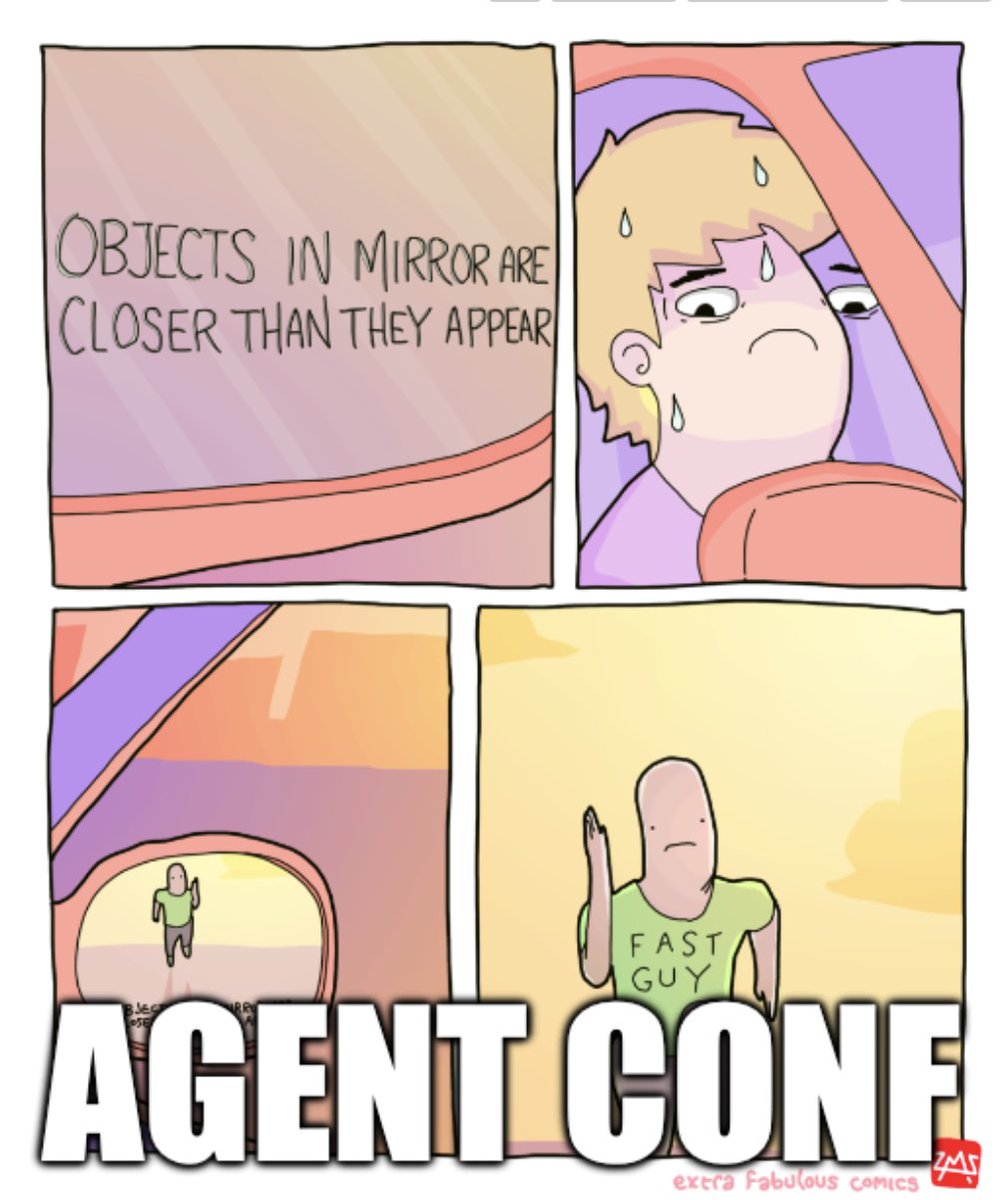
Agent Conf is coming sooner than you think!
→ call for papers closes on June 20th
→ last early bird tickets are available
→ DM me for promo code if you run 3 agents now
2
5
26
3,576
Mike retweeted
Connects to React DevTools and reads optimized text format with top offenders (saving tokens).
Also reads logs from the device.
Also reads CPU profile from the sim.
Also identifies dropped frames.
3
9
1,280
react/native

11
17
2,990
236,189
Mike retweeted

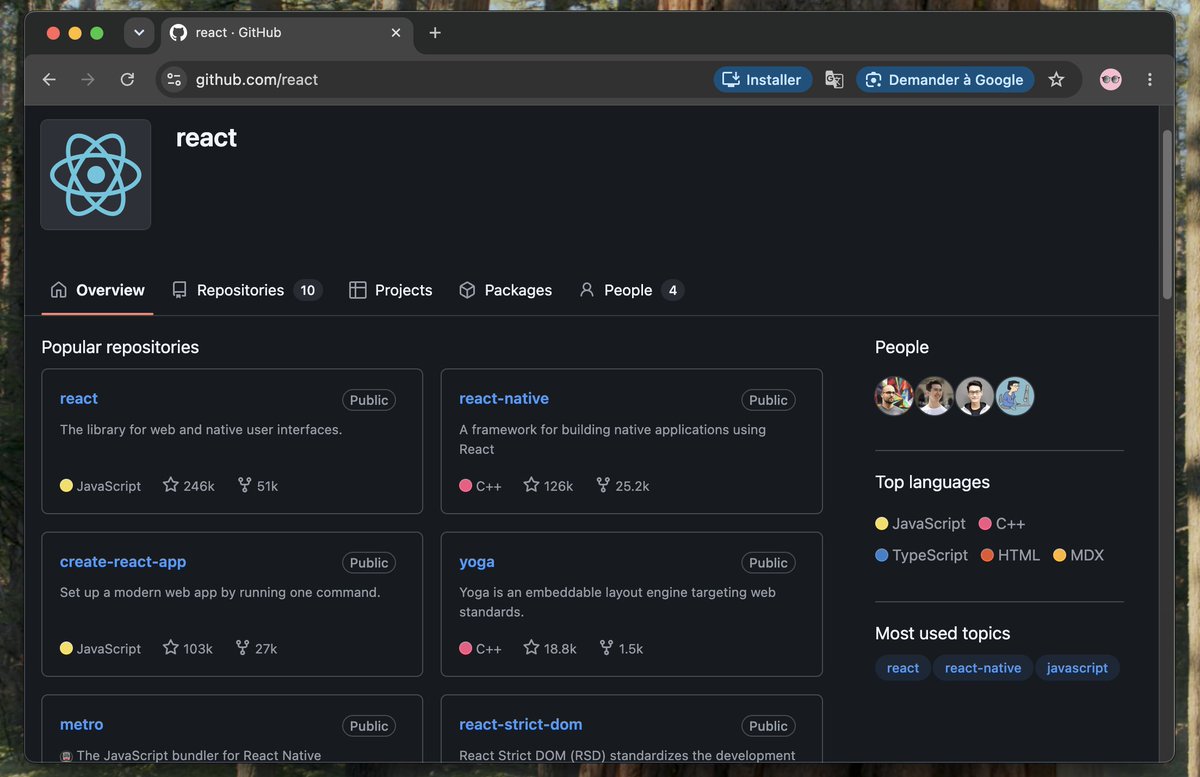
⚛️ React repos just moved!
GitHub org: /facebook ➡️ /react
This reflects the transition to the React Foundation
(which will likely be today's newsletter headline BTW)
5
64
388
102,214
🔥

Heads up Brownfield Devs!
`@callstack/react-native-brownfield` now generates SPM support for RN/Expo artifacts. 🚀
Provide `--add-spm-package` to brownfield cli.
You can now use the same package model for quick local iterations and remote distributions.
See how to use it🧵
6
1,738
Mike retweeted

Jun 10
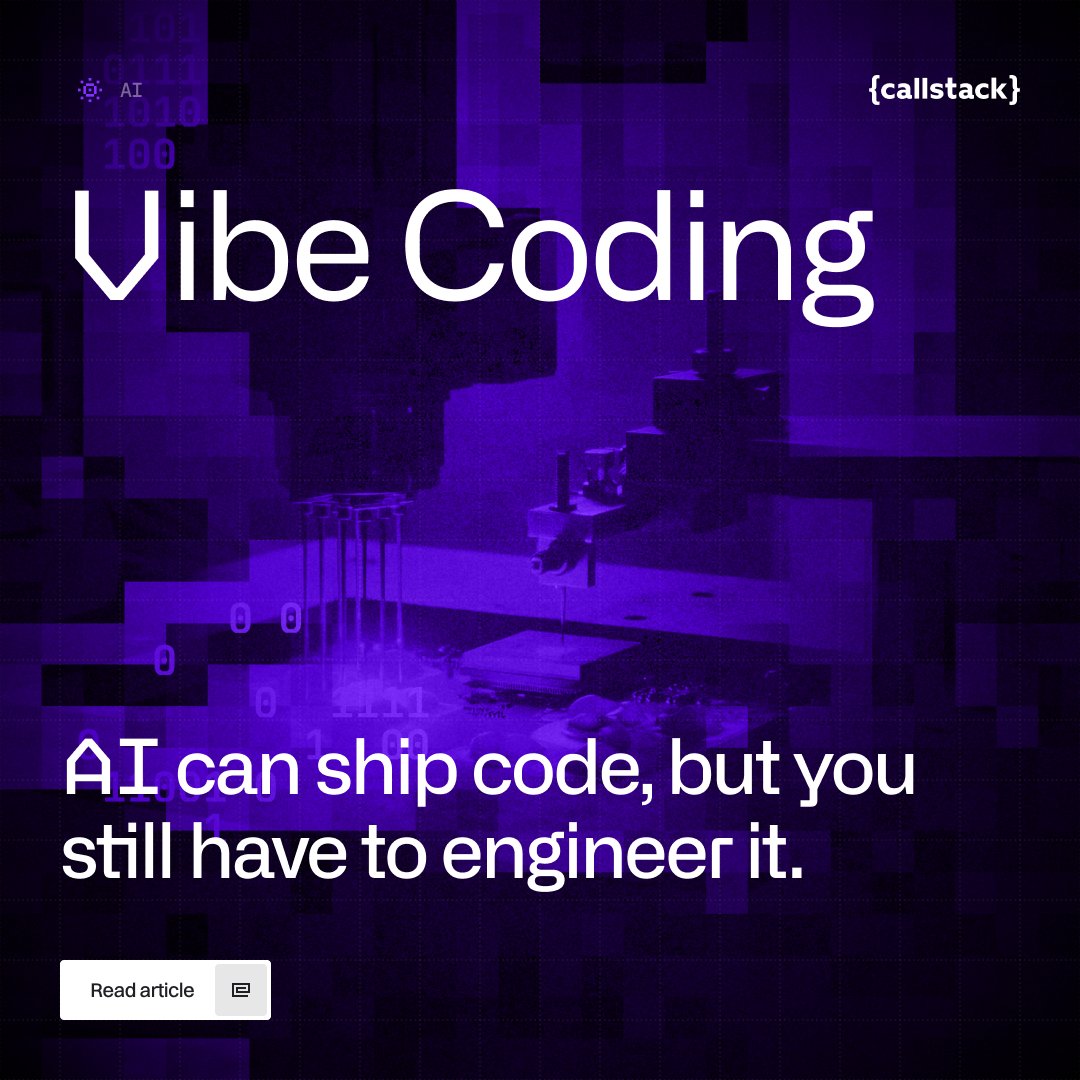
Vibe coding can get you to working fast.
It can also get you to messy architecture, hidden bugs, and runaway token spend even faster.
We wrote down 5 practical lessons from building with AI coding agents:
✔️stay in control
✔️scope tighter
✔️know your stack
✔️describe the data first
✔️watch the cost
Learn more from the article👇 Link in the comments
2
1
8
1,337
Set the goal and run against it
Agent Device is the missing piece of feedback for all your mobile needs
Here’s an example ⬇️

I didn't guess at any of this:
🤖 I profiled every regression on real devices with @callstackio's agent-device: frame timing, CPU, and memory
👨⚕️ I held the codebase to a 100/100 health score with @aidenybai's react-doctor.
🧪 Pure tick functions, 95% test coverage.
5
1,333
Mike retweeted
This is what mobile performance optimization looks like in 2026.
Powered by agent-device 👇
I didn't guess at any of this:
🤖 I profiled every regression on real devices with @callstackio's agent-device: frame timing, CPU, and memory
👨⚕️ I held the codebase to a 100/100 health score with @aidenybai's react-doctor.
🧪 Pure tick functions, 95% test coverage.
4
3
56
6,502
Time to run it over night on a few projects
Jun 9

BREAKING:
Anthropic just dropped Claude Fable 5—this is Mythos, made safe for public release. It is the best coding model in the world.
We've been testing it internally @every for the last week or so across coding, writing, marketing, editing, and more—here's our vibe check:
- It broke our benchmarks. Fable scored a 91/100 on our Senior Engineer benchmark—this is human senior engineer level. The previous high score was Opus 4.8 at 63. GPT-5.5 is a 62.
- It's a one-shot wonder. You can set it and forget for hours or overnight on huge coding tasks, and come back to completed work. It cleared entire production bug backlogs, built a playable 3D, and even made a 2-minute animated film—all one-shot.
- Taste and attention to detail. In coding and knowledge work tasks, it has much better taste and attention to detail than we've ever seen. It gets subtle things right, adds little features you might not have thought of, and generally understands the assignment in ways that surprised us.
- Great use of context. We set it loose analyzing customer feedback surveys and our website data and it came back with a crisp, clean report that identified a. our biggest problem and b. a concrete testable solution—and then we sent it off to build that.
- It's best for power users. If you're already used to orchestrating multiple agents in your work, this model can do things that you've never seen before. If you're a knowledge worker or vibe coder with a more basic setup, you're not going to notice a huge difference—in fact, it probably isn't the right model for you.
- It's very slow, token-hungry. Using this thing for regular knowledge work is like squashing an ant with a rocket launcher. It also routinely uses 500k to 1M tokens on tasks. That's why it's best for your heaviest jobs—but not as good for tasks like collaborative writing.
- It's expensive. It's about twice as expensive as Opus, and it's also incredibly token hungry—so expect it to be something you'll use sparingly unless your company pays for it.
Overall, I think of it like a warp drive for coding: It can get you across the galaxy in a few hours, when it used to take months or years. But it's not appropriate for getting around town—you need something faster, cheaper, and more maneuverable.
The ceiling is extraordinarily high on this model though. Even our most advanced testers like @kieranklaassen felt like they were only scratching the surface of it.
Want our full vibe check with all of our testing and benchmarks? Read it on @every: every.to/vibe-check/anthropi…
3
939
Apple on-device models are only going to get better. Once they get good enough, they will have fundamental impact on the UX of mobile apps
Jun 9

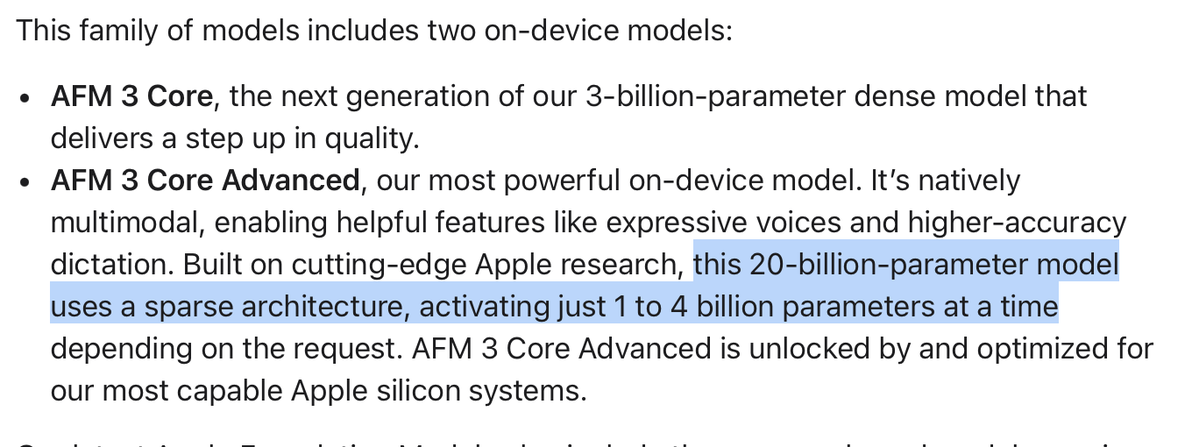
Apple's new foundation models are genuinely exciting. The standout is AFM 3 Core Advanced, a 20-billion (!) parameter model that runs entirely on-device.
Read that again. 20-billion, on-device, iPhone 17 Pro.
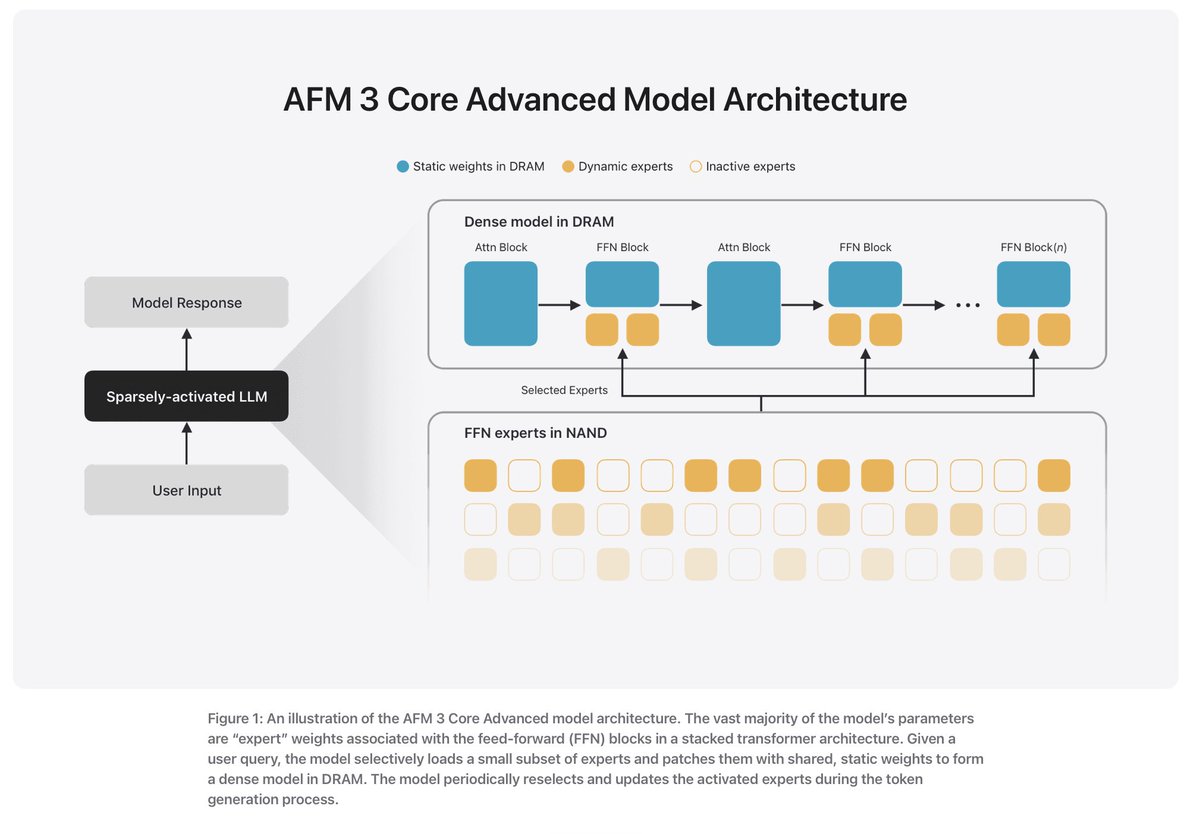
It pulls this off by keeping the full model in flash memory and loading only a small slice of "experts" into active memory for each prompt, just 1 to 4 billion parameters at a time. That's a clever way to get around the usual DRAM wall, and it's what unlocks things like expressive voices and much sharper dictation right on the device.
The whole family of five models was built in collaboration with Google. It spans these on-device models all the way up to server-based ones running on Private Cloud Compute, with the most demanding cloud model running on NVIDIA GPUs.
Kudos, Apple!
8
792
Mike retweeted
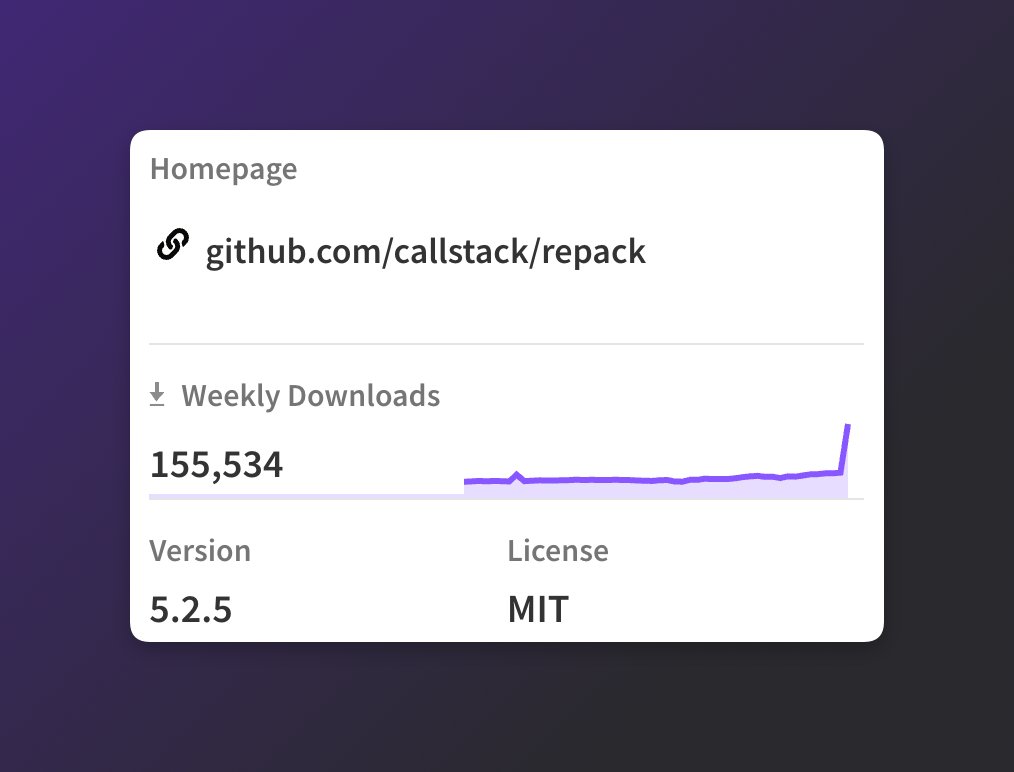
who's just started using @repack_rn and why are you not telling me about it!
1
1
29
4,724