
23rd Guild ICT Minister @OfficialMubs | Rotaractor | IT | Innovations | Marketing | Leader | Entrepreneurship | Student ô Life | #COYG | gracious.olet@gmail.com
Joined February 2018
- Tweets 11,949
- Following 1,316
- Followers 2,004
- Likes 26,273
197 Photos and videos















E.M.M.A.N.U.E.L 🌠🇺🇬 retweeted

Arsenal fans, we know you waited 22 years for this, but you don’t have to blow all your mula tonight.
Temukisusa! 😅
#Premierleague #Arsenal
1
1
3
468
E.M.M.A.N.U.E.L 🌠🇺🇬 retweeted

May 11
#RotaryEyamba
The sky is truly the limit!
We have had an incredible year together and now I want to hear from YOU!
What has been your most memorable #RotaryEyamba moment this year?
🔁 Repost so no one misses out!

4
51
102
1,363
E.M.M.A.N.U.E.L 🌠🇺🇬 retweeted

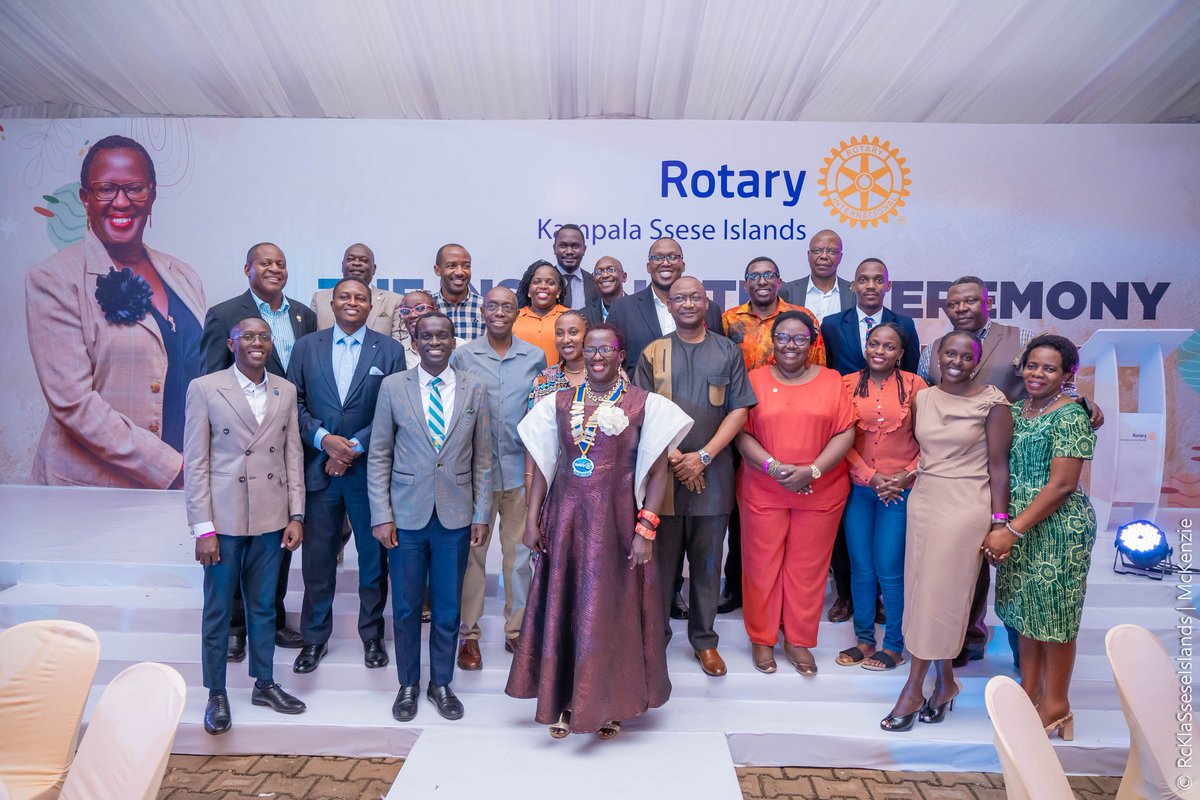
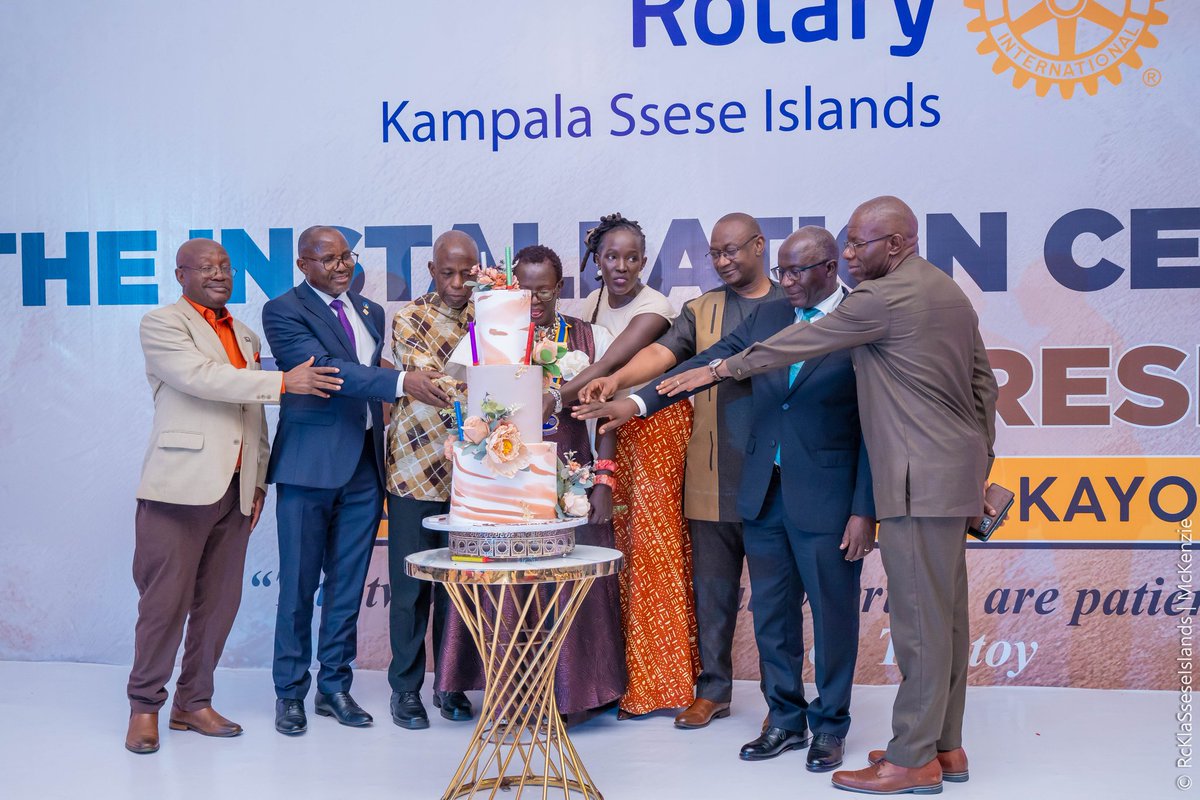
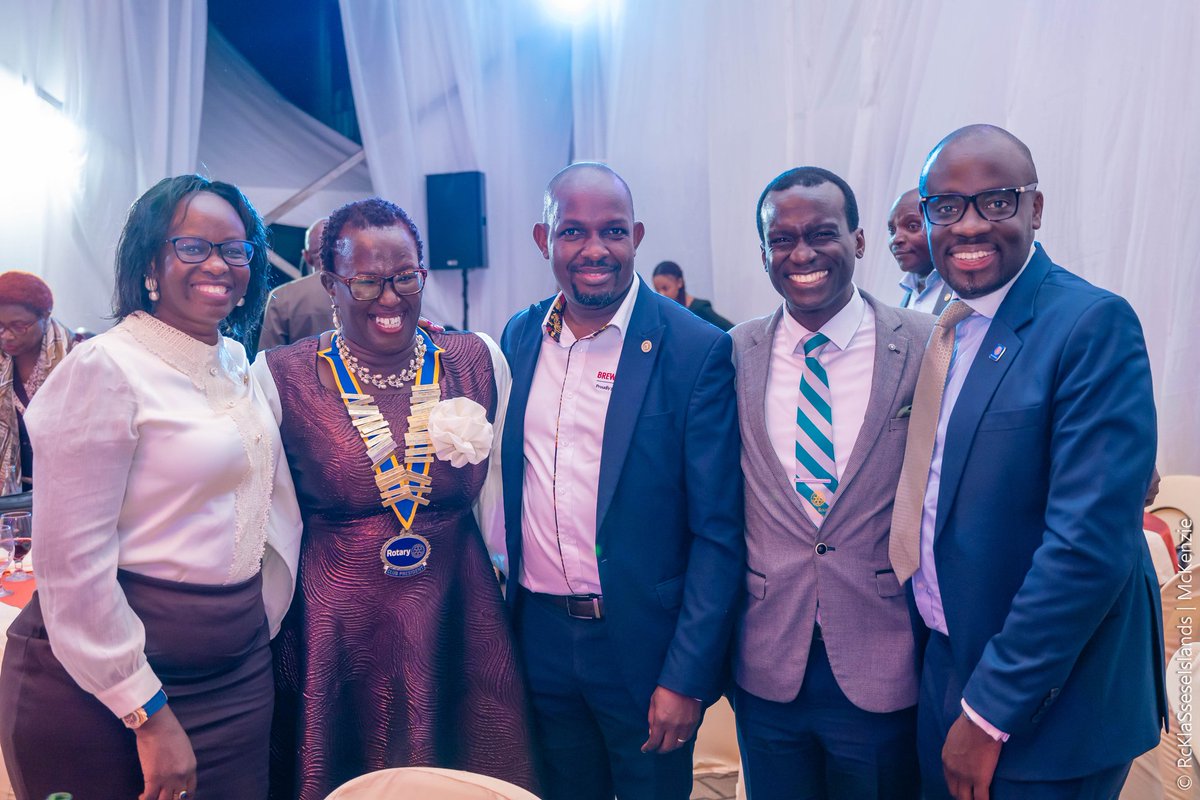
We couldn’t be prouder🥳
Congratulations Rtn. Ethel & wishing you the very best this coming RY. Citeh is with you all the way💪🏽
May 8

Ethel joins many alumni of @RotaractKlaCity that have served as Rotary Presidents and beyond including the current @rotaryd9213 Governor @GKitakule.
#RotaryEyamba
3
10
272
E.M.M.A.N.U.E.L 🌠🇺🇬 retweeted

May 8
Ethel joins many alumni of @RotaractKlaCity that have served as Rotary Presidents and beyond including the current @rotaryd9213 Governor @GKitakule.
#RotaryEyamba
3
16
509
E.M.M.A.N.U.E.L 🌠🇺🇬 retweeted
Happening now at Hotel Triangle
#rotaractklacity l #rotaryeyamba
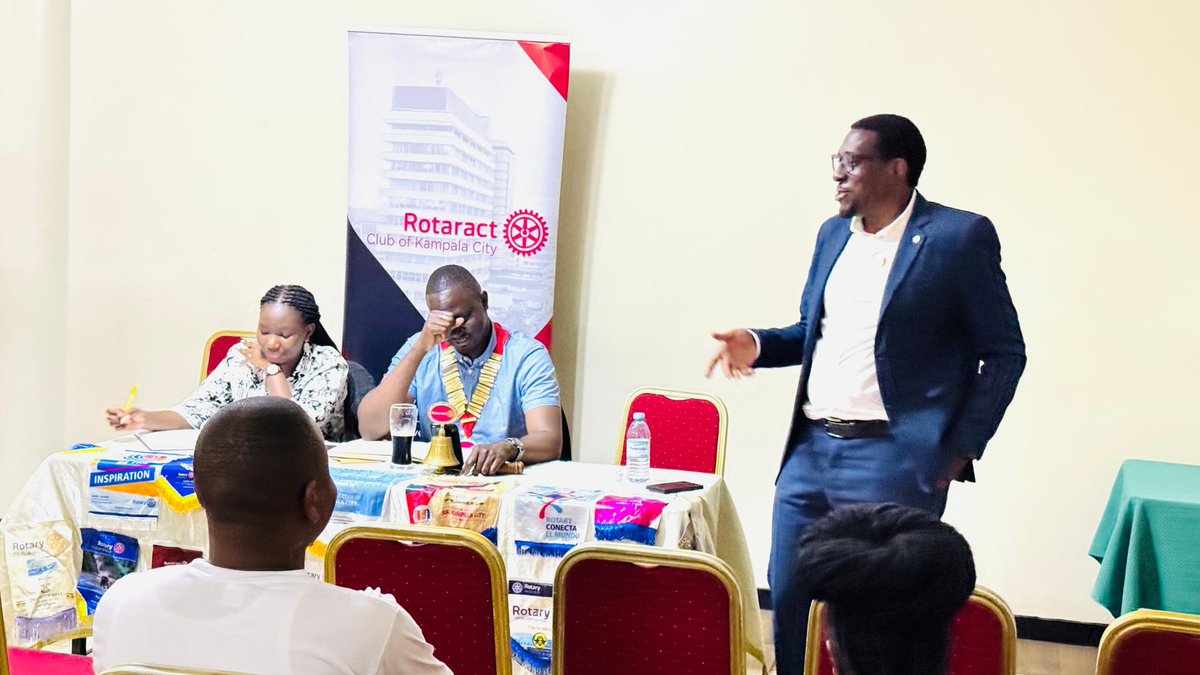
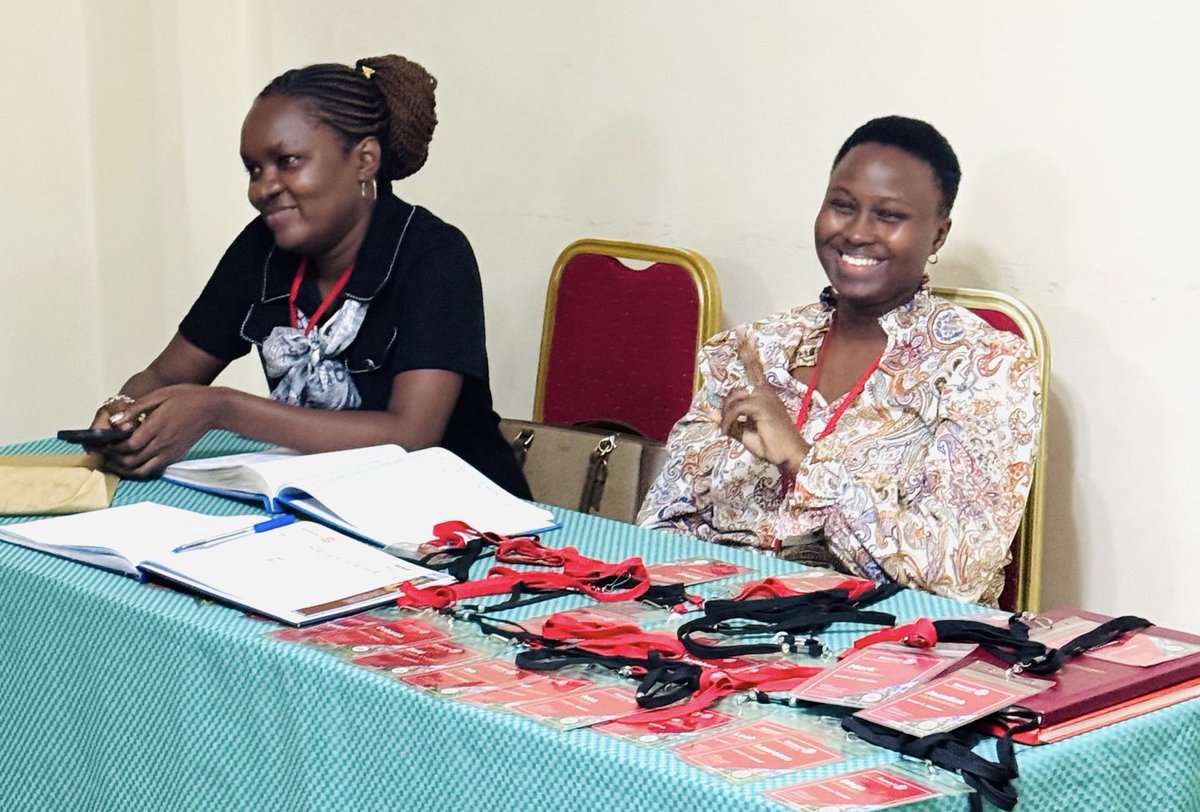
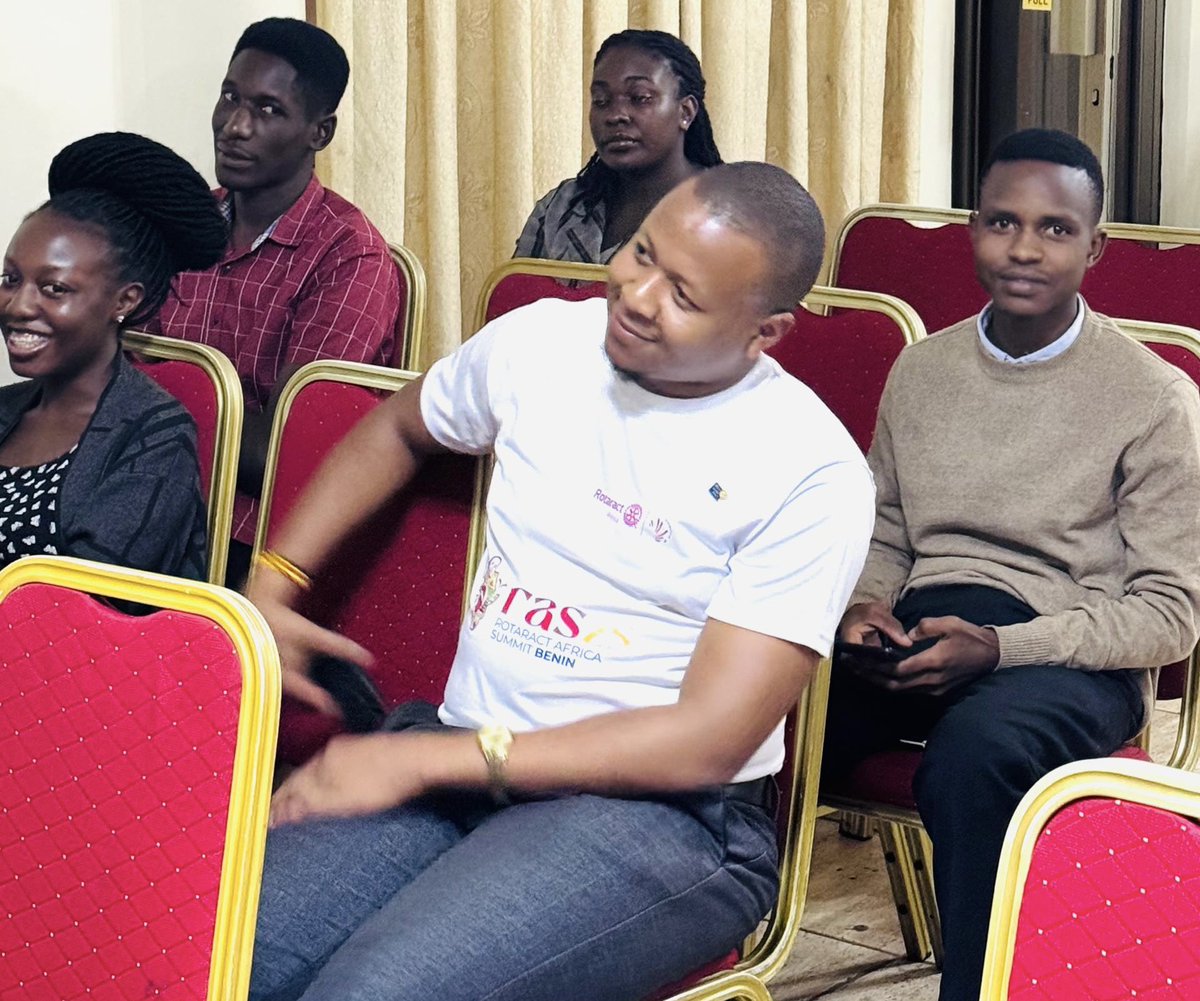

A single hire can shape or shake an entire business/organization. Join us as we unpack the real cost of getting it wrong with PP Bwisho Michael today evening at 6PM
See you there
#rotaractklacity l #rotaryeyamba

1
12
728
E.M.M.A.N.U.E.L 🌠🇺🇬 retweeted
May 8
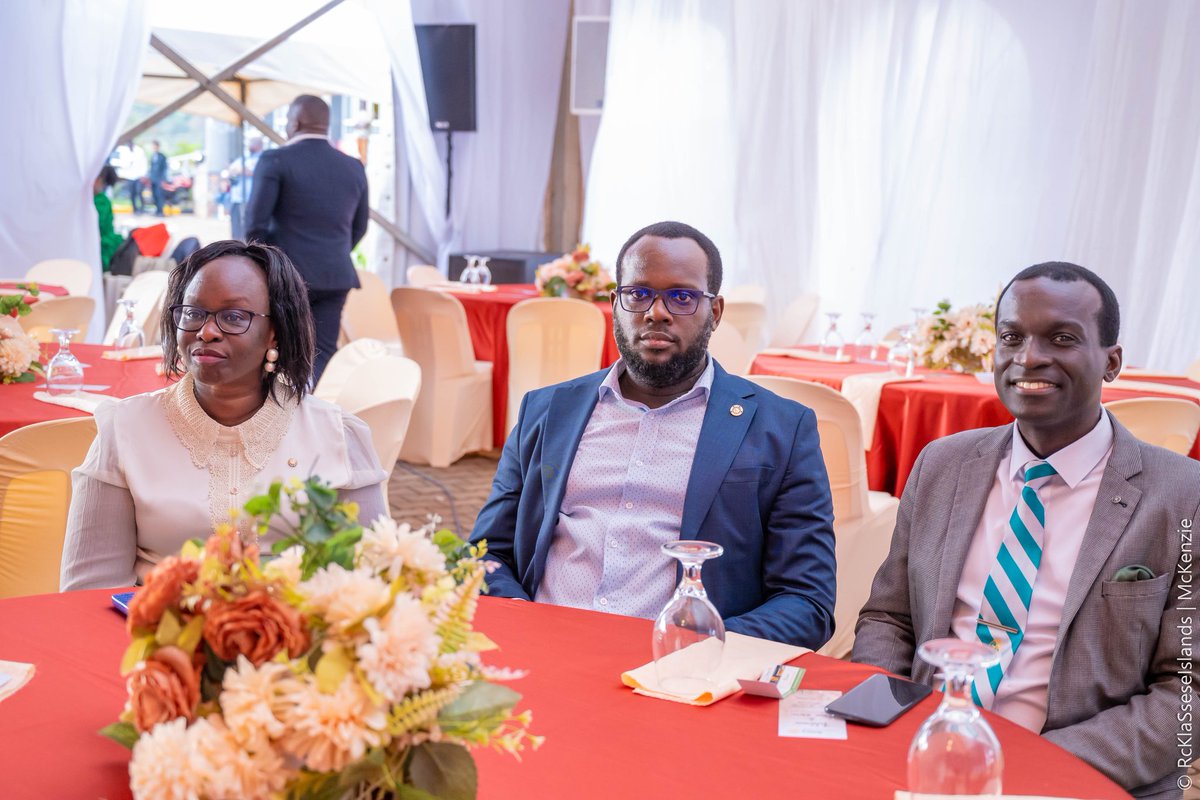
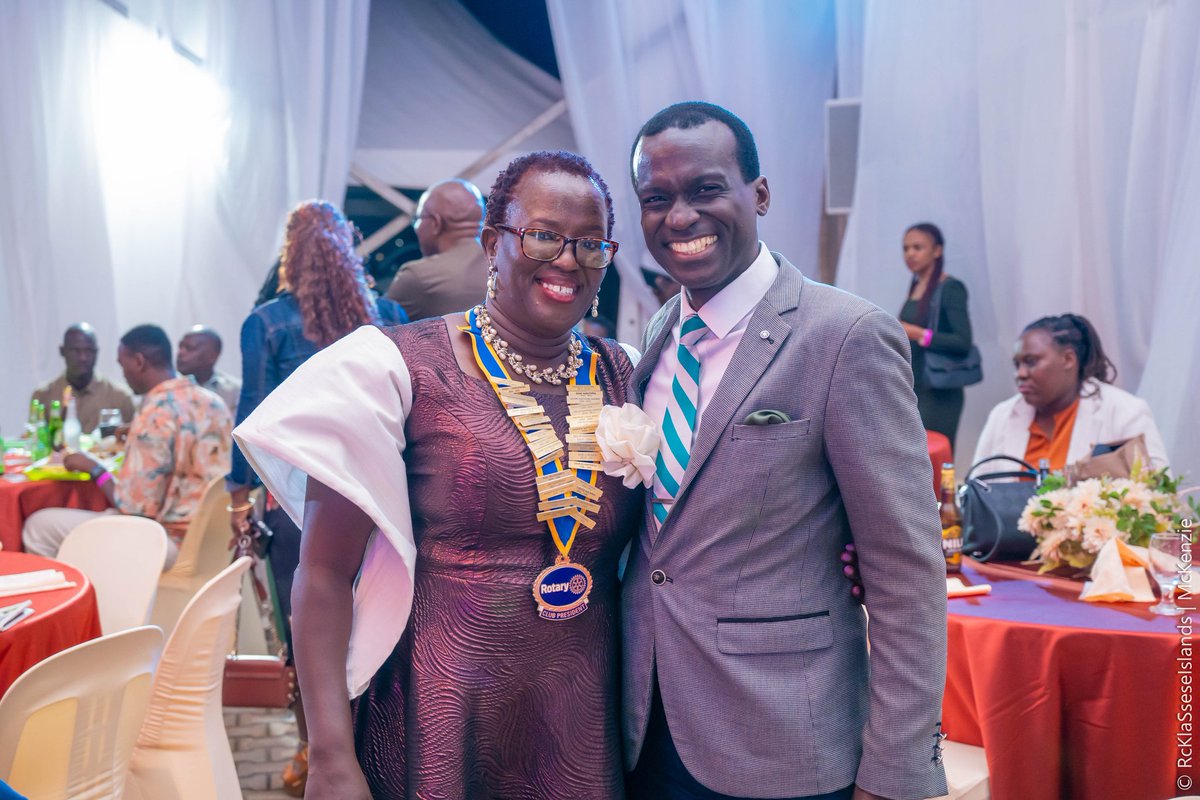
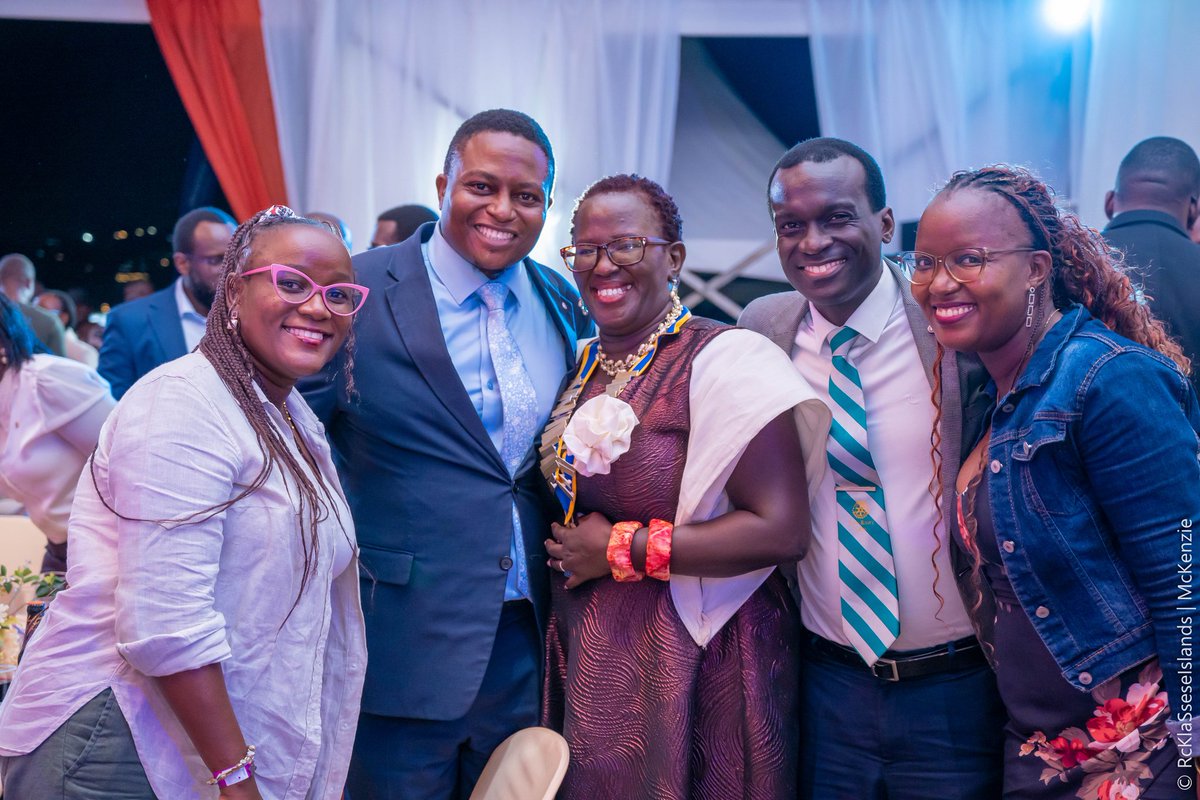
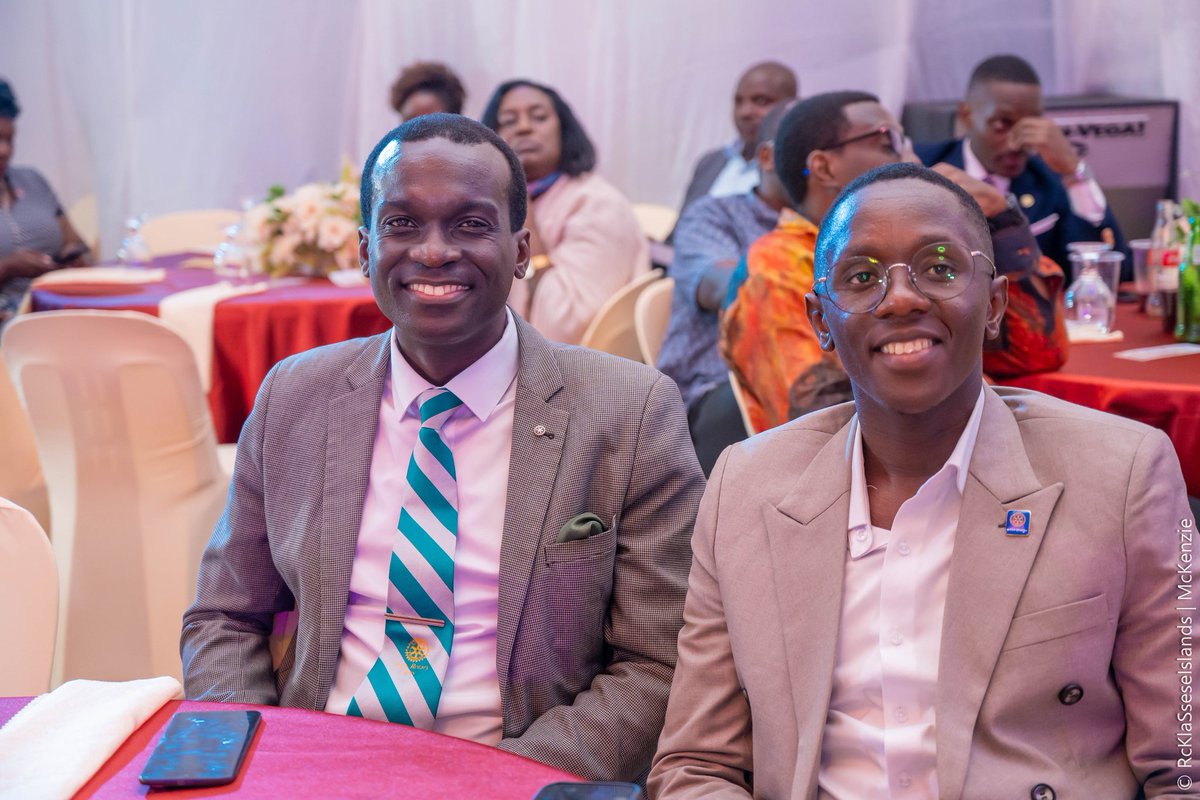
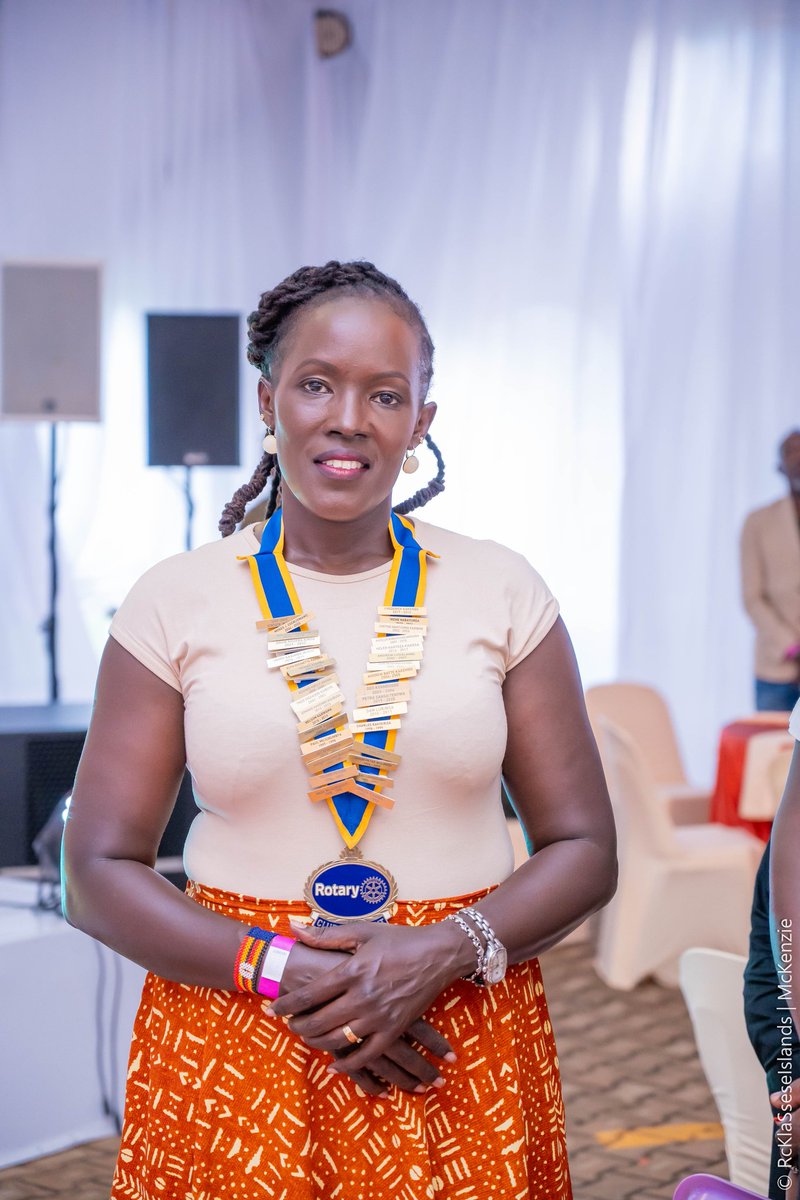
It was a lovely evening as we joined in celebration of the installation of Rtn Ethel Kayongo as President of the Rotary club of Kampala Ssese Islands and Rtn Daido on an extraordinary year of service as President.
#RotaryEyamba
2
7
37
1,175
E.M.M.A.N.U.E.L 🌠🇺🇬 retweeted
Opening night at #DISCON101 was nothing short of vibrant.
Our delegates brought the tropical vibes to life with their stunning Island Chic attires, adding a burst of color and fun to the evening….
#RotaryEyamba l #Unite4GoodD9213 l #rotaractklacity
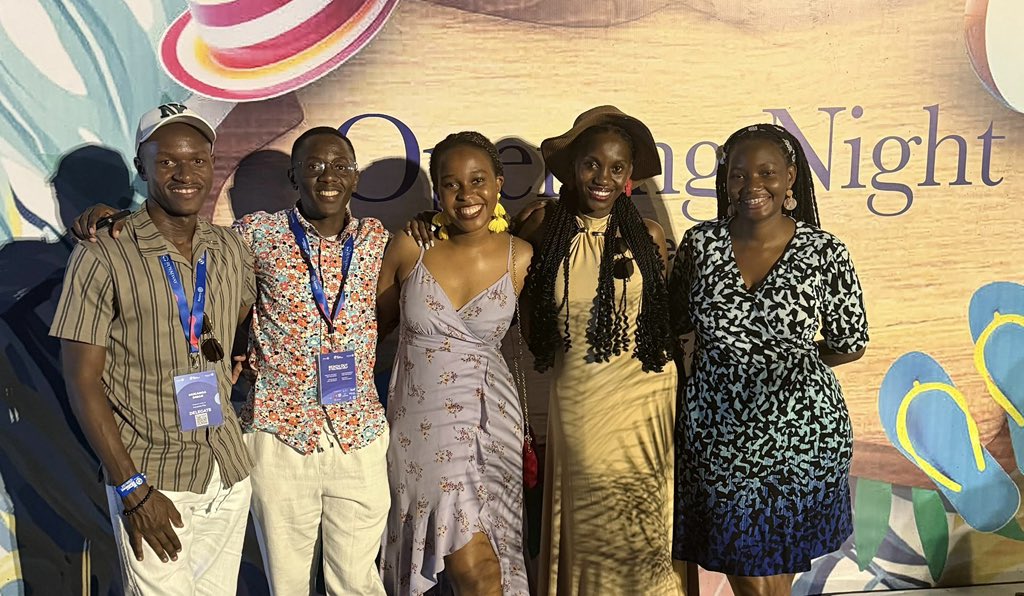
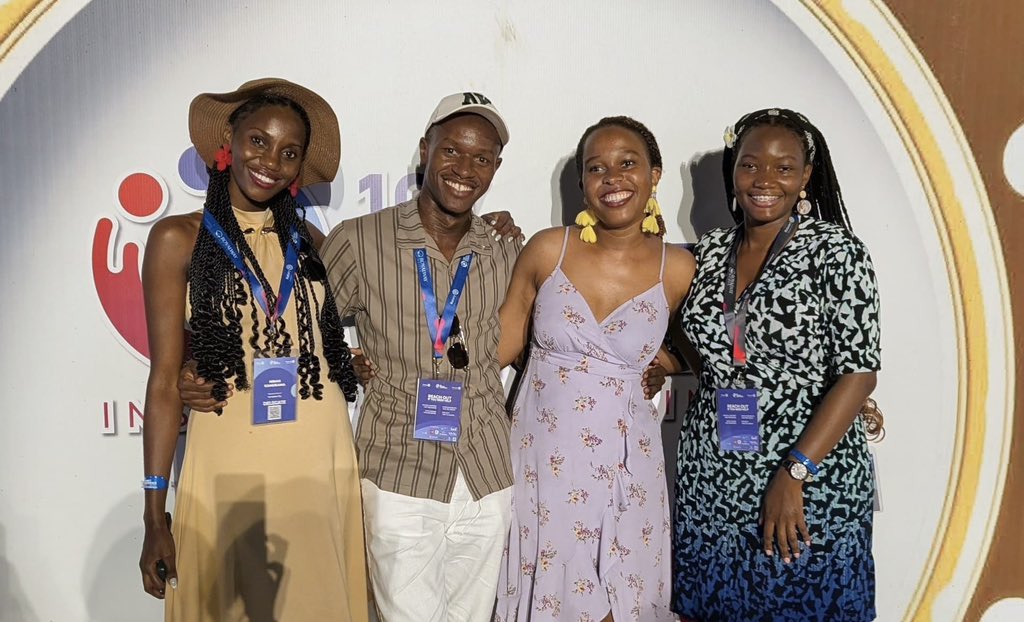
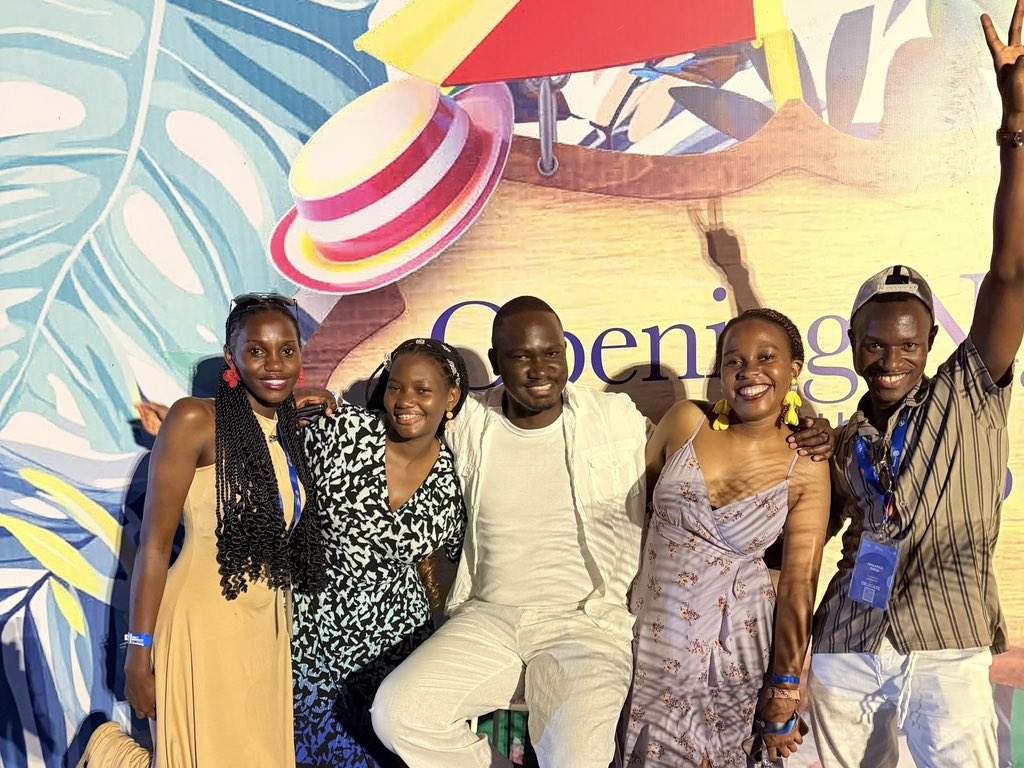
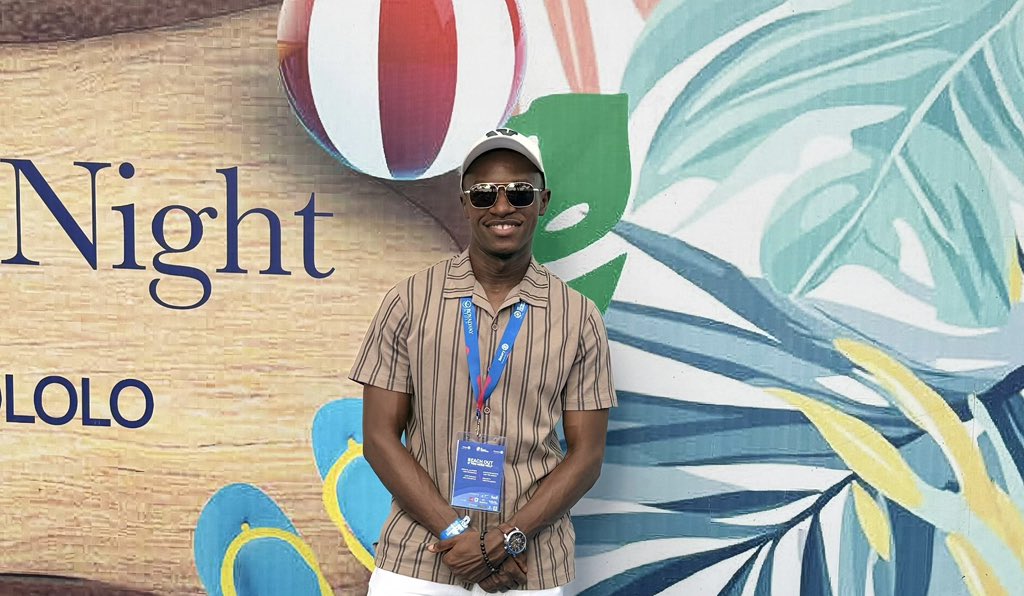
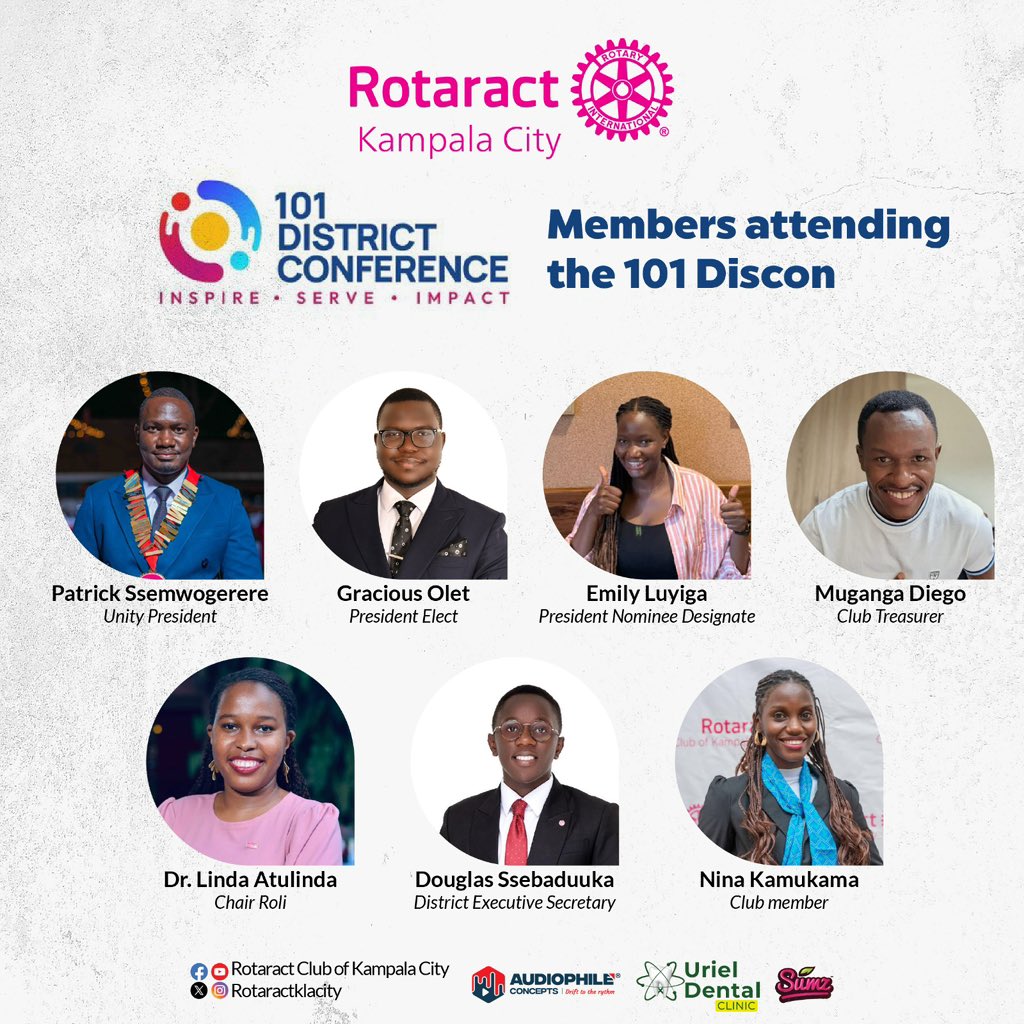
Meet the CITEH Delegates representing us at the 101st District Conference.
Ready to service, impact and make some noise 🔥
#DistrictConference101 l #discon101 l #rotaractklacity
1
3
12
367
E.M.M.A.N.U.E.L 🌠🇺🇬 retweeted

Apr 15
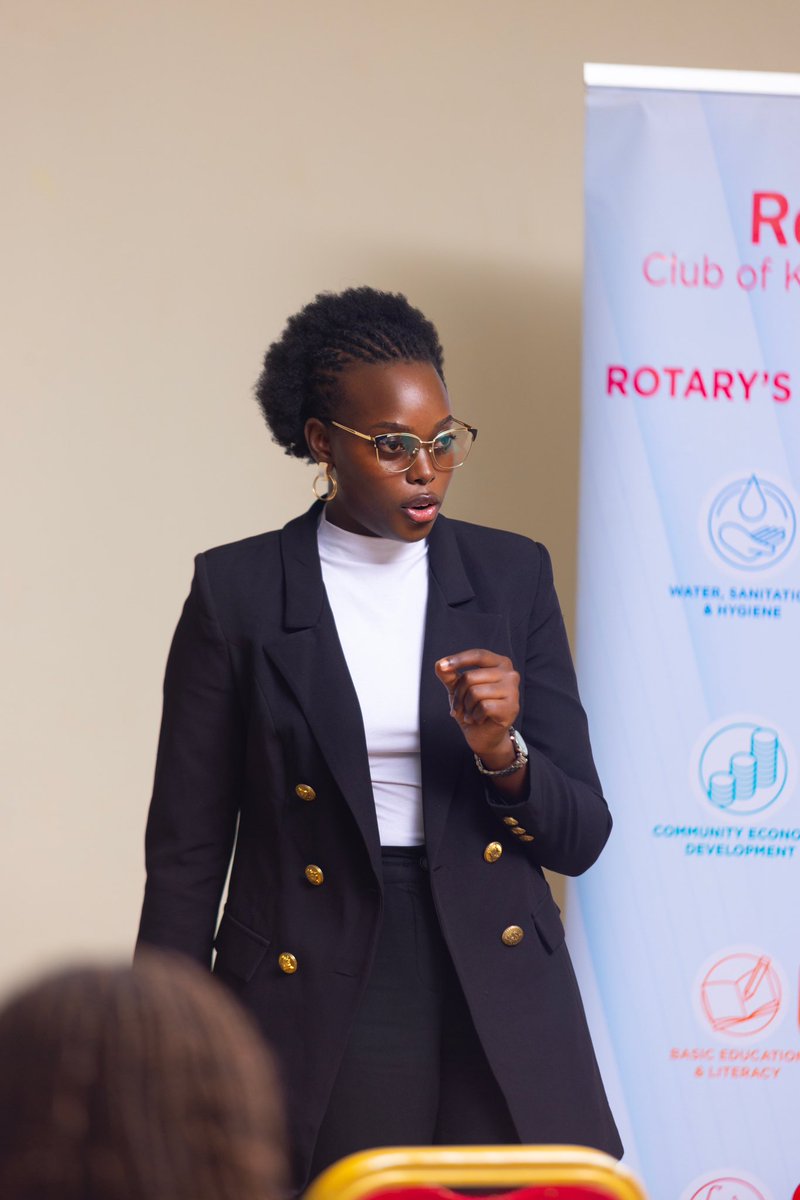
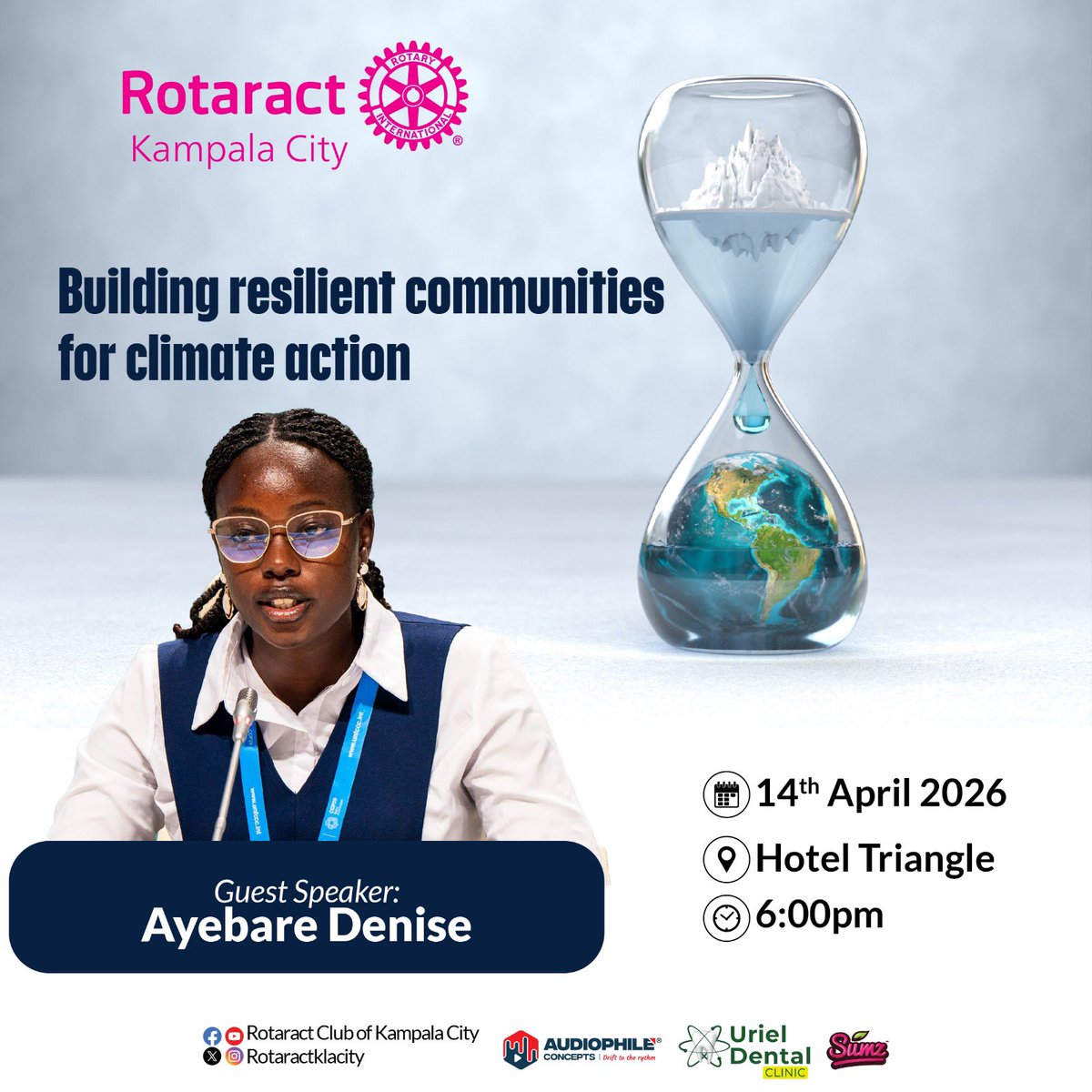
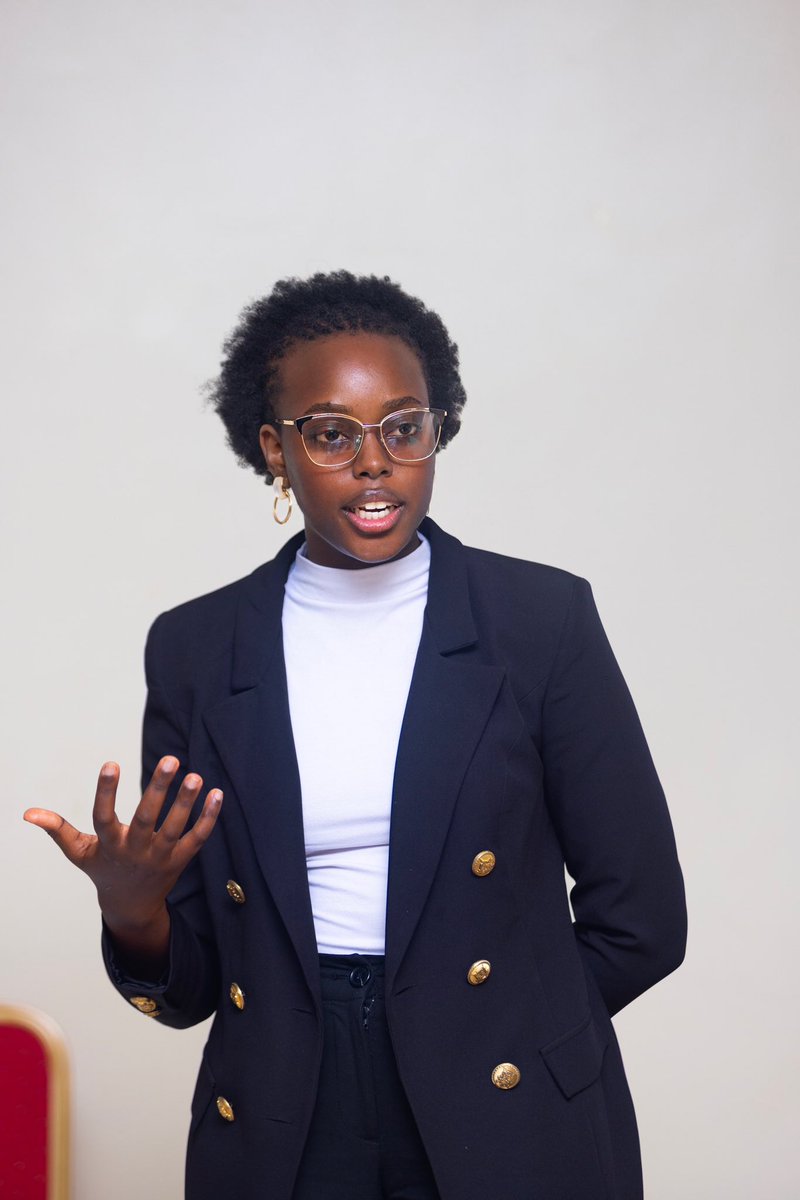
I had the privilege of speaking at @RotaractKlaCity on building resilient communities for climate action, and one thing became very clear to me this is not a future conversation… it’s already here.
For many people, climate change still feels distant. Like something you read about, not something you live through. But when you start paying attention, you realise it’s already shaping everyday life. It’s in the boda boda rider navigating flooded roads after a heavy downpour, trying to make a living in conditions that are becoming more unpredictable. It’s in the rising cost of food where what used to be affordable is now a stretch, not because farmers aren’t working hard, but because the seasons are no longer reliable.
It’s in the quiet reality of water scarcity in some communities, where access to something as basic as clean water is becoming more uncertain, affecting health, livelihoods, and dignity.
And when you begin to see it this way, climate change stops being an environmental issue. It becomes a life issue.
Resilience is about whether communities can adapt, respond, and continue to stand even when systems begin to fail. It’s about not having to start from zero every time something goes wrong. In my work across communities at @BetterLife_Int , including refugee settlements, I’ve seen what this looks like in real life. Women farming despite unpredictable rains. Young people creating income streams because relying on one source is no longer enough.
And yet, the people doing this work are often left out of the bigger conversations on climate action. That’s why spaces like Rotaract matter. Because leadership today is not just about service it’s about understanding these realities and responding to them in ways that actually make sense.
We need more people who understand that they are part of the solution.
7
19
214
6,049
E.M.M.A.N.U.E.L 🌠🇺🇬 retweeted
Meet the CITEH Delegates representing us at the 101st District Conference.
Ready to service, impact and make some noise 🔥
#DistrictConference101 l #discon101 l #rotaractklacity

⏰ 1 day to go…🔥
Never walk alone to #DISCON101 tomorrow 💥
Anfield said 0-1… but they still dipped early 😅
Not a coincidence… the FOMO is undefeated 👀🔥
So you still at home? 🤔
Meanwhile, Entebbe is already shaking 🫣🔥🔥
That outfit fitting? Cool… but packing time was yesterday 😌
Entebbe is more than lit🔥
#RotaryEyamba

1
8
570
E.M.M.A.N.U.E.L 🌠🇺🇬 retweeted
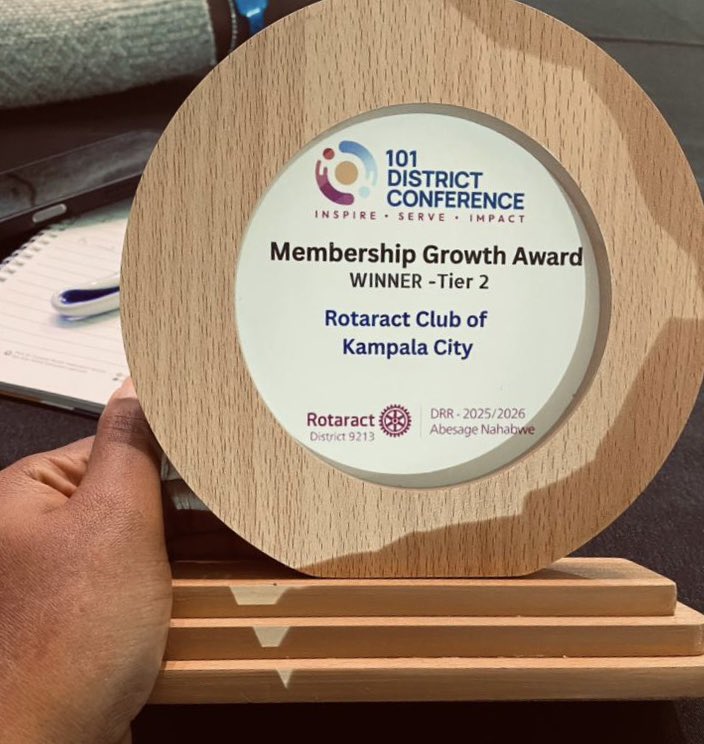
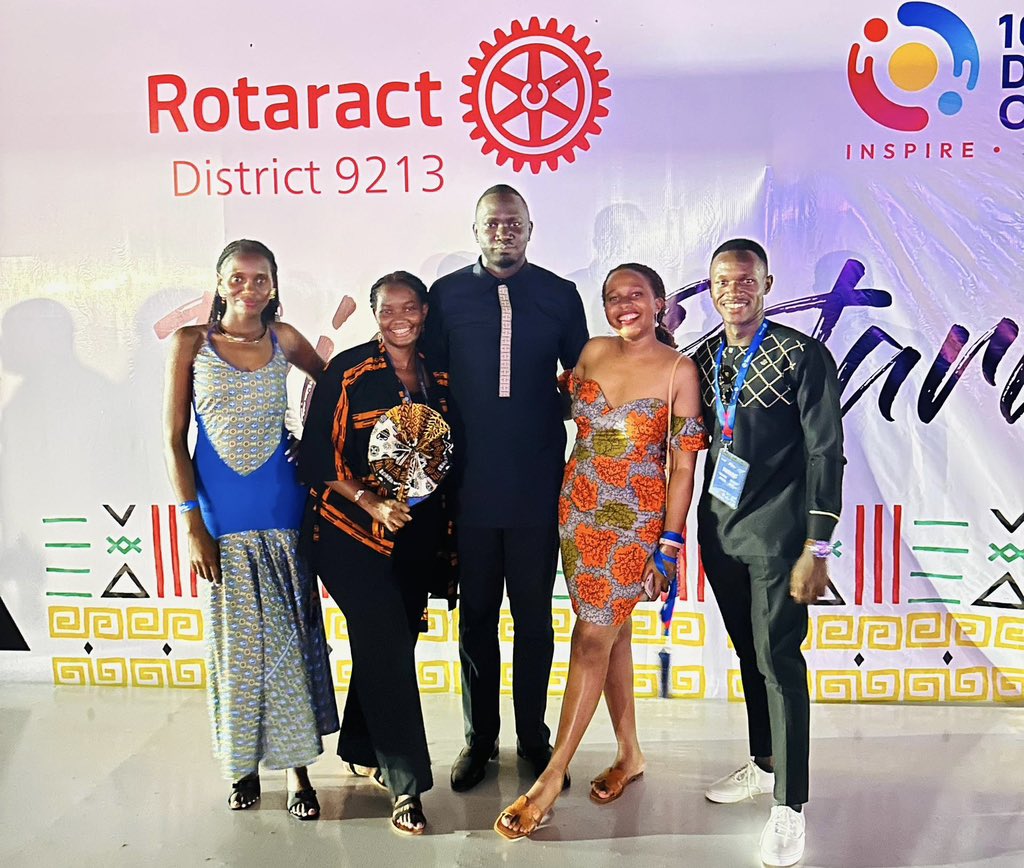
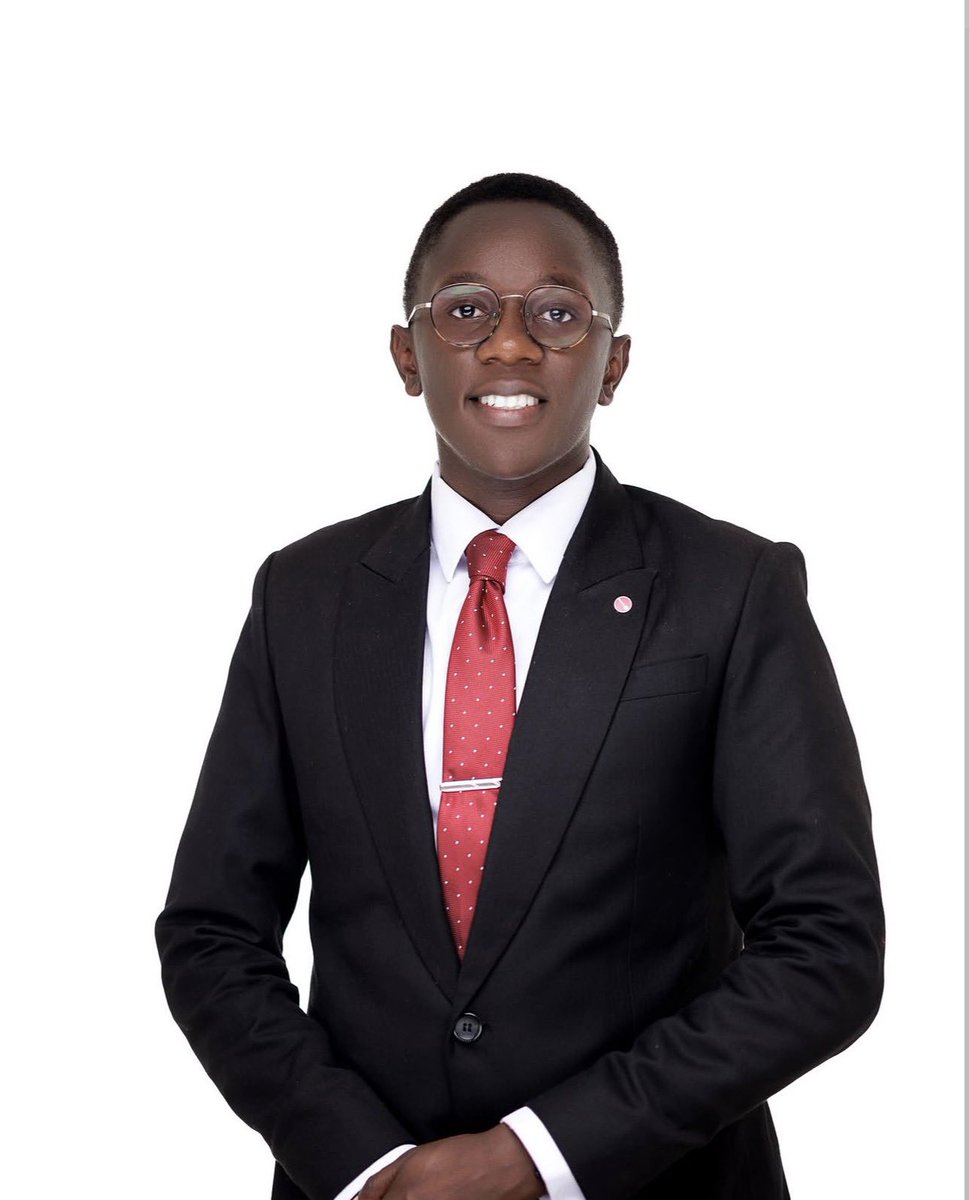
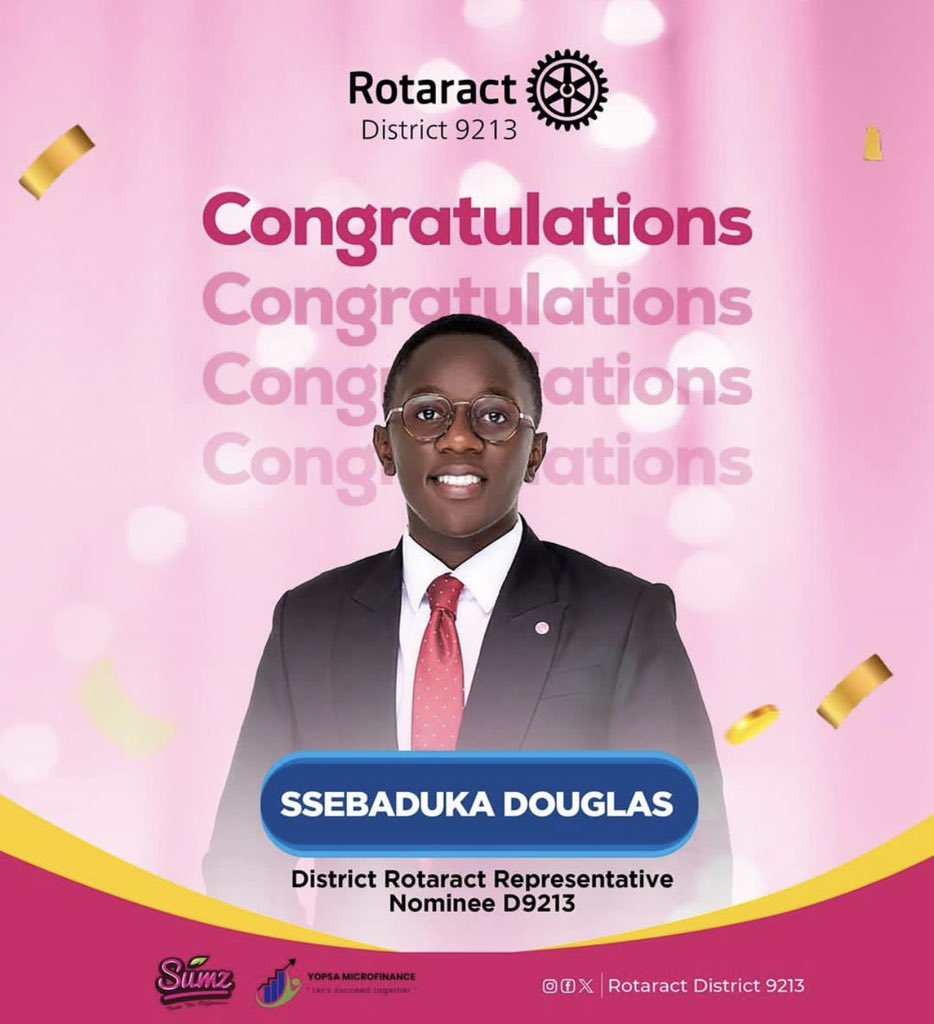
Thank you so much CITEH and Congratulations on receiving this Award
#rotaractklacity l #discon101
5
25
623
E.M.M.A.N.U.E.L 🌠🇺🇬 retweeted
5
30
658
E.M.M.A.N.U.E.L 🌠🇺🇬 retweeted

The INEVITABLE
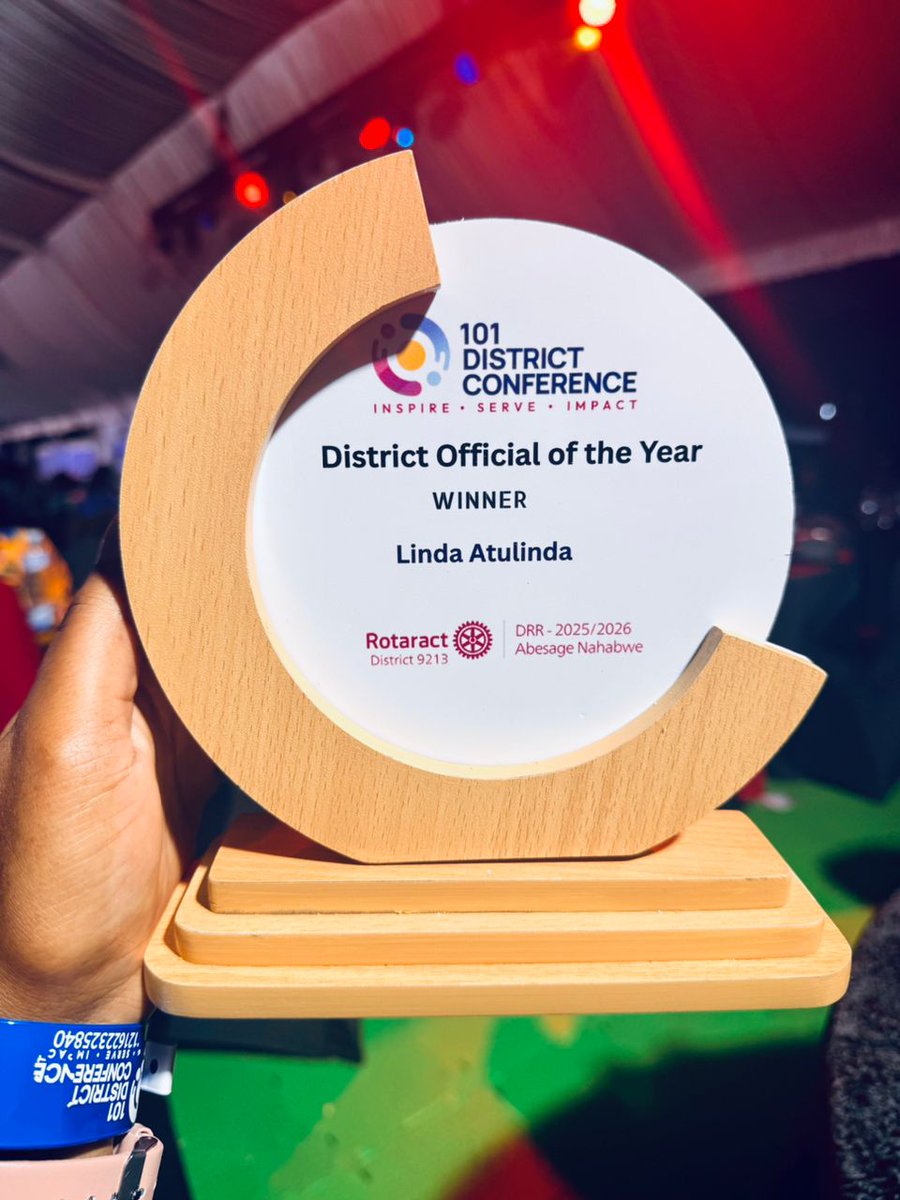
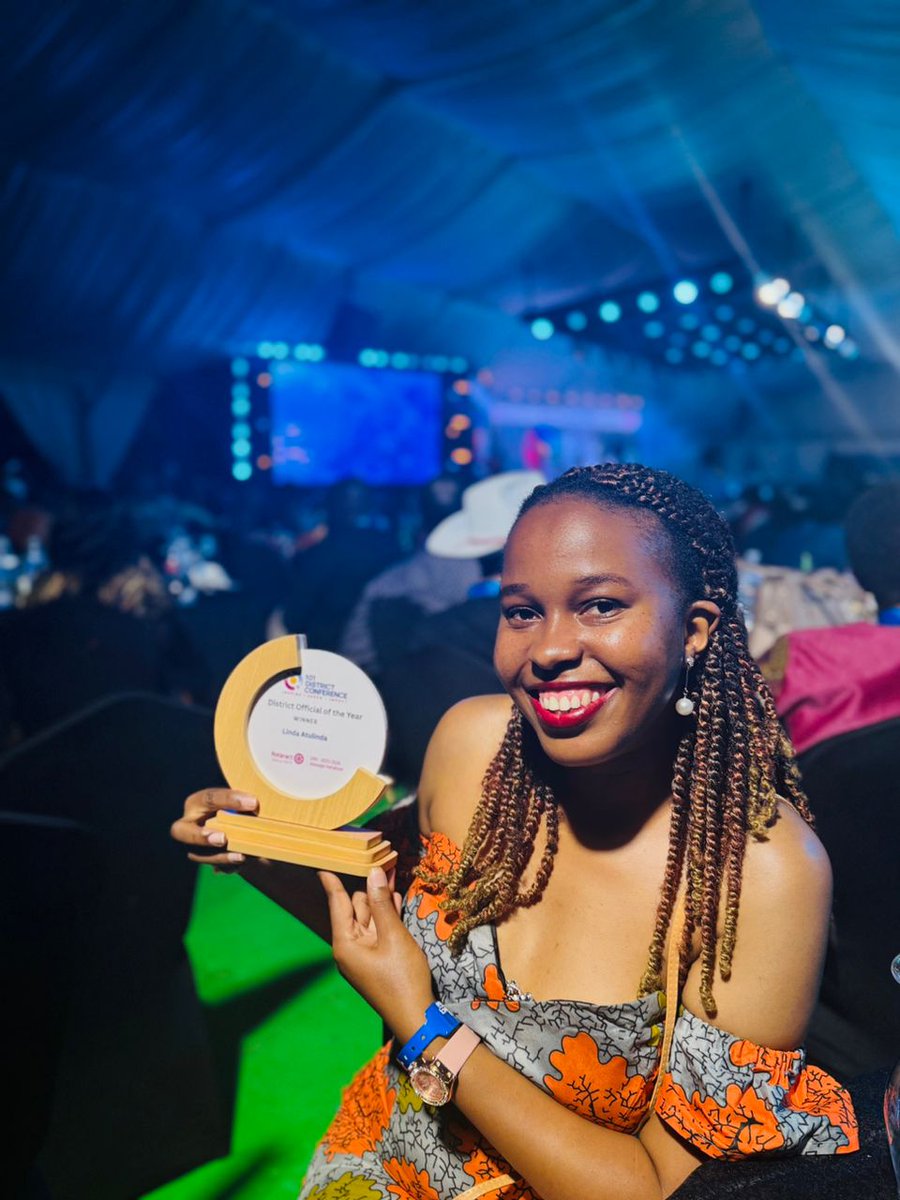
Our leader, Dr. @Linda_Atu, scooped the award for the District Official of the Year at #DISCON101.
This follows an incredible year ROLI has had, with transformative projects across the country.
Congratulations, Linda 🎊 👏 💐 🥳
@RotaractD9213 @AbesageN
9
9
69
1,881
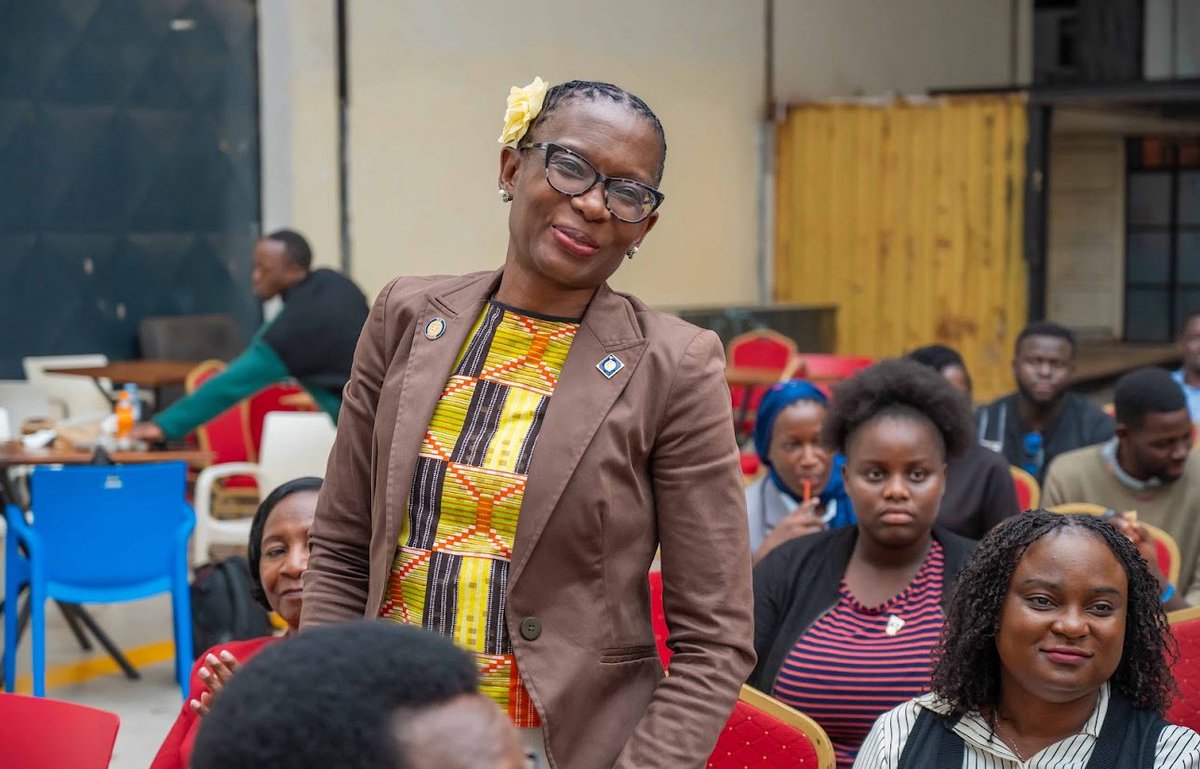
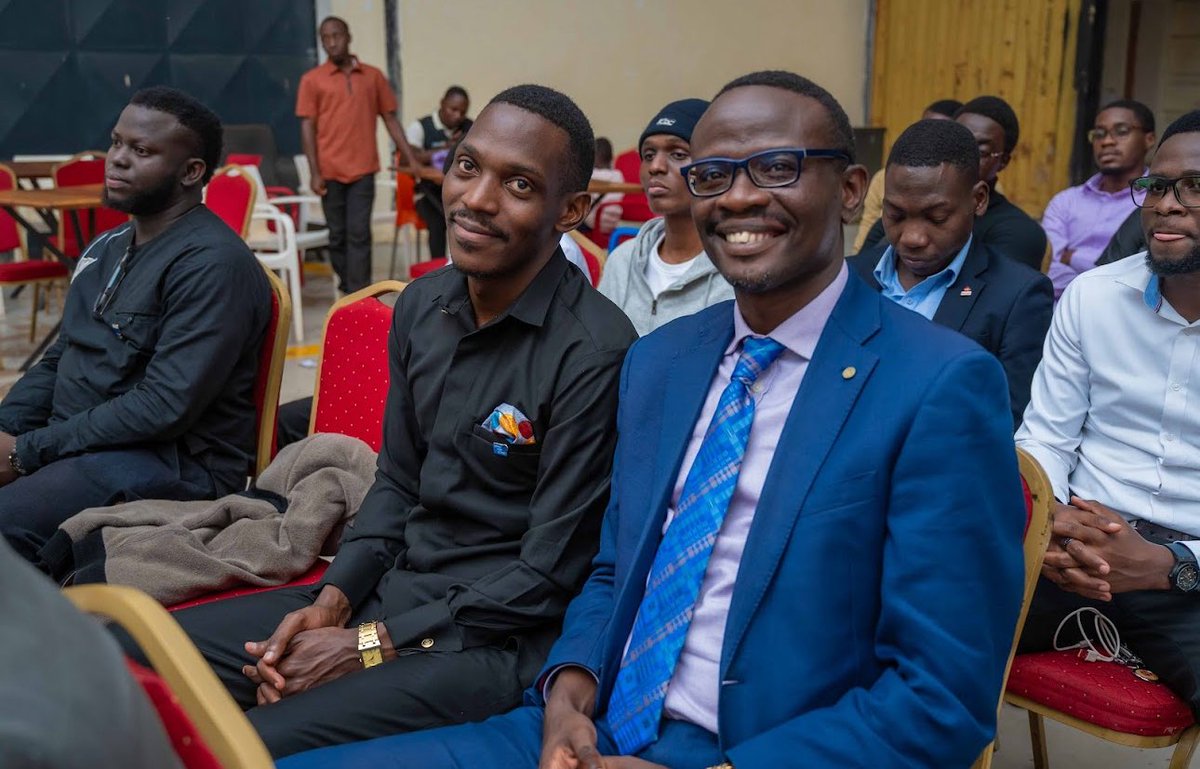
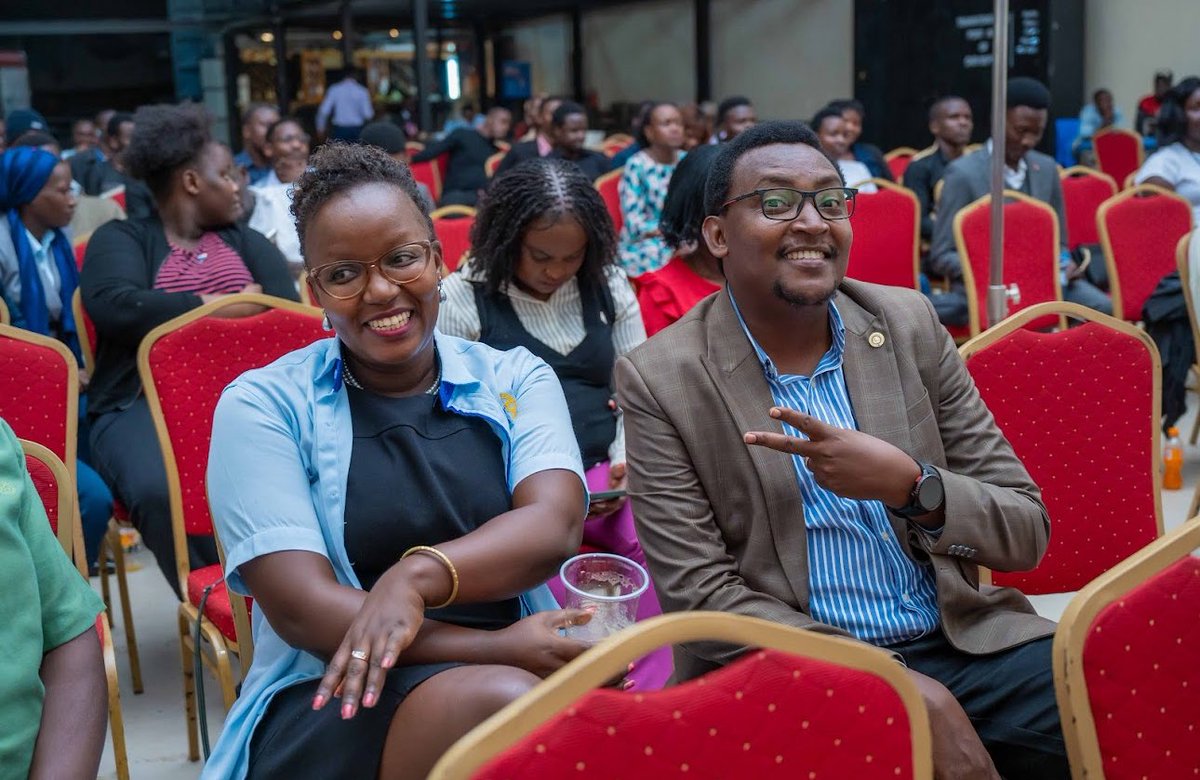
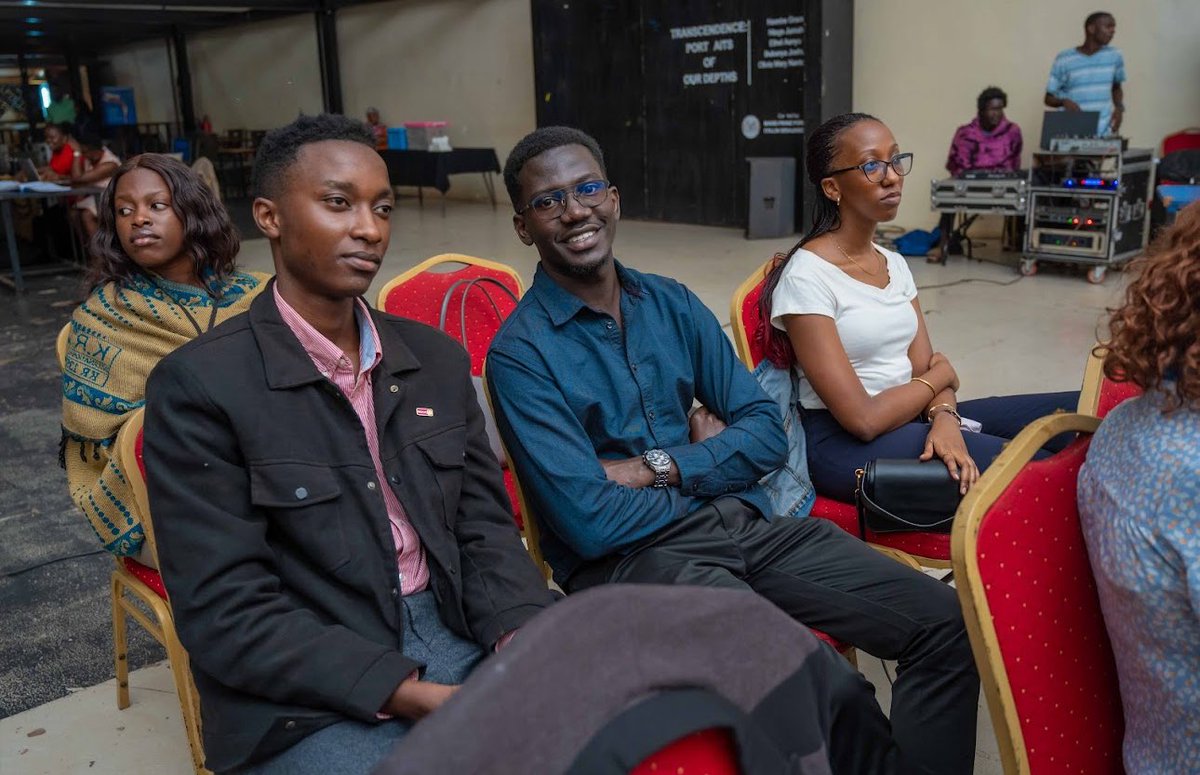
E.M.M.A.N.U.E.L 🌠🇺🇬 retweeted
A special night made even better by the incredible guests who joined us.
Thank you for celebrating our Charter Night with us.
#rotaractklacity l #rotaryeyamba
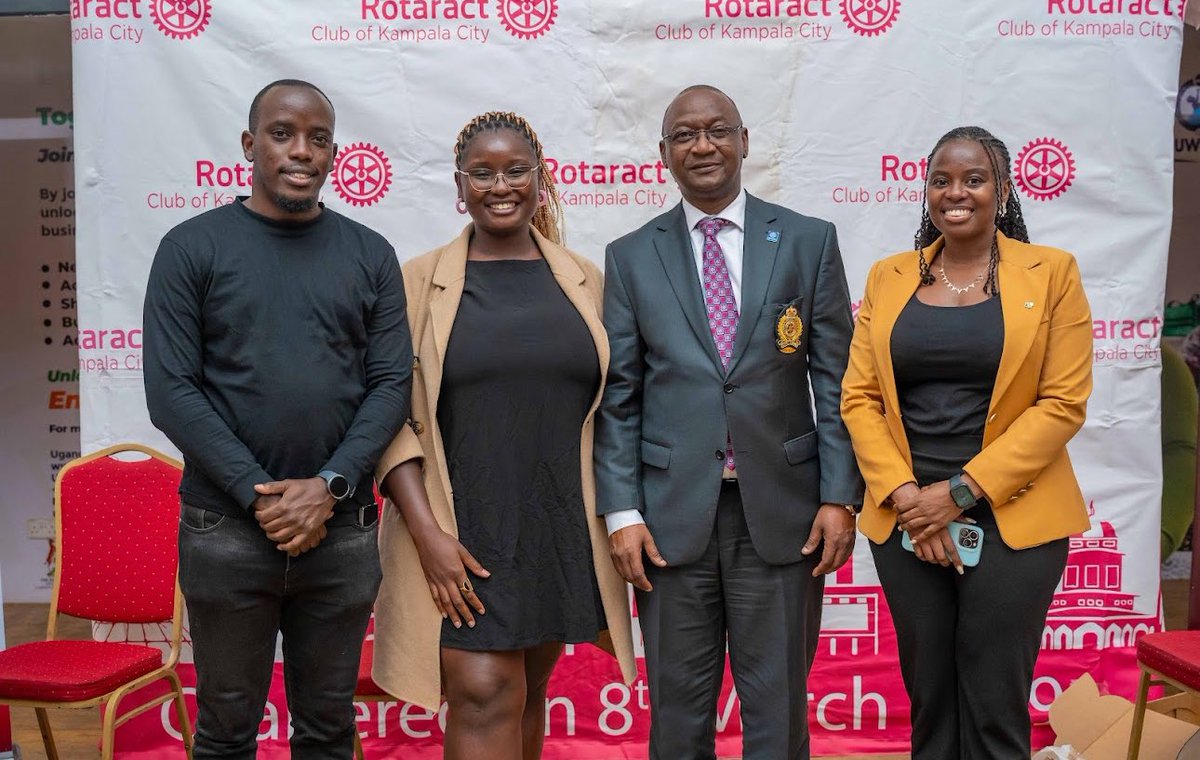
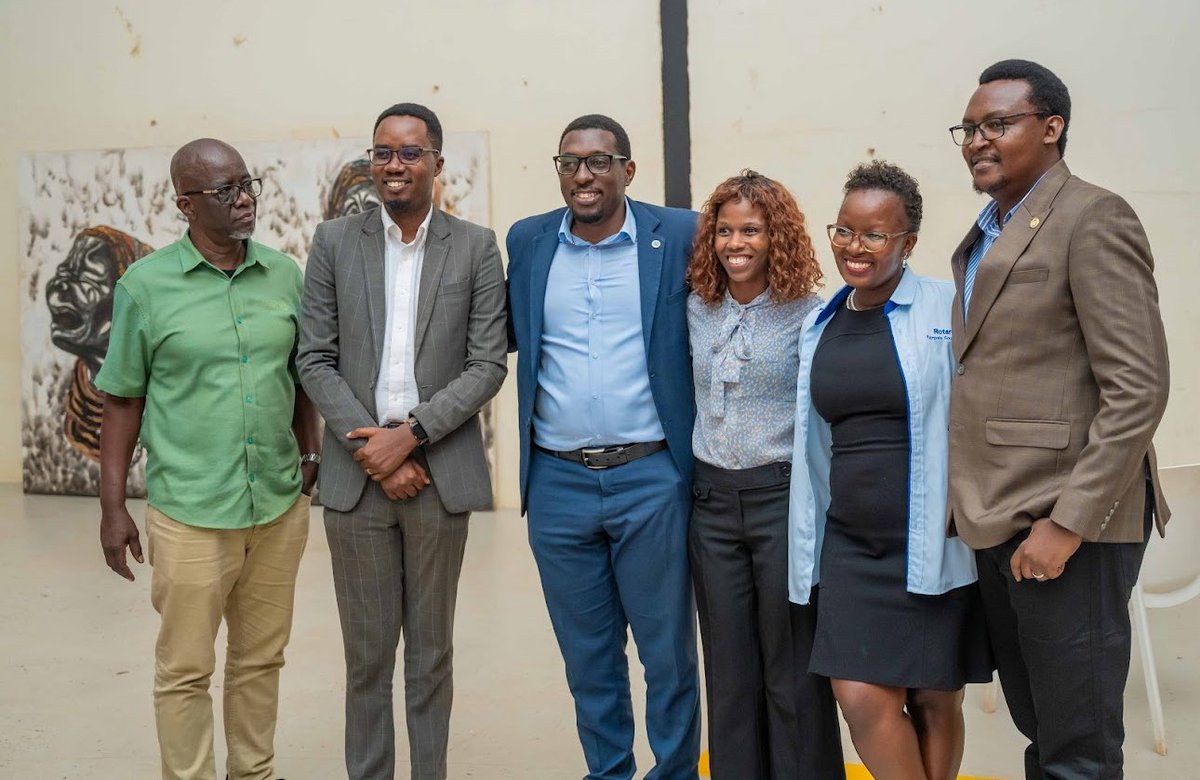
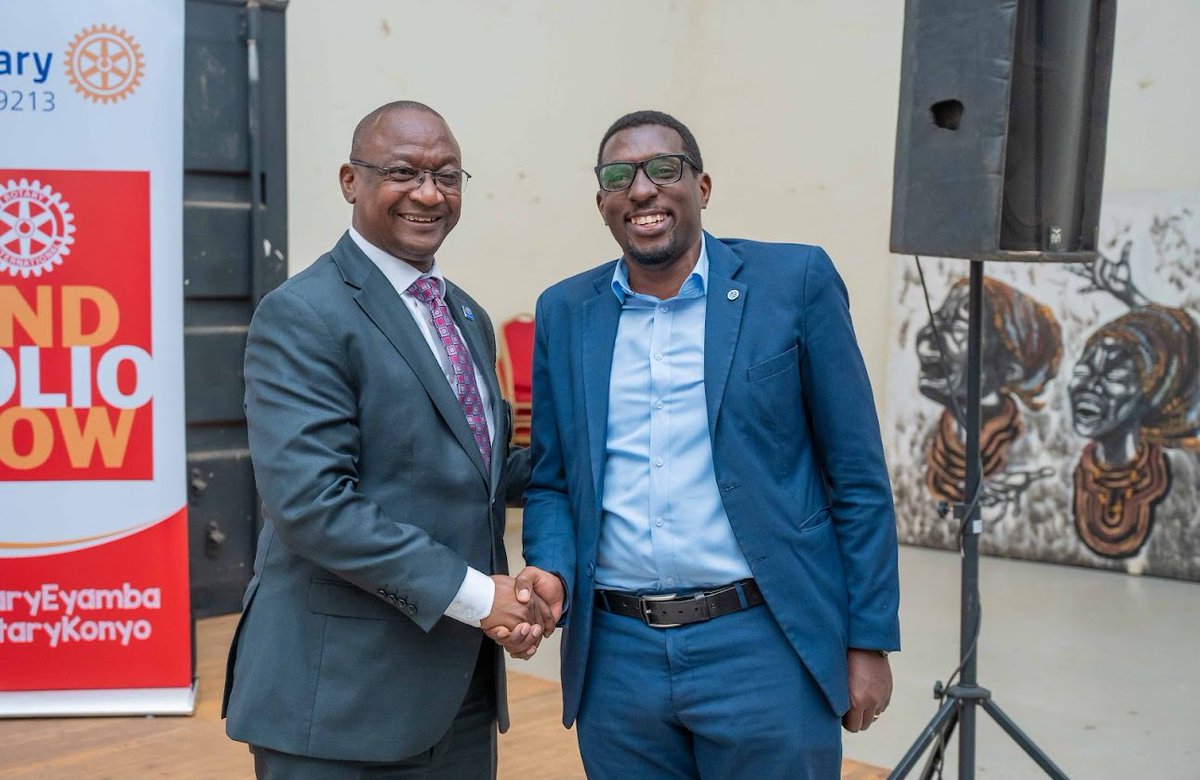
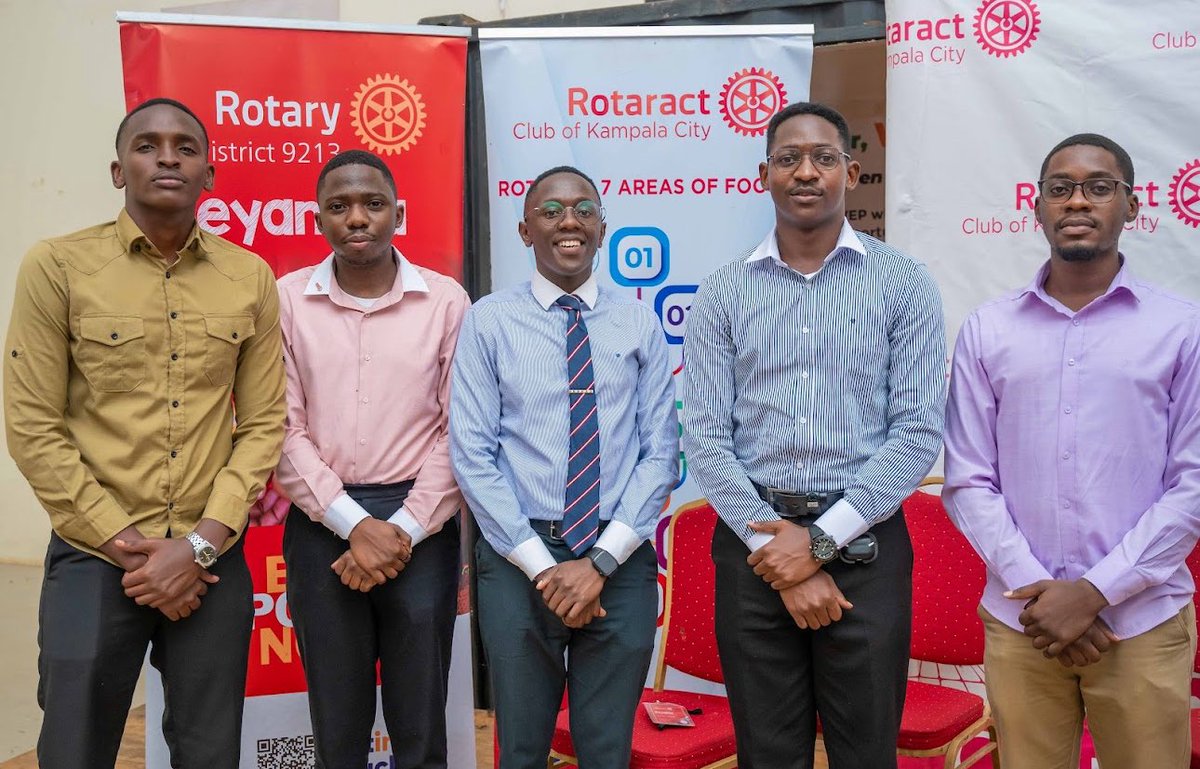
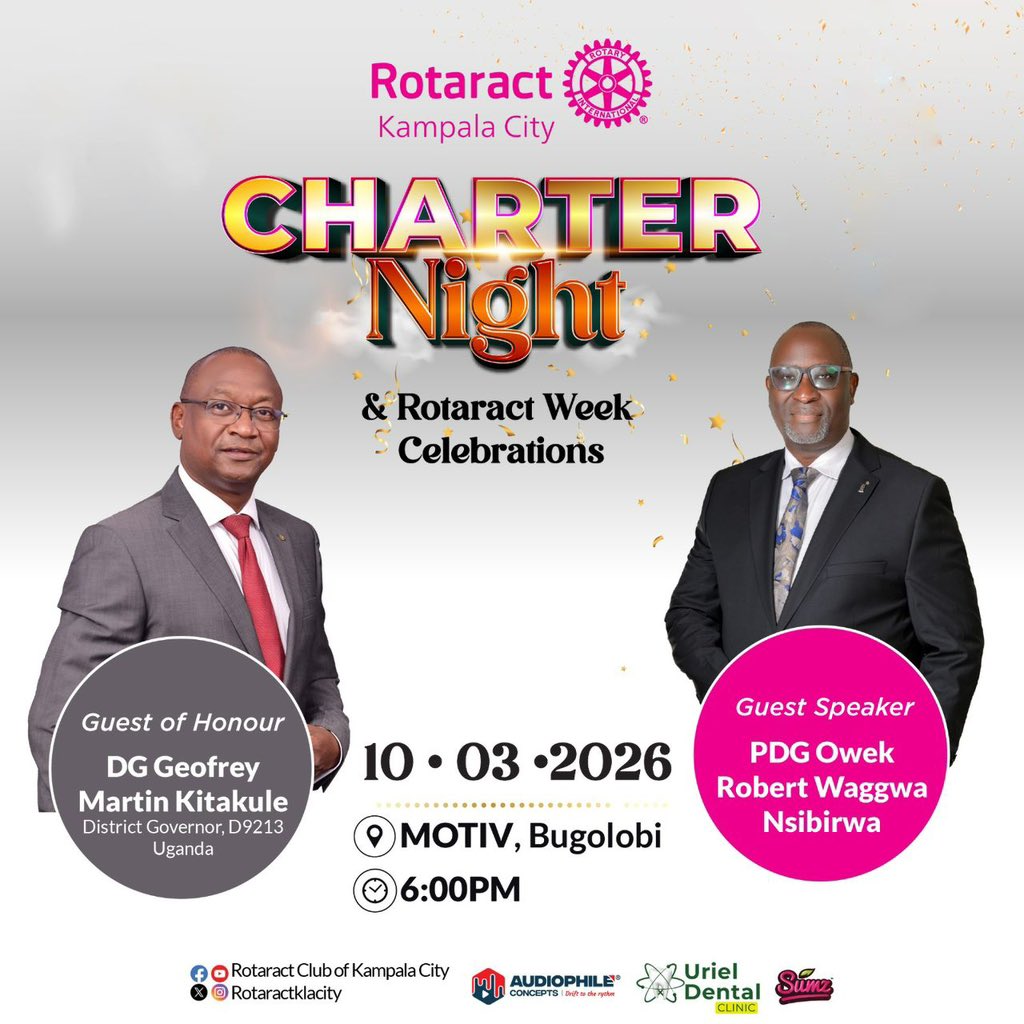
Join us as we celebrate our official charter !!!
An evening of fellowship, inspiration, and the beginning of a journey of service.
We shall be joined by DG @GKitakule (GOH) and PDG Owek. @BobNsibirwa (Guest Speaker) at MOTIV
#rotaractklacity l #CharterNight
1
4
19
434
E.M.M.A.N.U.E.L 🌠🇺🇬 retweeted

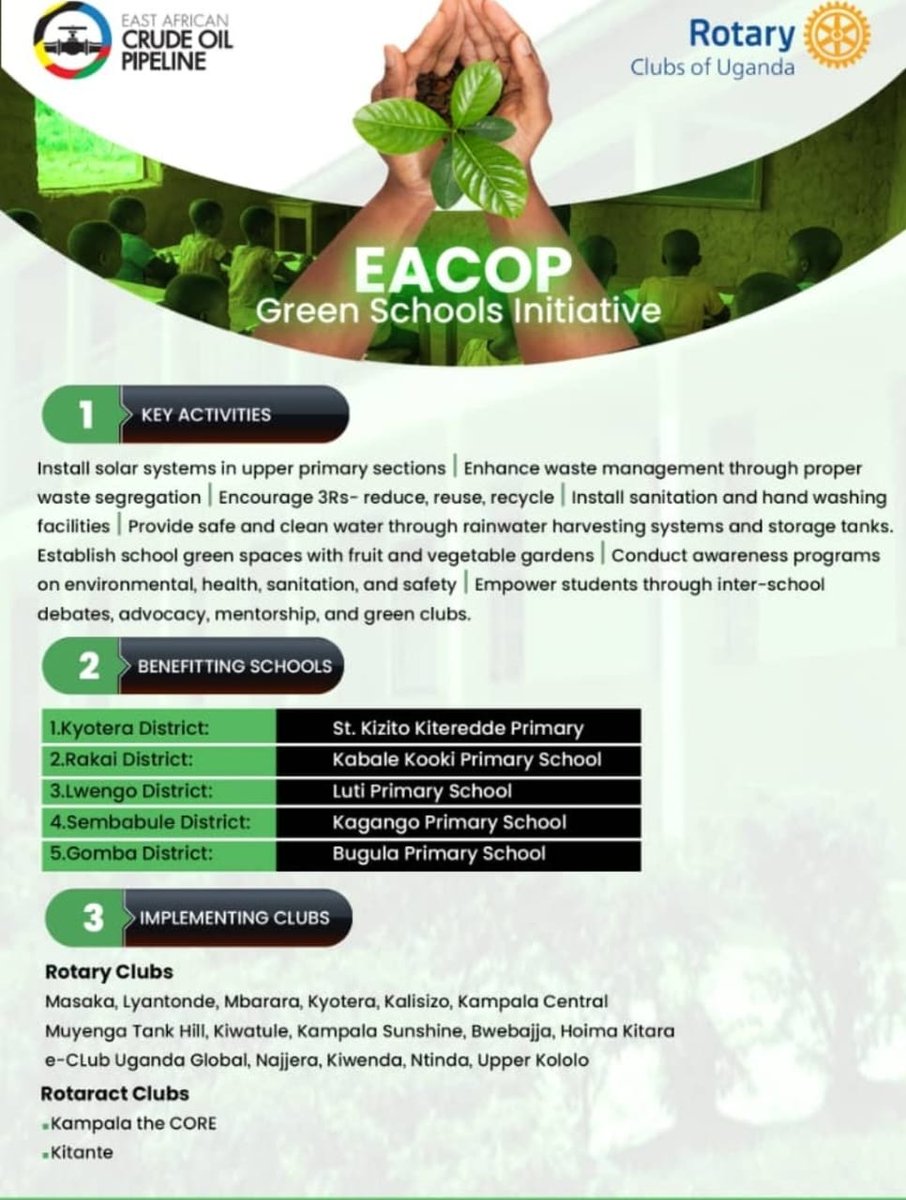
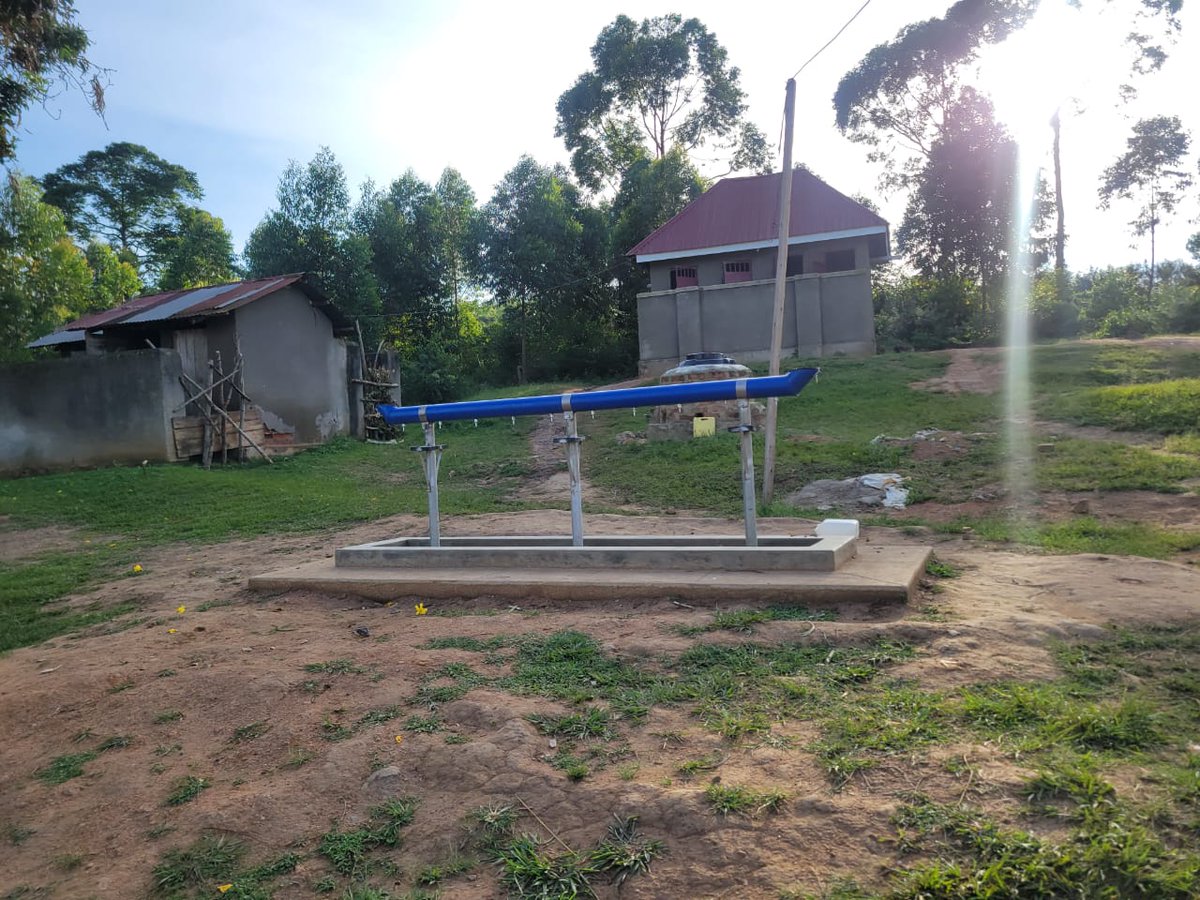
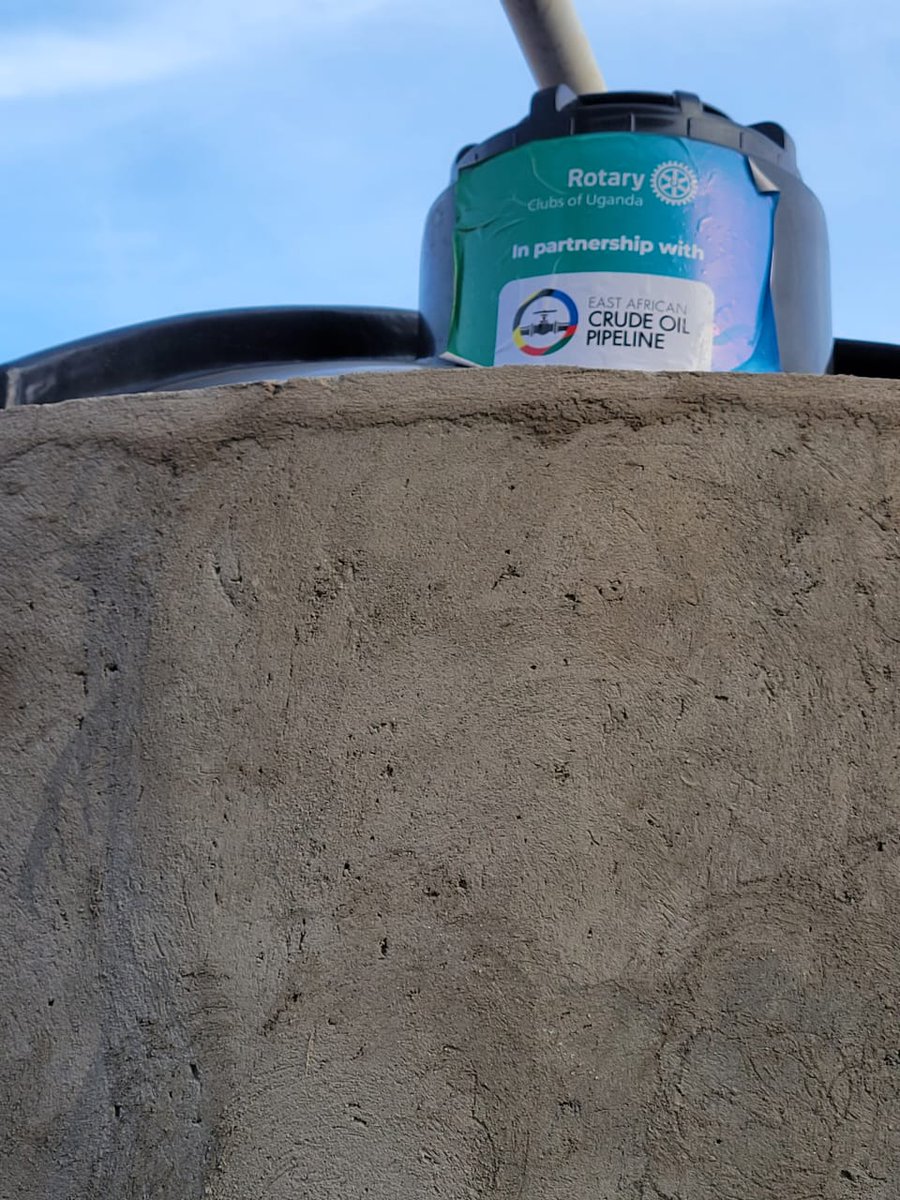
We joined @najjerarotary and @RotaryKalisizo in a Greening Schools Initiative project 🌱♻️💚

3
10
158
E.M.M.A.N.U.E.L 🌠🇺🇬 retweeted

Easter is a reminder that hope is never lost and love always wins. ✝️
Wishing you peace, joy, and renewal this season.
#rotarykampala

3
8
120
E.M.M.A.N.U.E.L 🌠🇺🇬 retweeted
We extend our sincere appreciation to our Guest of Honour, DG @GKitakule and our Guest Speaker, PDG Owek. @BobNsibirwa for gracing our Charter Night and Rotaract Week celebrations.
Your presence truly made the evening memorable.
#rotaractklacity l #rotaryeyamba
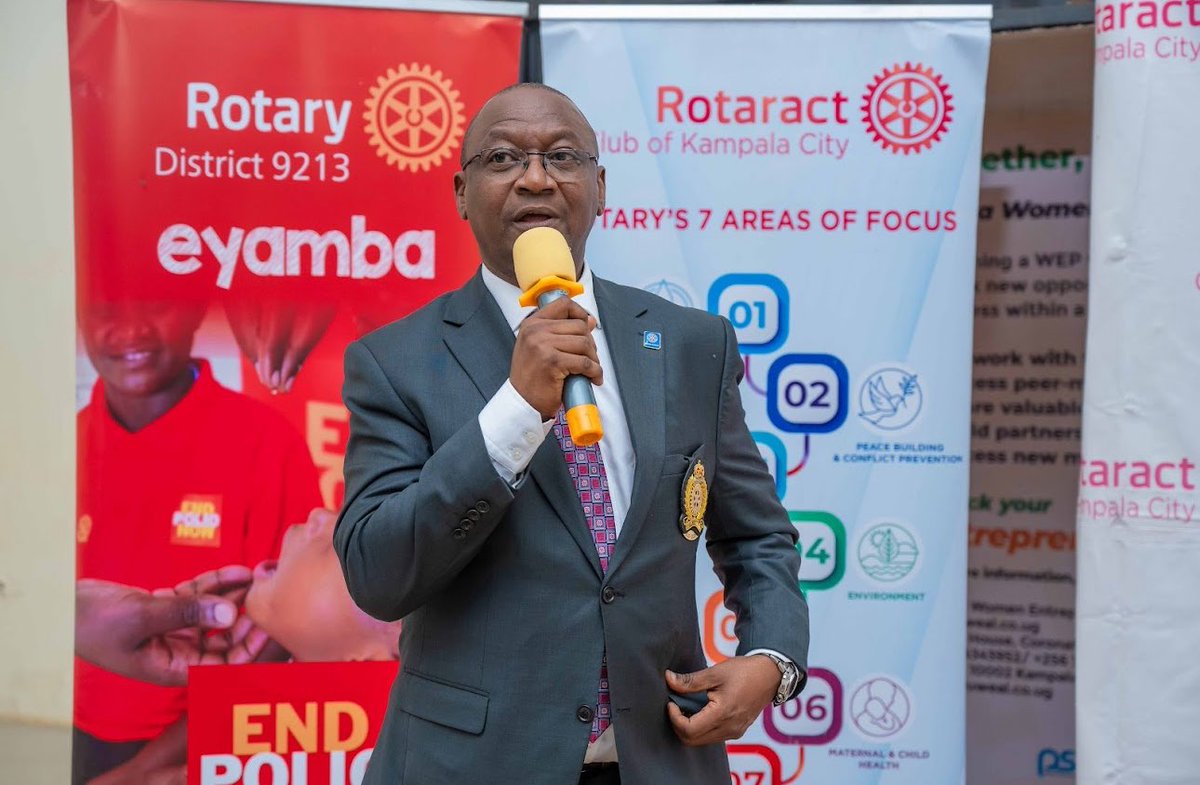
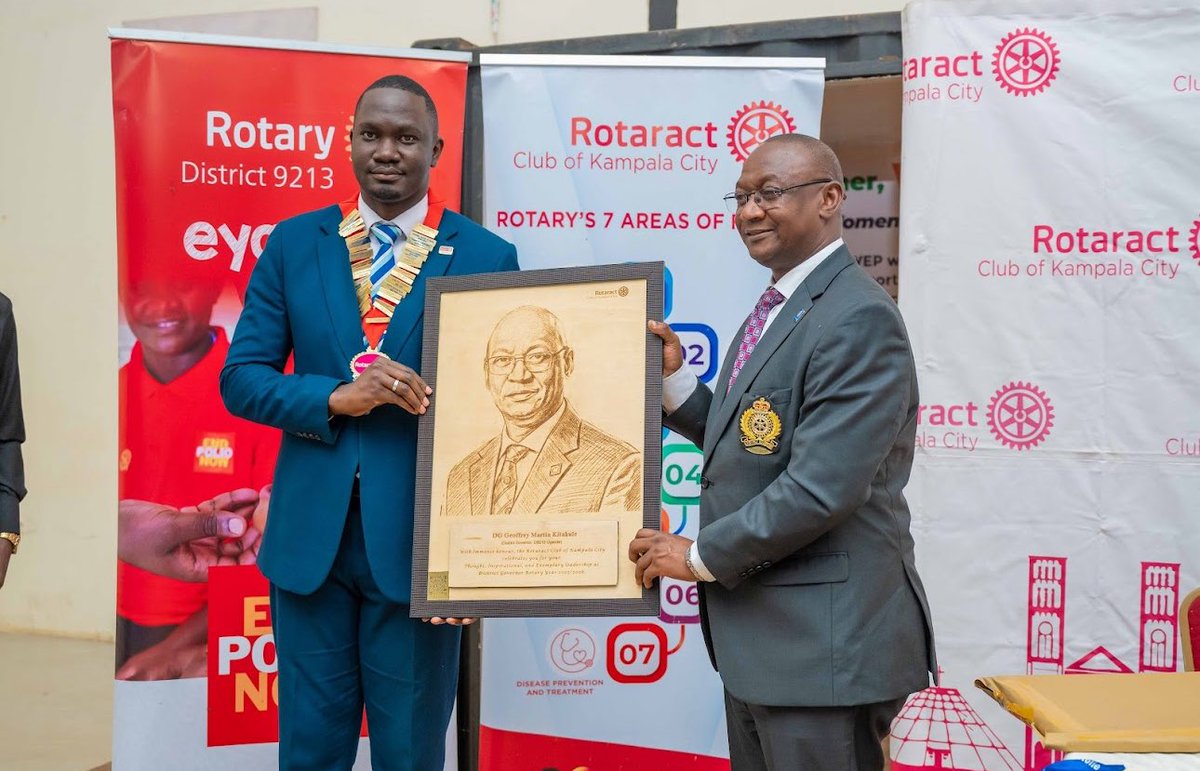
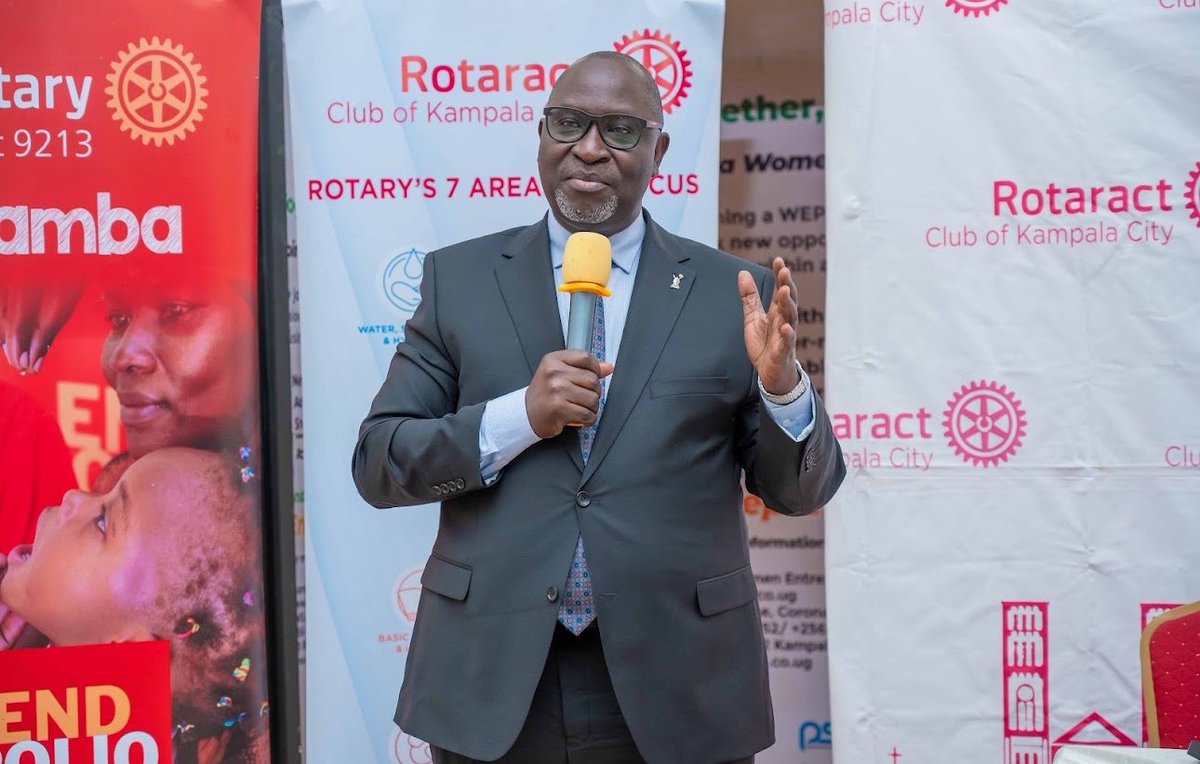
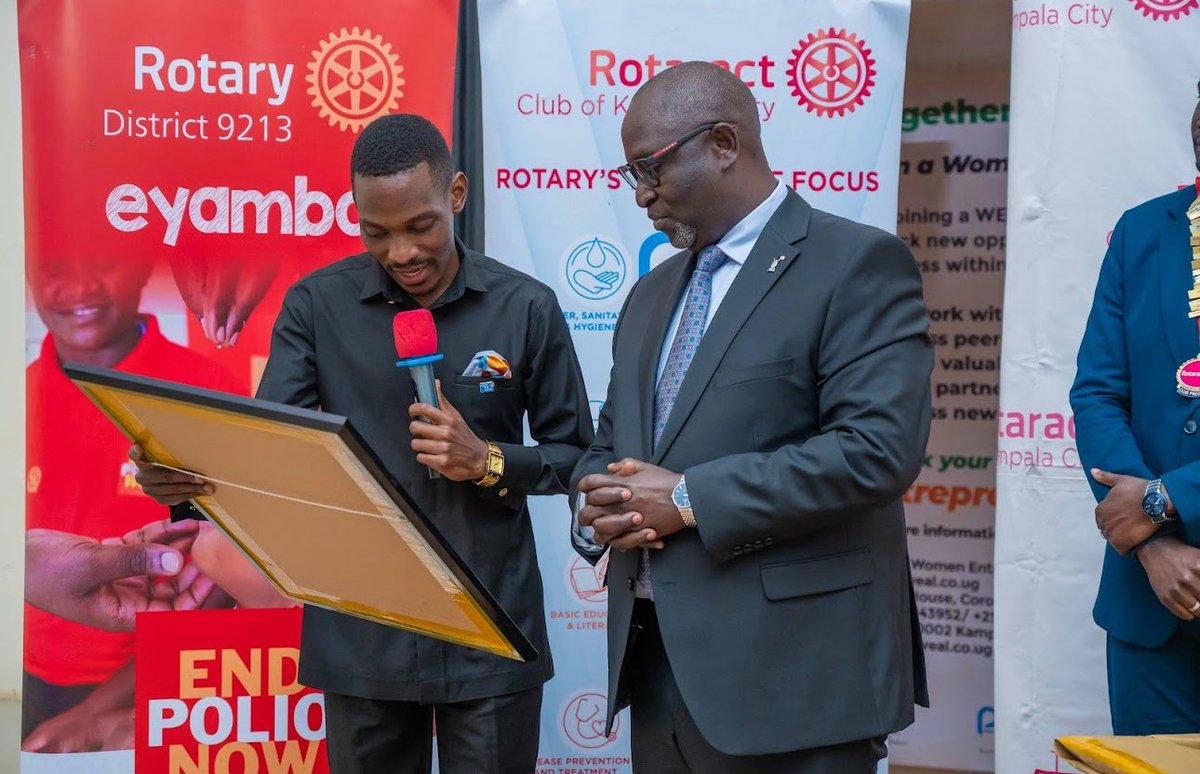
Join us as we celebrate our official charter !!!
An evening of fellowship, inspiration, and the beginning of a journey of service.
We shall be joined by DG @GKitakule (GOH) and PDG Owek. @BobNsibirwa (Guest Speaker) at MOTIV
#rotaractklacity l #CharterNight
1
4
29
1,094
E.M.M.A.N.U.E.L 🌠🇺🇬 retweeted
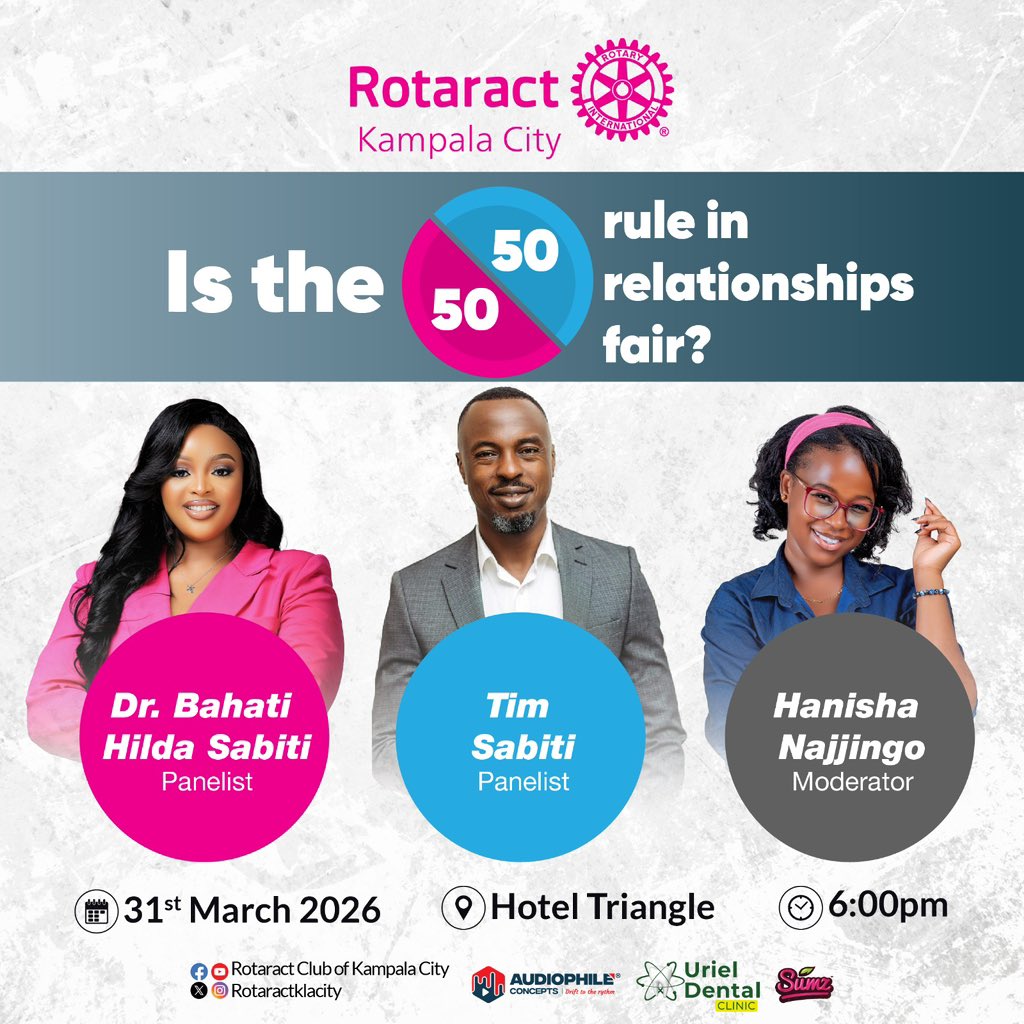
What a night….. Huge thanks to everyone who came through for “Is the 50 rule in relationships fair?”
Your energy made it truly special 🤝🏾
Big shout out to our panelists @BahatiHilda, @TimSabiti and our moderator @HanishaBwanika for an amazing discussion.
#rotaractklacity
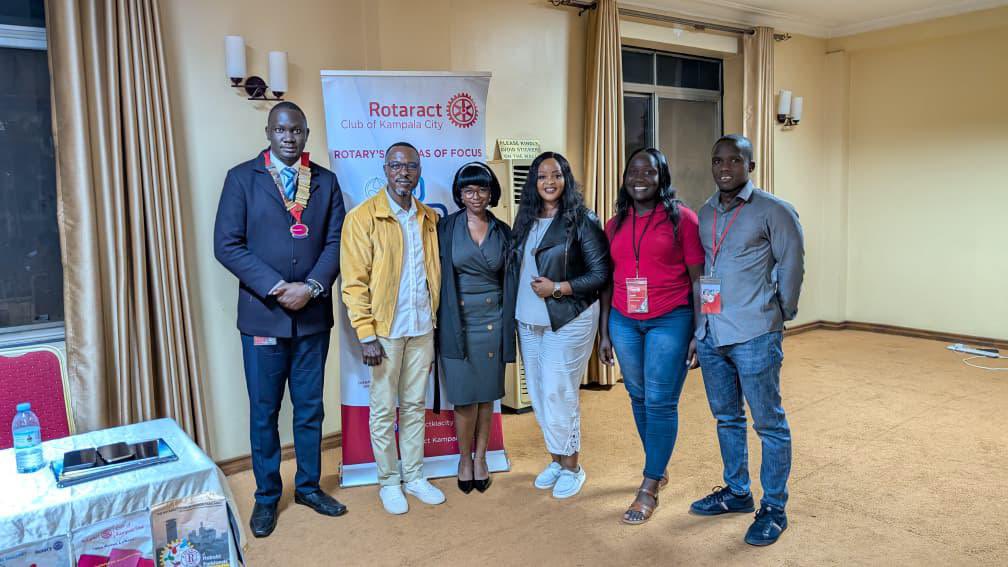
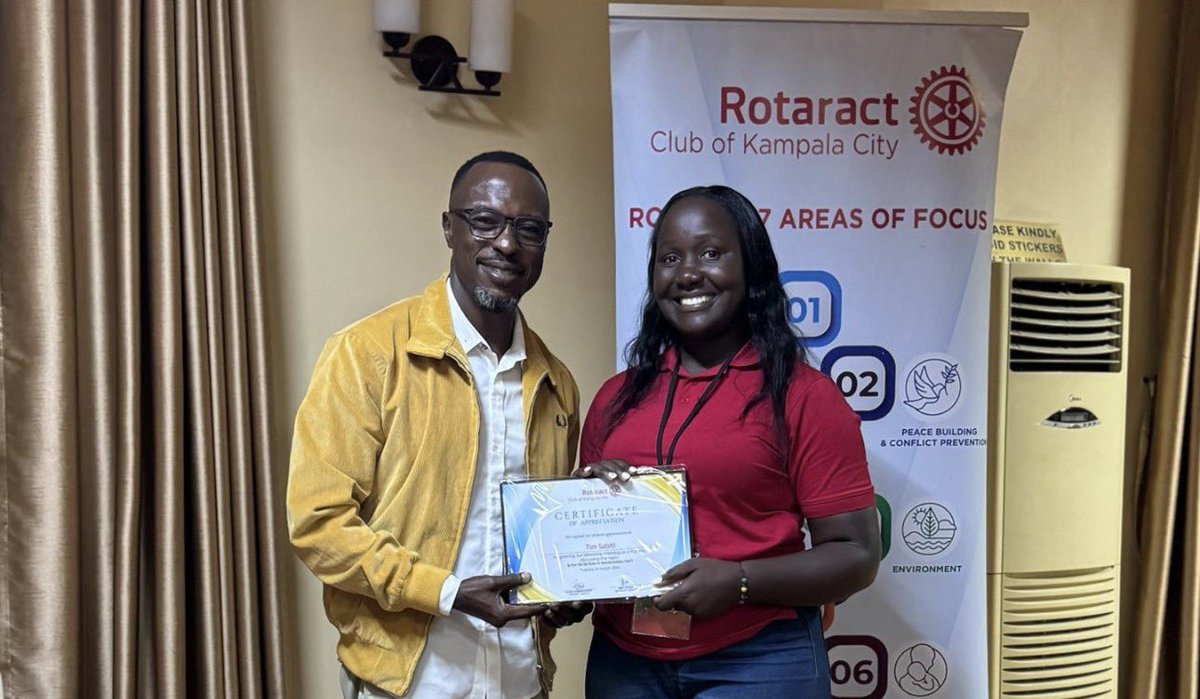
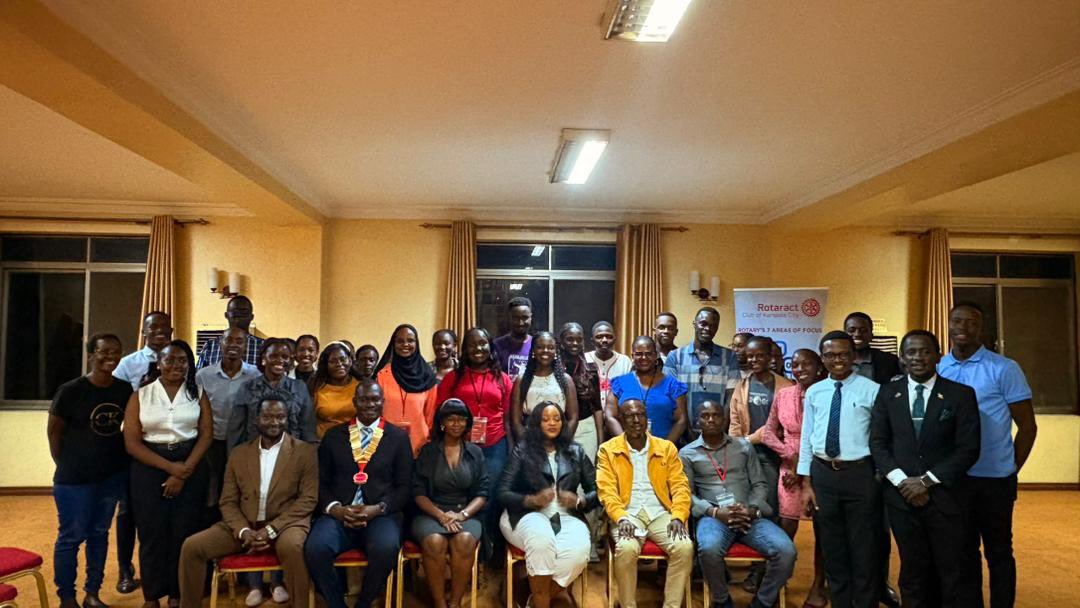
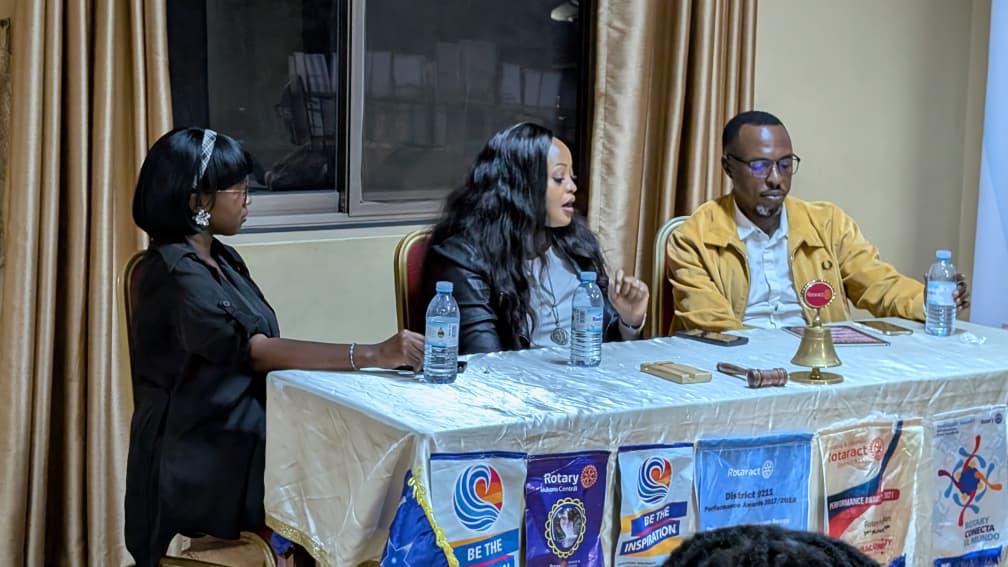
We often hear that relationships should be 50-50 but is that truly fair?
What happens when one partner is going through a tough season and can’t give their 1/2? Does love still work like a calculation, or is it something deeper than numbers?
#rotaractklacity l #rotaryeyamba
2
15
397

3 Aug 2025
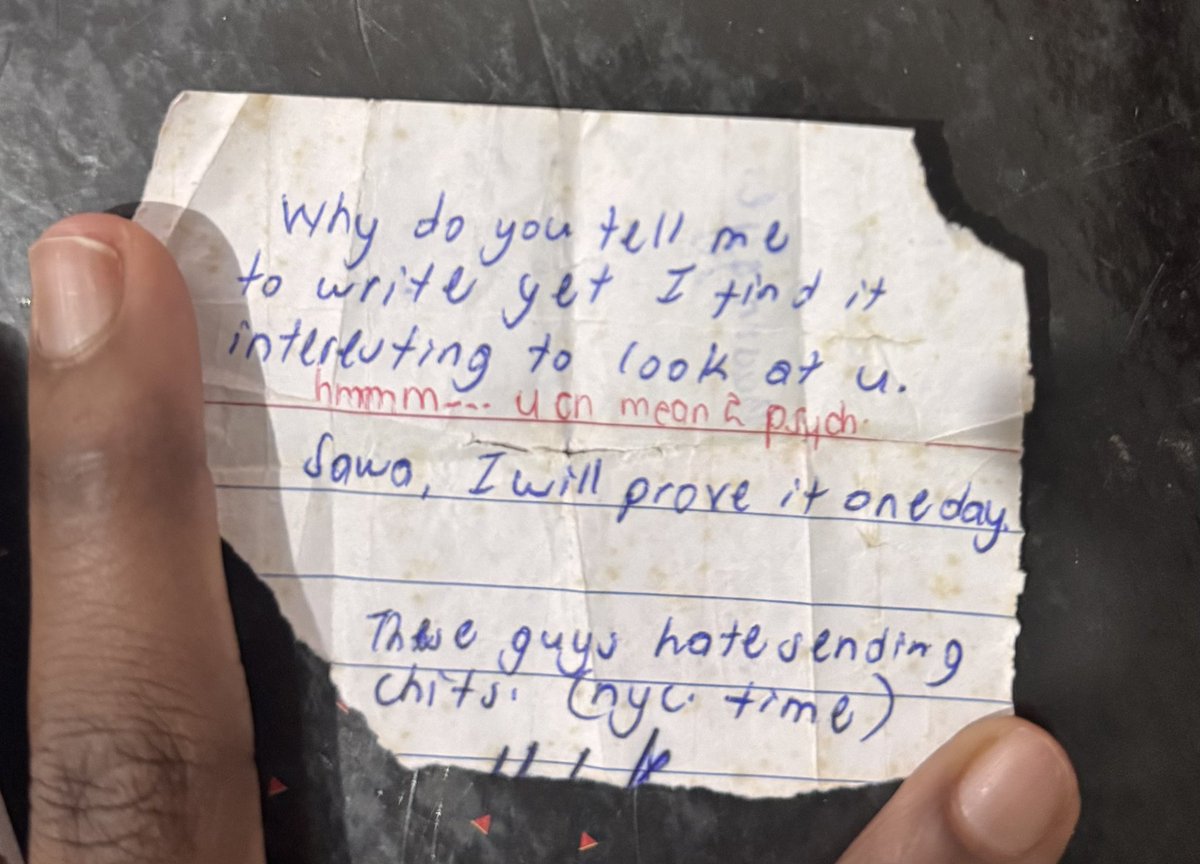
This handwriting looks familiar😂
3 Aug 2025

OMG I was going through my high school chits and I found this…🥹🥹
PS: He didn’t prove it😭😹😹
1
127
E.M.M.A.N.U.E.L 🌠🇺🇬 retweeted

18 Jan 2025
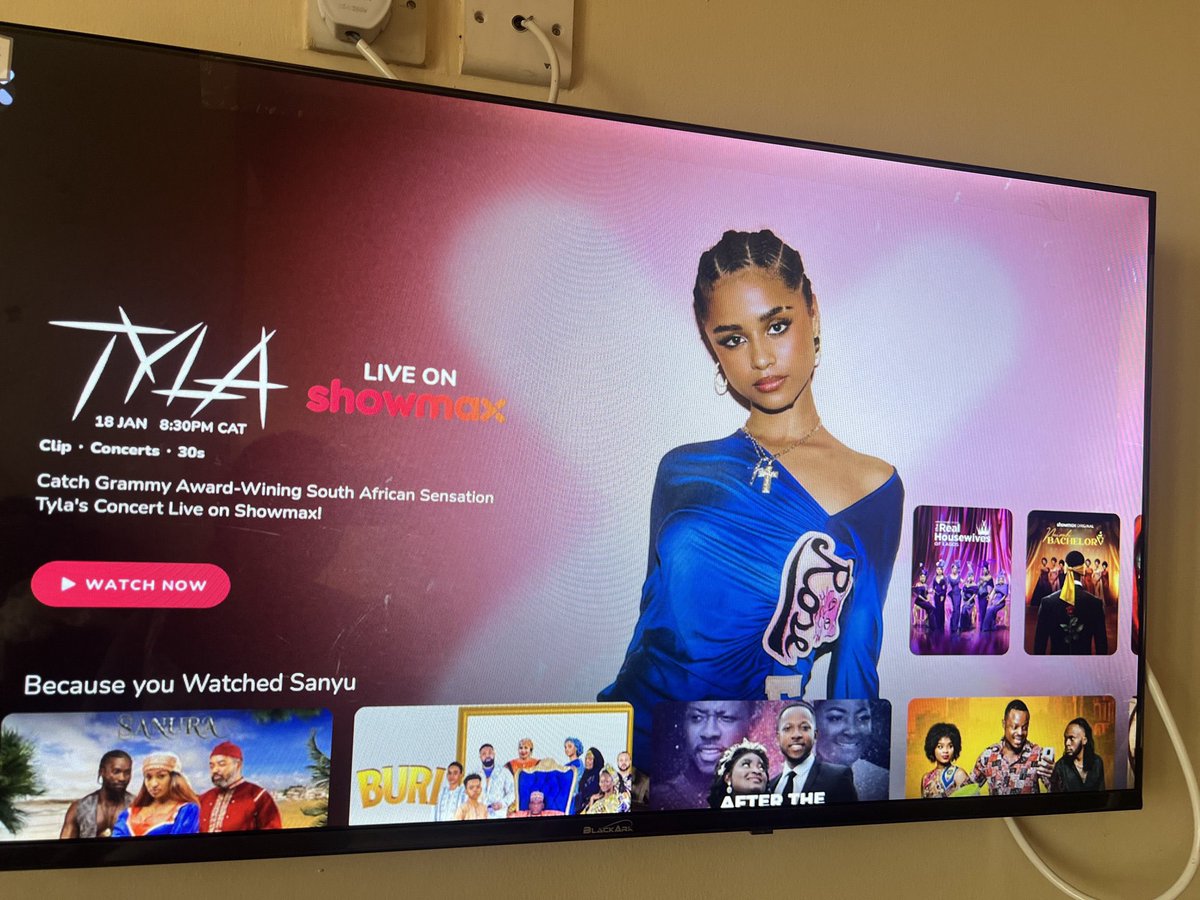
Eyes on the prize 💗 Today at 11:30PM, @Tyllaaaaaaa’s homecoming concert will be underway and streaming exclusively on @ShowmaxUganda.
Visit showmax.com/ug, select a plan & subscribe to #ShowmaxNowNow with #MTNMoMo to stream #TylaOnShowmax then. #YourHomeOfEntertainment
5
6
296