
Graham Scheper - Medievalist studying Old English (BA: @UofMaryland) and Latin literature
Joined November 2023
- Tweets 1,426
- Following 651
- Followers 8,090
- Likes 1,330
405 Photos and videos


Jun 12
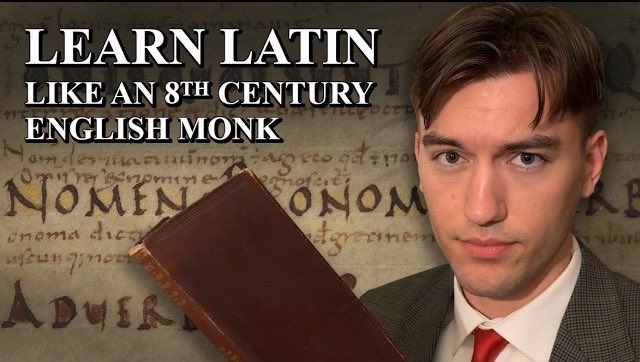
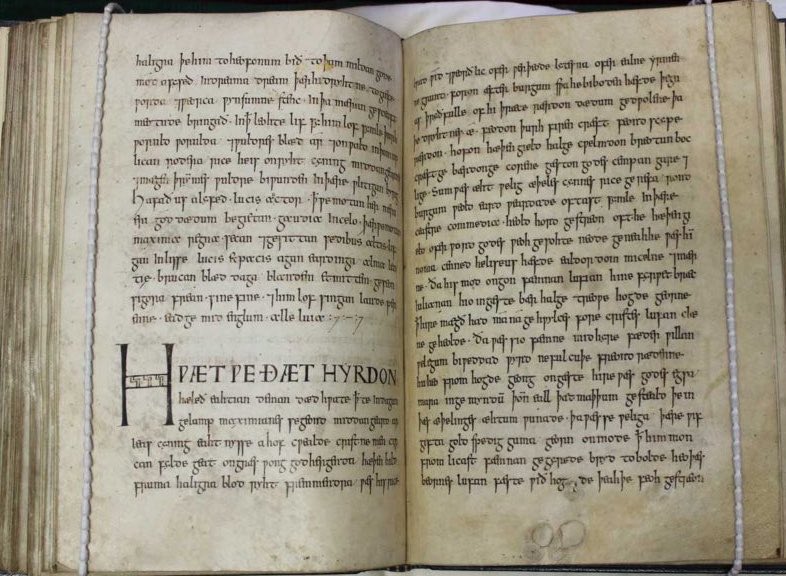
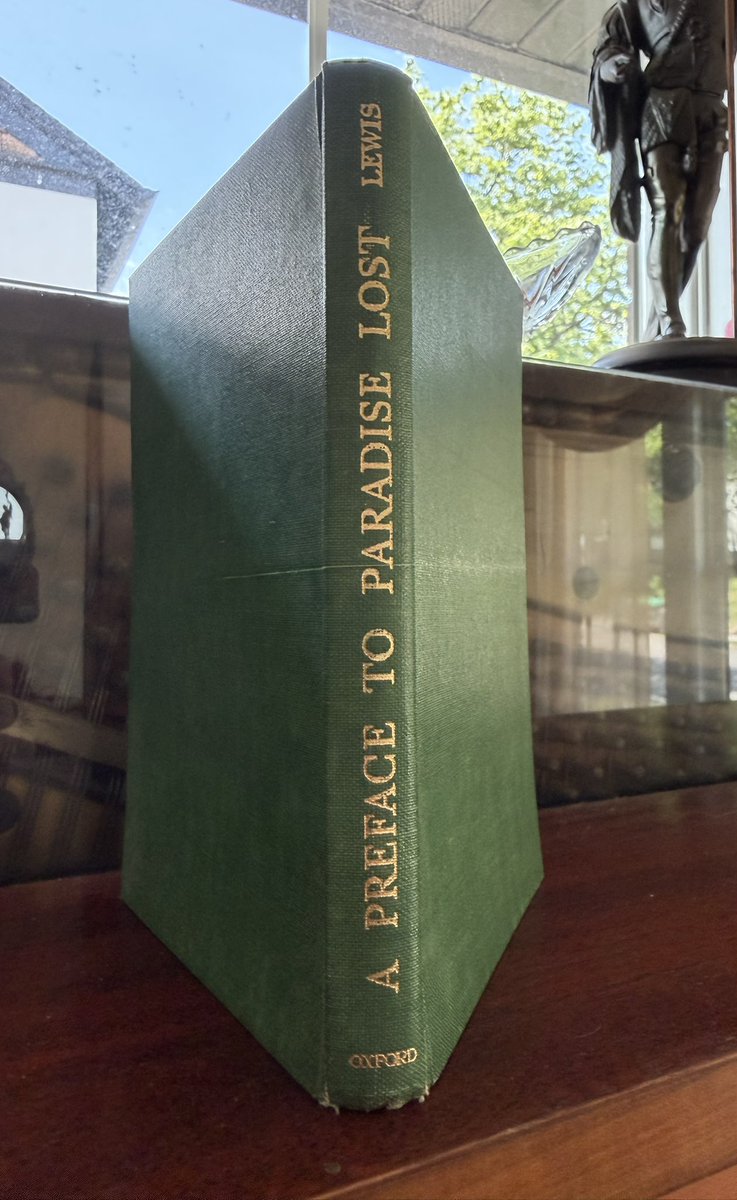
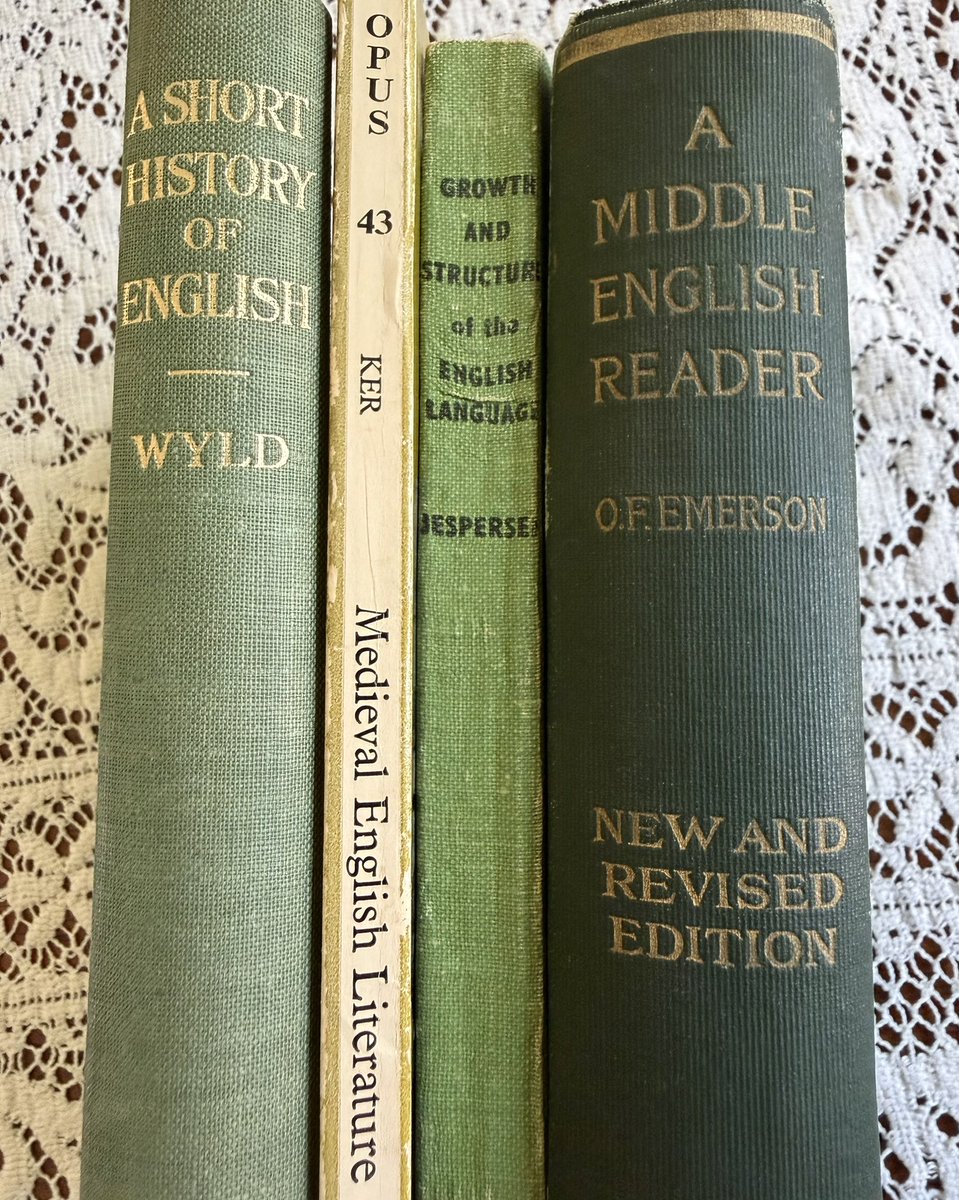
Bede was the most educated man in Europe in his prime, and a total master of the Latin language.
So what was it like to be his student?
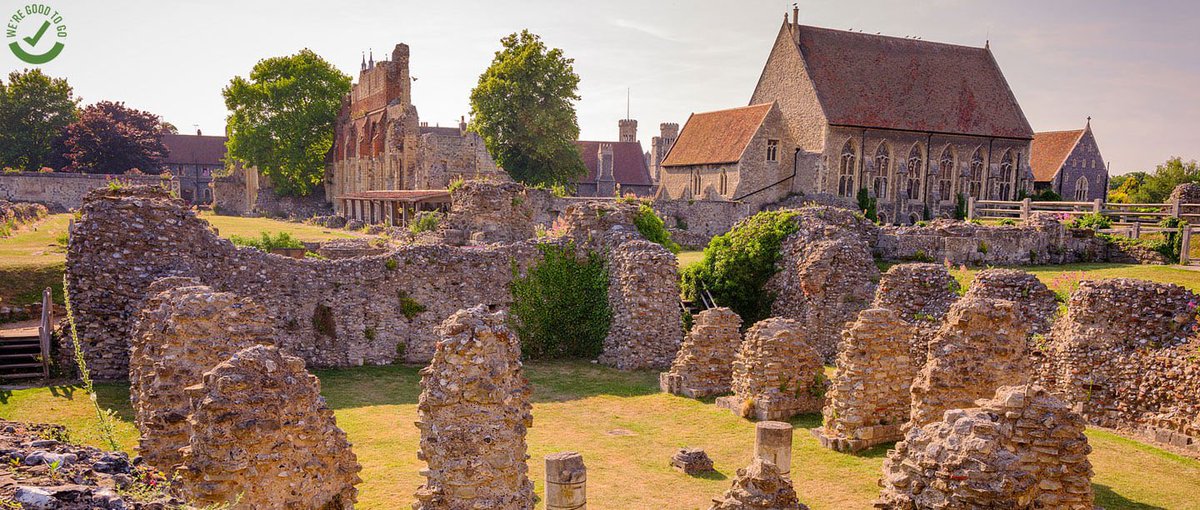
Today I try to answer that question, walking through what scholarship tells us about Bede’s education. Link below ⬇️⬇️⬇️
3
10
74
1,918
Jun 11
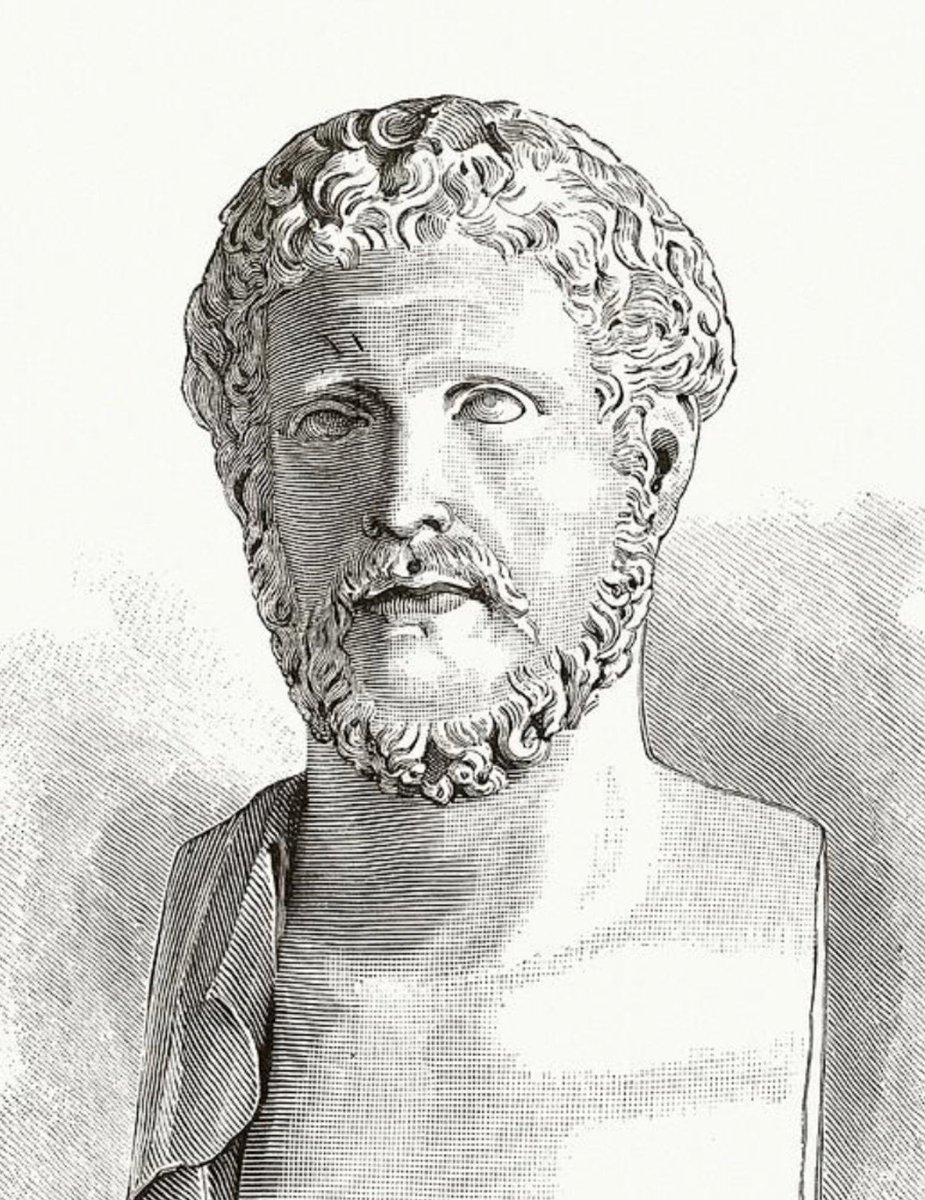
We typically refer to Latin-speaking figures with their Latin names, but we used to use the fully naturalized English forms.
Chaucer e.g. calls Augustine “Austyn” and Statius “Stace”. Boethius is “Boece”.
Occasionally, we still preserve some of these today (e.g. Livy, Horace).
26
24
417
23,570
Jun 10
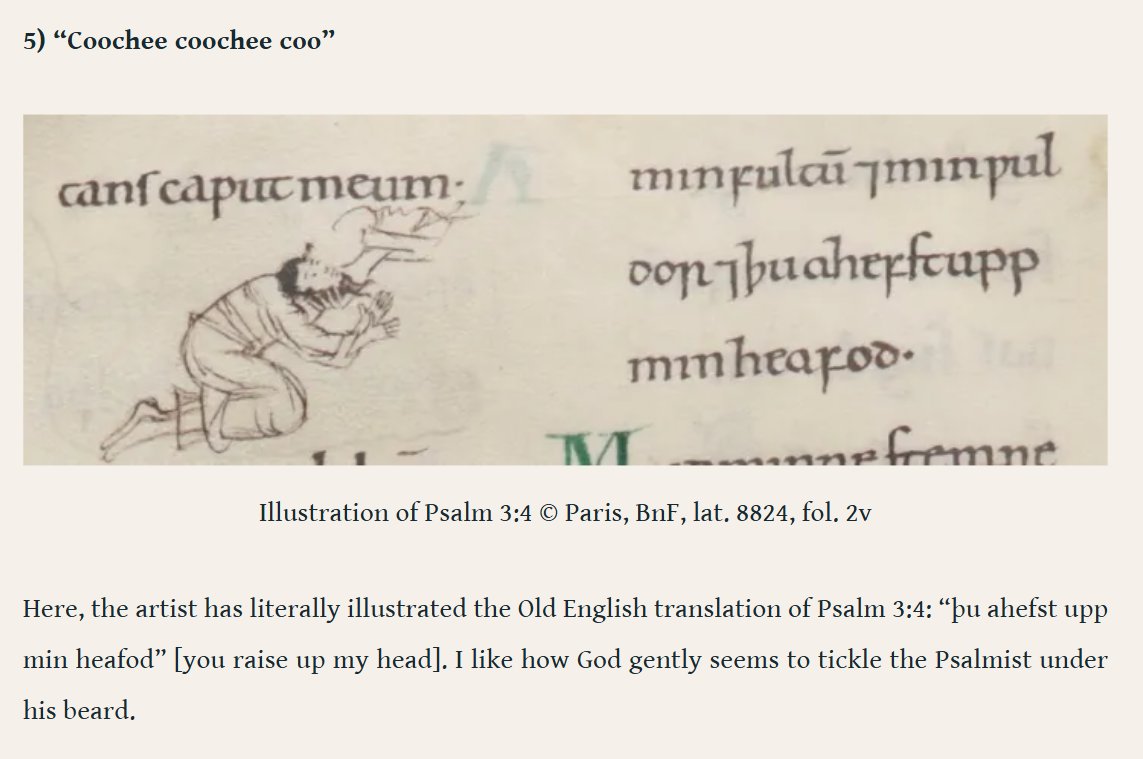
Thijs Porck's blog on Old English is always such a fun and interesting read. Couldn't help but share this one, from his article on the Paris Psalter.
3
7
55
2,089
Jun 10
Bede made a concerted effort to quote Christian Latin poets in his educational treatises on meter and diction, in order to demonstrate their superior merits.
But his own poetry betrays his true feelings... he very rarely mimicks poets like Sedulius; rather Virgil and Ovid!
4
4
60
2,639
Jun 10
The poets Bede quotes most often in treatises like De Arte Metrica are Caelius Sedulius, Venantius Fortunatus, Prosper of Aquitaine, and when none of these suffice, Virgil.
But in his entire corpus, he cites Sedulius ~50 times (and mostly in that treatise). Virgil? 128!!
1
18
565
Jun 9
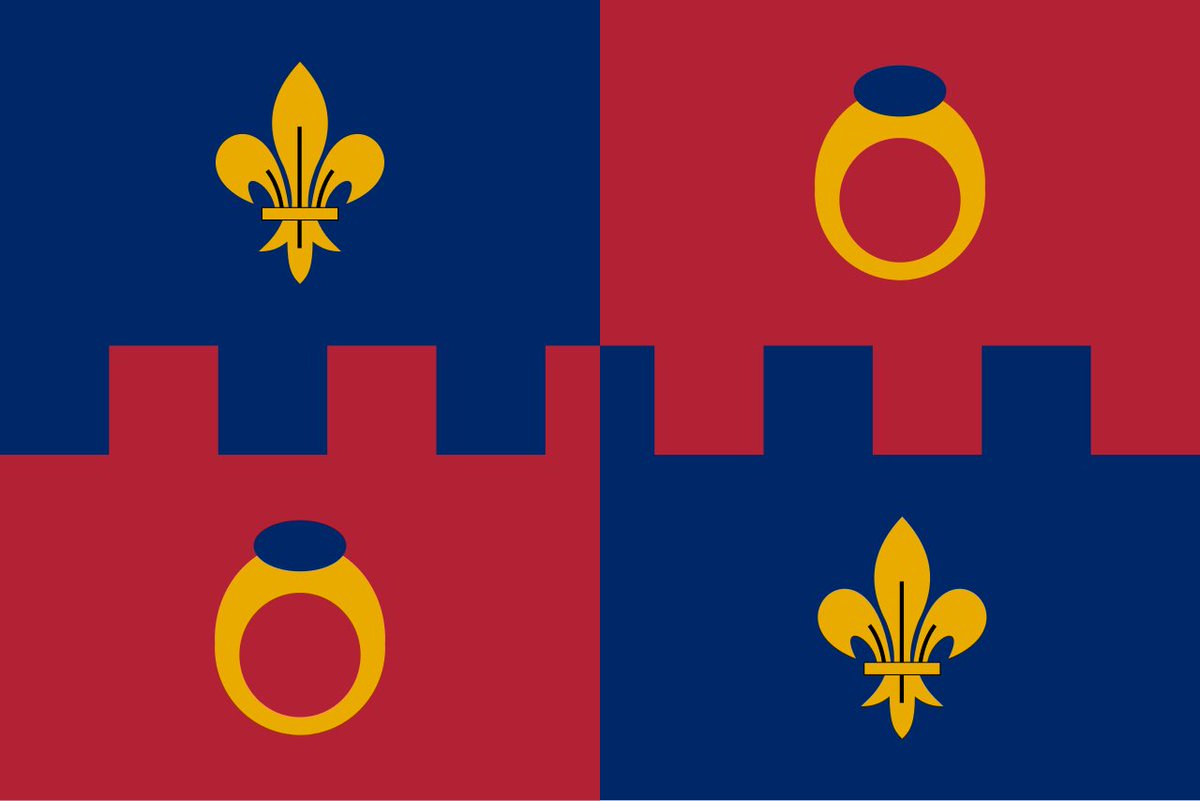
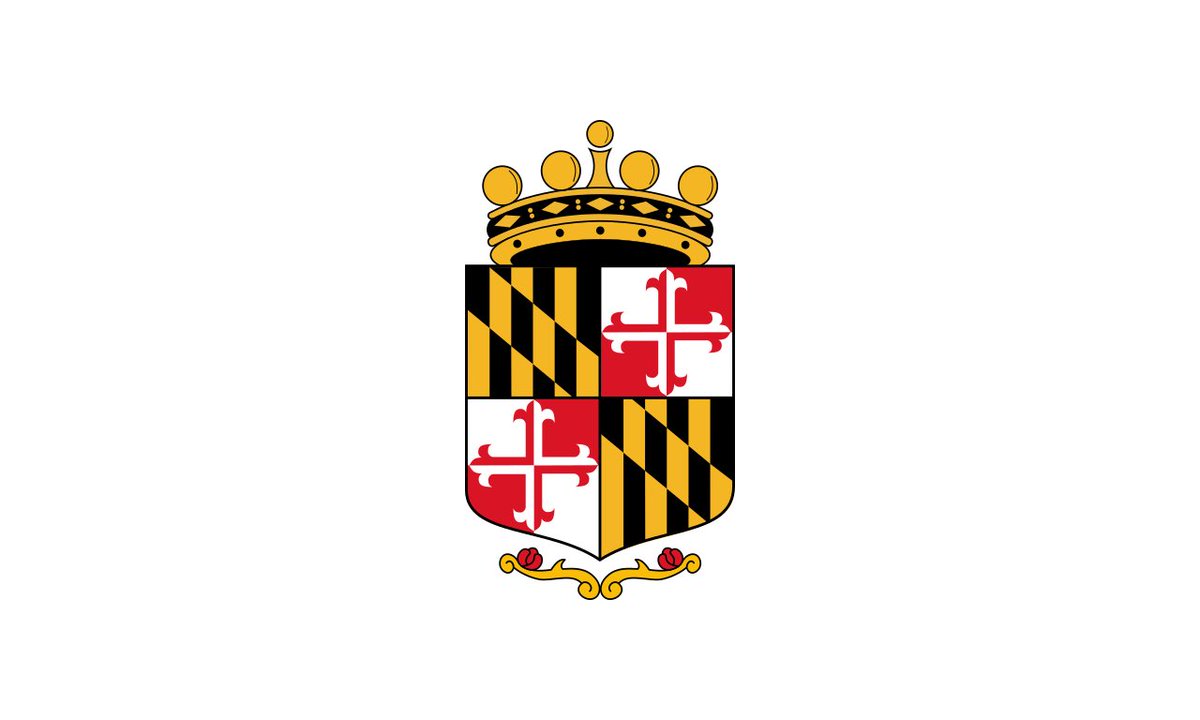
This isn’t related to Old English, I just wanted to share that not only is Maryland the best state in the union, it also has the best county flags.
I was summoned to Jury Duty this morning and I couldn’t even be annoyed; the Baltimore flag on the envelope was so beautiful

4
1
40
1,435
Jun 8
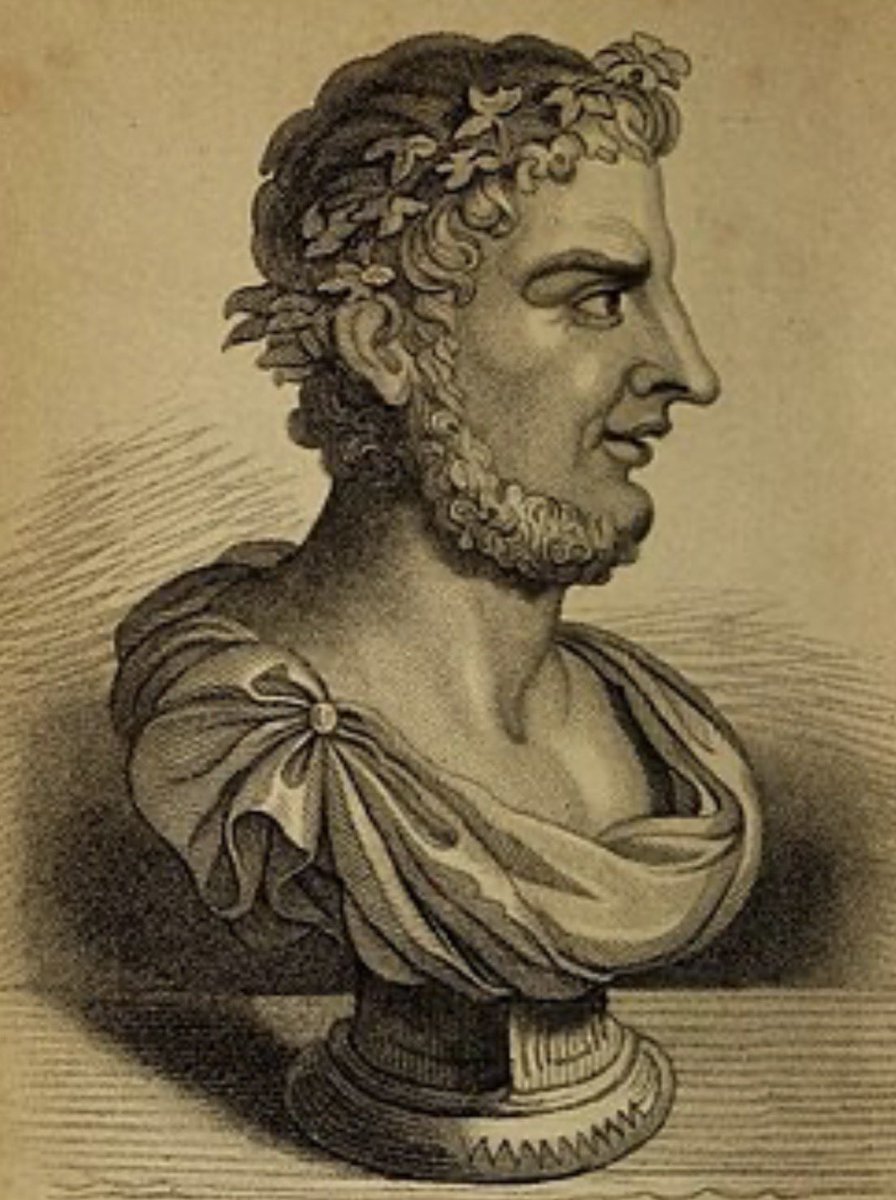
The Satires of Persius and Juvenal were almost certainly the first pagan texts that young Anglo-Saxon boys and girls would read while learning Latin.
Teachers seem to have valued the strong moral character of the poems, and favored them over less virtuous texts (e.g. Ovid).
4
10
74
2,806
Jun 8
Ovid was certainly read by these monks; Bede for example quotes him frequently when discussing poetic meter and displays a deep familiarity with the Metamorphoses and the Ars Amatoria. But it’s likely that these texts were off limits to younger brothers.
1
16
575
Jun 4
These books are always an instant buy for me. So much useful and intelligent commentary in every volume (and also actually affordable for normal people).
They really open the road for autodidacts to have an informed and mature understanding of the Classics!

Out now! Kelly’s Homer: Iliad Book XXIII | An up-to-date commentary aimed at undergraduates and graduate students, focusing on language, meter, style, and literary interpretation.
Find out more: ☑️ cup.org/48uuUd3
#classicstwitter
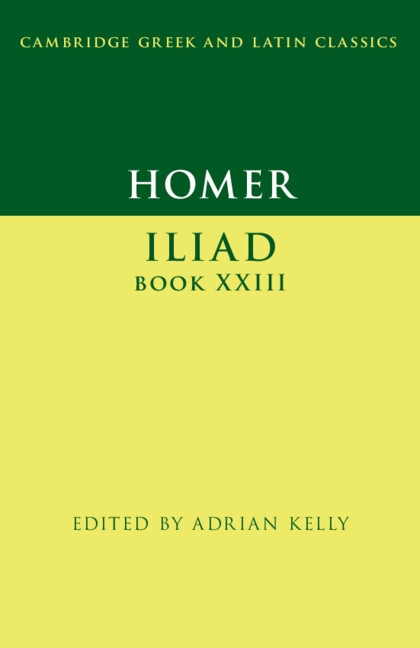
ALT Cover image of the book titled 'Homer: Iliad Book XXIII', by Adrian Kelly.
2
3
84
3,978
Grǣġhama retweeted

Out now! Kelly’s Homer: Iliad Book XXIII | An up-to-date commentary aimed at undergraduates and graduate students, focusing on language, meter, style, and literary interpretation.
Find out more: ☑️ cup.org/48uuUd3
#classicstwitter
ALT Cover image of the book titled 'Homer: Iliad Book XXIII', by Adrian Kelly.
1
28
100
10,625
Jun 4
Fun fact: in Old English, the word for verse was "fers", borrowed from Latin versus.
This, among other things, has led us to believe that the early-medieval English pronounced Latin initial v- like /f/. Old English had no initial /v-/; it would have seemed unintuitive to them.
Jun 4

The word "verse" comes from Latin versus, the past participle of vertō (turn). The Old English cognate of vertō was weorðan, with the same meaning. This word has since been dropped from most English dialects.
Had it survived, the doublet of 'verses' would have been '*wordens'.
2
4
33
2,170
Jun 4
The word "verse" comes from Latin versus, the past participle of vertō (turn). The Old English cognate of vertō was weorðan, with the same meaning. This word has since been dropped from most English dialects.
Had it survived, the doublet of 'verses' would have been '*wordens'.
2
7
59
3,441
Jun 4
Today is the last day to sign up! We have a great group so far and I’m really looking forward to closely reading some Old English poetry.
If that sounds fun to you, check out the course here ⬇️⬇️⬇️
May 19
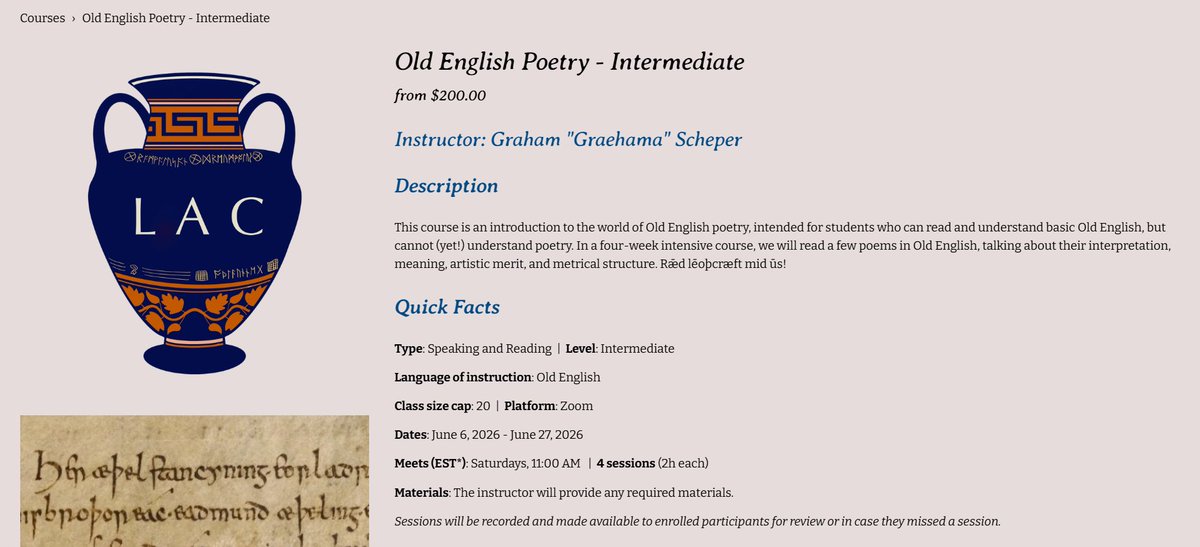
Happy to announce that I will be teaching a course on Old English poetry this June!
We'll be closely reading various short poems such as Deor and the Finnsburg Fragment, talking about Old English meter and interpretation. Check us out!
habesnelac.com/courses/p/su2…
2
16
1,161
Jun 3
One of my favorite Tolkien accounts on Twitter, and deserves many more followers; he is the kind of person who is clearly in it for genuine love of the source material.
Not only impressively well read on Tolkien, but also on early-medieval philology. Check out his page! ⬇️⬇️

It's been 3 years since I started my blog about Tolkien. I still can't believe it's been going so long. Thanks to all of you for reading, sharing, and engaging with my thoughts on Tolkien!
Here's a little thread looking back on the past few years... 1/x
2
8
144
14,157
Jun 2
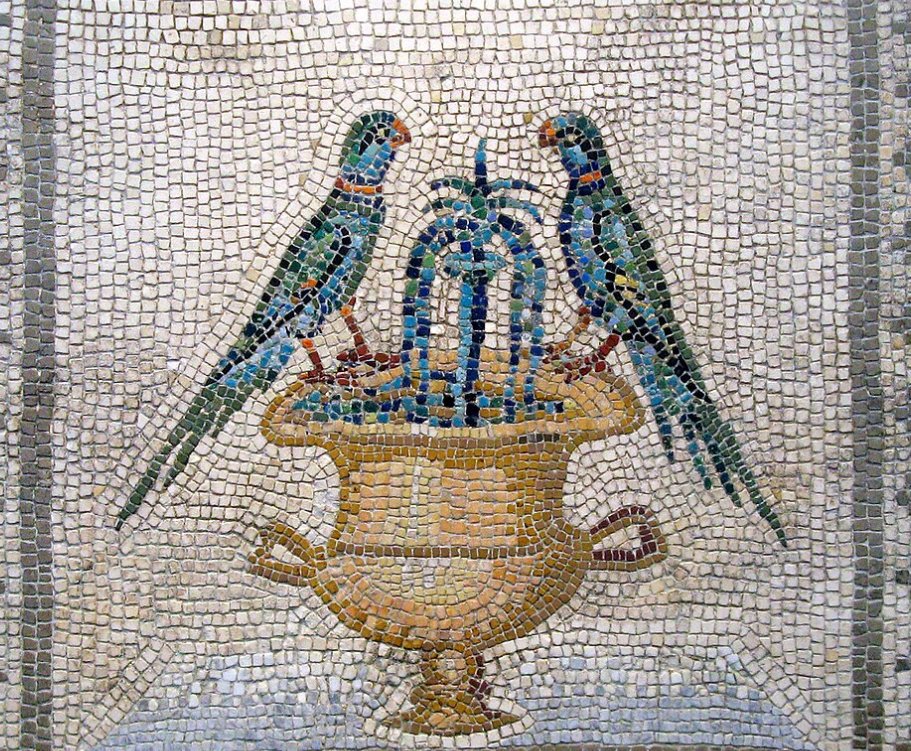
People have been teaching parrots to talk since at least the Classical era. The Roman poet Persius asked "quis expedivit psittaco suum 'chaere'?"
That is, "who taught the parrot how to say 'χαῖρε' (hello)?"
3
21
100
3,440
Jun 2
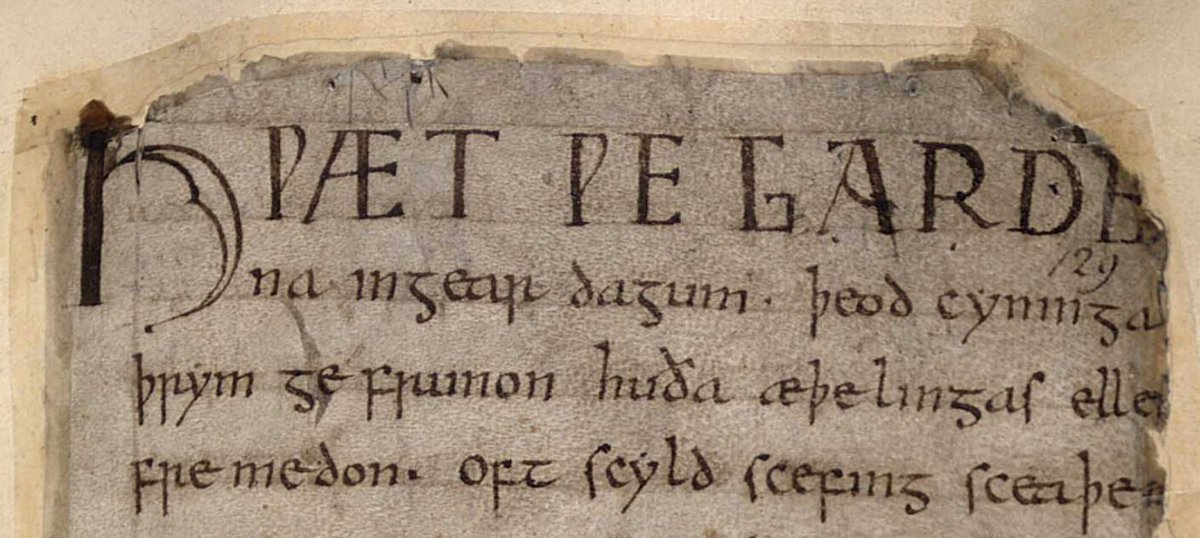
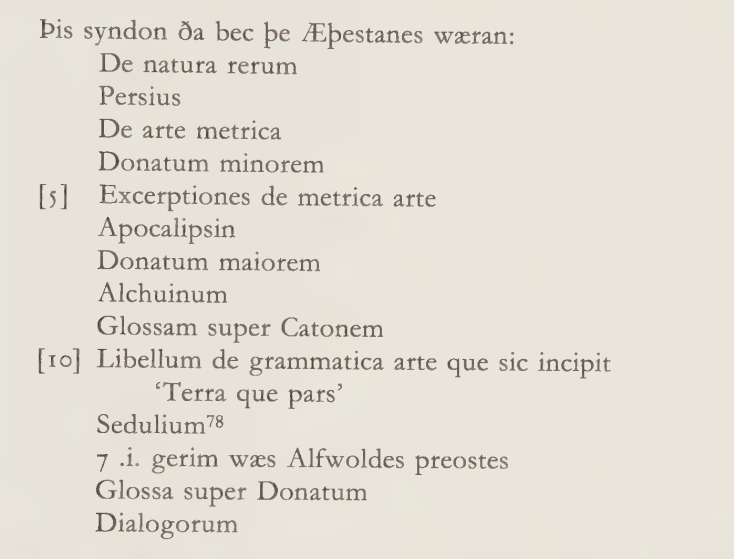
A list of books owned by an English Grammarian named Æþelstan, sometime in the mid-tenth century. Most of these texts were probably used to instruct young boys in Latin.
2
9
78
2,599
Jun 2
When discussing the most important intellectuals of early-medieval England, the names which stand out are Aldhelm, Bede, Alcuin, Ælfred, Asser, Æthelwold, Bryhtferth, and Ælfric.
Apparently they would only let you learn Latin if you were at the front of the alphabet.
7
5
60
2,374
Jun 2
This explains why Wulfstan is always in such a bad mood; he must have been fighting for respect his whole life.
1
17
434