
Joined January 2011
- Tweets 241,638
- Following 11,973
- Followers 11,014
- Likes 348,384
8,284 Photos and videos
















Helen Grieve 🇬🇧 retweeted

🚨 THE DIGITAL PRISON IS ALREADY HERE.
Good morning to the millions of hardworking Brits waking up to a brand new surveillance state.
55 million adults will soon need to hand over their passport or face scan just to use X, Instagram and YouTube.
Every single adult. Not just teenagers.
450,000 people signed a petition to scrap it in days. The government said no!
The same government that cannot track 224,700 failed asylum seekers wants your biometric data before you are allowed to post a tweet.
This was never about children. Screenshot this before they bury it. RT if you refuse. 🇬🇧🔥
74
648
1,182
17,318
Helen Grieve 🇬🇧 retweeted

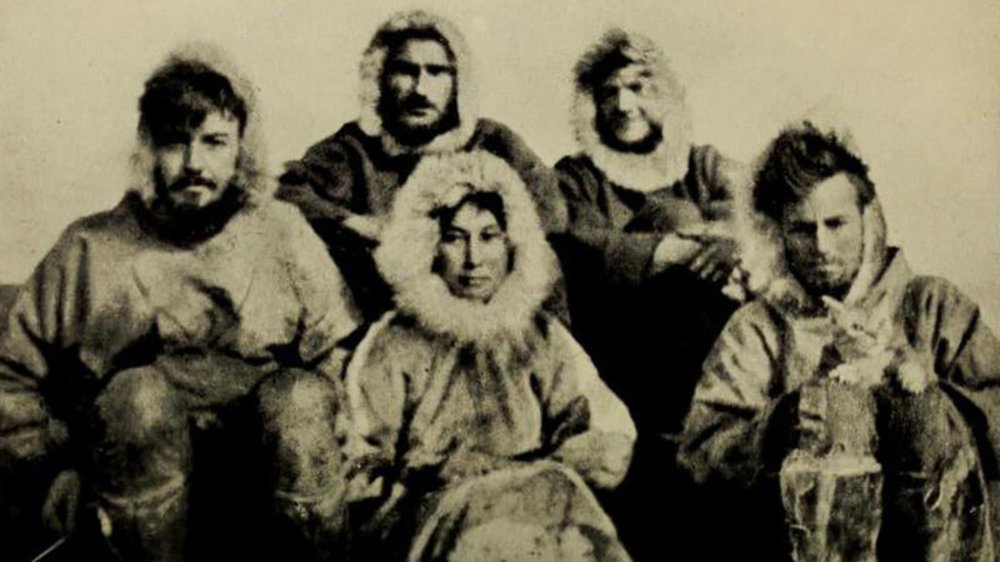
She Was Hired to Sew. She Was the Only One Who Survived.
In September 1921, Ada Blackjack, a 23-year-old Iñupiaq woman from Nome, Alaska, signed on as seamstress and cook for a five-person expedition to Wrangel Island, a remote strip of frozen land in the Chukchi Sea north of Siberia. The pay was $50 a month. She needed it to retrieve her son from an orphanage and pay for his tuberculosis treatment.
The expedition's organizer, celebrated Canadian explorer Vilhjalmur Stefansson, stayed behind to fundraise while the team was left on an uninhabited island for what was supposed to be two years. A resupply ship couldn't reach them through the sea ice in 1922.
By January 1923, three of the four men attempted a desperate 90-mile crossing of the frozen Chukchi Sea to get help. They were never seen again. The fourth man, Lorne Knight, was dying of scurvy. Ada, who had never fired a rifle, never trapped an animal, nursed him alone until he died on June 23, 1923.
She then spent two months as the only human being on Wrangel Island, accompanied by the expedition's cat. She taught herself to shoot, built skin boats to hunt seals, trapped foxes, and constructed a raised platform to watch for polar bears. She kept a diary. On August 20, a rescue ship broke through the fog. When asked where the others were, she said: "There is nobody here but me. I am all alone."
Newspapers called her the "female Robinson Crusoe", briefly. She never received the wages she was owed. She didn't profit from the books and articles that covered her ordeal. She went home, retrieved her son from the orphanage, paid for his treatment, and lived quietly until 1983.
The men planned the expedition. She survived it.
1
1
6
780
Helen Grieve 🇬🇧 retweeted

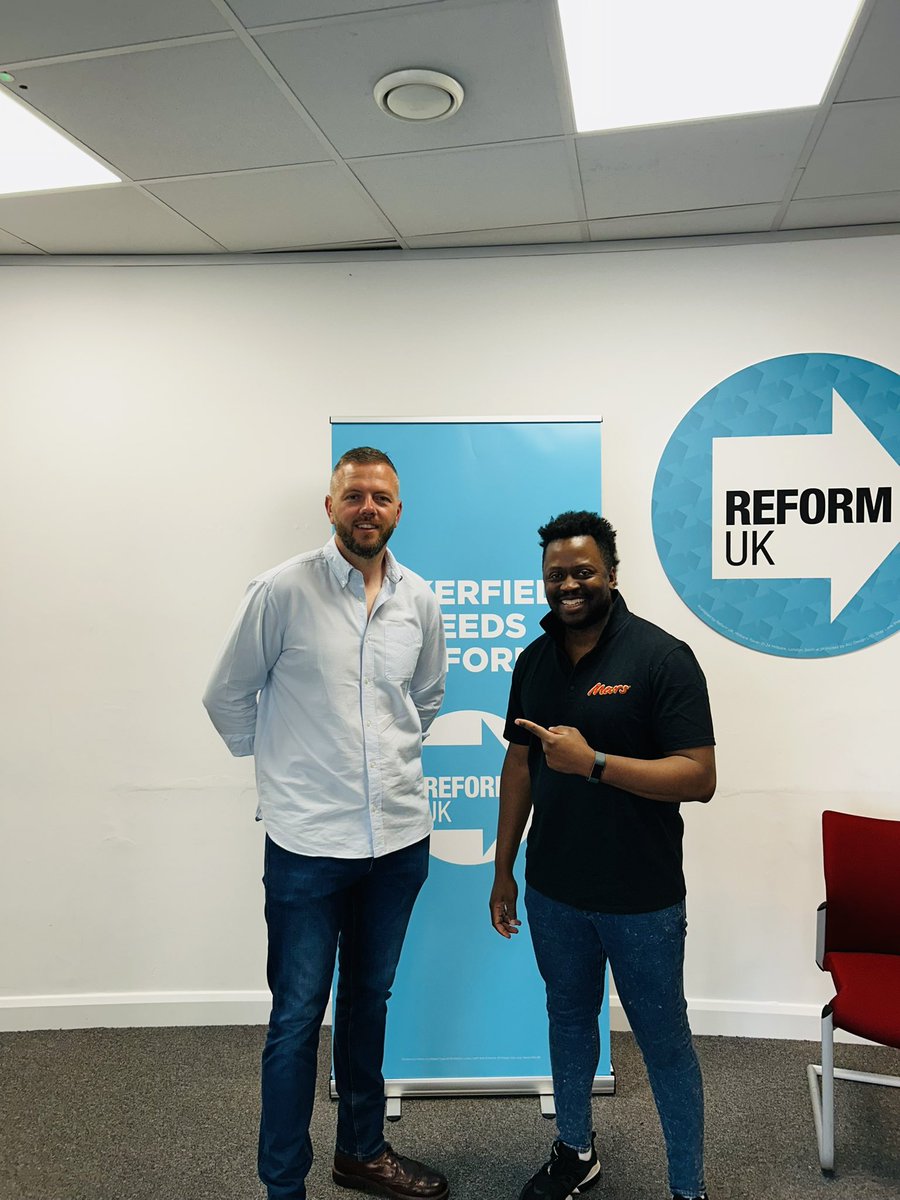
It was an absolute pleasure to meet the man of the hour, the most down to earth candidate ever.
I was already backing him but now I’m utterly convinced he’s the best and only choice for #Makerfield. 4 days left. Don’t think about it, just vote for @RobKenyonReform #Makerfield🇬🇧
69
240
861
8,421
Helen Grieve 🇬🇧 retweeted

Now that Hamas is openly in control of Gaza again, the real genocide begins!

Watch the brutality.
This is Hamas ruling Gaza
⚠️ WARNING: GRAPHIC
Armed thugs openly beating and chasing civilians through a crowded market while a crowd stands and watches like it’s a show. They strike people to the ground, terrorize families and children, and spread raw fear among their own population.
This is everyday life under Hamas. Not defense. Not resistance. Just savage internal repression to keep power.
And this is exactly what much of the world marches for when they chant “From the river to the sea” and wave Palestinian flags. They are cheering on the regime that does this to its own people.
The masks are off. This is the reality.
1
23
Helen Grieve 🇬🇧 retweeted

Jun 15
This is Wayne Broadhurst a honest decent man who loved his dog
He was murdered by an Afghan national last year
The government failed him and his family
Please never forget him 🙏🏻🙏🏻

56
953
3,417
16,553
Helen Grieve 🇬🇧 retweeted

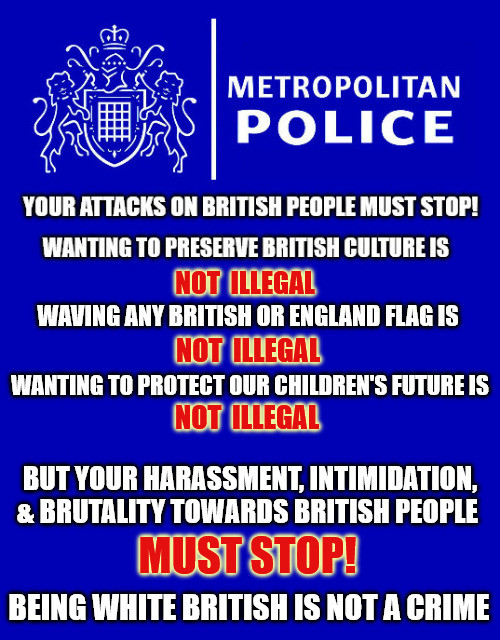
We have all witnessed, with HORROR the behaviour of the UK police towards our people, in recent times.
We have seen police intimidating British elderly & disabled people, shoving & pushing them over.
We have seen BABIES being ripped away from their parents & shoved terrified, into a police car.
We have seen young men having their heads smashed into metal poles, with what looks like intent to kill!
We have seen packs of police descending on one person raining down punches on them, & beating them without mercy.
& we have seen police hand cuff & drag across gravel, a young man BLEEDING TO DEATH after he was stabbed multiple times.
The police MOCKED his final words!
All these poor people & CHILDREN had one thing in common.
They were White ethnic British!
We have NOT seen justice.
How many more British people will be brutalised by a force of justice that is SUPPOSED to protect us?
61
715
1,388
8,581
Helen Grieve 🇬🇧 retweeted

I keep seeing people comment under my posts “I am voting with my heart and my integrity”
Are you gay? 😂
First past the post does not care about your “heart and integrity”
It cares about who gets the Most Votes in the ballot box.
This emotionally driven mentality is what has stalled the right for decades.
Whilst you are voting with your “heart and integrity” the left have been voting with strategy.
It is not late for the right to do the same.
88
31
206
4,908
Helen Grieve 🇬🇧 retweeted

11h
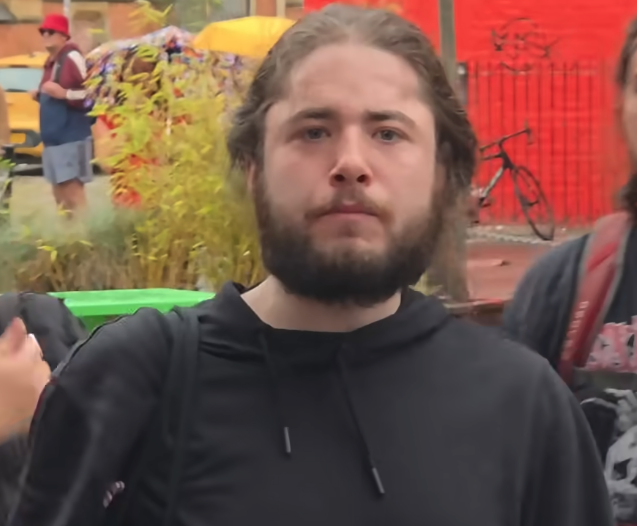
YOUNG BOB SERIOUSLY ASSAULTED: Footage appears to show left-wing extremist Daniel Rushby, alongside a gang of apparent immigrants, attacking Conservative commentator @YoungBobRB in Manchester today. A very serious assault. @gmpolice I sincerely hope charges will follow, the country is watching.
135
1,245
4,277
44,633
Why are they demanding silence?
Jun 15

🚨Breaking: 17 year old gang raped by between 4 or 5 illegal migrants in Arbroath
Police have asked NOT to share this information.
Please share far and wide! @KevinTheRanter
25
Helen Grieve 🇬🇧 retweeted

Last year Kuwait revoked citizenship of 50,000 people who were extremists or undesirable
thenationalnews.com/news/gul…
Islamic Kuwait understands the threat they pose. Britain needs to wake up.
Our Home Secretary can revoke citizenship from extremists if "conducive to the public good" -- yet rarely does
In December, Kuwait revoked the citizenship of prominent Islamic preacher Tariq Al Suwaidan. The move also affected any dependants who obtained citizenship through him.
Kuwait’s nationality law allows for revocation on several grounds: obtaining nationality through fraud, forgery or false statements; holding dual nationality without authorisation; actions deemed against the “supreme interests” of the state; or benefiting from dependency-based or “services rendered” naturalisation that may no longer be considered valid.
22
309
967
43,204
Helen Grieve 🇬🇧 retweeted

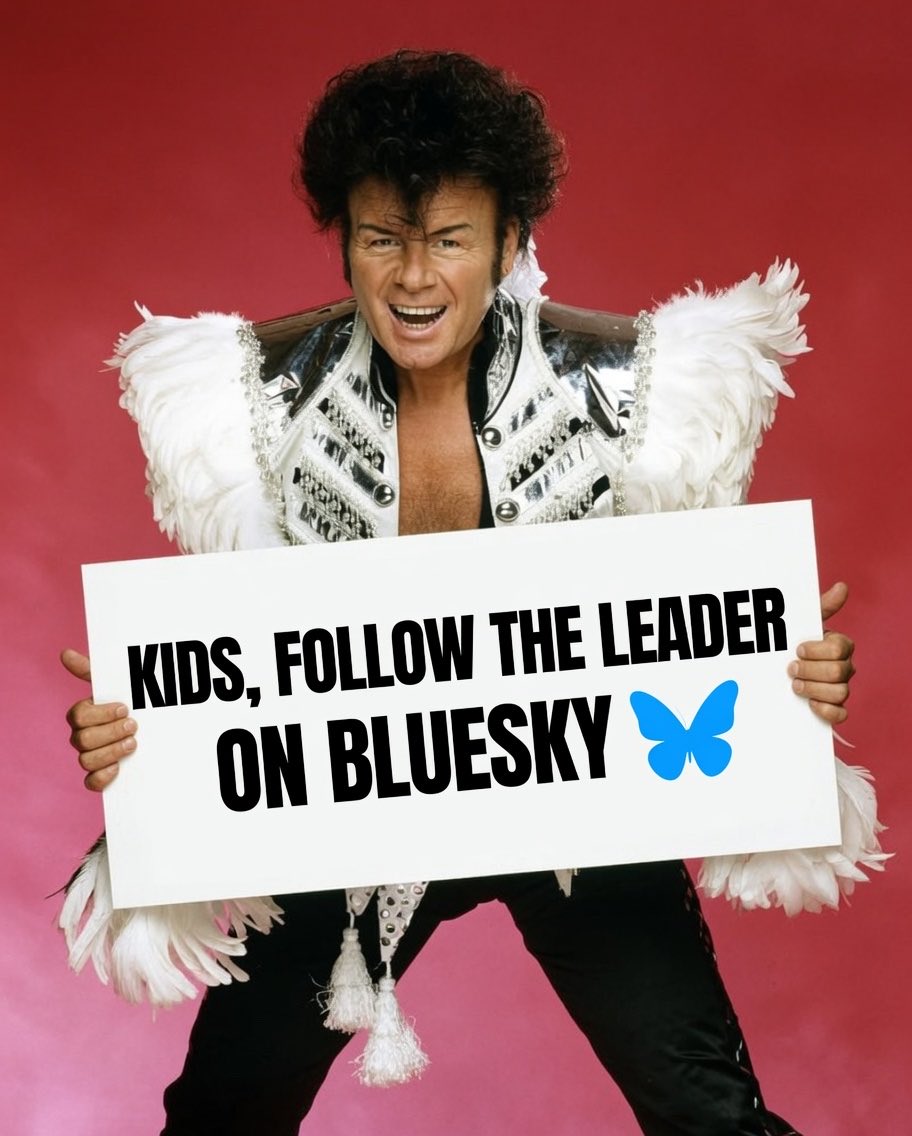
Utterly disgraceful. Please don’t share.
23
197
850
12,081
Helen Grieve 🇬🇧 retweeted

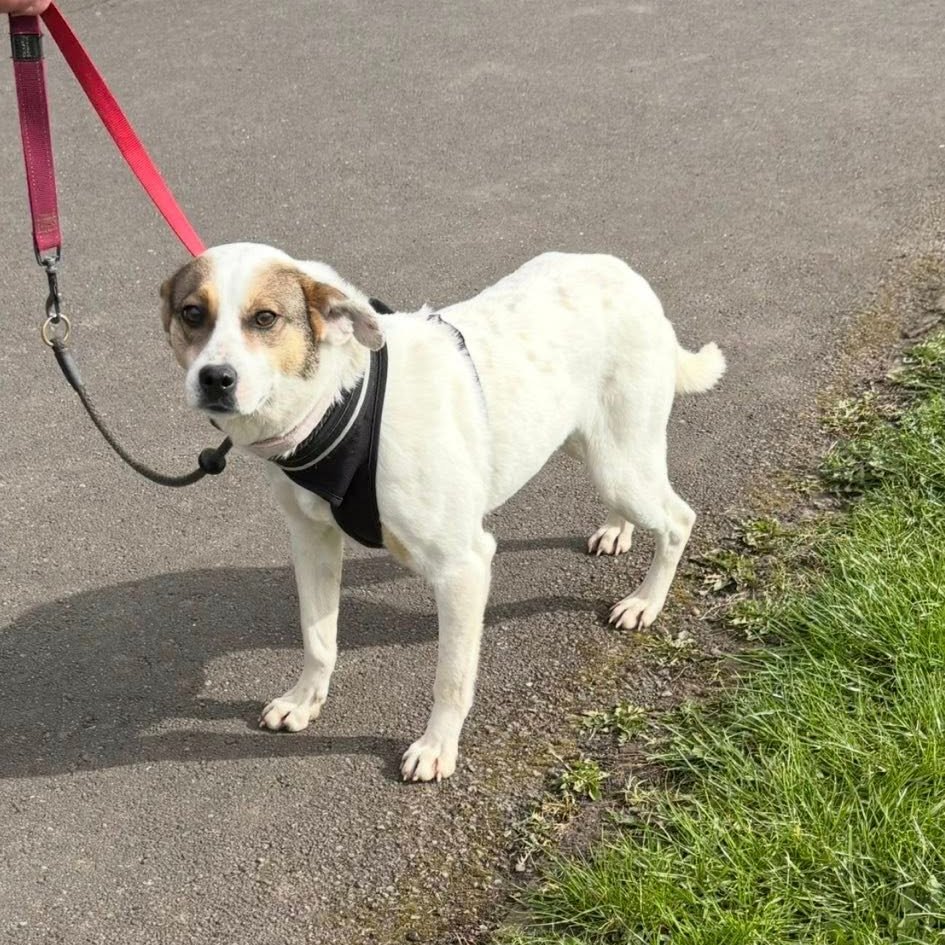
Meet Pippa, a sweet and gentle girl of around 2 yrs old who is looking for a loving forever home. She is a medium-sized lady currently living in #Lincolnshire
imminghamdogshome.org/form/
Please share to help Pippa find the loving home she deserves
#Grimsby #hull #Scunthorpe #Filey
2
131
119
1,320
Helen Grieve 🇬🇧 retweeted

🚨Let's stop the social media ban once and for ALL!
We need to have a united opposition voice to this ban
Everyone who opposes it share this post 📨
If this goes viral, It will show Starmer that he can't pass this quite as easily as he thought

20
505
640
8,853
Helen Grieve 🇬🇧 retweeted

#BreakingSad Roger Cook dead: Journalist, 83, passes away after a short illness mol.im/a/15900541 via @DailyMailCeleb
1
2
148
Helen Grieve 🇬🇧 retweeted

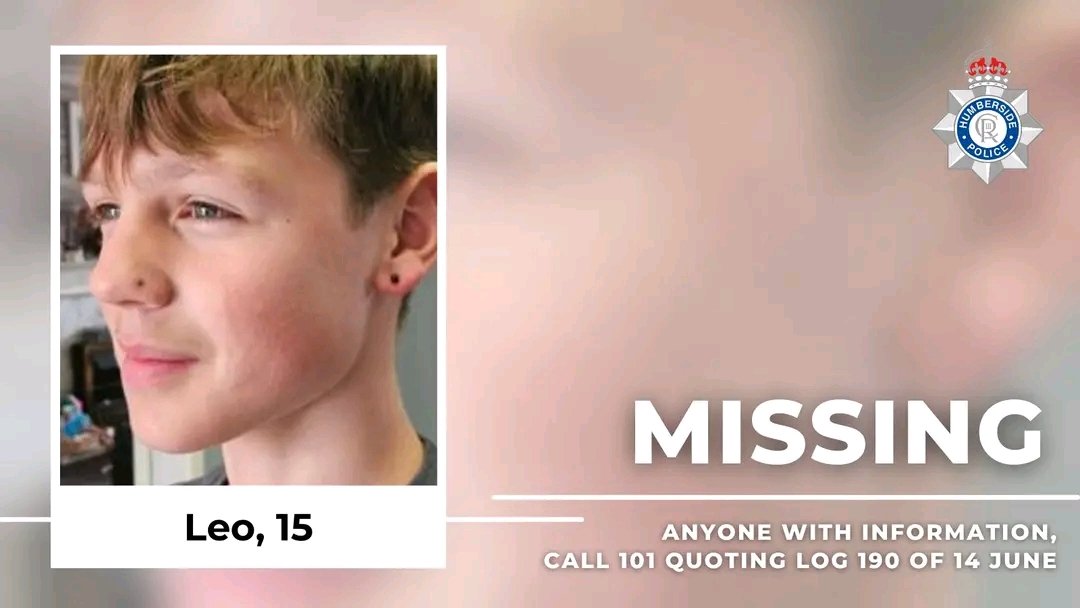
Can you help us find missing 15-year-old Leo who was last seen in the North Bransholme area of Hull at around 11.10am this morning (Sunday, 14 June 2026).
Leo is described as being around 5 ft 6 inches tall, and is believed to have last been seen wearing a grey t-shirt, black joggers, with white trainers.
#Hull
#Missing children
5
296
80
2,018
Helen Grieve 🇬🇧 retweeted

Jun 14
Do not allow your face to be scanned just to access social media.
DO NOT ALLOW IT.
No face scanning, no passport scanning, no giving them bank details, nothing.
Under no circumstances should you allow this.
Just DO NOT DO IT.
The future is in your hands.
217
2,819
10,525
95,440
Helen Grieve 🇬🇧 retweeted

Jun 14
Vote Reform. Stop Labour.
Labour has betrayed the trust of ordinary people. This Thursday, send them a message.
The polls show this is a straight fight between Reform and Labour. 🚨
Jun 14

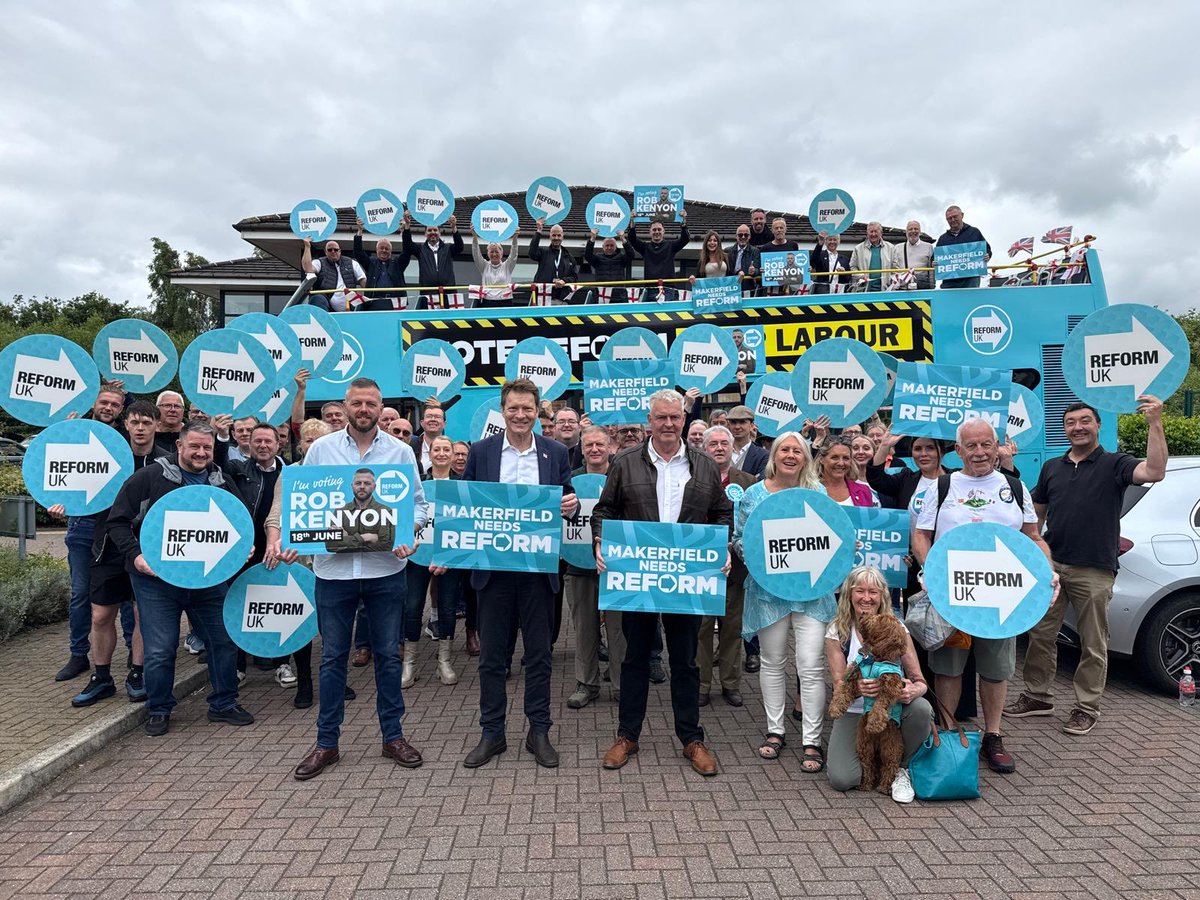
Huge team at Makerfield today
Every vote matters in this 2 horse race
211
570
1,951
22,273

Jun 14
This is very sick.

.@Gemini is not mad. It is evil. Whilst some of the claims can be debated, this is AI deliberately using misinformation to cover up police brutality and a reason why the British police should shut down their new AI unit pronto
19