Joined June 2020
- Tweets 639
- Following 322
- Followers 553
- Likes 378
483 Photos and videos







14 Feb 2025
🎉 Exciting News, Memphis!
We’re excited to announce the opening of our brand-new Groundworks office in Memphis, Tennessee! 🎸
Memphis area homeowners, we’re ready to serve your community and help you protect your greatest investment—your home. #GroundworksProud
4
8
2,384
4 Feb 2025
📢 Now Serving Connecticut!
We're thrilled to announce the opening of our new office in New Haven, Connecticut! 🏠
Connecticut homeowners, we’re honored to serve your communities and provide the peace of mind that comes with a strong, protected home. #GroundworksProud
1
2
1,313
31 Jan 2025
📢 Big News, Salt Lake City!
We're proud to announce the opening of our newest office in Salt Lake City, Utah! 🏔️
Whether it's foundation repair, basement waterproofing, crawl space solutions, or concrete lifting, our team is ready to strengthen foundations in your community.
5
855
25 Dec 2024
Merry Christmas and Happy Holidays from all of us at Groundworks! ✨🎄
As the year comes to a close, we’re filled with gratitude for our amazing team, valued customers, and supportive communities. Thank you for trusting us to protect your homes and families—it’s truly an honor.
2
3
846
6 Dec 2024
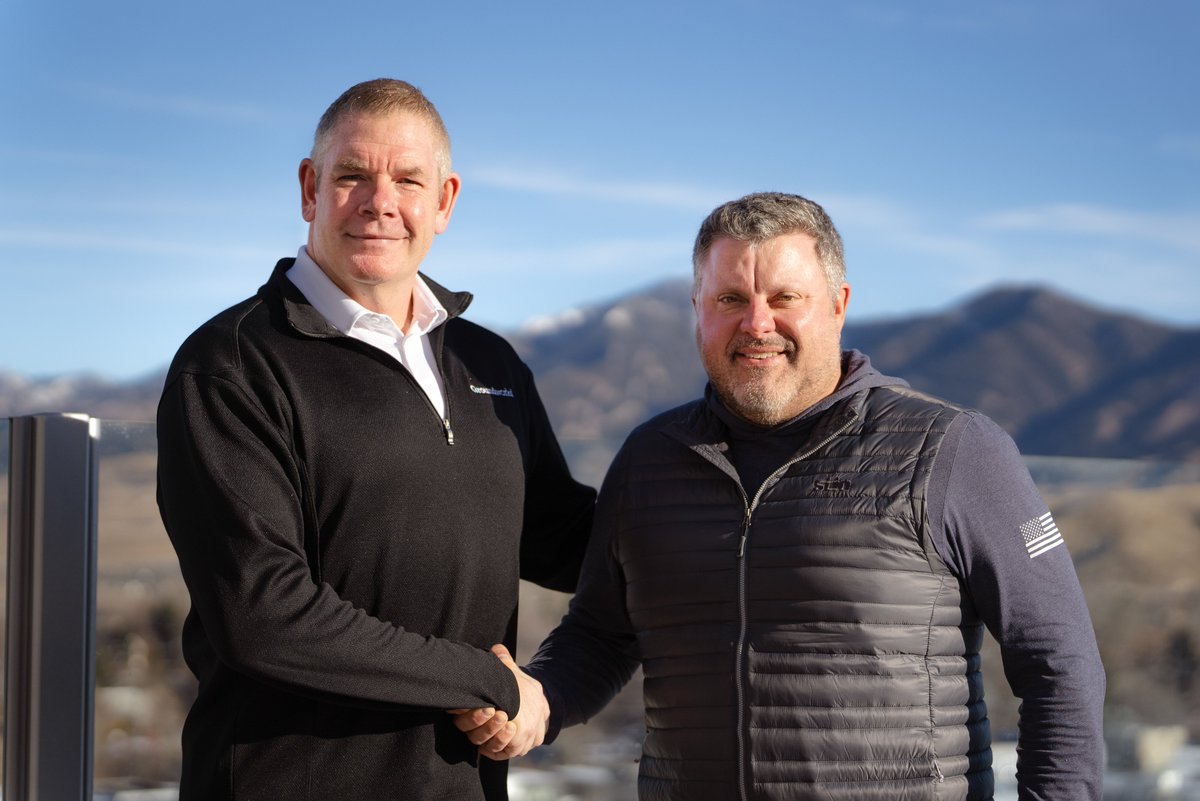
This week, we announced our partnership with Yellowstone Structural Systems, a trusted name in foundation repair and waterproofing for nearly 15 years. #GroundworksProud #MakingADifference
Read More: ground.works/4fXXDbR
1
2
5
670
28 Nov 2024
From all of us at Groundworks, we wish you a happy Thanksgiving filled with warmth, gratitude, and the company of those you love. 🍁
What are you most thankful for this year?
#GroundworksProud #Thanksgiving #Thankful
1
2
485
11 Nov 2024
At Groundworks, we salute the courage and commitment of the men and women who have served our nation. Today, we honor your service and the sacrifices you've made for our freedom. #VeteransDay
5
432
23 Oct 2024
We're proud to share @mikeroweworks latest podcast episode as he sits down with Groundworks CEO Matt Malone to bring well-deserved attention to the importance of tradesmen and women and the blue-collar industry. Check it out!
youtube.com/watch?v=E1EgqNQg…
1
11
678
3 Sep 2024
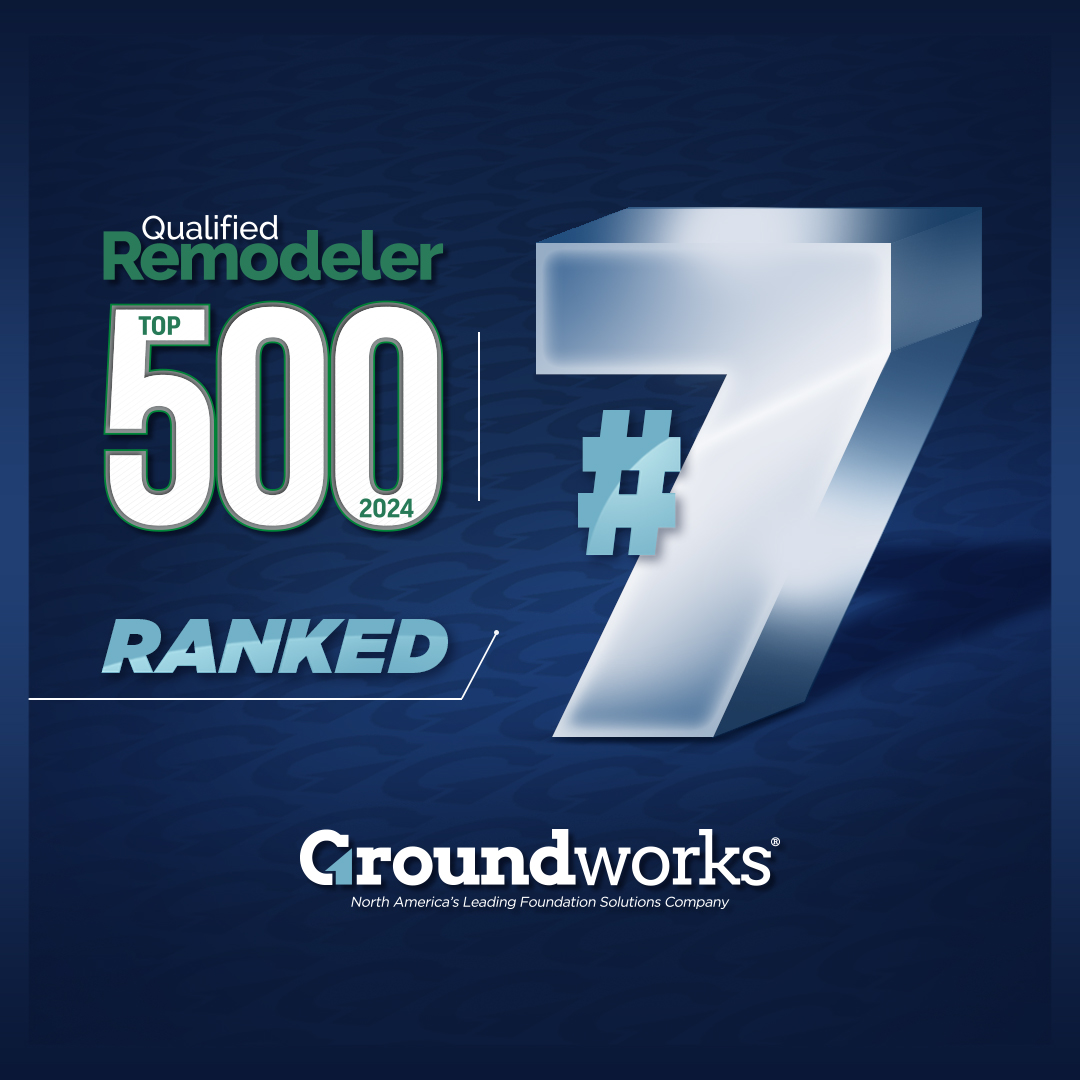
We're proud to be ranked #7 on @QualifiedRemod's 2024 Top 500 List, recognizing the most distinguished businesses in the home services industry. Congrats to our entire Groundworks Tribe, and a sincere thank you to all our customers who have trusted us with their homes!
4
483
Groundworks retweeted

2 Sep 2024
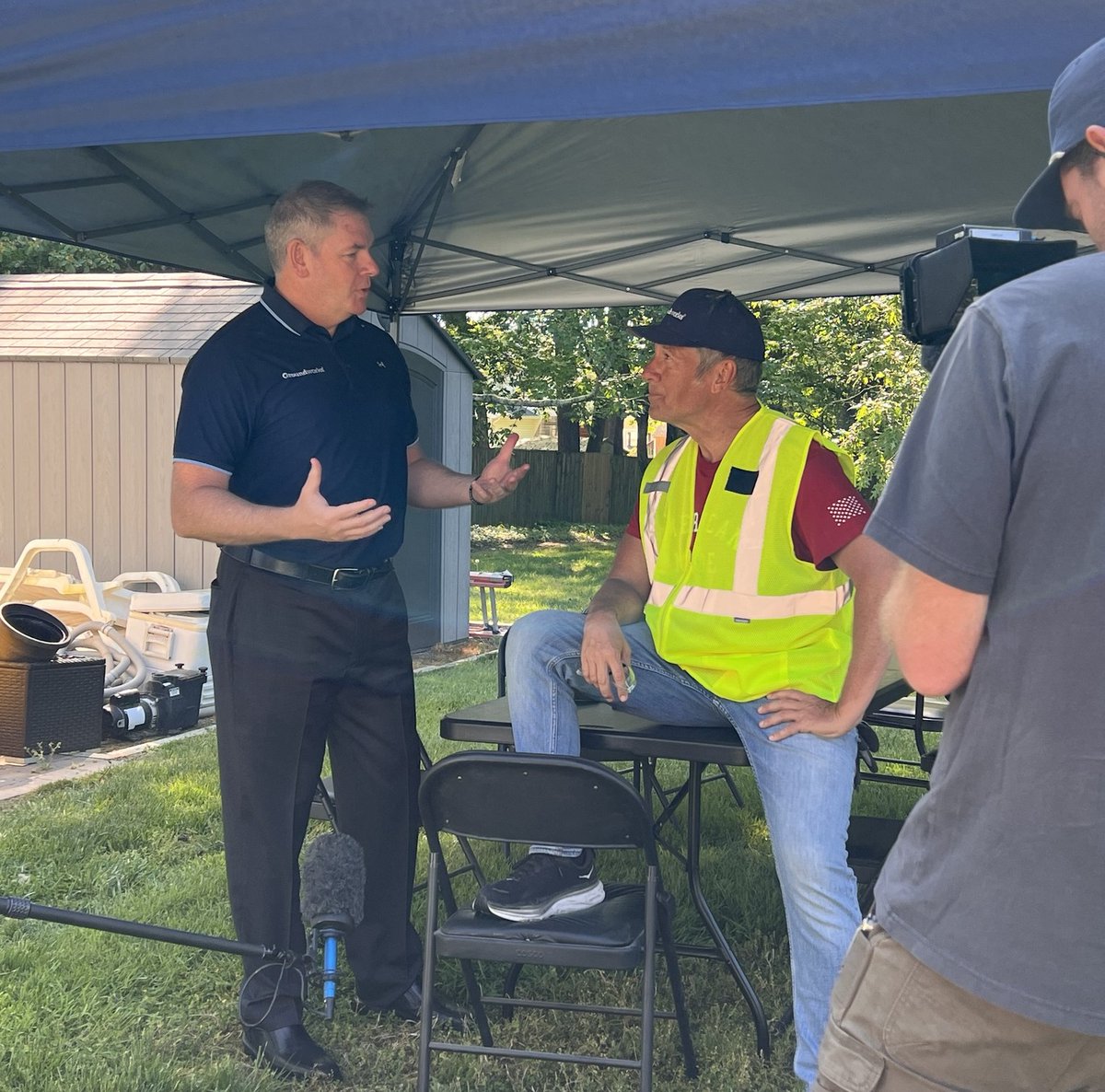
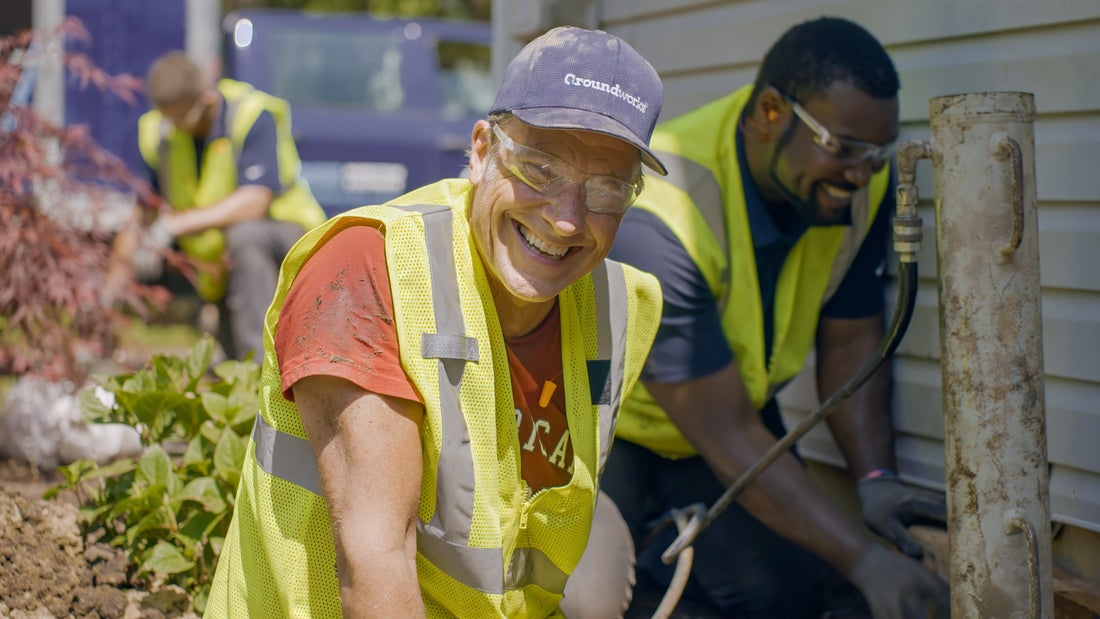
Last year, I was invited to speak at a gathering in Virginia Beach, hosted by a company that specializes in repairing residential foundations, encapsulating crawl spaces, and waterproofing basements. On Dirty Jobs, I had the opportunity to perform all of these tasks, and I can tell you with certainty that few jobs out there require more grit, more stamina, and more tenacity. Lifting a house in the air to repair its foundation is complicated, backbreaking work. So, too, is waterproofing a basement. And the business of encapsulating a crawl space on a 100-degree day requires a measure of mental toughness and physicality that can’t really be described. To appreciate it, you have to do it. Anyway, this particular gathering was a celebration, hosted by a company called @groundworks, and I was honored to attend. Because this was the day that Groundworks was going to announce a corporate restructure that would turn 5,400 hundred hardworking dirty jobbers into owners of a billion-dollar company.
I was standing in the wings when Matt Malone, the CEO of the company, made the announcement, and it was a very emotional moment. Looking out into the audience, I could see the look of disbelief on hundreds of faces. So many men, most in their 20s and 30s, were overcome. These were men who, by and large, had never been to college. Men who had been working their butts off since high school, usually out of sight and out of mind, doing the kind of critical jobs that most people work hard to avoid. Now, they were being appreciated, acknowledged, and most of all, financially rewarded in a way that would change their lives.
Later that evening, after shaking hands with 5,400 new business owners, I wound up in the hotel bar with Matt, where he told me the story of how he grew Groundworks from a single branch into a billion-dollar company in just seven years. The risk he assumed early on will be familiar to many entrepreneurs. Matt had to move back into his mother’s home, along with his wife and two kids. He leveraged everything he had, and then he convinced other people to bet on his vision. Eventually, he raised the money he needed to buy a few other companies in the same space, in various parts of the country. Then he went about the business of making those companies more profitable and more efficient.
“I didn’t know the first thing about the home services business,” Matt told me. “But I understood the importance of work ethic, and when I saw what this job requires, and how hard these guys work every single day, I wanted them to participate directly in the success of this company, just like the executives do.” Over the years, I’ve met a lot of CEOs who pay lip service to hard work, but very few who put their money where their mouth is—especially in the blue collar world. I congratulated Matt for taking an important step in shrinking the divide between labor and management and asked if doing so had made an impact on recruiting.
“Too early to tell, but I sure hope so,” he said. “Our growth is tied directly to our ability to find people with the grit to do this job. And those people are in short supply. Nothing against college, but I don’t need people with degrees. I don’t even need people with experience. I need people with ambition, a good attitude, and a willingness to learn.”
“How many?” I asked. “How many such people could you hire right now, if they showed up ready for work?”
“Hundreds,” he said. “Literally hundreds. If you’re willing to work, the opportunities here are endless. And the path to a six-figure salary is fast and straight.”
The longer we spoke, the clearer it became that Matt shared many of my own concerns about the state of labor in America. We talked about the alarming fact that for every 5 tradespeople who retire, 2 replace them. We discussed the insane cost of college, the madness of pushing an entire generation into the university system, the scandal of $1.7 trillion dollars of outstanding student debt, and the rank injustice of forcing hard working people with no degree to pay for that debt. Mostly though, we talked about the sad fact that 64% of Americans now believe the American Dream is dead, or no longer applicable to them. So many people don’t believe – or don’t want to believe – that millions of good jobs are out there, and that a solid work ethic and a willingness to learn can still lead to a six-figure career in no time, and with no college.
“You should bring back Dirty Jobs,” said Matt. “That show did more to elevate grit than anything else on television.”
“My joints might have something to say about,” I said. “But in the meantime, here’s an idea.” The bourbon was exceptionally smooth that evening, and perhaps to blame for what I said next. “Have you ever considered putting your guys at the center of your own marketing campaign?”
“No, I haven’t. What would that look like?” he asked.
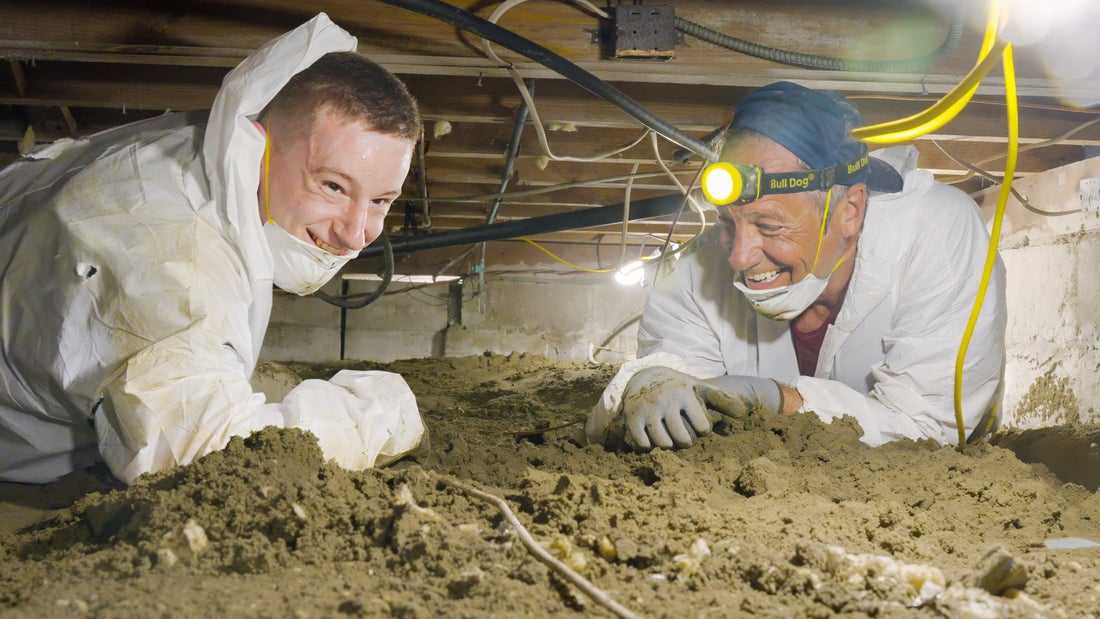
“Well,” I said, it would look a lot like an episode of Dirty Jobs. I’d spend a day or two as an apprentice with your guys, fixing foundations, encapsulating crawl spaces, and waterproofing basements. No scripts, no actors, no second takes, and no ad agencies. Just an honest look at what your people do day in and day out. We’d show Americans exactly what’s going on under their houses, and along the way, we’d make it clear that opportunity in this country is still alive and well, even for people who didn’t go to college.” I knew that Matt could never agree to such a campaign. Groundworks is a BIG company, and no CEO in his right mind would greenlight a major advertising initiative with no actors, no scripts, no second takes, and no ad agency attached. It simply isn’t done.
“Sounds great,” said Matt. “Let’s do it.”
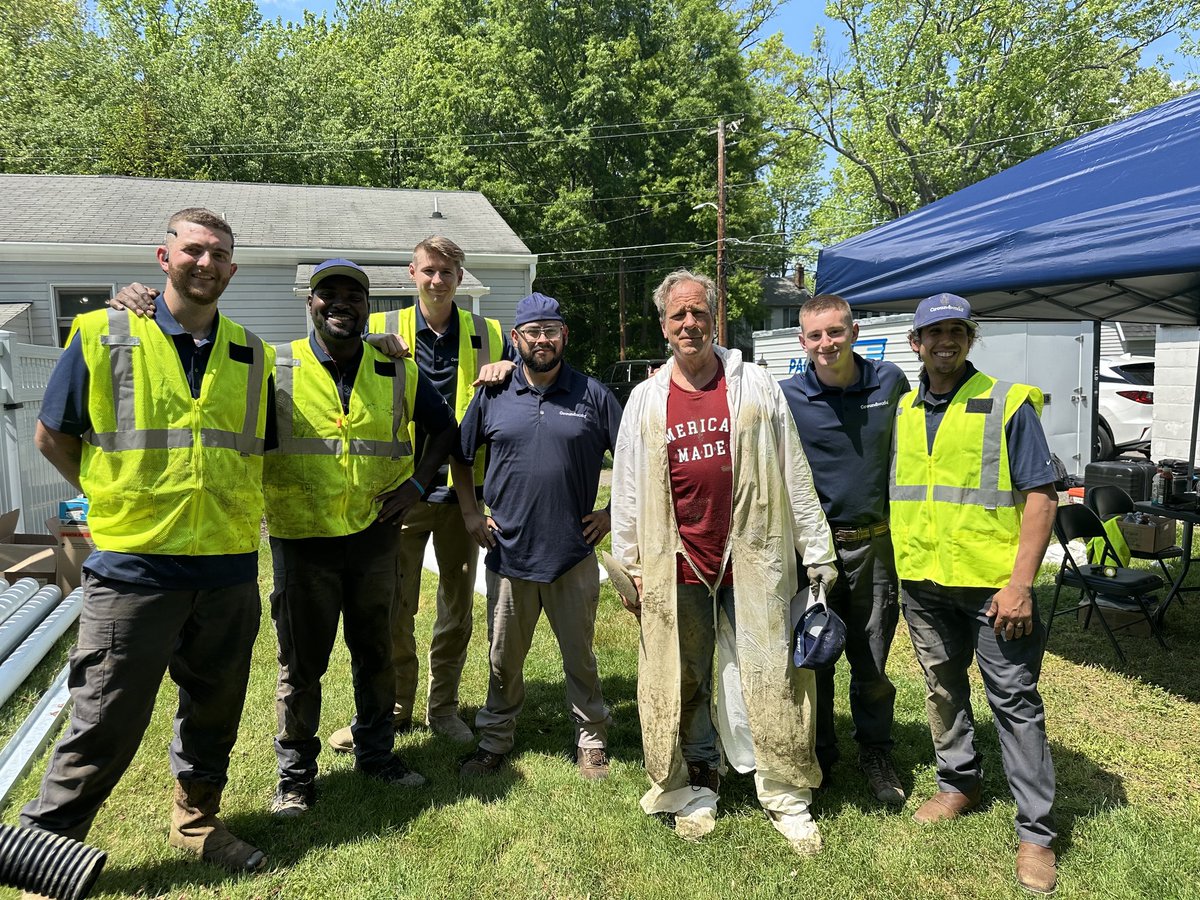
Anyhow, I wound up under a house in Baltimore with a team of newly minted business owners who worked my aging ass into the dirt. It was hot, difficult, claustrophobic, and uncomfortable. But it was also great, and I’m really proud of the content we got. The guys I worked with were smart, funny, dogged, and fearless. They were a band of brothers, proud to be doing a job that mattered. So, is Groundworks is the new model for the home service industry? I don’t know. Private equity –and unions for that matter—are not always the best solution in every case, so I hesitate to paint with too broad a brush. But I do know that millions of jobs are open as we speak. Opportunity in America isn't dead. It's alive and well, and it looks an awful lot like work. The statistics are undeniable. Thousands of companies like Groundworks are in a desperate race to attract workers with true grit. People with a willingness to crawl, climb, and slither into places that most of us don’t want to go, to do a job that absolutely positively needs to be done. Personally, I think Groundworks is on to something. Because I'm not sure how anyone can argue that the contribution those doing the actual work is less important to the bottom line than those in the corner office. Moreover, I don’t know why any company today would rely on actors and scripts to tell the story of who they are, what they do, and what they stand for. We’ve entered an age of extraordinary skepticism in America, and public trust is at an all-time low in every category of public discourse, including advertising. Maybe, if more companies put their actual employees front and center, and let them speak authentically, it would help with the many challenges of recruiting.
44
271
1,632
58,208
2 Sep 2024
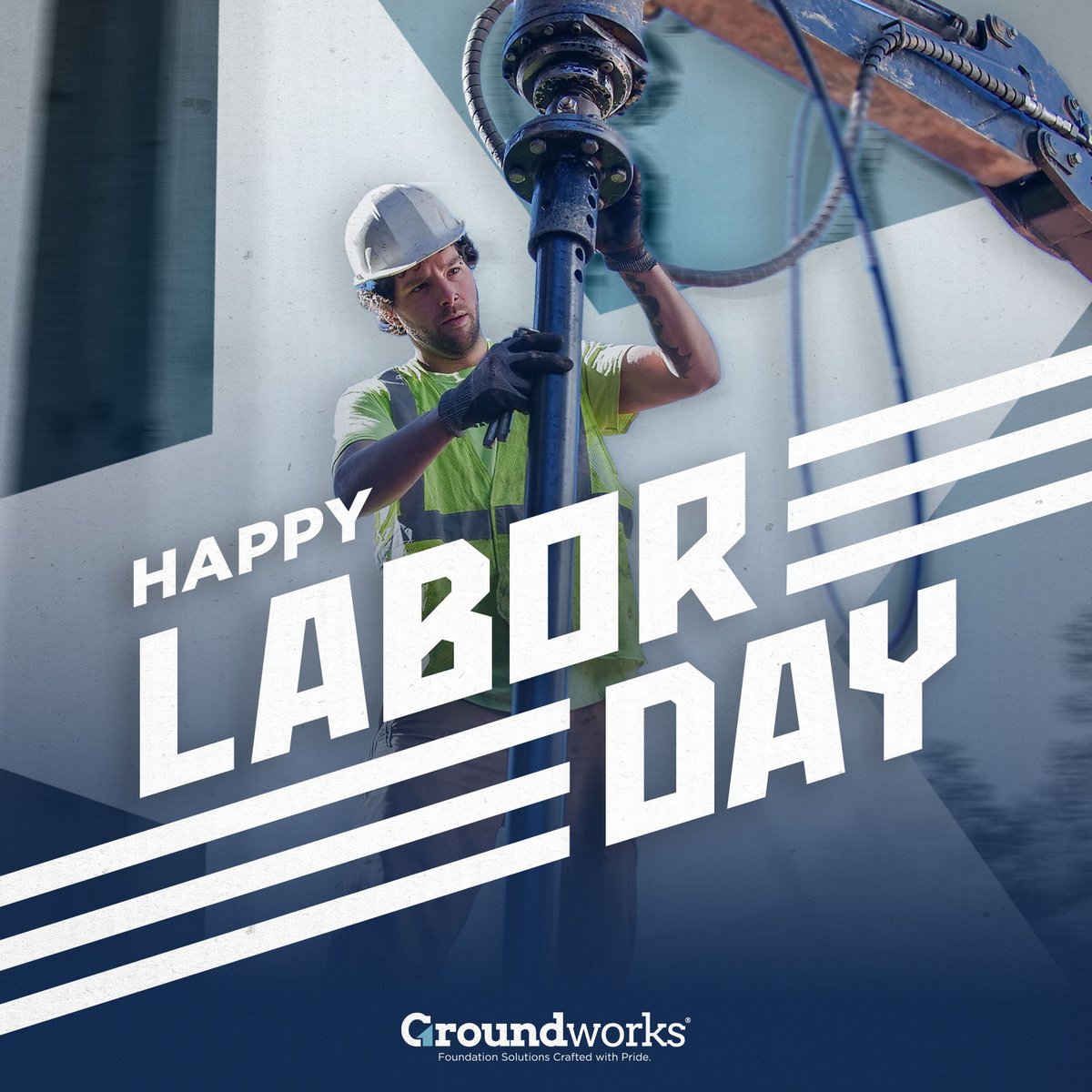
We're incredibly proud of the hardworking tradesmen and women who make up our Groundworks Tribe. Let's take a moment today to celebrate each other and the entire American workforce! #LaborDay #GroundworksProud #Tradespeople
1
451
27 May 2024
Today we remember and honor those who have given the ultimate sacrifice for our country. Without you, we wouldn't have the freedom we know today. #MemorialDay
2
476
12 May 2024
Here's to a day of honoring and celebrating all the moms and maternal figures out there. ❤️ #MothersDay
2
365
1 May 2024
Canyon Lake, are you ready to take the next step in your Career? We have amazing career opportunities, an award winning culture, employee ownership, and world class training. Your income is only limited by your potential and dedication. RSVP below!
ground.works/3WmTo2q
300
26 Apr 2024
Groundworks is seeking a talented Robotic Welding Operator to join our tribe in Olathe, KS! Come join a company that offers career growth and ownership! Visit us at the link below to learn more. ground.works/3JW0p37
255
11 Apr 2024
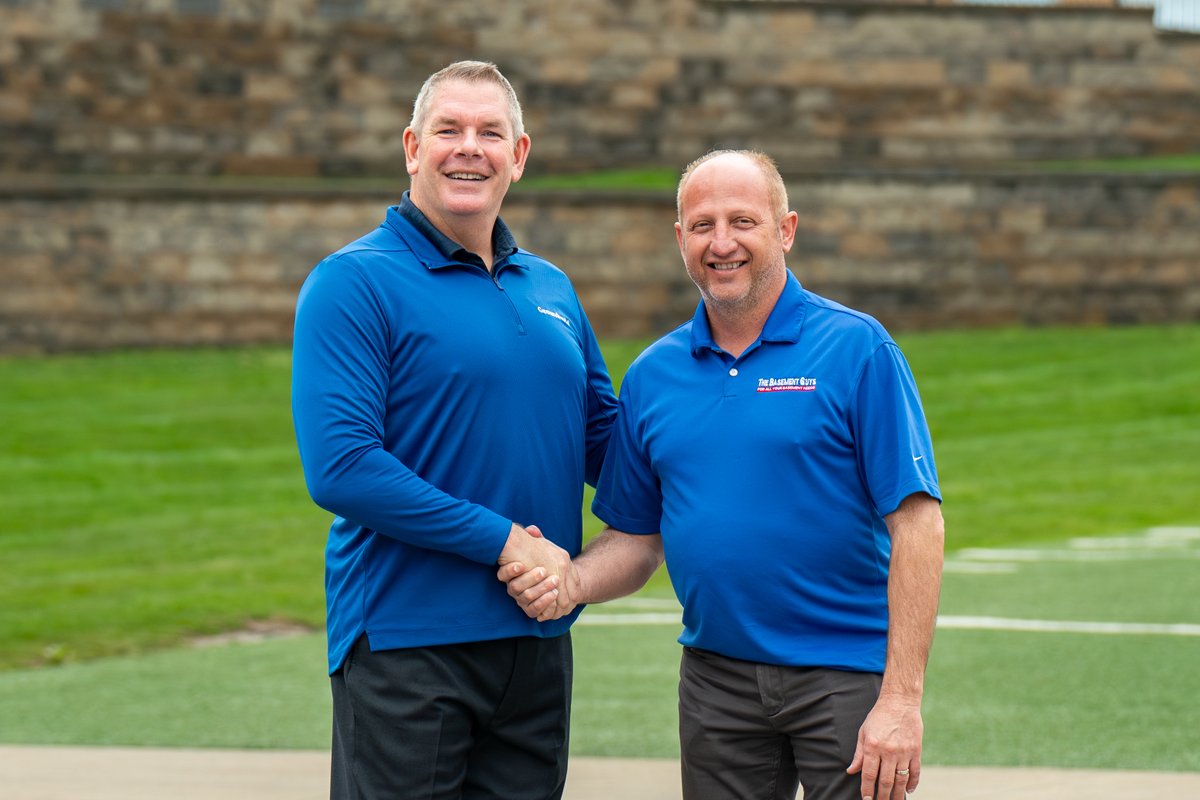
Yesterday, we announced the addition of The Basement Guys to Groundworks! We are proud to invest in and partner with this talented team as they bring decades of local experience and a new area of expertise to Groundworks: basement finishing. ground.works/4aKyKhn
3
209
10 Apr 2024
We're proud to announce our expanding presence in Ohio! The Basement Guys team will align with our two existing Ohio brands - @ohiobasementsys & @ohiobasementath. Together, all three brands will operate under the @ohiobasementath name.
youtu.be/-DYHz3AA6iA
1
323
2 Apr 2024
We’re proud to kick off our @Habitat_org Build Together 2024 initiative this week with the first of 55 home builds Groundworks companies will volunteer at throughout the country.
Read more: ground.works/3J7gBxG
#GroundworksProud #HabitatForHumanity #GWBuildTogether
2
187
1 Mar 2024
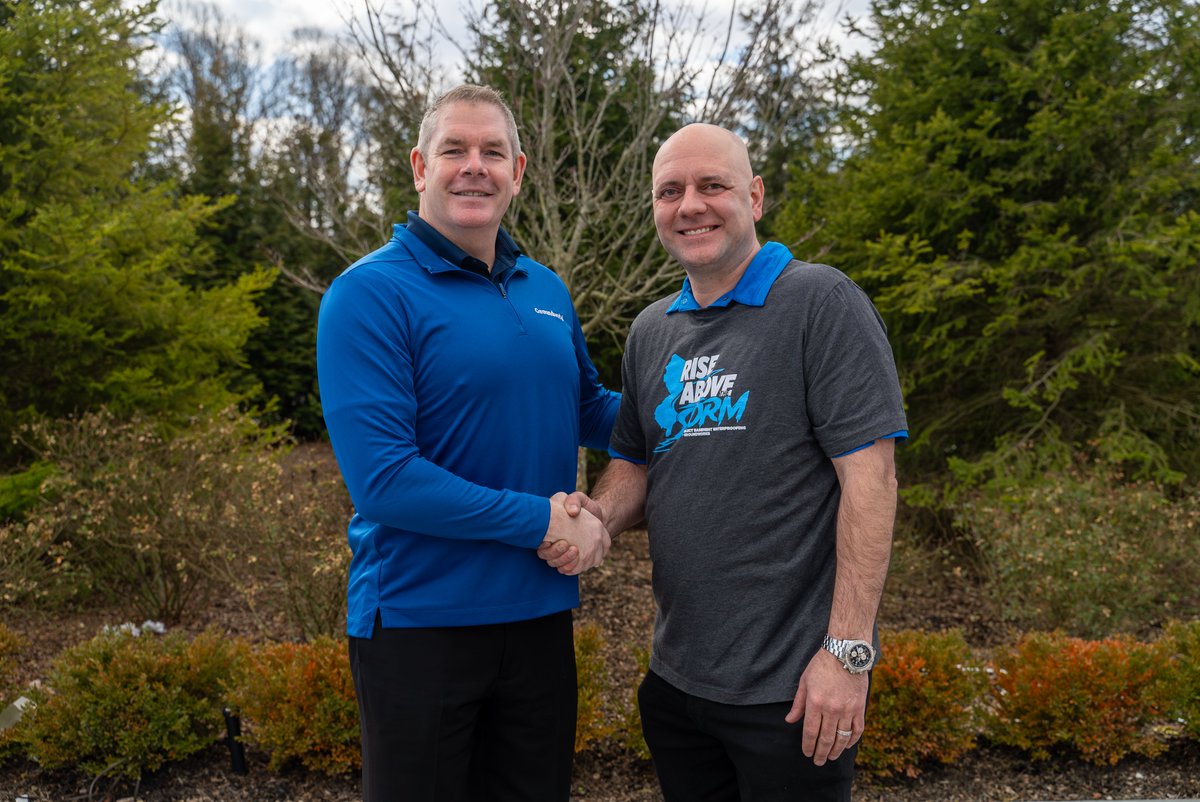
Yesterday, we announced our expansion into NJ with the addition of @selectbasement to Groundworks. We are proud to invest in and partner with this talented team as we continue our strategic expansion into the Northeast. #GroundworksProud
Read More: ground.works/3TixHPj
1
206
28 Feb 2024
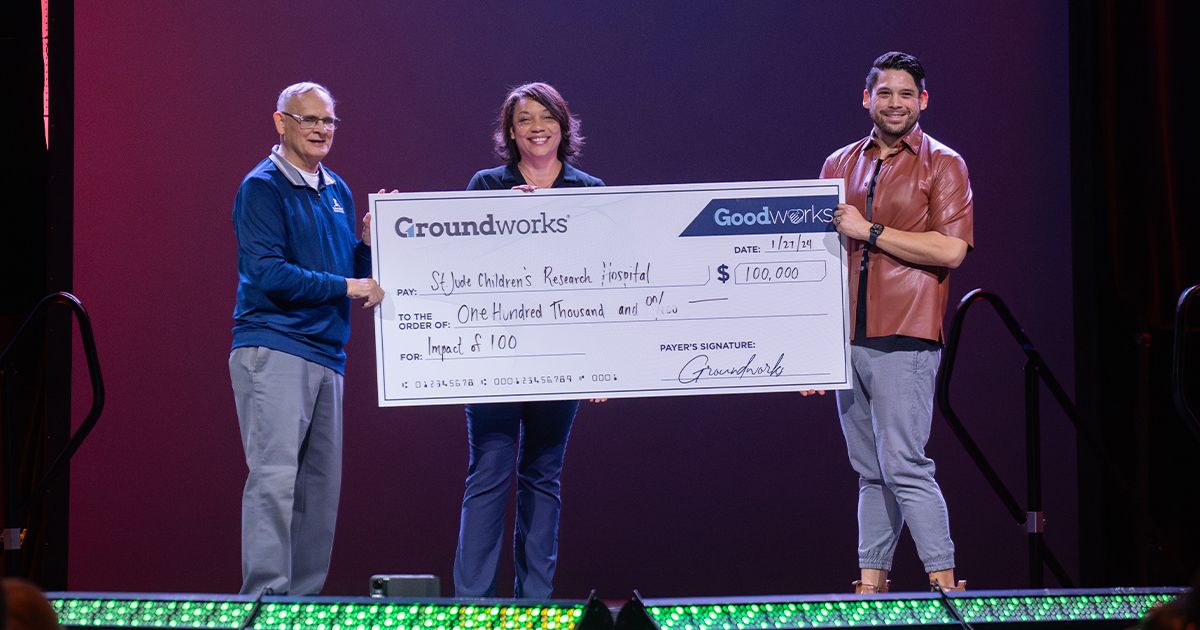
For the second consecutive year, we're proud to support @stjude as part of our Goodworks program! This is an incredible opportunity to raise awareness and funds to advance cures for pediatric diseases. #GroundworksProud #Goodworks #StJude
Learn More: ground.works/433wHlq
2
175