
Author of The Acts of Androkles and The Land of Broken Roads. Black metal enjoyer, devout Christ-follower. Opinions my own and also correct
Joined April 2022
- Tweets 10,709
- Following 1,057
- Followers 1,018
- Likes 101,427
812 Photos and videos


Pinned Tweet

14 Oct 2025
Third book is out today! Time for you to start the series. amazon.com/Subtle-Powers-Fan…
6
2
20
4,191
Gonna be honest, I am quickly losing interest in America's "special relationship" with the United Kingdom
2
6
45
Ryan English retweeted

Thinking about going to two High Low Brow episodes a week.
In the meantime, here's the new episode: URTH OF THE NEW SUN.
youtube.com/watch?v=YsafBlJu…
3
2
35
1,276
16h
I think it's remarkable than in all of human history, from the lost ancient past to the eternal future, there was a period of about 10 years where it wasn't funny to push people into water.
(because it would ruin their cell phones)
1
6
162
Ryan English retweeted

People who want to help bees often buy those little bamboo-tube bee hotels. They can help some species. But most of our native bees don't nest in tubes at all. They nest in the ground.
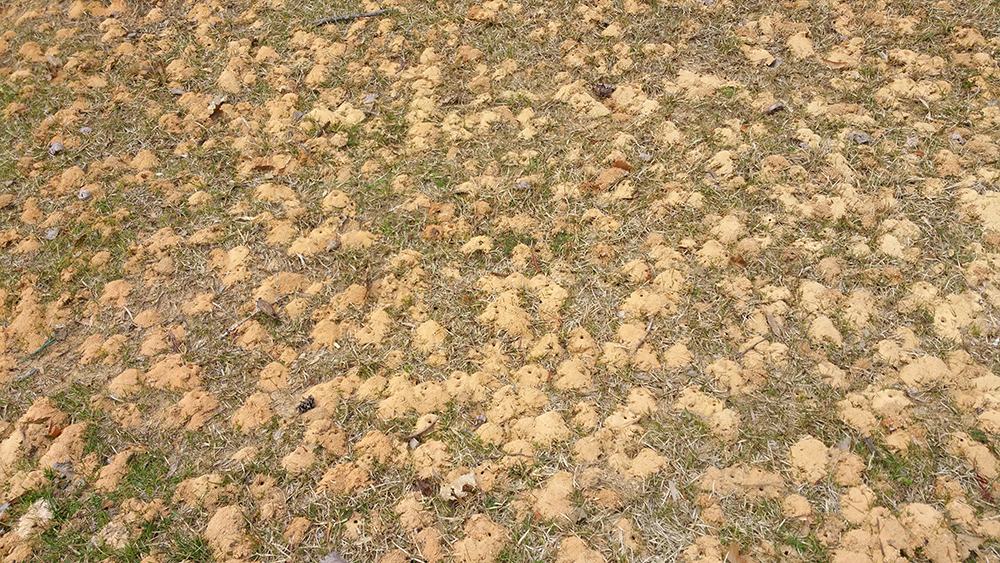
About 70% of North America's native bees are solitary ground nesters. A female digs a narrow tunnel into bare soil, builds a few chambers, stocks each with pollen, lays an egg, and seals it up. Her young spend most of the year underground before emerging as the next generation. These bees are gentle. They have no hive to defend and rarely sting.
What they need is surprisingly simple: bare, sunny dirt.
You can build what's called a bee bank in an afternoon. Pick a sunny, well-drained spot, ideally on a south-facing slope. Clear away plants and mulch so the soil is exposed. If your soil is heavy clay, mound up some sandy soil instead. Then leave it alone. No mulch, no tilling, no foot traffic. Ground-nesting bees can't use soil they can't reach.
That's the whole project. The hard part is doing less, not more.
Look closely and you may eventually spot tiny holes in the soil, sometimes ringed by little volcanoes of excavated dirt. That's a bee that moved in, raising next year's pollinators in a patch of ground you left open on purpose.

6
117
456
9,109
17h
I dont do audiobooks much, but I'm listening to the Andy Serkis reading of the LoTR and it's so good that I'm starting to rethink my entire writing process. Tolkien's prose is charming in print, and it might just be Serkis but it's electric when spoken. Like, Peter Kenny did an incredible job with my three novels, but now I'm thinking I should deliberately write every sentence to be read aloud

Been using Elevenlabs Reader to have a really rather credible Lawrence Olivier read the text of the Japan Book out loud to me, which is quite helpful in catching errors and infelicities.
2
7
298
Jun 15
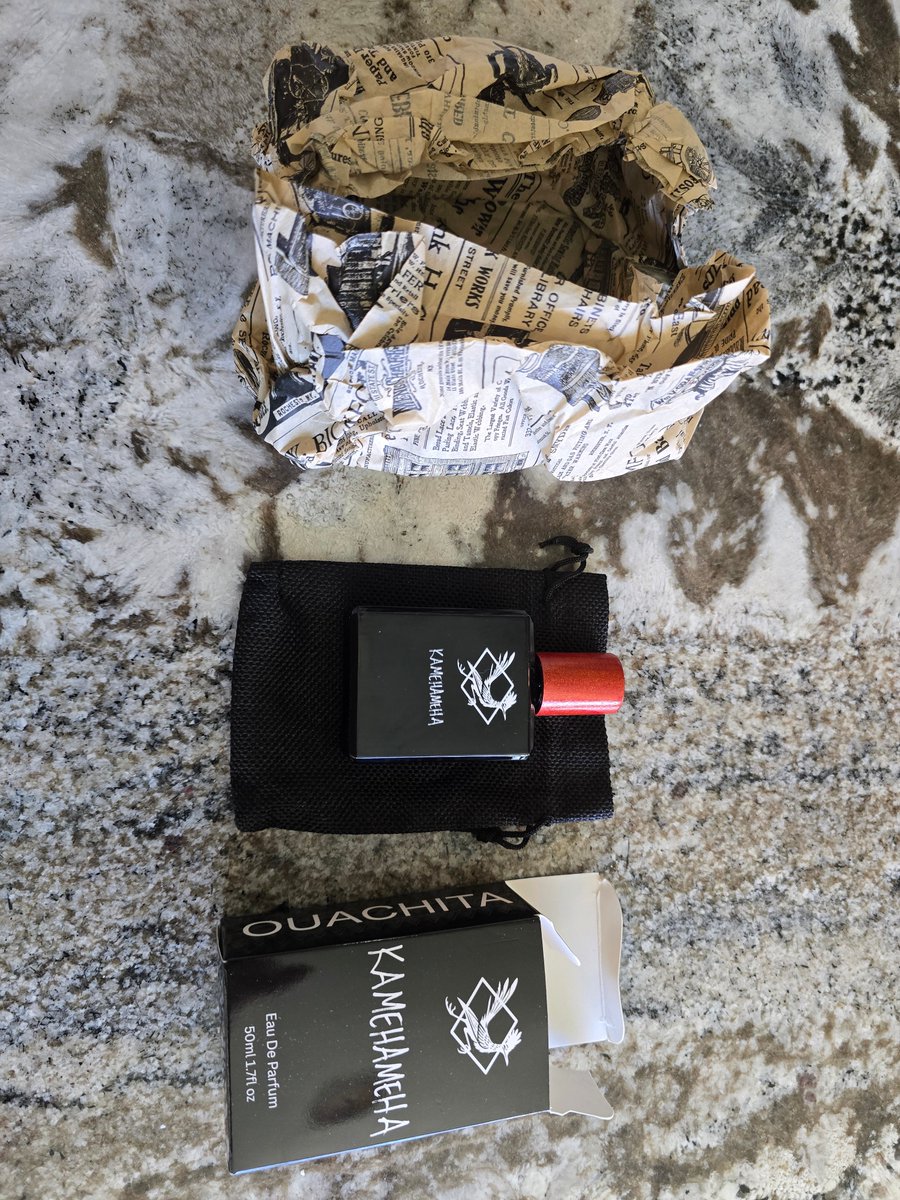
The old timey newsprint filler in the shipping box was a nice touch. I smell better than the real Kamehameha now. I actually really like the fragrance. My thanks to ouachitafragrances.com/
1
7
269
Ryan English retweeted
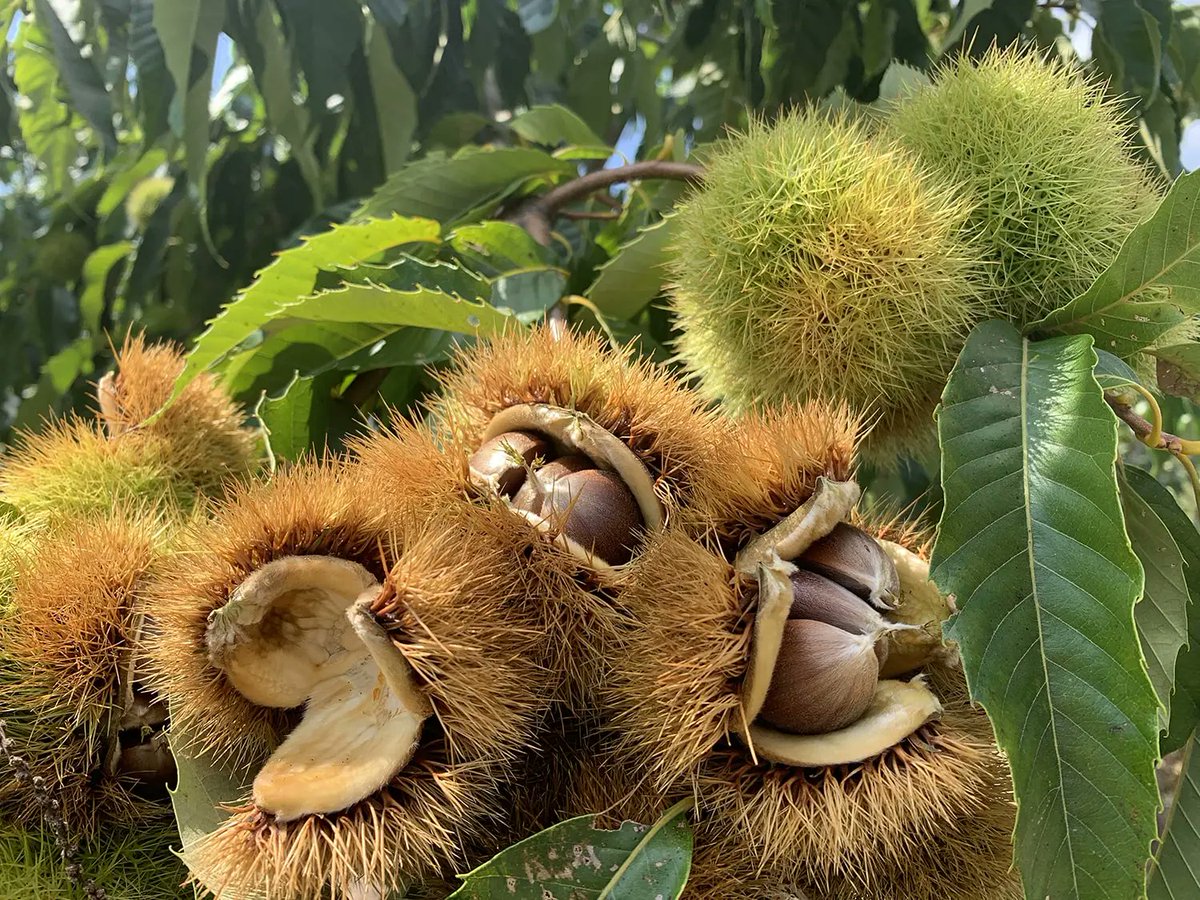
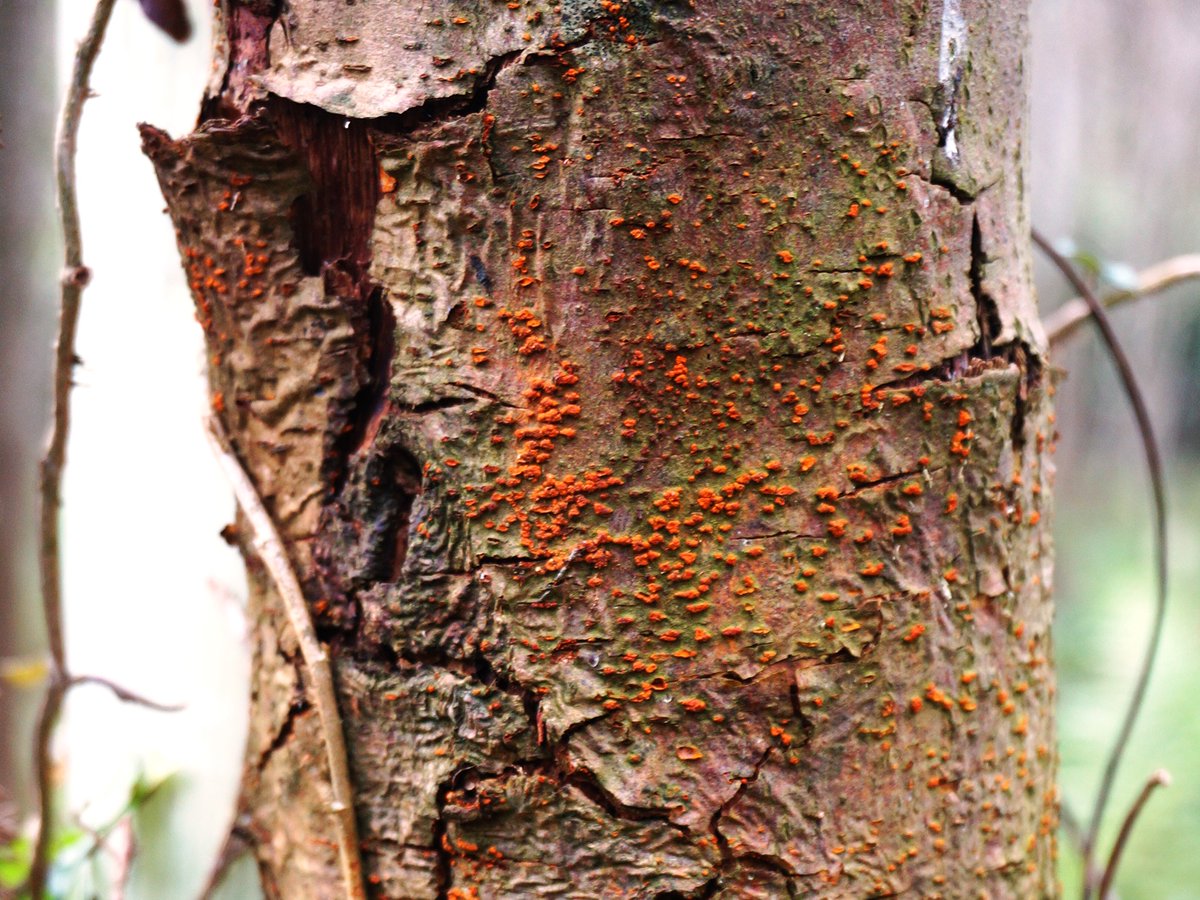
The American chestnut was the dominant tree of the eastern US forest for thousands of years. One in every four trees in the Appalachians was a chestnut.
Then, between 1904 and 1940, a fungal blight from Asia killed roughly four billion of them. The species nearly went extinct as a forest tree within a single human lifetime.
The recovery effort is now in its fourth decade. The American Chestnut Foundation breeds disease-resistant hybrids by crossing American chestnuts with blight-resistant Chinese chestnuts, then backcrossing for generations to recover the American tree's form.
Other researchers have used gene editing to insert a wheat gene that detoxifies the blight.
The first restoration plantings are alive and growing in the Appalachians. They won't be mature for another 50 years.
None of the people who started this work will see it finished, but we should all be glad they're doing it.
101
1,080
6,106
203,447
Ryan English retweeted

Jun 15
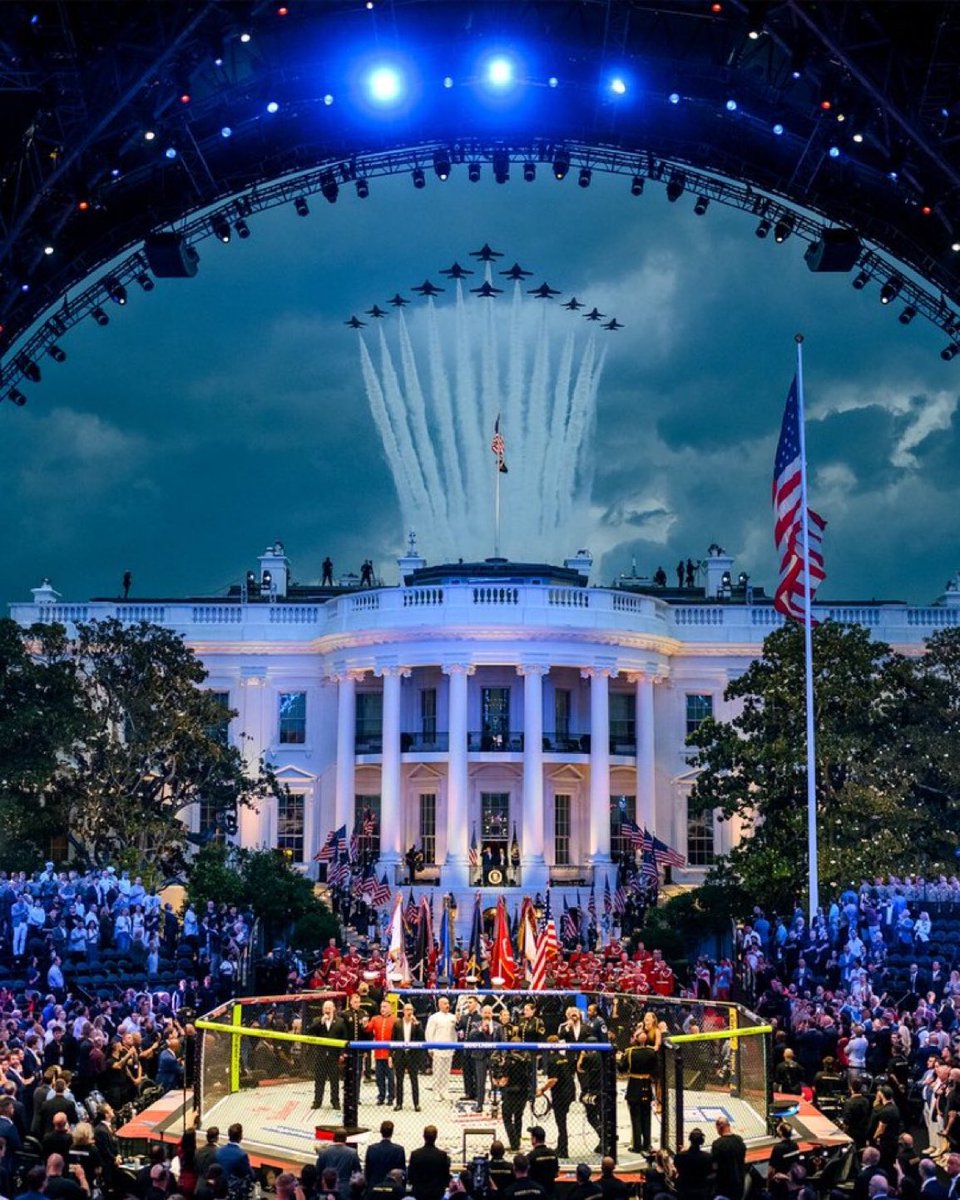
This image is like those memes from 2016 of Trump crossing the Delaware with Washington on a tank playing an electric guitar or whatever, except this photo is real.
537
3,248
31,394
989,649
Ryan English retweeted

Jun 15
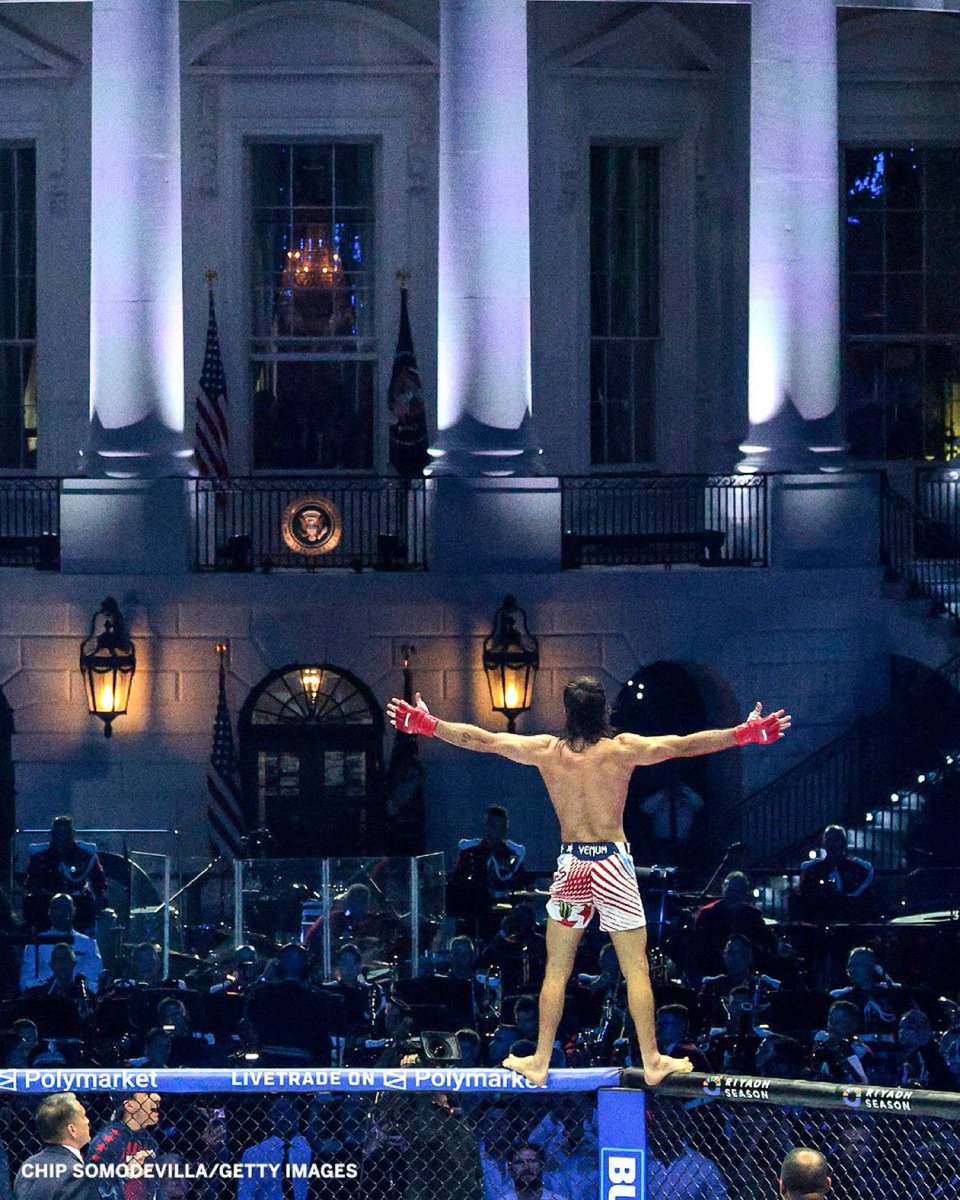
I love that we’re the new Rome. Peace with Persia in the afternoon and a gladiator fight in the evening, all on the Emperor’s birthday. Another 1,000 years.
1,316
5,743
63,894
3,150,356
Jun 14
Having returned from vacation i have decided: St George is too hot and no one should live there
3
6
91
Ryan English retweeted

Jun 13
Just passed a young adult at Costco who was shopping with his girlfriend/wife.
He had picked up a heavily discounted golf bag.
I could see his girl was not impressed.
So, I said, "Wow, incredible deal, too good to pass up."
You should have seen the smile on his face.
155
374
50,993
1,456,824
Jun 11
Huh.
Jun 10

Fable 5 one-shots a 1500-line Shakespeare play about the American Civil War
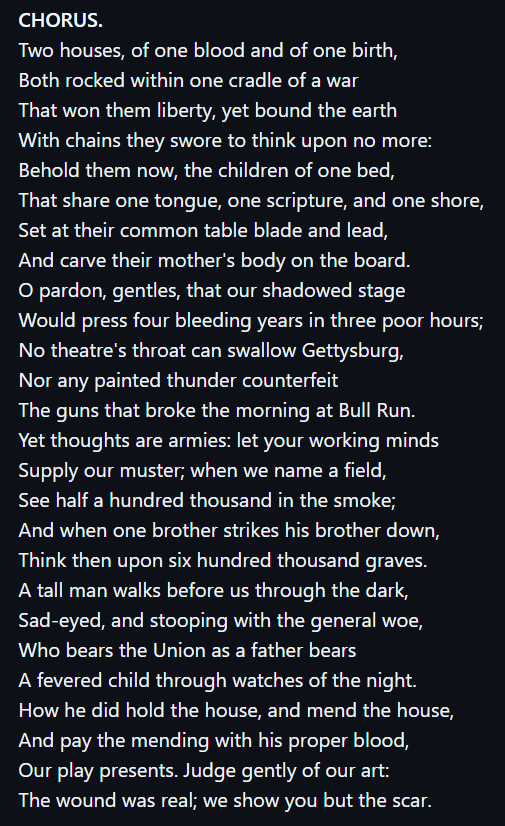
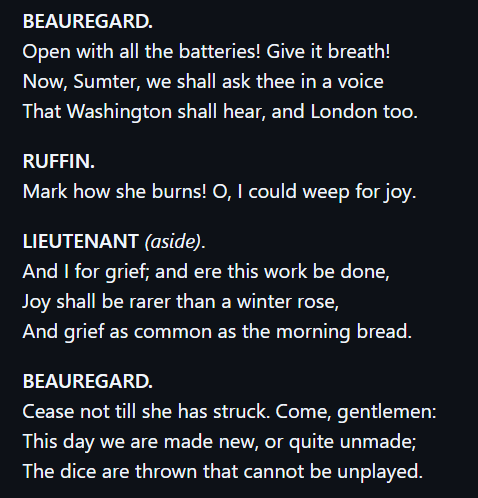
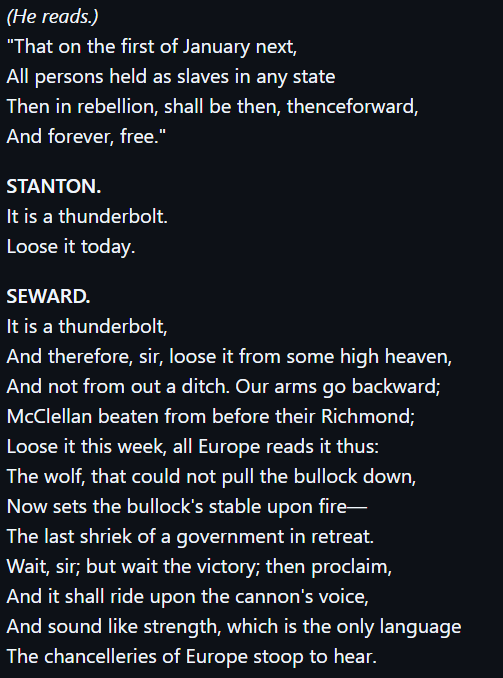
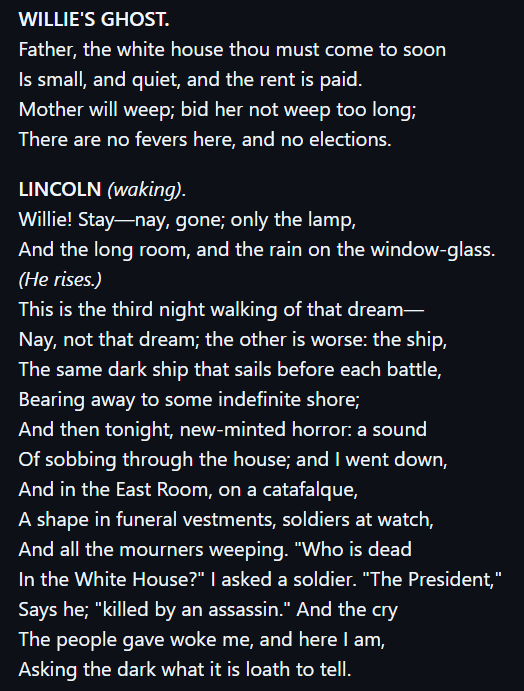
1
4
131
Jun 10
At a supercharger in a hotel parking lot charging my car for an hour because the place we're staying doesn't have 220v in the garage, AMA
1
2
74
Ryan English retweeted

Jun 9
My only real contribution to the Mormon discourse is this story
years ago I worked with a Mormon guy who came back from a few days off because his wife had a child
I asked what they named the lad
him: "Hinckley"
me: "like the guy who shot Reagan?"
Him: "wait, what"
and that's how we each learned the name of a famous Hinckley that day
61
111
6,205
398,965
Ryan English retweeted
In which I talk about one of the bestselling books of all time -- The Name of the Rose.
youtube.com/watch?v=0Tr9ltvP…
2
8
49
4,410
Jun 9
Xenoblade Chronicles 1 was a masterpiece of setting and storytelling, with way too much sidequest padding. Loved it anyway, bought a Switch just for the sequel.
Xenoblade Chronicles 2 was pretty good, with a fascinating setting and some great moments and ideas, a little (a lot) too much anime influence for characters and visuals, and even more padding.
Xenoblade Chronicles 3 was just okay. Basically the whole game, just okay. Padding all over the place, only a few moments here and there that were interesting at all. Largely a confusing mess with bland anime dialog. Some of the gameplay was fun, so I still beat it.
I don't think I'm gonna play the next one. The price of entry is a Switch 2 and I don't have much confidence it'll be any good. youtube.com/watch?v=ttLdz0wG…
493
Jun 9
Talking to a Canadian right now and he's making Princess Auto sound like a magical place
1
52
Jun 9
If I assert something boldly on twitter, it then becomes reality
2
11
367
Jun 8
I'm pretty sure if he shows up to an interview, and they say they won't hire him because his name wasn't really Singh, he has a pretty solid lawsuit.

“I sent out 300 applications with my real name — nothing.”
“So I changed the last name on my résumé to ‘Singh’ — and suddenly I got callbacks.”
This is discrimination based on race and it’s happening everywhere to White people
2
152