
20 Dec 2025
Day 11 of Hope 🕊
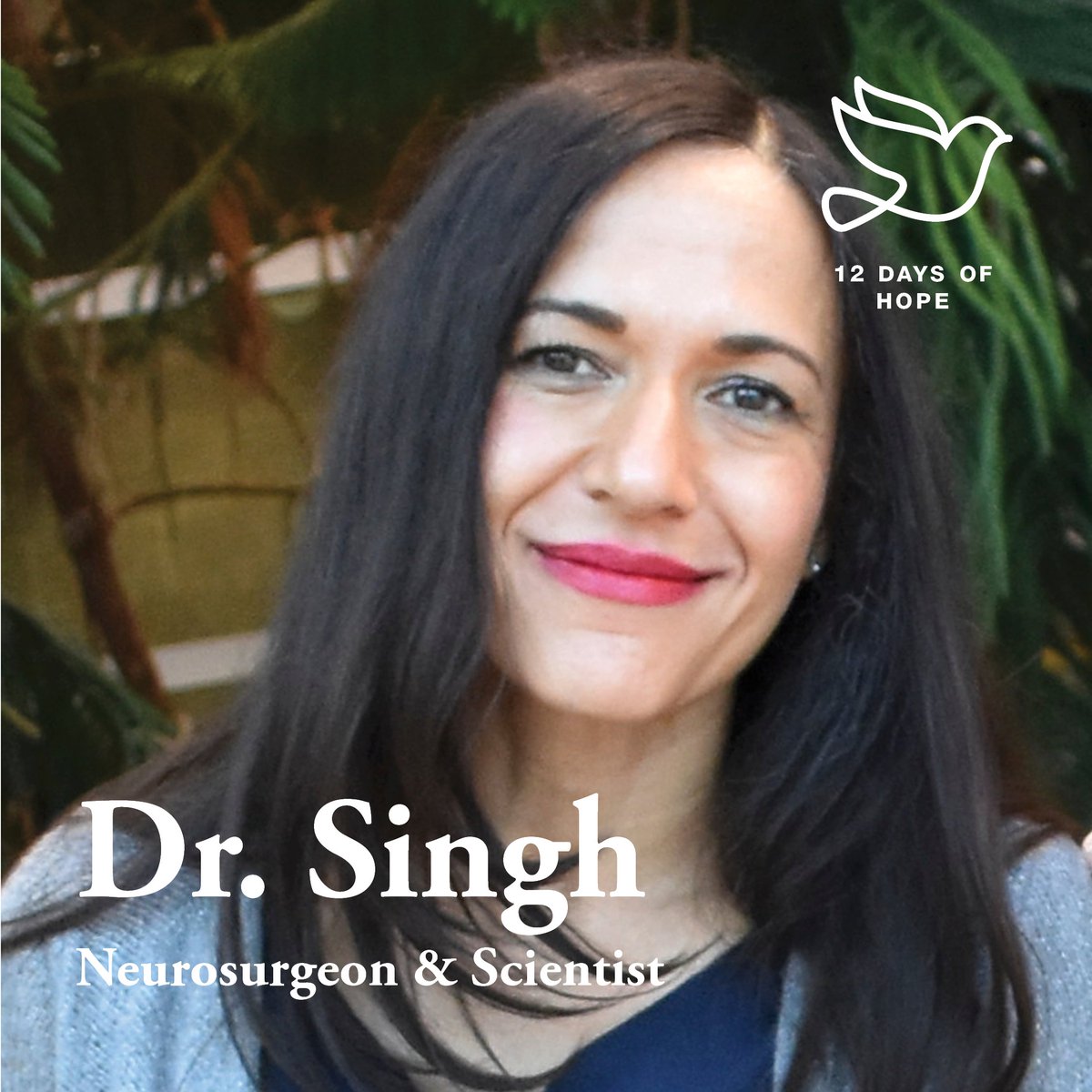
Submitted By: Dr. @sheilasinghlab, Neurosurgeon & Scientist
“Brain cancer remains the leading cause of solid cancer death in children, the third leading cause of solid cancer death in young adults aged 20-39, and over 90,000 North Americans over the age of 40 will be diagnosed with brain cancer each year.
In order to create more brain cancer survivors, we need innovative new research programs to tackle the spread and invasion of the brain cancer into the brain. In the Singh laboratory at @McMasterU, we aim to tackle brain cancer invasion by engineering T cells, the soldiers of the immune system, to attack brain cancer cells that spread deep into the brain, much the same way that they eradicate infections in the body. These engineered T cells, called CAR T cells, represent a new immunotherapy approach that has worked beautifully in liquid cancers like leukemia, but have not been proven to work in solid tumours yet.
We have studied the molecular mechanisms for brain cancer for 2 decades, and we know its evasive tricks and escape strategies well. We aim to tailor promising new immunotherapies to the specific challenges of brain cancer, by pioneering new technological CAR T cell approaches for hashtag#Glioblastoma in adults, and hashtag#Medulloblastoma in children.
Brain Cancer Canada has been our faithful supporter in these efforts, funding these new and innovative CAR T cell research projects boldly, with a singular focus and drive to find new therapeutic options that stop the invasion of brain cancer into the brain, and extend quality survival for patients. With Brain Cancer Canada, we can work toward a better future for patients with brain cancer.”
👤Dr. Sheila Singh, MD PhD FRCS(C),
Professor and Head, Neurosurgery & Professor of Biochemistry and Biomedical Sciences, Pediatric Neurosurgeon, McMaster Children's Hospital - Hamilton Health Sciences
Director, Centre for Discovery in Cancer Research (CDCR) - @McMasterU University
Senior Canada Research Chair in Human Cancer Stem Cell Biology
University Scholar, and Chair, McMaster College of Health Inventors
@sheilasinghlab
hashtag#12DaysOfHope hashtag#DrSingh hashtag#BrainTumour hashtag#BrainCancer Students Advancing Brain Cancer Research (SABCR)
2
4
185

15 Dec 2025
12 DAYS OF HOPE 💙
8⃣ On the eighth day, Hope for HIE gave to you… COMMUNITY. 🌍
A global network of families united in understanding and compassion. Help us continue building a strong, connected community.
🔗 hopeforhie.org/donate
#12DaysOfHope #HopeForHIE #GlobalCommunity

1
2
92

14 Dec 2025
#12DaysOfHope✨THANKYOU for your support!
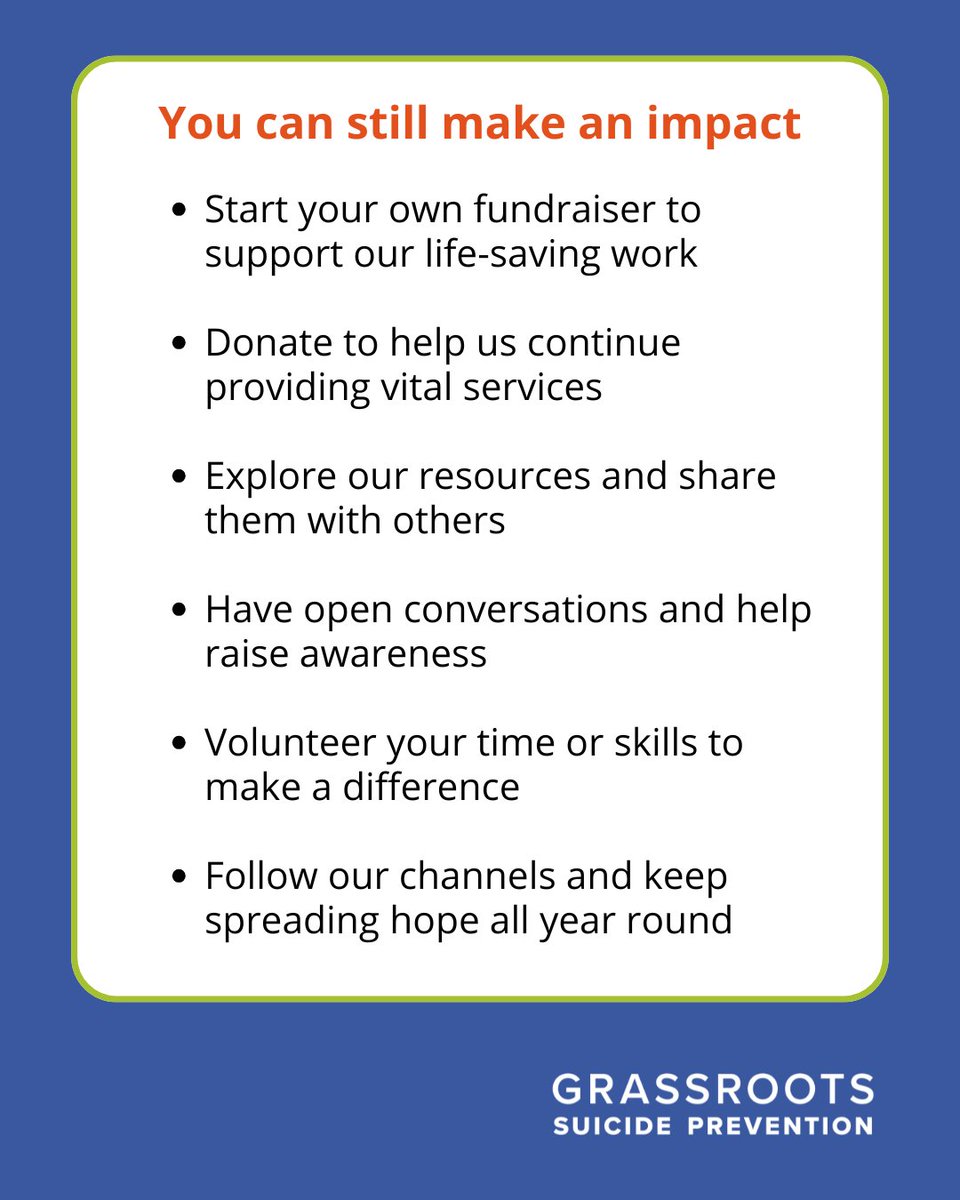
We’ve shared more than 25 resources supporting 12 groups who face a higher risk of suicide. Suicide affects everyone, and everyone deserves access to support.
Find more: prevent-suicide.org.uk/12-da…

2
2
144
12 Dec 2025
12 DAYS OF HOPE 🩵
On the fifth day, Hope for HIE gave to you… COMMUNITY VOICES. 🗣️
Stories that connect, affirm, and offer hope to families everywhere. Help amplify the voices of our HIE community.
🔗 hopeforhie.org/donate
#12DaysOfHope #HopeForHIE #HIEsupport

1
2
91

12 Dec 2025
#12daysofhope #grassrootssuicideprevention #preventsuicide #supportsaveslives #giveforgood #makeadifference | @Grassroots via.socxo.us/455WhNwcVbUNcK
1
4
5
11
11 Dec 2025
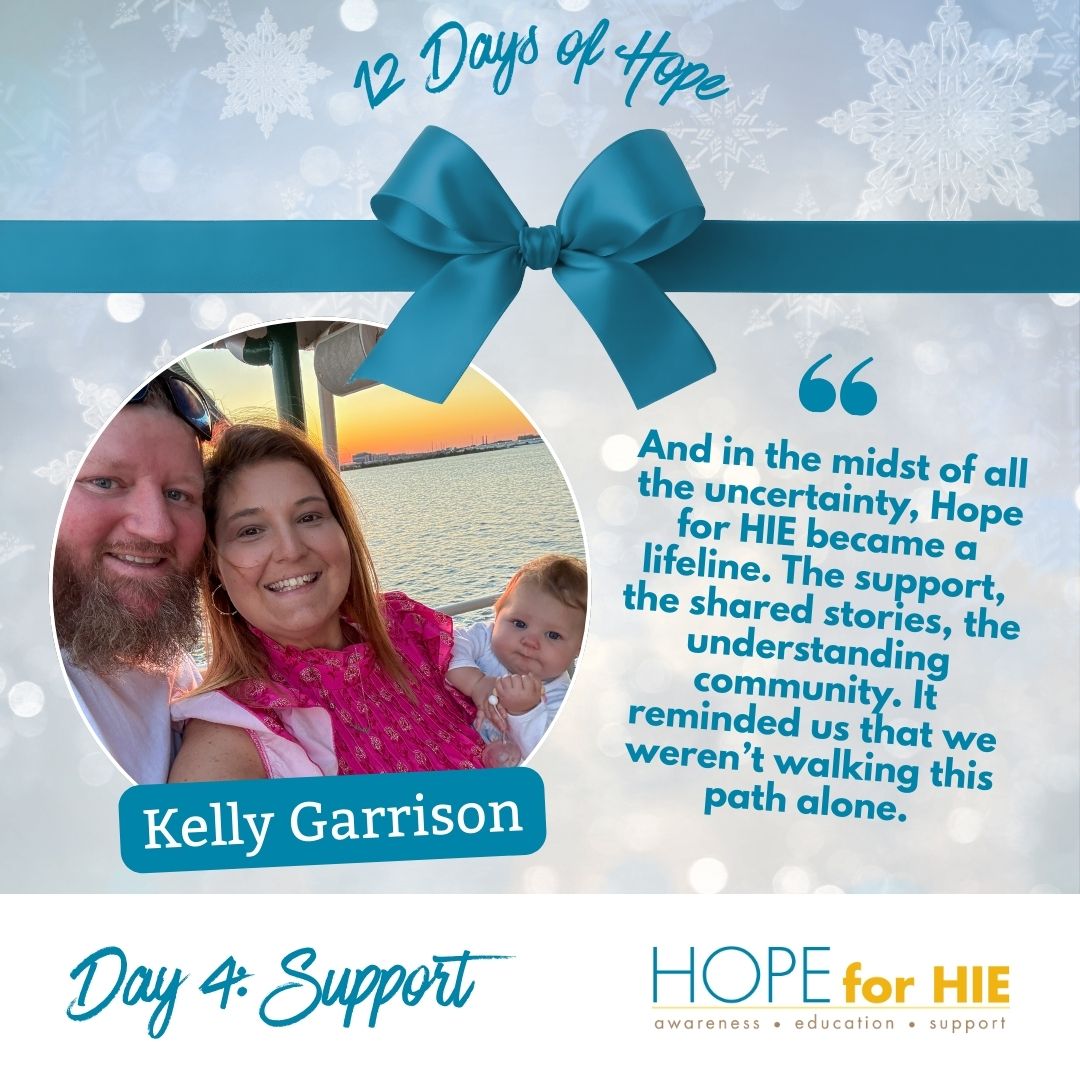
12 DAYS OF HOPE 🩵
On the fourth day, Hope for HIE gave to you… SUPPORT.
Peer groups that meet families where they are—wherever they are. Your generosity makes this possible.
🔗 hopeforhie.org/donate
#12DaysOfHope #HopeForHIE #HIEsupport
1
2
113
10 Dec 2025
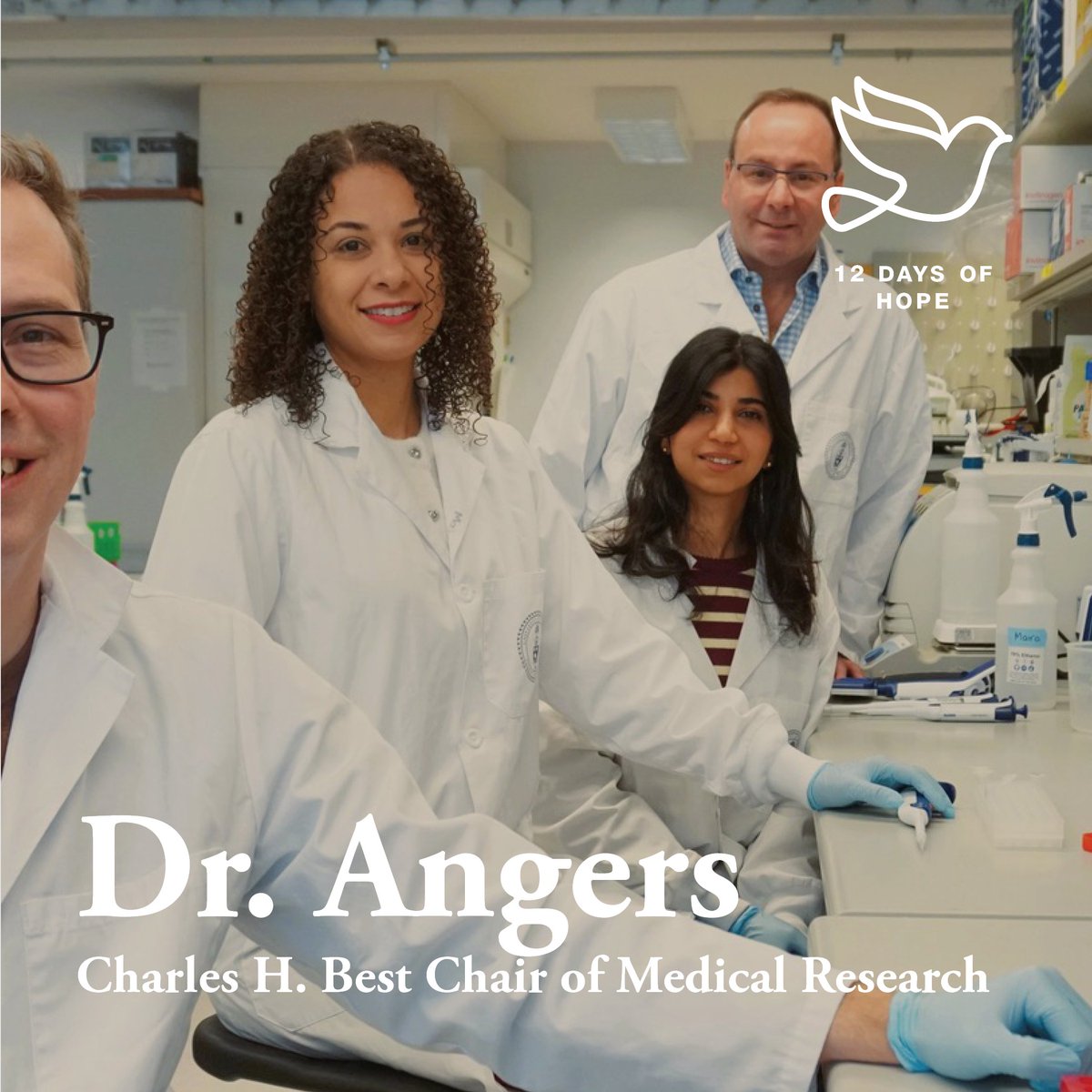
Day 6 of Hope 🕊
Submitted By: Dr. @StephAngers, Professor and Director Charles H. Best Chair of Medical Research, @DonnellyCentre for Cellular Biomolecular Research, @uoftmedicine @UofT
“It is an exciting time for biomedical research with access to new powerful genomic technologies that are allowing us to systematically probe the importance of every human gene for the development and progression of various brain tumours. We are moving beyond standard approaches toward a new era of precision oncology.
Research matters because it is the only vehicle for transforming a diagnosis with limited options into one with manageable outcomes. Innovation is the difference between stalling the disease and curing it. New innovations and supporting discovery research is the only way that will enable breakthrough treatments for incurable brain tumours.
This is where the mission of Brain Cancer Canada is vital: it serves as a distinct bridge to hope by funding the high-reward, translational science that others may deem too risky. By connecting donors directly to the labs where miracles are engineered, we ensure that funding gaps do not become stopping points. Brain Cancer Canada is a catalyst to support new innovative research to better understand these diseases and spark the development of new treatment strategies.”
#12DaysofHope #DrAngers #BrainCancer #BrainTumour
1
4
274
9 Dec 2025
12 DAYS OF HOPE 🩵
On the second day, Hope for HIE gave to you… CONNECTION. 🤝
Families around the world are finding each other and feeling less alone. Your gift fuels programs that create lifelong bonds.
🔗 hopeforhie.org/donate
#12DaysofHope #HIEawareness #HopeforHIE

2
3
101
3 Dec 2025
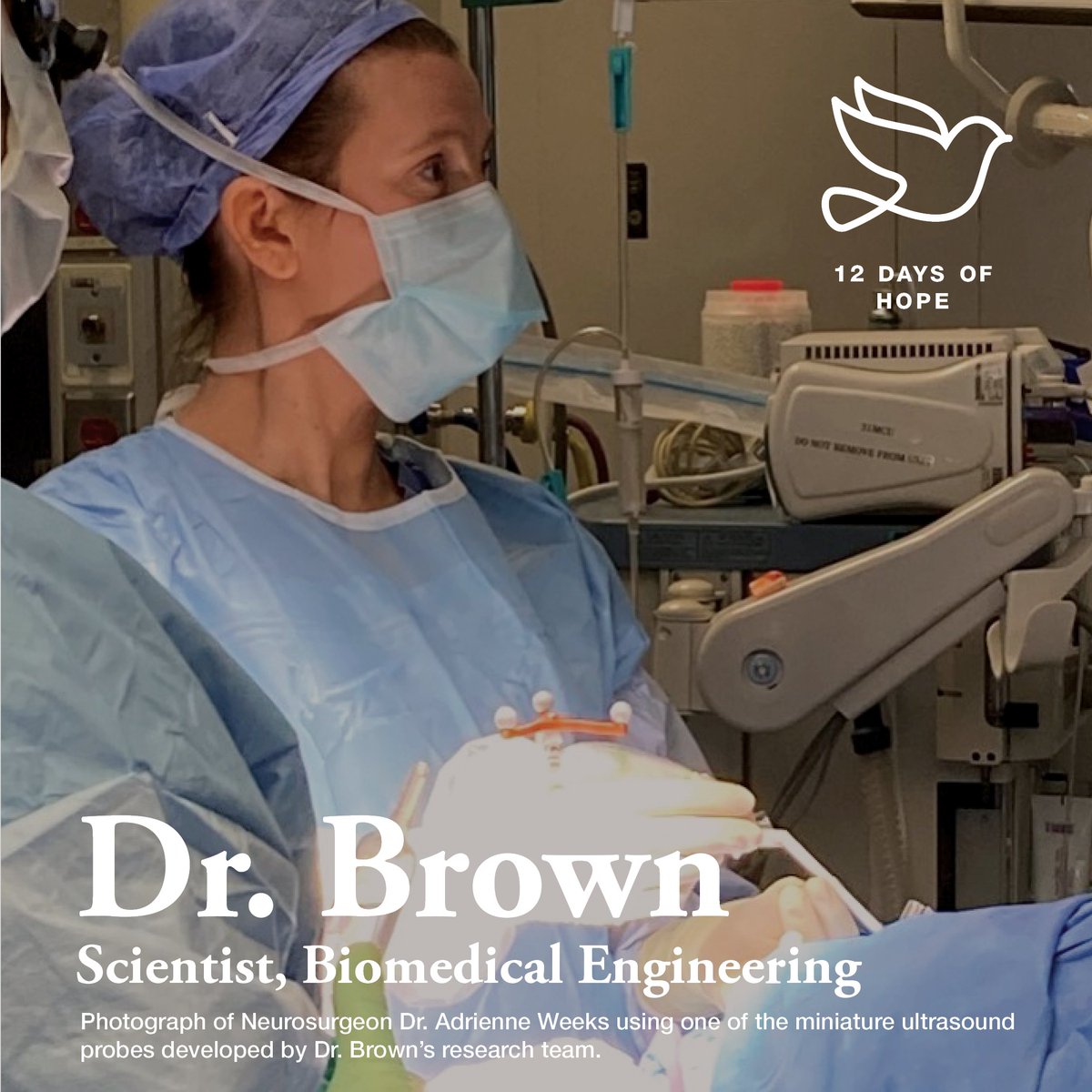
Day 2 of Hope 🕊️
Submitted By: Dr. Jeremy Brown, Professor, Biomedical Engineering, Dalhousie University
“Minimally invasive neurosurgery or brain surgery performed through a small opening in the skull, has revolutionized patient care, significantly reducing morbidity, complication rates, recovery time, and cost. It has also redefined the surgical risk-benefit equation, enabling patients to receive treatments that previously required traumatic open procedures or would not have been performed at all.
Although minimally invasive neurosurgery has benefits in many cases, it also has limitations due to the lack of imaging and therapy tools that can fit within these narrow openings.
Next generation miniaturized ultrasound technology, however, offers a compelling solution. Not only have researchers recently demonstrated that ultrasound can provide high quality images through a small window in the skull, new miniaturized ultrasound probes have also demonstrated the ability to target and treat tumours with exceptional precision.
The combination of precision ultrasound imaging and therapy in a small form factor probe could lead to effective treatment of brain cancer through a surgical approach that has little risk or recovery time for the patient.
Brain Cancer Canada is helping to accelerate the translation of these technologies from the lab to patient by funding both the technology innovation and deployment through brain cancer research groups across Canada.
By connecting scientists, patients, and communities, the organization is helping turn groundbreaking ideas into real advancements that offer patients and families hope for the future.”
👱Jeremy Brown, Professor, Biomedical Engineering
Depts. of Biomedical Engineering and Electrical Engineering, Dalhousie University, Affiliated Scientist, Nova Scotia Health
#12DaysofHope #DrJeremyBrown #Scientist #BiomedicalEngineering @DalhousieU
2
178
3 Dec 2025
Day 2 of #12DaysOfHope
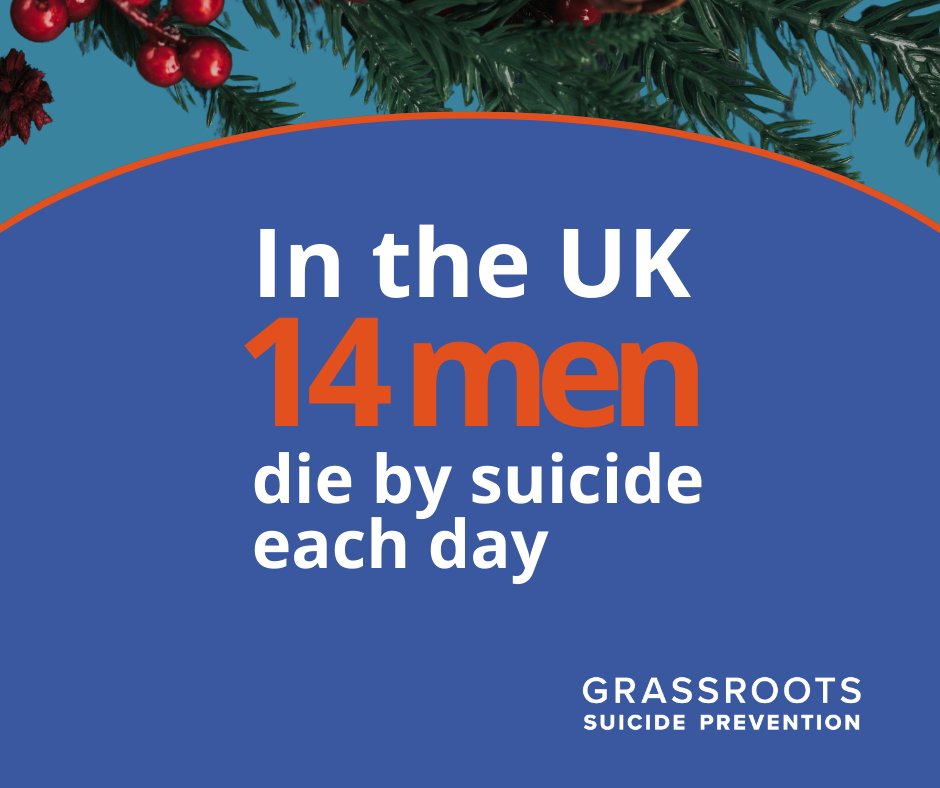
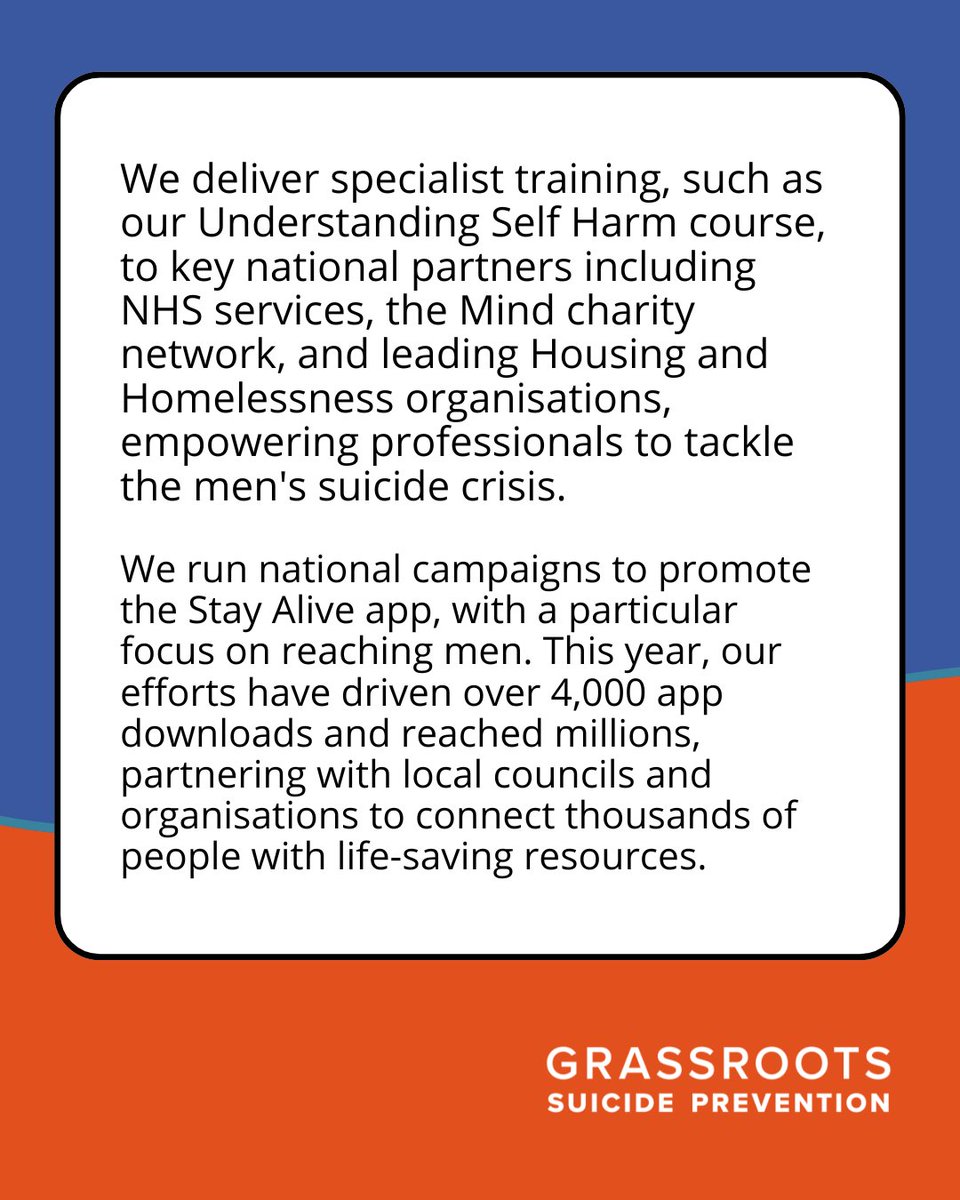
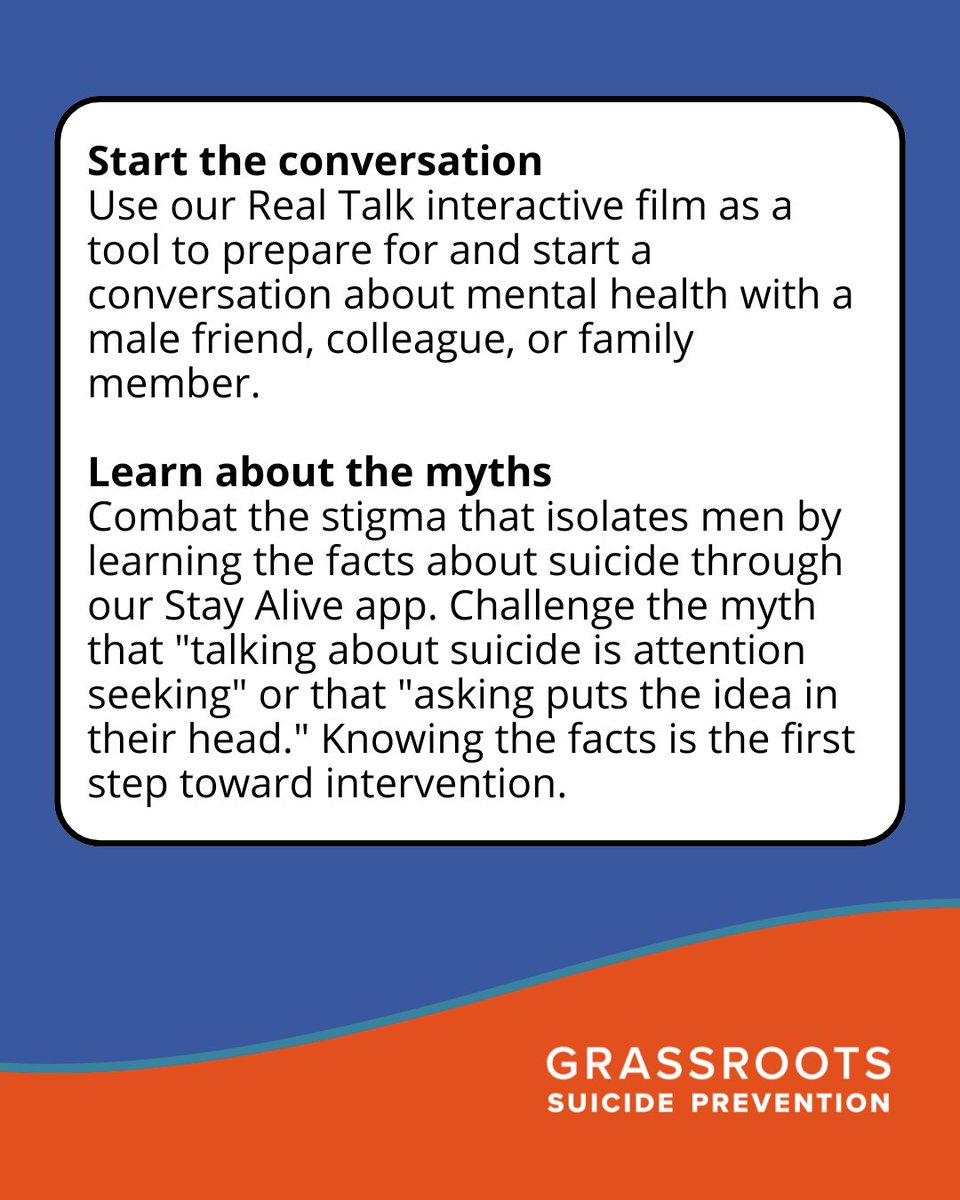
Men face a higher risk of suicide, and too many struggle alone, unsure where to turn. 💙
We are shining a light on men at risk of suicide. Your donation helps provide guidance and life-saving resources.
🔗 linktr.ee/Men12DaysOfHope
1
2
97

12 Jul 2025
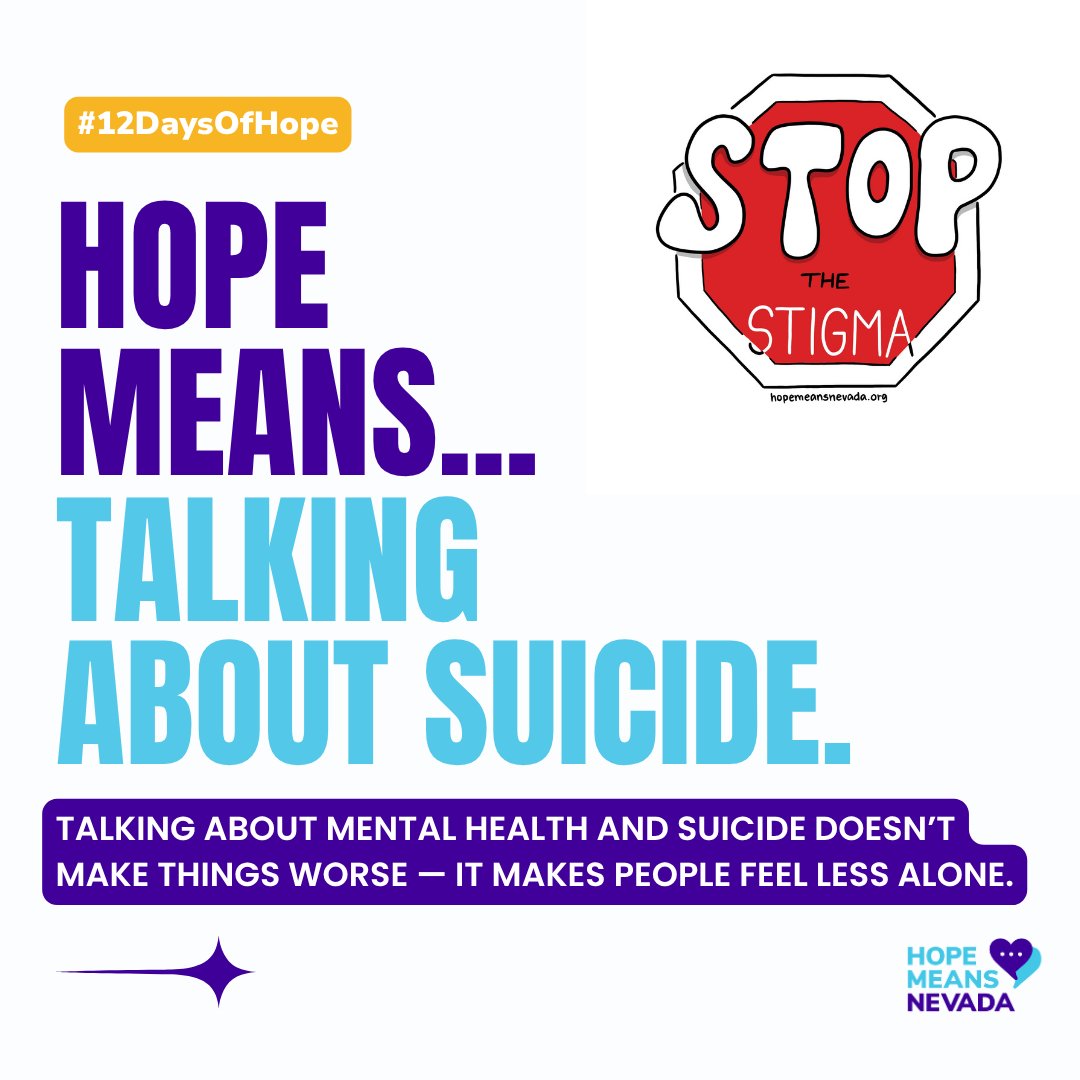
Asking 'Are you okay?' might be the thing that keeps someone here.
Hope connects us across borders, hearts, and communities. We’re all in this together. 🌍 #12DaysOfHope #InternationalDayOfHope #HoldOntoHope
1
2
56
8 Jul 2025
Recovery isn’t linear. Life isn’t either. Hope is what helps us return after we fall.
Hope isn’t just for today. It’s for every tomorrow that’s waiting to be brighter. 🌞 #12DaysOfHope #HopeForTomorrow #HoldOntoHope
1
2
25

24 Dec 2024
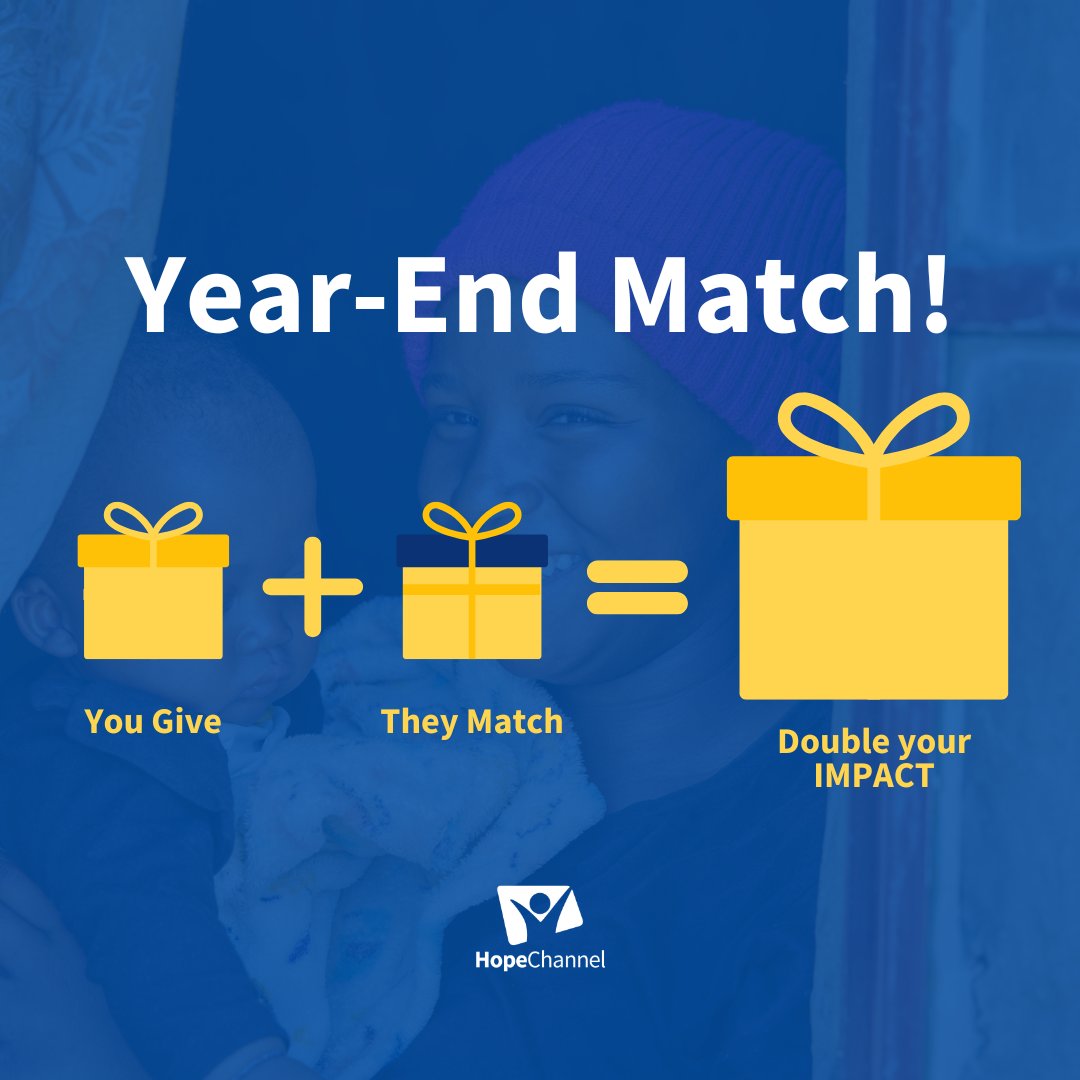
🌟 Double your impact today! 🌟
For 12 days, every dollar you give will be matched up to $50,000—bringing twice the hope, healing, and freedom to those in need.
⏳ Don’t wait—let’s make every moment count!
👉 HopeChannelInternational.org…
#ShareHope #DoubleTheImpact #12DaysOfHope
1
7
560
23 Dec 2024
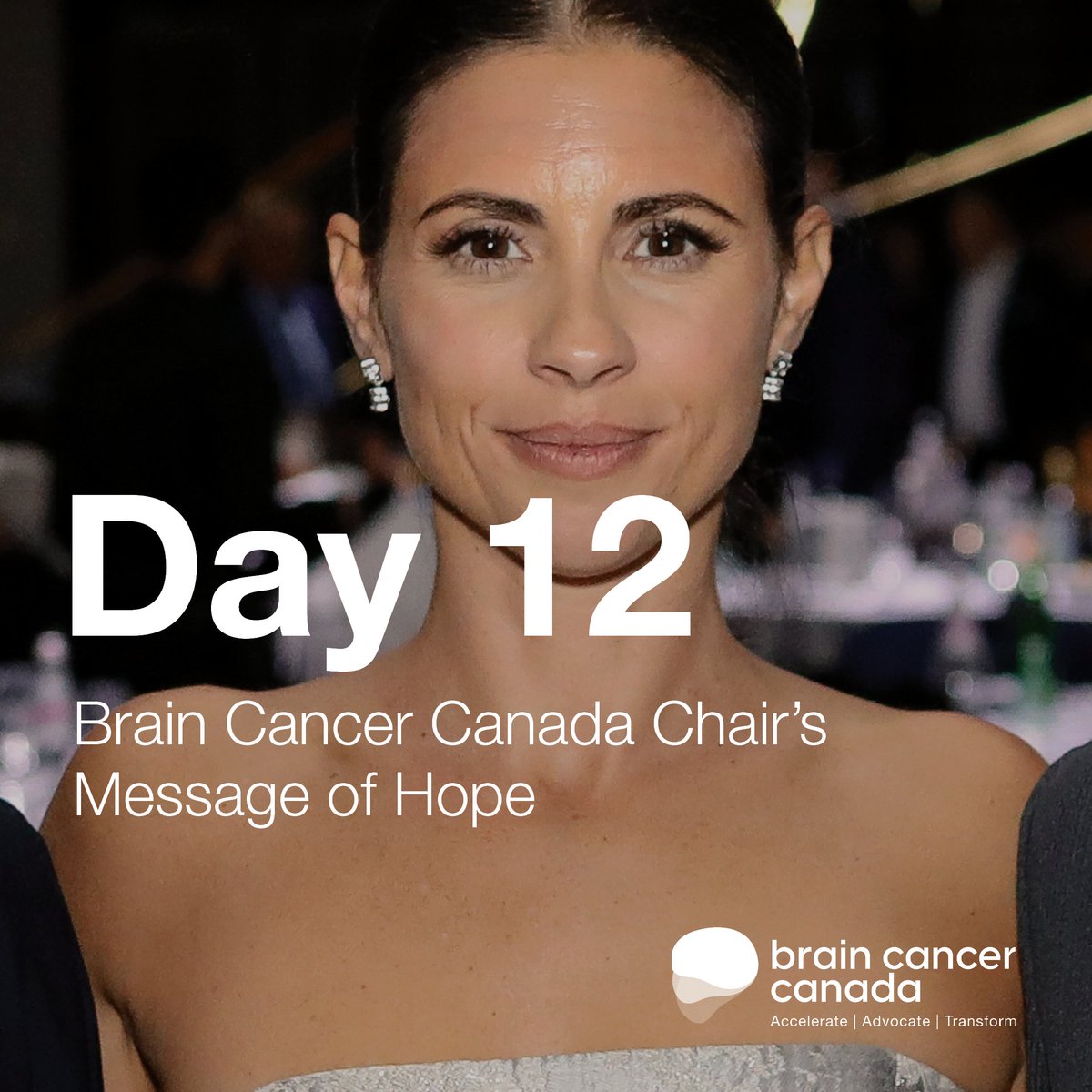
12 DAYS OF HOPE – DAY 12
Angela Scalisi, Chair Brain Cancer Canada
“To me, hope is one of the most powerful human emotions. Hope can fuel positivity, offer comfort in our darkest hour, and most importantly give us the courage to keep going.
My family was first impacted by brain cancer 12 years ago. Since then, at many points along the way, it felt like there was little to be hopeful for. Yet, hope was the only thing we could cling to. We hoped for new treatments, we hoped for time….we hoped for a miracle.
As I reflect, the miracle we hoped for was called science.
Over the last decade, I have witnessed progress in brain cancer research of epic proportions; precision medicine which helps doctors identify treatments that are more likely to have impact based on a patient’s genes and genetic profile of their tumour; immunotherapies that enable scientists and healthcare providers to use the body’s own immune system to target cancer cells; and neuro-surgical technologies that help surgeons remove more cancer cells while preserving healthy ones.
Every step forward is aimed at helping patients have more time, improving the quality of their time, and building the science that will lead to the discovery of new and effective treatment options.
We still have a journey ahead of us, but it is one filled with promise.
That is why Brain Cancer Canada remains the force that fills me with hope. Finding a cure is an all-encompassing effort requiring an army of people who come together with shared purpose: Our donors fuel research, which in turn supports the work of doctors and scientists, ultimately guiding us toward new treatments and improved outcomes for brain cancer patients and their loved ones.
As hope does not waiver in the face of adversity, neither will Brain Cancer Canada or the incredible community that supports it. Together, we will remain steadfast and resolute throughout our journey, and we will never lose hope.”
Angela Scalisi
Chair, Brain Cancer Canada
#12DaysofHope #ascalisi
1
7
212

23 Dec 2024
#12DaysofHope: Day 1️⃣1️⃣ - Lawrence Franchetti, CEO of One Beat Medical Group, is sharing a special holiday message with you! ❣️ They are the largest CPR training provider for the Red Cross. Let's give it up for our supporters! ✨ To learn how, visit redcross.org/holidaygiving
2
155
22 Dec 2024
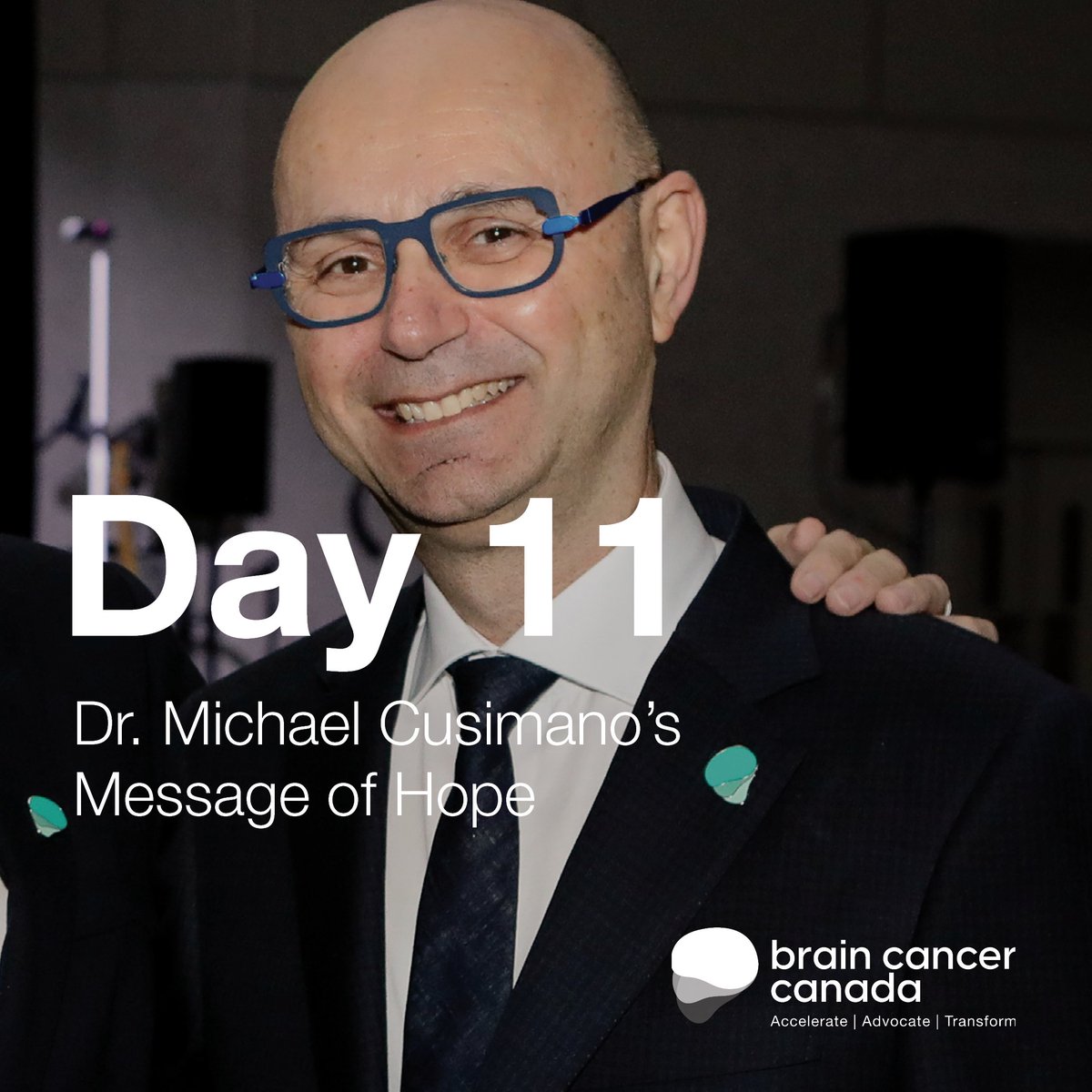
12 DAYS OF HOPE – DAY 11
Dr. Michael Cusimano, Neurosurgeon and Scientist
“We will always be there for our patients and their families. We will always provide the best treatment we can, based on the latest research and technology. Patients and their families can trust in their medical teams because we have dedicated our lives to helping them. We never stop caring, and we don’t give up.”
Dr. Michael Cusimano
Neurosurgeon and Scientist at St. Michael’s Hospital
Professor of Surgery, Education and Public Health at the University of Toronto
#12DaysofHope #drCusimano @DrMDCusimano
1
11
454
21 Dec 2024
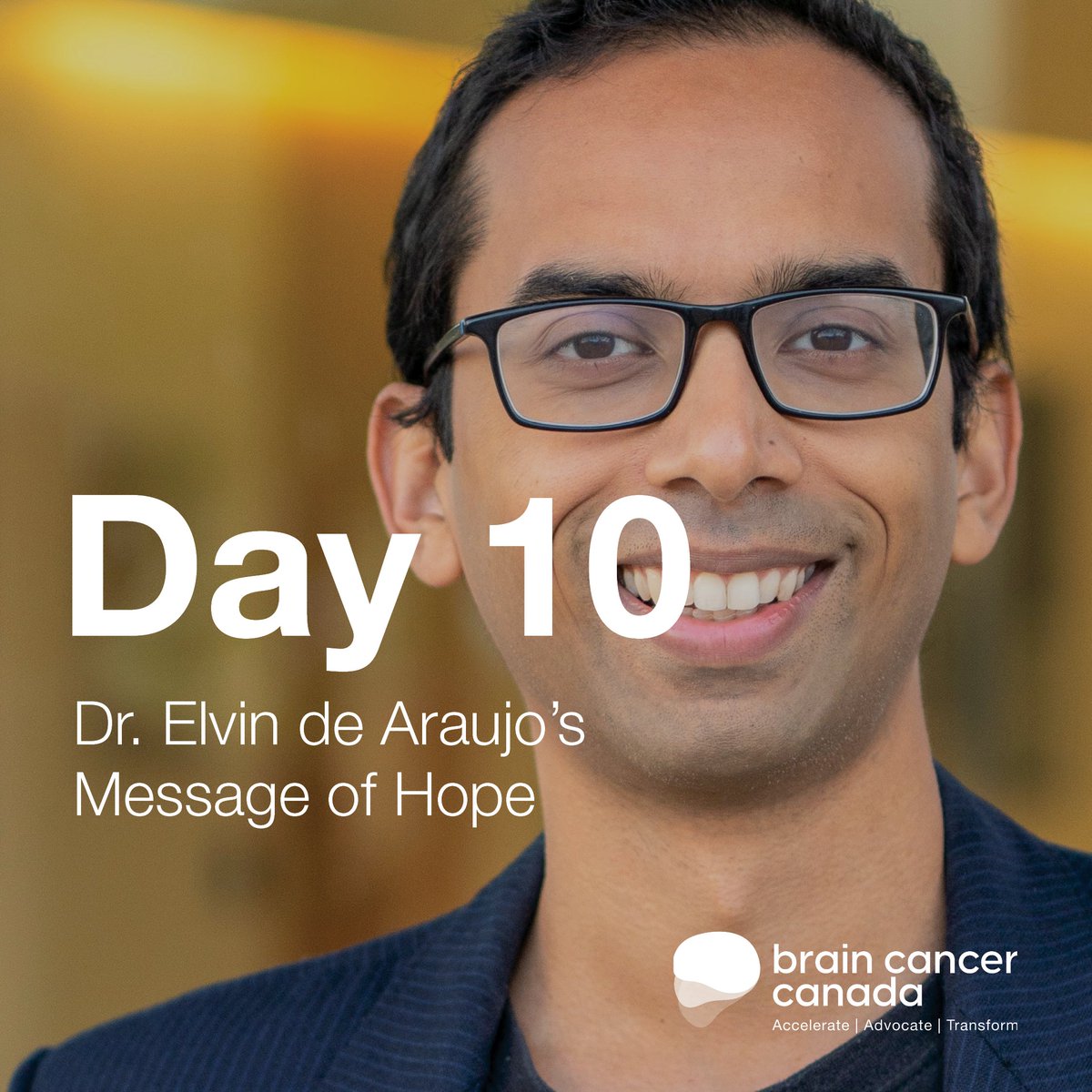
12 DAYS OF HOPE – DAY 10
Dr. Elvin de Araujo, Scientist & Brain Cancer Canada Director SAC Chair
“New therapeutic strategies and technologies to target brain cancer are tirelessly being advanced by multiple research teams all across Canada. As Chair of the SAC for Brain Cancer Canada, it is incredibly inspiring to see so many different experts across disciplines in chemistry, immunology, biochemistry, physics, AI, robotics, and many more, working towards a common goal of developing purpose-driven treatments and diagnostics for brain cancer patients.
To have the top researchers and trainees simultaneously pushing forward on so many different fronts, is unbelievably motivating, and it is only a matter of time, before we will ultimately break through in tackling more and more challenges in brain cancer and improving the quality of life of patients and their families.
Brain Cancer Canada has an extremely dedicated and passionate team that interweaves patient-focused stakeholders and scientific personnel that are committed to helping bring life-altering medicines to patients. BCC encompasses multiples voices in the decision-making process and synergizes ideas from many different people who are unified thorough their resolve to facilitate brain cancer research.
The goal is to help move the needle in brain cancer research and push one step closer towards a future where safe and efficacious treatments are readily available for all brain cancer patients.”
Dr. Elvin de Araujo, Scientist & Brain Cancer Canada Director SAC Chair
#12DaysofHope #drdeAraujo
1
3
131
20 Dec 2024
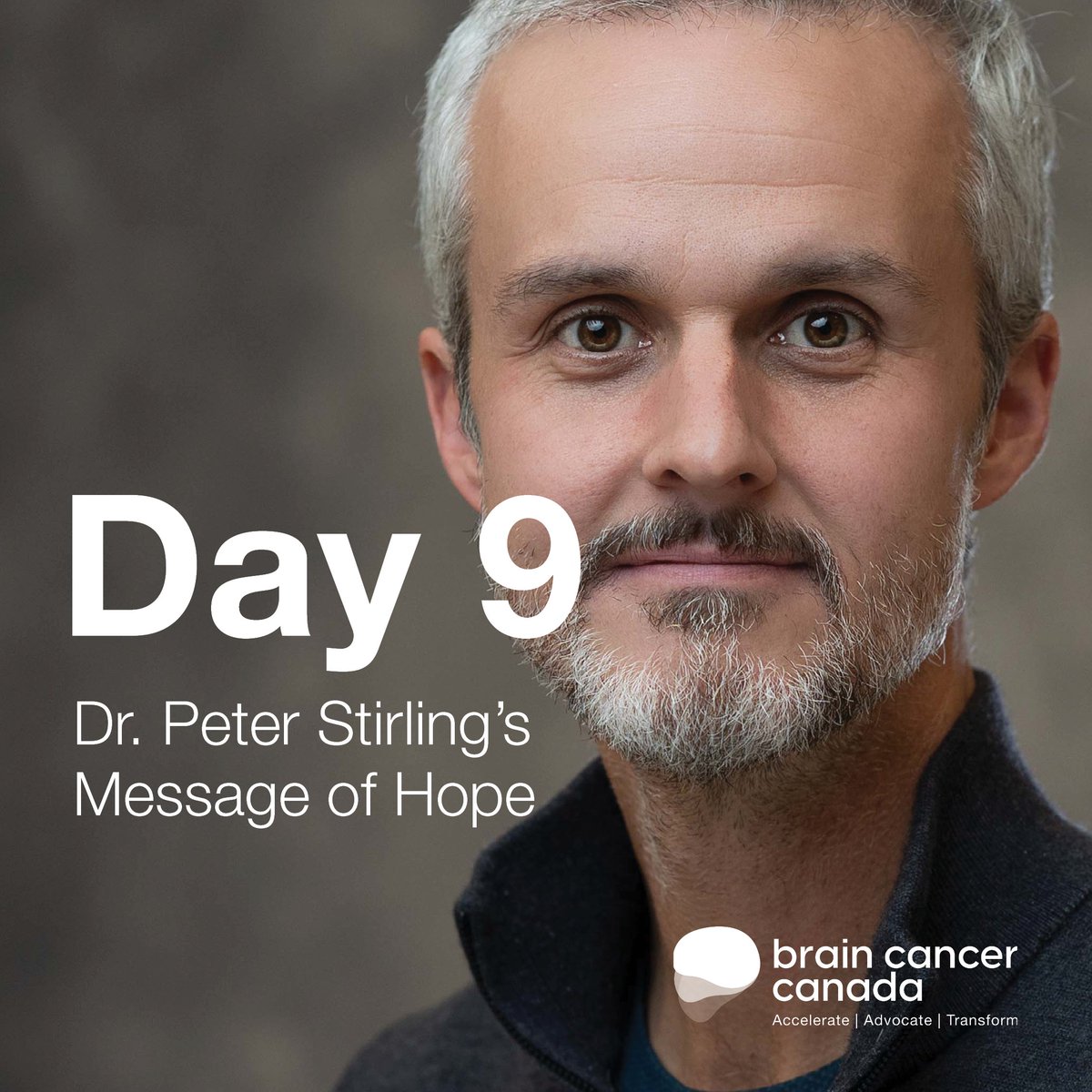
12 DAYS OF HOPE – DAY 9
Dr. Peter Stirling, Distinguished Scientist & Professor of Medical Genetics
“I am hopeful about making progress on brain cancer in 2025. Advances in technology are giving us more and more insight to the earliest stages of cancer development, while increasing power in computation and artificial intelligence is being brought to bear in research labs around the world.
Together the people invested in making a difference for brain cancer patients, coupled with new technology will move the needle. My own Brain Cancer Canada funded project has already made progress and we are testing new therapeutic leads in models of brain cancer now.
We know that it takes research time and resources to bring new therapies to patients but I am excited about even getting some of our new ideas off the ground and into lab testing.
Brain Cancer Canada is a key part of building our program and creating the funding ecosystem needed to make progress on brain cancer here in Canada. I am grateful for their continued support and together I am confident we will make an impact.”
Dr. Peter Stirling
Distinguished Scientist at BC Cancer
Professor of Medical Genetics at UBC
#12DaysofHope #drStirling
1
4
130

19 Dec 2024
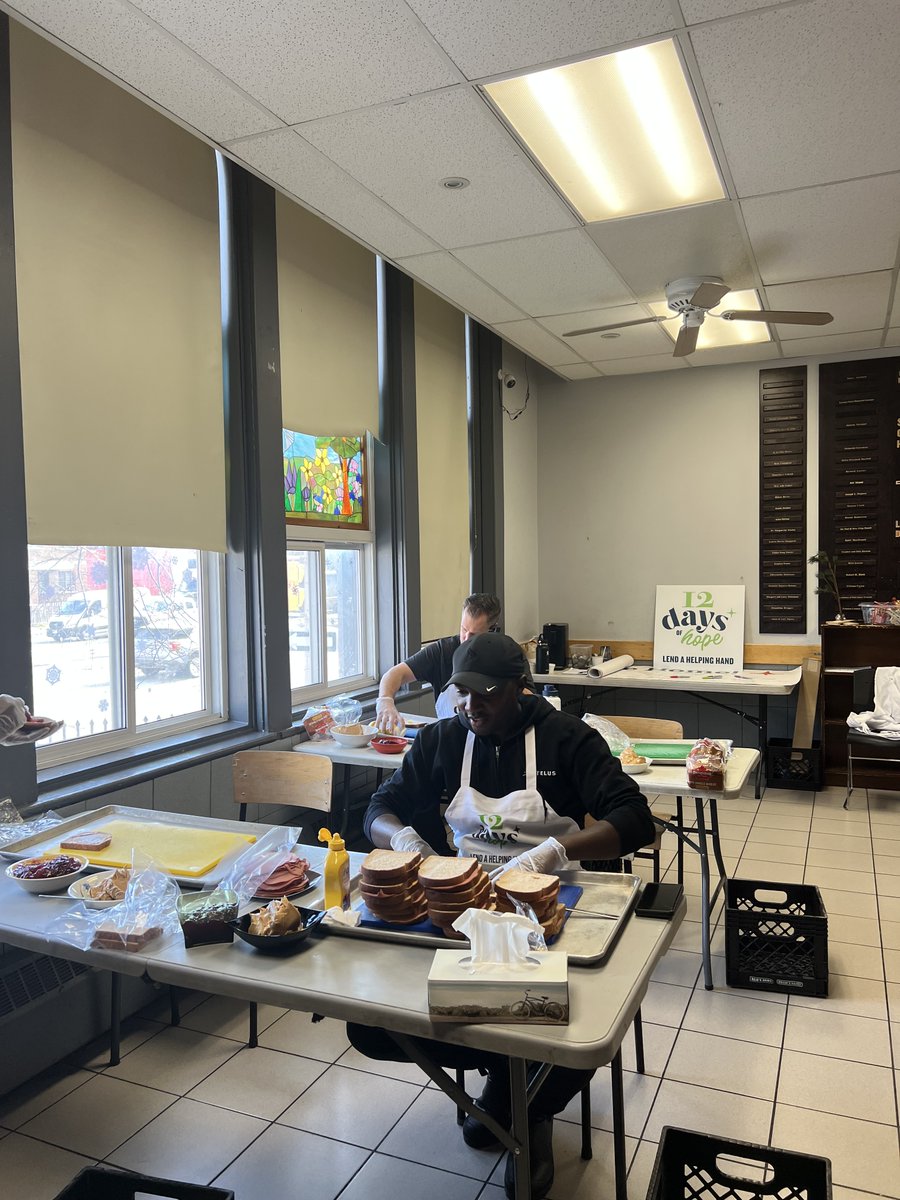
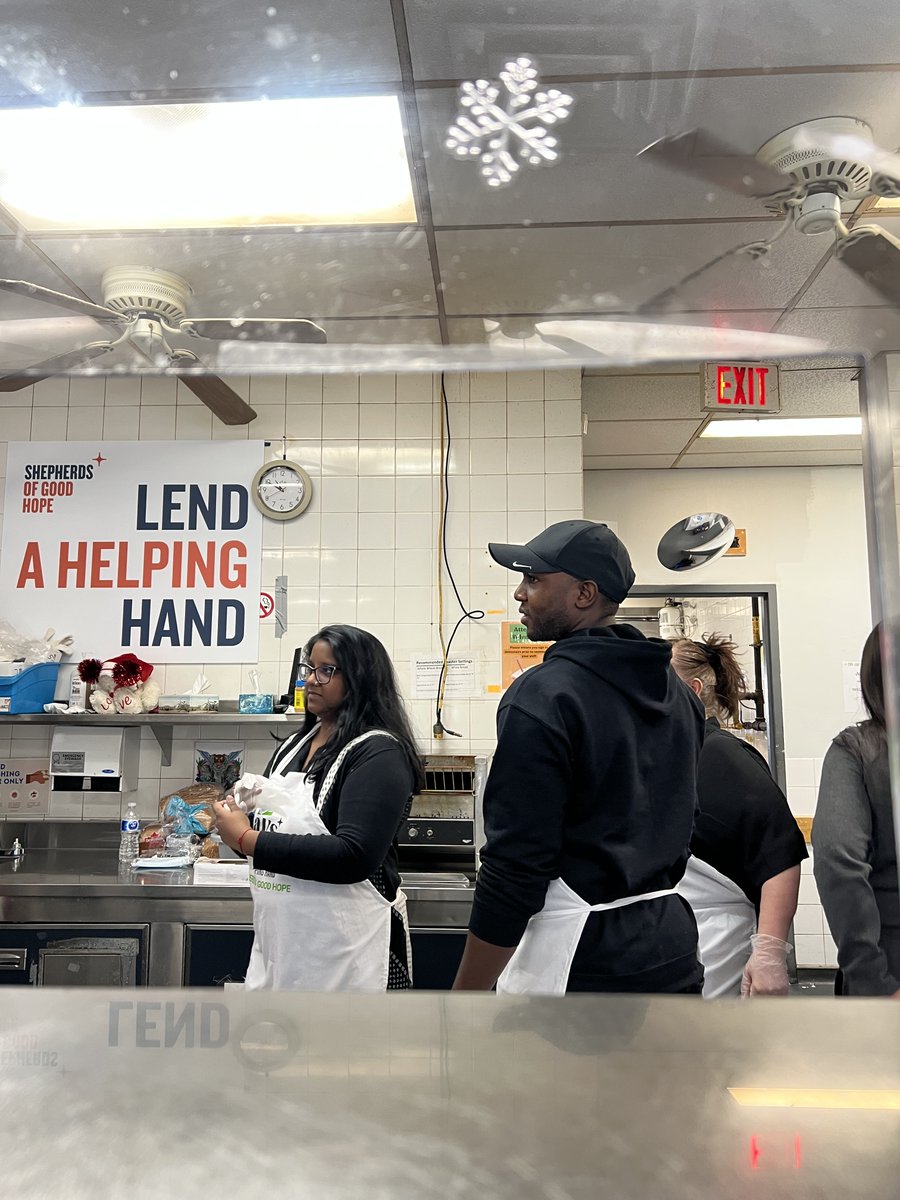
Thanks to @TELUS for volunteering in our community kitchen today for our #12DaysofHope, making it a "bakers dozen"! The team made sandwiches & served pork & chicken with gravy, veggies, salad, & bun for lunch.
Donate to support our community kitchen: sghottawa.com/?element=XKYFM….


1
1
4
169
19 Dec 2024
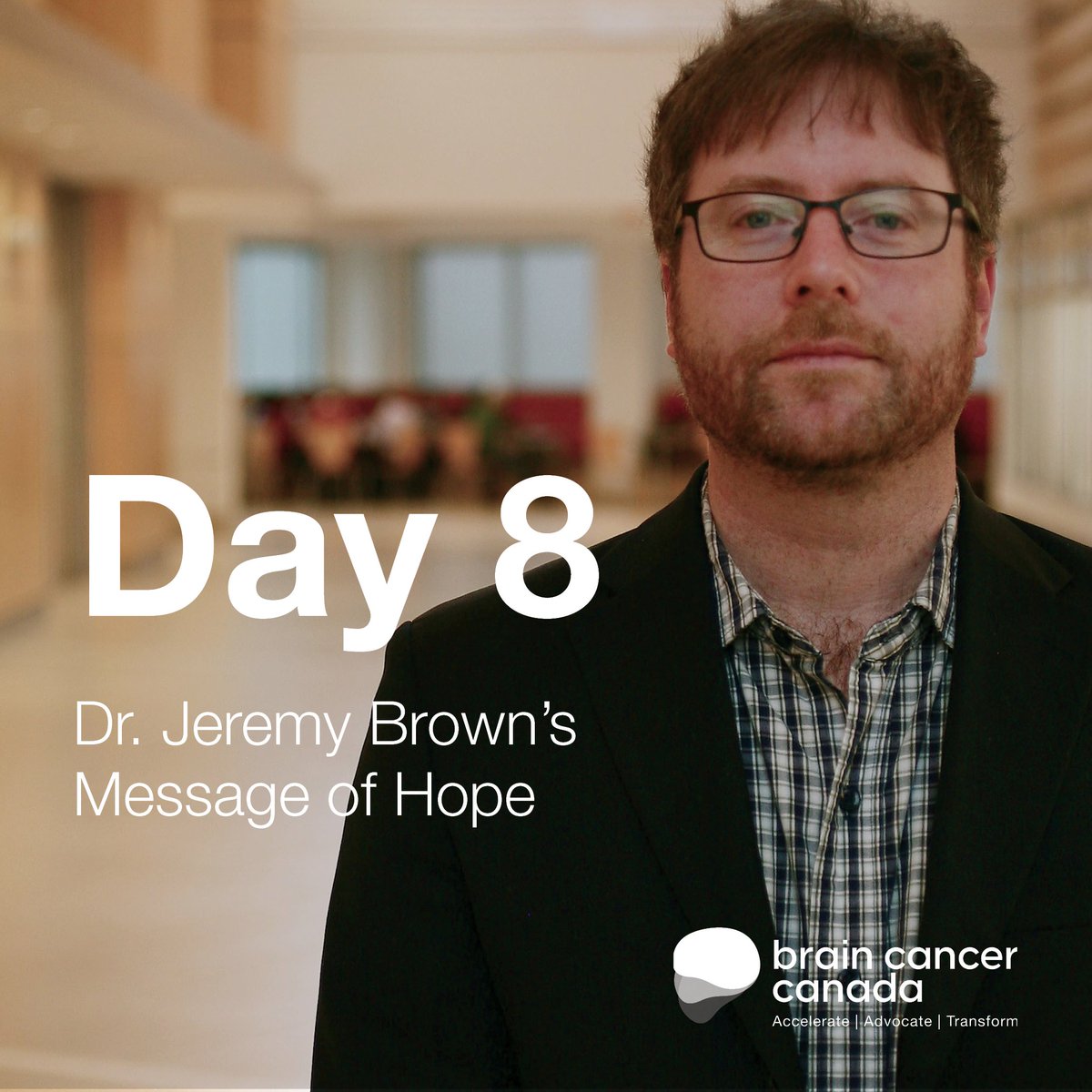
12 DAYS OF HOPE – DAY 8
Dr. Jeremy Brown, Professor, Biomedical Engineering
“Personal experiences foster our innovations. This is true in the development of our miniature ultrasound probe for guiding brain tumour resection. I have had the unfortunate experience of witnessing multiple people close to me pass away from glioblastoma brain tumours. This includes my mentor and Ph.D. supervisor, Dr. Geoff Lockwood.
Dr. Lockwood was a renowned ultrasound scientist known for pioneering some of the very first high-resolution ultrasound devices. When Dr. Lockwood was first diagnosed with glioblastoma, I could not believe that there was no cure for this cancer and that the life expectancy was a mere 12 months from the time of diagnosis. I could also not believe that this abysmal statistic had not changed in over 70 years.
I decided then to redirect my research towards harnessing and further developing the very technology that he first pioneered for the purpose of improving glioblastoma surgery. The ultrasonic surgical guidance probe that we have developed allows the surgeon to accurately visualize the tumour during surgery. This will lead to more complete resection of the tumour, and as a result, extended patient survival.
Driving research forward makes me hopeful. Organizations like Brain Cancer Canada bring hope to those affected by supporting the much-needed development and patient testing of technologies such as this. We are so grateful to patients who volunteer for evaluating our technology, as they know that their contribution to our research will mean a better future for others.
Researchers such as myself and the surgeons I collaborate with will continue to develop and provide surgical guidance tools with the support of Brain Cancer Canada.”
Dr Jeremy Brown, PhD
Professor, Biomedical Engineering
Depts. of Biomedical Engineering and Electrical Engineering, Dalhousie University
Affiliated Scientist, Nova Scotia Health Authority
#12DaysofHope #drBrown
2
143