Papuzza retweeted

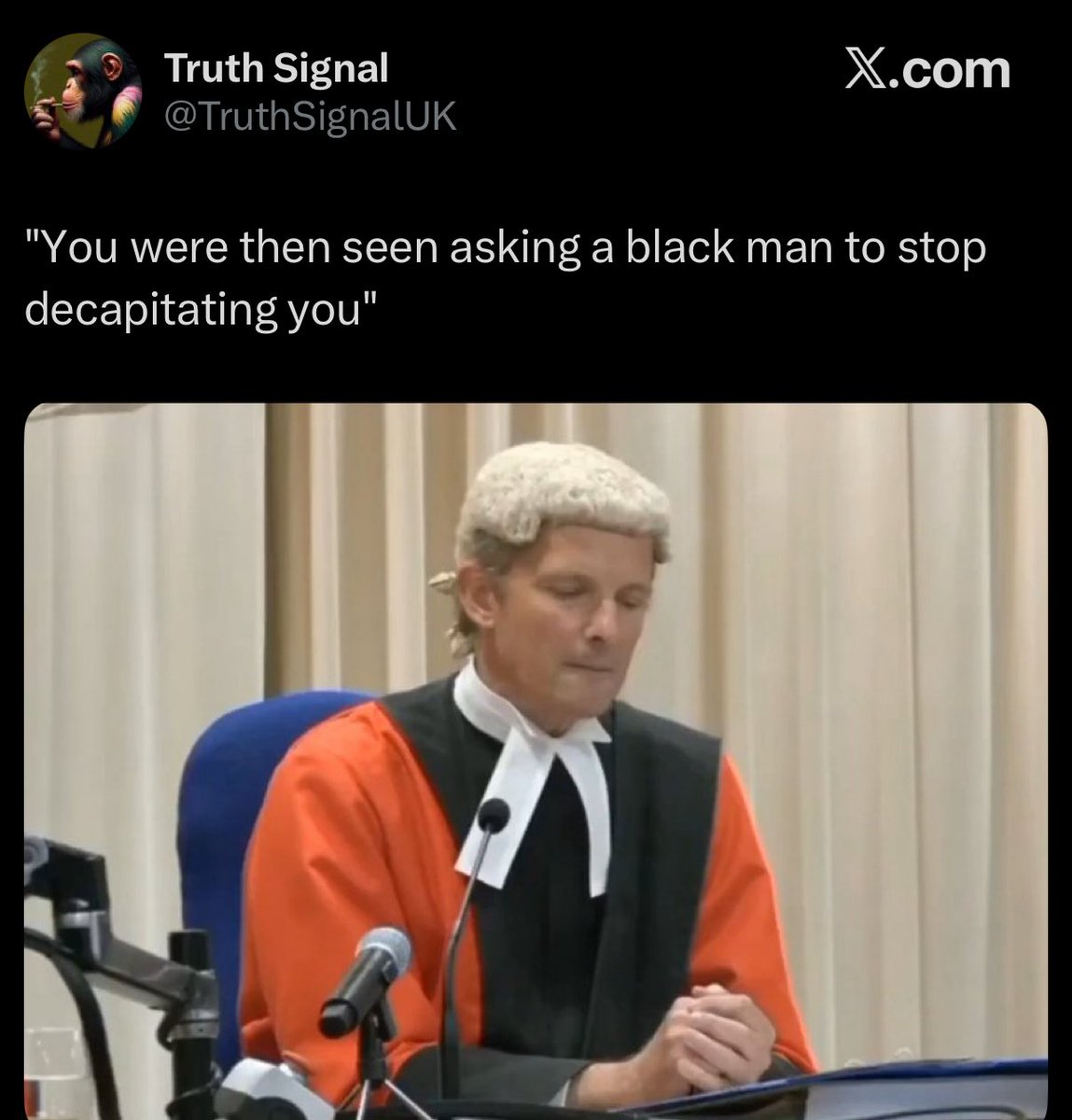
The UK government is actively waging war against its own native population.
Wake up, Britain.
7
68
800
4,701
Ayoola Silva retweeted

Expanding this World Cup to 48 teams was a mistake, now we got teams like Spain actively diluting this tournament for the worst
42
1,393
18,704
246,117

keeho about the liar jokes 🥲
🐺: ppl actively trying to find me saying contradictory things long time ago and clip that out and i can’t even blame yall because it does seem like i lied. i just like to change my opinion and switch between ideas, i’m multifaceted ykwim. but i do admit that i lied about saying i play roblox because i wanted to seem cool, but that was the immature and young side of me wanting to be loved. you can never control the narrative or the way people think about certain things and i just think it’s funny
#P1Harmony #피원하모니 #기호
4
159
1,715
53,623
ℂℍ𝕆𝕻 ℝ𝕀ℂ𝔼 retweeted

22m
Wow man. We offloaded 95% of our deadwood and are actively getting starting XI worthy players. Next year might be our greatest season ever

Bayern are not done on the market after spending €110m on Ismael Saibari and Nathaniel Brown [@FabrizioRomano]
7
1
77
2,649
Marr retweeted

they’re actively trying to embarrass aniya cuz they never talk abt her this much it’s very weird

5
40
390
3,600

-DALITSO!-🏴☠️ retweeted

Dance Before You Sit.
Pomo Dimba.
Walya Ndimu.
I'm convinced the kids who ran these programmes are actively practicing domestic violence in today's society 🤧
There was no reason for any of that 🤧
1
1
9
371

Both compatibilists & libertarians ground choice and action in the agent's own psychology. They affirm that an agent's act of willing is rooted in who they are and involves their own experiences, habits, character, personality, goals, reasoning and weighing of motives. The act is influenced by the environment and circumstances in which it takes place
Both affirm that as the agent actively settles to a choice they move willingly to a voluntary act
The major difference is that under compatibilism the agent cannot diversify its acts during the act of willing. The choice the agent settles on is fixed by the culmination of internal and external antecedents. The agent is the product of the antecedents and circumstances. These factors are part of a causal chain that runs through the agent’s own will. Despite being part of a deterministic causal chain the will actively endorses the choice making it the agent's own
Under libertarianism an agent can diversify its acts during the act of willing. This allows a genuine openness to all available options since the agent is more than the sum of antecedents. The internal and external factors are all involved but the agent has a power to guide and control the process such that the outcome is not fixed until the agent settles. The agent is not relying on luck or randomness but is actively involved as he self-determines which option they will act upon, based on their reasoning
Both argue that the settling and resulting choice within their framework is properly attributable to the agent as the source in the sense required for moral responsibility and genuine self-governance.
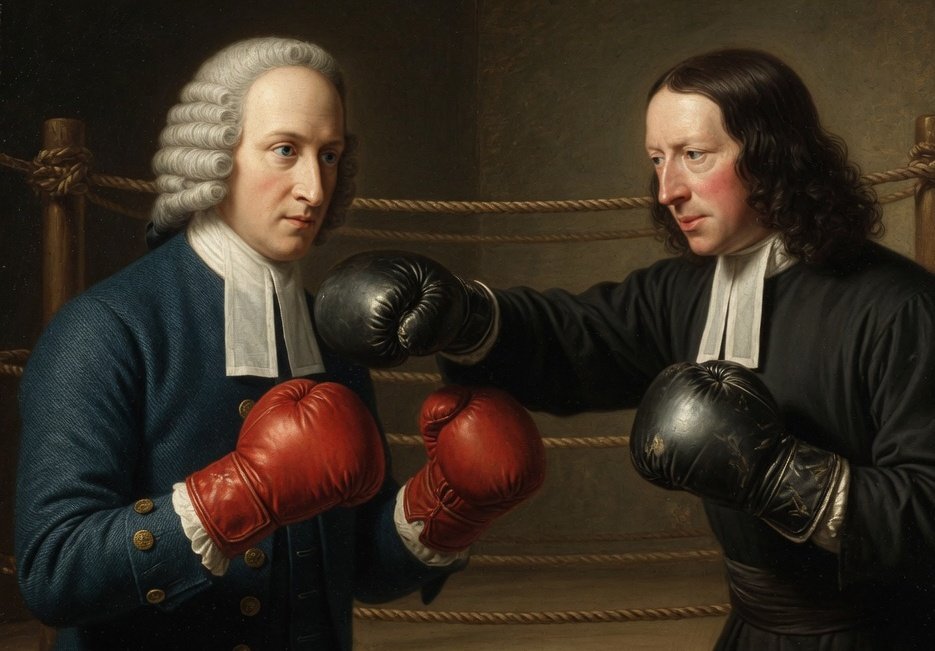
Let the reader judge whether that's the case.
1

Yeah these kinds of people are super deluded into thinking they have some righteous belief system while actively hating and putting down a majority of the world because their skin color doesn't line up with theirs lmao
2

🚨 CVE-2026-5027 is being actively exploited right now. Langflow, the popular low-code AI builder, has an unpatched path traversal flaw (CVSS 8.8) allowing unauthenticated RCE. No fix available yet.
1
3
La Super Mega Ultra Extrema Derecha 😉😝 retweeted

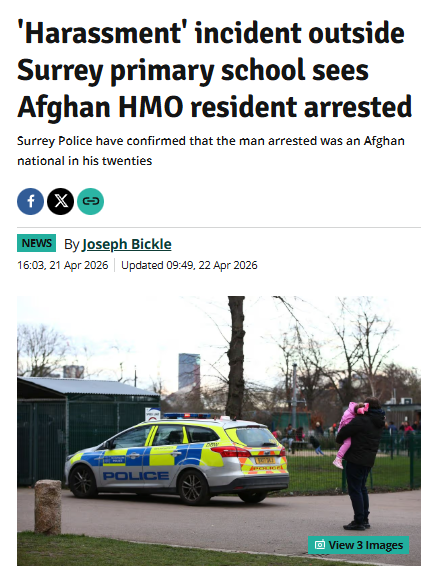
You are actively dumping dangerous foreign men in HMOs next to primary schools.
You don't care one bit about children's safety and happiness.
Stop lying. We see you.
1
28
269
4,324


Look at the structural mechanics of the board right now. Hard disk drive (HDD) supply is actively projected to fall 10% to 15% short of demand in 2026. Why? Because the massive scale of unstructured data generated by AI applications and Agentic AI is driving HDD demand growth by roughly 40% to 50% annually. You cannot run these massive models without the physical storage to hold the data.
1
3
taylor retweeted

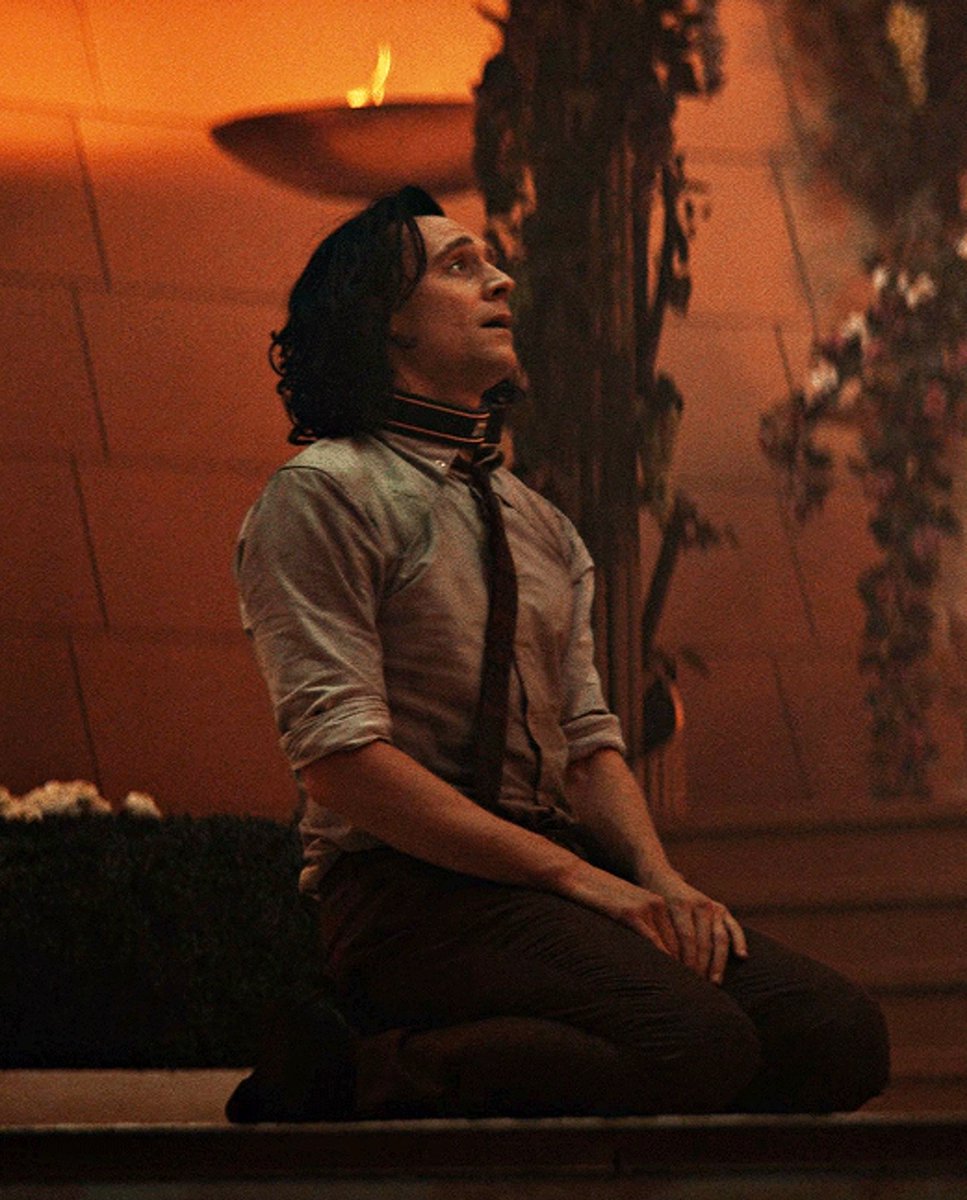
Loki and Jonathan Pine are Tom Hiddleston's longest-running characters that he has actively portrayed, 15 and 10 years respectively, and I only realized that today; before, I only counted Loki.

13
24
132