
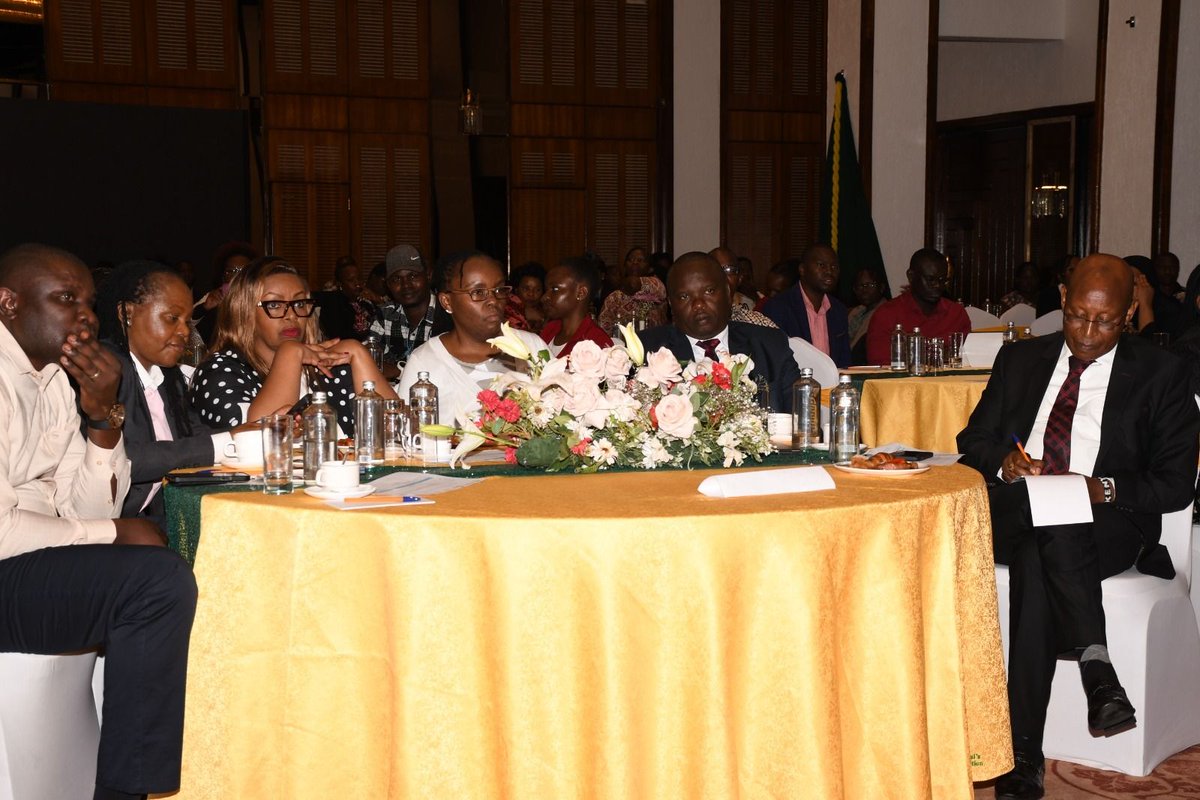
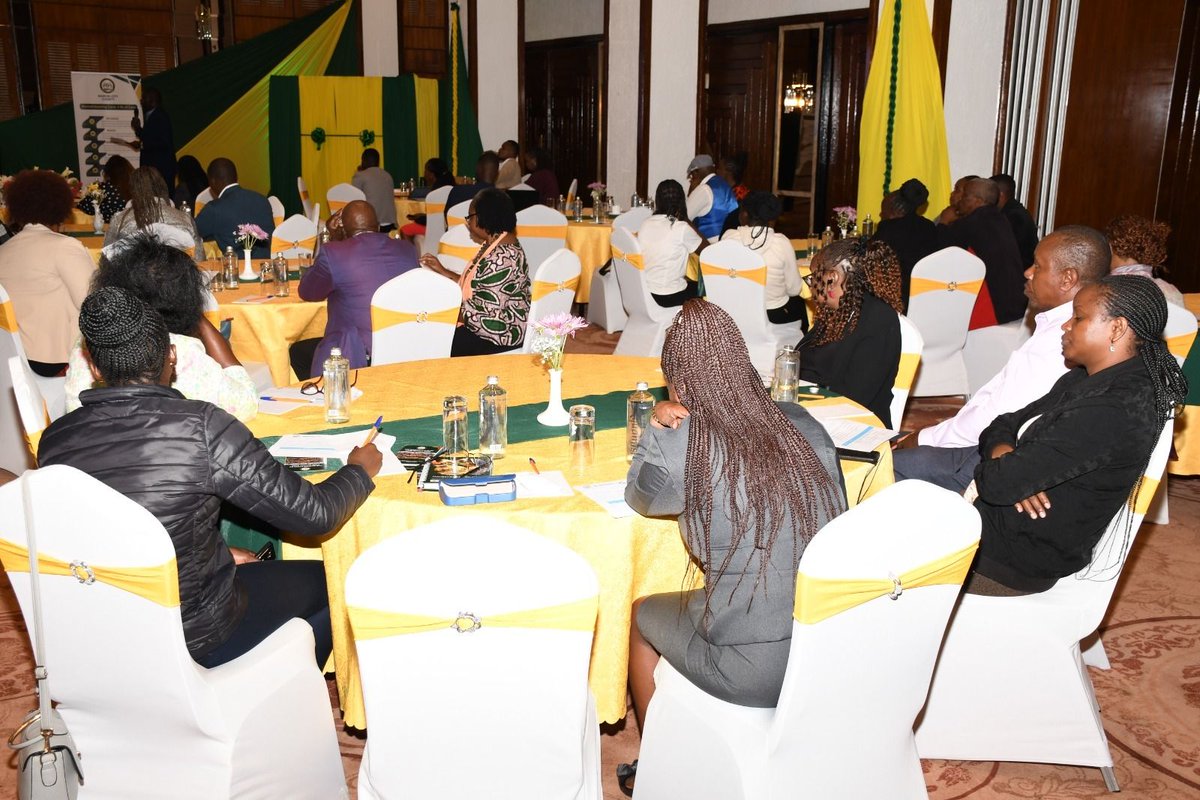
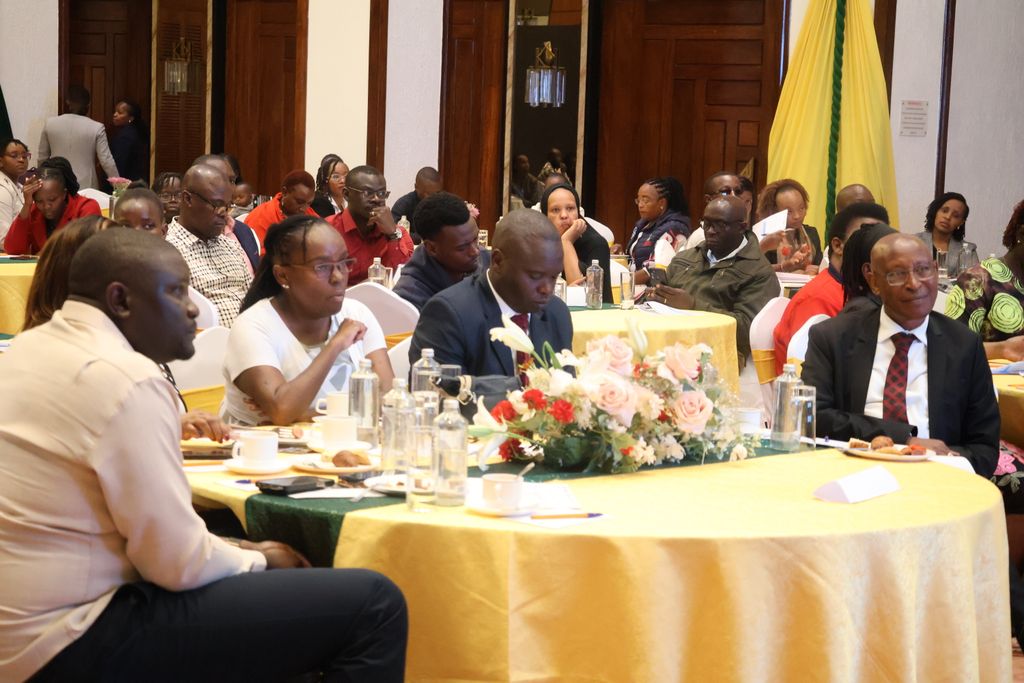
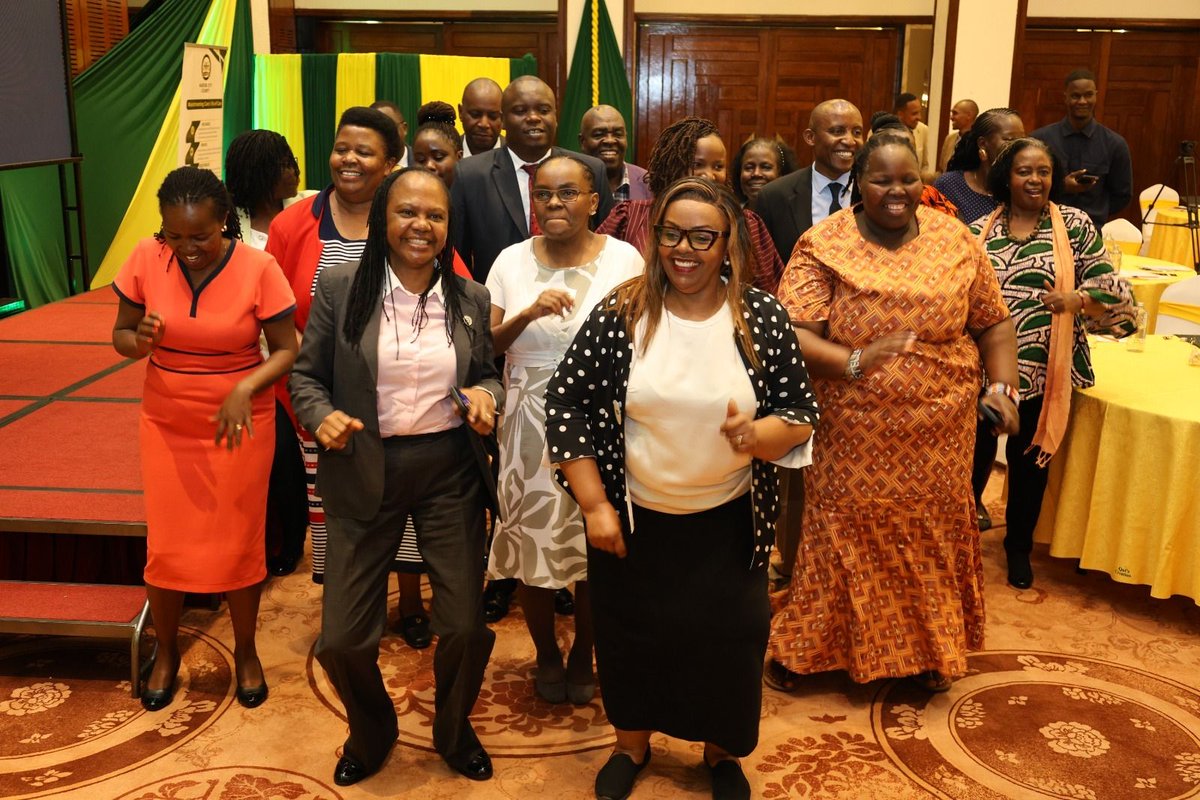
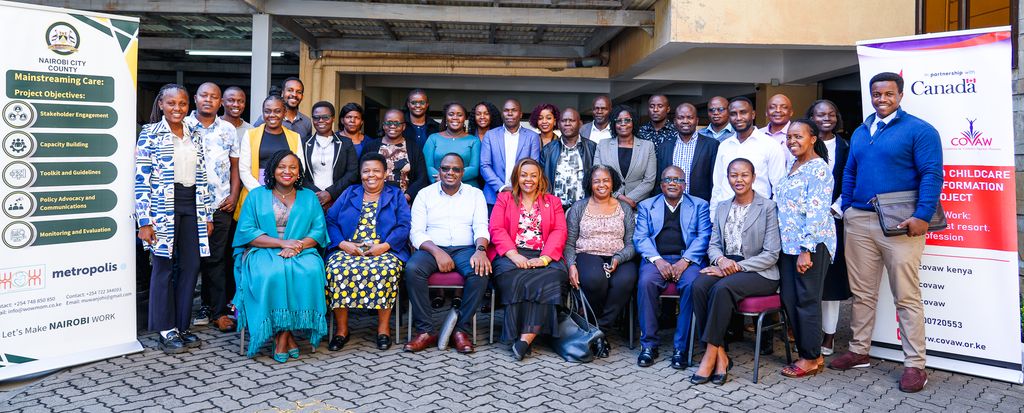
Today, COVAW joined the Nairobi City County Government, Wow Mom Kenya, and Youth Alive! Kenya, Oxfam, WECare, and other partners for the launch of the Nairobi State of Care Report 2026 and the Toolkit for Care Mainstreaming in Planning and Budgeting.
The report provides important evidence based on the state of care in Nairobi and highlights the urgent need for stronger investment, coordination, and policy implementation across the care sector.
The launch also brought together stakeholders working across childcare, disability inclusion, domestic work, palliative care, migrant and refugee support, and care for older persons to strengthen collaboration toward a more inclusive and responsive care system for Nairobi.
#MakeCareCount #NairobiCountyCares #ACT4Care #ACTProjectKE
3
10
216
"Inclusivity and public service are at the centre of what we are trying to build… I was really inspired by the conversation. I think together we can do it." - @RosemaryMachua1, CEC Member, Inclusivity, Public Participation & Customer Service, Nairobi City County Government
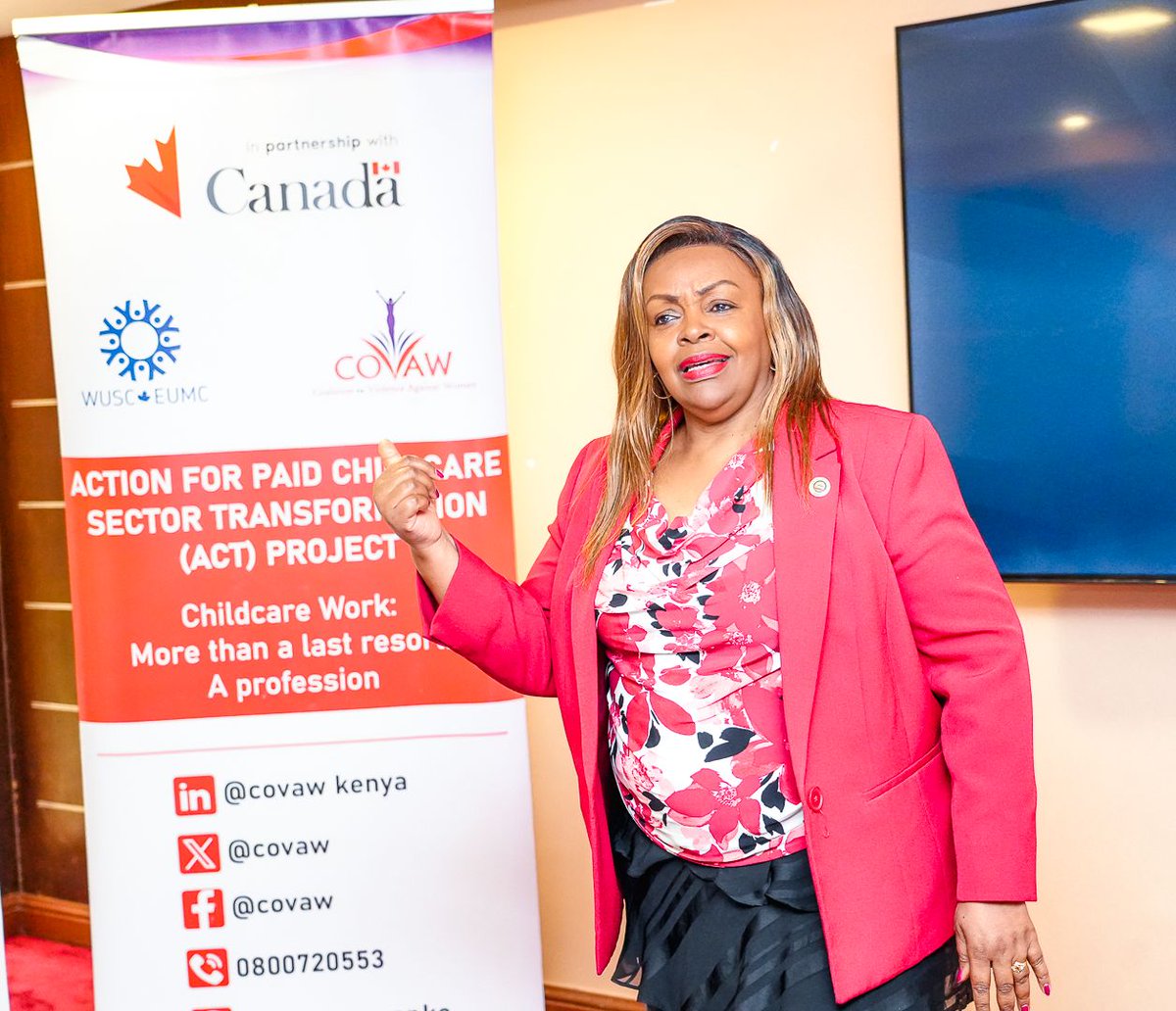
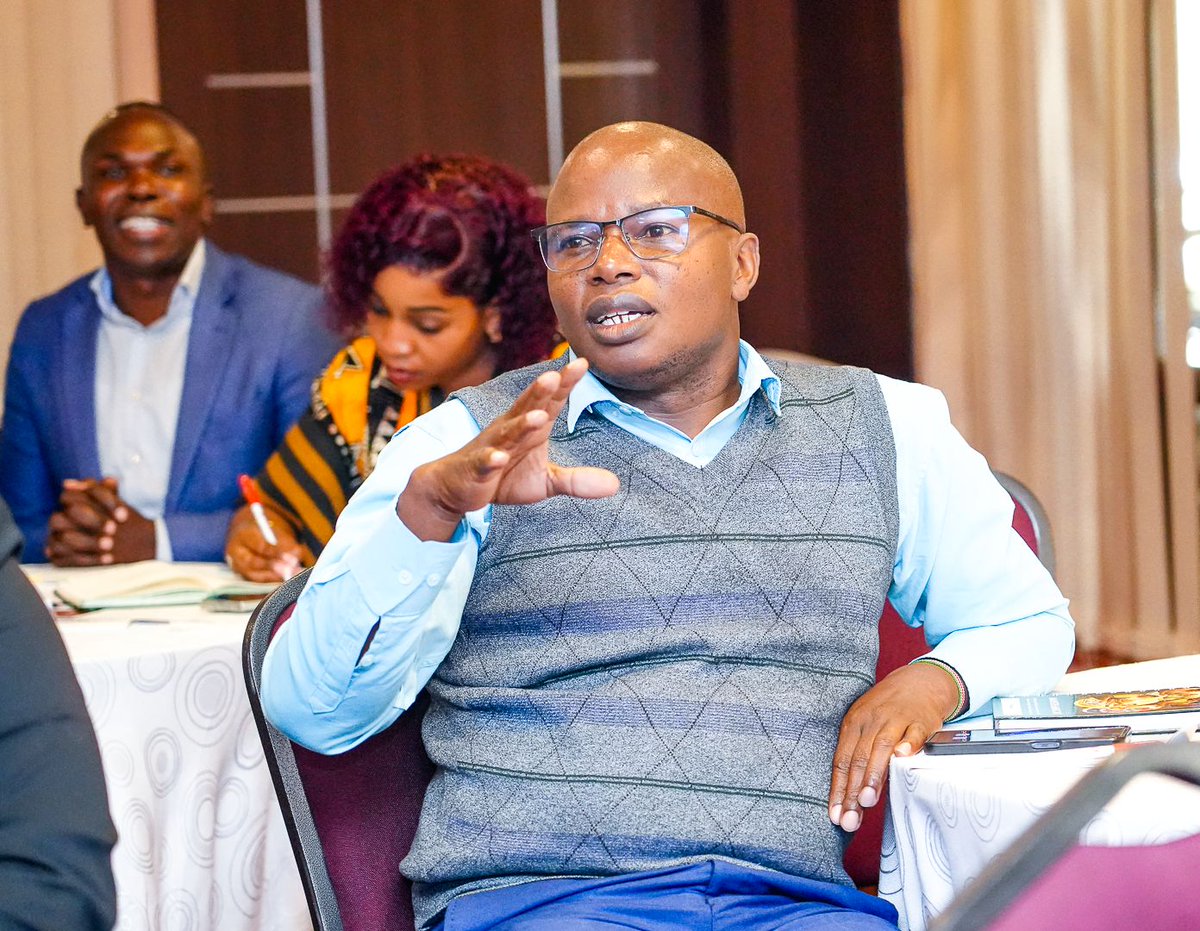
At yesterday's Nairobi Care Technical Working Group meeting, co-convened by @COVAW, @wowmomske and @NairobiCityGov, Rosemary Kariuki-Machua emphasised the importance of collaboration in shaping how care is understood and delivered across the city.
She spoke to the need for stronger alignment between sectors so that public services respond better to everyday realities.
Building effective care systems requires coordination, intention, and shared responsibility.
#ACT4Care #TransformingCare #ACTProjectKE #ChildcareWorkIsWork #CareEconomy #Inclusivity #NairobiCounty
2
7
184
Care is already holding this city together. It just isn't showing up in the budget.
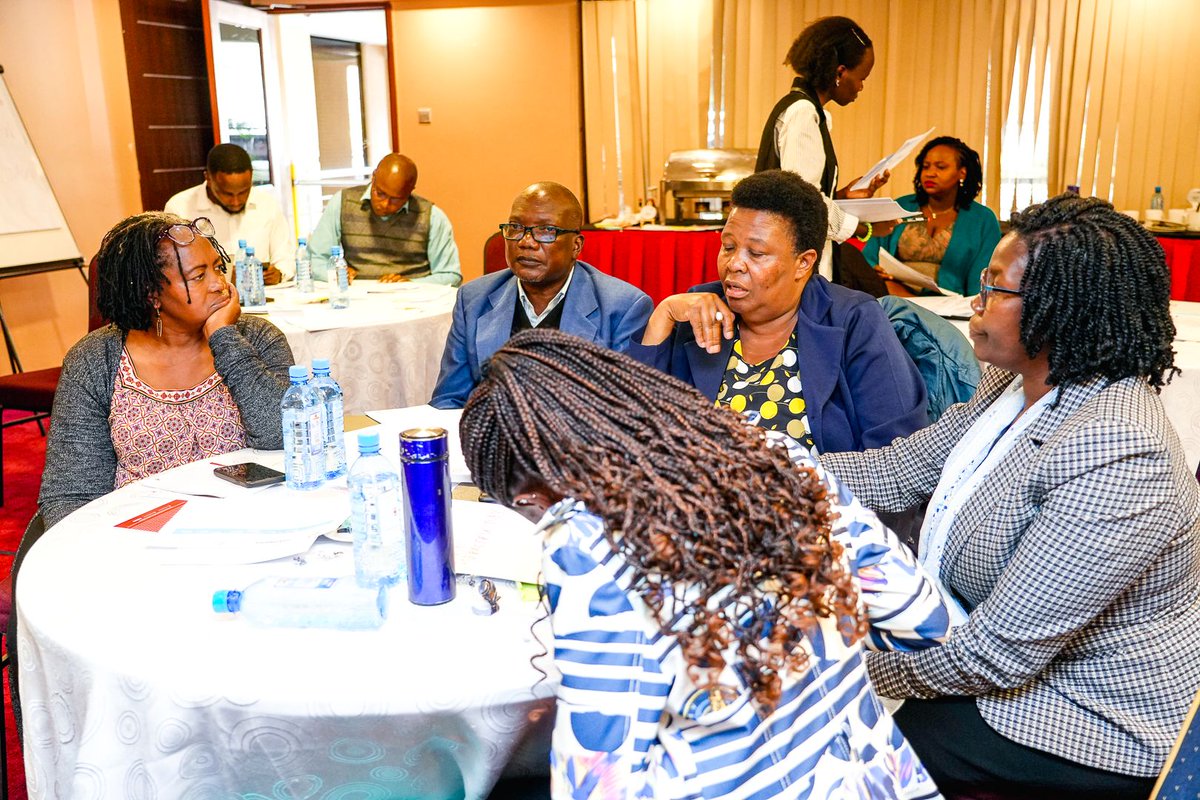
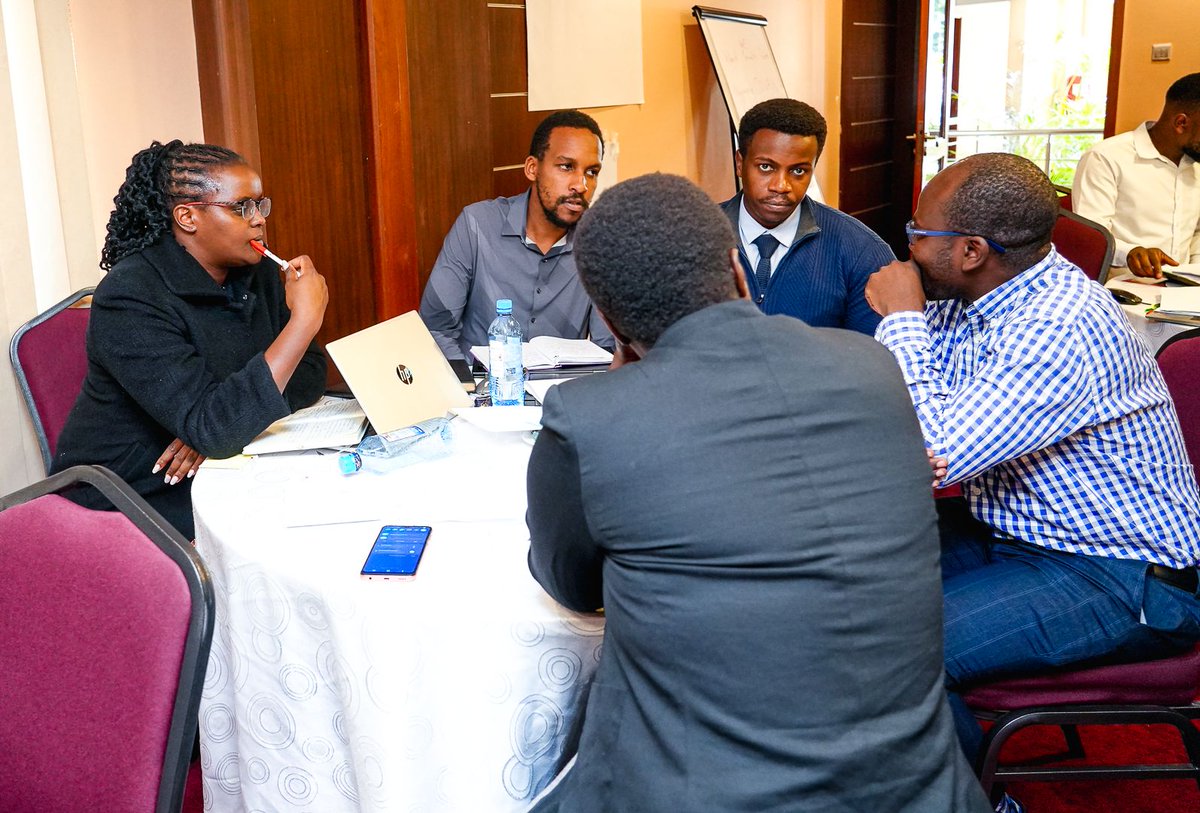
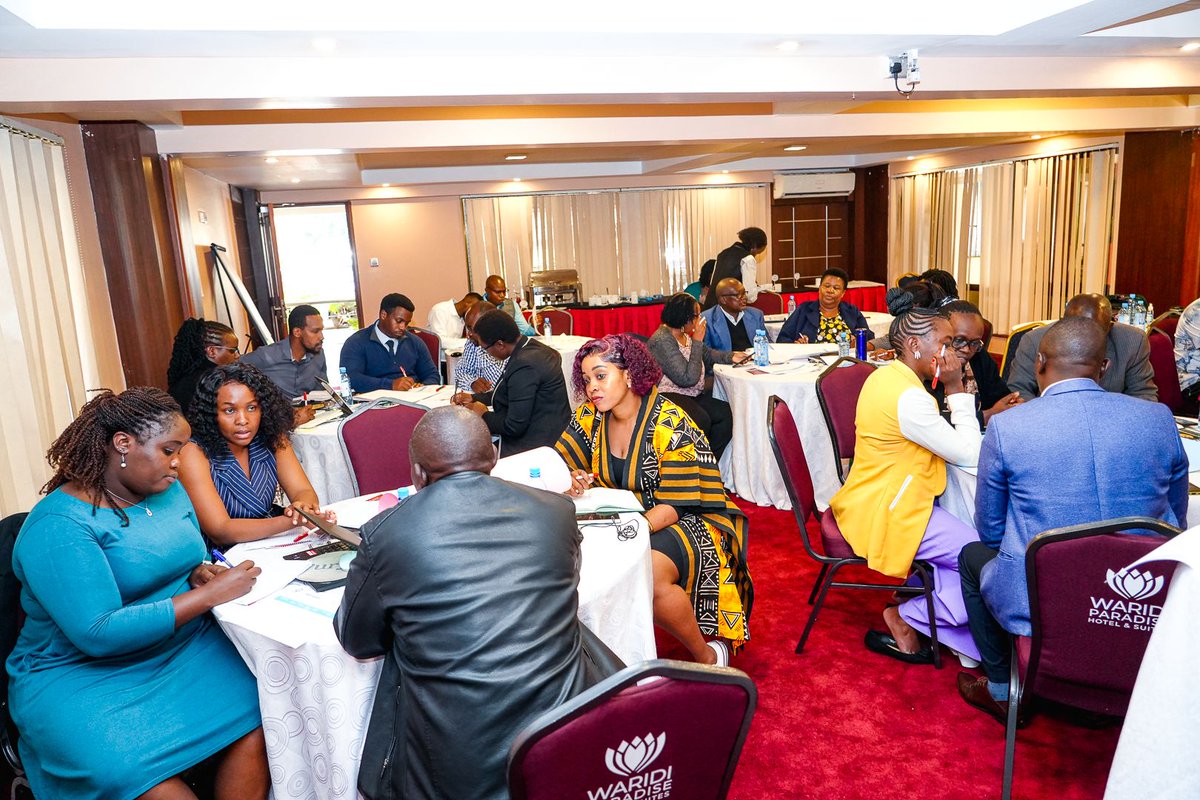
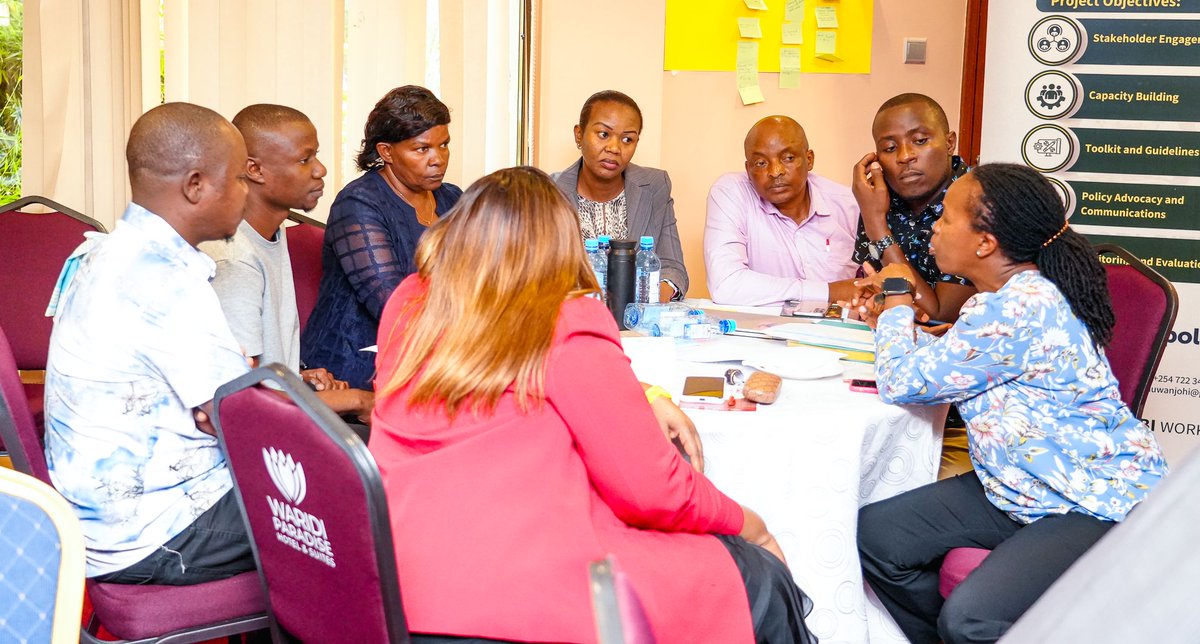
Yesterday, the Nairobi Care Technical Working Group met, co-convened by @covaw, @wowmomske and @NairobiCityGov, to identify priority areas of action for the care economy in Nairobi.
And what kept coming back, across every discussion, was that care is not a private matter. It is a public good.
It shapes whether a mother can go to work. Whether a child gets the support they need to grow. Whether an older person or a person with a disability can access the city at all. Whether a survivor of gender-based violence has somewhere safe to go. Whether a family caring for someone with a chronic illness can hold on.
Nearly 14% of Nairobi's population is children. The city's own mission, a city of order, dignity, and opportunity for all, cannot be achieved if care remains invisible in how we plan, budget, and govern.
The meeting looked at what needs to change:
● Care services that are accessible and fairly distributed across Nairobi
● Policies, from transport to housing to mobility, that are care-sensitive
● A budget that reflects care as an investment, not an afterthought
● A workforce that is recognised and supported.
Public participation in Nairobi's budget priorities is coming. When it opens, show up. Name care. Make it count.
A city that recognises care is a city that works.
#ACT4Care #TransformingCare #ACTProjectKE #ChildcareWorkIsWork #CareEconomy #CareEconomy #Inclusivity #NairobiCounty

4
70
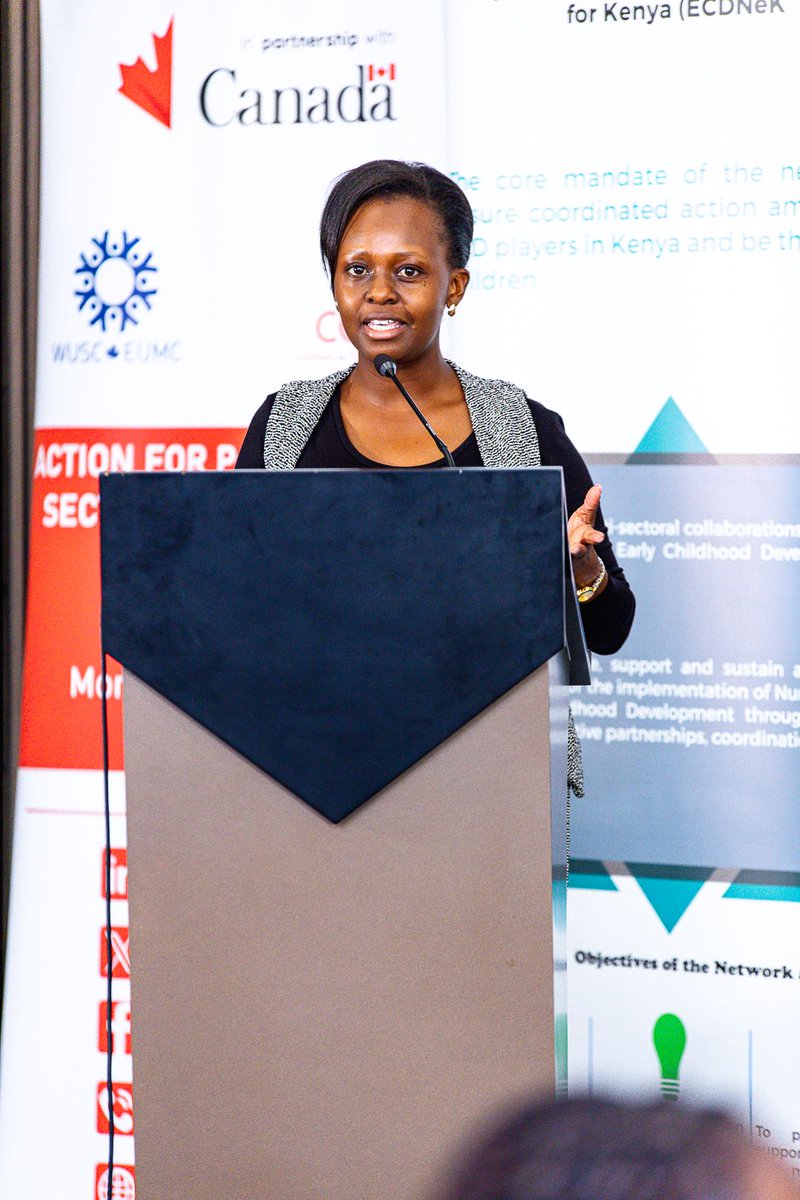
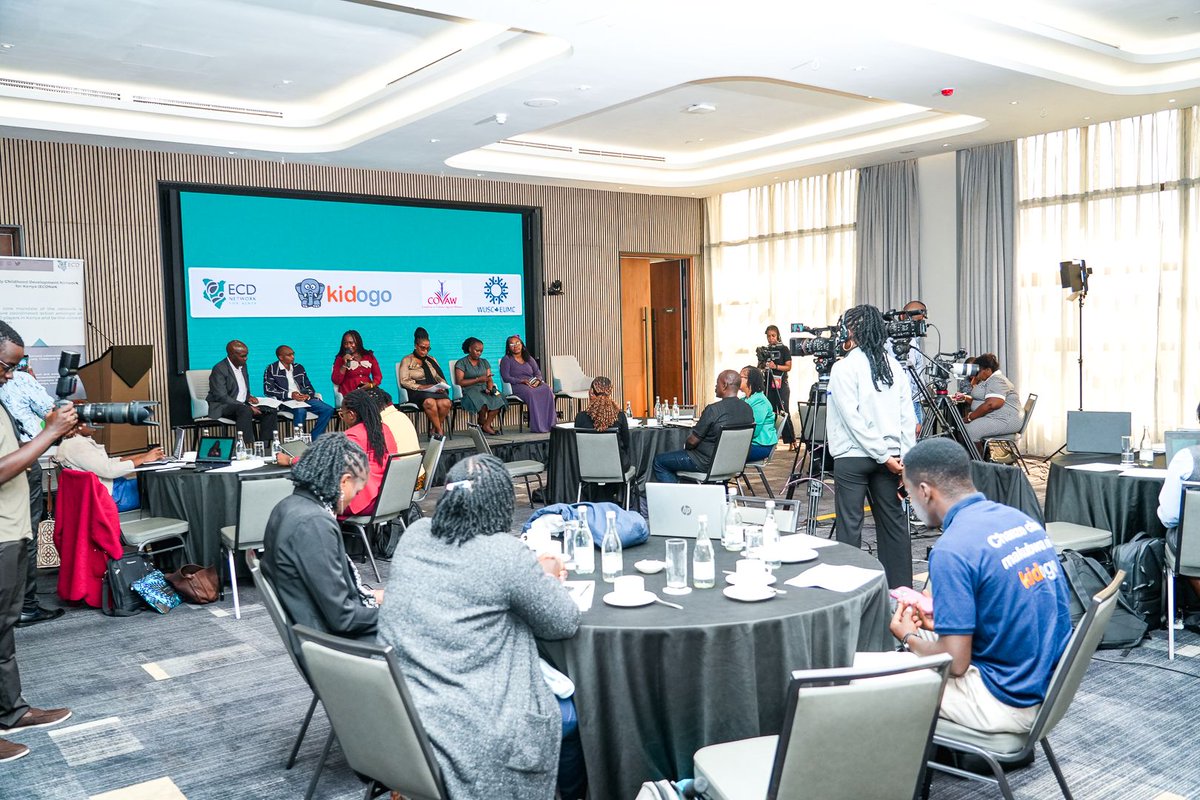
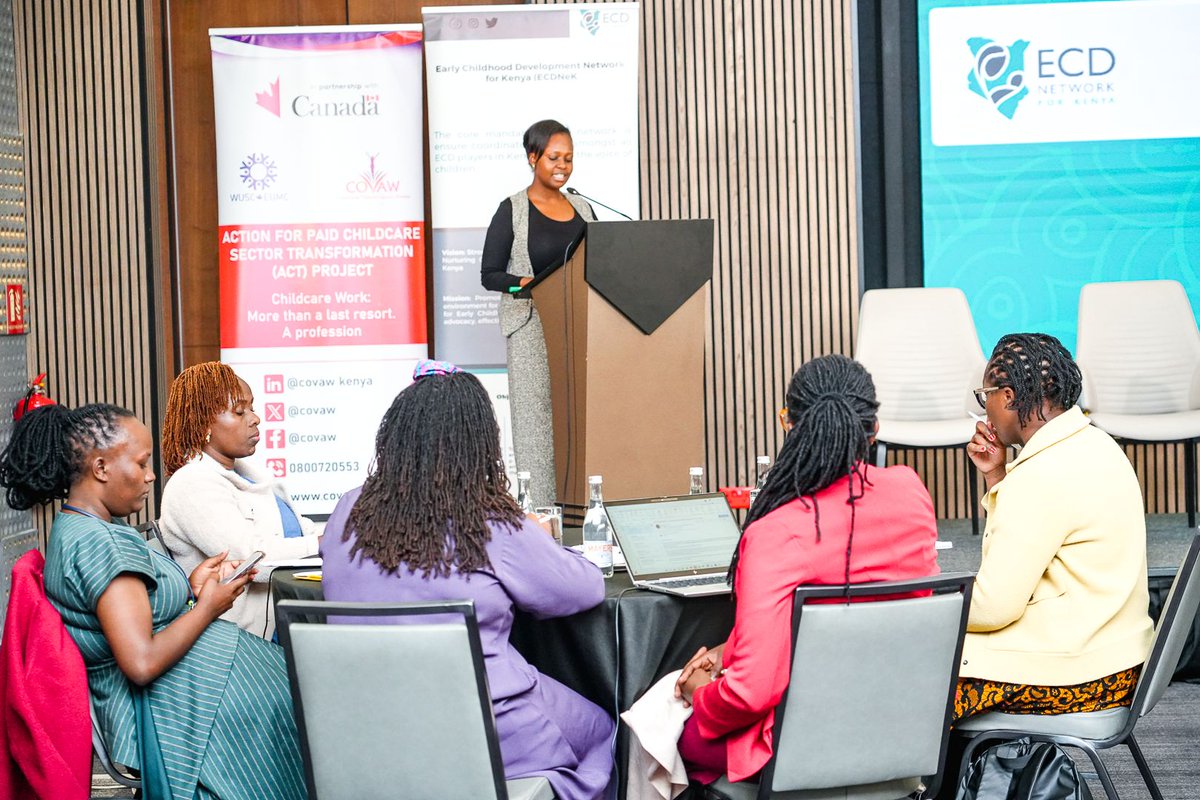
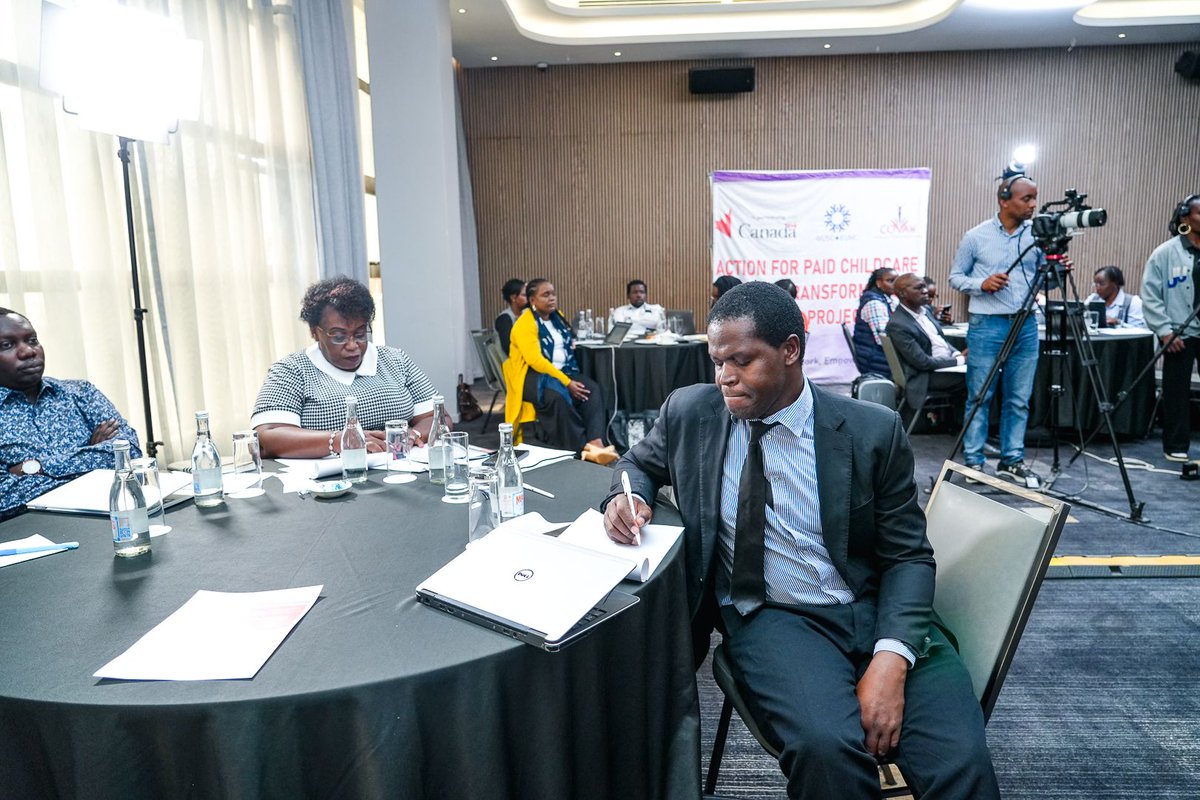
“For many women, the biggest barrier to opportunity is not ambition or skill, it is the absence of reliable childcare.” - Ruth Muendo, WUSC Kenya Country Director and ACT Project Director.
Speaking during her opening remarks at the Webinar on Empowering Women & Men through Enhanced Childcare Support Systems, Ruth emphasized that childcare is not a private issue; it is a systems issue, a gender issue, and a development issue.
She highlighted the need to intentionally invest in stronger childcare systems, engage men as equal partners in care, and work with communities to shift harmful norms around caregiving.
Because when childcare systems work, the impact goes beyond families. Women are better able to participate in the economy, children thrive, communities become more resilient, and economies grow stronger.
#ACT4Care #TransformingCare #ACTProjectKE #ChildcareWorkIsWork #COVAW #WUSC
2
9
181
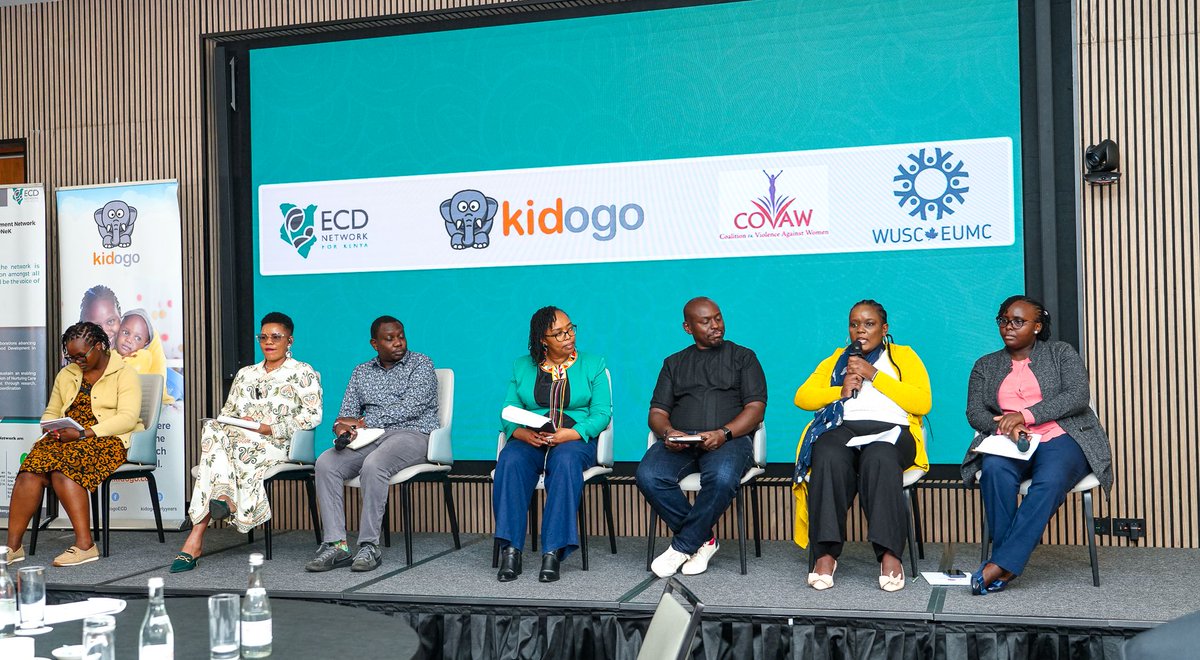
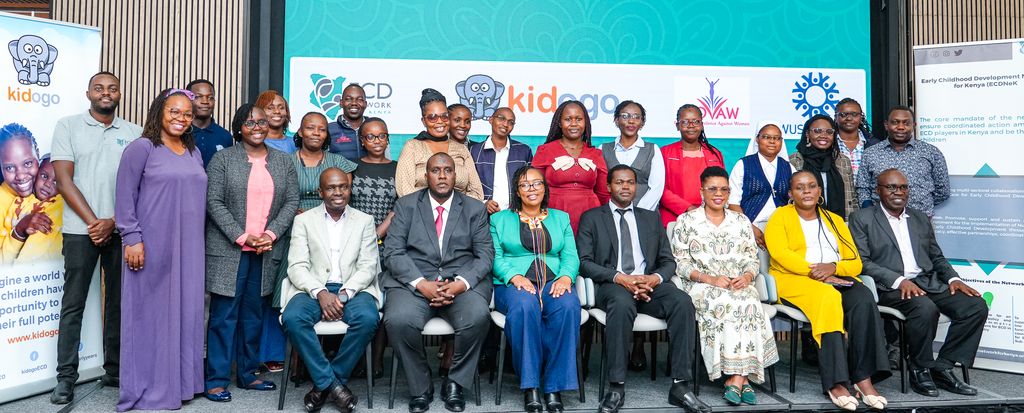
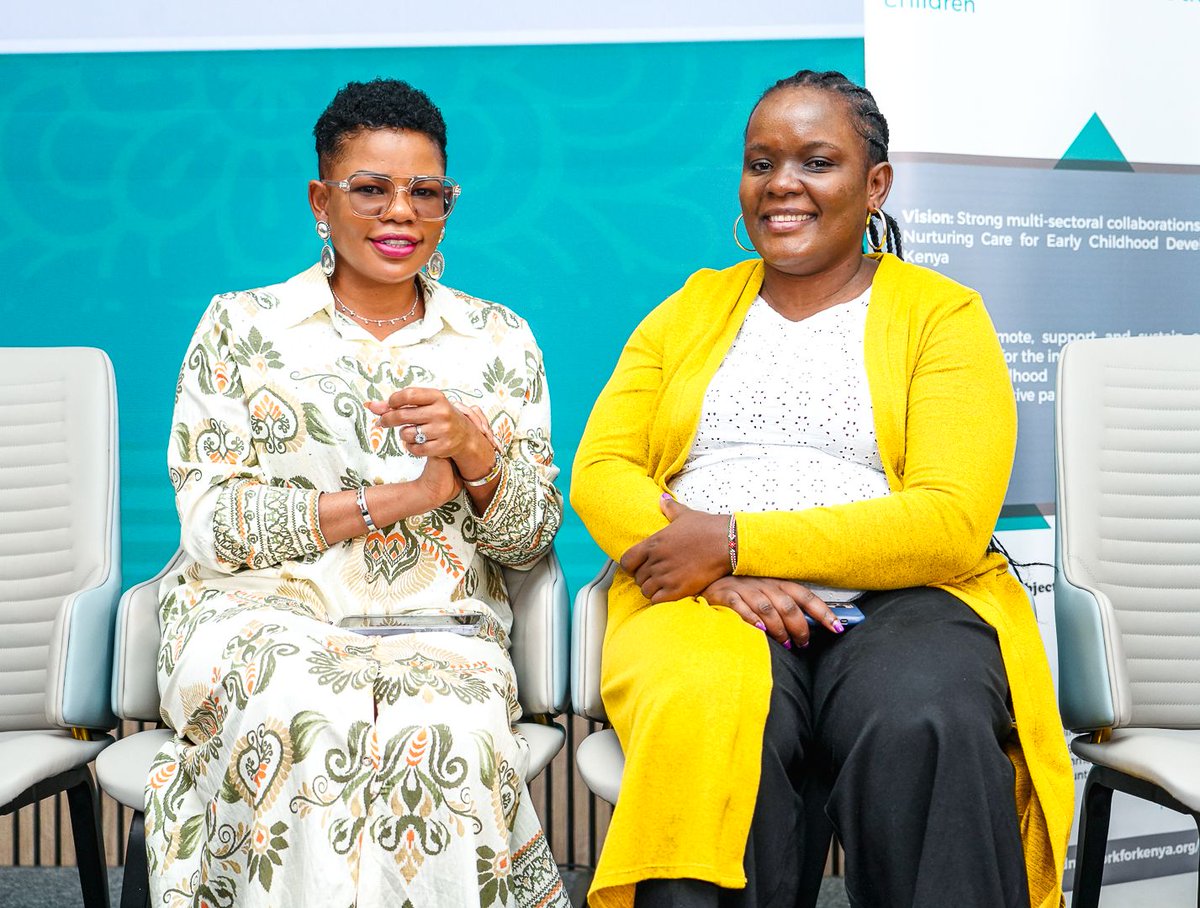
Childcare work holds families, workplaces, and economies together, yet it remains some of the most undervalued work in society.
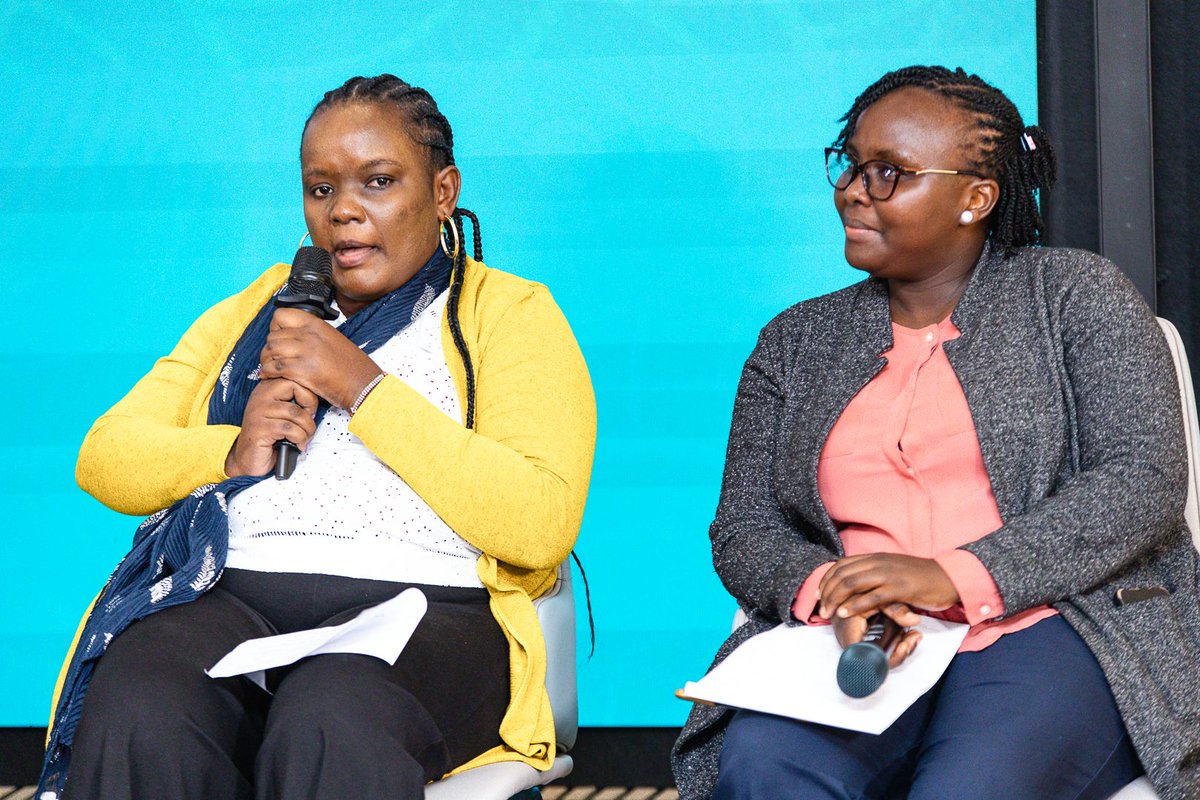
At the webinar on Empowering Women & Men through Enhanced Childcare Support Systems, COVAW Executive Director @fridahannet challenged us to rethink care work, not as “women’s work” or invisible labour, but as the foundation that makes all other work possible.
She spoke about the need to move beyond conversations and build systems that truly support care workers and families. From professional training and certification for childcare providers to fair pay, legal protections, parental leave, flexible workplaces, and gender-responsive budgeting, she emphasised that investing in care must be treated as a national priority.
Because when care work is undervalued, women often carry the biggest burden, through lost opportunities, stalled careers, and unpaid labour. But when care responsibilities are shared, and care workers are supported with dignity, families are stronger, women are better able to participate in the economy, and communities thrive.
Supporting care is not charity. It is a smart economic policy.
#ACT4Care #TransformingCare #ACTProjectKE #ChildcareWorkIsWork
2
9
147
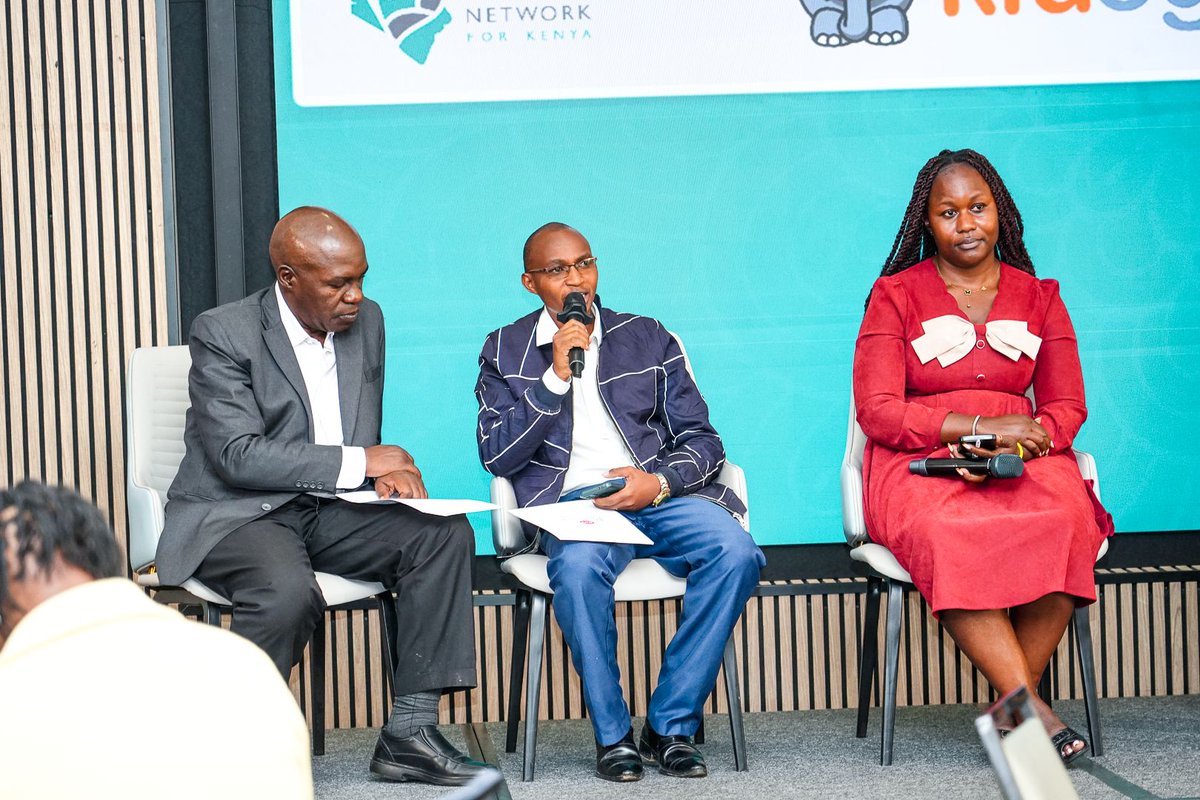
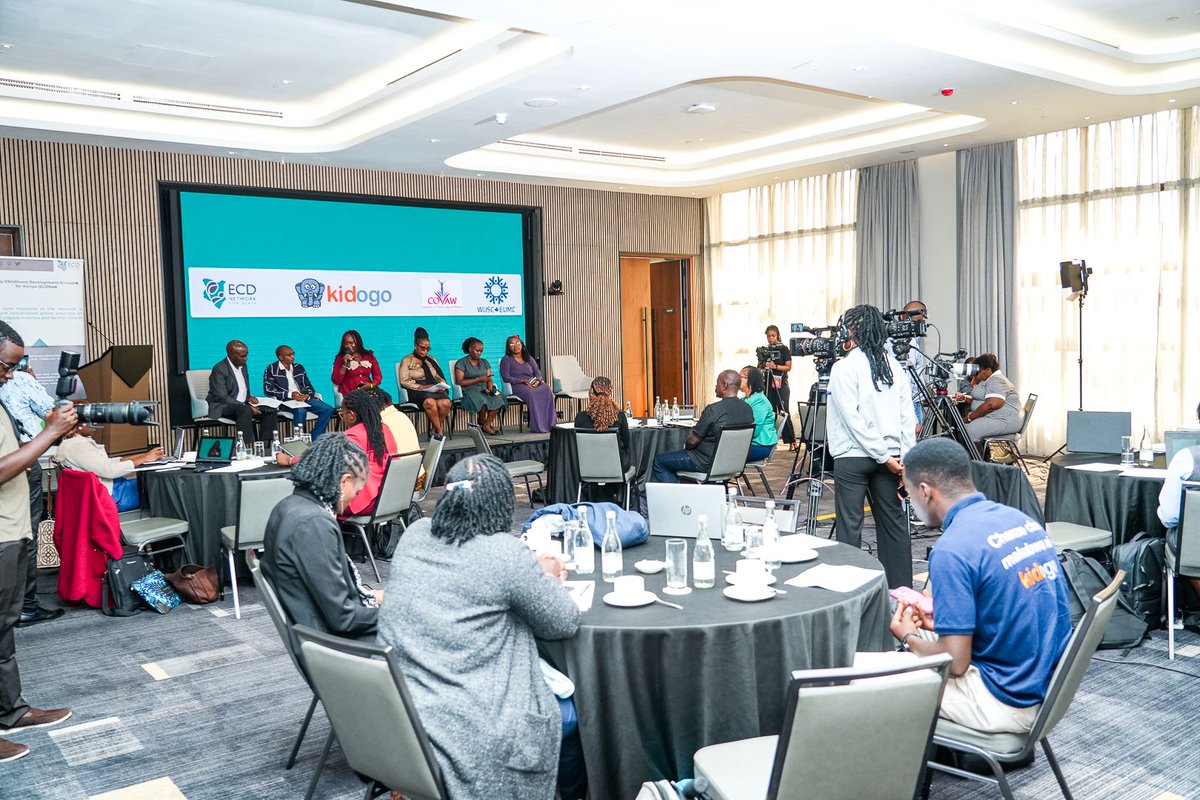
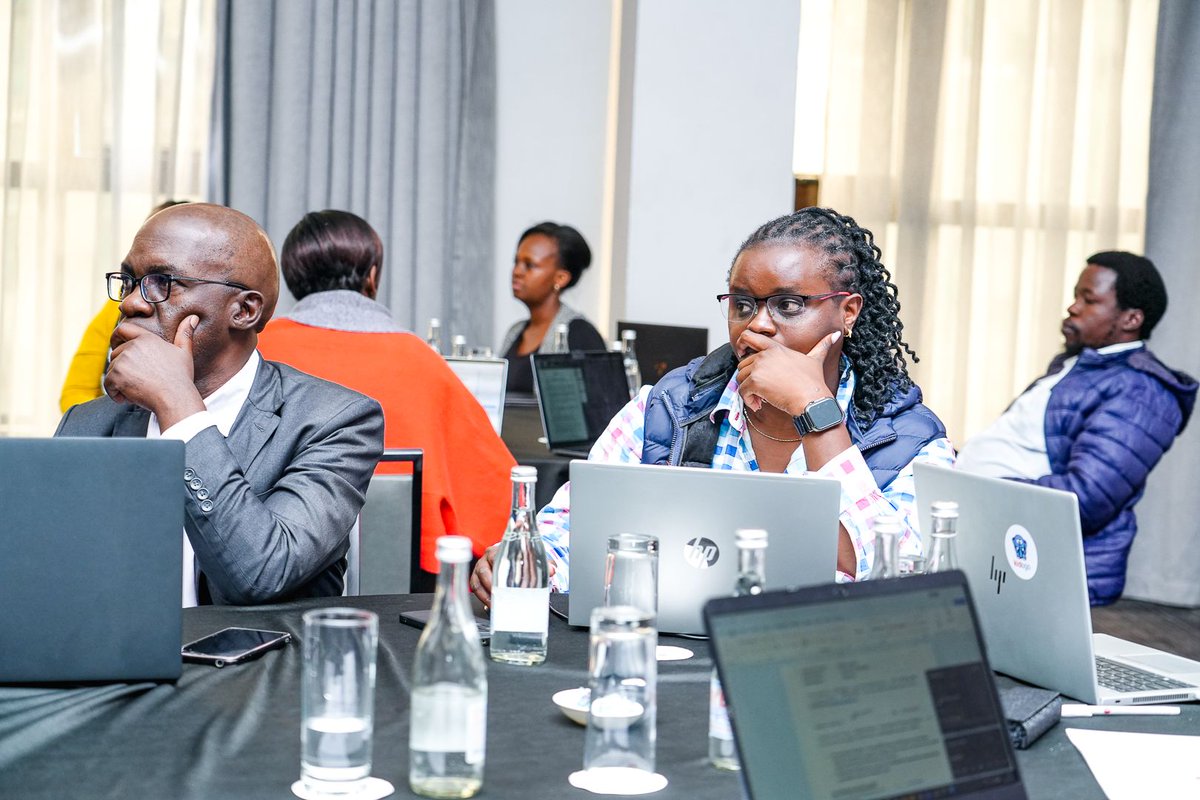
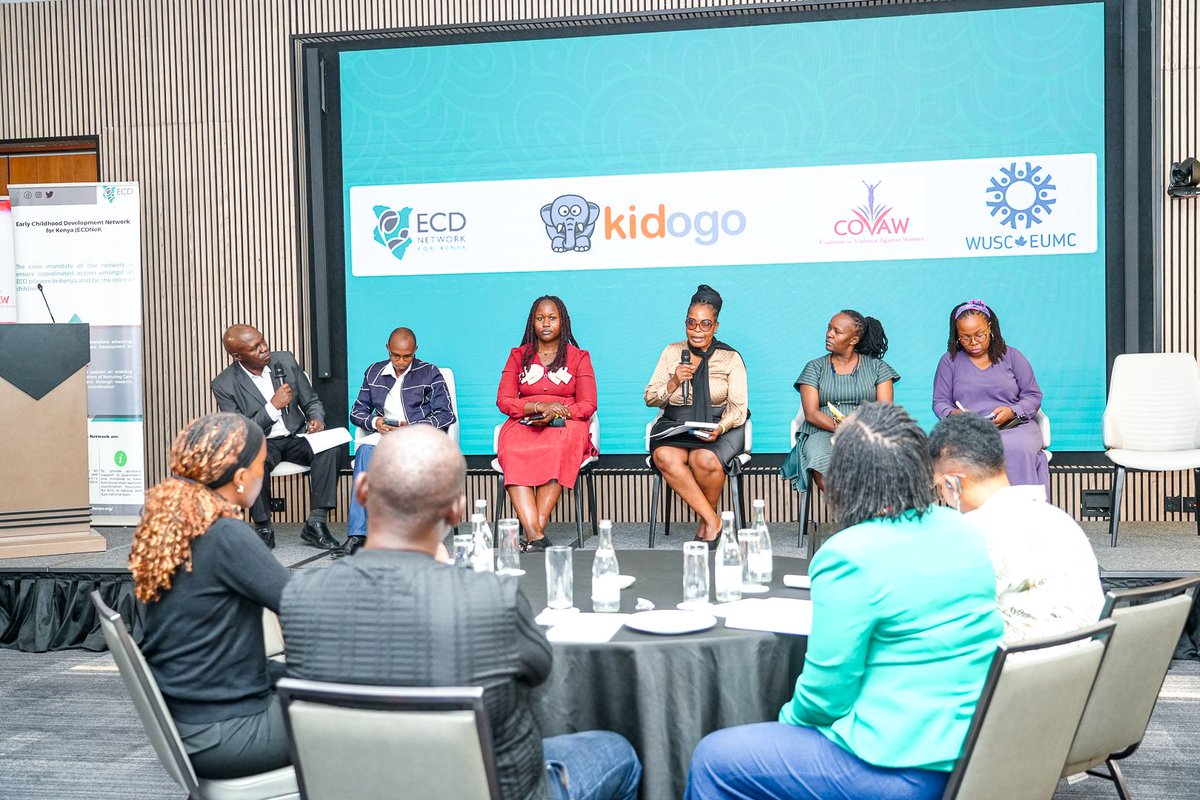
“Mainstreaming childcare requires men’s involvement. Their participation in the sector is key to helping shift social norms around childcare.” - Michael Owino, Papapreneur.
Powerful insights from the ongoing webinar on Empowering Women & Men through Enhanced Childcare Support Systems.
Creating supportive childcare systems is not just a women’s issue; it requires collective responsibility, shared care, and intentional inclusion of men in caregiving spaces.
#Act4Care #TransformingCare #ACTProjectKE #ChildcareWorkIsWork #COVAW
6
99
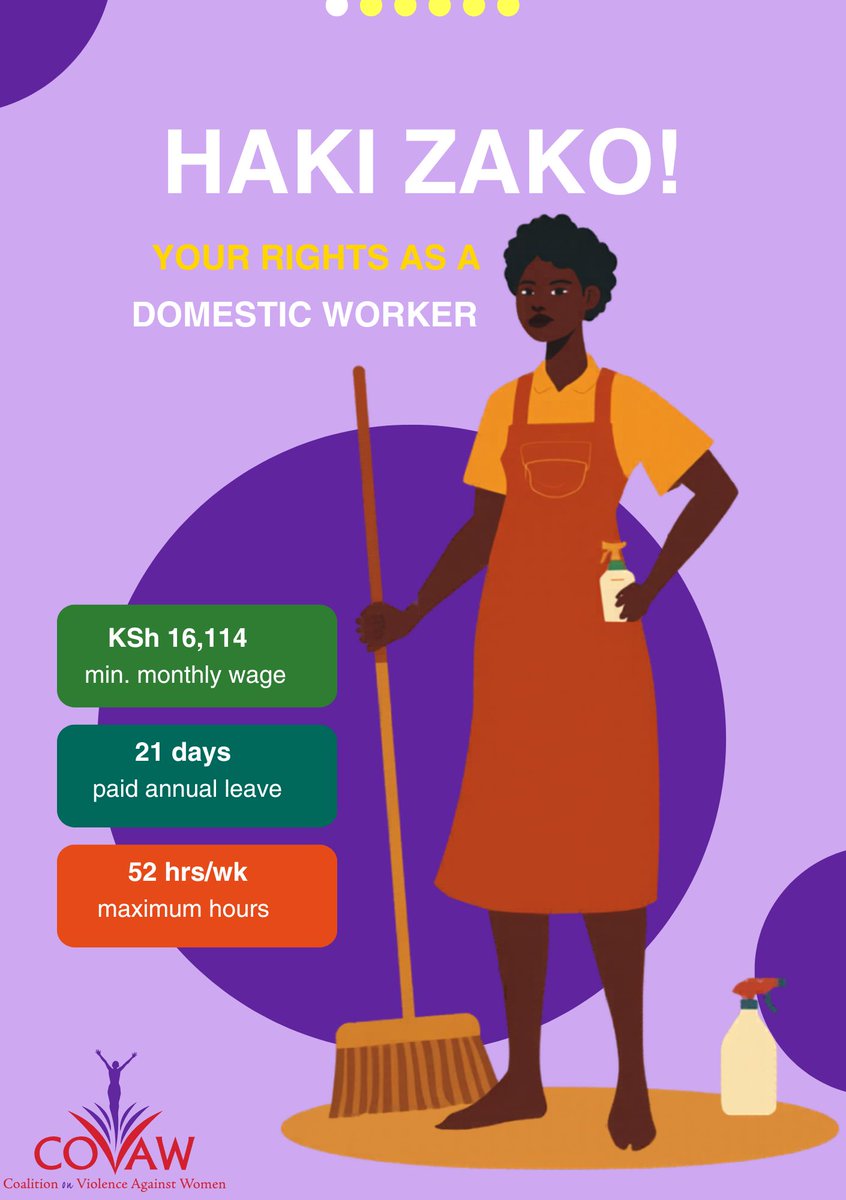
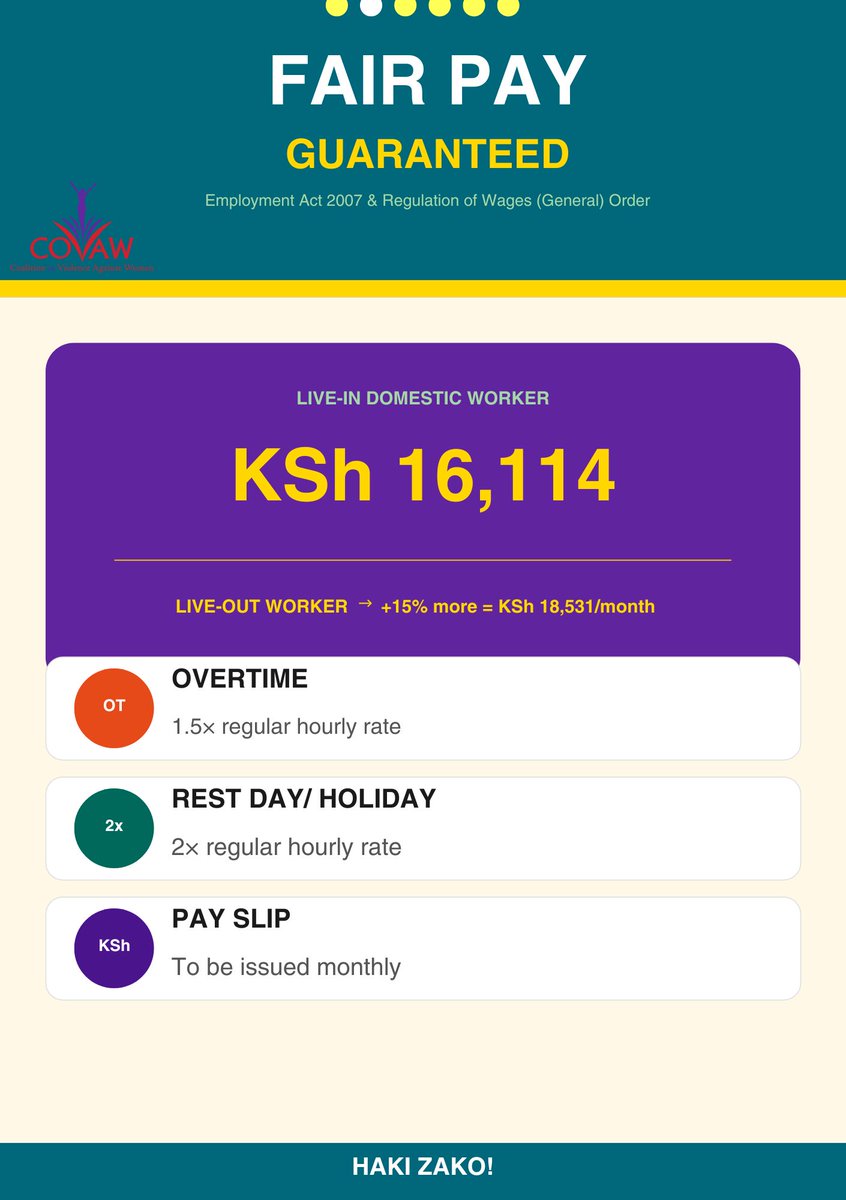
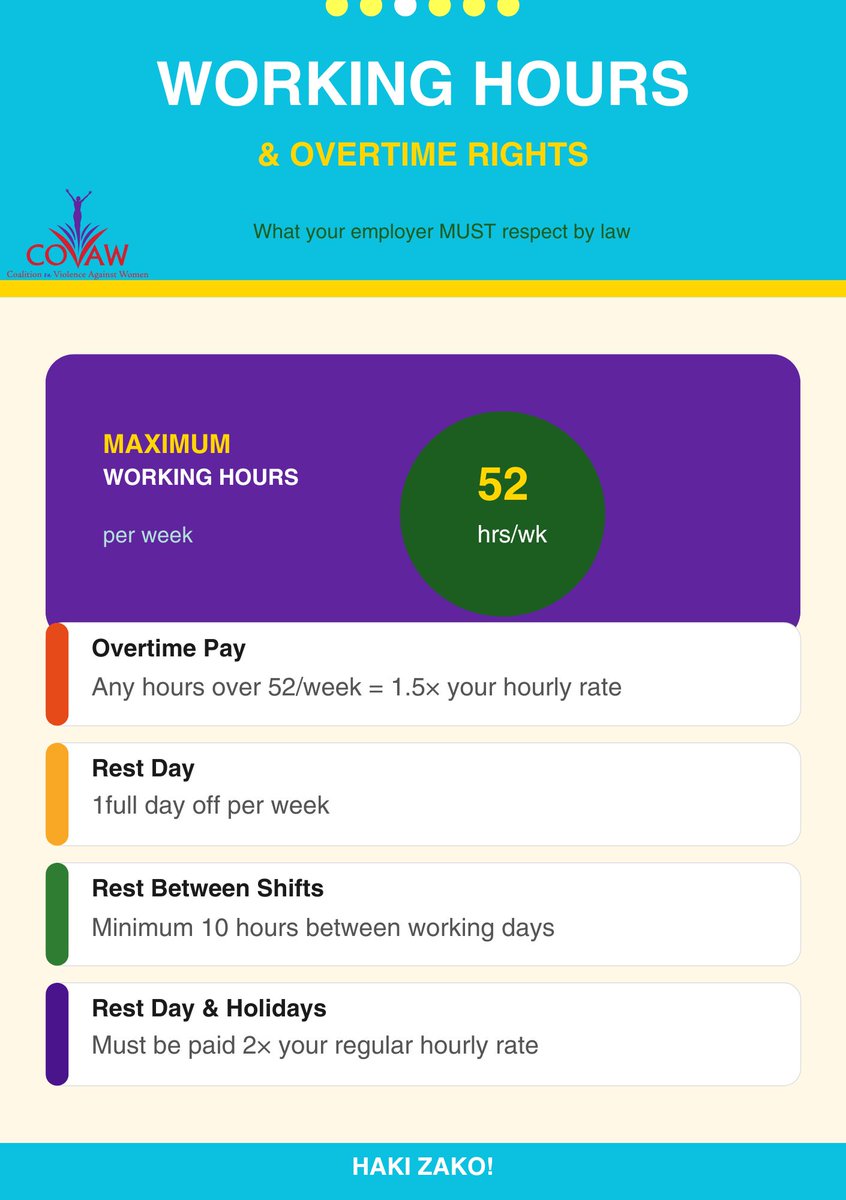
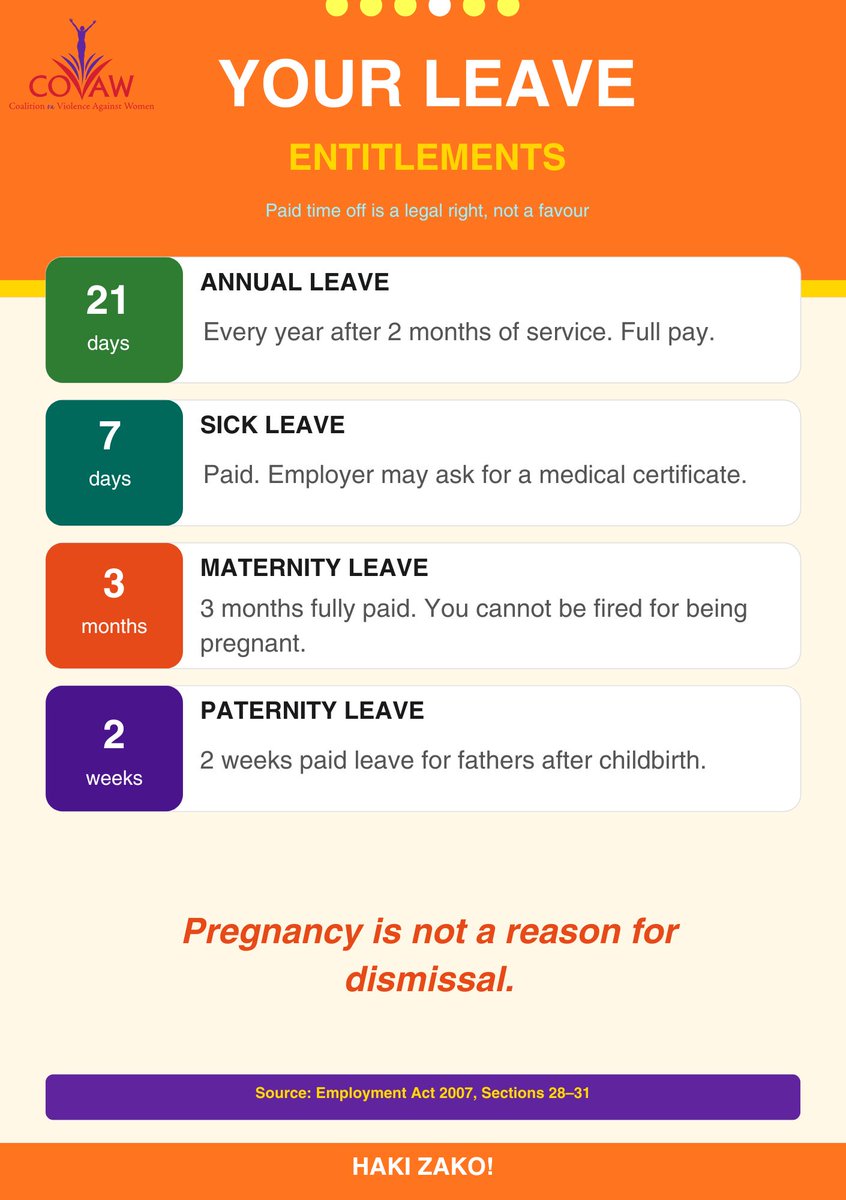
HAKI ZAKO SI FAVOUR!
Your rights at work are protected by law, not dependent on kindness.
Fair pay. Rest days. Written contracts. Protection from unfair dismissal.
Domestic workers deserve dignity, respect, and justice.
📲 Swipe through. Know your rights. Claim your rights. Defend your rights.
📞 Need support? Contact us: 0800 720 553
#ACT4Care #HAKIZAKO #ACTProjectKE #COVAW #WUSC
2
2
4
139
We believe every woman deserves the opportunity to thrive, and that starts with accessible, quality childcare.
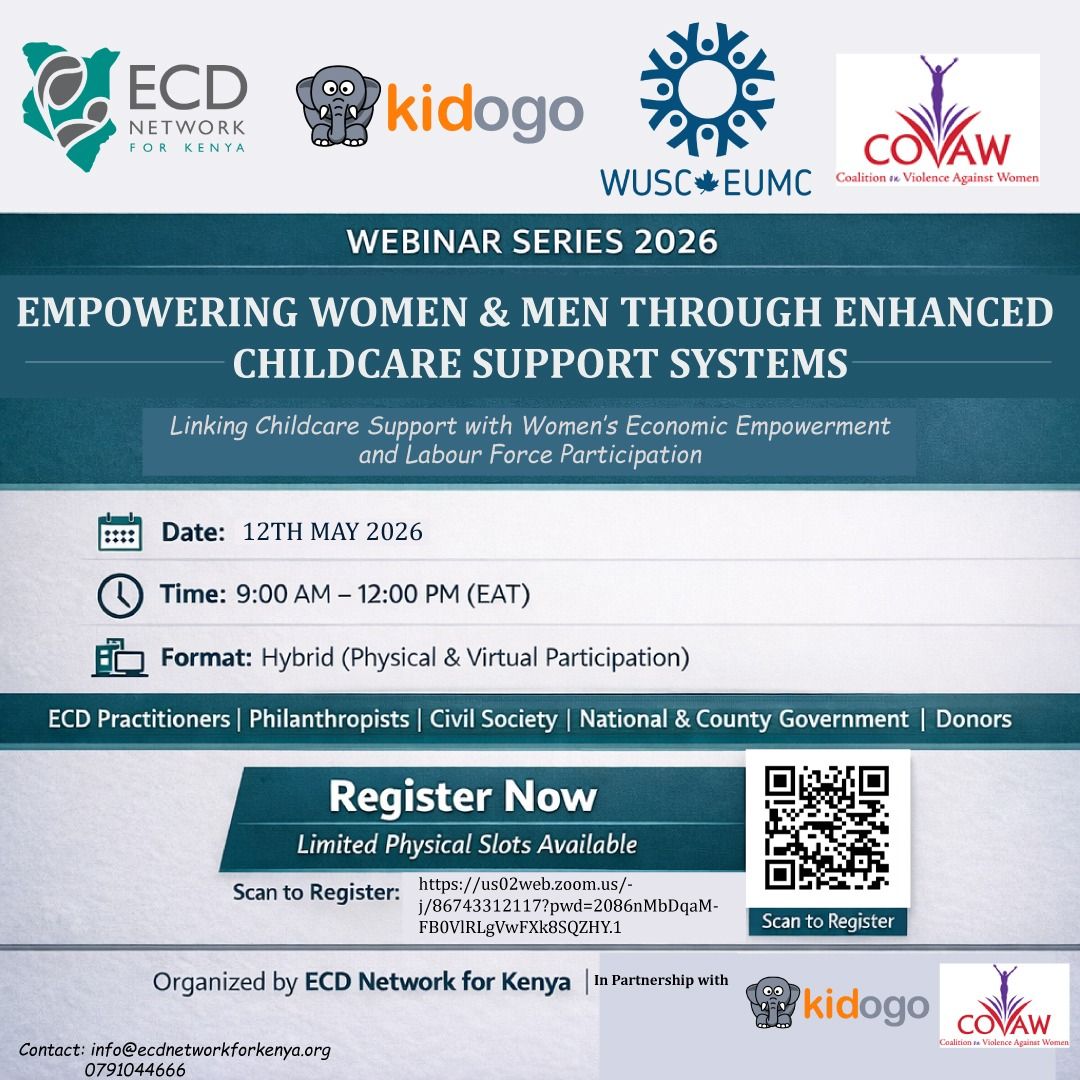
COVAW is pleased to partner with the @ecdnetwork_ke and @Kidogo_ECD for Episode II of the ECDNeK Webinar Series: Empowering Women & Men Through Enhanced Childcare Support Systems
This dialogue will bring together sector leaders and policy influencers to explore how strengthened childcare systems can advance women’s economic empowerment and support greater labour force participation.
📅 12th May 2026
⏰ 9:00 AM – 12:00 PM (EAT)
📍 Hybrid (Physical & Virtual)
Secure your spot today: buff.ly/aMgDpZs
#ACT4Care #ACTProjectKE #TransformingCare #childcareworkiswork #WomensEconomicEmpowerment #genderequality
3
10
278
Maria thought she was helping her niece find a better life.
Through a referral, the way many domestic and childcare workers find jobs, she connected her to an opportunity that promised better pay, a contract, and decent working conditions.
She was hopeful. After all, Maria herself had found fair and respectful employment with the Mwambas.
But what her niece walked into was anything but that.
In partnership with @CitizenTVKenya's Mother-In-Law, COVAW brings you a story that reflects the lived realities of childcare workers in Kenya.
A new opportunity. A fresh start. But beneath the promise, a different truth begins to unfold, one that far too many workers silently endure.
Watch the full story here → buff.ly/GV8O0qc
#Act4Care #ACTProjectKE #ChildcareWorkIsWork #TransformingCare #DomesticWorkers #ChildcareWorkers #COVAW #MotherInLaw #DecentWork #KnowYourRights #WUSC
@WorldUniService @wuscmw @GAC_Corporate @DPAKenya @HMAAKenyaOrg @oxfamkenya @YouthAliveKenya
2
190
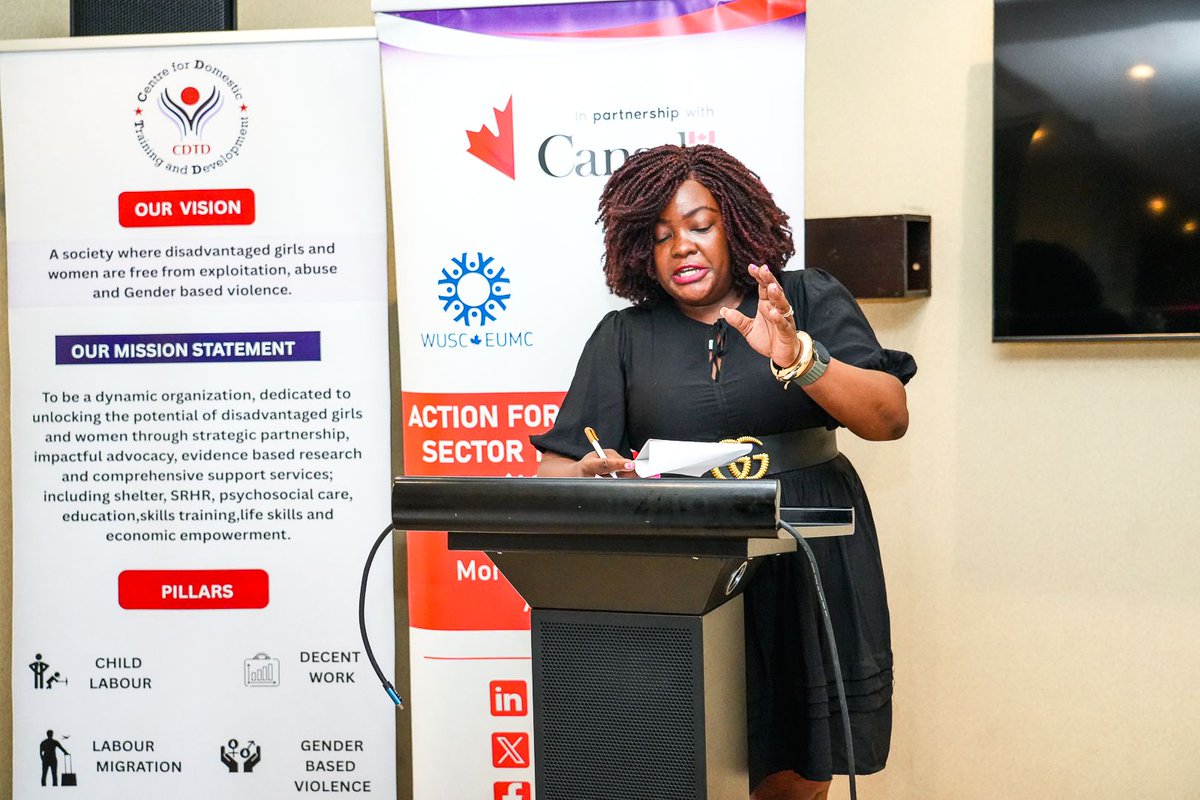
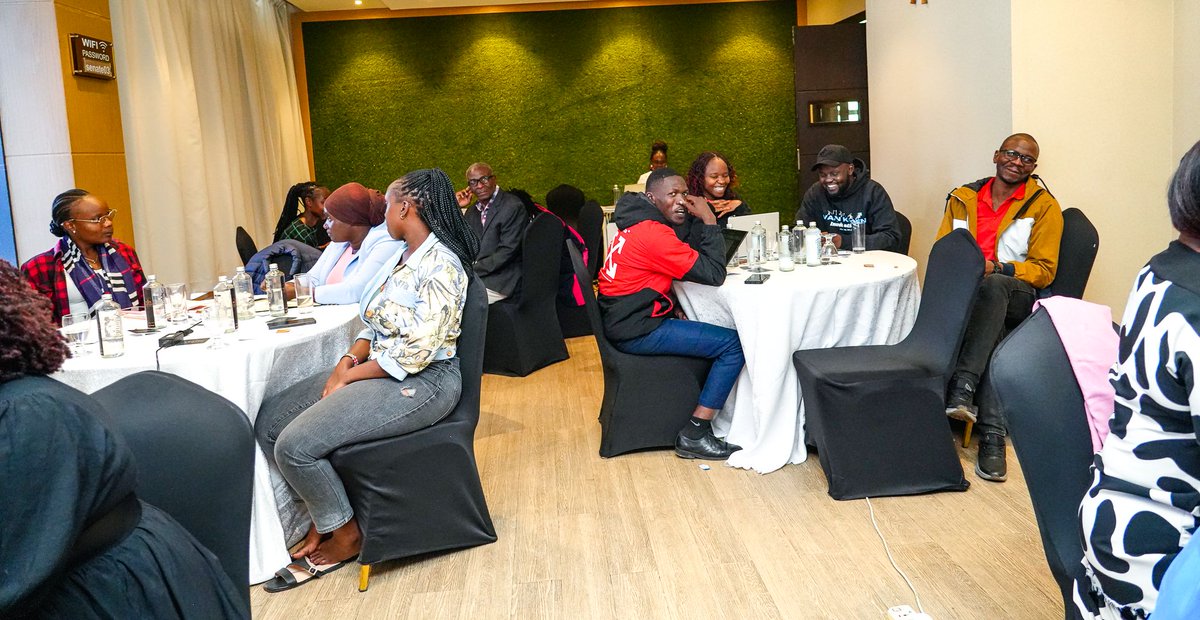
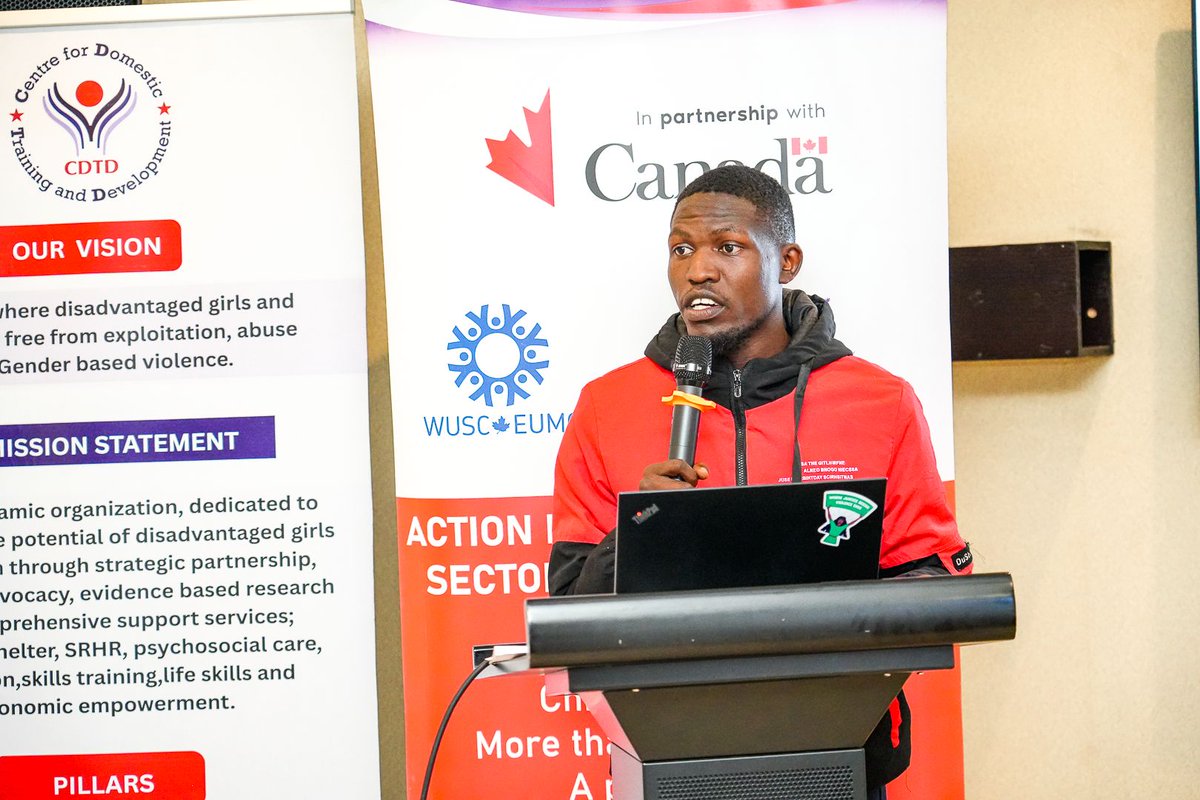
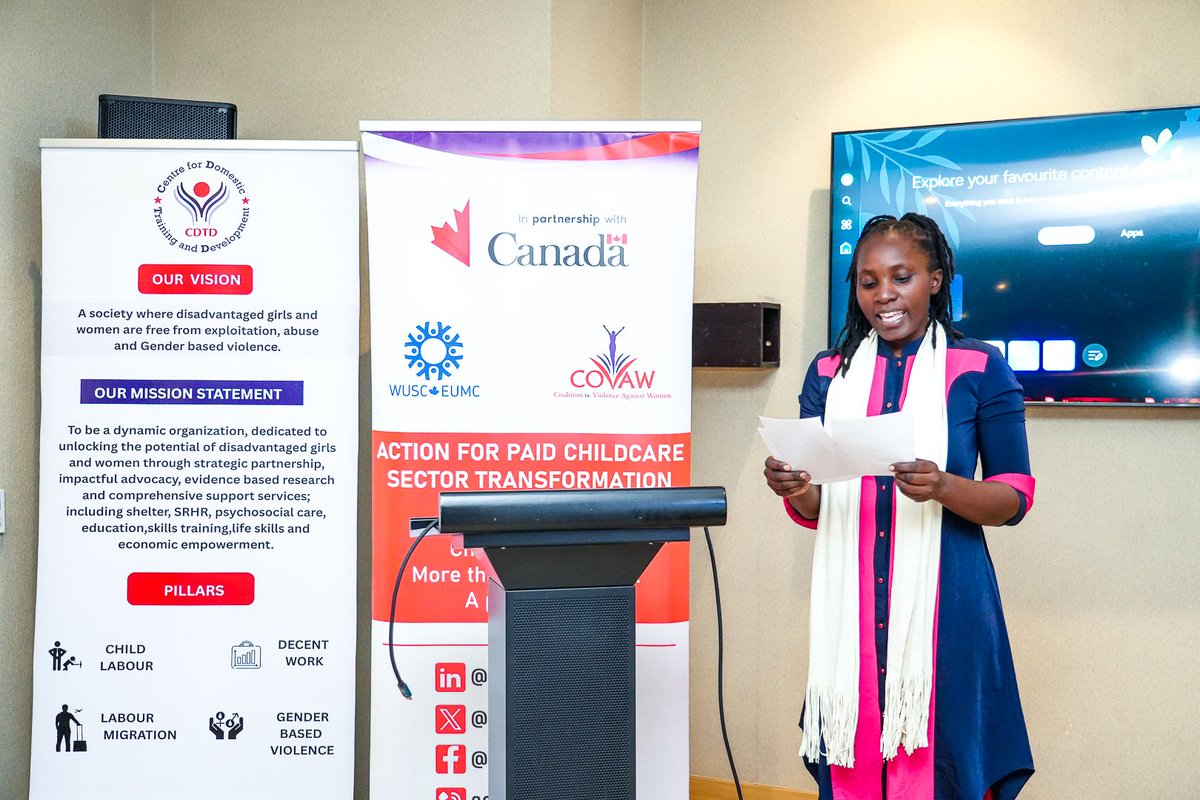
Domestic workers deserve more than a handshake agreement. As one worker shared, “Without a contract, everything depends on trust, and that can easily be abused.”
@covaw, in partnership with @CDTD_ , convened a forum to review and assess the need for a standard domestic work contract, an important step toward safeguarding rights, ensuring clear working conditions, and promoting fair treatment. Domestic workers participated actively, sharing their experiences and perspectives.
All participants agreed on the need for contracts to formalize work agreements and protect both workers and employers. It’s time to turn this commitment into action. Let’s ensure every domestic worker has a clear, fair, and enforceable contract.
#Act4Care #ACTProjectKE #ChildcareWorkIsWork #DomesticWorkersRights #ProtectDomesticWorkers
2
4
127
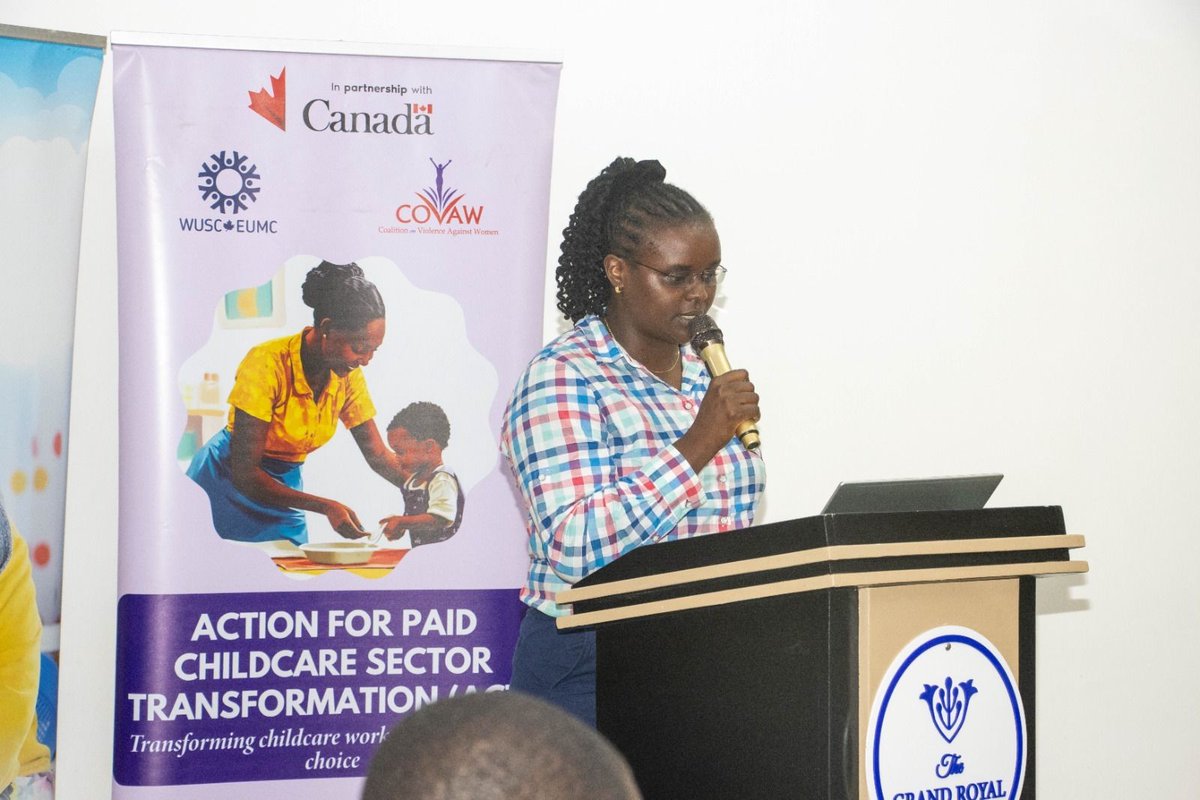
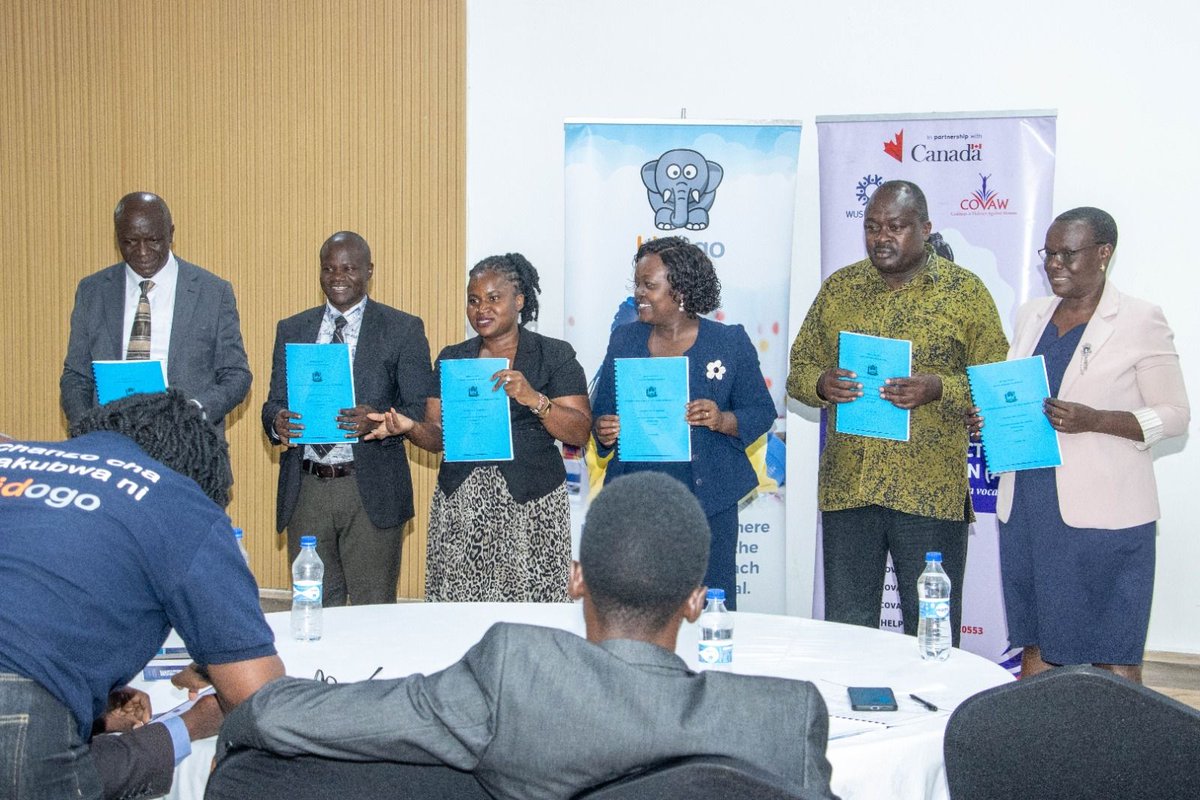
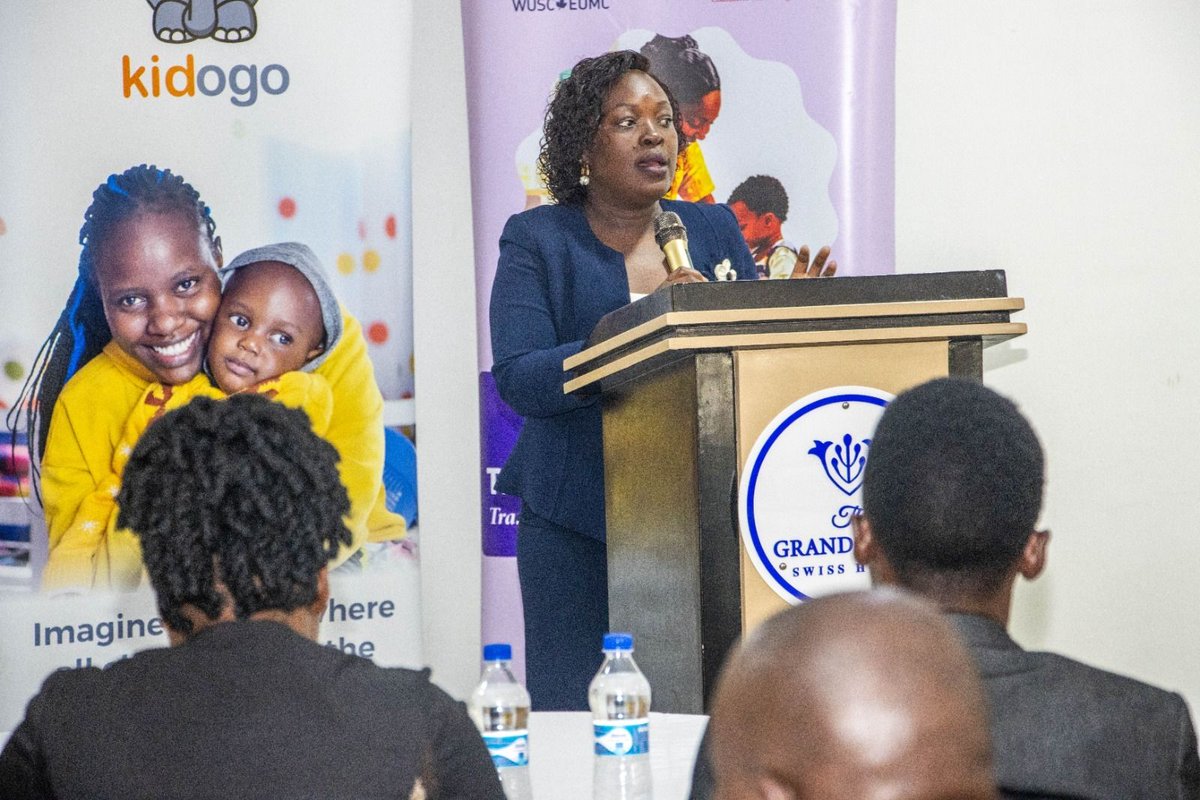
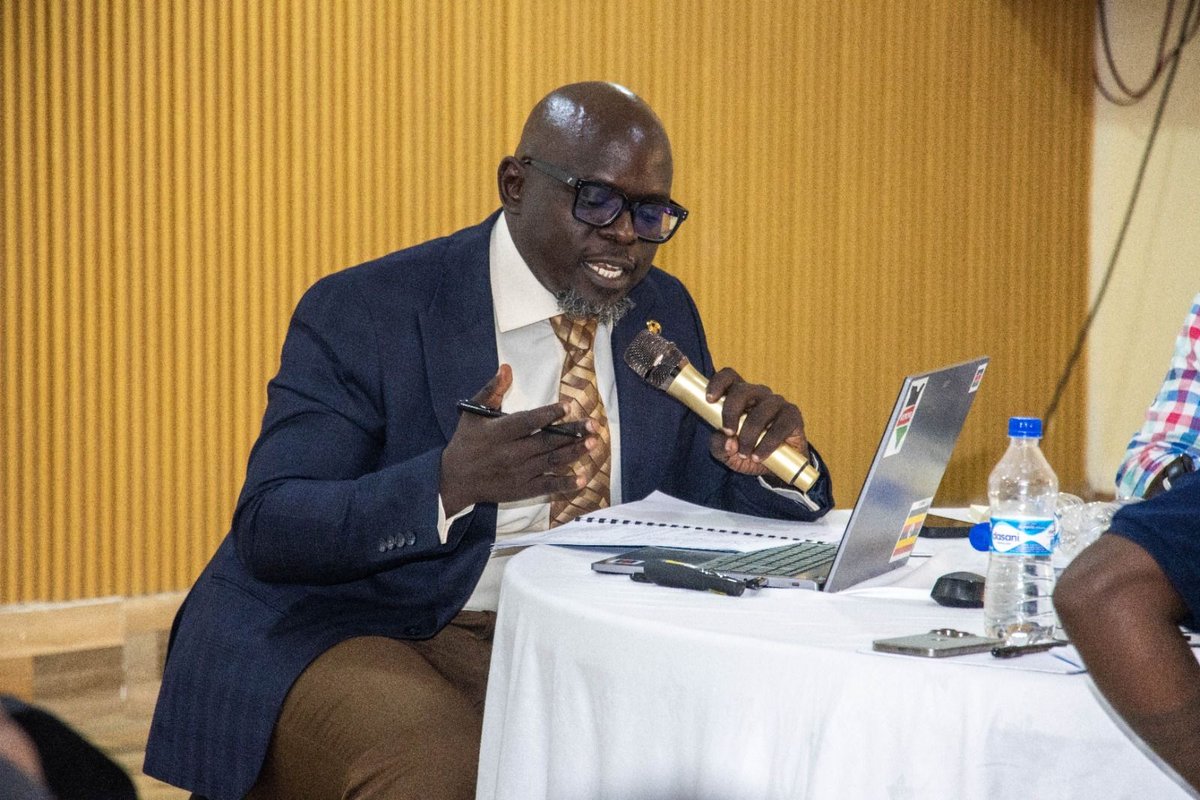
Strengthening care systems starts with getting the policy right.
Through the Action for Paid Childcare Sector Transformation (ACT) Project, @covaw engaged the Kakamega County Executive Committee in a technical review of the Draft Kakamega County Care Policy, an important step toward ensuring it aligns with the County Integrated Development Plan (CIDP) and is ready for submission to the County Assembly.
As emphasized by County Attorney Ms. Vivianne Mmbaka, this validation process is key to safeguarding fundamental human rights and ensuring the policy is practical, enforceable, and impactful.
At its core, the policy seeks to ensure that care work is formally recognized, measurable, and fairly rewarded, because care is work, and it must count.
#Act4Care #ACTProjectKE #CareWorkCounts #GenderEquality #PolicyForChange #WUSC #COVAW #Kakamega
3
9
294
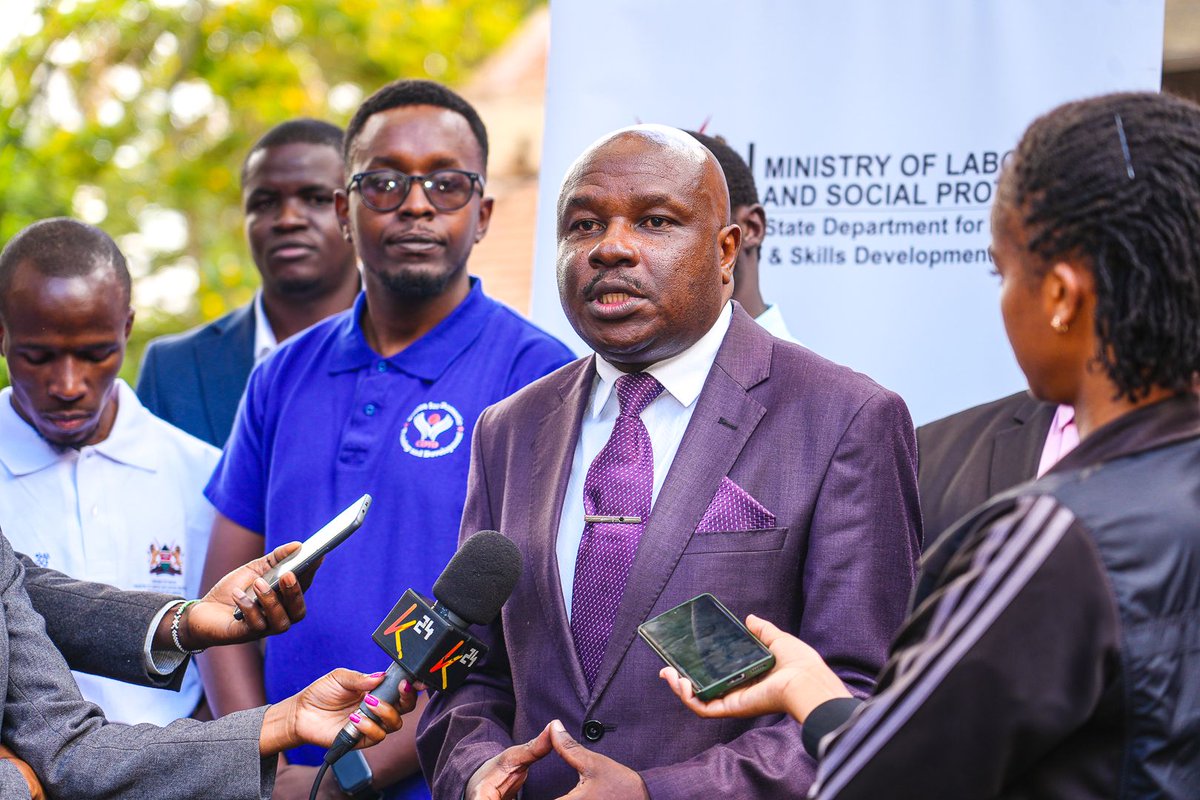
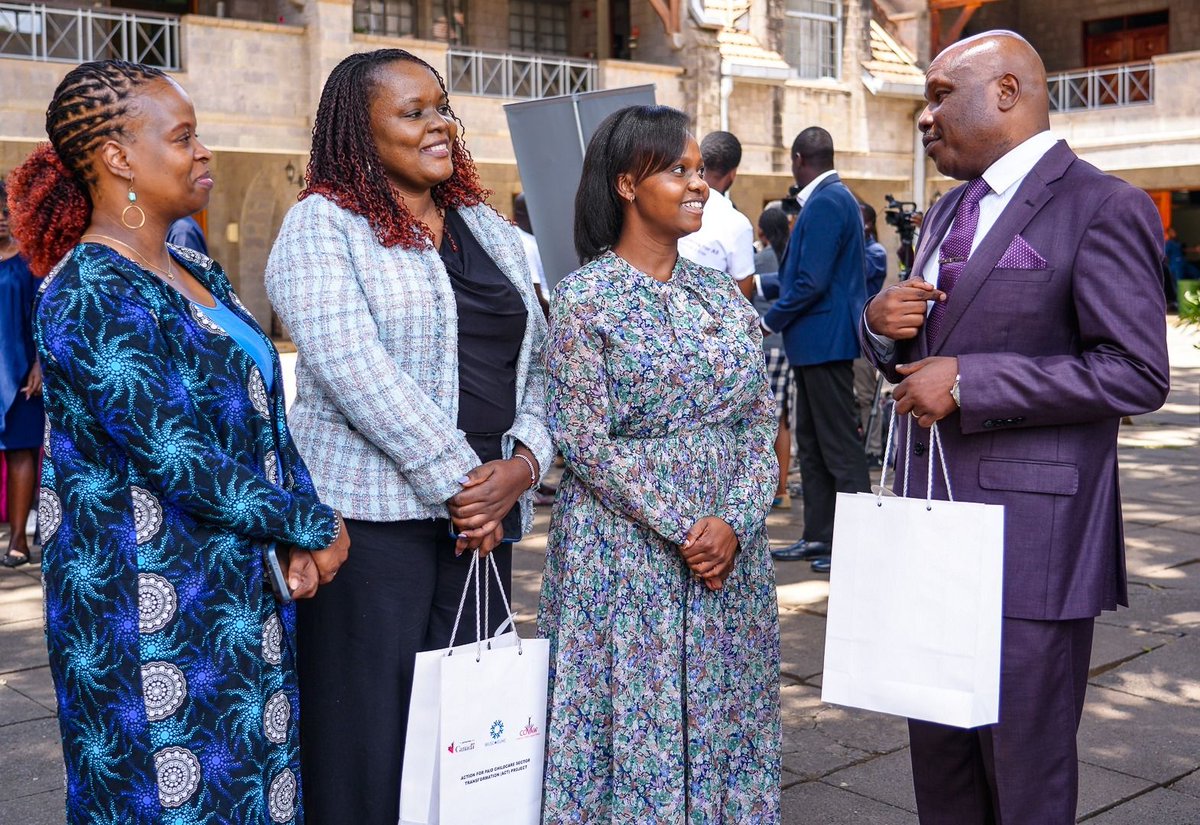
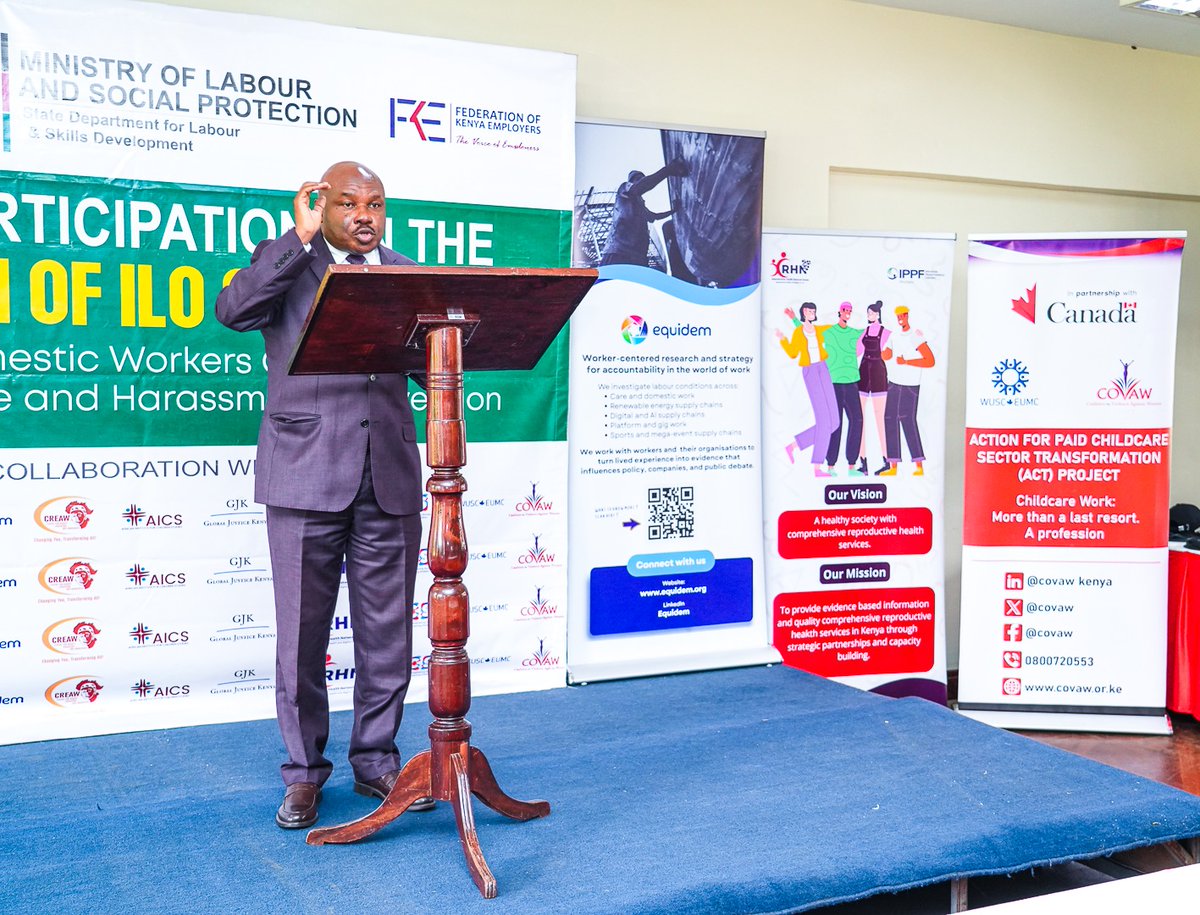
"The ratification of ILO Conventions 189 and 190 is not merely a legal step; it is a statement of our commitment to transforming the labour market in Kenya. It reflects our vision of workplaces that are fair, inclusive, and resilient, where every worker, including those in the informal sector and domestic workers, is protected, valued, and treated with dignity. This is a milestone in advancing decent work, promoting gender equality, and ensuring safe and harassment-free environments for all." – State Department for Labour and Skills Development, PS Shadrack Mwadime, during the Nairobi public participation on the ratification of ILO Conventions 189 & 190.
#Act4Care #ACTProjectKE #RatifyILO189 #RatifyILO190 #ChildcareWorkIsWork #DecentWork
12
16
552
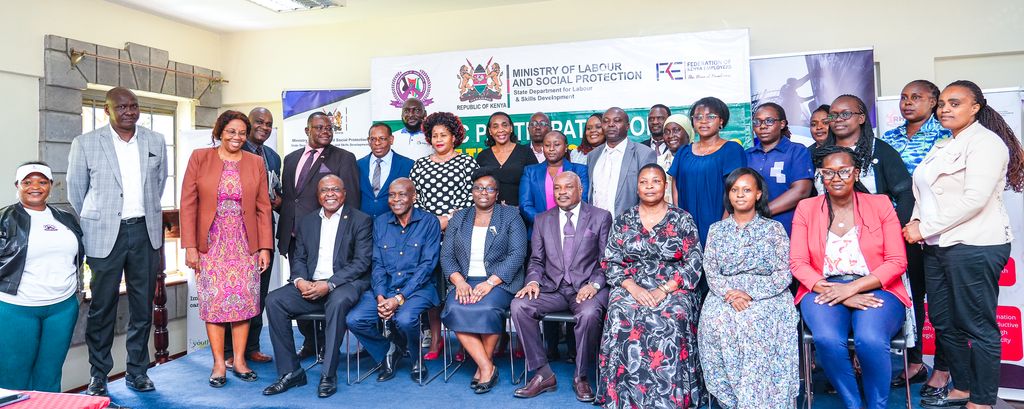
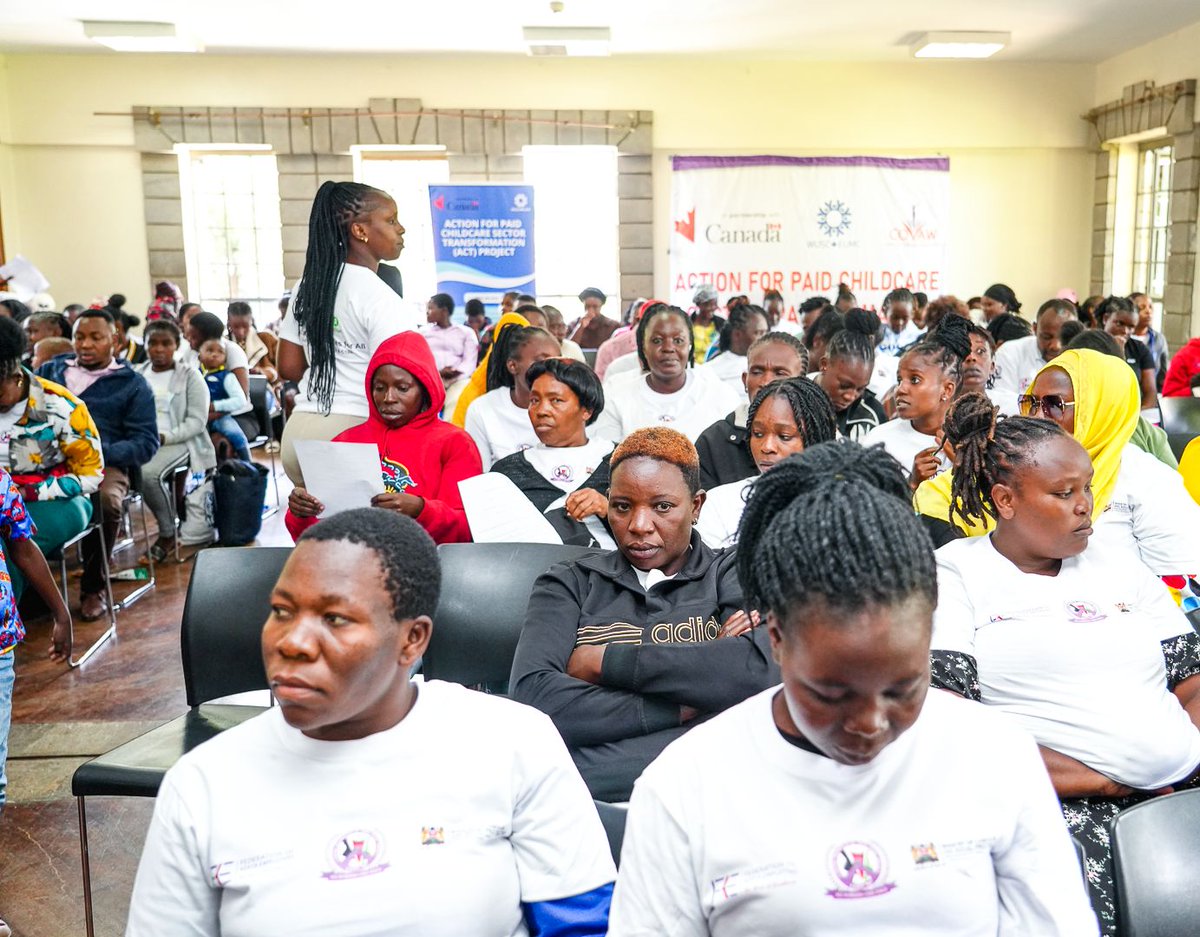
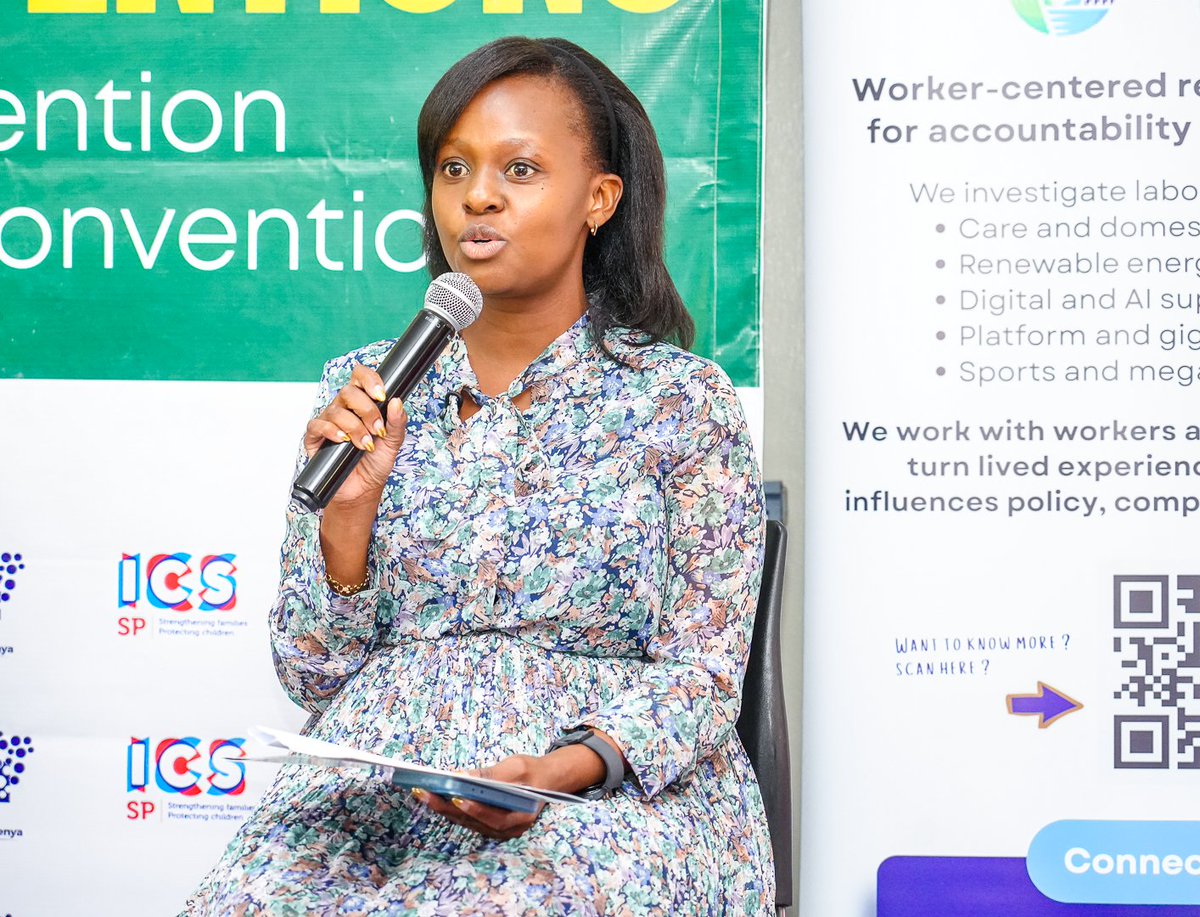
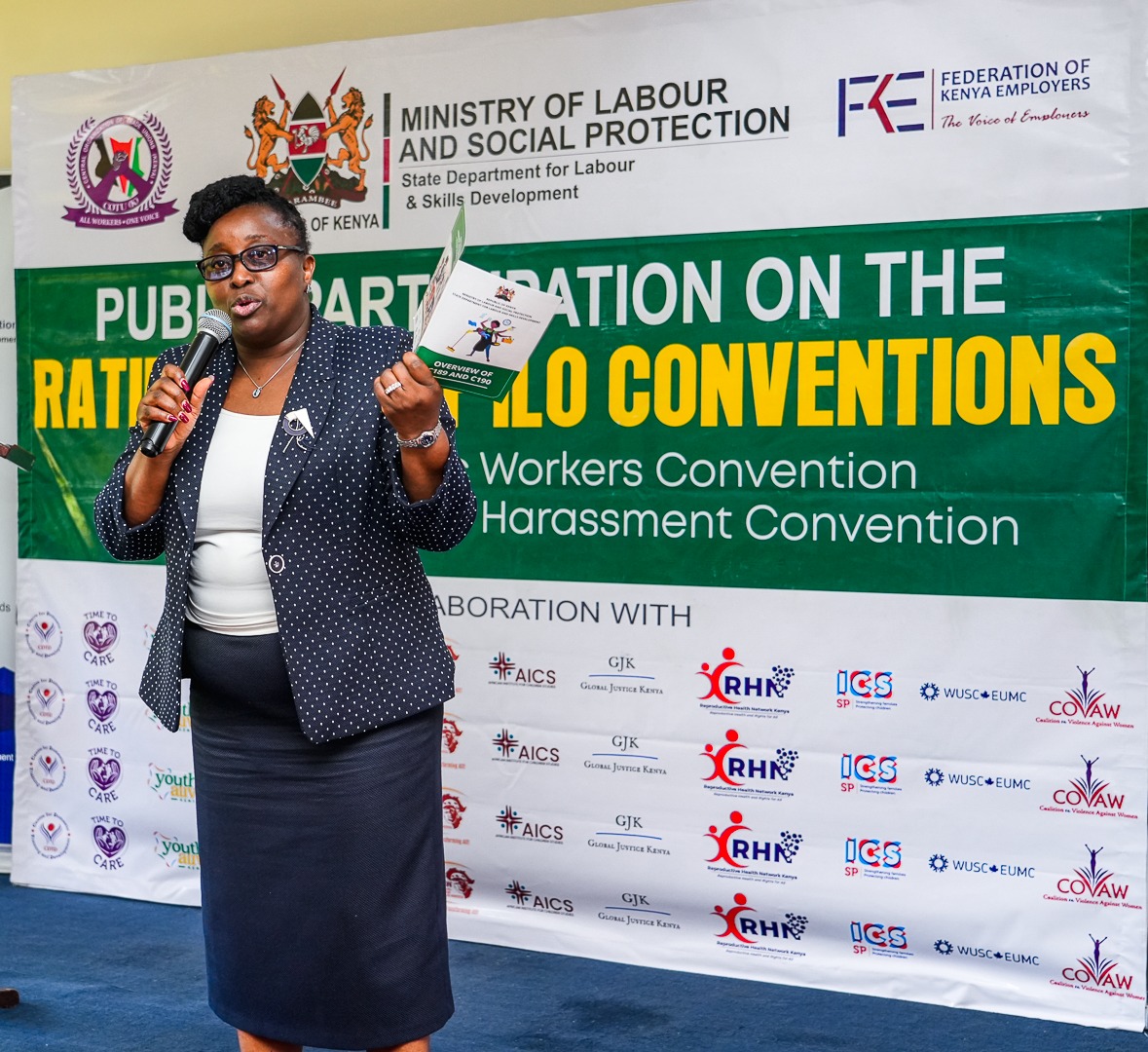
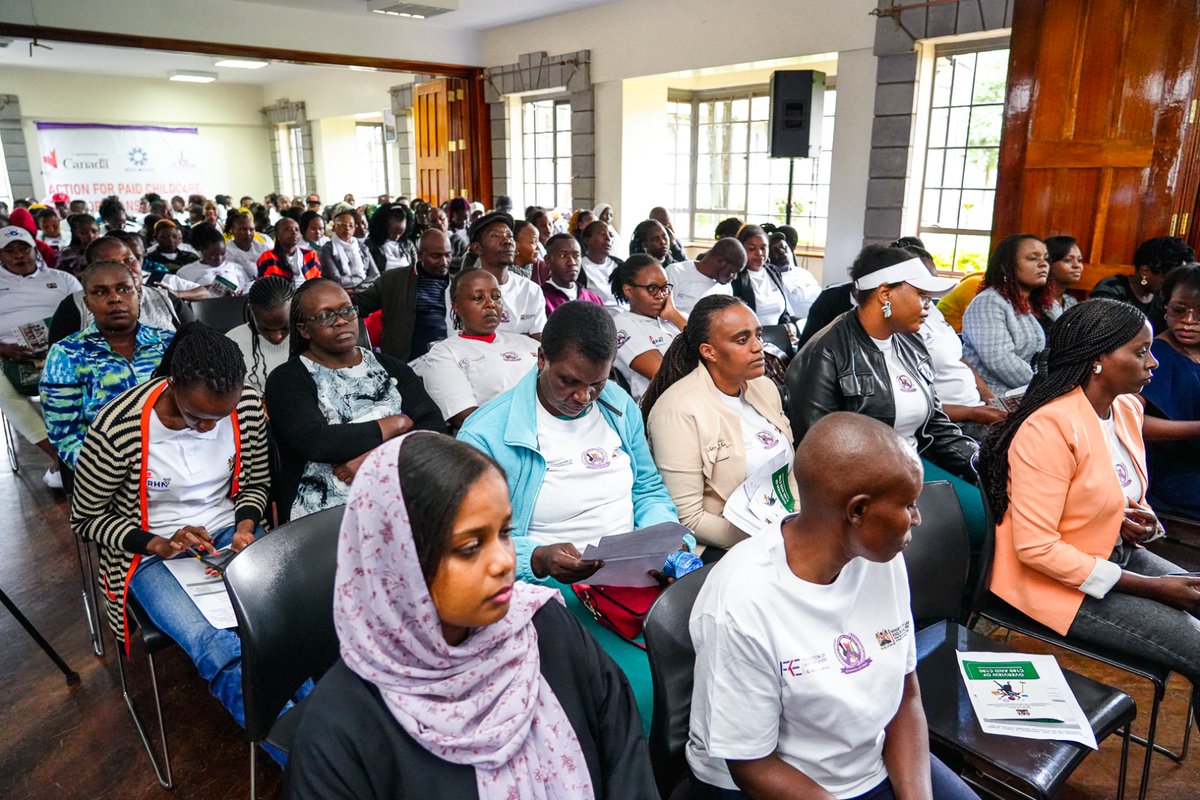
@covaw, in partnership with the Ministry of Labour and Social Protection and other stakeholders, @CDTD_ @FKEKenya @COTU_K @rhnkorg @oxfamkenya @YouthAliveKenya @EquidemOrg @WorldUniService @CREAWKenya, recently convened the Nairobi public participation on the ratification of ILO Conventions 189 & 190. Government officials, led by the State Department for Labour and Skills Development Principal Secretary, Shadrack Mwangolo Mwadime, and Labour Commissioner Hellen Apiyo, joined civil society, development partners, labour actors, as well as domestic and childcare workers to share actionable recommendations on strengthening protections across the sector.
Participants called for the swift ratification of ILO Conventions 189 & 190 to guarantee safe, inclusive, and dignified working conditions for all.
#ACT4Care #ILO189 #ILO190 #DecentWork #ACTProjectKE #ChildcareWorkIsWork #ValueCareWork #DomesticWorkersRights
1
7
96
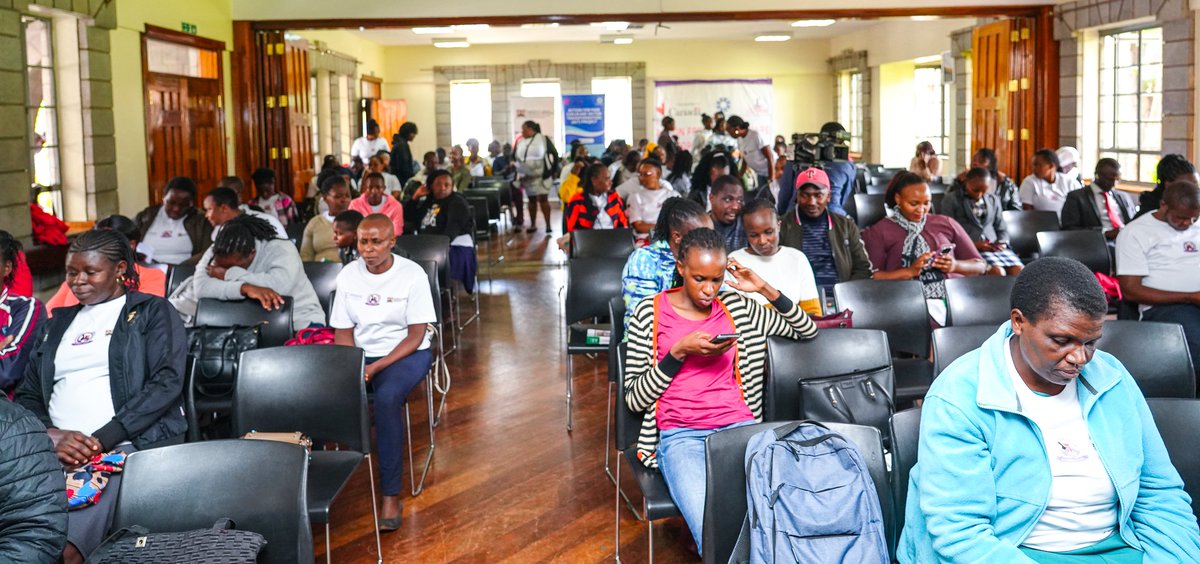
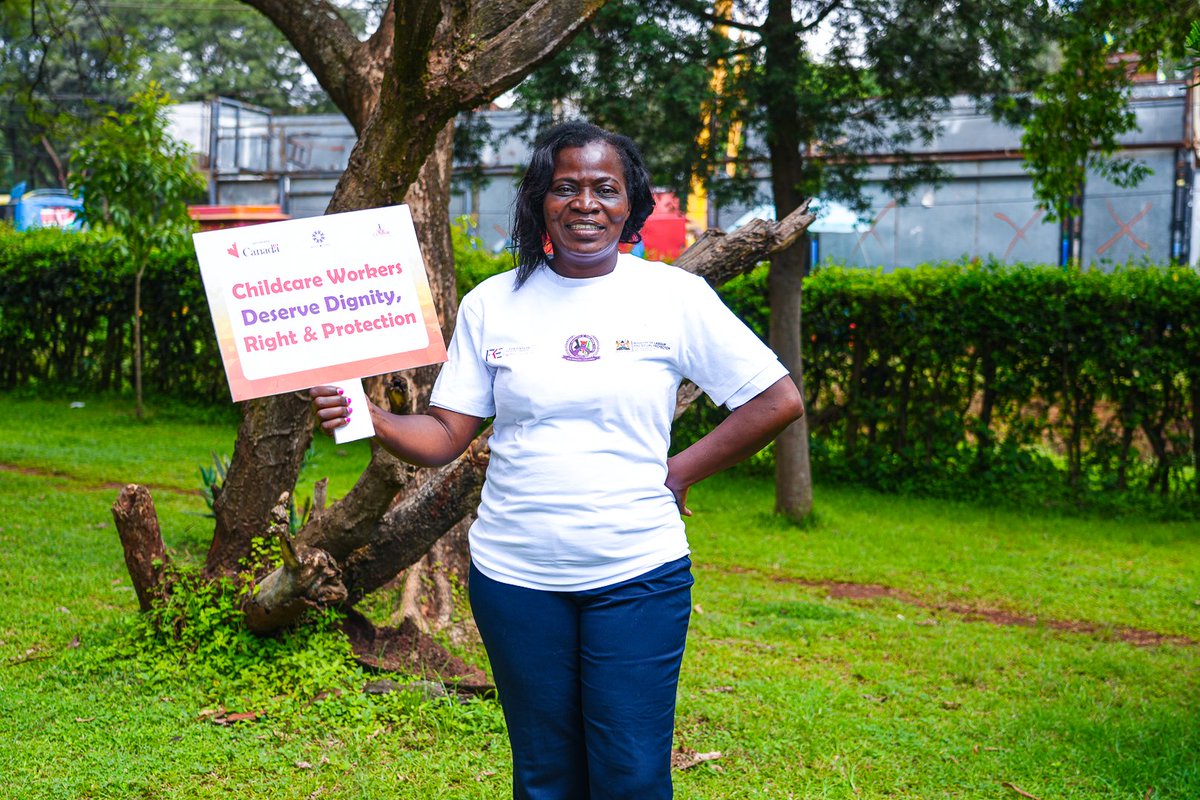
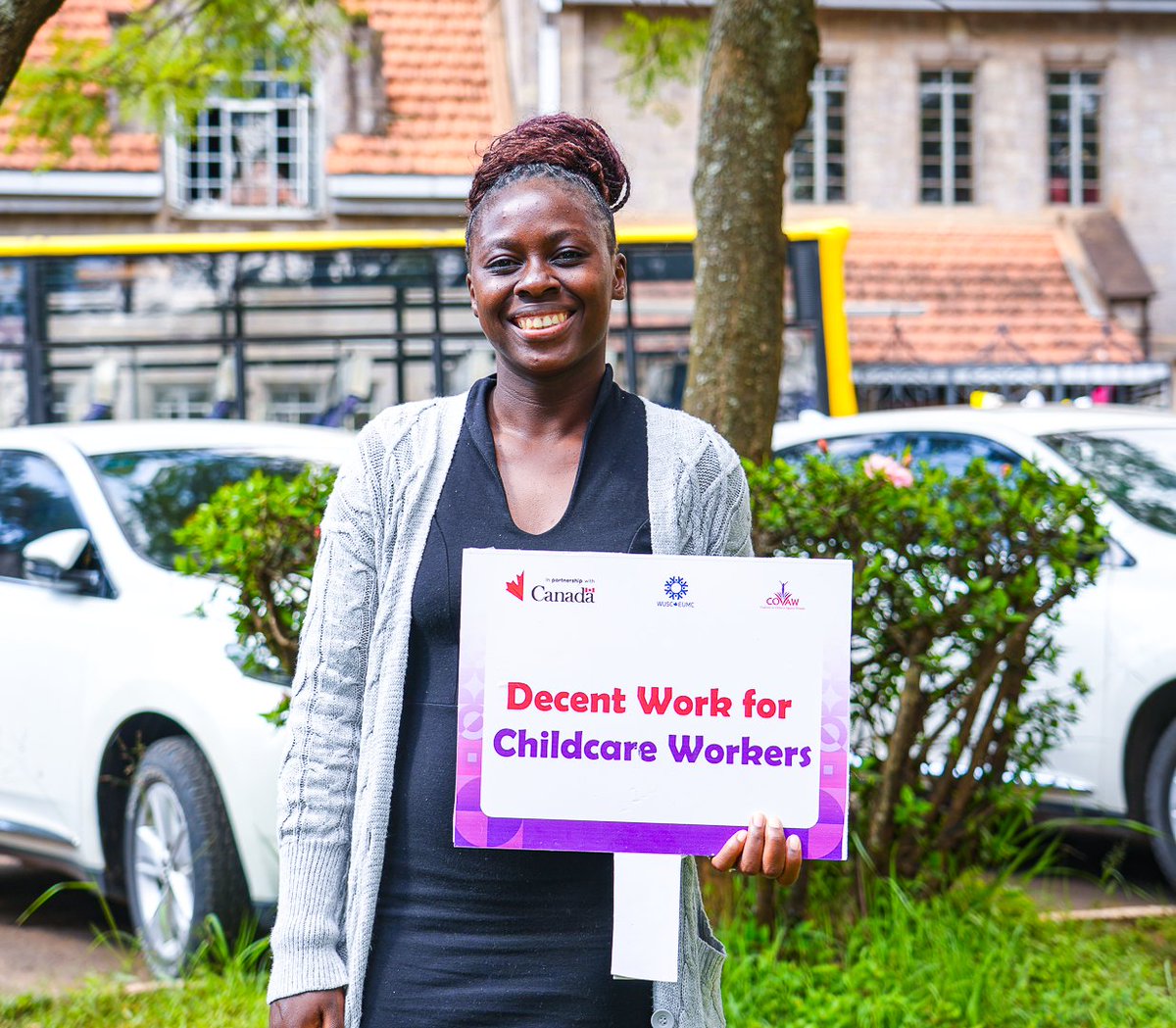
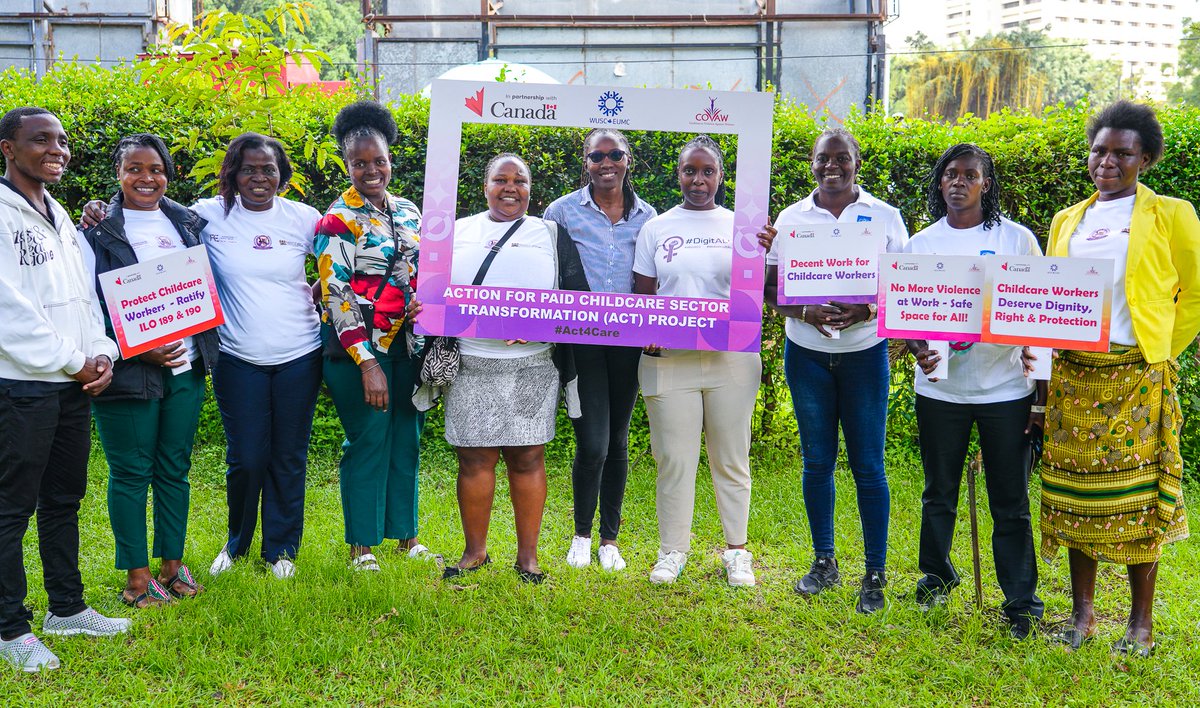
We’re on site at the Nairobi public participation forum on the ratification of ILO Conventions C189 & C190. This marks the culmination of public participation efforts across the country.
Domestic workers, government, employers, and civil society actors have shown up in numbers, united in one call: dignity, safety, and protection for domestic workers in every workplace.
Now is the time to act. Join us in pushing for the ratification of these transformative conventions and help secure fair labour standards for all.
#RatifyC189C190 #Act4Care #ACTProjectKE #DecentWork #EndWorkplaceViolence #DomesticWorkersRights
3
11
221
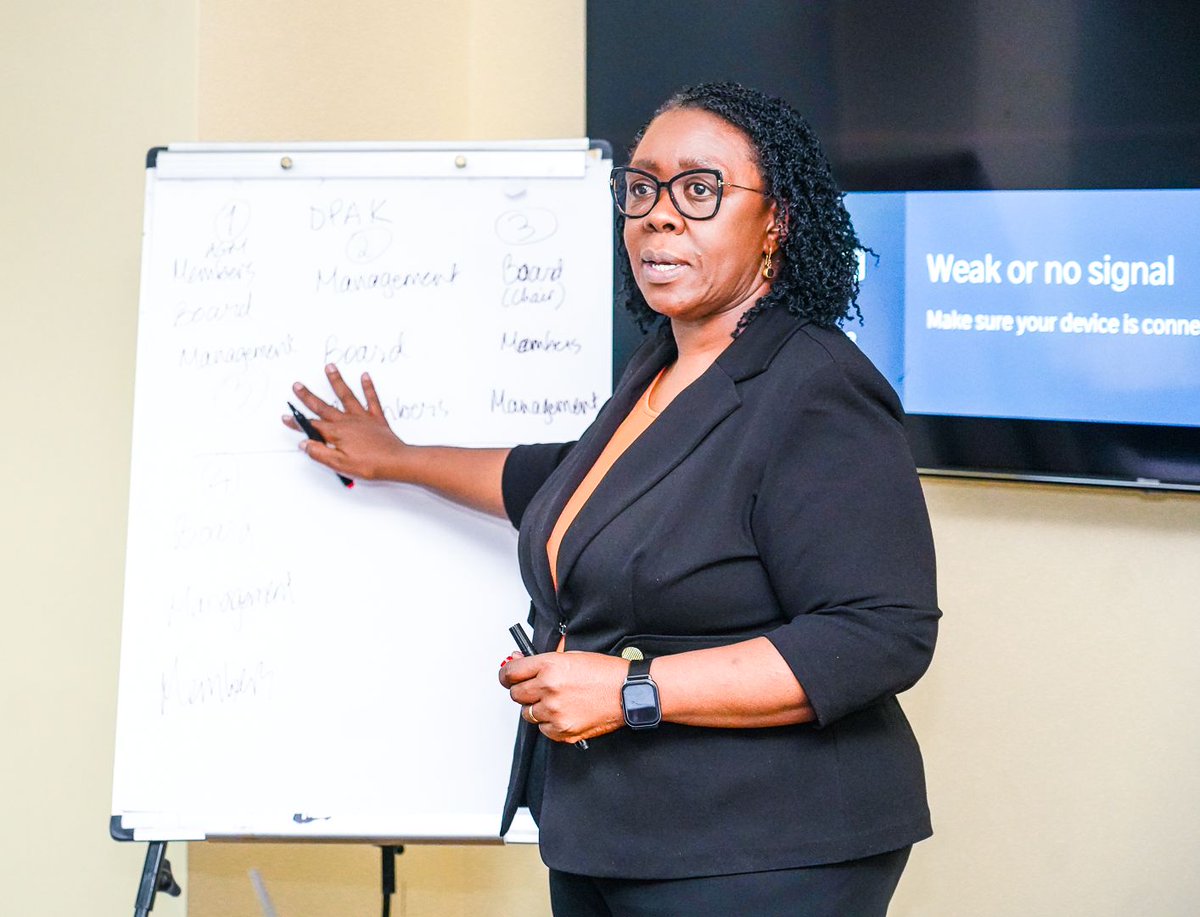
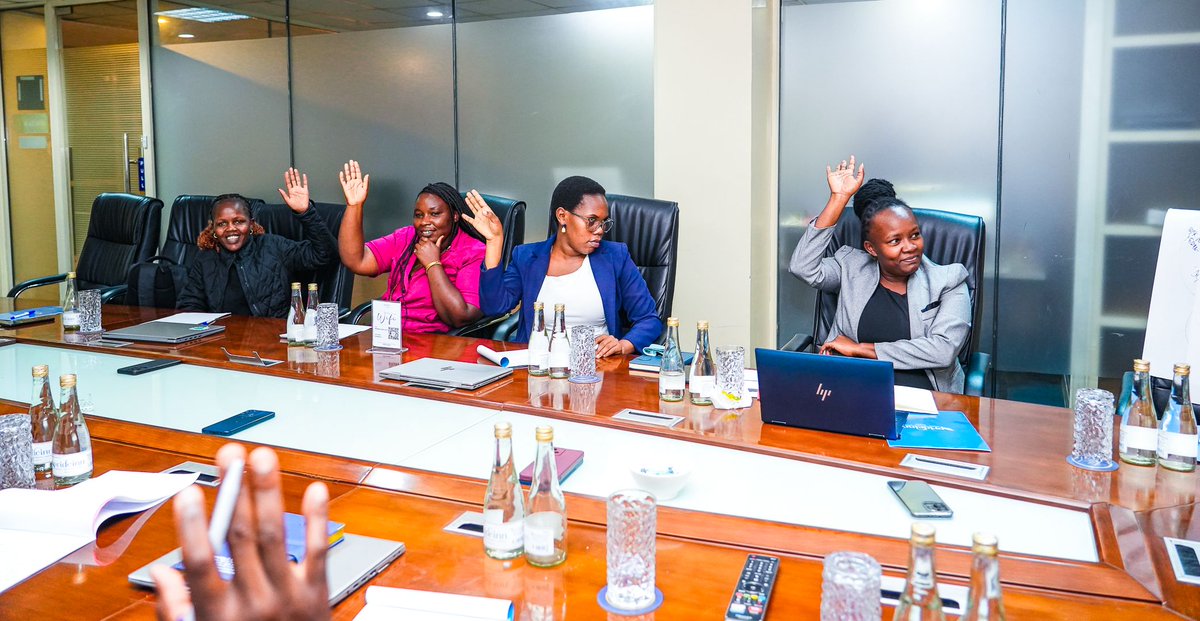
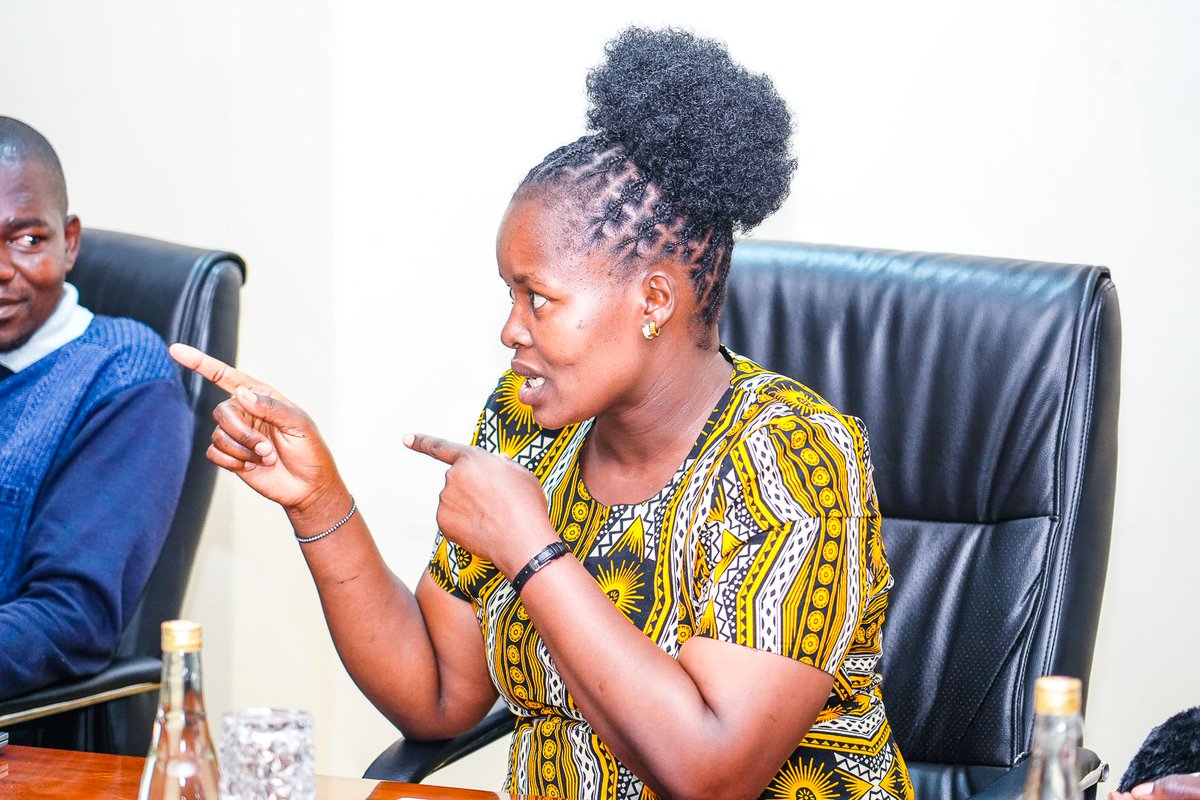
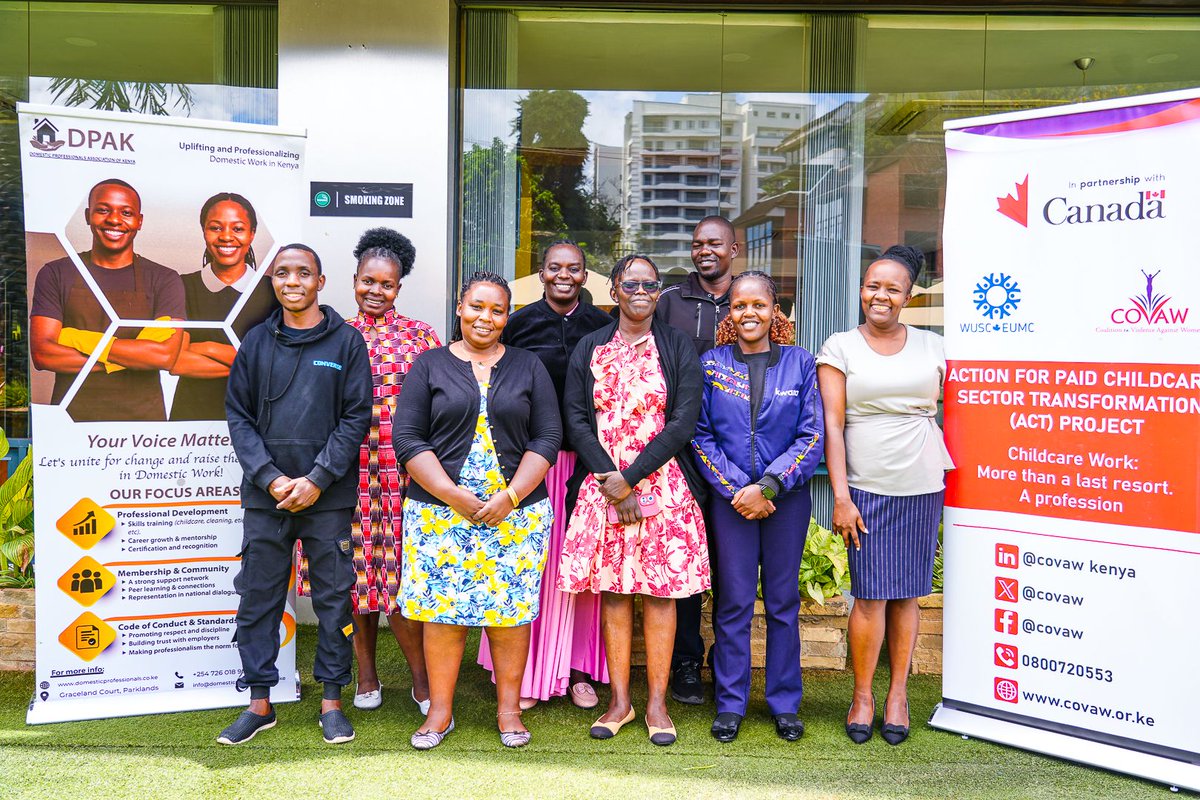
Day 2 of our Leadership & Governance Capacity Building for the Domestic Professionals Association of Kenya (DPAK)
COVAW, through the Action for Paid Childcare Sector Transformation Project (ACT) Project and with support from @GAC_Corporate, is strengthening partners like @DPAKenya to advance the dignity, professionalism, and recognition of domestic workers.
Today’s session, facilitated by @CaroleAgengo1, focused on aligning power, purpose, and values as a pathway to transformative leadership.
But beyond the frameworks, today was about doing the inner work of leadership.
Through the 4Ps: Principles & values, Practices, Politics & purpose, and Power, participants reflected on how their personal and organizational values shape the way they lead, make decisions, and engage with others.
At the heart of it all was a powerful reminder: "values must be intentionally nurtured. They are the foundation of empathy, compassion, and respect, and they ultimately define the kind of change we are able to create."
#ACTProjectKE #COVAW #DPAK #ChildcareWorkIsWork #ChildcareWorkMatters #FeministLeadership #GAC
1
8
149
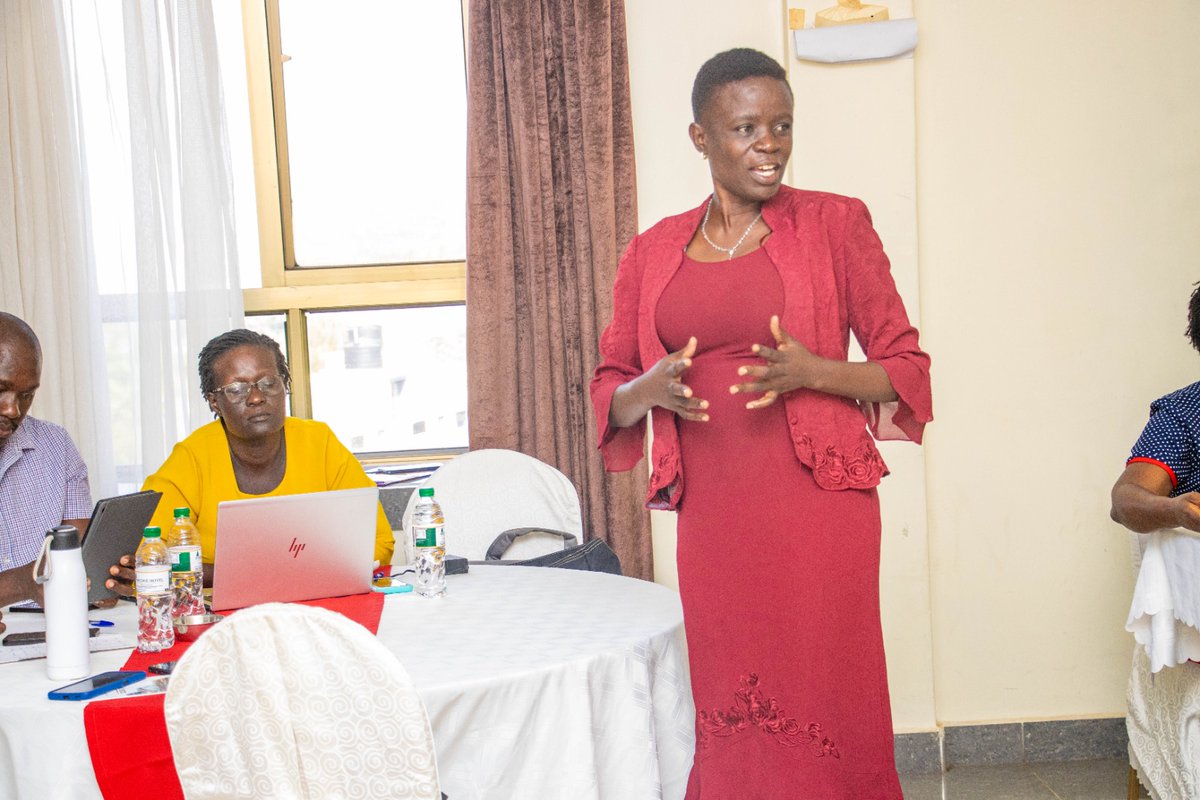
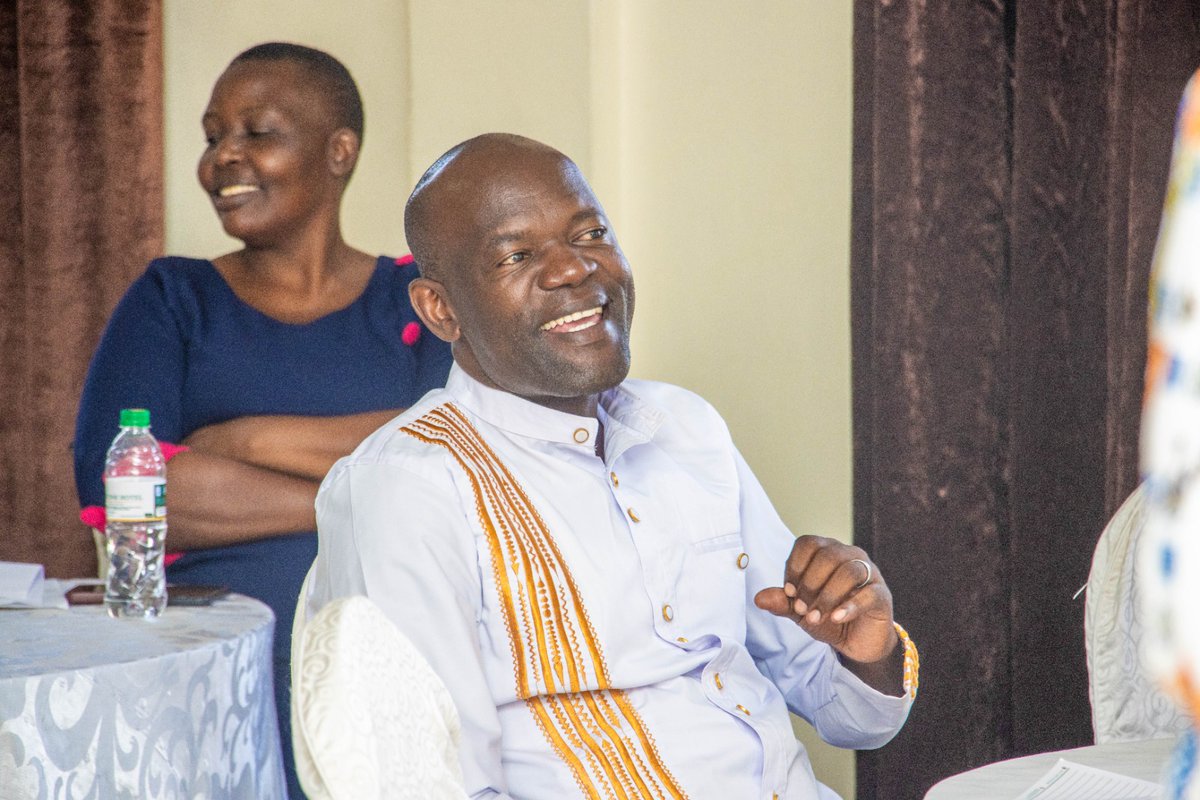
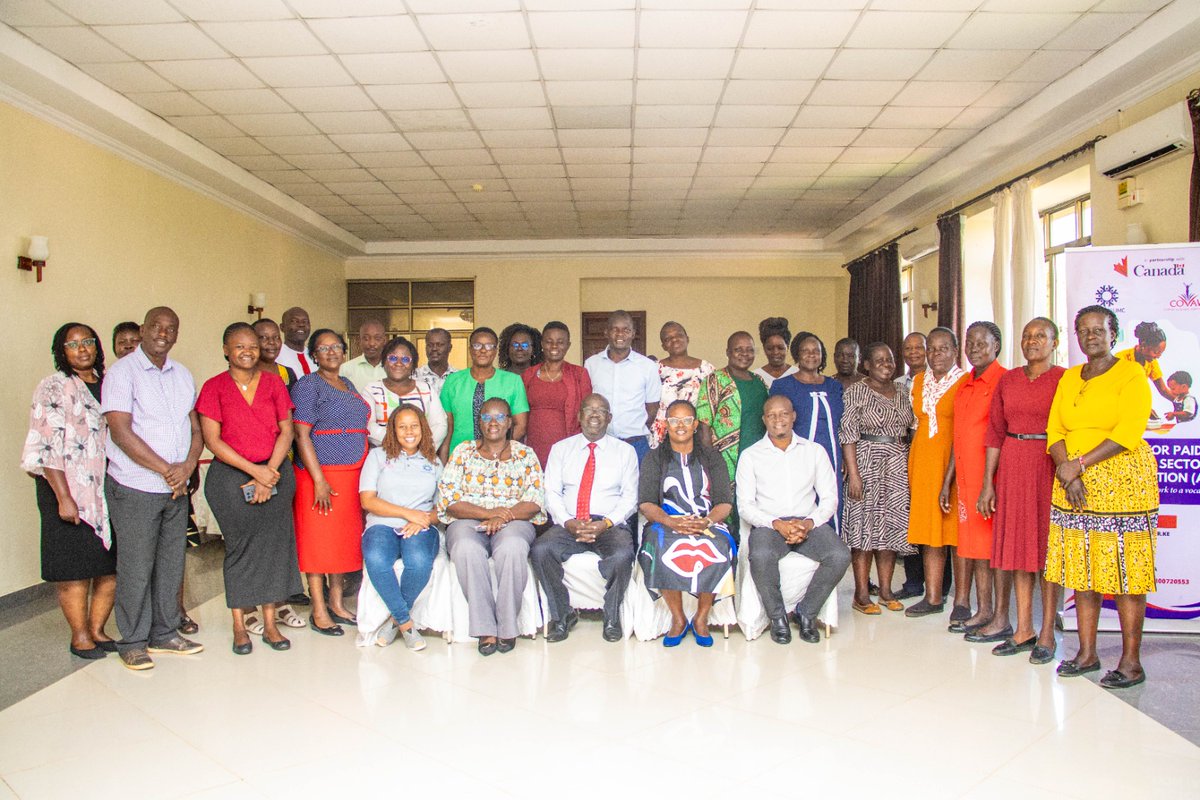
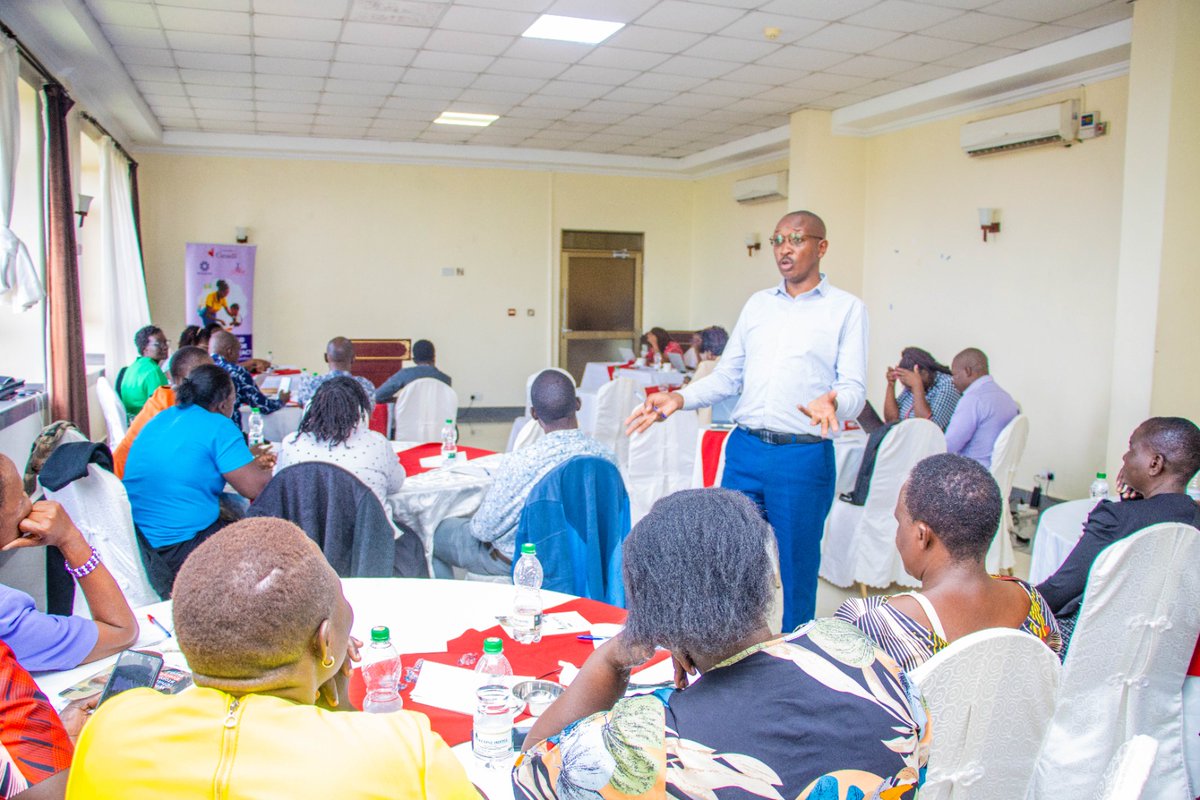
@COVAW, through the Action for Paid Childcare Sector (ACT) Project, hosted a 3-day workshop on the establishment and registration of childcare facilities in Kisumu County.
Participants were sensitized on:
- Standards for setting up childcare facilities
- Registration and licensing requirements
- Developing compliance plans for a structured, accountable sector
This initiative ensures that:
- Children have spaces where they can thrive and develop safely
- Childcare workers and entrepreneurs are empowered to formalize their businesses
- The sector moves toward a structured, professional system that benefits the whole community.
Together, we are building a stronger, safer, and more professional childcare sector in Kisumu. #TransformingCare #ACTProjectKE #ChildcareWorkIsWork #ValueCareWork #KisumuCounty #WUSC #COVAW
3
8
151
We are proud to celebrate our ongoing partnership with @WUSC, an organization setting a powerful example by addressing power imbalances in international development. By intentionally shifting leadership and funding to local organizations, they ensure that those closest to the challenges are the ones driving sustainable change.
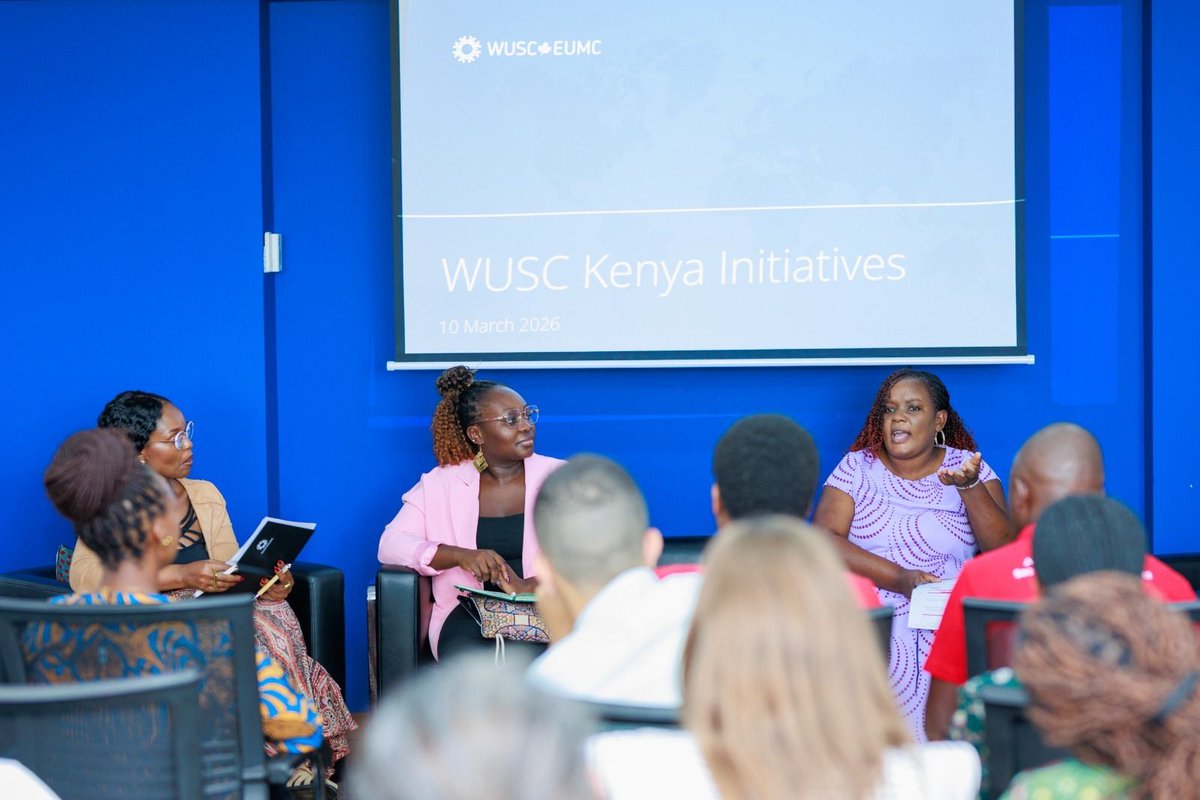
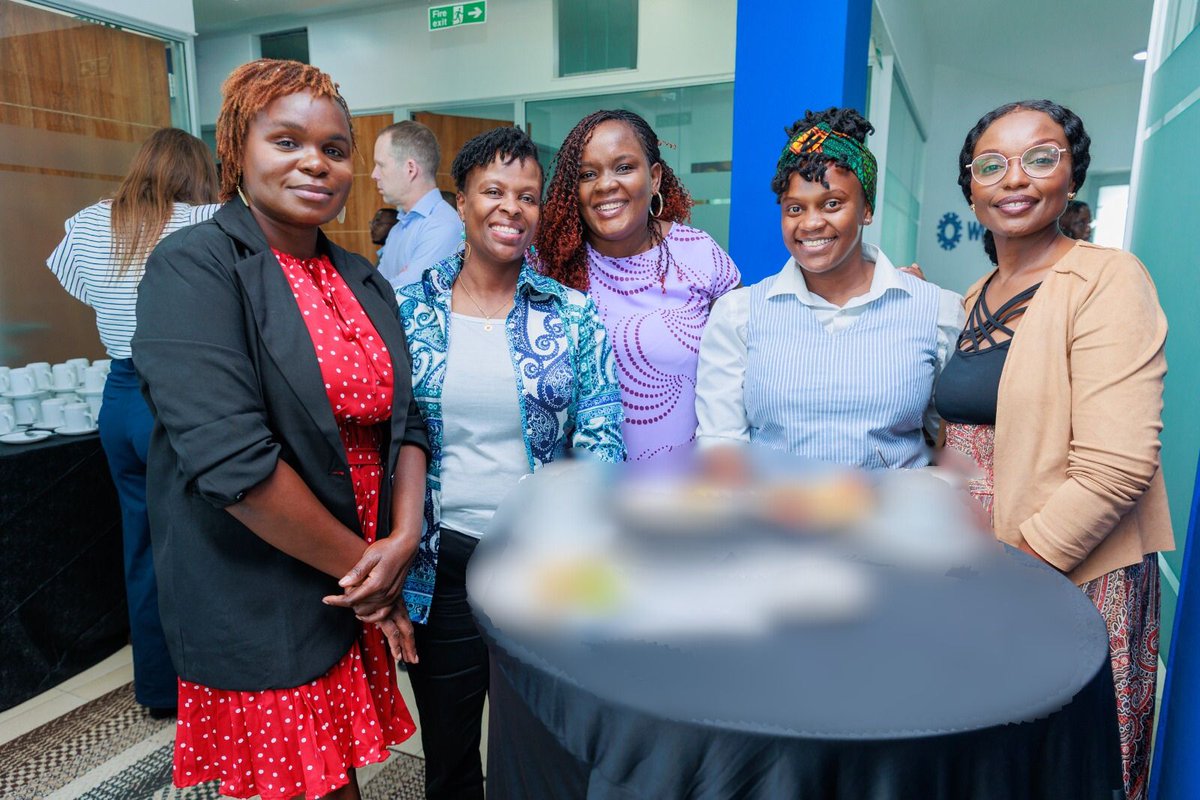
Our very own Fridah Wawira Nyaga recently had the honour of speaking to the WUSC leadership, Steve Mason and the Youth Advisory Council (@YouthAdvisoryC3) during their visit to Kenya.
@WorldUniService and @covaw are implementing the #ACTProject in Kenya on transforming child care work from a job of last resort to a vocation of choice. We look forward to continuing this impactful work together!
#TransformingCare #ACTProjectKE #ChildcareWorkIsWork #ValueCareWork
3
4
190
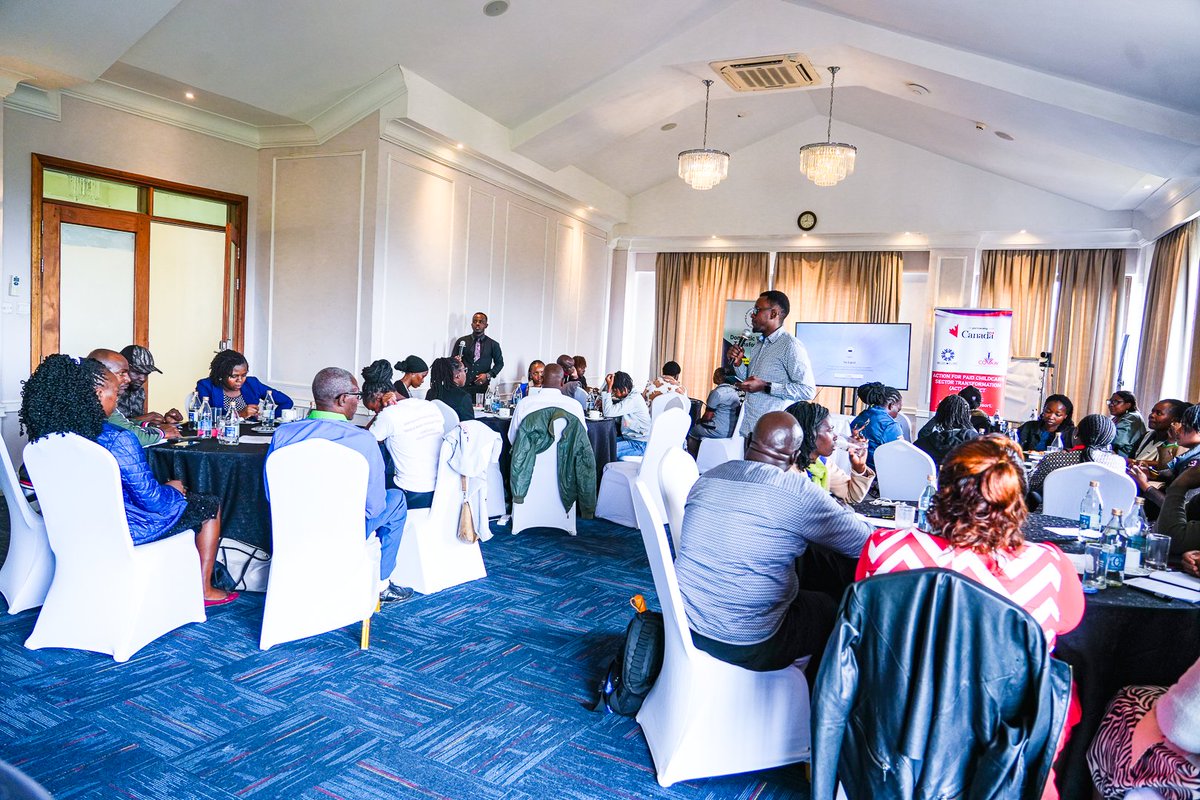
Many domestic workers in Kenya earn far below what the law actually requires. This often happens because the work is arranged informally, without contracts, documentation, or clear agreements. But even in those situations, the law is clear. Domestic workers, including those providing childcare, are protected.
Under the Regulation of Wages (General) (Amendment) Order 2024, which took effect in November 2024, the government set specific minimum wages and labour protections that employers must follow.
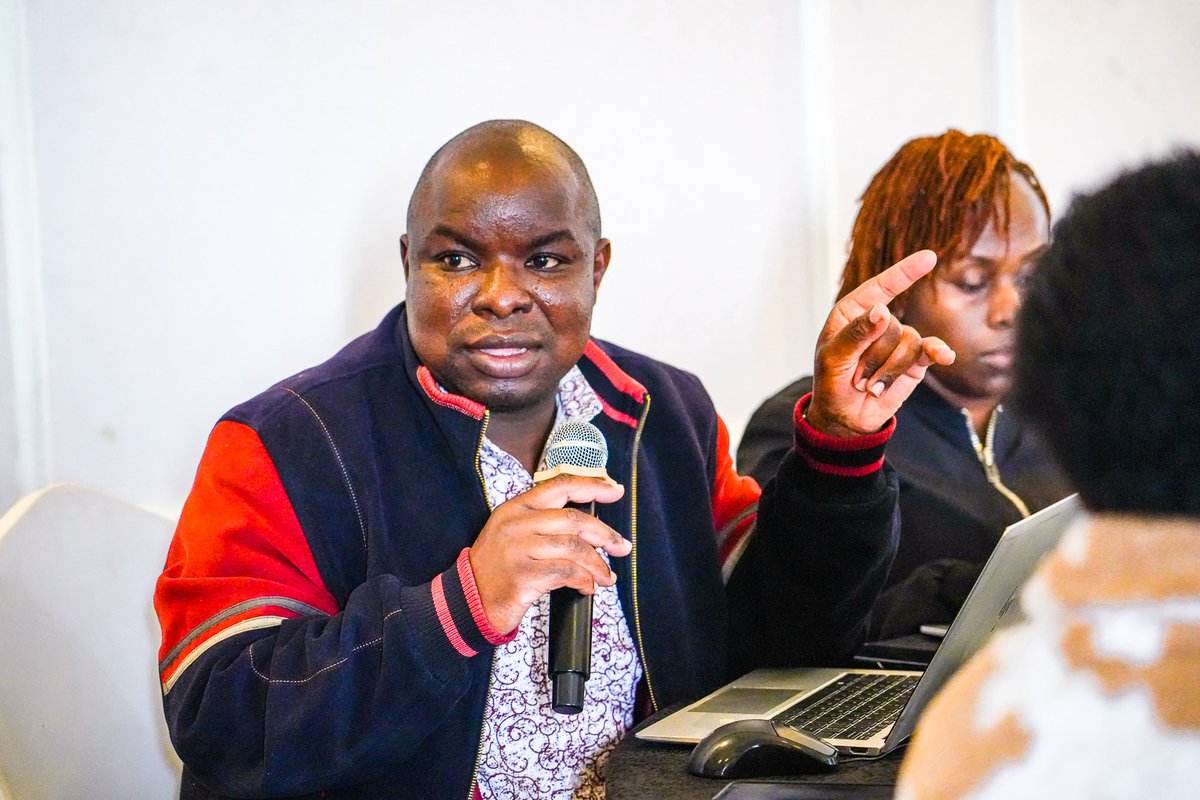
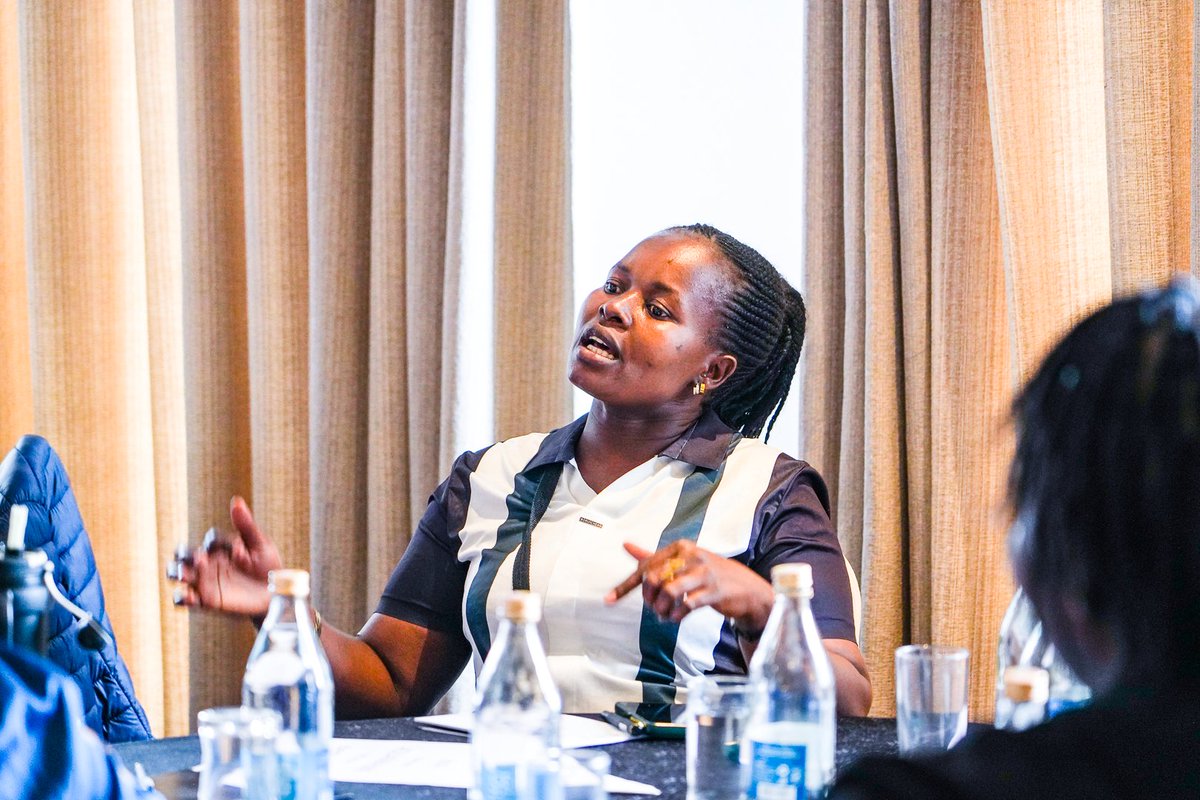
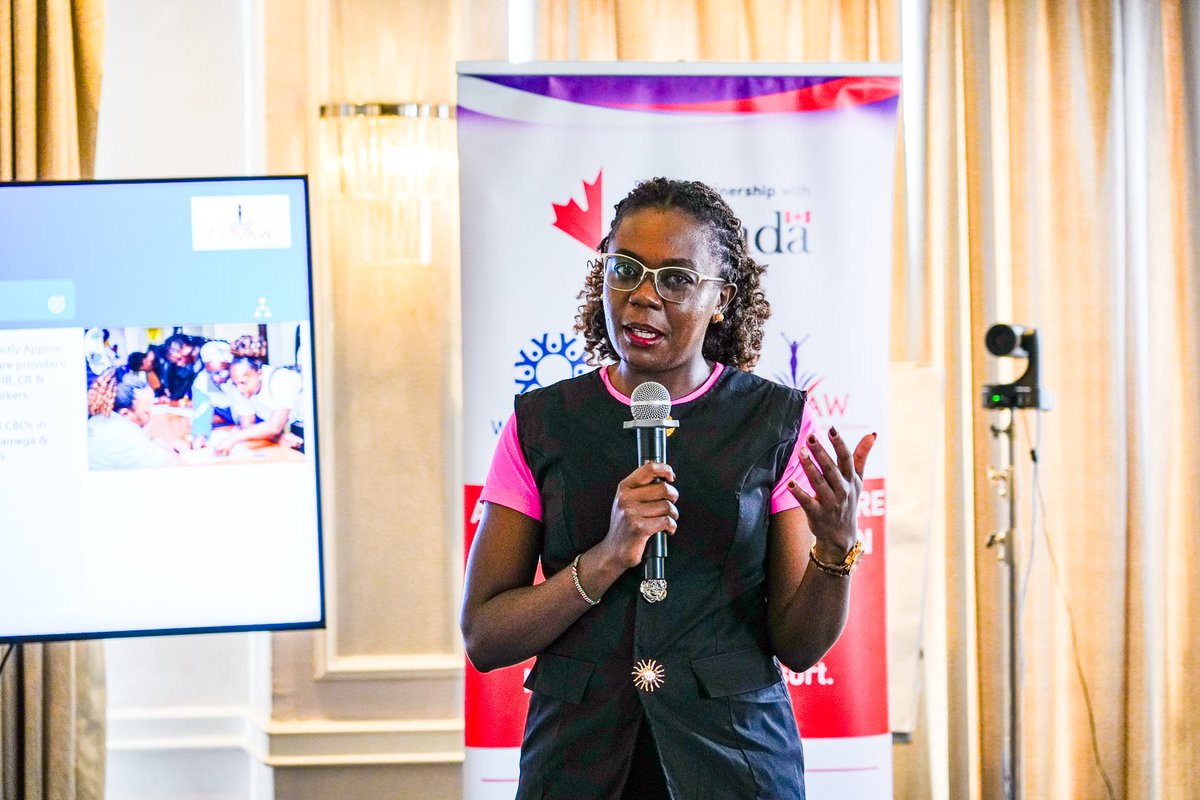
These protections were the center of discussion during a Dialogue and Knowledge Exchange Forum convened by the @CDTDKenya and @covaw. The forum aimed to harmonize relations between domestic workers and their employers, bringing together workers, their employers, labour officials, and civil society actors to discuss rights, responsibilities, and better practices.
During the discussion, Artlibert Makori, Assistant Labour Commissioner, reminded participants of something many workers and employers forget:
“Even without a written contract, the Employment Act protects domestic workers, including those providing childcare.”
His message was simple. Informality does not erase rights.
Makori explained that employers cannot dismiss domestic or childcare workers arbitrarily. Termination must have a valid reason, and notice must be given by either party, even during probation. Domestic workers are also protected by limits on working hours. The law caps work at 52 hours per week, requires overtime to be paid at 1.5 times the normal rate, and guarantees at least one paid rest day each week, usually on Sunday.
The law is also explicit about wages. In cities such as Nairobi:
Live-in domestic workers: minimum KSh 16,114 per month (includes food and housing).
Live-out domestic workers: same base plus a 15 percent housing allowance (~KSh 18,531 total).
Wages must be paid monthly, and employers cannot make excessive or arbitrary deductions.
Discussions at the forum emphasized that while these protections exist in law, many domestic workers and their employers still experience gaps in enforcement and awareness. Strengthening understanding on both sides is an important step toward ensuring that domestic work, including childcare, is recognized, protected, and fairly compensated.
#TransformingCare #ACTProjectKE #ChildcareWorkIsWork #WUSC #COVAW
1
4
439
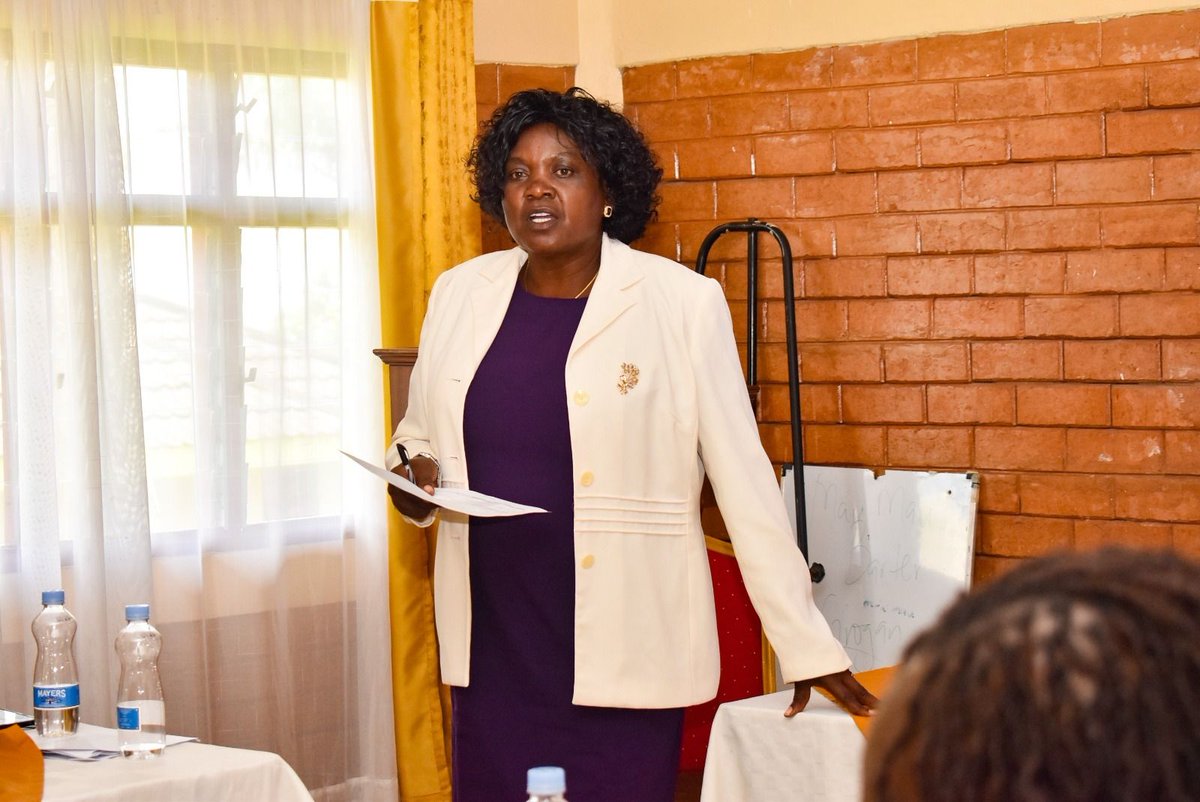
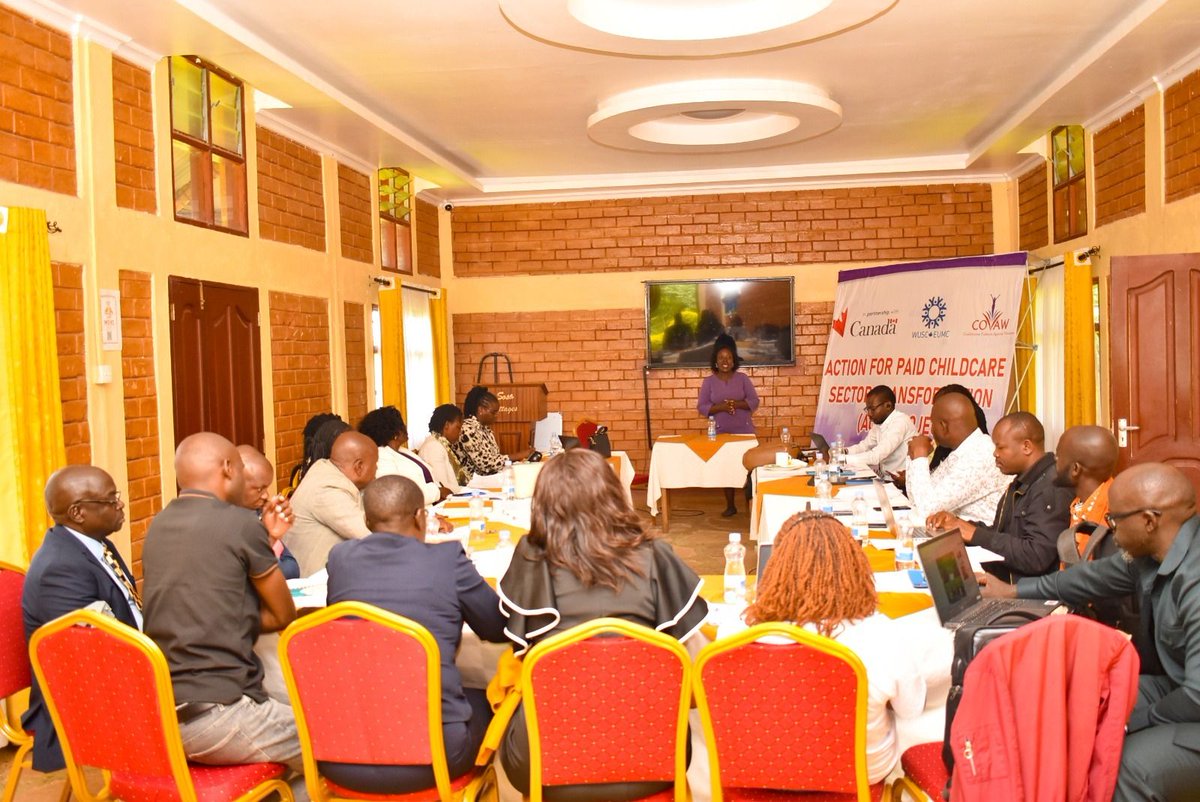
Carework is the backbone of our society, but for too long, it has remained in the shadows. This is changing for Kakamega County.
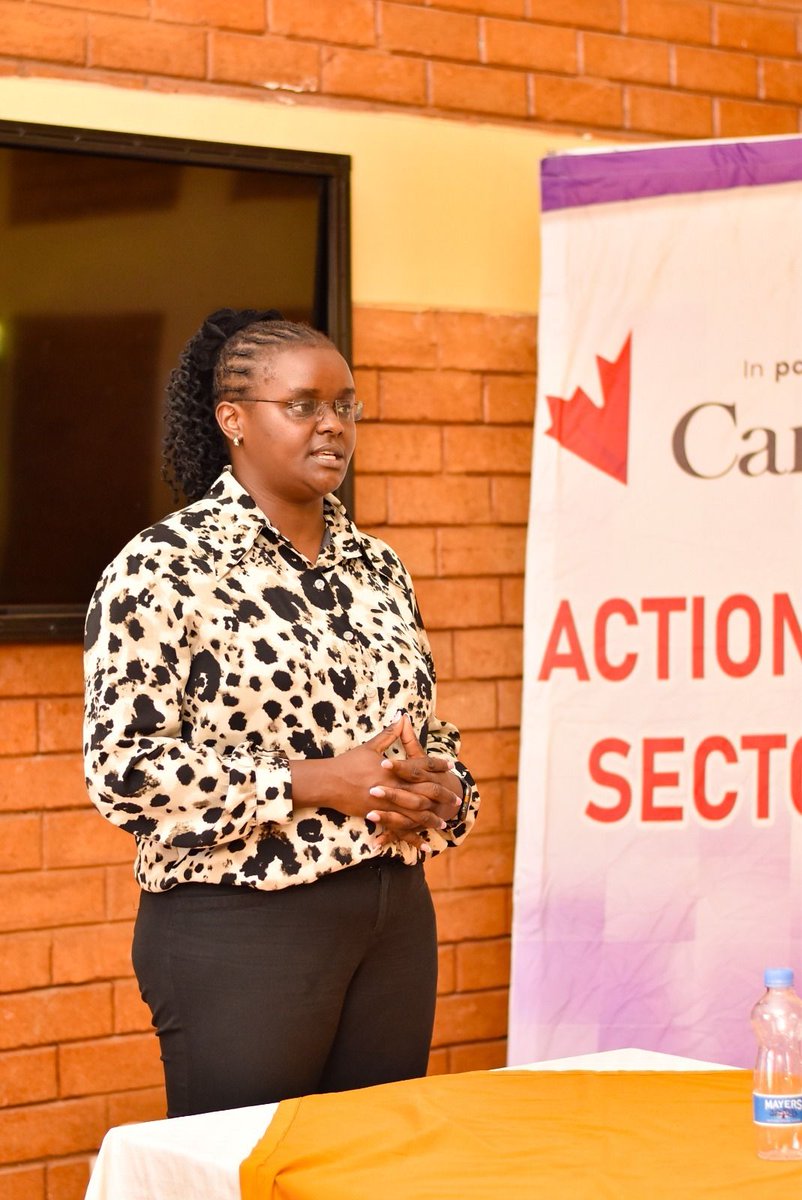
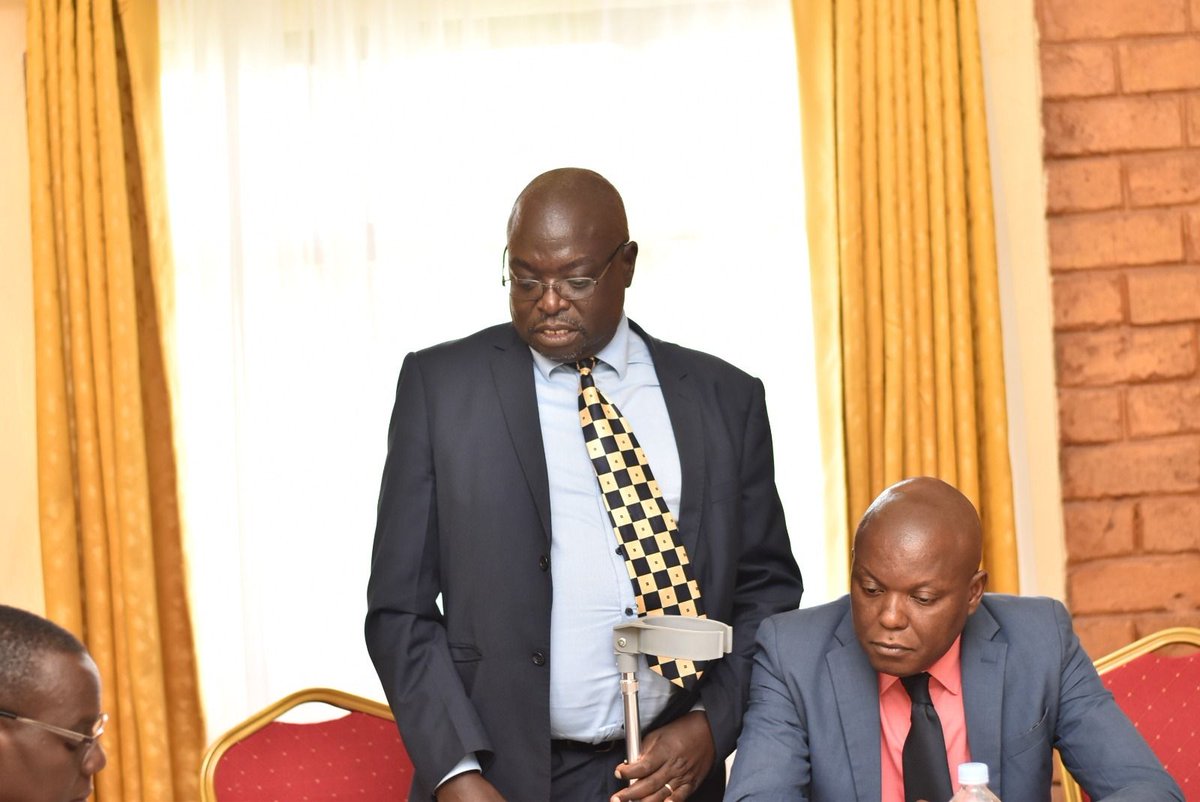
On March 11th, @covaw and Kakamega County Government, through the Action for Paid Childcare Sector Transformation (ACT) Project, brought together key actors including the County Attorney, Chief Officers, and Civil Society for a major milestone: the Validation of the Kakamega Care Policy.
As the Chief Officer for Gender put it, the Care Policy will ensure the care workers are just as protected as those they serve.
#TransformingCare #ACTProjectKE #ChildcareWorkIsWork #ValueCareWork #KakamegaCounty
1
6
152
Don't miss out!
Join us live on Nation FM as we dissect the ILO C189 and C190.
#TransformingCare #ACTProjectKE #ChildcareWorkIsWork

When childcare workers are protected, families thrive. When their rights are respected, our economy grows.
Join Fridah Wawira, Acting Executive Director at COVAW, alongside Hellen Apiyo, Commissioner for Labour, on Nation FM this 5:30 PM, as we explore how strengthening labour protections transforms care work into dignified work.
Tune in and be part of the conversation.
#TransformingCare #ACTProjectKE #ChildcareWorkIsWork #ACTtoCare #RecognizeCare #DignifiedWork #CareEconomy

2
4
156