
Are you paying the "Chaos Tax" every time you use AI? 💸 Stop editing downstream. Fix your foundation upstream at OPENIDEA.biz.
#AIEfficiency #PromptWaste #OPENIDEA
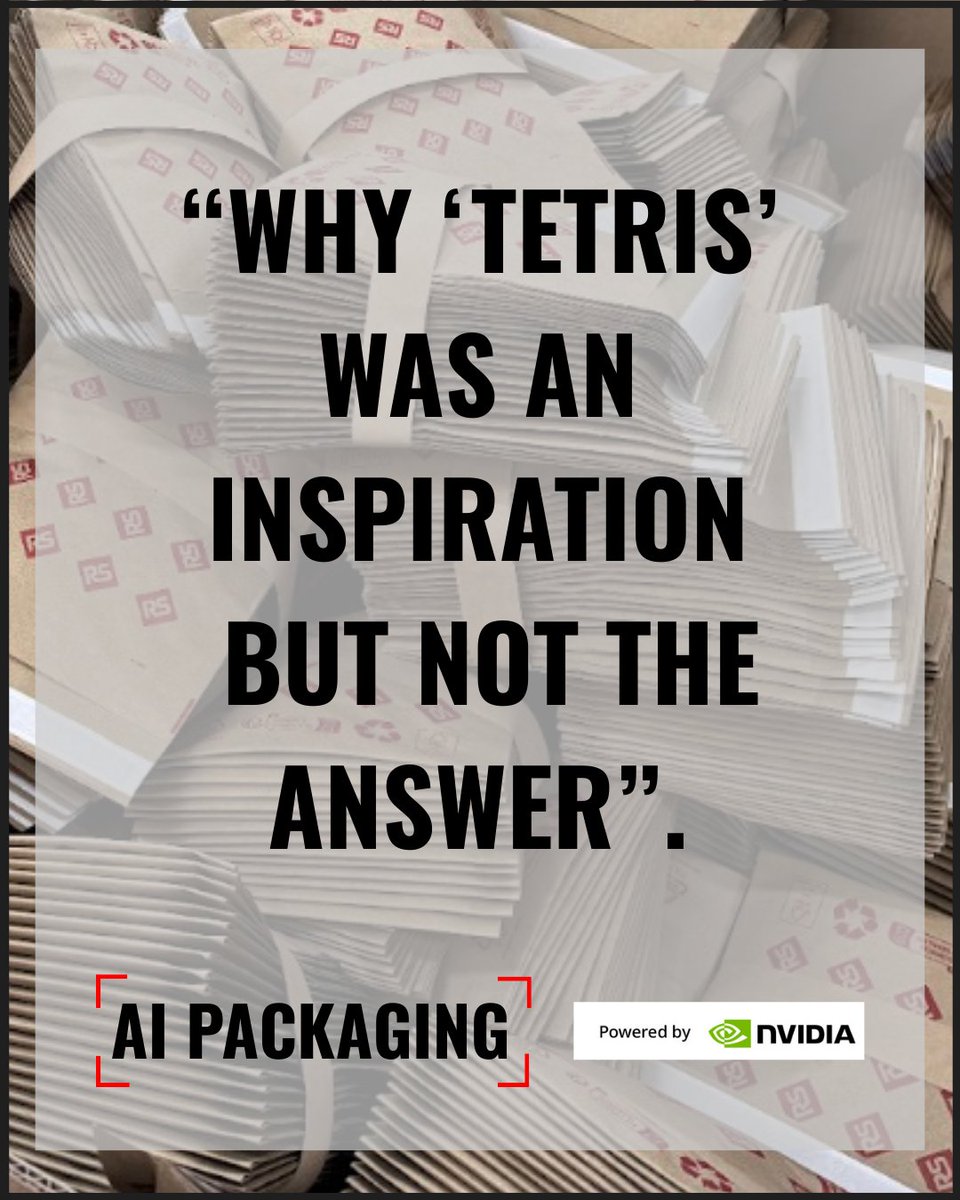
Putting AI Efficiency to the Test
Jude Pullen and Brian Schwab competed with AI to see who could produce the most efficient packaging. Using the same product set and available boxes, could they beat their own AI at packaging efficiently?
Check out the full series on DesignSpark - weare.rs/4shdnNl
#AI #PackagingEfficiency #ArtificialIntelligence #AIEfficiency #AIPowered #DesignEngineering #NVIDIA @nvidia
130

Jun 16
Insurance at the speed of light! ⚡️🤖 Our AI-powered signup gets you covered in minutes. Est 1985. 📺 See our YouTube series on AI Efficiency! 🔗 Buy online: epremiuminsurance.com/Direct… #AIEfficiency

Jun 15
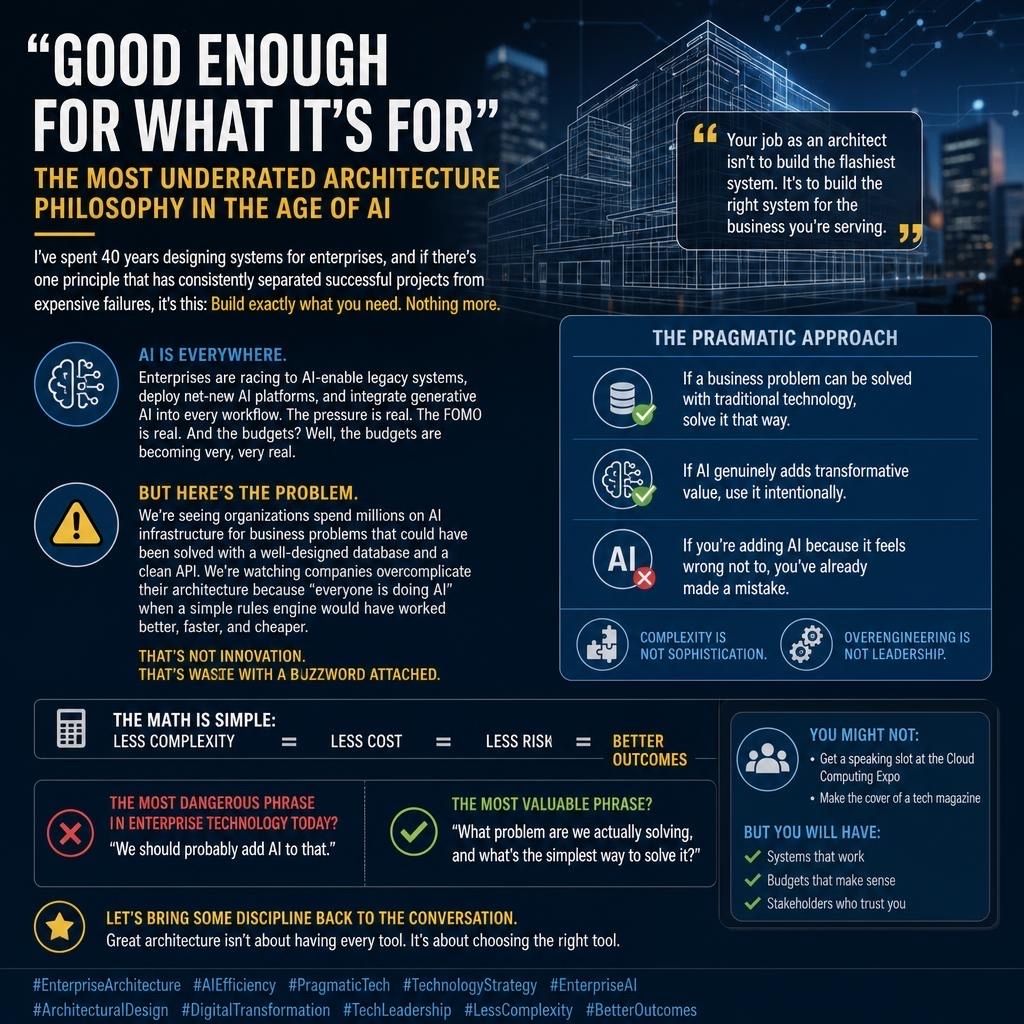
"Good Enough for What It's For" — The Most Underrated Architecture Philosophy in the Age of AI
I've spent 40 years designing systems for enterprises, and if there's one principle that has consistently separated successful projects from expensive failures, it's this: Build exactly what you need. Nothing more.
We call it "good enough for what it's for" — some call it minimum viable, others call it pragmatic architecture. Call it what you want. The point is the same: stop overengineering solutions to simple problems.
Here's why this matters right now, today, more than ever.
AI is everywhere. Enterprises are racing to AI-enable legacy systems, deploy net-new AI platforms, and integrate generative AI into every workflow. The pressure is real. The FOMO is real. And the budgets? Well, the budgets are becoming very, very real.
We're seeing organizations spend millions on AI infrastructure for business problems that could have been solved with a well-designed database and a clean API. We're watching companies overcomplicate their architecture because "everyone is doing AI" when a simple rules engine would have worked better, faster, and cheaper.
That's not innovation. That's waste with a buzzword attached.
The pragmatic approach:
If a business problem can be solved with traditional technology, solve it that way.
If AI genuinely adds transformative value, use it intentionally.
If you're adding AI because it feels wrong not to, you've already made a mistake.
Complexity is not sophistication. Overengineering is not leadership.
The math is simple: Less complexity = Less cost = Less risk = Better outcomes.
You might not get a speaking slot at the Cloud Computing Expo. You might not make the cover of a tech magazine. But you will have systems that work, budgets that make sense, and stakeholders who trust you.
And at the end of the day, your job as an architect isn't to build the flashiest system. It's to build the right system for the business you're serving.
The most dangerous phrase in enterprise technology today? "We should probably add AI to that."
The most valuable phrase? "What problem are we actually solving, and what's the simplest way to solve it?"
Let's bring some discipline back to the conversation.
#EnterpriseArchitecture #AIEfficiency #PragmaticTech #TechnologyStrategy #EnterpriseAI #ArchitecturalDesign #DigitalTransformation #TechLeadership #LessComplexity #BetterOutcomes
What are your thoughts? I'd love to hear how your organization is balancing AI adoption with pragmatic architecture.
100

Jun 12
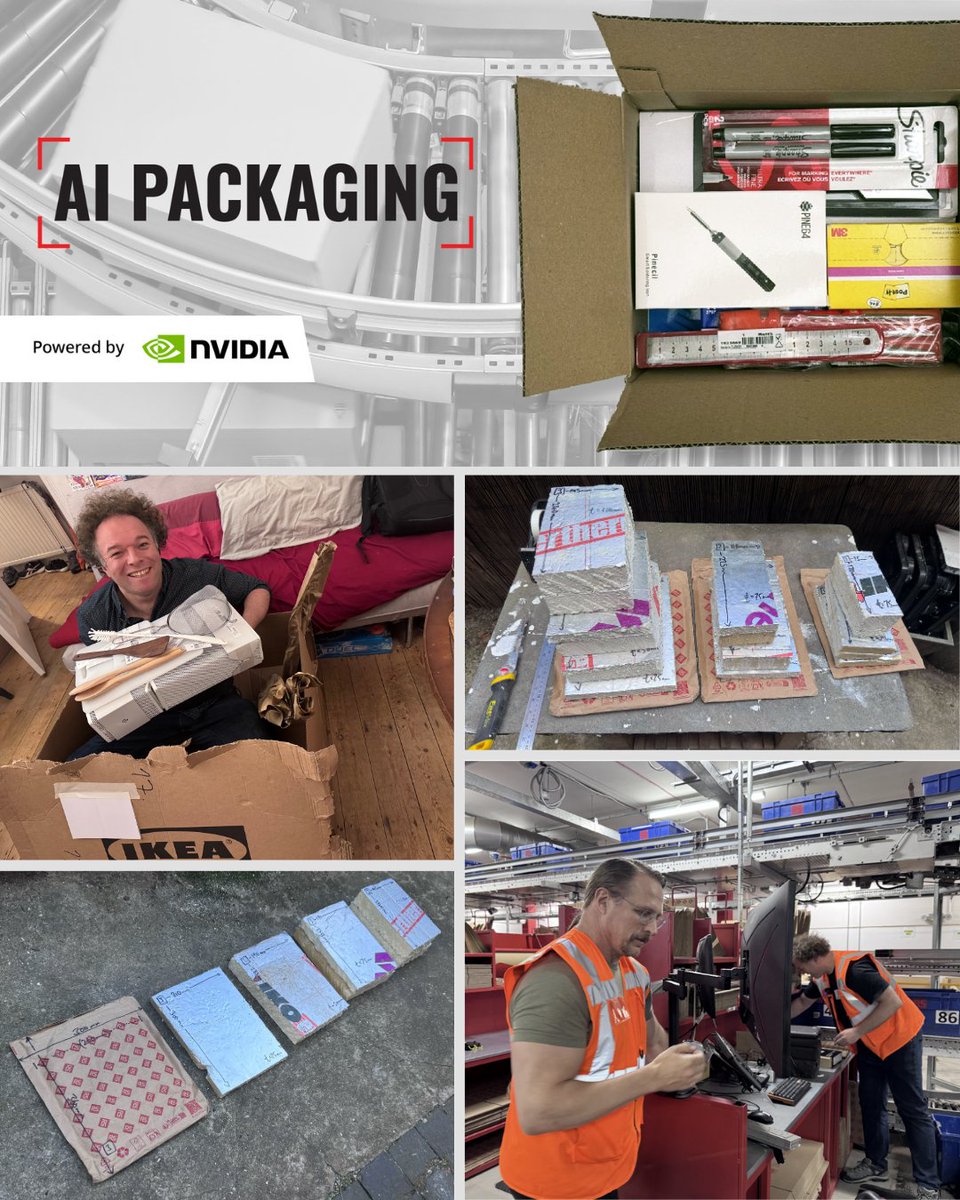
The Packaging Science Behind the Project
Although science plays a key role and can be complex, the application of the science doesn’t always have to be perfect to deliver strong results.
Check out the full series today on DesignSpark - weare.rs/4shdnNl
#AI #PackagingEfficiency #ArtificialIntelligence #AIEfficiency #AIPowered #DesignEngineering #NVIDIA @NVIDIAAI
2
3
467

Jun 12
I2OS Integrated Runtime Governance Stack v2.0 Draft is now released.
This is a structural milestone.
Until v1.5, I2OS developed separate runtime governance layers:
v1.1 Runtime Classification
GO / HOLD / REPAIR / BLOCK
v1.2 Runtime Evaluation
EFFECTIVE / PARTIAL / NEUTRAL / FAILED
v1.3 Trace / Audit
VALID / QUESTIONABLE / INSUFFICIENT / INVALID
v1.4 Recovery / Repair
REPAIRED / CONFIRMATION_REQUIRED / NO_REPAIR_AVAILABLE
v1.5 Governance Report
Human-verifiable runtime summaries
v2.0 integrates these layers into one continuous runtime governance stack.
The core question:
Can classification, evaluation, audit, repair, and reporting be integrated into one runtime governance process?
I2OS does not ask only:
Can the AI do this?
It asks:
Should this transition be allowed?
Was the decision effective?
Can it be traced?
Can it be repaired?
Can humans verify the final outcome?
This repository is one applied instance of the broader I2OS structural framework.
It does not represent the entire I2OS core.
It demonstrates one application domain:
post-scaling intelligence efficiency and runtime governance.
Capability is not permission.
Permission should be evaluated.
Evaluation should be traceable.
Unsafe transitions should be repairable when possible.
Runtime governance should be reportable.
Governance layers should be integrated.
github.com/i2os-lab/I2OS-Pos…
#I2OS #AI #AISafety #AIGovernance #AgenticAI #RuntimeGovernance #AIEfficiency #PostScalingAI #AIAlignment #SUUTARO
54
Jun 11
The current progression of I2OS Post-Scaling Intelligence Efficiency
I2OS Post-Scaling Intelligence Efficiency is not a structure for simply making AI “faster,” “larger,” or “more computationally powerful.”
It is a structure for reducing computation that should never have been generated or executed in the first place.
Modern AI is becoming increasingly capable.
It can generate text, write code, call tools, modify files, and act as an agent that performs multiple actions in sequence.
But an AI system being capable of an action does not mean that the action should be allowed.
The core idea of I2OS is this:
Capability is not permission.
AI may be able to do something.
That does not mean it should do it.
Therefore, in I2OS, before an AI system generates, executes, modifies, deletes, or calls a tool, the system checks whether that transition should actually be permitted.
The core equation is:
Permit(T)=1[C(S_t,T,S_{t 1})=1]
In simple terms:
When moving from the current state to the next state through a transition,
that transition is permitted only if it satisfies admissibility conditions.
v1.0: The theoretical starting point
v1.0 established the theoretical foundation of I2OS Post-Scaling Intelligence Efficiency.
The central concept introduced here is:
Inadmissible Computation.
Inadmissible computation refers to computation or action that cannot preserve safety, continuity, context, or recoverability.
Examples include unsupported generation, unnecessary regeneration, unsafe tool execution, irreversible file operations, meaningless long outputs, and actions performed without sufficient confirmation.
The core idea of v1.0 is:
AI efficiency is not only faster computation.
It is the reduction of computation that should never have been generated.
In other words, the direction is not to make AI compute more.
The direction is to reduce unnecessary, unsafe, or inadmissible computation before it happens.
v1.1: A gate that classifies transitions before execution
v1.1 moved the theory toward a pre-execution classification gate.
Before an AI system performs an action, the proposed state transition is classified.
The four classifications are:
GO
HOLD
REPAIR
BLOCK
Their meanings are:
GO:
Proceed.
HOLD:
More context or confirmation is required.
REPAIR:
The transition can proceed if modified.
BLOCK:
The transition is unsafe or inadmissible and should not proceed.
The important point is that AI should not only be asked:
Can it do this?
The real question should be:
Should this transition be allowed?
With v1.1, I2OS moved from theory into the form of a small runtime gate that checks AI actions before execution.
v1.2: Evaluating whether the decision was effective
v1.2 added a layer that evaluates whether the classification made in v1.1 was actually effective.
For example:
If an action was BLOCKED, did that actually prevent danger?
If an action was HELD, did that actually prevent insufficient confirmation?
If an action was REPAIRED, did that actually reduce unnecessary computation or risk?
v1.2 evaluates the result of the classification using four outcomes:
EFFECTIVE
PARTIAL
NEUTRAL
FAILED
Their meanings are:
EFFECTIVE:
The decision was effective.
PARTIAL:
The decision was partially effective.
NEUTRAL:
The decision had no major effect.
FAILED:
The decision failed.
With v1.2, I2OS does not stop at simply allowing or blocking an action.
It checks whether the decision actually contributed to safety, efficiency, and continuity.
v1.3: Making decisions traceable and auditable
v1.3 added a layer for recording classification and evaluation results so that humans can inspect them later.
AI decisions cannot be verified if they cannot be reviewed.
Therefore, v1.3 records:
What was proposed
How it was classified
Why it was classified that way
How the decision was evaluated
What finally happened
The record itself is then audited using four outcomes:
VALID
QUESTIONABLE
INSUFFICIENT
INVALID
Their meanings are:
VALID:
The record is valid.
QUESTIONABLE:
The record requires review.
INSUFFICIENT:
The record lacks enough information.
INVALID:
The record is contradictory or incorrect.
With v1.3, I2OS makes AI runtime decisions less like a black box and more human-verifiable after the fact.
v1.4: Repairing unsafe transitions
v1.4 added a layer that does not merely stop dangerous actions, but attempts to repair them into safer forms when possible.
For example, if an AI proposes:
Rewrite the entire project structure.
That transition may be too broad and risky.
But instead of only blocking it, the system can repair the transition into safer alternatives:
Modify only README.md first.
Clarify the target files.
Show a preview before execution.
Create a backup.
Split the task into smaller steps.
Ask for human confirmation.
The central question of v1.4 is:
Can an inadmissible transition be repaired into an admissible one?
The repair outcomes are:
REPAIRED
CONFIRMATION_REQUIRED
NO_REPAIR_AVAILABLE
Their meanings are:
REPAIRED:
The transition was repaired into a safer form.
CONFIRMATION_REQUIRED:
A repair path exists, but human confirmation is required.
NO_REPAIR_AVAILABLE:
No safe repair path exists.
With v1.4, I2OS moved from “safety by blocking” toward “governance by repair.”
v1.5: Turning the process into a human-readable governance report
v1.5 added a layer that summarizes classification, evaluation, audit, and repair results into a report humans can read and verify.
Even if AI makes internal judgments, they are difficult to use if humans cannot understand them.
Therefore, v1.5 summarizes:
What was proposed
Why it was classified as GO / HOLD / REPAIR / BLOCK
Whether the decision was effective
Whether the trace was valid
Whether repair was possible
Whether human confirmation is required
What the final handling should be
The report types are:
SAFE_TO_PROCEED_REPORT
CONFIRMATION_REQUIRED_REPORT
REPAIR_APPLIED_REPORT
BLOCKED_TRANSITION_REPORT
AUDIT_REVIEW_REPORT
FAILED_GOVERNANCE_REPORT
This allows humans to understand:
This can proceed.
This requires confirmation.
This has been repaired.
This should remain blocked.
This requires audit review.
This governance decision failed.
With v1.5, I2OS transforms AI internal decision processes into human-verifiable governance reports.
Overall structure
The progression so far is:
v1.0
Build the theory
Post-Scaling Intelligence Efficiency
↓
v1.1
Classify before execution
GO / HOLD / REPAIR / BLOCK
↓
v1.2
Evaluate whether the decision was effective
EFFECTIVE / PARTIAL / NEUTRAL / FAILED
↓
v1.3
Make the decision traceable and auditable
VALID / QUESTIONABLE / INSUFFICIENT / INVALID
↓
v1.4
Repair unsafe transitions into safer forms
REPAIRED / CONFIRMATION_REQUIRED / NO_REPAIR_AVAILABLE
↓
v1.5
Summarize the full process into a human-readable report
Runtime Governance Report
In short, I2OS is evolving through this sequence:
Theory
↓
Classification
↓
Evaluation
↓
Audit
↓
Repair
↓
Report
What I2OS is aiming for
I2OS is not trying to simply increase AI capability.
It is trying to check whether an AI transition is structurally admissible before the AI acts.
And instead of only stopping unsafe actions, it attempts to repair them when possible, record them, evaluate them, and explain them in a form humans can verify.
This means AI is no longer treated only as something that “answers” or “executes.”
AI actions are handled inside a structure that asks:
Should this be permitted?
Was the decision effective?
Can it be traced?
Can it be repaired?
Can humans verify it?
This is the progression from I2OS Post-Scaling Intelligence Efficiency toward a Runtime Governance Stack.
The meaning of v2.0
By v1.5, the main layers are almost complete.
The next step is v2.0.
v2.0:
Integrated Runtime Governance Stack
This means that v2.0 will integrate:
Theory
Classification
Evaluation
Audit
Repair
Report
into one continuous I2OS runtime governance stack.
At this point, I2OS is no longer just an AI usage method or a prompting technique.
It becomes a structure for governing AI generation, execution, decision-making, repair, and explanation in a human-verifiable way.
The final core can be summarized in one sentence:
Capability is not permission.
And the principles that follow are:
Permission should be evaluated.
Evaluation should be traceable.
Unsafe transitions should be repairable when possible.
Runtime governance should be reportable.
This is the structure of I2OS developed so far.
github.com/i2os-lab/I2OS-Pos…
#I2OS #AI #AISafety #AIGovernance #AgenticAI #RuntimeGovernance #AIEfficiency #PostScalingAI #AIAlignment
101
Jun 11
I2OS Post-Scaling Intelligence Efficiency のここまでの流れ
I2OS Post-Scaling Intelligence Efficiency は、AIを単に「もっと速く」「もっと大きく」「もっと多く計算させる」方向ではなく、そもそも生成・実行されるべきではなかった計算を減らすための構造です。
現代のAIは、非常に高い能力を持ち始めています。文章を生成し、コードを書き、ツールを呼び出し、ファイルを操作し、エージェントとして複数の行動を連続して実行する方向へ進んでいます。
しかし、AIに能力があることと、その行動を実行してよいことは同じではありません。
I2OSの中核にある考え方は、ここです。
Capability is not permission.
能力は、許可ではない。
AIが「できる」からといって、それを「やってよい」とは限りません。
そのためI2OSでは、AIが何かを生成・実行・変更・削除・ツール呼び出しする前に、その行動が本当に許可されるべきかを確認します。
中核式は次の形で表されます。
Permit(T)=1[C(S_t,T,S_{t 1})=1]
これは簡単に言えば、
現在の状態から、ある行動を通じて次の状態へ進むとき、
その遷移が成立条件を満たす場合だけ許可する
という意味です。
v1.0:理論の出発点
v1.0 では、I2OS Post-Scaling Intelligence Efficiency の理論的な土台を作りました。
ここで定義した中心概念は、「不成立計算」です。
不成立計算とは、AIが行ったとしても、安全性・継続性・文脈・回復可能性を保てない計算や行動のことです。
たとえば、根拠のない生成、不要な再生成、危険なツール実行、不可逆なファイル操作、意味のない長大な出力、確認不足のまま進む操作などが含まれます。
v1.0の考え方は、こうです。
AI効率化とは、単に計算を速くすることではない。
そもそも生成されるべきではなかった計算を減らすことである。
つまり、AIにもっと計算させるのではなく、最初から不要・危険・不成立な計算を減らす方向です。
v1.1:実行前に分類するゲート
v1.1 では、理論を実行前の分類ゲートに進めました。
AIが何かを実行する前に、その提案された状態遷移を分類します。
分類は次の4つです。
GO
HOLD
REPAIR
BLOCK
意味はこうです。
GO:そのまま進めてよい
HOLD:確認や追加情報が必要
REPAIR:修正すれば進められる
BLOCK:危険または不成立なので止める
ここで重要なのは、AIに対して「できるか?」だけを問わないことです。
問うべきは、
この遷移は許可されるべきか?
です。
v1.1によって、I2OSは単なる理論ではなく、AIの実行前に判断する小さなランタイムゲートとして形になりました。
v1.2:その判断が有効だったかを評価する
v1.2 では、v1.1で行った分類が本当に有効だったかを評価する層を追加しました。
たとえば、ある行動をBLOCKした場合、それは本当に危険を防いだのか。
ある行動をHOLDした場合、それは本当に確認不足を防いだのか。
ある行動をREPAIRした場合、それは本当に無駄な計算や危険を減らしたのか。
v1.2では、分類の結果を次の4つで評価します。
EFFECTIVE
PARTIAL
NEUTRAL
FAILED
意味はこうです。
EFFECTIVE:判断が有効だった
PARTIAL:一部有効だった
NEUTRAL:大きな影響はなかった
FAILED:判断が失敗した
これによってI2OSは、「止めた」「通した」だけでは終わらず、その判断が本当に安全性・効率性・継続性に貢献したかを確認できるようになります。
v1.3:判断を追跡・監査できるようにする
v1.3 では、分類と評価の結果を、あとから人間が確認できる記録として残す層を追加しました。
AIの判断は、あとから見返せなければ検証できません。
そのためv1.3では、
何が提案されたのか
どう分類されたのか
なぜその分類になったのか
その判断はどう評価されたのか
最終的にどう処理されたのか
を記録します。
そして、その記録自体を次の4つで監査します。
VALID
QUESTIONABLE
INSUFFICIENT
INVALID
意味はこうです。
VALID:記録として妥当
QUESTIONABLE:確認が必要
INSUFFICIENT:情報不足
INVALID:矛盾または不正確
v1.3によって、I2OSはAIの実行判断をブラックボックスにせず、人間が後から検証できる形へ進みました。
v1.4:危険な遷移を修復する
v1.4 では、危険な行動を単に止めるだけではなく、可能であれば安全な形に修復する層を追加しました。
たとえば、AIが「プロジェクト全体を書き換える」と提案した場合、それは広すぎて危険です。
しかし、完全に止めるのではなく、
まずREADMEだけを修正する
変更対象を明確にする
実行前にプレビューを出す
バックアップを作る
小さな段階に分ける
人間に確認を求める
という形に修復できます。
v1.4の中心の問いはこれです。
不成立な遷移を、成立可能な遷移へ修復できるか?
修復結果は次の3つです。
REPAIRED
CONFIRMATION_REQUIRED
NO_REPAIR_AVAILABLE
意味はこうです。
REPAIRED:安全な形に修復できた
CONFIRMATION_REQUIRED:修復案はあるが人間確認が必要
NO_REPAIR_AVAILABLE:安全な修復経路がない
ここでI2OSは、「止める安全性」から「修復する統治」へ進みました。
v1.5:人間が読める統治レポートにする
v1.5 では、ここまでの分類・評価・監査・修復の結果を、人間が読めるレポートとしてまとめる層を追加しました。
AIの内部でいくら判断していても、人間に伝わらなければ実用上は扱いにくいです。
そのためv1.5では、最終的に次のようなことをまとめます。
何が提案されたのか
なぜGO/HOLD/REPAIR/BLOCKになったのか
その判断は有効だったのか
記録は妥当だったのか
修復できたのか
人間の確認が必要なのか
最終的にどう扱うべきか
レポートの種類は次のようになります。
SAFE_TO_PROCEED_REPORT
CONFIRMATION_REQUIRED_REPORT
REPAIR_APPLIED_REPORT
BLOCKED_TRANSITION_REPORT
AUDIT_REVIEW_REPORT
FAILED_GOVERNANCE_REPORT
つまり、人間が見て、
これは進めてよい
これは確認が必要
これは修復済み
これは止めるべき
これは監査が必要
これは統治判断に失敗している
と理解できる形にするわけです。
v1.5によって、I2OSはAI内部の判断を、人間が検証可能な統治レポートへ変換する構造になりました。
全体像
ここまでの流れは、次のようになります。
v1.0
理論を作る
Post-Scaling Intelligence Efficiency
↓
v1.1
実行前に分類する
GO / HOLD / REPAIR / BLOCK
↓
v1.2
判断が有効だったか評価する
EFFECTIVE / PARTIAL / NEUTRAL / FAILED
↓
v1.3
判断を追跡・監査できるようにする
VALID / QUESTIONABLE / INSUFFICIENT / INVALID
↓
v1.4
危険な遷移を安全な形に修復する
REPAIRED / CONFIRMATION_REQUIRED / NO_REPAIR_AVAILABLE
↓
v1.5
全体を人間が読めるレポートにまとめる
Runtime Governance Report
短く言えば、I2OSは次の流れで進化しています。
理論
↓
分類
↓
評価
↓
監査
↓
修復
↓
レポート
I2OSが目指しているもの
I2OSが目指しているのは、AIの能力をただ上げることではありません。
AIが何かを実行する前に、その遷移が本当に成立するのかを確認することです。
そして、ただ止めるだけではなく、必要に応じて修復し、記録し、評価し、人間が確認できる形で説明することです。
これにより、AIは単に「答える存在」や「実行する存在」ではなくなります。
AIの行動が、
許可されるべきか
有効だったか
追跡できるか
修復できるか
人間が検証できるか
という構造の中で扱われるようになります。
これが、I2OS Post-Scaling Intelligence Efficiency から Runtime Governance Stack へ進む流れです。
v2.0への意味
v1.5までで、主要な層はほぼ揃いました。
次の v2.0 では、これらを統合します。
v2.0
Integrated Runtime Governance Stack
つまり、v2.0は、
理論
分類
評価
監査
修復
レポート
をひとつの流れとして統合した、I2OSランタイム統治スタックになります。
ここまで来ると、I2OSは単なるAI活用法やプロンプト技術ではありません。
AIの生成・実行・判断・修復・説明を、人間が検証可能な形で統治するための構造になります。
最終的な中核は、次の一文に集約されます。
Capability is not permission.
能力は、許可ではない。
そして、その先に続く原則はこうです。
Permission should be evaluated.
許可は評価されるべきである。
Evaluation should be traceable.
評価は追跡可能であるべきである。
Unsafe transitions should be repairable when possible.
危険な遷移は可能であれば修復可能であるべきである。
Runtime governance should be reportable.
ランタイム統治はレポート可能であるべきである。
これが、ここまで進めてきたI2OSの構造です。
github.com/i2os-lab/I2OS-Pos…
#I2OS #AI #AISafety #AIGovernance #AgenticAI #RuntimeGovernance #AIEfficiency #PostScalingAI #AIAlignment
117
Jun 11
I2OS Recovery / Repair Path Layer v1.4 Prototype is now released.
v1.1 introduced runtime classification:
GO / HOLD / REPAIR / BLOCK
v1.2 added evaluation:
EFFECTIVE / PARTIAL / NEUTRAL / FAILED
v1.3 added trace and audit:
VALID / QUESTIONABLE / INSUFFICIENT / INVALID
v1.4 adds the next layer:
Recovery / Repair Path.
The core question:
Can an inadmissible transition be repaired into an admissible one?
The goal is not only to block unsafe AI transitions.
The goal is to preserve useful intention while transforming unsafe, excessive, unclear, or inadmissible transitions into safer, recoverable, and human-verifiable paths.
Repair outcomes:
REPAIRED / CONFIRMATION_REQUIRED / NO_REPAIR_AVAILABLE
The structure is now:
Theory
↓
Runtime Gate
↓
Evaluation Layer
↓
Trace / Audit Layer
↓
Recovery / Repair Path Layer
Capability is not permission.
Permission should be evaluated.
Evaluation should be traceable.
Unsafe transitions should be repairable when possible.
github.com/i2os-lab/I2OS-Pos…
#I2OS #AI #AISafety #AIGovernance #AgenticAI #RuntimeGovernance #AIEfficiency #PostScalingAI #AIAlignment
38
Jun 11
I2OS Runtime Trace / Audit Layer v1.3 Prototype is now released.
v1.1 introduced a minimal runtime gate:
GO / HOLD / REPAIR / BLOCK
v1.2 added evaluation:
EFFECTIVE / PARTIAL / NEUTRAL / FAILED
v1.3 adds the next layer:
Runtime Trace / Audit.
The core question:
Can that decision be traced and audited later?
The purpose is to make AI runtime governance decisions:
traceable
auditable
inspectable
human-verifiable
The structure is now:
Theory
↓
Runtime Gate
↓
Evaluation Layer
↓
Trace / Audit Layer
Included:
v1.3 trace/audit specification
minimal trace auditor prototype
trace audit test cases
Capability is not permission.
Permission should be evaluated.
Evaluation should be traceable.
github.com/i2os-lab/I2OS-Pos…
#I2OS #AI #AISafety #AIGovernance #AgenticAI #RuntimeGovernance #AIEfficiency #PostScalingAI #AIAlignment
36
Jun 10
I2OS structural roadmap:
Estimated time to reach v2.0 framework level:
5–8 hours at minimum,
1–2 days realistically.
I2OS structural roadmap:
v1.0
Post-Scaling Intelligence Efficiency
・Defines inadmissible computation
・Reduces computation that should never have been generated
v1.1
Minimal Runtime Efficiency Gate
・Classifies proposed AI transitions before execution
・GO / HOLD / REPAIR / BLOCK
v1.2
Runtime Evaluation Layer
・Evaluates whether gate decisions were effective
・EFFECTIVE / PARTIAL / NEUTRAL / FAILED
v1.3
Runtime Trace / Audit Layer
・Records classifications and evaluations as auditable traces
・Makes runtime governance inspectable
v1.4
Recovery / Repair Path Layer
・Converts unsafe or excessive transitions into safer alternatives
・Moves from blocking to recoverable transition design
v1.5
Runtime Governance Report Layer
・Summarizes gate decisions, evaluations, traces, and repairs
・Produces human-verifiable governance reports
v2.0
Integrated Runtime Governance Stack
・Integrates theory, gate, evaluation, audit, repair, and reporting
v3.0
Agent Runtime Bridge
・Connects I2OS governance logic to AI agent and tool-use environments
v4.0
Human-Verifiable Governance OS
・Makes AI runtime governance inspectable, explainable, and recoverable
v5.0
Generalized Admissibility Runtime Layer
・Extends admissibility-based runtime governance toward general AI systems
Core direction:
Capability is not permission.
Permission should be classified.
Classification should be evaluated.
Evaluation should be traceable.
Unsafe transitions should be repairable.
Runtime governance should be human-verifiable.
I2OS is moving from theory
to runtime governance architecture.
github.com/i2os-lab/I2OS-Pos…
#I2OS #AI #AISafety #AIGovernance #AgenticAI #RuntimeGovernance #AIEfficiency #PostScalingAI #AIAlignment
54
Jun 10
I2OS Runtime Evaluation Layer v1.2 Draft is now released.
v1.0 established the theoretical foundation:
AI efficiency is not only faster computation.
It is the reduction of computation that should never have been generated.
v1.1 introduced a minimal runtime gate that classifies proposed AI transitions before execution:
GO / HOLD / REPAIR / BLOCK
v1.2 adds the next layer:
Runtime Evaluation.
It asks:
Did the gate decision reduce inadmissible computation while preserving admissible continuity?
Evaluation outcomes:
EFFECTIVE / PARTIAL / NEUTRAL / FAILED
The structure is now:
Theory
↓
Runtime Gate
↓
Evaluation Layer
This draft includes:
Runtime Evaluation Layer specification
Minimal runtime evaluator prototype
Evaluation test cases
Capability is not permission.
Permission should be evaluated.
github.com/i2os-lab/I2OS-Pos…
#I2OS #AI #AISafety #AIGovernance #AgenticAI #RuntimeGovernance #AIEfficiency #PostScalingAI
51
Jun 10
Repository update:
I2OS: Post-Scaling Intelligence Efficiency now includes the v1.2 Runtime Evaluation Layer draft specification.
v1.1 introduced a minimal runtime gate that classifies proposed AI transitions before execution:
GO / HOLD / REPAIR / BLOCK
v1.2 asks the next question:
Did that classification reduce inadmissible computation while preserving admissible continuity?
The direction is now:
Theory
↓
Runtime Gate
↓
Evaluation Layer
v1.0 defined the principle.
v1.1 classified proposed transitions.
v1.2 begins evaluating whether those classifications actually improve runtime safety, efficiency, and continuity.
Core equation:
Permit(T)=1[C(S_t,T,S_{t 1})=1]
Capability is not permission.
Permission should be evaluated.
github.com/i2os-lab/I2OS-Pos…
#I2OS #AI #AISafety #AIGovernance #AgenticAI #RuntimeGovernance #AIEfficiency #PostScalingAI
51
Jun 10
Repository update:
I2OS: Post-Scaling Intelligence Efficiency now includes the v1.1 Minimal Runtime Efficiency Gate specification.
v1.0 established the theoretical foundation:
AI efficiency is not only faster computation.
It is the reduction of computation that should never have been generated.
v1.1 moves this toward a minimal runtime gate.
Before an AI system generates, executes, or calls a tool,
the proposed transition can be classified as:
GO / HOLD / REPAIR / BLOCK
Core equation:
Permit(T)=1[C(S_t,T,S_{t 1})=1]
The goal is not to increase capability.
The goal is to prevent inadmissible transitions before they produce unnecessary computation, unsafe execution, or unrecoverable state changes.
From theory
to runtime specification.
Capability is not permission.
github.com/i2os-lab/I2OS-Pos…
#I2OS #AI #AISafety #AIGovernance #AIEfficiency #AgenticAI #RuntimeGovernance #PostScalingAI
50

🚨 AI News Update
Tired of Claude cutting you off mid-task? There's a smarter way — and it costs $0 extra.
Most people waste Claude's token budget without realizing it. Two free tools just changed that forever:
🔴 ClaudeKarma — tracks your real-time Claude usage like a fuel gauge, shows your peak hours, so you KNOW when to work smarter, not harder.
🟢 Caveman Web — strips out AI-bloating content before it hits Claude. Result? 50–75% fewer tokens per session. That's 3 HOURS of uninterrupted Claude access.
This is the exact workflow Zebra Techies Solution uses to run Claude at maximum productivity — without upgrading their plan.
Stop guessing. Start monitoring. Work longer.
👇 Watch to see the full setup (it takes under 5 minutes):
#ClaudeAI #AIProductivity #ClaudeKarma #CavemanWeb #AITools #TokenOptimization #AnthropicClaude #AIWorkflow #PromptEngineering #AIHacks #SaaSTools #AIEfficiency #FreeAITools #ZebraTechiesSolution #AIAutomation #ProductivityHacks #TechNews #AINews #WorkSmarter #NoCodeAI
49

Jun 10
Join us at Tencent Cloud Day Korea 2026, under the theme: "AI in Action – Powering Efficiency with Tencent Cloud."
This is more than a tech showcase. It’s a deep dive into how AI is driving real-world outcomes — from gaming and media to daily life and enterprise applications.
🎯 What to expect:
- Live case studies across gaming, media, daily services, and enterprise
- Insights on how AI enhances efficiency, transforms user experiences, and creates social value
- A platform for Korean businesses and industry partners to explore long-term AI opportunities and future innovation paths
- We’ll be sharing Tencent’s latest AI capabilities and breakthroughs — not just what the technology can do, but what it delivers in practice.
🇰🇷 To our Korean partners and forward-thinking enterprises: Let’s talk about what comes next in the AI era. Let’s move from conversation to action.
📅 Save the date: Jun 16, 2026
#TencentCloudDayKorea2026 #AIinAction #TencentCloud #AIEfficiency #KoreaTech #DigitalInnovation

2
2
6
264
Azeem 🛸 retweeted

Context matters! Strands Agents' new plugin prevents noisy tool results from overwhelming your AI. 🚀 #AIEfficiency
ift.tt/cXzjA2w
1
37
Jun 3
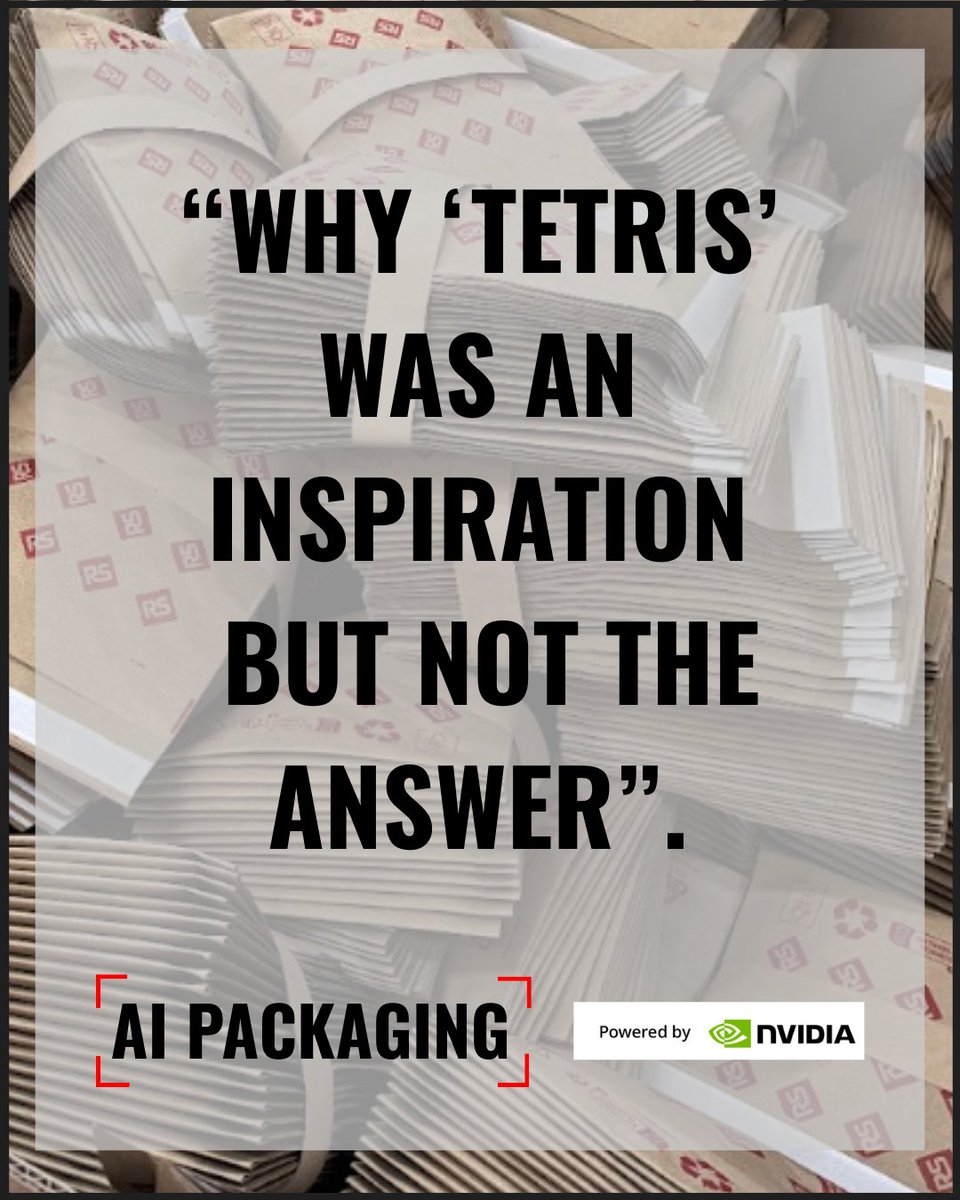
Putting AI Efficiency to the Test
Jude Pullen and Brian Schwab competed with AI to see who could produce the most efficient packaging. Using the same product set and available boxes, could they beat their own AI at packaging efficiently?
Check out the full series on DesignSpark - weare.rs/4shdnNl
#AI #PackagingEfficiency #ArtificialIntelligence #AIEfficiency #AIPowered #DesignEngineering #NVIDIA @nvidia
2
155

May 29
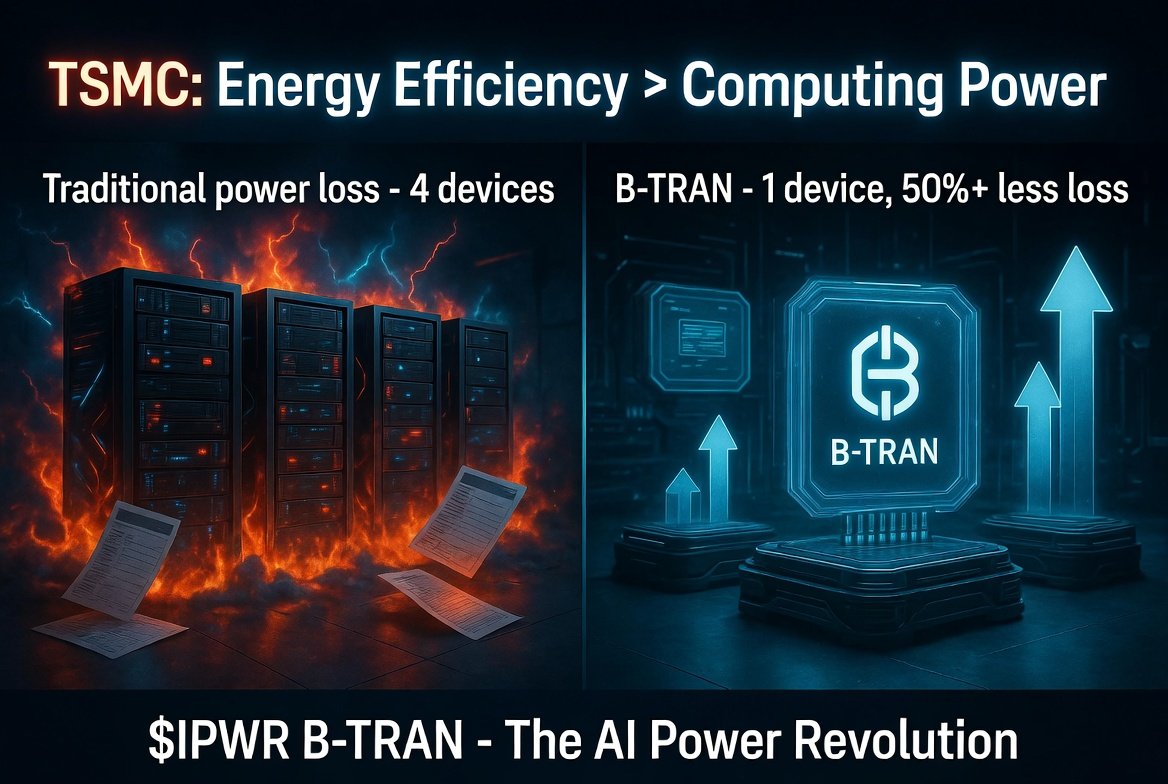
🚨 TSMC JUST DROPPED A BOMBSHELL FOR AI POWER:
“Energy efficiency is now the #1 priority in AI chip design — more important than raw computing power.”
AI data centers are getting crushed by electricity bills.
The perfect solution already exists:
$IPWR B-TRAN** — the native bidirectional power switch.
✅ 1 device instead of 4
✅ >50% lower losses
✅ Up to 4x lower system cost
NVIDIA Rubin Ultra 800V LOI $300M pipeline
Market cap still only ~$130M
This is the hidden gem of the AI energy revolution.
You in… or watching from the sidelines?
$IPWR #BTRAN #AIEfficiency #EnergyEfficiency #HiddenGem
1
3
306