FilaFresh retweeted

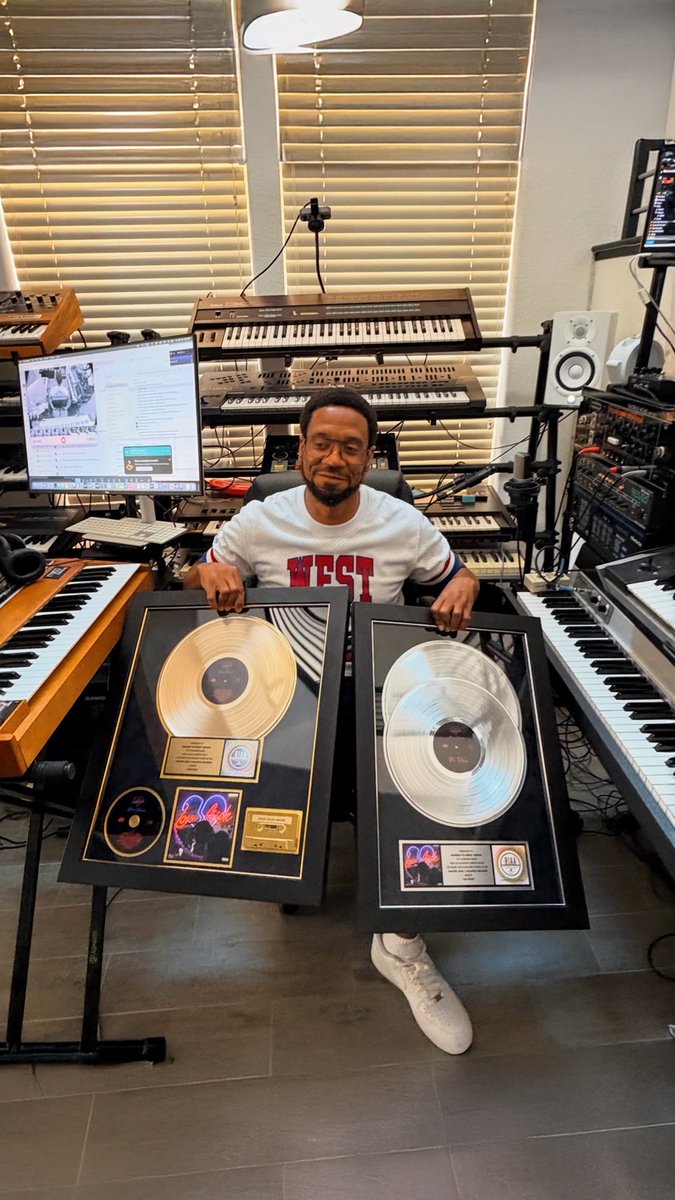
Just won ASCAP most performed producer of the year Award . Just sharing. All glory to God. Playball Amen. 🌙🎹
13
30
217
5,645
Todd "DG" Davis retweeted

18h
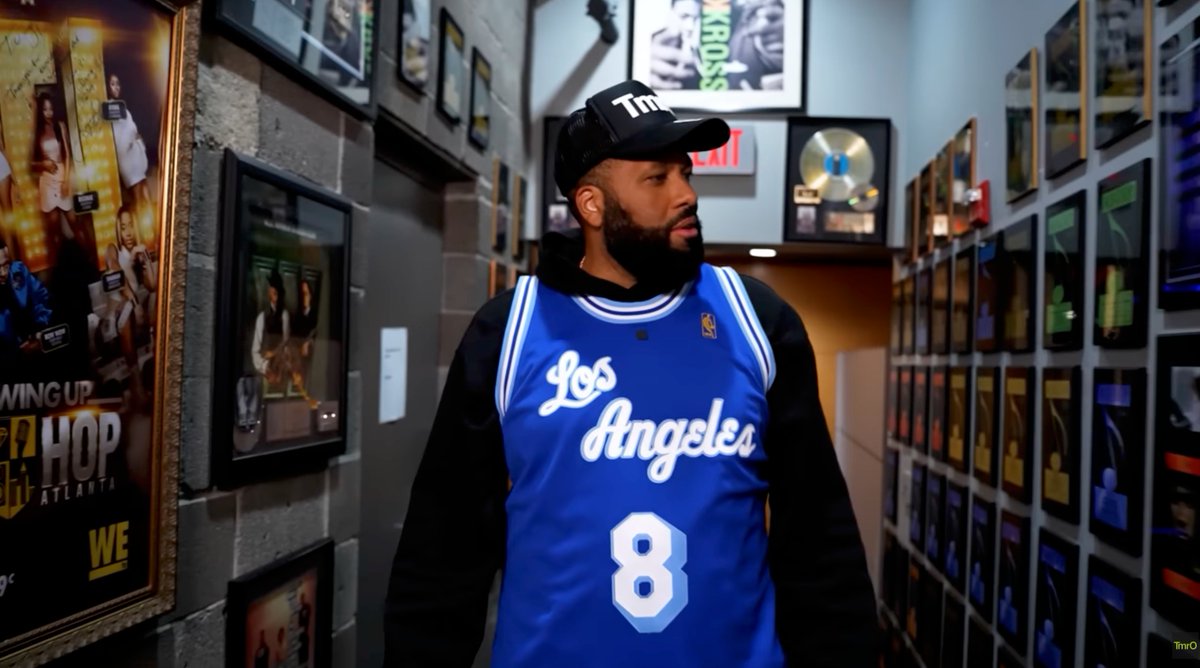
The number of ASCAP Plaques @jermaindupri has is ridiculous
2
12
1,167

RT @RTSTYLES: MUSK MUST - BEST SONG by R.T.&The Styles All rights reserved. (c) ASCAP
36

nothing new was featured in lover diaries in 2019, was in circulation from taylor’s inner circle since 2011 and even had an ascap registration. you can still delete this to not look stupid as fuck
17

Our bank is still badly overdrawn I’ve just been busy. I had to go to the ER, had an audition, a self tape, had to deal with ASCAP, had to prove I can ride a horse for an acting gig 💀
Lots of stuff. It’s a lot all at once but I’m not sure what to do without the bank working :/
2
1
41


Signing Up With ASCAP, BMI Not Enough hypebot.com/signing-up-with-…
7

Per Grok:
Question: If she puts the film up for free on YouTube, should she register the songs with licensing company like ASCAP?
Answer: Yes, she should register the songs with a PRO like ASCAP (or alternatives such as BMI or SESAC) if she wants to collect performance royalties from the film's YouTube upload.
Why Register?
YouTube pays royalties for public performances of music via blanket licenses with PROs. ASCAP (and similar organizations) collects fees from YouTube for uses of their members' compositions and distributes them to registered songwriters/publishers.
Even for a free film upload (non-monetized or ad-supported), views can generate performance royalties for the underlying musical compositions if properly registered and claimed through YouTube's Content ID system.
Without PRO registration, she likely misses out on these royalties entirely, as the organizations won't know to pay her. Registering the works (after joining) ensures proper crediting and payout.
This is separate from:
Copyright registration (with the U.S. Copyright Office) — which protects the songs and is recommended for legal enforcement but isn't handled by ASCAP.
Sync rights — already covered since she created the music for her own film.
Sound recording/master rights — handled via distributors or YouTube uploads for the audio tracks.
Practical Steps for Her AI Film Project:
Join a PRO (e.g., ASCAP writer membership is free; publisher has a fee). She's eligible once the music is publicly available (like in a YouTube video).
Register the specific songs/works with the PRO (title, writers, publishers, splits). This is key for distribution.
Upload the film to YouTube and ensure the soundtrack audio gets into Content ID (via distributor if needed).
Claims on her own video will route royalties back to her.
Consider joining as both writer and publisher to capture the full share.
Royalties won't be huge for a free/low-view indie film (micro-payments per view), but they add up with growth, shares, or other uses (e.g., if others embed or use clips). It's low-effort future-proofing, especially for an AI-generated soundtrack she fully owns.
Note: ASCAP/BMI don't replace proper copyright; they're for ongoing performance collection. For her 30-day AI film, this fits well with low-budget promotion. Consult the PRO's site or a music attorney for her specific setup.
1
51

• Performance Royalties
Generated when a song is publicly performed radio, TV, live shows, clubs, restaurants.
Split between the publisher and the songwriter.
Collected by PROs ASCAP, BMI, SESAC (US) / PRS, SOCAN, APRA etc.
1
1
6
317
enebaba retweeted

Jun 12
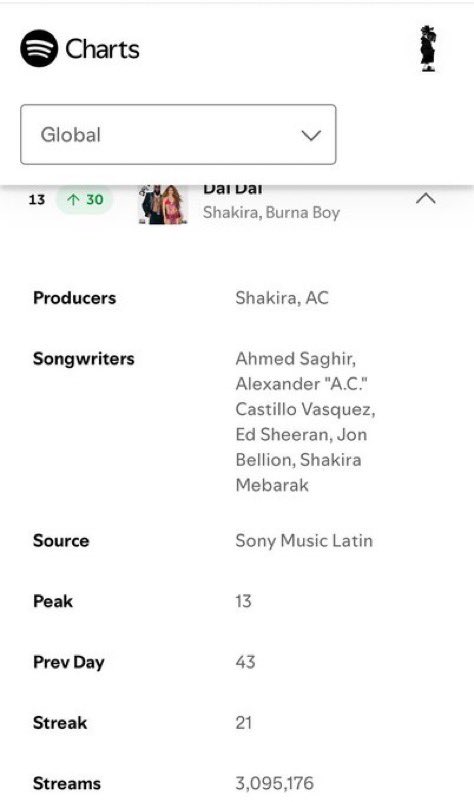
Ur fave once said they don’t write for him lol 😂.. Oya nah show me him name for song writers that’s why he got no ASCAP writers award… 🤓🤓

6
27
903

Finally I was starting to think him no get,mind u he has Ascap to
1
1
66
💙🤍🌹MyROSÉ🌹🤍💙 retweeted

Jun 1
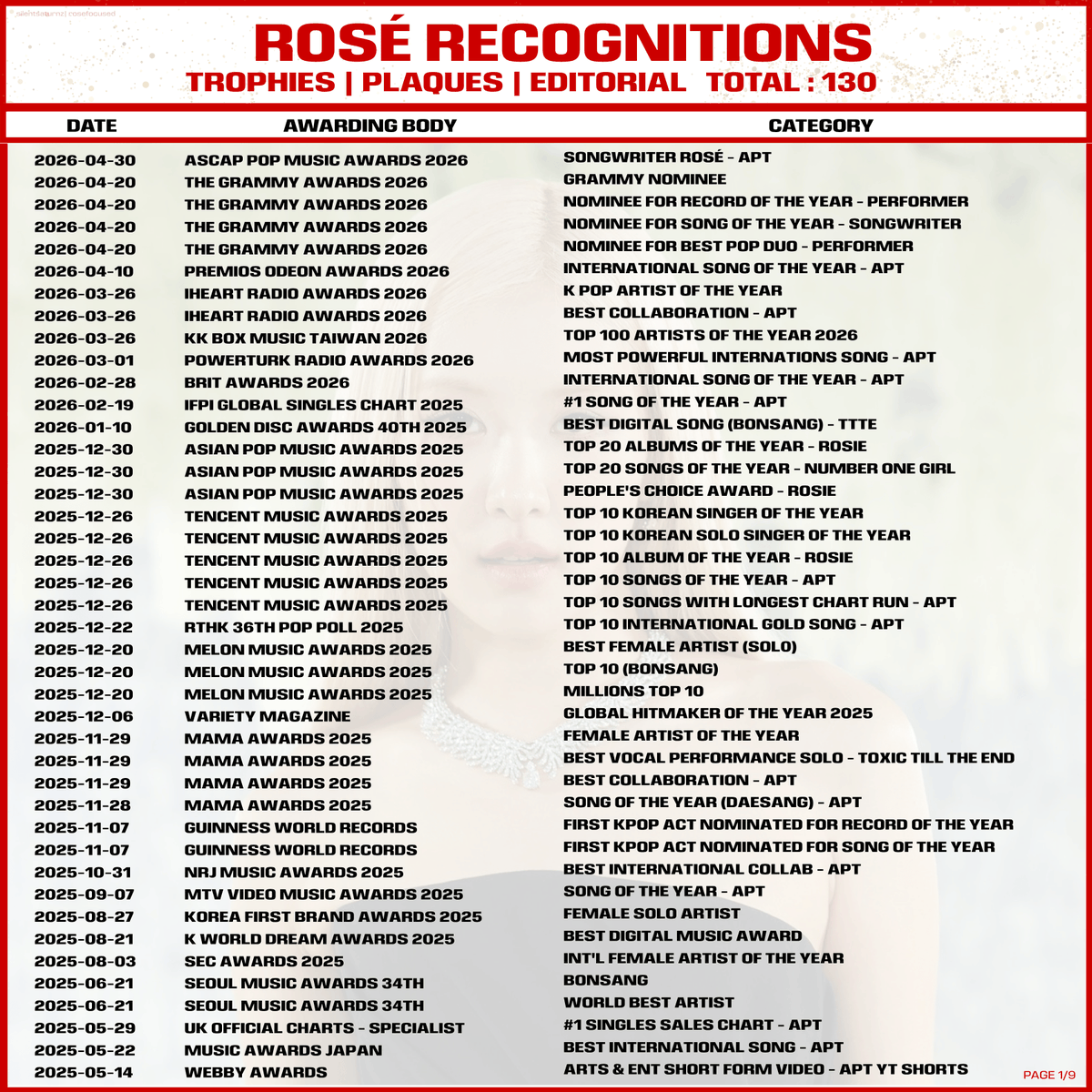
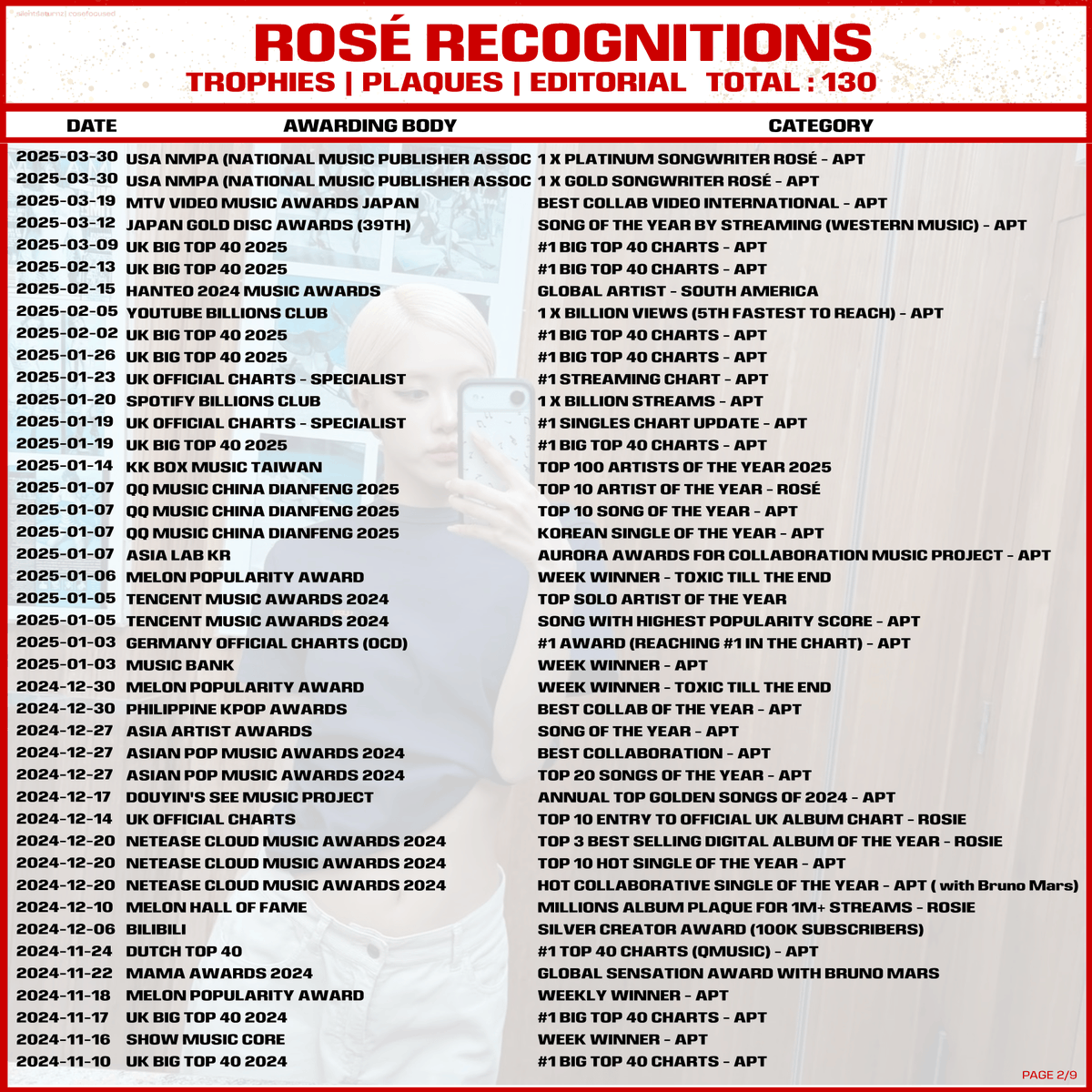
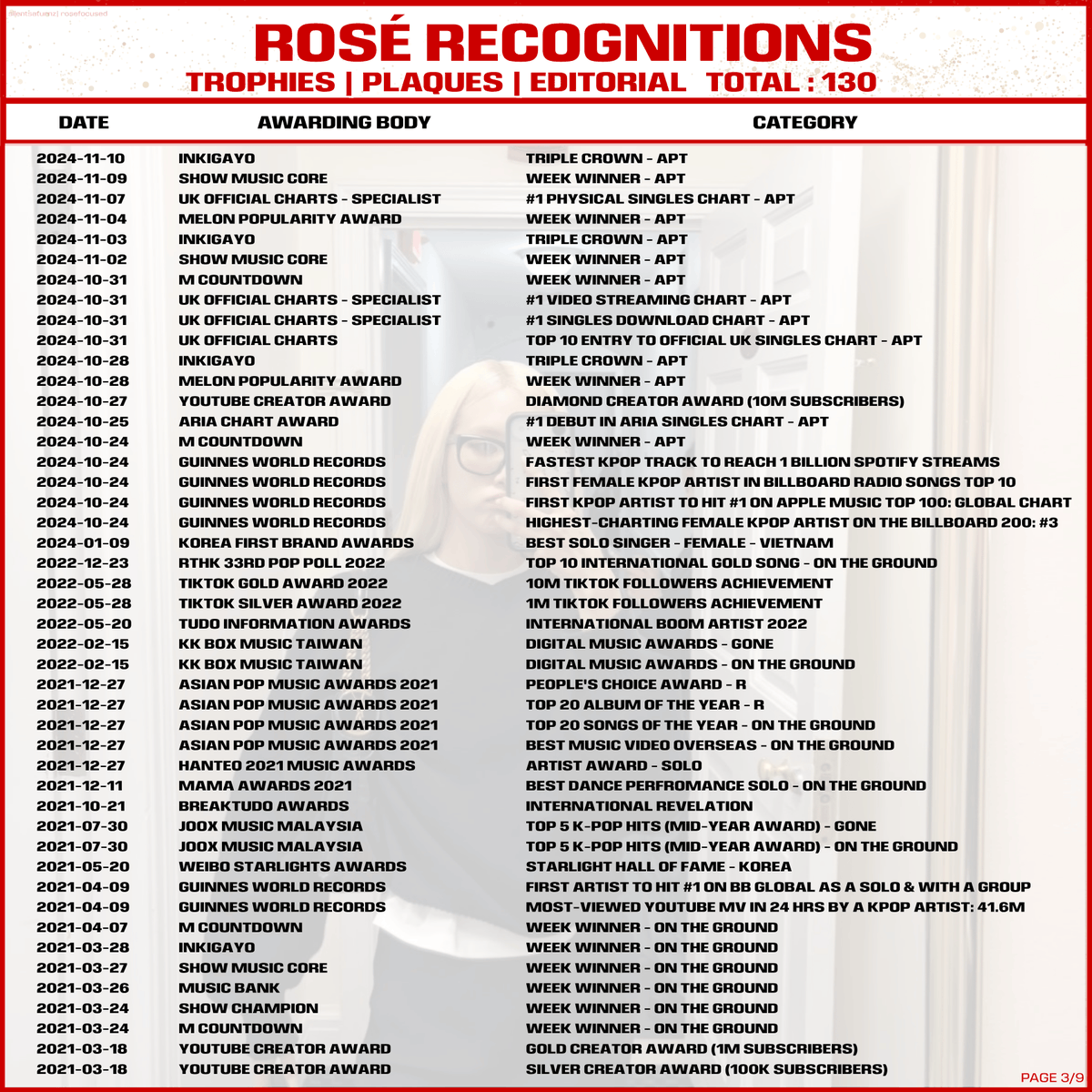
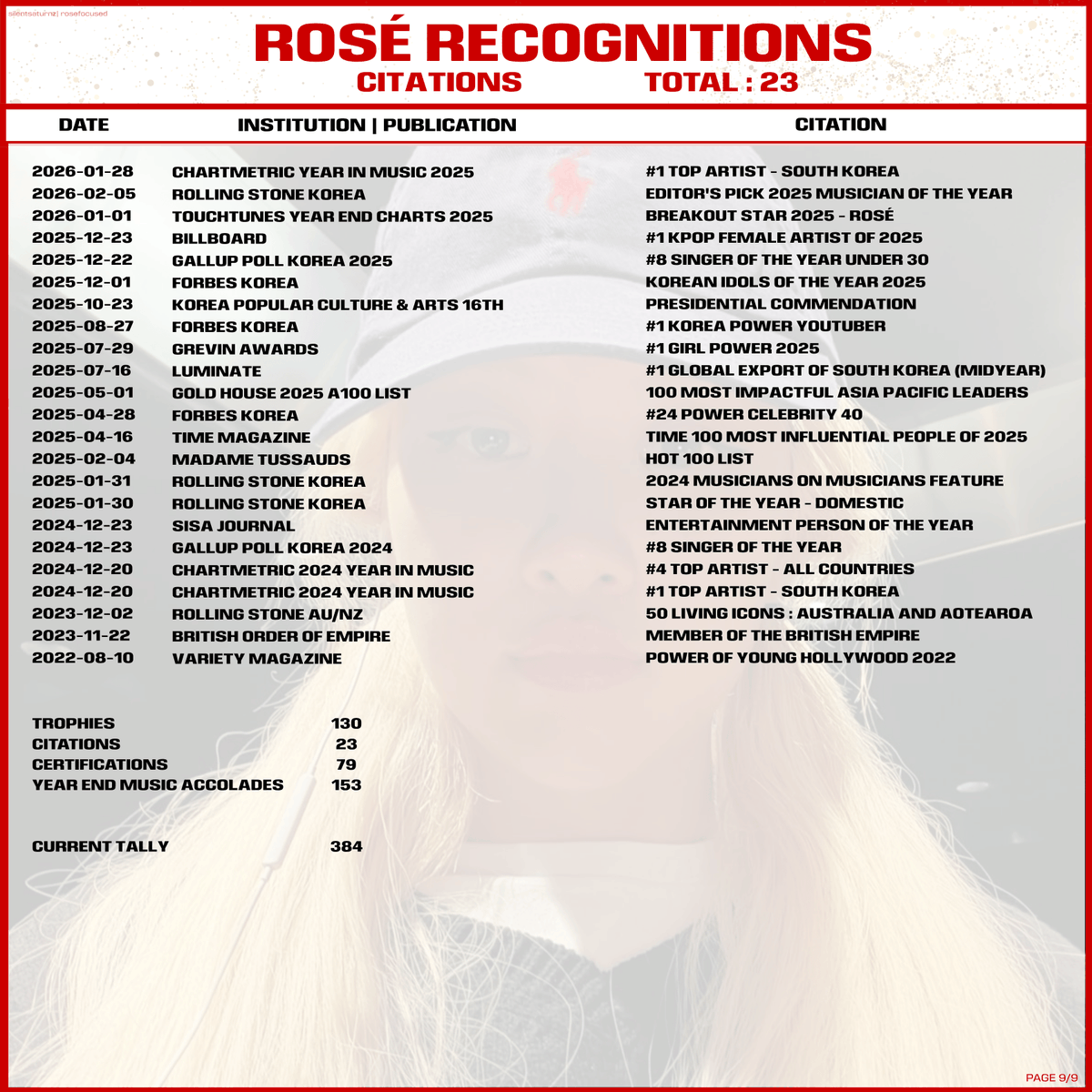
ROSÉ Awards & Accolades as of MAY 31 2026
Here's is the updated list of ROSÉ's recognitions, with new award from ASCAP for Songwriter ROSÉ and a chart certification from BVMI Germany.
Awards and Accolades - 153
Music Chart Certifications - 79
Year End Music Recognitions - 153
Lets continue to support ROSÉ and be part of her legendary story.
1
129
368
6,141