
6 Oct 2023
Kim Kardashian is Armenian. (I knew that would get your attention) - Christians, please read this article from abilitymagazine. Original is available below. I hope that you will have the same revelations I had. We serve a mighty God. We must never deny Him.
abilitymagazine.com/Why-is-t…
The Armenian people have made their home in the Caucasus region of Eurasia for some 3,000 years. For some of that time, the kingdom of Armenia was an independent entity–at the beginning of the 4th century AD, for instance, it became the first nation in the world to make Christianity its official religion–but for the most part, control of the region shifted from one empire to another. During the 15th century, Armenia was absorbed into the mighty Ottoman Empire.
The Ottoman rulers, like most of their subjects, were Muslim. They permitted religious minorities like the Armenians to maintain some autonomy, but they also subjected Armenians, who they viewed as “infidels,” to unequal and unjust treatment. Christians had to pay higher taxes than Muslims, for example, and they had very few political and legal rights.
In spite of these obstacles, the Armenian community thrived under Ottoman rule. They tended to be better educated and wealthier than their Turkish neighbors, who in turn tended to resent their success. This resentment was compounded by suspicions that the Christian Armenians would be more loyal to Christian governments (that of the Russians, for example, who shared an unstable border with Turkey) than they were to the Ottoman caliphate.
These suspicions grew more acute as the Ottoman Empire crumbled. At the end of the 19th century, the despotic Turkish Sultan Abdul Hamid II–obsessed with loyalty above all, and infuriated by the nascent Armenian campaign to win basic civil rights–declared that he would solve the “Armenian question” once and for all. “I will soon settle those Armenians,” he told a reporter in 1890. “I will give them a box on the ear which will make them…relinquish their revolutionary ambitions.”
The First Armenian Massacre Between 1894 and 1896, this “box on the ear” took the form of a state-sanctioned pogrom. In response to large scale protests by Armenians, Turkish military officials, soldiers and ordinary men sacked Armenian villages and cities and massacred their citizens. Hundreds of thousands of Armenians were murdered.
The Rise of the Young Turks
In 1908, a new government came to power in Turkey. A group of reformers who called themselves the “Young Turks” overthrew Sultan Abdul Hamid and established a more modern constitutional government. At first, the Armenians were hopeful that they would have an equal place in this new state, but they soon learned that what the nationalistic Young Turks wanted most of all was to “Turkify” the empire. According to this way of thinking, non-Turks–and especially Christian non-Turks–were a grave threat to the new state
World War I In 1914, the Turks entered World War I on the side of Germany and the Austro-Hungarian Empire. (At the same time, Ottoman religious authorities declared jihad, or holy war, against all Christians except their allies.) Military leaders began to argue that the Armenians were traitors: If they thought they could win independence if the Allies were victorious, this argument went, the Armenians would be eager to fight for the enemy. As the war intensified, Armenians organized volunteer battalions to help the Russian army fight against the Turks in the Caucasus region. These events, and general Turkish suspicion of the Armenian people, led the Turkish government to push for the “removal” of the Armenians from the war zones along the Eastern Front. The Ottoman empire began the systematic campaign to destroy its Armenian population in 1915, after the breakout of World War I. Ethnic Armenians were, at the time, a sizable minority: before the genocide, there were an estimated 2 million living in the Ottoman empire. By 1922, their numbers had fallen to less than half a million people.
What transpired in the meantime is variously referred to as the Armenian genocide, or Meds Yeghern ("great catastrophe" in Armenian). In the telling of today's Turkish government, though, the casualties were merely regrettable deaths that occurred during war, rather than the result of any systematic or organized campaign of destruction.
The Ottoman Empire had entered World War I as an ally of Germany and was fighting against Russia, its longtime regional foe. Turkish leaders seized on a paranoid theory: that Armenians, largely Christian, were likely to ally with Russia and fight as a fifth column inside Turkey itself.
So the government ordered the deportation of all Armenians to an arid region of what is now Syria. "We will not have Armenians anywhere in Anatolia," the Ottoman minister of the interior told the US ambassador. "They can live in the desert, but nowhere else."
This policy became a massive, government-led campaign to destroy the Armenian population through deportations and mass murder. "In the process, at least half of the men were killed by Turkish security forces or marauding Kurdish tribesmen," writes Thomas de Waal in Foreign Affairs. "Women and children survived in greater numbers but endured appalling depredation, abductions, and rape on the long marches."
In the city of Diyarbakir, for example, the governor assembled a "strike force" that rounded up and massacred Armenians. On one occasion, Raffi Khatchadourian writes in the New Yorker, more than 600 people were sent down the Tigris river in rafts and then killed. On another, women were rounded up, forced to strip to their underwear, and then murdered with axes.
Foreign diplomats observed and documented the mass slaughter. Henry Morgenthau, the US ambassador to Turkey, cabled Washington in July 1915 to warn that "a campaign of race extermination is in progress." The large-scale detentions and deportations of Armenians, he wrote, were "accompanied by frequent instances of rape, pillage, and murder, turning into massacre."
Jesse Jackson, the US consul in Aleppo, saw the deportees arriving in the desert. In 1916, de Waal writes, Jackson sent a cable to Washington that described mass graves holding nearly 60,000 people. "As far as the eye can reach mounds are seen containing 200 to 300 corpses buried in the ground pele mele, women, children and old people belonging to different families."
But despite this knowledge, no one intervened to end the carnage. By the end of World War I, an estimated 1 million to 1.5 million people had been killed.
Why won't Turkey recognize the Armenian genocide?
Turkey has steadfastly refused to recognize the Armenian genocide. The Turkish government's official position is that there was no genocide because there was no systematic campaign to wipe out the Armenians. Although Turkey admits that massacres did take place, it insists they were just a regrettable consequence of war, not the result of an organized or targeted plan.
Those arguments are, to say the least, inconsistent with the historical evidence. Turkey's organized, centrally directed campaign against its Armenian population was documented by outside observers like Morgenthau and Jackson. There is considerable physical evidence, including mass graves, proving that large-scale killing took place. Newspapers, including US publications like the New York Times, covered the story as it was happening. But perhaps most damning evidence of all is that Armenians essentially disappeared from much of the Ottoman empire. If there was no genocide, where did they go?
After World War I ended in an Ottoman and German defeat, the victorious allies broke apart the empire forever. Several of the Turkish officials who had been architects of the Armenian genocide went on to found the modern Turkish state that emerged from the Ottoman Empire's ashes.
Those Turkish officials became heroes of modern Turkey, and their reputation wrapped up in the legitimacy of this new state. Admitting that the genocide happened would risk tainting the Turkish state itself, as well as the individuals responsible. "It’s not easy for a nation to call its founding fathers murderers and thieves," Turkish historian Taner Akcam told the New York Times.
So, instead, Turkish history textbooks teach that the Armenians were traitors. Prominent Turks who have acknowledged the genocide publicly, including the writer Orhan Pamuk, have faced criminal charges for "insulting Turkishness." And Turkey has opposed other countries' efforts to recognize the genocide, including, most recently, by recalling its ambassador to the Vatican last week after Pope Francis referred to the killings as genocide.
However, there are signs that the Turkish attitude towards the genocide may be softening. In recent years, scholars have been able to publish studies on the genocide and discuss it publicly. This week, Turkish Prime Minister Ahmet Davutoglu publicly offered condolences to the descendants of the Armenians who were killed. Although he pointedly refused to refer to the killings as a genocide, his statement seemed like a tentative step toward acknowledging what happened.
Why is the Armenian genocide a global political controversy?
Turkey has put heavy pressure on other nations to refrain from recognizing the genocide. Many countries, especially Turkey's allies, have accommodated this, and for nearly a century have refrained from officially referring to the killings as a genocide. Only 24 countries officially acknowledge what happened.
The United States, for instance, has never officially taken the position that the Armenians were victims of genocide, although Ronald Reagan did refer to "the genocide of the Armenians" in a 1981 proclamation. Before he was elected president, Barack Obama described the slaughter of Armenians as a genocide, but he has not used that word since taking office.
Turkey is a key US ally — especially now, as the US relies on Turkey's cooperation in the fight against ISIS in Syria. US officials have compromised on how they refer to the killings. When Obama makes a speech to commemorate the anniversary of the genocide on Friday, White House officials say he will use the term "Meds Yeghern" instead of "genocide."
Likewise, the United Kingdom has not recognized the genocide, apparently out of concern that doing so would jeopardize its relationship with Turkey. A leaked Foreign Office briefing from 1999 stated that Turkey was "neuralgic and defensive about the charge of genocide." Therefore, the "only feasible option" was for the United Kingdom to continue to refuse to recognize the killings as genocide, because of "the importance of our relations (political, strategic and commercial) with Turkey."
By contrast, Russia, which has never enjoyed a particularly good relationship with Turkey, recognized the genocide in 1995.
International pressure on Turkey to recognize the genocide has grown in recent years, largely due to heavy lobbying by Armenian groups — including a sizable Armenian diaspora in the US — as well as anti-genocide organizations. Even in countries that have refused to recognize the genocide at the national level, many state and local legislatures have voted to do so — including 43 American states and the parliaments of Scotland, Wales, and Northern Ireland.
Argentina, Lithuania, Austria, Netherlands, Belgium, Poland, Bolivia, Russia, Canada, Slovakia, Chile, Sweden, Cyprus, Switzerland, France, Germany, Uruguay, Greece, Vatican City, Italy, Venezuela, Lebanon
1
4
235

22 Mar 2023
AMA with ABILITYMagazine tomorrow about disability in the entertainment industry. Go to @SupercripNFT and @ABILITYMag

3
61

19 Mar 2023
Supercrip - The Movie AMA With ABILITYMagazine
Join us March 22nd at 5pm EST
Host:
@SupercripNFT & @ABILITYMag
Project :
@SupercripNFT
@macguyvermedia
@tobias_forrest
@mpdavis007
@REALabilityJOBS
@abilityE_
@ABILITYMa
Set a reminder for my upcoming Space!

1
5
379

19 Mar 2023
SupercripNFT AMA With ABILITYMagazine
Join us March 22nd at 5pm EST
Host:
@SupercripNFT & @ABILITYMag
Project :
@SupercripNFT
@macguyvermedia
@tobias_forrest
@mpdavis007
@REALabilityJOBS
@abilityE_
@ABILITYMag
Set a reminder for my upcoming Space!

12
21
25
10,337

17 Sep 2022
~ frankly , it comes down to battle of the body language vs the talents of the neurodivergent ~ found often in sheister doctor shops ~ who to ‘trust?’ veterinarian’s only ~ word to the wise ~ #abilitymagazine ~
1
2

Joshua Miele — #Building #Technology & Public Awareness for Better #Accessibility - #ABILITYMagazine #inclusion #PwD #disabilityinclusion buff.ly/3RSa7pK
2
1

23 Jul 2022
Joshua Miele — #Building #Technology & Public Awareness for Better #Accessibility - #ABILITYMagazine #inclusion #PwD #disabilityinclusion buff.ly/3RSa7pK
2

17 Jun 2022
Thanks @abilitymagazine for inviting me to discuss increasing visibility and support for people of all abilities. It’s an honor anytime I get to amplify the meaningful work of @sosocal @specialolympics @shanesplay @eastersealssocal 🎉
#humanrights #disability #advocacy #inclusion

3
3
21

26 Jun 2021
CONGRATULATIONS! 2021 @TelevisionAcad Winner! Outstanding Performance by a Supporting Actor in a Drama Series
BFF to @abilitycorps since 1999, and currently on the advisory board of abilityE.com
You deserve it Max!
#abilityjobs #disability #actors #abilitymagazine
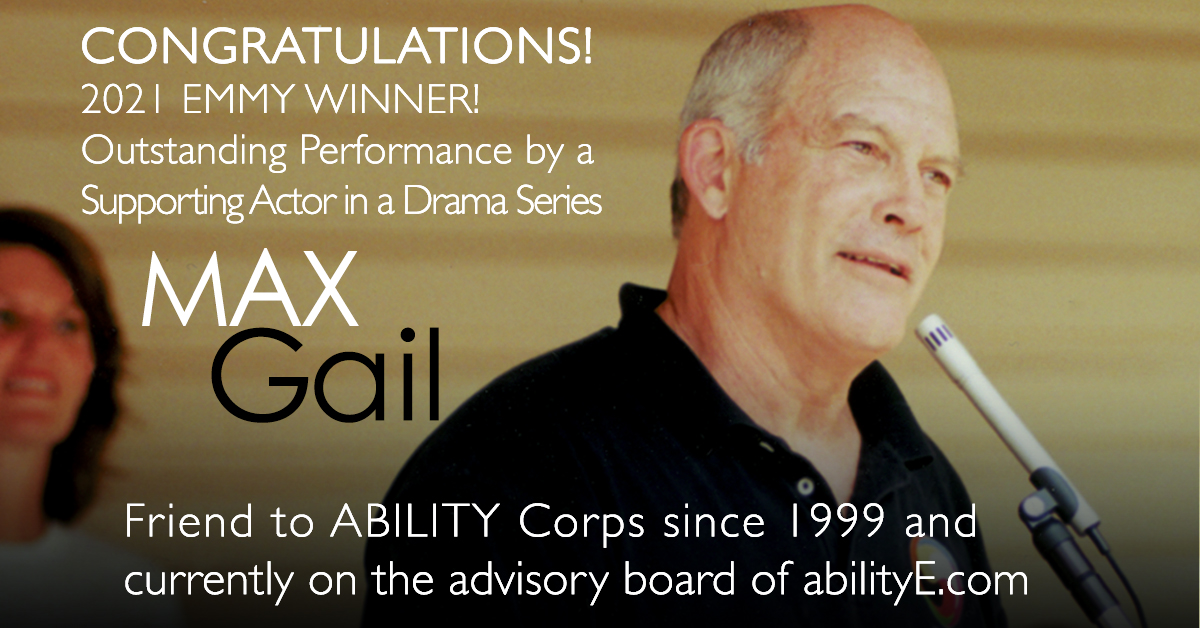
ALT Max Gail Emmy Winner! Outstanding Performance by a Supporting Actor in a Drama Series BFF to @abilitycorps since 1999, and currently on the advisory board of abilityE.com
1

26 Jun 2021
CONGRATULATIONS! 2021 @TelevisionAcad Winner!
Outstanding Performance by a Supporting Actor in a Drama Series
BFF to @abilitycorps since 1999, and currently on the advisory board of abilityE.com
You deserve it Max!
#abilityjobs #disability #actors #abilitymagazine
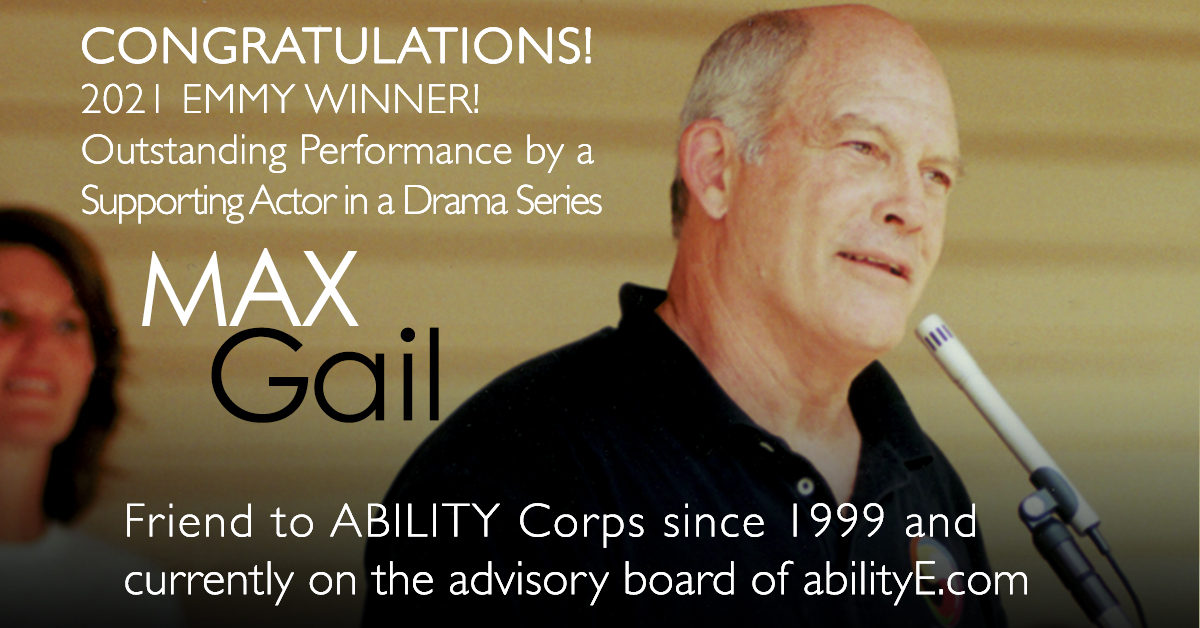
ALT CONGRATULATIONS! 2021 Emmy Winner! Max Gail Outstanding Performance by a Supporting Actor in a Drama Series Friend to ABILITY Corps since 1999 and currently on the advisory board of abilityE.com
3

18 Feb 2021
As Dubai builds a global community surrounding tourism and innovation, it strives to focus on accessibility to welcome all global travelers.
We are so happy to be included in this wonderful article by @ABILITYMagazine!
buff.ly/3atfmIT

2

"Assistive Technology for All using ambitious teaching" - FREE online day conference for those interested in education at all phases ow.ly/aZD950C7Ugt @mylespilling @TH_RickB @AntonyRuck @Adam_Hyland @AbilityMagazine@jackthetweet
2
2
"Assistive Technology for All - using ambitious teaching" day conference. Book a free place now at eventbrite.com/e/assitive-te… @mylespilling
@TH_RickB
@AntonyRuck
@Adam_Hyland
@AbilityMagazine
@jackthetweet
@launchpadforyou
@LearningLabsUK
@SMILESmarttech
@EstherD_P
1
Only a few days befoere we have our penultamate webinar in the Accesssible Education webinars "Ocutcomes from the DFE Edtech Strategy eventbrite.com/o/british-ass… #bataonline, @mylespilling, @Jackthetweet @TH_RickB @AntonyRuck @AbilityMagazine
1

13 Aug 2019
Thank you so much to ABILITY magazine for interviewing Kate Linder, Donna Russo and me, Peggy Lane O'Rourke.
Correction: Vince Deadrick Jr is referred to as Vince Cedric.
abilitymagazine.com/donna-on…
#DonnaOnTheGo #EmmyFYC #AbilityMagazine #Disability #KateLinder

2
3

22 May 2019
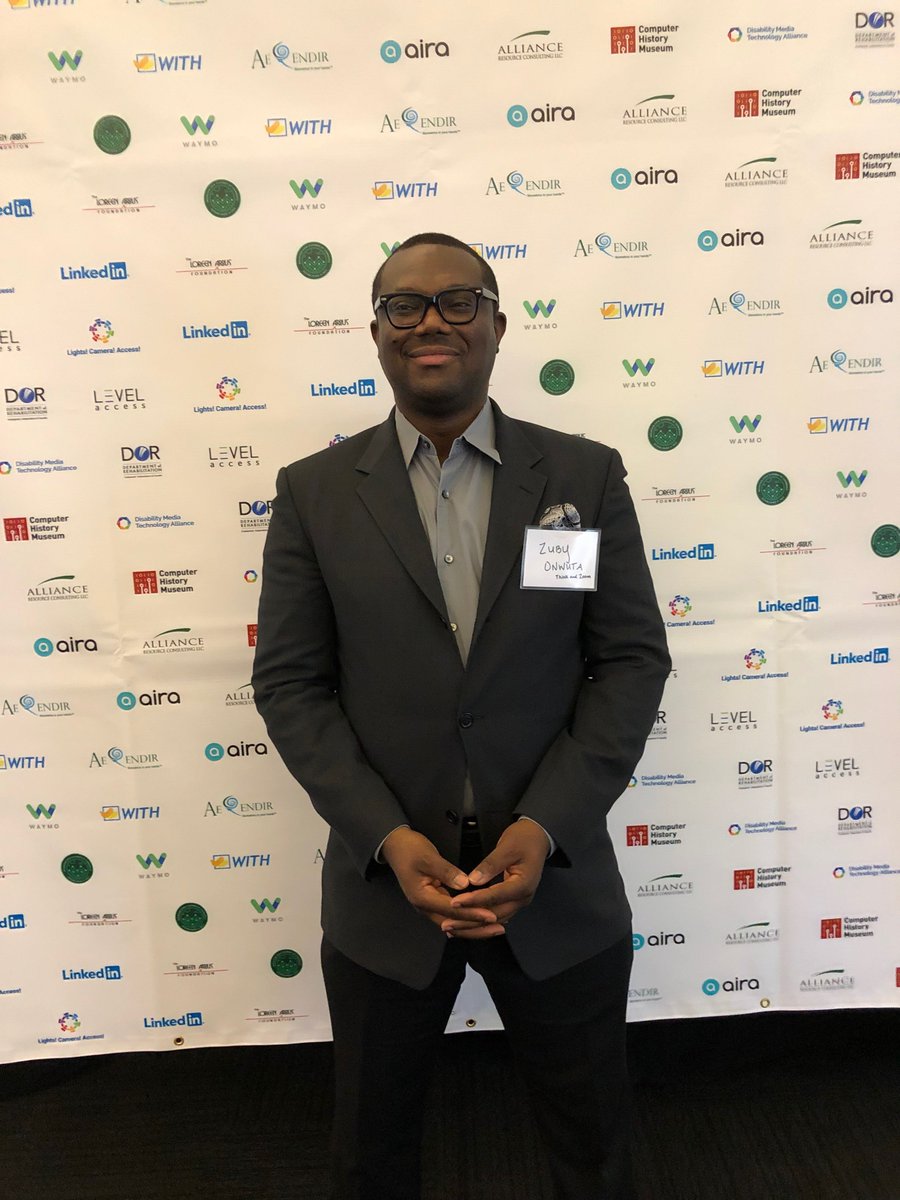
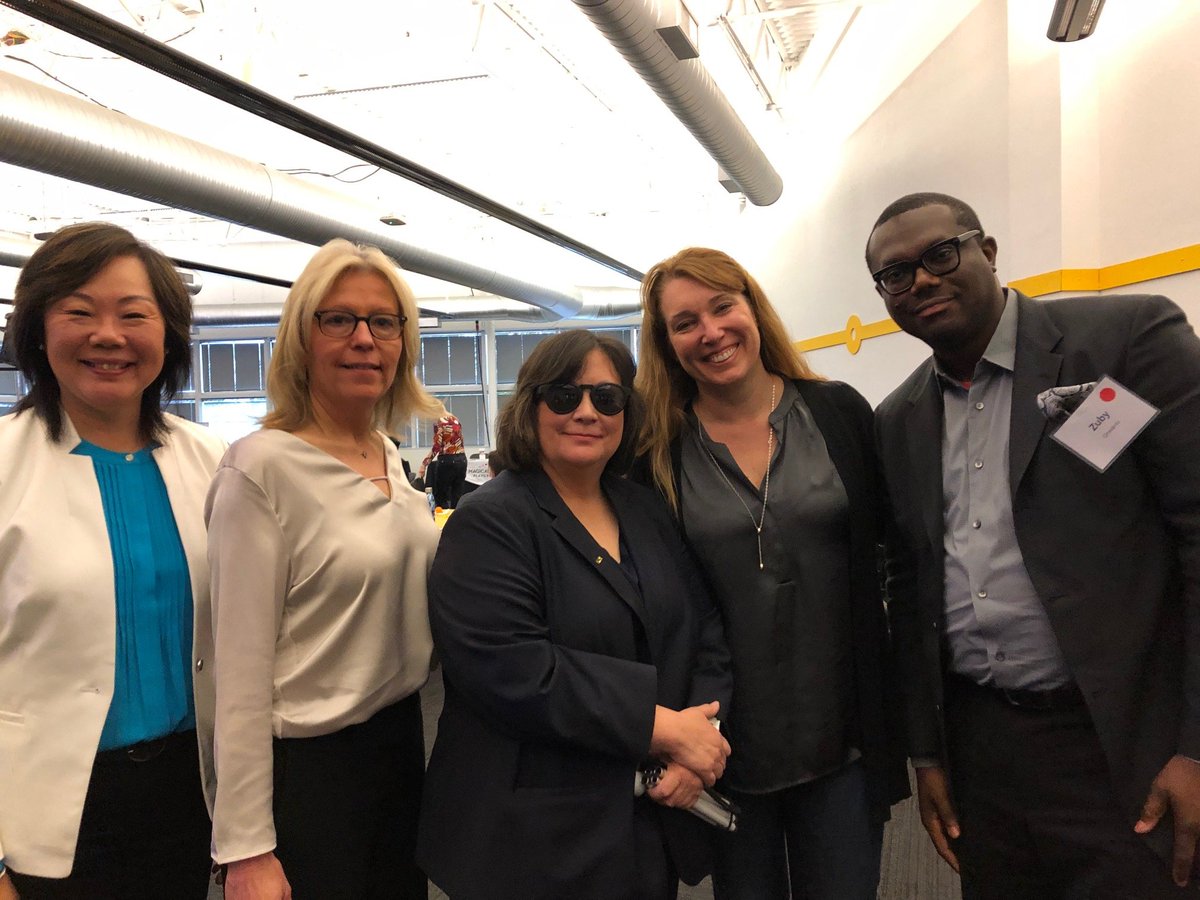
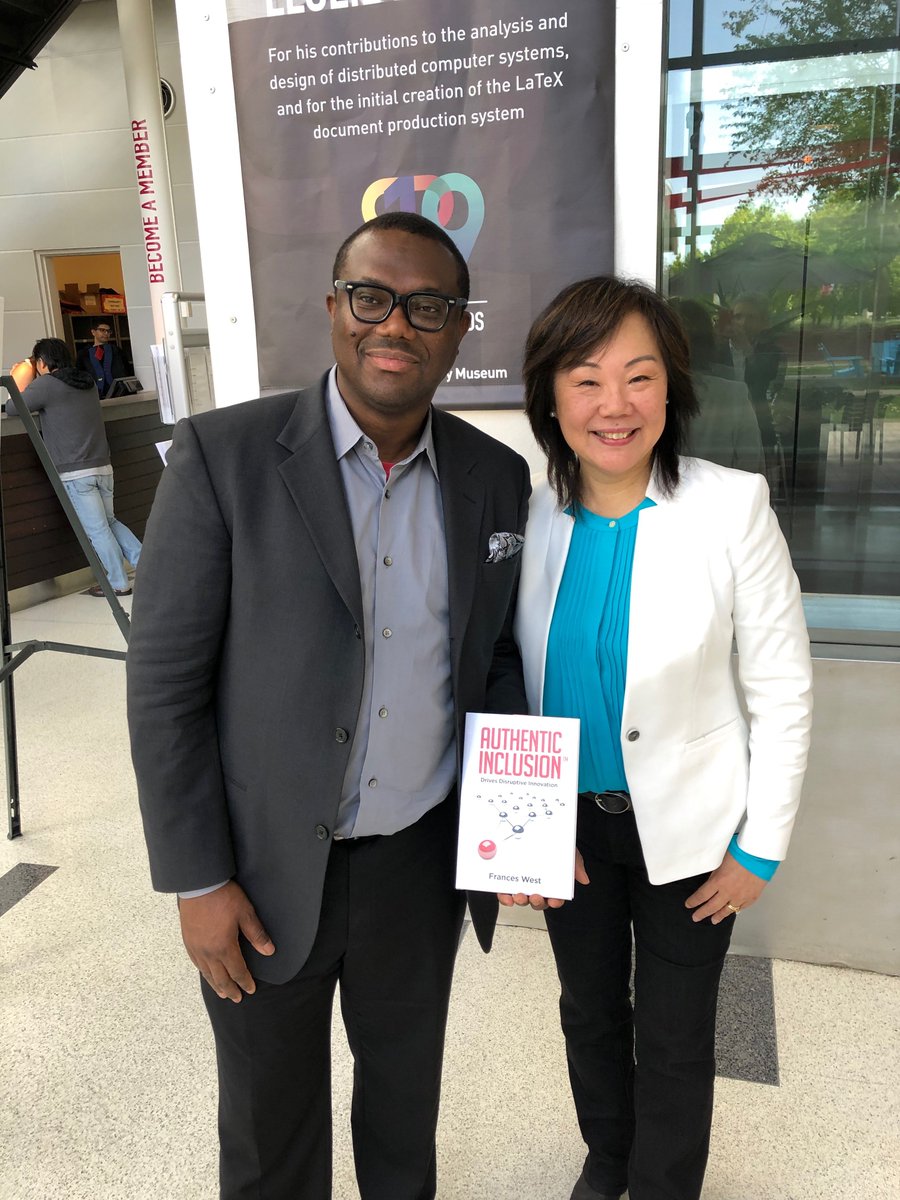
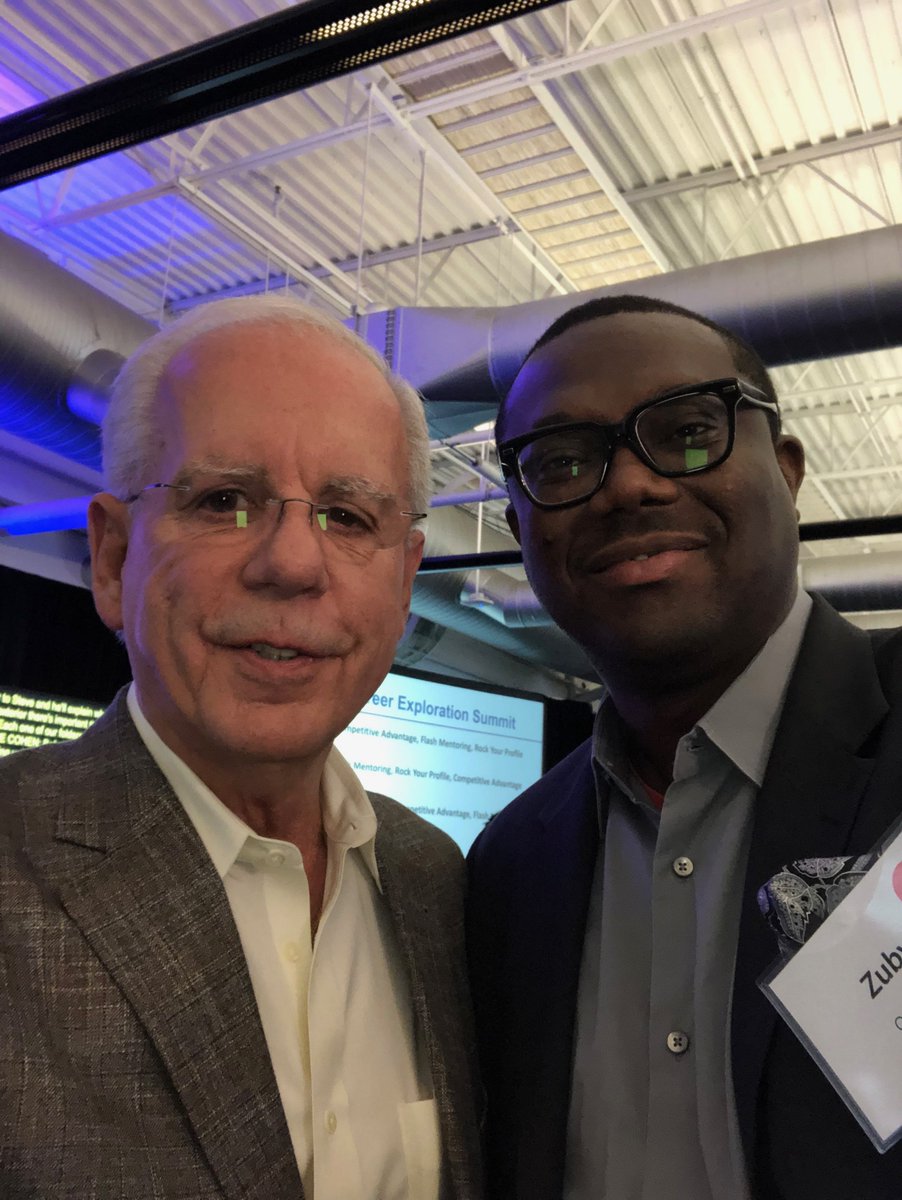
Special thx #TariHartmanSquire, #AnneCohen, #DominickEvans Disability Media Technology Alliance,Computer History Museum & Mountain View Chamber of Commerce
And #ChetCooper, #AbilityMagazine
Congrats students attendees.
Look, Think and Zoom,!
#LookThinkZoom
#thinkandzoom
1
4

@PhilStevens287, @AbilityMagazine this might be if interest. Useful information
3 Nov 2018

Our briefing on #DSA sets out what the government needs to do to ensure that it works for #Students with #VisionImpairment - everyone should have the same chance to complete their degree. Read it 👉 bit.ly/2N7Dree #university @unibirmingham @CoSS_Birmingham
1
2
24 Aug 2018
TRENDING: #JaneSeymour talks with #ABILITYMagazine about her love relationship with #ChristopherReeve and #nonprofits HERE: abilitymagazine.com/jane-sey… #DrQuinn #Disability #LittleItalyFilm
4
8

7 Aug 2018
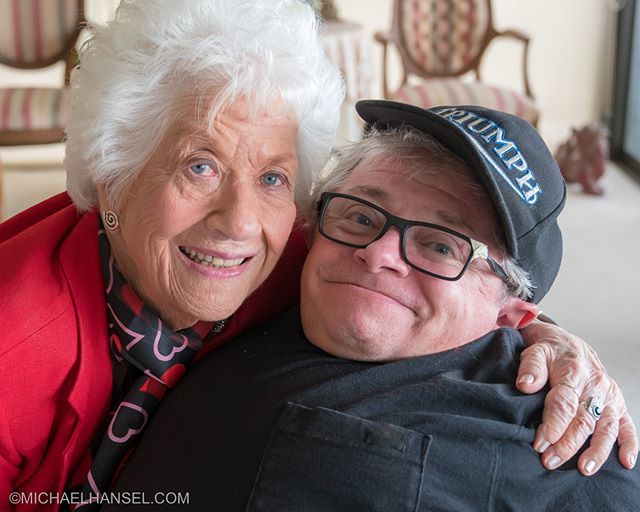
I was lucky enough to meet comedian Charlotte Rae while shooting a cover and article for @abilitymagazine. Thanks @davidszimmerman and #GeriJewell for asking. A warm wonderful funny woman. Donations may be made to the The Actors Fund, Pancreatic Cance… ift.tt/2OQ17kE
2

1 Aug 2018
@c_talent_ @KeelyCatWells @kmrtalent @kmrgail eileengrubba @InspiringLivesM #abilitymagazine #actorslife #hollywood #inclusion #sagaftra #losangeles @ Hollywood Boulevard instagram.com/p/Bl8sMv4AFLa/…
2