
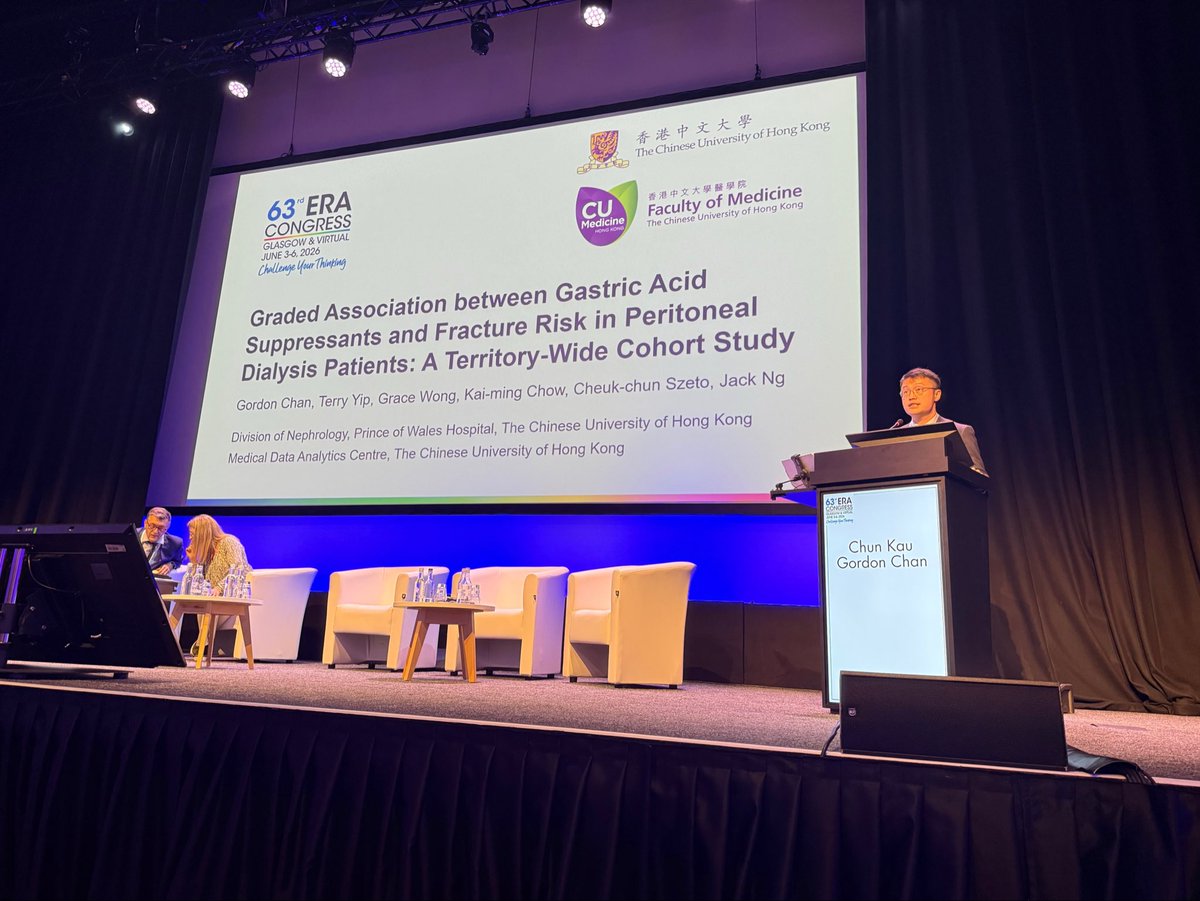
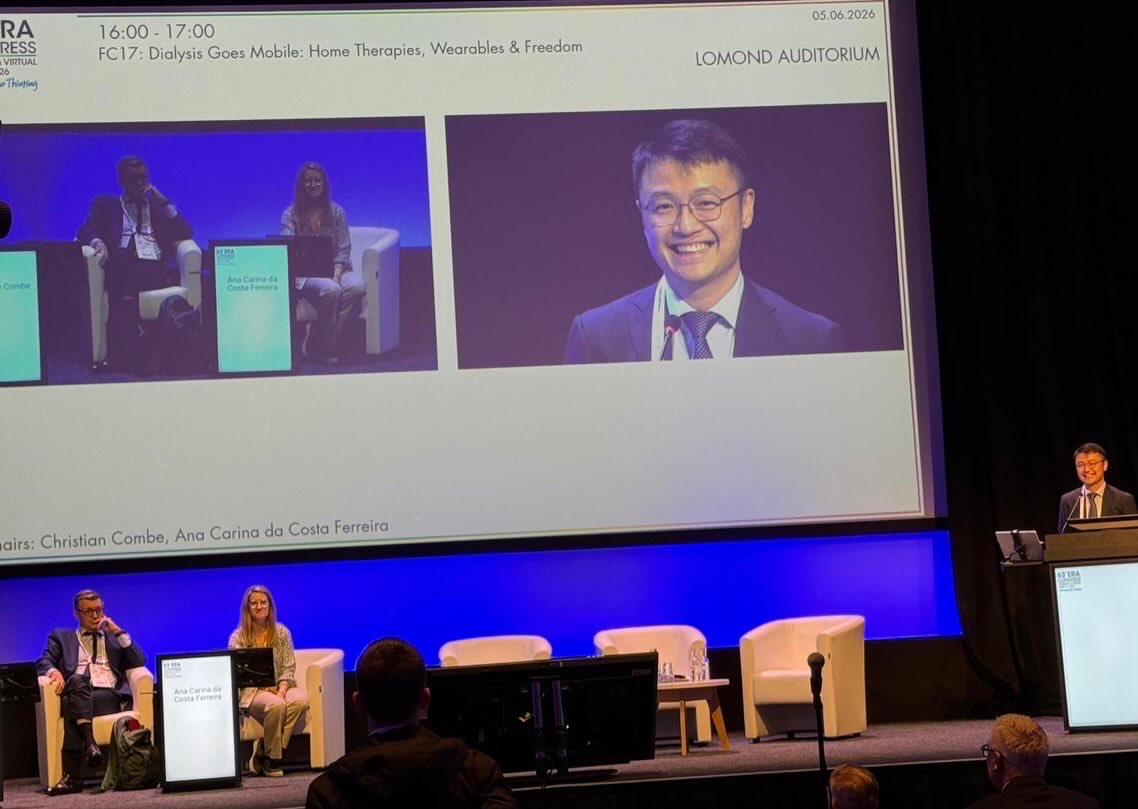
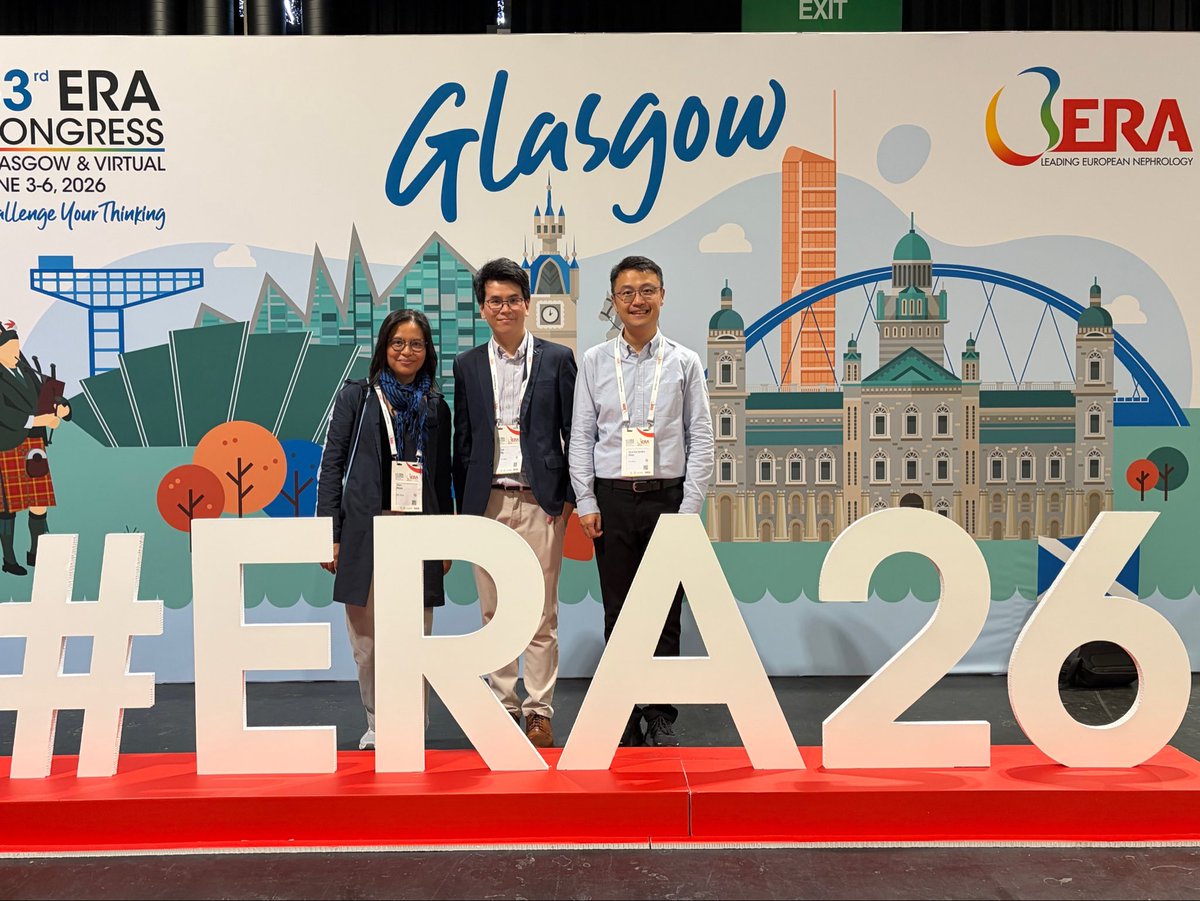
Another amazing year at ERA in Glasgow! 🏴
Had a great time learning from and connecting with so many experts in the field.
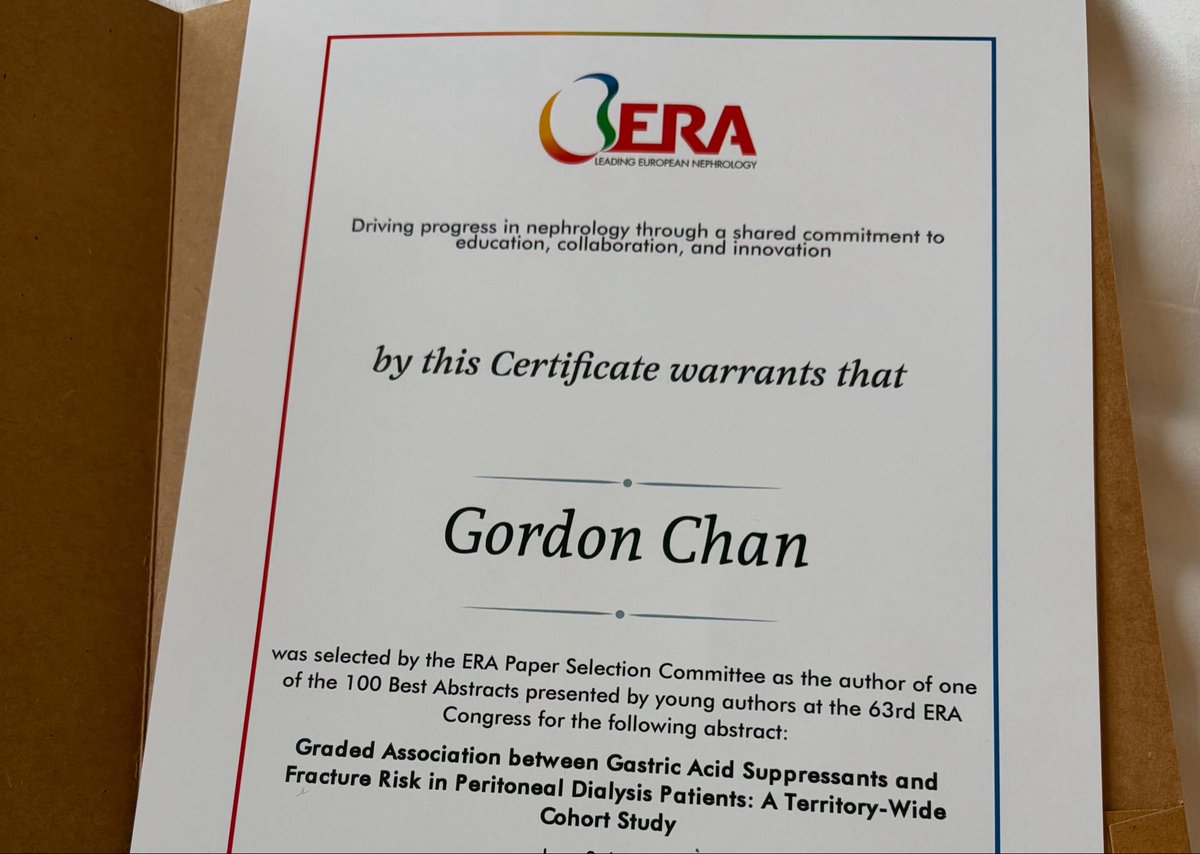
Super honored to receive the award for one of the ERA Best Abstracts by Young Nephrologists! 🏅
@CUHKMedicine @dr_jackng #era26
3

#BuildInPublic
Started building a full algorithmic trading system for Indian markets. Doing it entirely with Claude Code and sharing the whole thing as it happens.
The system - one Python project, nine layers. Each layer is isolated and communicates only through a PostgreSQL database. Broker, data, features, strategy, risk, orders, backtest, and observability.
Some early architectural decisions that are currently shaping everything else -
Broker agnosticity - system layers never interact with broker APIs directly. A broker interface abstracts out the required functionality and ensures compatibility with one or multiple brokers. Selected Zerodha as the primary broker integration for now. Might consider Angel One as a secondary going forward. Swapping brokers does not affect a single line of code.
No machine learning in this system yet. Signal generation is mostly rules-based. Clean separation - get the system right first. Add machine learning later.
Development workflow - broken down into 9 phases, where each phase has a technical spec, MD - architecture, schema, contracts, and logic - and a Claude Code prompt that reads it and builds the corresponding layer. No manual coding for now.
Claude specifications - using a pro plan with Sonnet 4.6. I usually avoid using the Opus models, mostly to keep token usage under control. In my experience, Sonnet has been more than enough for most planning and coding tasks. That said, this might change as the project evolves.
The execution workflow at the moment is - use Claude to generate the phase specific MD and prompt files -> spend some time to manually review the files -> use Claude Code to implement the layer using those files -> final review and push to git.
I’d also want to track Claude usage and token consumption on a daily basis, just to get a realistic sense of what it actually takes to build and scale a system like this.
Let's see how this goes!
#SystematicTrading
9
Rajesh Singh retweeted

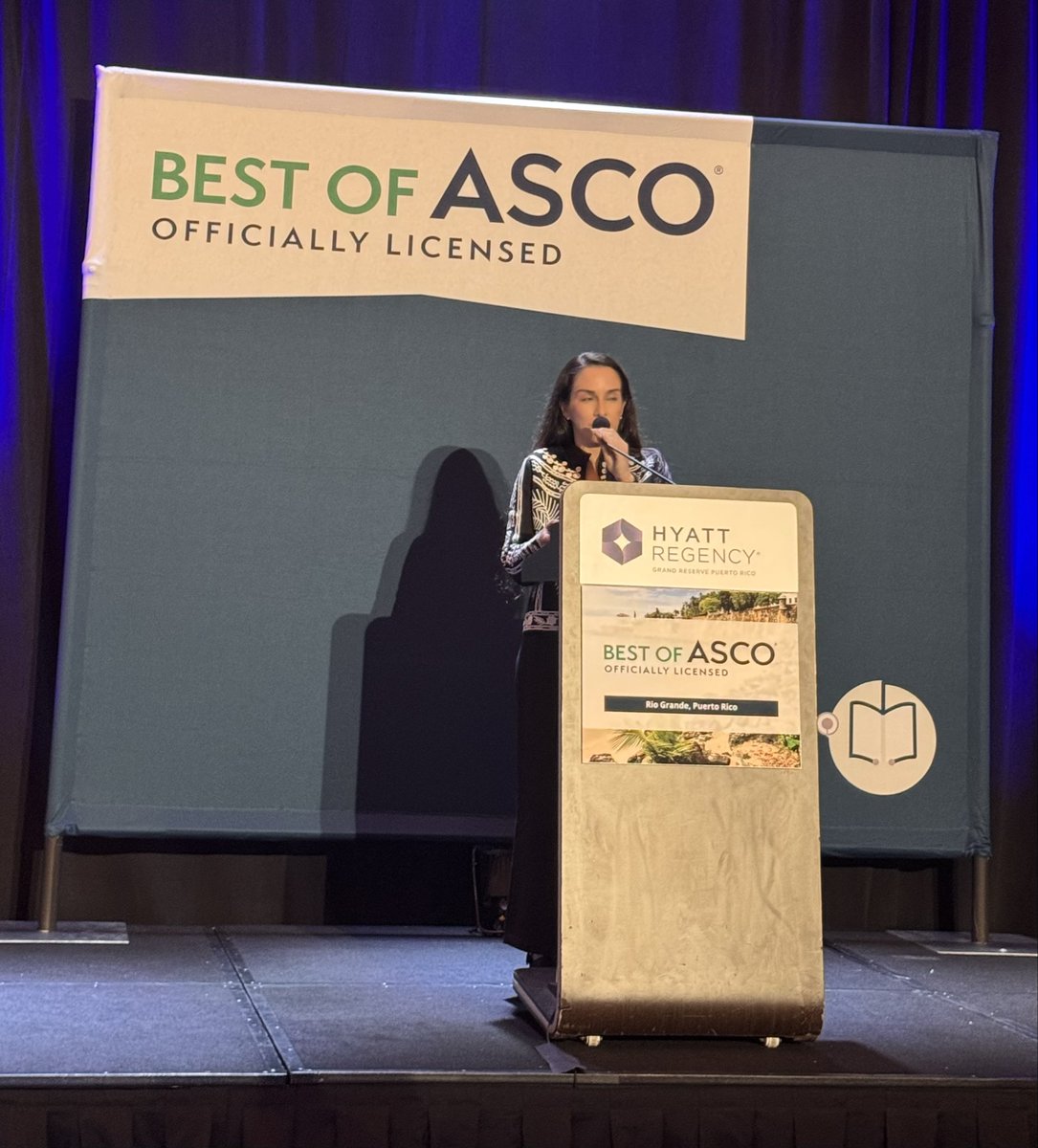
#BestofASCO PR🇵🇷 SCLC and Early Stage NSCLC #ASCO26 Abstracts presented by @AnaVManana @UCSFCancer
🧬 LIBRETTO-432: Adjuvant #selpercatinib dramatically reduced recurrence risk in resected RET NSCLC and is poised to become a new standard of care.
🔬 ALCHEMIST: Adjuvant nivolumab did not improve DFS in resected EGFR/ALK–wild-type NSCLC. ( includes all PDL1s, delayed adjuvant tx)
🧠Delphi304 : #Tarlatamab: Demonstrated meaningful intracranial activity and improved outcomes in relapsed SCLC patients with brain metastases. - current standard in 2nd line #LungCancer #lcsm
1
1
30
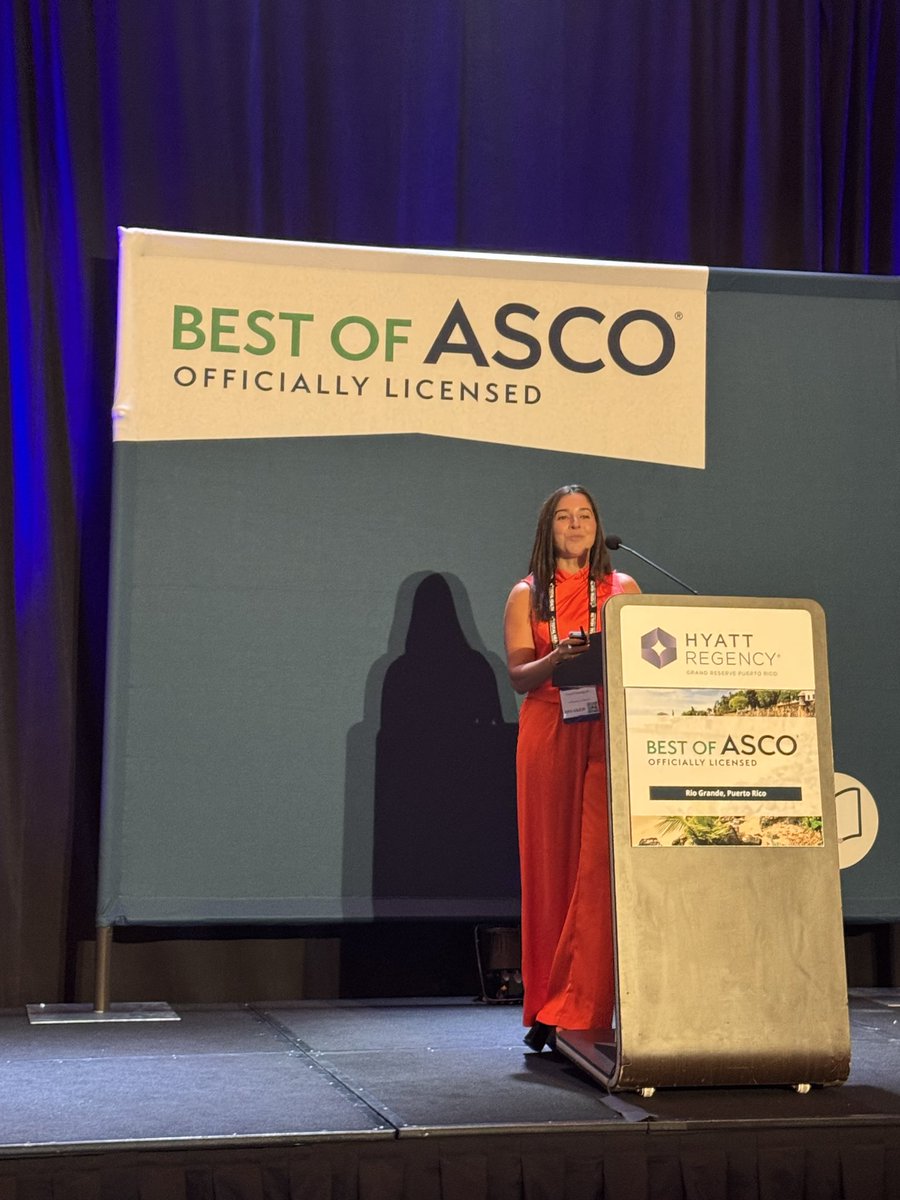
#BestofASCO PR🇵🇷 Top Head and Neck #ASCO26 Abstracts presented by @COlazagasti @SylvesterCancer
🔹 Amivantamab (OrigAMI-4): 47% ORR with durable responses in heavily pretreated recurrent/metastatic HNSCC.
🔹 KEYNOTE-689: Perioperative pembrolizumab continues to support a new standard of care for resectable locally advanced HNSCC.
🔹 Ivonescimab in LA-HNSCC Phase 2 (n=36) Neoadjuvant Dual PD-1/VEGF blockade shows ⬆️ pCR 50% and organ preservation. Phase 3 ongoing.
@TotalHealthConf @ASCO #HeadAndNeckCancer #hncsm
1
23
Bruno Bastos MD retweeted
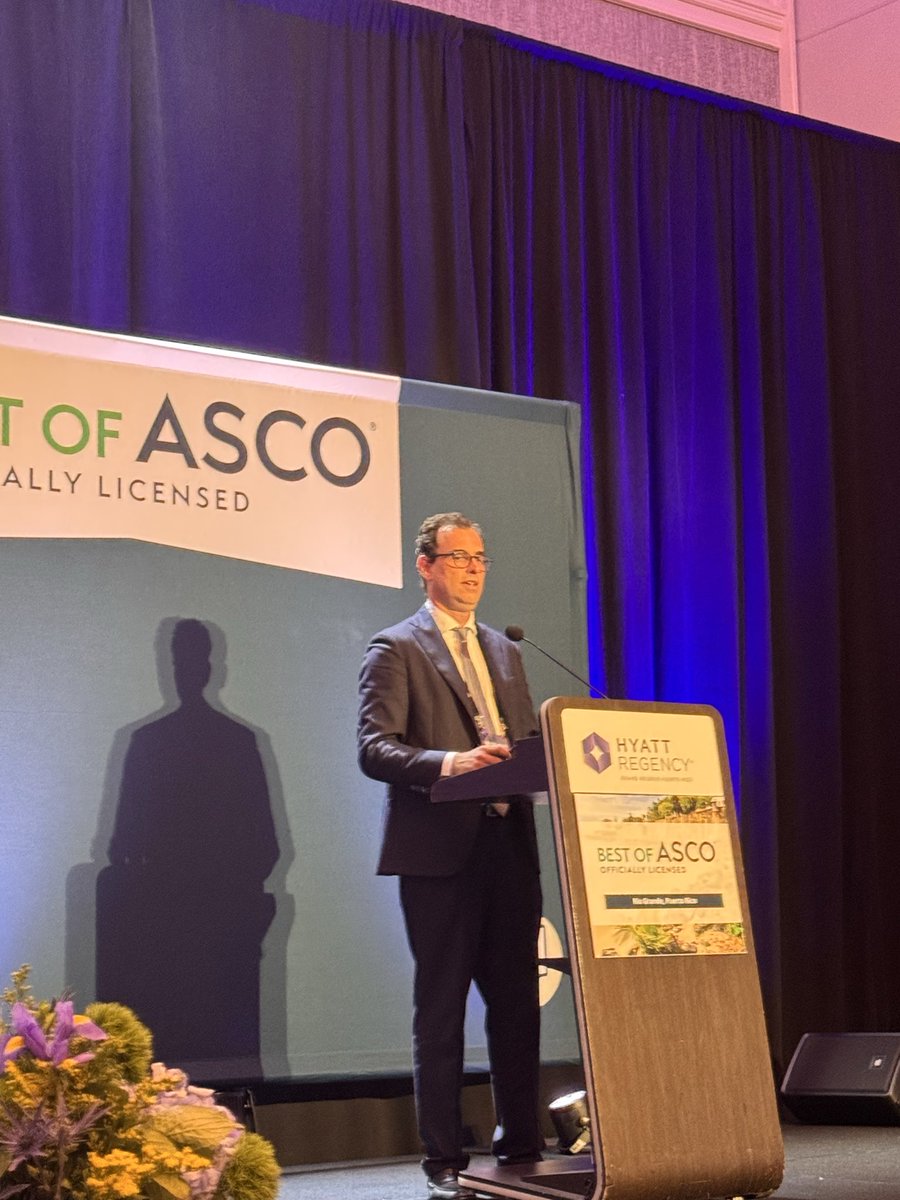
#BestofASCO PR🇵🇷 Best Prostate Cancer #ASCO26 Abstracts presented by @BrunoBastosMD @MountSinaiMiami
▶️PROTEUS: Perioperative apalutamide ADT improved ⬆️pCR outcomes in high-risk localized prostate cancer.
▶️A-DREAM: stable responders can safely get extended ADT treatment breaks.
▶️TALAPRO-3: Talazoparib enzalutamide significantly improved PFS in HRR-mutated mCSPC. #pcsm @TotalHealthConf @ASCO
2
3
78

RT @Latinamd: #BestofASCO PR🇵🇷 SCLC and Early Stage NSCLC #ASCO26 Abstracts presented by @AnaVManana @UCSFCancer
🧬 LIBRETTO-432: Adjuvant…
1
🎵Lilly🎧 retweeted

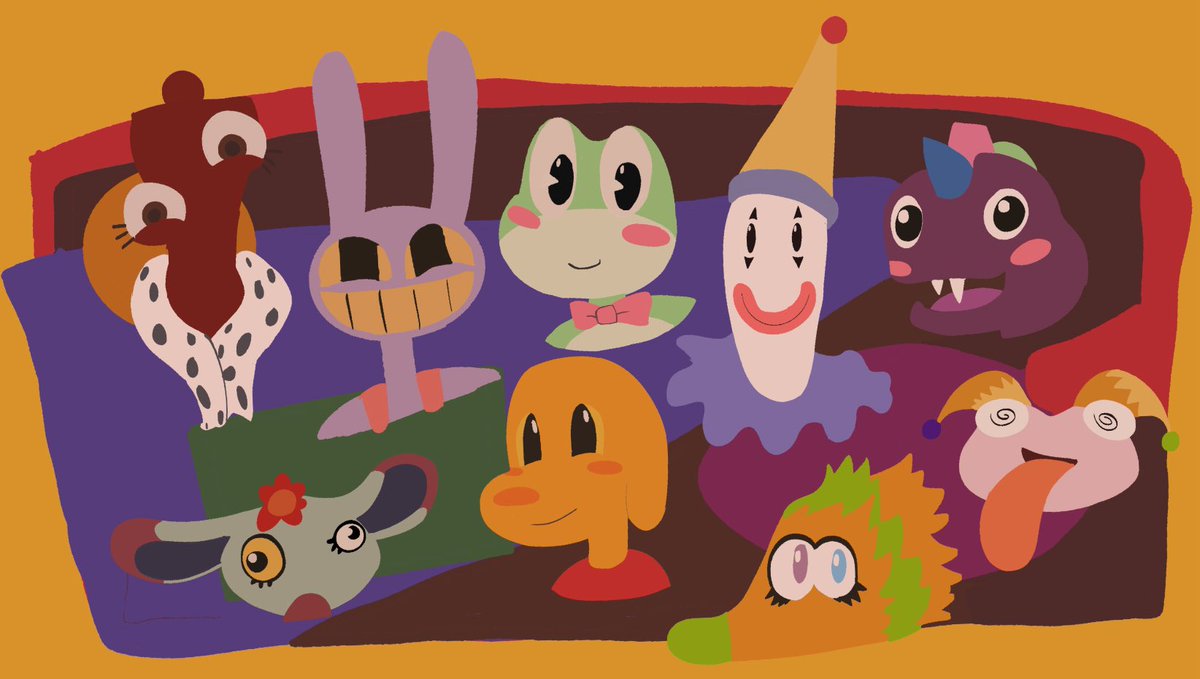
They’re kinda screwed after Gangle and Zooble abstracts unless a new artist joins the circus

25
227
7,107
121,218

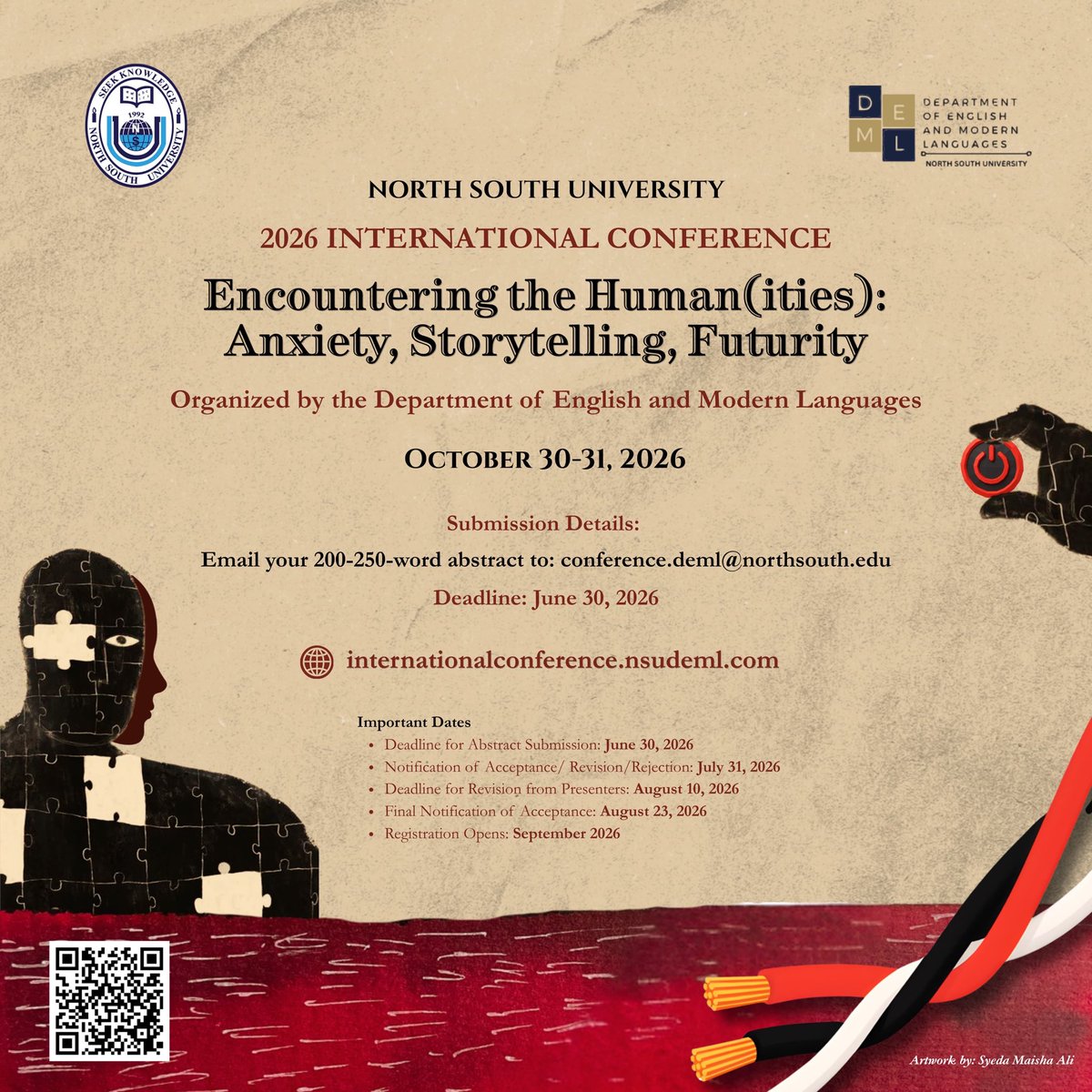
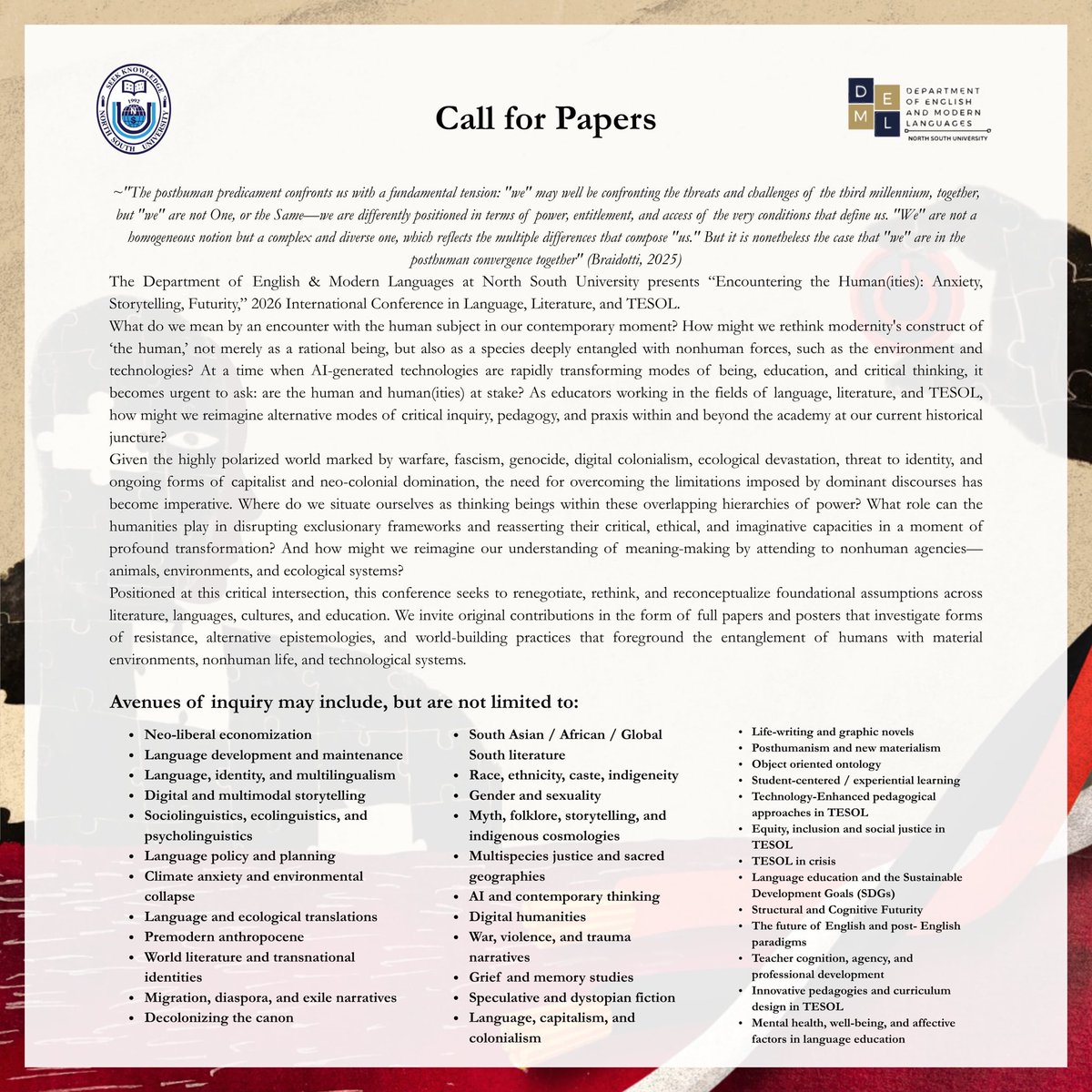
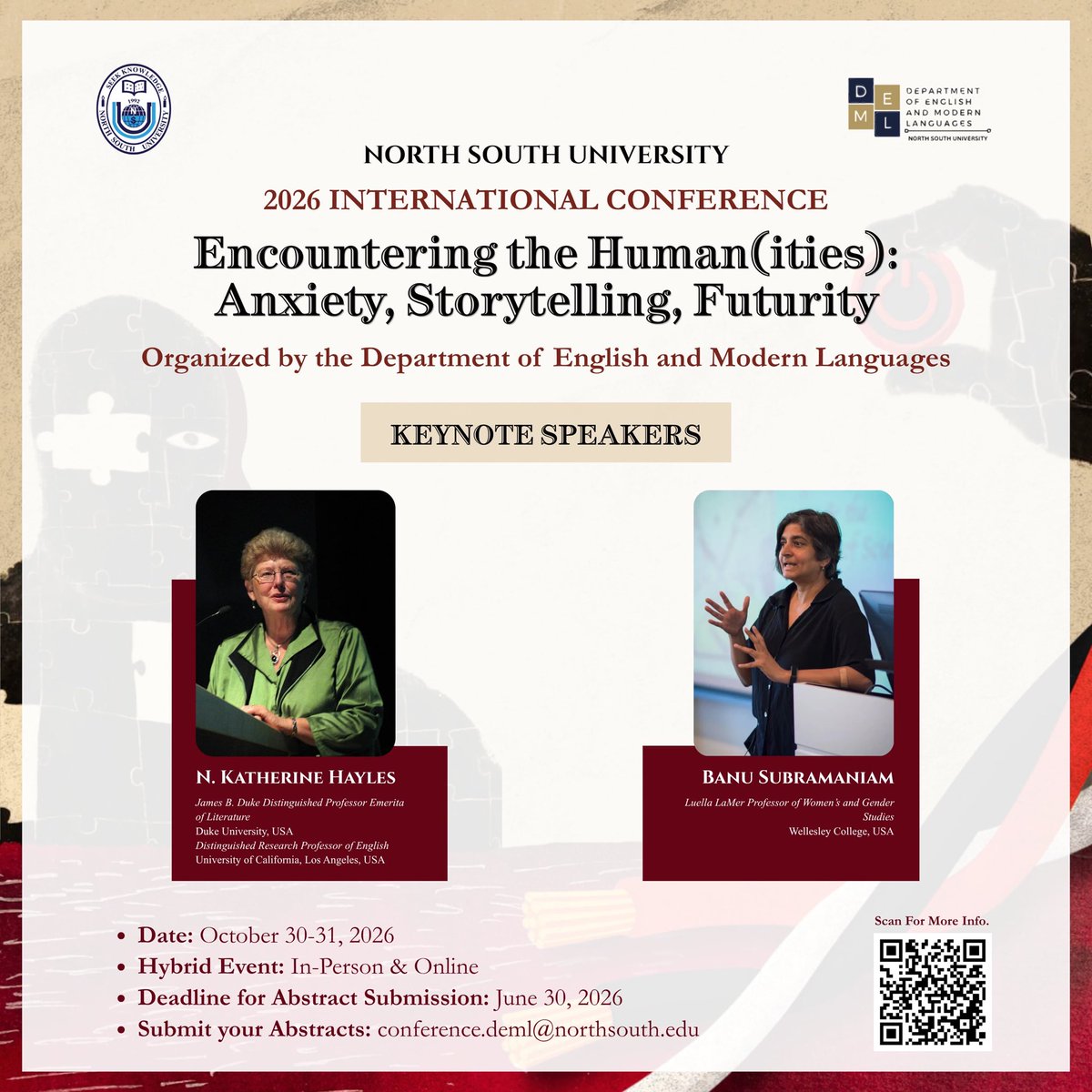
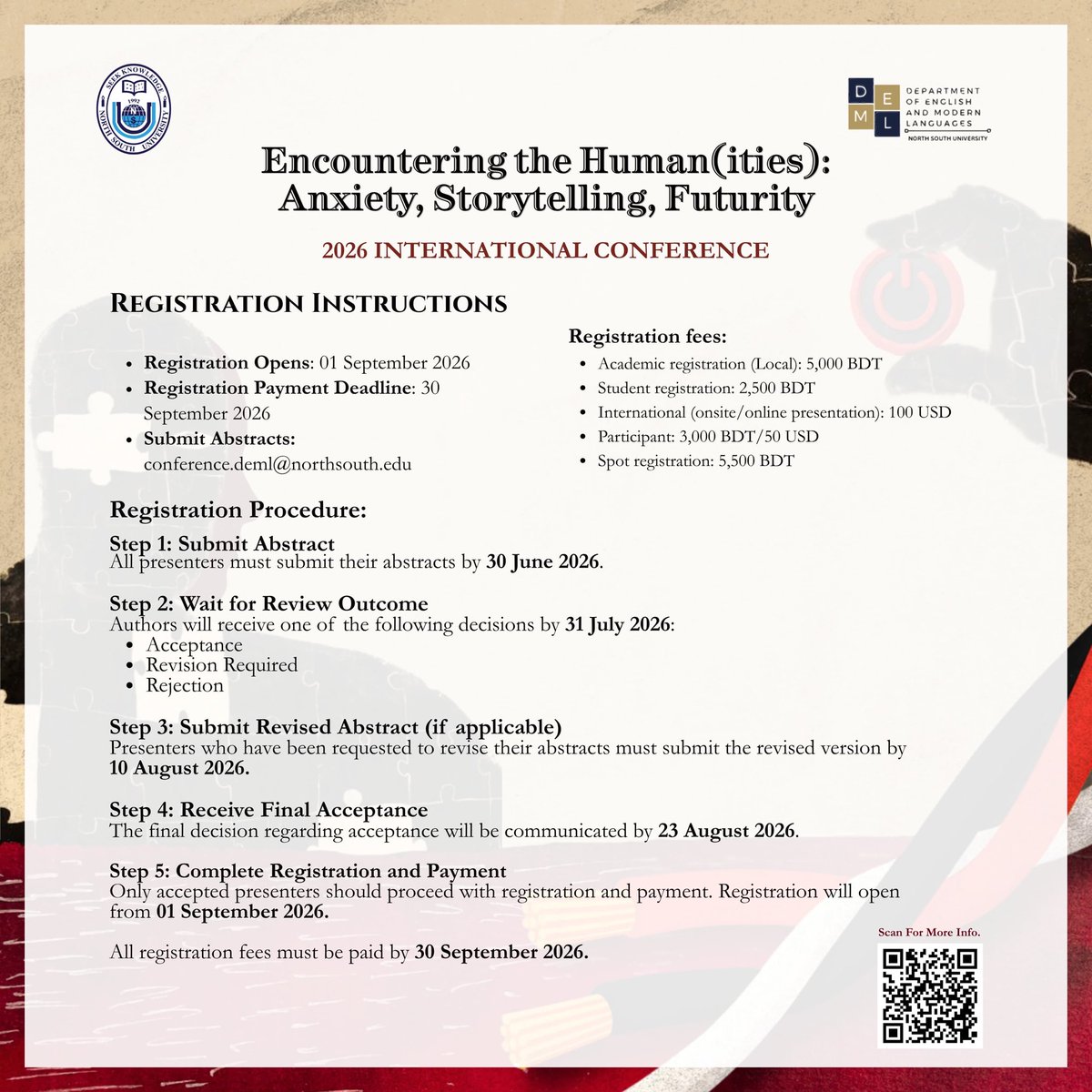
📣Int'l Hybrid Conference in Language, Literature, and TESOL (Encountering the Human(ities): Anxiety, Storytelling, Futurity) on 30-31 Oct 2026!
Submit your abstracts by 30 June 2026: conference.deml@northsouth.
📎 For more information, visit: internationalconference.nsud…
1
1
5

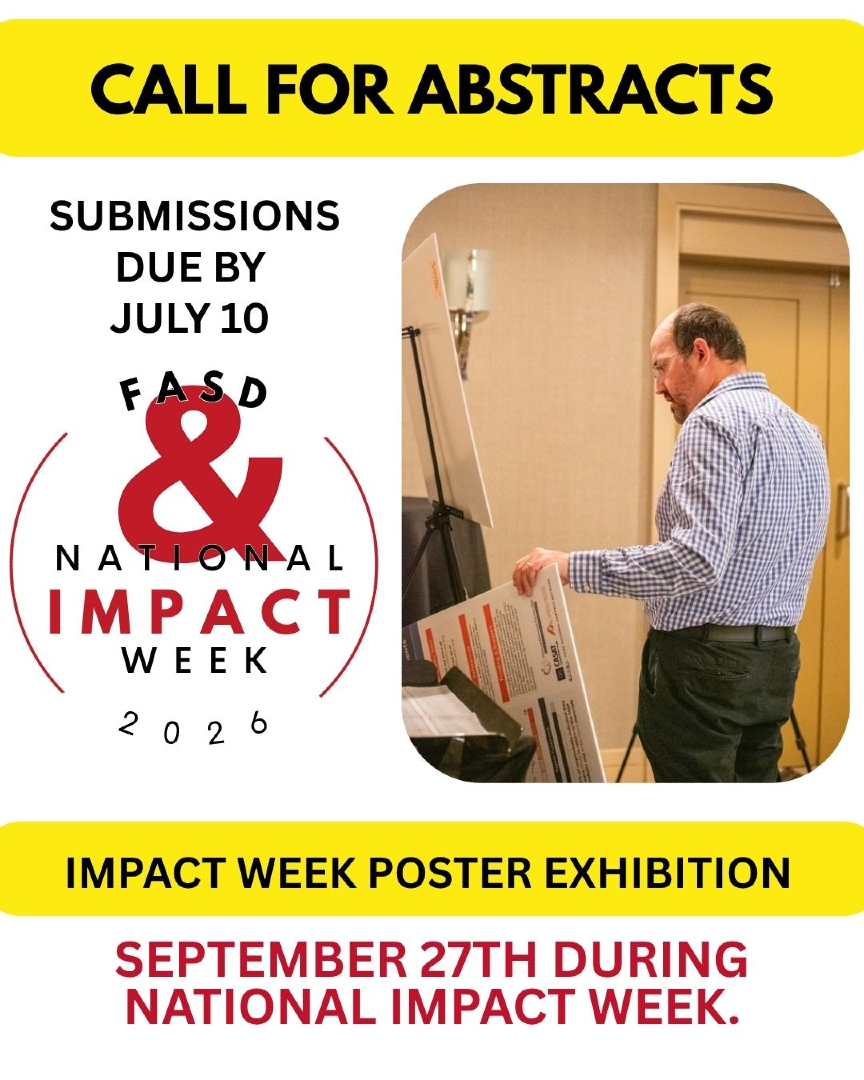
📣 Call for Abstracts for the Impact Week Poster Exhibition in DC!
Researchers, organizations, agencies & service providers are invited to submit Research or Information Posters highlighting innovative work related to FASD
🗓️ Due July 10th
#FASD #CallForAbstracts #FASDResearch
7

37m
Tria replaces seed phrases with social login and abstracts gas fees automatically.
3
fermin Gonzalez retweeted

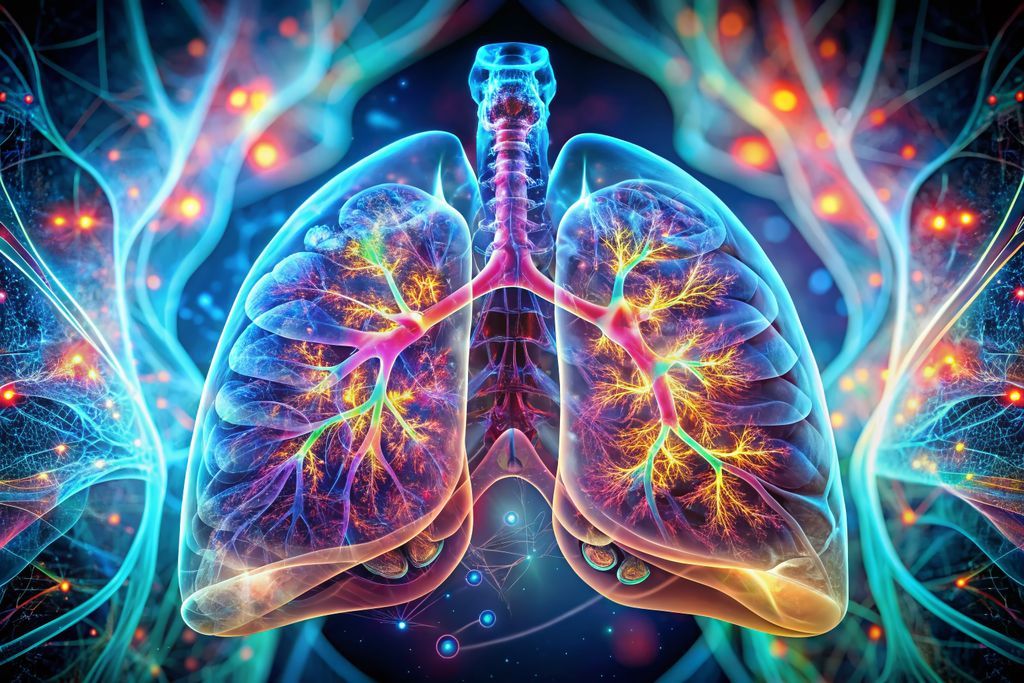
RA-ILD: Screening risk and genetic susceptibility
Two abstracts presented at EULAR 2026 add important insights into identifying patients at risk for RA-ILD and understanding the genetic mechanisms that may underpin disease development.
buff.ly/AKNhImR
1
4
12
554
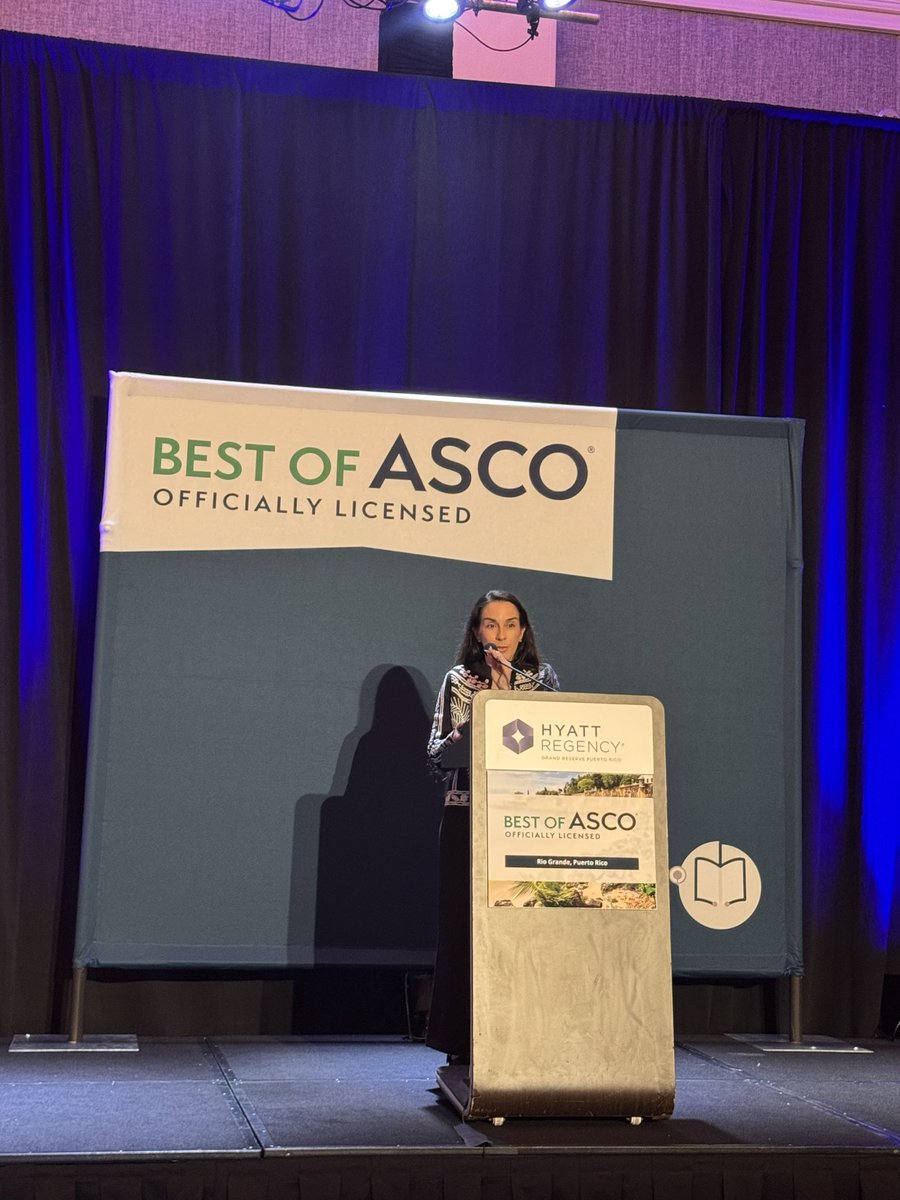
#BestofASCO PR🇵🇷 SCLC and Early Stage NSCLC #ASCO26 Abstracts presented by @AnaVManana @UCSFCancer
🧬 LIBRETTO-432: Adjuvant #selpercatinib dramatically reduced recurrence risk in resected RET NSCLC and is poised to become a new standard of care.
🔬 ALCHEMIST: Adjuvant nivolumab did not improve DFS in resected EGFR/ALK–wild-type NSCLC. ( includes all PDL1s, delayed adjuvant tx)
🧠Delphi304 : #Tarlatamab: Demonstrated meaningful intracranial activity and improved outcomes in relapsed SCLC patients with brain metastases. - current standard in 2nd line #LungCancer #lcsm
1
63

We needed this. The species does not learn through abstracts or rhetoric. They need to get kicked in the ass by history. Only then do you see a response. The response here, thankfully is obvious: open source, open source, open source.
49

jax's head all the more crushing. deep down, jax knows pomni cares a lot. jax HATES even thinking about the idea of "what will i do when pomni abstracts". and the big climactic scene in the film is the hug between jax and pomni. its a big common thread among failed suicides 6/?
1
27

Dat is een globaal probleem, niet alleen lokaal. Een bureaucratie, het wordt opgelegd door iemand vanuit een kantoortje 😎 ergens, die vrijheid als iets abstracts ziet

De vrijheid die je voelt is niet meer de vrijheid die je hebt.....
6

Most conference abstracts get rejected for reasons that have nothing to do with the science.
(here is what reviewers actually score)
The presentation is almost always the problem.
Here is what gets a 250-word abstract accepted at a competitive conference:
1
6