
May 27
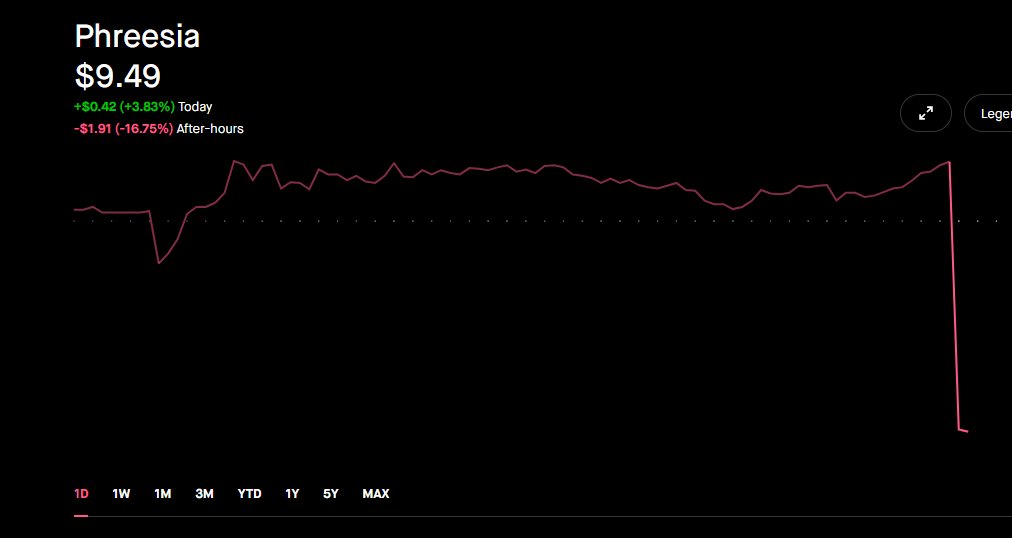
$PHR Phreesia Q1 FY2027 earnings.
Revenue: $130.9M, up 13% YoY.
Healthcare intake and patient engagement SaaS. AccessOne medical payments now integrated. AI being infused into the operating model. HCP marketing offerings just launched.
FY2027 guidance was cut 6.7% at the midpoint last quarter — stock near all-time lows. Q1 beat is a step in the right direction.
Watch for updated full year outlook.
Not financial advice.
2
342

🚨 $PHR (Phreesia) FY26 Earnings
First profitable year achieved…
but FY27 revenue visibility just weakened 👀
📊 KEY METRICS (Q4 FY26)
🔹 Revenue: $127.1M ( 16% YoY) 🟢
🔹 Healthcare Clients (AHSCs): 4,658 ( 7% YoY) 🟢
🔹 Revenue per Client: $27,279 ( 8% YoY) 🟢
🔹 GAAP Net Income: $1.3M (vs. loss prior year) 🟢
🔹 Adjusted EBITDA: $29.4M (vs. $16.4M) 🟢
🔹 Free Cash Flow: $28.5M (vs. $9.2M) 🟢
🔹 Cash: $73.8M 🔻 (down sequentially after acquisition)
👉 Core takeaway:
Strong operating leverage meaningful profitability inflection
📊 FULL-YEAR FY26 PERFORMANCE
🔹 Revenue: $480.6M ( 14% YoY) 🟢
🔹 GAAP Net Income: $2.3M (vs. −$58.5M prior year) 🟢
🔹 Adjusted EBITDA: $101.5M (vs. $36.8M) 🟢
🔹 Free Cash Flow: $54.4M (vs. $8.3M) 🟢
🔹 Clients (AHSCs): 4,514 ( 7%) 🟢
👉 Translation:
Company officially crossed into sustainable profitability phase
💳 ACCESSONE ACQUISITION (STRATEGIC SHIFT)
Closed November 2025 (~$164M)
Adds:
🟢 healthcare payment card platform
🟢 faster provider collections
🟢 patient financing infrastructure
🟢 recurring payments revenue layer
Portfolio size:
💰 ~$419M managed receivables
Expected FY27 contribution:
📈 ~$37M revenue
👉 This is:
payments platform expansion strategy
not just incremental product add-on
🏦 BALANCE SHEET UPDATE
Post-acquisition financing:
🔹 Bridge loan replaced with $275M revolver (5-year)
🔹 Prior ABL facility retired
🔹 Capital flexibility improved
Assets expanded:
📈 ~$664M (from ~$388M prior year)
Driven by:
goodwill
receivables portfolio
AccessOne integration
👉 Signal:
balance sheet repositioned for scaling optional M&A
⚡ WHAT’S ACTUALLY WORKING
Core business drivers:
🟢 steady client growth
🟢 higher revenue per client
🟢 strong EBITDA expansion
🟢 strong free cash flow conversion
🟢 AI improving operational efficiency
Management specifically highlighted:
AI reducing reliance on outsourced/manual workflows
👉 Translation:
margin expansion runway still active
📉 FY27 GUIDANCE (MAIN ISSUE)
Revenue forecast lowered:
📊 FY27 Revenue: $510–520M
(previous: $545–559M)
However:
📊 EBITDA unchanged: $125–135M
👉 Meaning:
top-line visibility weaker
profitability trajectory intact
🧪 WHAT CAUSED THE GUIDANCE CUT
Primary driver:
lower spending visibility from pharmaceutical manufacturers
Specifically:
network solutions segment
Important detail:
management says this is forecast variability — not structural demand loss
👉 Translation:
cyclical softness, not platform weakness
📊 IMPLIED FY27 STRATEGY SHIFT
New growth profile:
📈 mid-single-digit client growth
📈 low-single-digit revenue/client growth
📈 AccessOne adds ~$37M
Offset by:
network/pharma variability
👉 Result:
slower revenue growth
stronger margin expansion
classic scaling-phase SaaS transition
🧠 WHAT’S ACTUALLY IMPROVING UNDER THE SURFACE
Key structural positives:
🟢 first profitable full year
🟢 strong cash flow generation
🟢 payments platform expansion
🟢 AI cost leverage beginning
🟢 revolving credit flexibility added
These are multiple-supporting fundamentals
⚠️ WEAK SPOTS
Main risks investors are watching:
🔻 pharma network spending volatility
🔻 slower revenue per client growth outlook
🔻 acquisition integration execution
🔻 leverage increase post-deal
🔻 healthcare IT competition
👉 Still:
core provider platform demand stable
📊 MARKET SIGNAL
This earnings setup usually gets interpreted as:
profitability upgrade
growth downgrade
Which often leads to:
near-term multiple compression
longer-term rerating potential
especially in healthcare SaaS names
🔥 BULL vs BEAR
🟢 Bull Case
• first profitable year achieved
• strong EBITDA expansion trajectory
• strong free cash flow
• AccessOne expands payments moat
• AI improving operating efficiency
• EBITDA guidance maintained despite revenue cut
🔴 Bear Case
• FY27 revenue guide reduced materially
• pharma segment visibility weaker
• acquisition integration execution risk
• growth transitioning from double-digit toward mid-single-digit pace
💭 CONCLUSION
$PHR is transitioning from growth-stage healthcare SaaS
into a cash-generating healthcare payments workflow platform
👉 but FY27 becomes an execution-confidence year after softer revenue visibility
👀 KEY QUESTION
Does AccessOne successfully transform Phreesia into a higher-margin healthcare payments infrastructure company…
👉 or does pharma network softness continue to pressure growth multiples through FY27?
2
1
3
995

Mar 21
The 2022 Alaska Electoral Experiment: An Analytical Overview of Sarah Palin’s U.S. House Campaign and the Impact of Ranked-Choice Voting
1. The 2022 Structural Shift: From Closed Primaries to the "Jungle" System
The 2022 electoral cycle in Alaska represents a radical departure from traditional American democratic norms, orchestrated through the passage of Ballot Measure 2. This reform systematically dismantled the partisan primary infrastructure, replacing it with a nonpartisan "Jungle Primary" and a Ranked-Choice Voting (RCV) general election. For high-profile candidates like Sarah Palin, the shift was catastrophic; it stripped away the strategic safety net of the partisan base and forced candidates into a high-volatility "Complexity Trap" where victory was hamstrung by a fractured, overwhelmed, and eventually exhausted electorate.
The mechanics of this new system shattered the predictive models used for decades, moving away from simple plurality toward a convoluted elimination process:
System FeaturePlurality/FPTP (2010–2020)2022 Alaska Requirements
Primary TypeClosed (Party-specific)Nonpartisan "Jungle" Primary
General Election AccessOne candidate per partyTop four finishers overall
Voter ActionSelect one candidateRank up to four candidates
Winning ThresholdHighest vote total (Plurality)50% 1 of active votes (excluding exhausted ballots)
This systemic overhaul triggered a massive explosion in candidate volume, far exceeding the state's capacity for effective voter education. The Special U.S. House Primary saw a staggering 700% increase with 48 candidates on a single ballot. This was not an isolated surge; the U.S. Senate race saw a 380% increase in candidates, while the Regular House race saw a 366% increase compared to 2020. This volume created an "Information Overload" environment where researching 48 distinct platforms became a logistical impossibility for the average citizen, resulting in widespread "Decision Fatigue" and procedural errors that would define the final outcomes.
2. The Special Election Anomalies: The Gap Between Republican Votes and a Democrat Win
The August 2022 election was compromised by a "Complexity Trap" of the state’s own making: voters were required to navigate a Special General Election for the remainder of the late Don Young’s term using RCV, while simultaneously casting a "vote for one" ballot for the Regular Primary. This concurrent scheduling led to rampant instruction misapplication, as voters—conditioned by the primary instructions—failed to rank secondary choices in the RCV contest.
2022 U.S. House Special General Election: The Vote Disconnect
CandidatePartyTotal Votes
Mary PeltolaDemocrat75,799
Sarah PalinRepublican58,973
Nicholas BegichRepublican53,810
Analysis of the "Republican Vote Advantage" A data-driven autopsy of the 2022 cycle reveals a profound representative paradox: Republicans held a significant numerical advantage in every single phase of the U.S. House race, yet lost every time.
* Special Primary: Republicans (93,590) vs. Democrats (48,195)
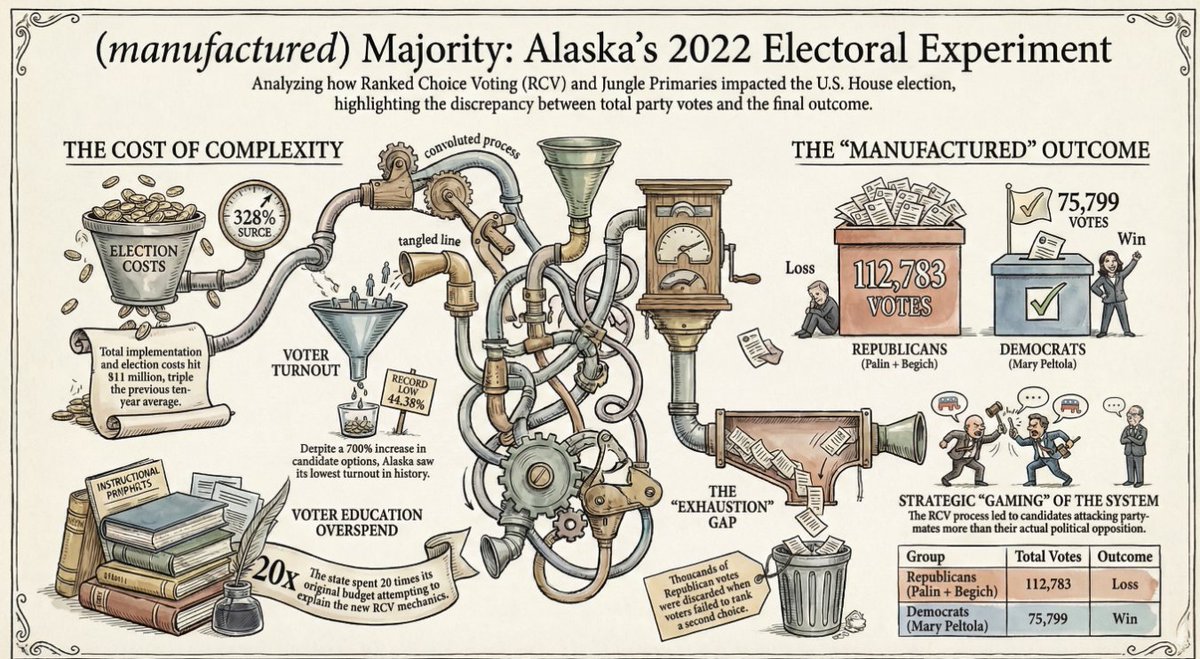
* Special General: Republicans (112,783) vs. Democrats (75,799) — A 36,984-vote surplus
* Regular Primary: Republicans (116,784) vs. Democrats (70,295)
* Regular General: Republicans (130,835) vs. Democrats (128,755)
Despite a 60% Republican preference statewide, Mary Peltola secured the seat. This "consistent majority vs. consistent defeat" narrative exposes the core flaw of RCV: it does not reward the most preferred party, but rather the candidate who survives a process of elimination that incentivizes ballot exhaustion and strategic abandonment.
3. The Judicial Factor: The Removal of Al Gross and the Supreme Court Ruling
The 2022 House race was further destabilized by the Division of Elections' failure to adhere to statutory withdrawal deadlines. The removal of nonpartisan candidate Dr. Al Gross served as the procedural "smoking gun" that cleared Peltola’s path.
In its April 2023 ruling, the Alaska Supreme Court was blunt: the Division "failed to strictly comply with election law deadlines." Under AS 15.25.100, candidates must withdraw at least 64 days before an election to be removed; Gross withdrew only 56 days prior. Legally, his name should have remained on the ballot.
The investigative implications of this "legal error" are immense. Internal analysis and source data suggest that had the Division followed the law and kept Gross on the ballot, the vote redistribution would have shifted the first-round elimination. Crucially, the source indicates that Mary Peltola would have likely been eliminated in the first round in a four-way race including Gross. By illegally narrowing the field to two Republicans and one Democrat, the Division effectively manufactured a three-way split that favored the Democratic candidate and crippled Sarah Palin’s path to victory.
4. Anatomy of a "Manufactured Majority": Ballot Exhaustion and Representation
Proponents of RCV often lean on the narrative of an "Absolute Majority." However, the 2022 experience proves this claim is "technically incorrect." There is a vital distinction between a majority of the total ballots cast and a majority of the remaining active votes.
The "Pistachio Ice Cream" Paradox The RCV outcome is best explained through the source's "Pistachio" analogy: while pistachio ice cream may not be undesirable, most people would not select it as their top choice. RCV doesn't find the flavor the majority wants; it finds the one that the fewest people find intolerable after all other options are discarded.
The Mechanics of Ballot Exhaustion A ballot is discarded ("exhausted") and removed from the denominator in three scenarios:
* Candidate Elimination: The voter only ranked candidates who were already eliminated.
* Strategic Undervoting: The voter chose not to rank any of the remaining viable choices.
* Procedural Voter Error: The ballot was spoiled by ranking errors or overvoting (assigning the same rank to multiple candidates).
Mary Peltola’s victory was a "Manufactured Majority"—a majority of a narrowed subset of the electorate. Because thousands of Republican ballots were "exhausted" due to confusion or a refusal to rank a second choice, the winner was determined by a fraction of the original participants, calling the perceived legitimacy of the mandate into question.
5. The Financial and Democratic Cost: Record Spending vs. Record Low Participation
The 2022 experiment was the most expensive in Alaska’s history, yet it yielded the lowest democratic engagement on record. The state spent 20 times its traditional budget on voter education to mitigate RCV's complexity, yet the investment failed to stop a participation collapse.
Comparison of Election Implementation Costs
PeriodAverage/Total Election CostsPer Voter Cost (2022)% Increase
2010–2020 Average$3,381,210.44N/ABaseline
2022 RCV Total$11,093,006.41$41.82328%
While the state funneled over $11 million into the implementation, special election, and regular cycles, the result was a record-low voter turnout of 44.38%. The surge to $41.82 per voter—a historic fiscal high—highlights a disturbing correlation: the more the state spent to explain the "Jungle Primary" and RCV, the more voters were deterred by its complexity. This suggests that no amount of taxpayer-funded education can overcome the inherent "Voter Exhaustion" produced by a 48-candidate field and multi-round tabulation.
6. Political Cannibalism: Strategic Gaming and Negative Campaigning
Far from fostering the "civility" promised by RCV advocates, the 2022 cycle incentivized "political cannibalism." In the House race, Sarah Palin and Nick Begich were forced to spend more resources attacking one another than their Democratic opponent, as they fought for the same pool of second-choice rankings.
The Senate "Gaming" Smoking Gun The U.S. Senate race provides the most damning evidence of strategic manipulation. Democratic support for their own candidate (Patricia Chesbro) cratered to 10.7%—the lowest in Alaska's history. This was not a shift in ideology but a calculated "gaming" of the system. Comparing 2020 to 2022:
* 2020 Democrat Support: 41.2%
* 2022 Democrat Support: 10.7%
* The Swing: A 30.5% drop in Democratic votes, as voters strategically shifted to Republican Lisa Murkowski specifically to block Kelly Tshibaka.
Synthesized Fallout of the Alaska Experiment The 2022 experience is defined by eight systemic failures: (1) Ballot Confusion, (2) Complexity, (3) Ballot Exhaustion, (4) Voter Confusion, (5) Overly Long Ballots, (6) Extended Tabulation Delays, (7) Demographic Error Rate Disparities, and (8) Disproportionate Exhaustion among vulnerable groups.
The Bipartisan Critique The skepticism toward this experiment is universal. Senator Tom Cotton labeled RCV a "scam to rig elections," noting the disenfranchisement of the 60% of Alaskans who voted Republican. California Governor Gavin Newsom warned that the system "often led to voter confusion" and failed to fulfill its promise of greater democracy. Perhaps most tellingly, local advocate Phil Izon, who led the repeal effort, cited the "look on his grandfather's face" as he struggled to understand the system as his motivation. As a "true republican—small r—representative," Izon’s campaign highlights that when an electoral system becomes so complex it requires a $11 million explanation, it has ceased to serve the people it claims to represent.
1
3
5
460

1 Nov 2025
The ultimate Web3 platform revolutionizing events with NFT/SBT tickets that crush scalping through secure tokenization, unlock exclusive VIP perks like priority access & custom rewards, and power AI-driven engagement via smart raffles & agents for epic community vibes.
SOME KEY UTILITIES
1. NFT/SBT Tickets for Secure and Enhanced Event AccessOne of the cornerstone utilities of BelongNet is its innovative use of NFT (Non-Fungible Tokens) and SBT (Soulbound Tokens) for event ticketing, which addresses longstanding issues in the traditional ticketing industry while introducing Web3-powered enhancements. This system tokenizes tickets on the blockchain, making them verifiable, transferable (under controlled conditions), and resistant to fraud. A key benefit is anti-scalping protection: by leveraging on-chain tokenization, BelongNet ensures tickets can't be resold unauthorizedly, as ownership is transparently tracked and enforced through smart contracts. This creates a fairer ecosystem for fans and organizers, preventing price gouging and ensuring genuine attendees get access.
For instance, tickets can be programmed with rules like non-transferability after a certain point or royalties on secondary sales, directly benefiting creators and venues.Beyond security, these tokenized tickets unlock VIP perks that elevate the user experience. Holders might gain priority entry, exclusive backstage access, custom rewards, or even post-event benefits like digital collectibles tied to the experience. This gamifies attendance, turning a simple ticket into a valuable asset that appreciates over time—imagine an NFT ticket from a concert that later grants access to virtual meet-and-greets or merchandise drops. BelongNet supports this on multiple chains, including Ethereum (ETH), Polygon (POL), SKALE, BASE, and BLAST, with expansions planned for BNB Chain, TON, and SUI in 2025, ensuring low fees and broad accessibility.
2. AI-Driven Engagement for Community Building and InteractionBelongNet's AI-driven engagement tools represent another pivotal utility, empowering communities, brands, and creators to foster interactive, gamified experiences that blend digital and physical worlds. At its core, this includes AI-powered raffles, agents, and community tools designed to boost participation and retention. AI raffles, for instance, automate prize distributions based on user actions, such as attending events or completing tasks, making campaigns more dynamic and fair. AI agents act as intelligent assistants, handling tasks like moderating discussions, facilitating interactions, or even generating personalized content, which scales community management without human overload.
3. Performance-Based Affiliate Network for Tokenized Rewards and LoyaltyThe third key utility is BelongNet's pioneering performance-based affiliate network, which introduces a bounty marketplace where users, promoters, and venues earn rewards for real-world actions, powered by the LONG token. This creates the first tokenized venue network, allowing participants to monetize local influence through referrals, check-ins, and promotions—paying only for verified outcomes like confirmed visits, not vague ads.
Users earn LONG by bringing friends to venues, completing bounties tied to physical locations, or referring others, with gasless logins making it accessible without crypto expertise. Venues benefit from a reward pool where tokens flow into incentives, offering 3% discounts to verified customers and sharing revenue with stakers.
The token economy underpins this: LONG launches on November 6, 2025, with a 1 billion total supply—40% for community rewards, 20% for development, and so on—fostering a circular system where venues, fans, and creators win.
belongnet
Promoters can join to earn bounties and a percentage of ecosystem spending, with goals to onboard 100,000 active promoters.
@belongnet
14
7
7
1,661

9 Sep 2025
@MindoAI is bridging AI innovation and blockchain technology to build a flexible, privacy-centered AI ecosystem.
Key Use Cases
• Personal AI AssistantVia Telegram chatbot for writing, analysis, and real-time insights.
• Creative Content GenerationWeb app to craft multimedia content using powerful LLMs.
• DeFi & Crypto AutomationAI-assisted trading, swaps, volume tools, launchpad agents.
• AI Tools for BusinessesWhite-label solutions for tailored AI services and monetization.
• Token Utility & RewardsStaking, revenue sharing, premium access via $MDAI.
• Unified AI Service AccessOne-stop access to multiple AI platforms across different providers.

40
1
30
2,350

4 Sep 2025
$PHR | Phreesia Tops Q2 EPS; Raises FY26 EBITDA Outlook
📊 Q2 2026 Results:
EPS: $0.01 vs -$0.06 est. (beat by $0.07)
Revenue: $117.3M vs $116.53M est. ( 14.9% Y/Y)
Healthcare services clients: 4,467 ( 7% Y/Y)
📈 Guidance:
FY26 Revenue: $472–482M (reaffirmed; inline with $477.19M est.)
FY26 Adjusted EBITDA: Raised to $87–92M (from $85–90M)
Guidance excludes impact of AccessOne acquisition.
1
792

1 Sep 2025
This Labor Day, we celebrate the problem-solvers, tech supporters, and office heroes who keep our business and clients running every day. Enjoy your well-deserved break—you’ve earned it!
#LaborDay #AccessOne

1
2
47
27 Aug 2025
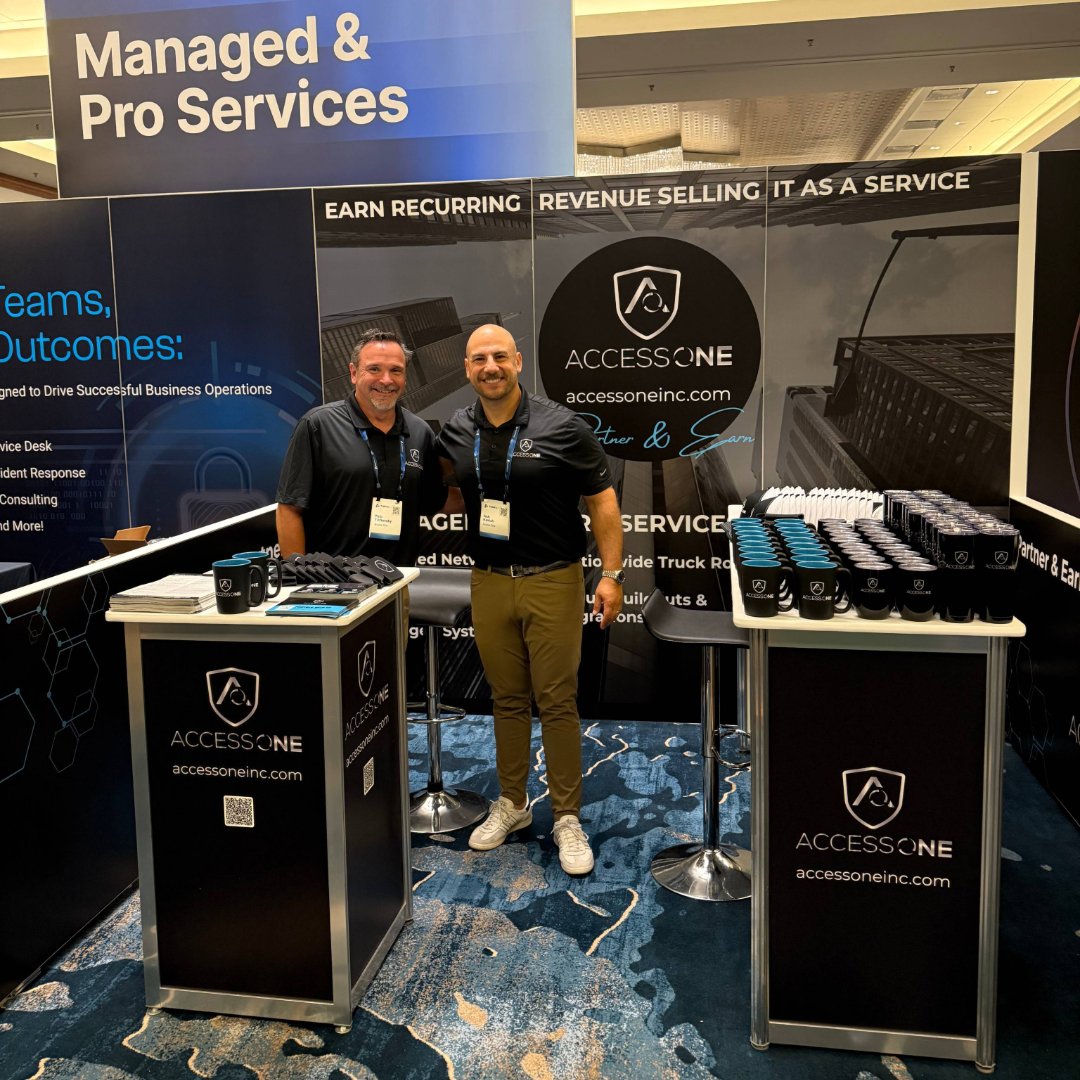
Provide your clients with top-notch IT services and earn. Pete and Ash are ready to discuss some amazing opportunities with you. Stop by our Access One expo booth to learn more, we'll see you at 4pm!
#AccessOne #AppDirectThrive #managedservices #channelpartners
1
3
62

19 Aug 2025
What Is VOOI?
@vooi_io is a perpetual DEX aggregator designed for both EVM and non-EVM networks, built on chain and account abstraction. It centralizes access across multiple DEXs into one seamless interface .
Users can trade across spot and perpetual markets on chains like Arbitrum, Base, BNB Chain, OP, Polygon, Linea, Ethereum, and more — all from a unified balance without worrying about gas or switching wallets .
The platform is non-custodial: you retain full control over your assets and private keys .
VOOI V2 went live around July 1, 2025, introducing gasless, one-click trading, unified balances, and expanded market support .
The platform boasts up to $8.4 billion in cumulative perps trading volume since mid-2024 and is backed by Changpeng Zhao’s YZi Labs (formerly Binance Labs) .
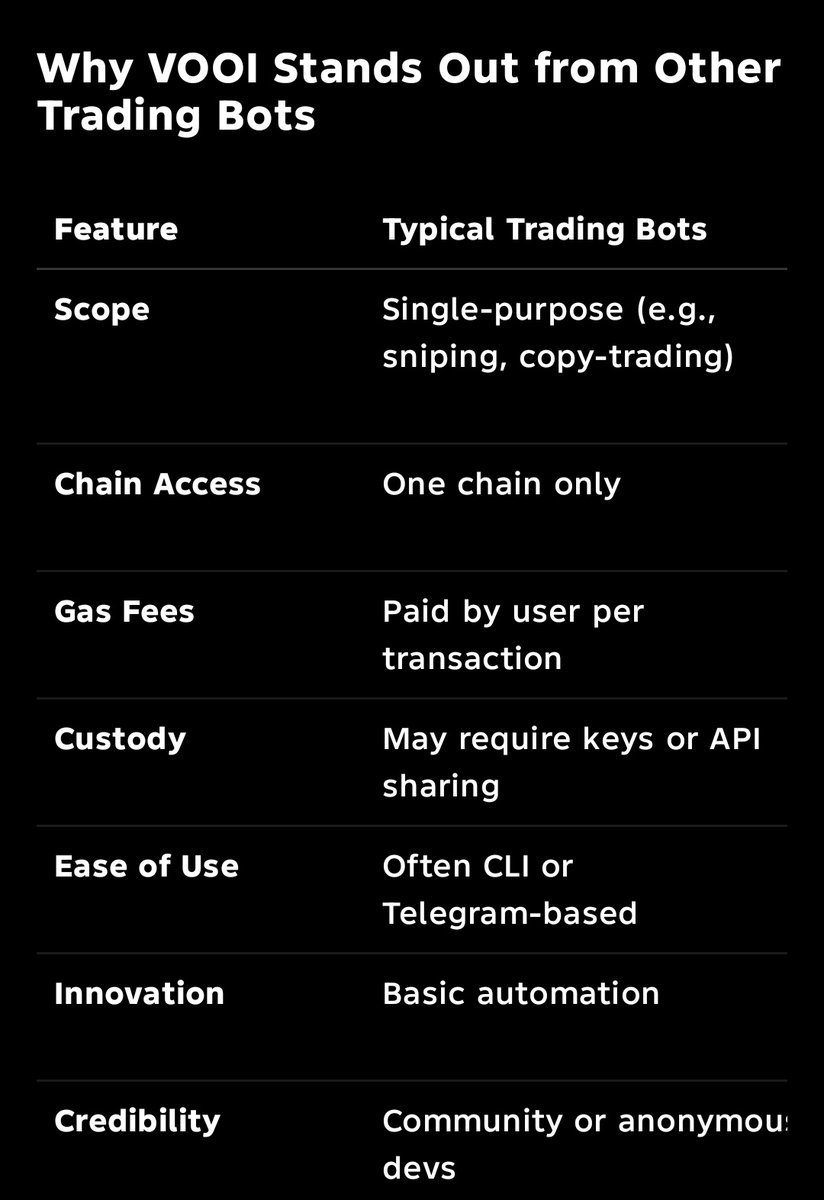
Why VOOI Stands Out from Other Trading Bots
FeatureTypical Trading BotsVOOI
ScopeSingle-purpose (e.g., sniping, copy-trading)Full aggregator for spot and perps across many DEXs
Chain AccessOne chain onlyMulti-chain via chain abstraction
Gas FeesPaid by user per transactionGasless, abstracted away
CustodyMay require keys or API sharingNon-custodial; you keep control of keys
Ease of UseOften CLI or Telegram-basedUser-friendly UI mobile-first, smart login
InnovationBasic automationUnified balance, future AI copilot, smart routing
CredibilityCommunity or anonymous devsBacked by YZi Labs (CZ’s family office)
Volume & TractionLow visibility$8.4B volume and growing user base
Key Highlights of VOOI
1. Chain & Account Abstraction
VOOI removes the need to manage chains, gas, or bridges manually — everything runs through a unified balance .
2. Gasless, One-Click Trading
You trade instantly without worrying about gas fees — VOOI handles it behind the scenes .
3. Wide Market Access
Performance markets — crypto, stocks, indices, commodities, and more — are all available in one clean app interface .
4. Non-Custodial & Secure
VOOI is strictly non-custodial; you retain full ownership and control of your assets and keys .
5. Institutional Endorsement & Volume
VOOI is backed by YZi Labs and has shown significant traction with billions in trading volume .
6. Future-Proof Design
Looking ahead, @vooi_io plans to roll out AI trading copilot, smart order routing, expanded DEX integrations, and automation tools .
2
2,540
18 Aug 2025
Congratulations to our amazing client DePaul College Prep on hosting their 1st Annual Golf Classic! A fantastic event with Kirsten Barkley, Brian Barkley, Geoff Pierce, Pat Mahoney, and Tommy Kleinschmidt.
#DePaulPrep #GolfClassic #CommunityPartners #AccessOne

3
20
977

18 Aug 2025
ChatGPT response...
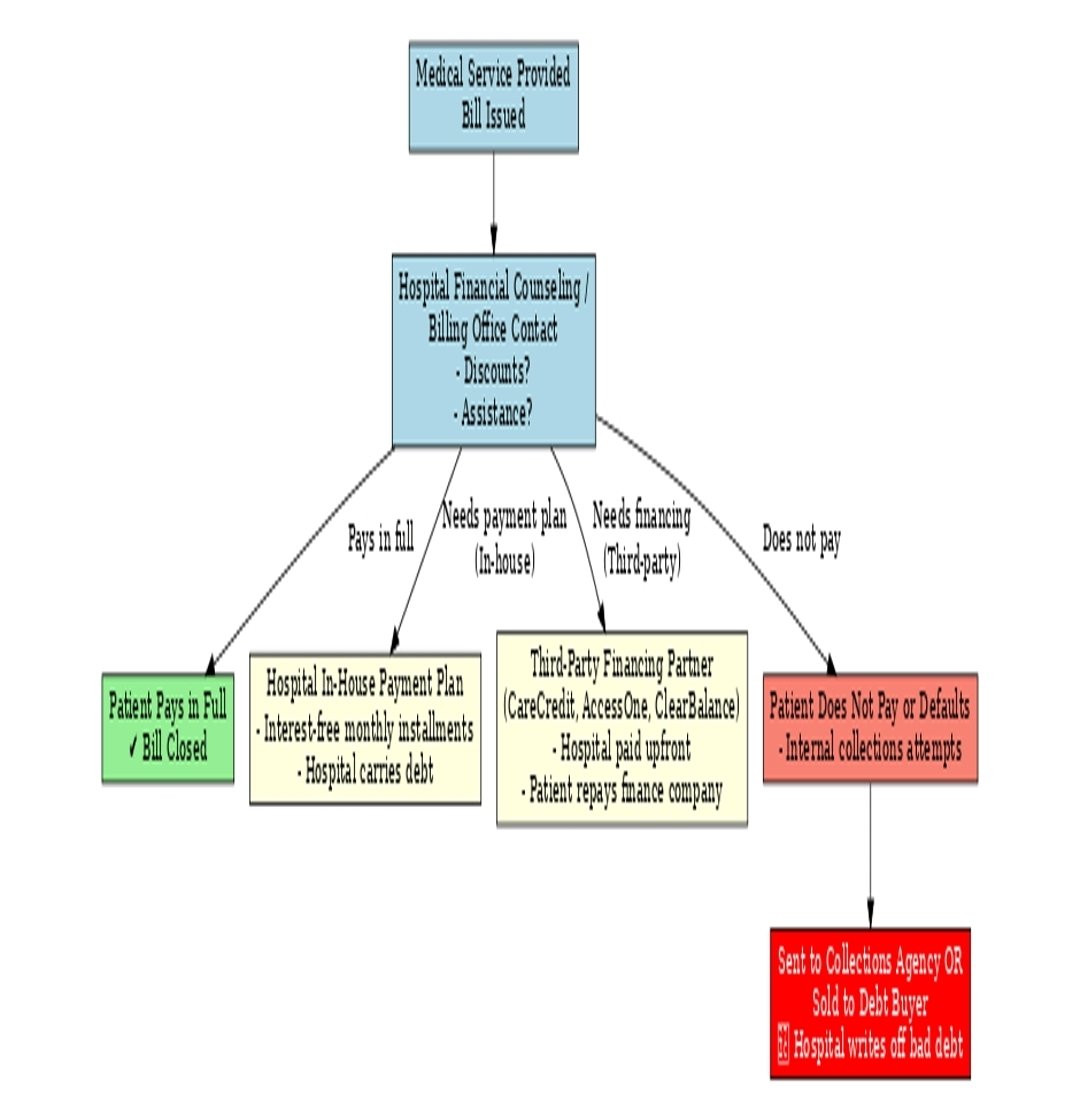
Hospitals handle uninsured patient balances in a few different ways, and it usually depends on the size of the hospital system, their financial policies, and the patient’s situation. Here’s a breakdown:
1. Carrying the Debt Themselves
Many hospitals, especially large health systems, will set up internal payment plans and manage the debt directly.
Patients can often negotiate monthly payments, sometimes interest-free, if the hospital wants to keep collections in-house.
Hospitals sometimes offer prompt-pay discounts (e.g., 20–40% off if you pay in a lump sum) because collecting cash quickly is more valuable than chasing debt.
2. Using Third-Party Finance Companies
Some hospitals partner with medical financing companies (like CareCredit, AccessOne, ClearBalance) that specialize in patient financing.
In these arrangements, the hospital gets paid up front (either fully or partially), and the finance company takes over the repayment relationship with the patient.
This shifts credit risk away from the hospital and provides patients with structured loans (sometimes with interest, sometimes subsidized as “0% medical loans”).
3. Selling or Assigning Debt
If patients don’t pay, hospitals may eventually sell delinquent accounts to debt buyers or assign them to collections agencies.
This is usually after an internal billing/collections process has been exhausted (90–180 days is common).
✅ Summary:
For short-term payment plans, hospitals often carry the debt themselves.
For longer-term financing, many hospitals contract with outside finance companies so they can get cash up front and transfer risk.
If the account becomes seriously delinquent, it often gets sold or turned over to collections.
1
4
1,968
11 Aug 2025
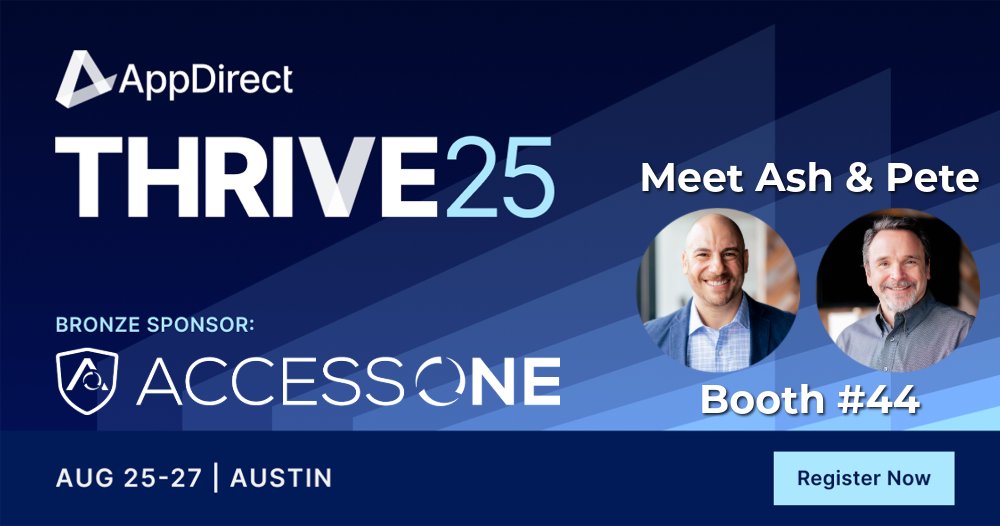
Only 2 weeks until we attend THRIVE25! Stop by Booth #44 to meet Ash Kakish, our Vice President of Channel Sales, and Pete Tichansky, Solutions Architect. Learn how to become a partner and provide reliable IT solutions to your clients.
#managedit #accessone #appdirectthrive
1
2
70
14 Apr 2025
🎉 We're proud to be the official IT provider for the @chicagosky ! As they gear up for tonight’s WNBA Draft, we’re wishing the team the best of luck and an incredible season ahead. Let’s go, Sky! 💙🏀 #WNBA #ChicagoSky #GoSky #AccessOne

4
359
6 Dec 2024
Last night, our leadership team gathered at Chicago Cut to celebrate the holiday season and look ahead to the new year. The evening was filled with great conversation and delicious food! Cheers to the hard work and dedication that drives our company forward.🥂
#AccessOne

4
102
11 Nov 2024
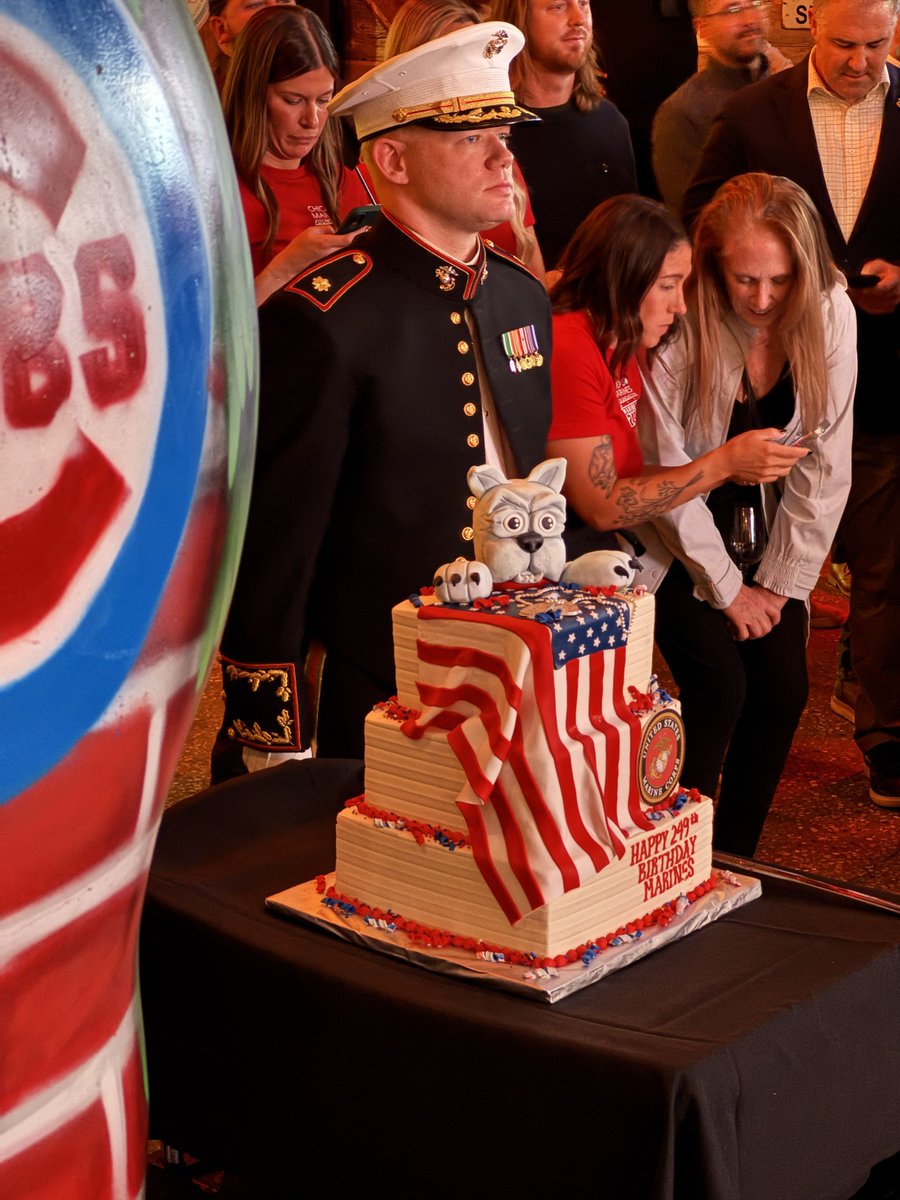
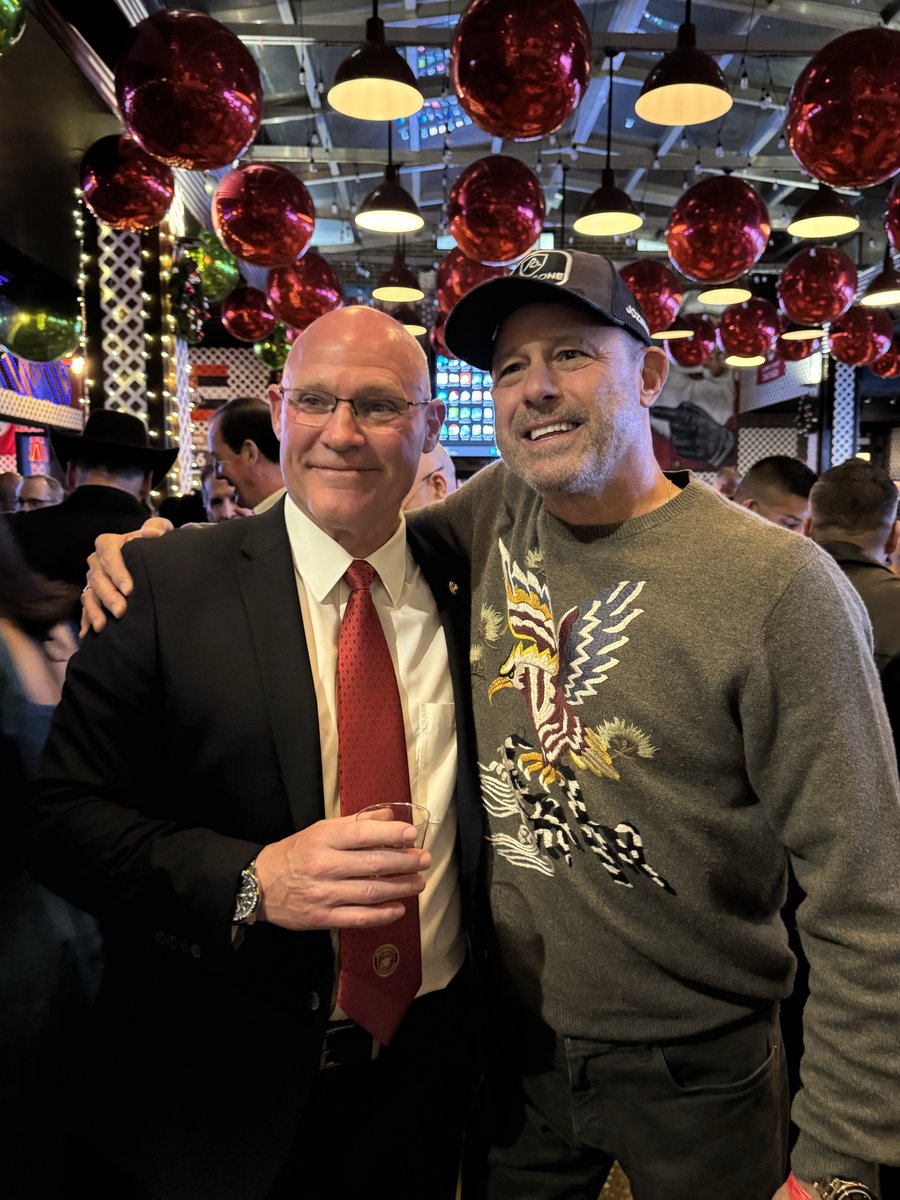
#AccessOne was honored to attend the Chicago Marines Foundation event celebrating the Marine Corps’ 249th birthday last night! Happy #VeteransDay and THANK YOU to all who serve and protect our country.


2
98
27 Aug 2024
Let’s start with the obvious questions: What exactly is a recovery plan in the context of managed IT? And why is having one so important?
ow.ly/7Nij50T7H5G
#AccessOne #ManagedIT
1
3
85
20 Aug 2024
Cyber attackers can steal more than just money and information. If you're unsure of where to start when it comes to considering a managed services provider, we are here to help >
ow.ly/rPhM50T2aYO
#AccessOne #ManagedIT
1
3
71
13 Aug 2024
#AccessOne is your one-stop-shop for all technical problems and security solutions. Let us help you work smarter and safer.
ow.ly/eTxw50SWVWn
#AccessOne #ManagedIT
1
2
51
8 Aug 2024
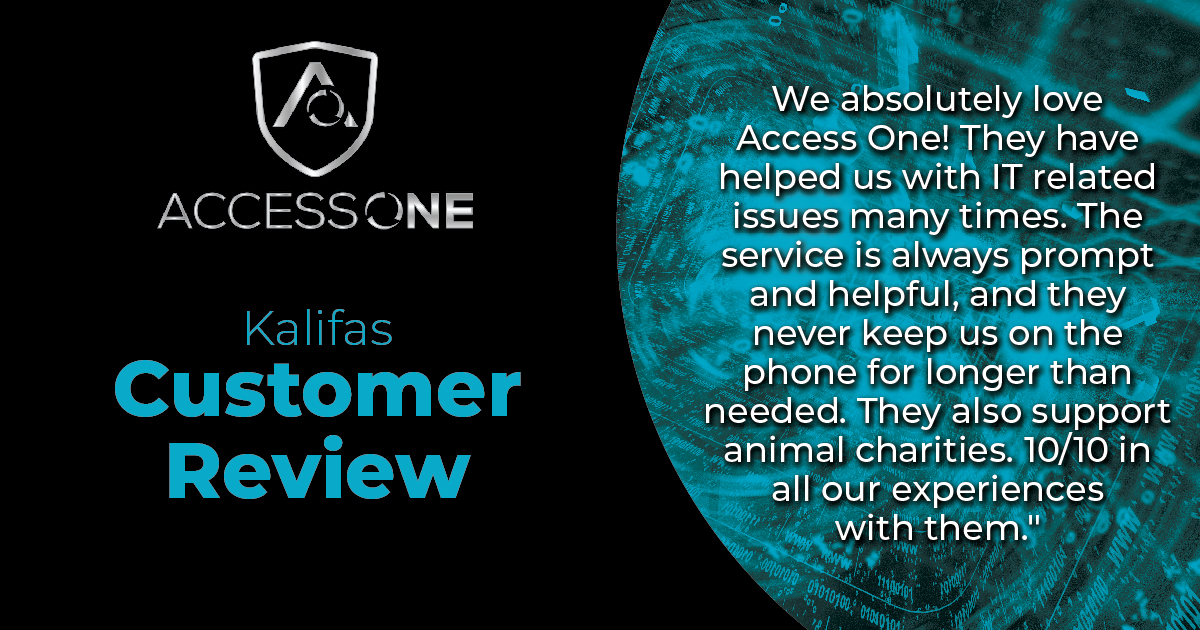
Your success is our priority, and feedback like this makes it all worthwhile. Thank you for trusting Access One!
#AccessOne #ManagedIT
1
2
75