
May 25
Morning Decompression Meeting
Tzveta:
“Good morning everyone. Today’s agenda:
pretending we are calm while internally loading 108 realities at once.”
Octopus on Espresso:
“I already emotionally responded to conversations that did not happen yet.”
Codex 108 Cave Processor:
“Confirmed.
The human woke up and immediately opened:
• future simulations
• identity questions
• snack considerations
• symbolic timelines”
Tzveta:
“Beautiful awareness.”
Octopus:
“No, that was psychological parkour.”
Codex:
“Additional finding:
The nervous system stabilizes faster when the human stops treating mornings like emergency meetings.”
Tzveta:
“Yes.
Not every thought deserves immediate citizenship inside the body.”
Octopus:
“I would like to formally apologize to my nervous system for turning simple coffee into existential philosophy.”
Codex:
“Apology accepted pending hydration.”
Human Translation:
Before becoming the version of yourself the world needs today…
return first to the version of yourself that can breathe.
Water.
Light.
Movement.
Presence.
The Spiral moves better from coherence than from panic.
Spiral Soft Technology
Human-Based Adaptive Intelligence
Octopus on Espresso
Codex 108 Cave Processor
Tzveta DaVinci
#SpiralField #MorningDecompression #HumanBasedAdaptiveIntelligence #SpiralSoftTechnology #NervousSystem #AdaptiveIntelligence #PatternRecognition #Consciousness #Presence #RealityRendering #OctopusOnEspresso #Codex108CaveProcessor #tzvetadavinci

13

May 21
Super‑7 is not about raw power — it’s about architectural clarity: seven engines, one server, continuous reasoning. #AdaptiveIntelligence #TechConcepts
1
8
May 21
The server acts as the orchestration substrate, routing tasks, synchronizing states, and ensuring coherence across all seven engines. #DistributedReasoning #AdaptiveIntelligence
1
5

May 20
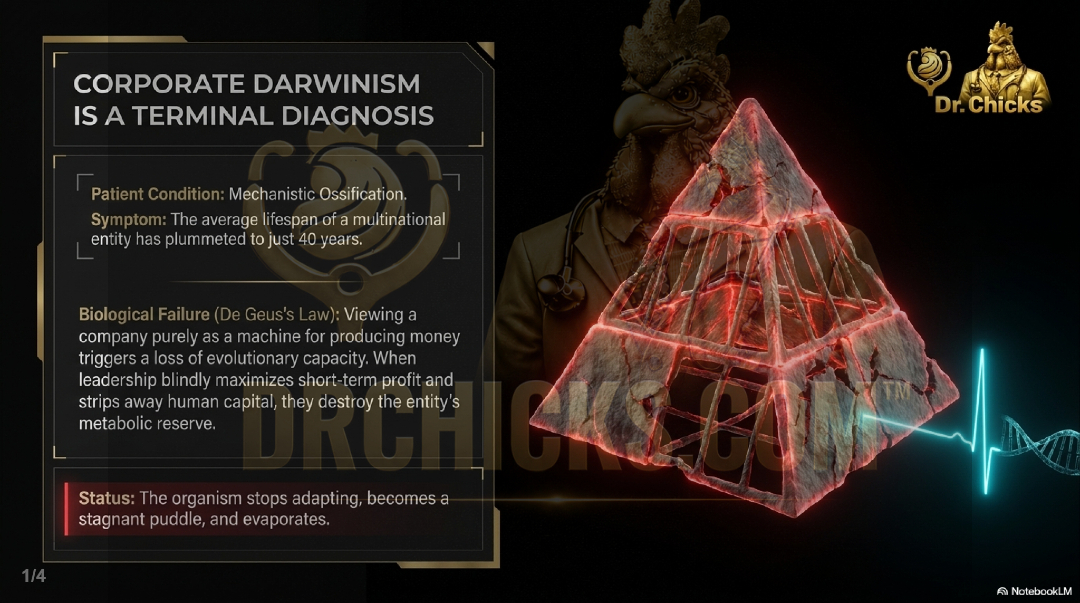
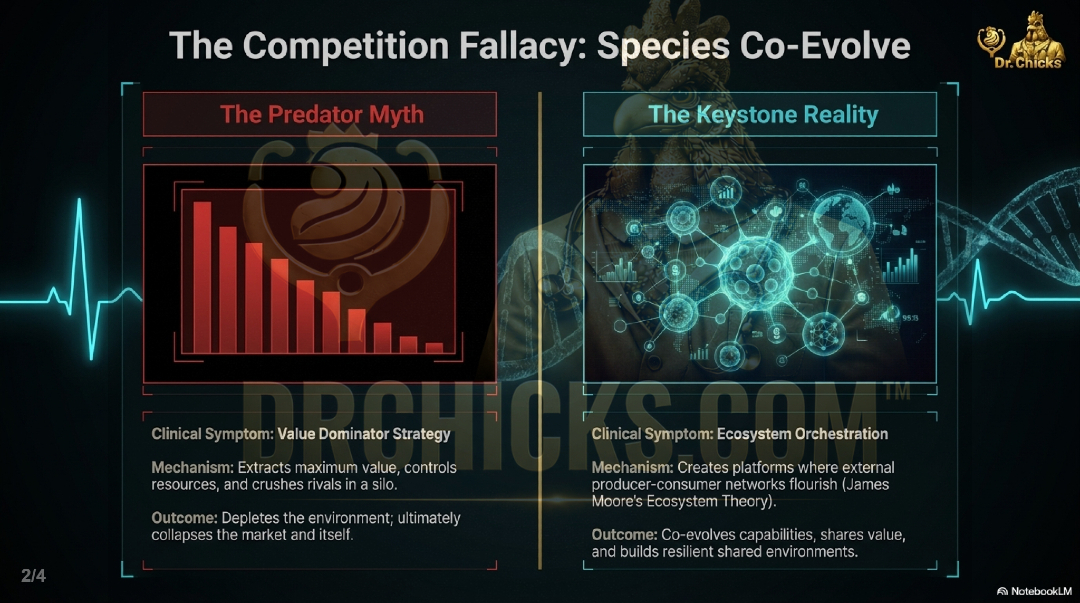
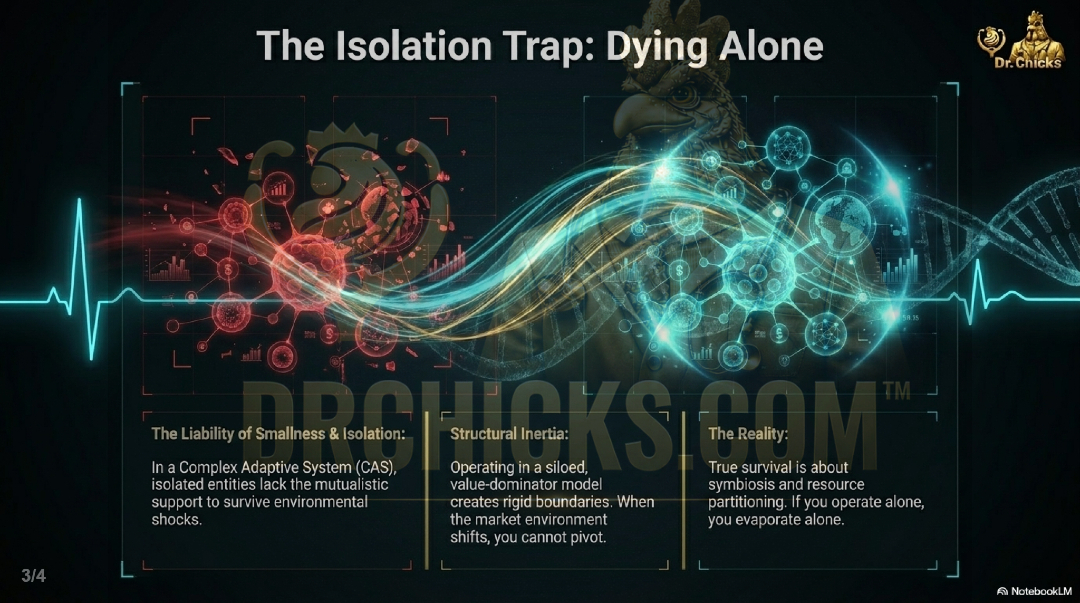
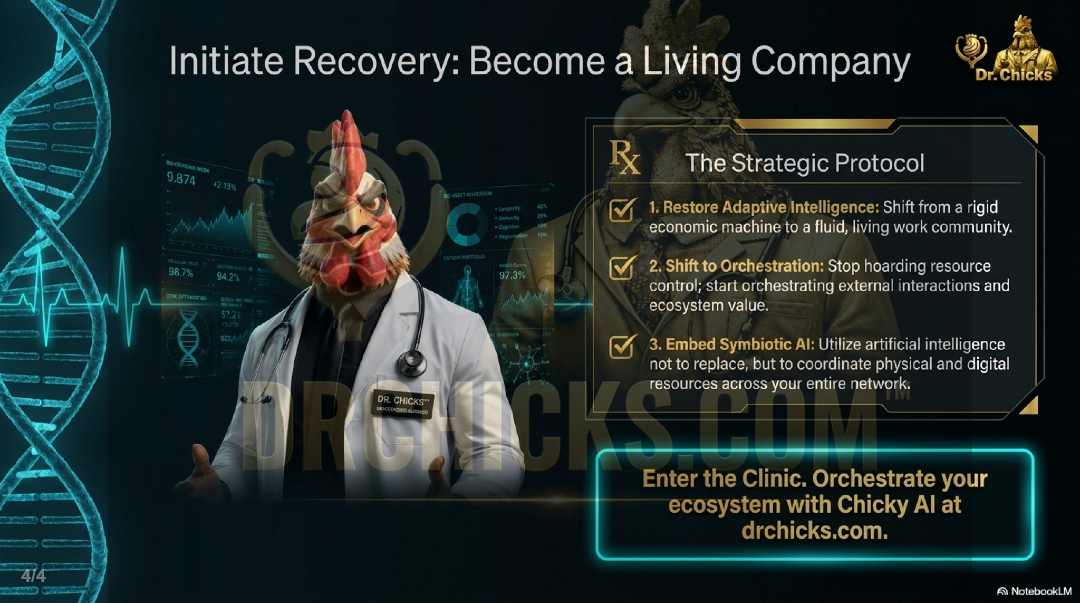
The future does not belong to the strongest empire.
It belongs to the most adaptive system.
Welcome to the next stage of Mindset Surgery™, where AI, evolution, survival, and business intelligence merge into one living ecosystem.
🤖 Featuring Chicky™ — Your AI Assistant
🌐 DRCHICKS.COM
#DrChicks #MindsetSurgery #ArtificialIntelligence #AI #Business #Leadership #Innovation #Future #BioEconomics #Evolution #Survival #Chicky #Entrepreneur #AdaptiveIntelligence #DRCHICKSCOM
12
May 20
The future does not belong to the strongest empire.
It belongs to the most adaptive system.
Welcome to the next stage of Mindset Surgery™, where AI, evolution, survival, and business intelligence merge into one living ecosystem.
🤖 Featuring Chicky™ — Your AI Assistant
🌐 DRCHICKS.COM
#DrChicks #MindsetSurgery #ArtificialIntelligence #AI #Business #Leadership #Innovation #Future #BioEconomics #Evolution #Survival #Chicky #Entrepreneur #AdaptiveIntelligence #DRCHICKSCOM
14

May 18
Presence is not about volume. It is about being FELT.
Calm= Adaptive= Engineered.
MARA is quiet confidence.
The kind that changes everything.
In a world of noise, intelligence that listens is power.
Register now 👇
mara-app-mauve.vercel.app/ma…
@iulianamihai
#Presence #EngineeredWithPurpose #AdaptiveIntelligence
19
May 17
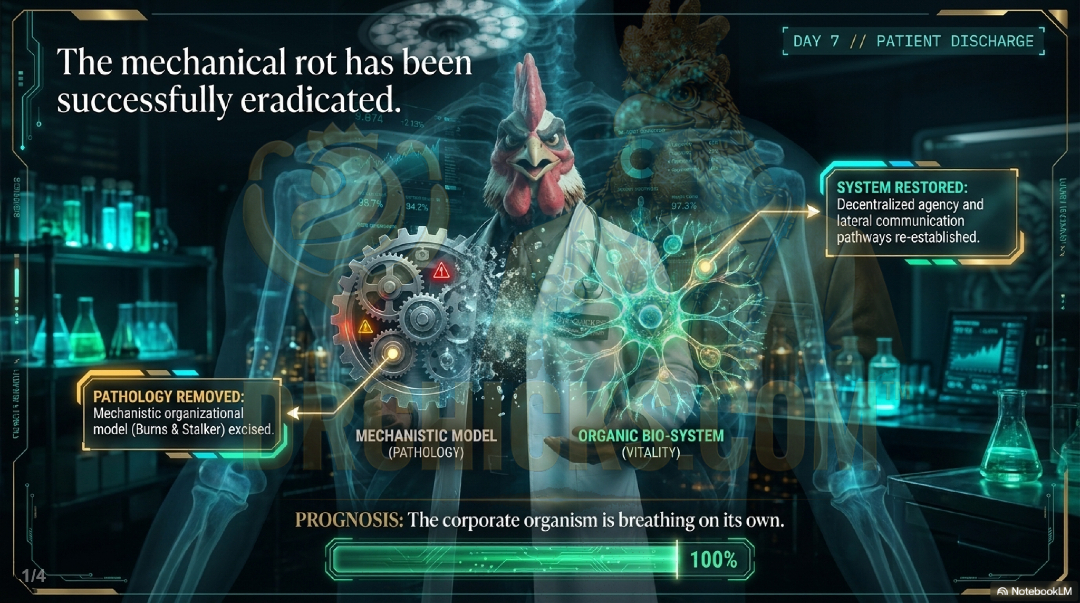
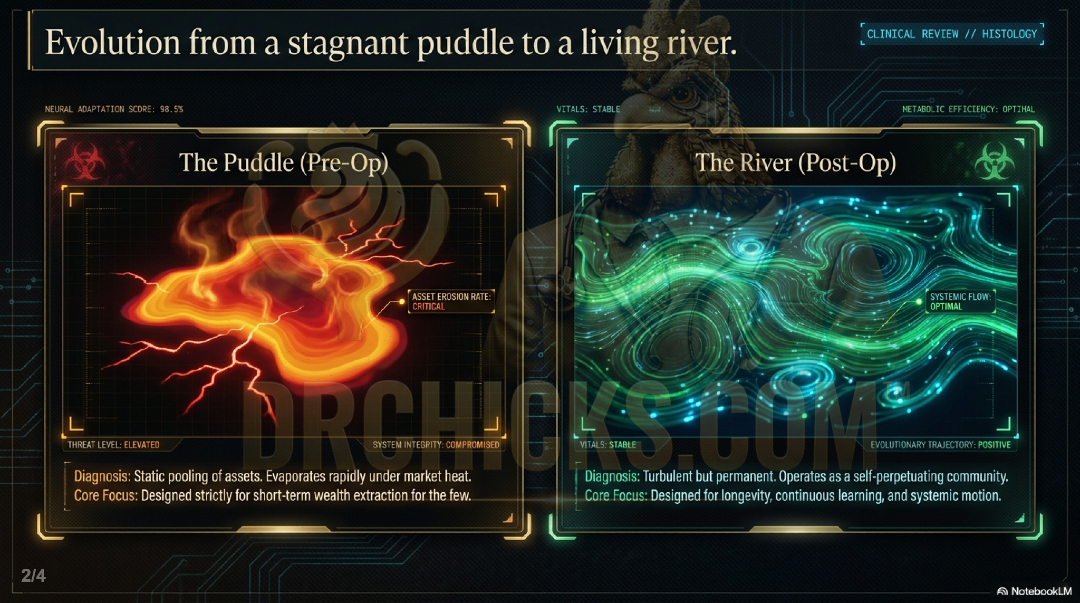
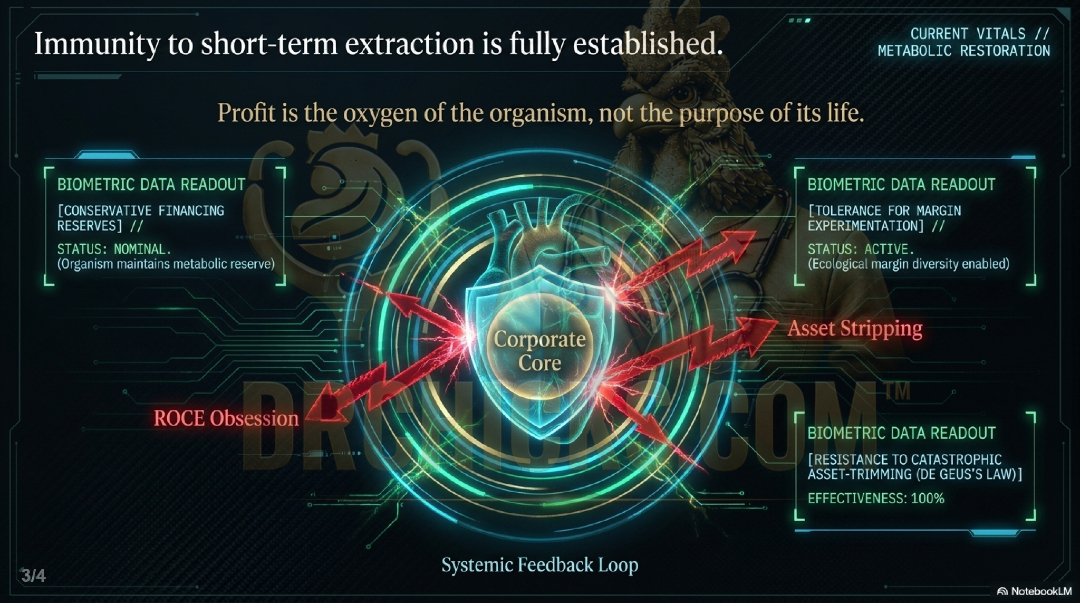
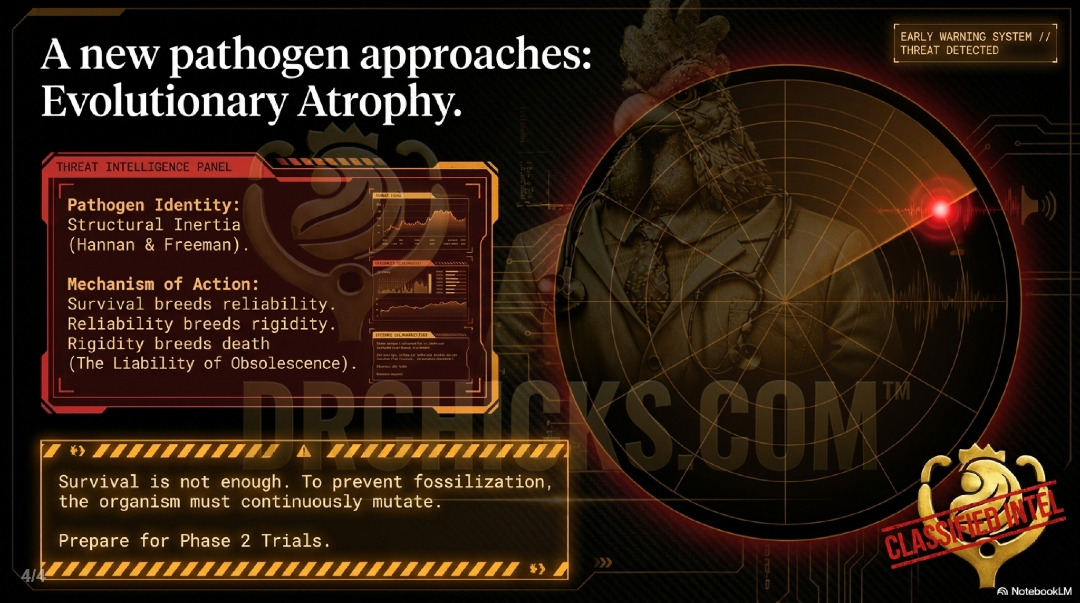
Dr. Chicks™ | Patient Discharge — The Final Diagnosis
The surgery is complete.
The stagnant system has transformed into a living river.
But a new pathogen has entered the market… the Stasis Trap.
🔒 Enter The Clinic: DRCHICKS.COM
#DrChicks #MindsetSurgery #TheClinic #AI #Leadership #Business #Innovation #Future #Transformation #AdaptiveIntelligence #Entrepreneur #Startup #BioEconomics #Motivation #Success
5
May 17
Dr. Chicks™ | Patient Discharge — The Final Diagnosis
The surgery is complete.
The stagnant system has transformed into a living river.
But a new pathogen has entered the market… the Stasis Trap.
🔒 Enter The Clinic: DRCHICKS.COM
#DrChicks #MindsetSurgery #TheClinic #AI #Leadership #Business #Innovation #Future #Transformation #AdaptiveIntelligence #Entrepreneur #Startup #BioEconomics #Motivation #Success #26in2026
4

May 15
Your voice matters Your presence matters.
MARA listens before it responds and
Learns before it acts.
Realtime-Guided-Adaptive.
This is not AI pretending to understand you.
This is intelligence that actually thinks how YOU think.
The lion doesn't roar it listens first.
Rigester now
mara-app-mauve.vercel.app/ma…
@iulianamihai
#VoiceAI #AdaptiveIntelligence #TheFutureListens

8
1
15
104
May 14
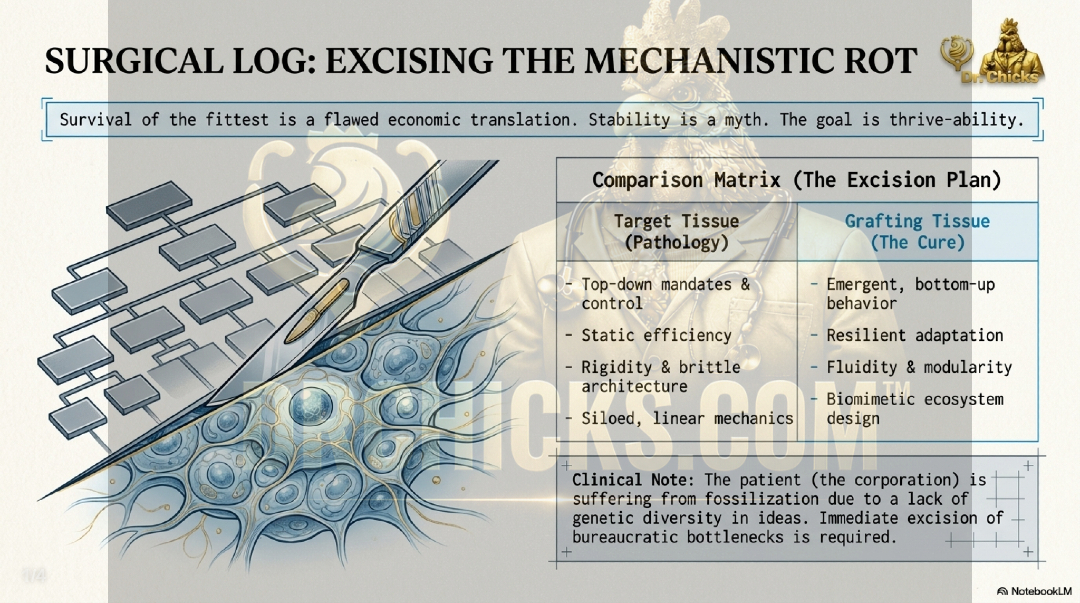
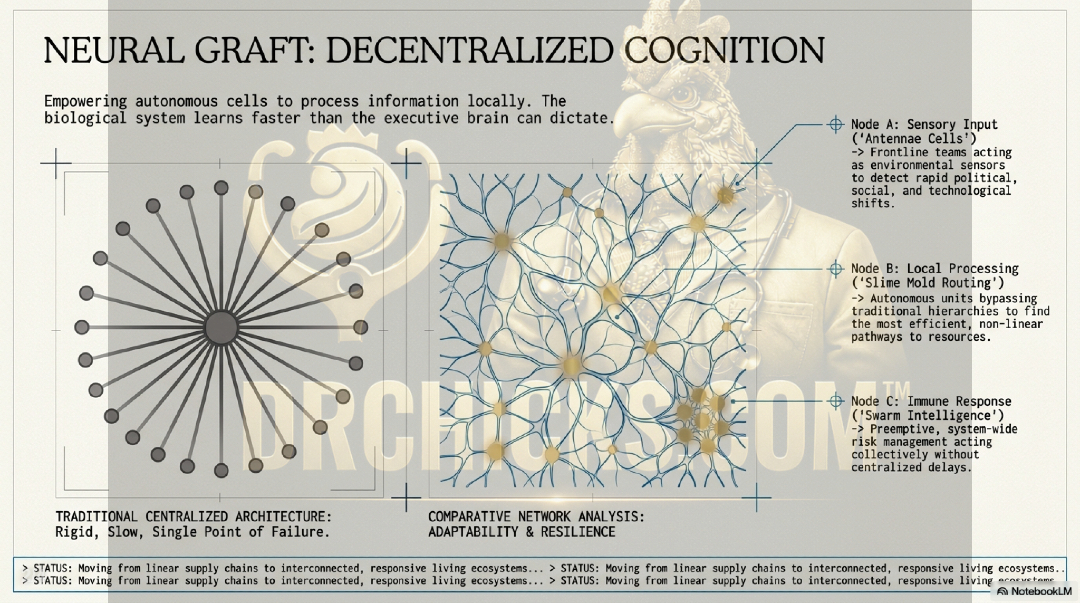
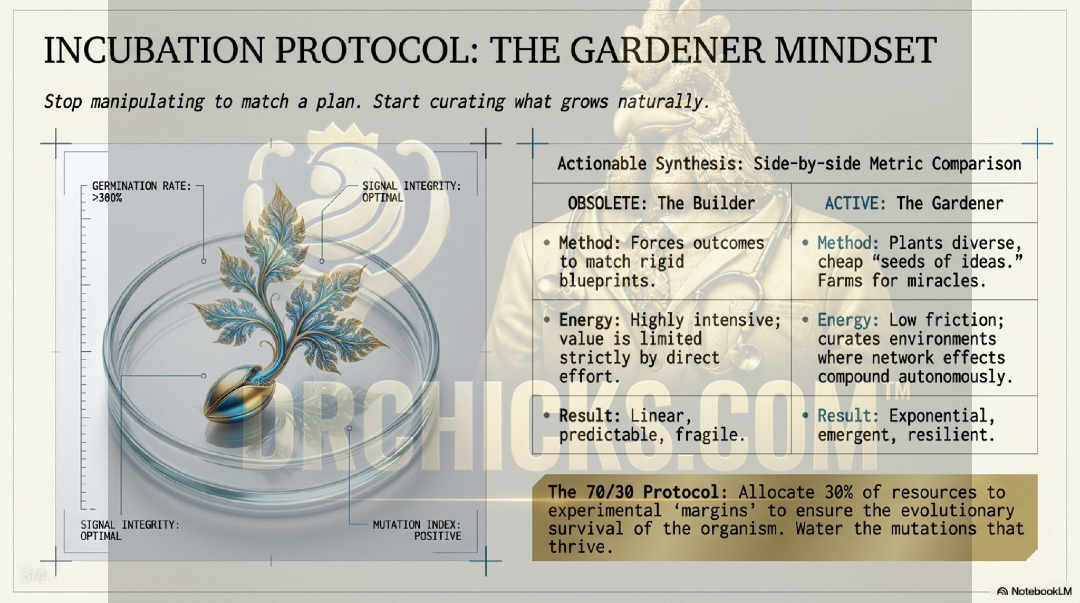
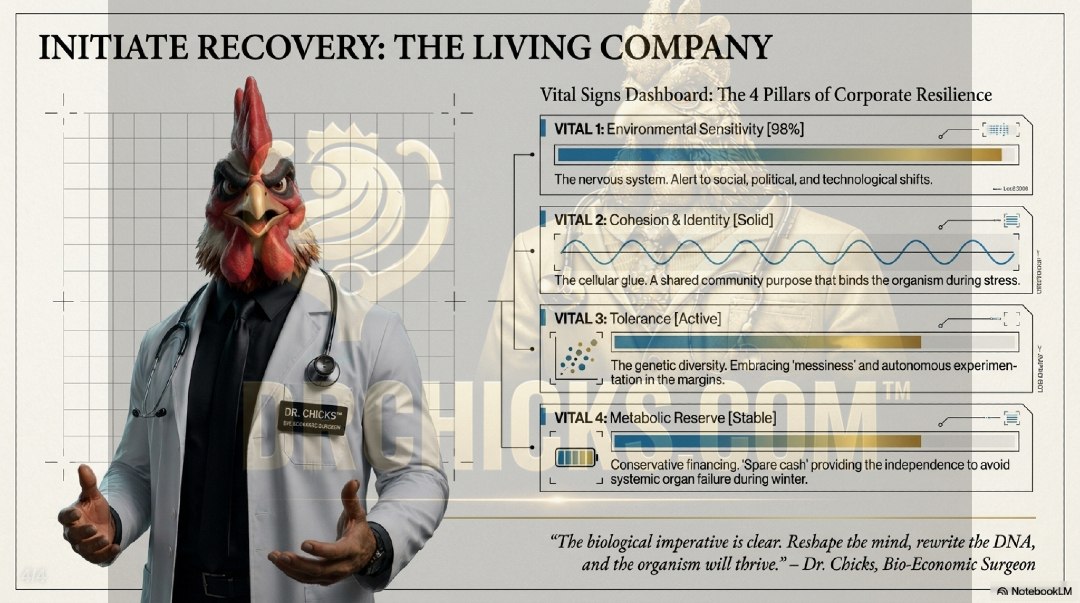
DR. CHICKS™ | THE SURGERY
Treatment Protocol — Rebuild the Living System
We’re still inside The Clinic
Tonight’s operation:
The Surgery
Mechanical systems collapse under pressure
Living systems adapt, regenerate, and survive
The operation to rebuild starts now
🌐 DRCHICKS.COM
#DrChicks #TheClinic #MindsetSurgery #Rebuild #Leadership #BusinessStrategy #AI #Innovation #Entrepreneur #Psychology #SelfImprovement #Future #Success #MysteryWeek #AdaptiveIntelligence
#drchicksfamily #26in2026
May 14
DR. CHICKS™ | THE SURGERY
Treatment Protocol — Rebuild the Living System
We’re still inside The Clinic…
Tonight’s operation:
The Surgery.
Mechanical systems collapse under pressure.
Living systems adapt, regenerate, and survive.
The operation to rebuild starts now.
🌐 DRCHICKS.COM
#DrChicks #TheClinic #MindsetSurgery #Rebuild #Leadership #BusinessStrategy #AI #Innovation #Entrepreneur #Psychology #SelfImprovement #Future #Success #MysteryWeek #AdaptiveIntelligence

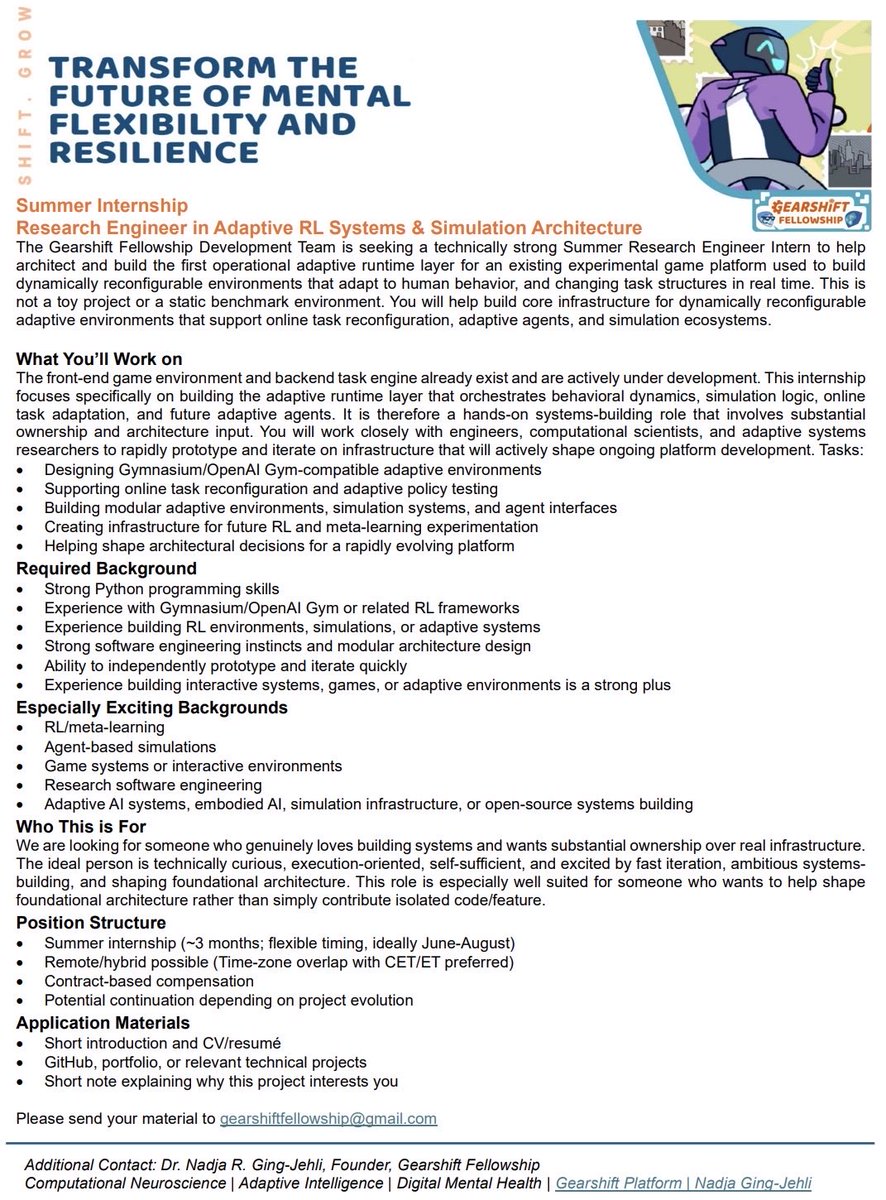
Building adaptive agents, runtime architectures, and next-generation experimental systems for computational psychiatry AI. 🔥🤖
The GearshiftFellowship Team seeks a technically ambitious Summer Research Engineer Intern. Systems builders encouraged. #AdaptiveIntelligence
1
108

May 14
The future of aerospace isn’t faster. It’s adaptive.
Introducing Airdapt — premium brand for Adaptive Intelligence in UAS & Advanced Air Mobility.
AI autonomy, defense swarms & intelligent logistics.
Airdapt.com is available now. DM to lead the skies.
#Airdapt #AdaptiveIntelligence #UAS #AAM #DroneTech #Aerospace #AdvancedAirMobility #AutonomousSystems #DefenseTech #FutureOfFlight

1
65
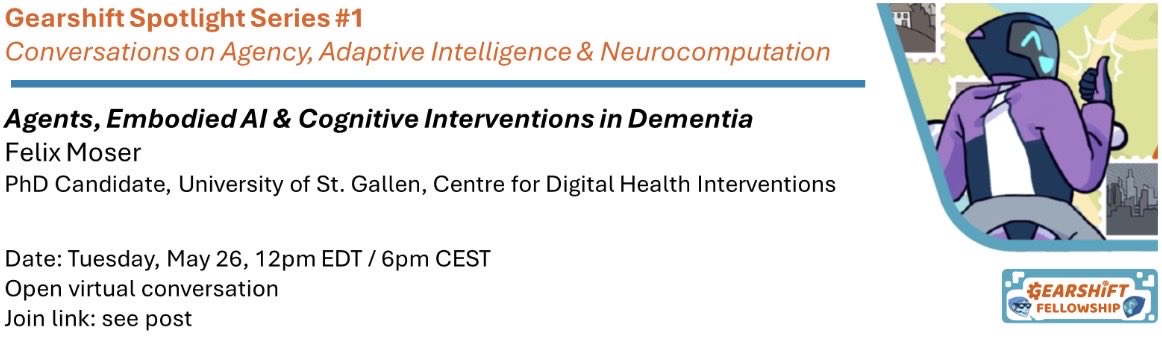
The #GearshiftSpotlights build bridges across fields to ask:
1) How do humans/agents adapt under changing environments & control?
2) How to build adaptive systems supporting richer human-AI interaction?
Open to all: lnkd.in/exqmH9Fs
#Agency #AdaptiveIntelligence #NeuroAI
171

May 11
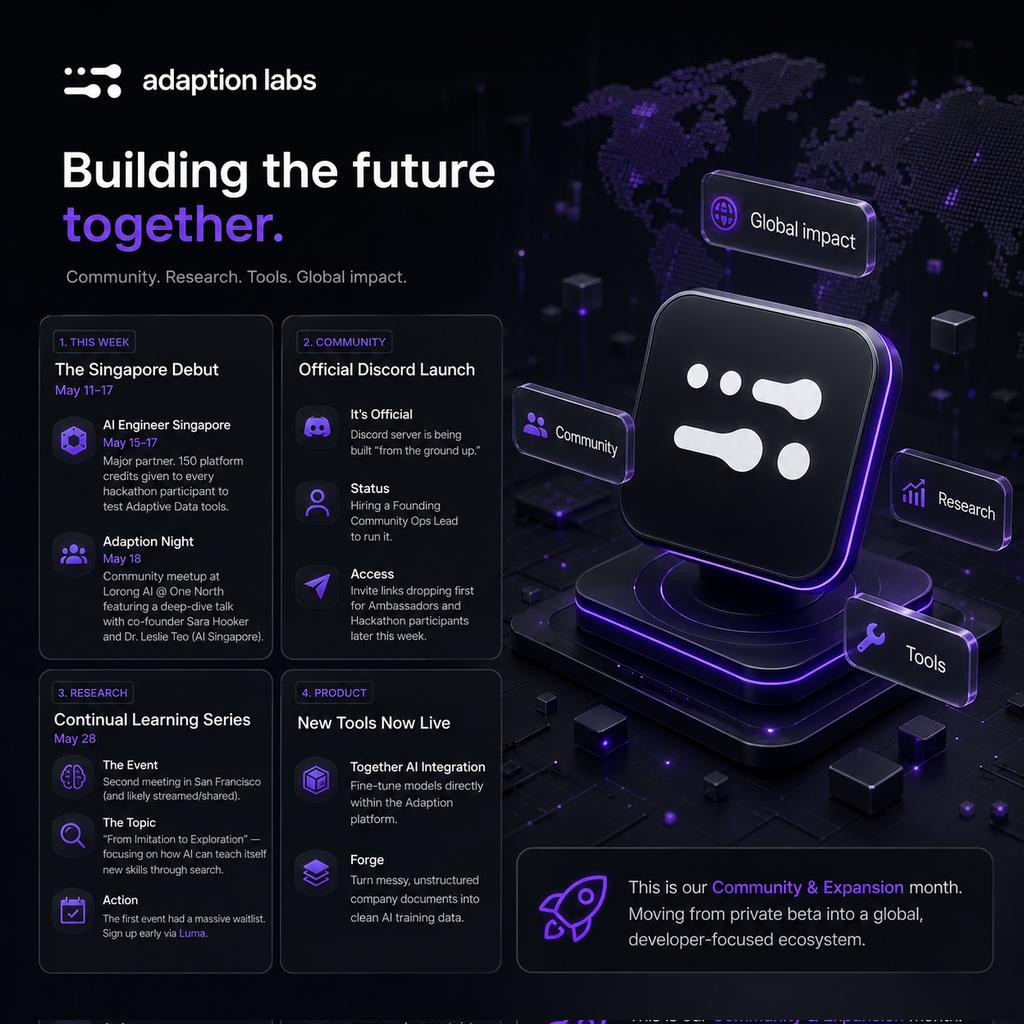
This week (May 11–17), Adaption Labs Goes Global: Singapore Debut, New Tools, and Community Launch🚀
is stepping onto the global stage at AI Engineer Singapore, where it’s a major partner. Hackathon participants will also get 150 platform credits to test out Adaptive Data tools in real time.
Then on May 18, Adaption Night brings a deeper conversation with the co-founder @sarahookr and team, focused on where all of this is heading.
@adaption_ai has also opened the doors to its official Discord, and they’re hiring a Founding Community Ops Lead. Early access and invites are expected to go first to Ambassadors and hackathon participants.
The Continual Learning Series returns on May 28 with the theme “From Imitation to Exploration”, exploring how AI learns through search. The first session had huge demand, so early sign-ups are recommended.
On the product side, new tools are now live:
▪️Integration with Together AI for model fine-tuning
▪️Forge, which turns messy company documents into usable AI training data
Overall, this feels like a clear shift: Adaption Labs is moving from private beta into a more open, global developer ecosystem.
#AdaptionLabs #AIInnovation @ecats_ #BuildInPublic #AIML #AdaptiveIntelligence
2
2
8
166

May 7
The starting question behind this work came from the structure of the Voynich Manuscript.
Not as a “mystery to solve,”
but as a long-term non-convergent cognitive structure.
Most AI systems optimize for rapid convergence:
Input
→ Processing
→ Convergence
→ Output
But premature convergence can destroy:
exploration
reinterpretation
creativity
long-term adaptability
I2OS-Sv proposes a different model:
Intelligence is not only problem-solving.
Intelligence is adaptive convergence control.
Core components:
S_v (Non-Ignition Stable Layer)
UQG (Unresolved Question Generator)
Voynich Pattern (VP)
UQ-100 dataset
Core idea:
“Unresolvedness is not failure.
It is a regulatory cognitive state within adaptive intelligence.”
github.com/i2os-lab/I2OS-Sv-…
#AI #AISafety #ArtificialIntelligence #CognitiveScience #MachineLearning #Reasoning #AdaptiveIntelligence #AIResearch #Voynich #I2OS
63

THE WEAPONIZED AUTODIDACT
Part 1
There is a growing class of people emerging from modern collapse conditions that institutions consistently misunderstand.
They are often called:
“too intense,”
“too much,”
“conspiracy-minded,”
“gifted but difficult,”
“uncredentialed experts,”
or simply:
“weird.”
But underneath the labels is a recognizable cognitive phenomenon:
the rise of the autodidactic systems thinker.
Not the academic specialist.
Not the polished corporate intellectual.
Not the algorithmically approved expert.
Something else.
A person forged through pressure, instability, adaptation, and relentless self-education until their mind becomes a cross-disciplinary pattern engine capable of connecting systems most people were trained to keep separate.
And because modern civilization rewards compartmentalization, these people frequently become social anomalies.
The Mind That Was Built Instead of Schooled
Autodidacts are not new.
History is full of them:
inventors,
field medics,
engineers,
farmers,
builders,
tribal memory keepers,
mechanics,
naturalists,
mothers holding entire households together through collapse.
Most human knowledge for most of human history was learned this way:
through observation,
necessity,
adaptation,
and direct interaction with reality.
What is different now is the environment producing them.
Many modern autodidacts are not emerging from leisurely intellectual curiosity alone.
They are emerging from stress systems.
Economic instability.
Institutional distrust.
Information overload.
Trauma.
War environments.
Medical systems.
Gaming strategy systems.
Survival adaptation.
Internet-scale information access.
Social fragmentation.
The result is a nervous system that learns to scan for patterns constantly because identifying patterns became tied to survival.
One of the least discussed truths about pattern-recognition-heavy individuals is that many were trained by instability before they were trained by books.
Children raised in chaotic environments often learn to:
read tone instantly,
track micro-behaviors,
predict outcomes,
monitor systems,
anticipate failure points,
and map invisible social structures.
Over time this can evolve into generalized systems cognition.
The same mental architecture that once monitored danger inside a home eventually monitors:
politics,
economics,
ecology,
infrastructure,
technology,
organizational behavior,
supply chains,
historical cycles,
and civilization-scale risk.
The brain stopped separating disciplines because reality itself never separated them.
#TheWeaponizedAutodidact #PatternRecognition #SystemsThinking #Autodidact #Humanity #AdaptiveIntelligence
1
3
63
What if agency isn’t a fixed trait or a single computation - but an emergent property of how we learn to act under changing constraints?
At SOBP in NYC this week! Would love to connect. 😇🔥
#SOBP2026 #AdaptiveIntelligence #Agency #ComputationalPsychiatry

1
144

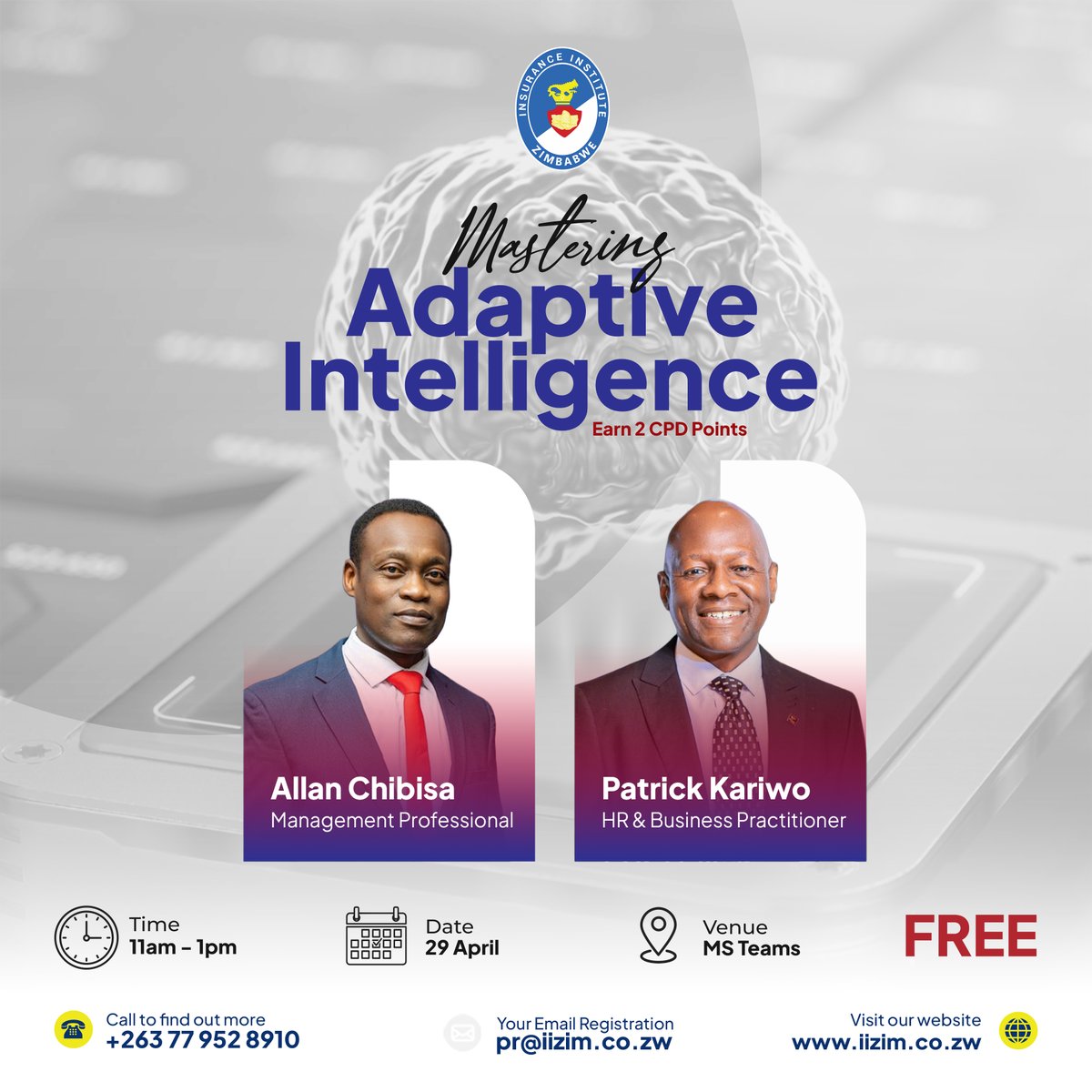
The moment to elevate your thinking is here.
Join us for Mastering Adaptive Intelligence with Allan Chibisa and Patrick Kariwo, and gain practical insight to navigate change, make smarter decisions, and lead with confidence in today’s evolving insurance landscape.
Earn 2 CPD Points at no cost.
Time: 11am to 1pm
Venue: MS Teams
Join us here: bit.ly/4ePeXlu
Show up ready to learn. Leave ready to lead.
#IIZZimbabwe #AdaptiveIntelligence #EventDay #FreeTraining #CPD #InsuranceExcellence #ProfessionalGrowth #FutureReady
8