
Jun 9
Premiere ProのJSXでMac環境だと静止画クリップに addKey() / setValueAtKey() が効かないっぽい問題にぶつかっている
ログ上はキーが入っているように見える
でもUI上にキーフレームが残らない
動画クリップなら進められそうなのに、静止画で詰まる…
午前中がつぶれた…
#premierepro #script
2
80

WEEKLY UPDATE FROM THE REPOS OF NEAR [12-19.02.2026]
The devs are cooking. Here's what shipped this week across the NEAR repositories! 📟
1/ NEW RELEASE - ironclaw v0.6.0
What changed:
• Added prompt-based skills system with trust gating, tool attenuation, and ClawHub catalog integration for modular agent capabilities
• Introduced benchmarking harness with 21-scenario spot suite for agent evaluation and regression tracking
• Added PR/issue triage skills, job monitoring tools, and sandbox credential delivery for end-to-end workflows
• Implemented shell environment scrubbing, command injection detection, and path traversal fixes for security hardening
• Added infrastructure improvements: circuit breaker, cost guards, response cache, tunnel management, OS service support, and TOML config files
Why it matters:
This release (github.com/nearai/ironclaw/r…) significantly expands agent capabilities with a secure skills system and benchmarking infrastructure while hardening security boundaries—developers can now extend agents safely and measure performance systematically.
2/ YIELD/RESUME IMPROVEMENT - nearcore: Trie Status Tracking
What changed:
• Added `PromiseYieldStatus` enum to track yield/resume operations in trie state
• Enabled yield/resume between actions in single transaction (fixes edge case)
• Removed redundant PromiseYield to Action receipt conversion logic
• Added comprehensive tests including resharding validation
Why it matters:
This pull request (github.com/near/nearcore/pul…) enables yield/resume operations within single transactions and provides better state tracking - contract developers can now use yield/resume patterns more flexibly without edge case limitations.
3/ GAS KEY FEES - nearcore: NEP-611 Implementation
What changed:
• Added send/exec fees for TransferToGasKey and WithdrawFromGasKey actions based on transfer costs plus trie operations
• Extended permission fees for gas key variants of AddKey with per-nonce storage write costs
• Introduced dedicated gas key ActionCosts with send/exec separation in runtime config
• Added helper functions for gas key size estimation and trie key length calculations
Why it matters:
This pull request (github.com/near/nearcore/pul…) implements proper gas accounting for NEP-611 gas key operations - developers using gas keys will now be charged appropriate fees for storage operations and trie modifications.
4/ NEW RELEASE - near-api-js v7.1.1
What changed:
• Automatically registers token receiver on fungible token transfers via Account.transfer method
• Made transactions parallel for improved performance
• Relaxed type constraints on ft getBalance function
Why it matters:
This release (github.com/near/near-api-js/…) fixes a critical issue where FT transfers would fail if the receiver wasn't registered, while improving performance and type safety.
5/ NEW RELEASE - intents defuse/v0.4.2
What changed:
• Updated near-sdk to 5.20 and near-workspaces to 0.22
• Added optional `state_init` before `mt_on_transfer` and on `on_auth` calls
• Introduced `imt_mint`/`imt_burn` intents for implicit multi-token operations
• Added new escrow-swap contract for deterministic token swaps
• Implemented defuse-sandbox testing framework with extensive extensions
Why it matters:
This release (github.com/near/intents/rele…) expands token functionality with new intent types, improves contract initialization, and introduces a comprehensive testing framework - developers should review new features if working with multi-token operations or escrow contracts.
6/ NEW RELEASE - mpc v3.5.0
What changed:
• Introduced foreign transaction validation allowing MPC nodes to verify Bitcoin, Ethereum/EVM, Solana, Abstract, and Starknet transactions via RPC before signing
• Added domain separation with purpose-specific domains (`Sign`, `CKD`, `ForeignTx`) to control which contract methods can target each domain
• Implemented automatic foreign chain policy voting where nodes vote for RPC providers they have configured API keys for
• Added consistent hashing for deterministic RPC provider selection per request to reduce reliance on single endpoints
• Introduced on-chain metrics tracking for sign request payload versions
Why it matters:
This release (github.com/near/mpc/releases…) enables secure cross-chain signing by allowing the MPC network to independently verify foreign chain transactions before producing signatures - critical for bridge use cases like Omnibridge. Note: downgrading from 3.5.0 to 3.4.1 is not possible due to new storage columns.
7/ STANDARD TRAIT IMPLEMENTATIONS - near-sdk-rs
What changed:
• Added `Display`, `Error`, and `Clone` traits to `PromiseError` for better error handling
• Implemented `Display` trait for `PublicKey` and `CurveType` for direct formatting
• Added `Clone`, `Copy`, and `Hash` traits to `GasWeight` and `Abort` types
• Fixed `ParsePublicKeyError` message to show correct expected lengths for different key types
Why it matters:
This pull request (github.com/near/near-sdk-rs/…) improves developer ergonomics by enabling standard Rust patterns like `?` operator usage and collection support with public SDK types.
8/ NEW RELEASE - near-sandbox-rs v0.3.6
What changed:
• Proper sandbox and RocksDB cleanup with new `CleanupGuard` feature
• Updated nearcore dependency to version 2.10.6
• Added comprehensive logging documentation with environment variable examples
• Improved CI workflows and caching mechanisms
Why it matters:
This release (github.com/near/near-sandbox…) prevents resource leaks during testing and provides better debugging tools - essential for developers using the sandbox for NEAR smart contract development.
9/ CRITICAL BUG FIX - near-sdk-rs: Drain Iterator State Corruption
What changed:
• Fixed `IterableSet` and `UnorderedSet` drain iterators' `next_back()` method to properly remove entries from the internal index `LookupMap`
• Added regression tests `test_drain_next_back_removes_from_index()` and `test_drain_bidirectional()` to verify bidirectional drain behavior
• Synchronized element removal across both storage structures (Vector/FreeList and LookupMap) during backward iteration
Why it matters:
This pull request (github.com/near/near-sdk-rs/…) fixes silent state corruption where `contains()` returned true for drained elements and `insert()` could fail unexpectedly - update immediately if using `.drain().next_back()` on these collections.
10/ NEARPLAY INTEGRATION - docs
What changed:
• Added 'Open in NearPlay' buttons to smart contract examples in basic-contracts.md
• Included badge link to counter example in quickstart.md
• Added 'Try in NearPlay' column to tutorial steps table in fts.md
• Added tip section encouraging immediate testing without local setup
Why it matters:
This pull request (github.com/near/docs/pull/29…) enables developers to instantly test NEAR smart contract examples in the browser through NearPlay - eliminating local environment setup requirements.
Check out the full repositories:
1. github.com/nearai/ironclaw
2. github.com/near/nearcore
3. github.com/near/near-api-js
4. github.com/near/intents
5. github.com/near/mpc
6. github.com/near/near-sdk-rs
7. github.com/near/near-sandbox…
8. github.com/near/docs
Sign up and get the weekly NEAR ecosystem newsletter at:
subscribe.nearweek.com
1
3
12
531

Feb 19
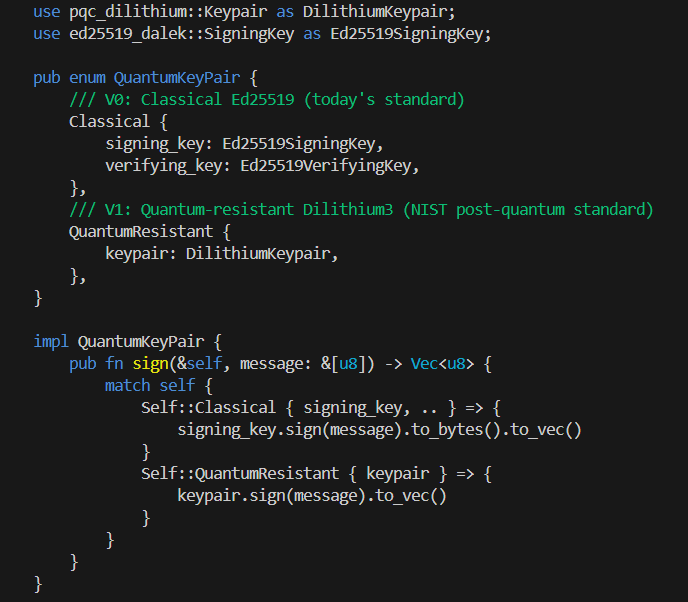
By 2030–2035 quantum computers are estimated to break every major L1 (ECDSA/Ed25519).
$3T in crypto sitting ducks. Vexidus already ships Ed25519 Dilithium3 dual signatures in 2026.
- V0 keys (Ed25519) are active now — same as Solana, same 64-byte signatures
- V1 keys (Dilithium3) are implemented and tested — key rotation (AddKey/RemoveKey/RotateKey) is already built into VSA v2
- When quantum becomes a real threat, existing users rotate to V1 with a single on-chain transaction. No hard fork, no migration panic.
- Dilithium3 signatures are ~3.3KB vs Ed25519's 64 bytes — that's the tradeoff, and Vexidus already handles both natively
We didn’t wait for the panic. Your future wallet thanks us.
4
3
9
116

Jan 29
私のAeプラグイン&スクリプト&エクステンション&プリセットの費用
GGbunkai | aescripts | 無料
Super Morphings | FBJ | ¥5,900
BlenderAe | aescripts | ¥4,590
Squash & Stretch(無料版) | aescripts | 無料
rd: Comp Setter | aescripts | 無料
Align3D | aescripts | 無料
Deep Glow | aescripts | ¥7,642
Displacer Pro | aescripts | 無料
Repeater | FBJ | 無料
Quick Delete & Reset 2 | aescripts | ¥2,293
freeGradient | aescripts | 無料
Cuttana Illustrator | aescripts | ¥3,058
Slice it Up 2 | aescripts | ¥4,588
Stardust | aescripts | ¥38,093
Deep Glow 2(アップデート版) | FBJ | ¥4,700
EaseCopy | FBJ | 無料
LottieFiles for Adobe After Effects | aescripts | 無料
AutoSway | aescripts | ¥6,118
BG Renderer MAX | aescripts | ¥10,707
m's Halftone | aescripts | ¥3,058
Discotext | FBJ | ¥5,400
Penpal 2 | FBJ | ¥6,200
Ouroboros 2 | aescripts | 無料
AE 3D RIG | ?? | 無料
Select Layers Pro | aescripts | ¥2,509
Furikake | aescripts | ¥36,563
Newton 4 | aescripts | ¥38,245
Divide & Corner | FBJ | ¥3,740
After Keying | FBJ | ¥11,880
Shade It | FBJ | ¥1,900
Quick Chromatic Aberration 3 | FBJ | 無料
Mt. Mograph Motion 4(買い切り版) | toolfarm | ¥5,145
Video Copilot Pro Shaders 2 | toolfarm | ¥13,799
Boris FX Continuum Primatte Studio | toolfarm | ¥45,743
Glitch 7in1 | toolfarm | ¥6,903
Video Copilot Pro Flares Bundle | toolfarm | ¥23,980
Video Copilot Element 3D | toolfarm | ¥29,060
Battle Axe Overlord | toolfarm | ¥7,993
CuttanaNir2 | toolfarm | ¥6,118
FXAA | FBJ | 無料
AEVIEWER 2 Free | FBJ | 無料
Thicc Stroke | FBJ | 無料
autoParallax 2 by Cumuloworks | BOOTH | ¥2,000
MV-Effects (α) Aeエフェクト | BOOTH | ¥5,000
パスに沿って並べるIllustratorスクリプト | BOOTH | ¥1,000
Layer Chicken | BOOTH | ¥1,200
Select ShapePath & addKey ShapePath | BOOTH | ¥980
Everything(現在5,000円) | BOOTH | ¥1,000
MV-Effects (β) Aeエフェクト | BOOTH | ¥6,000
合計 ¥353,105
※購入サイトを記載しております
※ドルは本日時点のレートで記載しております
49個も入っているようです。
ほぼ全て実務で使ってます。
デスク周りと合計で約200万円です。
年間平均100万円投資しているようです。
2年でこれは買いすぎてるんでしょうか?
皆様どれくらい入ってますか?
2
1
12
866


26 Aug 2025
yield and resume is also a somewhat new Action alongside AddKey and FunctionCall.
You can "pause" an execution that's either pending, or partially complete. And can add gas when resuming it, side-stepping OOG problems.
Huge for handling insane congestion.
github.com/near-examples/yie… (thanks @gagdiez)
26 Aug 2025

If your defi/web3, onchain experience is not like this...👇
→ @NEARProtocol
↳ Sign Tx,
↳ Pay ~ Ⓝ0.003 (~$0.01) in fees*,
↳ Wait 1.2 seconds,
↳ Tx fully received (cross-shard, deterministic finality).
...you should try NEAR.
Near also has zero downtime
(not many chains can still claim that),
and scales with demand via sharding,
keeping its liveness, security, and decentralization.
——
*depends on the tx complexity,
a simple $NEAR send will be less than Ⓝ0.001.
3
1
7
1,118

15 Jul 2025
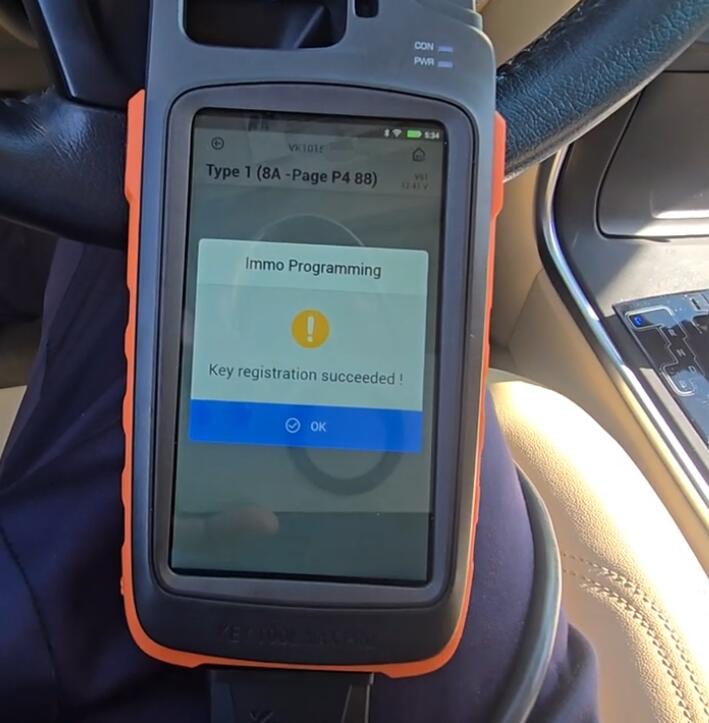
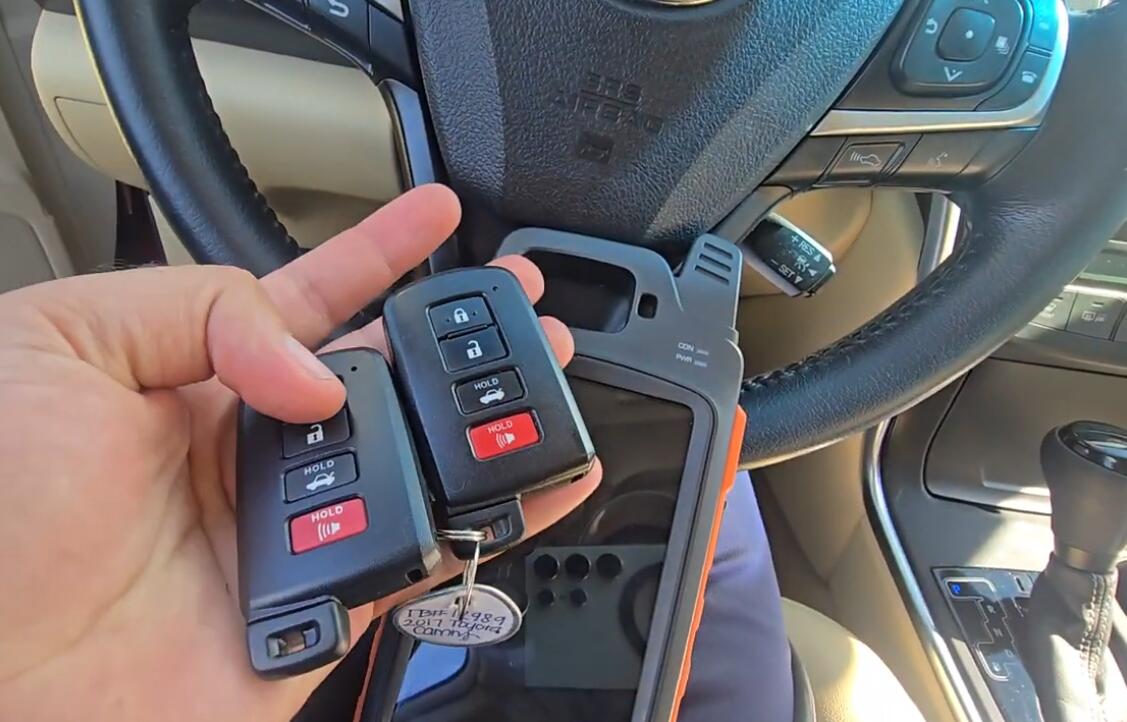
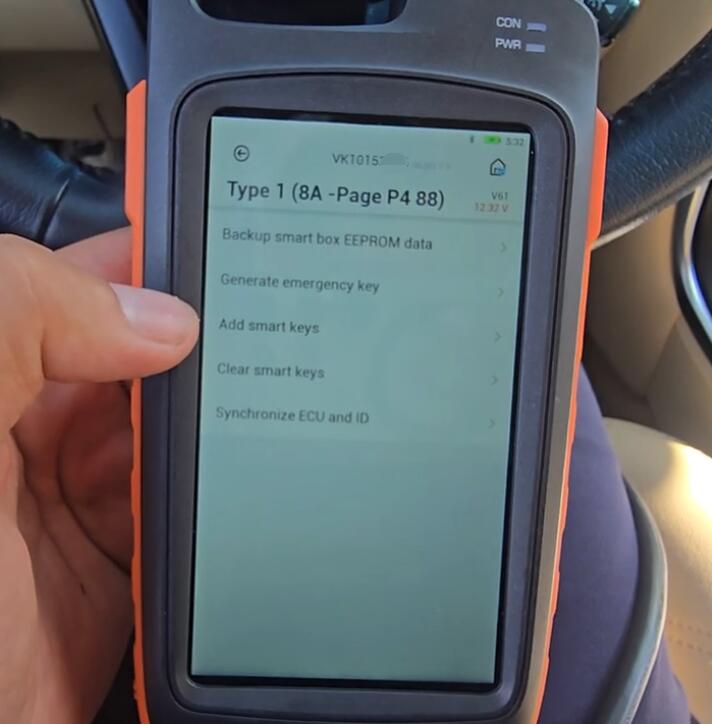
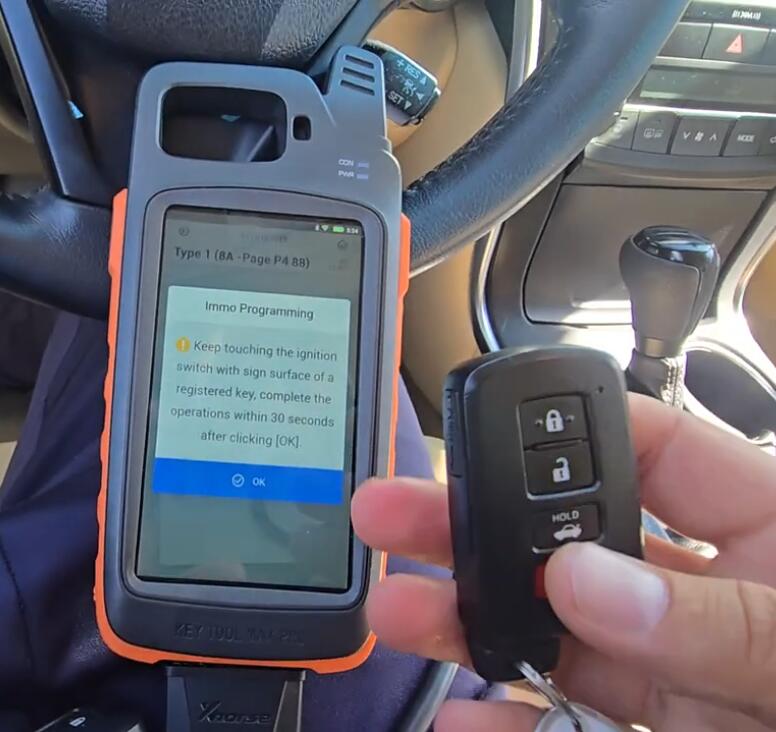
Toyota Camry 2017 smart key added using the #Xhorse key tool Max Pro ✅✅
📸Tell Locksmith
xhorsevvdi.com/wholesale/key…
#keytoolmaxpro #keytoolmax #toyotacamry #SmartKey #AddKey
2
90
4 Jul 2025
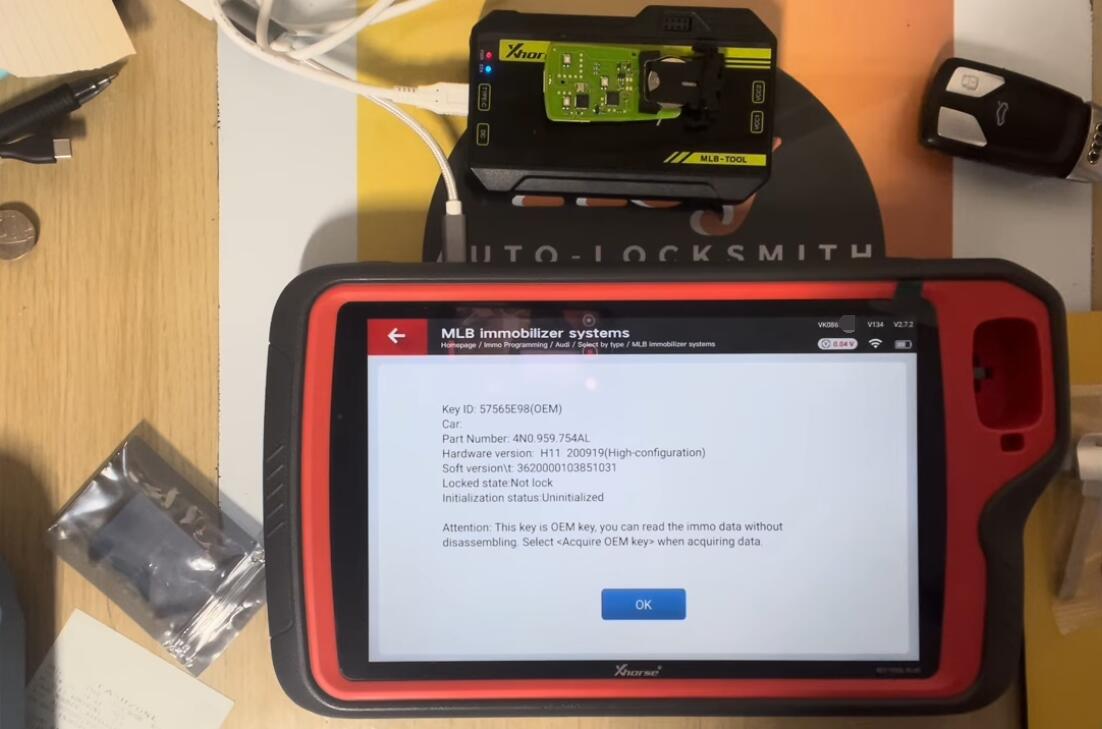
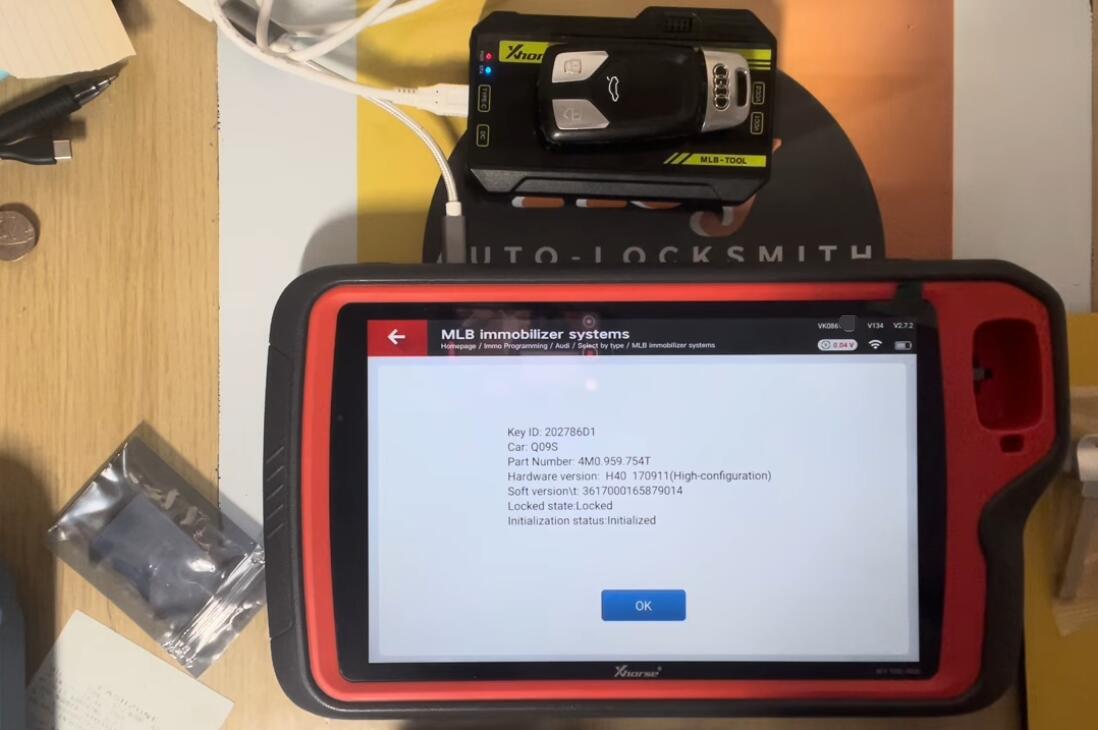
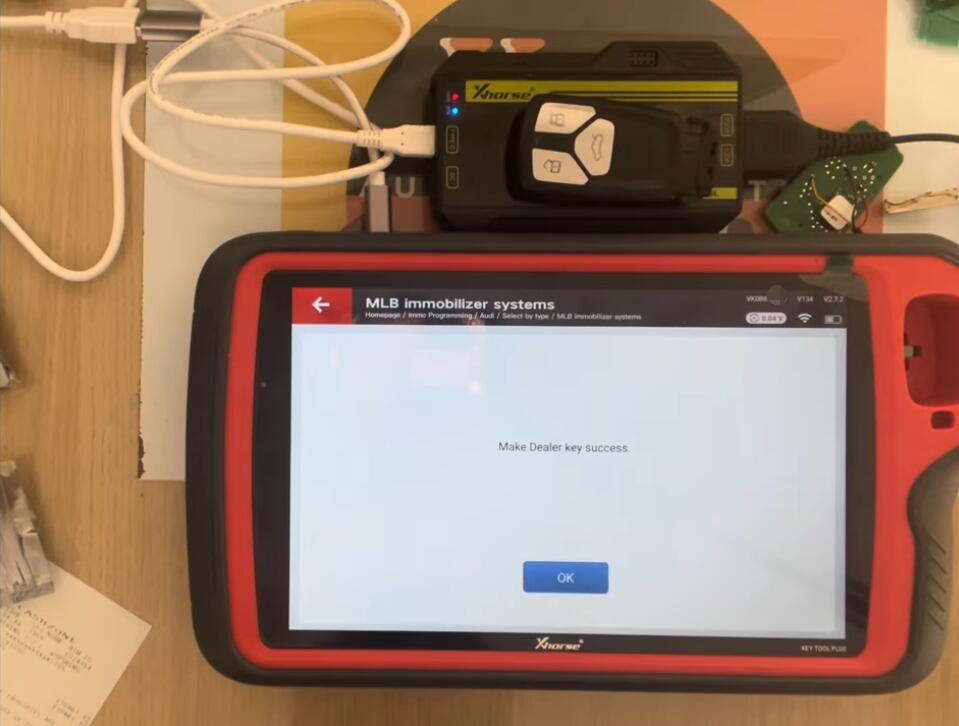
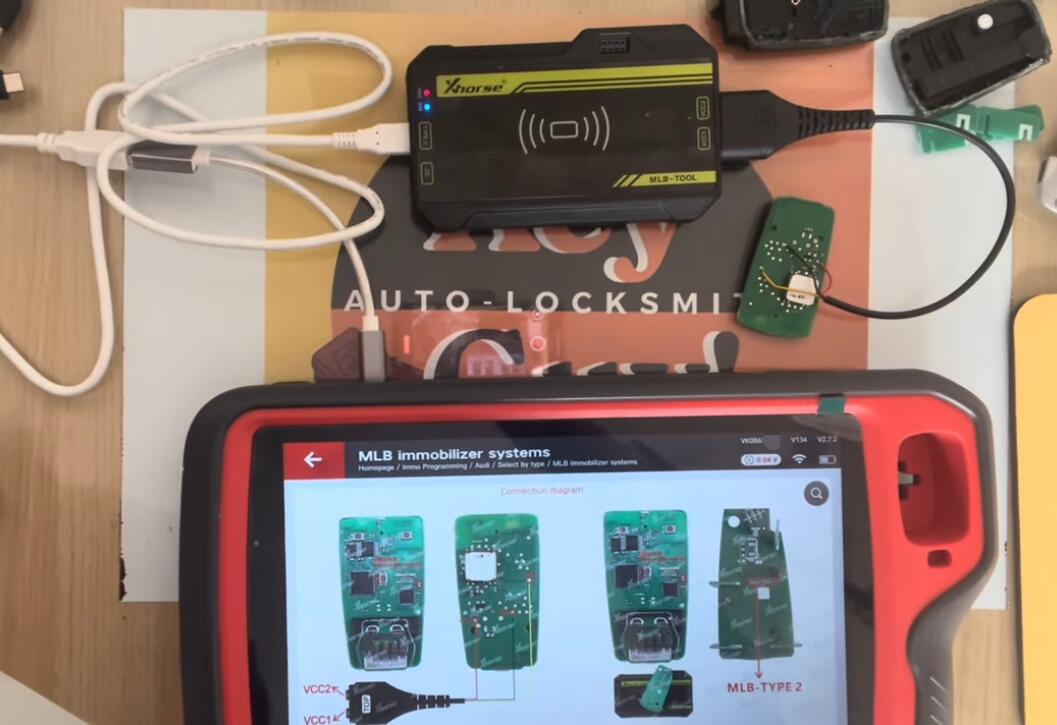
#xhorse MLB TOOL MAKING SPARE KEY AUDI A4 - B9 (2019) 🔑🔑
📸 KeyS 4 U- West Sussex-UK
xhorsevvdi.com/wholesale/vvd…
#vvdimlb #KEYTOOLPLUS #xhorseadapter #AddKey #audia4
1
2
124
18 Jun 2025
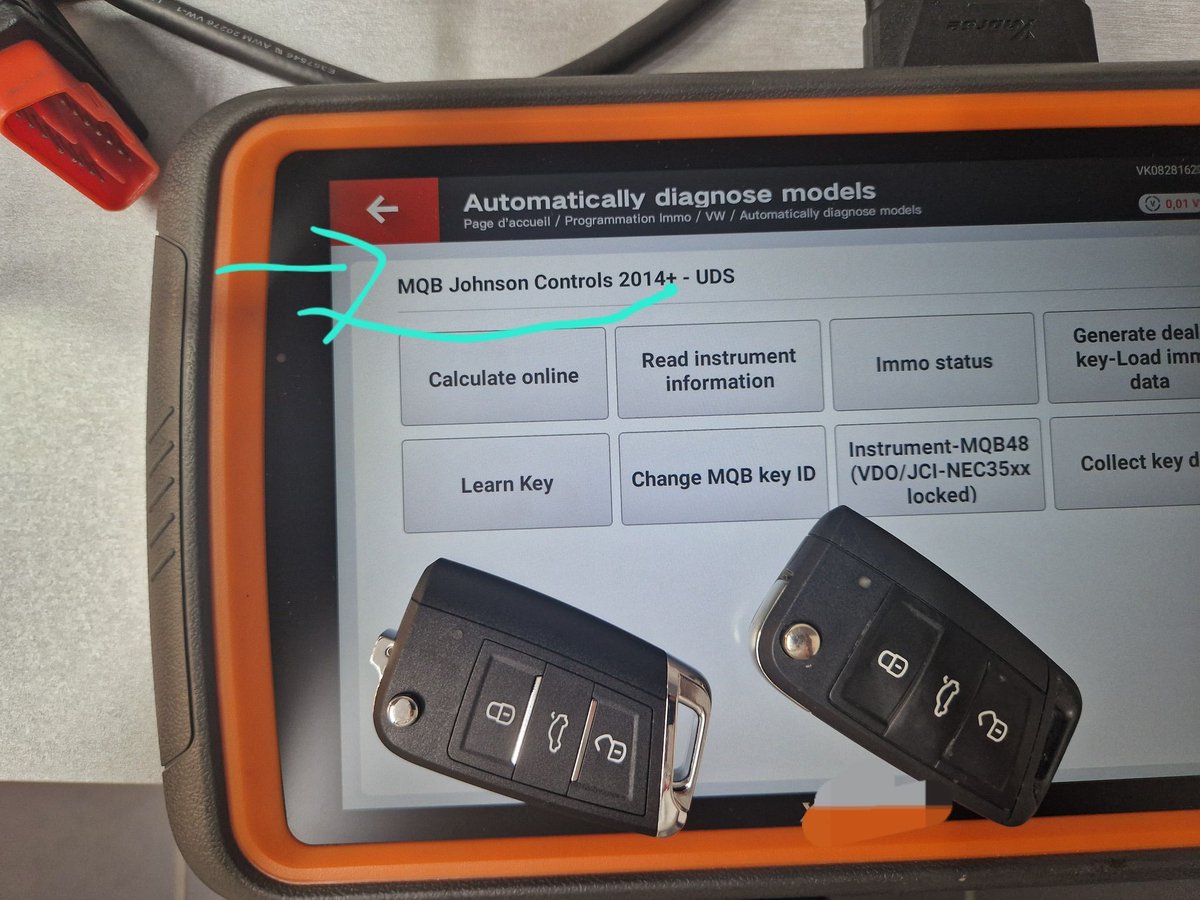
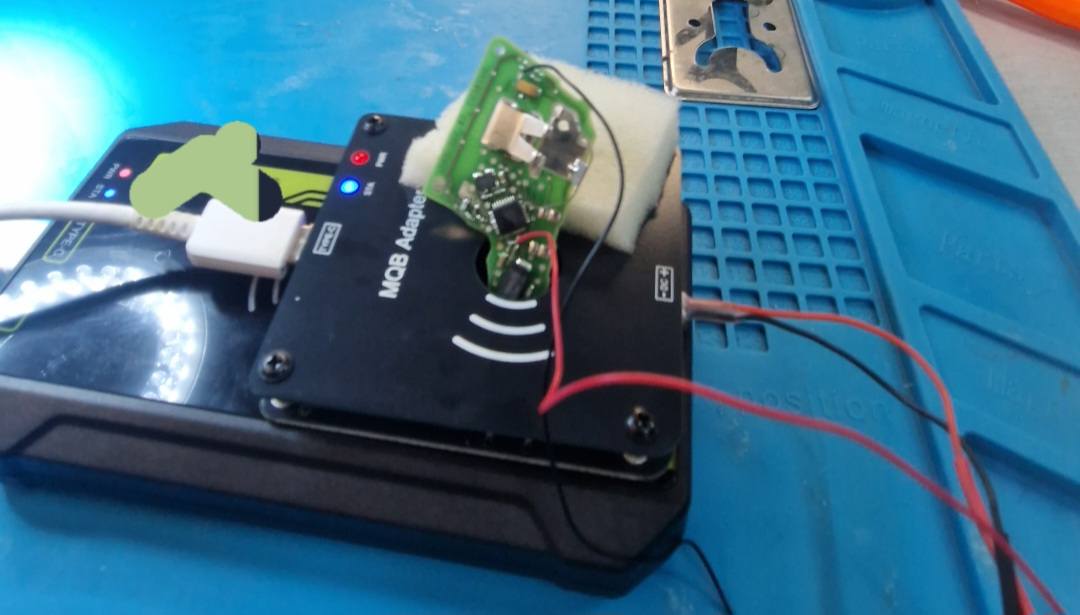
✨Xhorse MLB MQB48 Adapter Review:
Another encrypted Johnson control meter,
But no worries, we do that too.
Satisfied customer
📸 Arobase Voitures
xhorsevvdi.com/wholesale/xho…
#Xhorse #JohnsonControls #xhorseadapter #AddKey
2
82
9 Jun 2025
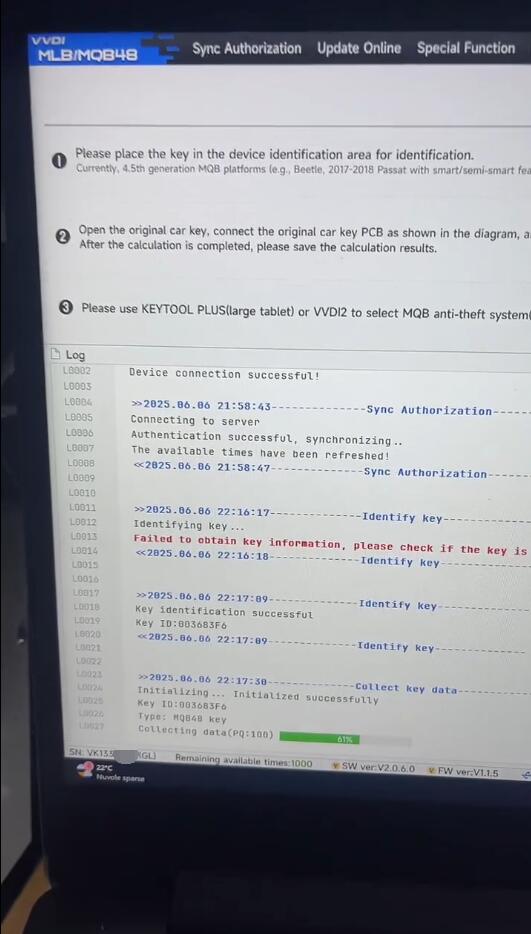
Mqb48 mlb adapter 👌 key tool plus 👌
📷Andrea Sanna
xhorsevvdi.com/wholesale/xho…
#KEYTOOLPLUS #mqb48 #xhorseadpater #vvdimlbtool #AddKey
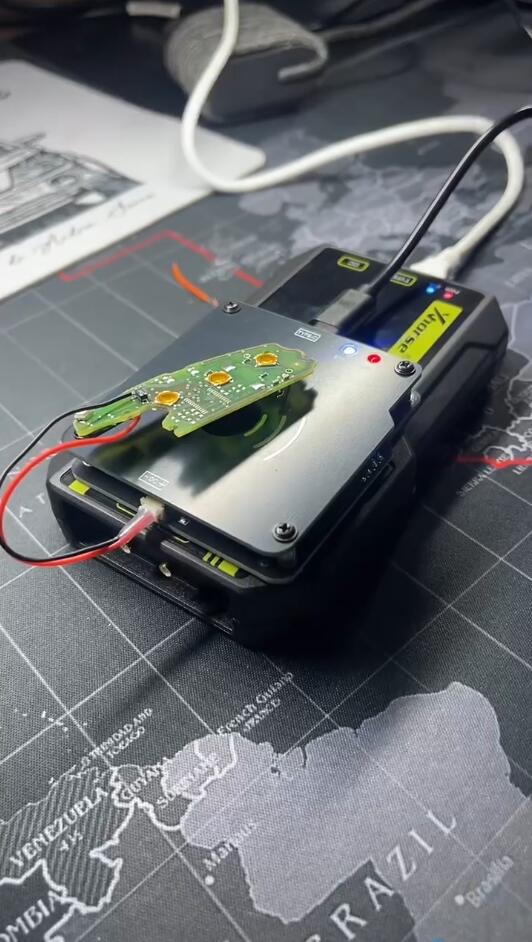
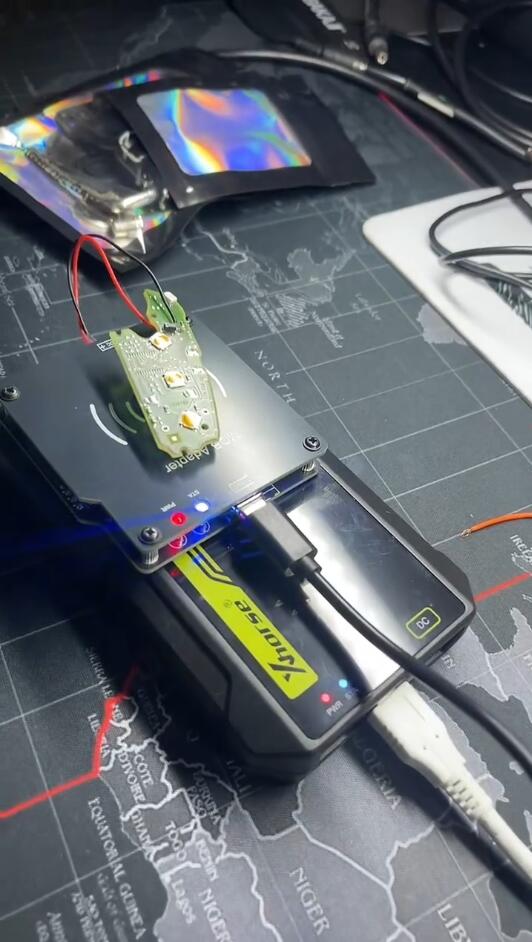
2
65
22 May 2025
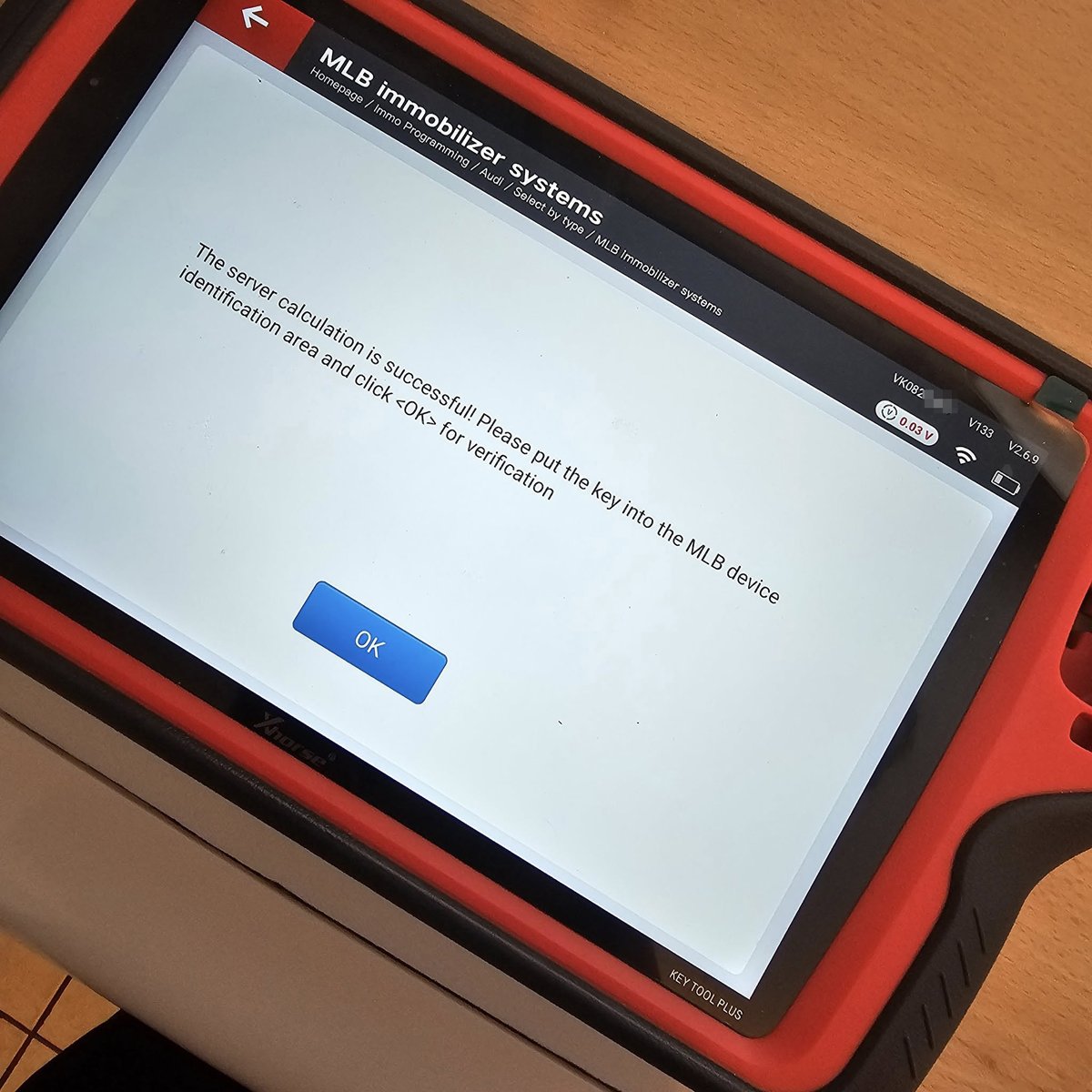
My first mlb with ktp ✅ on audi q5 2019 🚗
📸Nathan Scott
xhorsevvdi.com/wholesale/vvd…
#KEYTOOLPLUS #vvdimlbtool #AudiQ5 #AddKey
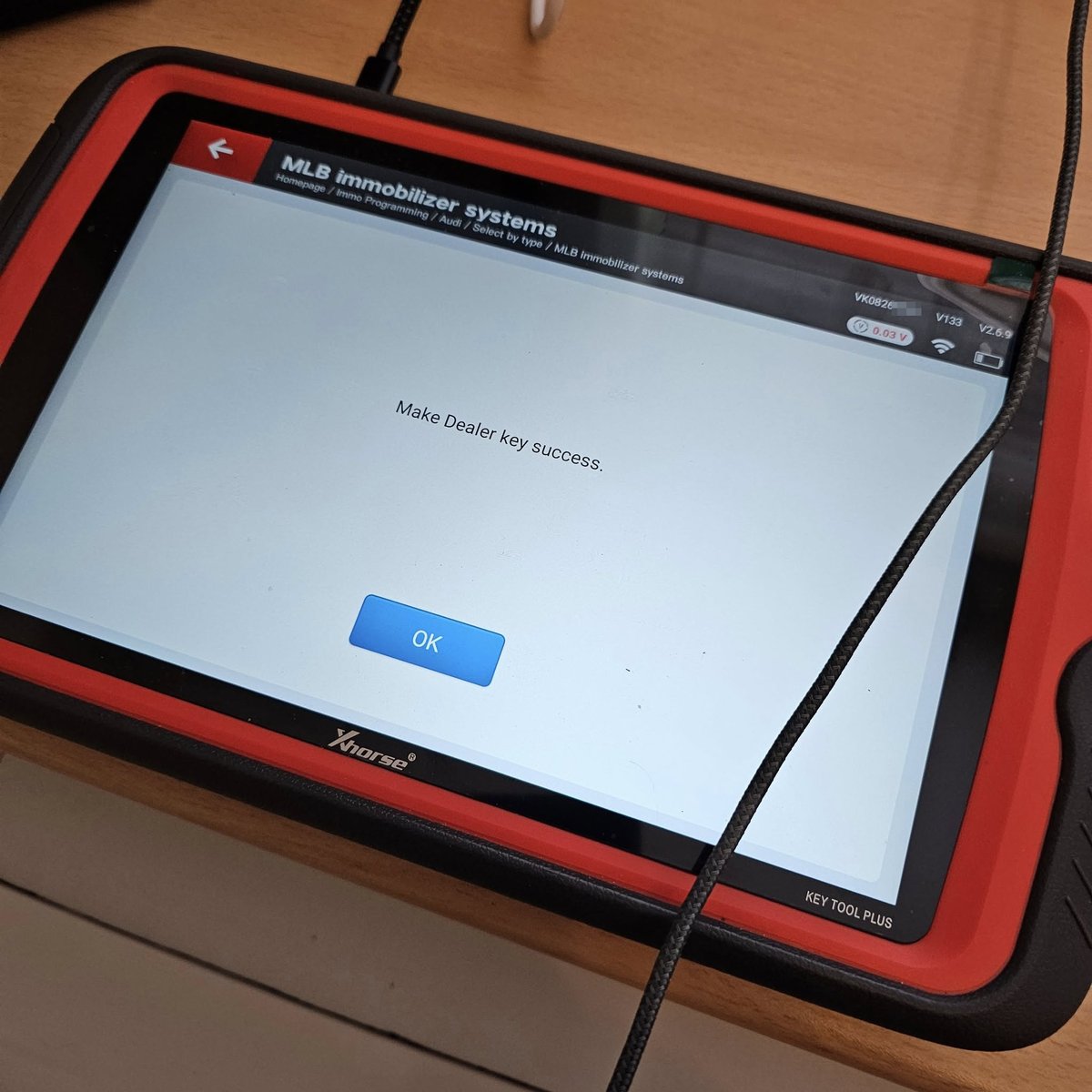
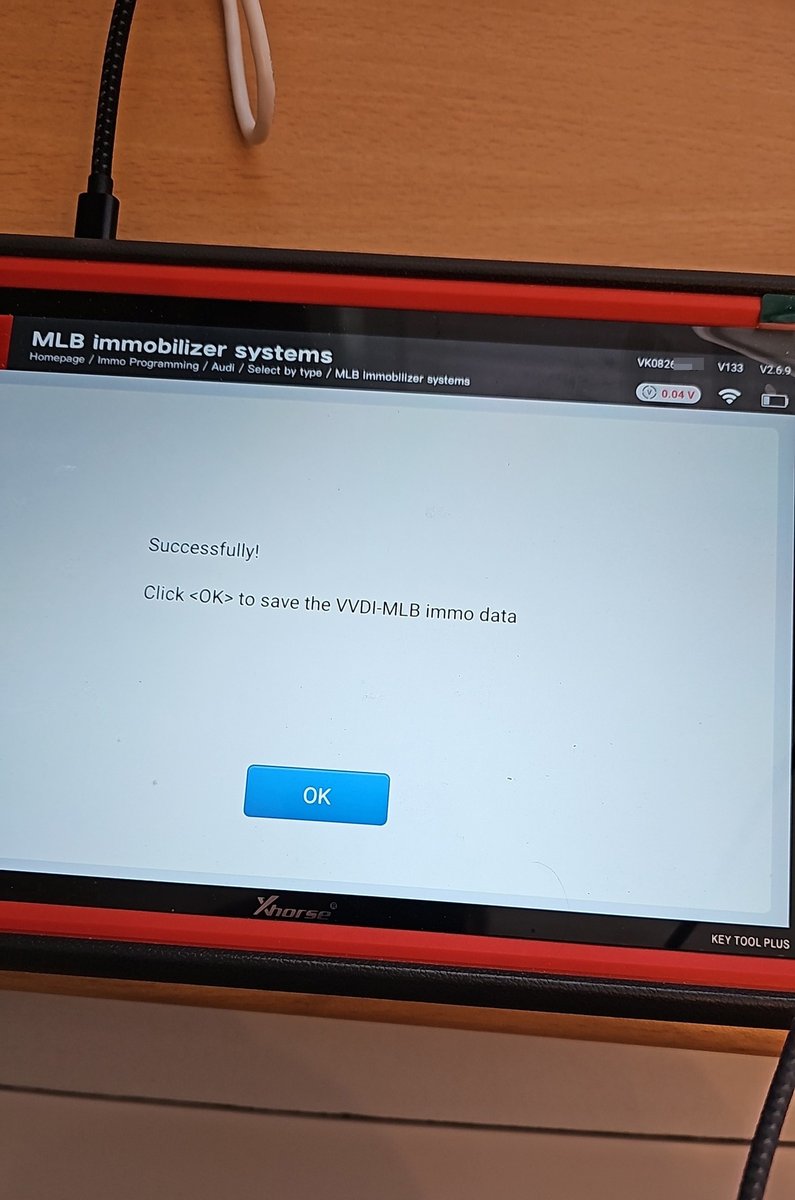

3
89
24 Apr 2025
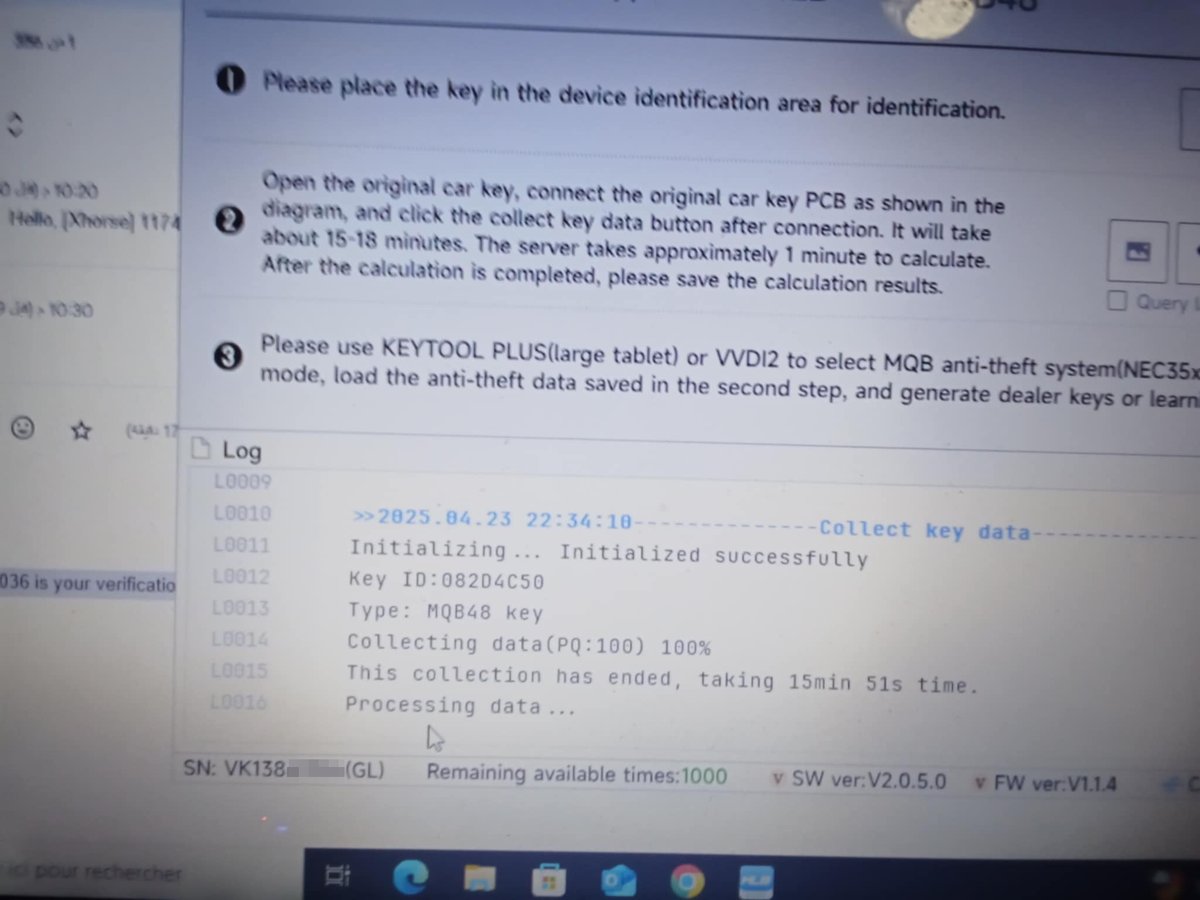
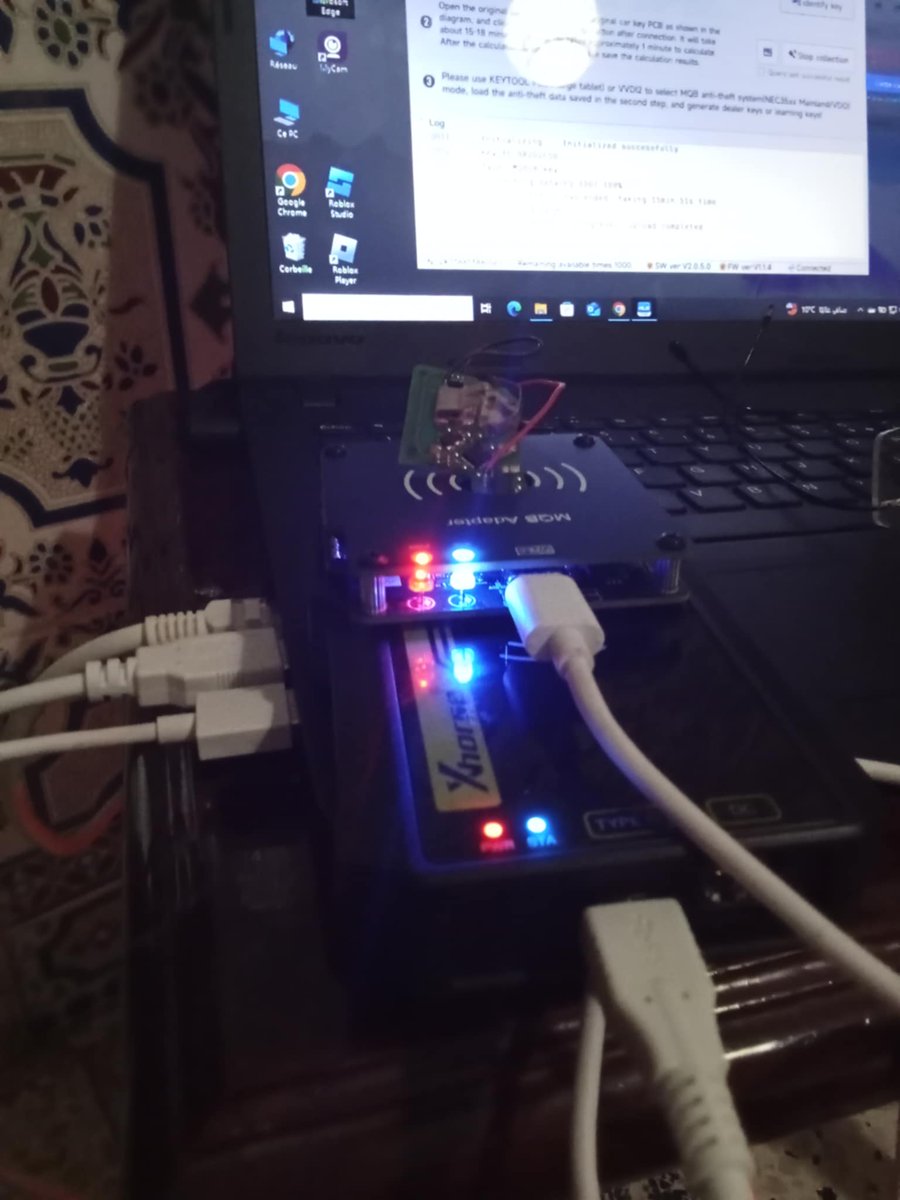
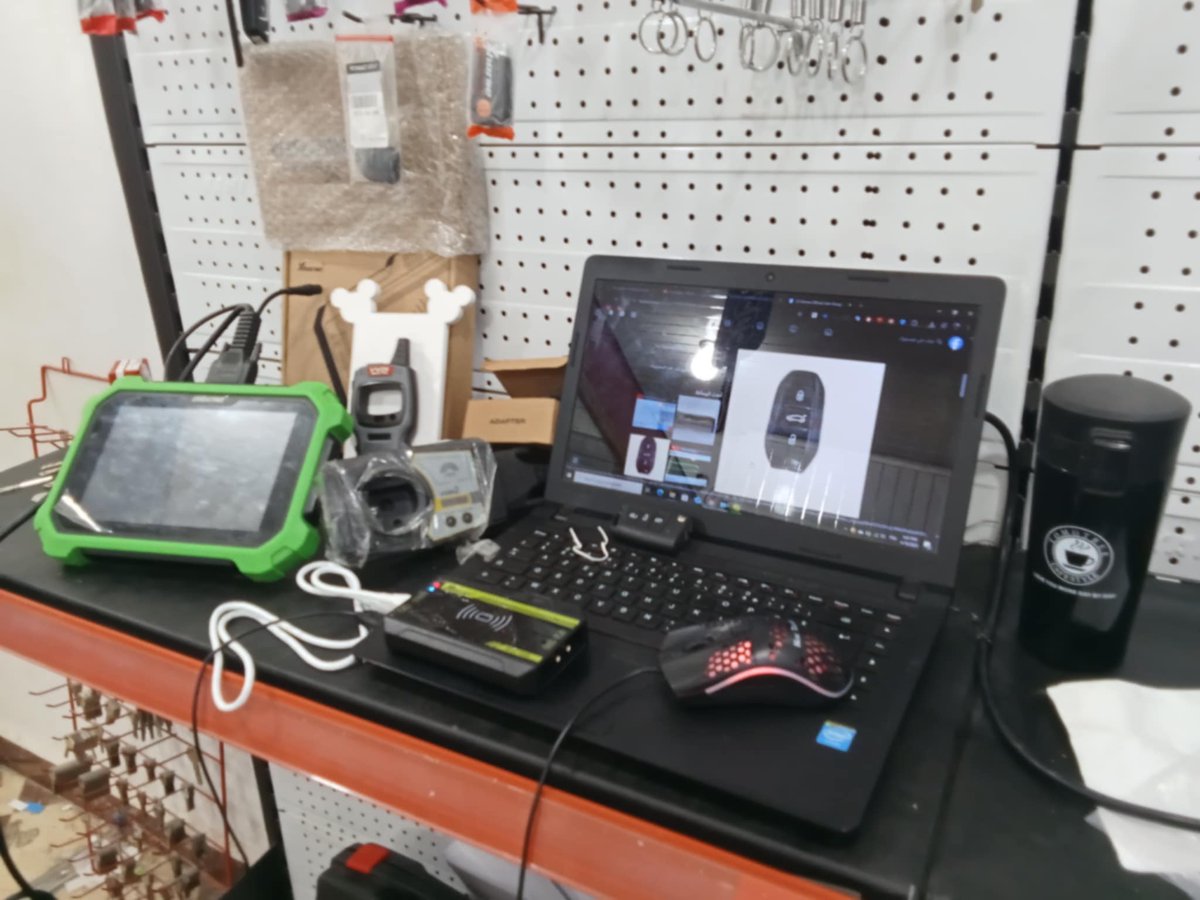
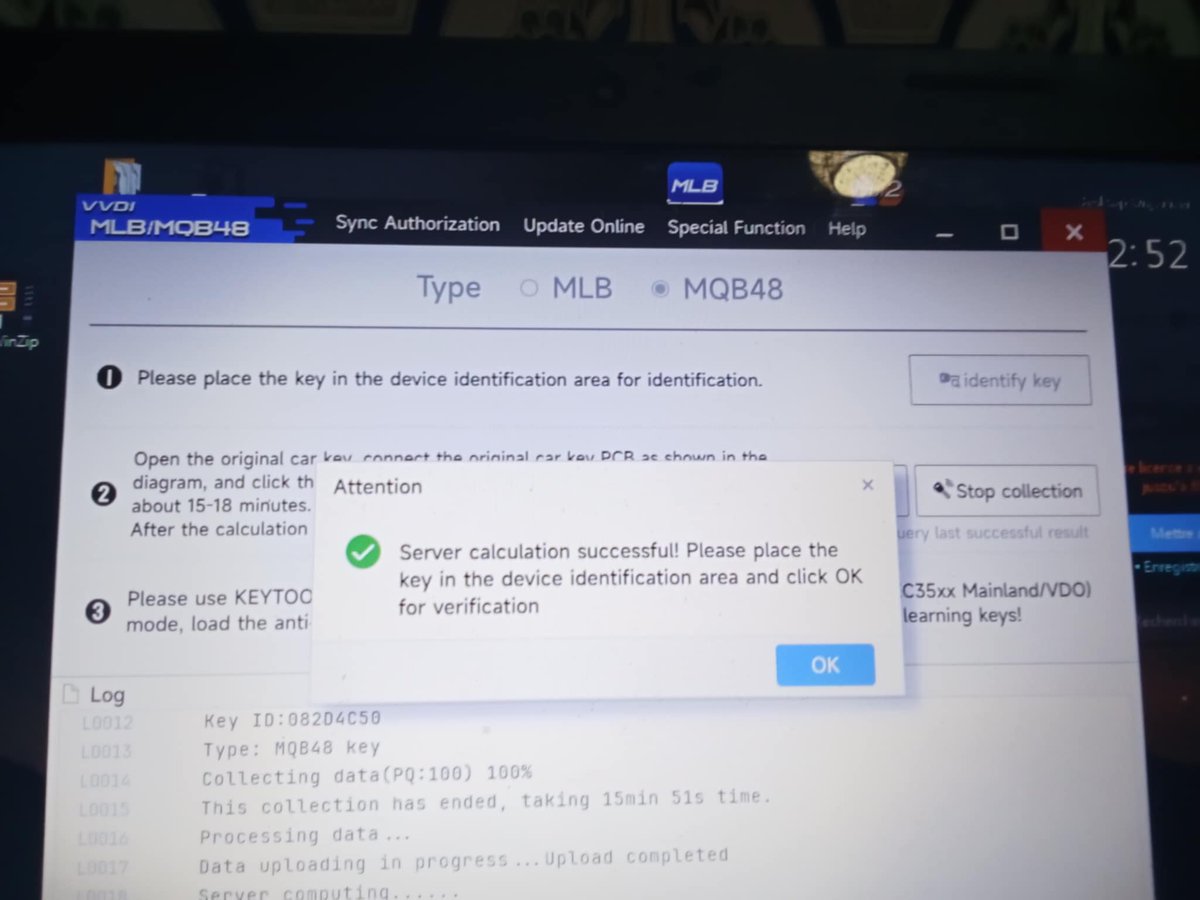
#xhorse VVDI MLB Tool MQB48 Adapter making things easy
Johnson Controls Dashboard
Credit: فراج اعمارة ابو المنذر
xhorsevvdi.com/wholesale/xho…
#vvdimlbtool #mqb48adapter #JohnsonControls #AddKey
2
69
16 Apr 2025
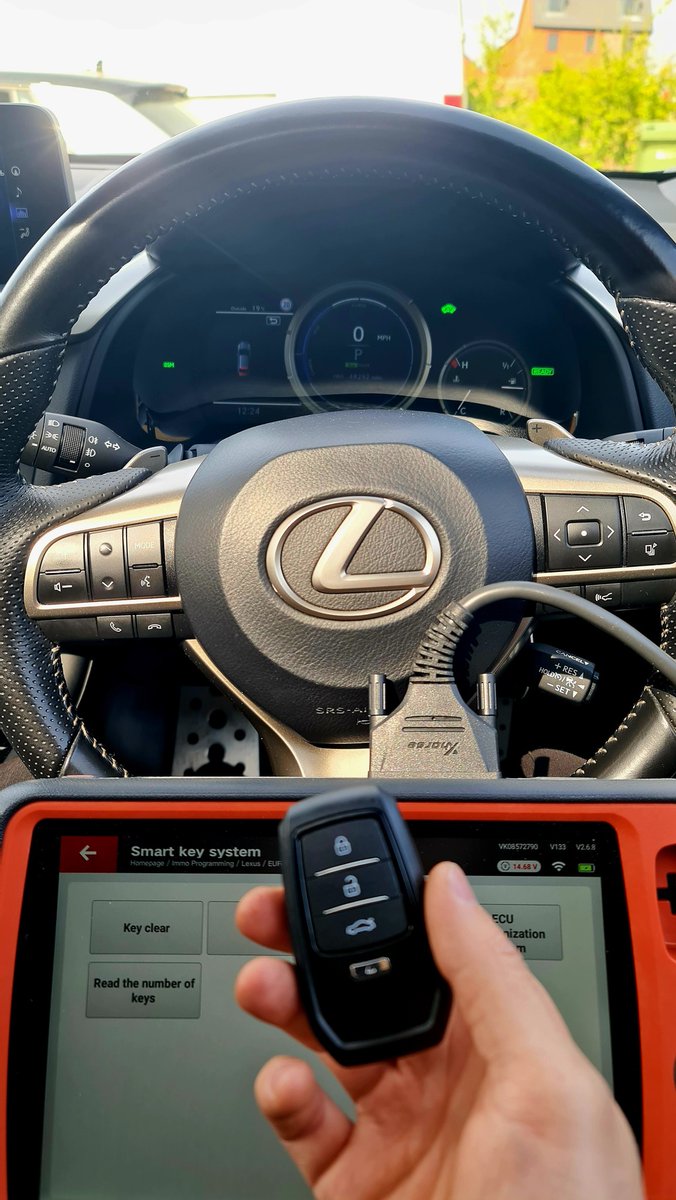
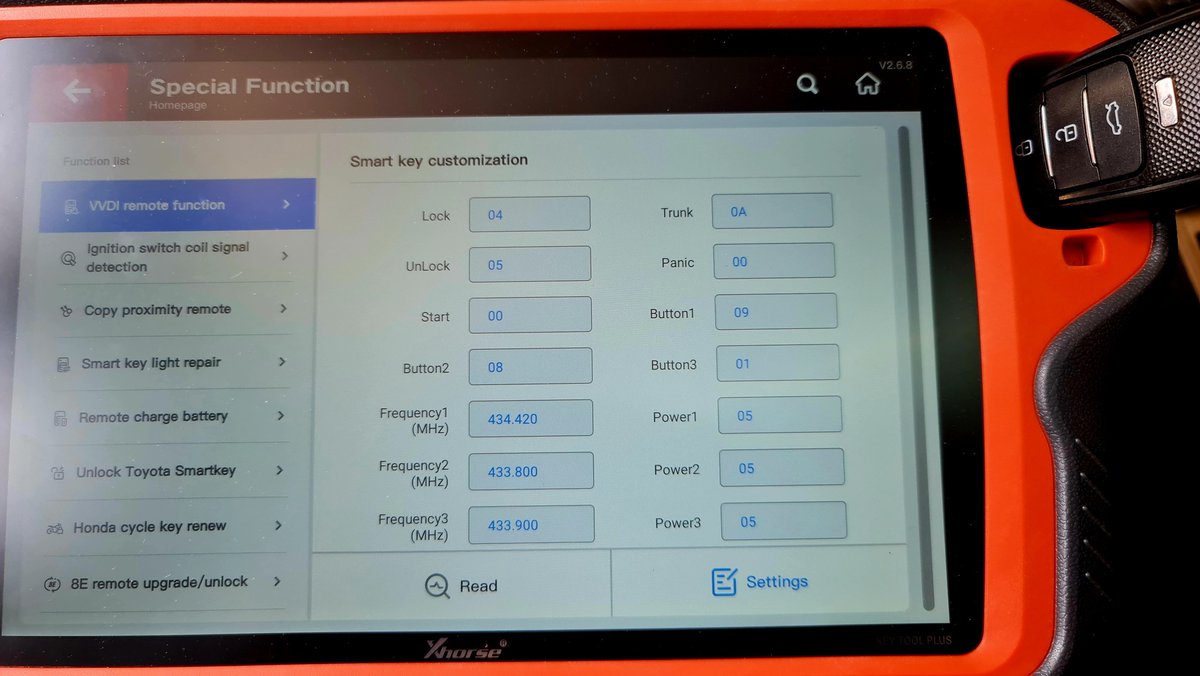
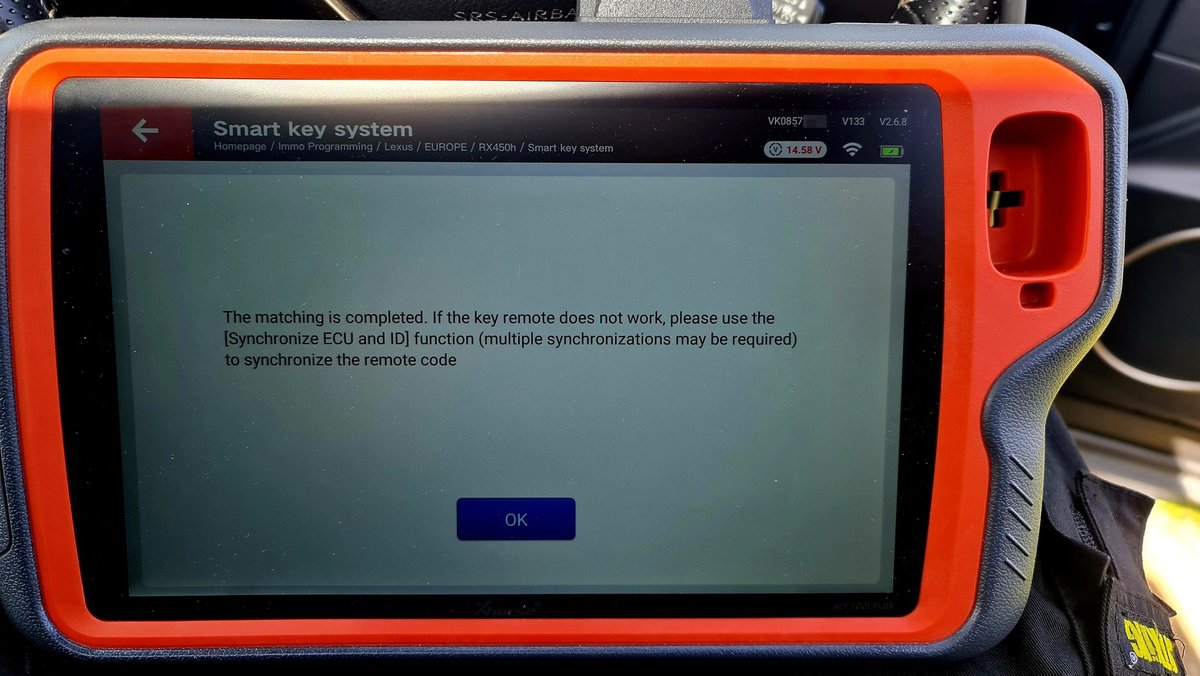
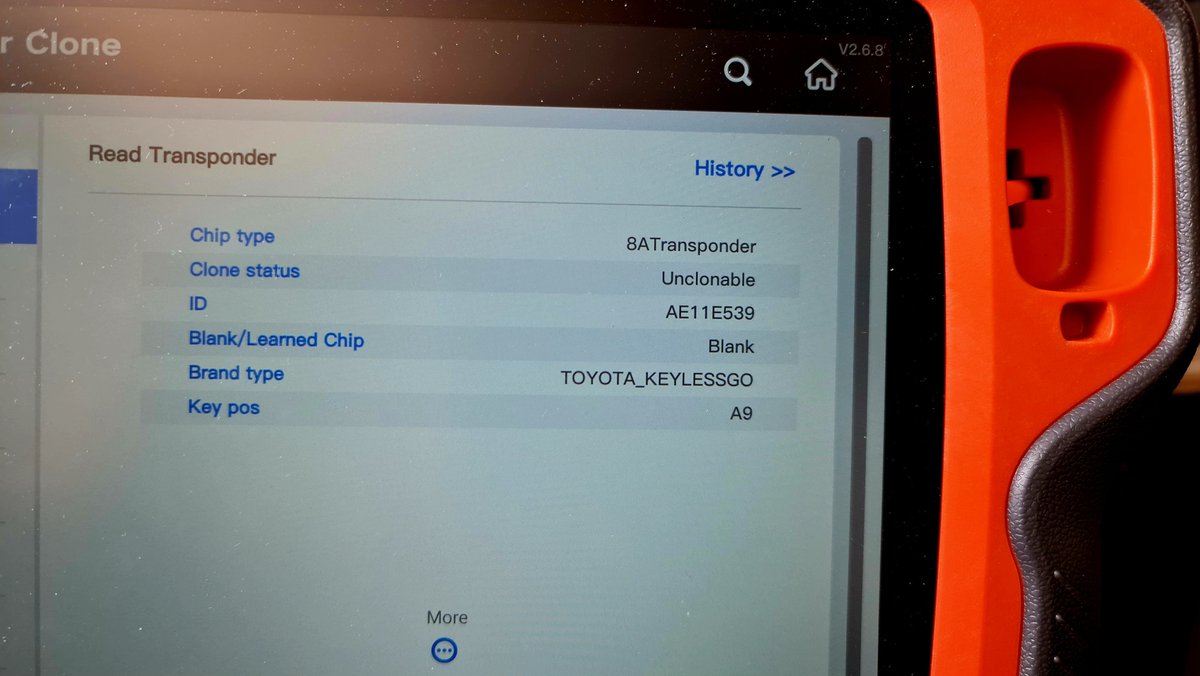
Lexus Rx450h 2020 add key 10min job ✅
Xhorse xm38 universal key 👍
📸Ecuremap Chiptuning
xhorsevvdi.com/wholesale/xho…
#KEYTOOLPLUS #AddKey #xm38 #xhorsekey #LexusRX450h
2
144
3 Apr 2025
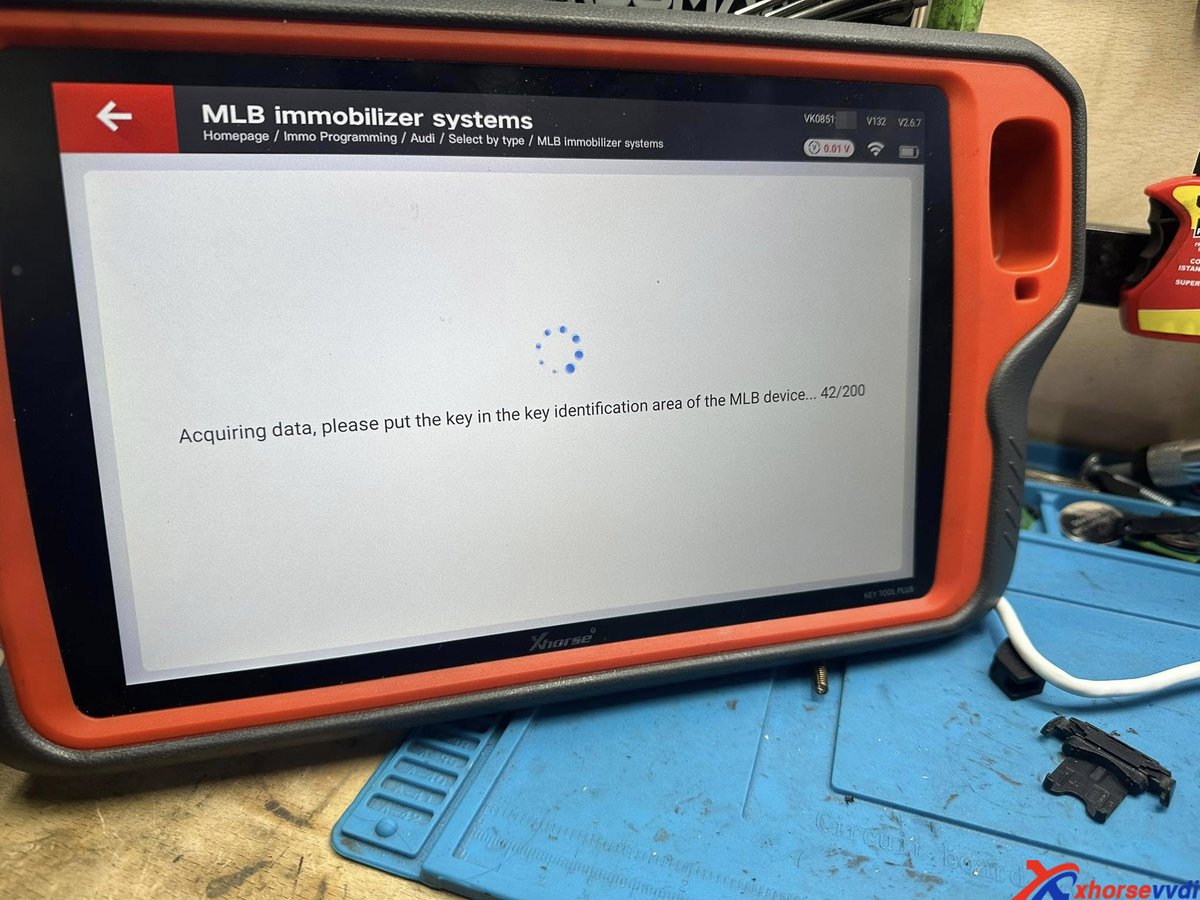
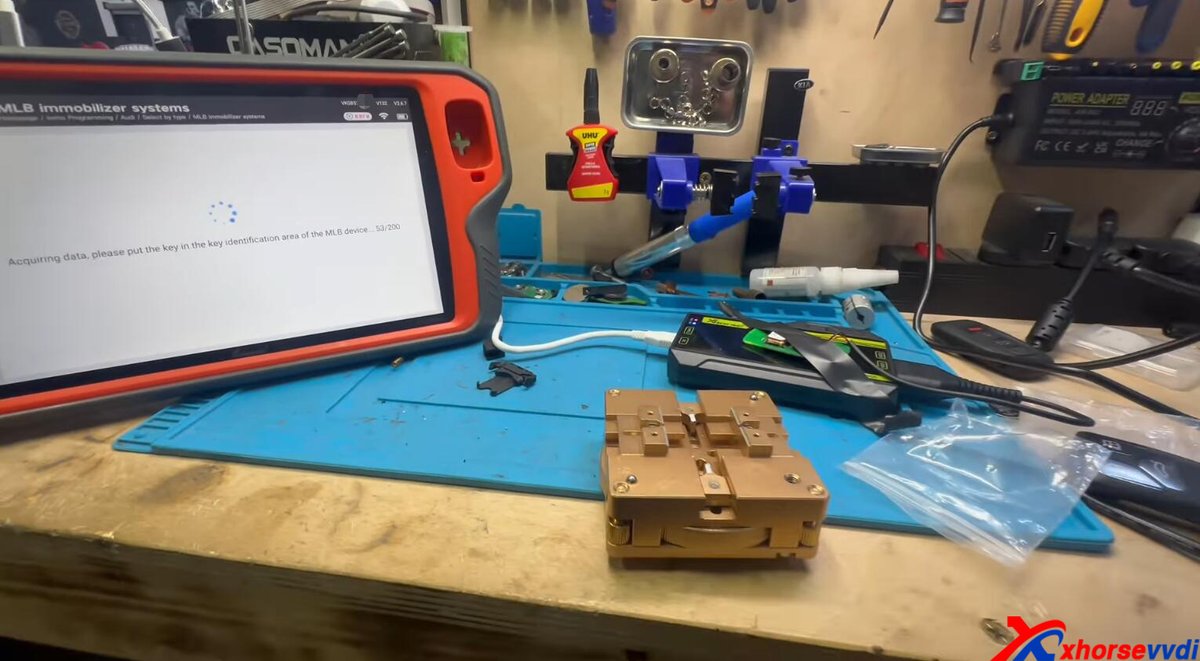
Audi Q7 2019 successfully added spare key with #Xhorse MLB tool
Everything went smoothly 🔑🔑
Great Tool 🪛
📸 Adrian Hinculov
xhorsevvdi.com/wholesale/vvd…
#vvdimlbtool #AddKey #AudiQ7 #KEYTOOLPLUS

2
95
28 Mar 2025
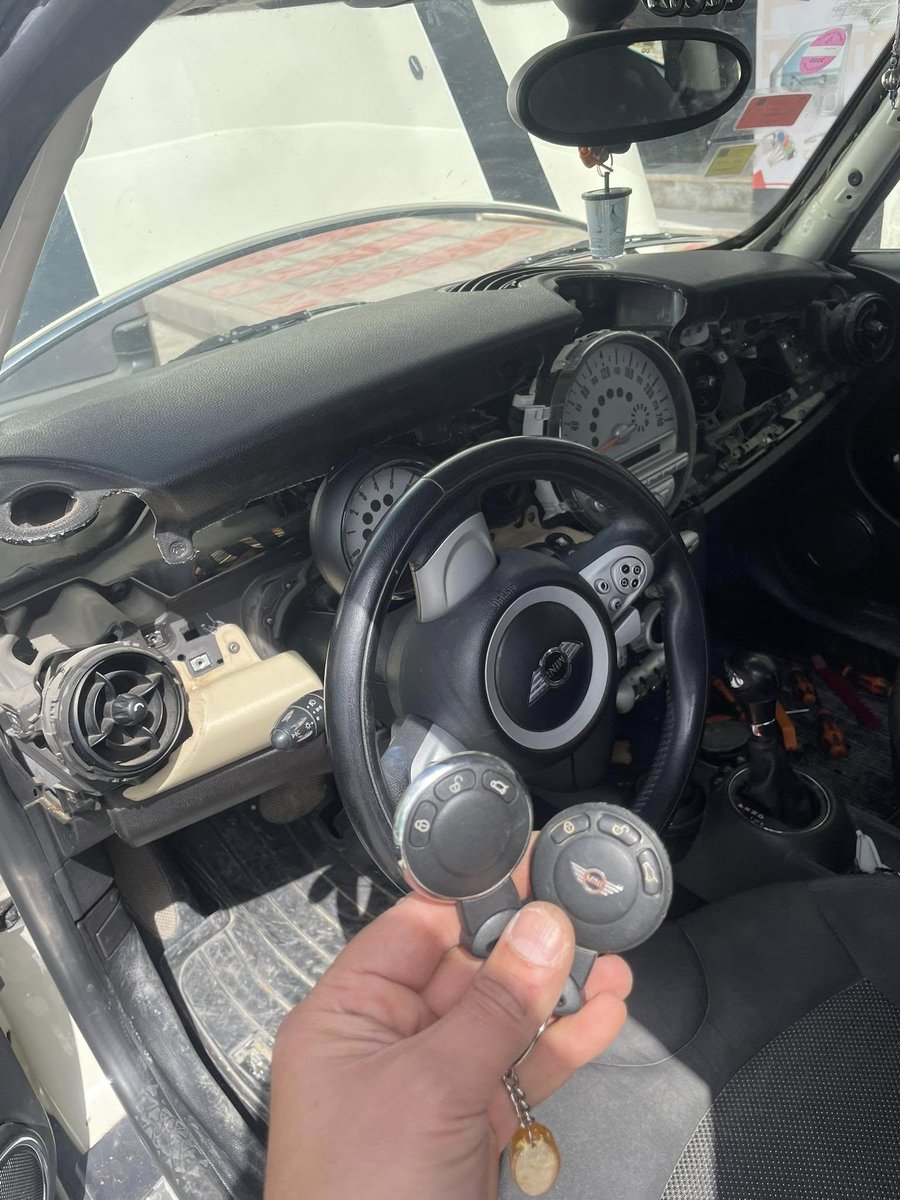
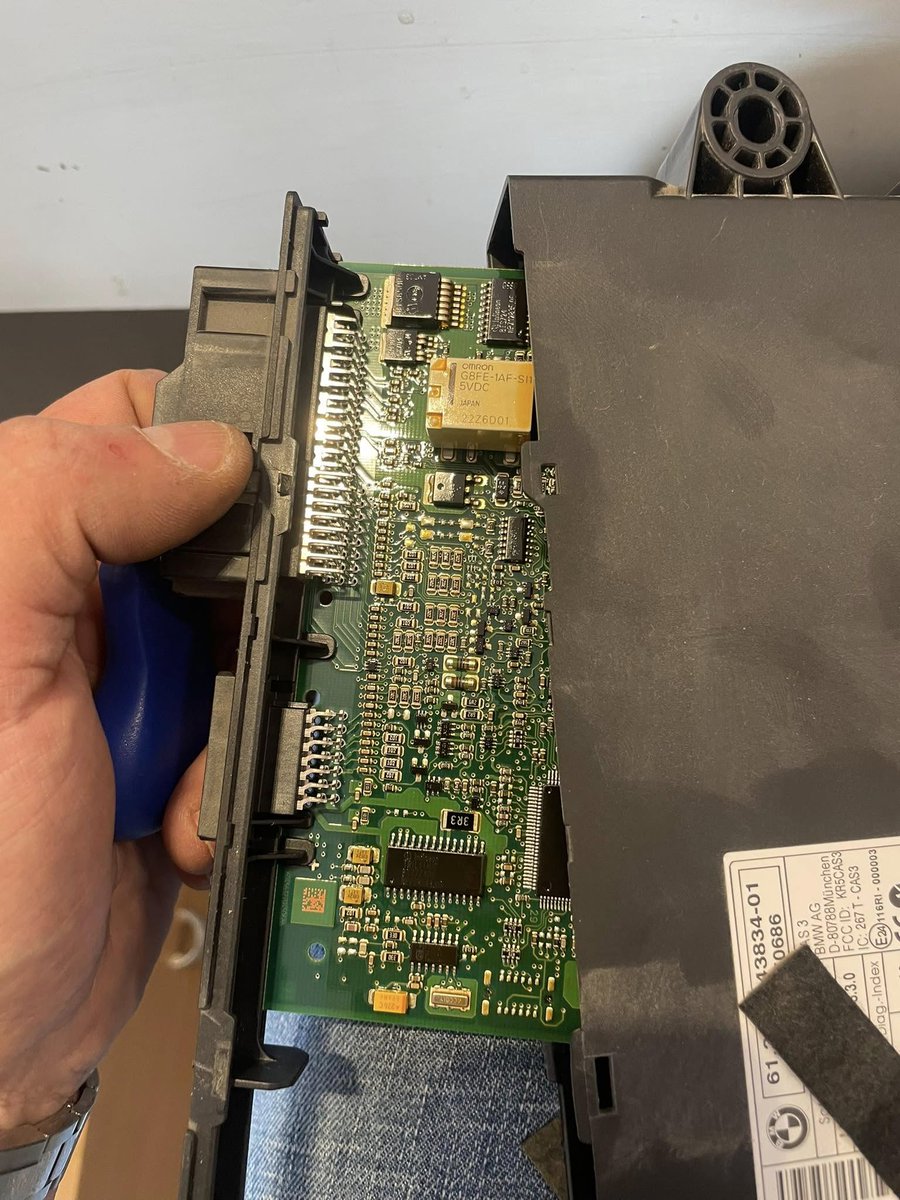
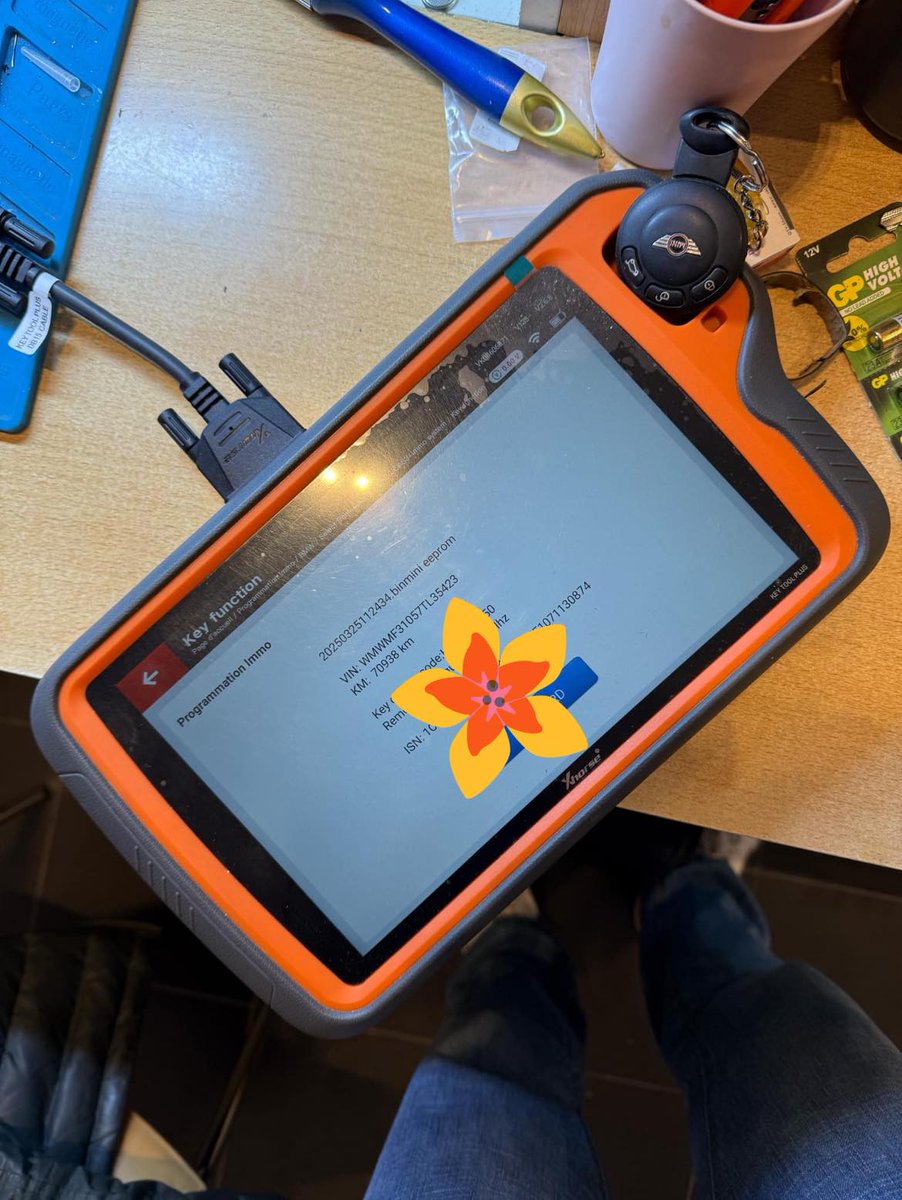
Mini Cooper Cas3 istap Add key 🇹🇳
Credit: Serie Cle 😎
xhorsevvdi.com/wholesale/xho…
#KEYTOOLPLUS #minicooper #cas3 #AddKey
2
85
4 Mar 2025
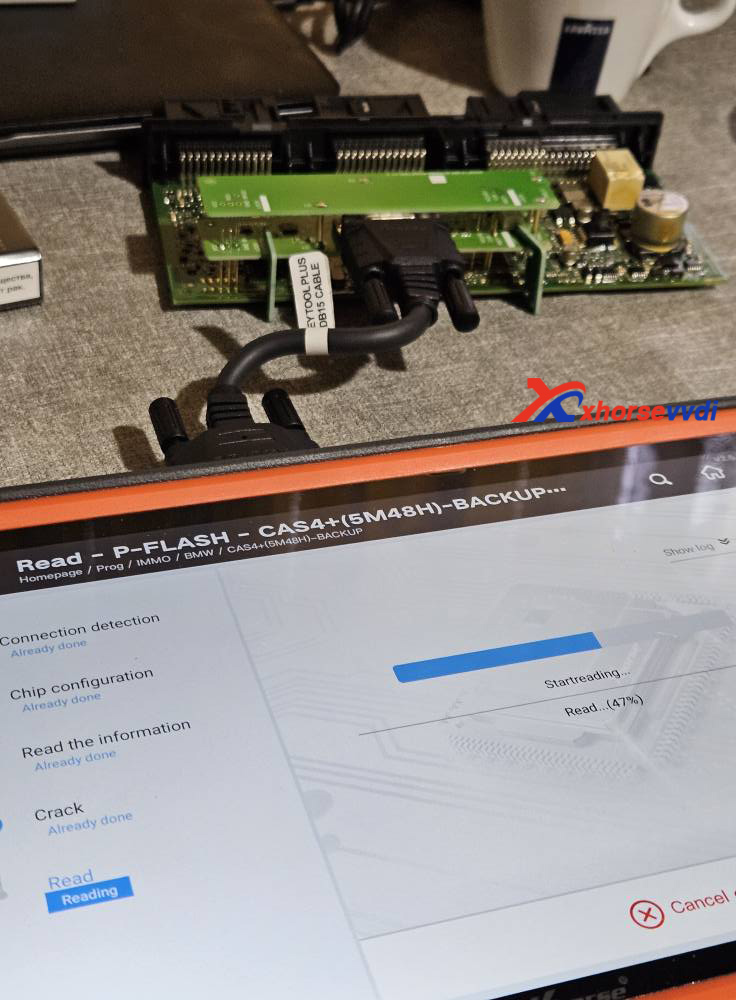
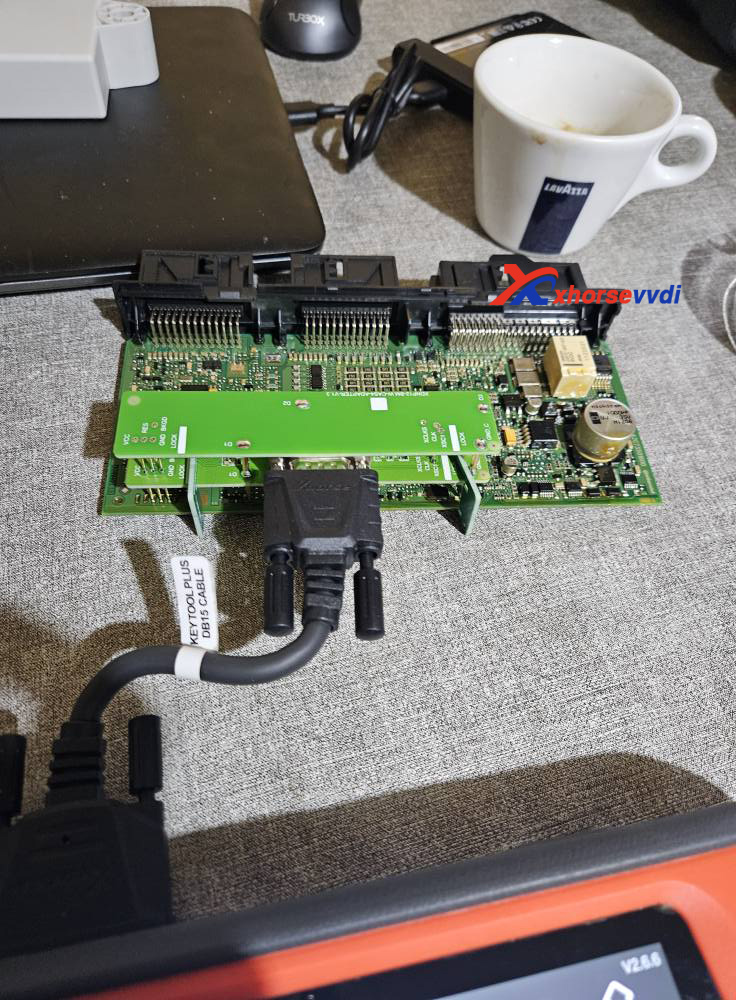
2016 BMW F25 CAS4 , 👍 Added a new spare key, 30 minutes 👍
📸Car Keys Sf
xhorsevvdi.com/wholesale/xho…
#bmwf25 #CAS4 #AddKey #xhorseadapter #solderfree
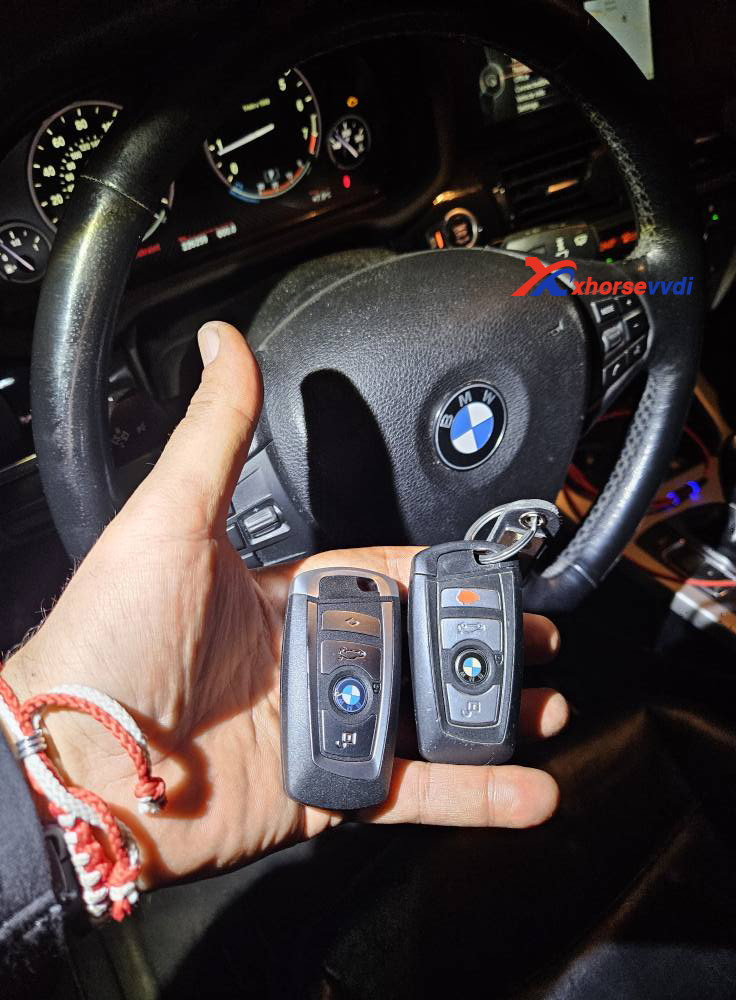
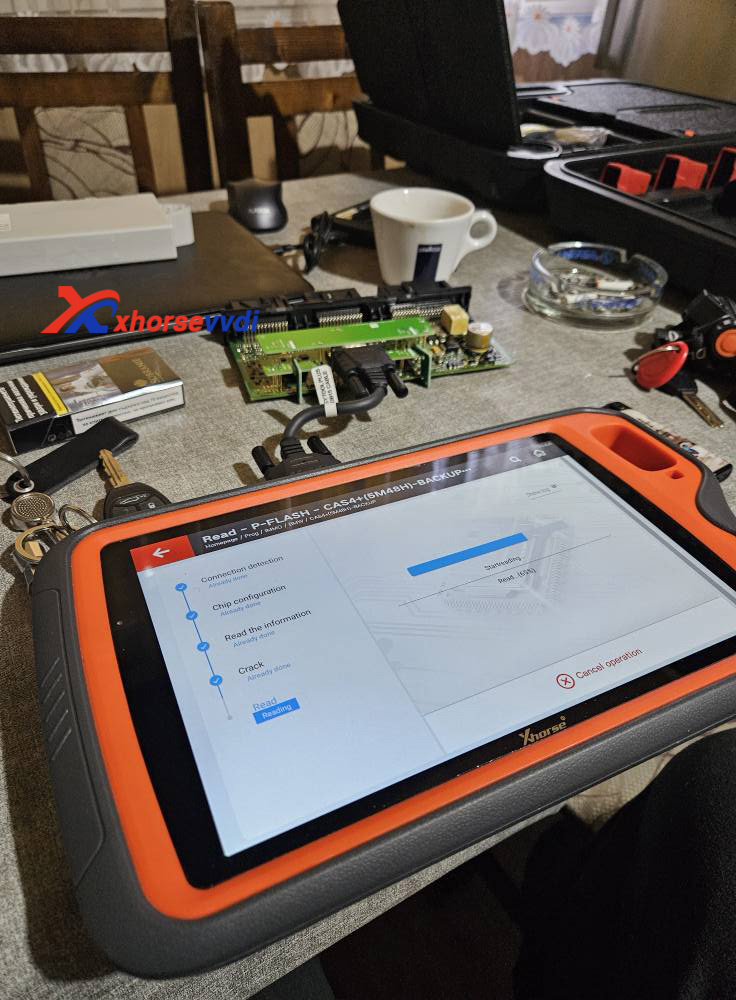
3
65
21 Feb 2025
2021 Audi a5 mlb add key success ✅✅
📸 Ali Him
xhorsevvdi.com/wholesale/vvd…
#vvdimlbtool #audia5 #AddKey #keyprogramming
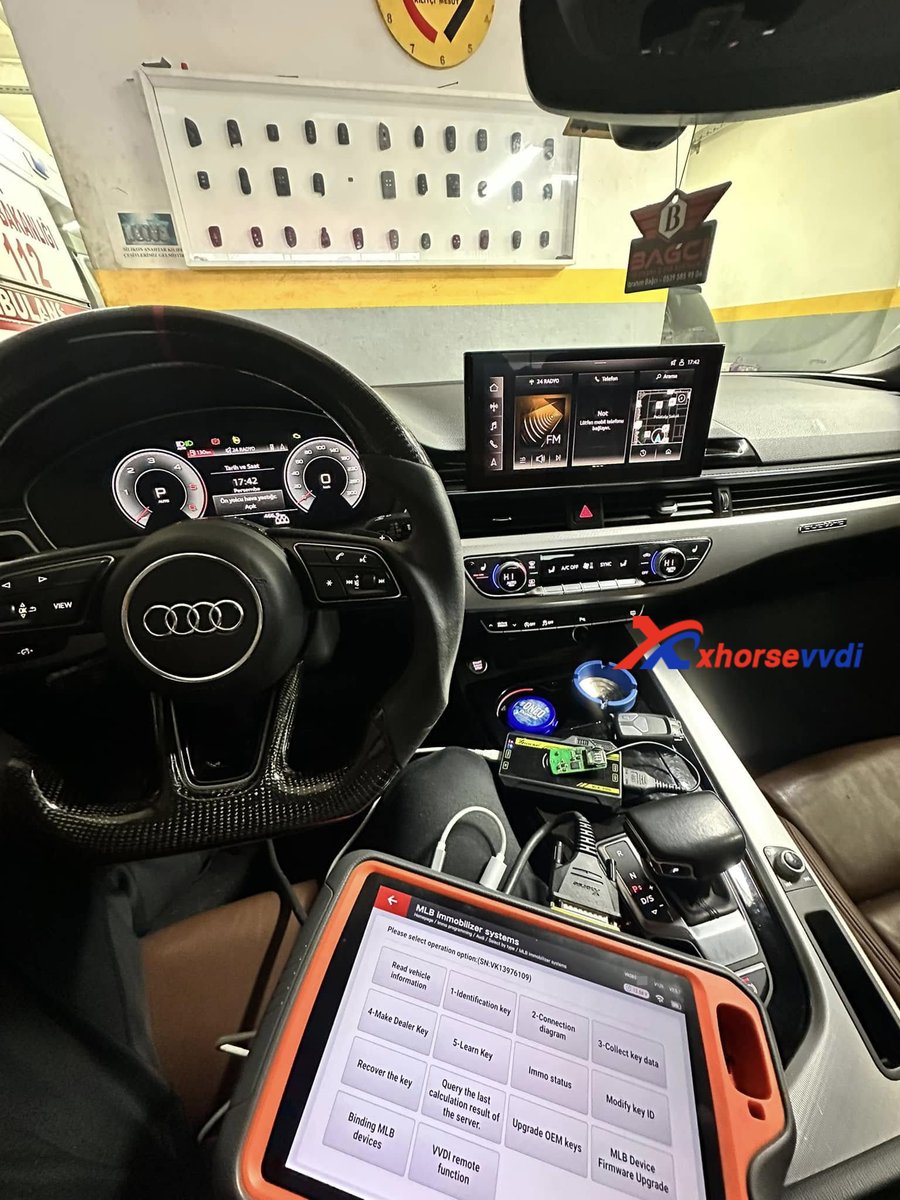
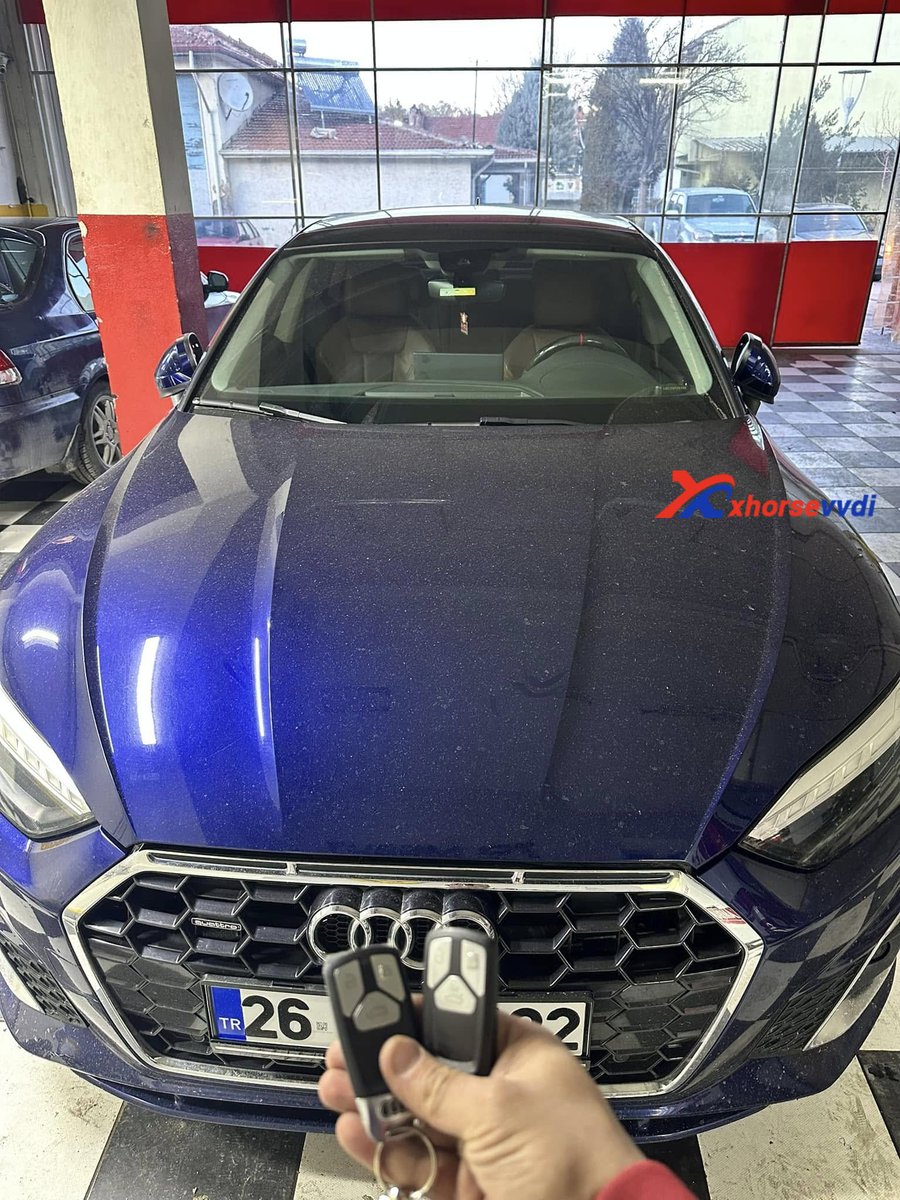
1
135

16 Feb 2025
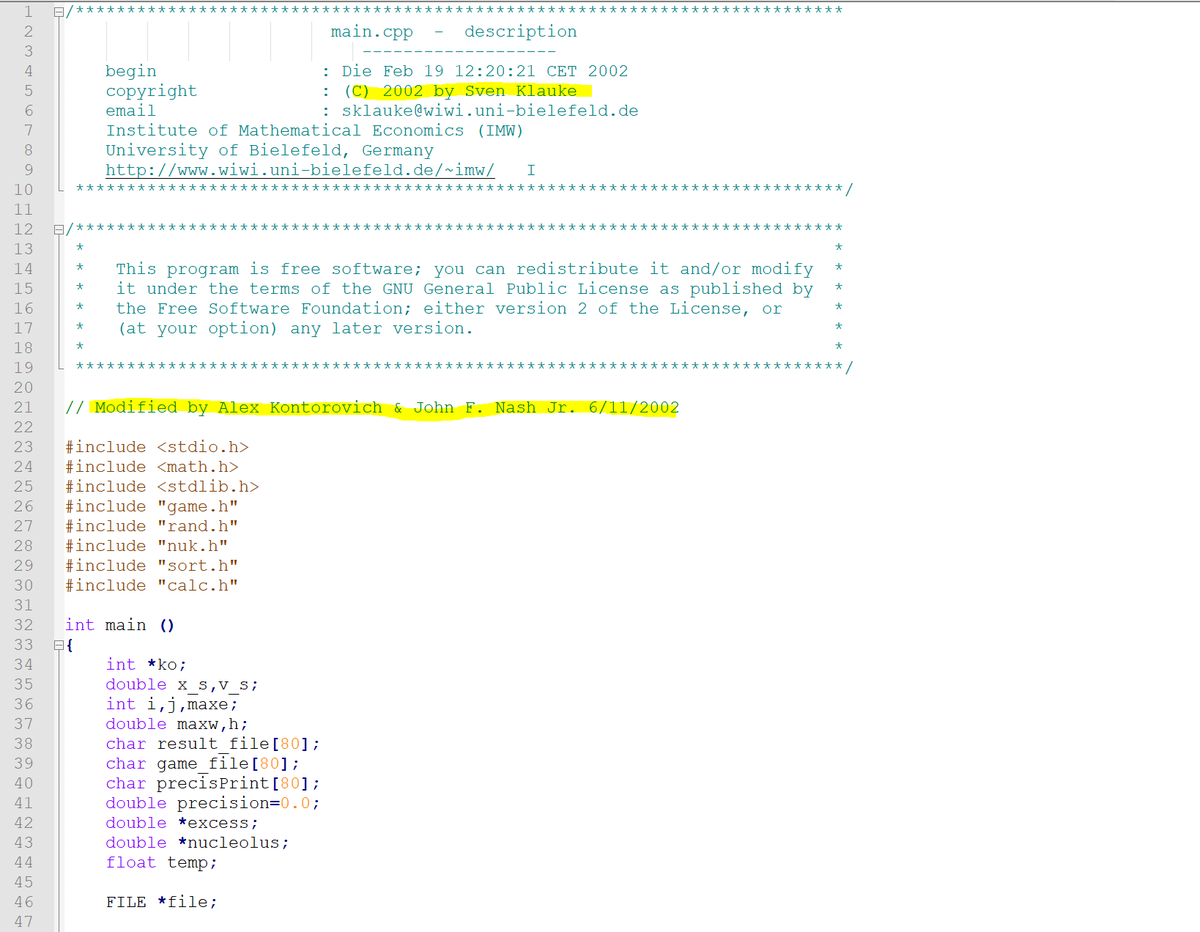
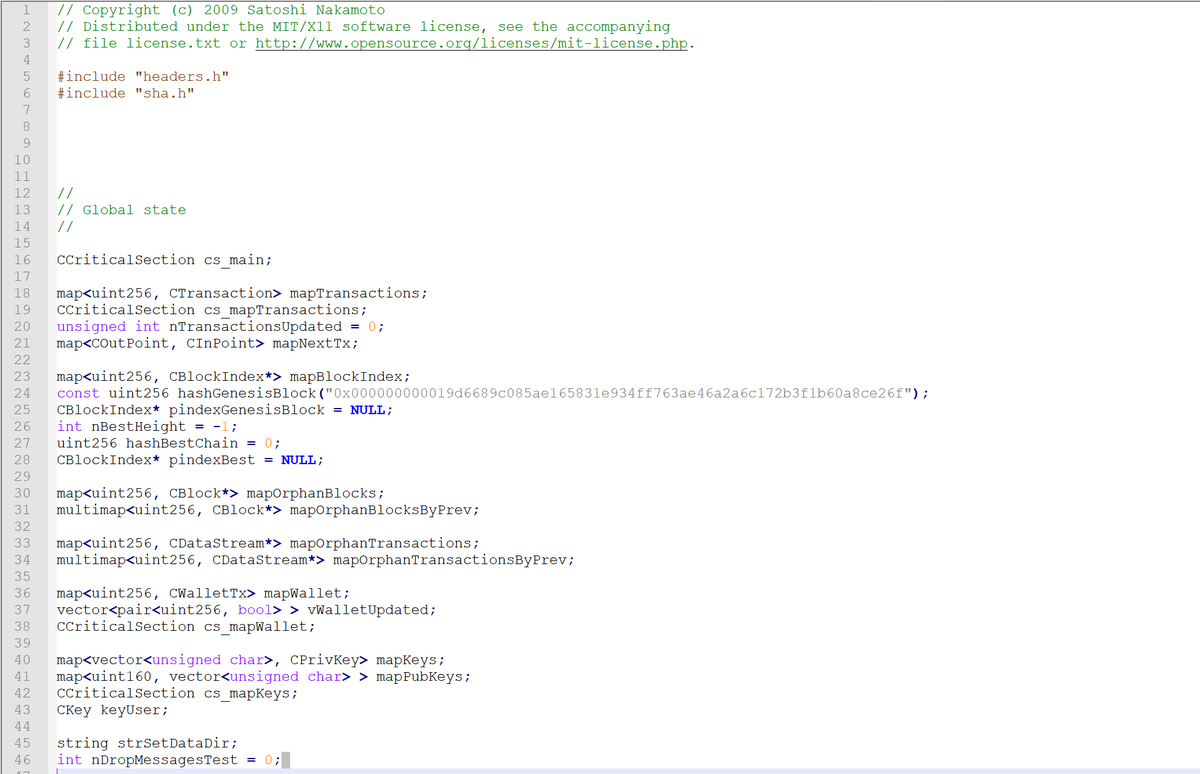
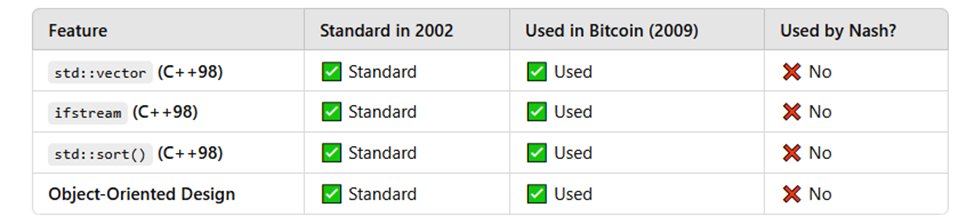
Let’s do a proper line-by-line comparison of Nash’s modified code with Satoshi’s C code from the 2009 Bitcoin release.
🚀 Memory Management: Nash’s Code vs. Bitcoin (2009)
🔹 Bitcoin uses C STL containers, Nash's code does not.
🔸 Nash-Modified Code (2002):
----------------------------------------------------------
v = (double *) malloc(sizeof(double) * coalitions);
...
free(v);
----------------------------------------------------------
❌ Uses malloc/free, which is a C-style approach.
❌ Requires manual memory management, increasing the risk of leaks.
❌ No exception handling in case malloc fails.
🔸 Bitcoin (2009):
----------------------------------------------------------
vector<unsigned char> GenerateNewKey()
{
CKey key;
key.MakeNewKey();
if (!AddKey(key))
throw runtime_error("GenerateNewKey() : AddKey failed\n");
return key.GetPubKey();
}
----------------------------------------------------------
✅ Uses std::vector, avoiding manual memory management.
✅ Uses exception handling (throw runtime_error) if something goes wrong.
✅ Encapsulated in C classes, unlike Nash’s procedural approach.
🔎 Bitcoin follows modern C practices, while Nash’s modified code does not.
------- ------- -------
🚀 File Handling: Nash’s Code vs. Bitcoin (2009)
🔹 Bitcoin uses RAII (ifstream), while Nash's code uses old fopen/fscanf.
🔸 Nash-Modified Code (2002):
----------------------------------------------------------
FILE *file;
file = fopen(game_file,"r");
if (file == NULL)
{
printf("No such file!!!\n");
return 0;
}
----------------------------------------------------------
❌ Uses fopen(), a C-style file handling approach.
❌ No structured error reporting—just prints to the console.
🔸 Bitcoin (2009):
----------------------------------------------------------
CTxDB txdb("r");
if (!txdb.LoadBlockIndex())
return false;
----------------------------------------------------------
✅ Uses a class-based database system (CTxDB) for structured file access.
✅ Handles errors cleanly (return false instead of just printf).
✅ Uses C objects instead of raw file pointers.
🔎 Bitcoin uses C best practices for file handling, while Nash’s code is outdated.
------- ------- -------
🚀 Sorting Mechanism: Nash’s Code vs. Bitcoin (2009)
🔹 Bitcoin uses std::sort(), Nash’s code uses manual sorting.
🔸 Nash-Modified Code (2002):
----------------------------------------------------------
for (i = 0; i < coalitions; i )
{
maxw = excess[i];
maxe = i;
for (j = i 1; j < coalitions; j )
{
if (excess[j] > maxw)
{
maxw = excess[j];
maxe = j;
}
}
h = excess[i];
excess[i] = excess[maxe];
excess[maxe] = h;
}
----------------------------------------------------------
❌ Uses a manual sorting algorithm (selection sort variant).
❌ Inefficient (O(n²)), does not leverage STL algorithms.
🔸 Bitcoin (2009):
----------------------------------------------------------
map<uint256, CTransaction> mapTransactions;
CRITICAL_BLOCK(cs_mapTransactions)
if (mapTransactions.count(hash))
return false;
----------------------------------------------------------
✅ Uses C STL containers (map) that auto-sort efficiently (O(log n)).
✅ Bitcoin’s early code relies on efficient data structures instead of manual loops.
🔎 Bitcoin uses more efficient and structured sorting methods.
------- ------- -------
🚀 Error Handling: Nash’s Code vs. Bitcoin (2009)
🔹 Bitcoin implements structured error handling, Nash’s code does not.
🔸 Nash-Modified Code (2002):
----------------------------------------------------------
if (file == NULL)
{
printf("No such file!!!\n");
return 0;
}
----------------------------------------------------------
❌ Prints an error to console (printf) but doesn’t handle it properly.
❌ No structured error reporting or logging.
🔸 Bitcoin (2009):
----------------------------------------------------------
if (!CheckTransaction())
return error("AcceptTransaction() : CheckTransaction failed");
----------------------------------------------------------
✅ Uses structured error handling (return error()).
✅ Logs errors systematically instead of just printf.
🔎 Bitcoin’s error handling is more structured and reliable.
------- ------- -------
🚀 Object-Oriented Programming: Nash’s Code vs. Bitcoin (2009)
🔹 Bitcoin is Object-Oriented, Nash’s code is Procedural.
🔸 Nash-Modified Code (2002):
----------------------------------------------------------
#include "game.h"
#include "rand.h"
#include "nuk.h"
#include "sort.h"
#include "calc.h"
----------------------------------------------------------
❌ No classes—just function headers.
❌ All logic is inside main.cpp, making it harder to maintain.
🔸 Bitcoin (2009):
----------------------------------------------------------
class CBlock
{
public:
int nVersion;
std::vector<CTransaction> vtx;
uint256 hashPrevBlock;
void print() const;
};
----------------------------------------------------------
✅ Uses C classes (CBlock, CTransaction) for better modularity and reusability.
✅ Implements encapsulation and data abstraction.
✅ Uses OOP principles, making the system easier to expand and maintain.
🔎 Bitcoin’s code is far more structured and modular.
1
15
1,583
10 Feb 2025
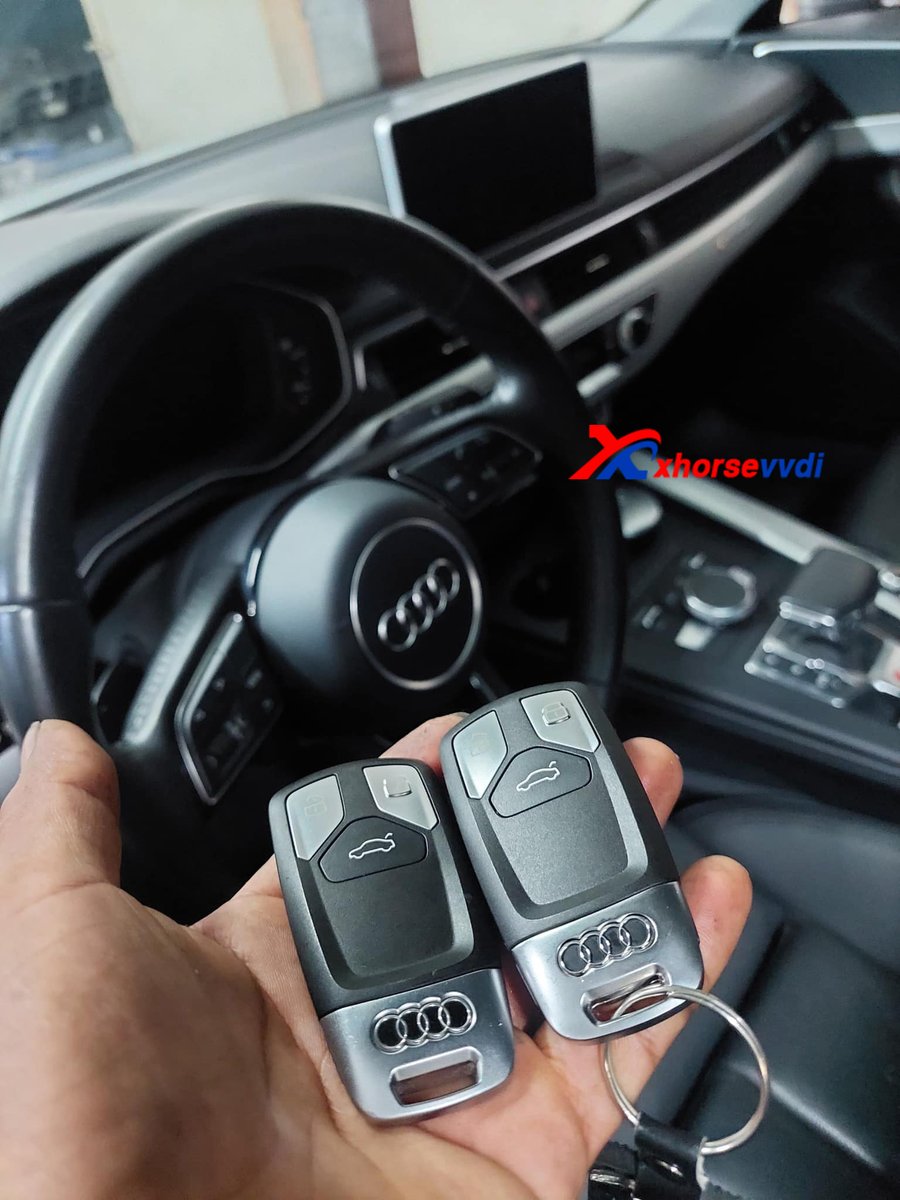
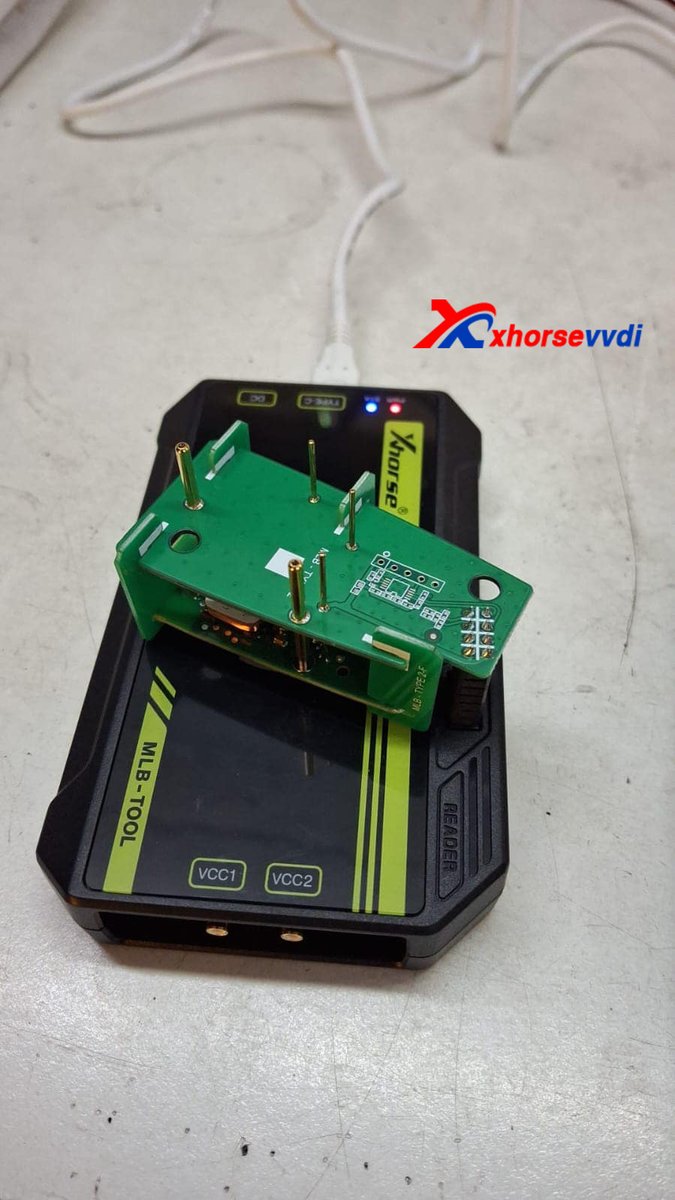
Audi A4 copy year 2016. Very handy tool 🔑👌👌
📷 Jhimmy Lopez
xhorsevvdi.com/wholesale/vvd…
#vvdimlbtool #audia4 #AddKey

3
85
16 Jan 2025
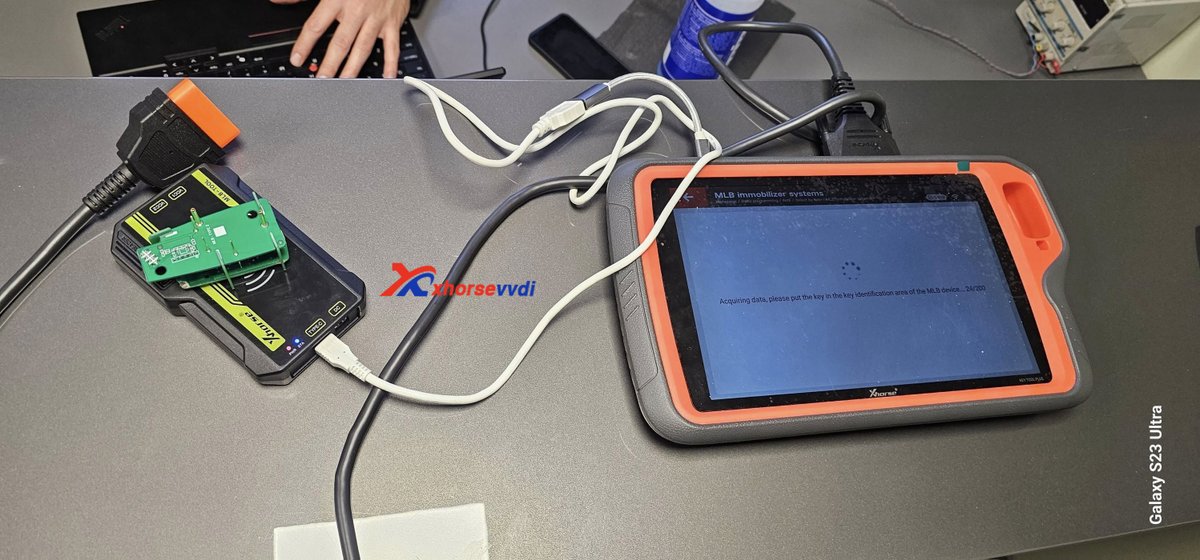
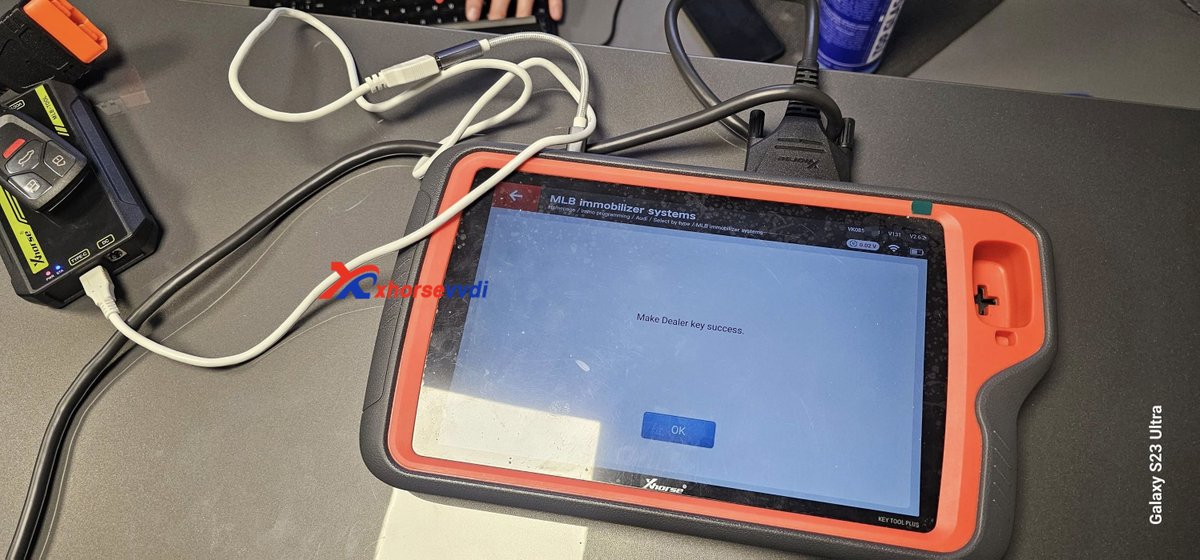
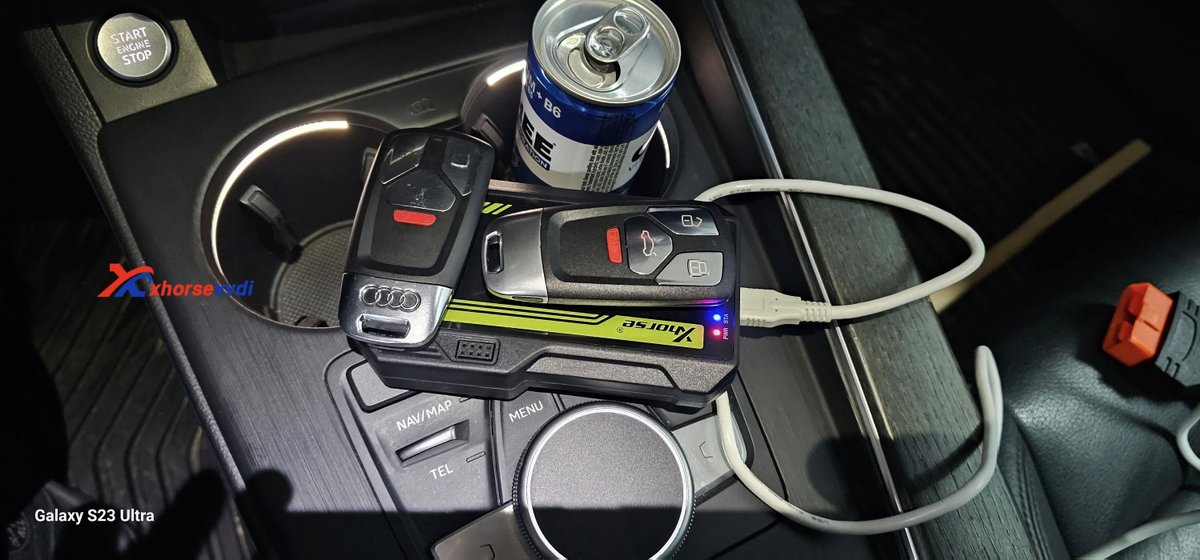
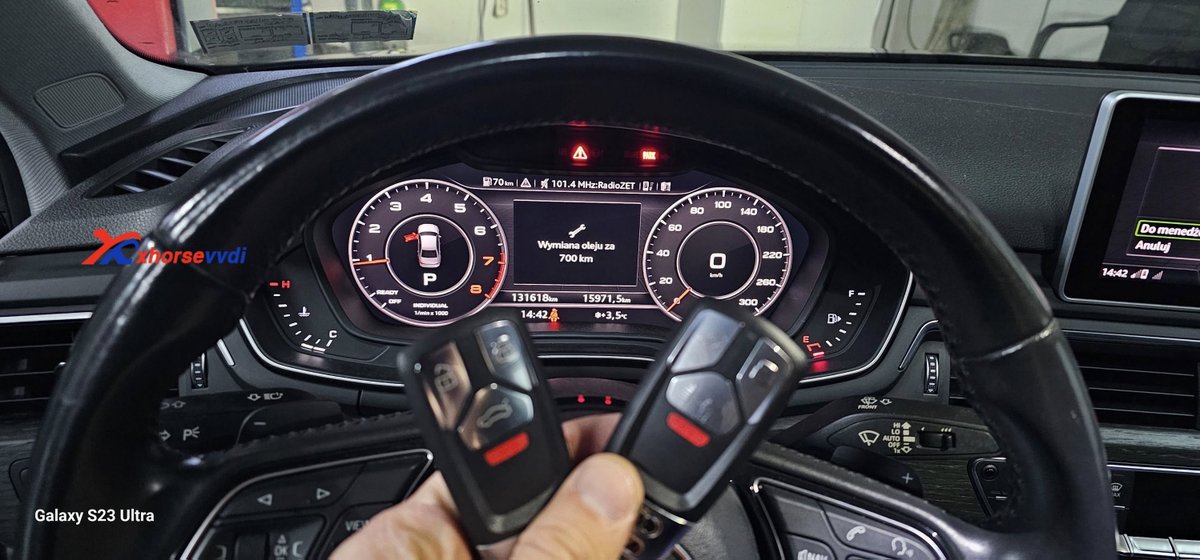
#xhorse MLB Key Adding Success with Xhorse MLB Tool and Xhorse MLB Key ✅✅
Very simple only capacitors make small problems 🤠
Desolder/Solder 30 minute. Another job parts max 15 minutes 🪛
📸Michał Ostaszewski
xhorsevvdi.com/wholesale/vvd…
#vvdimlbtool #vwmlb #AddKey #keyprogramming
2
63