
Apr 24
South Africa possesses significant local engineering and ICT capability to provide broadband and Wi-Fi to rural areas, including schools, without relying on Starlink.
While Starlink offers high speeds, indigenous solutions and local partnerships are already active in the field.
Local Engineering and ICT Innovation
TV White Spaces (TVWS): Known as "Super Wi-Fi," this uses unused analogue TV frequencies to deliver broadband.
Proven Success: The CSIR (Council for Scientific and Industrial Research) pioneered this, delivering 12 Mbps to schools in trials.
Active Rollouts: Local ISP AdNotes, in collaboration with the CSIR and UNDP, has launched TVWS networks in rural KwaZulu-Natal.
Cost Efficiency: TVWS signals travel up to 10km through rugged terrain without direct line-of-sight, making it cheaper to deploy than traditional LTE in remote areas.
Satellite Technology:
Existing Providers: Local companies like MorClick partner with global satellite operators (e.g., YahClick) to provide reliable broadband across the country today.
Indigenous Future: The government has a plan to launch its own sovereign satellite within the next five to seven years to ensure infrastructure independence.
Enterprise LEO: OneWeb Enterprise is already legally available via local licensed partners as a low-latency alternative to Starlink.
Service for Rural Schools
Capacity: Experts argue that South Africa has the "proven technical abilities" to connect all rural schools without external intervention if there is "disciplined political will".
SA Connect: This government project utilizes shared network infrastructure to provide low-cost Wi-Fi hotspots and broadband to schools and clinics.
Local Distribution: Sentech, a state-owned enterprise, has over 200 base stations and the licenses necessary to reach remote areas.
While local alternatives like TVWS and traditional geostationary satellites are currently operational, Starlink's entrance is often seen as a way to provide faster consumer speeds (40 Mbps) that are currently lacking in many deep rural areas.
3
7
12
1,201
Apr 18
South Africa has existing and proven technical abilities and technologies of its own to provide all rural schools with wifi and broadband access with external intervention. This mattet requires disciplined political will and can be completed without Starlink.
South Africa does possess several established local technologies and initiatives capable of providing rural schools with broadband access. While Starlink has dominated recent headlines with a pledge to connect 5,000 rural schools, local alternatives—ranging from state-led infrastructure programs to innovative wireless spectrum use—already exist and are actively being deployed.
Local Technologies and Initiatives.
TV White Space (TVWS) Technology: Often called "Super Wi-Fi," this uses unused analogue TV frequencies to deliver broadband. It is highly effective for rural areas because signals can travel up to 10 km through rugged terrain without needing a direct line-of-sight.
The CSIR (Council for Scientific and Industrial Research) has pioneered this in South Africa, proving its success in trials that provided 12 Mbps speeds to schools.
AdNotes, a local ISP, uses TVWS and its "Spectrum Switch" technology to connect rural KZN and the Eastern Cape.
SA Connect Phase 2: This is the government's flagship project aimed at reaching 100% broadband access for government facilities, including schools, by 2030.
As of January 2026, 2,746 schools have been connected through this program.
It targets a minimum speed of 10 Mbps for government facilities.
Community Networks (Zenzeleni): This award-winning local model uses Wi-Fi hotspots and mesh networks owned and operated by the community themselves. The first solar-powered community network in Mankosi, Eastern Cape, has successfully connected local schools and businesses.
Local Satellite & Fiber Hybrids:
Q-KON's Twoobii service provides satellite-to-fiber integration specifically designed for the South African business and institutional market.
Broadband Infraco (BBI) is currently building an optical backbone network in partnership with Huawei to support the SA Connect goals.
Existing Infrastructure Challenges
While the technical ability exists, the primary hurdles cited in recent reports are not solely technical but involve political will, regulatory alignment, and physical security:
Security & Vandalism: Traditional terrestrial networks face high costs from infrastructure theft; for example, Telkom reported over R300 million in damages from vandalised sites.
Funding & Efficiency: Despite a R710 million allocation to SA Connect in 2025, progress has been slow, with only about 17% of the Phase 2 target for schools reached by early 2026.
Regulatory Standoff: The ongoing debate over B-BBEE ownership requirements has delayed the entry of global players like Starlink, though recent policy shifts (December 2025) aim to allow Equity Equivalent Investment Programmes (EEIPs) as an alternative to the 30% local ownership rule.
2
4
14
1,362

18 Dec 2025
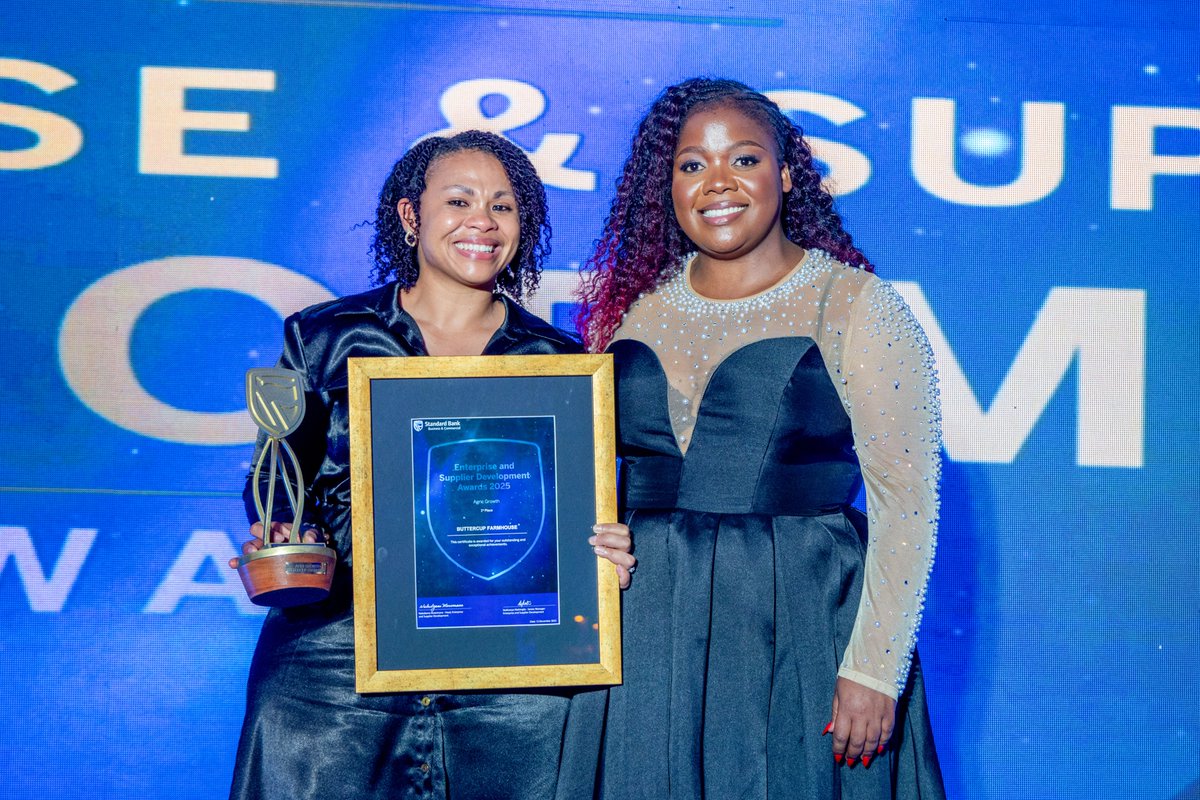
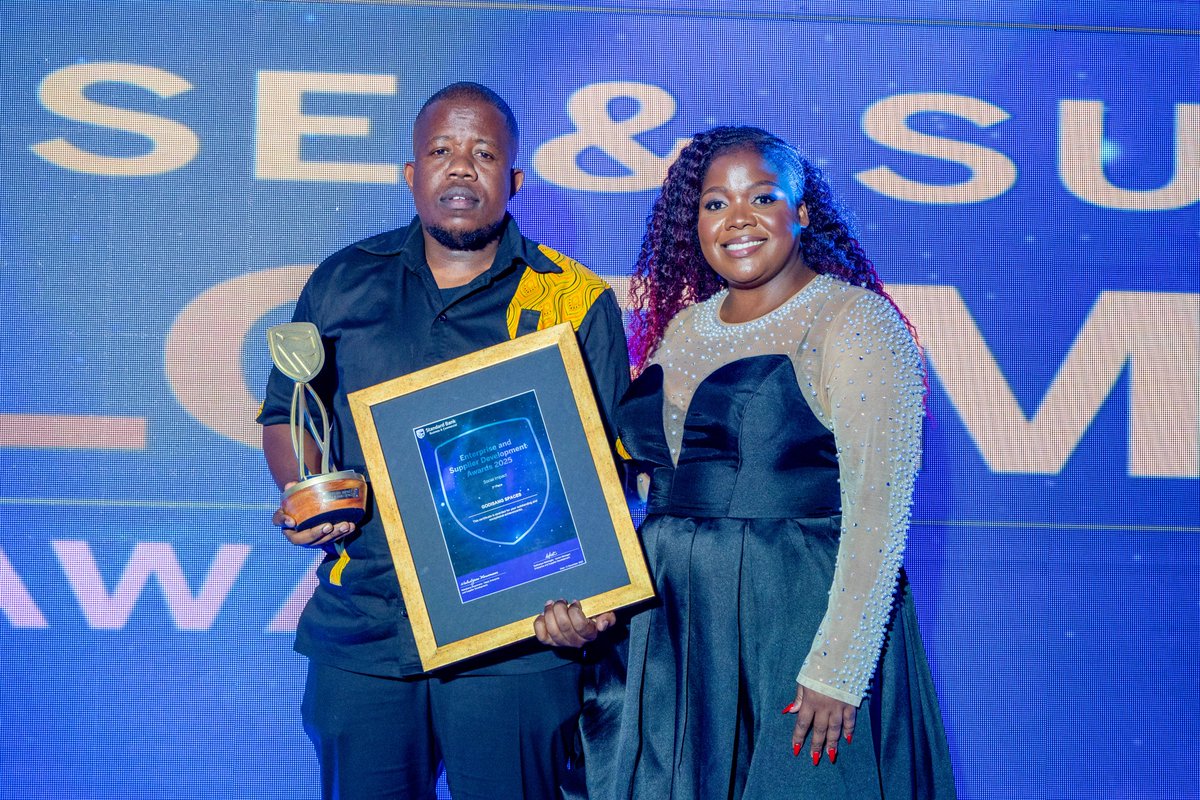
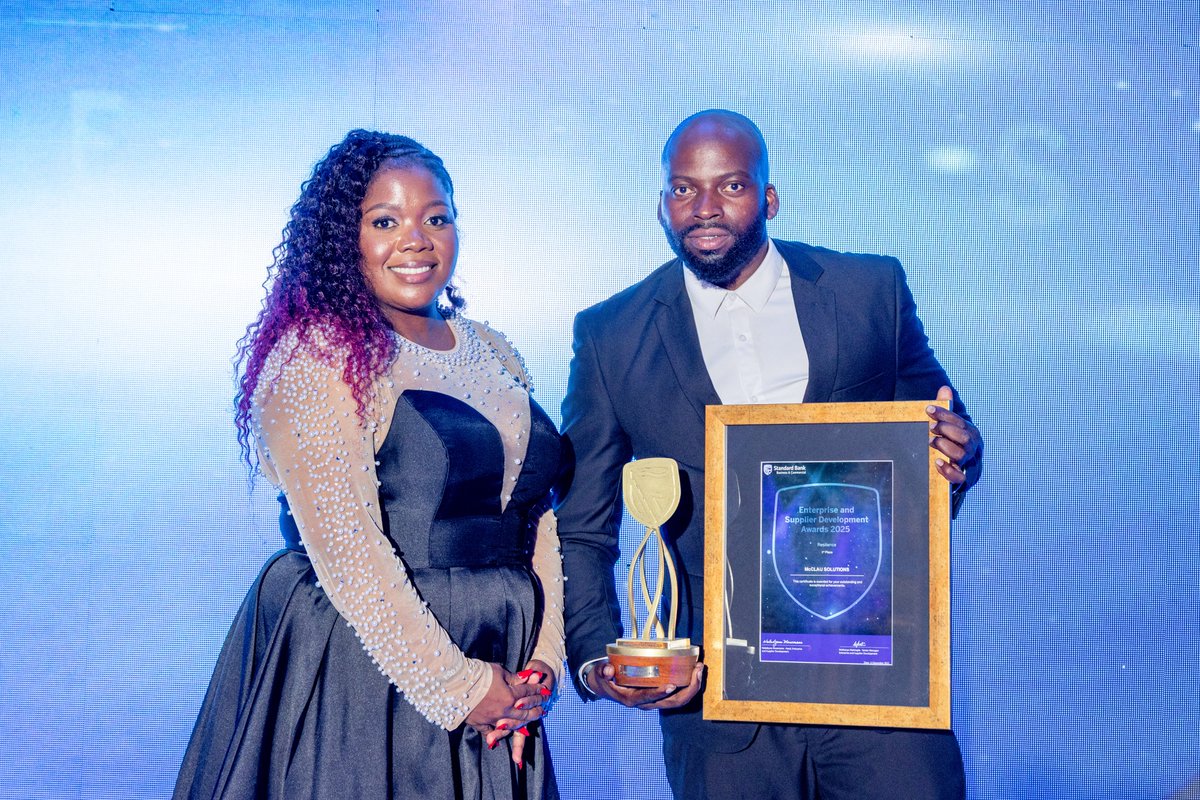
Congrats to our Enterprise Development Award winners:
Agric Growth – Buttercup Farmhouse
Growth – Jonoago Group
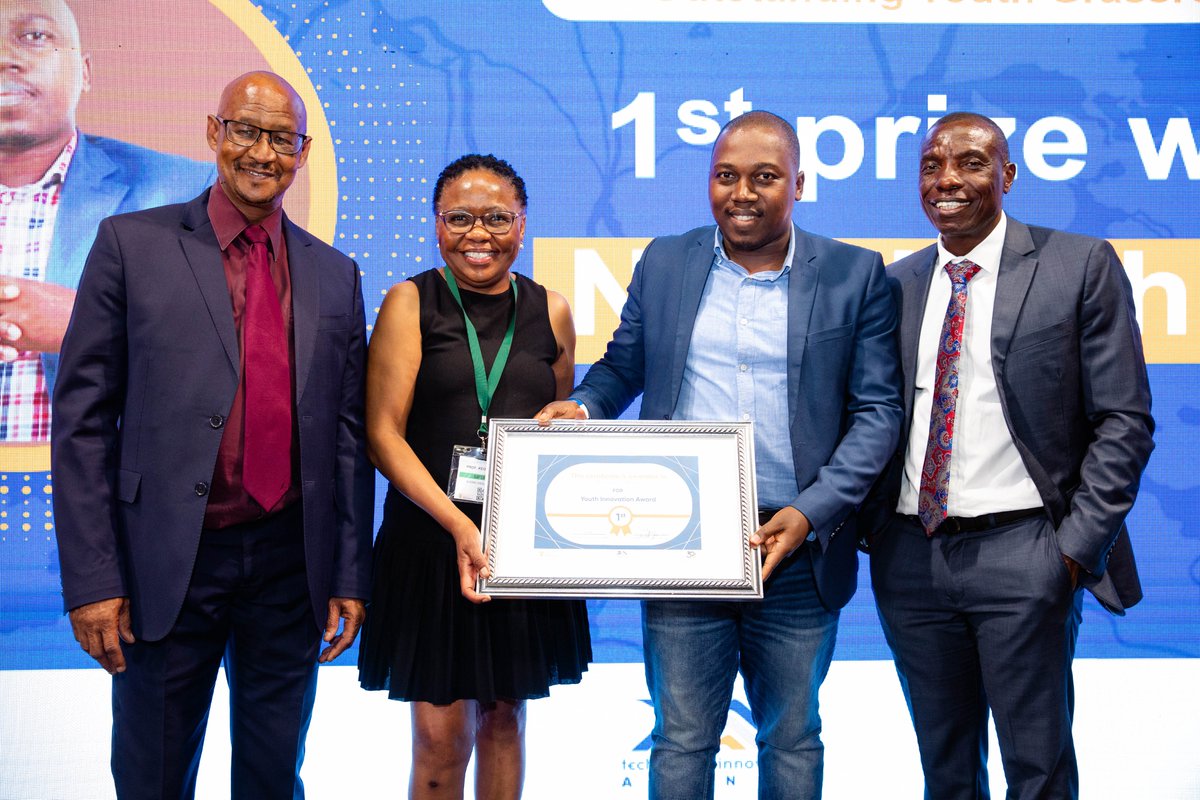
Tech Innovation – Adnotes
Resilience – McClau Solutions
Social Impact – Godisang Spaces
Your success inspires SA’s next generation of innovators. (3/3)
2
215
16 Dec 2025
South Africa has emerged as a global leader in TV White Space (TVWS) implementation, becoming the first African country to publish a formal regulatory framework for the technology.
The country transitioned from successful pilot trials in the early 2010s to full commercial authorization in 2021.
Key Successful Projects and Implementations
AdNotes Rural KZN Deployment: In collaboration with the CSIR and UNDP, AdNotes launched a TVWS infrastructure network in rural KwaZulu-Natal. As a fully licensed operator, AdNotes has deployed networks across five of South Africa's nine provinces, providing affordable internet for as low as R5 per day.
Cape Town Trial (2013): A landmark pilot that provided broadband to 10 schools in the Western Cape. It was internationally recognized for proving that TVWS could operate on adjacent channels to live broadcasts without causing interference.
Limpopo Trial (2014): Partnering with Microsoft and the University of Limpopo, this project connected rural schools within a 10km radius of Mankweng Township, achieving speeds of up to 16 Mbps on a single channel.
Eastern Cape (Morai Solutions): One of the SMMEs assigned spectrum by ICASA to deliver connectivity to underserved communities in Mthatha and surrounding rural areas.
1
1
3
285




10 Feb 2025
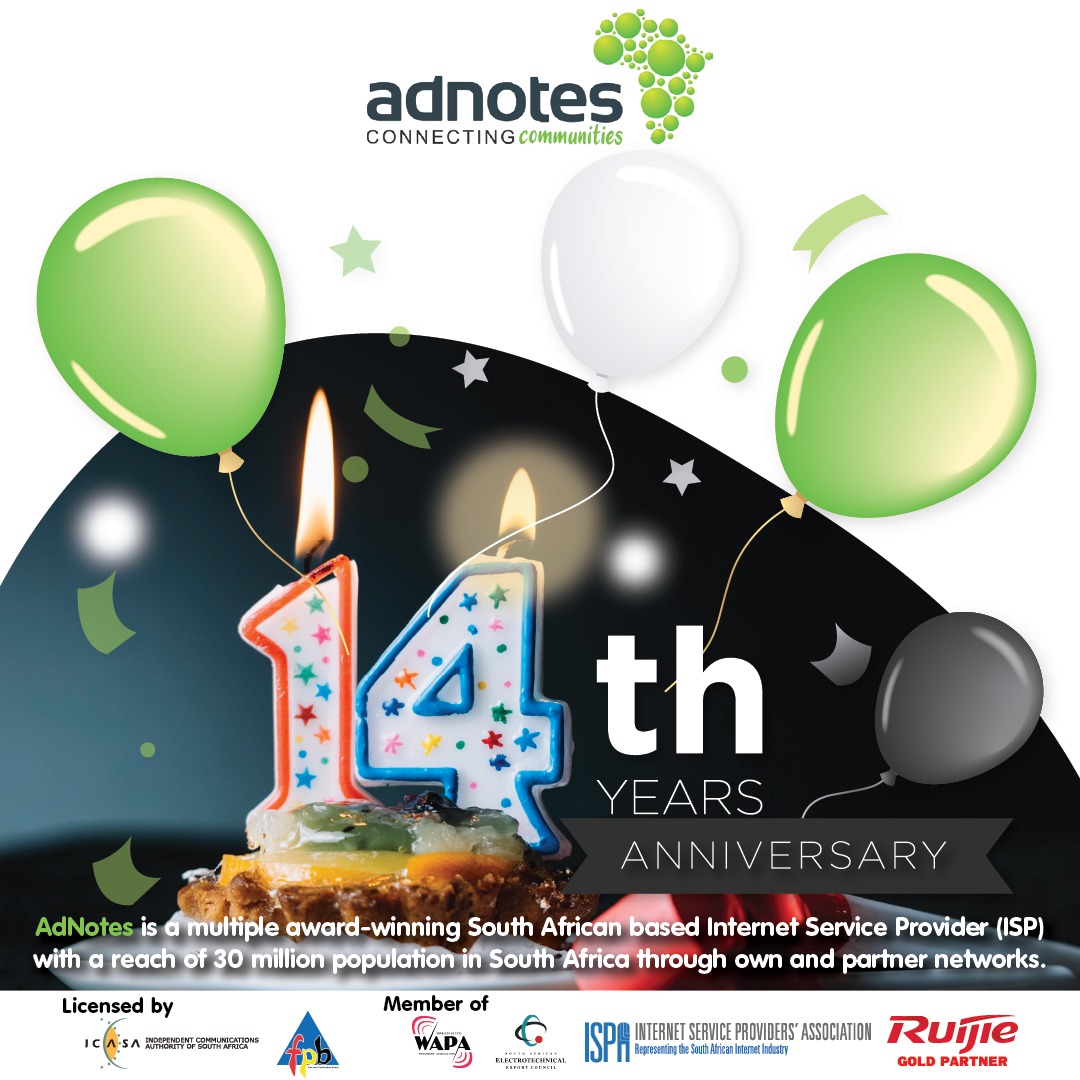
🎉Celebrating 14 Years of Connecting Communities!🎉
AdNotes is proud to mark 14 years as a award-winning Internet Service Provider in South Africa, reaching 30 million people through our own and partner networks. Thank you for being part of our journey!🎊
#AdNotesAnniversary
2
19

8 Feb 2025
Exciting News! 🎉
We officially welcome Pazima IT to Spectrum Switch! 🚀
As a licensed ISP, Pazima IT is bringing reliable internet services to Zululand, KZN, powered by AdNotes Digital.
Welcome aboard! Let’s innovate together! 💡🌍
#SpectrumSwitch #PazimaIT #AdNotesdigital

2
2
45

First Prize - Youth Innovation Award: Congratulations to Nkosinathi Mbele for pioneering AdNotes, a revolutionary TVWS technology connecting hard-to-reach African communities. 🌍📡 Fully licensed by ICASA & FPB and leading the way in digital inclusion. #GIPAwards2024
1
3
5
385
30 Oct 2024
connected world🔌🌍. Welcome aboard, AdNotes! #SpectrumSwitch #AdNotes #BroadbandInnovation #TVWS #ConnectivityForAll
2
38
30 Oct 2024
Welcome AdNotes to the Spectrum Switch Family! 🚀
We’re thrilled ☺️ to partner🤝 with a pioneering organization like AdNotes as you embark on the journey to expand connectivity🔌 and innovation across Africa🌍. Spectrum Switch, our cloud-based solution, is designed to ....

1
2
4
92
20 Aug 2024
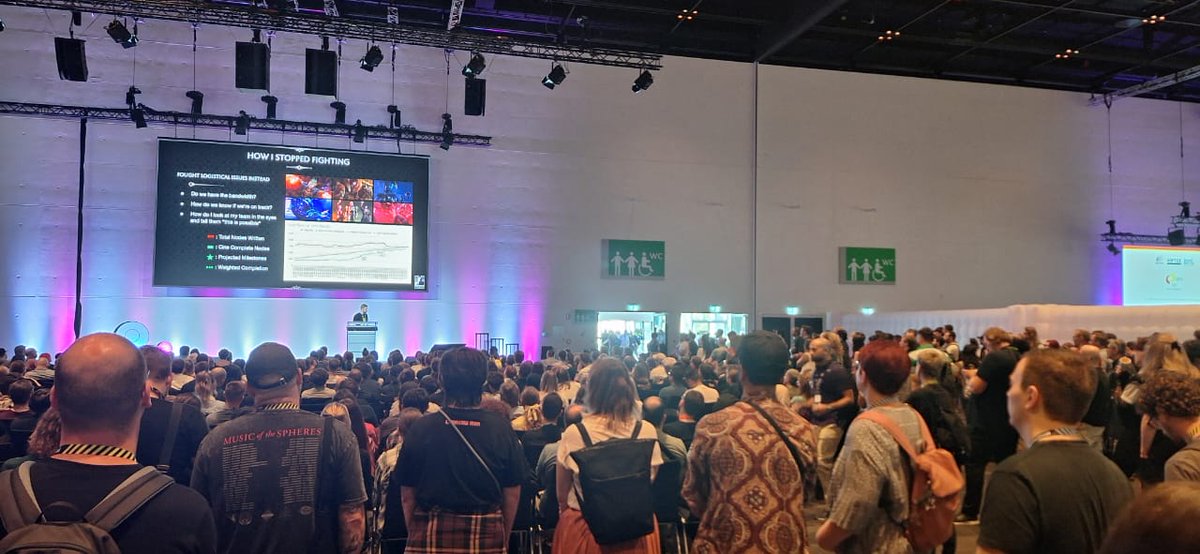
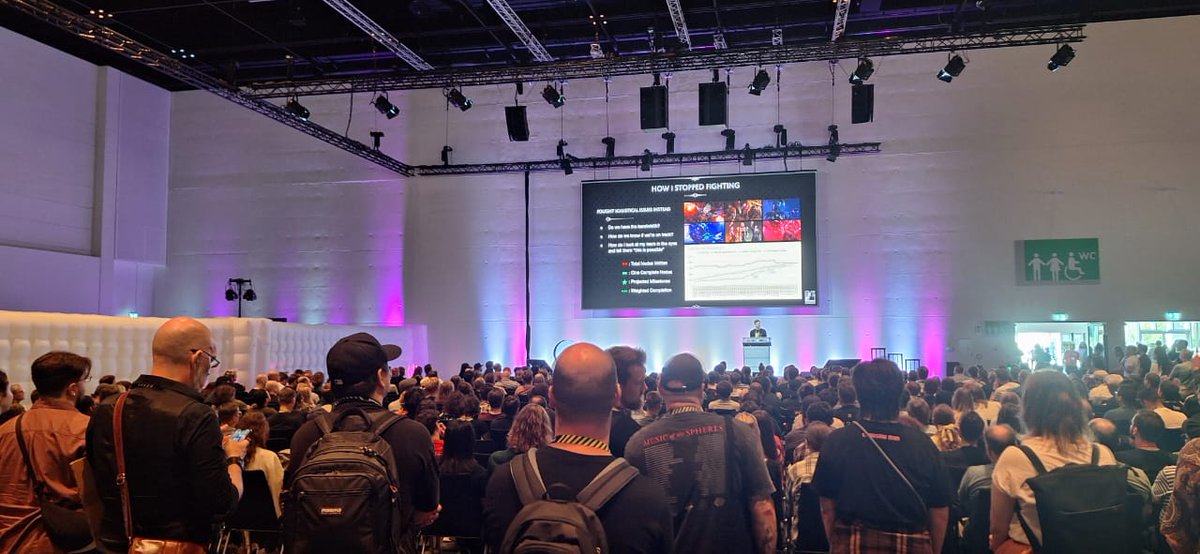
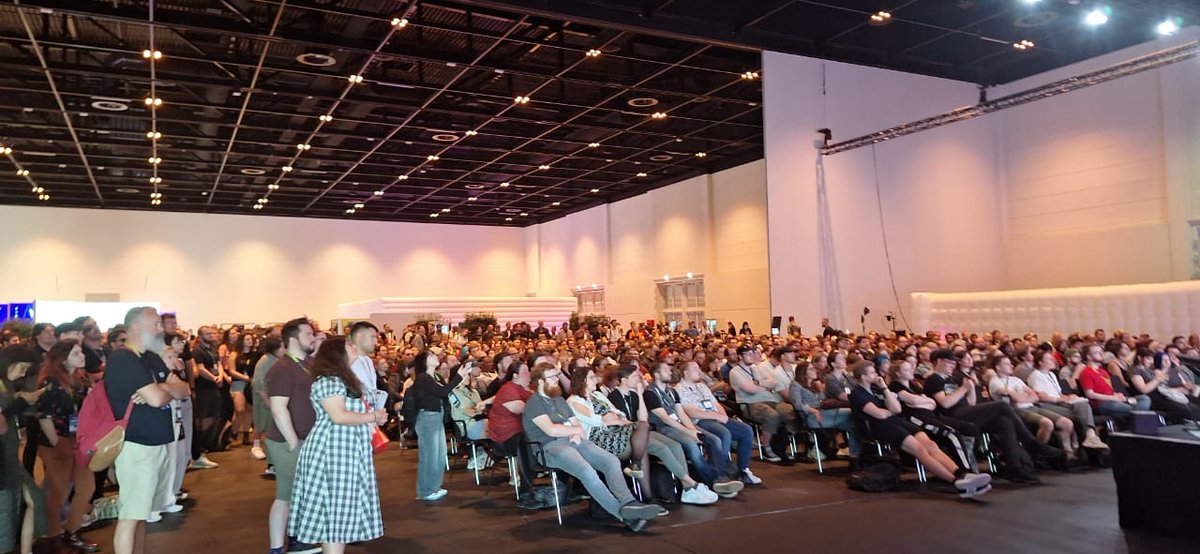
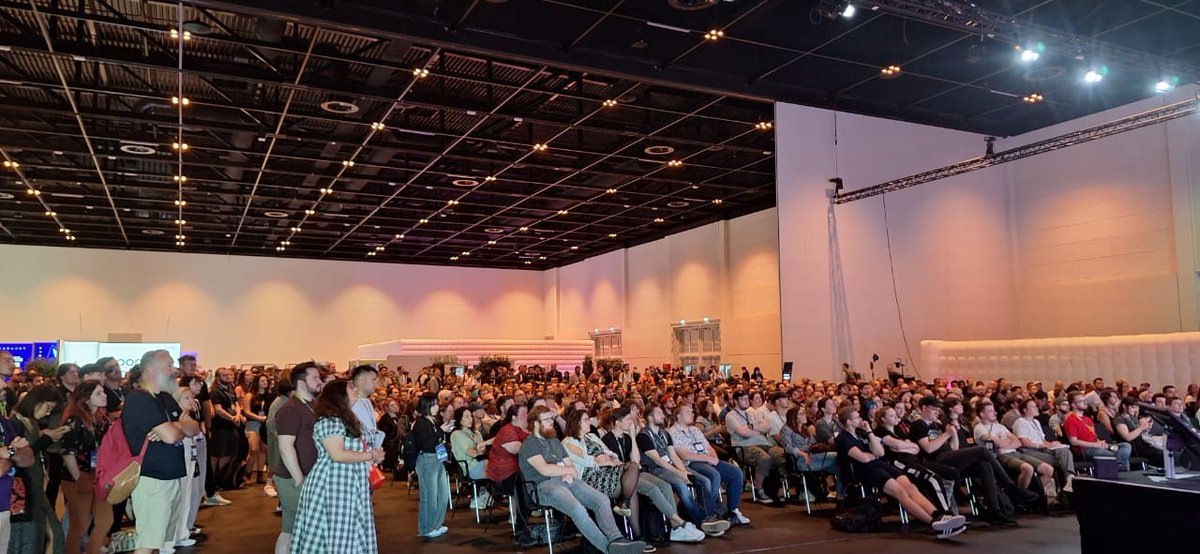
Day two of devcom Developer Conference 2024 has been nothing short of inspiring! From groundbreaking sessions to networking with industry leaders, we're diving deep into the future of game development. #AdNotes #devcom2024 #TVWS #Devcom #ddc2024 #GameDev #gamechanger
2
239
23 May 2024
Stay Connected with Ease! 🌐Explore unlimited, uncapped internet starting at just R363.69/month with no contracts. Connect today for seamless browsing! 🚀
🔗 adnotes.co.za/shop
#WIFI #AdNotes #Uncapped #ConnectivityUnleashed

25

19 Mar 2024
although it was his brother Heinrich who had been at the vineyard. Adam was later executed.
From Adnotes for "On the Marble Cliffs".
5
401
14 Mar 2024
This is from Adnotes for On the Marble Cliffs, very interesting to see the inspiration and surrounding events for this novel.
See the comment for the link.
14 Mar 2024

"At any point a man can show how he has grown. In this way he proves his freedom – physically, mentally, morally, above all in danger. How he remains true to himself: that is his problem. This is also the touchstone of the poem."
~ Ernst Jünger

1
8
1,432

28 Feb 2024
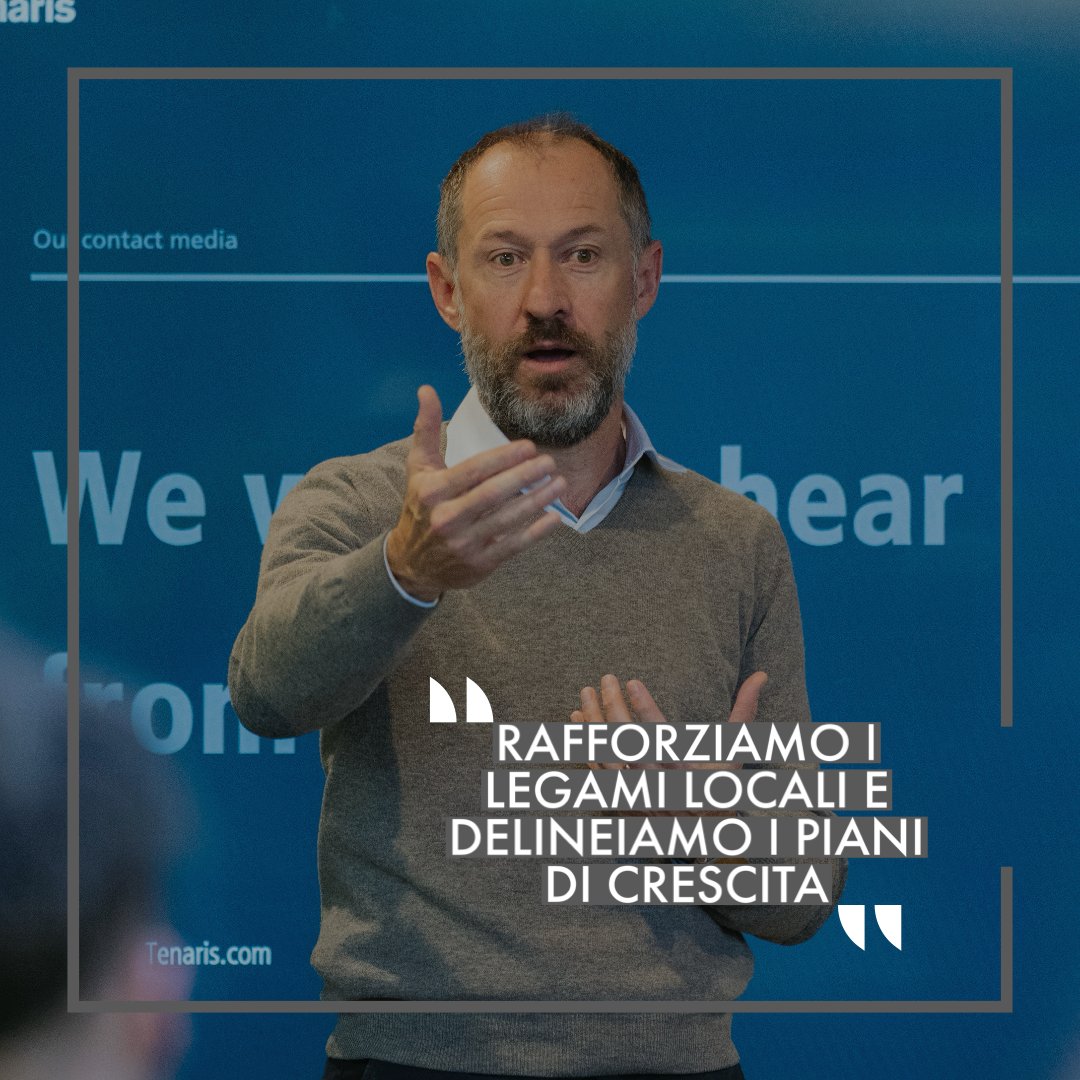
#ADnotes - Michele Della Briotta, Presidente di Tenaris in Europa, ha incontrato in Norvegia il team di Shawcor Coating per celebrare l’integrazione dell’azienda nelle operazioni globali di Tenaris e dare il benvenuto ai colleghi.
1
3
101
21 Nov 2023
Michele Della Briotta, Presidente di Tenaris in Europa: "L'investimento di 33 mln€ per la produzione di acciai speciali come il Cromo13 ha consentito di specializzarci su nuove nicchie di prodotto a alto valore aggiunto, creando prospettive significative per il futuro”. #ADnotes

2
134
9 Nov 2023
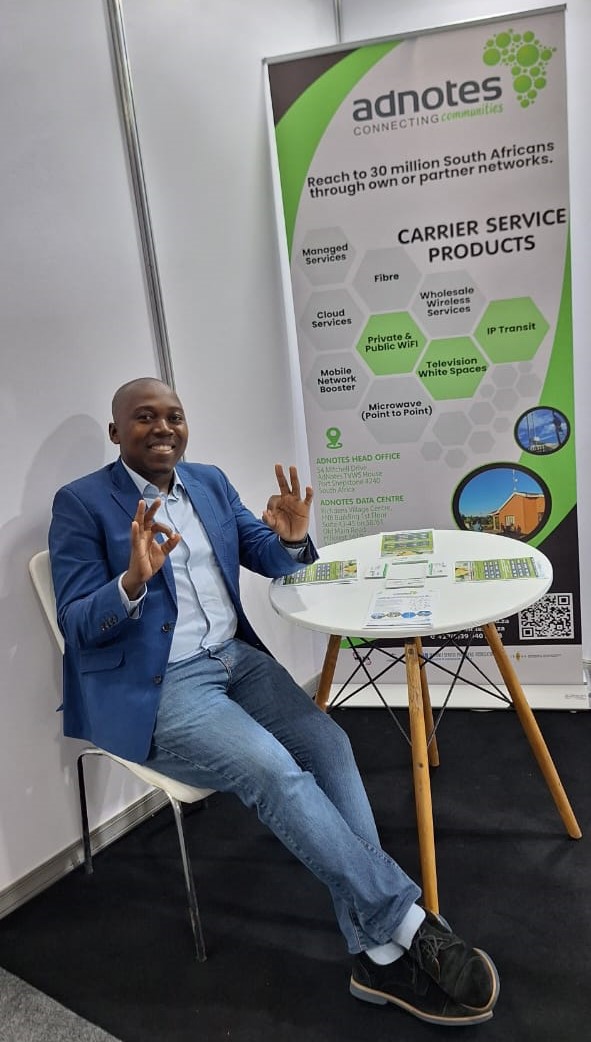
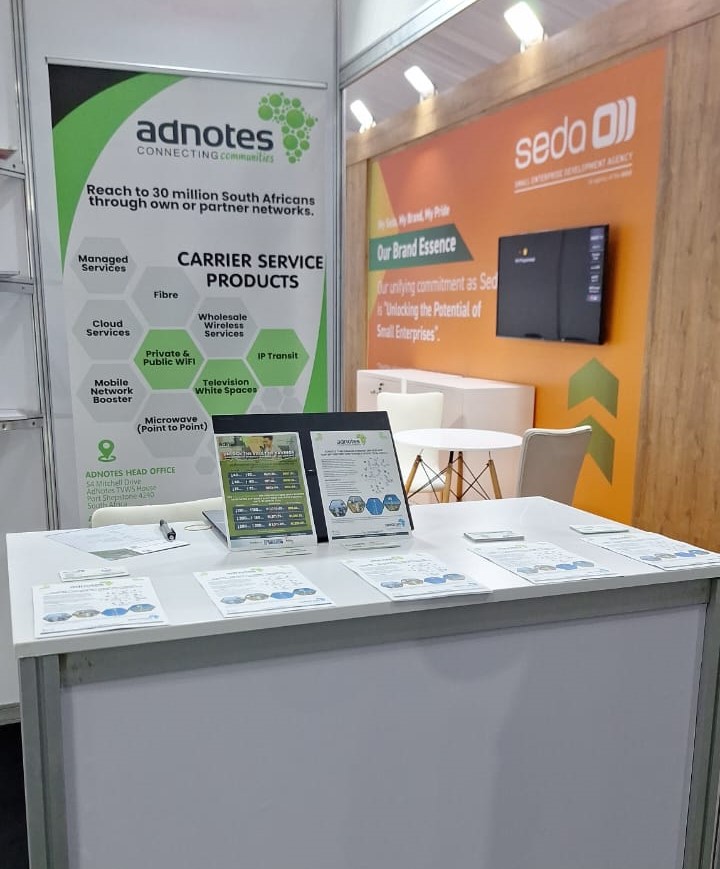
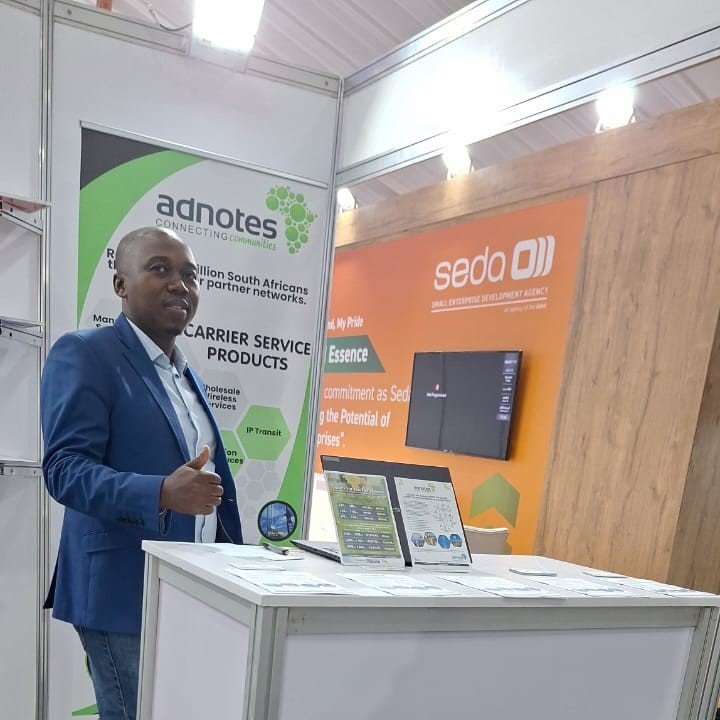
AdNotes shines at the Intra-African Trade Fair in Egypt, celebrating a remarkable 30 million reach to the South African population through our own and partner networks! 🌍✨#IATFCairo #ConnectingCommunities #IATF #BusinessExpansion #AfCFTA #TradeFair #InvestInAfrica #IATF2023🌱🌐
2
65