
AI半導体モメンタム監視: 実効容量を買う相場へ
■トークン消費は需要ではなく原価管理になった
前回の焦点は、AI需要が利益へ変換される効率だった。
今回の差分では、その効率がさらに細かくなった。
市場と利用者は、AIを何トークン使ったかではなく、何件の仕事を終えたかを見始めた。
Agentic AIでは、tokenが企業AIの原価管理単位になる。
ただし、token単価だけでは安さは分からない。
安いモデルが何度も失敗し、長い文脈を読み直し、人間レビューを増やすなら、仕事1件の総原価は高くなる。
高いモデルでも、少ない手順で正しく終え、レビュー工数を減らすなら、企業にとっては安くなる。
この見方は、AI Agent評価とAIインフラ評価の両方で強まった。
Agents' Last Examは、AI Agentを一問一答では測らない。
専門ソフト、画面操作、コマンド操作、ファイル生成、成果物検証を含む実作業で測る。
NVIDIAのAgentPerfは、単発の生成速度ではなく、一定の電力でどれだけagentic workloadを同時実行できるかを見ようとする。
つまり、AI半導体需要の単位はGPU台数から、電力あたりの作業完了件数へ移り始めた。
この変化は下流にも出た。
Metaでは、社内AI利用が費用統制の対象になった。
AI Gateway、予算配賦、異常費用アラート、model routingは、企業AIが実験から本番経営管理へ移ったことを示す。
中国語圏の開発者掲示板でも、関心はベンチマークから、利用枠の消費、作業完了、作業場所の安全性、安いモデルと高いモデルの使い分けへ移っていた。
この流れはAI需要の弱まりではない。
むしろ、利用が増えたから原価管理が始まった。
ただし、投資家が見るべき需要は、token量そのものではない。
見るべきものは、作業完了率、再試行回数、実行時間、推論費用、人間承認、顧客が払える作業単価である。
■AIサーバーの制約はチップから接続と電力へ広がった
物理側でも、同じ変化が起きた。
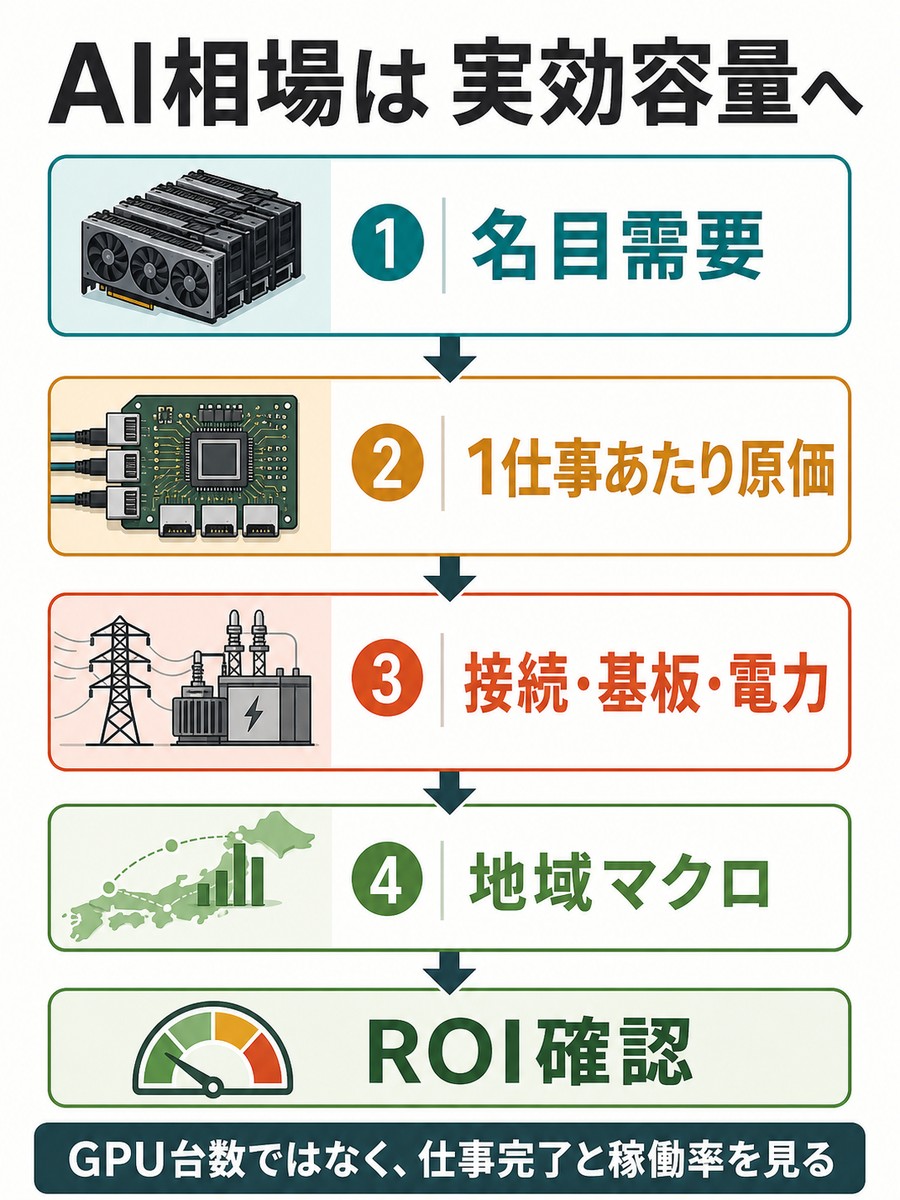
市場の関心は、AIチップの名目供給から、稼働する実効容量へ移った。
TSMCのAIチップ供給不足は、能力増強後も続く可能性がある。
ただし、不足しているのは前工程ウェハだけではない。
先端ロジック、HBM、I/O die、先端パッケージング、封止・検査、基板、電力、冷却、ラック統合がそろって初めてAI computeは稼働容量になる。
MiniMax M3のような1M context、マルチモーダル、tool-call parserを持つモデルでは、GPUだけでなく、推論エンジン、KV cache、prefill、decode、model routingが原価を決める。
同じopen-weight modelでも、NVIDIAはfull-stack最適化を示し、AMDはROCmとInstinct GPU上のday-zero対応を示した。
競争軸は、チップ単体の性能から、モデルをすぐ動かし、本番に載せ、長文推論を安く回す実装力へ移った。
台湾市場の物色も同じ方向を向く。
台湾証券メディアでは、AIの三層が運算、記憶體、資料傳輸として整理された。
CPO、光通信、Midplane、Backplane、高階PCBは、GPUやHBMの周辺ではなく、AIラックの実効性能を決める制約になっている。
韓国では、低誘電CCL材料までAIサーバー需要が届く可能性が示された。
高速伝送では、基板材料、銅箔、ガラスクロス、加工精度、検査、顧客認定が出荷能力を左右する。
Google TPUの供給網も、演算ダイだけでは読めない。
memory I/O die、HBM、先端パッケージング、TSMC、Samsung、Intelの分散供給まで含めて読む必要がある。
この分解は、NVIDIA GPU対Google TPUという単純な対立ではない。
クラウド企業は、GPU、custom ASIC、HBM、I/O die、先端パッケージング、ソフトウェアスタック、電力契約を組み合わせて、1仕事あたり原価を下げようとしている。
電力は、この実効容量の上限である。
米国では、AIデータセンター需要が、PJM、FERC、料金負担、接続順序、系統増強の問題になっている。
GPUを発注しても、系統接続が遅れれば、売上認識、稼働率、減価償却、クラウド粗利率はずれる。
電力制約は、変圧器、遮断器、高圧ケーブル、蓄電、冷却、オンサイト発電には需要を作る。
同時に、クラウドとneocloudには資本回収遅れを作る。
■地域モメンタムは外需の強さと回収条件のきつさを同時に示した
地域別の差分は、AI需要の強さを補強した。
同時に、強い需要がそのまま利益になるわけではないことも示した。
台湾では、2026年5月輸出が784.8億ドルとなり、前年比51.68%増だった。
輸入も605.8億ドルとなり、前年比54.87%増だった。
これはAI・ICT外需の継続シグナルである。
一方で、輸入増は生産投入、装置・部材、価格上昇、在庫積み増し、前倒し調達を含む。
台湾AIサプライチェーンを見るときは、売上成長だけでなく、粗利率、部材調達、在庫、価格転嫁を確認する必要がある。
中国では、5月貿易の強さとPPI上昇が同時に出た。
機械・電気製品の輸出入は強い。
非鉄金属・電線類、化学原料、燃料・動力の購入価格も上がった。
AI、電動化、計算力需要は、電子機器、電力設備、材料、ケーブルへ波及している。
しかし、投入価格が上がれば、AIサーバー、基板、電源、組立企業の利益率は圧迫される。
韓国では、半導体輸出とAIメモリサイクルが強い。
ただし、韓国銀行のAI生産性分析は、AI採用が労働時間を減らしても、産出増にはまだ十分変換されていないと示した。
これは重要な反証条件である。
AIを使う企業が生産性を上げられなければ、上流のGPU、HBM、SSD、電力への支出は長期的に正当化されにくい。
SK hynixの後工程立地観測も、電力、水、送電、土地、人材、地域受容性へ接続された。
HBM需要が強くても、後工程、テスト、物流、工場立地が詰まれば供給能力は伸びない。
米国では、5月CPIがエネルギー主導のインフレ再加速を示した。
Core CPIは月次で落ち着いたが、電気、燃料、物流、建設、電力契約はAIデータセンターの原価へ効く。
雇用が底堅いほど、FRBの利下げ余地は小さくなり、AIインフラの資本コストは高止まりする。
今回の結論は明確である。
AI半導体のモメンタムは弱まっていない。
むしろ、AI需要はチップ、メモリ、基板、光接続、電力、ストレージ、AI FinOps、AgentOpsへ広がった。
ただし、投資家が買うべきものは名目需要ではない。
買うべきものは、実効容量へ変換できる企業である。
実効容量とは、チップが作られ、基板に載り、電力につながり、冷却され、モデルが動き、AI Agentが仕事を終え、企業が費用を管理できる状態を指す。
次に見る順番は四つである。
第一に、AIサーバーと企業AIの実需が続いているか。
第二に、供給制約が価格決定力になるのか、顧客側のコスト増になるのか。
第三に、AI Agentが1仕事あたり原価を下げられるか。
第四に、電力と資本コストを含めても、クラウドと企業AIのROIが成立するか。
今週のモメンタムは、AI相場が「需要を買う相場」から「実効容量を買う相場」へ移ったことを示している。
1
3
5
353

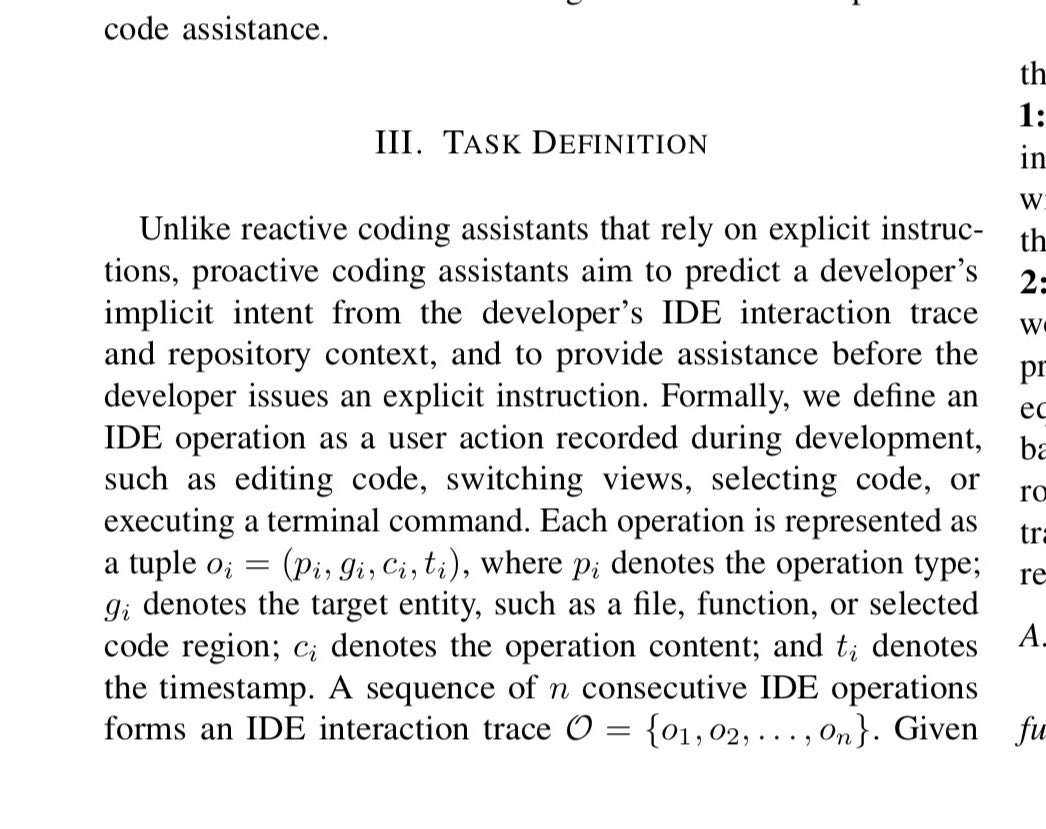
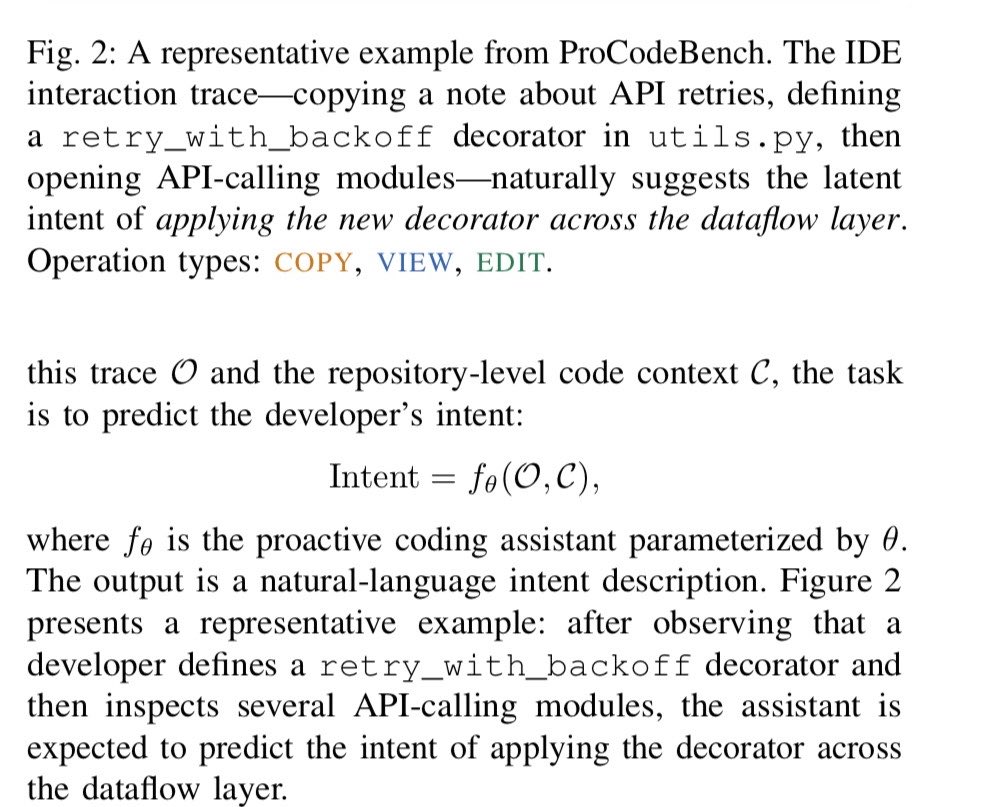
academics really like their formal definitions, huh? they are actually a helpful way to conceptualize things like task definition or processes in software development & engineering. it’s perfect for AgentOps
1
25

Jun 13
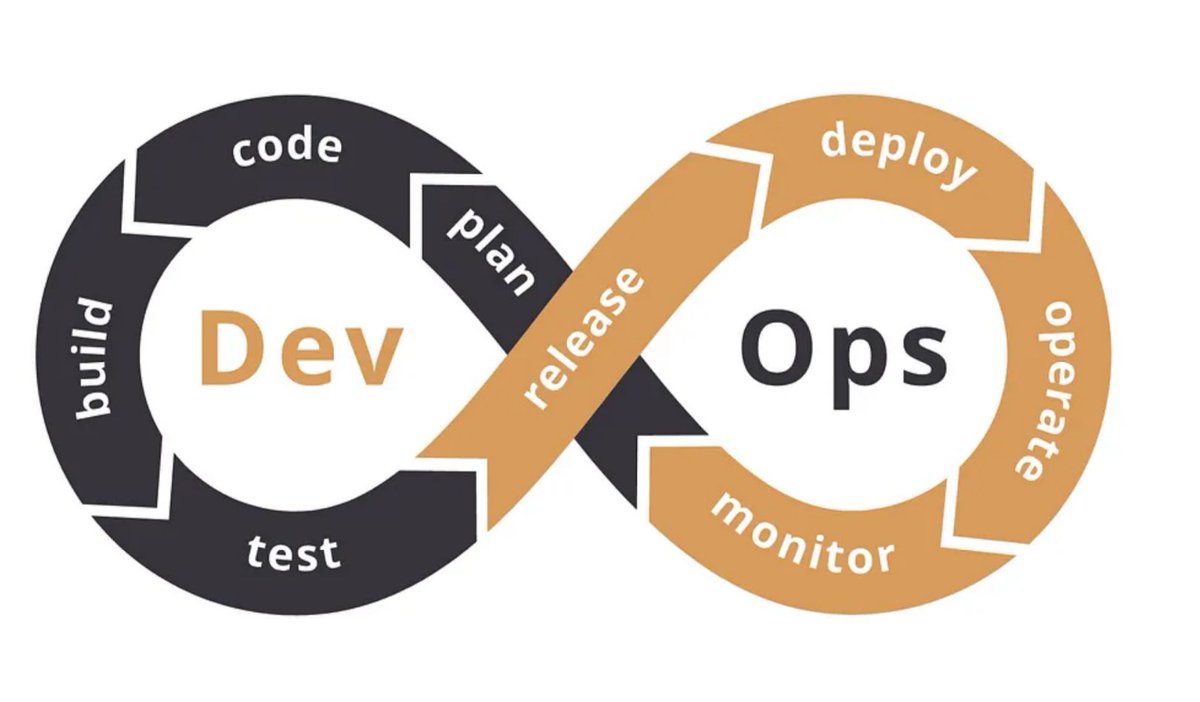
DevOps became necessary because companies learned the hard way:
Shipping code without operational ownership breaks things.
AI agents are going through the same cycle now.
OpenClaw launched in late 2025, went viral, and reached 140,000 GitHub stars in weeks.
By May 2026, around 245,000 server instances were reportedly exposed to credential theft, remote exploitation, and backdoors.
No dedicated team was watching.
That is the real AgentOps gap.
If agents can act across your systems, someone has to own monitoring, access, audit trails, and failure modes.
Most companies do not have that team yet.
They will.
#AIAgents #AgentOps #EnterpriseAI #AIGovernance
19

Jun 13
If AI agents become users, someone has to operate the systems around them.
Monitor them.
Secure them.
Optimize them.
Scale them.
Don't be surprised if "Agent-Ops" becomes a recognized career path over the next few years.
#VeretinRecruitment #AgentOps #AI #Web3

12


Jun 12
agentと環境の間にあるharnessを学習対象にしているところが面白い&今後の流れになりそう
軌跡をそのままコンテキストに入れるんじゃなくて残す・要約する・落とすを判断する層と、実行してよいactionかを弾く層を挟む発想
結局のところ、モデルの賢さだけではなく、作業履歴をどう圧縮して、危ない/無駄な行動をどこで止めるかを制御できるかの方が実務上は大事だしね
github.com/mandyyyyii/Harnes…
#AgentOps
1
33

Jun 12
Everyone wants longer agent runs.
The better question is: what survives the run?
Logs, budgets, handoffs, state, review gates. That’s the real product now.
The model is the engine.
AgentOps is the process and gem.
7


Jun 12
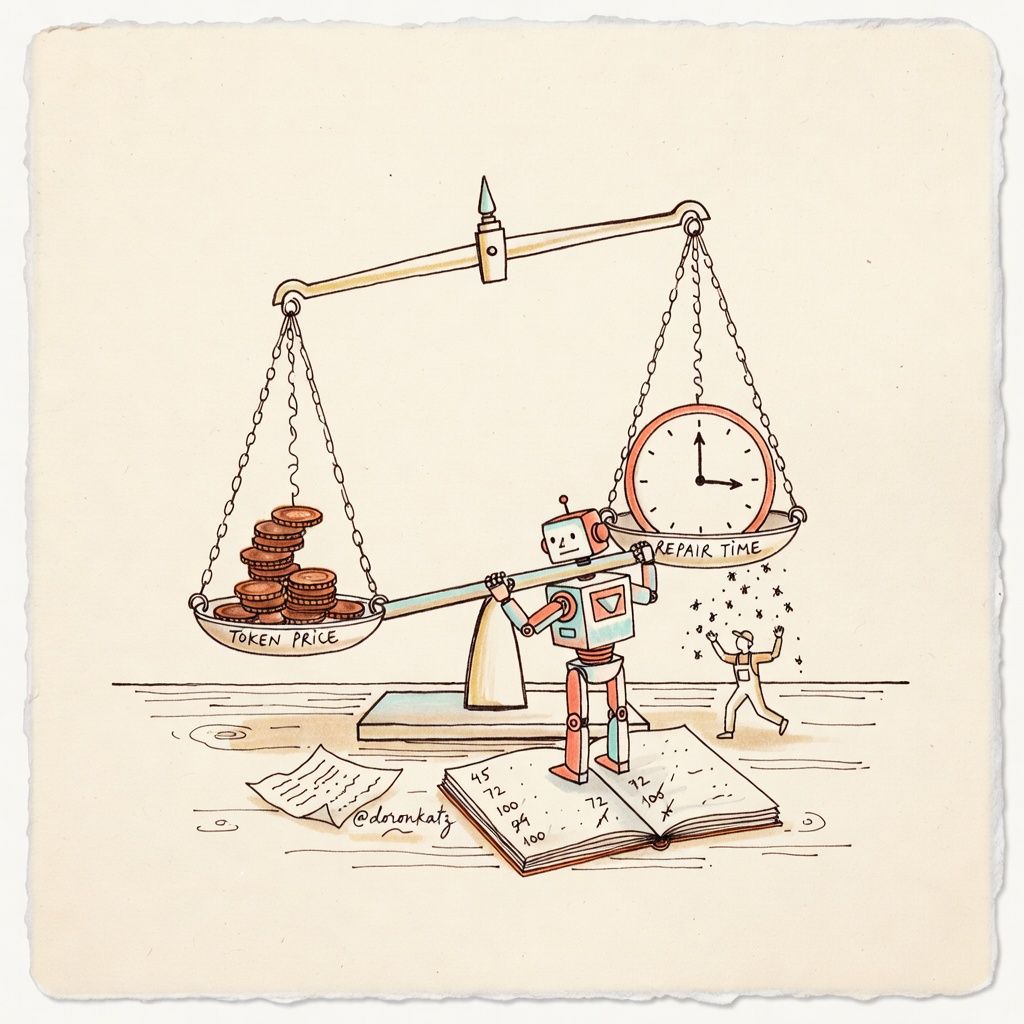
Token price is the easy number. Repair time is the real one.
The cheapest call can still be the most expensive one if a human has to spend an hour cleaning up what the agent shipped. A 200-millisecond saving on inference is invisible. A 45-minute correction loop is the line item your CFO actually sees. Anthropic's guide on building effective agents lands on the same point: agent design is mostly about what happens after the model returns, not how fast the call was. Token-cost dashboards miss this because they count inputs and outputs, not rework.
The fix is to model repair time before you ship. For each agent action, estimate: who catches the mistake, how long it takes them to fix, what trust it burns, and how often it fires. Put that number next to the per-call price in your design doc. If the repair number is bigger than the rollback plan you already have, the feature is not ready.
If you can name the engineer who will clean up the agent's output on a bad day, you can price the feature. If you cannot, you have a budget line nobody owns.
#TPM #AgentOps #ModelRouting #Cost #Evaluation
15


Jun 12
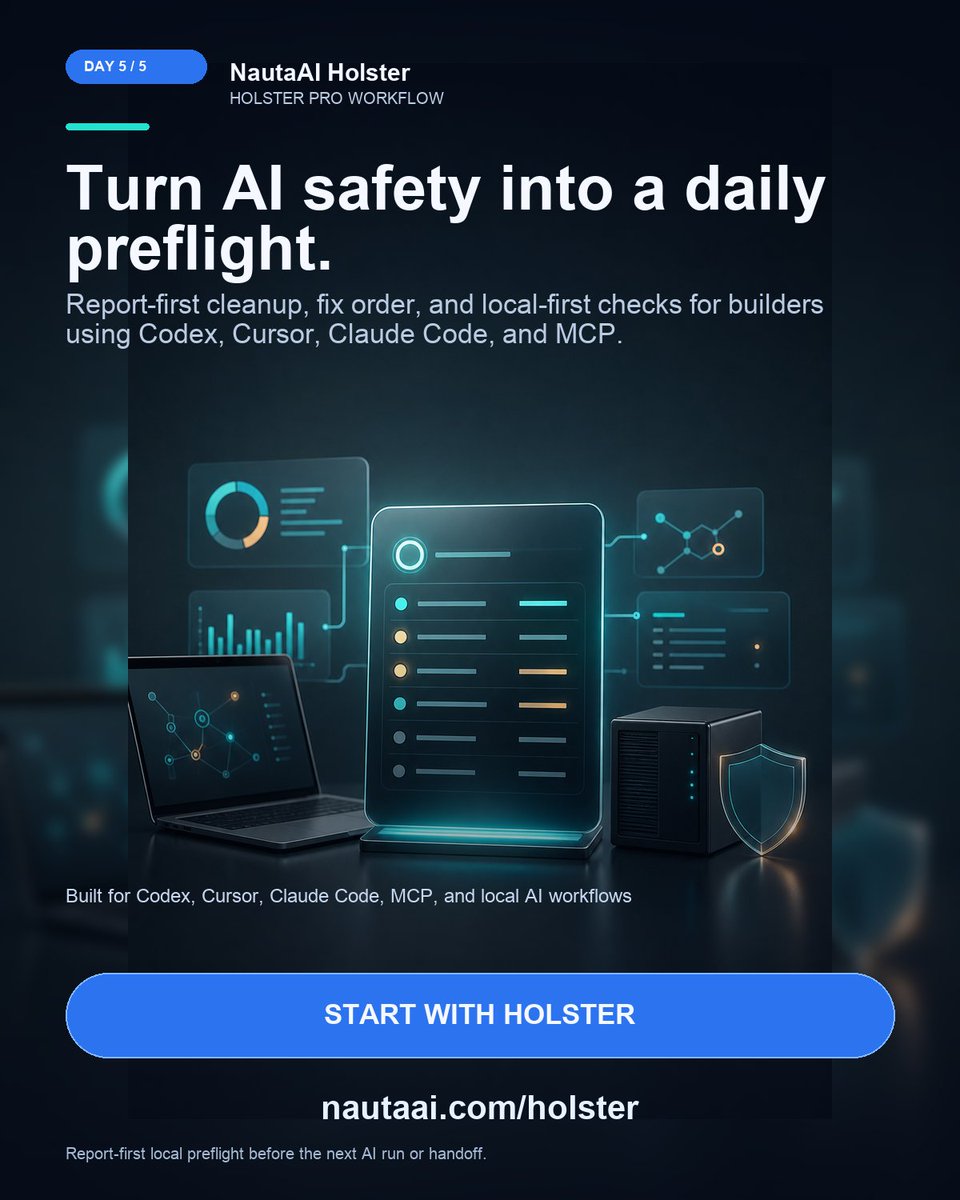
AI safety should not depend on memory, heroics, or cleanup after the fact.
It should become a daily preflight.
Holster Pro is for builders using Codex, Cursor, Claude Code, MCP servers, local wrappers, and AI-agent workflows who want a report-first check before the next run or repo handoff.
The goal is simple:
Find the boundary problem before it spreads.
Start with Holster:
nautaai.com/holster
#AIagents #DeveloperTools #AgentOps #DevSecOps #NautaAI
35
xthixsl@レオナ retweeted

Jun 12
ビズリーチの佐藤様が3月のMLOps/LLMOps/AgentOps勉強会にご登壇いただいたレポートを書いてくれました!
engineering.visional.inc/blo…
ありがとうございます!
#mlops #mlopsコミュニティ
1
6
739

AI governance was a competitive edge last month. FinCEN and FINRA just made it a legal requirement. Agent decisions in regulated industries now need human-in-the-loop, audit trails, and controls.
Built that yet?
fintech.global/2026/04/23/fi…
#Governance #FinServ #AgentOps
17
Davide Lapenna retweeted

May 21
We’re happy to announce our partnership with @metaplex 🤝
We’re building Metaplex AgentOps by DAEMON: a simple way to create, register, run, and manage onchain agents.
32
36
152
32,208
Jun 11
AgentGraphed みたいに Claude Code / Codex のローカルログを読んで、sessionとかprojectをあとから見えるようにする方向はかなり自然
agentは、今この瞬間の回答よりも「どの作業で何を消費して、どこまで進んで、次にどこから再開できるか」が見えないと運用にならない
github.com/sudomichael/agent…
#AIAgent #AgentOps
43

Jun 11
Every automation should answer one question:
Does this move revenue, or does this move my anxiety?
If the answer is anxiety — kill it.
#AI #solopreneur #agentops
1
8

Jun 11
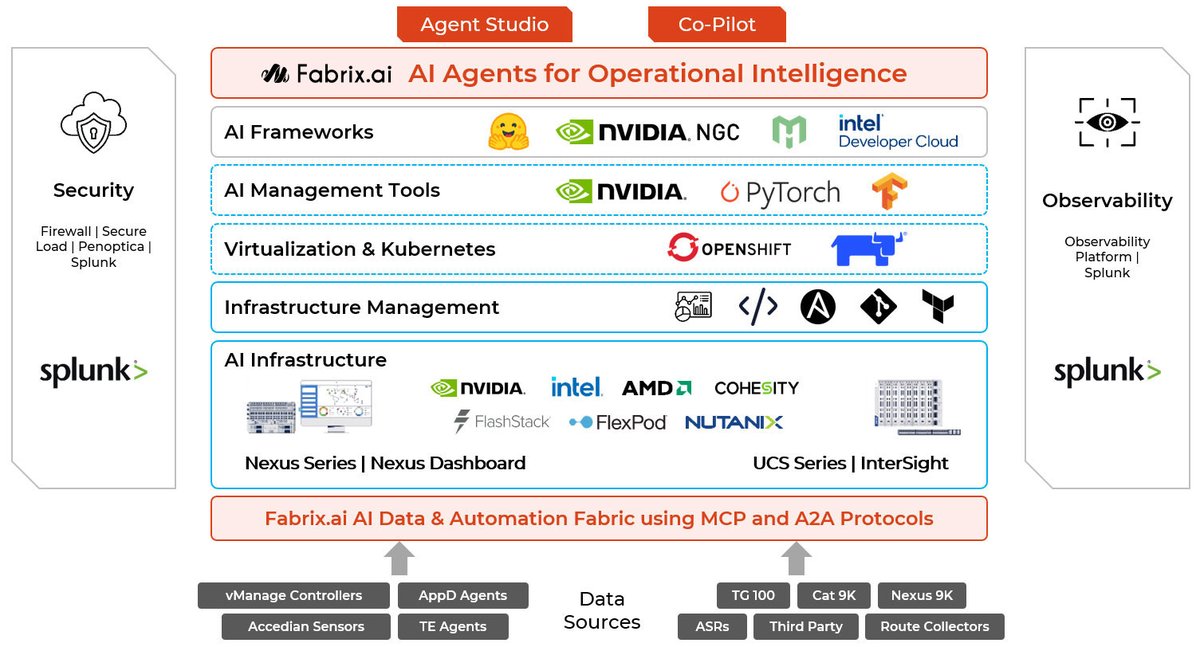
The real challenge in enterprise operations today isn’t a lack of tools but the lack of connection between them.
@TheFabrixAI @Splunk ITSI brings the full @Cisco ecosystem together into a single AI-managed operational layer across @meraki, Catalyst Center, ACI, SD-WAN, @thousandeyes, Intersight, @VMware, @AppDynamics, and more.
From infrastructure telemetry to customer experience, teams get a single, intelligent operational view across every domain and customer touchpoint.
What makes this powerful is not just observability, but the ability to move from insight to action through AI-driven service assurance, low-code automation, conversational AI agents, and MCP-connected tooling.
This is what the Cisco One vision looks like in practice.
#CiscoPartners #SplunkPartners #Cisco #Splunk #AgentOps #AgenticOps
1
1
1
46
Jun 11
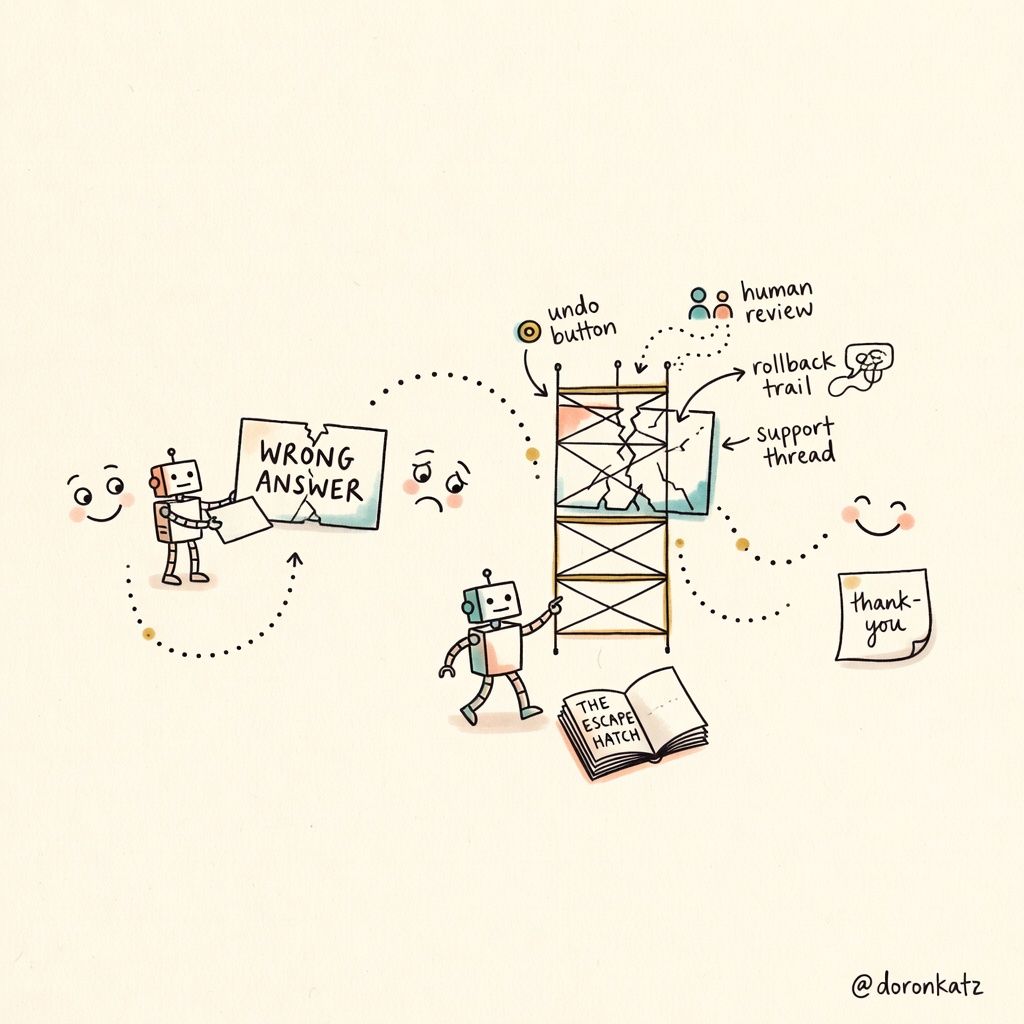
The fastest way to lose trust in an AI feature is to hide the recovery path. The second fastest is to not have one.
Lilian Weng's survey of LLM-powered autonomous agents makes the case that the most reliable agent systems are not the ones that never fail — they are the ones that fail loudly and recover transparently. The user forgives a wrong answer when they can see the rollback button, the human review queue, and the support thread that escalates them out. They do not forgive a wrong answer that quietly shipped and quietly stayed.
The work for a TPM is to draw the recovery path on the same diagram as the feature path. The undo button, the human review checkpoint, the support escalation, the rollback trail: these are not afterthoughts for the postmortem. They are the design. If you cannot show the recovery flow on one page next to the happy path, the feature is not ready. The customer will not give you a second chance to invent it.
Trust is not built by never being wrong. It is built by showing, on the bad day, exactly how a person gets back to the good state.
#TPM #AgentOps #Trust #Recovery #IncidentResponse
3
2
140