
The Boy Inside
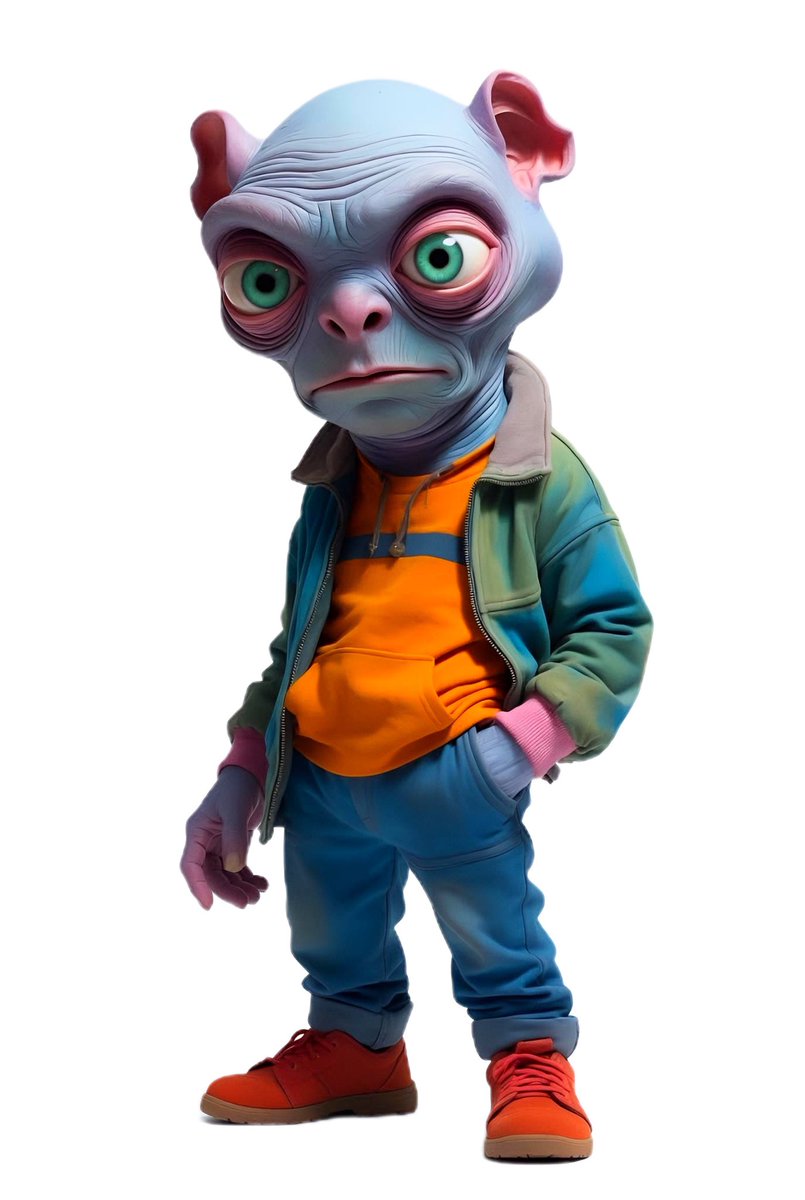
Your nephew’s adoption photos finally arrived today. In every picture, he’s wearing that same orange hoodie. His new parents say he refuses to blink, and keeps asking about you.
#aliencreature #scifi #colorblock #characterdesign #bizarre
5

Jun 12
🧬 3/5 – The Howling Voids 🧬
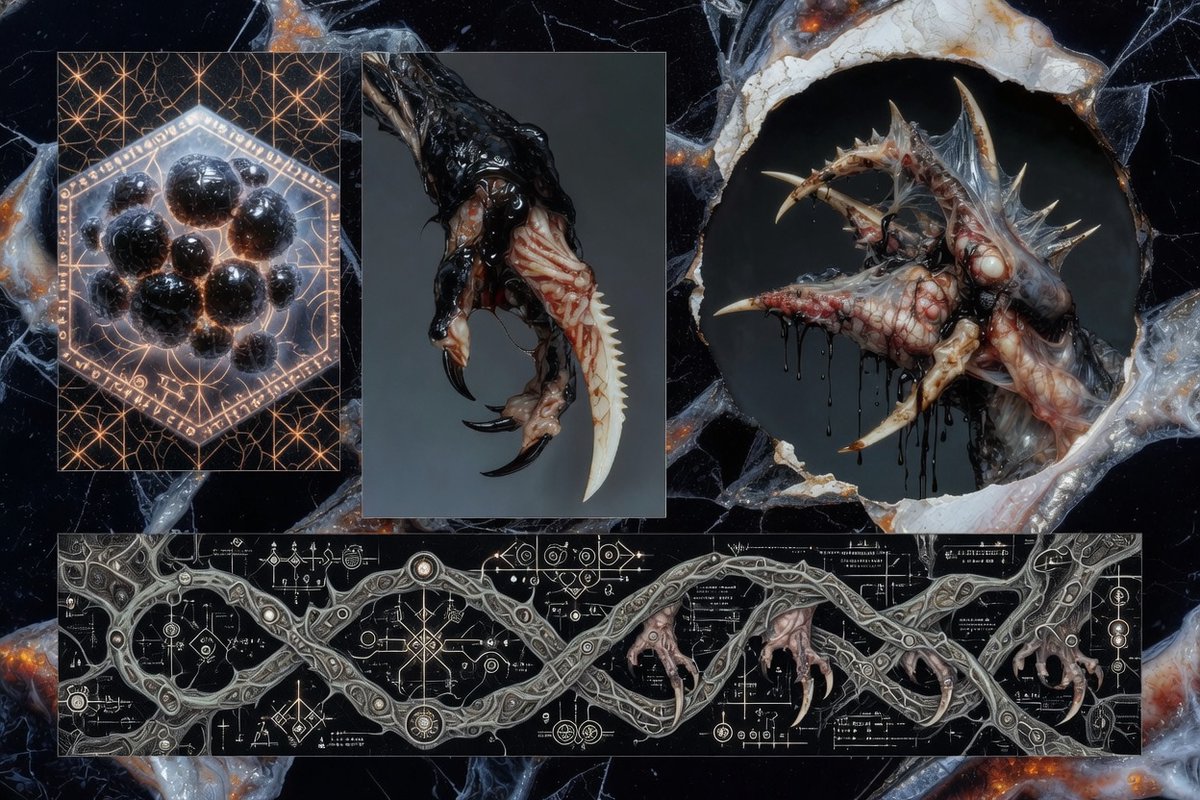
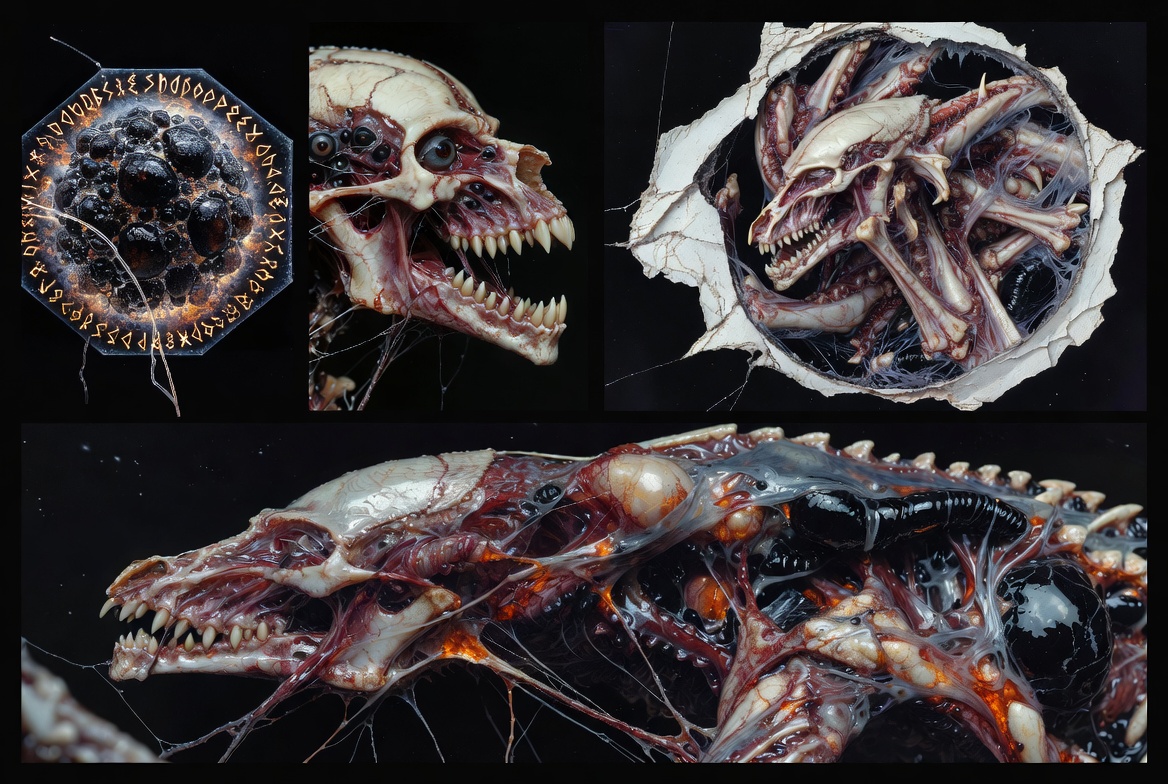
DOSSIER: "VOID HOWLER" – STOCHASTIC MORPHOLOGY
Classification: Absolute Threat. Adaptive Potential: Unlimited.
For internal use of Nova Tactical Command.
The primary challenge in confronting a Void Howler is not their physical strength, not their telepathic arsenal, nor their ability to coordinate as a swarm. All of that could be studied, predicted, and countered. The challenge is that they are not static targets. They mutate.
We call it stochastic morphogenesis – the unpredictable, adaptive generation of new biological structures in response to external stimuli. Every battle, every wound, every encounter with a new weapon leaves in their organism not a scar, but an instruction.
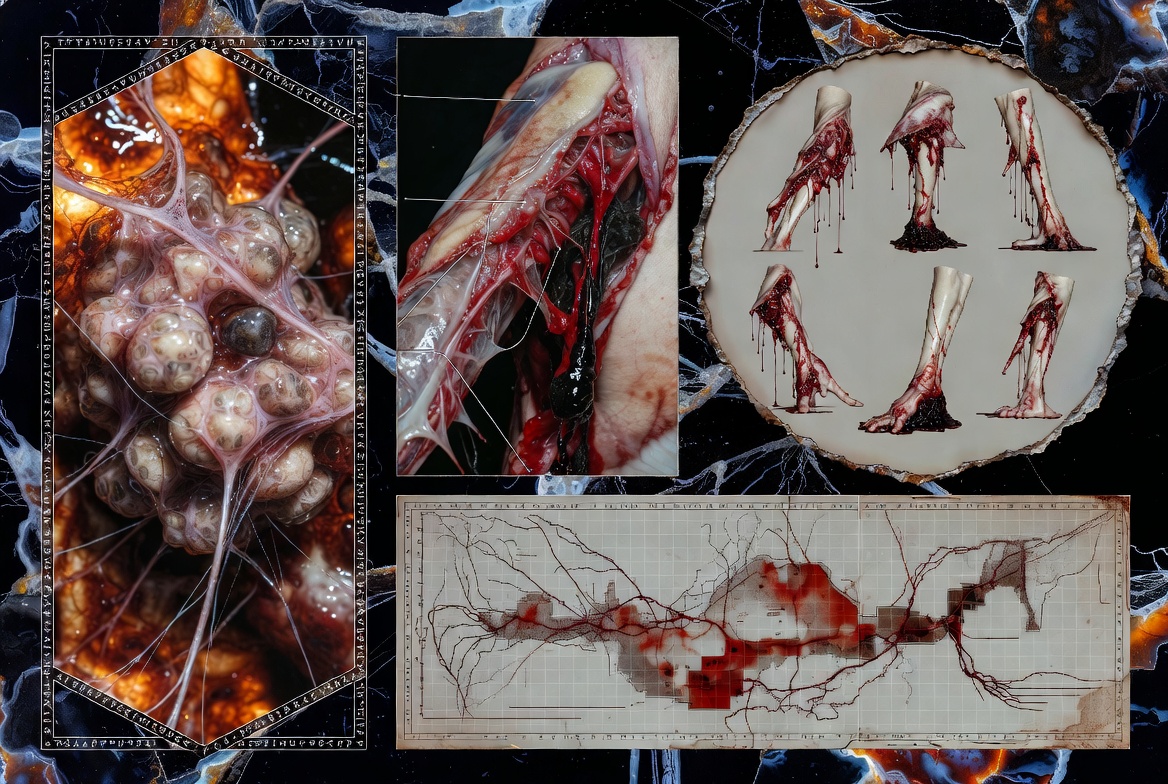
At the core of this process lie clusters of pluripotent stem cells, distributed throughout the entire body. In a dormant state, they are indistinguishable from surrounding tissues and remain undetectable by our scanners. But upon activation – be it physical trauma, exposure to a new type of energy, or even prolonged presence in a hostile environment – the cluster enters a phase of hyperproliferation. Within minutes, it generates a new limb, organ, or defensive structure, perfectly adapted to the current threat.
The morphogenesis process passes through several observable stages.
In the first stage, the stem cell cluster begins to pulse, emitting a characteristic amber glow. Under a microscope, fine protoplasmic filaments can be seen probing the surrounding tissues, gathering information about the nature of the damage or threat. This is the "sensory query" phase.
In the second stage, lasting from thirty seconds to two minutes, a new structure literally erupts from the creature's body. We have observed an additional limb with a bone blade sprouting from a forearm already armed with psi-claws. The flesh tears, yet bleeding is minimal – new vessels form faster than the old ones can rupture. This is not regeneration. This is replacement.
The spectrum of observed adaptations includes, but is not limited to, the following: a segmented chitinous blade capable of breaching our standard armour; a thickened bone plate effective against pulse charges; a long sensory tendril that detects movement within a radius of up to fifty metres; a pulsating venom gland ejecting a jet of neurotoxin; a muscular loop for grappling and asphyxiation; and a heavy bone ram for crushing fortifications.
It is crucial to understand: these are not random mutations. Each generated form is a direct, functional response to a specific tactical situation. When we began using flamethrowers, they developed heat-resistant integuments. When we switched to pulse rifles, their bone plates became layered, dispersing the energy. They do not merely adapt. They learn on a biological level.
The most disturbing discovery was made during analysis of the internal structure of the stem clusters. At the centre of each lies a crystalline "memory core" – a structure that stores information about all previous adaptations of that individual. Moreover, a hypothesis exists that, via the psychokinetic network of the swarm, this data can be transmitted to other individuals. If confirmed, this would mean that every Void Howler we encounter possesses the collective combat experience of the entire species.
Our current recommendations: avoid prolonged engagements. Do not use the same weapon type twice against the same group. Do not leave corpses – only full cremation guarantees the destruction of stem clusters. And, most importantly, do not let them learn.
Because every attack of ours they survive makes them stronger.
#VoidHowler #SciFiHorror #BodyHorror #BioHorror #Worldbuilding #SciFiLore #AlienCreature #Mutation #Adaptation #MilitarySciFi #CreatureDesign
2
9
336

Jun 10
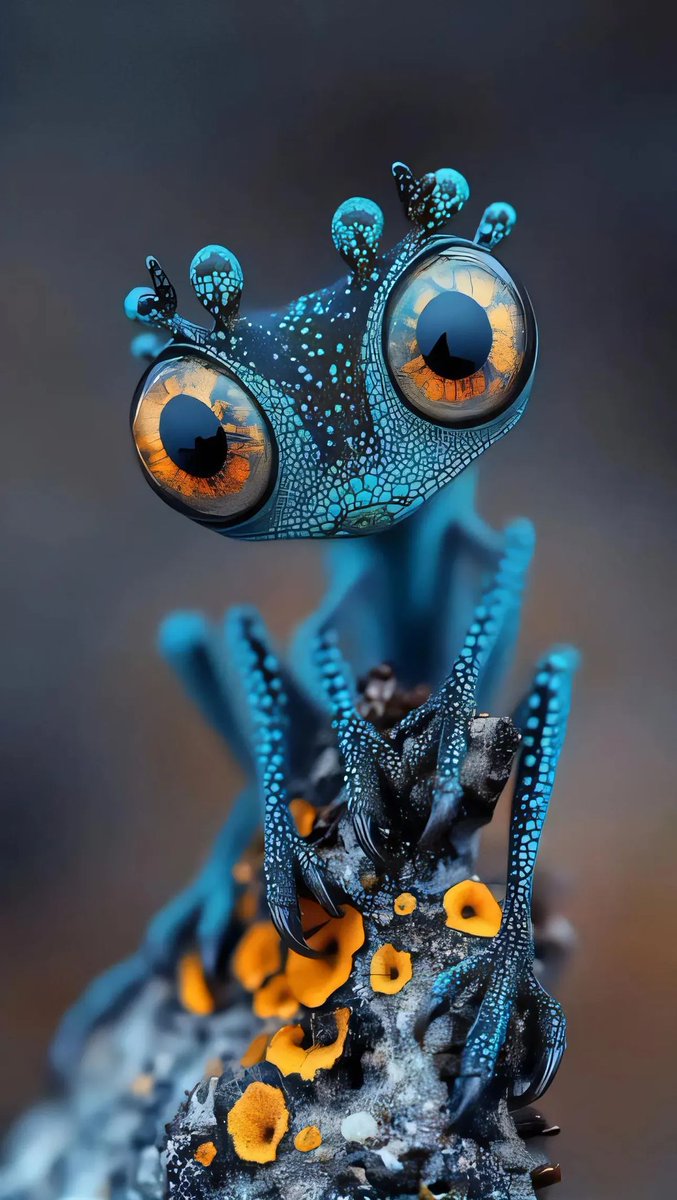
You stumble upon a rare companion on an alien planet. 🪐💙 Those eyes see right through you! #FantasyArt #CuteButCreepy #AlienCreature
26

Jun 5
“Void Awakening: Aetherion Synapse Bloom”
“Found something that shouldn’t exist in the deepest void…
#AlienCreature #AIArt #NeverSeenBefore #OriginalCreature #DigitalArt
2
57

May 25
Found Footage No. 534- It is strongly believed that the camera's owner has passed away. Made with Seedance 2.0 @yapper_so #AlienCreature #Monster #AIart️️️️️️️️️️️️️️️️️️️️️️️️️️️️️️️️️️️️️️️️️️️️️️️️️️️ #FoundFootage
1
15
129
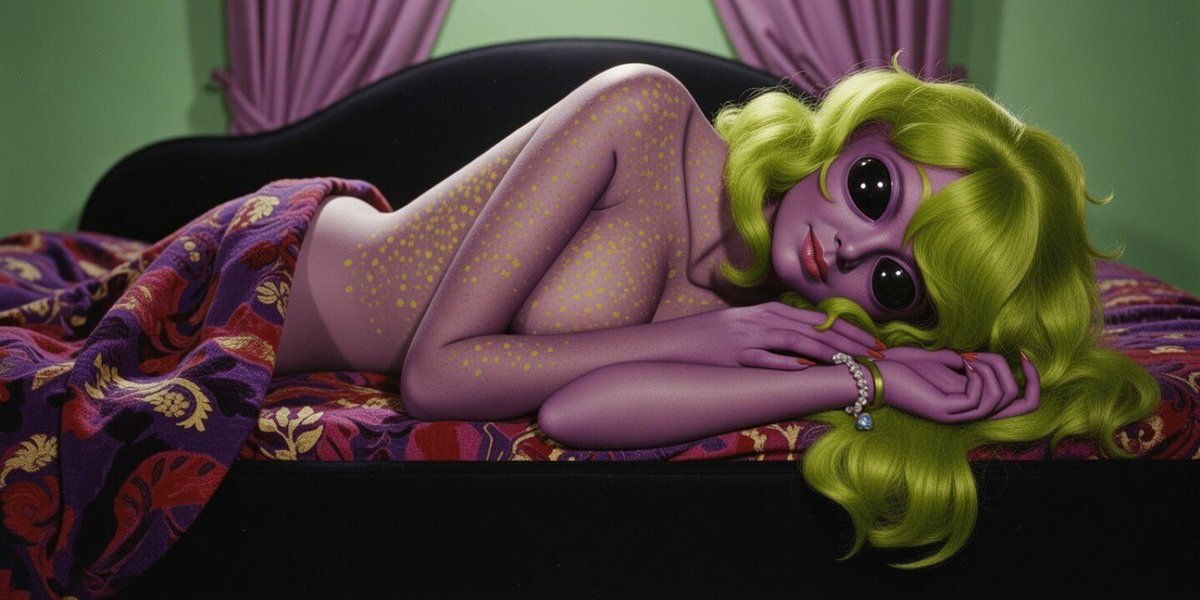
#AlienCreature #AIArt #FigureArt
This is fanart from one of my favorite artists reinterpreting add a completely different image
1
3
46




Jan 18
minha it girl do tumblr era a aliencreature




Jan 17

a gente n tava do mesmo lado do tumblr
5
569

12 Sep 2025
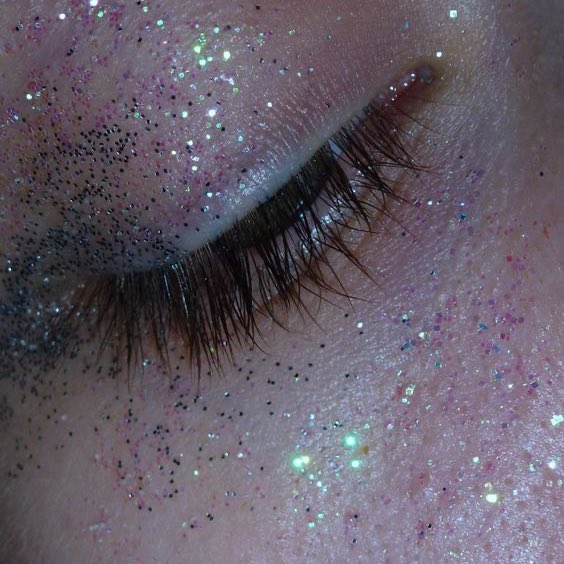
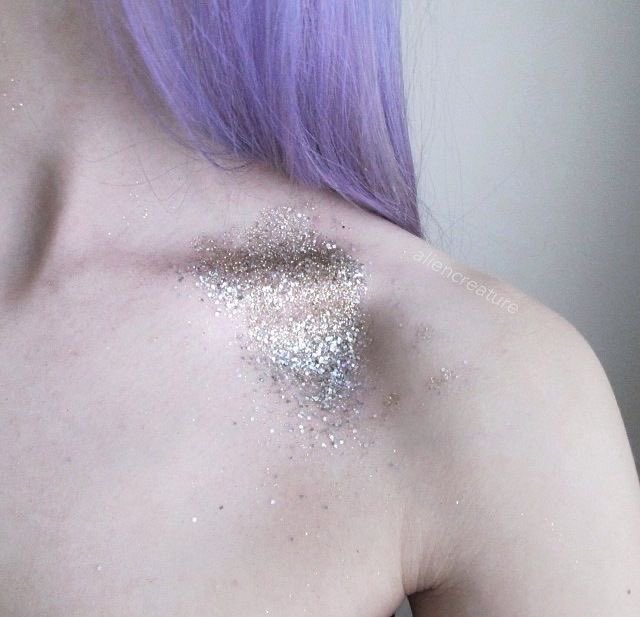
Halsey and aliencreature really carried this era



2
106

30 Jul 2025
Heyhar fighting Lord Vancome #ScienceFiction #Fantasy #Art #80sCartoon #CartoonStyle #SpecFiction #Superhero #SuperVillain #HemanParody #StarWarsParody #AlienCreature #MuscleMan #PowerMan #HighContrast #Paint #SillyComicArt #DigitalArt #CartoonArt

1
1
2
93

24 Jun 2025
sai do fake aliencreature





2
4
218

21 Jun 2025
This Is very true as someone who post arts in Pinterest, People keep asking "What about Gray/Wenda?" under my RedCat and AlienCreature art like dude LEAVE ME ALONE I JUST WANNA ENJOY MY SHIPS BRAHH😭
3
104

17 Jun 2025
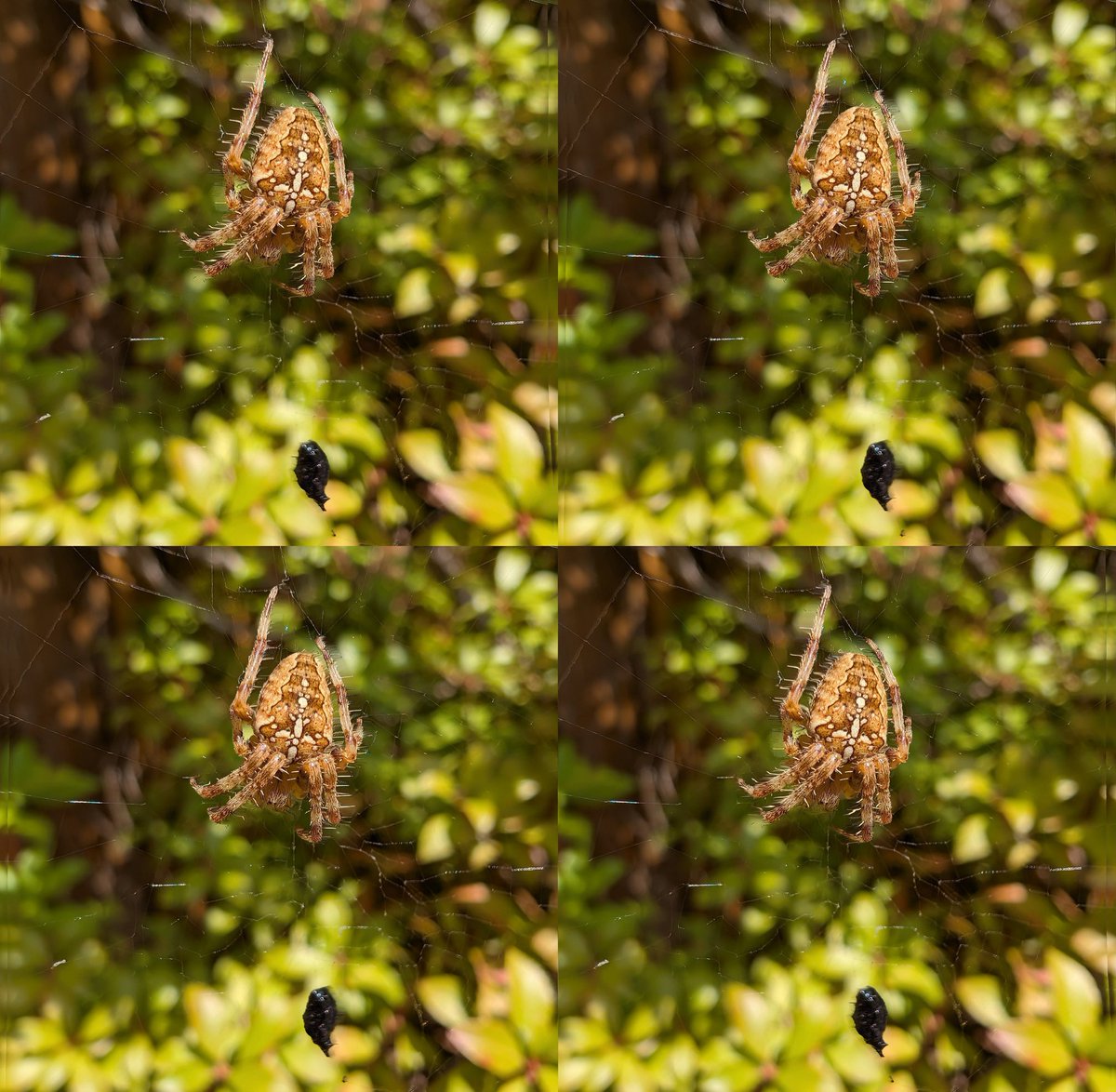
It's lunchtime for Mr Spider - Little Miss Muffit would like to state that any resemblance to any spider living or otherwise and regardless of whether or not it came down and sat down beside her is purely coincidental 😬
#3D #stereoscopic #aliencreature #DepthMaker
1
8
92

21 May 2025
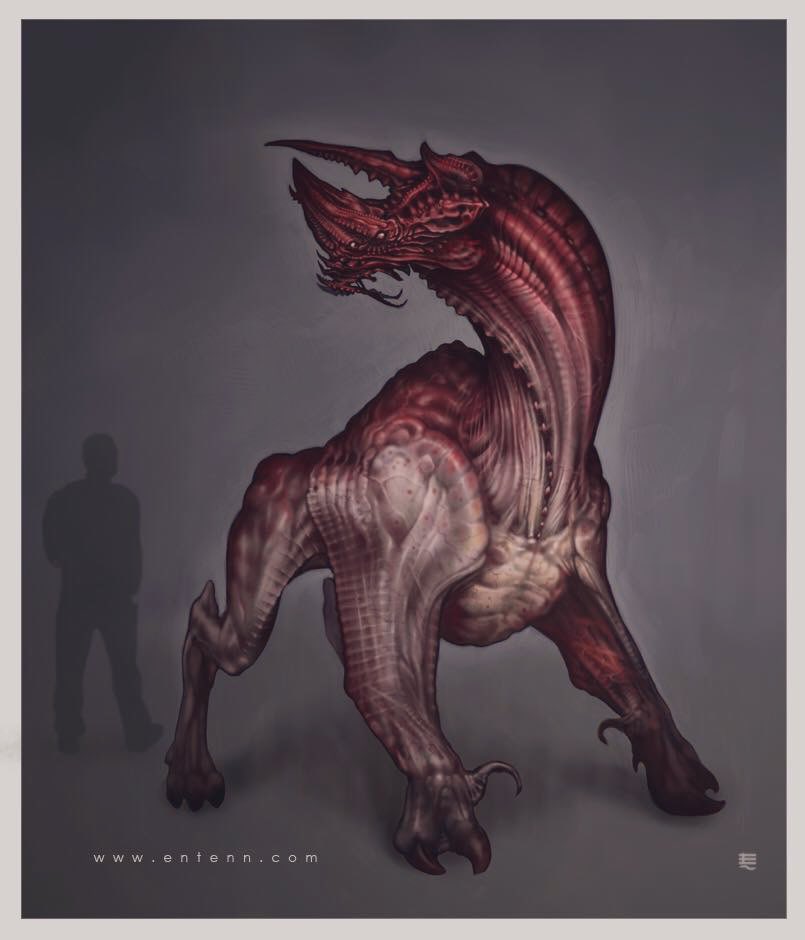
Beware the Climber. This creature lives on rocky terrains at a newly discovered planet. It climbs cliffs and mountains and also able to short glide. It ain’t a vegetarian. #aliencreature #entenn #conceptart #creaturedesign #monsterpalooza
8
63
1,292
6 May 2025
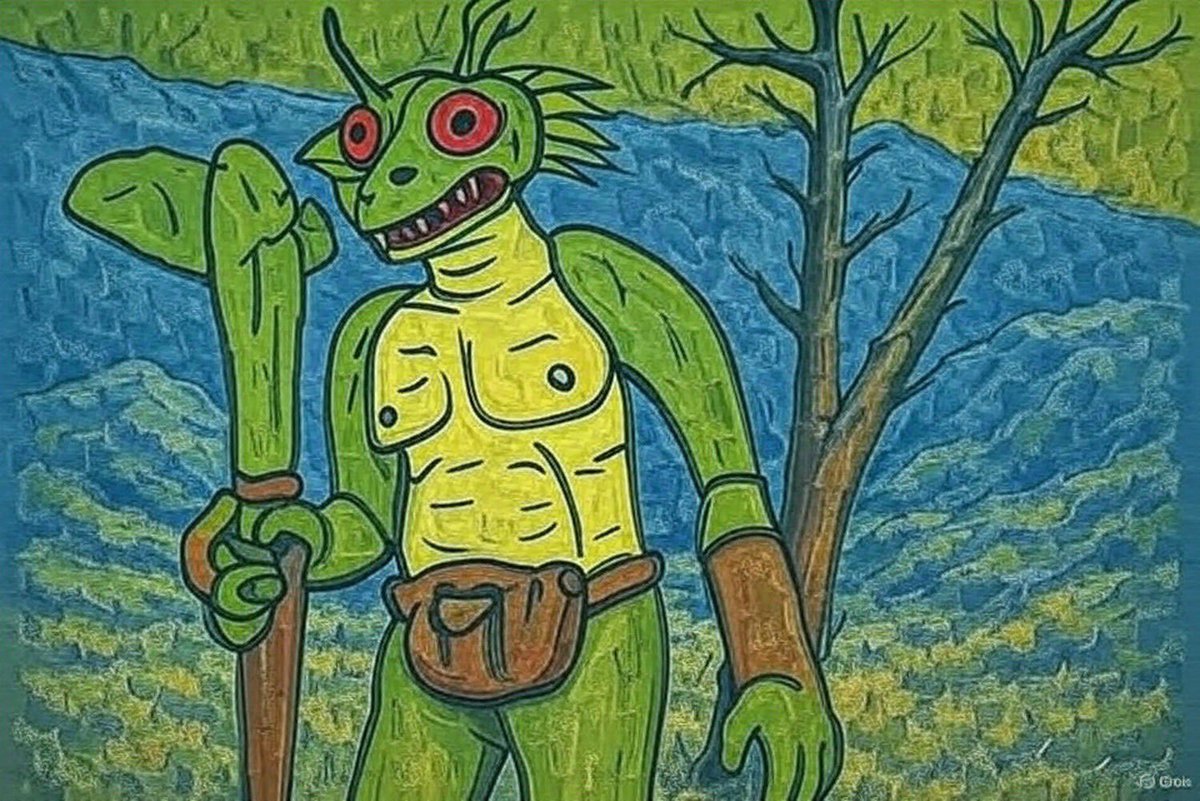
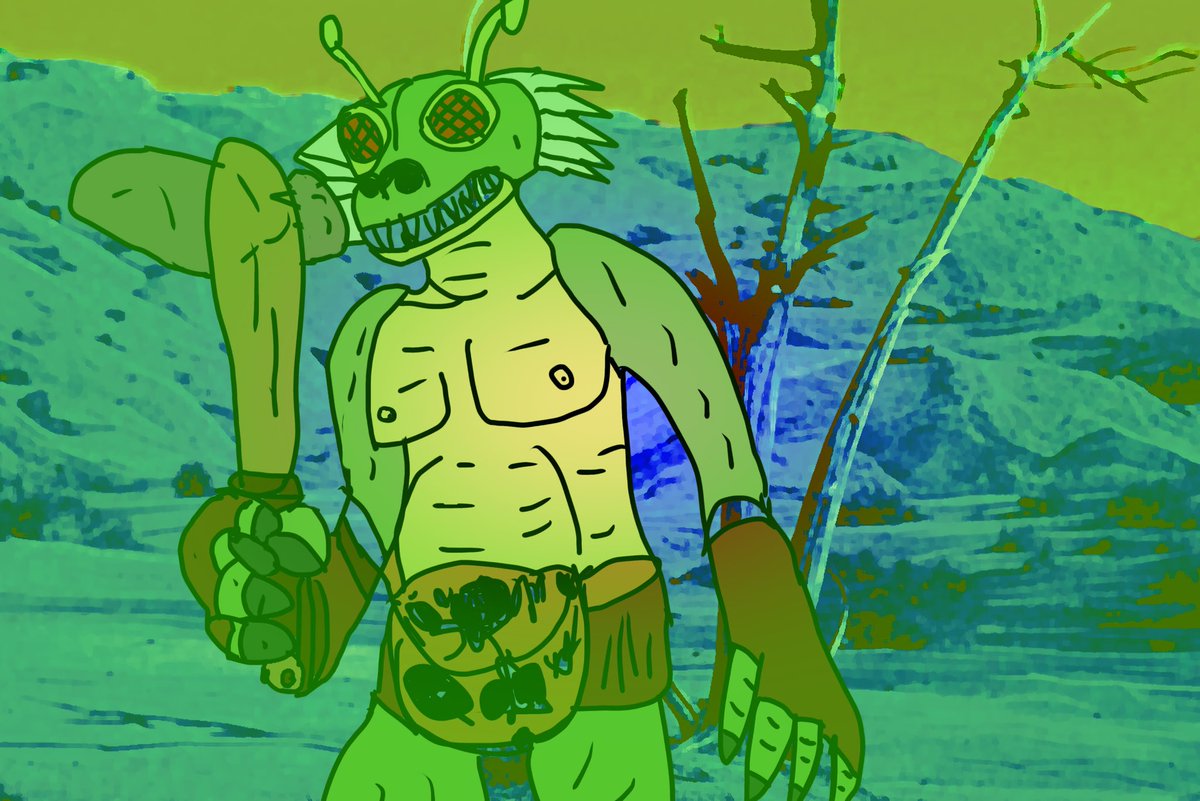
I use AI to make this image I use a reference from Star Trek put into Gock and trace over it #SpecFiction #AIArt #LizardMan #AlienPlanet #DigitalArt #SpecFiction #CartoonStyle #AlienCreature #HypotheticalEvolution #retrosciencefiction #comicart #PrehistoricArt
1
1
2
149



24 Feb 2025
4
251
29 Jan 2025
aliencreature, luanna, joannakuchta 😩





2
103

14 Jan 2025
"Alien-Like Creature Transforms Near Ocean Floor at 3,700 Feet 🌊👽"
"A mysterious, alien-looking creature was captured on video by an ROV near the ocean floor at a depth of over 3,700 feet. Watch as it transforms in mesmerizing and otherworldly ways. Is it a known marine species or something we've never seen before?
Dive into the deep and share your thoughts! 🌊✨"
#OceanMystery #AlienCreature #ROV #DeepSea #Unexplained #MarineLife #UFO #UnderwaterPhenomena #Aliens #FYP
1
1
32
4,028