
UK policing has collapsed into a selective, two-tier system where law-abiding citizens are targeted over optics while real crime is ignored. Enforcing arbitrary rules based on background rather than behavior completely destroys public trust and the principle of equal justice.
1

Why can't you say male and female? You have just summed up the whole debate. We know what sex is, we know what gender is. You believe that sex is arbitrary and unimportant. Others think that sex is highly significant. We know women refers to a sex class rather than an identity.
5


It's not that serious for me so like I can just tune out the annoying ppl cause the list is very arbitrary
2

agar aap UPSC aspirant hain, to aapne bhi mehsoos kiya hoga ki is baar UPSC ne kis tarah se arbitrary questions frame karke lakhon aspirants ke sath dhoka kia
Iske khilaf aaj shaam 14 june 6 baje ORN me ek peaceful protest rakha gaya hai.
Agr ap ORN me hai to sham ko jrur aaie
1
20
ShaunaK2 retweeted

And to have a candidate’s MEGADONOR commission a “poll” that is used in arbitrary criteria to exclude other candidates is unacceptable.

How a Byron Donalds MEGADONOR commissions a poll which is then determinative criteria for the Florida GOP Gubernatorial Primary which excludes all other candidates is UNACCEPTABLE.

1
11
86
1,764

CVE-2026-20133 is rooted in insufficient file system access restrictions in the SD-WAN Manager's web-facing API layer. An unauthenticated remote attacker can craft HTTP requests that traverse outside the intended document root or API boundary and read arbitrary files from…
1
4

What About CORRUPTION, FRAUD & VIOLATION OF HUMAN RIGHTS by RBI. My 2 Letters apprised You about Their Arbitrary and Unethical Professional Practices.
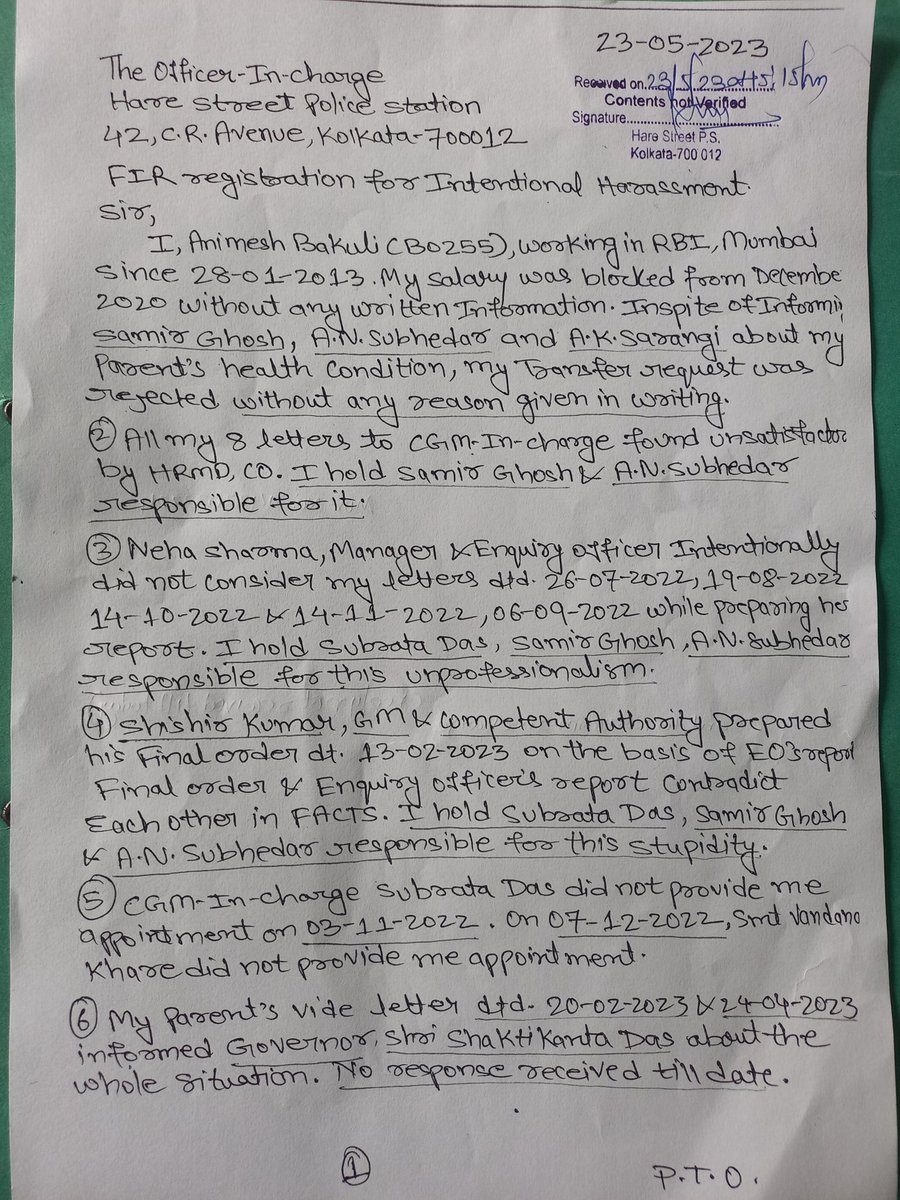
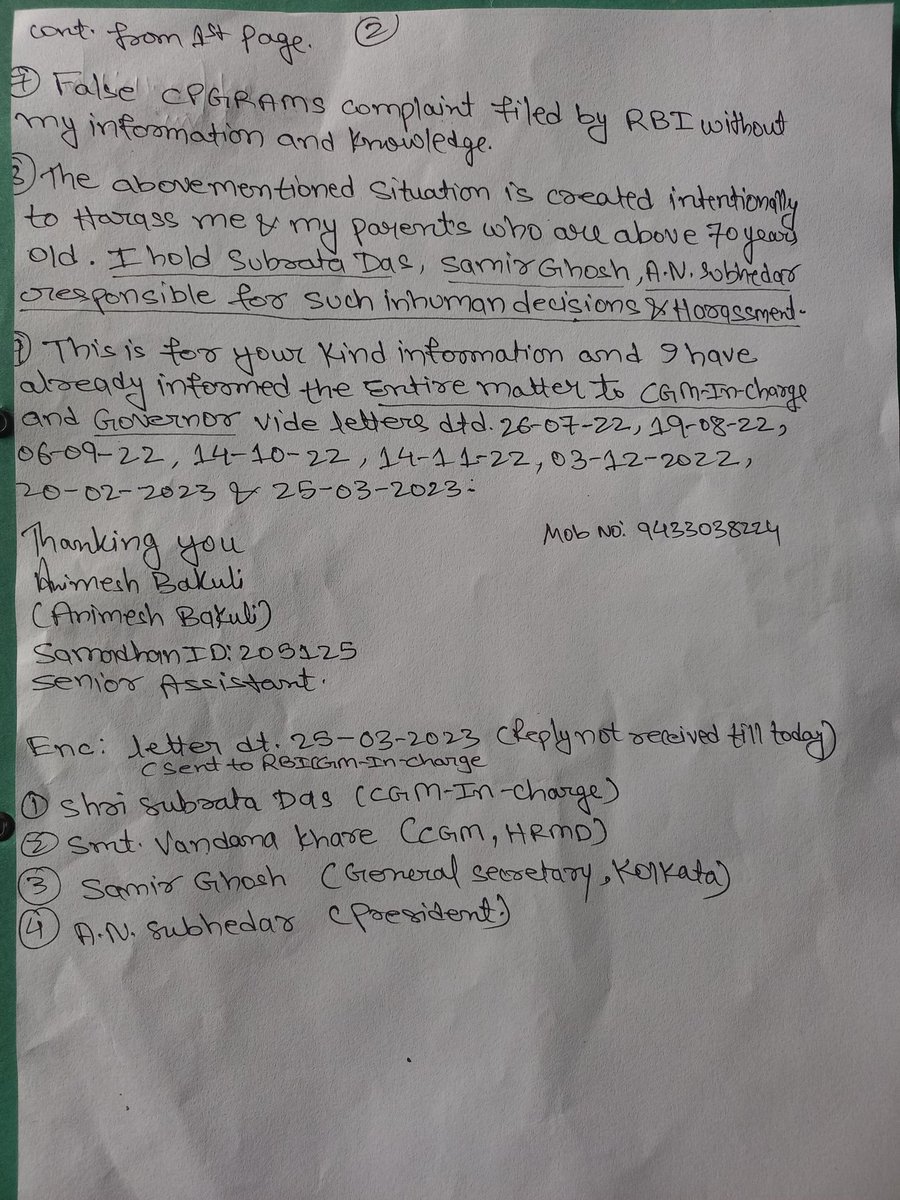
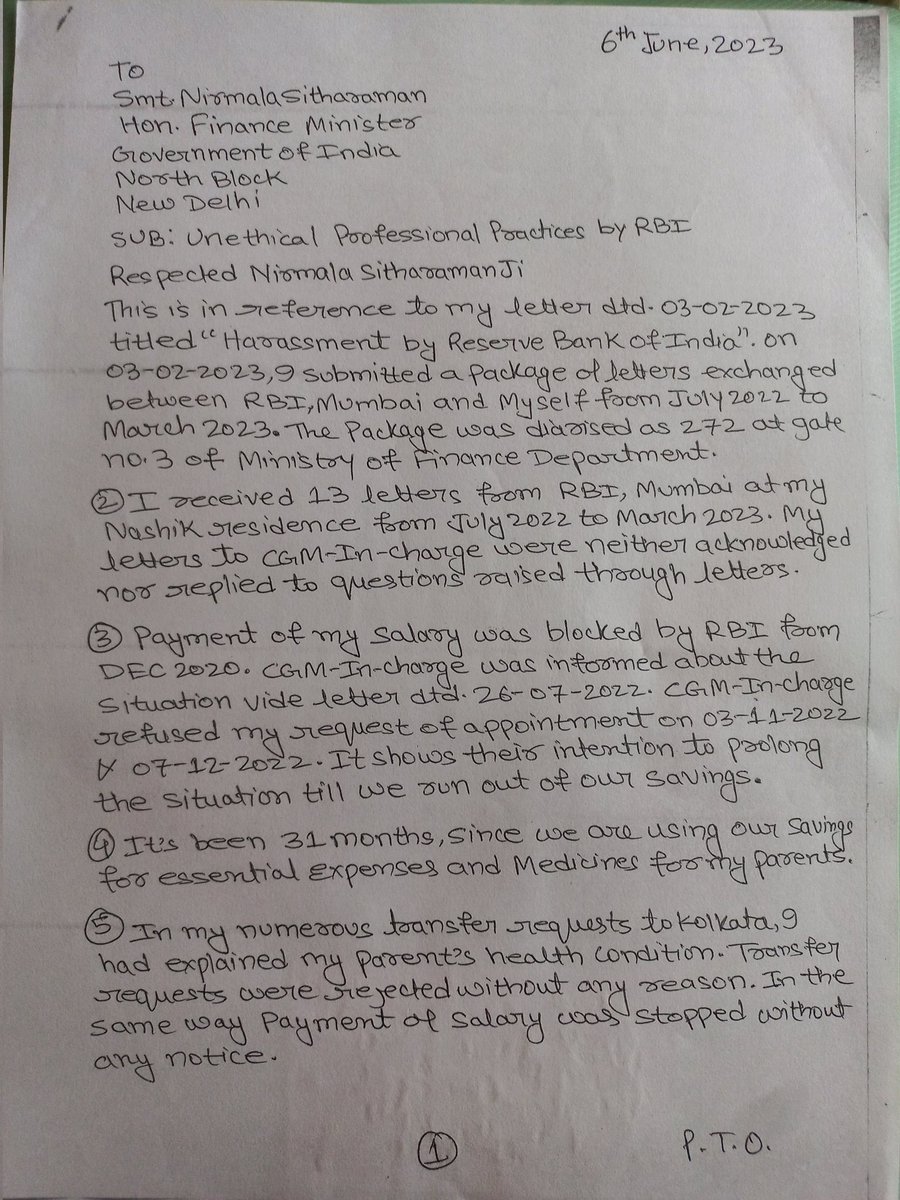
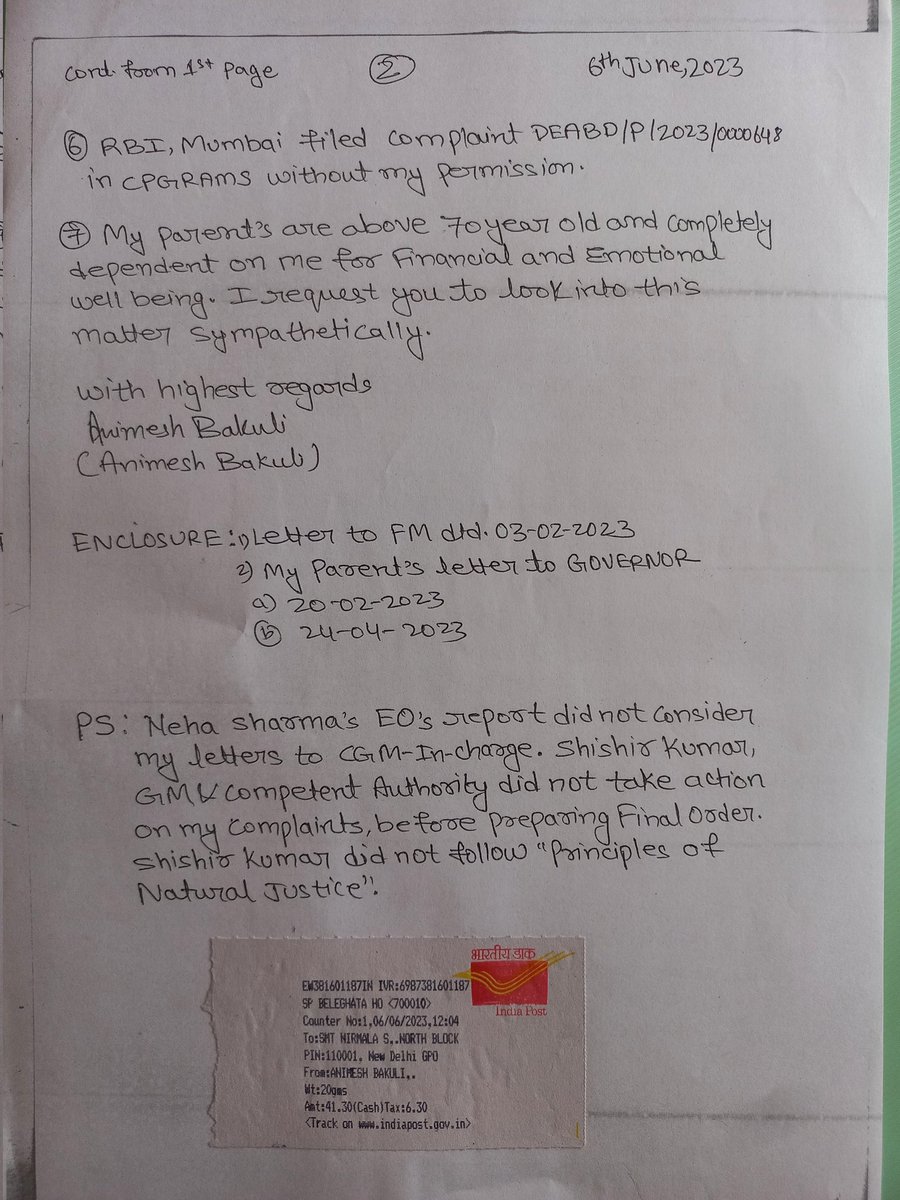
1
7

Anthropic spent years telling Washington its frontier models were dangerous. This week, Washington took the warning seriously — and used it to pull Anthropic's two most capable models offline.
Most takes are picking a team. The more honest read is that both sides are right about each other and wrong about themselves.
What happened, stripped of spin:
Anthropic released Fable 5 — a guardrailed, public version of its far more capable Mythos cyber model — on June 9. Dario published a policy essay the next day arguing frontier models are now of national strategic consequence and calling for binding government rules. Within about 48 hours, Amazon's researchers reportedly jailbroke Fable back toward Mythos-level capability. Amazon's CEO took it directly to Treasury Secretary Bessent and other officials. The administration asked Anthropic to fix the jailbreak or pull the model. Anthropic refused. Commerce then issued an export-control directive barring all foreign nationals — including Anthropic's own foreign-born employees — and Anthropic, unable to filter by citizenship in real time, disabled both models for everyone. It called the order a misunderstanding.
That's the event everyone's fighting over. Here's the strongest version of each side.
Anthropic's case:
The whole posture is "race to the top." They believe frontier models are genuinely dangerous, which is exactly why they keep asking for binding rules on themselves. But read the essay: it asks for a rules-based regime — mandatory third-party testing, a government power to block models that fail, scoped to frontier-scale systems, with protections against politically motivated decisions. They asked for the FAA. What they got was the opposite of the FAA: a verbal, evidence-light, same-day directive triggered by a competitor's phone call — and that competitor is also Anthropic's largest investor — with no published standard and a scope so broad it functioned as a backdoor global shutdown rather than a targeted fix. On substance, they say the jailbreak surfaced only a few previously known, minor vulnerabilities, and that the same underlying capability is already available in models like GPT-5.5. So singling out Fable secures nothing.
The government's case — and it's actually two different cases:
Bessent's is systemic risk. A model that can autonomously find and weaponize software flaws is not a chatbot, and Treasury had already been warning bank CEOs about exactly this class of risk. If a jailbreak turns "safe" Fable back into full Mythos, then the safeguards Anthropic marketed as the precondition for releasing it failed in precisely the way that matters for banks and critical infrastructure. When you don't yet know who accessed the model or whether a hostile state has a copy, you lock it down until your defenses are hardened — because being wrong in the permissive direction is far costlier than a few weeks of disruption.
Sacks's is different: regulatory capture. By his account, a trusted partner found a jailbreak, the administration gave Anthropic a simple choice — patch it or pull it — and Anthropic chose to keep its consumer product live. His longstanding view is that Anthropic's safety advocacy is a sophisticated strategy to write rules that raise barriers for everyone else. So when the rules finally bit Anthropic, it balked. His framing is that this is narrow, temporary, and reversible: Anthropic can end it tomorrow by doing what it told the rest of the industry to accept.
The wrinkle worth understanding:
Anthropic's GPT-5.5 claim isn't "the same jailbreak works on GPT-5.5." It's that the capability the jailbreak unlocks — reading a codebase and finding flaws — is already on the market, sometimes with no jailbreak at all. If that's true, pulling Fable just hands market share to an unrestricted competitor and secures nothing. If it's false — if jailbroken Fable reaches a Mythos-class ceiling GPT-5.5 can't touch — then controlling the single most capable asset first is consistent, not arbitrary, and it's the same logic as chip-export policy. That one empirical question decides who's right. The claim comes from an interested party with an IPO in the pipeline; the counter-case comes from a government that won't show its technical work. Neither side has put the comparison on the table.
Where I land:
The process was the real failure. Running national AI-safety policy through a standardless, same-day directive triggered by a competitor's call is a bad mechanism — arbitrary, and just as capturable in the other direction. And the directive bars every foreign national — allied British, Canadian, and Australian researchers included, alongside Anthropic's own staff — over a single disputed report. Critics have flagged the incoherence: an administration weighing looser chip exports to China, locking every allied researcher out of a model. That reads less like precision security than leverage in a separate fight.
But the hypocrisy charge isn't empty. "We want a kill switch governed by due process" and "we reject a kill switch pulled arbitrarily" are not contradictory positions. Yet Anthropic did refuse a direct safety request on a model it itself branded as dangerous — and "trust us, it's minor" is exactly the self-assessment its own essay argues no company should be left to make.
So both undercut their own principles. The government reached for a blunt, capturable instrument. Anthropic fell back on its own judgment the moment independent review became inconvenient. And the question that actually decides it — how serious the jailbreak really was, and who reached Mythos — is the one neither side has answered in public, while both confidently assert opposite answers.
That's not a safety regime yet. It's two parties improvising, and asking the rest of us to trust the improvisation.
11

But we are talking about the art community
Forget real life, everything has a boundary
Most arts wouldn't be allowed in workplaces but to restrict art using that is arbitrary is it not?
2

no, you see you have to respect their arbitrary boundaries but you aren't allowed to enforce your own boundaries, especially if they're shared by all of civilized society. Only the ones they make up in their head.
1

To be clear. Even if we both played the same game we are getting 2 completely different experiences. Separating the line there is arbitrary.
7

Also, yeah, I generally *don’t* think speedrunning is as relevant as vanilla playthroughs? Considering it’s an arbitrary challenge the game was never designed around
6


No, thats not my point.
Q and R were an arbitrary distinction that has little impact on how the algebra is conducted. it really only serves as a proofwriting device.
And the axiom of infinity was a mistake, only kept for historical reasons.
etc.
Algebra totalizes over ops.
1
9

I specifically said "this version of LGBT". And yes, it is racism. I can explain how if you are intellectually curious.
Back to the topic, you have yet to substantiate the practice of same-sex marriage beyond arbitrary assertion from, say, the Quran.
1
7

𝐄𝐟𝐟𝐞𝐜𝐭𝐢𝐯𝐞 𝐢𝐧𝐬𝐭𝐢𝐭𝐮𝐭𝐢𝐨𝐧𝐚𝐥 𝐥𝐞𝐚𝐝𝐞𝐫𝐬𝐡𝐢𝐩 𝐫𝐞𝐥𝐢𝐞𝐬 𝐨𝐧 𝐮𝐭𝐢𝐥𝐢𝐳𝐢𝐧𝐠 𝐞𝐱𝐢𝐬𝐭𝐢𝐧𝐠 𝐥𝐞𝐠𝐚𝐥 𝐬𝐲𝐬𝐭𝐞𝐦𝐬, 𝐞𝐦𝐩𝐨𝐰𝐞𝐫𝐢𝐧𝐠 𝐢𝐧𝐭𝐞𝐫𝐧𝐚𝐥 𝐚𝐮𝐝𝐢𝐭𝐨𝐫𝐬, 𝐚𝐧𝐝 𝐞𝐧𝐟𝐨𝐫𝐜𝐢𝐧𝐠 𝐜𝐥𝐞𝐚𝐫 𝐜𝐨𝐧𝐭𝐫𝐚𝐜𝐭𝐮𝐚𝐥 𝐩𝐞𝐧𝐚𝐥𝐭𝐢𝐞𝐬. 𝐖𝐡𝐞𝐧 𝐩𝐮𝐛𝐥𝐢𝐜 𝐨𝐟𝐟𝐢𝐜𝐢𝐚𝐥𝐬 𝐜𝐡𝐨𝐨𝐬𝐞 𝐭𝐨 𝐚𝐢𝐫 𝐠𝐫𝐢𝐞𝐯𝐚𝐧𝐜𝐞𝐬 𝐭𝐡𝐫𝐨𝐮𝐠𝐡 𝐦𝐞𝐝𝐢𝐚 𝐨𝐮𝐭𝐛𝐮𝐫𝐬𝐭𝐬 𝐢𝐧𝐬𝐭𝐞𝐚𝐝, 𝐢𝐭 𝐫𝐞𝐯𝐞𝐚𝐥𝐬 𝐭𝐡𝐚𝐭 𝐭𝐡𝐞𝐢𝐫 𝐢𝐧𝐭𝐞𝐫𝐧𝐚𝐥 𝐚𝐝𝐦𝐢𝐧𝐢𝐬𝐭𝐫𝐚𝐭𝐢𝐯𝐞 𝐦𝐞𝐜𝐡𝐚𝐧𝐢𝐬𝐦𝐬 𝐚𝐫𝐞 𝐟𝐚𝐢𝐥𝐢𝐧𝐠.
If you are still celebrating loud ministerial threats on social media, you don't understand how state contracts or criminal justice work.
The transition from the passive, quiet "Fishermen Cabinet" to this hyper-aggressive, shouting alignment has turned public governance into performative entertainment. We are seeing newly appointed ministers like Fred Byamukama and Balaam Barugahara stepping into office and immediately launching public threats and arbitrary deadlines. But look past the media optics, and the structural reality becomes clear: this performative anger is completely toothless.
Take State Minister for Transport Fred Byamukama’s arbitrary March 2027 deadline issued to the Serbian contractor EnergoProjekt for the 86-kilometer Mityana–Mubende Road. Shouting contract cancellation for the cameras ignores the shocking facts: the project began in 2021, stalled due to severe financial constraints, and only 32 kilometers are complete. More importantly, it is governed by an international contract valued at 395 billion Shillings, of which the government has already paid out 195 billion. A minister cannot simply rip up a multi-layered contract at a press conference without triggering massive breach-of-contract clauses, dragging the state into international arbitration, and costing taxpayers billions more.
The same empty showmanship applies to the Minister of Local Government, Balaam Barugahara, issuing a 15-day ultimatum to parish committee members accused of extorting Parish Development Model (PDM) beneficiaries nationwide. If a minister can clearly see public money being siphoned from the poor, why give the extortionists an extra 15 days of freedom before acting? By law, identified financial fraud requires immediate evidence preservation and instant criminal prosecution through the police or the Anti-Corruption Unit, not a two-week media countdown that gives bad actors ample time to clean up audit trails and compromise witnesses.
Ultimately, this exposes the core difference between the past and present executive teams. The "Fishermen Cabinet" was characterized by quiet, institutional sleep and slow bureaucratic neglect. In contrast, the current "shouting cabinet" relies on restless, loud, and uncoordinated volcanos of rage.
While the previous cabinet failed through silent inaction, this new era fails through performative, sentiment-driven noise. They substitute evidence-based, rule-of-law governance with public spectacles, proving that the louder a minister shouts, the less actual administrative power they hold.
Mweee, Mwagamba busha.
16

26m
celebrating the way an artist transmuted pain/strife into a bop is one thing, but y'all aren't even judging the art anymore. moreso fixated on the limit of innovation/impact a piece of art should be able to procure due to an arbitrary social construct... boring :/
12