
14 Mar 2025
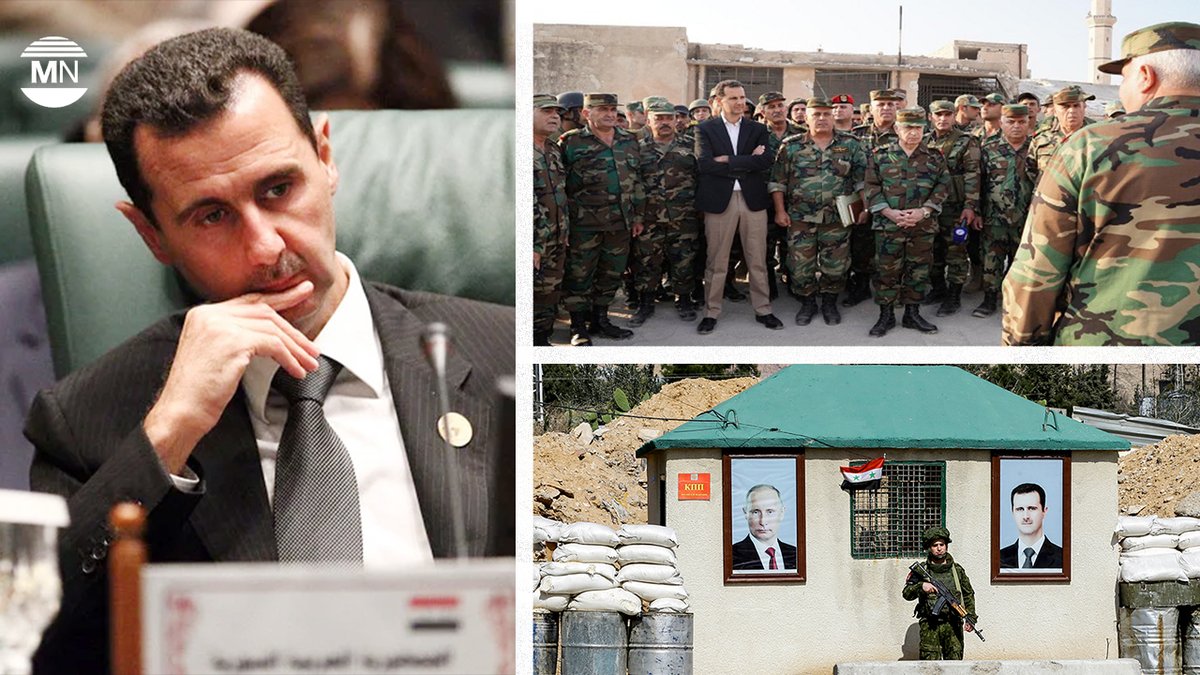
🔷Mihraç Ural, a Syrian militia leader, claims Russia forced Bashar al-Assad out of power, orchestrating a coup that ended his 53-year regime in December 2024.
#Syria #AssadFall
🔗 Read More: medyanews.rs/F5zz50A
🌐 Follow us on Telegram: t.me/MN_MedyaNews
1
3
296

11 Mar 2025
Syria clashes: सीरिया में अल्पसंख्यक शिया, अलावी और क्रिश्चियन क्यों हैं निशाने पर? असद सरकार के पतन के बाद क्यों मचा कोहराम? पढ़ें Explainer
rakshasamachar.com/explainer…
#SyriaClashes #Syria #AssadFall #ShiaInSyria #AlawiteCommunity #SyrianChristians #MiddleEastCrisis #SectarianViolence #SyriaConflict #MinorityRights #SyriaExplained
1
2
61

12 Jan 2025
#NetanyahuSuccess #JoeBiden #AnotherMiddleEast
Netanyahu's success? Simple: he did the opposite of what Biden advised him to do.
In fact - the @WSJ summarizes - Netanyahu demolished #Hamas.
He defeated #Hezbollah.
He created the conditions for the #AssadFall.
He isolated #Iran, a major sponsor of #IslamicTerrorism.
In short, he changed the #MiddleEast. And the funniest thing is hearing #JoeBiden claim credit for all of that.
3
1
8
301

27 Dec 2024
Intense clashes erupt in the countryside of Tartus, Syria, as opposition forces face off against armed fighters from the local community.
#Tartus #Syria #OppositionForces #SyriaConflict #MiddleEast #SyriaCrisis #AssadFall
4
10
20
771

#BREAKING
"After Assad, no dictator remains but you."
Arab #Knesset member #AhmadTibi condemns Prime Minister Benjamin #Netanyahu, criticizing his expansionist occupation policies in the region.
#IsraeliPolitics #MiddleEast #Syria #AssadFall
1
1
190

23 Dec 2024
سقوط نظام الأسد الهارب يفتح المجال أمام إعادة إحياء مشروع خط أنابيب الغاز القطري إلى أوروبا، والذي يُعدّ مشروعاً إستراتيجياً يُحقِّق مصالح دُوَل عديدة منها سوريا، لكن في الوقت نفسه تُوجَد عقبات جديدة قد تَحُول دون تنفيذه؛ منها عقبات اقتصادية، إضافةً لتزايد المنافسة الدولية على تغطية السوق الأوروبية، لذلك لا يمكن حالياً الجزم بمستقبل المشروع، فهو يحتاج لدراسات جديدة لتحديد جَدْواه الاقتصادية والإستراتيجية.أأ
#سقوط_الأسد
#الغاز_القطري
#خط_أنابيب_الغاز
#سوريا_الجديدة
#السوق_الأوروبية
#سوريا
#سوريا_أمانة
#بدنا_نعمرها
#سوريا_تتحرر
#بدنا_نزرعها
#سوريا_حرة
#سوريا_2030
#AssadFall
#QatariGasPipeline
#EnergyToEurope
#StrategicProjects
2
5
99
29,233

19 Dec 2024
Damascus airport reopens for first domestic flight after Assad's fall in Syria
Source: Reuters | #DamascusAirport #SyriaCivilWar #AssadFall
youtube.com/watch?v=x0IzqGTu…

2
1,360

18 Dec 2024
Jason James and I dived deeply into end of 2024 main headlines. News that might not end in 2024 but might continue with more interesting updates by the beginning of the New Year 2025.
Full Episode:
R: rumble.com/v608g6e-jason-jam…
YT: youtube.com/watch?v=1QmHPQOd…
#BasharAlAssad #AssadRegime #assadfall #DJT #trump #Trump2024 #MAGA #PresidentoftheUnitedStates #TrumpVance2024 #TrumpVance
@jasonjamesbnn

2
4
5
167
18 Dec 2024
Join me LIVE today Wednesday December 18 at 10 am PDT / 1 pm EST with my Guest Jason James in a deep dive into end of 2024 main headlines. News that might not end in 2024 but might continue with more interesting updates by the beginning of the New Year 2025.
Watch:
Rumble: rumble.com/v608g6e-jason-jam…
Twitter/X: x.com/PeymanAskari451
YouTube: youtube.com/watch?v=1QmHPQOd…
#BasharAlAssad #AssadRegime #assadfall #DJT #trump #Trump2024 #MAGA #PresidentoftheUnitedStates #TrumpVance2024 #TrumpVance2024
@jasonjamesbnn

3
866

17 Dec 2024
Why Israel Seized Mount Hermon: Geopolitics in Post-Assad Syria #mounthermonchurchtv #AssadFall #IsraelSyriaConflict #middleeastpolitics #golanheights #regionalstability #bangladeshnews #internationalrelations #Syria
1
50

15 Dec 2024
Many economic players, including figures close to the former regime, have expressed their support to the ongoing transition of power, other institutions have kept silent, and only a few expressed their support towards Assad.
🔗 syria-report.com/syrian-econ…
#Syria #AssadFall #EconomicUpdate #SyriaReport
1
2
626

13 Dec 2024
The Fall of Assad and the Search for Syria’s Missing
When President Bashar al-Assad was ousted and his forces abandoned Damascus, they left behind more than just empty offices and barracks—they unveiled decades of brutal repression. Among the ruins of Syria’s most feared detention centers, families began a desperate search for answers about loved ones who vanished into the regime’s labyrinth of prisons.
For Ghusun Juma, 35, the fall of Assad marked the beginning of a painful quest. Her brother, brother-in-law, and two cousins had all disappeared at the hands of the regime nearly a decade ago. This week, armed with only a cellphone flashlight, she combed through a dark, damp underground prison in southeastern Damascus, hoping to find any trace of her brother. “I’ve been looking since the first day,” she said.
The collapse of Assad’s regime has opened the doors to detention centers that symbolized its cruelty. Inside, reporters found cramped cells where prisoners once lived in unimaginable conditions—sharing pit toilets, sleeping on concrete floors, and enduring horrific abuse. Graffiti on cell walls told silent stories: a bouquet of flowers, a heart pierced by an arrow, and haunting symbols of survival.
In the prison’s storage rooms, scattered ID cards, photos, and documents hint at the fates of countless detainees. Rights groups believe these records could offer answers to families or serve as evidence in future war crimes trials. However, no authority has yet secured these critical materials.
The pain is universal. Mohammed Kanaz, 62, wandered through the cells, weeping as he searched for his son, Mohammed, who was arrested in 2012 at age 18. “I raised him and loved him,” he said. “What did he do?” His son’s fate remains unknown, though the family was told years ago that Kanaz’s brother, arrested in 2014, had died in custody—likely from mistreatment.
Since the start of Syria’s conflict in 2011, over 30,000 families have filed tracing requests for missing relatives, according to the International Committee of the Red Cross. Most remain unanswered.
As Syrians sift through the remnants of a regime that ruled through fear, they confront not only the scars of the past but the uncertainty of the future. For families like Juma’s and Kanaz’s, the fall of Assad offers a glimmer of hope that their loved ones’ fates might finally be uncovered—alive or dead.
Justice, however, hinges on preserving the evidence left behind. As one father put it: “If he is alive, where is he? If he is dead, may God have mercy.”
By Ben Hubbard
Photographs by Nicole Tung
Ben Hubbard and Nicole Tung have been reporting from Damascus, Syria, since the ouster of Bashar al-Assad.
#Syria
#AssadFall
#HumanRights
#EnforcedDisappearances
#JusticeForSyria
#SyrianPrisons
#MissingPersons
#WarCrimes
#FamiliesOfTheMissing
#Damascus
#SyrianConflict
#HopeForJustice
#RepressionUnveiled
#Accountability
#HumanityInWar
1
1
2
105
10 Dec 2024
As A New Day Dawns in Syria, The people In Damascus Celebrate Their Second Independence Day After The Ouster Of President Assad
#SyrianCivilians #AssadFall | Source: Reuters
1
4
928
10 Dec 2024
Syrian Cities Are Coming Back to Life After Bashar Al-Assad's Ouster But Many Institutions and Public Transport Still Closed
Source: Reuters, AP | #SyrianCivilians #AssadFall
1
846

10 Dec 2024
🔴 Major Shift in Syria: Rebel Victory Ends Assad's Reign 🔴
Key Updates:
1️⃣ Regime Overthrown:
Islamist rebel group Hayat Tahrir al-Sham (HTS) ousted President Bashar al-Assad on Dec 8.
Assad fled as rebels took control of Damascus.
2️⃣ Power Transition:
HTS leader Ahmed al-Sharaa (formerly Abu Mohammed al-Jolani) began coordinating governance efforts with PM Mohammed al-Jalali.
3️⃣ Freedom for Prisoners:
Mass gatherings at Saydnaya prison revealed freed detainees, many suffering severe abuse.
Celebrations erupted nationwide as Syrians embraced hope for justice and democracy.
4️⃣ International & Regional Reactions:
Germany & France pledged support for human rights and minority protections.
Israel & Turkey launched strikes targeting military sites and Kurdish areas.
The UN emphasized accountability for Assad-era atrocities.
5️⃣ What's Next?
Syria's political landscape faces uncertainty. Global powers and regional actors monitor closely.
What does this mean for the future of Syria and the Middle East? 🌍 Discuss below!
#Syria #AssadFall #MiddleEast #HumanRights #GlobalPolitics
4
75

8 Dec 2024
1
2
119

8 Dec 2024
The Israeli Army Inside Syria
The Beginning of Division and Imposing a New Reality After the Fall of Bashar al-Assad
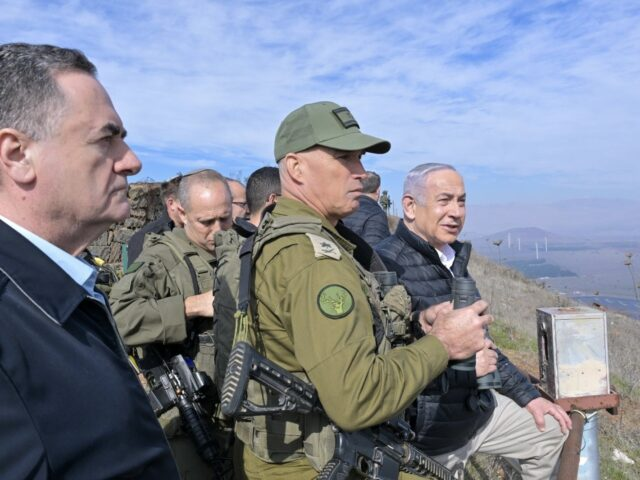
Eyewitnesses reported Israeli tanks and bulldozers entering Syria, recorded in the Druze village of Majdal Shams.
Following the fall of Bashar al-Assad's regime, Israel is attempting to exploit the security and political chaos to impose a new reality on the ground, either by establishing a buffer zone along the border or reinforcing its control over the Golan Heights.
The entry of Israeli forces aims to divide Syria into zones of influence, especially with the collapse of the central state and its weakened grip on the peripheries.
The direct Israeli intervention accelerates this process alongside interventions from Turkey, Iran, and Russia.
#Israel #Syria #MajdalShams #AssadFall #SyriaDivision #GolanHeights #IsraeliIntervention #RegionalConflict
4
6
1,196

8 Dec 2024
Al-Jolani enters Damascus after the fall of Assad’s regime, marking a historic moment in Syria’s ongoing conflict.
#Syria #Damascus #AlJolani #AssadFall #SyrianConflict #HTS #MiddleEast
npasyria.com/en/119420/
2
7
1,337

After Assad’s Fall, Rebel Leader Addresses Crowds: “This Victory Belongs to All Syrians”!
#Syria #AssadFall #RebelVictory #HayatTahrirAlSham
rks.news/after-assads-fall-r…
1
6
273

8 Dec 2024
2008: Assad laughs at Gaddafi. 2024: Assad’s regime collapses. Tyrants always believe they’re the exception—until they’re not. #HistoryRepeats #AssadFall
1
5
385