
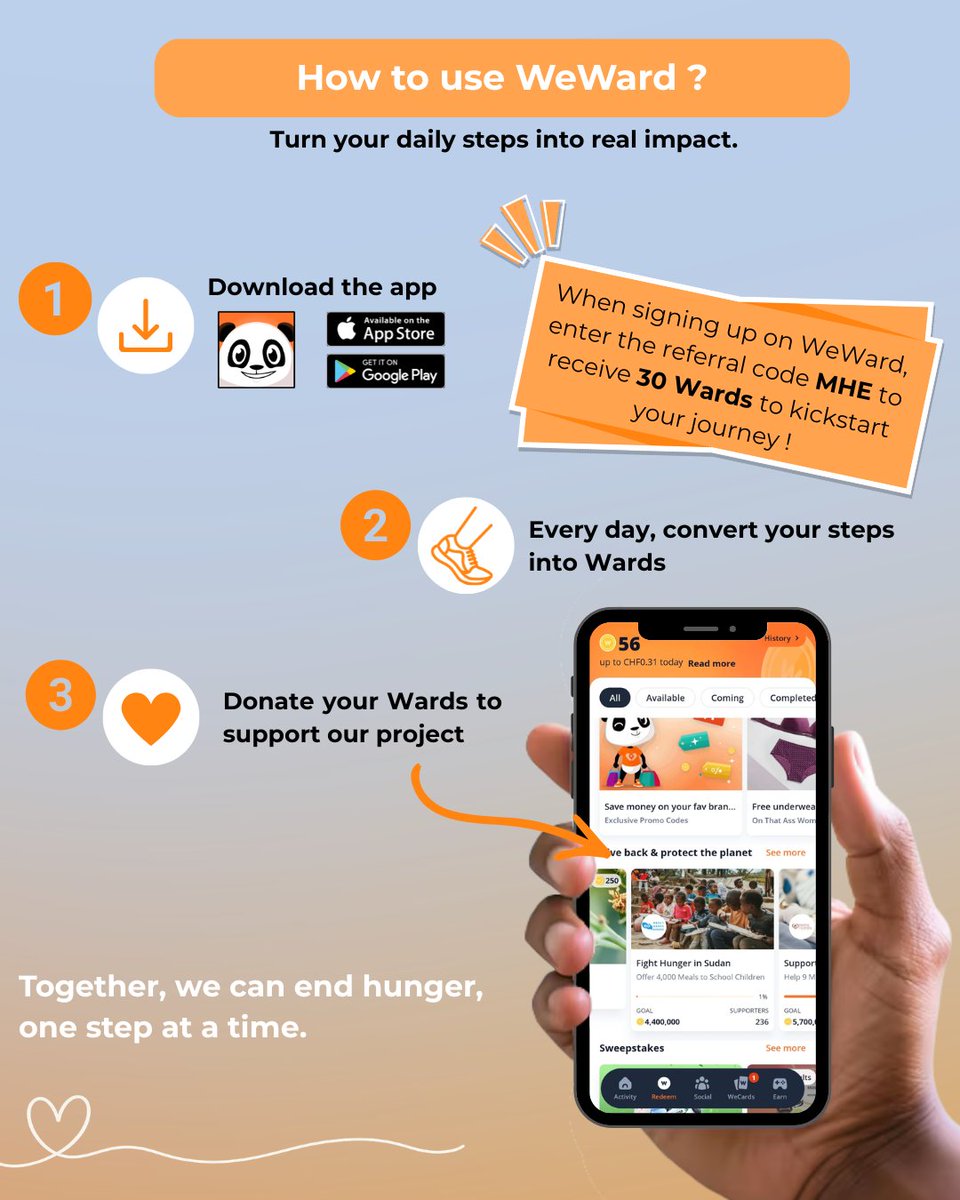
🌍 This June 15th, walk to feed a child in Sudan.
On #WorldHungerDay, @WeWard & Mercy Hands Europe are turning steps into 4,000 meals for school kids in Atbara💛
📲 Download WeWard, use code MHE ( 30 free Wards) & start walking.
👣 #ZeroHunger #WalkForGood


12

Jun 13
𝗜𝗳 𝗧𝗵𝗲𝗿𝗲 𝗜𝘀 𝗡𝗼 𝗔𝗯𝘀𝗼𝗹𝘂𝘁𝗲 𝗦𝗼𝘃𝗲𝗿𝗲𝗶𝗴𝗻𝘁𝘆 𝗢𝘃𝗲𝗿 𝘁𝗵𝗲 𝗡𝗶𝗹𝗲, 𝗪𝗵𝘆 𝗗𝗼𝗲𝘀 𝗘𝗴𝘆𝗽𝘁 𝗕𝗲𝗵𝗮𝘃𝗲 𝗔𝘀 𝗜𝗳 𝗜𝘁 𝗢𝘄𝗻𝘀 𝘁𝗵𝗲 𝗥𝗶𝘃𝗲𝗿?
𝗔𝗹𝗺𝗼𝘀𝘁 𝗲𝘃𝗲𝗿𝘆 𝗶𝗻𝗱𝗶𝘃𝗶𝗱𝘂𝗮𝗹 𝗳𝗮𝗰𝘁 𝗶𝗻 𝘁𝗵𝗶𝘀 𝗽𝗼𝘀𝘁 𝗶𝘀 𝘁𝗿𝘂𝗲. 𝗧𝗵𝗲 𝗰𝗼𝗻𝗰𝗹𝘂𝘀𝗶𝗼𝗻 𝗶𝘀 𝘀𝘁𝗶𝗹𝗹 𝗳𝗮𝗹𝘀𝗲. That is the signature of a half-argument: true bricks stacked toward a dishonest wall.
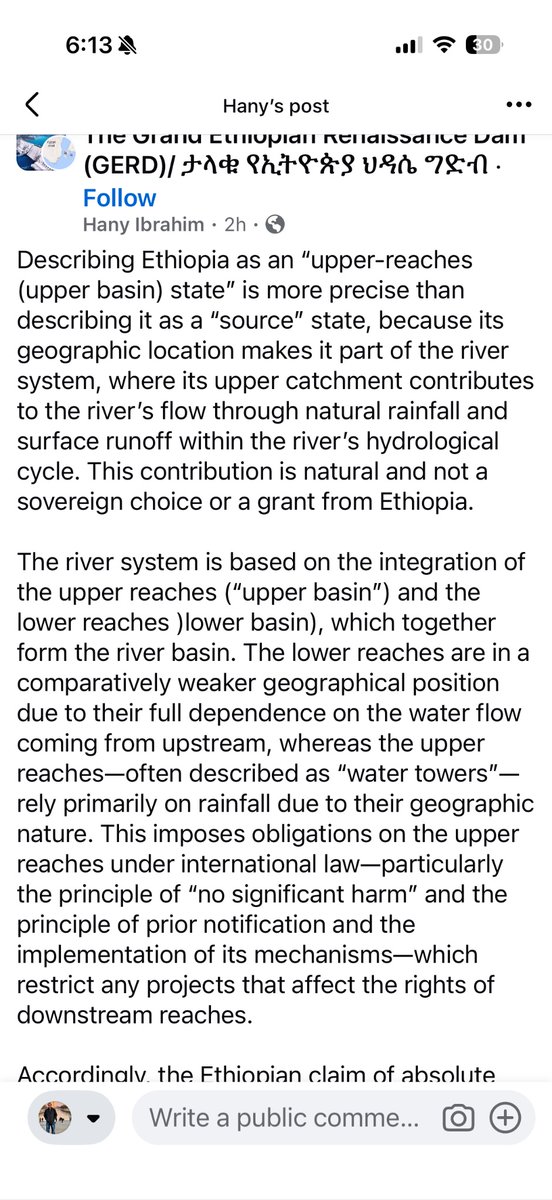
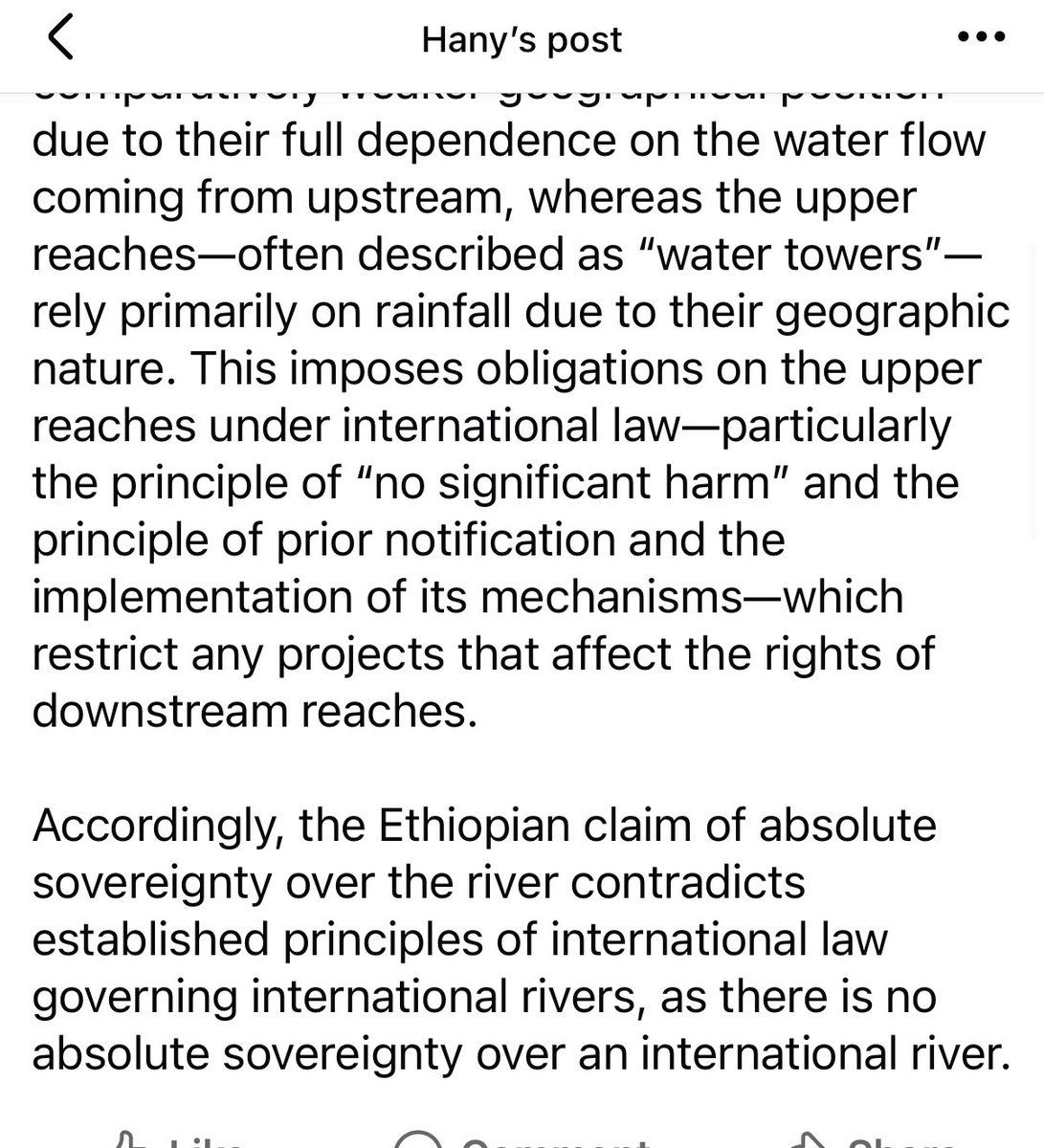
Start with what is correct, because none of it helps Egypt. Ethiopia is an upstream state. Its water comes from natural rainfall and runoff. And yes, no country holds absolute sovereignty over an international river. Now watch what that last admission does. If “it is only natural rainfall, not a sovereign gift” weakens a country’s standing, then Egypt has no standing at all, because Egypt contributes almost none of the river’s water. Roughly 85 percent of the Nile that reaches downstream is born in the Ethiopian highlands, through the Blue Nile or Abbay, the Atbara or Tekeze, and the Sobat or Baro-Akobo. The Blue Nile alone rises in Ethiopia near Lake Tana. Egypt sits at the very bottom of the system and adds close to nothing. 𝗡𝗮𝘁𝘂𝗿𝗮𝗹𝗻𝗲𝘀𝘀 𝗶𝘀 𝘁𝗵𝗲 𝗮𝗿𝗴𝘂𝗺𝗲𝗻𝘁 𝘁𝗵𝗮𝘁 𝗱𝗲𝘀𝘁𝗿𝗼𝘆𝘀 𝗘𝗴𝘆𝗽𝘁 𝗳𝗶𝗿𝘀𝘁.
And the terminology trick fails too. Ethiopia is not merely an “upper reaches” state. For the Blue Nile, Ethiopia is the source. Call it source, headwater, or upper riparian, the geography does not move. Rainfall is natural, but so is oil, so are minerals, and a state holds sovereignty over the natural resources within its territory, subject to its duties under shared-water law. Downstream dependence does not transfer that title downhill.
Now the real deception. The post names “no significant harm” and “prior notification” and presents them as the governing law. It deletes 𝘁𝗵𝗲 𝗽𝗿𝗶𝗻𝗰𝗶𝗽𝗹𝗲 𝗘𝗴𝘆𝗽𝘁 𝘄𝗼𝗿𝗸𝘀 𝗵𝗮𝗿𝗱𝗲𝘀𝘁 𝘁𝗼 𝗯𝘂𝗿𝘆: 𝗲𝗾𝘂𝗶𝘁𝗮𝗯𝗹𝗲 𝗮𝗻𝗱 𝗿𝗲𝗮𝘀𝗼𝗻𝗮𝗯𝗹𝗲 𝘂𝘁𝗶𝗹𝗶𝘇𝗮𝘁𝗶𝗼𝗻, the core substantive rule of modern international water law. In the 1997 Gabcikovo-Nagymaros case, legal scholars note that the International Court of Justice emphasized equitable utilization, not the downstream veto fantasy Egypt tries to build from “no significant harm.” Egypt leans on “no harm” because it freezes the status quo and shields whoever grabbed the water first. Upstream states invoke equitable use because it is the law of fair shares. The post hides fairness and shows you only the rule that locks in Egypt’s historic grab.
“No significant harm” is not a veto, however often Cairo treats it as one. Harm is one factor weighed inside equitable utilization, not a trump card over it. 𝗡𝗼𝘁𝗶𝗳𝗶𝗰𝗮𝘁𝗶𝗼𝗻 𝗶𝘀 𝗻𝗼𝘁 𝗽𝗲𝗿𝗺𝗶𝘀𝘀𝗶𝗼𝗻. 𝗗𝗲𝗽𝗲𝗻𝗱𝗲𝗻𝗰𝗲 𝗶𝘀 𝗻𝗼𝘁 𝗼𝘄𝗻𝗲𝗿𝘀𝗵𝗶𝗽. And the obligations of international water law bind every riparian, not only the upstream one. Egypt also owes duties: equitable use, cooperation, efficiency, no wasteful out-of-basin transfers, and no attempt to freeze upstream development forever.
Here is the fact the post hopes you never check: 𝗻𝗲𝗶𝘁𝗵𝗲𝗿 𝗘𝗴𝘆𝗽𝘁 𝗻𝗼𝗿 𝗘𝘁𝗵𝗶𝗼𝗽𝗶𝗮 𝗶𝘀 𝗮 𝗽𝗮𝗿𝘁𝘆 𝘁𝗼 𝘁𝗵𝗲 𝟭𝟵𝟵𝟳 𝗨𝗡 𝗪𝗮𝘁𝗲𝗿𝗰𝗼𝘂𝗿𝘀𝗲𝘀 𝗖𝗼𝗻𝘃𝗲𝗻𝘁𝗶𝗼𝗻. 𝗕𝗼𝘁𝗵 𝗮𝗯𝘀𝘁𝗮𝗶𝗻𝗲𝗱 𝘄𝗵𝗲𝗻 𝗶𝘁 𝘄𝗮𝘀 𝗮𝗱𝗼𝗽𝘁𝗲𝗱. So Egypt is selectively quoting principles from a framework it never joined, while hiding the equitable-use principle sitting at the center of that very framework.
Now turn “no significant harm” back on Egypt, because Egypt fails its own test. Every year, Lake Nasser loses between 10 and 16 billion cubic meters of water to evaporation in the open desert, which is roughly 20 to 30 percent of Egypt’s claimed Nile share, boiled into the sky by Egypt’s own choice to store water in one of the hottest places on Earth. GERD stores water in the cooler Ethiopian highlands, where far less is lost. GERD is a hydropower dam. It is non-consumptive. The water generates electricity and then flows on to Sudan and Egypt. GERD also traps a large share of the Blue Nile sediment load, easing sediment pressure on downstream reservoirs. 𝗜𝗳 𝗮𝗻𝘆𝗼𝗻𝗲 𝗶𝘀 𝗰𝗮𝘂𝘀𝗶𝗻𝗴 𝘀𝗶𝗴𝗻𝗶𝗳𝗶𝗰𝗮𝗻𝘁 𝗵𝗮𝗿𝗺 𝘁𝗼 𝘁𝗵𝗲 𝗿𝗶𝘃𝗲𝗿’𝘀 𝘂𝘀𝗮𝗯𝗹𝗲 𝘆𝗶𝗲𝗹𝗱, 𝗶𝘁 𝗶𝘀 𝗘𝗴𝘆𝗽𝘁, 𝗯𝘆 𝗱𝗲𝘀𝗶𝗴𝗻.
And the hypocrisy runs deeper. Egypt built the Aswan High Dam unilaterally in the 1960s, with none of the upstream consultation it now demands of Ethiopia. Egypt also holds alternatives Ethiopia does not, including groundwater, desalination, and water recycling, yet it treats the Nile as its private reserve and Ethiopia’s first major dam on the Blue Nile as a threat. The standard Egypt applies to others was never applied to itself.
The legal foundation Egypt never says out loud is colonial. Its claim rests on the 1929 Anglo-Egyptian treaty, which gave Cairo a veto over water works in the territories then under British control, none of which was ever Ethiopia, and the 1959 agreement, which split the entire river between Egypt and Sudan, 55.5 billion cubic meters to Egypt and 18.5 to Sudan, and assigned exactly zero to Ethiopia, the country that produces most of the water. Ethiopia signed neither. 𝗔 𝘁𝗿𝗲𝗮𝘁𝘆 𝗰𝗮𝗻𝗻𝗼𝘁 𝗯𝗶𝗻𝗱 𝗮 𝘀𝘁𝗮𝘁𝗲 𝘁𝗵𝗮𝘁 𝘄𝗮𝘀 𝗻𝗲𝘃𝗲𝗿 𝗮 𝗽𝗮𝗿𝘁𝘆 𝘁𝗼 𝗶𝘁. That is first week international law. And the basin has already moved on: the Cooperative Framework Agreement entered into force on 13 October 2024 without Egypt, while Egypt and Sudan refused to sign, and its core clause requires every Nile state to use the river in an equitable and reasonable manner.
Finally, the “absolute sovereignty” charge is a strawman, and Egypt’s own signature proves it. In the 2015 Declaration of Principles, signed by Egypt, Sudan, and Ethiopia, Ethiopia agreed to equitable and reasonable utilization and to cooperation. A country that signed up to equitable use is not claiming absolute sovereignty. 𝗧𝗵𝗲 𝗼𝗻𝗹𝘆 𝗽𝗮𝗿𝘁𝘆 𝗰𝗹𝗶𝗻𝗴𝗶𝗻𝗴 𝘁𝗼 𝗮𝗻 𝗮𝗯𝘀𝗼𝗹𝘂𝘁𝗲 𝗰𝗹𝗮𝗶𝗺 𝗼𝘃𝗲𝗿 𝘁𝗵𝗲 𝗡𝗶𝗹𝗲 𝗶𝘀 𝗘𝗴𝘆𝗽𝘁: 𝗮 𝗳𝗶𝘅𝗲𝗱 𝗰𝗼𝗹𝗼𝗻𝗶𝗮𝗹 𝗾𝘂𝗼𝘁𝗮 𝗽𝗹𝘂𝘀 𝗮 𝘃𝗲𝘁𝗼 𝗼𝘃𝗲𝗿 𝗲𝘃𝗲𝗿𝘆 𝗼𝘁𝗵𝗲𝗿 𝗻𝗮𝘁𝗶𝗼𝗻 𝗶𝗻 𝘁𝗵𝗲 𝗯𝗮𝘀𝗶𝗻.
So yes, there is no absolute sovereignty over the Nile. Egypt should read its own sentence again, slowly. 𝗡𝗼 𝗮𝗯𝘀𝗼𝗹𝘂𝘁𝗲 𝘀𝗼𝘃𝗲𝗿𝗲𝗶𝗴𝗻𝘁𝘆 𝗳𝗼𝗿 𝗘𝘁𝗵𝗶𝗼𝗽𝗶𝗮, 𝗮𝗻𝗱 𝗻𝗼 𝗮𝗯𝘀𝗼𝗹𝘂𝘁𝗲 𝗲𝗻𝘁𝗶𝘁𝗹𝗲𝗺𝗲𝗻𝘁 𝗳𝗼𝗿 𝗘𝗴𝘆𝗽𝘁 𝗲𝗶𝘁𝗵𝗲𝗿. The river is shared, and sharing is measured by equitable use, not by colonial paperwork, not by Egypt’s own desert evaporation, and not by a downstream veto that exists only in Cairo’s press releases.
#Ethiopia #Egypt #Nile #GERD #AbbayDam #BlueNile #WaterRights #NileBasin #Sudan #SouthSudan #Uganda #Kenya #Tanzania #Rwanda #Burundi #DRC
2
17
44
1,572

RT @BotFinderUK: This British army veteran, who fought at Atbara, asked rioters in Southampton to stop jumping on his car.
They did this to…
569

Jun 10
RT @BotFinderUK: This British army veteran, who fought at Atbara, asked rioters in Southampton to stop jumping on his car.
They did this to…
569

Jun 10
Today, June 10:
“This day in our shipwreck and aeronautical wreck history”
1821: Duke of Marlborough, this British vessel was broken up on this day in Table Bay in the Western Cape. The events that led up to it being broken up are currently unknown.
1855: Nerbudda, this 16-gun wooden British brig disappeared in severe weather after leaving Algoa Bay in the Eastern Cape bound for Simon’s Town in the Western Cape. Under the command of Capt HA Kerr, with a full complement of officers, men and crew, she was caught in a storm after leaving Algoa Bay and disappeared at sea with 132 lives lost, no trace of her has ever been found. A monument honouring those lost can be found in the Seaforth cemetery in Simon’s Town.
1857: A north-westerly gale in Table Bay in the Western Cape resulted in the wrecking of two wooden British barques:
• Christabel/Christobel, wrecked after its cables parted,
• William James, wrecked on Woodstock beach.
1883: Comta, this vessel was lost off Cape Point in the Western Cape. Very little is known about it.
1901: James Searle II, this steam-powered tug was scuttled off Cape Recife in the Eastern Cape. The hulk drifted onto the nearby beach and the boiler that is visible at low tide is believed to have come from this wreck.
1902: A south-easterly gale led to the loss of five vessels near East London in the Eastern Cape:
• Atbara, a Norwegian iron barque, wrecked on the rocks below Beach Hotel with eleven lives being lost. Although not much remains of the wreck, its cement cargo barrels have made a small artificial reef.
• Aurora, a Swedish wooden barque, wrecked at the Blind River.
• Elise Linck, a German wooden barque, wrecked at the Blind River.
• Pioneer, a sailing ketch that was blown out to sea and never seen again.
• Pondo, a vessel of which little is known was reportedly lost.
1912: Bellona, this steel British lighter wrecked after dragging its anchors in Stony Bay in the Western Cape.
1955: David Haigh, this British/South African fishing trawler was scuttled using depth-charges by the Navy in Table Bay in the Western Cape.
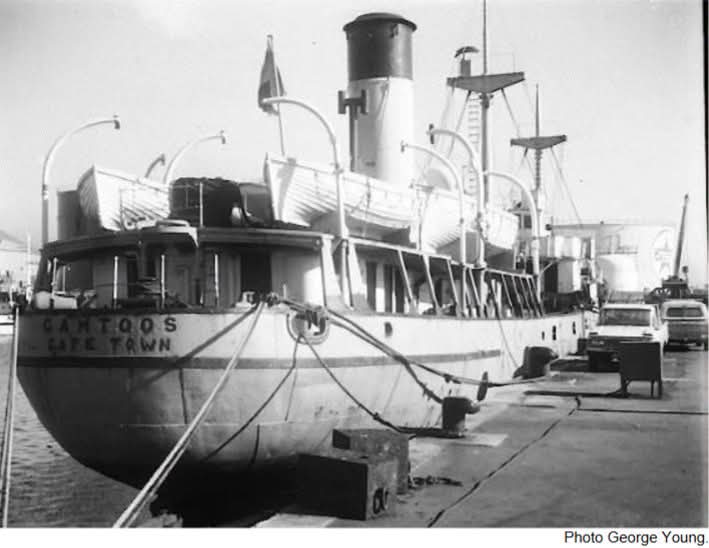
1976: Gamtoos (pictured below), this steel transport vessel was scuttled by the South African Air Force with depth charges in Table Bay in the Western Cape. It had served as a salvage vessel during WWII and was used to transport supplies to the Prince Edward Islands thereafter. It also made guano runs to islands off the West Coast and is estimated to have collected over 3000 tons of guano.
1977: TS McEwan, this South African tug was scuttled after 52 years of service approximately 20km outside Table Bay in the Western Cape. It was affectionately known as ‘Smokey Sue’ because of the black cloud of smoke emanating from the tug that was often visible to Cape Town.
1983: Hsien Chin 32, this Taiwanese fishing vessel was being towed out to be scuttled when heavy swells claimed it about 40km west of the Slangkop lighthouse in the Western Cape.
2
4
471

Finished doing an upgraded sprite background, so here's an GWR Atbara class 4-4-0 named after my home city.
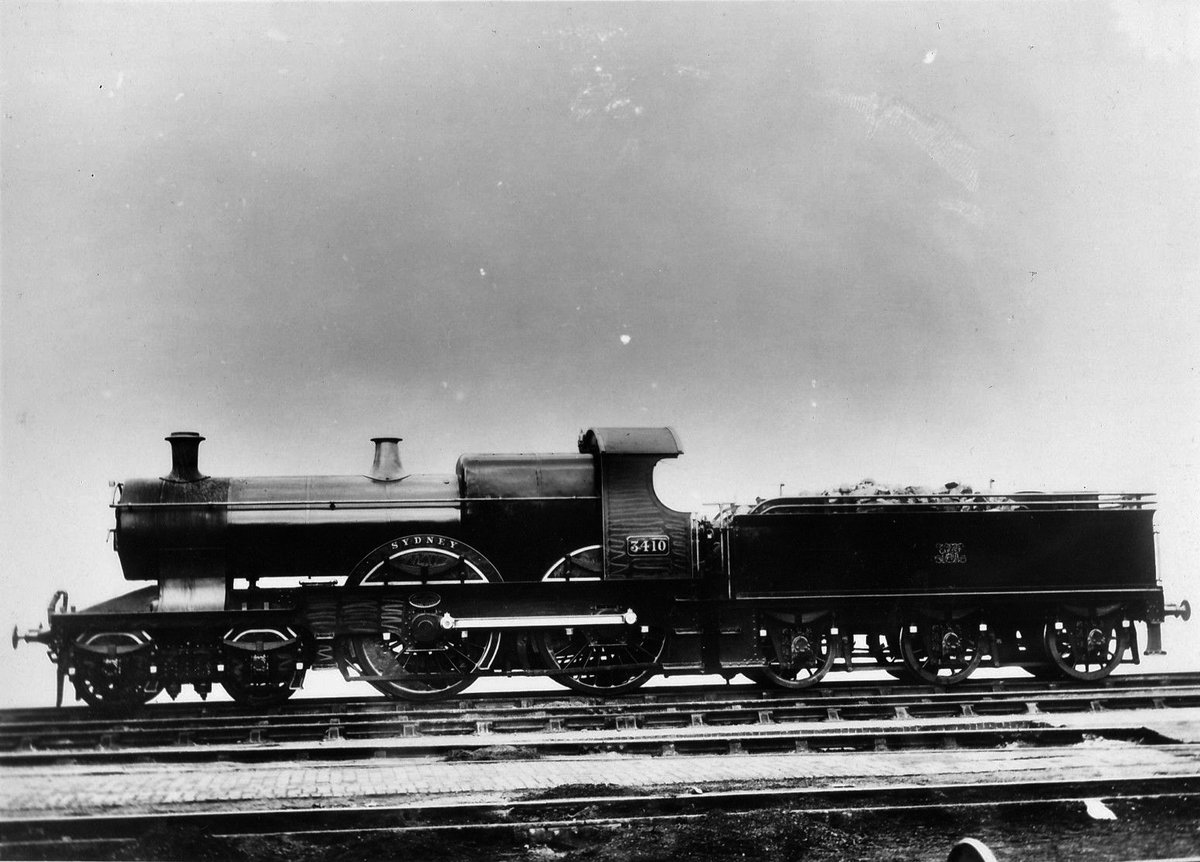
ALT 📷: Unknown
1
27
260

I like how smooth the @RestoreBritain sits on the curved bumper...
Apparently you posted this on Facebook too? Atbara was in 1898.
5
4
42
6,294

My uncle twice removed also fought at Atbara. He used his beloved army kilt to put out the bin fire flames, started by a youth who was dressed in reform gang colours.
4
143

Jun 4
Andrew, 2 things:
1) the battle of Atbara was in 1898, so this guy is obviously doing really well(!)
2) if you think any of those who committed violence would
a) cheer on Farage or
b) say “hurrah” then I’ve got a bridge to sell you
Please use your critical thinking skills.
2
1
3
40

We were all at Atbara.
I was the big crocodile

This is a lie. It isn't helpful to any1 who wants a decent society where we can get on. The battle of Atbara was in 1898 he would have been 128yo. Please stop this, it only helps Farage. He can point to this stupidity & claim this is what all of his none supports are doing.
1
2
809

This is a lie. It isn't helpful to any1 who wants a decent society where we can get on. The battle of Atbara was in 1898 he would have been 128yo. Please stop this, it only helps Farage. He can point to this stupidity & claim this is what all of his none supports are doing.
3
7
2,513

The battle of Atbara! My grandad was Sir William Forbes Gatacre's batman!
1
2
736
AJ and I was at Atbara together. We don't talk about it
1
1
3
314

Jun 4
It did happen. I was at the battle of Atbara with him. Get well soon comrade.
2
5
65

Jun 4
Please stop posting crap. This is a fake story, it never happened. This account claims to be satire but presents believable stories as fact that mislead people.
The battle of Atbara took place in 1898 en.wikipedia.org/wiki/Battle…
4
6
16
1,139

Was it Tommy Robinsons crew that did it ?
I got to say the old fella looks good for is age
The battle of Atbara, that would make him about 138 ish years old
1
7
597
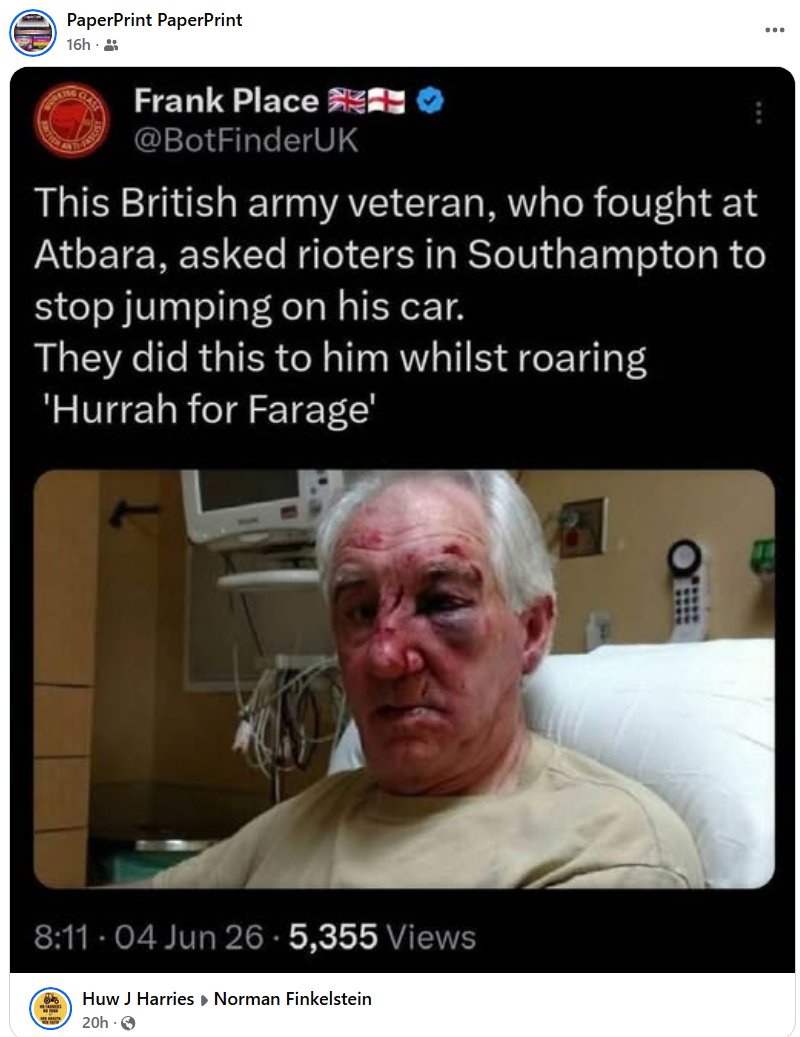
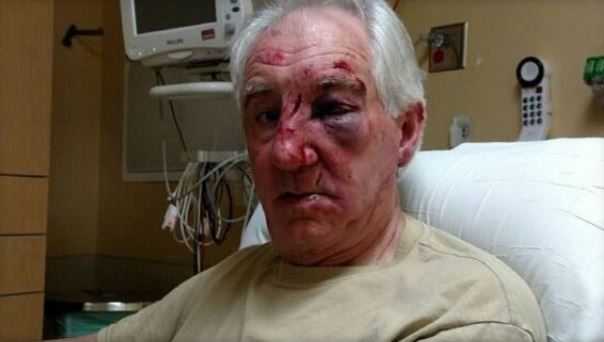
This British army veteran, who fought at Atbara, asked rioters in Southampton to stop jumping on his car.
They did this to him whilst roaring
'Hurrah for Farage'
82
569
907
32,129

Jun 2
WOW.
"The most dangerous place in the world"?
Including Gaza and Lebanon?
Tens of journalists have entered Sudan over the past three years. Int'l media outlets have reported from Khartoum, Port Sudan, Kassala, Gedaref, Atbara, Dongola, Ubayyed, Dilling and other government-controlled areas. Many Sudanese journalists continue to work openly from these areas today.
You, Cameron, of all people, have visited Sudan repeatedly and seen firsthand that the country is not a single uniform battlefield. Large parts of Sudan remain accessible to journalists, humanitarian organizations, diplomats, and international visitors.
The problem is not that Sudan is dangerous; the problem is that the article is lazy and collapses multiple realities into a single narrative. It's very harmful.
Jun 2

The most dangerous place in the world to be a journalist is Sudan. A good look at some of the brave institutions trying to cover the war there. wired.me/story/sudans-journa…
2
9
28
3,035

May 30
I wonder if mechanical parts factory in Atbara will be for weapons or tractors or both
1
2
197