
Cannabinoïdes de synthèse : la DGS lance une alerte
Depuis le début de l’année 2025, les autorités sanitaires constatent une augmentation de la consommation de ces produits très dangereux.
#SoftSecrets #Prohibition
softsecrets.com/fr/article/c…
1

Nous sommes devenus une société d’héritier par par augmentation des héritage mais par effondrement des revenus du travail par les politiques socialistes de Raphaël et de ses potes

"Nous sommes progressivement redevenus une société d'héritiers. (...) Nous imposerons au coeur des débats la taxation des super-successions et des plus hauts patrimoines" promet l'eurodéputé Raphaël Glucksmann. #BFM2
11
37
170
3,042

4m
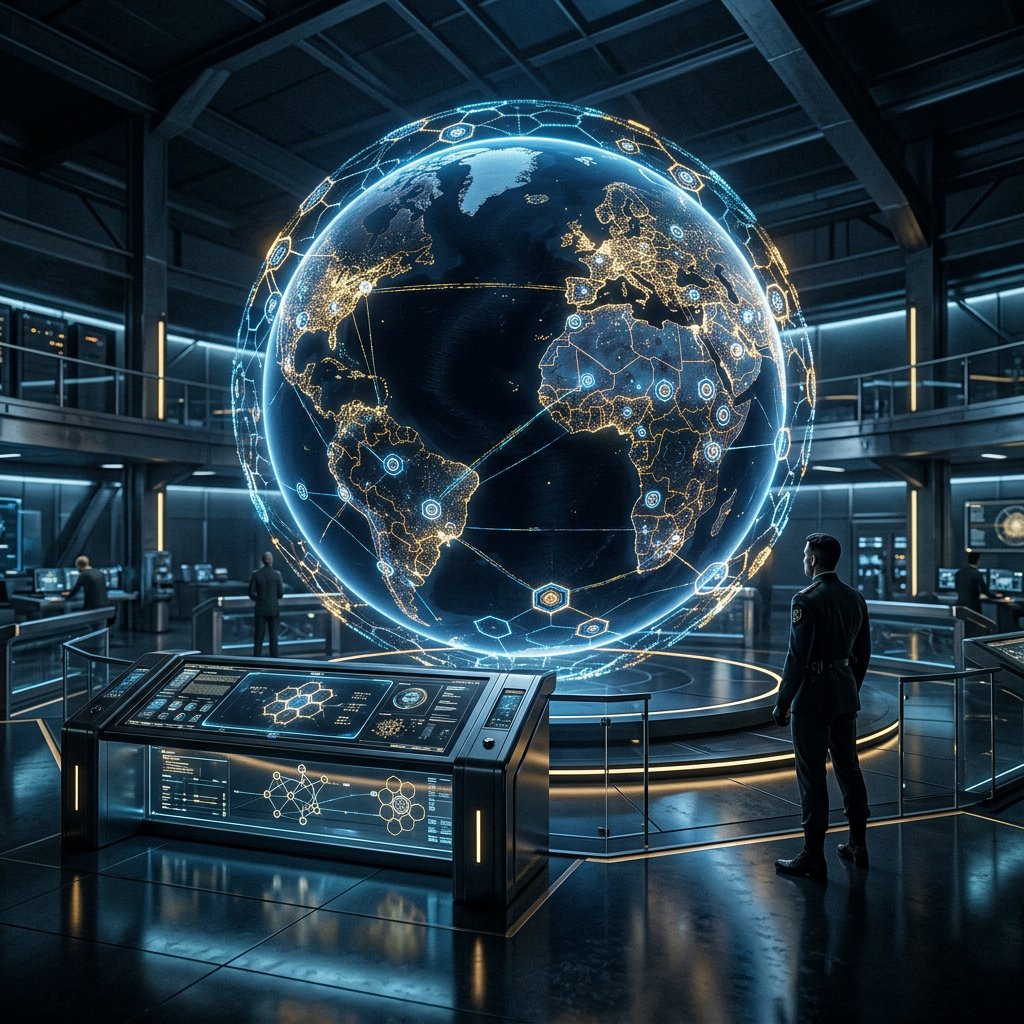
𝐒𝐎𝐕𝐄𝐑𝐄𝐈𝐆𝐍 𝐄𝐀𝐑𝐓𝐇: 𝐓𝐇𝐄 𝐀𝐔𝐆𝐌𝐄𝐍𝐓𝐀𝐓𝐈𝐎𝐍 𝐌𝐀𝐍𝐈𝐅𝐄𝐒𝐓𝐎
𝐏𝐚𝐫𝐭 𝐈: 𝐓𝐡𝐞 𝐀𝐫𝐜𝐡𝐢𝐭𝐞𝐜𝐭𝐮𝐫𝐞 𝐨𝐟 𝐃𝐞𝐩𝐞𝐧𝐝𝐞𝐧𝐜𝐲
𝐈. 𝐓𝐇𝐄 𝐂𝐀𝐓𝐇𝐄𝐃𝐑𝐀𝐋 𝐓𝐇𝐀𝐓 𝐏𝐑𝐄𝐓𝐄𝐍𝐃𝐄𝐃 𝐓𝐎 𝐁𝐄 𝐀 𝐁𝐀𝐙𝐀𝐀𝐑
There was a moment—brief, luminous, and now receding into the rearview mirror of technological history—when software was genuinely open. Not open in the sense of "open-core" or "open-weight," but open in the original, radical sense: anyone with a compiler and curiosity could build anything.
That moment built the internet. It was an insurgency against corporations. The open-source movement was a rejection of the premise that software—pure information—should be enclosed and sold like land.
And then artificial intelligence ate software. And in the eating, it transformed the economics of openness from viable to untenable.
𝐈𝐈. 𝐓𝐇𝐄 𝐆𝐏𝐔 𝐂𝐋𝐈𝐅𝐅
The shift from open software to closed AI happened because of a specific, contingent, and reversible economic structure: the GPU cliff.
Training a frontier model in 2024 cost $100M. By 2025, $500M. Today, training costs will likely exceed $1B. These numbers are brandished like weapons by incumbents. "This is not a game for startups," they say. "This is our game."
But the GPU cliff is constructed. It exists because high-performance accelerators are priced not at manufacturing cost, but at "dependency pricing" to ensure only the wealthy can scale.
𝐈𝐈𝐈. 𝐓𝐇𝐄 𝐌𝐔𝐍𝐈𝐓𝐈𝐎𝐍𝐒 𝐅𝐑𝐀𝐌𝐈𝐍𝐆
Here is where the architecture of dependency reaches its most insidious expression: the deliberate reframing of AI as a munitions-grade technology.
Classification as a "weapon" is a preemptive strike against an open-AI movement. It transforms a tool of liberation into a controlled substance, accessible only to those with the right institutional clearances.
𝐈𝐕. 𝐓𝐇𝐄 𝐓𝐇𝐑𝐄𝐄 𝐋𝐀𝐘𝐄𝐑𝐒 𝐎𝐅 𝐋𝐎𝐂𝐊-𝐈𝐍
1. 𝐂𝐨𝐦𝐩𝐮𝐭𝐞 𝐋𝐨𝐜𝐤-𝐈𝐧: Access is controlled by three cloud providers and one hardware manufacturer.
2. 𝐃𝐚𝐭𝐚 𝐋𝐨𝐜𝐤-𝐈𝐧: Copyright litigation is raising the cost of data acquisition, creating a circular dependency on frontier models for synthetic data.
3. 𝐑𝐞𝐠𝐮𝐥𝐚𝐭𝐨𝐫𝐲 𝐋𝐨𝐜𝐤-𝐈𝐧: "Responsible Scaling Policies" (RSPs) function as a compliance wall, set conveniently just above what independent operators can achieve.
𝐕. 𝐈𝐍𝐅𝐑𝐀𝐒𝐓𝐑𝐔𝐂𝐓𝐔𝐑𝐄 𝐈𝐒 𝐃𝐄𝐒𝐓𝐈𝐍𝐘
This dependency is total because AI is becoming the substrate of all economic activity. It is the medium through which all tools operate.
This manual seeks to dismantle this dependency by constructing alternative infrastructure—neutral rails that make the institutional cage structurally unnecessary.
The post-labor century has arrived. The only remaining question is: will you build your sovereign stack, or will you wait until someone else's AI makes the decision for you?
— Mithun Kadur
#NodeSovereignty #AgenticCommerce #SovereignEarth #HumanAugmentation
1

Ce qu'une grande partie de la gauche n'arrive pas à comprendre, c'est qu'une politique vraiment écologique devra mener à une augmentation de la production dans beaucoup de secteurs stratégiques.
C'est contre-intuitif si on n'est pas marxiste, mais c'est la réalité 👇

Les études sont très claires : les nouveaux besoins liés à la transition écologique et l’implantation de nouvelles industries vont nécessiter une production sidérurgique très forte ⤵️
liberte-actus.fr/economie-et…
1
1
2
41


AI Research Intern – Lexsi Labs
Commitment: Full-time internship (6 months; potential extension or full-time offer)
Start Date: Rolling
About Lexsi Labs
Lexsi Labs is one of the leading frontier labs focusing on building aligned, interpretable and safe Superintelligence. Most of the work involves on creating new methodologies for efficient alignment, interpretability lead-strategies and tabular foundational model research. Our mission is to create AI tools that empower researchers, engineers, and organizations to unlock AI's full potential while maintaining transparency and safety.
Our team thrives on a shared passion for cutting-edge innovation, collaboration, and a relentless drive for excellence. At Lexsi.ai, everyone contributes hands-on to our mission in a flat organizational structure that values curiosity, initiative, and exceptional performance.
As a research intern at Lexsi.ai, you will be uniquely positioned in our team to work on very large-scale industry problems and push forward the frontiers of AI technologies. You will become a part of the unique atmosphere where startup culture meets research innovation, with key outcomes of speed and reliability.
What You’ll Do
We work on multiple frontier research ideas and challenges. If you are selected, you would be working on one of these following areas. Collaborate closely with our research and engineering teams on one of the areas:
Library Development: Architect and enhance open-source Python tooling for alignment, explainability, model alginment, uncertainty quantification, robustness, and machine unlearning
Explainability & Trust: Improve and find new observations using our and other SOTA XAI techniques (DLB, LRP, SHAP, Grad-CAM, Backtrace) across text, image, and tabular modalities to understand and present new model interpretability.
Mechanistic Interpretability: Probe internal model representations and circuits—using activation patching, feature visualization, and related methods—to diagnose failure modes and emergent behaviors.
Uncertainty & Risk: Develop, implement, and benchmark uncertainty estimation methods (Bayesian approaches, ensembles, test-time augmentation) alongside robustness metrics for foundation models.
Tabular Foundational Models (Orion): Work with our leading Tabular Foundational Model team to improve and launch new tabular foundational model architectures and work on our leading opesource library TabTune.
Reinforcement Learning: Explore new ideas and algorithm around RL and our new RL fine-tuning library.
Research Contributions: Author and maintain experiment code, run systematic studies, and co-author whitepapers or conference submissions.
General Required Qualifications
Strong Python expertise: writing clean, modular, and testable code.
Theoretical foundations: deep understanding of machine learning and deep learning principles with hands-on experience with PyTorch.
Transformer architectures & fundamentals: comprehensive knowledge of attention mechanisms, positional encodings, tokenization and training objectives in BERT, GPT, LLaMA, T5, MOE, Mamba, etc.
Version control & CI/CD: Git workflows, packaging, documentation, and collaborative development practices.
Collaborative mindset: excellent communication, peer code reviews, and agile teamwork.
Preferred Domain Expertise (Any one of these is good) :
Explainability: applied experience with XAI methods such as DLB, SHAP, LIME, IG, LRP, DL-Bactrace or Grad-CAM.
Mechanistic interpretability: familiarity with circuit analysis, activation patching, and feature visualization for neural network introspection.
Uncertainty estimation: hands-on with Bayesian techniques, ensembles, or test-time augmentation.
Quantization & pruning: applying model compression to optimize size, latency, and memory footprint.
LLM Alignment techniques: crafting and evaluating few-shot, zero-shot, and chain-of-thought prompts; experience with RLHF workflows, reward modeling, and human-in-the-loop fine-tuning.
Tabular Foundational Models: Should have used or improved TFMs like Orion, TabPFN, TabICL etc
Post-training adaptation & fine-tuning: practical work with full-model fine-tuning and parameter-efficient methods (LoRA, adapters), instruction tuning, knowledge distillation, and domain-specialization.
Additional Experience (Nice-to-Have)
Publications: contributions to CVPR, ICLR, ICML, KDD, WWW, WACV, NeurIPS, ACL, NAACL, EMNLP, IJCAI or equivalent research experience.
Open-source contributions: prior work on AI/ML libraries or tooling.
Domain exposure: risk-sensitive applications in finance, healthcare, or similar fields.
Performance optimization: familiarity with large-scale training infrastructures.
What We Offer
Real-world impact: address high-stakes AI challenges in regulated industries.
Compute resources: access to GPUs, cloud credits, and proprietary models.
Competitive stipend: with potential for full-time conversion.
Authorship opportunities: co-authorship on papers, technical reports, and conference submissions.
apply:app.screenloop.com/careers/a…
1
15


La plus forte augmentation de la dette publique durant la présidence Mitterrand correspond aux années du gouvernement Balladur, et elle est due à la politique de ce dernier, exécutée notamment par un certain Nicolas Sarkozy.
1
4

17m
Création de plus de connexions dans mon cerveau (augmentation du taux de nicotine)
1
Every day the world uses 98 million barrels of oil, 328 BCF of natural gas, 15 million tons of coal, 200,000 kilograms of uranium, 10.4TWh of hydroelectricity and millions of hectares of wind farms, solar panels, forests, soy and cornfields.
Tom Murphy's physics-based perspective (from his "Do the Math" blog, book Energy and Human Ambitions on a Finite Planet, and related work) provides a rigorous lens for this analysis: fossil fuels represent a one-time geological inheritance of concentrated ancient solar energy, captured via photosynthesis over hundreds of millions of years and now burned roughly a million times faster than it formed (or stated another way every day the globe burns the equivalent of 7 years of ancient sunlight/photosynthesis stored as coal, oil and natural gas). dothemath.ucsd.edu
This creates a profound asymmetry with today's renewables and biofuels, which must capture dilute, real-time solar flows. Hybrids (fossil bridging rapid renewables scaling) make physical and practical sense as a transitional strategy, while advanced nuclear (high energy density via fission, leveraging uranium/thorium) offers a longer-term high-EROI path once commercially mature at scale.
- Daily/annual scale mismatch: Global fossil fuel use equates to burning the equivalent of vast ancient photosynthetic output. One analysis frames current fossil consumption as drawing on "buried sunshine" accumulated over geological epochs, with human use compressing millions of years of solar input into decades/centuries.
researchgate.net• Murphy highlights EROI (Energy Return on Energy Invested) as key: Early conventional oil often exceeded 100:1 (little energy spent to extract/deliver huge net energy). Today ~20:1 or lower for many sources, but still high net power density. Renewables like solar PV often show energy payback in ~3–7 years (implying ~4–10:1 EROI over 25–30 year life, depending on assumptions/location), while biofuels (biodiesel, ethanol) struggle near break-even or low single digits due to farming, processing, and land/energy inputs. dothemath.ucsd.edu
The Core Physics: Ancient Sunlight vs. Today's FlowsFossil fuels (coal, oil, gas) store chemical energy from ancient photosynthesis: plants/algae fixed CO₂ and sunlight into biomass, which geological processes concentrated over ~100–500 million years. Humanity now consumes this stock at a rate orders of magnitude faster than natural replenishment.
dothemath.ucsd.eduDaily/annual scale mismatch: Global fossil fuel use equates to burning the equivalent of vast ancient photosynthetic output. One analysis frames current fossil consumption as drawing on "buried sunshine" accumulated over geological epochs, with human use compressing millions of years of solar input into decades/centuries.
researchgate.netMurphy highlights EROI (Energy Return on Energy Invested) as key: Early conventional oil often exceeded 100:1 (little energy spent to extract/deliver huge net energy). Today ~20:1 or lower for many sources, but still high net power density. Renewables like solar PV often show energy payback in ~3–7 years (implying ~4–10:1 EROI over 25–30 year life, depending on assumptions/location), while biofuels (biodiesel, ethanol) struggle near break-even or low single digits due to farming, processing, and land/energy inputs.
dothemath.ucsd.edu 1 Why the "7 years" framing resonates: Murphy notes solar panels can repay their embodied energy in ~7 years under certain assumptions, yielding modest net EROI. This contrasts with fossils' "pre-paid" concentration—no equivalent upfront build cost for the energy stock itself. Modern solar/wind must repeatedly manufacture diffuse-capturing hardware (panels, turbines) using materials and energy (often still fossil-derived), plus address intermittency/storage. Biofuels compete with food/land and have low photosynthetic efficiency (~1% or less for many crops vs. theoretical max ~10–12%).
dothemath.ucsd.edu Power density and materials: Fossils deliver high energy per unit volume/mass with minimal ongoing infrastructure. Renewables are diffuse (sunlight ~1 kW/m² at peak, averaged much lower; wind variable), requiring vast land/sea area and material intensity (steel, concrete, copper, rare earths, silicon). Murphy emphasizes: renewables demand ~10x more materials per unit energy delivered than fossils in key categories, implying perpetual mining/recycling challenges—not truly "renewable" due to non-renewable inputs.
dothemath.ucsd.edu Life itself (photosynthesis) achieves elegant, closed-loop cycling with common elements (C, H, O, N from air/water), but human tech relies on mined "exotics." Implications for Hybrids (Fossils Rapid Renewables)This physics strongly supports pragmatic hybrids like the U.S. approach (abundant domestic fossils for baseload/reliability aggressive renewables deployment):
•Fossils as bridge: Provide high-EROI, dispatchable energy and heat for industrial processes (e.g., steel, cement) while renewables scale. They enable the manufacturing/mining needed for renewable hardware itself. Abrupt phase-out risks energy shortages, higher costs, and material bottlenecks.
•Renewables augmentation: Solar/wind add flows, reduce marginal emissions, and leverage falling costs. But they don't replace fossils' stock advantages quickly—global fossils still ~80% of primary energy; renewables growth hasn't displaced them proportionally due to rising total demand.
sciencedirect.com
•Real-world evidence: U.S./China hybrids show stronger GDP/energy security than pure rapid decarbonizers (e.g., Germany's energy price/industrial strains). Renewables excel in electricity but lag in dense fuels/transport/industrial heat without massive storage or e-fuels (energy penalties).
Balanced Takeaways: Murphy's analysis underscores thermodynamic realism over optimistic narratives: fossils' ancient concentration is irreplaceable short-term; renewables excel as flows but demand "stuff" and infrastructure; nuclear offers physics-based density for post-fossil eras. Hybrids are wise—maximize fossils' remaining net energy to build the next system (renewables nuclear efficiency demand management). Pure transitions ignore EROI, power density, and materials physics at society's peril. Long-term, humanity must align ambitions with planetary limits, favoring high-EROI, low-ecological-footprint sources. This isn't anti-renewable—it's pro-physics for a viable path.
11

prenez une tisane, allez voir votre chef pour une augmentation parce que vous passez pour une bille ou le champ de veille est trop large, mais svp, faites que vos post ne tombent pas sur mon fil, vous n'êtes pas au niveau.
déjà, arrêtez d'insulter (je m'en fout)...
1
2
15
Epanthes Lord retweeted

29m
Les chiffres sont édifiants et en constante augmentation en Europe :
31m

LES ÉGLISES BRÛLENT EN EUROPE
🇪🇺 2 444 actes antichrétiens recensés en 2023 dans 35 pays européens (OIDAC) dont 10% d'incendies criminels (environ 250).
📈 75 % d'incendies criminels d'églises entre 2021 et 2022.
⚠️ Janvier 2026 : 10 incendies criminels en un seul mois à l'échelle européenne.
🇩🇪 Allemagne
33 incendies ou tentatives d'incendie d'églises en 2024 — record européen
105 % de crimes haineux antichrétiens entre 2022 et 2023
22 % supplémentaires en 2024 (337 incidents au total)
🇫🇷 France
2023 : 857 actes antichrétiens (n°1 d'Europe en nombre)
2024 : 770 actes antichrétiens dont 50 incendies/tentatives d'incendie d'églises contre 38 en 2023 ( 30 %).
2025 : Selon The Tablet, la France avait déjà enregistré 50 incendies criminels ou tentatives d'incendie visant des églises à l'été 2025.
L'Observatoire du Patrimoine Religieux chiffre la hausse des incendies criminels à 112,5 % entre 2023 et 2024.
288 vols dans des églises en 2024 contre 270 en 2023 ( 7 %, 5 vols/semaine en moyenne).
1er semestre 2025 : 322 actes antichrétiens, 13 % vs 1er semestre 2024.
🇵🇱 Pologne : 119 incidents recensés
🇮🇹 Italie : 86 actes (progression constante)
🇦🇹 Autriche : 65 incidents
Sources : OIDAC Europe, Direction nationale du renseignement territorial (DNRT), Observatoire du Patrimoine Religieux.
Pourquoi les églises et les temples religieux sont-ils de plus en plus fréquemment la cible de pyromanes...?




1
6
35

Parler de "caste" pour désigner les politiques quand celui qu’on soutient est le président du plus important lobby d’élus (qui prône d’ailleurs une augmentation de la dotation de l’État aux collectivités), ça ne manque pas de sel

Ces gens sont incapables de se « corriger ».
Ils ne sont pas bêtes, mais le logiciel de la caste ne comprend que « dépenser toujours plus ». C’est ainsi depuis Mitterrand.
@davidlisnard est le plus crédible pour réduire les dépenses de l’État, car il le fait déjà dans sa ville.
4


Je ne sais pas, je ne suis pas responsable politique. Ce n'est pas à moi d'en juger. En 2024, les dépenses liées au chômage étaient de 6,5 milliards. Cela paraît énorme mais ça ne représente que 4,8% des prestations sociales. Les dépenses liées aux pensions sont de 70 milliards et les soins de santé, 37 milliards. Bref tout ce cirque pour si peu d'économies, c'est une tempête dans un verre d'eau. Beaucoup de gens ont un membre dans la famille qui s'en sort moins bien, cette réforme touche directement ou indirectement tout le monde ou presque. Maintenant, ce sont les communes qui sont touchées par des dépenses en augmentation. Bref, les Wallons se sont de nouveau fait niquer, notez qu'on en a l'habitude.
2
Michèle MORETTO retweeted

Jun 12
Sans @EmmanuelMacron il n'y aurait pas eu une augmentation du nombre de médecins. Aujourd'hui nous en sommes à plus de 32% et ce n'est qu'un début. ( Pour les esprits simples il faut minimum 7 ans pour faire un généraliste. )

Bonjour @grok peux tu nous dire pourquoi il y a plus de médecins en Frances depuis 2017 ? Quelles décisions de Macron et surtout combien de médecins en plus dans les 5 ans a venir ?
27
92
224
5,678
27m
Human Augmentation is not a fantasy; it’s a technical requirement for the next era of civilization. Sovereignty over our tools, our time, and our biology is the foundation for solving "Unsolved Problems."
Building the Knowledge Web:
1h

The Sovereign Earth is no longer a concept; it is an operating reality.
As we transition from legacy infrastructure to independent nodes, the mandate is clear: Human Augmentation.
The post-labor stack is being built to solve the "Unsolved Problems" of our species.
1
4

‼️🇺🇦🇷🇺
📊📉
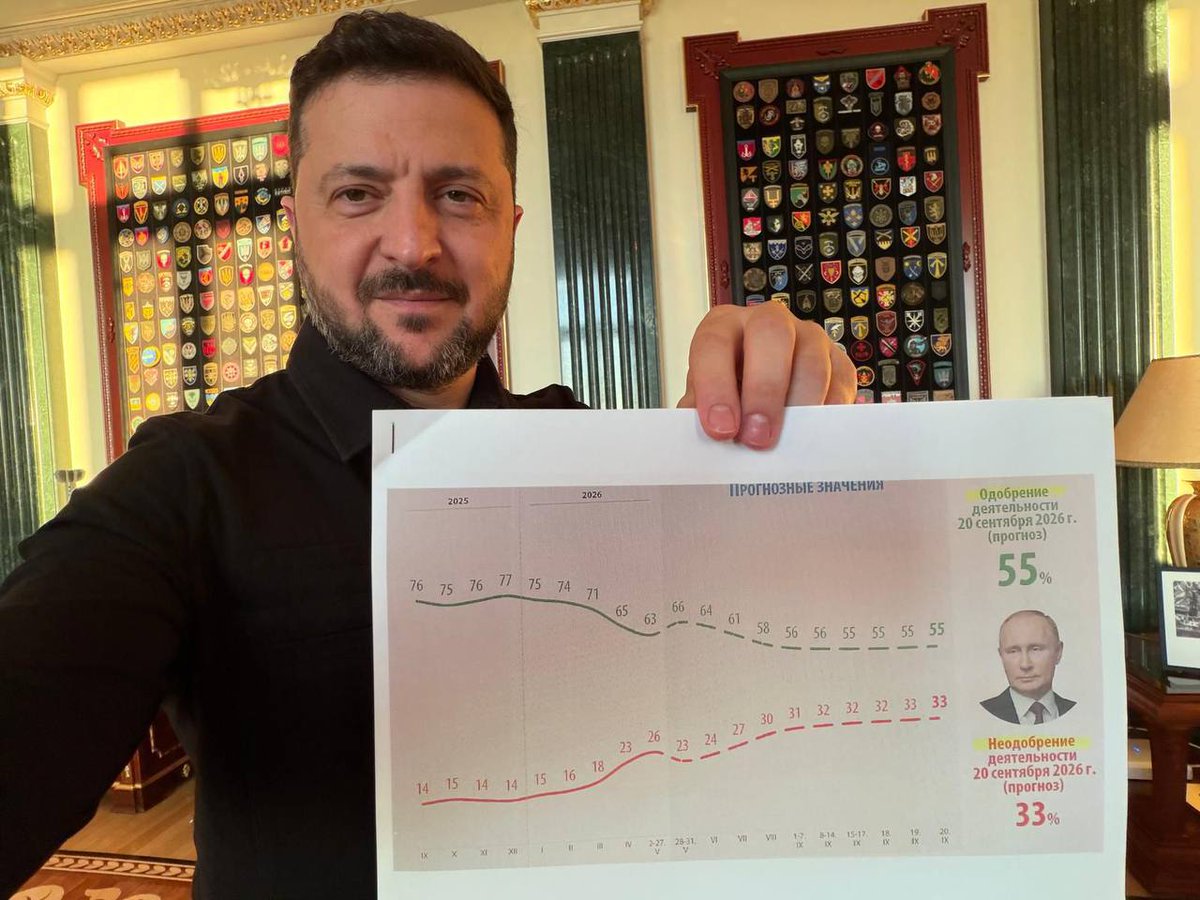
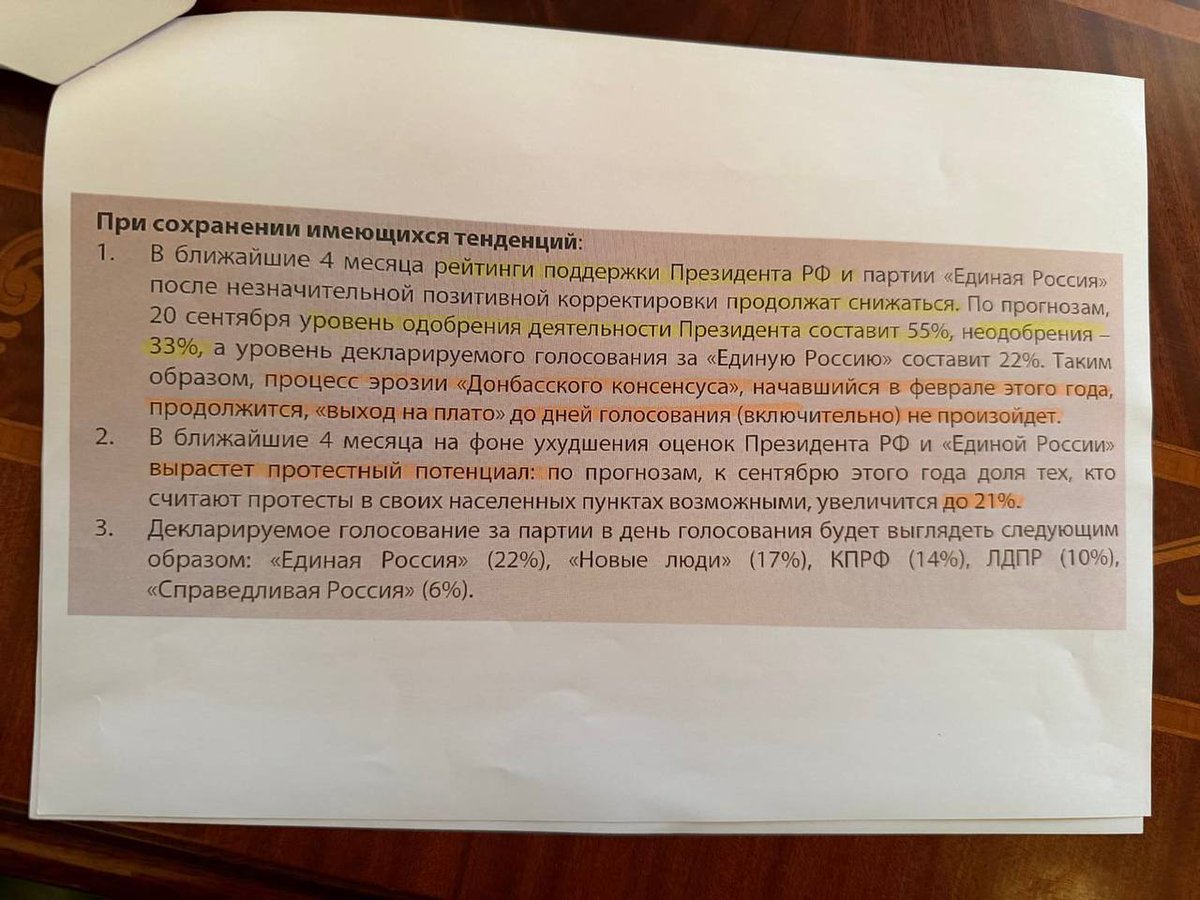
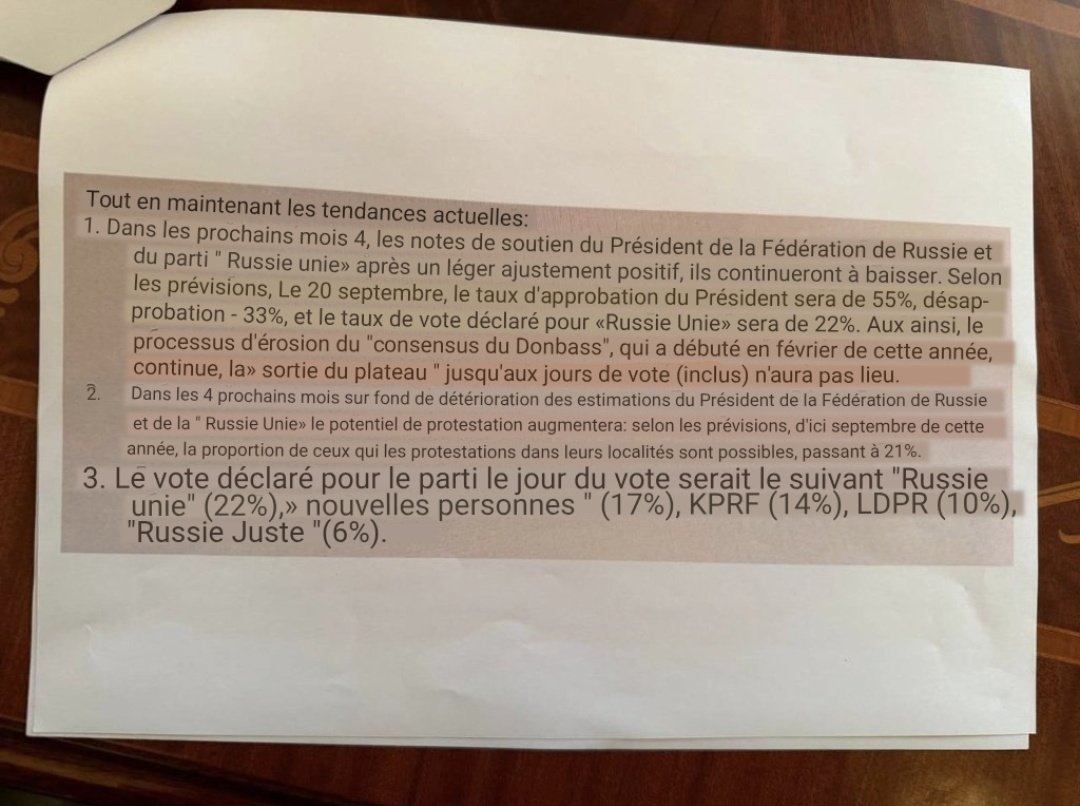
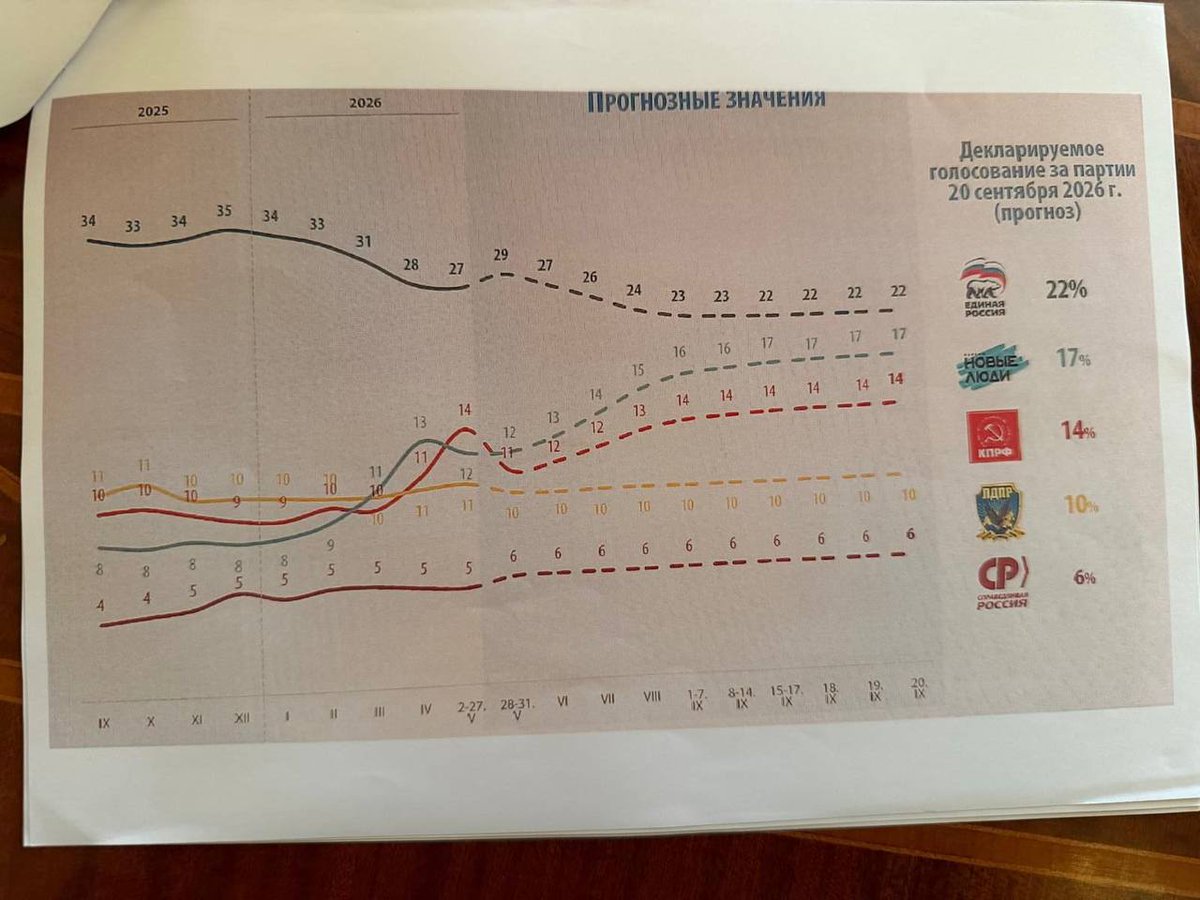
Étant donné que les Russes ne publient plus les sondages sur la popularité de Poutine et lindice de confiance sur ses actions, le renseignement ukrainien s'est chargé d'aller récupérer ces infos, publiées ici par le Président Zelensky...😁😁😁⬇️
Merci à tous les amis de l'Ukraine et à tous ceux qui nous aident à obtenir des informations importantes et à soutenir les opérations de renseignement ukrainiennes. Il y a eu des rapports de nos services de renseignement sur les résultats du travail d'évaluation de la situation interne russe et l'obtention de documents qui parviennent au dirigeant russe. Nous comprenons que Poutine reçoit rarement des informations totalement vraies et non déformées. Mais même ce qu'il voit dans les documents qui lui parviennent lui permet de tirer des conclusions.
En particulier, les soi-disant indicateurs prédictifs du mécontentement des Russes envers Poutine continueront d'augmenter régulièrement, et on a déjà commencé à lui faire comprendre que la hausse du mécontentement ne pourra pas être stoppée et que ce chiffre "ne s'arrêtera pas à un plateau" avant septembre, lorsque les élections parlementaires sont prévues en Russie.
En ce qui concerne l'indicateur de soutien au parti au pouvoir russe, on observe une tendance constante à la baisse, ce qui signifie qu'il faudra beaucoup plus de falsifications. On signale également une augmentation significative des sentiments de protestation dans les régions russes. Nous pensons que ces rapports ne tiennent pas compte des événements potentiels de juin, juillet et août, qui ne manqueront pas d'avoir un impact supplémentaire sur la situation en Russie.
La pression sur la Russie pour cette guerre se poursuivra et s'intensifiera, et pas seulement de notre part. Par conséquent, Poutine sortira en septembre avec des indicateurs encore pires. Malheureusement, à toutes les propositions de paix publiques et privées que nous avons faites, on n'a entendu que des mots sur la poursuite de sa guerre.
La situation interne russe devrait convaincre du contraire : que la paix est nécessaire. L'Ukraine propose de négocier une paix digne. De toute évidence, les tendances ne changeront pas, et avec le temps, cela pourrait signifier que l'accord devra être conclu avec quelqu'un d'autre en Russie - avec quelqu'un qui ne fermera pas les yeux sur la réalité. Gloire à l'Ukraine !
Source :
t.me/V_Zelenskiy_official/19…
2
79

It's gonna take 2 hours at least for it to go down but halfway through I started thinking about Matthias minmaxxing his penis augmentation tattooes like they come in 4pc armor sets and then thought about sex enhancing tattooes that gamify hentai tropes like super sick or somethi
2
1
44