
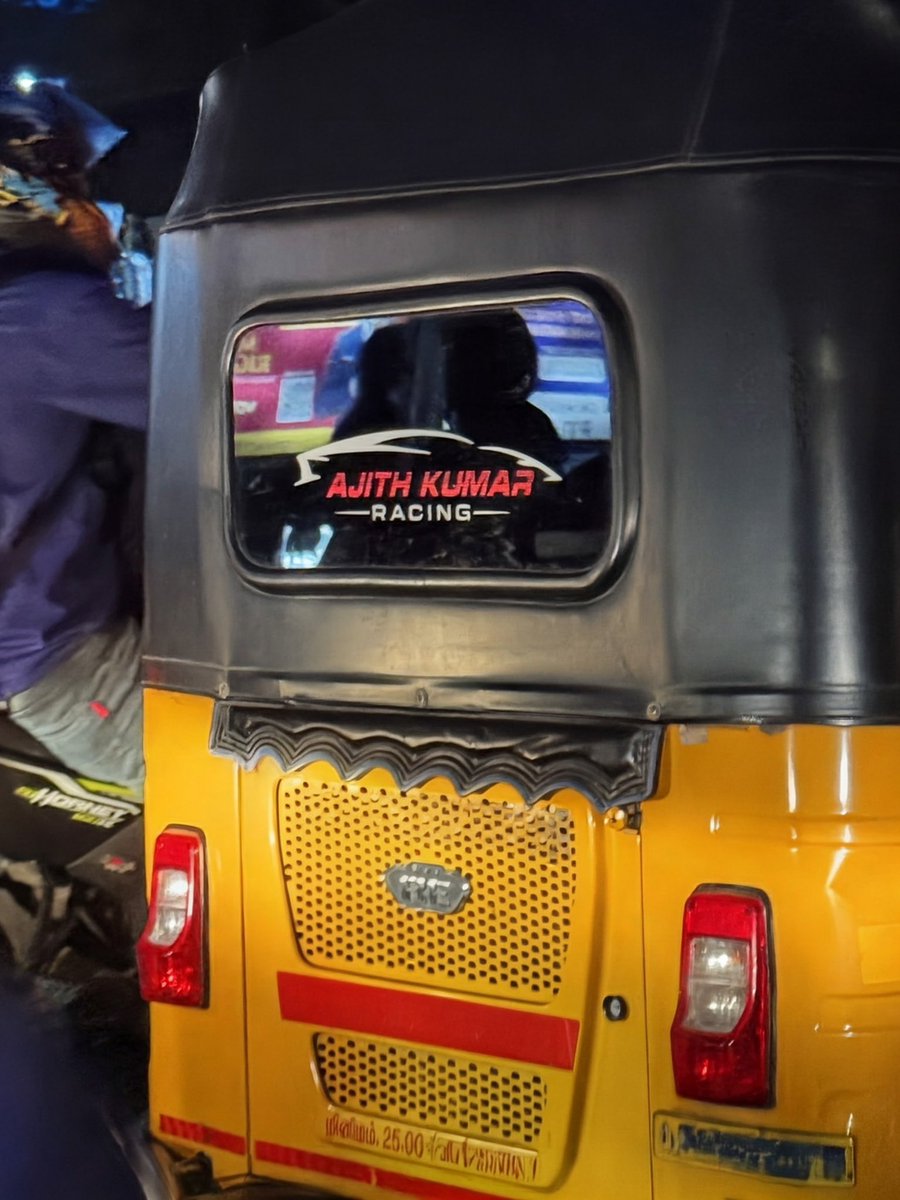
Some autos run on petrol.
Some run on pure Ajith energy.
It doesn’t drop passengers… it drops attitude.
#TNVibes #AutoLife @ThalaAjith_FC @Akracingoffl
7

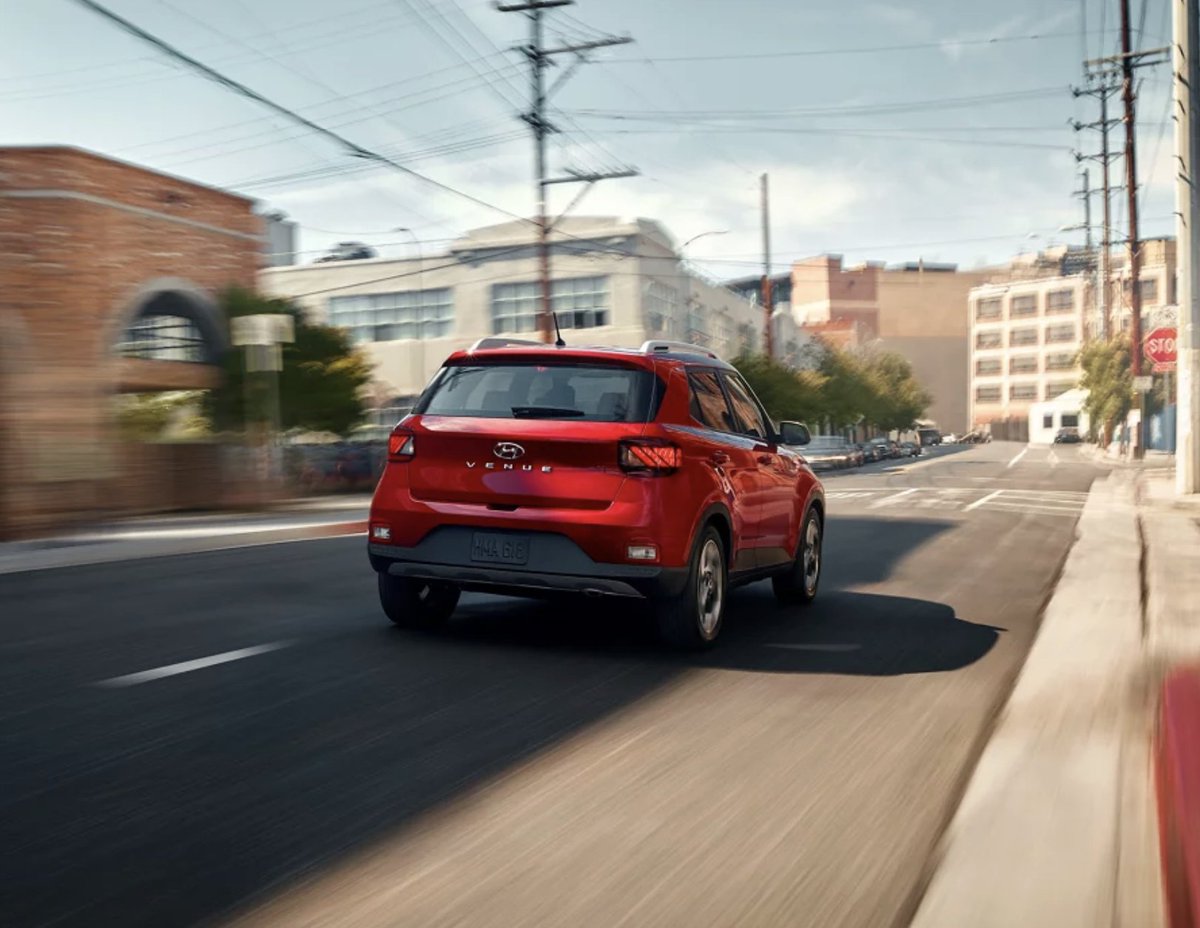
Small size. Big confidence. 🔥
Venue fits anywhere.
🔗 bit.ly/3uWgtZh
.
.
.
#MaxonHyundai #HyundaiVenue #Hyundai #CompactSUV #CityDrive #DriveSmart #HyundaiLife #CarVibes #NewRide #AutoLife
10


We like ’em curvy… and Honda delivers 😏🚗
Drive something worth admiring.
🔗 bit.ly/40iA5r3.
.
.
#HondaOfTomsRiver #HondaStyle #CarGoals #DriveHonda #ThatCurveThough #CarLovers #AutoLife
15

🚗 A used car isn’t just about the price - it’s about every drive after.
Choose smart. Drive happy. ✅
🛣️ DGN Auto | Drive Safe. Buy Smart. 💡
#dgnauto #carbuying #smartbuy #drivesafe #carlife #autoadvice #usedcars #carownership #dailydrive #autolife
8

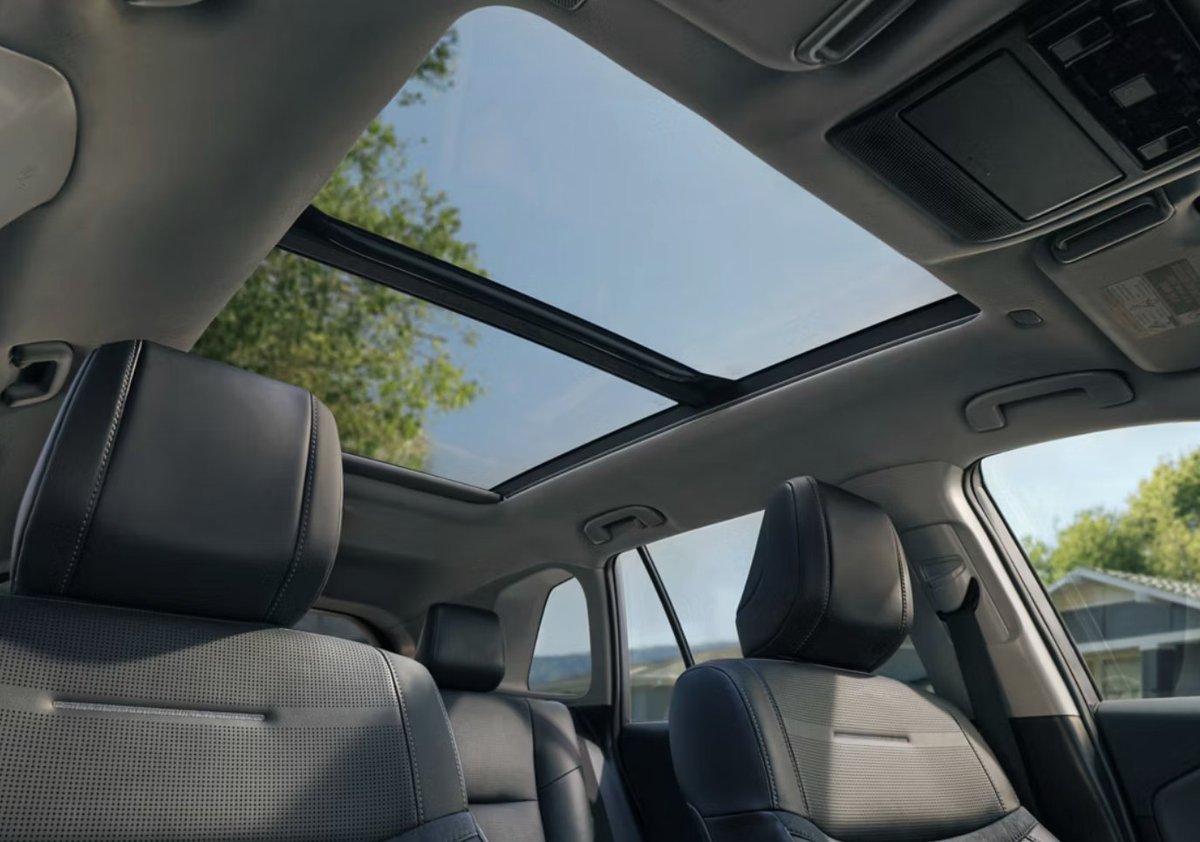
Inside hits different. 🔥
RAV4 comfort you’ll feel every drive.
🔗 bit.ly/3zMgOR6
.
.
.
#TowneToyota #RAV4 #Toyota #InteriorGoals #SUVVibes #DriveInStyle #ToyotaNation #CarVibes #NewRide #AutoLife
51

Meet 3W AutoLife at Tesla Takeover Europe today. 🤍 @3wautolife
#TeslaTakeoverEurope
1
8
23
853

Who says Monday blues have to be boring?
A little speed, a little sound and suddenly Monday feels a lot less painful.
#MondayBlues #CarCulture #CarLovers #AutoLife #MotoringWorld
2
2
251

May 14
🔥 Pontiac GTO: The Legend Returns 🚗💨 @ mechanicaddicts.com/pontiac-… #PontiacGTO #MuscleCar #ClassicRide #CarEnthusiast #V8Power #AmericanMuscle #CarLovers #RetroVibes #DreamCar #AutoLife
2
2
26

Quick question for drivers:
What’s the funniest thing that has ever damaged your windscreen? 😅 Stone? Bad road? Anger? Village goat? 😂
#DriversTalk #NigeriaDrivers #CarProblems #RoadSafety #CarTalk #AutoLife #WindscreenCare #NaijaDrivers
1
3
50

Cars: The Ultimate Freedom Machine From the roar of a V8 muscle car to the silent glide of an electric beast, cars have always been more than just transportation—they’re freedom on four wheels. Whether you’re cruising coastal highways in a classic convertible, pushing the limits in a track-ready sports car, or betting on the future with autonomous EVs, there’s a perfect ride for every vibe.
#Cars #CarLovers #AutoLife #EV #ClassicCars
7
5
29
1,115

If dem give you this C63 AMG now… you fit control am or you go panic? 😳👇
#C63AMG #MercedesAMG #DriftLife #CarCommunity #FYP #Trending #AutoLife #CarLovers #NaijaCars #ZakiMotorsNigeria
1
1
2
136

Apr 24
Not just cars… this is a whole lifestyle 🖤🔥
Low. Loud. Aggressive.
Which one are you picking? 👇
RT if you love car culture & follow for more insane builds 🚗💨
👉autocram.com/
.
#CarCulture #ModifiedCars #StanceNation #JDM #CarLovers #CarTwitter #AutoLife
6
427
Apr 21
Less noise. More presence.
This build speaks without saying a word. 🚗✨
visit our website to know more:
autocram.com/
.
#CarCulture #CarLovers #ModifiedCars #StanceNation #CarAesthetic #AutoLife #CarReels #LuxuryVibes #BMW #CarCommunity
6
77

Apr 16
ಆಟೋ ಗ್ಯಾಸ್ ಸಮಸ್ಯೆ ಚಾಲಕರ ಬದುಕು ಮೂರಾಬಟ್ಟೆ | LPG Crisis | Iran war
ಮಧ್ಯಪ್ರಾಚ್ಯದಲ್ಲಿ ನಡೆಯುತ್ತಿರುವ ಯುದ್ಧದಿಂದಾಗಿ ಬೆಂಗಳೂರಿನಲ್ಲಿ ಆಟೋ ಗ್ಯಾಸ್ ಸಮಸ್ಯೆ ಉಂಟಾಗಿದೆ. ಇದರಿಂದಾಗಿ ಆಟೋ ಚಾಲಕರ ಬದುಕು ಹೇಗಿದೆ ಎಂಬುದನ್ನು ಅವರ ಮಾತಿನಲ್ಲೇ ಕೇಳಿ.
#AutoDrivers #Bangalore #GasShortage #FuelCrisis #MiddleEastWar #DailyStruggles #AutoLife #DriversVoice #LPGCrisis #CNGShortage #EconomicImpact #PublicTransport #IndiaNews #RealStories #SurvivalStruggle
3
60
Apr 15
POV: You got the keys to your dream car 😮🔥
Power. Speed. Pure adrenaline.
Would you drive it or flip it for profit? 👇
autocram.com/
.
#CarTwitter #CarTwitter #DreamCar #Supercars #LuxuryCars #CarLovers #FastCars #AutoLife #CarCommunity #CarGram #Speed #TrendingNow
1
9
27


Apr 7
1
4
90

[DATA] MARTIN’S POPULARITY IN THE CHINA
📌 Trends influenced by Martin:
• Several Chinese rappers have expressed admiration for Martin’s rap skills, visuals, and fashion sense.
"Even some Chinese rappers have expressed their admiration for his rap.Rappers tend to dislike idols, but they've been quite friendly toward Martin."
• The Polaroid photo with bubble-blowing trend gained high engagement on Douyin and Rednote.
• The “asking Martin to carry water” trend went viral and even reached many non-Kpop audiences. Several well-known Chinese software companies also participated in the trend.
• A Martin graffiti wall in Chongqing and a giant Martin poster in a café attracted many young people to visit and take photos.
• Some clothing stalls in markets use Martin’s photos to attract customers.
• The blonde spiky hairstyle has made a comeback, with many salons using #马丁 when posting this hairstyle online.
• Martin’s fashion style has become a source of inspiration for young people. Many outfit styling videos based on Martin receive high engagement on Chinese social media.
• Under many Martin-related videos, users comment that they discovered the group because of Martin, and some even refer to it as “Martin’s group.” Some viewers who never followed idols or stopped following K-pop long ago have also become interested.
📌 NO.1 IN BIRTHDAY CAFÉ EVENTS WITHIN THE GROUP
As of now, Martin has 12 Birthday Café Events in China:
📍 Nanchang, Jiangxi – MC Coffee
📍 Zibo, Shandong – Istunt Autolife
📍 Nanning, Guangxi – MindLaw Heartbeat Café & Bar
📍 Wuhan, Hubei – Notag Customized Coffee Shop
📍 Shanghai – Jen’s Coffee & Bar
📍 Hangzhou, Zhejiang – EXIT Day and Night Coffee & Alcohol Shop
📍 Chengdu, Sichuan – Jiazi & BEEPLUS COFFEE
📍 Xi’an, Shaanxi – 24HCOLOR
📍 Shenzhen, Guangdong – Free Swing
📍 Guangzhou, Guangdong – Round Café
📍 Beijing – Bu’ao Coffee
📍 Zhengzhou, Henan – Stellar Coffee
(More updates coming soon…)
Despite being a rookie, Martin’s talent, visuals, and fashion style already have a noticeable influence on Chinese social media.
#MARTIN #마틴 #CORTIS #코르티스 #MARTINMETRICSvn


12
179
585
16,959

Mar 7
More and more humanoid robot kiosks are appearing in China.
Yesterday, I passed by a subway entrance in Guangzhou and experienced a retail kiosk operated by a humanoid robot again, buying a bottle of water.
The process was the same: select items on a screen, scan a QR code for mobile payment, and the humanoid robot retrieves the product. (However, it didn't interact with me at all.)
I looked it up, and the wheeled humanoid robot is named S1, from AutoLife Robotics in Shenzhen. It uses omnidirectional wheels for movement and a lifting body. It's 1-1.6m tall, weighs 72kg, and has a 10-hour battery life. A single arm can carry 3-5kg.
Furthermore, this humanoid robot is suitable for lightweight tasks in retail, convenience stores, supermarkets, and warehouse sorting.
Jan 3

Humanoid robot convenience stores are becoming a part of people's lives.
A couple of days ago, I passed by the Zhangjiang AI Town in Shanghai. At the GalBOT "Space Capsule," I bought a bottle of Coca-Cola from a convenience store operated by a humanoid robot.
It was smoother than I expected: screen selection, QR code payment, and the humanoid robot G1 retrieving and delivering the goods – all in one seamless process. It's worth noting that a human worker was still present inside, handling emergency situations.
However, it can't yet take orders through speech, but this will change soon. People will be able to shop by naturally conversing with G1, paying with palm or facial recognition (e.g., Alipay), and the humanoid robot will autonomously fulfill orders without ever getting tired, always full of enthusiasm and patience.
It is expected that convenience stores operated by humanoid robots will soon appear in the core areas and tourist zones of many Chinese cities this year, with companies like GalBOT, Astribot, and AI² Robotics deploying them in large numbers. Its value goes beyond simply achieving intelligent automation in retail; it's becoming an integral part of people's future technological lives.
9
39
156
54,013