

In Beyond the ESG Portfolio. How Wall Street Can Help Democracies Survive (McGraw-Hill) I document this pattern across Turkey, Russia, Venezuela, and Hungary: markets finance autocratic consolidation, absorb the shocks, and return — until the day they cannot.
1
7

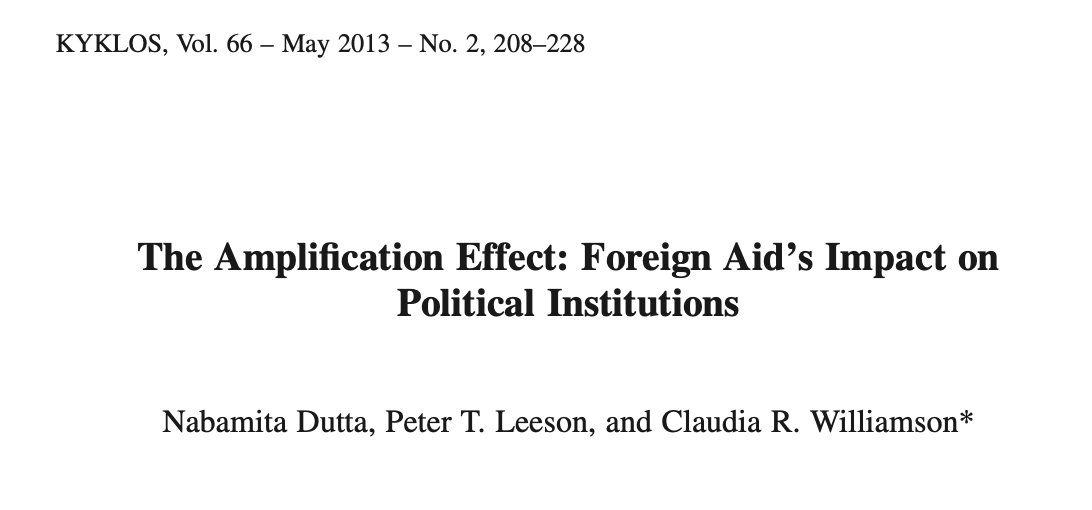
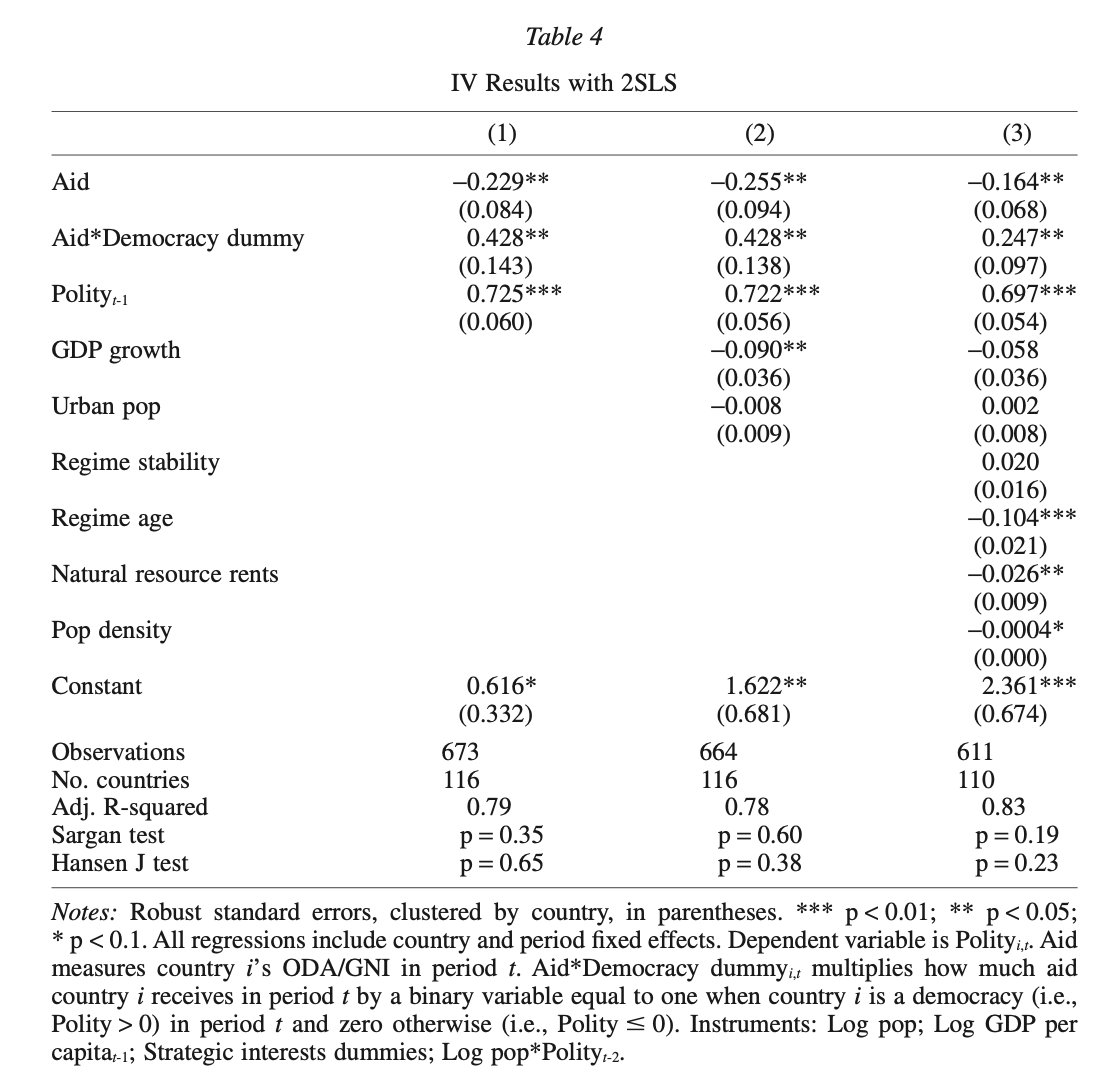
8/ Research by Dutta, Leeson, and Williamson shows aid amplifies the existing political environment.
Give aid to autocracies and they become *more* autocratic.
The Global Justice Project just assumes dictators will spend the money as instructed-- history doesn't agree.
1
4

That is reflective of our system as a social democracy not as a capitalist system. China is an autocratic capitalist system rather than a democratic system. I’m not even saying our system is superior, but the distinction is political
5

With the affected country because said country had problems. Polish Chinese and Russians ww2 ? Fuck them right highly autocratic and corrupt countries all of them ? So it’s right then. But this doesn’t even bite because Russia is a more corrupt country on all studies.
1
12

JD Vance Roasted Over ‘The Most Ridiculous Lie He Has Ever Told’ About Trump - HuffPost. The Autocratic Christian Nationalists support Trump not true Christians. They even authored Project 2025, their racist plan for our nation. apple.news/AOtpL2kGSQ3OHS6uj…
10

Did you immediately move past the 175 dead girls because you know it's indefensible or do you just not care? Because they're not really related unless you think we should go after schoolgirls from every autocratic country
35

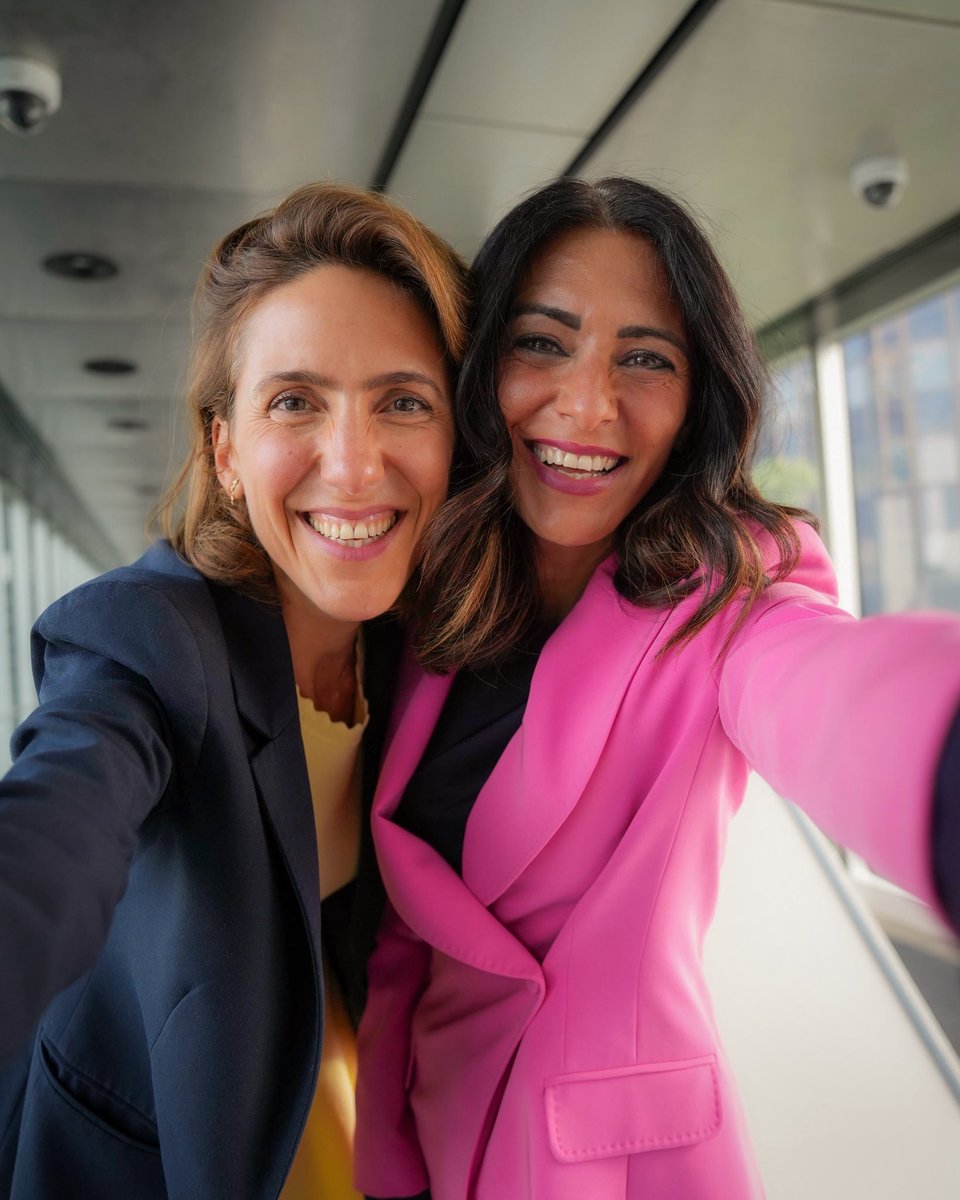
I am delighted to welcome a new power woman in our ranks, @pinapic!
As Vice-President of the European Parliament, Pina brings with her not only significant institutional experience, but also a loud political voice that has earned respect across Europe. Throughout her career, she has been a steadfast defender of democratic values, women’s rights, and an unwavering support for Ukraine. Her commitment to the EU has made her one of the leading figures of both Italian and European politics. It is also her firm values that led her to distance herself from the radical-leftist and populist drift of the Partito Democratico leadership to found the new movement @s_pubblico.
Beyond her powerful position, Pina is a daring political personality. An elected representative who dares to stand firm against autocratic regimes - and first and foremost Putin’s Russia. A courage that compels her to live under police protection due to hybrid attacks and threats to her physical safety.
Her decision to join our group is a strong signal. It shows once again that our pro-European project is growing, attracting leaders who believe in an open, democratic and ambitious Europe. With Pina’s arrival, Renew Europe continues to grow and strengthen its role as the political home of those determined to shape Europe’s future from the centre.
Cara Pina, your voice has long helped shape Europe’s debates. From today, we will shape its future together.
Benvenuta nella famiglia @RenewEurope!
5
10
58
1,188

Trump's Iran war failed.
-- The Islamic regime is still in power, and stronger than ever.
-- Iran emerges with most of its missiles and launchers intact, plus hundreds of cheap drones to threaten its neighbors
-- Iran can still continue it's proxy war in the Middle East backing the Houthis, Hezbollah, Hamas and other radical anti-Israel groups
-- Iran will now control the Strait of Hormuz and manage traffic through it for a fee
-- Trump pulls the rug out from under Israel to save face
-- Iran is enriched to the tune of $325 billion
-- Iran sactions lifted
-- Iran still possesses enriched, near-nuclear-bomb- grade uranium
-- Domestic gas prices are expected to remain at the current level for at least the next two years, according to oil execs
-- Inflation is up worldwide thanks to the war
-- Tens of thousands of Iranian protesters imprisoned and abandoned by Trump
-- Iran government is still hanging dissidents
-- U.S. Gulf allies alienated by Trump's cowardice and lack of will.
-- Other autocratic regimes around the world will be emboldened, knowing the Trump lacks resolve.
-- U.S. government incompetence on display around the world, and standing diminished.
-- Despite a trillion-dollar defense budget, the U.S. military proved to be unprepared and underarmed for anything more than a short conflict.
1
1
29

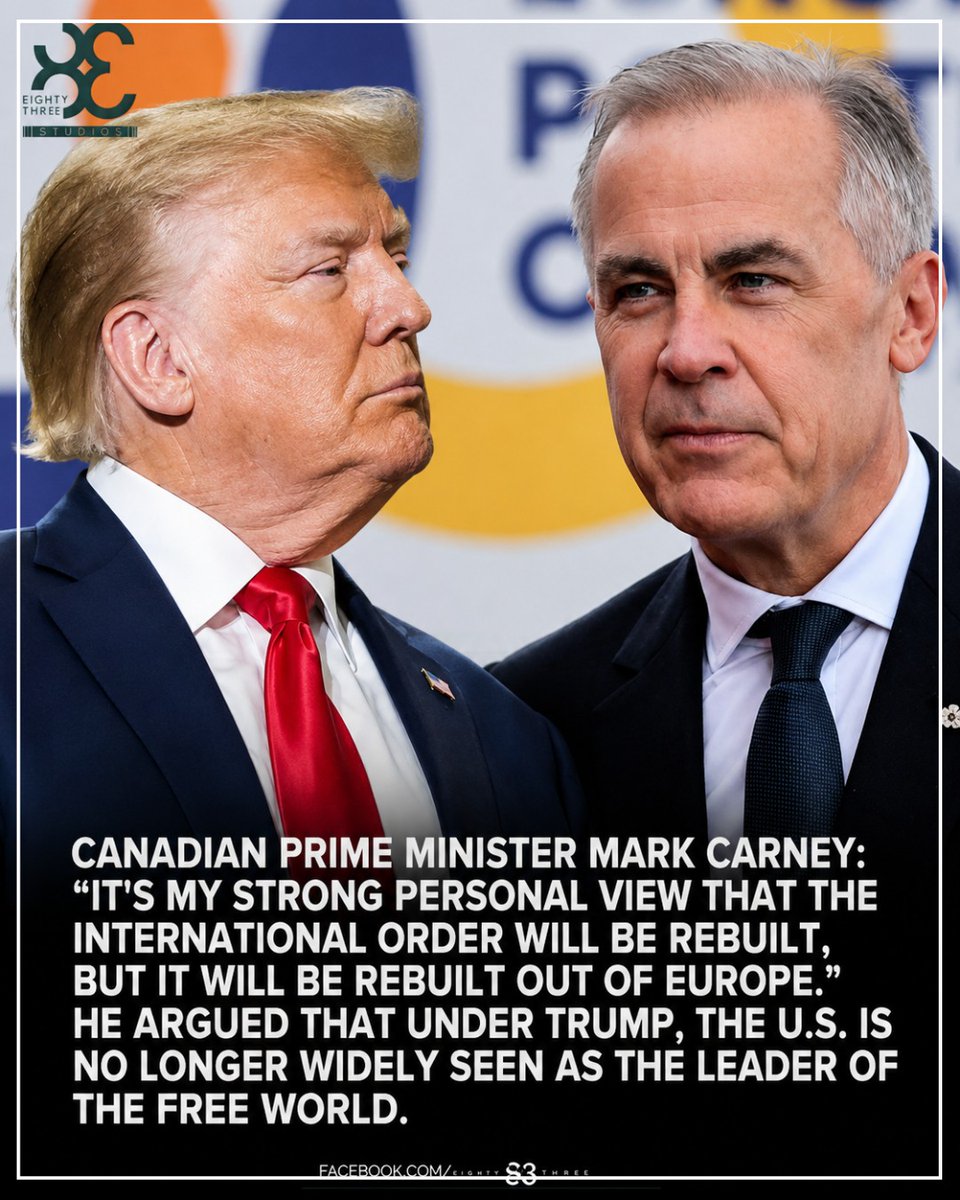
Carney is right!
Under Trump America lost all credibility and trust as a reliable partner.
Many countries see America as a corrupt autocratic Banana Republic lead bya Gang of grifters anda stone dumb president.
Fact check international media yourself ...

Uh oh! Expect EU legislation banning young people from Social Media, in a similar manner, if not more autocratic, than that in the process of being enacted by the UK.

📱 Young people spend 4.5 hours online on school days and 6.1 hours at weekends.
⚠️ 14% spend more than 10 hours a day on screens.
💬 Nearly 1 in 3 say social media makes them feel stressed, sad or left out.
🛑 1 in 4 have seen harmful content online.
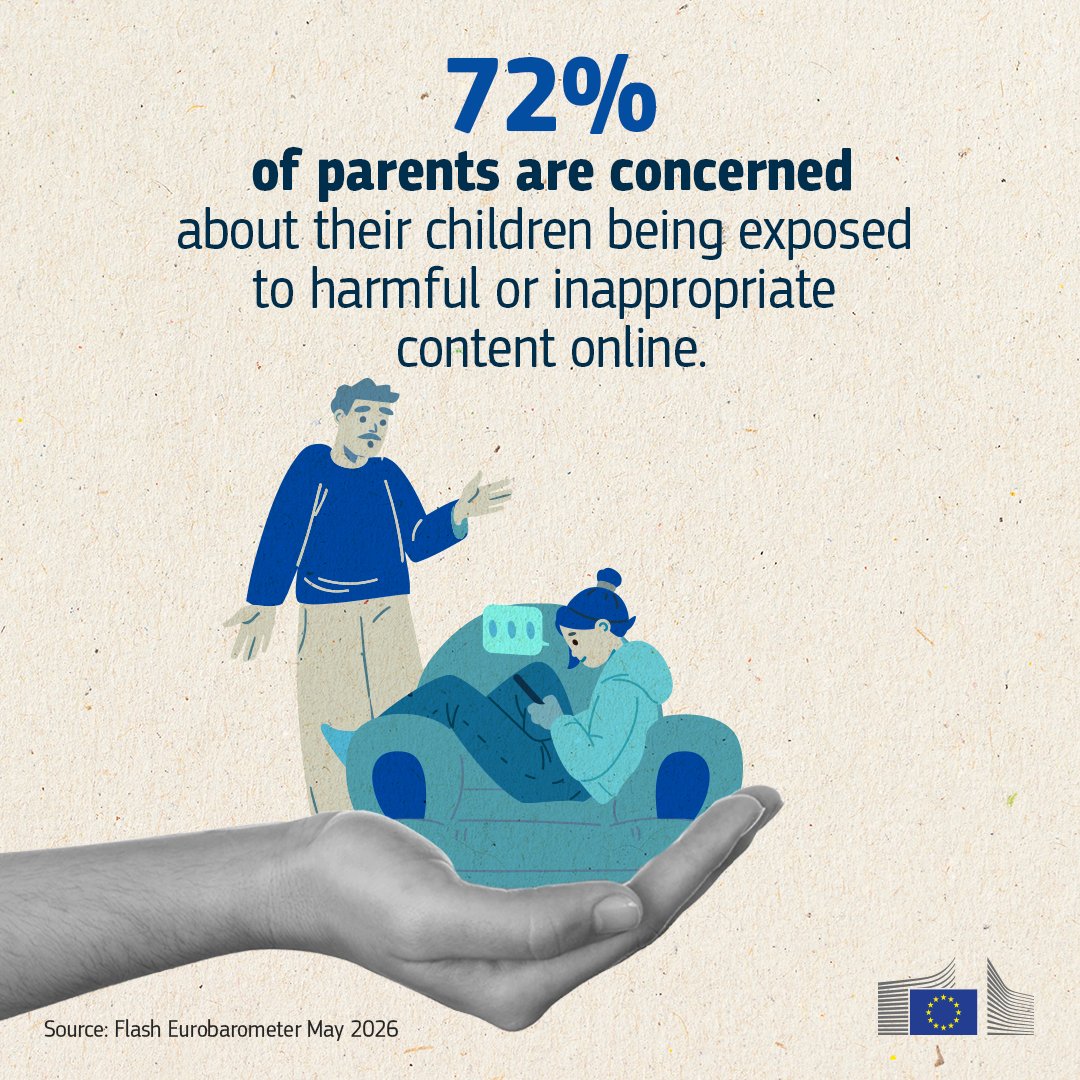
ALT Infographic with the headline: “72% of parents are concerned about their children being exposed to harmful or inappropriate content online.” Below the text, a blue-toned illustration shows a parent standing beside a child who is sitting in a chair looking at a smartphone. The illustration appears to rest in an open hand extending across the bottom of the image, symbolizing protection or care. At the bottom left, the source is cited as “Flash Eurobarometer May 2026.” The European Commission logo appears in the bottom right corner. The background is a light, textured beige.
5

It only shows the dirty & horrifying growth of autocratic criminals who want their children to crack every skill test requirement, thru money power🥵
7

Mamata's problem is she cannot digest the pill which WB voters have given to her. She feels to be a only entitled leader to rule WB in her own style.
Her Cadre, workers, leaders and bureaucracy is running helter-skelter, leaving her autocratic leadership.
It is clear that TMC was not build as a political party, but it was a Special Purpose Kabila for looting.
Surprisingly, she is not able to see, what is coming out from the office, farms, homes and godowns of her party persons. On the contrary she is peddling fake narrative of atrocities and displacement of her party workers by BJP.
BJP workers are not k!ll!ing like 202 1 m@ss@cre.At the most their anguish is coming out by pelting eggs.
15

That's fine. I'm not suggesting that, but I am proposing that the left adheres to a single-party ideology, is anti-capitalist, and tends to be more bureaucratic than autocratic. It still features a single leader, similar to the EU, and is authoritarian like Trudeau's Canada or the current UK. Or New Zealand during COVID. AZ now.
1
4

@walkingaway retweeted

TRUMP AND HIS CRONIES ARE SO UNORIGINAL AUTOCRATIC PUPPETS.
6
128

A irresponsible TVK Govt under Joe counts its days fast.
Autocratic approach.

கூட்டணியில், அமைச்சரவையில் உள்ளவர்கள் இது குறித்து பேசினார்களா? கண்டனம் தெரிவித்தார்களா?
நடுநிலையர்கள்/ பத்திரிக்கையாளர்கள்/ அரசியல் விமர்சகர்கள் என்று யாராவது பேசினார்களா?
5
SplatterFiction retweeted

List of countries that outright ban VPNs:
Belarus - autocratic shithole
Iraq - theocratic hellscape
North Korea - best Korea but still autocratic ngl
Oman - literally an absolute monarchy
Turkmenistan - one of the most oppressive dictatorships in the world.
Britain - Soon™️

'We will make further statements in July about VPNs and further restrictions'
Technology Secretary Liz Kendall told #BBCBreakfast she will outline more details next month about the social media ban on under 16s in the UK - as well as additional restrictions on Virtual Private Networks, curfews and chatbots
bbc.co.uk/news/articles/c2ky…
2
1
6
119

Delighted Irish Presidency cancel culture autocratic decision has been overturned.Minister Patrick O' Donovan needs to keep Library open too. No Presidency of EU should shut down any business or cultural mecca. Security should not be an issue with 400 million Presidency budget.
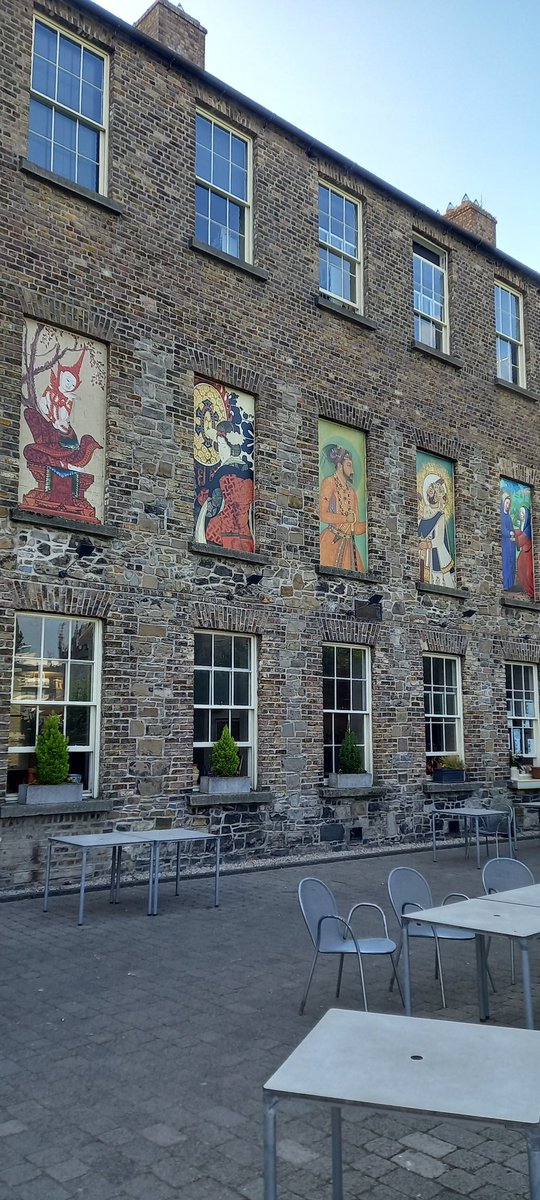
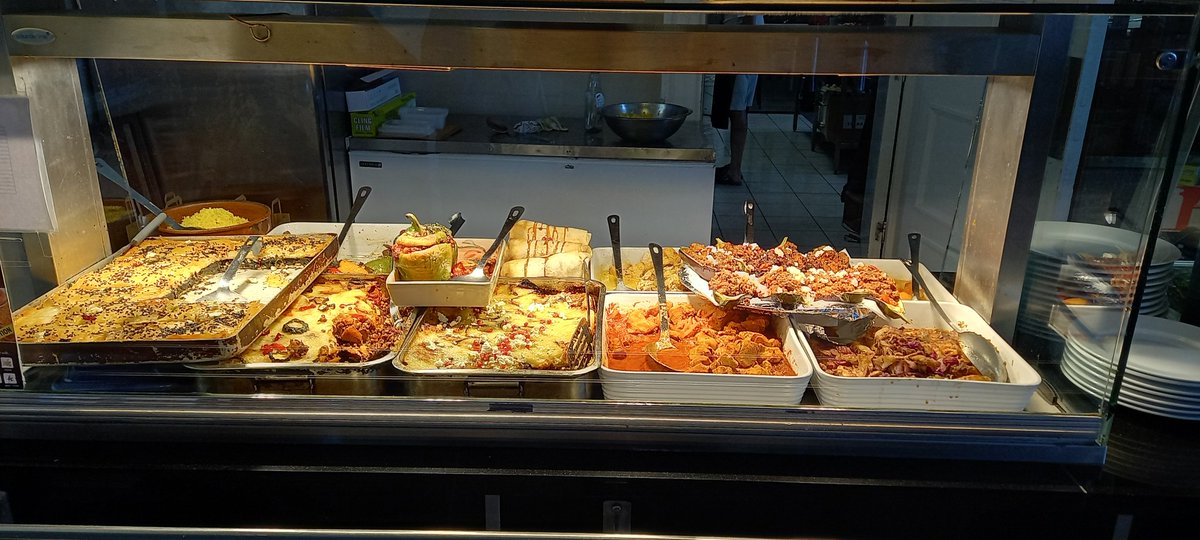
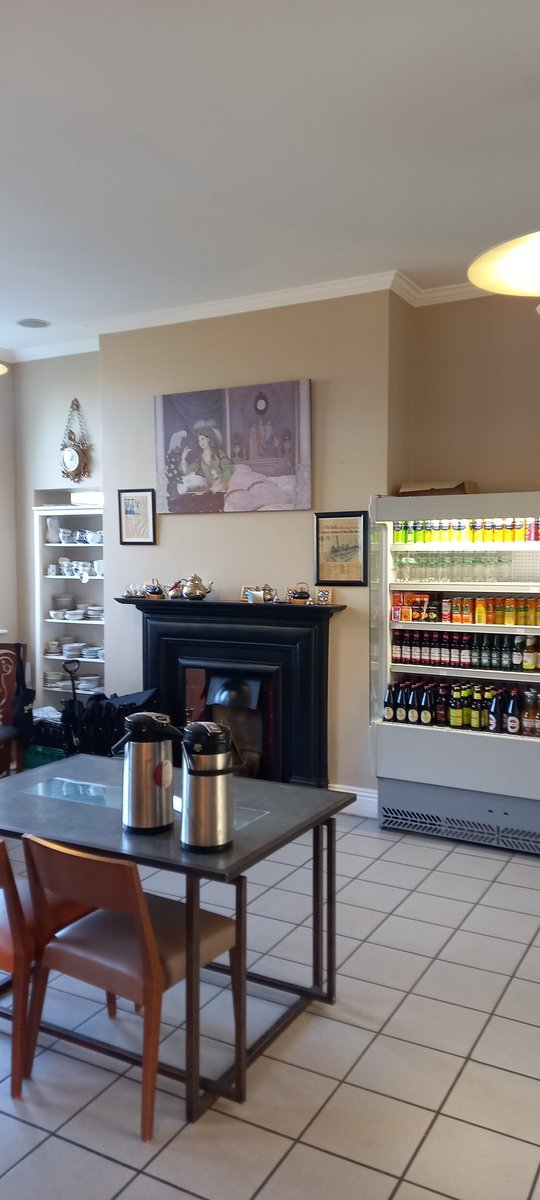
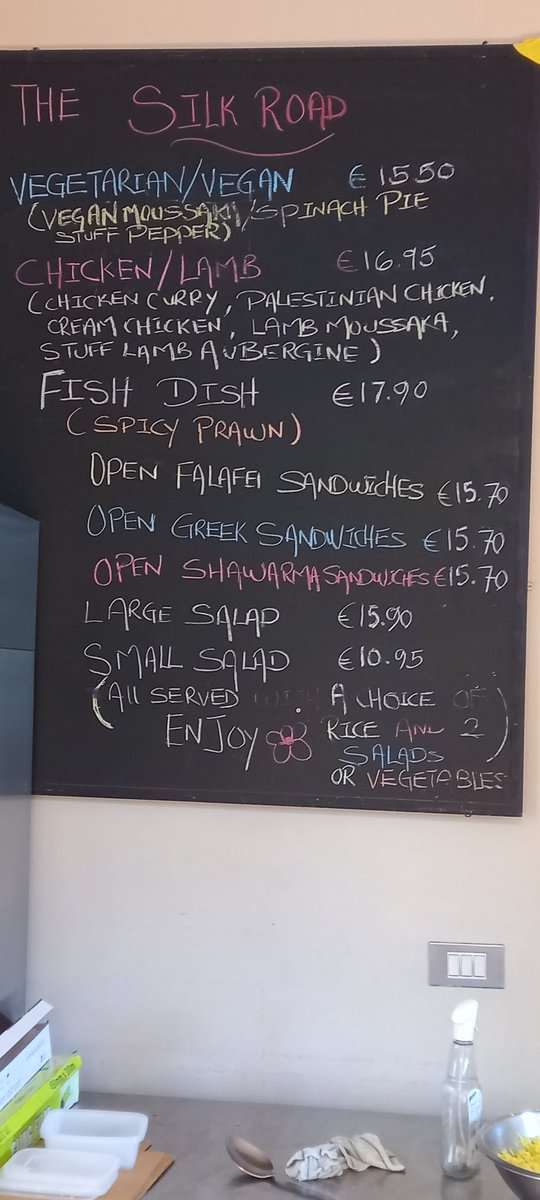

The Silk Road Café in the Chester Beatty Library at Dublin Castle is allowed to reopen tomorrow after it secured an injunction preventing its closure before the end of its license agreement jrnl.ie/7072536
1
68

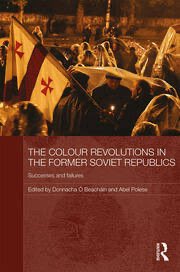
The National Endowment for Democracy (NED) is a U.S. nonprofit organization heavily scrutinized for its involvement in "color revolutions"—mass, often nonviolent, movements in post-communist states and beyond that aim to replace authoritarian regimes with Western-style democracies. While the NED describes its mission as defending universal human rights, critical observers and foreign governments classify its funding of civil society and NGOs as a deliberate strategy for unconstitutional regime change.
How the NED Approaches Democracy Promotion
•Core Philosophy: Founded in 1983, the NED is funded primarily by the U.S. Congress. It operates on the premise that strengthening local civil society, independent media, and democratic institutions naturally empowers citizens to resist authoritarian overreach.
•Mechanisms of Influence: Through core institutes—including the National Democratic Institute (NDI) and the International Republican Institute (IRI)—the NED trains activists, supports independent journalism, and builds political opposition platforms.
The Color Revolutions Context
The term "color revolution" refers to localized uprisings named after specific symbols or colors, such as Georgia's Rose Revolution (2003) and Ukraine's Orange Revolution (2004). [1]
•The Process: These movements generally arise from highly disputed or fraudulent elections. They rely heavily on decentralized, tech-driven youth mobilization.
•NED's Role: The NED has frequently provided financial and organizational backing to the opposition groups, student movements, and media outlets that drive these protests.
Perspectives on Regime Change
The role of the NED and the nature of these uprisings are heavily debated:
•Western & Pro-Democracy View: Organizations and their supporters frame NED's work as essential "democracy assistance". They argue these revolutions are organic outpourings of popular discontent against corrupt, autocratic leaders who refuse to relinquish power democratically.
•Authoritarian & Critical View: Foreign governments (such as those in Russia, China, Iran, and Venezuela) allege the NED operates as a geopolitical tool for U.S. hegemony. Critics argue that the NED masks covert regime change operations under the guise of "human rights" to destabilize insubordinate governments and install pro-Western administrations.
•Scholarly View: Political scientists often point out that while Western funding and training help mobilize protests, revolutions are largely contingent on deep-seated internal authoritarian weakness and widespread domestic grievance rather than solely external instigation.
58