星喰 retweeted

Jun 12
嗚呼、愛しのオム・ファタールよ
---
久しぶりに神城誠を描きました。アネモネ図書館を読んでた方からすると「キキョウ」のほうが分かりやすいかな?
45歳になった彼は今、ようやく信仰から抜け出せそうです。

1
1
16
427

Rifdle rosehearsy
Deuce spade
Abe ttrapookw
Ater fiamofb
Teey clover
Lrona kingscholae
Riddie bucchu
Jack hoel
Azup ashengtotto
Jafe leeck
Flous leecj
Kalim Al azil
Jamil Voper
Vol schuelhelr
Rook hiny
Epel felmjer
4
33
887

Apr 1
Everyone said I was "Rage-Baiting" this offseason due to the Pelinka glaze. Respectfully, I understand hoops. Cho azup.
1
12
378


Mar 24
The @aztecnetwork Alpha Mainnet is Ready
so here's the entire (TLDR) process on how the governance works & how network gets upgraded
(2 minutes read)
───────────
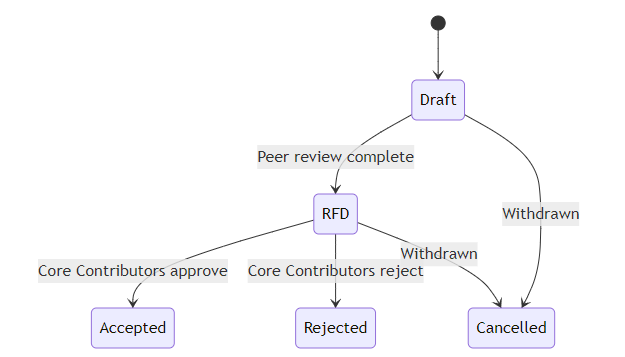
I) AZIP (AZtec Improvement Proposal)
anyone can post an idea on Aztec GitHub
the community has time to read it
idea gets initial feedback from community
author then writes a formal proposal
proposal goes into the main repository
core contributors decide if it's a ''GO'' or ''NO GO''
───────────
II) AZUP (AZtec Upgrade Proposal)
accepted ''GO'' AZIPs are bundled
they're now a single upgrade package
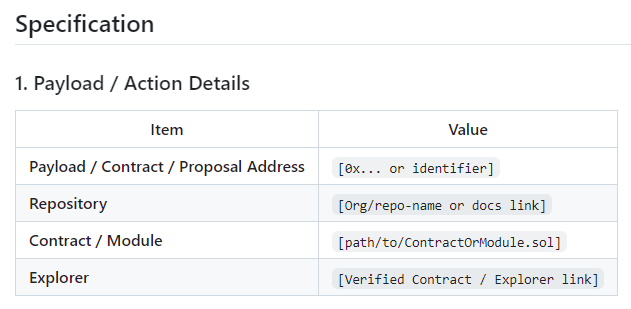
smart contract payload code is written for package
(this payload will trigger the upgrade)
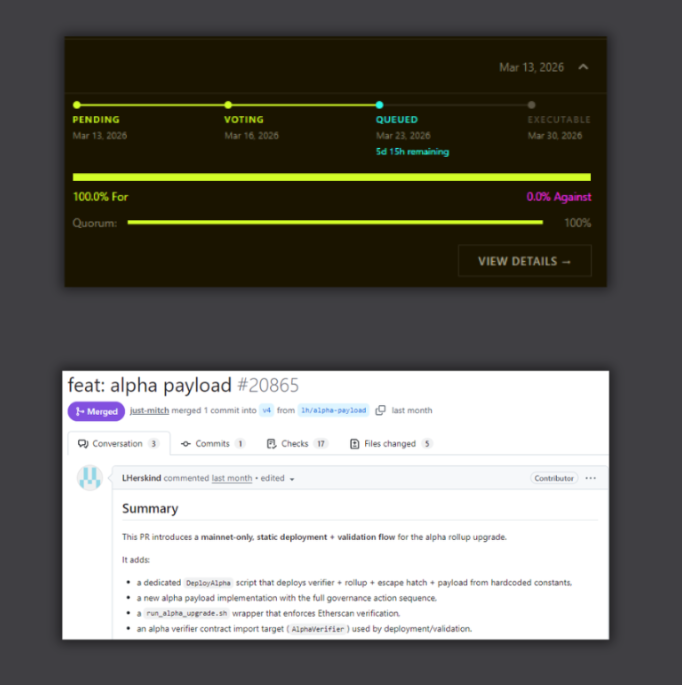
sequencers signal their support for the upgrade code
if signaling = positive (600 ) => on-chain vote begins
$AZTEC holders vote ''YES'' or ''NO''
supermajority (2/3) of YES high cvorum (100,000,000 $AZTEC) => PASS ✅
────────────
III) EXECUTION
mandatory safety delay (7 days, if we judge by how the TGE worked)
final function call is triggered (by anyone?)
payload contract runs
Aztec Network is officially upgraded to new version
────────────
Overall, a permissionless & transparent multiple-step governance model other projects should adopt imho.
@BadboyTella @realRoberto38 @Zac_Aztec
Mar 18

Aztec is the first fully decentralized L2 on Ethereum. No privileged actors, no closed doors.
Governance runs the same way. Any idea can become a protocol upgrade — if it survives public scrutiny.
AZIPs, AZUPs, and onchain voting form a transparent pipeline from forum post to live protocol change. These are cypherpunk values in practice.
Read about how it works and how to get involved: aztec.network/blog/how-aztec…
16
4
65
1,931

Mar 20
Aztec은 이더리움 최초의 완전 탈중앙화된 L2입니다.
특권 계층도, 밀실 합의도 존재하지 않습니다.
거버넌스 또한 동일한 방식으로 운영됩니다. 어떠한 아이디어든 공개적인 검증을 통과한다면 프로토콜 업그레이드로 이어질 수 있습니다.
AZIP(Aztec Improvement Proposals), AZUP(Aztec Upgrade Proposals), 그리고 온체인 투표는 포럼 게시글이 실제 프로토콜 변경으로 이어지는 투명한 파이프라인을 형성합니다. 이것이 바로 실천하는 사이퍼펑크(Cypherpunk)의 가치입니다.
거버넌스의 작동 원리와 참여 방법에 대해 자세히 알아보세요: aztec.network/blog/how-aztec…
Mar 18
Aztec is the first fully decentralized L2 on Ethereum. No privileged actors, no closed doors.
Governance runs the same way. Any idea can become a protocol upgrade — if it survives public scrutiny.
AZIPs, AZUPs, and onchain voting form a transparent pipeline from forum post to live protocol change. These are cypherpunk values in practice.
Read about how it works and how to get involved: aztec.network/blog/how-aztec…
2
108

Mar 18
Aztec是以太坊上首个真正实现完全去中心化的L2。
没有特权角色,没有“后门”。
治理同样遵循这一原则:
任何想法都有机会升级为协议的一部分——前提是经得起公众的审视。
从AZIP、AZUP到链上投票,构建了一条从论坛提案到协议上线的透明路径。
这正是密码朋克精神的现实实践。
了解其运作方式,以及如何参与其中:aztec.network/blog/how-aztec…
7
133



Feb 6
«La ciudad de Azup parece perfecta de día, pero al caer la noche... las máscaras se caen. 🎭 El Capítulo 31 de DINAMO ya está disponible. Una verdad brutal, un sistema retorcido y una decisión que lo cambia todo.
fictograma.com/d/1849-dinamo
#books #literature #writing
2
25
Feb 5
"En Azup no existe la miseria, el dinero es un mito y la paz es absoluta. Pero en este mundo de mierda, nada es gratis. ¿Es una utopía o la jaula más perfecta jamás construida? 🏙️⛓️
fictograma.com/d/1841-dinamo
#books #literature #writing
2
343




30 Oct 2025
Gençlerimiz maziden aldığı güçle âtiye Yunus Emre nidasıyla haykıracaklardır!
Evvel benem âhir benem cânlara cân olan benem
Azup yolda kalanlara hâzır meded iden benem
Bir niçeye virdüm emir devlet ile sürdi ‘ömür
Yanan kömür kızan demür örse çeküç salan benem
@TC_icisleri
@tcbestepe
3
7
304



15 Aug 2025
swap au with mermaid rido and human azup perhaps…..
1
2
45

