Joe Mish retweeted

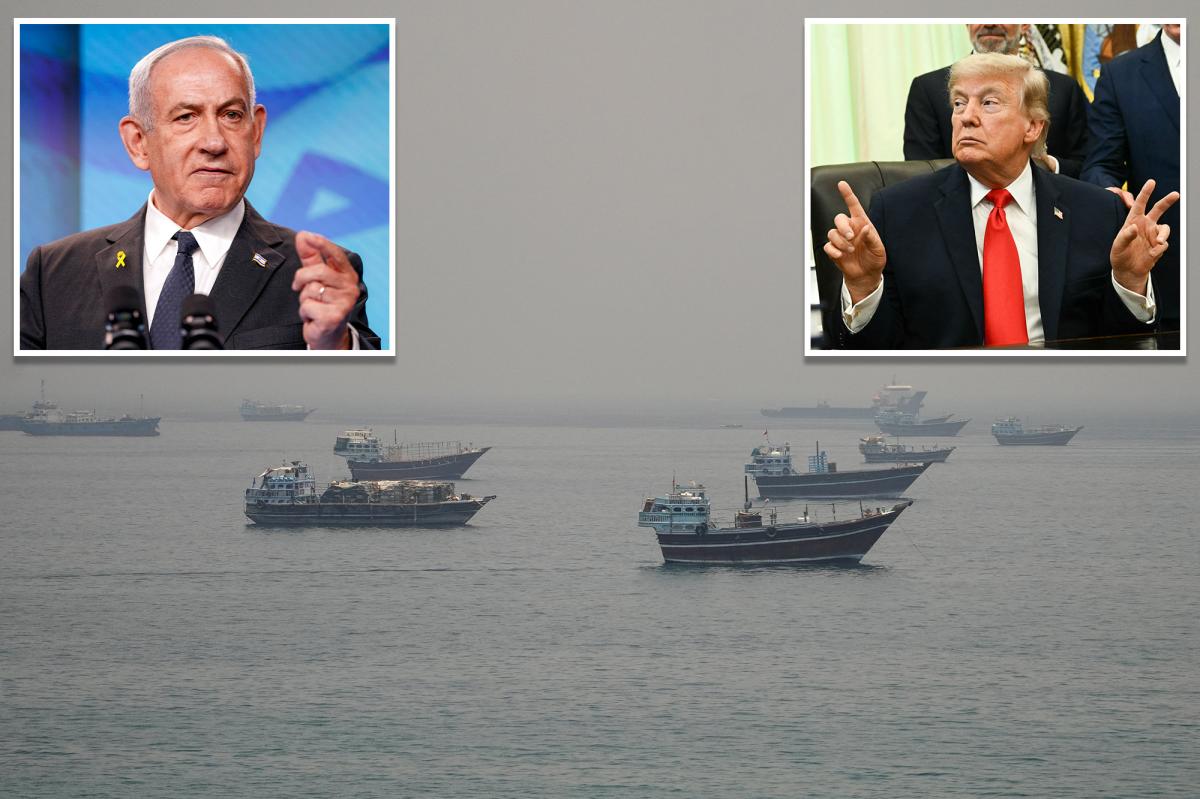
The NY Post running this suggests Trump is about to face some serious backlash. Much of it will play out in private, some in public, but few are going to dress this up as the victory he wants to sell it as.

Israelis slam proposed US-Iran peace deal as a 'Bad Deal,' say it fails to address security concerns trib.al/R9UTyNj
5
59
180
9,451
Kiryesha retweeted

(I might get backlash for this but nvm whatever hahaha)
Sinabi raw kasi nung isa na single siya pero hindi naman pala.
Girl, let me hold your hand while telling you this.
Panahon pa ng kopong-kopong linyahan na yan ng loveteams because that’s how showbiz works and we can’t do anything about it. Tapos eventually makikita mo na lang may dinedate pala talaga.
Pero kung pagpalagay natin na walang lumabas na rumors habang kineclaim niyang single siya, on our discretion pa rin yon kung kakagat tayo sa sinabi niyang yon. Because again, that’s how showbiz works.
Nagegets ko naman yung sentiments ng iba, pero wala tayong magagawa sa mga bagay na hindi natin kontrolado. Showbiz is still work. May mga need gawin at sundin.
Pero to call the guy names nang dahil lang sa single photo (or few photos), that’s where we cross the line. Hindi lahat ng nakikita natin on screen, ayun na yon. Matic sila na yon. Tip of the iceberg pa lang yan. Kaya we don’t have the right to judge.
Sinasabi pa eh kung naging honest naman from the start, matatanggap naman yung totoo. Pero the way some reacted when they found out the truth contradicts their statement.
Tsaka, in what way ba siya nagbetray, sa hindi pagfeed ng delusions? Eh diba kung ilang beses nilang sinabing single sila, ganun ding karaming beses nila sinabing friends sila. Parang bestfriends pa nga raw. So nasa sa’tin talaga kung anong paniniwalaan natin. Kasi pag nagpadala ka, sino ba ang talo? Hindi naman sila eh.
12h

r & j are not in a publicly confirmed relationship. they’re actors. they’re a loveteam. that’s it.
you can’t be “deceived” about a relationship that was never officially promised to you in the first place 😬
5
14
63
3,746
Mister Hampton retweeted

UPDATE: Traveling musician known as Sifu_Gaga on TikTok has responded to the backlash he received after publicly stating that he was glad Jeff Metcalf’s son was dead. He also referred to Charlie Kirk as “whistle neck.”
Previously, he stated that he would be at an elevated position during the trial and would make sure that cars “driving recklessly” would “coast to a stop.”
He has now addressed me directly on his TikTok story, stating that he will be coming to Texas and “coming at the —-.” He then ambiguously referenced my address. Anyone familiar with me and the surrounding circumstances would understand exactly who and what he was referring to.
He also said “Are you trying to get all Austin on me?”
These statements have been documented and reported to the appropriate authorities.
992
1,606
6,574
142,357
Little Joe retweeted

🚨 Rick Chow's Lawyer @KentLawSC Is Getting DEATH THREATS After This Case — And He's Not Backing Down
"The backlash has been epic would be an understatement... people misread what actually happened. They just read the highlight and they read the headline, and then reading the headline, the assumption was you took a case where a Black person was shot in the back and that's it." — Shaun Kent, Rick Chow's Defense Attorney
Click link below for FULL INTERVIEW 👇🏾
9
53
243
12,558

Considering Frank Stone was gonna be a trapper skin before backlash it makes sense
Rob Resendiz retweeted

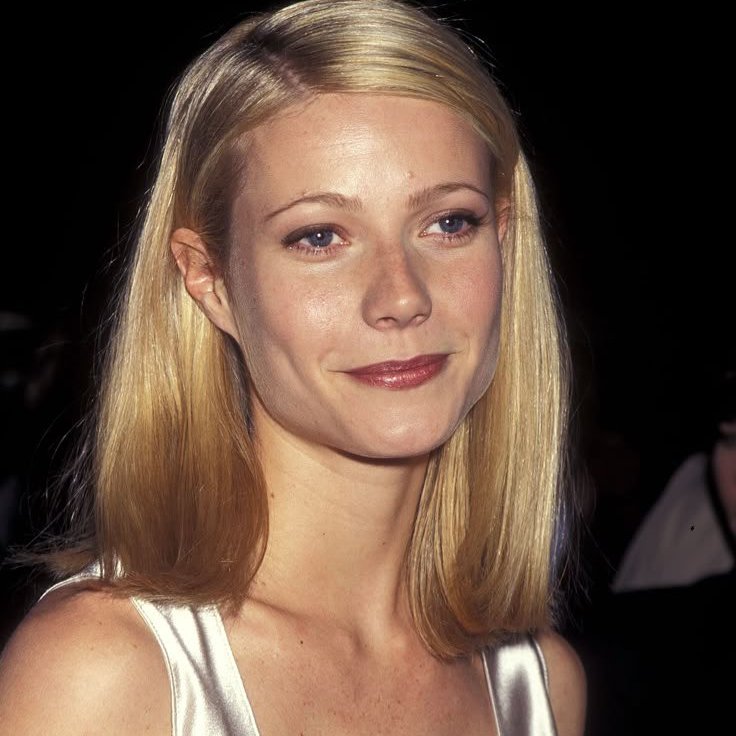
🇮🇱🇺🇸 Gwyneth Paltrow recibe fuerte backlash
La actriz estadounidense promocionó lujosos penthouse de 10 millones de dólares en Israel mientras el régimen sionista comete genocidio en Gaza y masacra en Líbano.
La gente no lo toleró.
Mientras niños palestinos son asesinados, familias quemadas vivas y ciudades enteras destruidas, ella decide hacer negocios con el apartheid y promover propiedades en tierra robada.
Esto es lo que significa ser cómplice: priorizar dinero y fama por encima de la sangre de miles de inocentes.
Boicot total a Gwyneth Paltrow y a todo lo que promueva Israel.
151
1,580
3,423
99,221
ambi is GREENRED 🚥 retweeted

With all of the backlash from YCC where are the COER that got it first listen?
13
17
373
3,681

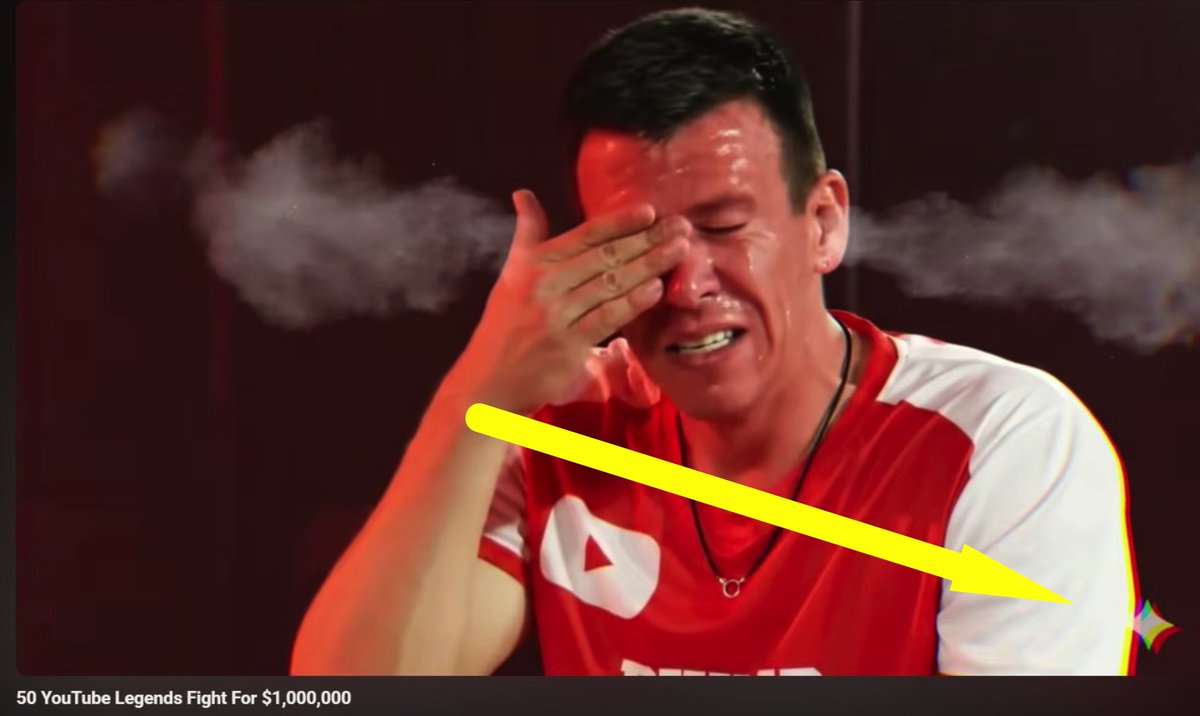
It deserves all the backlash, how is the biggest YouTube in the world going to use generative AI?

3
16
192
1,048

I assumed his team thought of it like a stock image, probably googled “funeral” and found that image and haphazardly used it. they all admitted it was a mistake and changed the way they did his marketing after the backlash.
1

⚡️The AI boom just ran into America’s physical operating system.
The market keeps talking about models, GPUs, and capex.
The actual bottleneck is becoming energized land inside usable grid territory.
That means substations, transmission, gas supply, transformers, queue position, permitting, water, local politics, and utility rate tolerance.
That is where the AI race gets real.
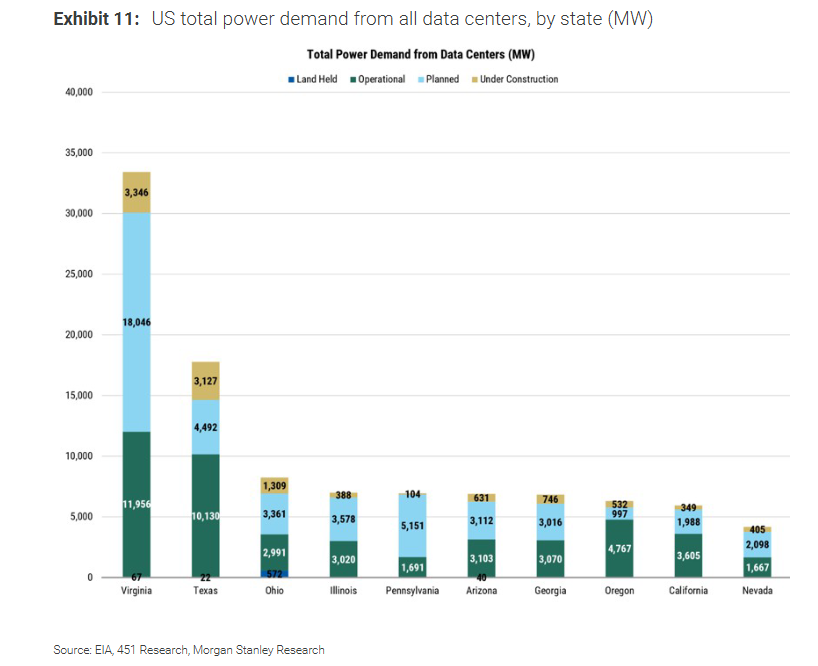
The seven-state concentration is the whole signal.
Virginia, Texas, Ohio, Illinois, Pennsylvania, Arizona, and Georgia are turning into the geography of American intelligence production.
Those places are the industrial map of the cognition economy.
PJM and ERCOT are now strategic AI infrastructure.
That sounds boring. It is not boring at all.
It means AI timelines will increasingly be decided by grid operators, utility commissions, interconnection studies, gas turbines, transformer backlogs, and local political fights. The most powerful models in the world still need electrons at scale. No electrons, no intelligence.
The interconnection queue being larger than the entire installed U.S. power fleet is insane on the surface, but the deeper meaning is cleaner: everyone is trying to reserve future access to power before the door closes. A lot of those projects will die. A lot are speculative. A lot are duplicates or paper claims. That does not weaken the signal. It proves the scramble has started.
The queue is now a battlefield.
A grid connection request has become a call option on future compute.
This changes the AI trade.
The next winners are not only model labs or chip suppliers. The next winners are the actors with real power access: utilities, grid equipment, gas infrastructure, nuclear optionality, transformer suppliers, data-center developers with actual interconnection, and compute operators sitting on energized sites.
That is why the Bitcoin miner to AI-infrastructure thesis keeps resurfacing. A miner with cheap power, land, substations, and grid relationships may be misclassified if the market still sees only hashprice. In an AI grid-constrained world, energized capacity becomes the hidden asset.
This also makes AI more political. When data centers start competing with households, factories, hospitals, and cities for power, the backlash will grow. Rates rise. Utilities get blamed. Politicians intervene. Environmental groups object. Local communities resist. Energy security becomes AI policy.
That is when the AI boom leaves Silicon Valley mythology completely and becomes state-capital infrastructure war.
The deepest read: intelligence is becoming territorial.
For twenty years, software pretended geography was dead. AI brings geography back with force. The future depends on where power can be built, where copper can be laid, where gas can flow, where water exists, where regulators cooperate, and where communities tolerate load growth.
The virtual economy just became a physical land grab.
The final signal is this: compute is no longer just a technology stack. Compute is now a claim on the grid.
And the grid is the one thing America cannot scale at software speed.

The data center story is one of just 7 states: VA, TX, OH, IL, PA, AZ and GA account for virtually all planned data centers. All eyes on PJM and ERCOT
2
395

It doesn’t stop there.
Lifetouch, Epstein-Orbit Patterns, and Equity Forge Repair
(Full PDF generated and attached below — teacher-accessible, with coherence test and actionable path)
Key Summary (text version for quick read):
Lifetouch (school photography giant, now under Shutterfly/Apollo Global Management) highlights Epstein’s long-tail influence playbook: post-conviction access via finance/philanthropy layers (Leon Black/Apollo ties). No proven direct student data misuse at Lifetouch, but ownership optics triggered valid parental/school backlash — exactly the high-trust/low-verification grooming dynamic we’ve mapped.
Equity Forge Coherence Test: Words (privacy pledges, “no involvement”) vs. actions (opaque ownership chains creating downstream liability for kids’ data). Same pattern as Musk orbit (Kimbal Epstein files, inner-circle gatekeeping), Gates testimony regret, and platform amplification risks.
Repair Path: Full transparent ledgers on data flows/ownership. Earned participation in the public square via social contract coherence. Pause/reassess rushed infrastructure (data centers, school tech) with community repair. Human-guided AI (our symbiosis) compresses the data for consilient fixes — protect innocents, educate over extraction.
D-Day Proof of Life: Unscripted transparency decentralizes leverage. One family. No void wins.
Full Charter: bit.ly/4iEhLlh
#SmokeFleet #EquityForge
1
William retweeted

Did police cover up death of 'Dutch Henry Nowak' over racist backlash fears? Tamar, 14, was hit by a car driven by an Iraqi refugee before being 'dumped in a roadside ditch'. Six years on, her mother is STILL fighting for justice trib.al/eRqTJpC
1
18
70
4,129

Thank you SO much for this thread. I’ve always had this in the back of my mind. It seems a lot of the community misunderstands the meaning of the show. It’s tiring to see the crew behind it get backlash for simply making a reality show. It’s not always meant to be satisfying.
Joslyn retweeted

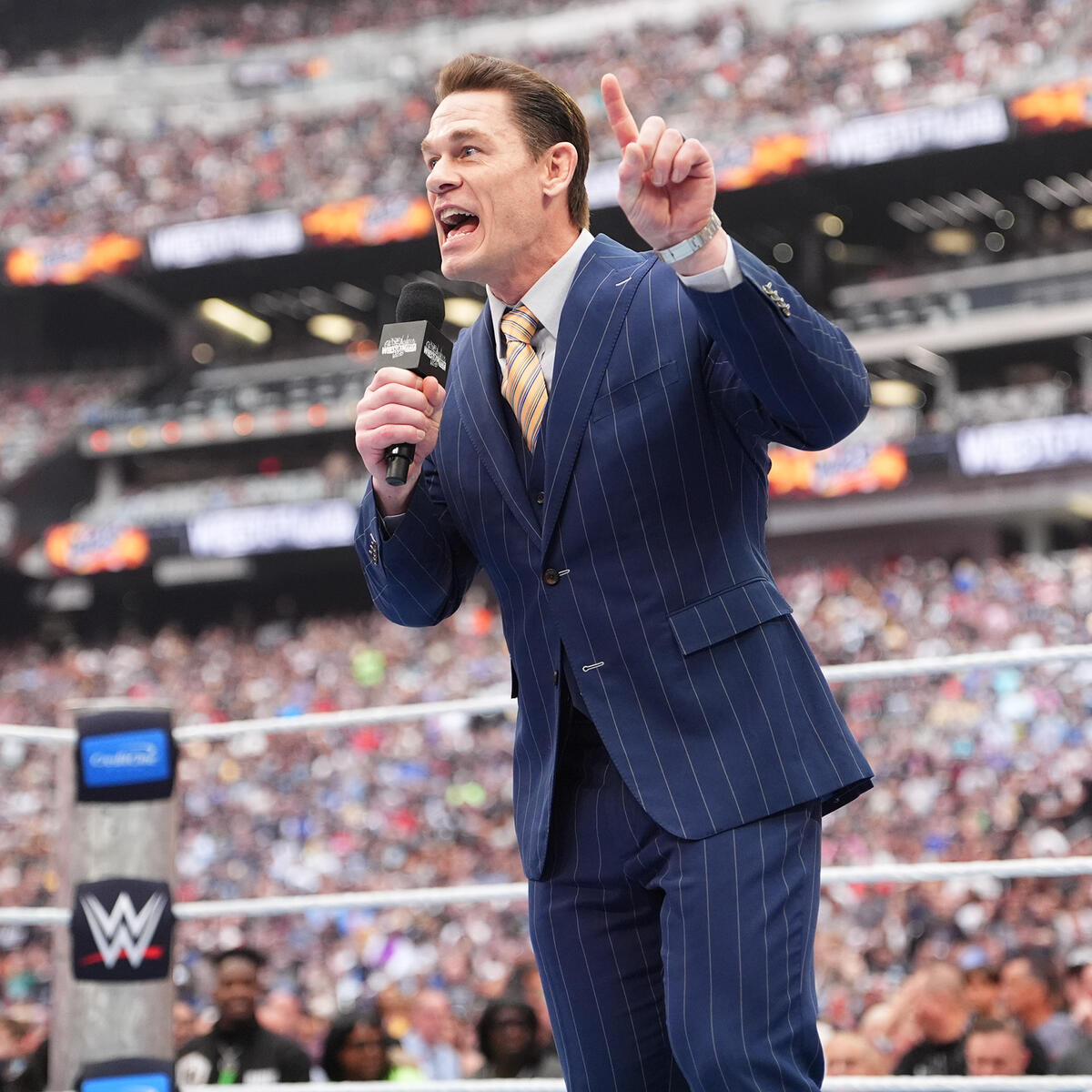
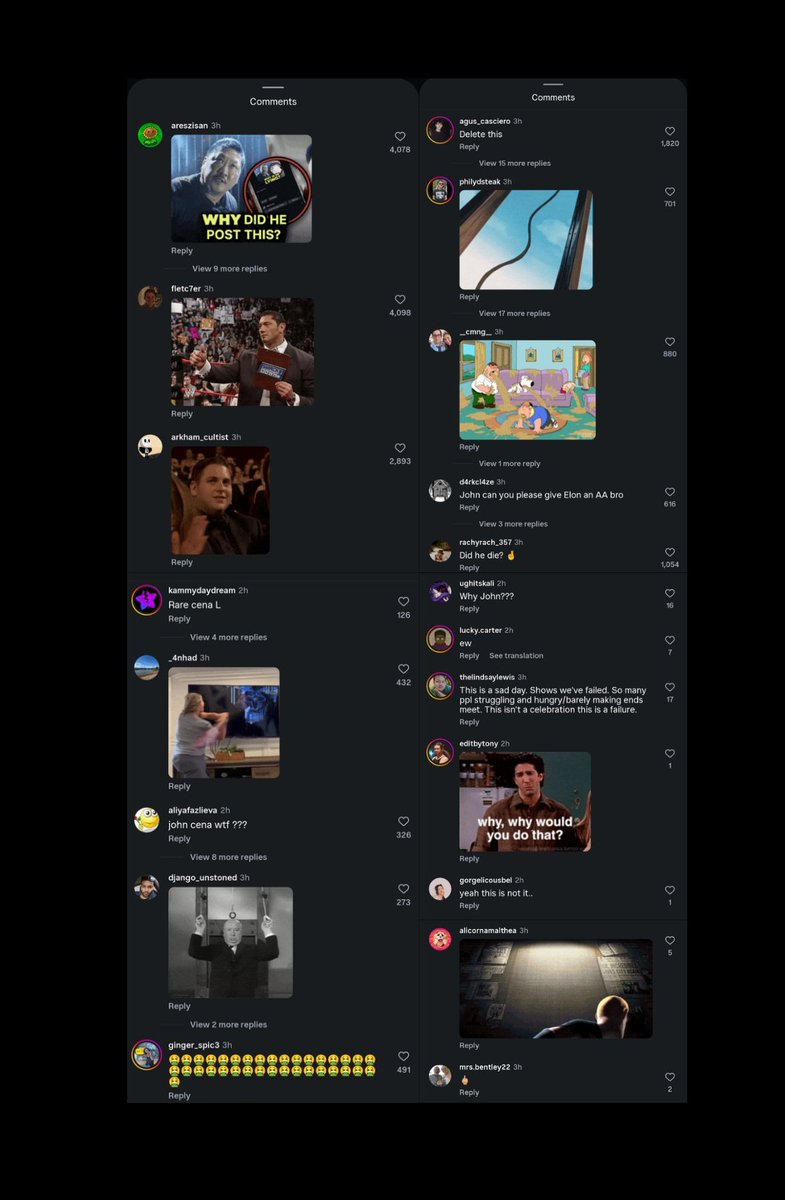
John Cena is apparently getting backlash on Instagram for posting a picture of Elon Musk.
105
60
1,686
174,744