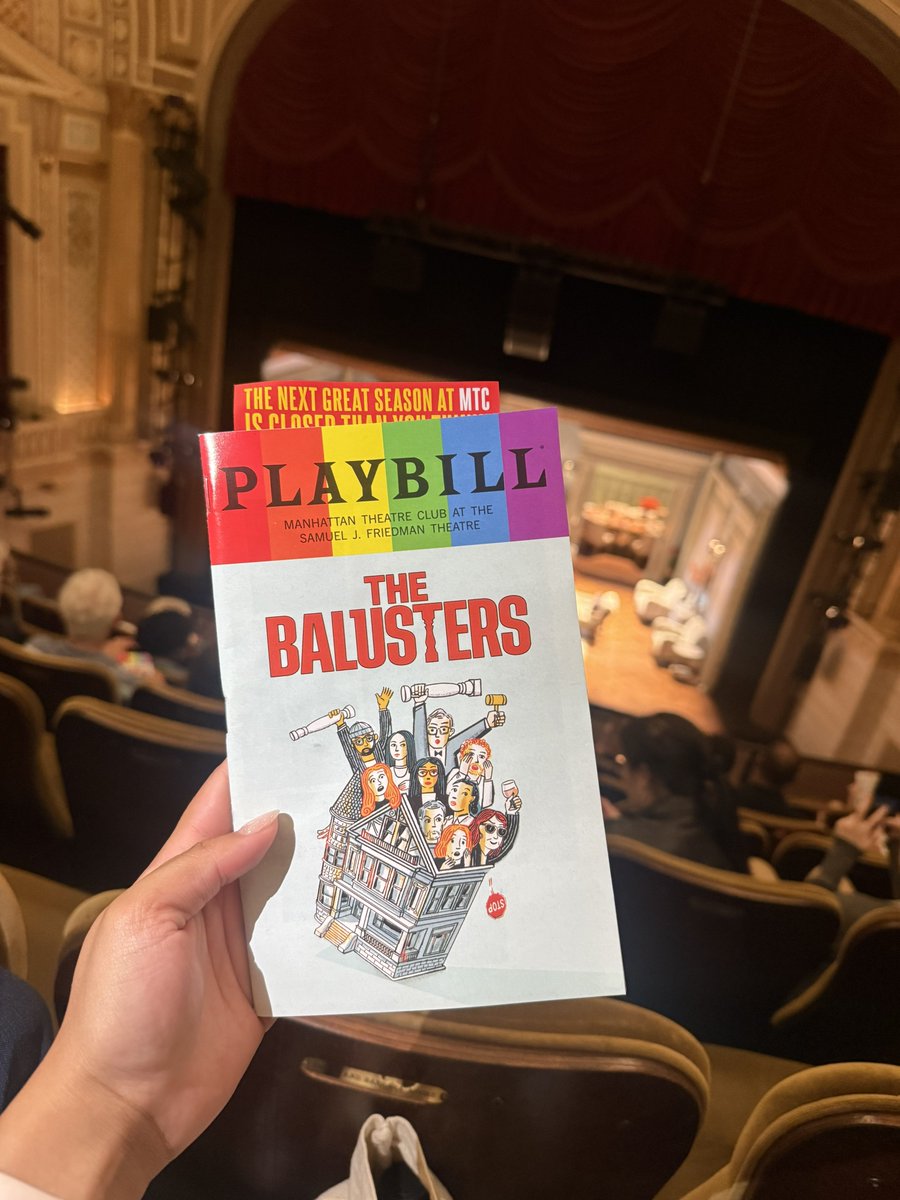
GlazCraft Ltd.... Windows and Glass Balusters.... call or Whatsapp us we will come to your location ASAP 🙏🏾 0592445126 #Egypt #cucurella Cape Verde #Belgium Ivory Coast
96
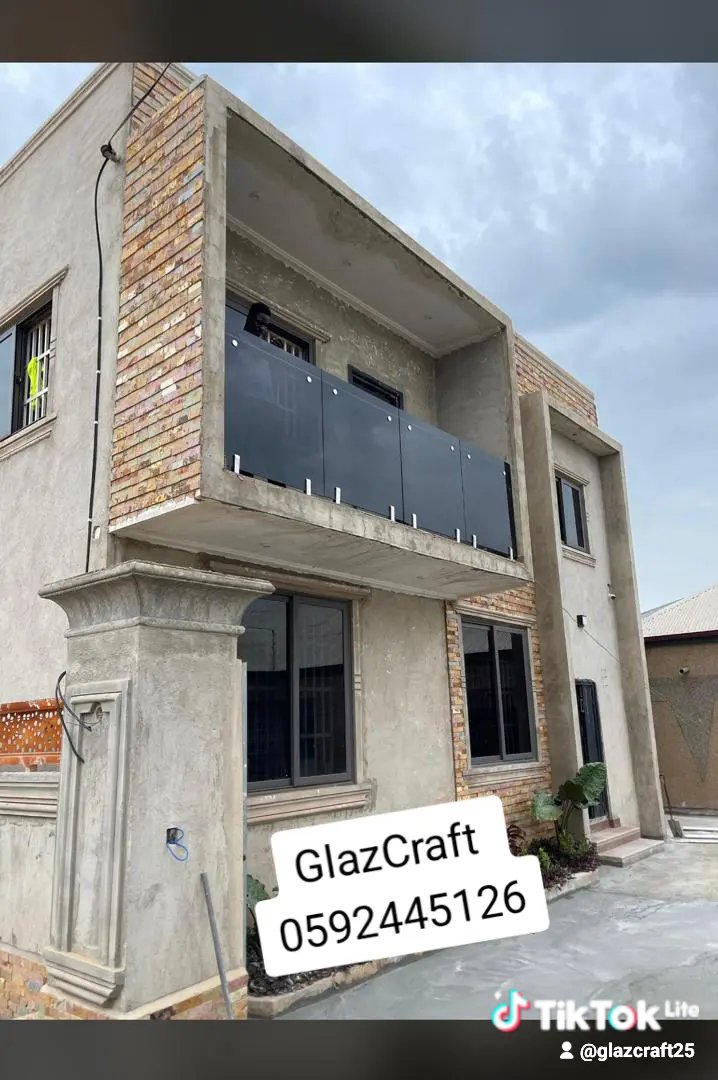
Hot take on THE BALUSTERS: it's great, but I'm tired of the old white dude automatically being the bad guy. Maybe it's because I'm one. But it's the obvious choice every time.
Full review: youtu.be/9gnYrgPYaCU
#Broadway #TheBalusters #BroadwayReview
12

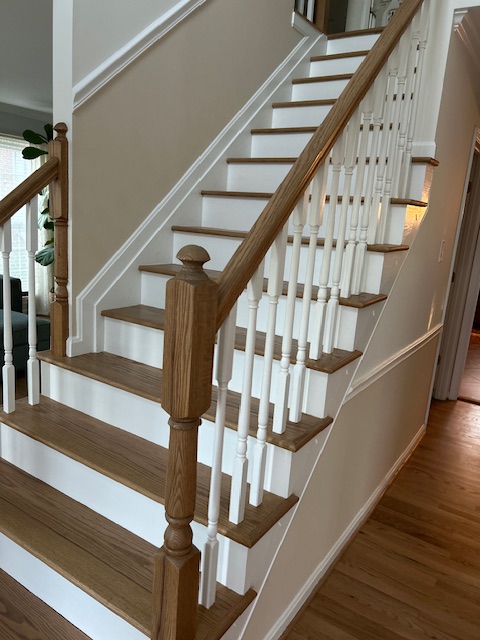
Refinished existing treads, handrails, and newel posts (customer had risers and balusters painted white after)
Call Columbia Floors for a free flooring quote!
#flooring #floors #hardwood #hardwoodfloors #hardwoodflooring #refinish #LVP #vinylfloors #carpet #tile #petfriendly
3

A neighborhood like this doesn't stay quiet for long. Anika Noni Rose joins to talk about THE BALUSTERS.
9

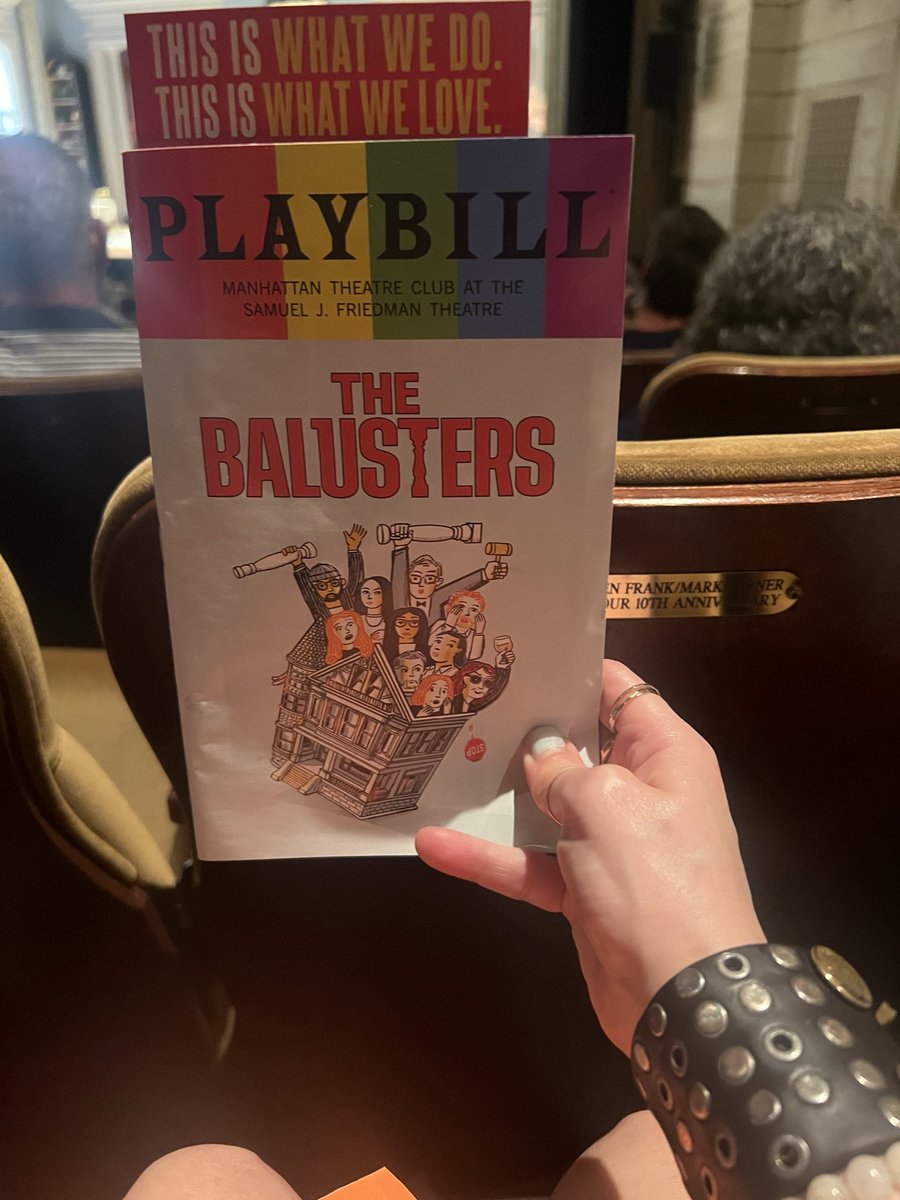
tinafeyofficial_ and the rest of the cast of The Four Seasons on Netflix. Such a fun show and clearly a very respectful, kind, professional cast that makes for a great time when it comes to work. ➡️Celebrated 13 whole years of sobriety w/Kim by going to see The Balusters in

1
3
66

Jun 14
There's no Tony for Best Ensemble. After THE BALUSTERS, I'm convinced there should be. And Marylouise Burke as Penny? Give that woman a Best Supporting nomination.
Full review: youtu.be/9gnYrgPYaCU
#Broadway #TheBalusters #MarylouiseBurke #BroadwayReview
1
14
Thank you, .
So excited to be joining this amazing cast at , reuniting with , and speaking the brilliant words of .
Blessings come when you least expect them.
The Balusters.
See you on Broadway!
💫💫💫💫💫💫💫💫💫

1
12

Jun 14
The big man got his head stuck between the balusters on the balcony and they're oiling him up back there
3
172

Jun 13
Balusters, I pick them up at the local place for 75 cents, add a pool noodle and a hand guard and the kids spend days breaking them over each other. We went through 10 a year for a couple years, then we got the heavy duty ones from a neighbor they used for SCA.
13

From intricate balusters to stunning ornate designs, our digital library has everything you need to elevate your home decor projects to a new level. 🎨🔨
1
12

Jun 13
I was so pleased to see him Tony Award-nominated this year for Broadway's current "The Balusters." He's always been marvelous in the many times I've interviewed him. Warm birthday wishes to #RichardThomas, a Primetime Emmy winner for his truly iconic portrayal of John-Boy Walton.

67

Balusters gate was an epic adventure…icewind dale was a hack and slash….both rocked
1
39


Jun 12
Conservatives and writers should be grateful to the woke movement for providing such ample fodder for mockery and feelings of superiority. Case in point is The Balusters, a well-received Broadway show whose banter takes easy shots about various woke pretensions: words that matter, food that doesn't, attitudes insulated from those they purport to defend. Meanwhile the cast is out of a DEI playbook coupled with the handbook of tropes -- the gay guy (also black, checking off two boxes), the gay woman whose lesbianism confounds the older white woman, the Latino (NOT Latinx, thank you), the Hispanic maid as observer and recipient of rich folks foibles, the openly prejudiced white woman voicing, like Trump, the things others dare not say, and the older white guy as foil for the powerful black woman. Did we miss anything? Sit-com humor combined with cheap shots and end of play gratuitous histrionics. The audience clapped along, laughed loud, and gave it the requisite Standing O, which provides justification for what they spent on the tickets. Color me saddened. #Balusters #woke
#Broadway #Theater
19

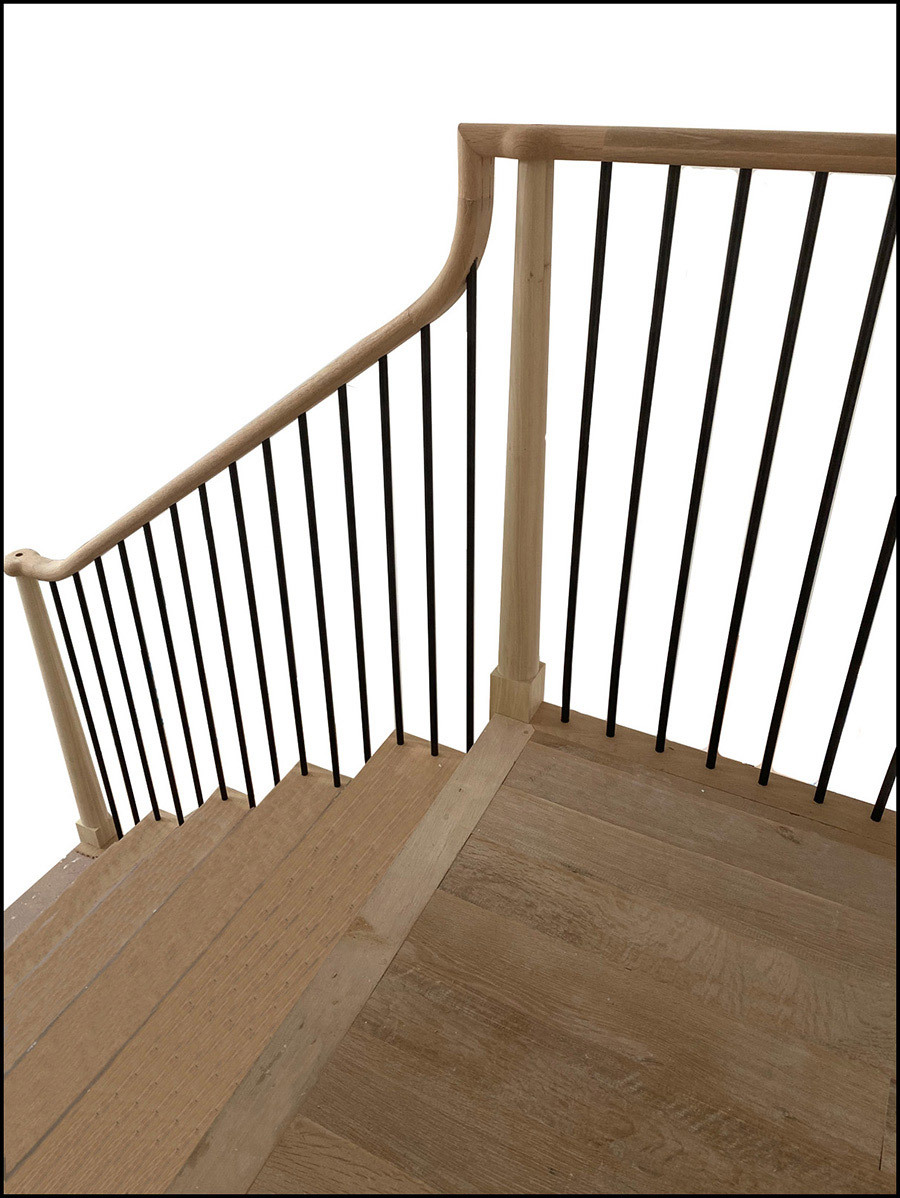
Curved wood handrail straight black balusters = refined outdoor design 🎯 The details elevate everything.
#stairparts #stairdesign #ironbalusters
14

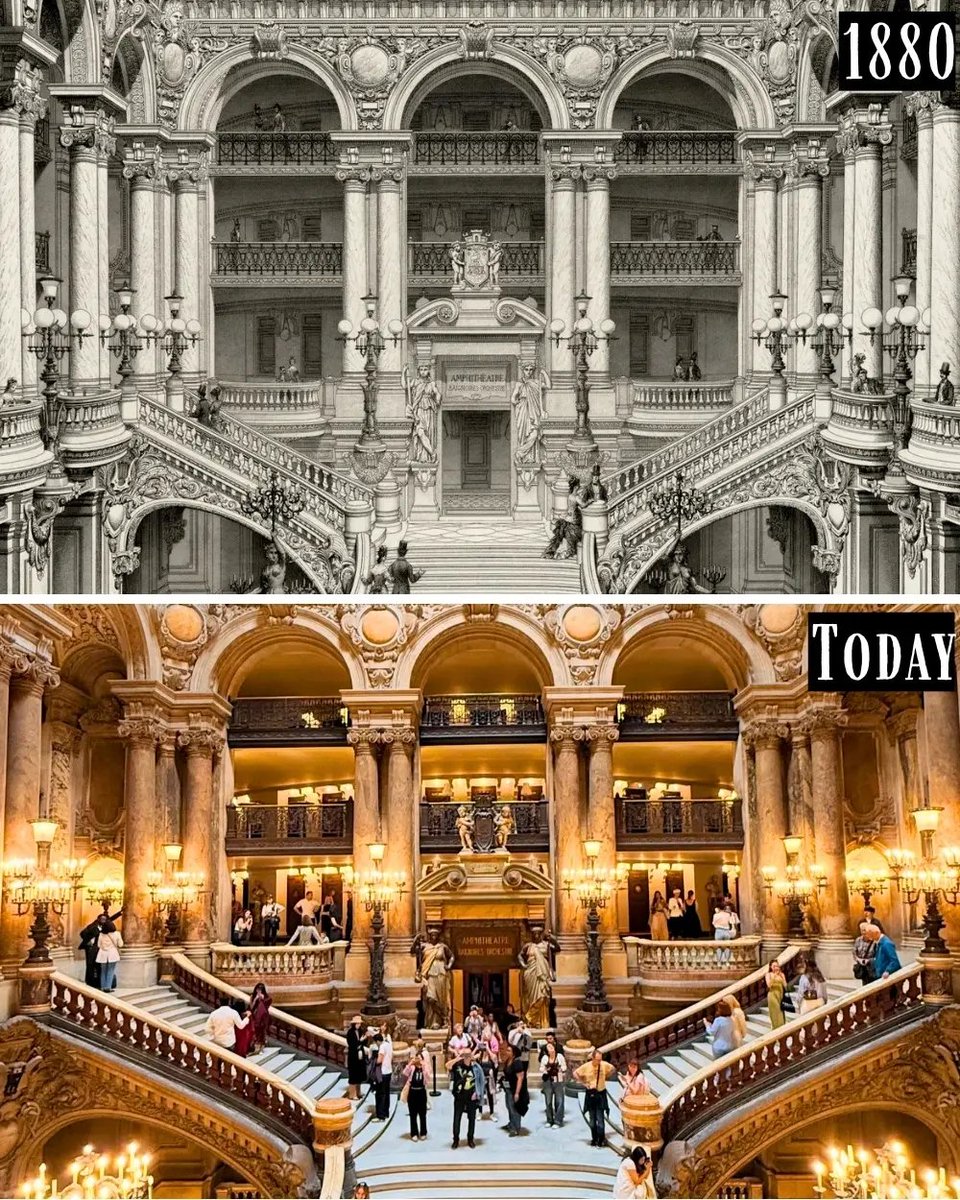
Charles Garnier said the building was the staircase. He meant it literally.
When Garnier, a 35-year-old architect who had never built anything of significance, won the 1861 competition to design Paris's new opera house, he made a radical decision. The stage and the auditorium were not the main event. The staircase was.
The Grand Escalier (Grand Staircase) was conceived as a theater before the theater. Guests would enter, and the staircase — rising nearly 100 feet (30 meters) through a vault of painted ceilings and colored marble — would begin watching them. The steps were designed deliberately shallow so that women ascending in full gowns moved in a slow, visible glide. Every balcony above was a vantage point. Every landing was a stage.
The marble came from three countries. The white steps from Seravezza, Italy. The balusters from antique red marble quarries. The base from green marble in Sweden. The 30 flanking columns, each one carved from a single uncut block of stone, arrived from across what remained of the French Empire.
Construction took 14 years and survived a war. When the opera house finally opened in January 1875, the Second Empire that had commissioned it was already gone. Napoleon III had died in exile two years earlier. The republic that replaced him inaugurated the building anyway.
The staircase is still there, unchanged.
Have you been inside?
4
35
210
7,294

Jun 11
Everything about this is hilarious. Balusters AND rails makes no sense. The baluster is upside-down. The nail is too large. He should be using a brad nailer. He’s holding the hammer like a child. The safety glasses are completely unnecessary. @stoolpresidente is a fraud lol

108