M. Valenti retweeted

May 30
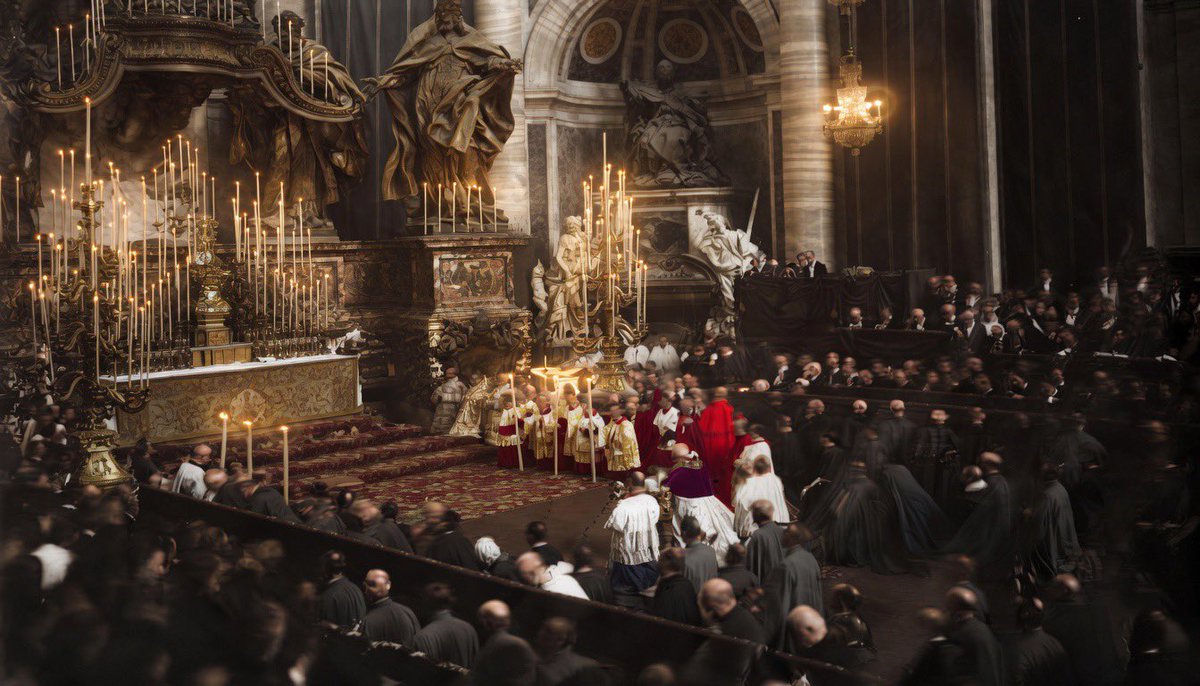
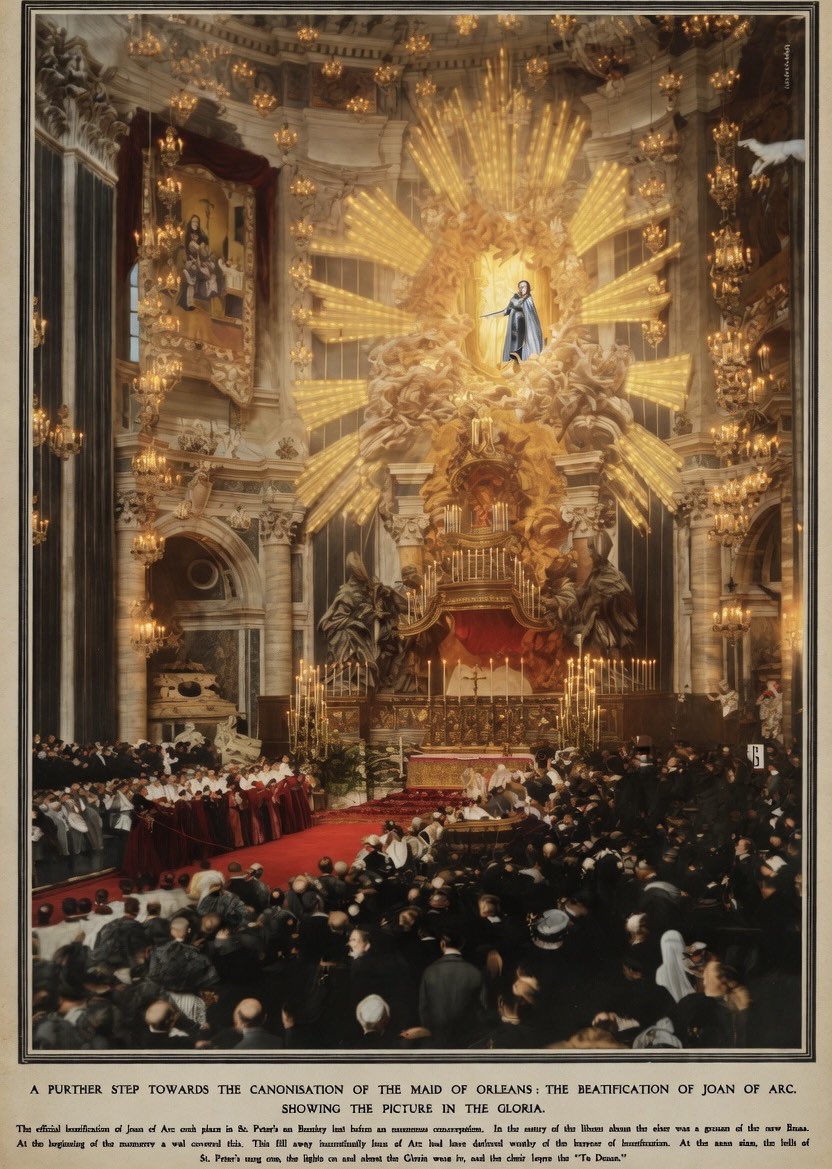
Colorized photos of the beatification of St. Joan of Arc by Pope St. Pius X, April 18, 1909.
11
233
1,668
81,718

At first I thought Reno was the greatest liar of them all, then came Bwala, and I began to doubt my initial assessment
Kenneth Okonkwo has just proven that the aforementioned two are mere apprentices in that enterprise of calculated beatification of falsehood in Nigerian politics
24
Anastasia Press retweeted

Cardinal Bourne started the formal Apostolic Process #OTD 1923 for the Beatification of the the English Martyrs, culminating nearly 50 years later in the Beatification of the 40 English Martyrs in 1970
#Martyrs #EnglishMartyrs #MartyrsCause
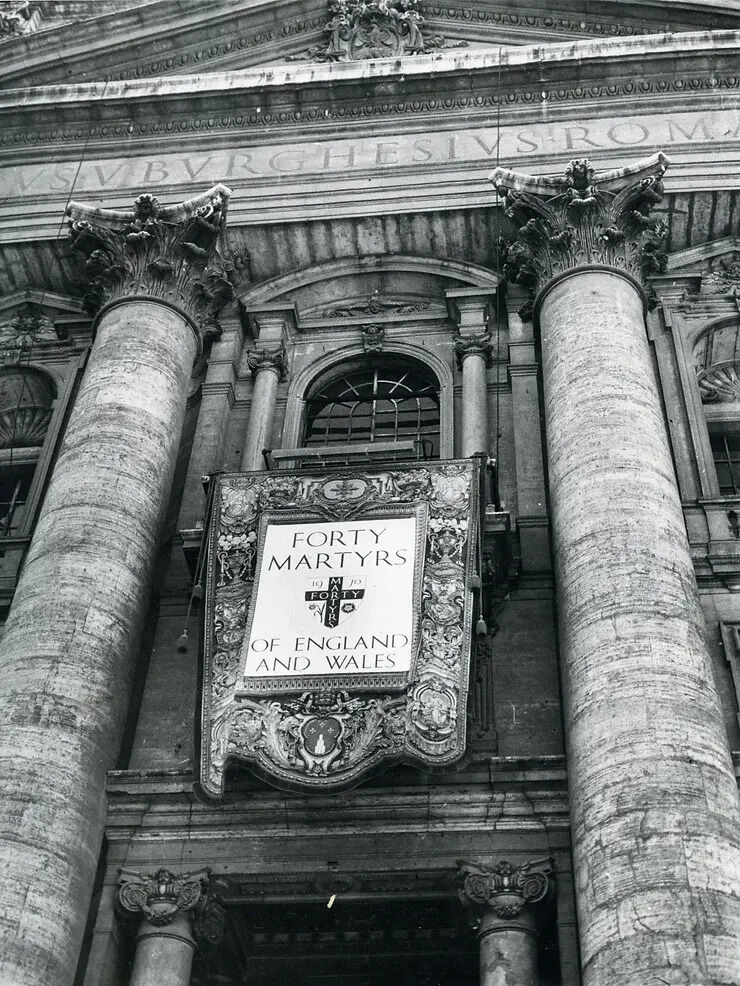
ALT Black and white photo of the front of St Peters, Rome with a large banner reading 'Forty Martyrs of England and Wales'
2
3
90

Calling all martyrs , we have several openings available, start your pathway to beatification now through getting killed by a migrant in service of the lord.
Disclaimer: *note death does not guarantee beatification, and the church may not exist in future"
1
9

There’s no warehouse for this. No bulk order. Just 75,000 rosaries — made by hand, one at a time, by people like you.
Every one will be blessed before the Beatification Mass. Every one will keep being prayed long after September 24.
Learn more at pontificalmissions.org/World…

1
1
24

2/4
illuminated by his faith, ornamented with gold. Or, as Pope John Paul II said, when asked in the beatification process about what miracles Fra Angelico had performed: “These paintings are his miracles.”
1
11

Revelations or Effusions of the Heart of Jesus by Father Alexis LeFebvre Day 16 of June. The Words of Jesus to the Blessed Margaret Mary.
.
1. The Secret of His Love and Sorrows.
.
'Ex abundantia Cordis os loquitur.'
.
'Out of the abundance of the Heart the mouth speaketh' (Matt. xii. 34).
.
'Eructavit Cor meum verbum bonum.'
.
'My Heart hath uttered a good word' (Ps. xliv. 2).
.
All the words upon which we have meditated up to this day have been taken from the Holy Scriptures, and principally from the Gospel. These proofs of divine love belong to all time, to all men; but there have been other words from the Heart of Jesus. This good Master, as it were, only began to show it to us. It is time that we should relate how He gave us His Heart, and how in these latter days He has filled up the measure of His infinite love by the words which have fallen from His Heart. Thus alone has our Saviour Jesus Christ revealed all the secrets of His Adorable Heart.
.
We shall not be able in this meditation to recount in detail the marvellous and touching fact of the apparition of Jesus to the Blessed Margaret Mary Alacoque, religious of the Visitation, at Paray-le-Monial. The words of Jesus Christ to this holy soul, independently even of the authority given to them by the decrees of beatification, and by the juridical examen of her writings, have such a character of truth and celestial authenticity impressed upon them that the Christian soul cannot fail immediately to recognise them. In fact, it could never have entered into the human mind, nor into any imagination, however exalted, to invent these hidden things and to speak such words of mystery.
.
According to our custom, we shall select the principal words for our meditations. Arranging them in order, we shall find in these effusions of the Heart of Jesus to His faithful spouse the positive revelation of the great secrets of this beautiful devotion; for to her it was that He confided His sorrows, His desires, and at the same time the glorious promises of His love. This will form the subject of our meditations for the three last days of this Novena.
Let us, in the first place, examine the secret of the sufferings of the Heart of Jesus, which we should rouse ourselves to console. He began by manifesting the cause of these sorrows, namely, the ingratitude of men, the grief of not being loved; and this pain is infinite, because His love for us has no limits. He loved unto the end. But let us be silent whilst the Divine Saviour speaks; let us strive to hear and taste these words, for in them He truly gives us His Heart, that we may understand.
.
He tells us how great is His love for us. 'My Divine Heart,' He said to Blessed Margaret Mary, 'is so impassioned with love for men that it cannot contain the flames of love that burn within it, but must shed them abroad and manifest them to men, to enrich them with these precious treasures.'*
.
On one occasion, the Blessed Sacrament being exposed, she received a most marvellous grace, which she relates as follows: * Jesus Christ, my good Master, appeared to me shining in glory, the five wounds brilliant like so many suns. Flames burst forth from His sacred Body in every part, but especially from His adorable breast, which resembled a furnace, and on opening it He discovered His Divine Heart to me, the living source of these flames. Then it was that He made known to me the inexplicable wonders of His purest love, and the excess of His love for men, from whom He only received ingratitude. "I am more sensible of this," He said to me, "than of all else that I suffered in My Passion. If they made Me any return for My love, I should esteem as nothing all I have done for them; and if it were possible, I would suffer more. But all My eagerness to do them good meets with coldness and rebuffs. Do thou at least atone for their ingratitude as much as it lies in thy power."'
.
* All the extracts we shall make in these three meditations are taken from the Life and Works of the Blessed Margaret Mary, also from her Life written by herself; and we give the words of the text without any alteration whatever.
.
In this revelation of the love of Jesus we see the extreme desire He had that men should love Him, and how greatly. their want of love pained Him. And what was He about to do, that He might overcome their hearts and gain their love? He tells His spouse that He will give His Heart. Read, and meditate on what follows:
.
'On the day of St. John the Evangelist, after having received a grace from my Divine Saviour similar to that which the beloved disciple received on the evening of the Supper, the Divine Heart was represented to me as upon a throne of fire and flames, emitting rays on all sides more brilliant than the sun, and as transparent as crystal. The wound given upon the Cross was clearly visible. Around this Divine Heart was a crown of thorns, and above it a cross. My Divine Master made me understand that these instruments of His Passion signified that the immense love He had for men had been the source of all His sufferings; that from the first moment of His Incarnation all His torments had been present to Him, and the Cross had been, so to say, planted from that moment in His Heart; that He accepted then all the pains and humiliations which would be endured by His Sacred Humanity, which He would have to suffer during the course of His mortal life, and even the outrages to which He was exposed in the Blessed Sacrament through His love for men.
'Then it was He made me understand that His ardent wish to be loved by men caused Him to manifest His Heart to them, and to give this last proof of His love in these latter days.'
.
All the sacred words of this revelation are but a prelude to a yet more mysterious grace, crowning so many favours, which we shall shortly relate. We will make a remark here which applies to the whole of this subject, namely, that love is the source of all the sufferings of Jesus Christ. He suffered and died because He loved us; and in His mystic life His Heart suffers because of His love, and because He is not loved. This has been well understood and expressed by the saints, especially by St. Augustine and St. Teresa; but above all by that sweet Sister Margaret Mary to whom Jesus revealed the profoundest secrets of His love and sorrows.
.
It is most essential that we should ask our Lord to give us grace to love Him, if we are still unable to understand the language of these pure and fervent souls. St. Augustine said, 'Without love it is impossible to attain a relish for these things.' Da mihi amantem, et sentiet quod dico,—' Give me a loving soul, he will understand what I say.' How often since we commenced this work have we asked this grace of God for the pious reader, and for ourselves also! But we feel the necessity of repeating this prayer, especially now that we are about to enter upon the most sublime and mysterious of these beautiful revelations.
We can but quote a few words, which will prove to us the love and sorrow of Jesus, reserving for another day those which manifest His inmost desires and promises.
.
'Being before the Blessed Sacrament one day during the Octave,' says this pious soul, ' I received unusual graces of love from my God. And feeling touched with a desire to make some return, and to render love for love, He said to me, "Thou canst make Me no greater return than by doing that which I have so often asked of thee;" and showing me His Divine Heart, said, "Behold this Heart, which has so loved mankind that it has spared nothing, even to exhaust and consume itself, to manifest its love to them. In return I receive from the greater number only ingratitudes, contempt, irreverence, sacrileges, and coldness in this Sacrament of My love. Therefore I ask of thee,"' &c.
These are the sacramental words on this subject, if we may be permitted so to express it—words which we cannot repeat too often in this book, or meditate upon sufficiently; but to understand and interpret them thoroughly, we must have seen Jesus and His Sacred Heart, as this saint did, and like her we must have heard His voice!
.
For this reason it is impossible, even for the most religious artist, to portray Jesus speaking these words to His beloved spouse. She, and no other, could describe to us the sorrow and love depicted on His countenance, and more than all, His expression and the tones of His voice. Flames must have been in His eyes, and tears also. He loves, and He suffers; behold the whole secret and sentiment of this Divine Heart. But who can fathom these mysteries, this excess of love? Above all, who can translate them into any language, or represent them? When Paul came back from the heaven to which he had been transported, it seems as if he could have spoken of the wonders he had seen, or at least have revealed some of the words he had heard. But no, this was impossible. In all earth's language there was nothing to express this happiness, or to give the slightest idea of it; he could not speak of it; he would not have been understood. It is precisely the same with regard to the sentiments of the infinite love of Jesus and the immense sorrows of His soul. The saint to whom Jesus spoke, and to whom He manifested His Heart and revealed His secrets, has endeavoured to tell us something of this profound mystery; but to hear this divine language, and taste these ineffable things, one must have loved as she did.
.
We will not stay to comment upon these sacred words; we ask the pious reader to read them again, and meditate on them. We wish, however, to draw attention to the concluding words of this revelation; they must strike every serious mind who wishes to enter into the true sentiment of the devotion of the Sacred Heart. Jesus says, '/ only receive from the greater part of men ingratitude, contempt, irreverence, sacrileges, and coldness.' Is it not astonishing that God should have spoken in such gradation of terms? For we cannot suppose that these words came by chance upon the lips of Jesus Christ, nor from the inspired pen of the Blessed Margaret.
.
Jesus spoke out of the abundance of His Heart, and His beloved spouse did not forget the admirable order of these complaints and the expression of His sorrows : 'contempt, irreverence, sacrileges, coldness.' Do you understand now? He only gives His Heart, or speaks, that He may reveal these great sorrowful mysteries. For the most cruel sufferings of the Heart of Jesus are not caused by the contempt of strangers, who know Him not, nor by the irreverences of the impious who outrage Him, nor by the sacrileges of sinners who deliver Him to death in an impure heart, but by the coldness of those souls whom He has loaded with proofs of His tenderness, and whom He called to His love; the coldness and tepidity of His friends, His disciples, His priests, and His spouses.
.
Ah, this it is that causes Him to endure suffering, of which He most bitterly complains; for He adds, * But what I feel most is, that these are hearts that have been consecrated to Me that use Me thus.' And what more reasonable, and even natural? Would you not be more distressed by want of delicacy, by an act of forgetfulness, by a mark of indifference, on the part of a friend or a brother, than by the greatest outrage received from a stranger or an enemy? You will to-day make reparation with the special intention of consoling the Heart of Jesus for the sorrow He has been caused by those who ought to love Him.

1
120


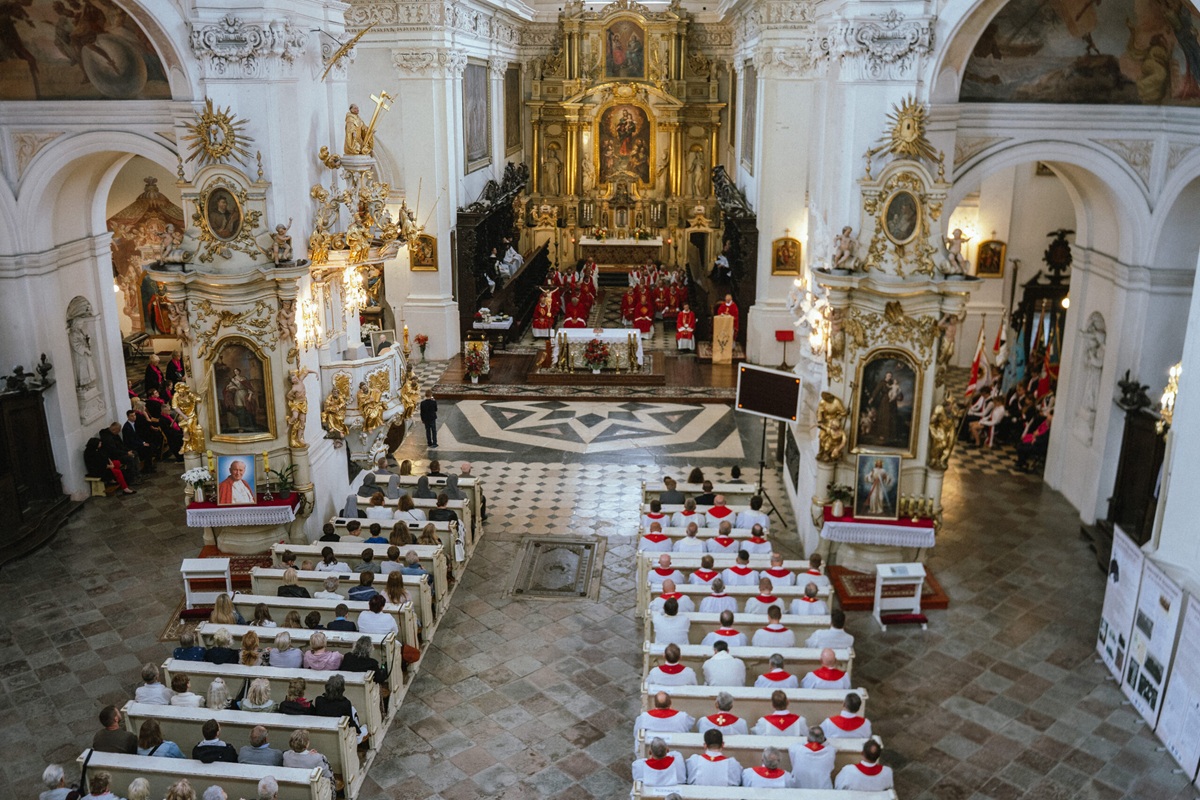
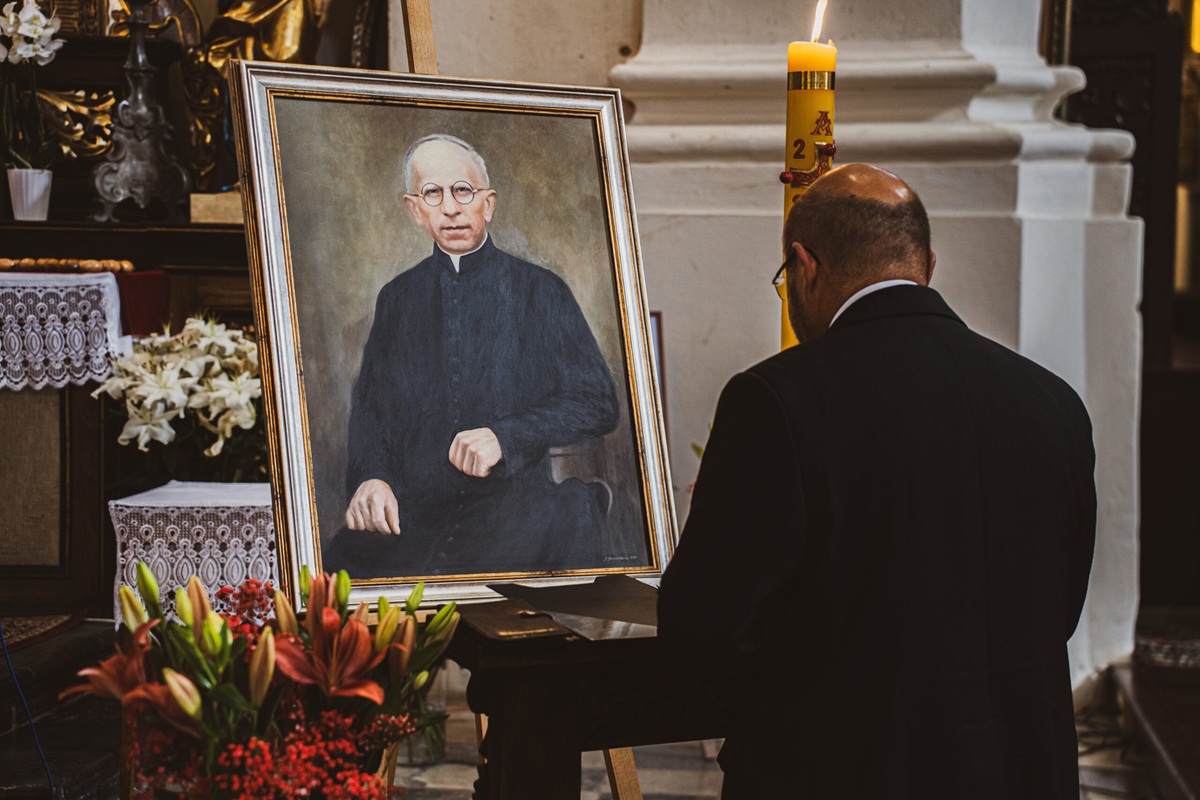
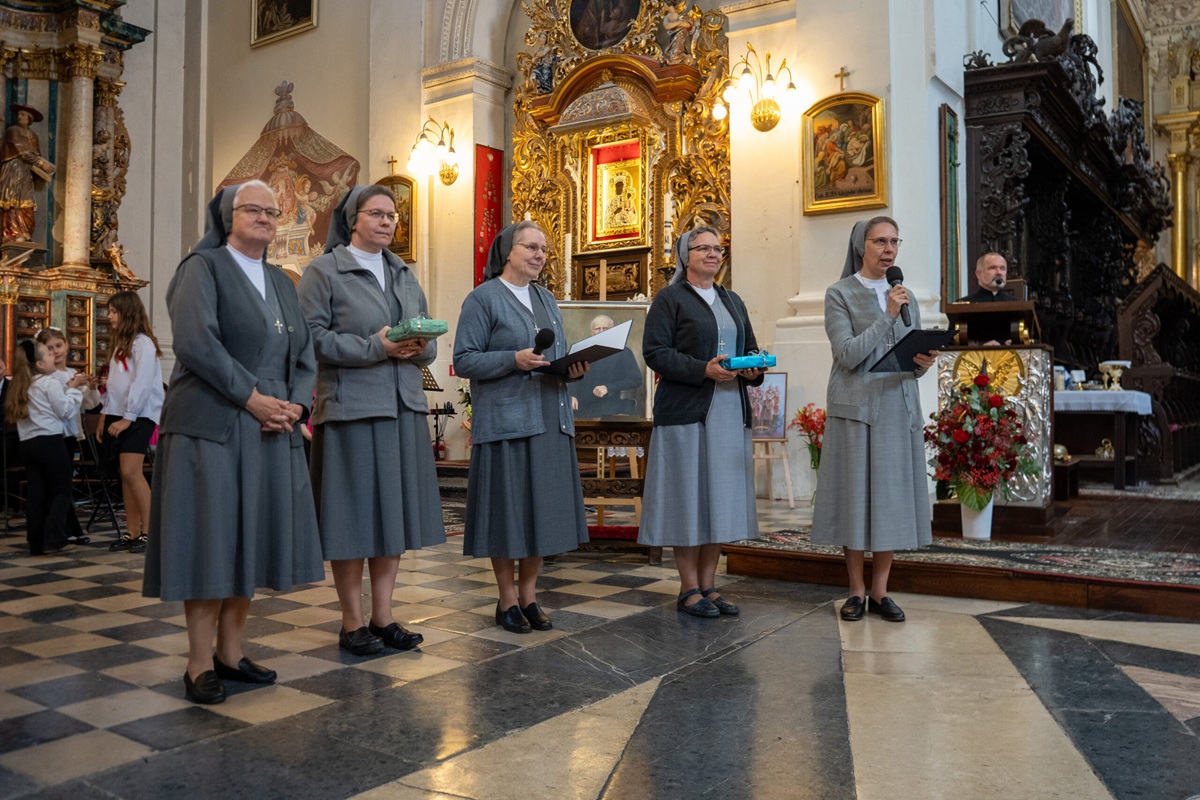
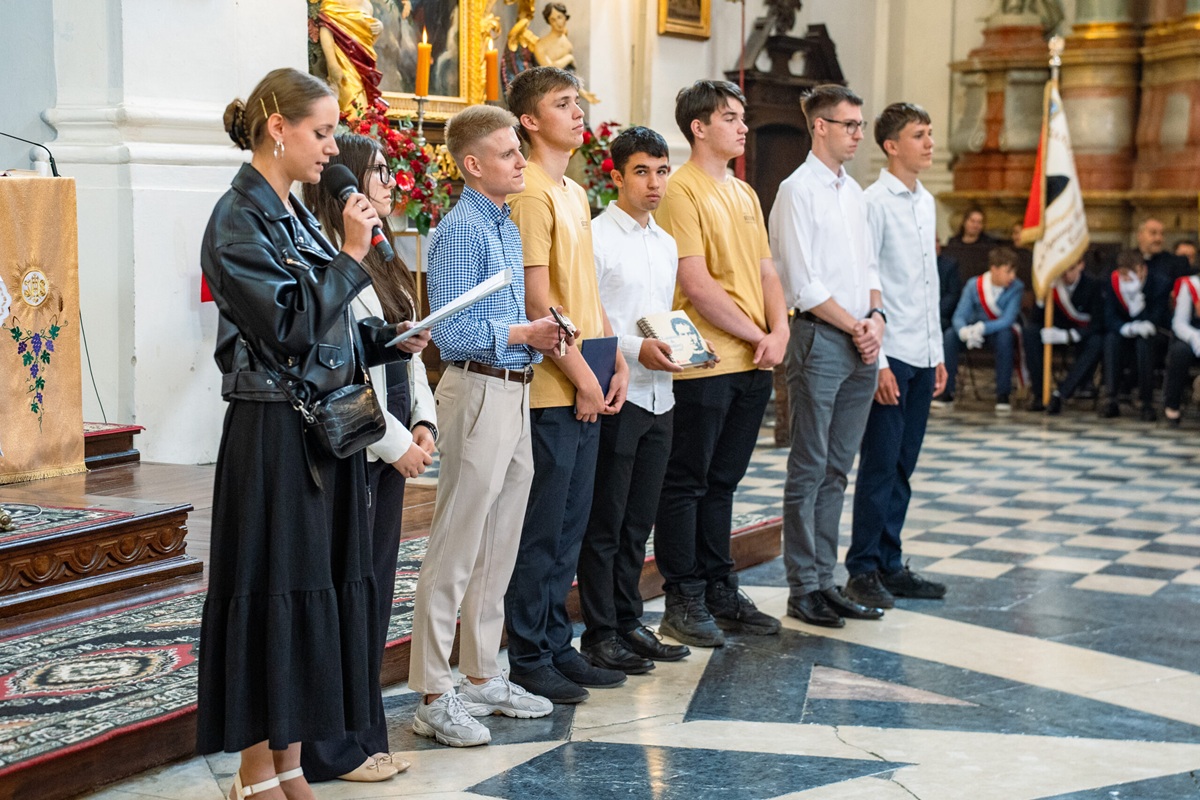
Poland – Thanksgiving for the beatification of Fr #FranciszekMiśka SDB and the installation of the new Provincial of the #Piła Province
infoans.org/en/sections/news…
13

Ya lost me… John piper preached that politicians have to be in practically in the process of catholic beatification in order to be “electable.”
NEXT.
1
106

Ivory coast needs to score Asap . We are tired of the beatification of the game without goals .
1
50

Trump is hoping the Pope will declare it a miracle if he can get a peace deal, then beatification onto sainthood, imagine that Magats having a St. Donald! 😇
23

Americans Love All The Activity At The White House!
After All Activity Suggests Prosperity
America Is Experiencing Happiness And Joy But Democrats Want To Kill That Happiness By Bitching About Everything!
Support Groups Are Sick Of The Misery And Corruption!
The White House Needed Something New!
The Beatification Projects Done By The President Have Thrilled The Citizens Of Washington DC Democrats And Republicans! A Like!
Americans Are Tired Of The Doom And Gloom Along With The Threats Of Extreme Violence!

1
85

ABUJA, NIGERIA: A young boy holds an umbrella next to his father, selling calendars (bearing the image of Pope John Paul II for the beatification of Blessed Cyprian Michael Iwene Tansi), March 21, 1998.

2
2
28
1,653
Catherine of Siena retweeted

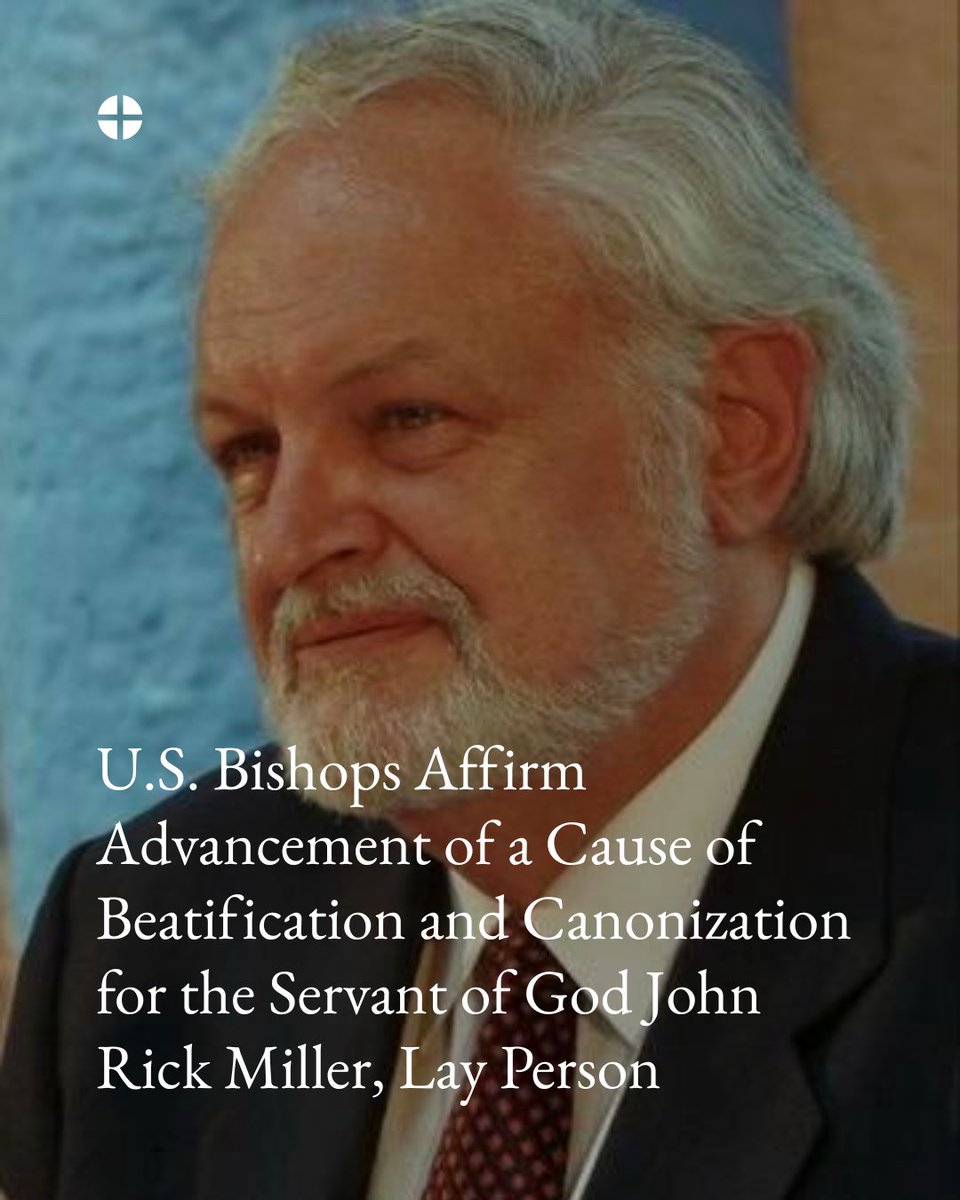
U.S. Bishops Affirm Advancement of a Cause of Beatification and Canonization for the Servant of God John Rick Miller, Lay Person
The bishops of the United States held a canonical consultation on a cause of beatification and canonization for the Servant of God John Rick Miller, a family man, businessman, and international missionary. He dedicated his missionary efforts to promoting the consecration and devotion to the Sacred Heart of Jesus and the Immaculate Heart of Mary, as well as adoration of the Blessed Sacrament.
2
30
142
4,401

Jun 14
This is a perfect example of Trump's beatification plan working for Washington DC.
8
Jun 14
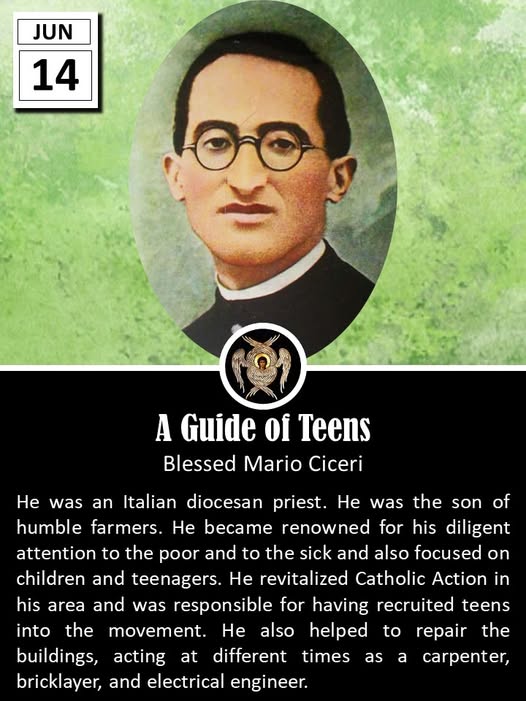
Blessed Mario Ciceri was an Italian priest whose brief but devoted life exemplified selfless pastoral care amid the challenges of early twentieth-century rural Italy and the turmoil of World War II. Born on September 8, 1900, in Veduggio, a small town near Milan, to poor farming parents Luigi Ciceri and Colomba Vimercati, he was the fourth of six children in a household that also cared for thirteen cousins after a family tragedy. Despite economic hardships, his devout mother instilled in him a deep faith, and from the age of eight he felt a clear calling to the priesthood. With parental support and the help of scholarships earned through diligent study, he entered seminary training, first in Bergamo and later in Milan. He was ordained a priest on June 14, 1924, in Milan's Duomo and soon assigned as coadjutor to the parish of Sant'Antonino Martire in Brentana di Sulbiate, where he would serve for the rest of his days.
Ciceri's ministry was marked by tireless attention to the spiritual and material needs of his parishioners, especially the poor, the sick, children, and youth. He visited homes, sat at bedsides through the night, provided financial aid when possible, and even performed manual labor as a carpenter, bricklayer, and electrician to repair parish buildings and construct a replica of the Lourdes grotto. Deeply devoted to the Blessed Virgin Mary, he prayed the rosary daily and encouraged others to trust in her intercession. He revitalized Catholic Action in the area, recruiting teenagers and fostering a vibrant oratory with catechism, music, theater, and outings. During World War II, he risked his life to shelter soldiers, stragglers, and fugitives of various nationalities, organizing hiding places, smuggling aid, and even accompanying people toward the Swiss border on his bicycle. His quiet heroism extended to visiting prisoners and supporting families, all while maintaining a life of personal austerity, prayer, and penance.
On the evening of February 9, 1945, while cycling home from hearing confessions in a neighboring village, Ciceri was struck by a cart in the darkness and suffered severe internal injuries. Hospitalized in Vimercate, he endured two months of suffering with exemplary patience, offering his pain for the end of the war, the safe return of soldiers, and the souls of sinners. He died on April 4, 1945, at the age of forty-four. His funeral drew crowds from surrounding villages, and many already regarded him as a saint. The cause for his beatification opened in 2002, he was declared Venerable in 2016 after recognition of his heroic virtues, and a miracle attributed to his intercession was approved in 2020. He was beatified on April 30, 2022, in Milan Cathedral. Today, Blessed Mario Ciceri is remembered as a shining example of humble, hidden holiness, a pastor who poured out his life in service to others without seeking recognition. His feast day is celebrated on June 14.
2
21
103
1,645