

Bjp ruined our beautiful India .. it will take 20 yrs now to make our India normal again. 🙏

Nitin Gadkari, Minister of Road Transport and Highways clears path for 100% Ethanol use in vehicles, according to ANI.
'Last night at 8 PM, I signed the file, finalising the regulations to legally authorise the use of 100% ethanol,' says Union Minister.
He further added that along, with Hardeep Singh Puri, Minister of Petroleum and Natural Gas, he launched E100-compatible version of Maruti Suzuki's WagonR. In the motorcycle category, Hero MotoCorp has also launched two flex-fuel vehicles capable of running at 100% ethanol.
Following this move, companies like Toyota, MG, Hyundai, and Suzuki will also launch E100 compatible vehicle within next month or so.
Thus, the ethanol will serve as a viable alternative to petrol.

°‧🫧angelica | ahof x ajaa ⋆.ೃ࿔*:・ retweeted

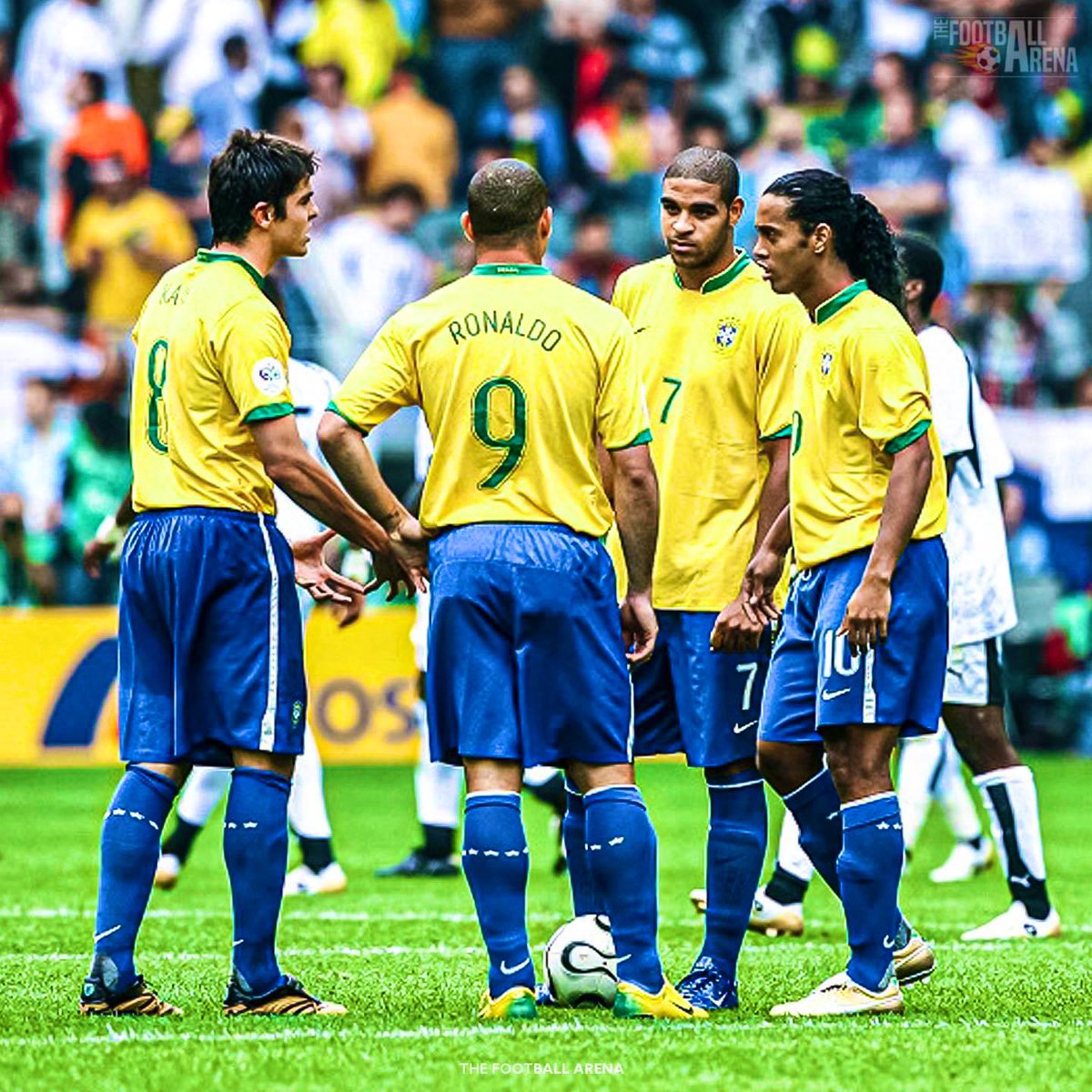
jl's insane face card omg!! Look at this beautiful baby!! 🥹
🎥: ruru___twt
25
54
191


Beautiful load of crap!

QUICK NOTE
I am glad Nigerians are engaged in discussions about the management of the economy, both fiscal and monetary. This matters even more as we head towards the polls, dealing with the gains, pains and fears of the reforms implemented thus far.
The post below is useful, but it also shows why economic issues require nuance beyond headlines. See...., the claim that the #IMF asked Nigeria to impose fuel and telecom taxes is substantially true, but incompletely framed. That framing may reflect the trust deficit that has built up over time with such statements, but we should not deepen it. We should help reduce it.
The IMF did not simply say “impose fuel and telecom taxes now.” In its 2026 Article IV Staff Report, it said Nigeria may need further tax policy changes over the medium term, including increasing VAT, extending VAT to fuel products, rationalising tax exemptions, and introducing telecom excises.
But it also added an important caveat. The timing of such reforms must consider poverty and food insecurity, and ensure that the cash transfer system is in place and funded.
Paragraph 20, Fiscal Policy, page 17, states:
“Further tax policy changes will likely be needed, such as increasing the VAT rate, extending VAT to fuel products, rationalising tax expenditures … and introducing telecom excises, to complement administrative gains. The timing of reforms must consider the poverty and food insecurity situation and ensure that the cash transfer system is in place and funded.”
See: proshare.co/articles/imf-202…
The Executive Board summary also notes that additional tax policy measures may be needed over the medium term, including to fund a scaled-up cash transfer programme for vulnerable households.
Nigeria’s Executive Director also made the balancing point clear. The authorities are open to further tax policy adjustments, including possible VAT increases, VAT on fuel products, and telecom excises, but only when the cash transfer system is fully funded and operational, so the burden does not fall disproportionately on the vulnerable.
See: proshare.co/articles/imf-com… via @proshare
So, to the good people at @NigeriaStories, the “breaking news” version is not false. Perhaps, due to the editorial summary, it unwittingly overstated the message by omitting the IMF’s caveats on timing, sequencing, and social protection.
Without holding brief for the @IMFNews or the @NigeriaGov, and without prejudice to the wider debate on whether taxes are the right solution, the more accurate framing is this:
The IMF recommends that Nigeria consider further medium-term revenue measures, including extending VAT to fuel products and introducing telecom excises, but says timing should depend on poverty conditions and the readiness of funded cash-transfer protections.
My regards.

kay~♡ loves 휴닝카이 retweeted

TXT can’t resist their hands when there is beautiful human doll exist nearby. They love to tickle, drag and tease him. When they are with their lamb their true wolf form comes out. #Kaiharem
1
27
161
1,549





Mr_J1n retweeted

The beautiful @therealhquinn94 loved Black King @slayherjax burying his Big Black Cock in her tight white pussy, who wants to see her take @shanexxxdiesel ‘s Big Black Cock next time she is in Vegas?!
1
8
194
raja aravindh no vote for tvk retweeted

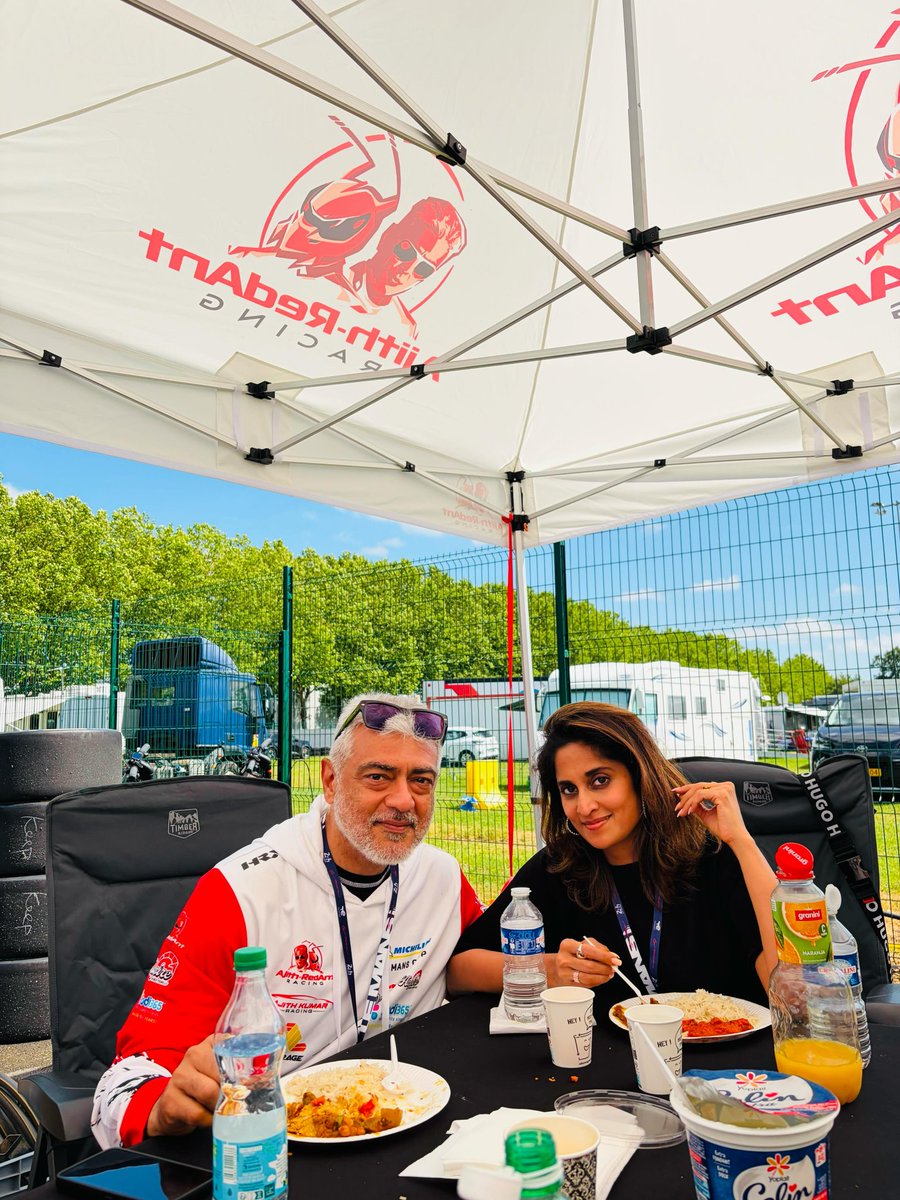
Exclusive pics 😉
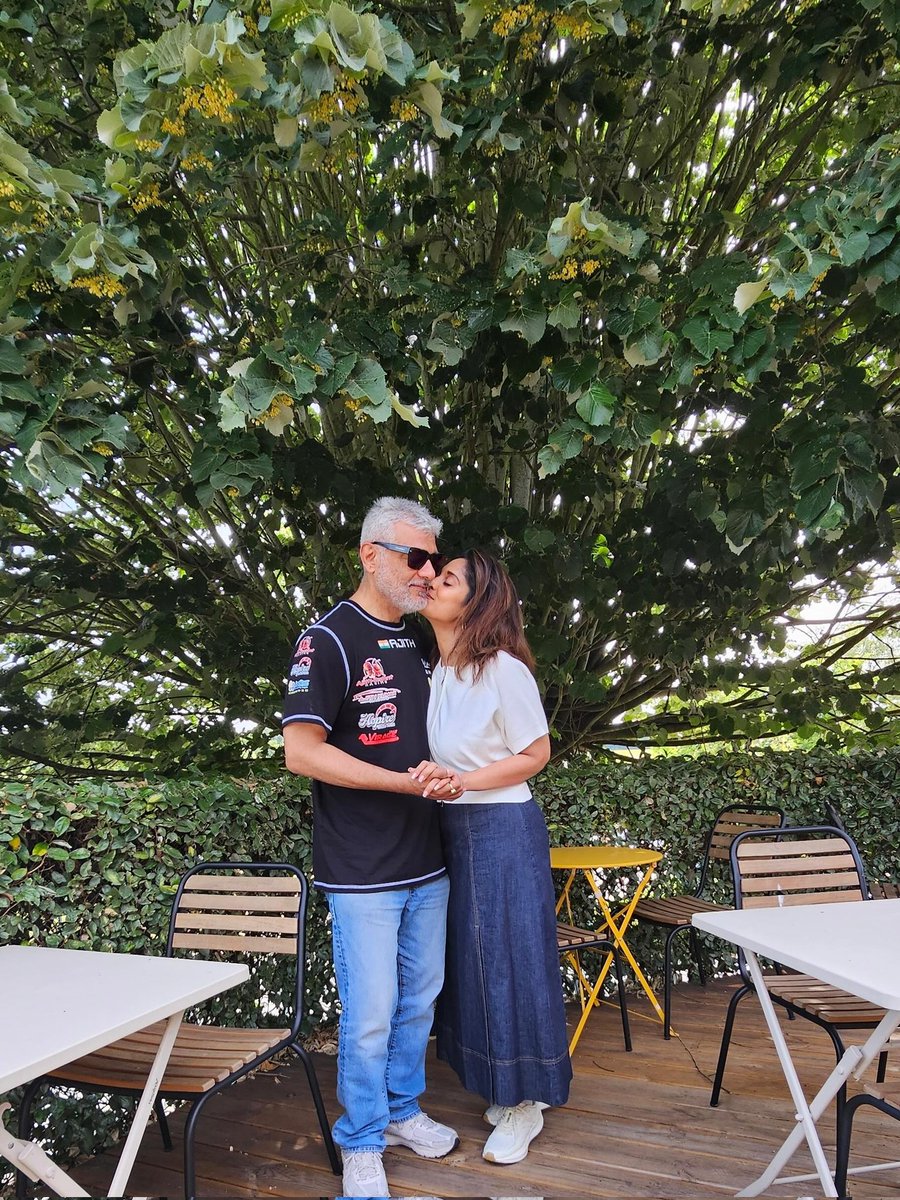
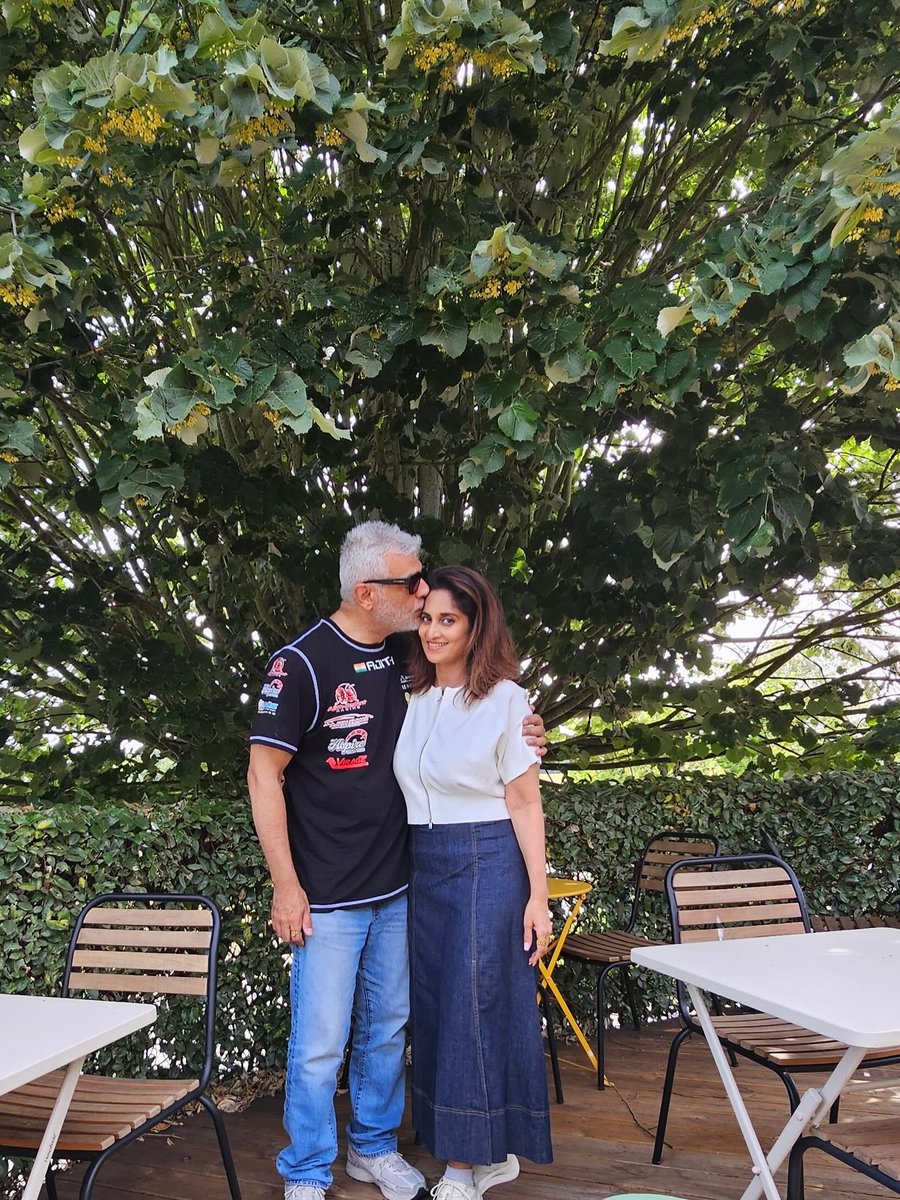
The Most Beautiful Couples 🫶🏻💙 #Ajithkumar And #Shalini Mam 😎💥💥
1
87
583
20,972

 Sach ₍^. .^₎⟆
the cat’s meow retweeted

i think it's beautiful that yahya sinwar is like an uncle figure to communist american trans women
6
48
947
21,036

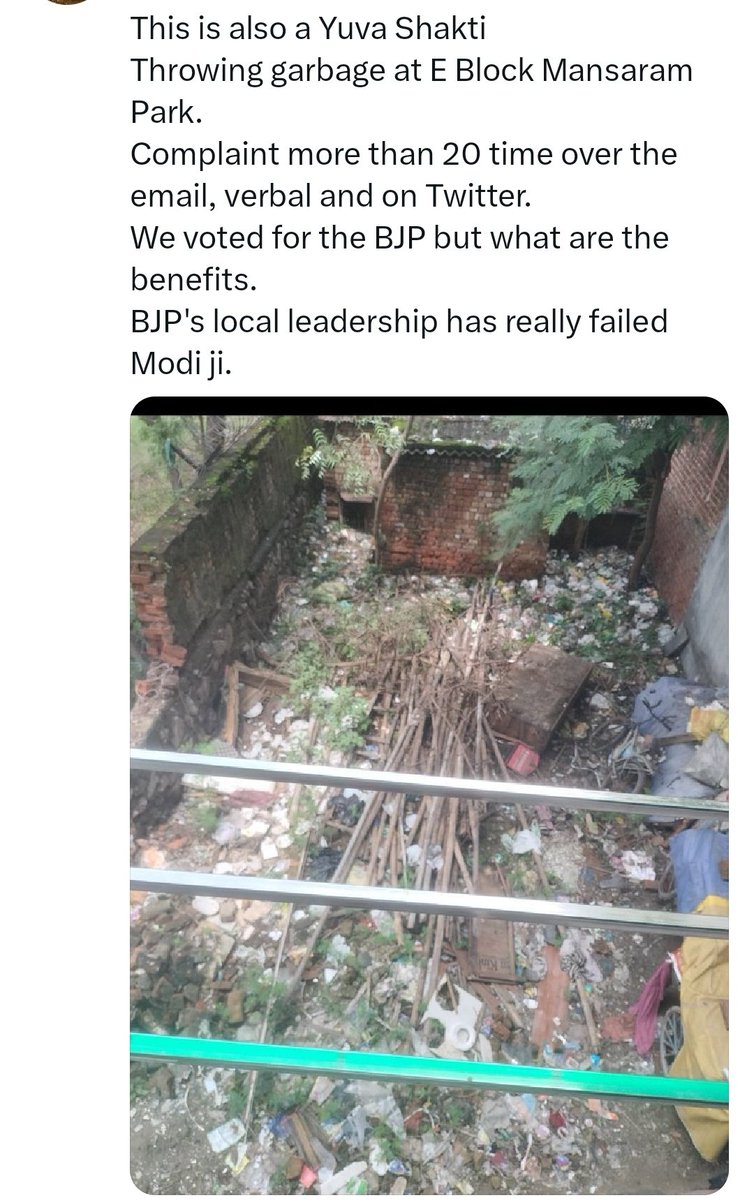
This is also a beautiful work.
Throwing garbage at E Block Mansaram Park.
Complaint more than 20 time over the email, verbal and on Twitter.
We voted for the BJP but what are the benefits.
BJP's local leadership has really failed Modi ji.

はんぺん弁当(ホロ箱推し) retweeted

Let’s enjoy everyone’s beautiful singing voices!! ✨ いっぱい応援しようBAU BAU〜!!🐾🩵🩷

🟥告知🟥
//
🎤 #ホロライブ歌うま大賞 ❣
6/14(日) 20:00開始
\\
ホロライブの歌うま達の歌が聴きたい‼
歌をみんなに聴いてほしい‼
今回はEN,IDのメンバーと
FLOW GLOWの子達が歌ってくれます🥳
【3D】でお届けするからみんなお楽しみに✨

46
227
1,797
32,589