
Repeated suspensions aren’t always just about behavior. They can also be a signal to look deeper.
For students with an IEP or 504, patterns may point to unmet support needs, accommodations that need adjustment, or placement conversations that matter.
Support matters. Understanding matters. Student success matters. 💛
#SpecialEducationBoss #IEPteam #504Plan #BehaviorSupport #SPEDlaw
2

Jun 10
ADHD: The Most Underserved Students in Schools
In this clip from Think About It Thursday, Alan Driggers, The IEP Coach, shared powerful insight into how students with ADHD are often misunderstood and underserved in today’s schools.
He explained that schools have no business discussing or recommending medication—that’s a parent, child, and doctor decision, not a school one.
Alan also emphasized that when a student with a 504 plan is still struggling, it’s time to ask if that student should be evaluated for special education services under IDEA. Because support isn’t just for academics—it’s for behavior, emotional regulation, and learning to manage a disability.
👉 CTA: If your child has a 504 plan but is still struggling, it’s time to get answers. Visit theiepcoach.com to learn your rights and next steps.
#TheIEPCoach #ADHD #504Plan #SpecialEducation #IEP #ParentRights #ChildFind #FAPE #SpecialEdNetwork #BehaviorSupport #ThinkAboutItThursday
2
28

Jun 9
Behavior is often the part we see first.
But student wellbeing, emotional health, and a sense of belonging can play a significant role in how students show up each day.
Creating space for wellbeing conversations can help schools better understand what students need and how to support them effectively.
#StudentWellbeing #SchoolMentalHealth #SELResources #BehaviorSupport #StudentSupport #EducationLeadership #SchoolCounselor #SatchelPulse
1
9
When behavior keeps leading to suspension, it may be time to look beyond consequences and ask what’s being missed.
#SpecialEducationBoss #SpecialEducation #AutismSupport #ADHDSupport #BehaviorSupport #ParentAdvocacy #EducationMatters#TheEpicIEP
We just launched The Epic IEP — a practical guide to help parents and educators navigate special education with confidence. Get your copy here: TheEpicIEP.com
6
Jun 8
Students experiencing stress or emotional challenges do not always communicate it directly.
Sometimes it appears through behavior changes that can be misunderstood without the right context.
Creating opportunities to better understand student wellbeing can help schools respond with support, reflection, and meaningful intervention.
#StudentMentalHealth #SchoolWellbeing #BehaviorSupport #SELResources #EducationLeadership #StudentSupport #SchoolCounselor #WholeChildEducation #SatchelPulse
1
30

People often ask me, "What behavior program do you like best?"
My answer usually surprises them:
I don't have one.
No single program has all the answers. Every child is different. Every situation is different.
The best educators, counselors, and school teams don't rely on one tool. They build a toolbox.
Let's take a student who is not completing work in class.
Some schools immediately jump to consequences, missing recess, calls home, detentions, or office referrals.
But if we use multiple lenses, we may see a very different picture:
Maslow Before Bloom
Ask: Is the student hungry, tired, stressed, anxious, overwhelmed, or distracted by something outside of school?
Try saying: "Before we talk about the assignment, I want to check on you. Is there something making today harder than usual?"
Trauma-Informed
Ask: Is the work triggering fear, embarrassment, shutdown, or a feeling of failure?
Try saying: "I'm not upset. I want to understand what is getting in the way right now."
Love and Logic
Lead with empathy, then offer choices.
Try saying: "This looks frustrating. Would you rather start with the first three problems together or take two minutes to organize your thoughts and then begin?"
7 Habits
Help the student be proactive and break the task into a next step.
Try saying: "What's one small thing you can do right now to move forward?"
Restorative Practices
Reconnect the student to the classroom, the teacher, and the purpose of the work.
Try saying: "How can we get you back on track in a way that works for you and still respects the learning time of the class?"
Boys Town Social Skills
Teach the missing skill directly.
Try saying: "Let's practice what to do when work feels too hard. Step one: pause. Step two: raise your hand or use your help card. Step three: ask, 'Can you help me get started?'"
The behavior is the same:
The student isn't doing the work.
But the possible causes are very different:
• Anxiety
• Depression
• Trauma
• Fear of failure
• Missing academic skills
• Missing executive functioning skills
• Feeling overwhelmed
• Lack of connection
• Low confidence
• Not knowing how to ask for help
If we only focus on the behavior, we may never solve the problem.
If we understand the cause, we have a chance to help the student succeed.
That's why I've never been a "one program" person.
The best educators I know don't carry a hammer and treat every problem like a nail.
They carry a toolbox and choose the right tool for the student in front of them.
What tools or frameworks have been most helpful for you?
Join the conversation at the “Maslow Before Bloom” Facebook group: Facebook.com/groups/maslowbe…
#MaslowBeforeBloom #TraumaInformed #LoveAndLogic #RestorativePractices #7Habits #BoysTown #BehaviorSupport #MentalHealthInSchools #WholeChild #ThereAreNoBadKids
2
8
892

May 26
Behavior is communication. When a child acts out, they aren't trying to give you a hard time—they are having a hard time. Shift from Why are you doing this? to What do you need right now? #BehaviorSupport #Neurodiversity
2
11

Teaching key skills and planning ahead helps autistic individuals enjoy community events and shared family experiences with confidence.
#AutismSupport #CommunityInclusion #FamilyLife #BehaviorSupport
📰 Read the article: autismspectrumnews.org/build…
1
3
103

Apr 27
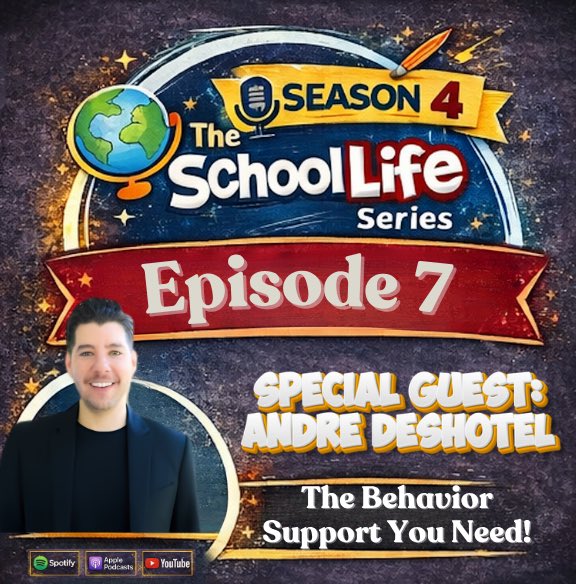
Transforming classrooms with passion and purpose! In Season 4 Episode 7 of The School Life Series Andre Deshotel shares insights, tips and tricks on student behavior and the power of CONNECTION in education ✨
Find this episode and so many more on Spotify, Apple Podcasts or YouTube by simply searching The School Life Series!
#podcast #education #teacher #behaviorsupport #positvitypromoter
1
3
106
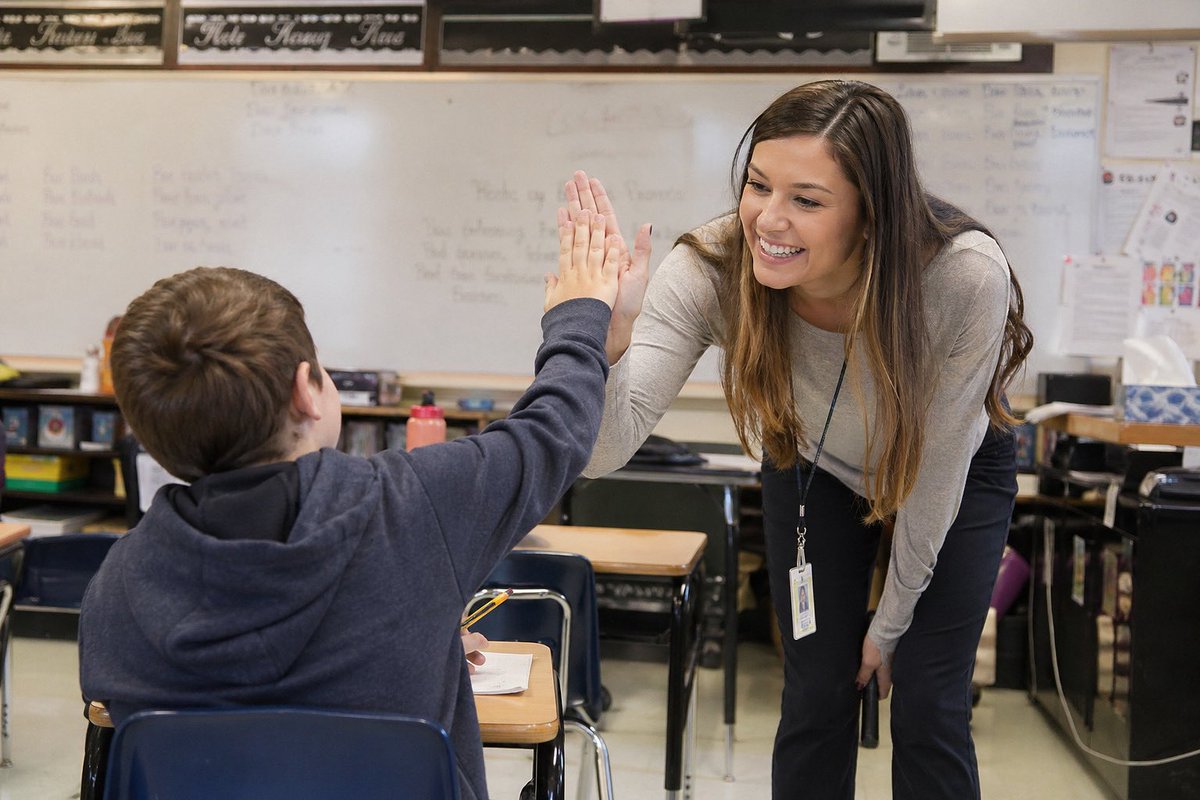
From “What’s wrong?” to “Let’s figure it out.”
Behavior is often the effect, not the cause.
Look beneath it. Get curious. Teach the missing skill.
Problem solve with students, not to them.
High expectations high support = growth.
That’s how struggles turn into success.
#MaslowBeforeBloom #TraumaInformed #SEL #PBIS #RestorativePractices #TeacherTwitter #EduLeaders #BehaviorSupport
1
2
11
732

Apr 7
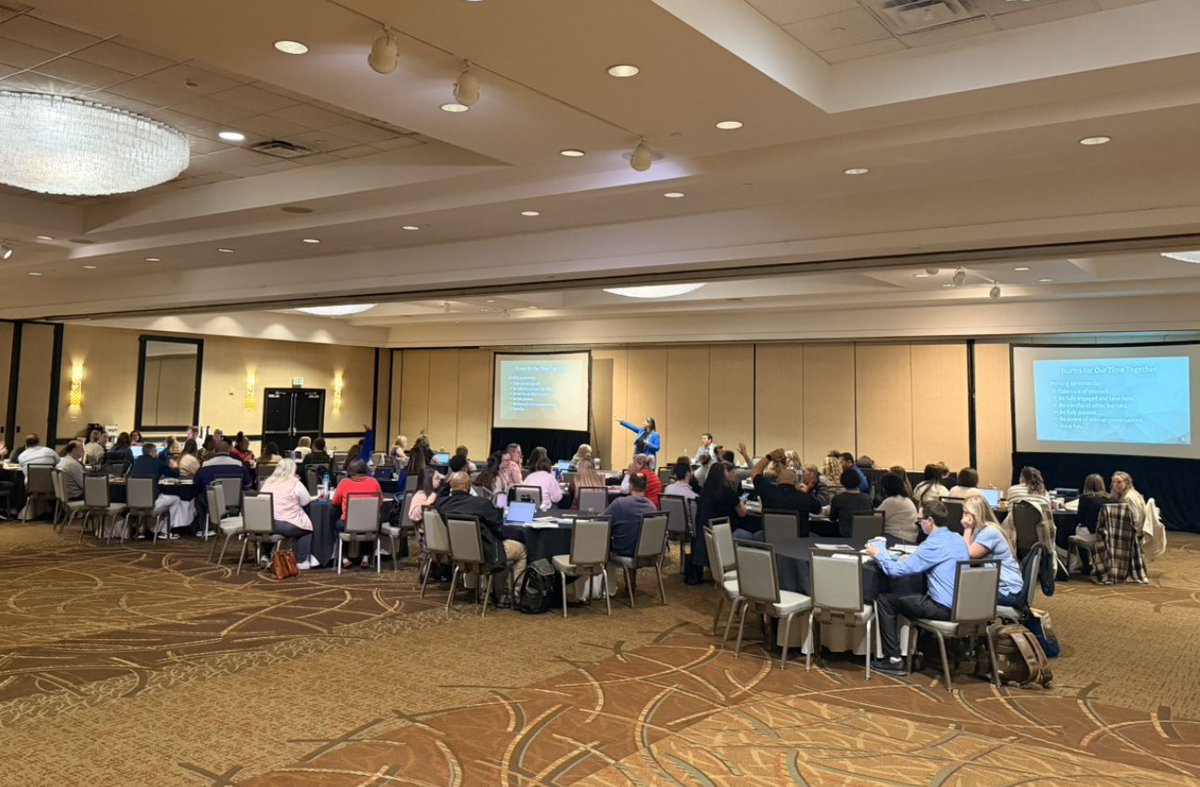
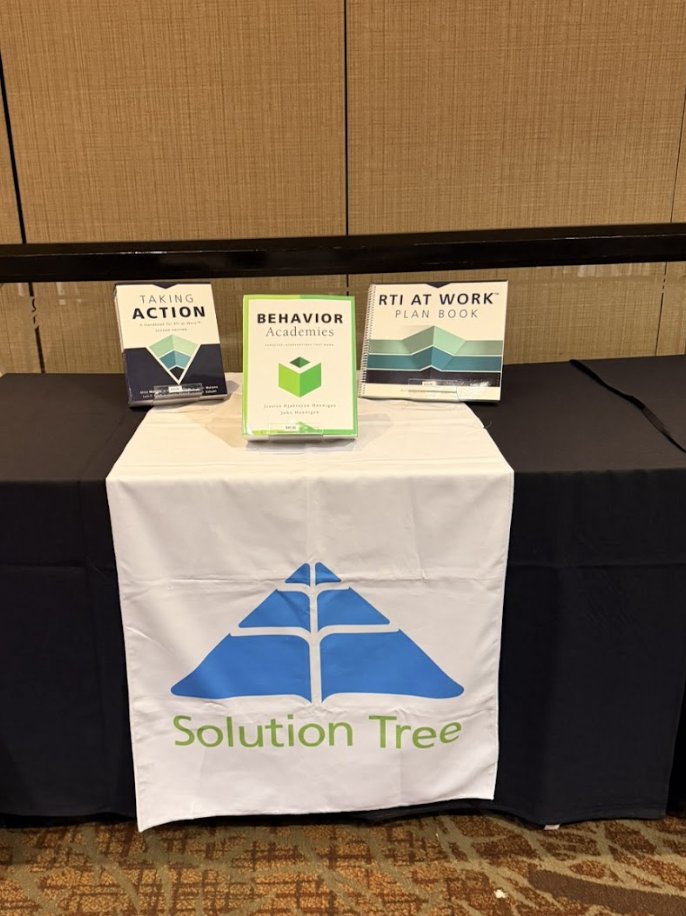
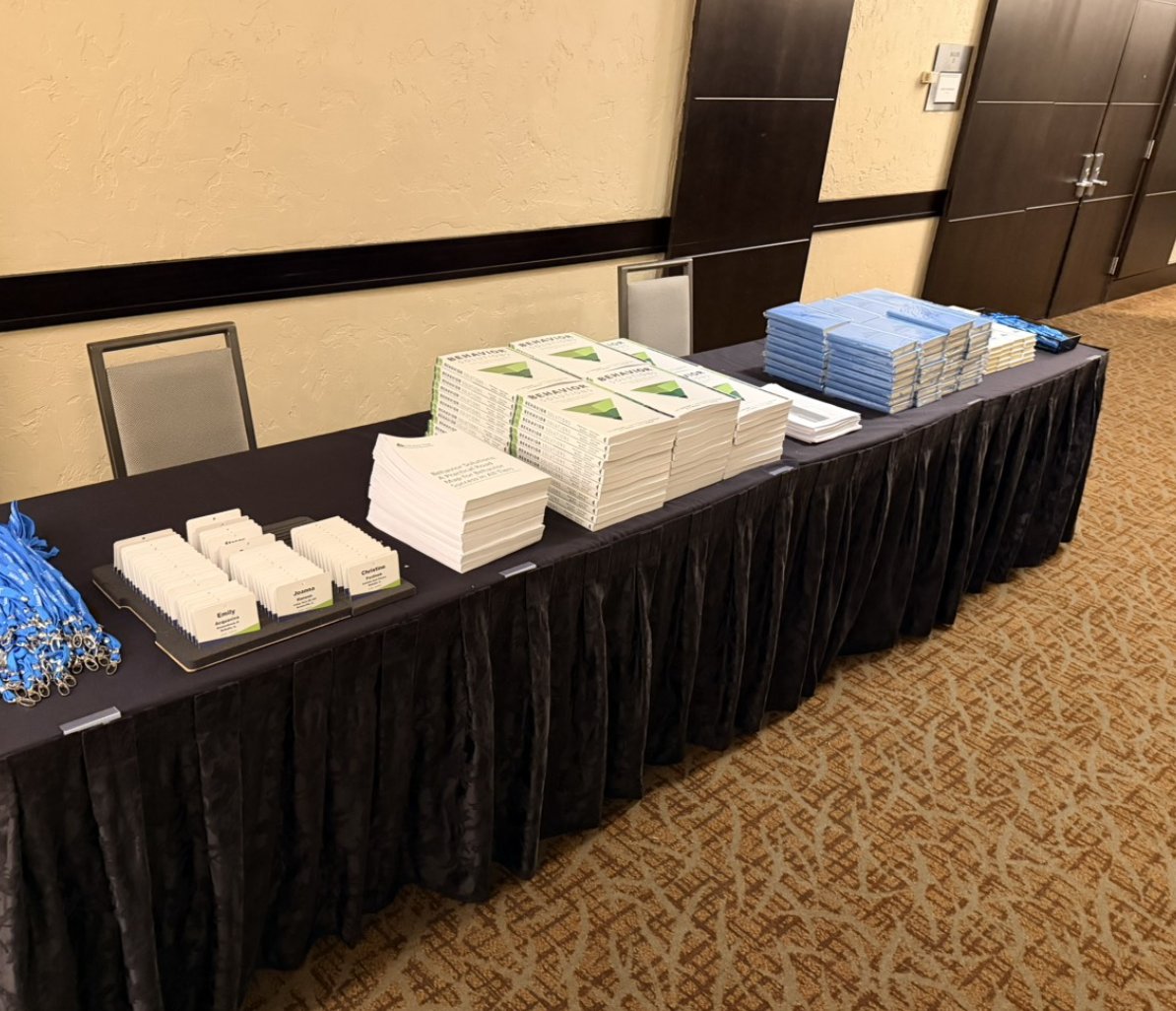
71 educators. 9 states. One shared mission.
Behavior Solutions Workshop is underway in St. Louis with John & Jessica Hannigan leading the way.
#TeacherImpact #BehaviorSupport #EdLeadership
3
508
Apr 1
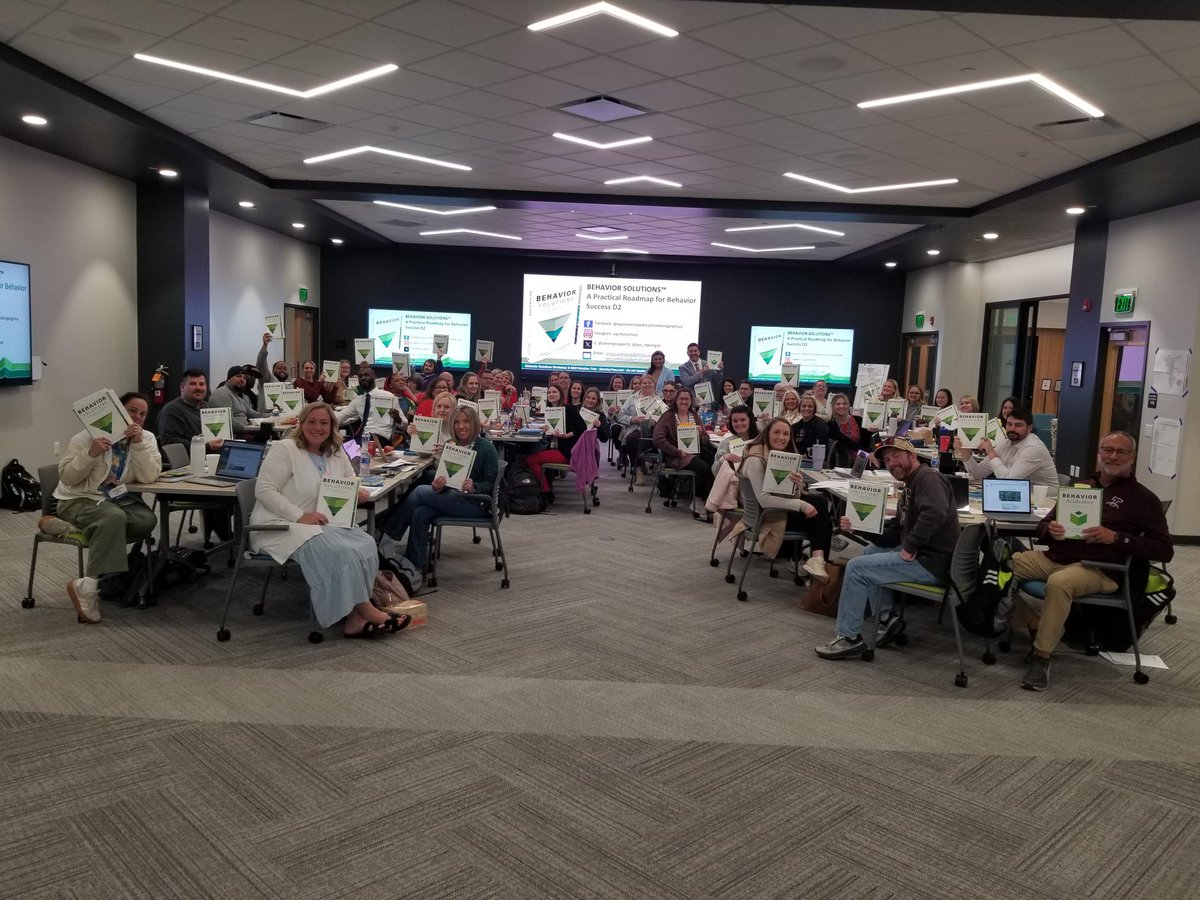
Better behavior systems start with better collaboration.
Educators in Des Moines learning, sharing, and growing with Jessica & John Hannigan.
#EducationLeadership #BehaviorSupport #TeacherDevelopment
1
2
380
Mar 25
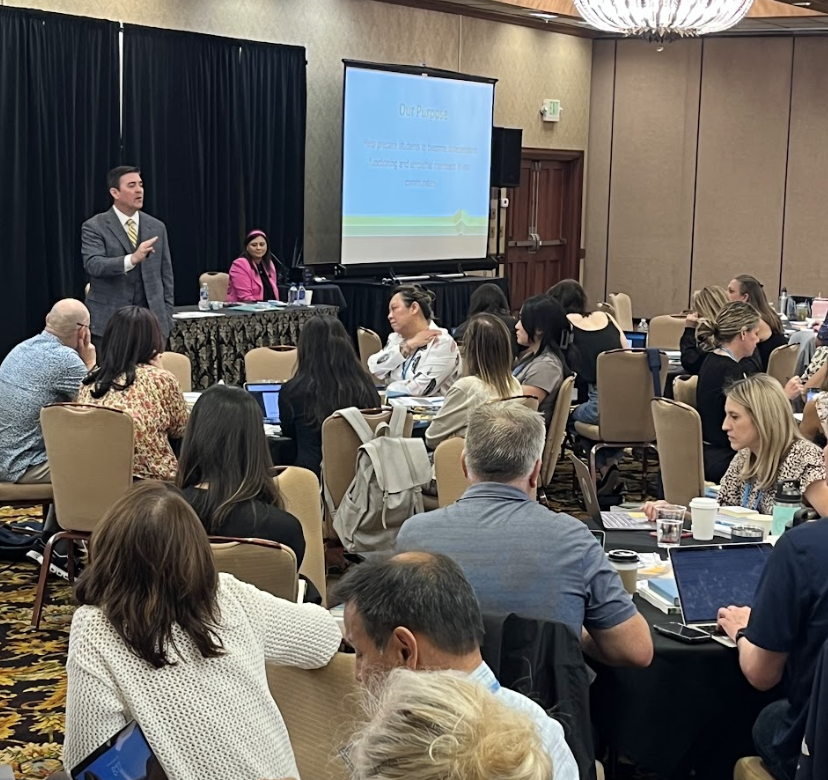
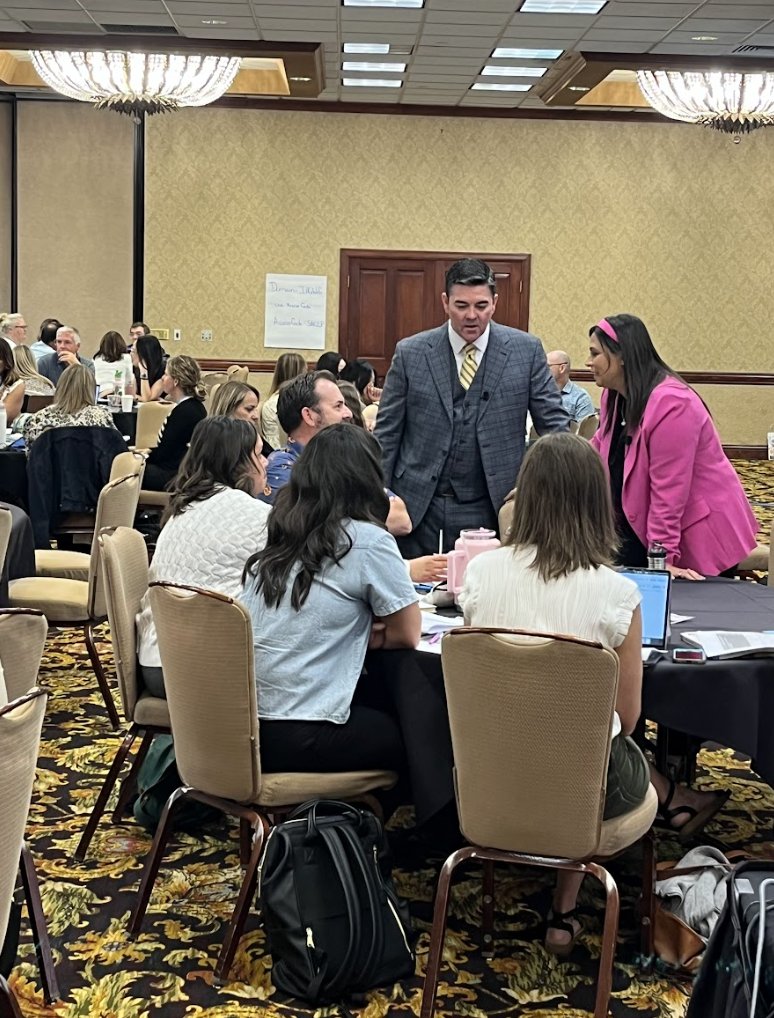
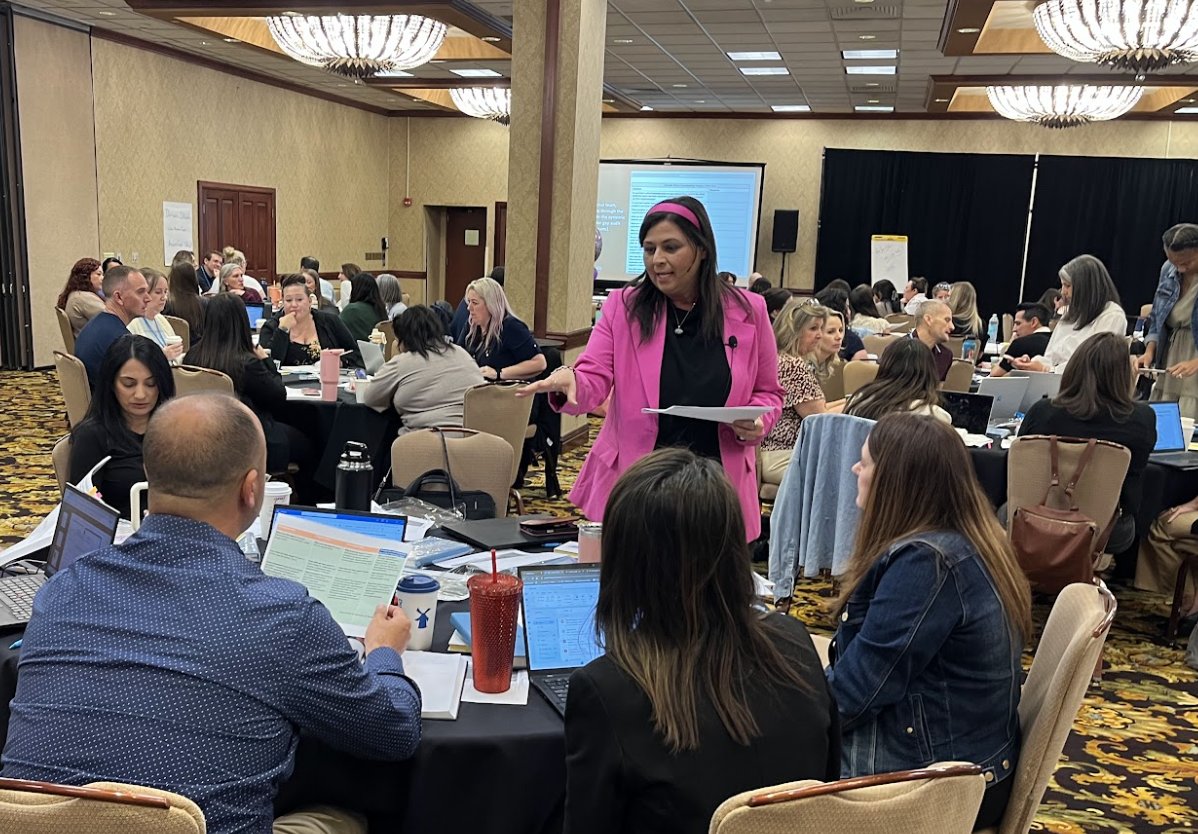
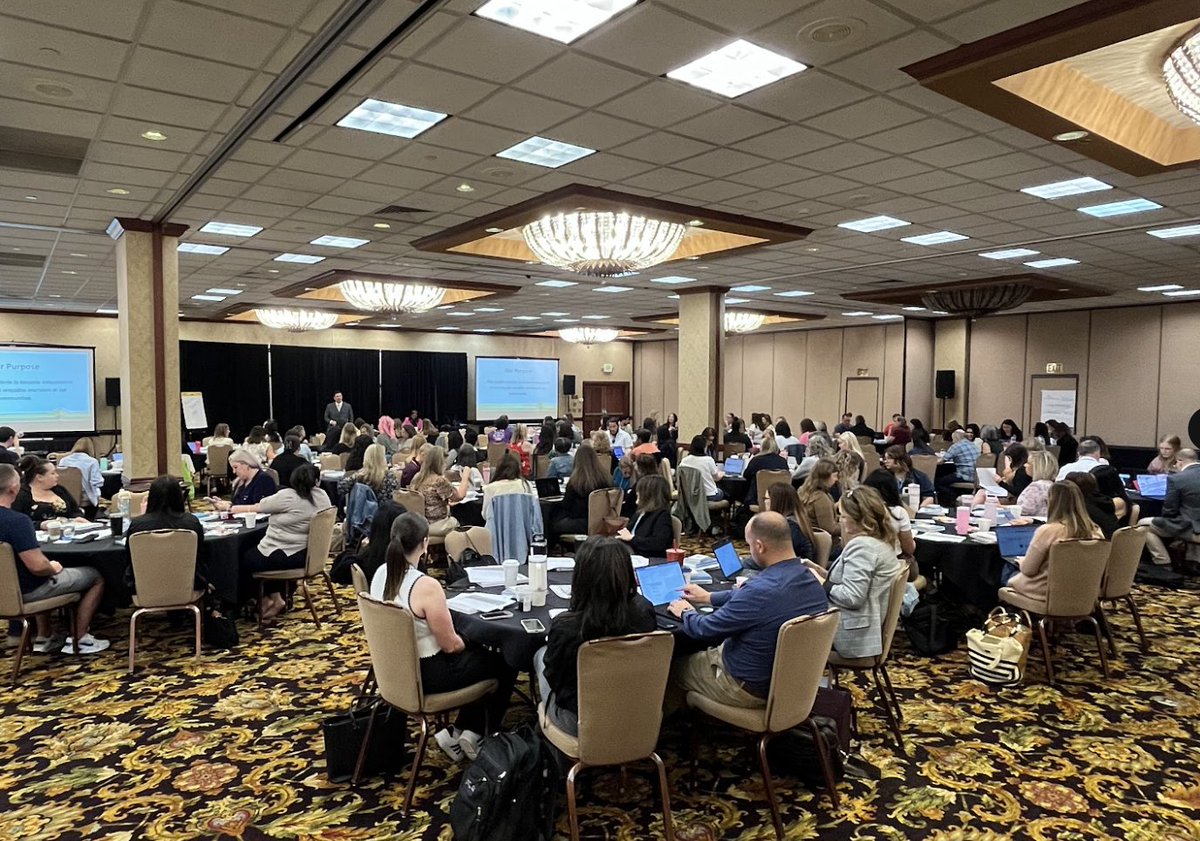
143 educators. SOLD OUT. 🔥
Teachers from 4 states showing up to rethink behavior support—this is how change starts.
#TeacherImpact #BehaviorSupport #EducationLeadership
1
2
384
35 Must-Read Books for Educators & Parents
1.Lost at School
2.Drive
3.The Whole-Brain Child
4.The Boy Who Was Raised as a Dog
5.Good Inside
6.Maslow Before Bloom
7.The Deepest Well
8.The Explosive Child
9.Fostering Resilient Learners
10.What Happened to You?
11.Beyond Behaviors
12.No-Drama Discipline
13.Help for Billy
14.Changeable
15.The Body Keeps the Score
16.Smart but Scattered
17.Raising Human Beings
18.Out of Our Minds
19.Parenting from the Inside Out
20.Driven to Distraction
21.Scattered Minds
22.Mindset
23.The Power of Showing Up
24.Breaking Free of Child Anxiety and OCD
25.How Children Succeed
26.Childhood Disrupted
27.Grit
28.The Gift of Failure
29.Whatever It Takes
30.The Yes Brain
31.UnSelfie
32.The Connected Child
33.Better Than Carrots or Sticks
34.The Opposite of Spoiled
35.Hacking School Discipline
Save this for later and share with someone who supports kids.
#MentalHealth #TraumaInformed #Educators #Parents #Teaching #Parenting #SEL #BehaviorSupport #ChildDevelopment #ADHD #Anxiety #Trauma #WholeChild #MaslowBeforeBloom #ClassroomManagement #RestorativePractices #ExecutiveFunction #Education #SpecialEducation #TeacherLife #ParentSupport #SchoolLeadership #Therapist #Counseling #Resilience #KidsNeedConnection
15
26
1,927
Mar 18
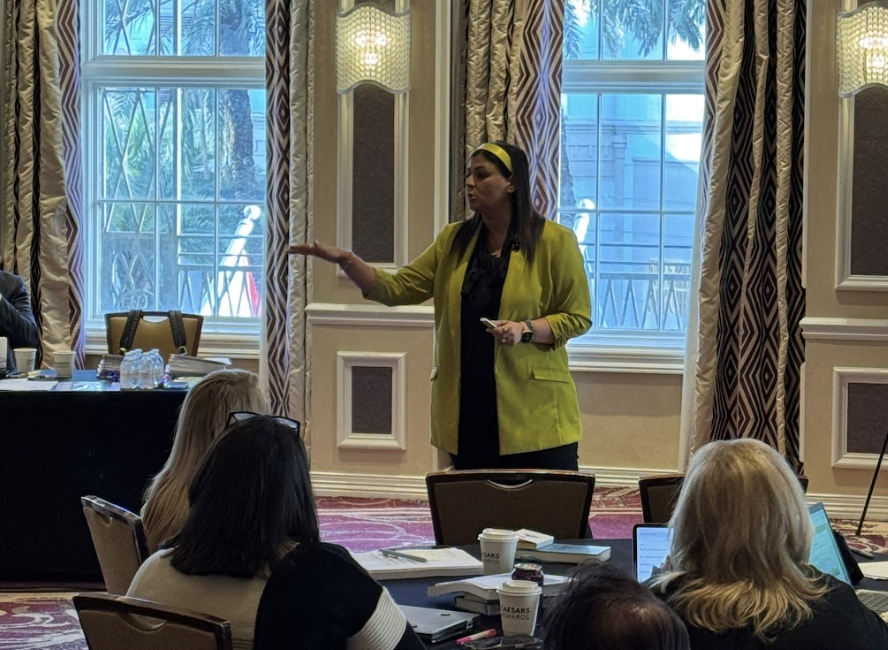
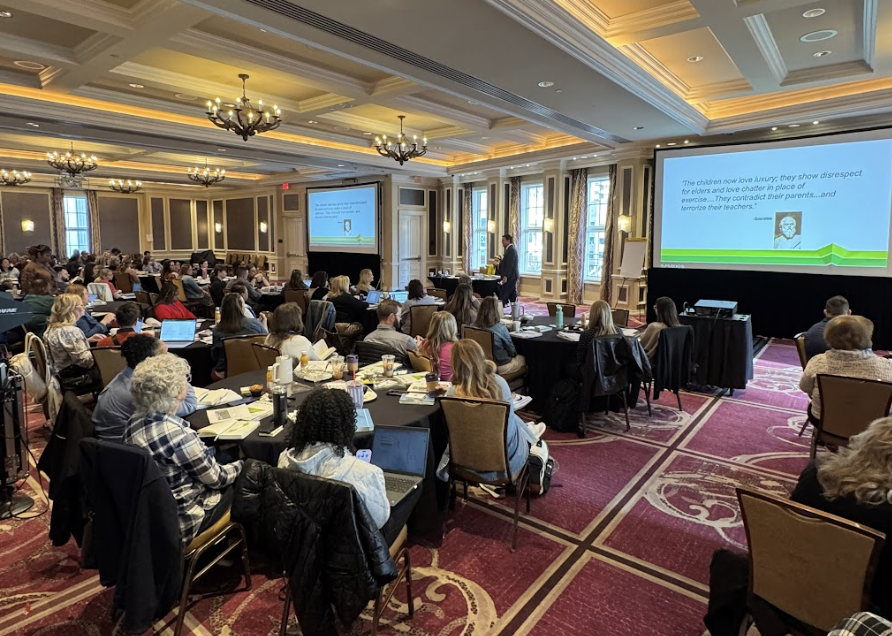
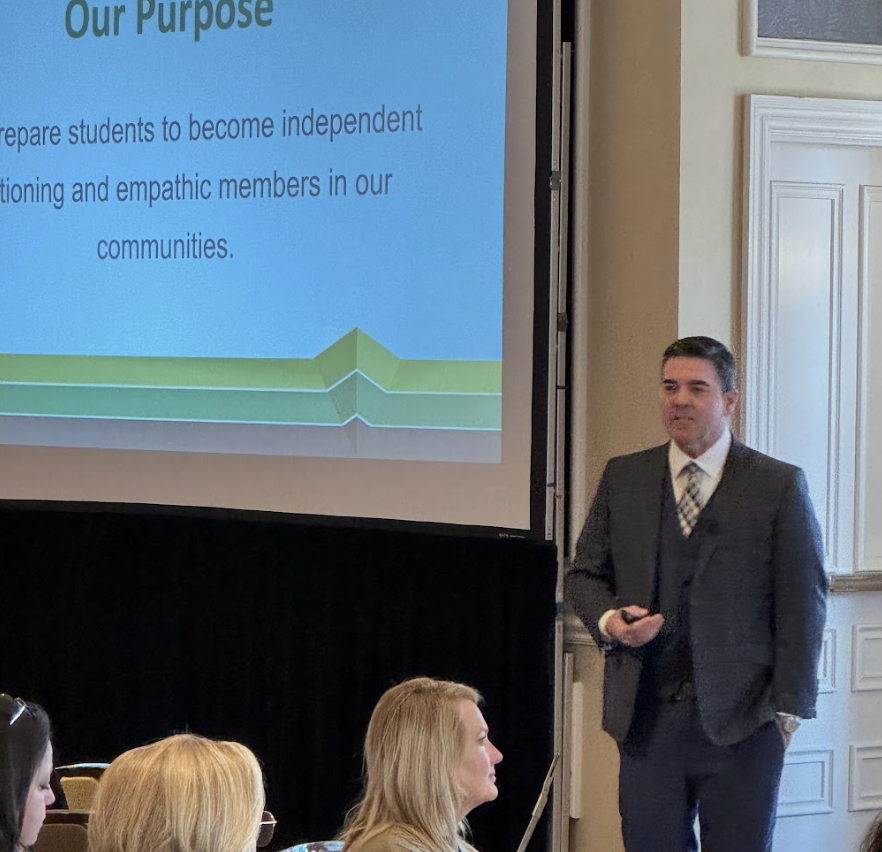
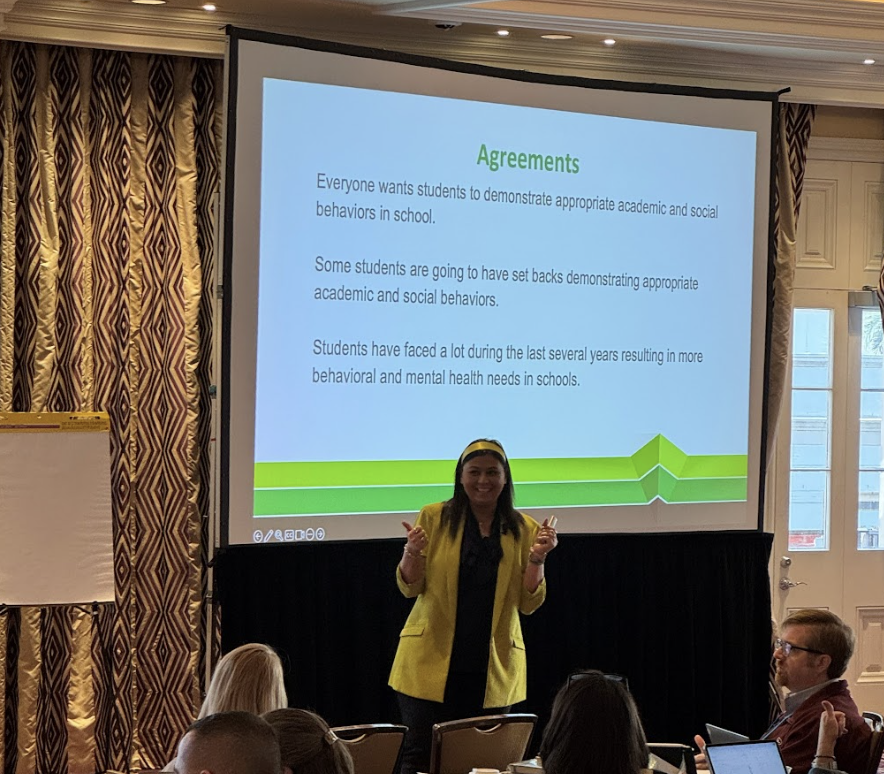
122 educators.
10 states.
1 shared mission: better outcomes for students.
Behavior Solutions kicks off in New Orleans with John & Jessica Hannigan leading the way.
#EducationLeadership #BehaviorSupport #TeacherImpact
1
6
449

Mar 11
Teach prosocial skills and improve student outcomes with Skillstreaming.
Use Promo Code: SKILLS for 10% off.
Shop now: researchpress.com/featured_t…
#Skillstreaming #SEL #SchoolCounselors #BehaviorSupport #EducatorTools

1
2
64

We have opens spots left in Iowa! Bring your behavior team! Sign up now solutiontree.com/behavior-so…
@JohnHannigan75 #behaviorsolutions #behavioracademies #behavior #behaviorsupport @SolutionTree @solutiontree
2
327

C.A.N. PROTOCOL फॉलो करने से कब्ज, नींद और व्यवहार में बड़ा सुधार!
Helpline Number : 9312286540
#drbrc #DrbiswarooproyChowdhury #BiswaroopRoyChowdhury #CANProtocol #AutismAwareness #AutismSupport #ChildDevelopment #ConstipationRelief #AttentionImprovement #BehaviorSupport
1
3
5
170

Feb 26
Stop using the term "behavior problem" when discussing students. Behaviors are not the problems, but rather the solutions kids are choosing to their problems. We just need to show them a better way to solve their problems!
#BehaviorSupport #TeachingTips
2
3
22
1,560

Feb 24
Shift from willful to skillful. Behavior reflects lagging skills and stressors, not defiance. Identify barriers, teach replacements, strengthen regulation. #MTSS #BehaviorSupport 🌱🧠✨
2
54