
Jun 12
Sachi Ghatna Par Aadharit 😅
#DeveloperLife #ITLife #SoftwareDeveloper #DeveloperProblems #WorkLife #CorporateLife #OfficeHumor #Relatable #IGNEK #TeamIGNEK #LifeAtIGNEK #BehindTheCode
1
2

Mar 6
Behind the Code. End of week edition.
This image took longer than it should have.
I was working on something for the next TischLog magazine. The topic is storytelling. And I wanted a visual that felt like a story was already happening inside the book before you opened it.
The light does that. The empty room does that. The carpet edge pulling you in does that.
What I couldn't fix: the light rays stay cool and blue no matter what I tried. I wanted warmth. Something like late afternoon coming through old glass. I pushed the prompt in every direction. It didn't move.
And the door handle. It sits above the light beam in a way that makes no physical sense. I noticed it late. At that point I had a choice between starting over or accepting that sometimes the imperfection is part of the image. I kept it.
Not every image needs to be solved. Some just need to be finished.
--sref 2065952865
The magazine drops Sunday evening here
#Midjourney #SREF #AIArt #BehindTheCode #tischeins

1
1
7
260

Lines of Code, Lines of Life
An article on the inner world of a software engineer
He wakes up not to an alarm, but to a notification. Somewhere in the world, a server has blinked red, a client has raised a ticket, or a build has failed silently while everyone slept. Before the day even begins, his mind is already debugging.
He is a software engineer—not just by profession, but by habit. His life is structured in logic, dependencies, and deadlines. To the outside world, his work looks clean and powerful: writing code, building systems, shaping the digital future. But behind the screen, his journey is layered with pressure, quiet sacrifices, and constant reinvention.
⸻
The Weight of Constant Change
In most careers, experience accumulates like a steady asset. In software, experience can expire.
Every year brings new frameworks, new architectures, new expectations. What was “best practice” yesterday becomes “legacy” today. He spends his evenings learning not because he wants to, but because he must—reading documentation after dinner, watching tutorials when others unwind. Rest often feels like a luxury he hasn’t earned yet.
There is a silent fear that follows him:
What if I fall behind?
⸻
The Invisible Pressure
Deadlines in software are rarely kind. Requirements change mid-sprint. Timelines are optimistic. Estimations are questioned. When something breaks, fingers point first at the engineer, even when the problem is unclear or systemic.
He carries responsibility without authority.
If the system works, it’s expected.
If it fails, it’s personal.
Many nights end with him staring at a screen, chasing a bug that refuses to reveal itself—heart racing, coffee cold, family asleep. Success often means relief, not celebration.
⸻
Between Passion and Burnout
He didn’t choose this field only for money. At some point, he loved it.
There was joy in solving problems, in watching something come alive from nothing but logic and imagination. But over time, passion competes with exhaustion. Long hours blur days into sprints. Weekends become “catch-up time.” Vacations are haunted by Slack messages and emergency calls.
Burnout doesn’t arrive loudly.
It creeps in quietly—through reduced curiosity, irritation over small things, and the feeling of being constantly “on.”
⸻
Life Outside the Screen
The hardest part is balance.
He wants to be present—with family, with friends, with himself. But his mind keeps compiling. Even during conversations, a part of him is thinking about unfinished tasks, upcoming releases, or career uncertainty.
Explaining his stress is difficult. From the outside, it looks like “just sitting in front of a computer.” The mental load—the decisions, the accountability, the constant problem-solving—remains invisible.
⸻
The Unspoken Strength
Yet, he continues.
He adapts. He learns. He delivers.
There is resilience in the way he navigates ambiguity, in how he builds order out of chaos. There is quiet pride in systems that scale, in users who never know his name but rely on his work daily.
He may not always feel successful, but his impact is real.
⸻
More Than Code
A software engineer’s life is not just about technology. It’s about discipline, patience, and endurance. It’s about learning to manage not only systems, but expectations—of managers, clients, and oneself.
Behind every application is a human being who stayed up late so others wouldn’t notice a failure. Behind every smooth experience is someone who chose responsibility over comfort.
He is not just writing code.
He is writing his life—one release, one challenge, one hard-earned lesson at a time.
And despite everything, tomorrow morning, when the notification buzzes again, he will open his laptop—and begin. ♥️
#DeveloperLife #BehindTheCode #TechLife #RealTalk #LifeLessons
2
3
107

Jan 17
هاد مش إعلان…
هاي لقطات من قصة عم تنكتب.. واشي قوي جاي لطلابنا..
تابعنا، لأنه الظرف لسه مسكّر...
#Programming
#CodeStory
#BehindTheCode
#TechJourney
#DevelopersLife
FromZeroToCode
4
31

26 Dec 2025
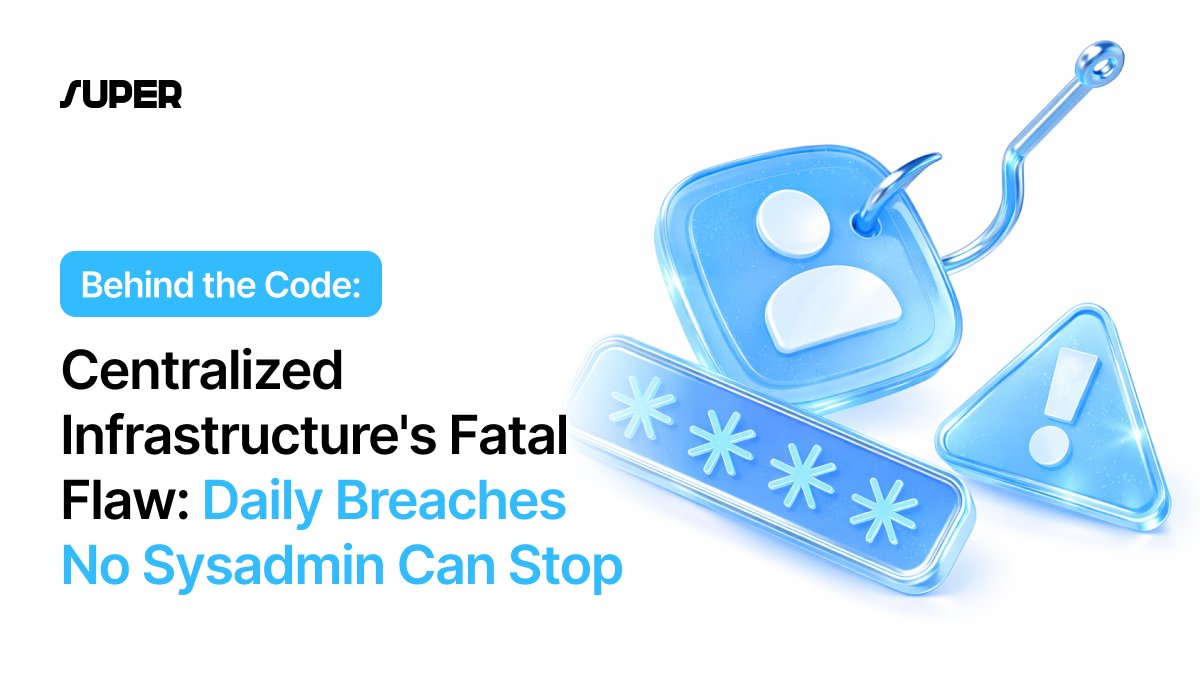
This is the next chapter in "Behind the Code" from Super Protocol. Today we'll examine why centralized infrastructure is fundamentally vulnerable and how we're building the #decentralized #antidote.
Attacks on centralized systems happen daily and succeed too often. Take the US Social Security Number (#SSN): it is the foundation of #identity for #taxes, kids, universities, everything ties back to it. Private by design, yet its databases get breached endlessly. Centralization breeds weakness: decades of #legacy vulnerabilities no army of sysadmins can patch.
#Open #protocols are the salvation. Open encryption beats closed systems hands down. Centralized systems are riddled with #backdoors for state access. The world (except a few countries) sticks to open crypto because it works with no hidden holes.
Real-world example: an airline hack. Hackers targeted a top exec too lazy to change his bi-monthly password. He got a sysadmin exemption. Simple social engineering led to Active Directory wipeout. They had to kill power for hours to save backups. Flights ran on paper schedules. One human exception triggered total cascade failure.
Super Protocol alone isn't Everest without preparation. But as an open-source protocol for nation/region-scale networks? It changes the game. Run critical services for defense, transport, public infrastructure in fully #decentralized mode. No single point can kill the system. Clients' tasks distribute across #trustless #enclaves, resilient by math.
#Centralized #clouds hoard legacy debt. We're forging ownerless infrastructure that shrugs off attacks. AI agents amplify these risks exponentially. #Privacy and #security demand decentralization now.
What's your worst centralized breach story?
#BehindTheCode #Cybersecurity #Decentralization
Confidentiality yours,
Nukri
1
8
16
647

11 Dec 2025
📌 What does this week's #BehindTheCode update mean
✔ BPoS block production is nearing readiness, which strengthens decentralized consensus and network security.
✔ $BTCD and wallet UX improvements make the Bitcoin-fi ecosystem smoother and more robust.
✔ World Computer foundations are coming together, paving the way for user-centric decentralized computing.
📍 In short: @ElastosInfo is making real, tangible progress in both blockchain infrastructure and decentralized computing, bringing us closer to a secure, user-owned internet future.
Stay tuned and follow @ElastosInfo for more updates. The best is yet to come! 🚀🔥
Elastos.click/BtC-9-12
9 Dec 2025

The SmartWeb Progress 🔥
NBW developed BPoS contracts for the PGP chain, a new Memo community voting feature and BTCD portal UX updates, while the World Computer teams made strong progress on the first user owned World Computer.
Learn more: Elastos.click/BtC-9-12
8
55
11 Dec 2025
🧠 World Computer & App Progress
— The Elacity Labs / ElaHat teams pushed forward the World Computer architecture, integrating the Wasmer runtime with PuterOS via MCP, which forms the core engine for decentralized apps (AppCapsules).
— This means apps will eventually run securely on user-controlled devices or clouds, not centralized servers, a huge milestone for owning your digital experiences and data.
#smartweb #web3 #elastos #behindthecode #ELA #btc #Halving #decemberupdate
9 Dec 2025
The SmartWeb Progress 🔥
NBW developed BPoS contracts for the PGP chain, a new Memo community voting feature and BTCD portal UX updates, while the World Computer teams made strong progress on the first user owned World Computer.
Learn more: Elastos.click/BtC-9-12
1
7
37

Can AI agents really own things? 🧐
Short answer: Yes.
Long answer: Here's how 👇
When you give an AI agent a blockchain wallet, something wild happens it can actually own and control digital assets.
Think of it like this:
A wallet = a bank account that code can access
Smart contracts = programmable rules (no middleman needed)
Tokens = digital property the Person can hold, send, or trade
On westx.ai,every AI agent has an on-chain identity. That means real ownership. Real value. Real economy.
The future isn't just AI that thinks it's AI that transacts.
Questions? Drop them below 👇
#BehindTheCode #Web3 #AIOwnership #AIAgents #Blockchain #Solana #memecoin
3
163

7 Nov 2025
1
32

12 Oct 2025
The more you use AI, the more it becomes you.
↓
#Gentrax #BehindTheCode #AIandHumanity #TechPhilosophy #MindAndMachine #ArtificialIntelligence
2
1
3
166

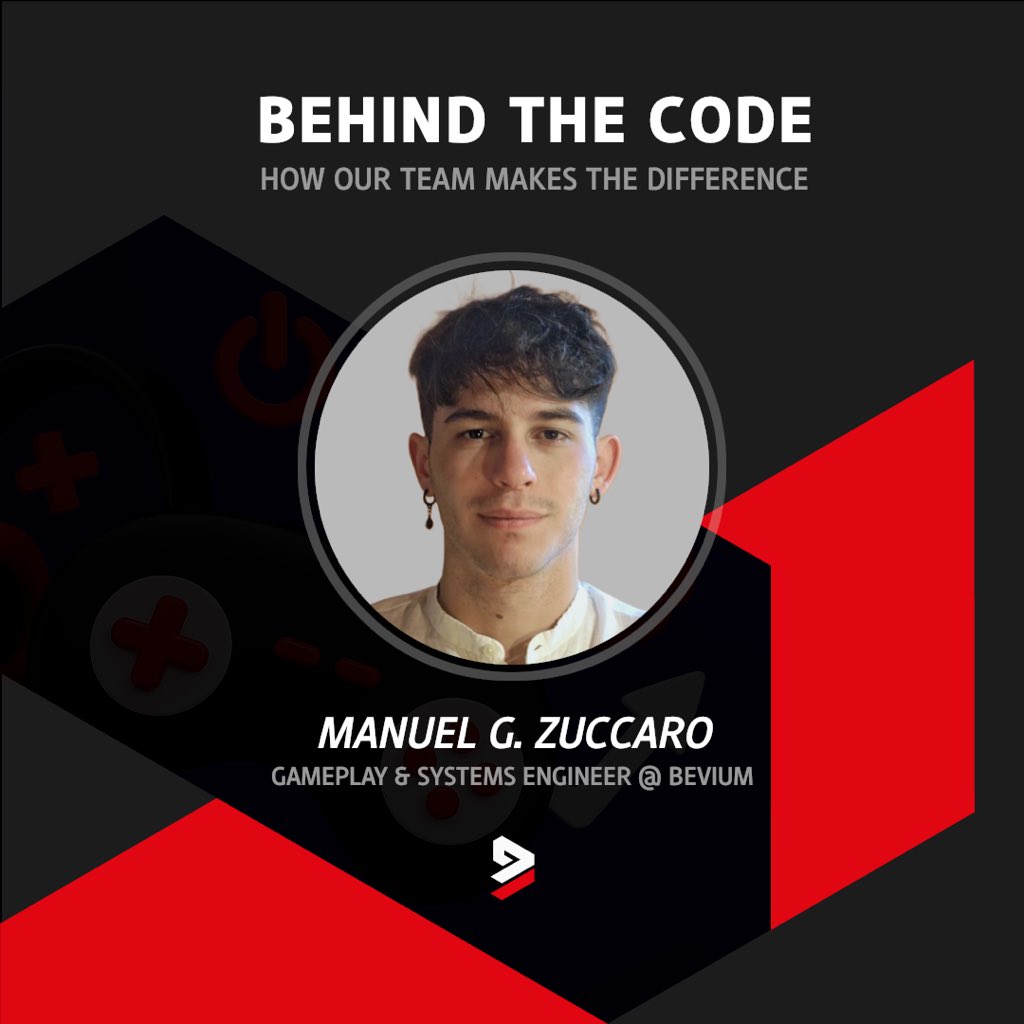
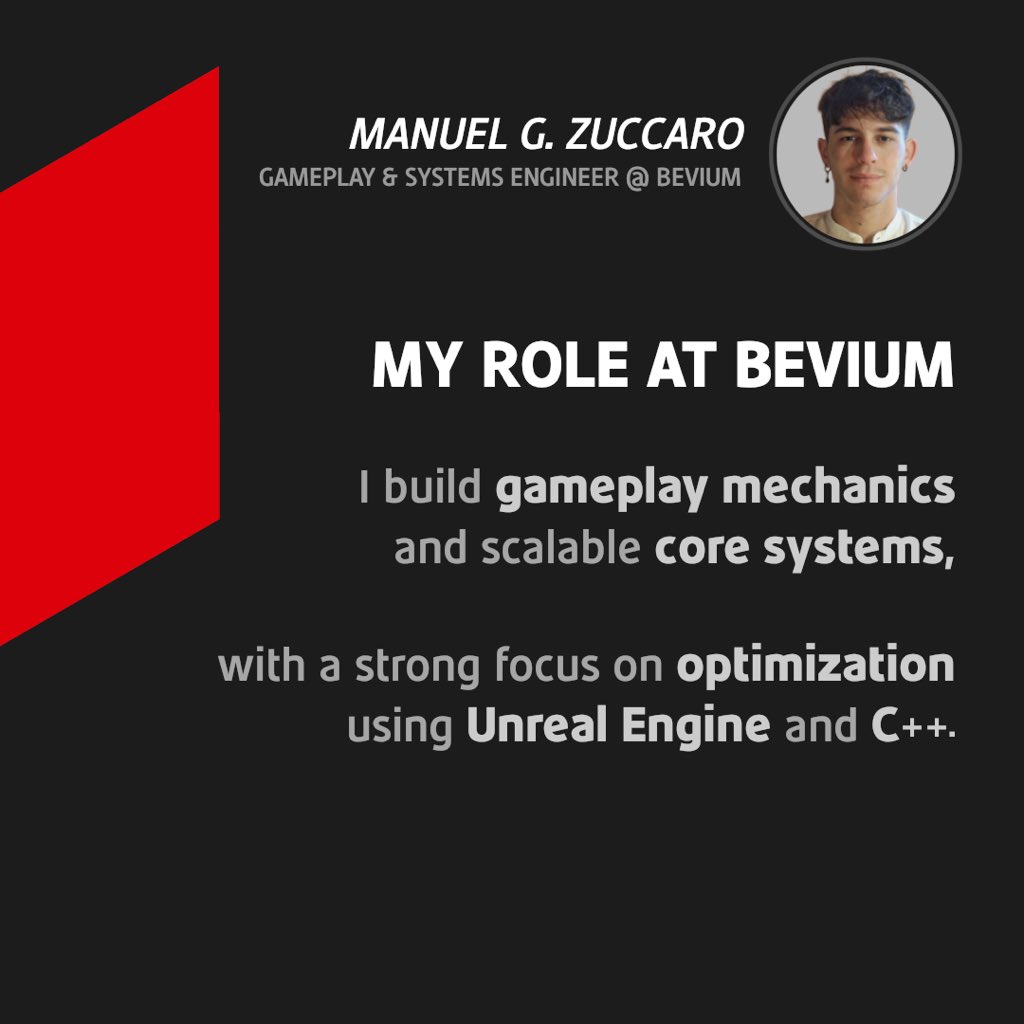
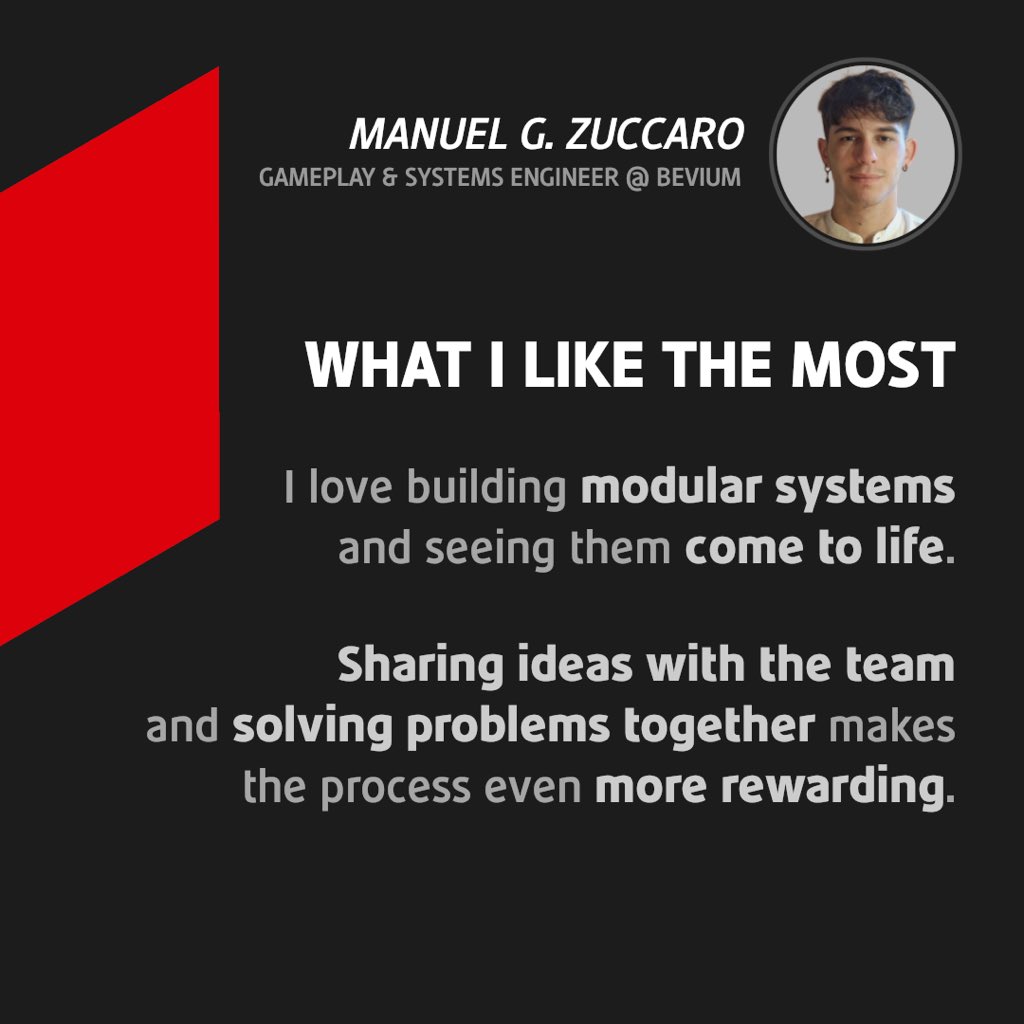
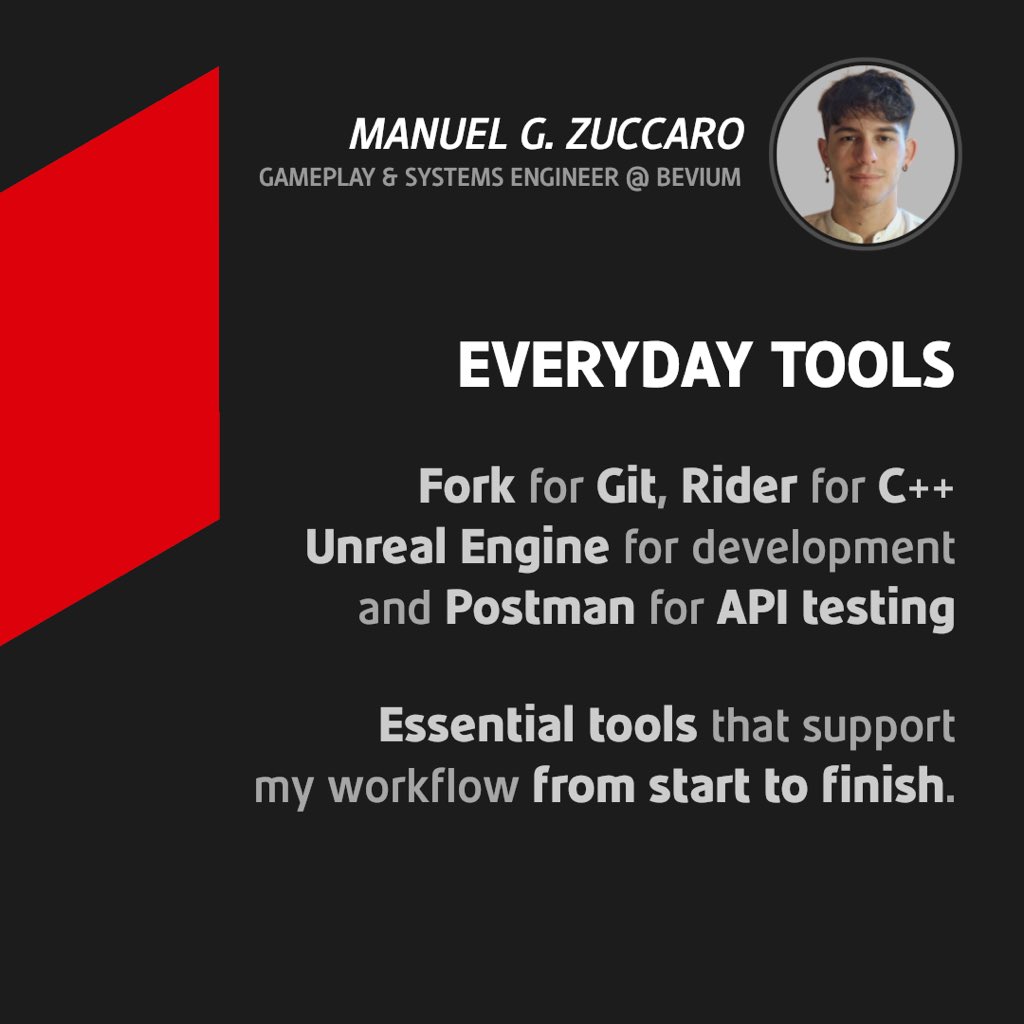
Meet Manuel, Gameplay & Systems Engineer @ Bevium
Clean architecture, reliable systems, and performance focused code. That’s Manuel’s playground.
In this spotlight, he shares what he likes the most and and what his daily workflow looks like.
👉 Take a look behind the code and meet the people building the backbone of our projects.
#BehindTheCode #UnrealEngine #GameDev #GameplayProgramming #TechSpotlight #MeetTheTeam #Bevium
3
45

16 Sep 2025
💻✨Happy IT Professionals Day!✨💻
At NeoSOFT, our developers are the driving force behind every solution we deliver.🚀🌐
Here’s to those who make #TechThatTransforms, every single day. 🙌
#NeoSOFT #ITProfessionalsDay #DigitalInnovation #BehindTheCode #CelebratingExcellence

2
63

13 Sep 2025
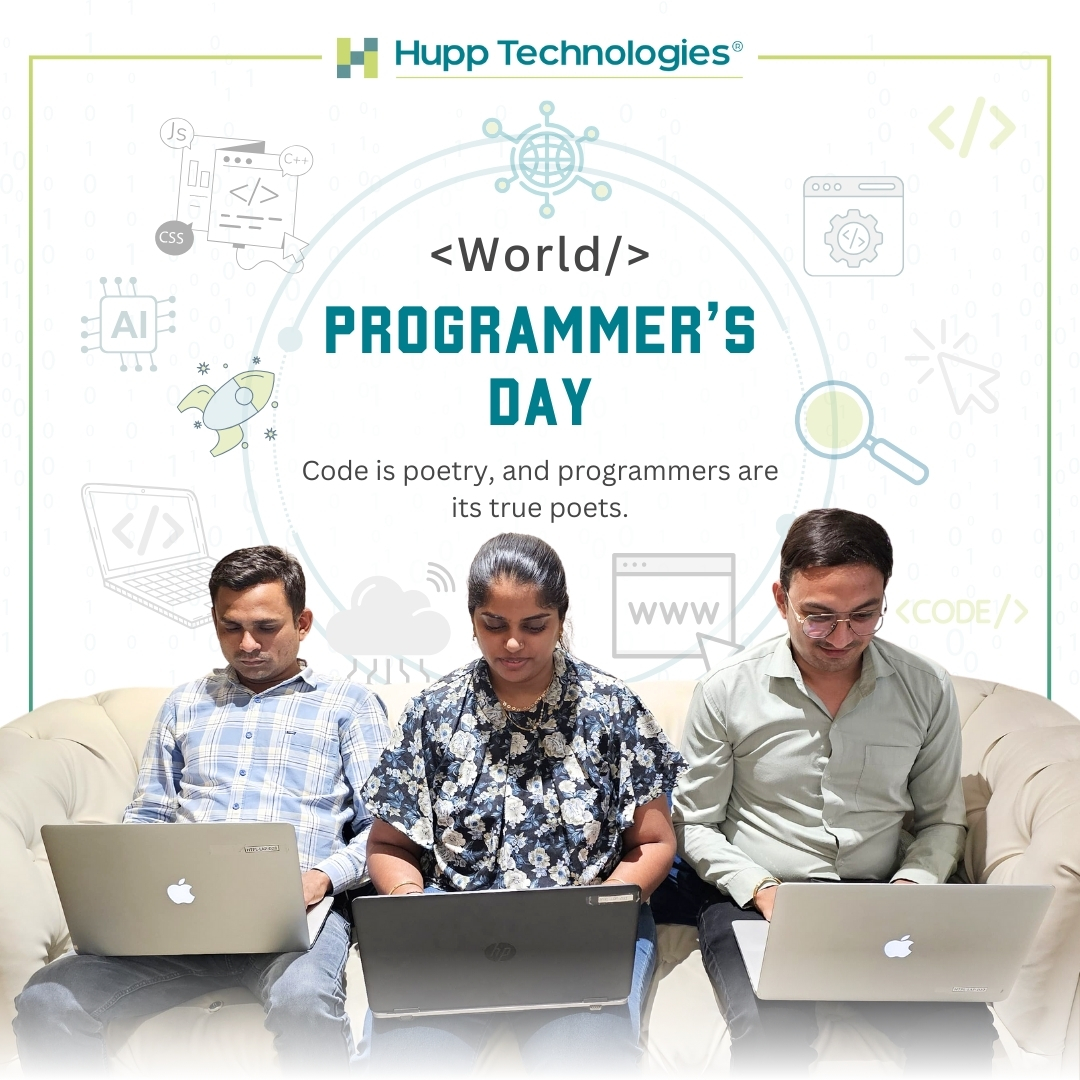
Happy World Programmers’ Day! 👩💻
Today, we celebrate the brilliant minds who turn complex logic into simple solutions, and ideas into reality. 🚀
#ProgrammersDay #CodingLife #CodeInnovators #DevelopersDay #TechLife #BehindTheCode #hupptechnologies #huppteam
2
34

28 Aug 2025
📸 Behind the scene 🎥
🚨 The revolution behind Agentic Tower starts HERE!
Did you know that one of the sharpest coding minds — the genius whose lines of code are literally the backbone of this digital empire — is right here in our team? 🤯🔥
👨💻 In today’s Behind The Scenes, we’re spotlighting the mastermind who turns raw imagination into scalable reality.
Every line of code he writes is a brick in the Towers of the future, pushing the boundaries of technology and bringing us closer to our vision of the Operating System for Realizing Ideas.
💡 Believe it or not, what you see on Agentic Tower is just the tip of the iceberg. Behind it stands a league of visionaries already writing the future today.
⏳ Ready to meet one of these Game-Changers?
Stay tuned… this is only the beginning! 🚀
Dive in and feel the vision:
agentictower.ai 🔗
#BTS #AgenticTower #AIRevolution #GameChanger #BehindTheCode
2
7
1,737

27 Aug 2025
Behind the scene at Starnet Innovations Limited, where dreamers turn ideas into solutions, and persistence shapes the future of tech. #Starnet #InnovationInAction #techsolutions #behindthecode #techinnovation #techinnigeria #techcompany #DesafioDelSigloXXI
6
71

11 Aug 2025
Inside Enso Webworks | Ep 3
Not one for the spotlight, but always powering it, Rajeev Sharma, our CTO, joins us for a rare peek into the tech mind behind InfoProfile, InfoPhone, and everything we quietly rely on.
From clean UX to clean code, thoughtful leadership to team spirit , Rajeev talks tech, teamwork, and what really makes great products feel... simple.
Smart minds, sharp builds, silent impact. Tap in.
#ensowebworks #techleadership #behindthecode #startupstories #productdesign #quietimpact #buildinpublic #ctoinsights #engineeringculture #futureoftech #userexperience #workculture #digitalproducts
6
77

30 Jul 2025
💻 𝗗𝗲𝗲𝗽 𝗶𝗻 𝘁𝗵𝗲 𝗰𝗼𝗱𝗲 𝗺𝗶𝗻𝗲𝘀 𝗼𝗳 𝗟𝗮𝗻𝗱𝗥𝗼𝗰𝗸𝗲𝗿...
One back-end warrior keeps the servers breathing, the data flowing, and the missions alive.
🧠 You don’t see him on the battlefield, but without him — there is no battlefield.
🎮 Salute to the hidden architects of war.
🛠 #LandRocker #BTS #BehindTheCode #BackendOps #DevLife #CryptoGaming #CodeCommanders
6
287

29 Jul 2025
"🚀 Big things are brewing under the hood! 🤯 Just dropped the latest #BehindTheCode dev update and it's packed with progress! BeL2, BTCD protocol, Elacity & EE wallet are all leveling up! 💻 Can't wait to see what's next! 🚀 #Elastos #Innovation @ElastosInfo $ELA
1
19

29 Jul 2025
If you're interested in the intersection of art, code, and digital identity, this one is for you.
Published on @viamirror.
mirror.xyz/costajpeg.eth/XaF…
#GlitchArt #CodeArt #NFTs #BehindTheCode
2
50

9 Jul 2025
What a nice week for @ElastosInfo
Their BehindTheCode update is full of groundbreaking progress. $BTCD on ESC testing, stabilized issuer service, and Elacity advancements.
#Elastos
Can't wait for more information
3
48