Prof Gaspard Banyankimbona retweeted

The AUC-ESTI benchlearning mission to Zimbabwe is exploring Heritage-Based Education 5.0 and its potential to advance education, innovation, and skills development across the continent.
#EducationTransformation #Agenda2063 #DecadeofEducation

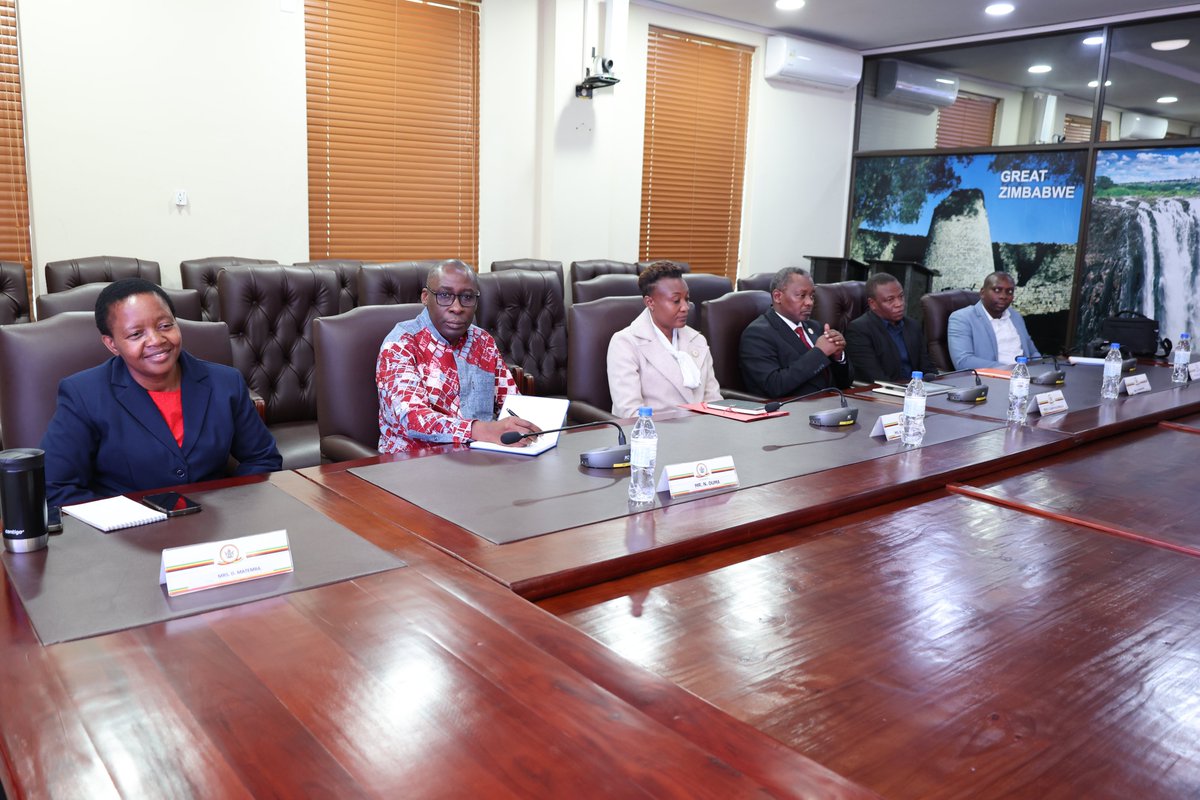
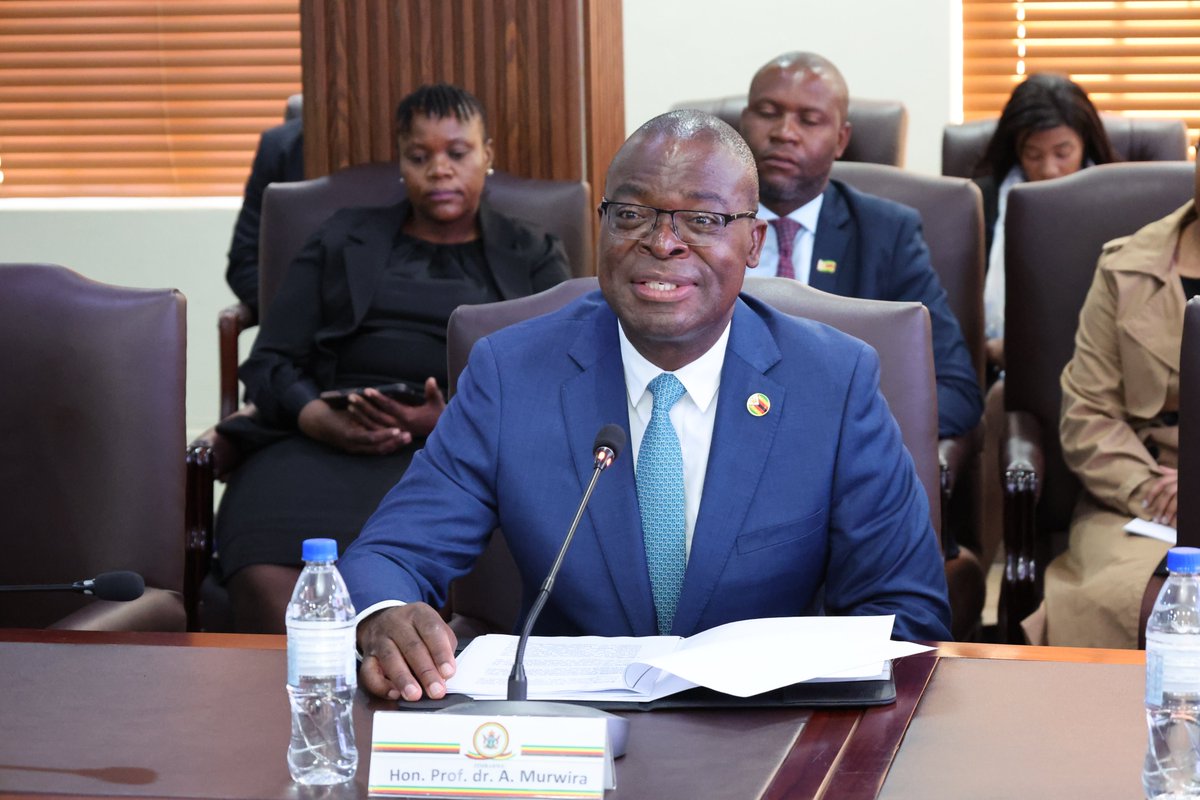
This morning, Prof. dr. Amon Murwira received a courtesy call from the visiting African Union Commissioner for Education, Science, Technology and Innovation, H.E. Prof. Gaspard Banyankimbona.
The AU Commissioner is in Zimbabwe on a benchlearning exercise to assess the impact and scalability of Zimbabwe's Heritage-Based Education 5.0 philosophy, which has attracted continental attention as a transformative model for education and innovation.
Speaking after the meeting, Prof. Banyankimbona commended Zimbabwe's pioneering approach and acknowledged Zimbabwe's leadership in developing the Heritage-Based Education 5.0 framework.
He noted that the model aligns with Africa's development aspirations and has the potential to be adapted and implemented across other African countries.
During his visit, the Commissioner will engage with institutions responsible for education, skills development, research, innovation, and higher learning to gain firsthand insight into the implementation of Education 5.0 and identify best practices that can be scaled across Africa.
The visit underscores growing continental recognition of Zimbabwe's contribution to advancing education as a driver of innovation, industrialisation, and sustainable development in Africa.
H.E. President Dr. Emmerson Dambudzo Mnangagwa's vision of Heritage-Based Education 5.0 seeks to transform Zimbabwe's education system by combining the country's cultural heritage, values, and indigenous knowledge with modern science, innovation, and technology.
The vision aims to produce graduates who can solve real-world challenges, create employment opportunities, and contribute to national economic growth and it emphasizes science, technology, engineering, innovation, and entrepreneurship while encouraging universities to develop practical solutions, products, and businesses that benefit society.
This approach helps preserve Zimbabwean identity and culture while embracing digital transformation and emerging technologies such as artificial intelligence and robotics to drive industrialization, sustainable development, and national prosperity.


1
3
145

This morning, Prof. dr. Amon Murwira received a courtesy call from the visiting African Union Commissioner for Education, Science, Technology and Innovation, H.E. Prof. Gaspard Banyankimbona.
The AU Commissioner is in Zimbabwe on a benchlearning exercise to assess the impact and scalability of Zimbabwe's Heritage-Based Education 5.0 philosophy, which has attracted continental attention as a transformative model for education and innovation.
Speaking after the meeting, Prof. Banyankimbona commended Zimbabwe's pioneering approach and acknowledged Zimbabwe's leadership in developing the Heritage-Based Education 5.0 framework.
He noted that the model aligns with Africa's development aspirations and has the potential to be adapted and implemented across other African countries.
During his visit, the Commissioner will engage with institutions responsible for education, skills development, research, innovation, and higher learning to gain firsthand insight into the implementation of Education 5.0 and identify best practices that can be scaled across Africa.
The visit underscores growing continental recognition of Zimbabwe's contribution to advancing education as a driver of innovation, industrialisation, and sustainable development in Africa.
H.E. President Dr. Emmerson Dambudzo Mnangagwa's vision of Heritage-Based Education 5.0 seeks to transform Zimbabwe's education system by combining the country's cultural heritage, values, and indigenous knowledge with modern science, innovation, and technology.
The vision aims to produce graduates who can solve real-world challenges, create employment opportunities, and contribute to national economic growth and it emphasizes science, technology, engineering, innovation, and entrepreneurship while encouraging universities to develop practical solutions, products, and businesses that benefit society.
This approach helps preserve Zimbabwean identity and culture while embracing digital transformation and emerging technologies such as artificial intelligence and robotics to drive industrialization, sustainable development, and national prosperity.
1
9
24
1,351
The African Union Commissioner for Education, Science, Technology and Innovation, H.E. Prof. Gaspard Banyankimbona, speaks after paying a courtesy call on the Minister of Foreign Affairs and International Trade, Prof. dr. Amon Murwira.
The visit is part of a benchlearning mission to learn from Zimbabwe's Heritage-Based Education 5.0 philosophy, which is increasingly being viewed as a model for educational transformation across Africa.
4
13
918

Take a peek into the Launch Event of the #ESAP3 2026 PES Benchlearning Cycle in the #WesternBalkansSix
@rccESAP project is implemented by RCC & #fundedbyEU
#poweredbyRCC 🇪🇺
2
6
210

Apr 17
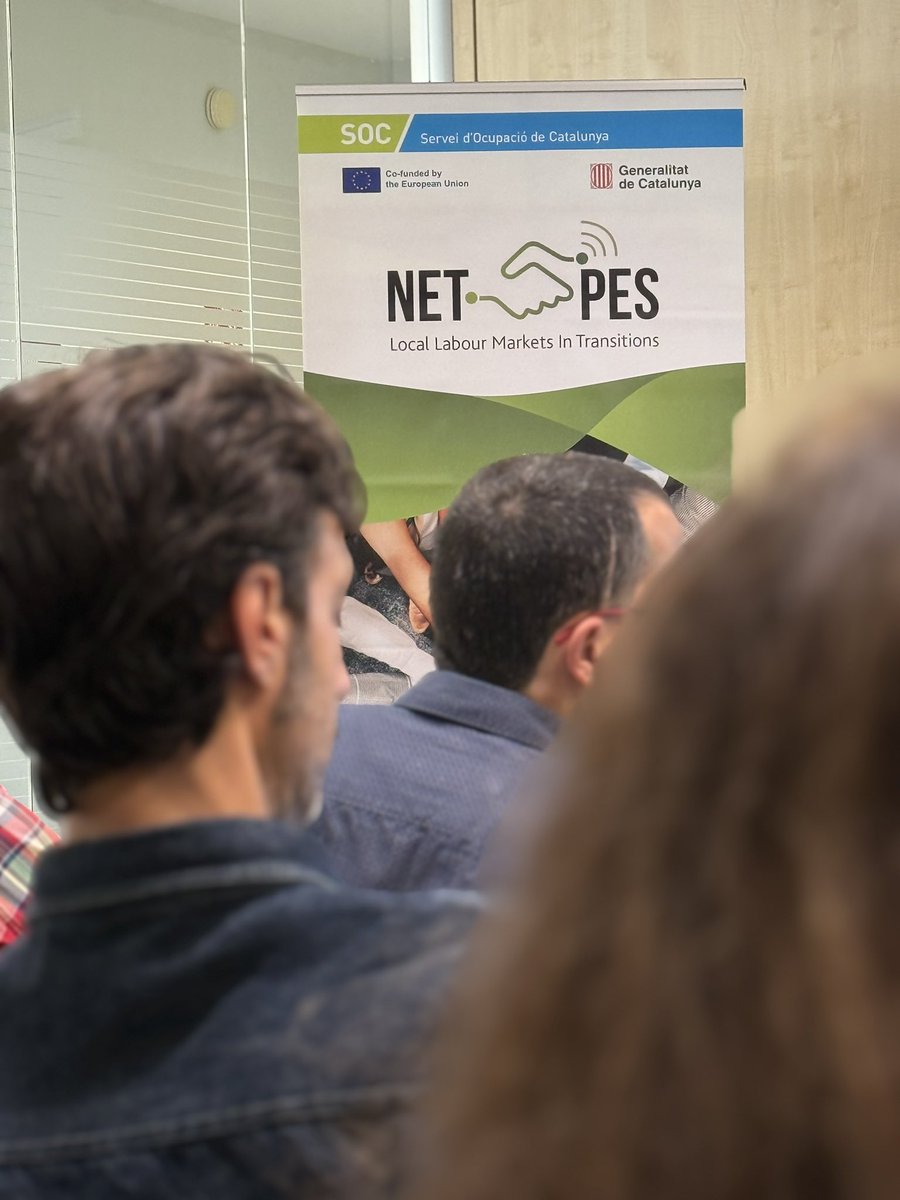
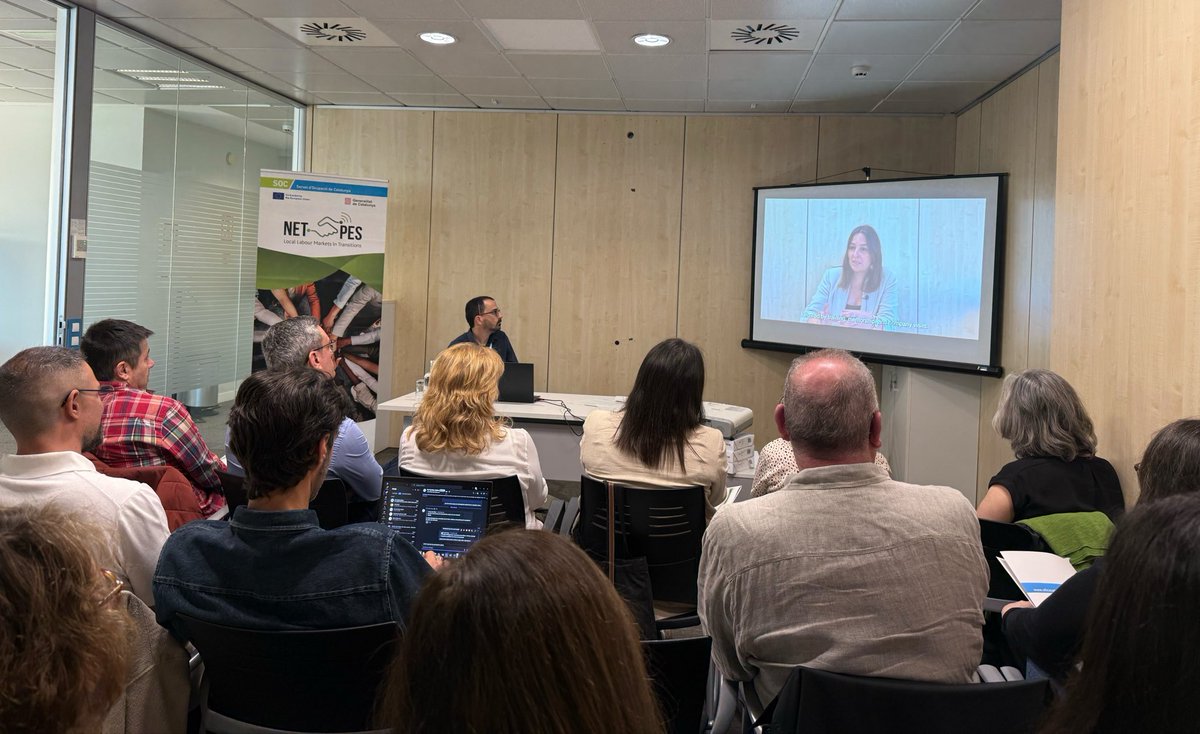
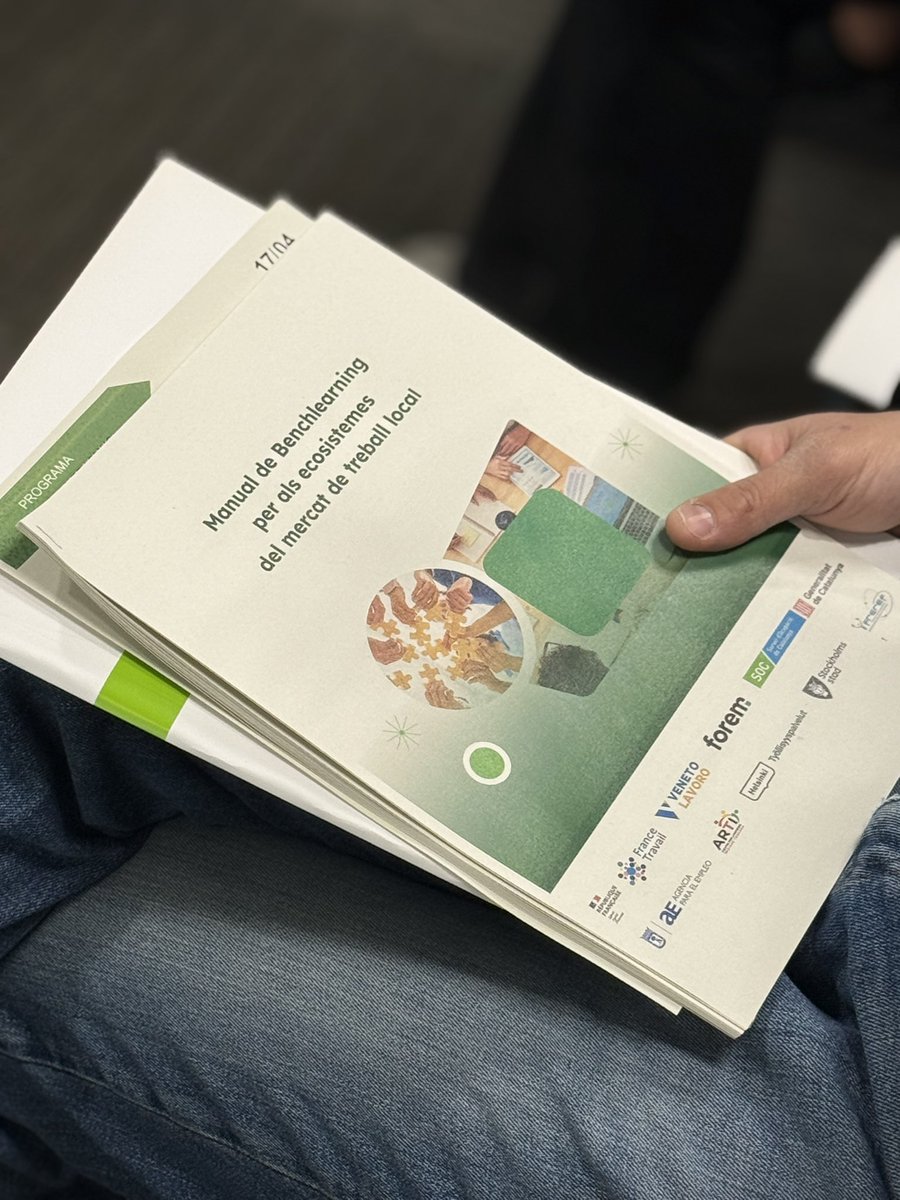
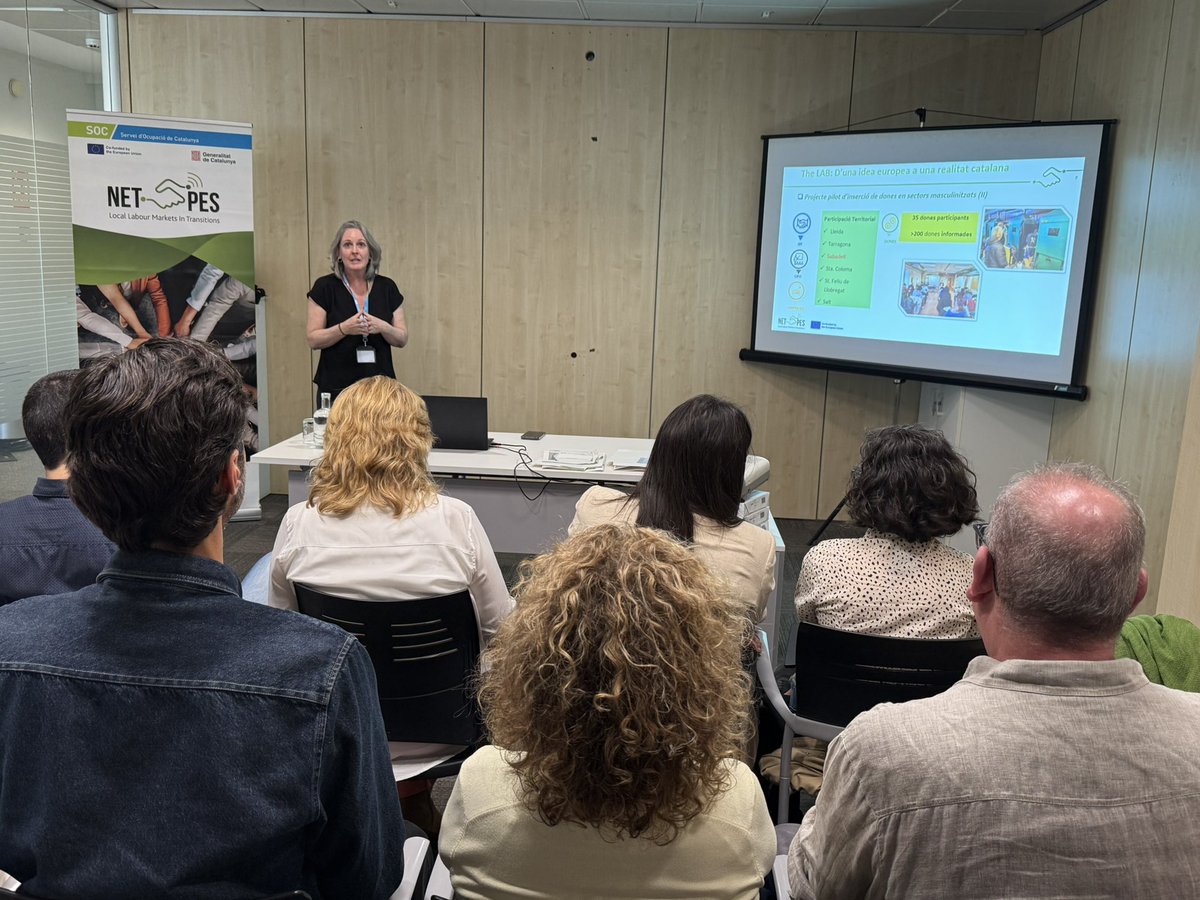
📌Sessió NETPES Erasmus : un projecte per mercats laborals en transició
🗣️Presentació del Manual de Benchlearning per als ecosistemes del mercat de treball local
👩🏻🦱Cas d’èxit: 50 dones formades i fent pràctiques a empreses de sectors masculinitzats
#NETPESproject
1
2
142

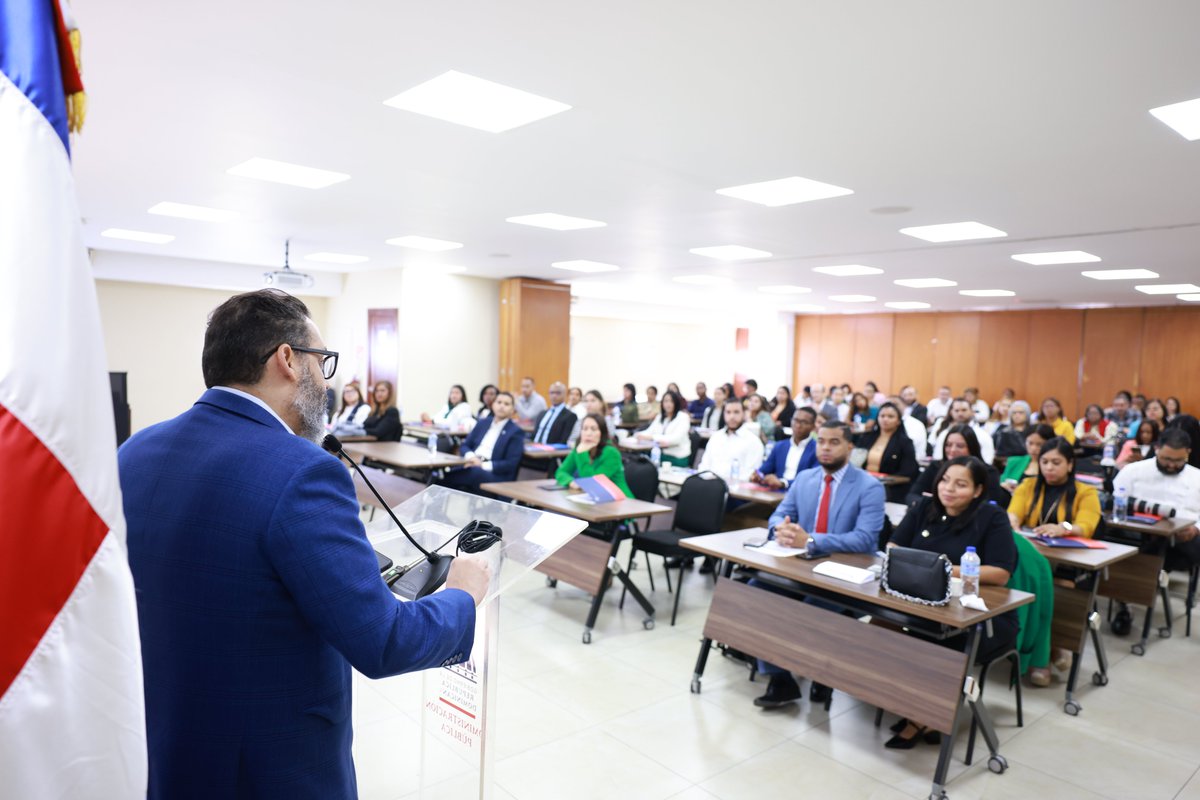
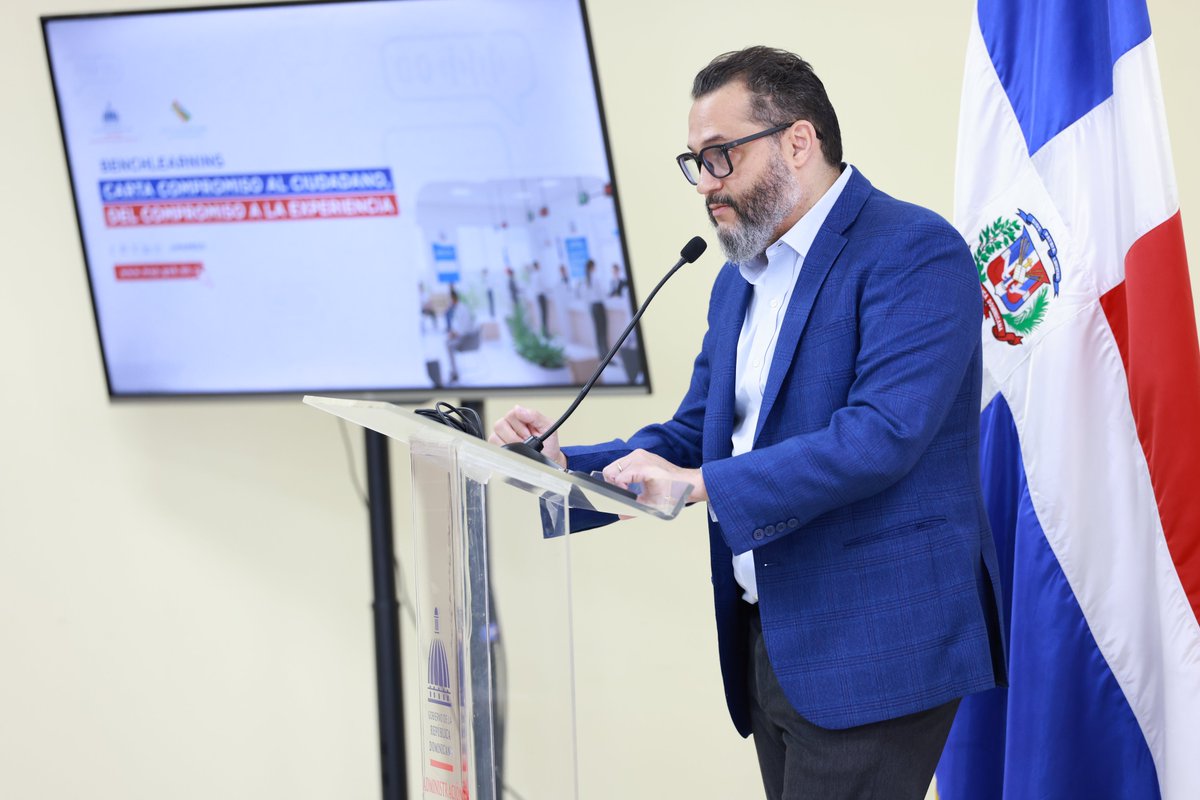
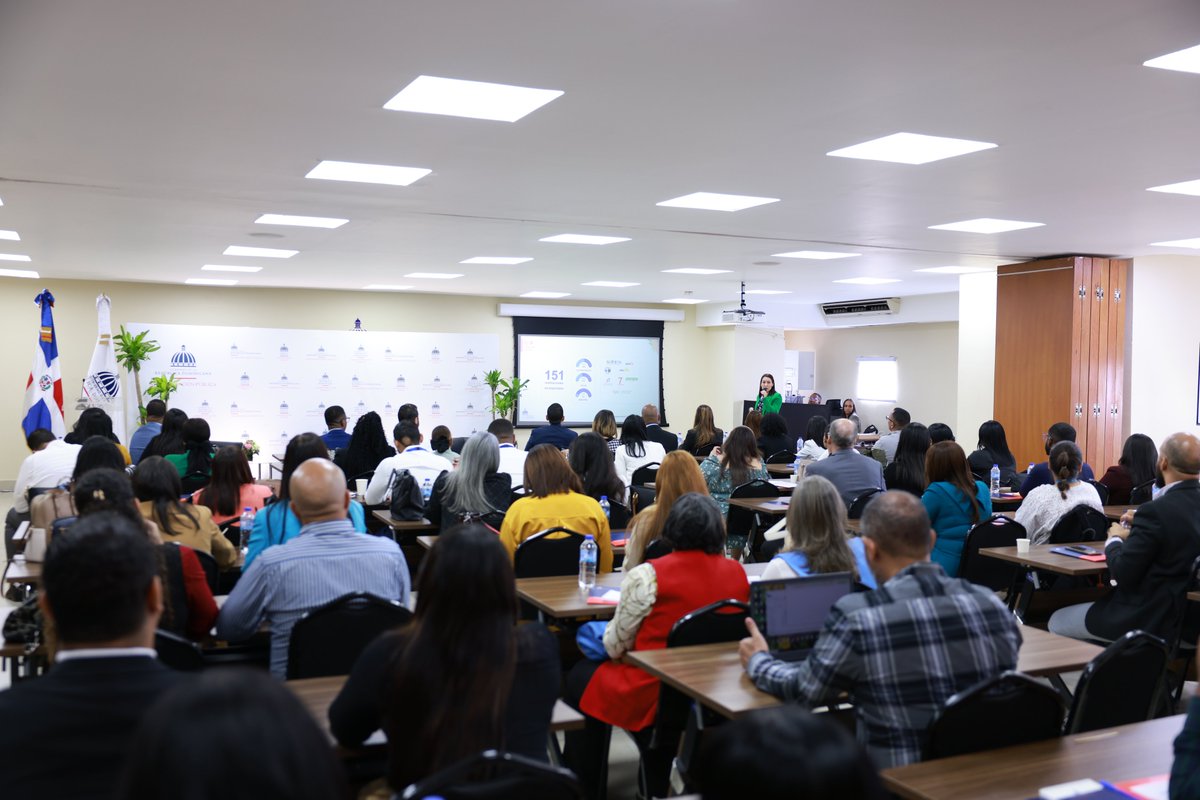
¡Del compromiso a la experiencia!
Servidores públicos de 27 instituciones priorizadas participaron en Benchlearning sobre la Carta Compromiso al Ciudadano, un taller enfocado en compartir experiencias y herramientas para mejorar los servicios desde la perspectiva del usuario.

1
2
138

3 Dec 2024
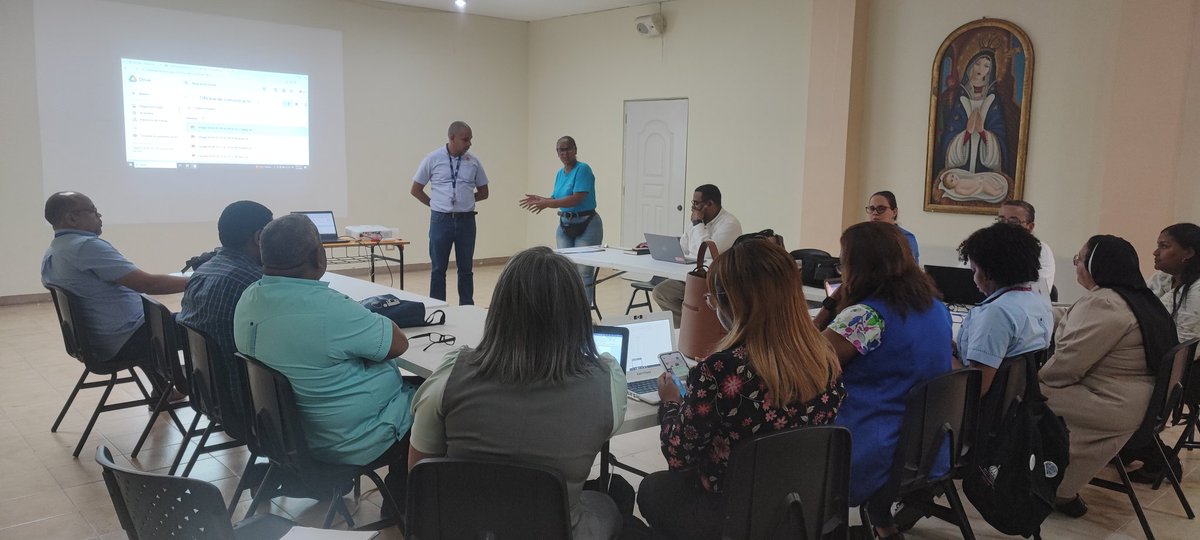
Compartiendo nuestra experiencia en aplicación del modelo de calidad CAF (Common Assessment Framework) para instituciones educativas con directores. Si las escuelas practicáramos benchlearning con más frecuencia crecieramos rapidamente en nuestros procesos.
2
26
26 Sep 2024
🟢 El #SOC avança amb el #NETPESproject #ErasmusPlus i culmina:
✔️ Avaluacions de visites a @venetolavoroRV i #ARTI Toscana
✔️ El manual de benchlearning
@ocupaciocat @FranceTravail @LeForem @venetolavoroRV i #ARTI Toscana @aempleomadrid #HelsinginKaupunki @Stockholmsstad

2
294

11 Sep 2024
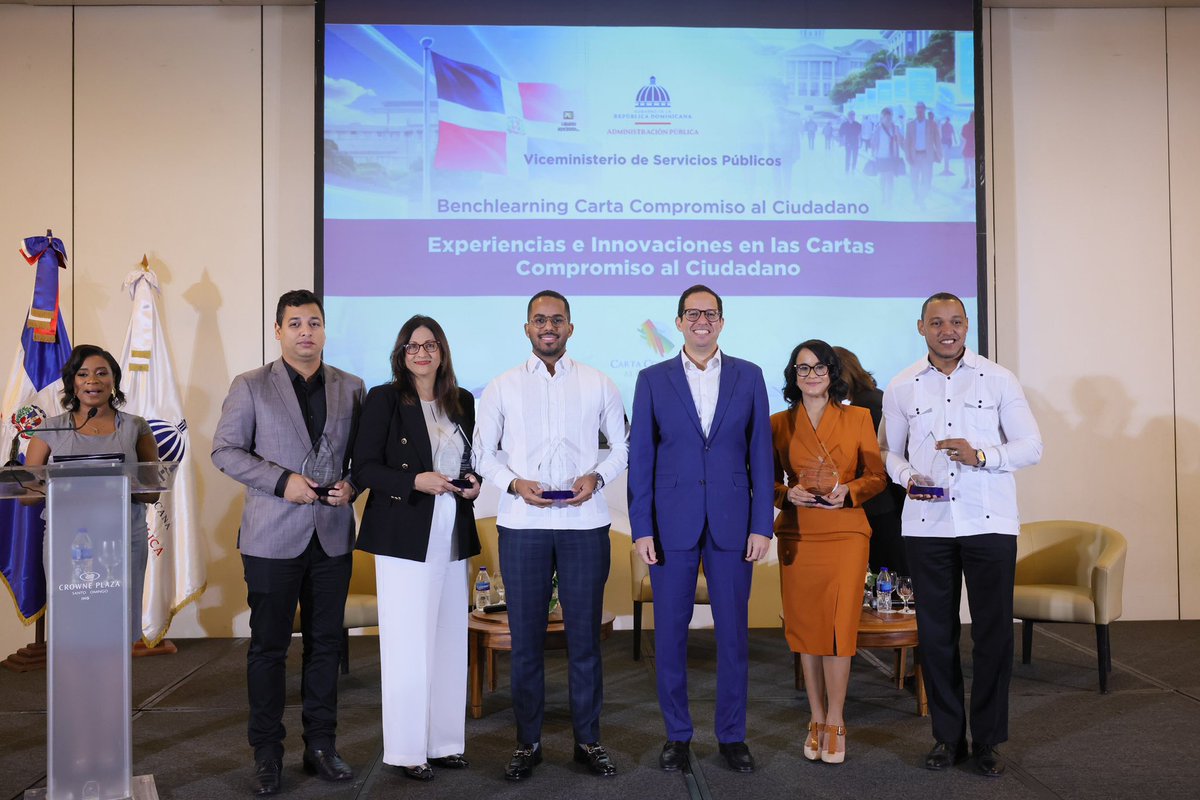
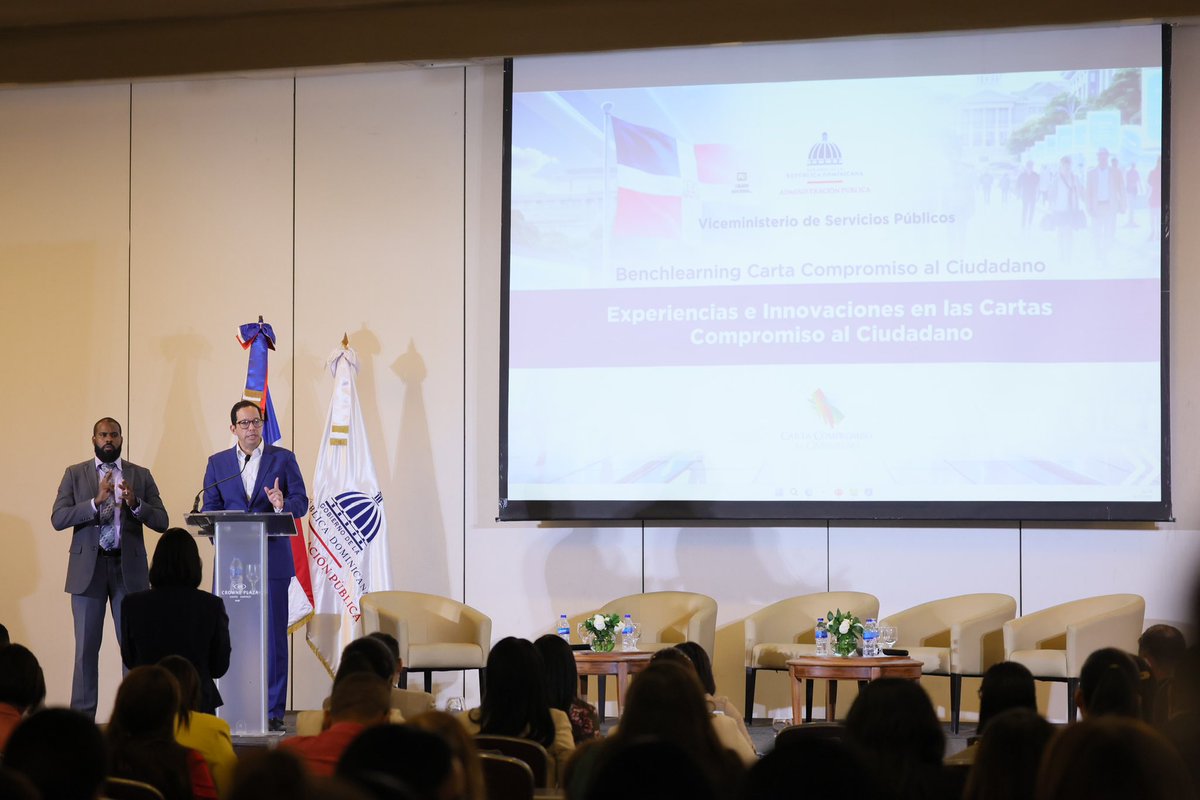
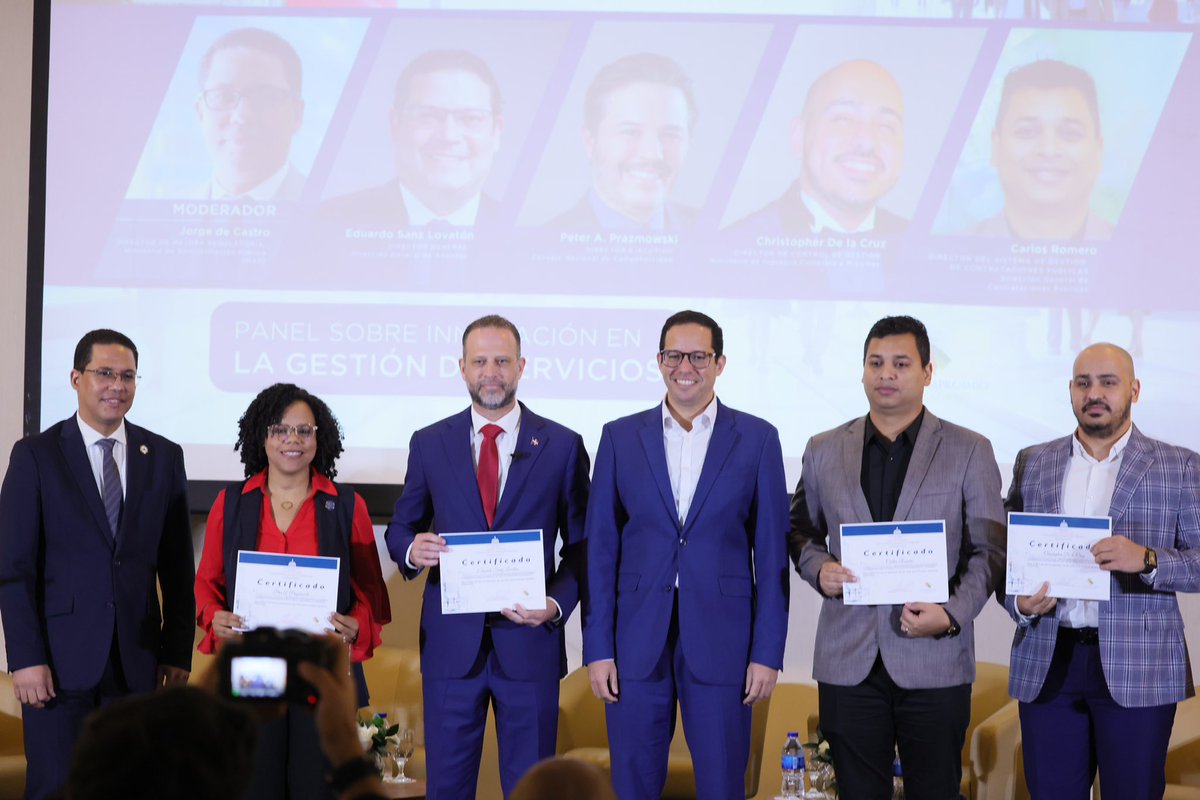
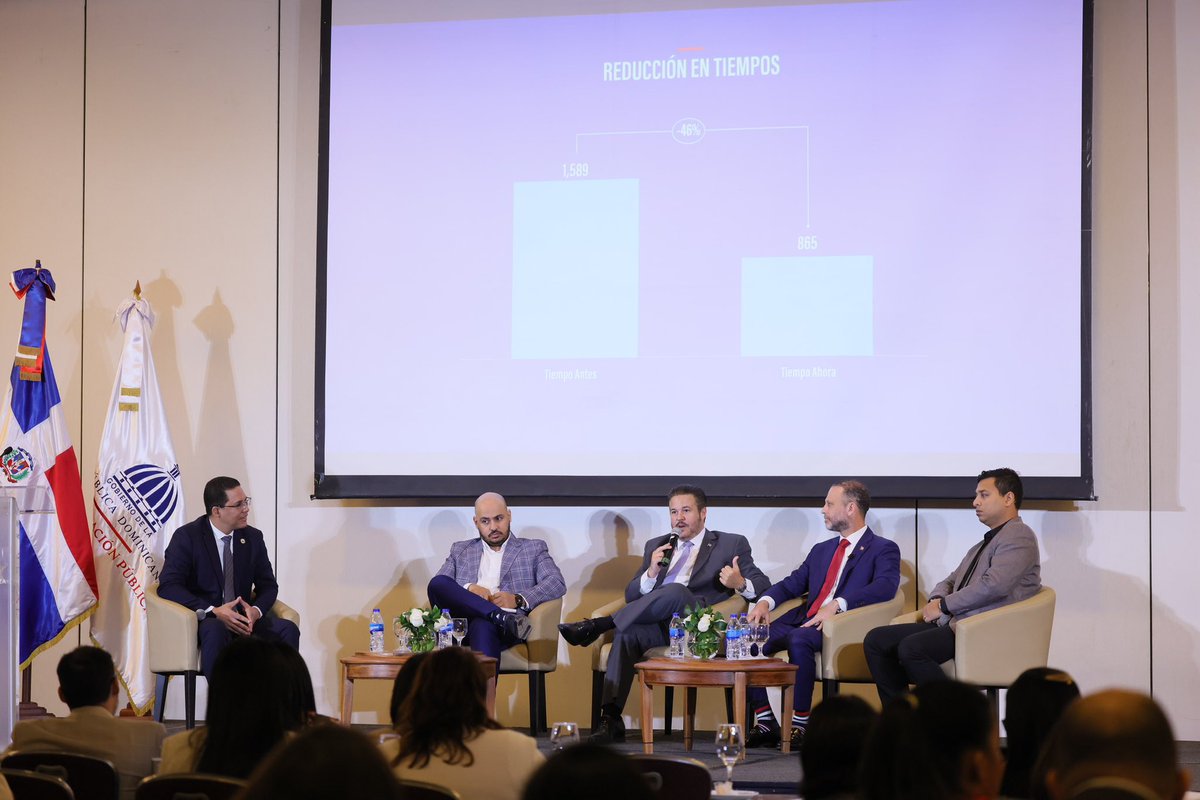
Hoy realizamos el “Benchlearning Carta Compromiso al Ciudadano”, una actividad que permitió conocer las innovaciones y experiencias de @aduanard, @cncgobdo, @ComprasRD y el @MIC_RD en la implementación de este programa que está transformando la calidad de los servicios públicos.
2
2
12
535

11 Sep 2024
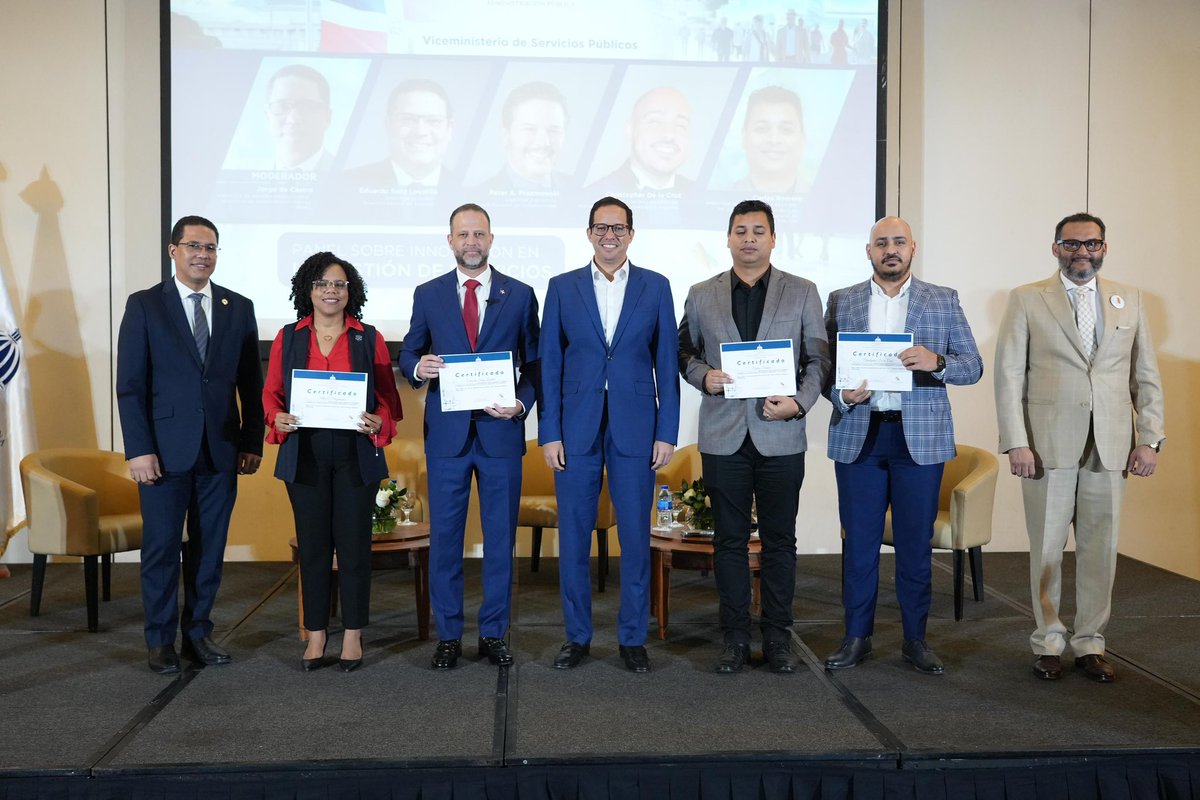
Con el apoyo del @MapRDo , y como parte de la iniciativa de mi amigo @SigmundFreund , en el evento "Benchlearning experiencias e innovaciones en las Cartas Compromiso al Ciudadano" se promovieron herramientas para mejorar la calidad de los servicios públicos, impulsando buenas prácticas en la gestión, comunicación y participación.
12
38
119
2,366

26 Aug 2024
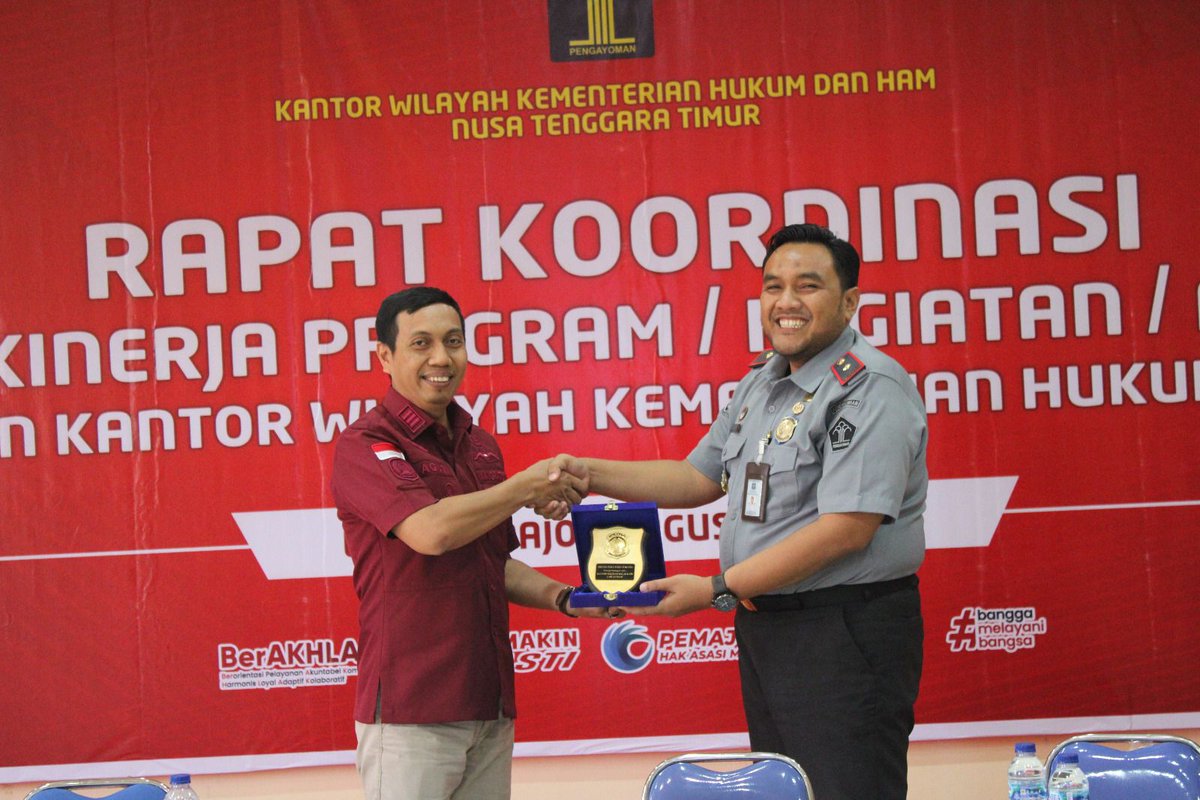
Jusuf Adiwinata Award, Kantor Imigrasi Jakarta Barat Benchlearning Ke Kantor Imigrasi Labuan Bajo - indonesiaberdaulat.com/2024/…
Indonesia Berdaulat - Suara Utama Rakyat
5
47

7 Jun 2024
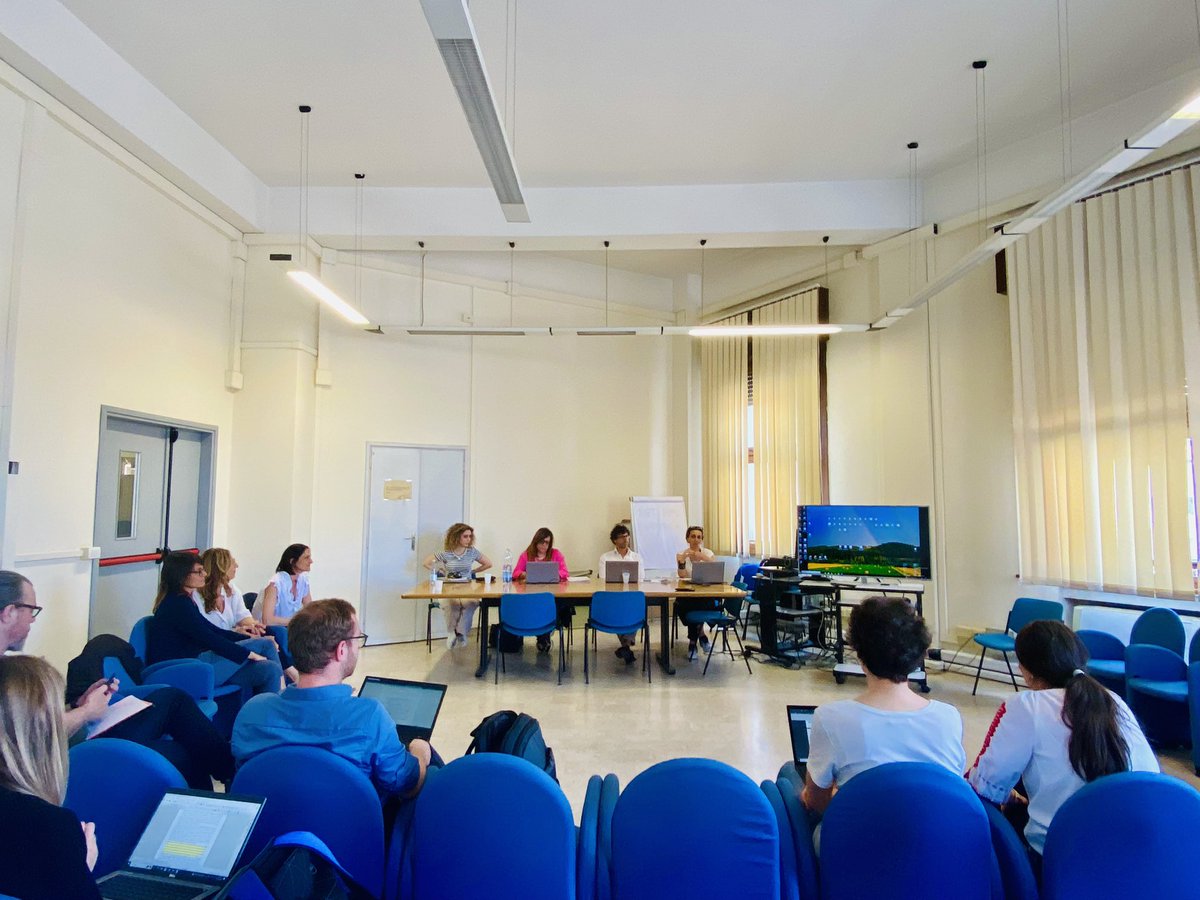
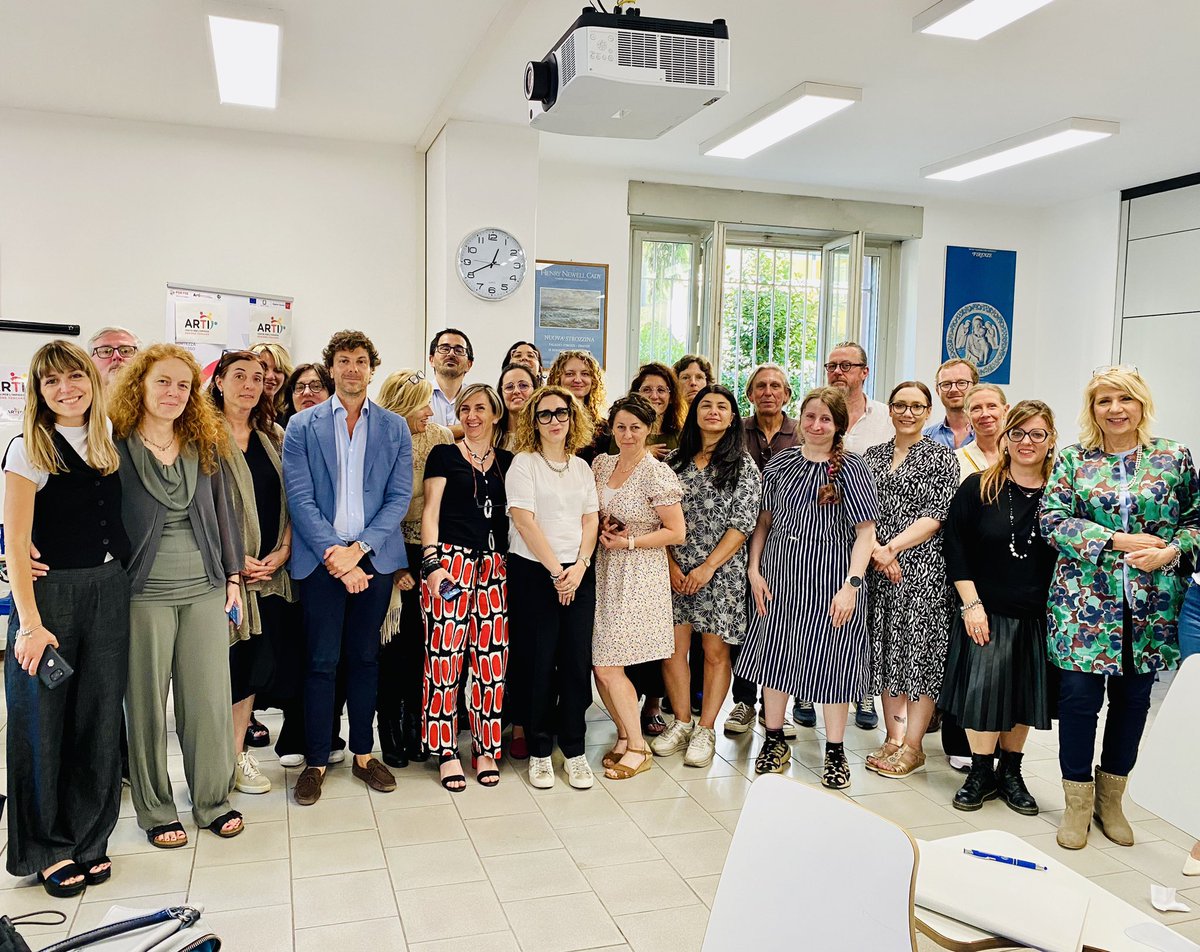
🇪🇺 Si è conclusa la prima visita studio prevista dal programma di #benchlearning del progetto NET PES. @venetolavoroRV e gli altri partner europei hanno visitato i Servizi per il lavoro della @regionetoscana accompagnati dallo staff di #ARTI. #ErasmusPlus #NETPESProject
1
2
53

31 May 2024
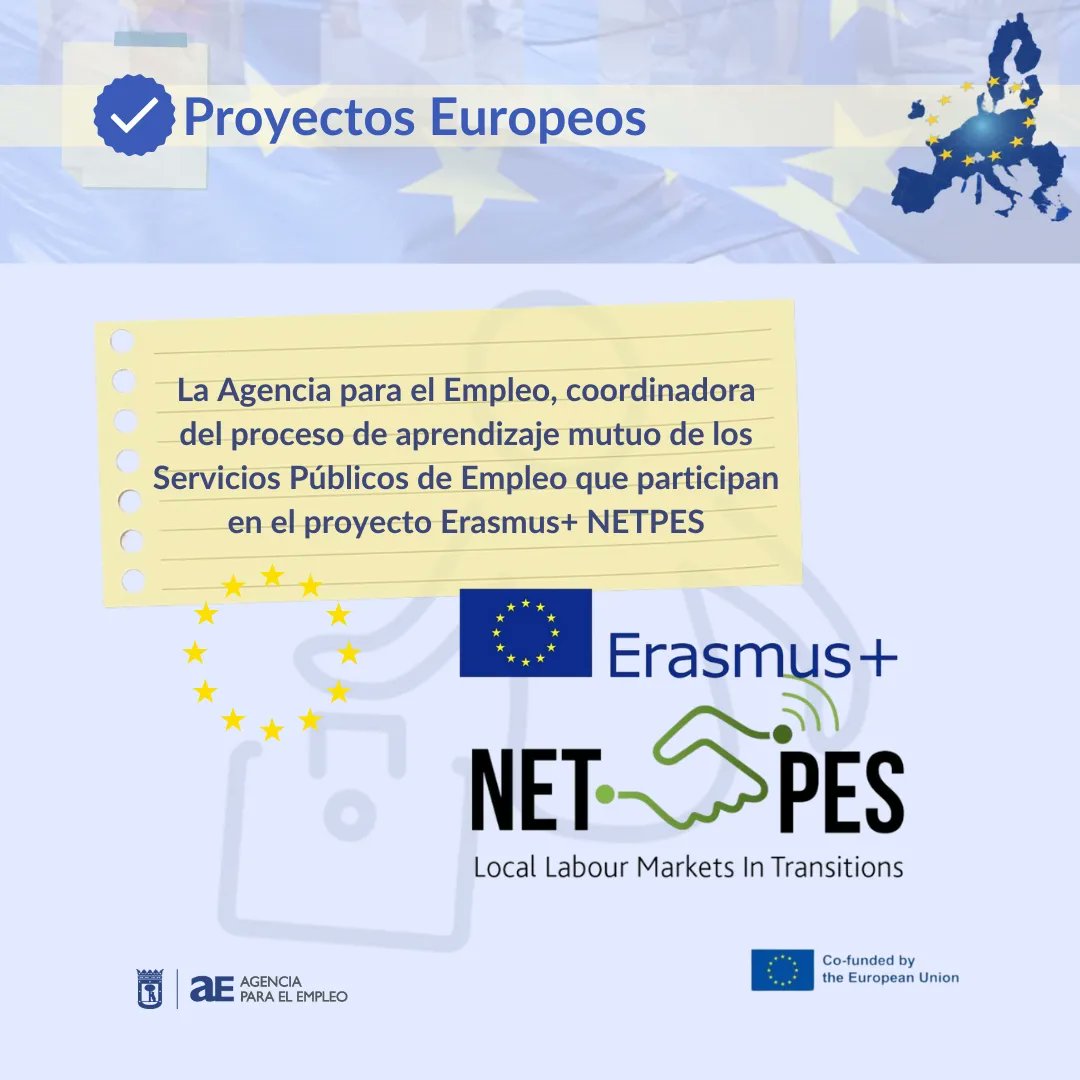
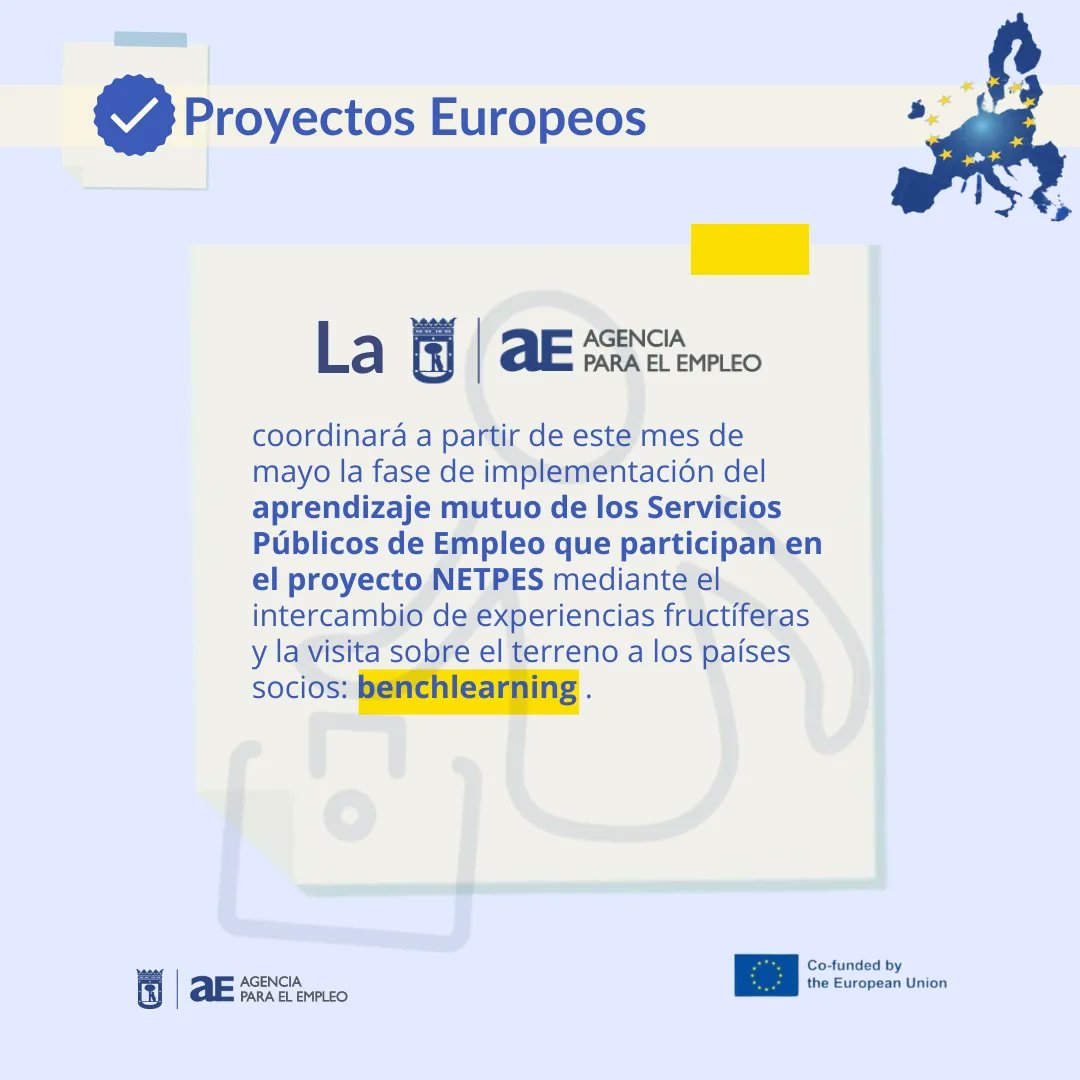
@aempleomadrid coordonne la mise en œuvre de l'apprentissage mutuel (par des échanges d'expériences fructueuses et des visites sur place en utilisant l'approche du Benchlearning) pour les services publics de l'emploi du #NETPESproject #erasmusplus @ErasmusplusFR
@FTravail_ARA

✔️Proyectos Europeos
🫱🏽🫲🏼 La @agenciaempleomadrid, coordinadora del proceso de #AprendizajeMutuo #BenchLearning de los Servicios Públicos de #Empleo que participan en el proyecto #ErasmusPlus #NETPESProyect, de #ColaboraciónEuropea.
1
1
2
194
22 Apr 2024
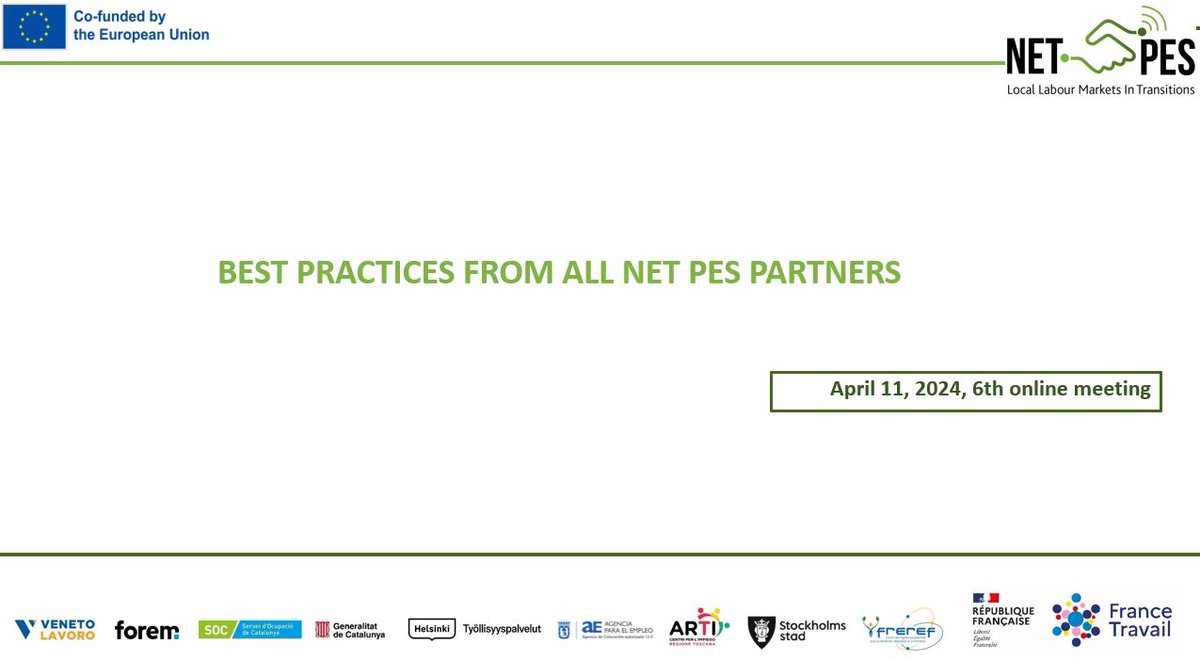
Dans le cadre de la 6ème réunion, les partenaires du #NETPESproject ont pu présenter 32 bonnes pratiques pour les 4 domaines du Benchlearning. Pour plus d'info: linkedin.com/feed/update/urn…
1
3
4
226

13 Feb 2024
🔵'La evaluación de impacto de la herramienta de orientación laboral SEND@' será una de las ponencias de la jornada centrada en las evaluación de las políticas de empleo.
Otra de las ponencias será 'El modelo de excelencia y el benchlearning en los servicios públicos de empleo'.
1
2
4
1,420

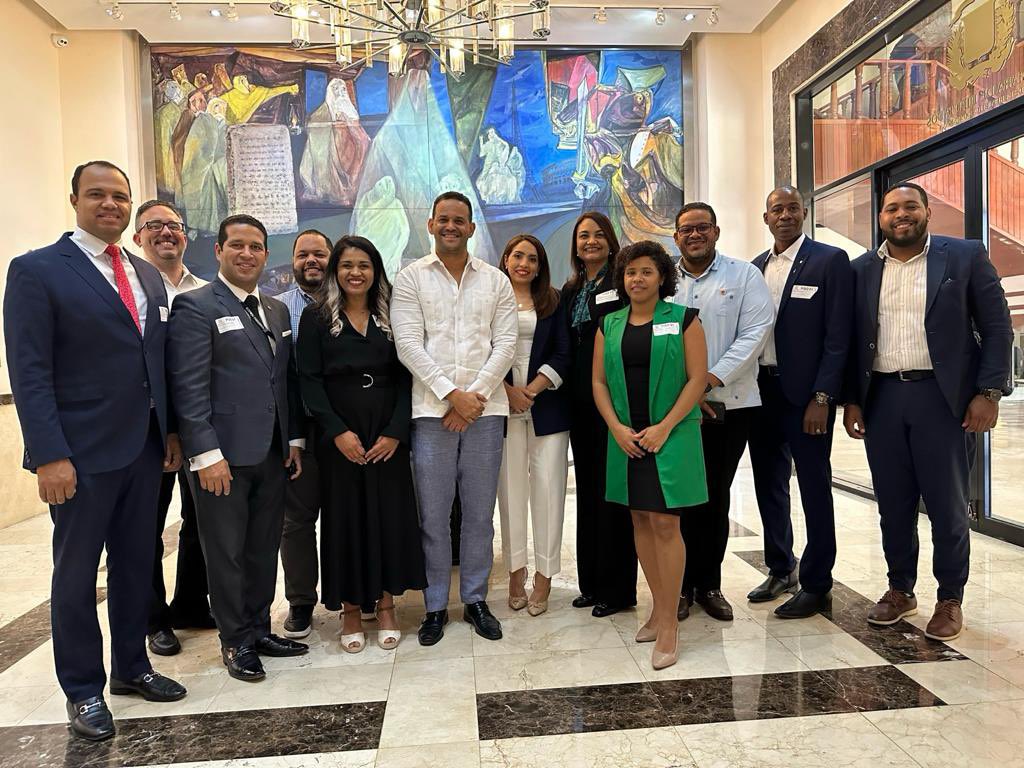
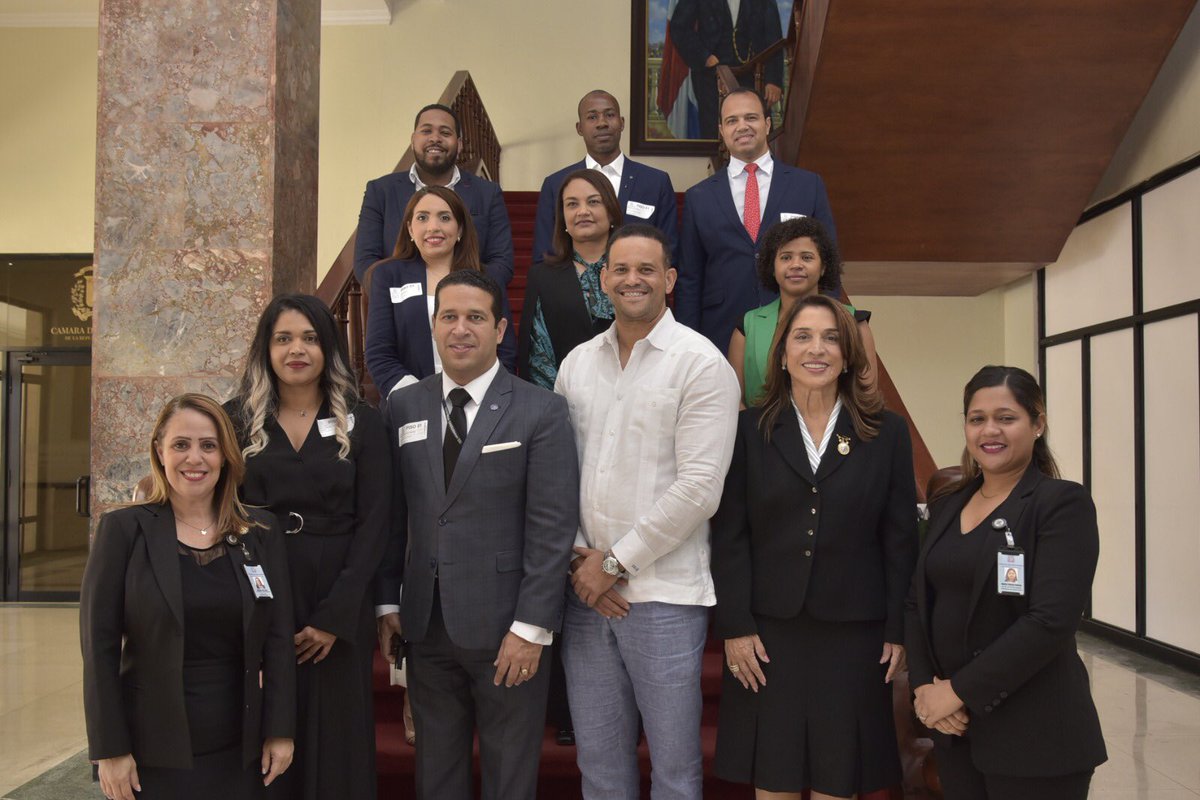
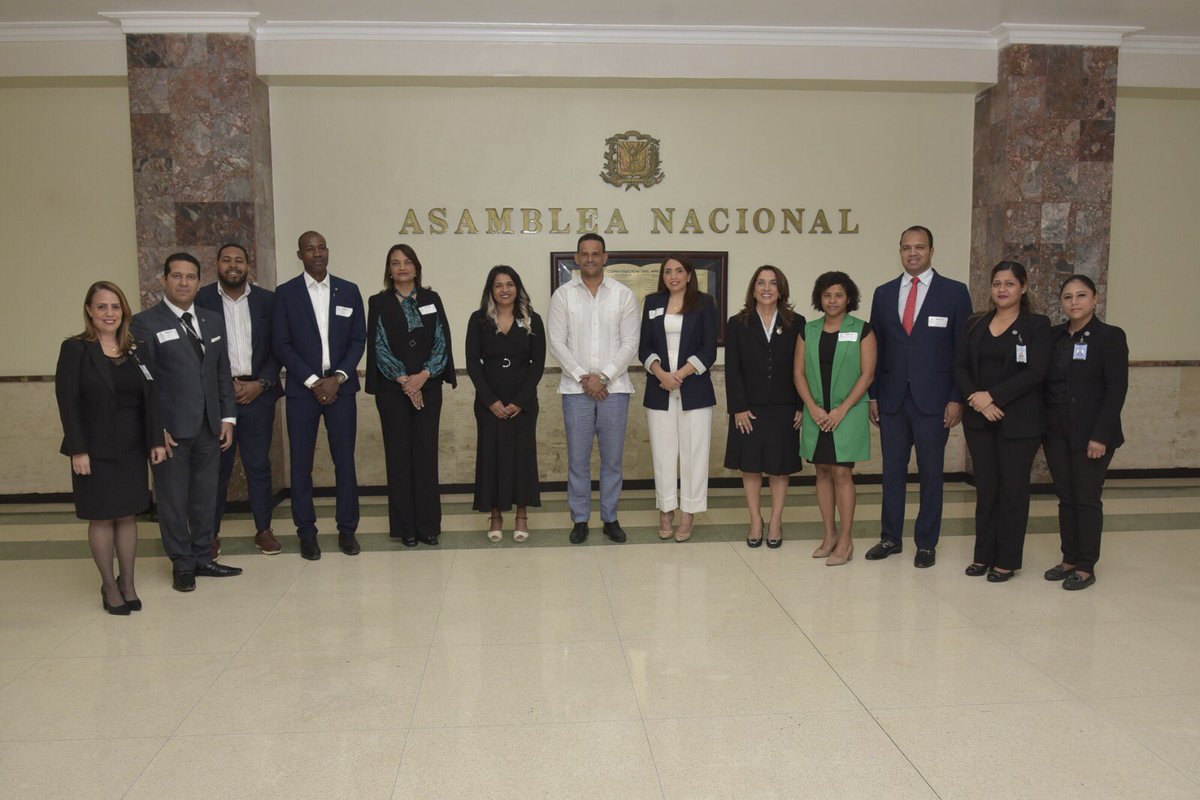
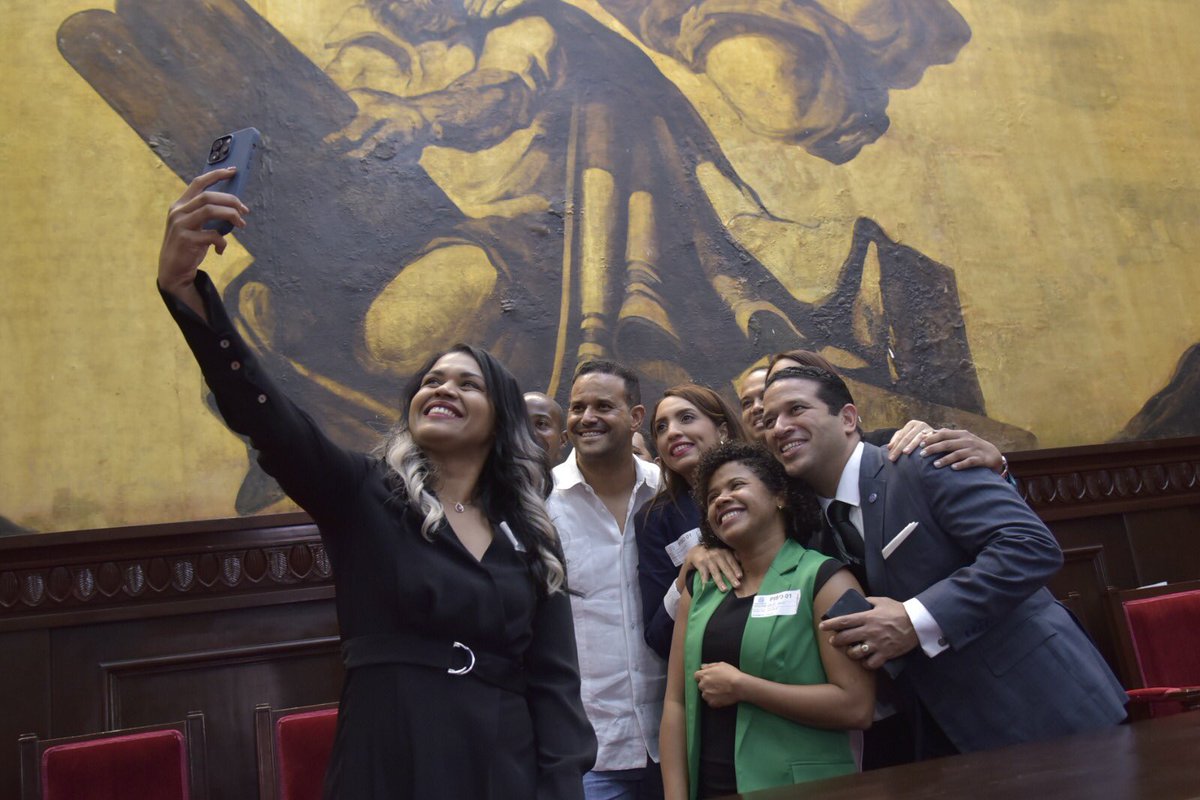
El director de Recursos Humanos Darwin Ovalles recibió a una delegación de de especialistas en diferentes áreas de la carrera de Gestión Humana, realizando un Benchlearning (aprendizaje por comparación) en nuestra institución.
#DiputadosRD
2
39
43
979

12 Oct 2023
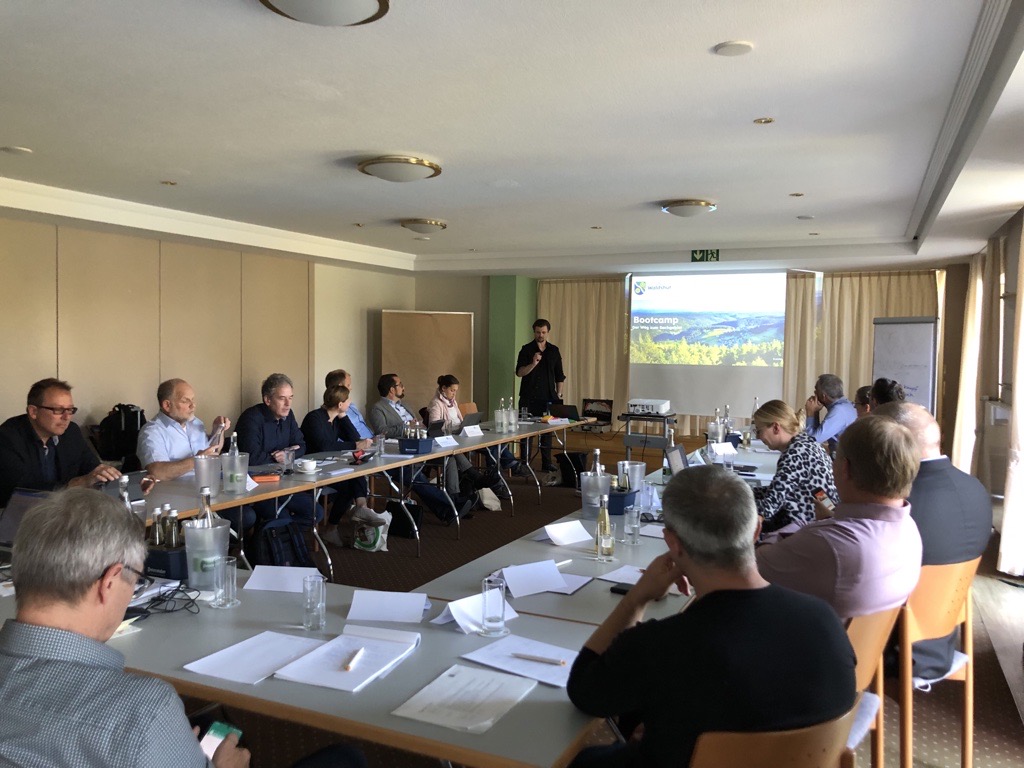
Wie das #Onboarding in Zeiten des #Fachkräftemangels gut und effizient gelingen kann, dazu diskutierte der VR10 im #Benchlearning in Bad Säckingen.
1
1
3
159
12 Oct 2023
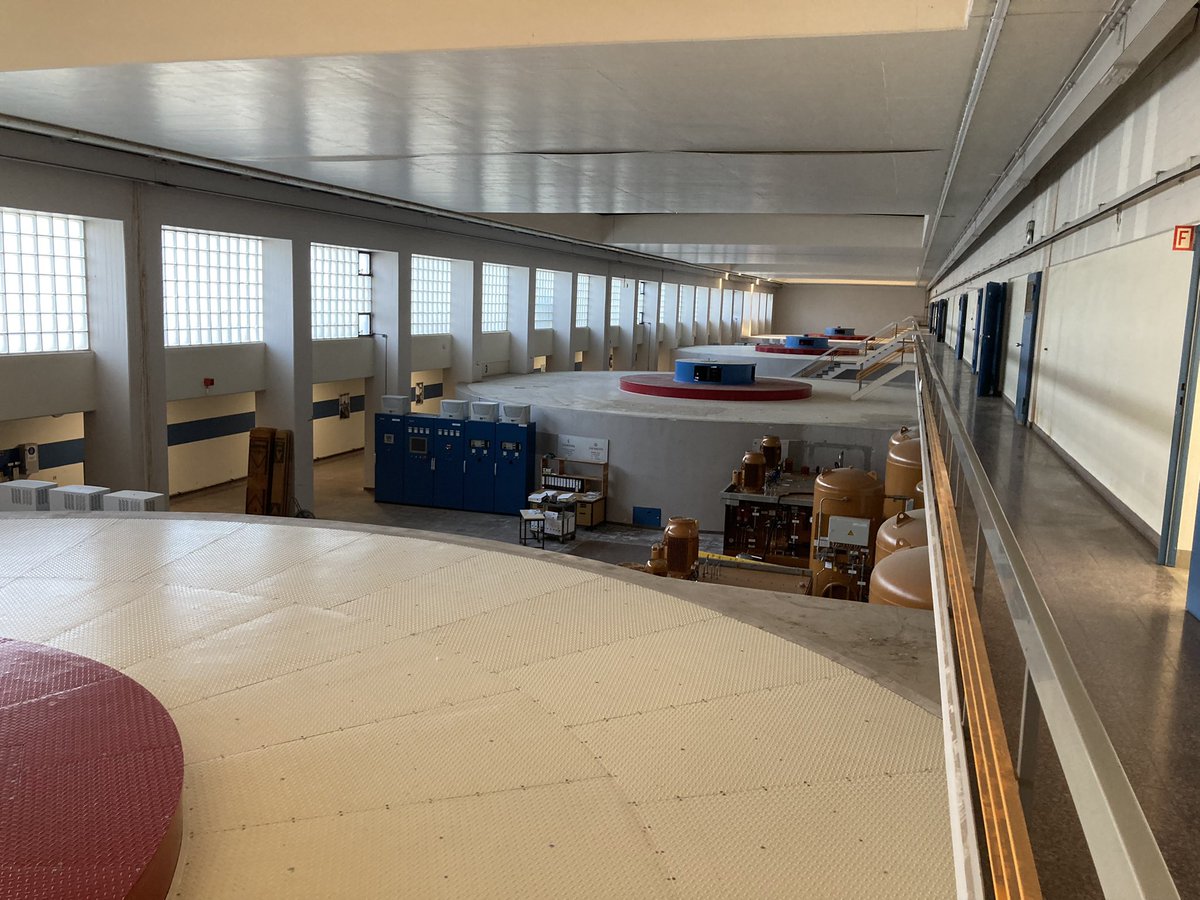
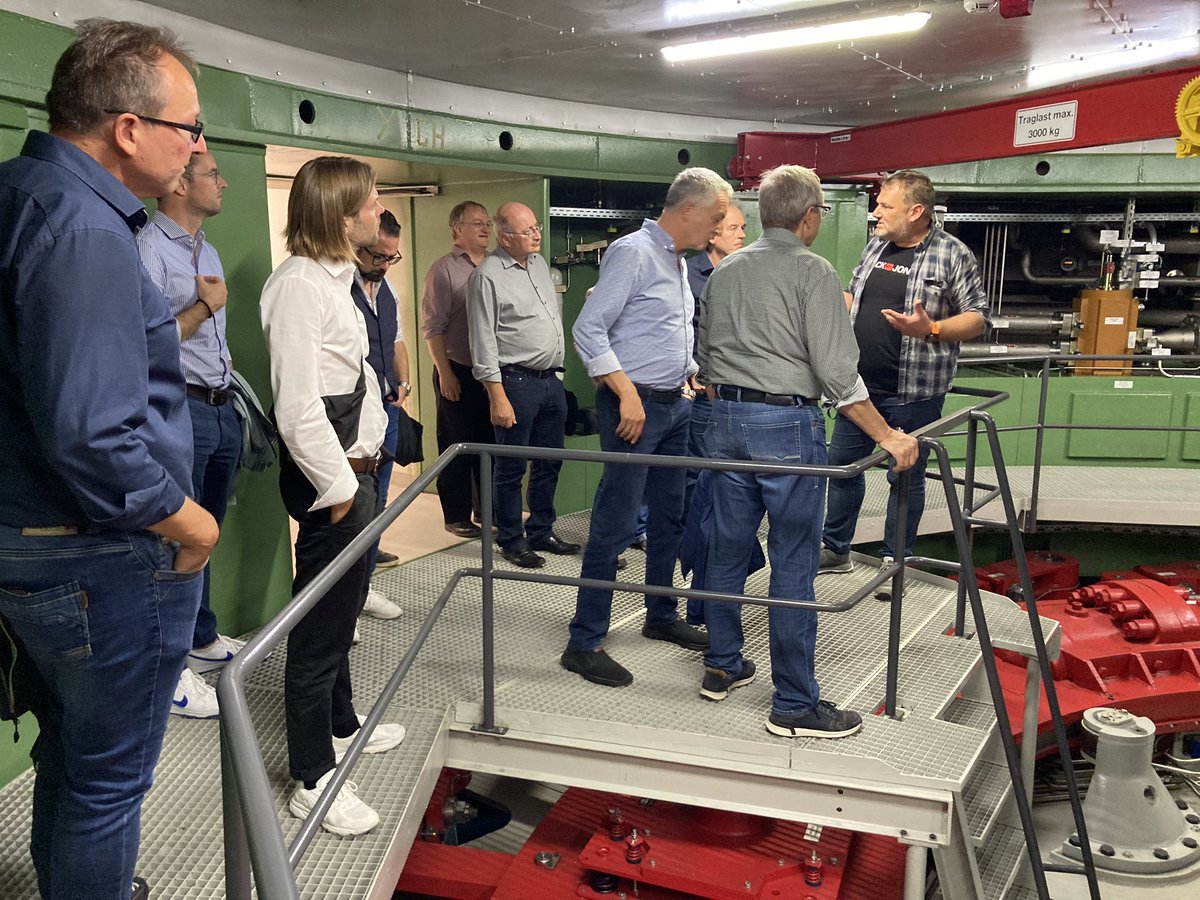
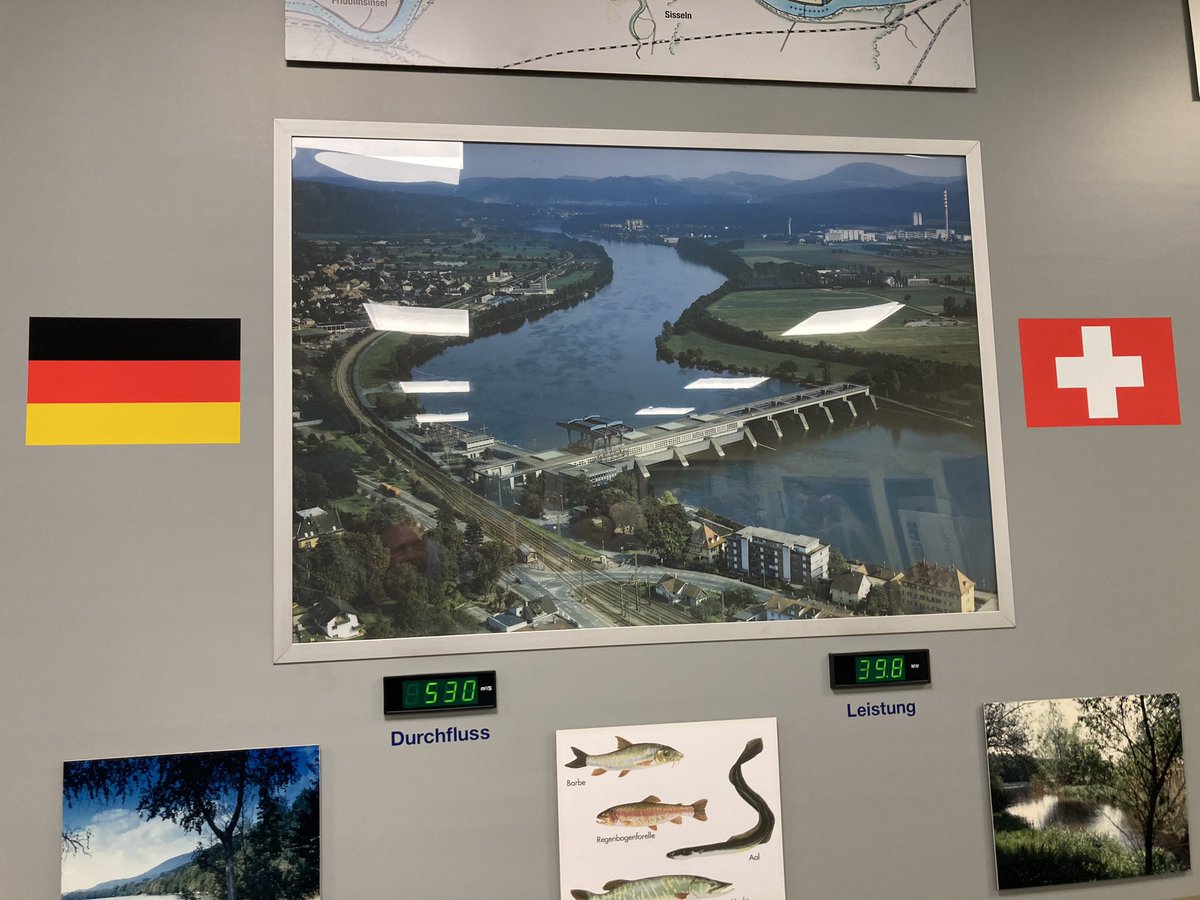
Der VR10 bei der Arbeitsmarkterkundung für das #benchlearning im Rheinkraftwerk Bad Säckingen - Spannende, saubere Sache!

3
88
29 Sep 2023
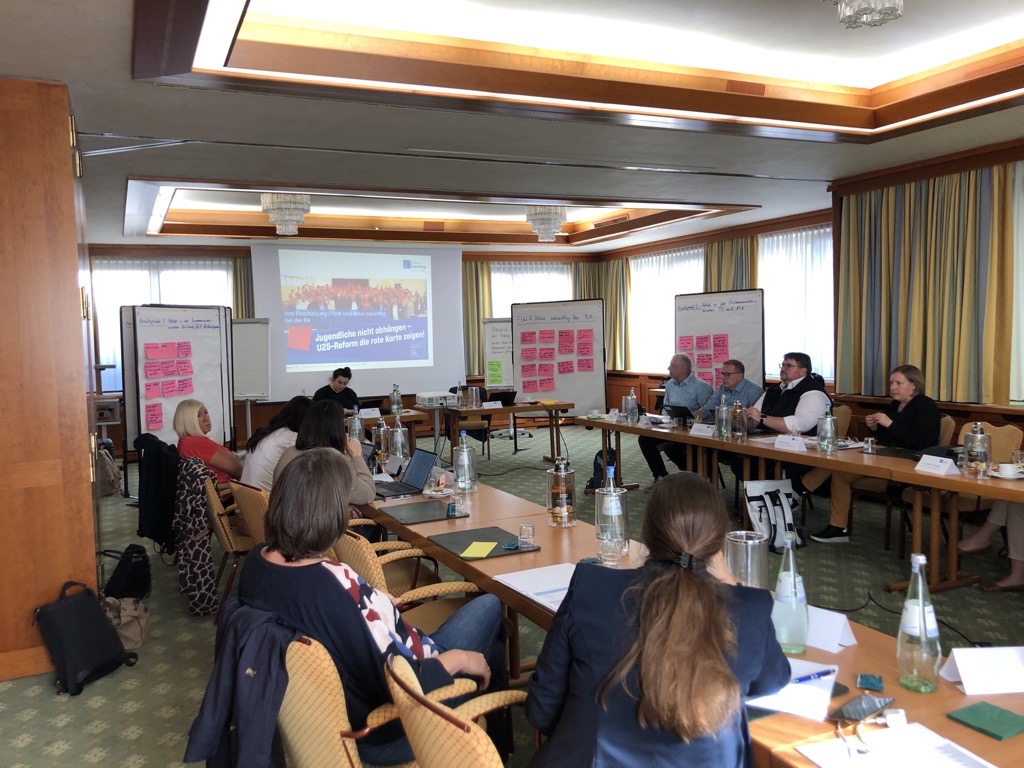
Breaking News erreichen den VR7 im #Benchlearning: die Zuständigkeit für die U25-Jährigen verbleibt in den #Jobcentern. Es herrscht Freude und Erleichterung nach Wochen der Ungewissheit.
1
1
5
313