
25 Apr 2025
For years, SPD has been the hospital’s best-kept secret—tucked away in the basement, working behind the scenes, rarely acknowledged unless something goes wrong. But that narrative is changing, and SPD professionals like Lisa are making sure of it.
After attending a hospital leadership meeting, Lisa realized how little executives understood about Sterile Processing. “They don’t know what we do because we haven’t told them,” she said. So she started advocating—presenting SPD data to infection control, giving OR tours of decontam, and pushing for SPD representation in decision-making committees.
Soon, the impact was undeniable. More funding for training, upgraded equipment, and better collaboration with the OR. Leadership stopped seeing SPD as just a support department and started recognizing it as a critical pillar of patient safety.
“If we want change, we can’t wait for someone else to speak for us,” Lisa told her team. “We have to be the voice that shifts the perception.” Because in Sterile Processing, advocacy isn’t just about respect—it’s about ensuring the profession gets the recognition, resources, and influence it deserves.
#CSFTSPS #SterileSimon #BeyondClean #WeFightDirty #WeMatter #SterileProcessing

2
36
14 Apr 2025
The email hit the department like a shockwave—an entire load of sterilized instruments had failed biological testing. That meant one thing: a full-scale recall.
Emma, the SPD supervisor, immediately took charge. “Stop all trays from this load. Nothing goes to the OR until we track every single set.”
She and her team worked quickly, pulling trays from sterile storage, cross-checking case schedules, and notifying the OR before the instruments could be used. Some trays had already been delivered, but thanks to fast action, none made it onto the surgical field.
A newer tech, overwhelmed by the chaos, asked, “How did this even happen?”
Emma answered calmly, “Sterilization failures can happen for a lot of reasons—equipment issues, cycle errors, even loading mistakes. What matters isn’t if it happens, but how fast we catch it and correct it.”
Hours later, every tray had been reprocessed, the issue was identified and fixed, and surgery schedules were back on track. The OR supervisor called down. “Because of you all, no patient was ever at risk. Thank you.”
Recalls are a nightmare, but handling them isn’t about panic—it’s about precision, accountability, and acting fast when it matters most.
Because in Sterile Processing, when sterility is in doubt, there is no doubt—it gets done again.
#CSFTSPS #SterileSimon #BeyondClean #WeFightDirty #WeMatter #SterileProcessing

1
2
25
4 Apr 2025
The SPD was drowning. Decon was overloaded with bloodied instruments, assembly had a backlog of trays waiting to be built, and the OR schedule wasn’t slowing down. The pressure was building, and mistakes were creeping in.
That’s when Carlos, the SPD lead, called for a reset. “We’re not falling behind because we’re slow—we’re falling behind because we’re not working together. Let’s rethink our flow.”
He split the team into stations—one group sorting in decon, another focusing solely on manual brushing, while a third ran instruments through the washers in continuous cycles. In assembly, he reorganized the layout, placing high-turnover trays near the front and assigning techs specific specialties to streamline accuracy. By the end of the shift, the backlog had cleared, and for the first time all week, the team wasn’t drowning—they were in control.
One of the newer techs shook their head. “Same people, same trays, but everything ran so much smoother. Why didn’t we do this before?” Carlos grinned. “Because optimizing workflow isn’t about working harder—it’s about working smarter.”
#CSFTSPS #SterileSimon #BeyondClean #WeFightDirty #WeMatter #SterileProcessing

1
1
2
45
26 Mar 2025
Elena was doing a routine check in sterile storage when she noticed something that made her stomach drop—a set of peel-packed instruments stored too close to an air vent. She picked one up and felt it immediately. "Warm."
She turned to the tech organizing the shelves. “These can’t be stored here. Air vents, temperature changes, and humidity swings can weaken the integrity of the packaging. That means contamination risk.”
The tech’s eyes widened. “I thought once they were sterilized, they stayed that way.”
Elena nodded. “If they’re stored correctly. But sterile isn’t permanent—it’s maintained. That’s why we have rules about temperature, humidity, shelf height, and even how we handle the packages. The moment an instrument’s sterility is compromised, we’re right back to square one.”
They relocated the sets, ensuring they followed best practices for environmental controls, rotation, and handling.
Later, the tech grinned. “Never thought storage was this complicated.”
Elena chuckled. “It’s not just storage—it’s protection. And when it comes to patient safety, there’s no such thing as ‘just.’” Because in SPD, sterilization is only the first step—keeping it sterile is what truly matters.
#CSFTSPS #SterileSimon #BeyondClean #WeFightDirty #WeMatter #SterileProcessing

3
36
19 Mar 2025
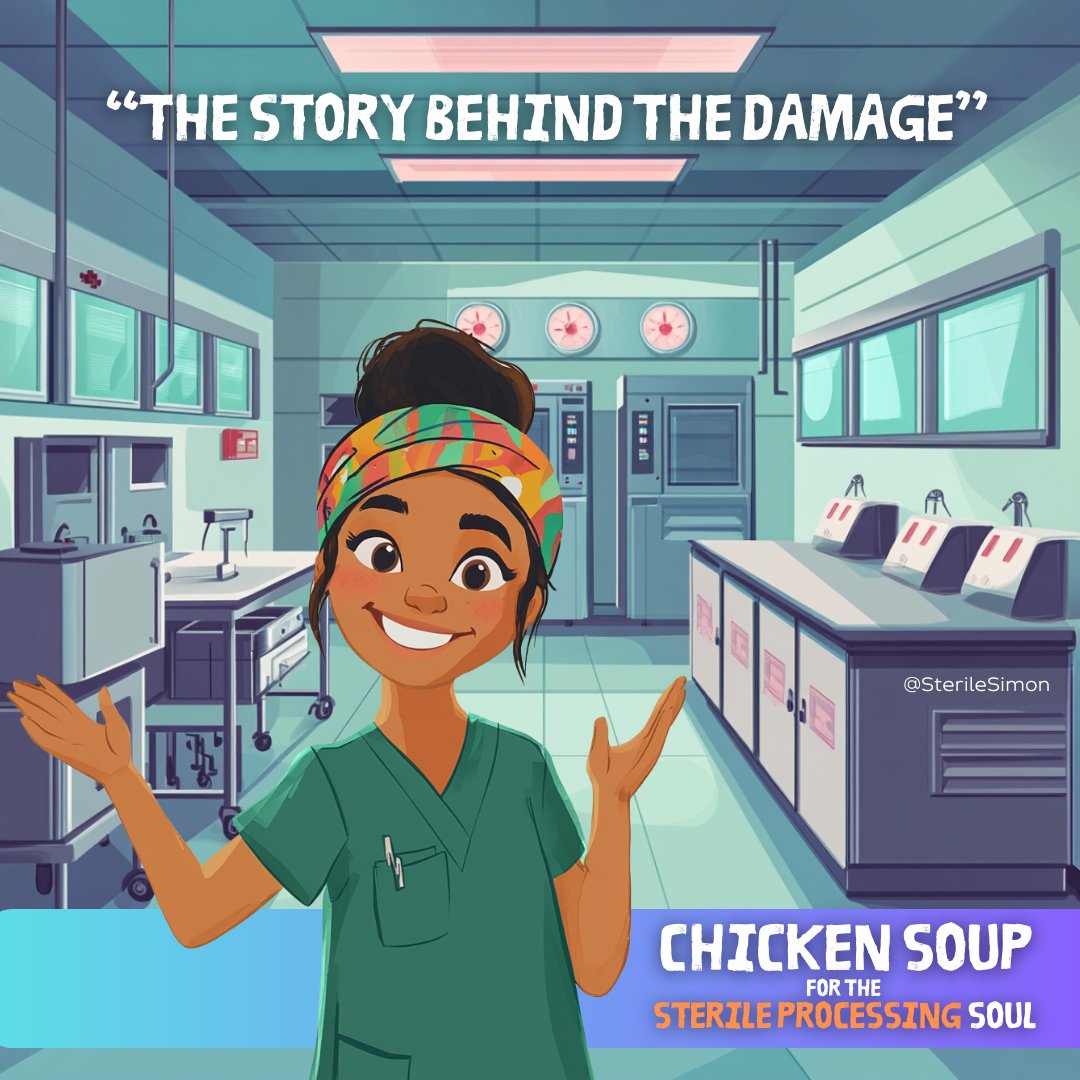
When Sarah found a pair of cracked needle holders during inspection, she didn’t just set them aside—she wanted to know why they were damaged.
She started an RCA (Root Cause Analysis), tracing the instrument’s journey. After checking sterilization logs, handling procedures, and OR feedback, she discovered the issue: these were being used as wire twisters in the room.
Instead of just replacing the instruments, Sarah worked with the team to adjust tray assembly and educate staff on the difference between wire twisters and needle holders. A month later, similar damage reports had dropped to nearly zero.
“We don’t just process instruments,” she told a new tech. “We solve problems before they reach the OR.” Because in SPD, every damaged instrument tells a story—and it’s our job to find the ending that keeps patients safe.
#CSFTSPS #SterileSimon #BeyondClean #WeFightDirty #WeMatter #SterileProcessing
27
14 Mar 2025
During a morning huddle, the SPD team debated the best way to organize instrument trays. Some preferred grouping by specialty, others by frequency of use. Voices got louder, tensions rose—until their supervisor, Renee, stepped in.
“I love this,” she said, surprising them. “We don’t all have to think the same way. Different perspectives make us stronger. Let’s find a solution that works for everyone.”
After an open discussion, they landed on a hybrid approach—one that took the best ideas from both sides.
That day, the team learned an important lesson: disagreement isn’t division. It’s how innovation happens. Respecting different viewpoints doesn’t weaken a team—it makes it unbreakable. Because in SPD, we don’t have to think alike—we just have to work together.
#CSFTSPS #SterileSimon #BeyondClean #WeFightDirty #WeMatter #SterileProcessing

2
41
10 Mar 2025
When the department was short-staffed and the workload was piling up, everyone looked to Emily, the SPD supervisor, for direction. Instead of barking orders from her office, she rolled up her sleeves and joined the team—sorting trays, loading sterilizers, and troubleshooting issues side by side with her techs.
“Leadership isn’t about telling people what to do,” she told a newer team member. “It’s about showing them how to do it—and making sure they know you’ve got their back.”
Later that day, an OR charge nurse stopped by and said, “Your team is solid. We can tell they trust you.” Emily nodded. Leadership in SPD isn’t about titles—it’s about accountability, teamwork, and setting the standard. When a leader lifts others up, the whole department thrives.
Because in Sterile Processing, the best leaders don’t stand above the team—they stand with them.
#CSFTSPS #SterileSimon #BeyondClean #WeFightDirty #WeMatter #SterileProcessing

3
35
28 Feb 2025
No one ever thinks about the water—until there’s a problem.
Sophia had been in SPD for years, but she never paid much attention to what flowed through the department’s sinks, washers, and steam sterilizers. That changed the day she saw the mineral buildup clogging a washer arm. The trays weren’t coming out as clean as they should, and she knew something was off.
A water quality test confirmed her suspicion—hard water deposits were interfering with instrument cleaning, leaving behind invisible contaminants that could compromise patient safety. Sophia took action, working with facilities to install better filtration and ensure compliance with water quality standards like ST108..
Weeks later, she noticed a difference—cleaner instruments, fewer spotting issues, and improved washer performance. The OR may never know the battle she fought, but she knew every patient was safer because of it. Because in Sterile Processing, it’s not just about the instruments we clean—it’s about the water we clean them with.
#CSFTSPS #SterileSimon #BeyondClean #WeFightDirty #WeMatter #SterileProcessing

1
1
31

23 Feb 2025
🚨 SPONSOR'S CORNER 🚨
"When your environment is truly clean, it shows, it's seen, it's felt"
"Cleanliness isn't only expected, it's remembered!"
Choose BRILLANTE, a Ugandan brand that delivers superior cleaning solutions to suit your cleanliness needs.
#BeyondClean

2
4
644
8 Feb 2025
🚨 SLEEVE SPONSOR 🚨
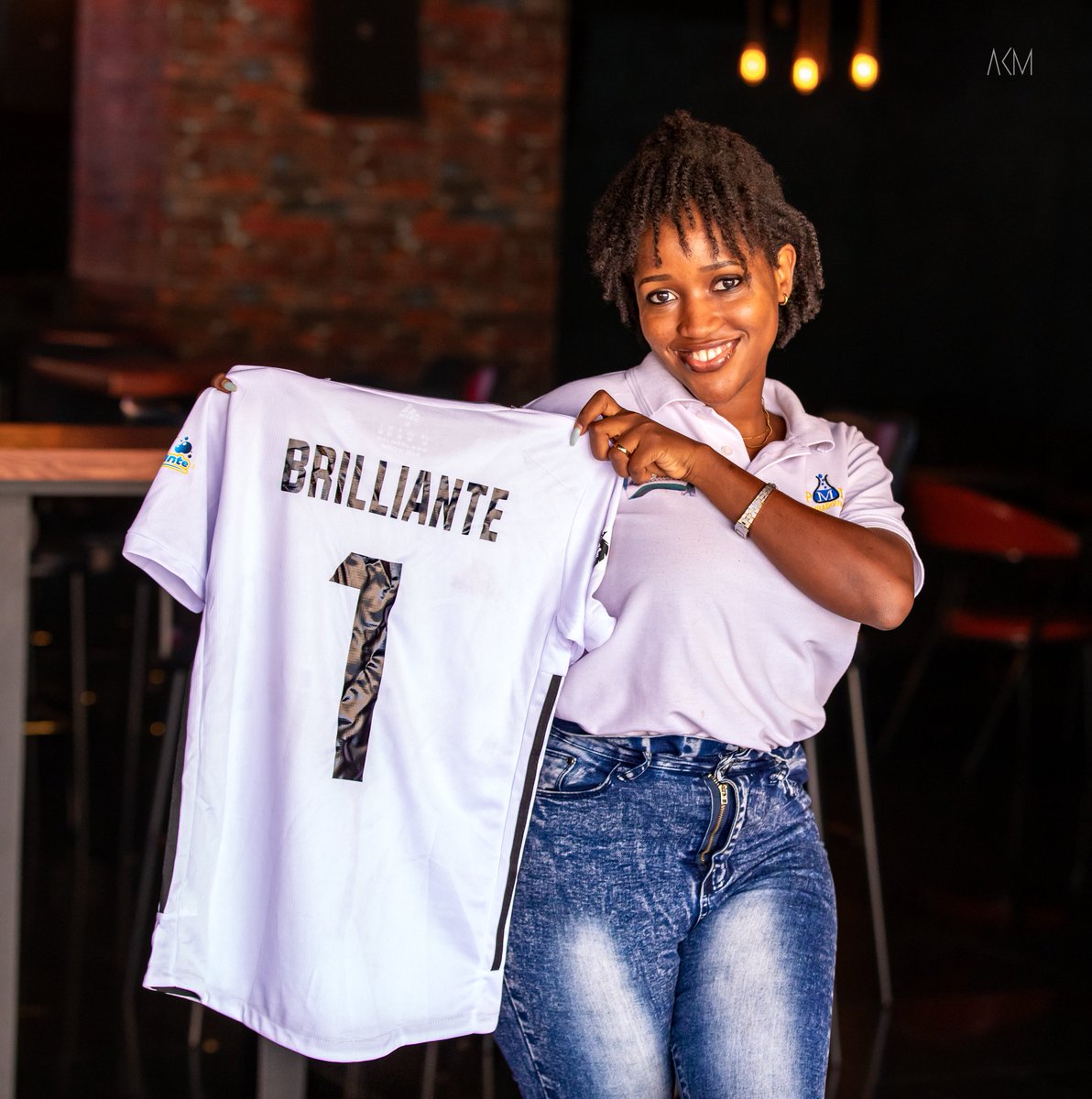
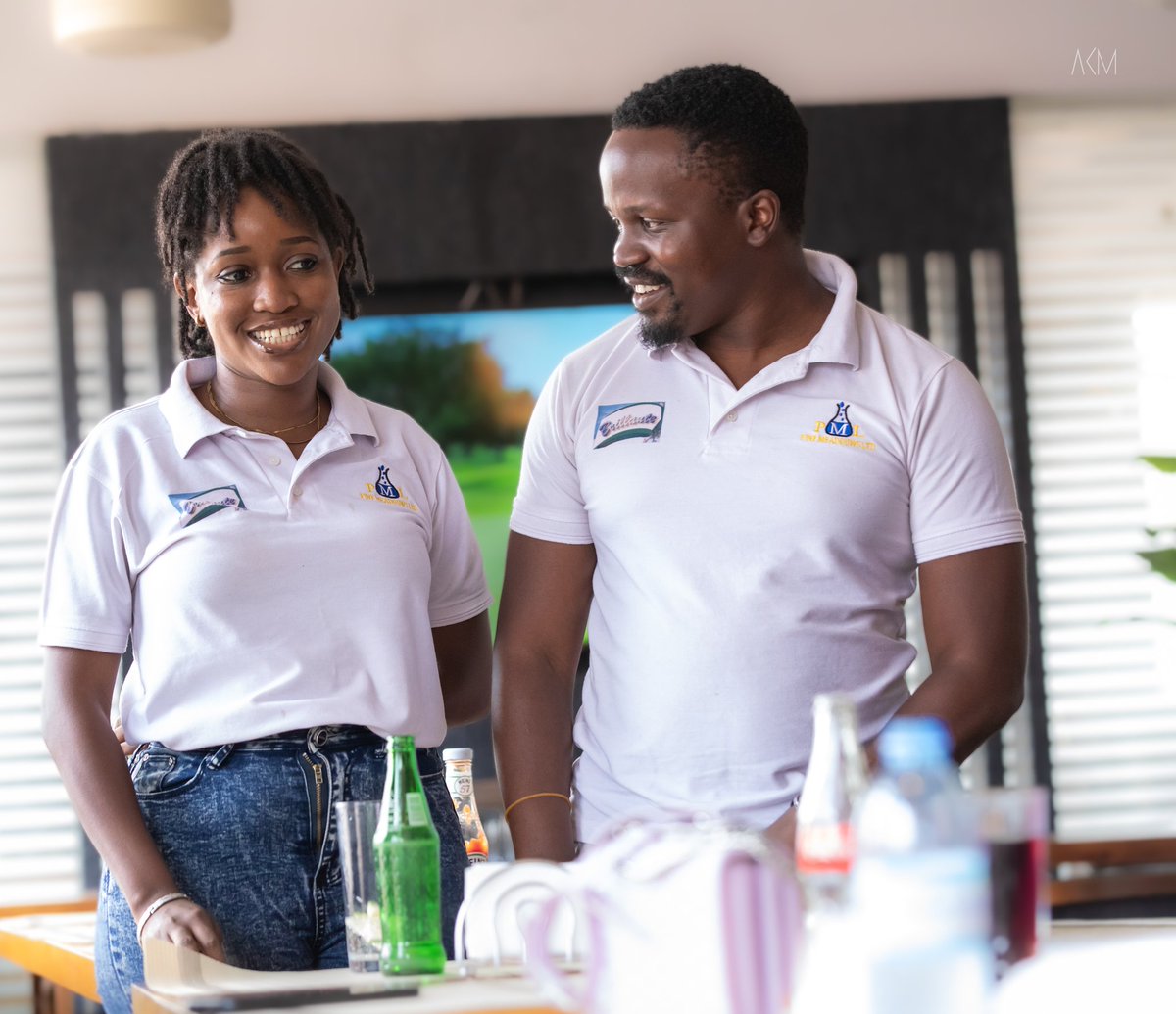
BRILLANTE is a manufacturer of the highest quality cleaning detergents designed to revolutionize hygiene and sustainability.
Brillante specializes in three key areas, namely:
1. Floor care
2. Bathroom Care
3. Laundry Care
#BeyondClean


1
8
313
5 Feb 2025
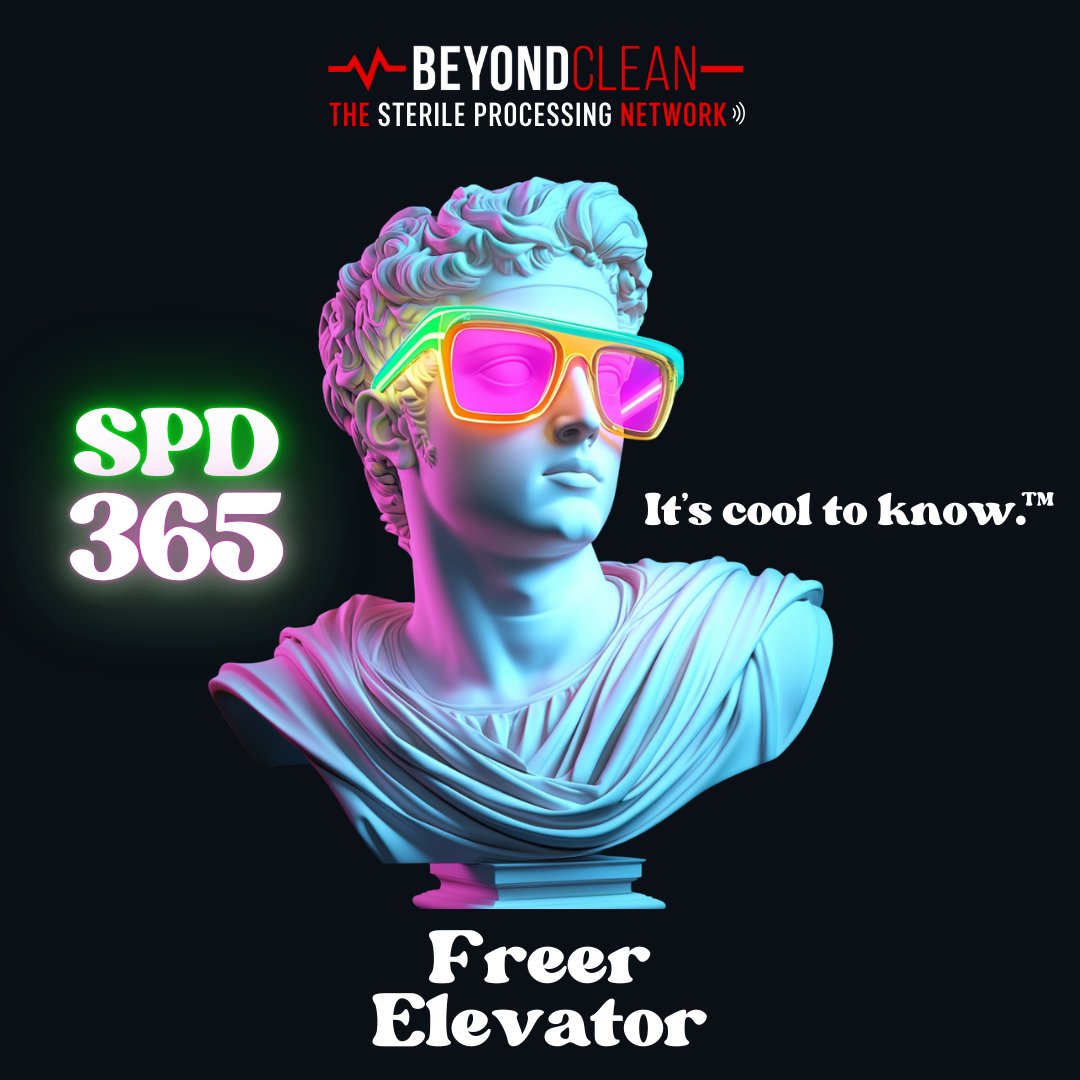
The Freer Elevator, a multi-purpose surgical tool, is commonly used in ENT, plastic, and orthopedic surgeries for elevating soft tissue or scraping bone. Its double-ended design includes blunt and sharp tips for versatility during delicate dissections. Named after Dr. Otto Freer, a trailblazer in nasal surgery, this instrument is especially valued for septoplasty procedures. Sterile Processing technicians should inspect both ends for chips or burrs and ensure the smoothness of the instrument for optimal performance.
Stay tuned for our next SPD365 post tomorrow, #CleanFreaks! Because...it's cool to know!™
#BeyondClean #WeFightDirty #SterileProcessing #InstrumentInsight #SPD36
1
2
24
31 Jan 2025
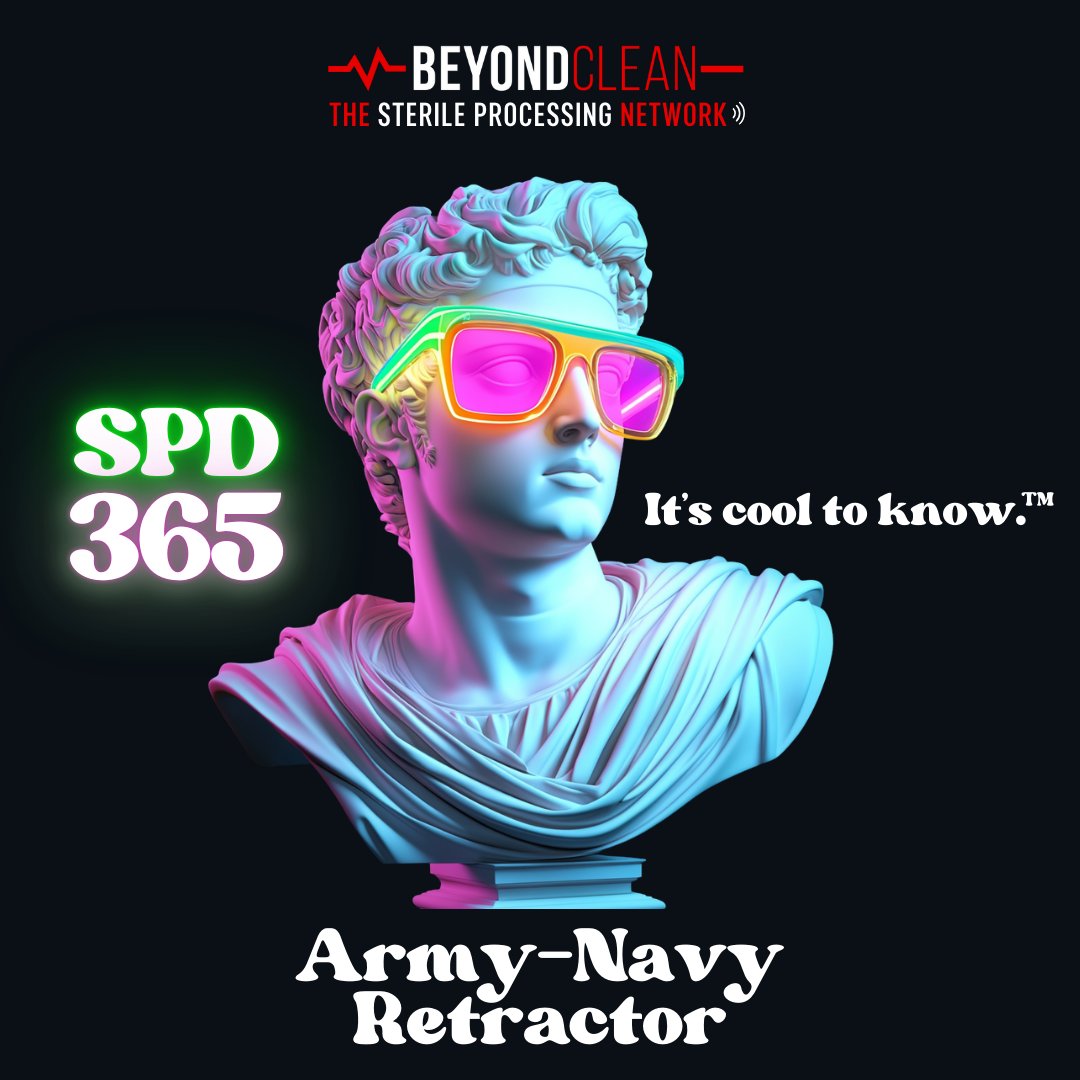
The Army-Navy Retractor, named after its widespread adoption in military field hospitals, is a versatile handheld retractor used to hold back tissue and improve visibility during surgeries. Its double-ended design, with one larger blade and one smaller blade, makes it useful for a variety of incision sizes. The simplicity of its design ensures durability and reliability in the Operating Room. Always inspect the blades for nicks or deformation, which could compromise its effectiveness in retraction.
Stay tuned for our next SPD365 post tomorrow, #CleanFreaks! Because...it's cool to know!™
#BeyondClean #WeFightDirty #SterileProcessing #InstrumentInsight #SPD365
1
20
21 Jan 2025
"It was a tray like any other, loaded with clamps, scissors, and a retractor set. As the sterilizer cycled, Marcus, one of the senior techs, began sharing a story with the team. “This instrument,” he said, holding up a hemostat, “was used in an open-heart surgery last month. The surgeon told me that without it, they couldn’t have stopped the bleeding in time.”
The room quieted as Marcus continued. “It’s easy to forget what these instruments represent. They’re not just tools—they’re lifelines. Every tray we process is someone’s chance at another birthday, another hug, another day.”
The techs worked a little slower after that, not out of laziness but with reverence. They weren’t just turning over cases—they were preparing for miracles.
In SPD, the work can feel repetitive, and the pressure can feel endless. But every tray has a story, and every story reminds us why we show up. It’s not just about getting the job done—it’s about the lives we touch without ever meeting the people we save.
Because in the Sterile Processing Department, every tray is a testament to care, precision, and hope."
#CSFTSPS #SterileSimon #BeyondClean #WeFightDirty #WeMatter #SterileProcessing

1
38

27 Nov 2024
Happy Thanksgiving!
Wishing our entire community a holiday filled with good food and great family & friends. - ISSA Show North America Team 🦃🍽️☺️
#issashow #issashow2024 #beyondclean
2
57
20 Nov 2024
An exciting Day 1 on the show floor under our belts! Can't wait to see what Day 2 has in store!
@issaworldwide
#issashow #issashow2024 #beyondclean #cleaninnovation
4
82
18 Nov 2024
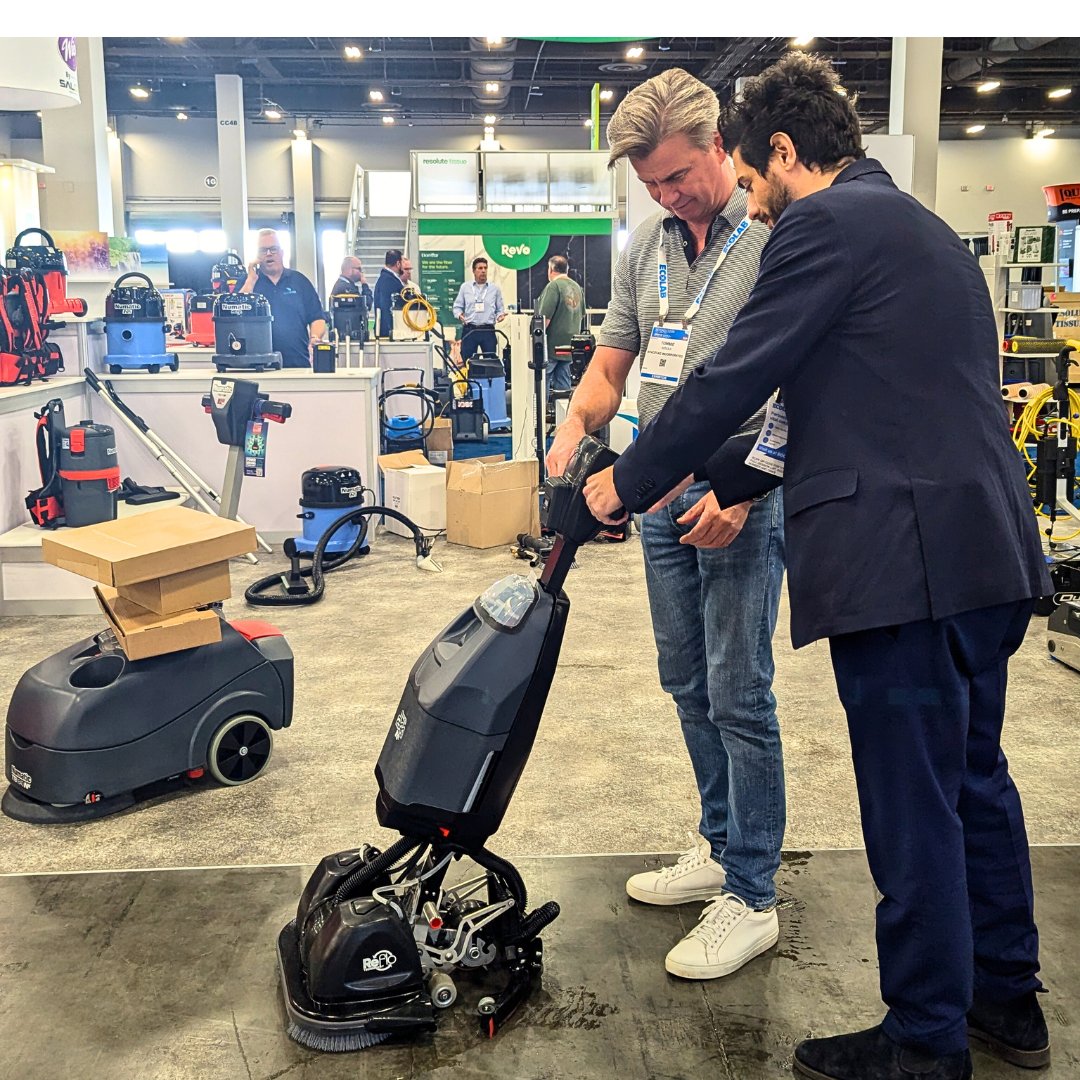
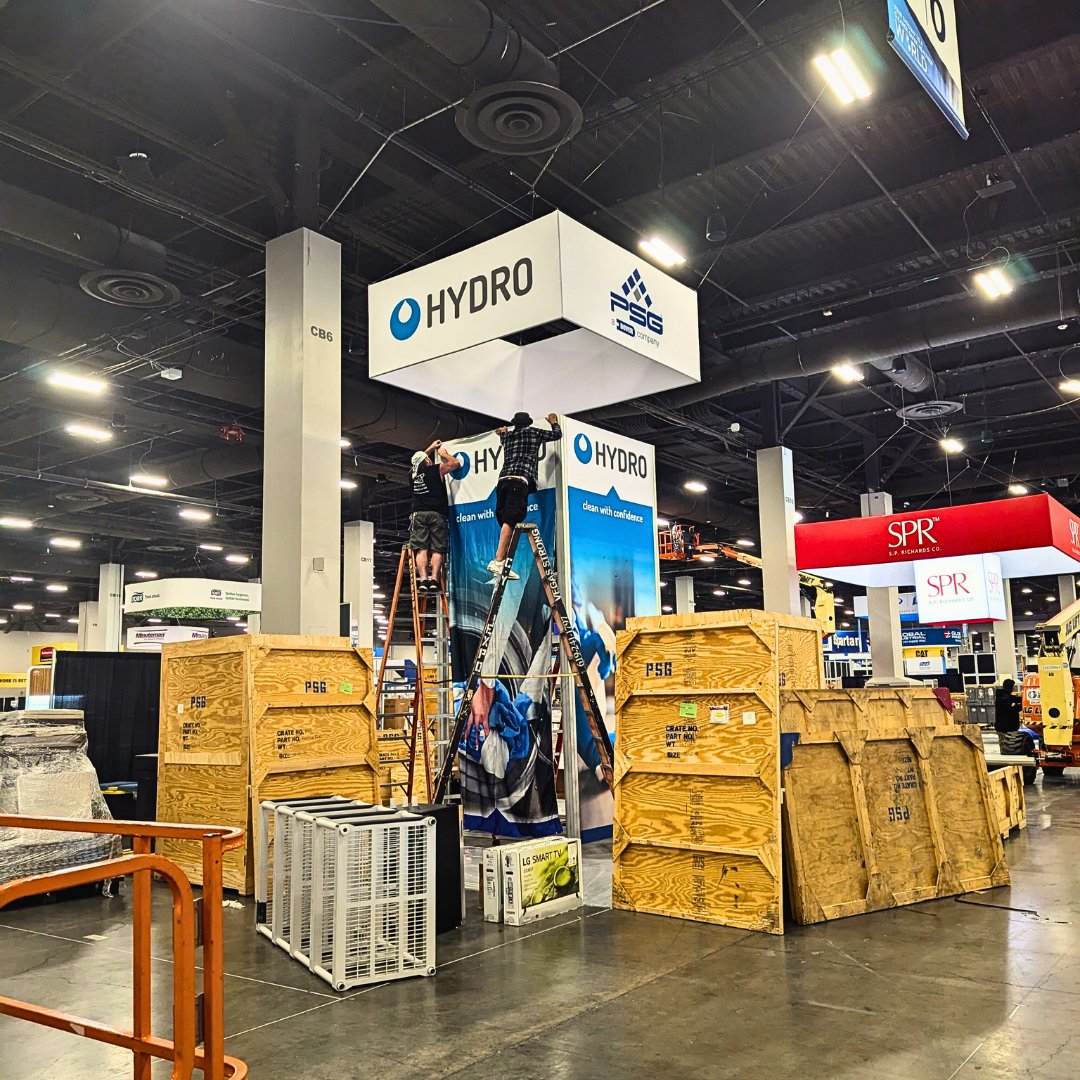
Don't mind us, just adding a final polish to the expo floor!
@issaworldwide
#issashow #issashow2024 #beyondclean #cleaninnovation
3
70
18 Nov 2024
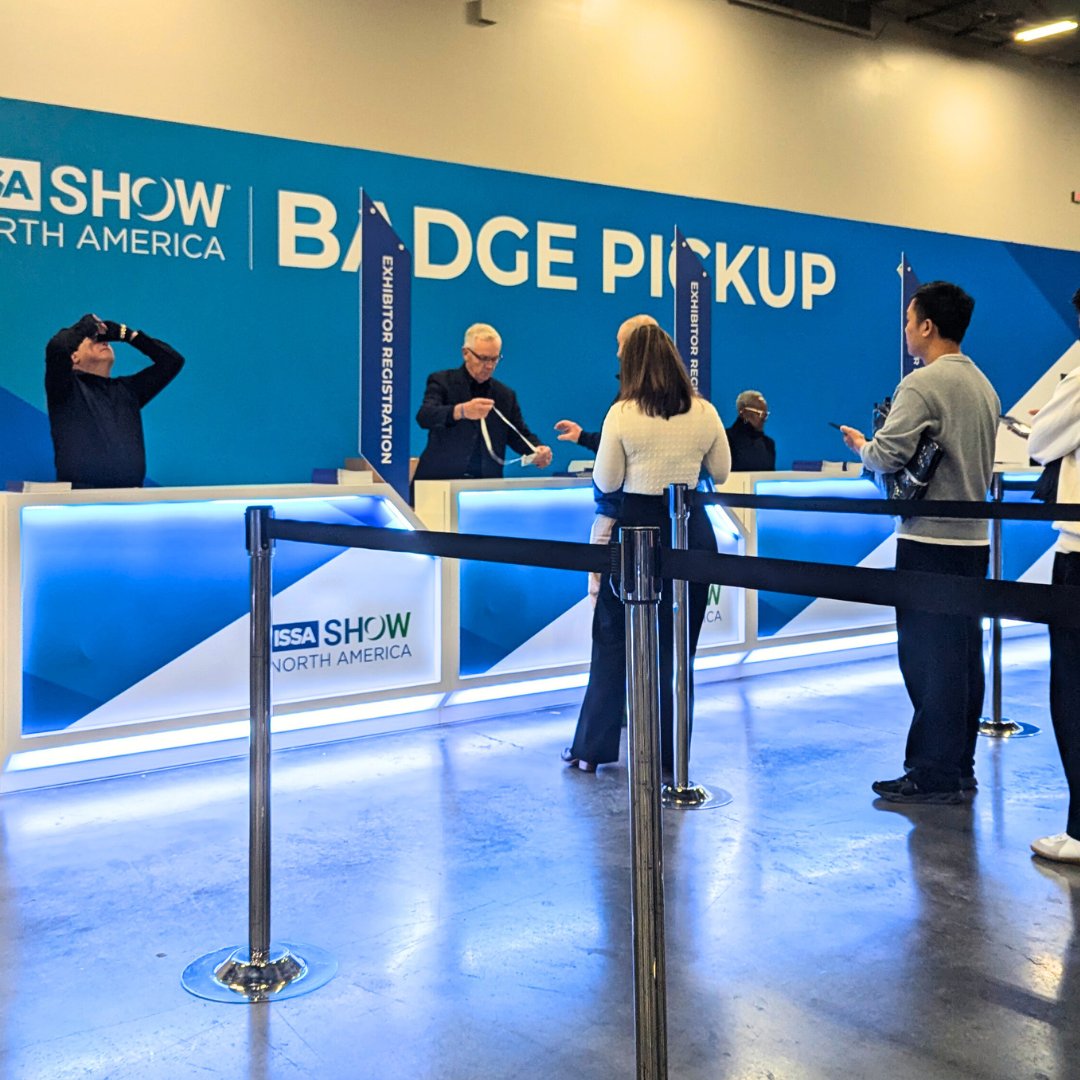
There's still time to pick up your badges today! Registration closes at 5:00 p.m.
#issashow #issashow2024 #beyondclean #cleaninnovation #registration #badgepickup
2
51
18 Nov 2024
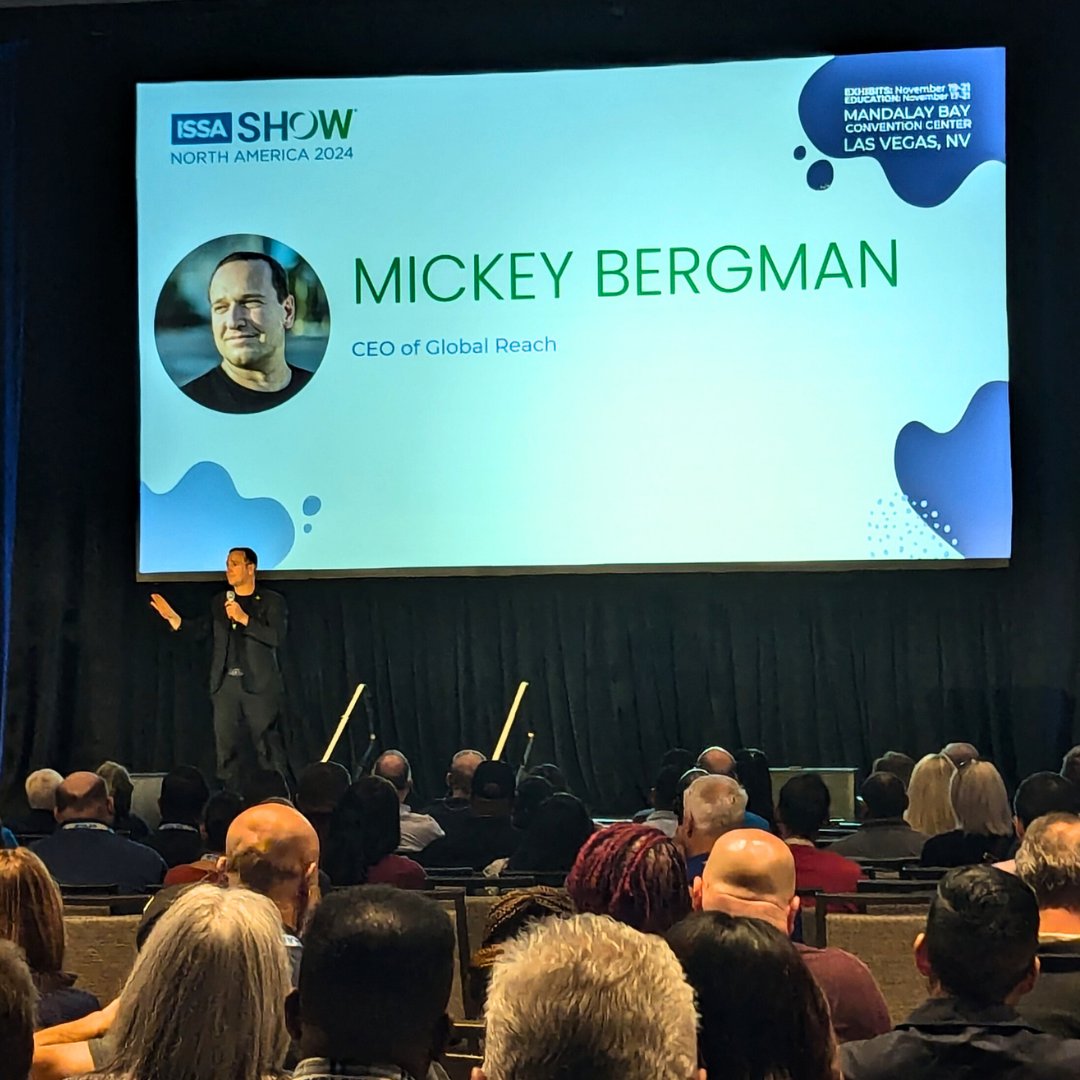
Thank you so much to @MickeyBergman, CEO of Global Reach, for kicking off ISSA North America 2024!
#issanorthamerica #issashow2024 #cleaninnovation #beyondclean
2
570
18 Nov 2024
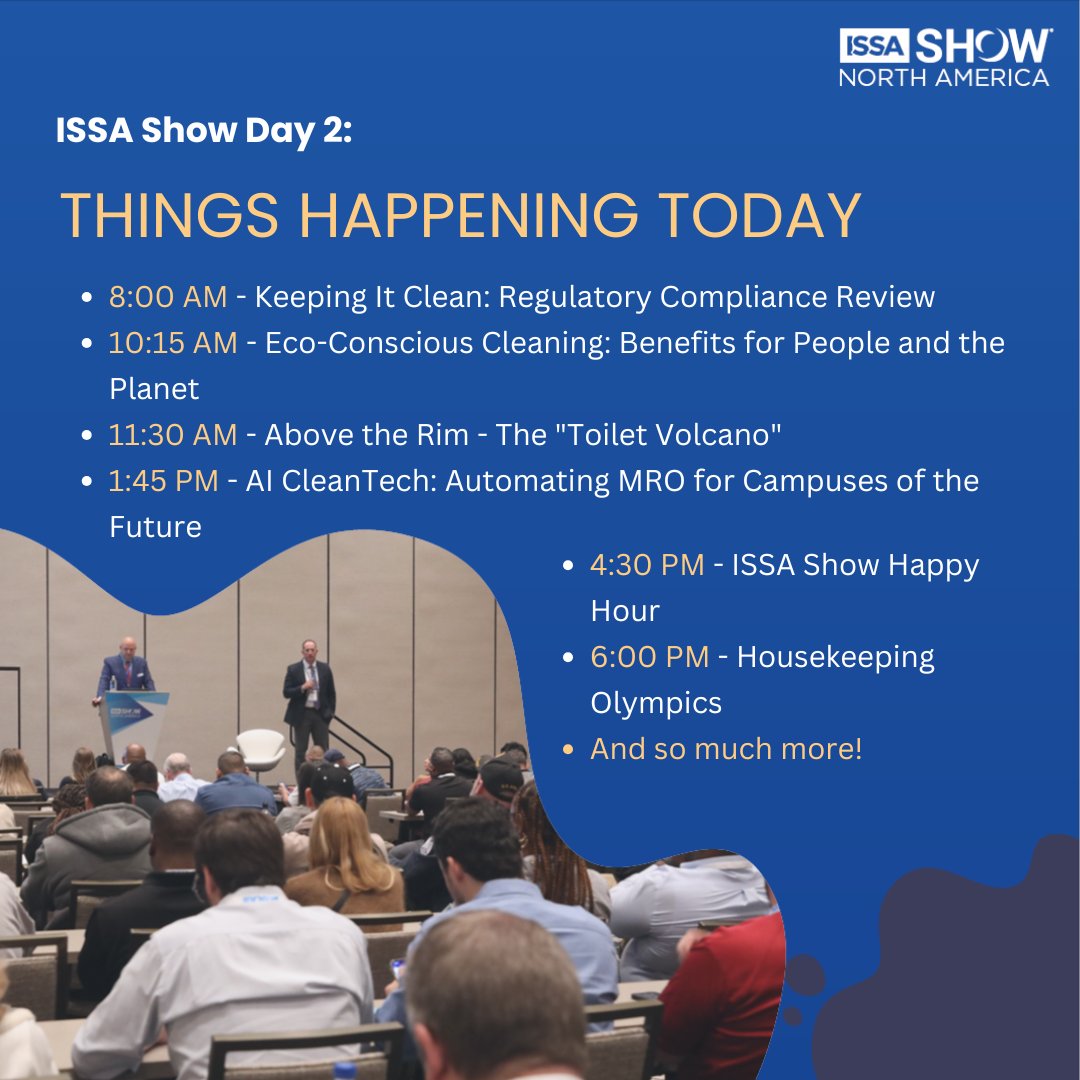
Good morning! It's Day 2 of the ISSA Show and we have lots in store!
See the full show schedule by visiting: issashow.com/en/attend/show-…
#issashow #issashow2024 #cleaninnovation #beyondclean
1
2
66
17 Nov 2024
4
52