
🗣️ 'It's better to produce natural gas if we have it locally in the North Sea than to import a liquefied natural gas'
Founder and Chair of BeyondNetZero @LordJohnBrowne tells @WilfredFrost he thinks Ed Miliband is wrong about not drilling in the North Sea reducing emissions.
19
31
104
51,849

Jun 1
Diana Fox Carney has held senior roles at think tanks in Canada and the UK/ has served on the boards of Save the Children, Friends of the Royal Academy, Ashden, ClientEarth, the Shell Foundation, and BeyondNetZero.
🤔
en.wikipedia.org/wiki/Shell_…
1
6
5
146

May 28
Nonsense. Carney literally wrote a book about 'Net Zero', and his wife is up to her neck in the Green Grift (BeyondNetZero fund, Helios Climate, and the 'climate policy' part of Eurasia Group).
If Carney were at all economically conservative, he'd cut spending...
1
3
9
188

May 21
Full list of her key advisory positions (public profiles 2023-2026):
• TechMet Ltd – Strategic Adviser shareholder (critical minerals)
• BeyondNetZero (General Atlantic) – Senior Adviser
• Helios CLEAR / Helios Climate – Chair / Senior Adviser (Africa)
• Eurasia Group – Senior Adviser (climate/geopolitics)
• Willis Towers Watson Climate Hub – Strategic Adviser
• Terramera – Strategic Advisory Board
• Shell Foundation – Trustee
All centred on "green transition" investments that need battery metals & rare earths.
Sources: Milken Institute, Balsillie School, Corporate Knights, Eurasia Group.
2
3
50
May 21
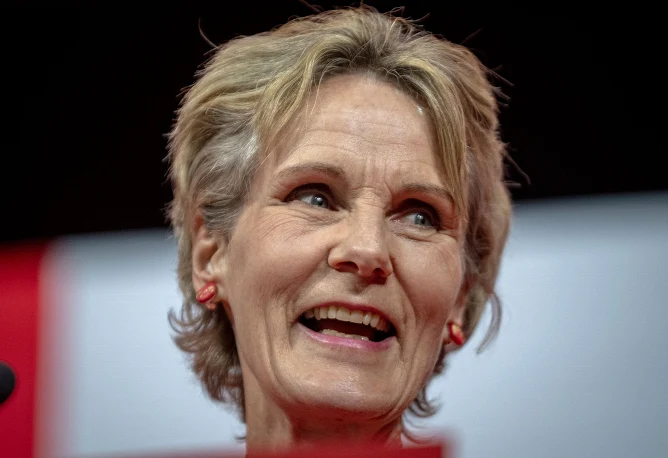
Diana Fox Carney has deep advisory ties to the critical minerals & green transition space.
She's a strategic adviser shareholder in TechMet (lithium, rare earths, tech metals).
Other roles: Senior Adviser at BeyondNetZero (climate fund), Chair/adviser at Helios CLEAR (Africa climate), Eurasia Group, WTW Climate Hub, Terramera & more.
Who benefits from Canada's minerals push?
1
4
3
611

May 10
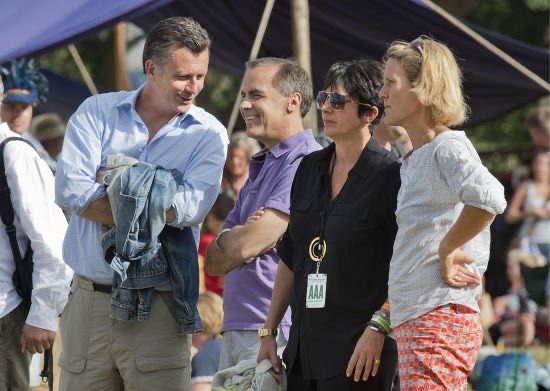
Diana Carney's sister Tania is who invited Maxwell to her party, which is where the photo below came from. Tania is also listed in Epstein’s black book.
Diana worked at Helios CLEAR managing immigration and climate change in Africa, IPPR a globalist think tank in the UK, Eurasia Group where she advises corporations and governments how to profit from climate change, BeyondNetZero where she helps move trillions into green energy, Goldman Sachs, Bank of Canada and England, Shell, ClientEarth, Save the Children... Zanzibar.
They're a good couple. Create the rules, direct the money, collect fees and returns, demand more capital. A self sufficient unlimited money hack, funded by taxpayers. Same as the EU. Same as America under Biden. All through a fake climate change hoax. Everything is fake. Are they even in love?
4
12
32
796

🇨🇦 MASTER THREAD — POST 6/11
The closed-loop system we just exposed in Post 1?
𝗧𝗛𝗘 𝗕𝗟𝗜𝗡𝗗 𝗧𝗥𝗨𝗦𝗧 𝗗𝗢𝗘𝗦𝗡’𝗧 𝗖𝗟𝗢𝗦𝗘 𝗜𝗧. 𝗛𝗘𝗥𝗘’𝗦 𝗣𝗥𝗢𝗢𝗙.
💸 The PM’s blind trust covers his stocks. It does 𝗡𝗢𝗧 cover his wife’s advisory positions.
Diana Fox Carney holds advisory roles at six entities: TechMet, Terramera, BeyondNetZero, Helios CLEAR, Eurasia Group, and the Shell Foundation as Trustee.
In one single 2018 press release, two companies in her network received SDTC grants. The minister announcing it? 𝗙𝗿𝗮𝗻𝗰̧𝗼𝗶𝘀-𝗣𝗵𝗶𝗹𝗶𝗽𝗽𝗲 𝗖𝗵𝗮𝗺𝗽𝗮𝗴𝗻𝗲 — now Carney’s Finance Minister.
Documented taxpayer money to entities in her network:
🧾 Li-Cycle (via TechMet) — $𝟲.𝟳 𝗺𝗶𝗹𝗹𝗶𝗼𝗻 CAD (bankrupt May 2025)
🧾 Terramera — $𝟭𝟭.𝟰 𝗺𝗶𝗹𝗹𝗶𝗼𝗻 CAD (Diana joined two months after the biggest grant)
🧾 Shell Foundation Energising Equality — $𝟭𝟳.𝟳 𝗺𝗶𝗹𝗹𝗶𝗼𝗻 CAD (co-funded by Global Affairs Canada)
Total: $𝟯𝟱.𝟴 𝗺𝗶𝗹𝗹𝗶𝗼𝗻 CAD.
Every grant announced by the same minister.
The Auditor General found the SDTC program approved $𝟯𝟵𝟬 𝗺𝗶𝗹𝗹𝗶𝗼𝗻 in grants with board conflicts — 186 cases, 82% of transactions. RCMP is investigating.
The Liberal fix? They renamed it. New $𝟱 𝗯𝗶𝗹𝗹𝗶𝗼𝗻 fund. Same minister. Fewer rules.
The only penalty in the Conflict of Interest Act? A $𝟱𝟬𝟬 fine.
This wasn’t broken. 𝗜𝘁 𝘄𝗮𝘀 𝗯𝘂𝗶𝗹𝘁 𝘁𝗵𝗶𝘀 𝘄𝗮𝘆. 🇨🇦
Full Diana Fox Carney investigation 👇
────────────────────────────
❤️ Like if $35.8M to one family network shocks you
🔁 Repost so every Canadian sees the network
💬 Quote with your reaction
✍️ Reply (even one word boosts the thread)
📲 Send to family chats, Facebook, texts — because 75% of Canadians aren’t even on here
Thread continues below with more receipts 👇
🔖 Bookmark the whole master thread. Keep going.
────────────────────────────

$35.8M from Canadian taxpayers were sent to companies the PM’s wife advises.
The program that sent the money got caught in a $390M, Liberal board member conflict of interest.
Not after Carney became PM. Before.
All documented. This is what they don’t want you to see 🇨🇦🧵
2
16
60
1,798
Barbara — you're naming the loophole most Canadians have never heard of 🫡
Spousal assets aren't required to be in a blind trust. So while Mark Carney's holdings are screened, Diana Fox Carney's six advisory positions sit completely outside the firewall.
TechMet. Terramera. BeyondNetZero. Helios CLEAR. Eurasia Group. Trustee at the Shell Foundation.
In ONE 2018 press release, two companies in her network received SDTC grants. The minister announcing it? François-Philippe Champagne — now Carney's Finance Minister.
Documented taxpayer money to entities in her network:
◦ Li-Cycle (via TechMet) — $6.7 million CAD (bankrupt May 2025)
◦ Terramera — $11.4 million CAD (Diana joined two months after the biggest grant)
◦ Shell Foundation Energising Equality — $17.7 million CAD
Total: $35.8 million CAD. Every grant announced by the same minister.
The only penalty in the Conflict of Interest Act for any of this? A $500 fine.
This is what "the system was built this way" actually looks like — all on the public record 🇨🇦
#StandOnGuard #StandOnGuardCanada
5
73
124
1,204

Apr 10
Diana Fox Carney occupe des postes de conseillère auprès de six entités :
TechMet — minéraux critiques, valorisation de 1,3 milliard de dollars
Terramera — technologies agricoles propres, Vancouver
BeyondNetZero — fonds climatique de 3,5 milliards de dollars
Helios CLEAR — fonds climatique africain de 400 millions de dollars
Eurasia Group — avec Gerald Butts
Fondation Shell — administratrice
Le fonds fiduciaire sans droit de regard du Premier ministre couvre ses actions. Il ne couvre aucune de ces positions.
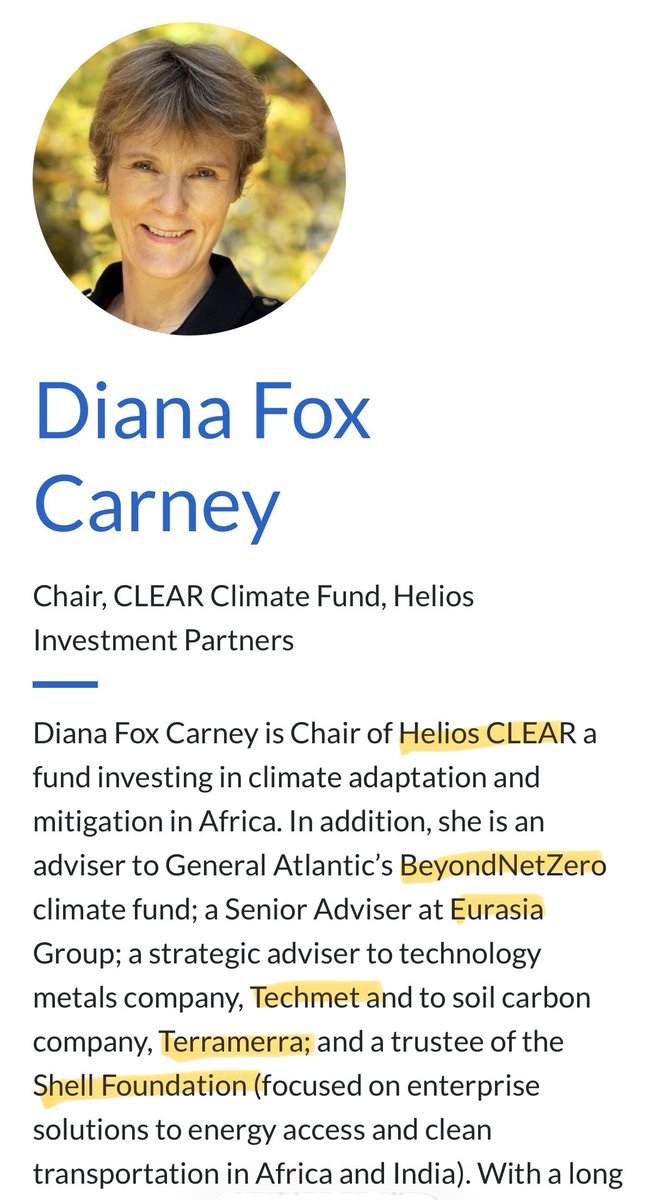
Diana Fox Carney holds advisory positions at six entities:
TechMet — critical minerals, $1.3B valuation
Terramera — clean ag-tech, Vancouver
BeyondNetZero — $3.5B climate fund
Helios CLEAR — $400M African climate fund
Eurasia Group — with Gerald Butts
Shell Foundation — Trustee
The PM's blind trust covers his stocks. It does not cover a single one of these positions.
1
220

Apr 7
"Carney's own ethics filing lists his wife Diana Fox Carney's assets — units of an iShares Core S&P 500 exchange-traded fund and shares and share options of TechMet Ltd — as well as contract income from General Atlantic. She has a master's degree in economics from the University of Oxford and has specialized in climate finance and investing.
Champagne's public ethics filing does not list any assets, liabilities or source of income for a spouse or common-law partner."
This is the most the CBC has written about Diana Fox Carney... ever
Remember when you couldn't stop dissecting Sophie Grégoire Trudeau's every outfit, vacation, or mental health interview? Non-stop profiles, fashion takedowns, endless speculation
Laureen Harper got the full scrutiny treatment too
But Mark Carney's wife, Diana Fox Carney? Radio silence. Crickets. The least examined PM spouse in Canadian history. Why the sudden collective blind spot?
Oh, wait - maybe it's because she's a Senior Advisor at Eurasia Group, the U.S.-based political risk firm that's raked in over $1.5 million in Canadian government contracts (including a juicy $446k one in 2024 alone from Natural Resources Canada for "geopolitical research" and analysis). Some awarded via advance notices or sole-source - taxpayer dollars flowing nicely, no messy competitive bidding required.
And who’s her close colleague there? None other than Gerald Butts - Trudeau’s former principal secretary, Paris Agreement mastermind, and now Vice Chairman at Eurasia Group. Together they’re supercharging the firm’s climate and energy practice. You know, advising corporations on the net-zero transition, sustainability, and all that lucrative green geopolitics while the government keeps the contracts coming.
Cozy little climate lobby-Liberal insider Venn diagram, isn’t it?
It’s not just Eurasia. Diana’s rolodex is a green-transition greatest hits album:
Senior climate advisor to BeyondNetZero (growth equity fund chasing decarbonization deals)
Chair/advisor at Helios Climate (Africa-focused climate investment)
Advisory boards with Terramera (Canadian ag-tech), TechMet (critical minerals), Willis Towers Watson Climate Hub, ClientEarth, and more.
All deeply embedded in the climate finance and sustainability game. Busy lady!
So let’s recap: The Prime Minister’s wife works at a firm scoring millions in untendered government handouts, side-by-side with key figures from the old Trudeau machine, all while swimming in the same climate-policy pond that shapes national energy and economic decisions.
Is she personally influencing Mark Carney's decision making?
Ethics violation? Potential conflict of interest? Or just standard operating procedure in Ottawa’s revolving door? Where’s the Ethics Commissioner on this? Where are the tough questions? The investigative deep dives? The wall-to-wall coverage we got for previous PM spouses?
This smells like classic Liberals helping Liberals - with a heavy side of climate grift. The same media ecosystem that spent years amplifying every perceived Conservative scandal suddenly discovers journalistic restraint when the money and connections flow within the family.
Taxpayers deserve better than this selective blindness. Follow the green money, people. Who’s actually holding power to account here?
Mar 15

Once again, CBC's Power and Politics doesn't disclose the boss of Carney's wife Diana Fox Carney, or Evan Solomon or Gerry Butts... or his Eurasia's untendered government contracts for a million plus...
Just "For more analysis on the war, I'm joined now by Ian Bremmer. He's the founder and president of the Eurasia Group. And Gzero Media"
Selective disclosure isn't disclosure @brodiefenlon
30
420
774
31,951

Apr 4
'Canada strong' right?
Let's not forget that Diana Fox Carney conducts business involving the USA as a senior advisor for the Eurasia Group, a 🇺🇸US-based political risk research and consulting firm. She specialises in global climate/energy policy and works with international clients.
Role at Eurasia Group (🇺🇸USA): She joined the firm as a senior advisor in 2021, advising clients on climate-related issues.
Other Roles: She acts as a senior adviser on climate to the growth equity fund BeyondNetZero (Headquarters (via General Atlantic): 🇺🇸New York City) and works with Helios Climate.
Elbows up!
Apr 3

#BREAKING Wife of sitting PM will be at his party's convention.
Story is developing. Stay tuned for more.
2
2
57

Mar 31
THE CARNEY CRACKDOWN: Audit threats, "Missing" Billions, and the Green Elite 🇨🇦
Yesterday, Rebel News announced a registered 3rd-party campaign to oppose Mark Carney in the upcoming by-elections.
Today? They received an "audit threat" letter from Elections Canada.
Coincidence? Or is the "Trudeau 2.0" machine already moving to silence dissent?
While the government uses regulatory muscle to squeeze independent media at home, look at where your tax dollars are actually going:
1️⃣ THE $3.5 BILLION GIFT:
The Liberals have funneled billions in "climate finance" to overseas projects. At a time when Canadians are getting crushed by a 23% Carbon Tax hike (effective tomorrow, April 1st), our money is being sent to the World Bank to fund "green" initiatives in other countries.
2️⃣ THE $41 BILLION BLACK HOLE:
An Oxfam audit recently revealed that the World Bank "lost track" of up to $41 BILLION in climate funds. That’s nearly 40% of their total budget—unaccounted for between the time projects were approved and closed. No "value for money" for taxpayers, just a global slush fund.
3️⃣ THE CARNEY CONNECTION:
Why the obsession with these "Net-Zero" global funds? Follow the influence. While PM Carney pushes these policies from the top, his wife, Diana Carney, is a major player in the world of "sustainable finance," advising multi-billion dollar decarbonization funds like BeyondNetZero.
The pattern is clear:
• Tax Canadians at the pump (April 1st hike).
• Send the money to global banks that can't track it.
• Enrich the "green" investment sector.
• Audit anyone who points it out.
Mark Carney isn't just a successor to Trudeau; he’s the architect of a system where dissent is expensive and "global citizenship" is paid for by your local grocery bill.
The by-elections on April 13th aren't just about seats—they are a referendum on whether this "Green Elite" loop continues.
RETWEET if you think the audit of Rebel News is political intimidation! 🔄
#Canada #MarkCarney #CarbonTax #RebelNews #CdnPoli #WorldBank #Audit
Mar 31

It's amazing how Carney will use any tragedy as a way to make money.
Shaming CEO of Air Canada out for a Brookfield friendly one who will mandate more green jet fuel so Brookfield and Carney's BGTF1 profits... is a new low, even for Liberals.
17
381
640
10,389

Mar 31
Diana Fox Carney who stands in the shadows behind the PM of Canada is well known & held senior roles at think tanks in Cda & the U.K , primarily on energy & climate.
She is an advisor to General Atlantic's - BeyondNetZero climate fund.
She has contributed a paper she wrote supporting carbon pricing .
She is also a senior advisor alongside with Gerald Butts at Eurasia Group.
Will Mark Carney change his tone on Canada's climate policies that are putting a stranglehold on Alberta's Energy Sector ?
I think not.
2
38
Diana Fox Carney holds advisory positions at six entities:
TechMet — critical minerals, $1.3B valuation
Terramera — clean ag-tech, Vancouver
BeyondNetZero — $3.5B climate fund
Helios CLEAR — $400M African climate fund
Eurasia Group — with Gerald Butts
Shell Foundation — Trustee
The PM's blind trust covers his stocks. It does not cover a single one of these positions.
22
389
690
23,024
The Conflict of Interest Act requires the PM to place assets in a blind trust. Carney did that.
It does NOT require disclosure of a spouse’s advisory positions.
Diana Fox Carney advises TechMet, Terramera, BeyondNetZero, Helios CLEAR, Eurasia Group, and Shell Foundation.
Two of those entities’ portfolio companies received $18.1M in SDTC grants — announced by Champagne, now Carney’s Finance Minister. One went bankrupt.
The Act has no mechanism to address this. The maximum penalty for a sitting PM is a report.
I’ve been documenting the full chain. More coming.
1
4
191
They’re mocking Poilievre’s resume while accidentally showing you everything you need to know.
Read Diana Fox Carney’s credentials again. Not as qualifications, but as connections.
BeyondNetZero is Brookfield’s climate investment fund, her husband’s company.
ClientEarth uses courts to force climate policy on governments. The Shell Foundation funds energy transition. The Institute for Public Policy Research drives UK policy that mirrors exactly what’s being implemented in Canada.
This isn’t a resume. It’s the 2030 climate-finance agenda in one household. The same family that built the global ESG architecture is now running your country.
And they want you focused on whether Pierre had a paper route.
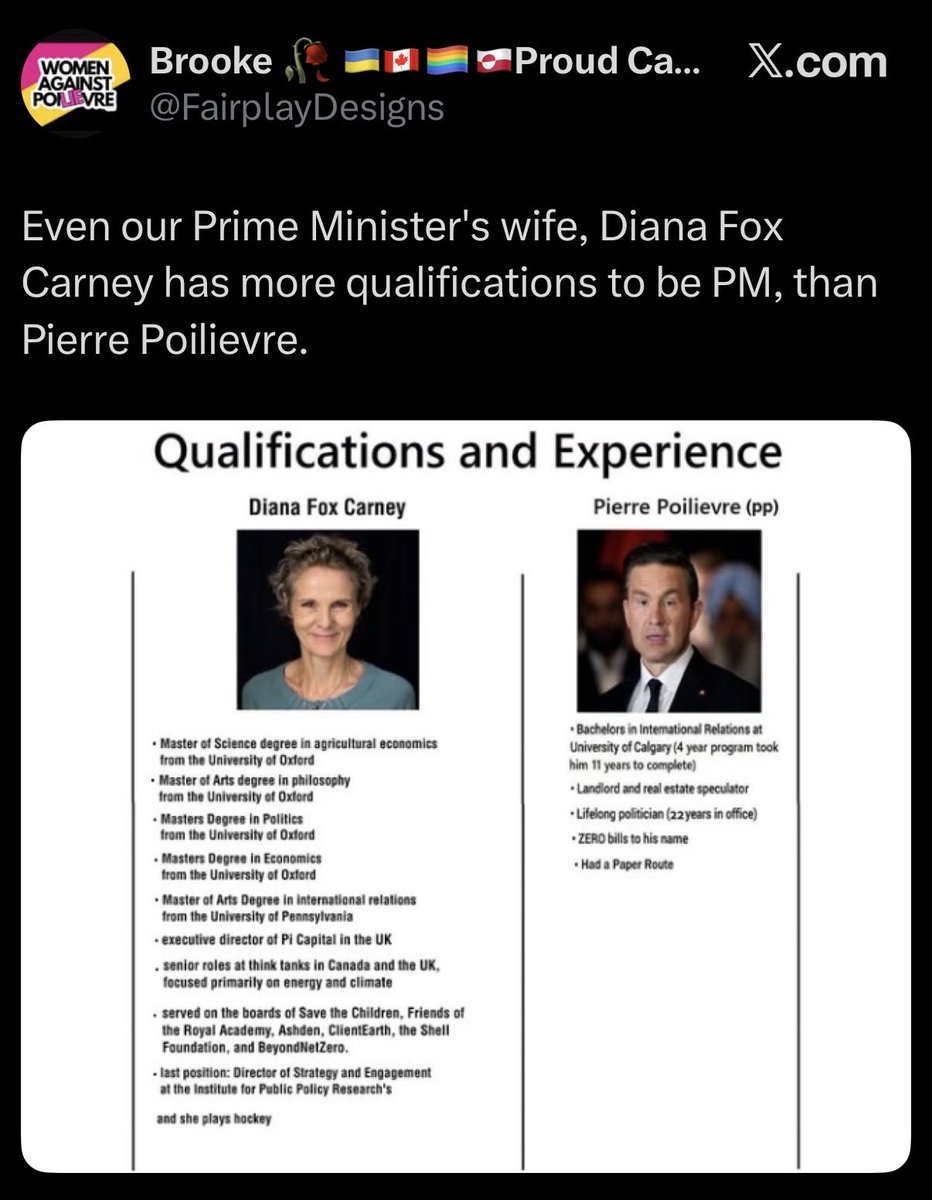
23
147
264
2,757

شركة @alterrafund الإماراتية تستثمر في Wireless Logic البريطانية المتخصصة في إنترنت الأشياء (IoT).
يأتي الاستثمار بالشراكة مع صندوق BeyondNetZero التابع لـ @generalatlantic.
jawlah.co/52885
2
9
15,222

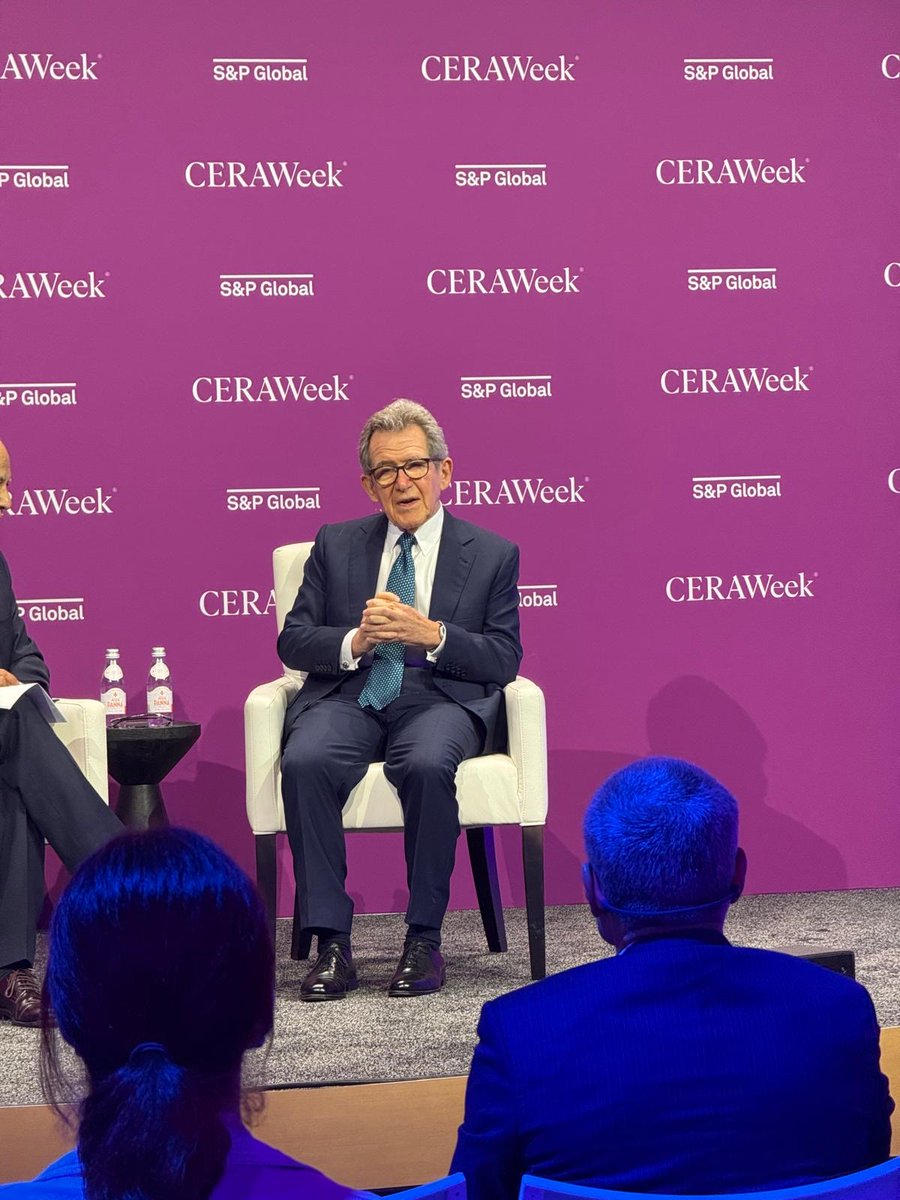
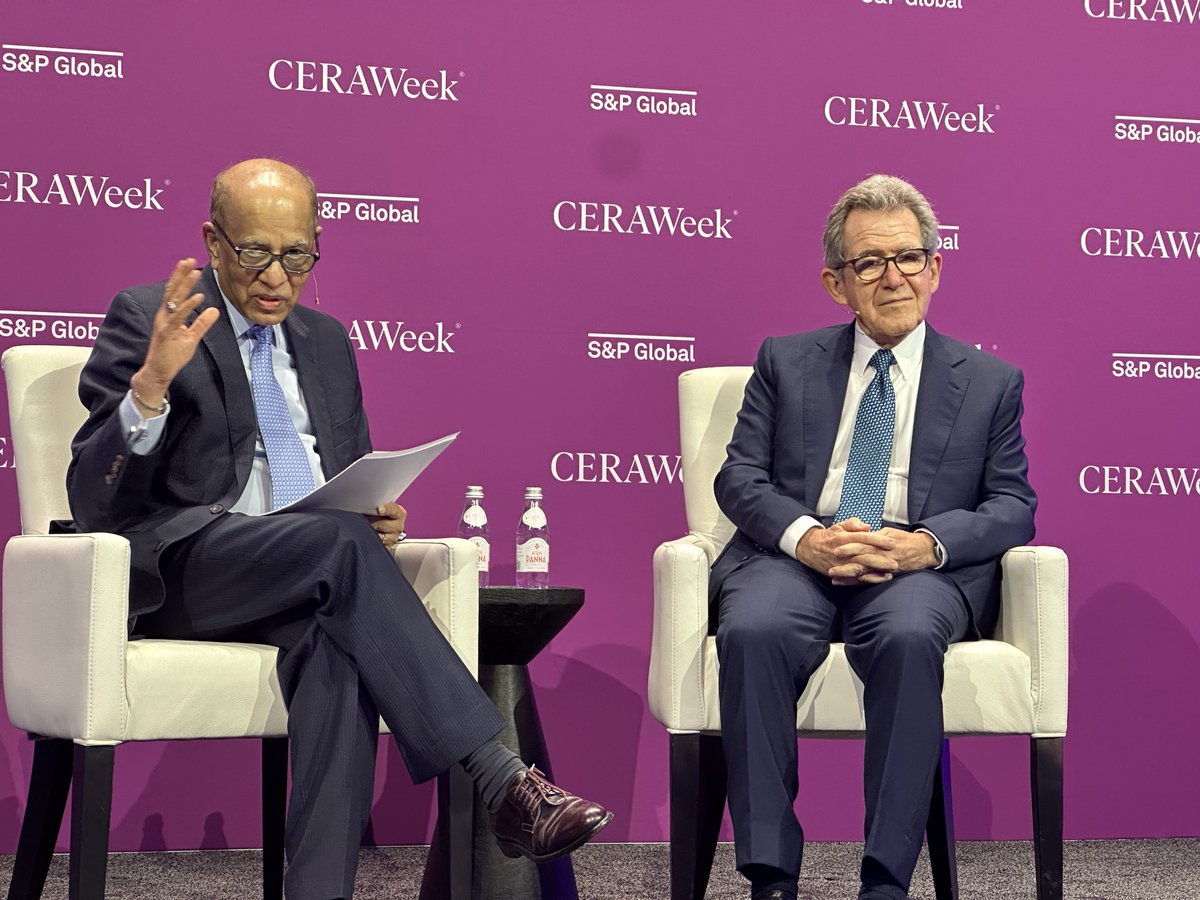
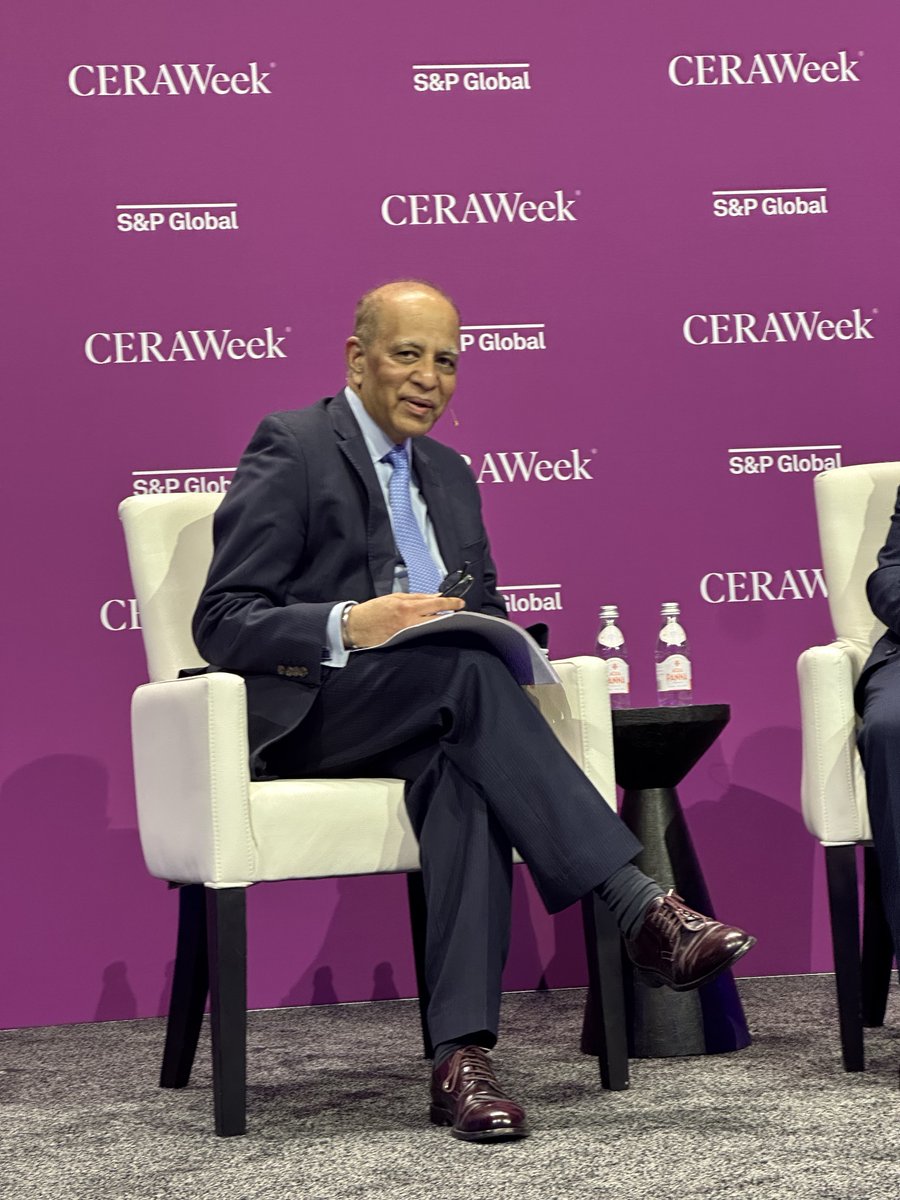
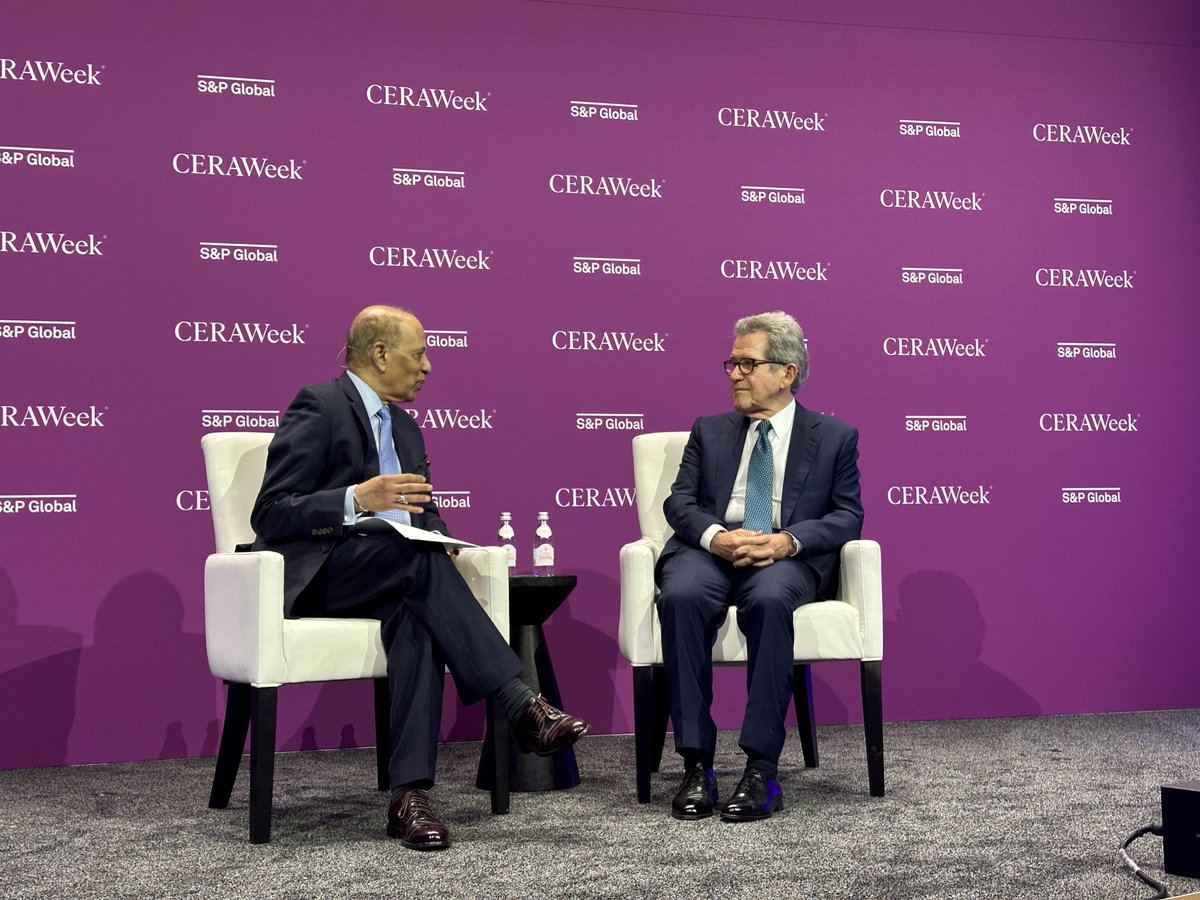
Today at #CERAWeek #CWAgora, Atul Arya (@SPGlobal) and Lord John Browne (@BeyondNetzero, @generalatlantic) discussed geopolitics, supply chains, AI and the evolving energy transition.
2
2
695

Feb 26
Post 1.
Diana Fox Carney: Epitome of the Net-Zero Elite’s Closed-Loop Feedback System
25th February 2026
In the rarefied world of global climate policy, few figures embody the seamless fusion of ideology, influence and taxpayer-funded perpetuity quite like Diana Fox Carney. Wife of Canadian Prime Minister Mark Carney, senior adviser at Eurasia Group alongside former Trudeau principal secretary Gerald Butts, and lifelong champion of net-zero transitions, she stands as the human embodiment of a self-reinforcing machine: one that converts sincere belief in planetary salvation into lucrative advisory contracts, policy continuity and an ever-expanding industry insulated from ordinary economic reality.
Born in Britain in 1965, Fox Carney holds an Oxford PPE degree, a University of Pennsylvania master’s in international relations and an Oxford MSc in agricultural economics. Her career began with the UK government in Zanzibar, moved through progressive think tanks in Canada (vice-president of Canada 2020, where she advocated carbon pricing) and the UK (Institute for Public Policy Research), and encompassed advisory roles at climate funds such as BeyondNetZero and chairmanship of Helios CLEAR, which invests in African climate adaptation and mitigation. She has sat on boards including the Shell Foundation and championed “nature-positive” economies, sustainable livelihoods and critiques of consumerism.
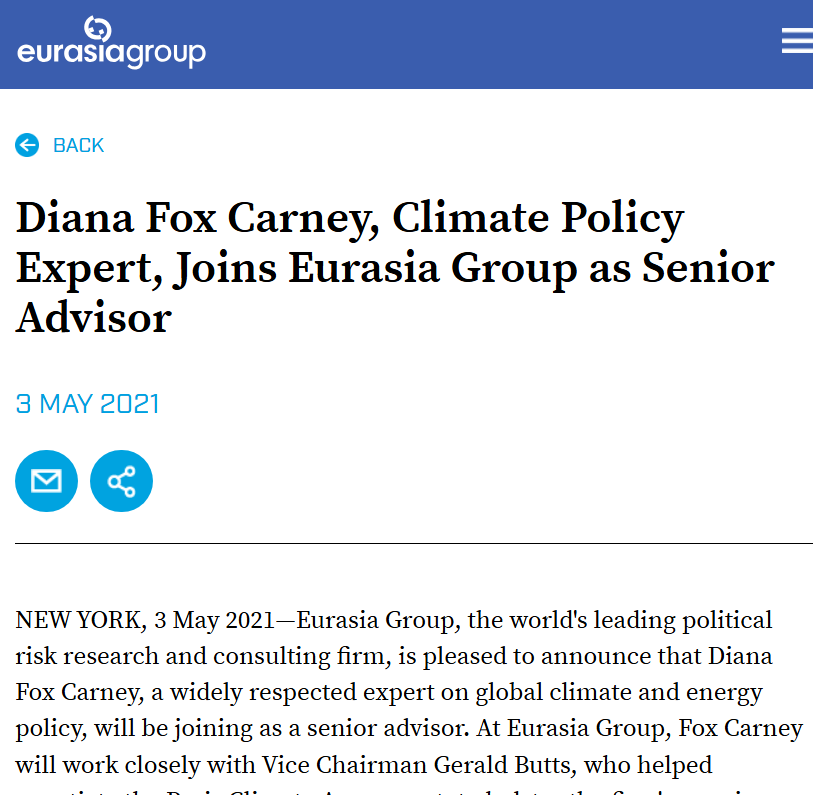
In May 2021 she joined Eurasia Group, the New York-based political-risk consultancy founded by Ian Bremmer, as senior adviser on global climate and energy policy. The firm’s announcement was explicit: she would work “closely with Vice Chairman Gerald Butts” (architect of Canada’s Paris Agreement commitment) to blend Eurasia’s geopolitical expertise with the booming “sustainability policy” space. Clients would be helped to “navigate these profound changes”.
Public records show the Canadian government has been among those clients. Natural Resources Canada has awarded Eurasia Group multiple sole-source contracts for “geopolitical research, analysis and insights” and related consulting services. One February 2024 agreement, originally valued at $224,495, was amended to $446,210. Earlier contracts dating back to 2019–2021 totalled hundreds of thousands more. These are not fringe engagements; they are direct taxpayer payments to a U.S. firm where the Prime Minister’s wife holds a senior advisory position and where her colleague helped shape the very climate architecture now under analysis.
This is the closed loop in action.
Step one: Establish the unassailable belief.
Net-zero by 2050 is framed not as one policy option among many but as existential necessity requiring technocratic global coordination. Observational models, scenario analyses and “transition risk” matrices, many produced or amplified within the same networks, are elevated to settled fact. Countervailing data, adaptation potential, nuclear scalability (92 per cent capacity factor, 12g CO₂/kWh), or the opportunity cost of forgone domestic development, receives less prominence.
Step two: Generate the studies that justify the spending.
Eurasia’s climate-risk practice, bolstered by Fox Carney’s expertise, produces the geopolitical and policy insights that governments and corporations pay for. Those insights, in turn, inform regulatory signals, investment mandates and public narratives.
Step three: Secure the funding.
Canadian taxpayers foot the bill via government contracts. Globally, the net-zero project has already redirected trillions since the 1970s. In Canada the domestic manifestation includes sole-source consulting alongside broader subsidies, mandates and regulatory frameworks.
14
108
172
4,037
