
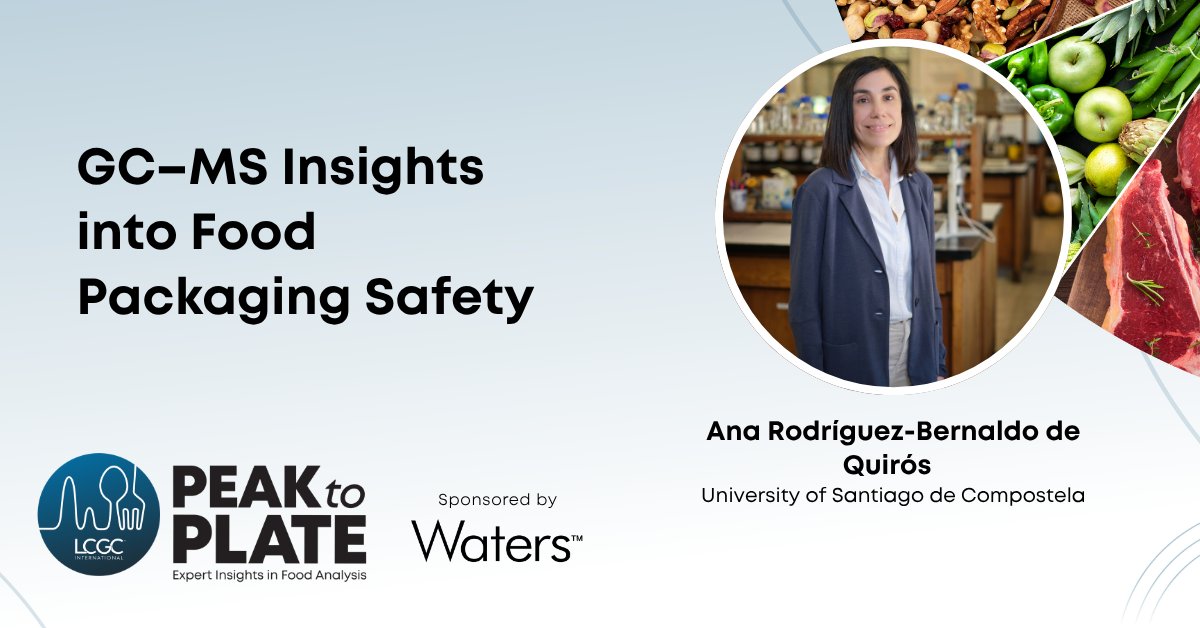
🍽️ Introducing Peak to Plate, our new series exploring the science behind food analysis.
First up: how non-targeted GC-MS can reveal complex chemical mixtures in bioplastic food packaging.
📚 Read more: hubs.li/Q04lpXfC0
#PeaktoPlate #FoodAnalysis #LCGC
1
114

No. you looked up a biodegradable pot plant pot because you're not a gardener.
Its a black biodegradable nonwoven root-ball bag made out of whatever bioplastic the manufacture chooses mostly corn*
It holds that shape from the sleeve and root growth.
Enjoy your bs.
1
36


Jun 14
Irony maybe but amongst my missouri household's favorites is Stilton, triple creme brie I'm not picky on brand,I miss old Amsterdam gouda (10 yr aged) as I've not spotted it in a few years being the 3rd favorites. Neither of us will eat the bioplastic that is American "cheese".
1
905

Yeah about that "rising sea level"... Sandbars people call countries do erode and sink and settle. Try living on a rock instead of a temporary ocean feature and the sea won't "rise" on ya. Some just have bad geographic luck. Florida and Louisiana are screwed and it has NOTHING to do with climate, they're just on a time limit. I suppose this is another example of how Marxists removing education from schools enables severe levels of subversion and manipulation. Now the Earth is flat, chromosomes aren't real, and we're all going to drown not because of PS5s and Teslas, but Hibachis and gas stoves... It's all so tiresome.
Tangentially related, turns out the Roman diet was in fact just about the ideal balance of food. Gee who would have guessed? Shocking that they somehow survived without margarine and bioplastic "cheese", I know...

The Romans built fish ponds on the coast 2,000 years ago. They're still there, still filling with seawater. Reality has a way of challenging climate narratives.

1
3
65

Jun 13
🚨 THE NEXT GENERATION OF PLASTIC MAY BE GROWN FROM POTATO WASTE INSTEAD OF OIL.
Researchers at the University of Barcelona have modified Bacillus subtilis so it can take ordinary potato starch and convert it directly into polyhydroxybutyrate (PHB) a strong, biodegradable bioplastic in a single step.
Using CRISPR gene editing, they optimized the bacterium’s metabolism and added the ability to break down raw starch on its own. In flask-scale tests, it produced 5.8 grams per liter of high-purity PHB, reaching over 50% of the cell’s dry weight.
Why this matters:
• Most bioplastics still require expensive pre-processed sugars or industrial CO₂ sources
• Potato starch is cheap, abundant, and often a waste product from food processing
• PHB is fully biodegradable and has properties similar to conventional plastics
• The entire process happens in just 24 hours using a safe, well-characterized industrial bacterium
• It reduces reliance on petrochemical plastics and agricultural waste
The deeper implication:
We’re getting closer to a future where plastic can be grown from agricultural leftovers instead of drilled from the ground.
This kind of one-step, waste-to-plastic biotechnology could eventually help close the loop on plastic production turning something we currently throw away into high-value, compostable materials. While scaling from flasks to industrial bioreactors is still a challenge, breakthroughs like this show that bio-based plastics are becoming not just possible, but increasingly practical and efficient.
The next generation of plastic might literally come from potatoes.
How close do you think we are to biodegradable plastics from agricultural waste becoming mainstream?
Follow for more frontier biotechnology and sustainable materials research.
3
23
81
5,036


Jun 13
バイオプラスチックの可愛いガレージセット…赤ちゃんが喜びそうなの見てなんかほっこりしちゃった
Dantoy BIOplastic ガレージセット ミニカー付き
jp.mercari.com/item/m8000894…
13

భూమిలో కలిసిపోయే బయో ప్లాస్టిక్..!
#AngelinaArora #PrawnShellWaste #WomenInSTEM #Bioplastic #SustainableFuture #WomenAchievers #TeluguNews #WomenNews #EenaduNews
eenadu.net/telugu-news/women…
3
Novamont Iberia retweeted

Jun 11
🧑🌾Mulch film made with Mater-Bi bioplastic (certified soil-biodegradable) can be left in the ground & converted by microorganisms into carbon dioxide, water & biomass, with no negative effect on the land, soil removal or waste.🌎
More via @RenewableMatter👇renewablematter.eu/en/novamo…
1
1
31


GAIA BioMaterials, a global leader in biodegradable and compostable bioplastic compounds, has received final confirmation of its European patent for PLA-free film extrusion materials.
Read more on gulfindustryonline.com/Artic…
#GINews #Mumbai #ExtrusionMaterials #Patent
34


FYI it can be turned into fuel, fertilizer and bioplastic.
It has value, but nobody wants to pay to have it cleaned up.
2
19
976

Jun 10
I would invest it in my organic bioplastic discovery that can be mixed in a kitchen with simple household ingredients for pennies on the dollar, then I'd give the world a plastic nearly as hard as ceramic, non-toxic, and biodegradable, that doesn't need heat to produce.
6

Jun 10
Stay ahead in the biopolymer revolution with ICMA's turnkey biopolymer compounding lines. These solutions can process any bioplastic material and even offer special features such as patented odor removal and much more bit.ly/4eCh3Di
3

Researchers at the University of Missouri have engineered algae that can capture #microplastics from contaminated water. Beyond cleaning waterways, the team hopes to recycle the collected plastics into safer #bioplastic materials!
Read more:
tinyurl.com/52t783cr
11

Jun 9
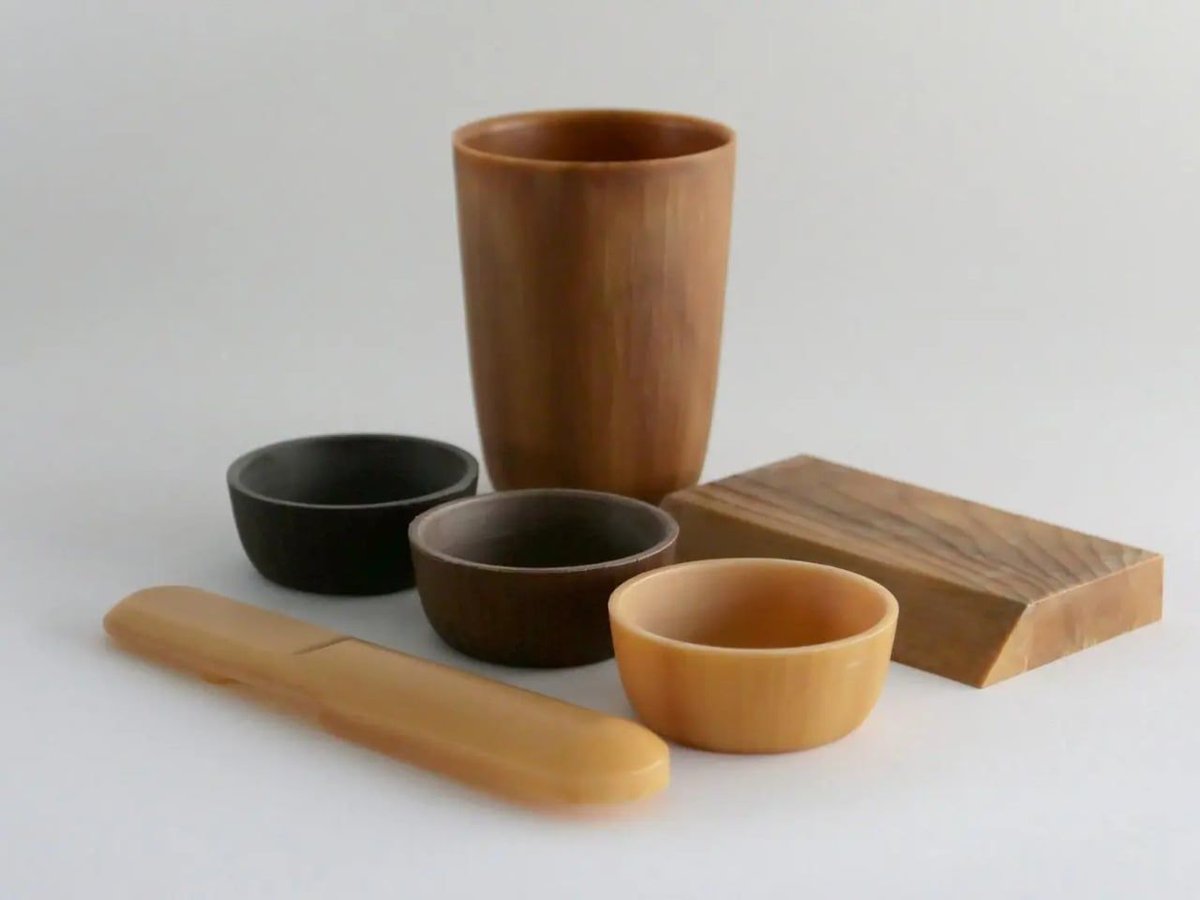
Kinari Might Be the Most Important Material You’ve Never Heard Of — Panasonic has been quietly developing Kinari, a plant-based bioplastic made from cellulose fibers that could completely change industrial design. Unlike most sustainable alternatives that look cheap or require specialized machinery, this material is highly moldable, beautifully tactile, and integrates directly into existing manufacturing lines. It proves sustainability doesn't have to compromise on premium aesthetics. Do you think this kind of material science is the true key to moving past petroleum-based plastics?
#CreativeCuration #IndustrialDesign
1
4
12
222

Het bioplastic van Avantium kan op steeds meer belangstelling rekenen. iex.nl/Premium/Adviezen/8671…
421