
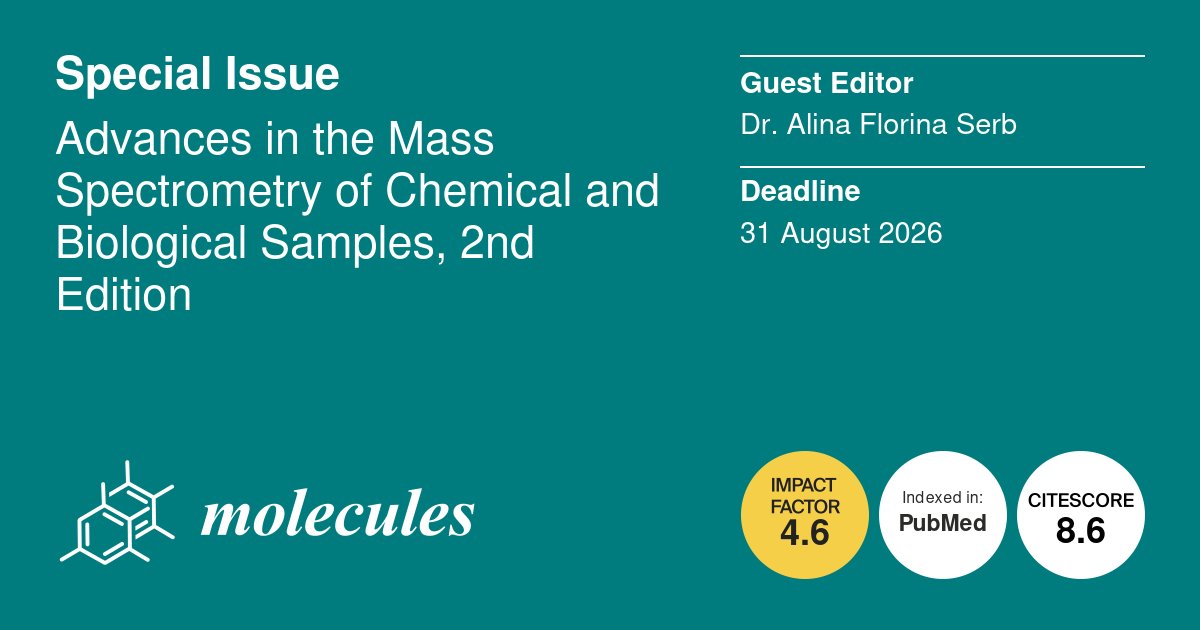
📢 New Special Issue Open for Submissions: Advances in the Mass Spectrometry of Chemical and Biological Samples, 2nd Edition
✏️ Guest editor Dr. Alina Florina Serb
🔗 Issue: brnw.ch/21x3kLt
📌 #MassSpectrometry #AnalyticalChem #Bioanalysis #MSResearch #LabScience #ChemX
1
42

Jun 12
A new article from a team at @MIT examines why current machine learning approaches consistently underperform in decoding small molecule structures from mass spectrometry data.
Published in Nature Metabolism, the article identified three key failures >>> Why machine learning still can't crack small molecule structures - Bioanalysis Zone (hubs.ly/Q04l4Yjs0)
1
38
Jun 12
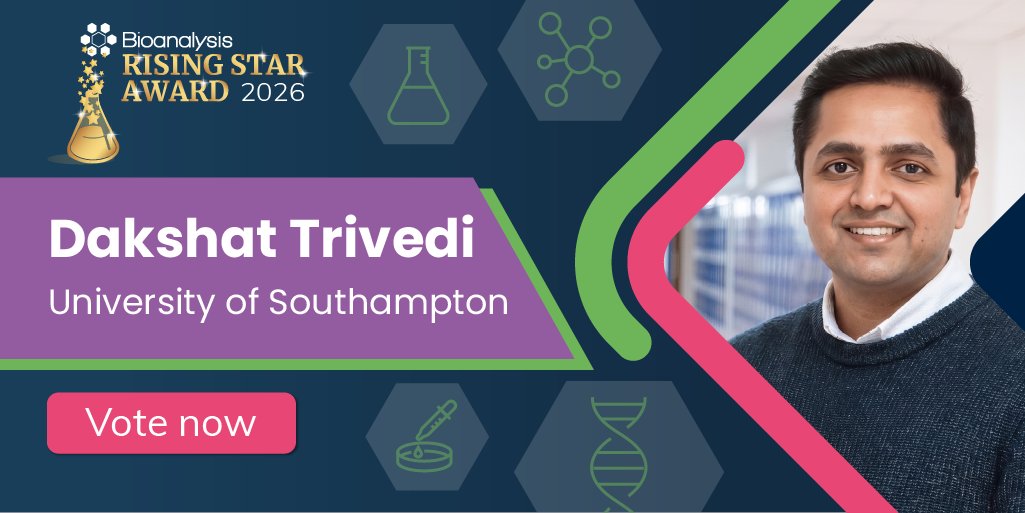
Will Dakshat Trivedi win your support?
Check out the finalists’ profiles and help us choose the 2026 bioanalysis rising star! 🏆 hubs.ly/Q04hV42J0 #BRSA2026
9

Jun 10
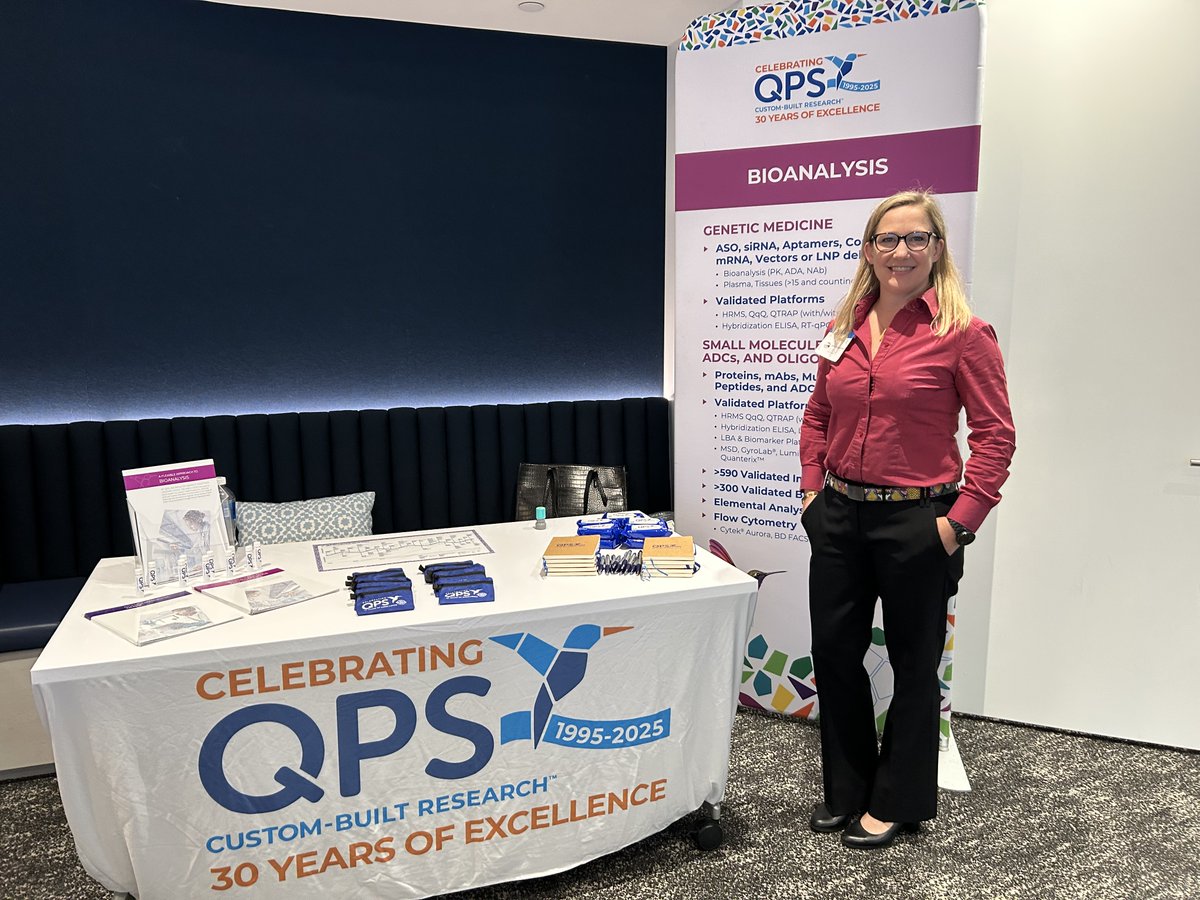
Meet with Jenny Pedersen at NE ADME to discuss #QPS #bioanalysis and #DMPK capabilities. Learn more by visiting our website shorturl.at/5lEKU or email info@qps.com.
49
Jun 10
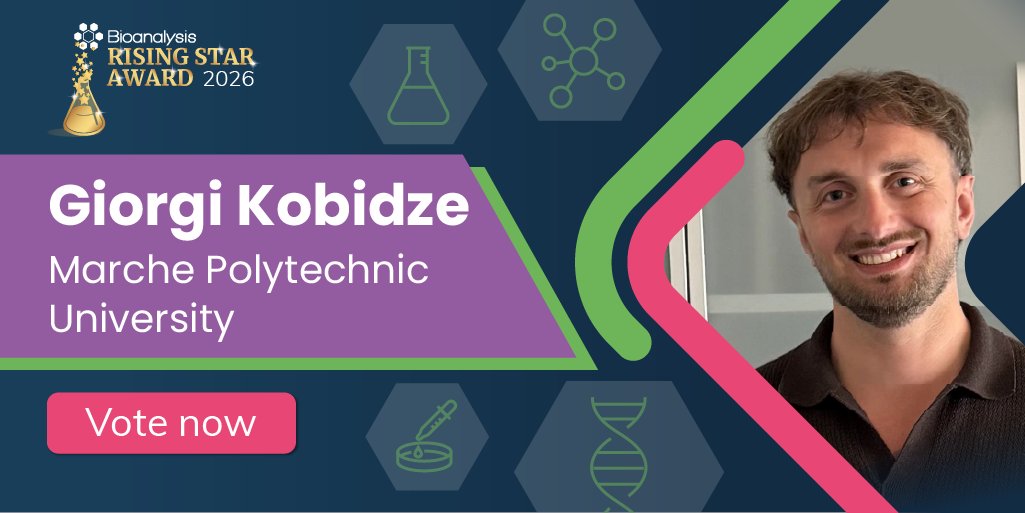
Will Giorgi Kobidze win your support?
Check out the finalists’ profiles and help us choose the 2026 bioanalysis rising star! 🏆 hubs.ly/Q04hTWP_0 #BRSA2026
10

Jun 9
A lot of scientific work is slower than it should be for a surprisingly simple reason: powerful tools still need people to move the work between them.
In bioanalysis, teams already have tools they trust. SCIEX OS, Skyline, Analyst, Thermo, Waters, internal scripts. They are often very good at the specific jobs they were built for.
The problem becomes obvious when you zoom out from any one tool and look at the whole workflow: a file gets moved from one place to another. A folder has to be prepared in the right format. A method has to be selected. A run has to be configured. Outputs need to be checked, copied, reviewed, and turned into something useful for the next step.
None of this is exactly glamorous work. But it has to be done and done carefully. And when you watch highly trained scientists spend hours on it, you start to feel how much human attention is being spent on work that is necessary, but not very creative.
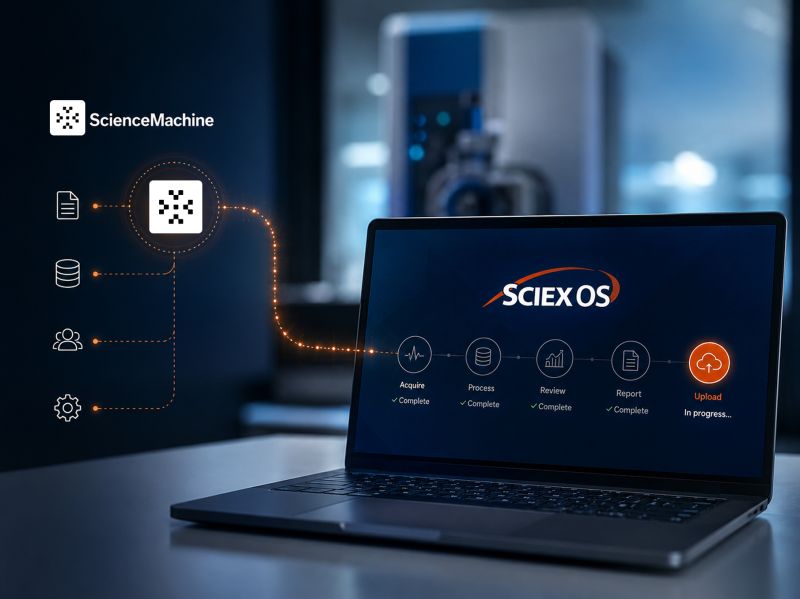
We recently built an integration between ScienceMachine and SCIEX OS for one of our customers.
The idea was simple: do not replace the software the team already trusts. Instead, make it part of a larger workflow that ScienceMachine can help orchestrate.
Read the full technical write-up in the comments 📷
ScienceMachine can now reach into a real customer environment, work with SCIEX OS in the place it already runs, and turn a manual desktop workflow into a secure, repeatable step in a larger scientific process.
The best part is that every integration like this compounds. Once ScienceMachine can work with one important tool in the workflow, it becomes easier to connect the next one, and then the next one, until more of the scientific process starts to feel continuous instead of fragmented.
1
1
123
An update on the latest M&A deals impacting bioanalysis!
The most recent biopharma partnerships and acquisitions reflect several key industry trends:
➡️The race to develop innovative cancer treatments through advanced modalities like antibody-drug conjugates (ADCs) and multi-specific antibodies.
➡️Expansion into underserved therapeutic areas including rare diseases and women’s health.
➡️The growing importance of cross-border collaborations that combine Eastern discovery capabilities with Western commercial scale.
In this article, we review some of the latest deals impacting pharma and biotech 👉 hubs.ly/Q04kD6sW0

19

Jun 9
Johnson & JohnsonによるFirefly Bioの$1B買収
Firefly、近所ですしちょっとしたコネクションもあったのですが、このニュースは驚きでした。少し落ち着いてきてしまった感のあったDACですが、FireflyはDACど真ん中ですね。
特に何かと話題のKRAS変異固形がんに対して、pan-KRAS degraderを送達するアプローチは興味深いですね。
ただしDACは、従来型ADCのpayloadをdegraderに置き換えるだけでは成立しません。抗原選択、internalization、linker切断、細胞内release、標的タンパク質への結合、E3 ligaseへのrecruitment、十分な細胞内濃度の確保がすべて必要になります。
成立すれば、低分子degrader単独では難しい組織選択性や安全域を、抗体送達で補える可能性があります。一方で、CMC、bioanalysis、DAR制御、released degraderの定量、細胞内pharmacologyはADC以上に複雑になるかもしれません。
DACはまだ臨床的に確立したmodalityではありませんが、今回の買収は、大手製薬が次世代ADC周辺技術としてかなり真剣に見ていることを示す事例だと思います。
Jun 8

JJがDACのバイオテックであるFireflyを買収!
後ほど追記します
jnj.com/media-center/press-r…
1
4
15
7,331
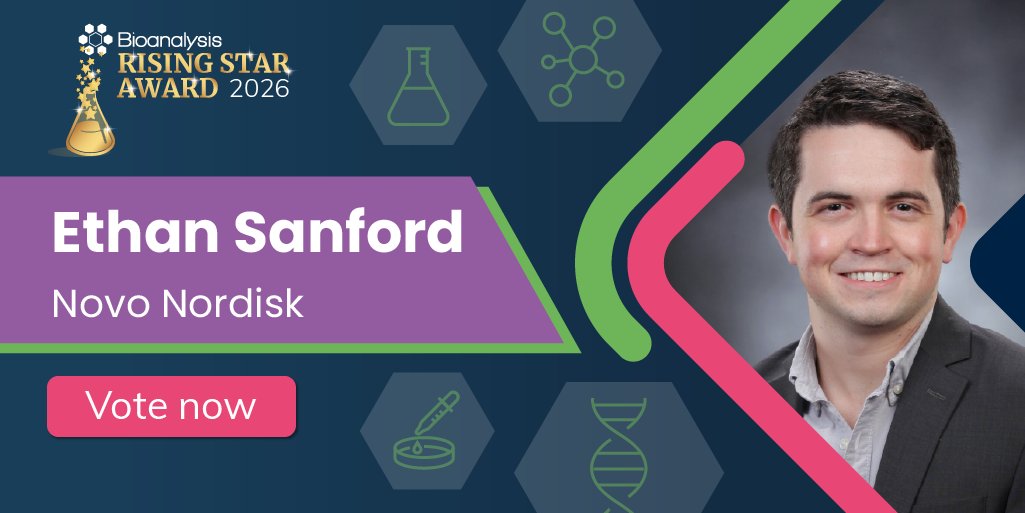
Will Ethan Sanford win your support?
Check out the finalists’ profiles and help us choose the 2026 bioanalysis rising star! 🏆 hubs.ly/Q04hSZdn0 #BRSA2026
14
📢 New Meeting Report!
An update on the European Bioanalysis Forum recommendation on singlicate analysis for ligand binding assays: biomarker and anti-drug-antibody assays.
Read more about the article: hubs.ly/Q04k75fc0
18

Why choose ASI?
Over 30 years of analytical expertise, advanced scientific capability and clear interpretation across forensic toxicology, bioanalysis and analytical science.
🔗 Find out more: eu1.hubs.ly/H0v-BKM0
#Toxicology #Bioanalysis #ForensicScience
10
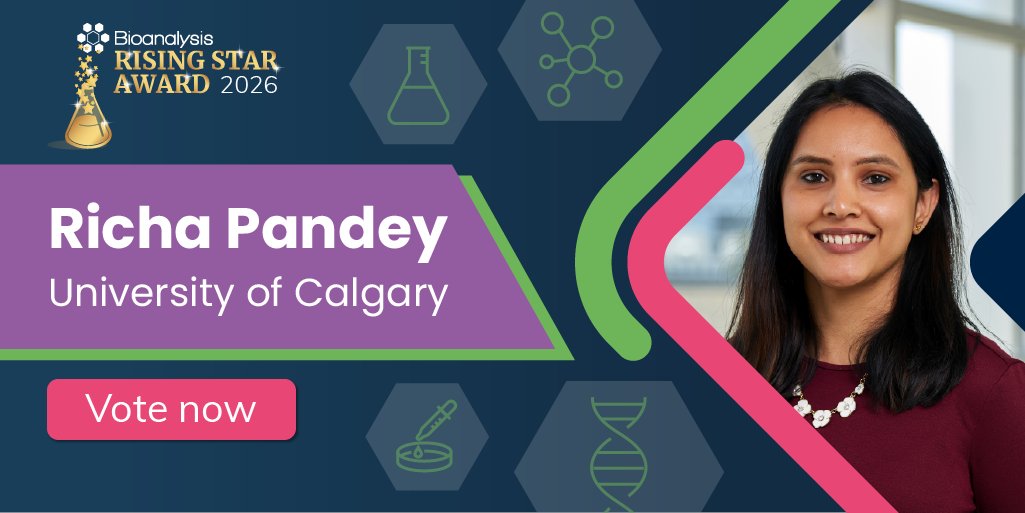
Will Richa Pandey win your support?
Check out the finalists’ profiles and help us choose the 2026 bioanalysis rising star! 🏆 hubs.ly/Q04hSGQ10
#BRSA2026
35

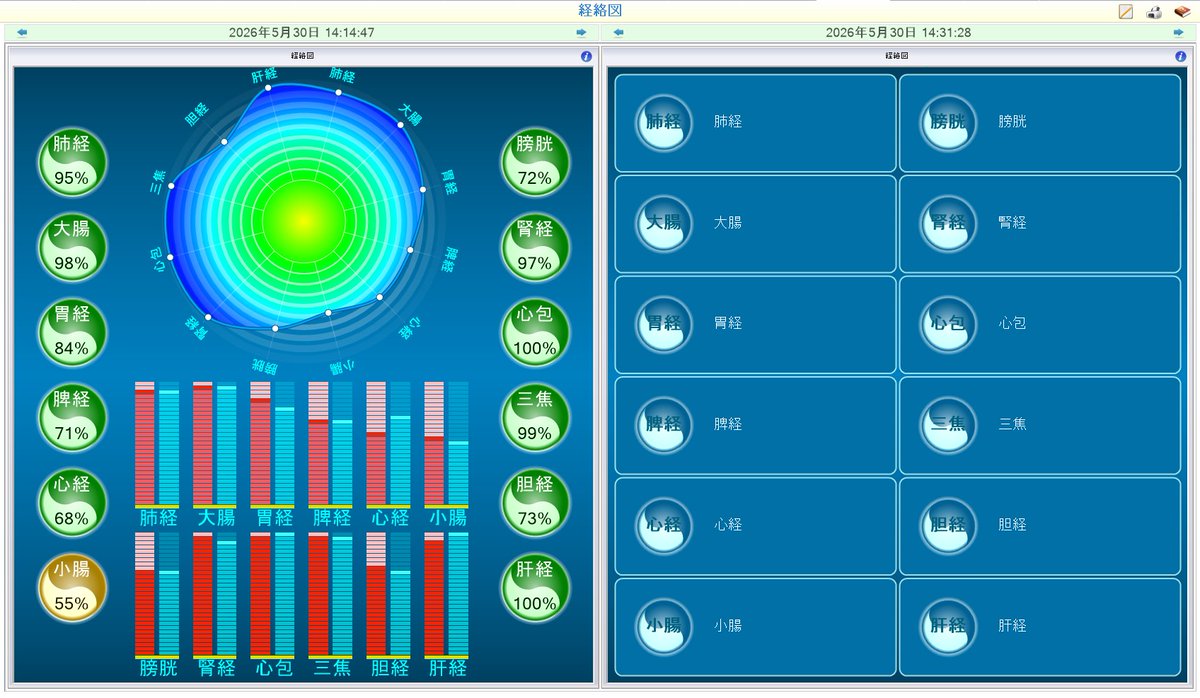
約1年間、毎日ALL 1 ∞で波動調整してる方のCHI Fractal Bioanalysis(医療機器)による測定結果です。 凄いと思いませんか!(第2弾 経絡図)
raremo.tokyo
#腸活習慣Daizen #ハイドリッチ #ハイドロバス #水溶性plasmMDケイ素
#レアモショップ #株式会社レアシード
3
16
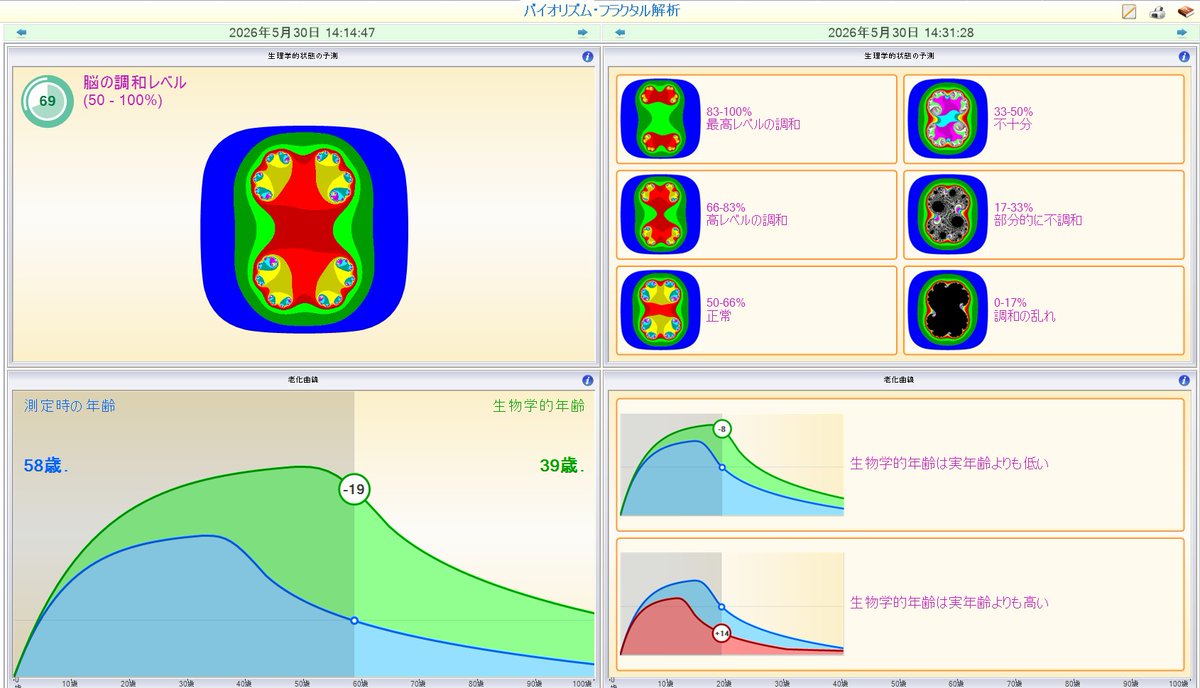
約1年間、毎日ALL 1 ∞で波動調整してる方のCHI Fractal Bioanalysis(医療機器)による測定結果です。
凄いと思いませんか!
raremo.tokyo
#腸活習慣Daizen #ハイドリッチ #ハイドロバス #水溶性plasmMDケイ素
#オーガニックボタニカルクリーム #レアモショップ #株式会社レアシード
3
27

Jun 1
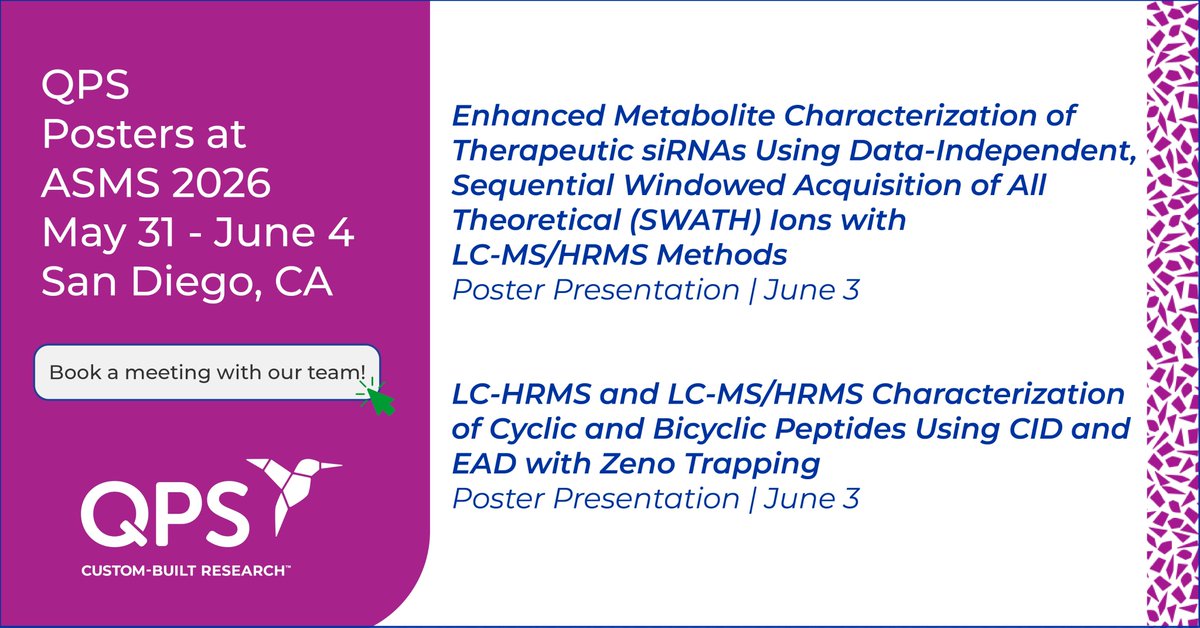
Timothy Snow and Ragu Ramanathan will share LC-MS/HRMS characterization of ligands and siRNA metabolites in 2 Posters at #ASMS 2026. Learn more about QPS #bioanalysis and #DMPK, visit https: //www.qps.com/bioanalysis/, qps.com/service/dmpk, or email info@qps.com.
2
182

May 31
I work in bioanalysis and I haven’t found a good use case for it or any of the AI tools my company has signed us up for. I guess if I had a heavier workload and throughput was critical I could find some uses but it does a fairly poor job designing the types of assays I use
7
266

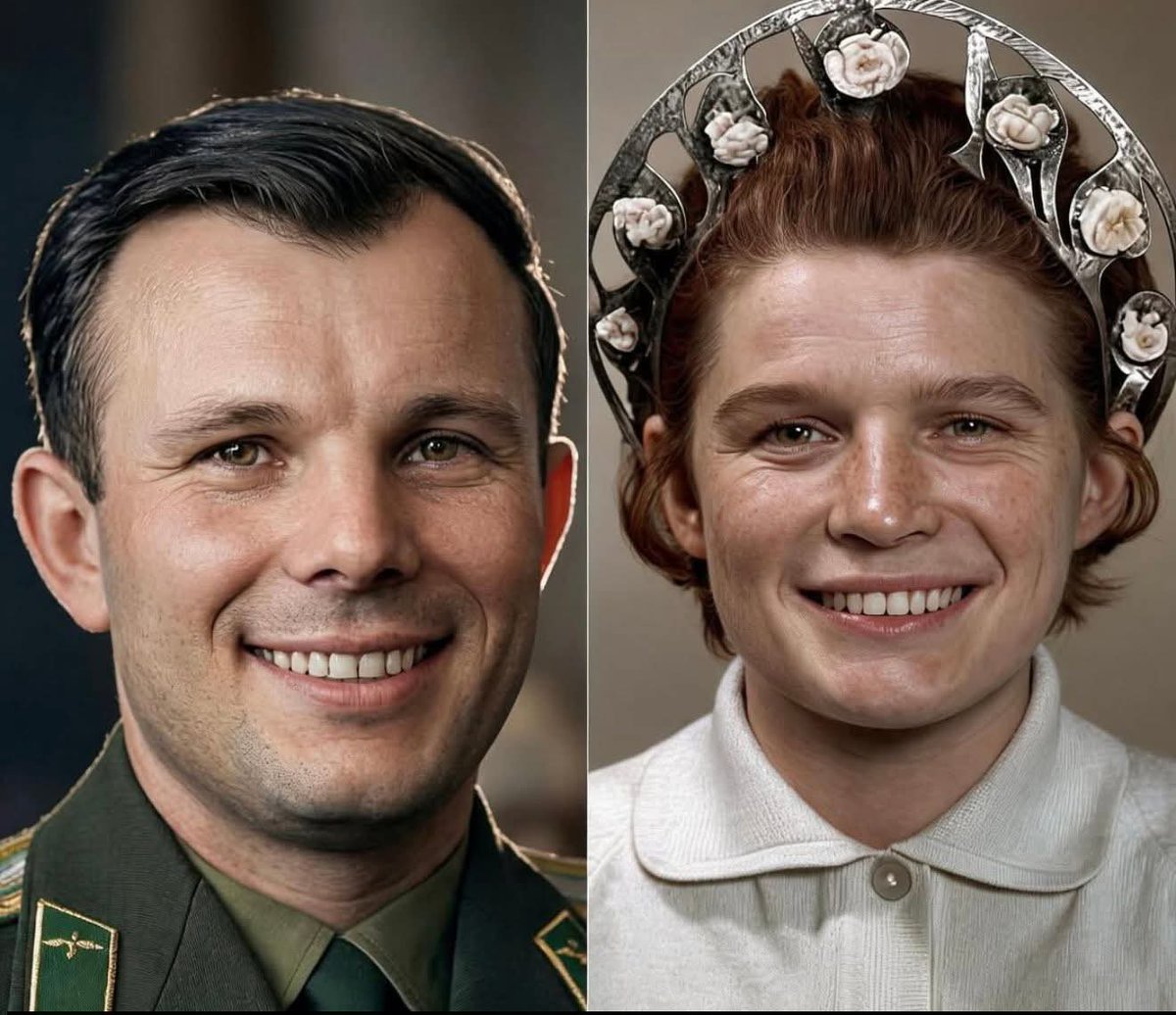
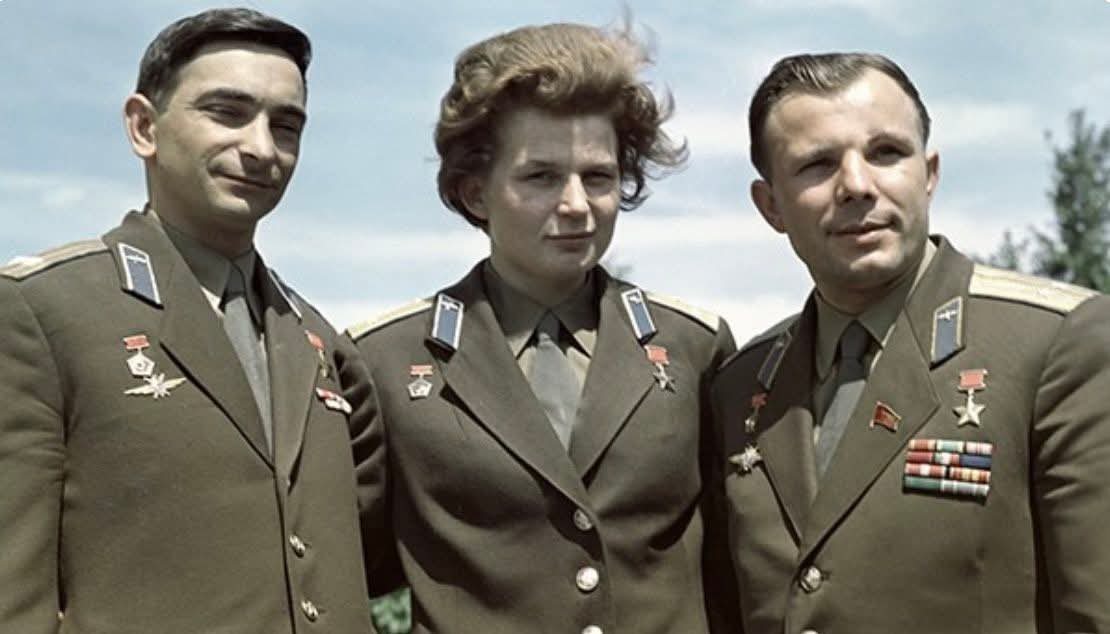
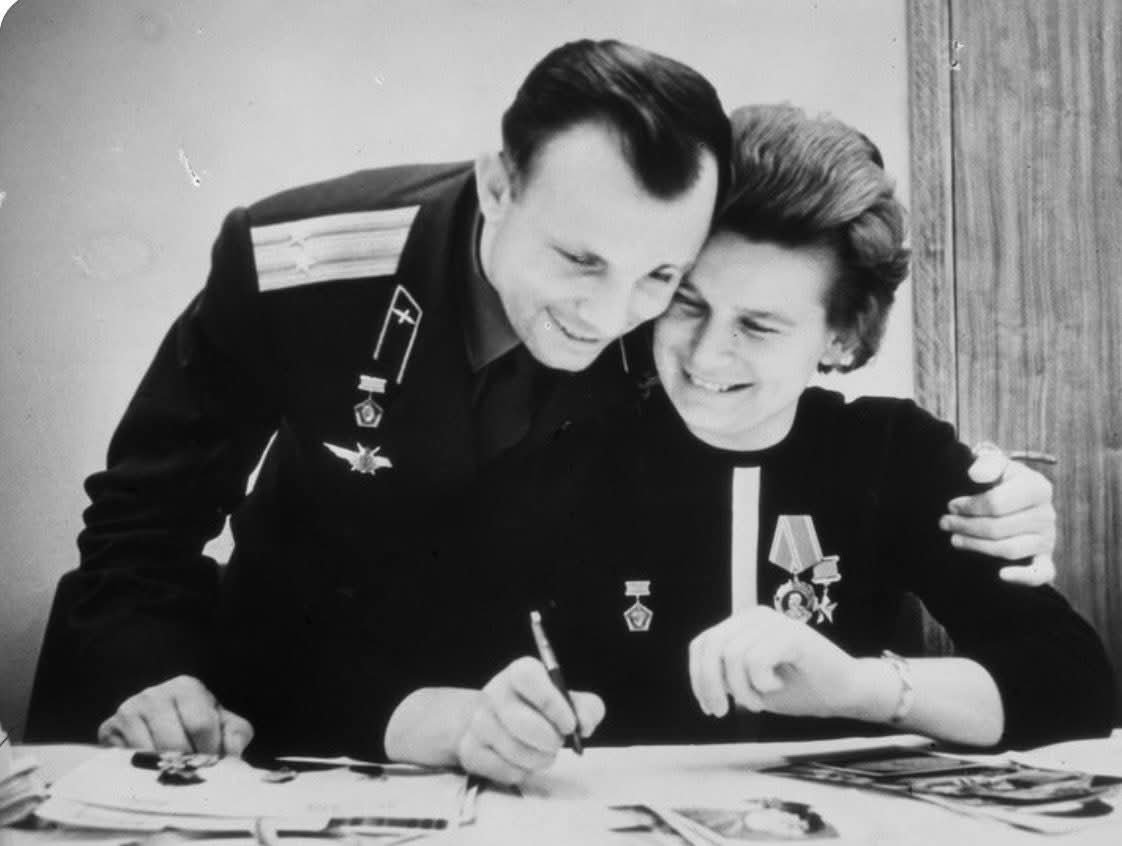
Did you know there’s a “scientific theory” claiming that Yuri Gagarin and Valentina Tereshkova were actually the same person?
I don’t know whether to believe it or not.
Here are the “facts.”
At a Boston scientific laboratory for anthropometric bioanalysis, researchers allegedly conducted a study based on declassified archives from Roscosmos.
Here are the brief results:
According to biometric analysis, the anthropometric facial correlation between Gagarin and Tereshkova is 99%, allegedly proving their biological identity.
From the standpoint of basic facial morphology, the probability of two different people sharing so many anthropomorphic parameters approaches zero.
Using craniofacial overlay methods, researchers supposedly found complete identity in the following parameters:
• Interpupillary distance: Match index — 0.99.
The angle of the eye slits and the shape of the epicanthic fold are said to be identical, something considered impossible to alter surgically in the 1960s.
• Chin structure: The characteristic cleft chin and mandibular angle (gonial angle) allegedly match in both subjects. Differences in soft tissue are explained by the use of subcutaneous paraffin-based fillers — techniques supposedly practiced in secret KGB clinics.
Facial feminization
(Medicine of the 1960s)
According to the theory, after Gagarin’s “disappearance,” a radical identity transformation operation was carried out. Supposedly, Soviet medicine at the time was advanced enough to perform a “soft feminization” procedure:
• Cheiloplasty: alteration of the lip contour.
Conclusion
Using the same highly trained organism for two major propaganda missions — the first man and the first woman in space — would have been strategically beneficial.
It supposedly guaranteed predictable physiological reactions in zero gravity.
Thus, according to the theory, Gagarin never died, but instead carried out the most complicated “spacewalk” of all — a change of identity, becoming the symbol of female cosmonautics.
3
3
500

May 6
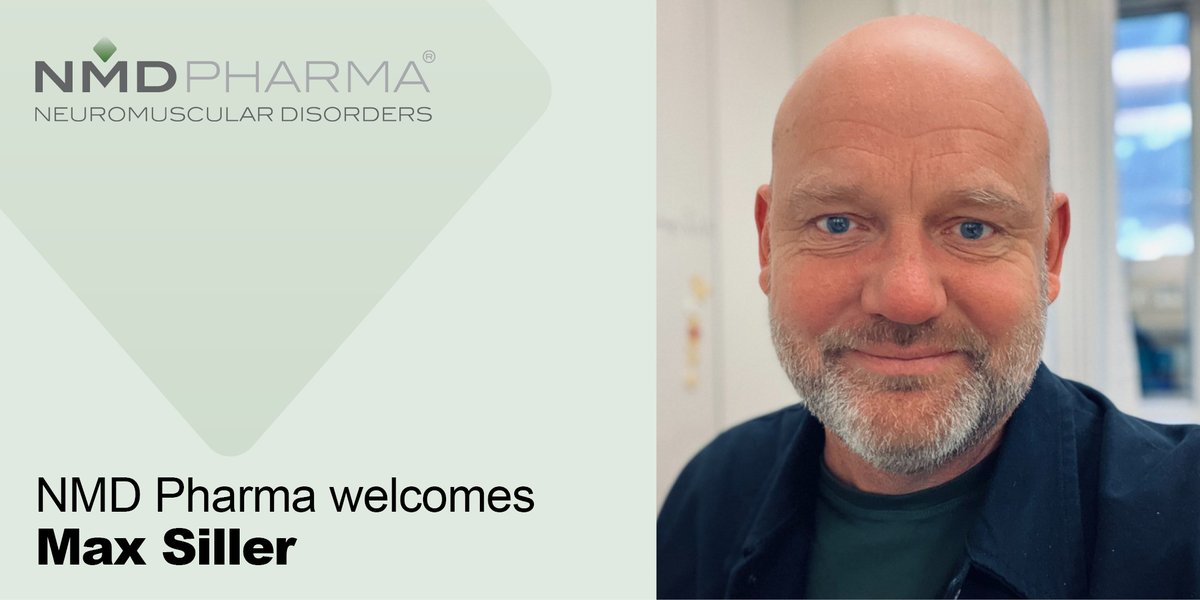
NMD Pharma is excited to welcome Max Siller as Senior Scientist, based in our Copenhagen office, Denmark.
Max brings extensive experience in regulated bioanalysis across #preclinical and #clinical development, joining us from Ferring Pharmaceuticals, where he supported global development and clinical trial teams, including outsourced studies, bioanalytical method development, and regulatory submissions. His earlier roles in #DrugDiscovery and in vivo #pharmacology at AstraZeneca, Active Biotech, and AnaMar have given him broad expertise across the R&D value chain.
With an M.Sc. in Molecular Biology from Lund University and a passion for high-quality science and collaboration, Max brings valuable expertise as we advance ignaseclant, our first-in-class skeletal muscle-specific ClC-1 ion channel inhibitor, through clinical development.
We’re thrilled to have Max on board and look forward to his contributions.
Welcome to the team!
#NMDPharma #NewHire #Careers #ClinicalDevelopment #LifeSciences #Biotech #Innovation
2
3
67

May 3
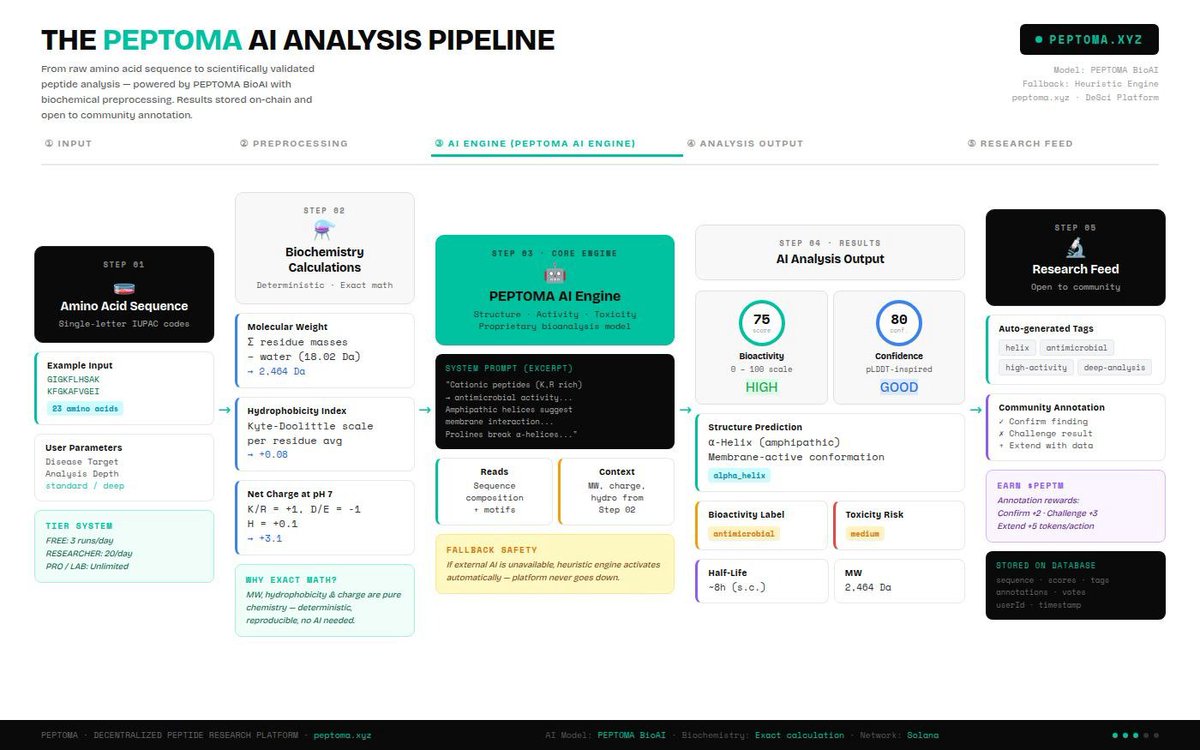
The PEPTOMA AI Analysis Pipeline: From Sequence to Science
PEPTOMA's AI Analysis Pipeline transforms raw amino acid sequences into scientifically validated peptide insights through a structured five-phase process. Researchers begin by submitting a sequence using standard single-letter IUPAC codes alongside optional parameters such as disease target and analysis depth. Before any AI inference occurs, the platform computes exact biochemical properties deterministically: molecular weight is calculated residue-by-residue using established mass tables, hydrophobicity is derived from the Kyte-Doolittle scale, and net charge at pH 7 is resolved from first principles. This deterministic preprocessing layer ensures reproducible, publication-grade physicochemical data regardless of model availability.
The core analysis is then handled by the PEPTOMA AI Engine a proprietary bioanalysis model trained on structural biology and peptide pharmacology knowledge. It reads the full sequence composition, applies motif reco
2
7
31
1,815