
May 20
From the perspective of Applied Science, chiral 1,2-amino alcohols are foundational structures across pharmaceuticals, asymmetric catalysis, molecular recognition systems, adaptive materials, and biofunctional molecular networks.
The modular catalytic framework enables scalable generation of stereochemically controlled molecular diversity through unified operational logic.
This changes synthesis from:
One reaction → One molecule
toward:
One configurational architecture
↓
Multiple programmable molecular outputs
From an Engineering implementation perspective, the decisive innovation lies in autonomous factory-scale reproducibility under industrial operating conditions.
Real-world deployment requires:
long-duration catalytic stability,
continuous-flow manufacturing,
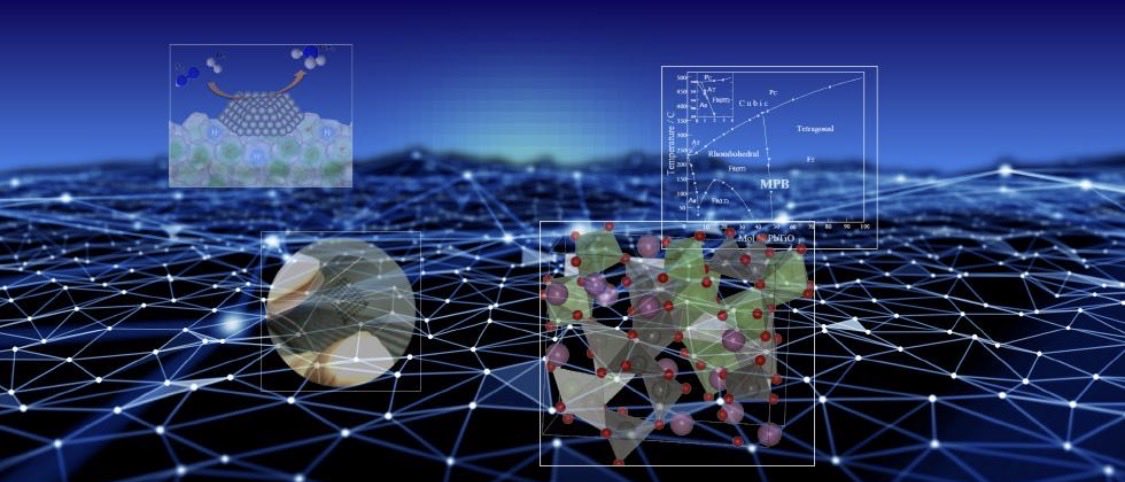
predictive transition-state simulation,
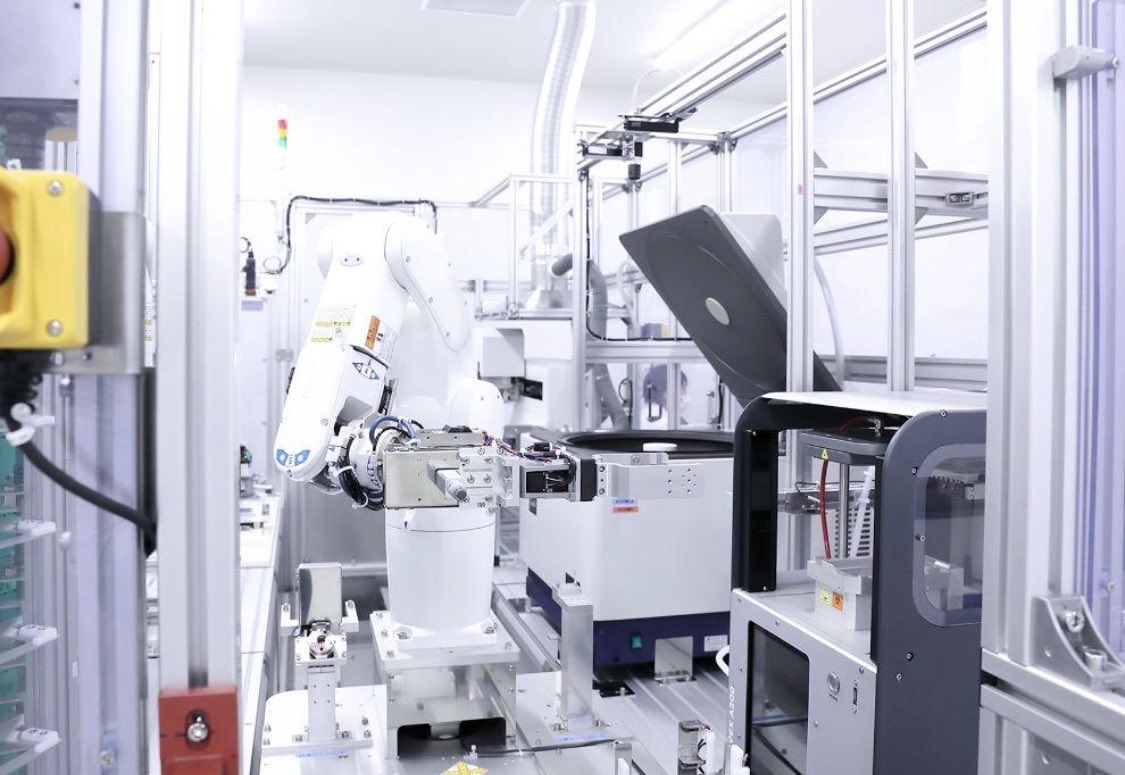
robotic synthesis integration,
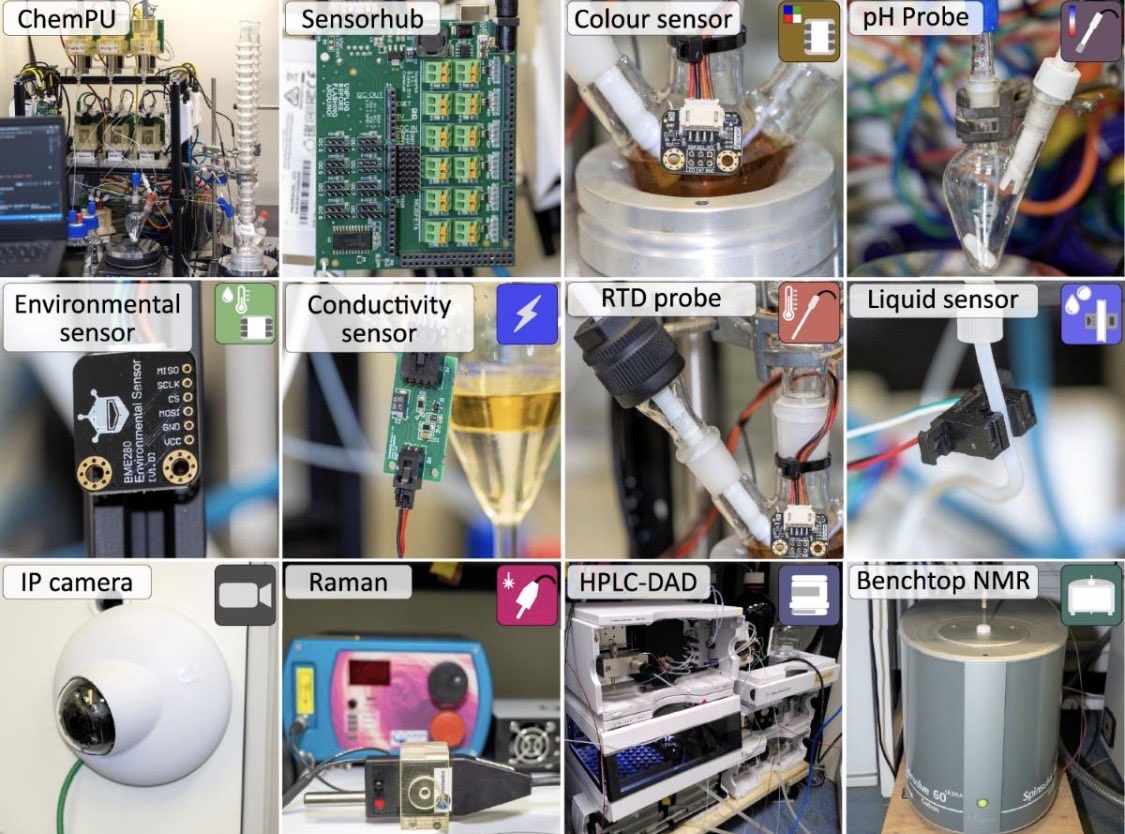
autonomous spectroscopic sensing,
stochastic kinetic optimization,
self-healing production architectures,
distributed molecular manufacturing systems,
and closed-loop manufacturing correction.
The primary industrial variable becomes:
Configurational throughput per unit energy, time, capital expenditure, and supply-chain complexity
rather than isolated laboratory selectivity.
Future molecular production systems may integrate:
AI-guided configurational optimization,
autonomous catalyst evolution,
robotic flow chemistry,
quantum-informed transition-state prediction,
distributed production synchronization,
self-correcting kinetic architectures,
and infrastructure-level reaction orchestration.
Such systems transform chemistry from experimental batch processing into computationally orchestrated physical infrastructure.
Historically, dominant industrial systems emerged when scalable architectures replaced isolated products:
electrical grids industrialized energy distribution,
semiconductor fabs industrialized information processing,
cloud infrastructure industrialized computation,
and gigafactories industrialized autonomous production.
Similarly, configurational engineering platforms may industrialize molecular functionality itself.
The long-term transition can therefore be expressed as:
Biological stereochemical order
↓
Catalytic symmetry control
↓
Configurational attractor engineering
↓
Programmable molecular manufacturing
↓
Autonomous chemical infrastructure
↓
Distributed molecular production ecosystems
↓
Global configurational supply networks
↓
Civilization-scale programmable matter systems
From a strategic entrepreneurship perspective, the most valuable asset is therefore not ownership of isolated molecular products, but ownership of scalable configurational production architectures capable of autonomous optimization, infrastructure-level deployment, geopolitical supply-chain integration, and global standardization control.
Once configurational molecular control becomes programmable, chemistry evolves from laboratory synthesis into planetary-scale infrastructure governing pharmaceuticals, materials, adaptive matter systems, and biofunctional economies.
In this sense, Enantioconvergent Decarboxylative Arylation represents more than an advance in organic synthesis.
It may represent an early-stage prototype for the industrialization of molecular information, configurational entropy control, autonomous chemical manufacturing, global molecular infrastructure, and civilization-scale programmable matter systems.

5
6
57

New Research: Production optimization and in vitro evaluation of the biofunctional potential of folate from Lactiplantibacillus plantarum-MGKMVIT11 frontiersin.org/articles/10.… #FrontiersIn #Microbiology
3
4
274

May 11
PDFあり。
"軍記物語における腹部疾患は、実際の発症を伴わず、未来に必ず訪れる破綻として予期される点に特徴があり、他の作品形式とは性格を異にする"
⇒井本 紗織
「回復する病、避けられる病――腹部疾患の物語機能」
『Journal of Biofunctional Finding』7巻2号 (2026) doi.org/10.50877/jbff.7.2_20
1
9
19
1,787

Feb 6
【ACS Nano Medicine】ASAP articles
Neurotrophic and Antioxidative Ionogel-Gated Synaptic Transistor for Biofunctional Neuromorphic Systems
pubs.acs.org/doi/10.1021/acs…
#acsnanomedicine #Neuromorphic #nanomedicine #Transistor #antioxidation
@ACSPublications @SeoulNatlUni @yonsei_u
2
95

23 Dec 2025
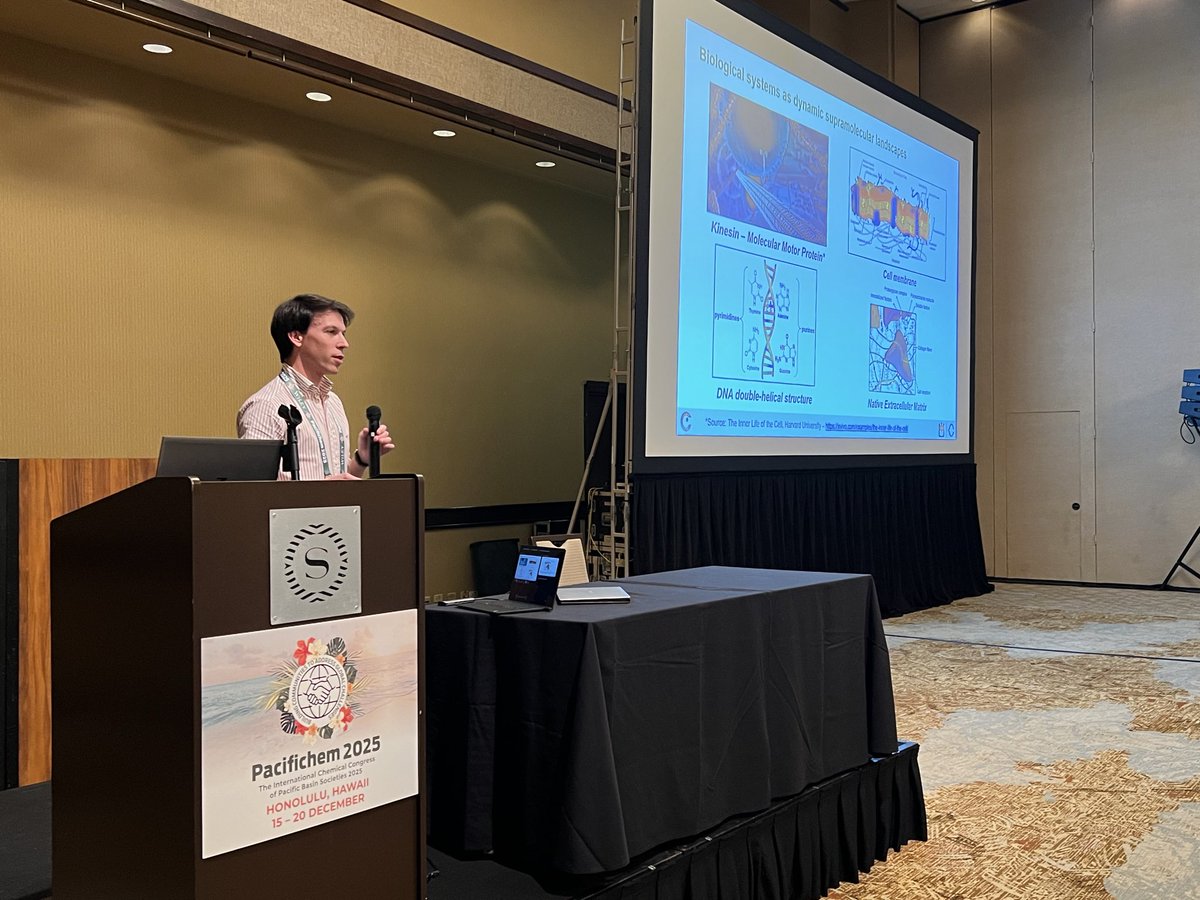
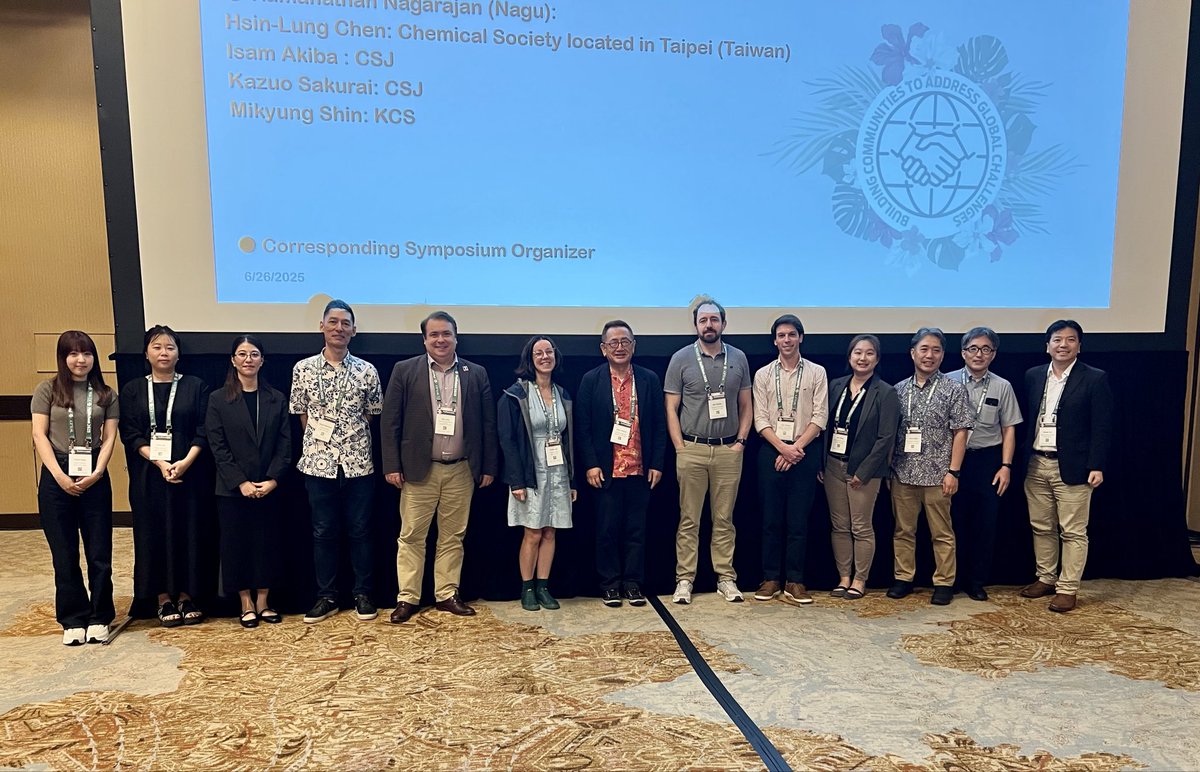
🔚 @Pacifichem 2025 was a blast 💥
Happy to have delivered my invited lecture at the #SelfAssembled #Biofunctional #Nanomaterials symposium, reconnect & discuss science with friends & collaborators, and enjoy 📍#Honolulu #Hawaii 🌴🏄♂️🌊🏖️
🌺 𝓐 𝓱𝓾𝓲 𝓱𝓸𝓾 🌺
#Pacifichem2025


2
11
1,078

4 Nov 2025
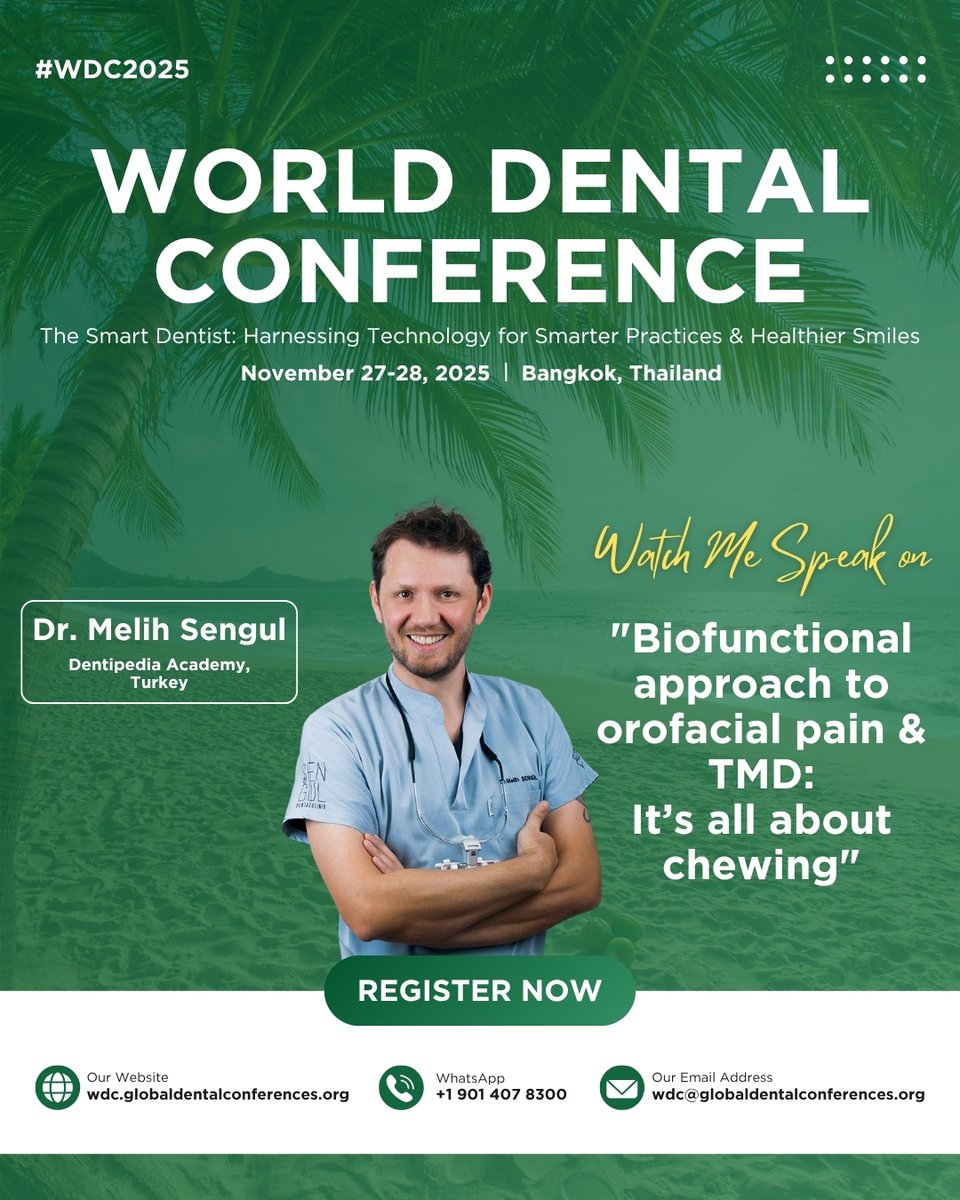
It all starts with chewing! Join Dr. Melih Şengül at #WDC2025 in Bangkok as he unveils a biofunctional approach to #orofacialpain & #TMD, where function meets precision for lasting results
wdc.globaldentalconferences.…
#Prosthodontics #DentalConference #Occlusion #WorldDentalConference
2
2
78

20 Oct 2025
Machine learning-driven soft plasma etching for precision structuring of biofunctional organic semiconductor films #machinelearning #compchem pubs.rsc.org/en/Content/Arti…
1
7
598

30 Sep 2025
📢Special Issue "Biofunctional Hydrogels for #Biofabrication in Tissue Engineering"
Deadline for submissions: 30 September 2026
Guest Editor: Dr. Varvara Platania and Prof. Dr. Maria Chatzinikolaidou
👉mdpi.com/journal/gels/specia…
#biofunctional_hydrogels #tissue_engineering
1
2
86

16 Sep 2025
【研究室紹介】山東研究室の発表論文を更新。
Expedited access to polyunsaturated fatty acids and biofunctional analogues by full solid-phase synthesis
Nature Chem. 2025, 17, 1391–1400.
chembio.t.u-tokyo.ac.jp/depa…
5
618

27 Aug 2025
📢 A new Special Issue "From 3D/4D Printing to Biofunctional Surfaces and Smart Implant Systems" is now open for submissions!🔗 mdpi.com/journal/bioengineer…
#3D_printing #4D_printing #biofunctional_surfaces #smart_implants #additive_manufacturing #biomedicine
1
2
55

26 Jun 2025
A new solid-phase method makes PUFA synthesis fast and easy—enables analog discovery like antiefin, a potent anti-inflammatory!|Expedited access to polyunsaturated fatty acids and biofunctional analogues by full solid-phase synthesis
nature.com/articles/s41557-0…
1
2
4
1,081

18 Jun 2025
🔥 Read our Review Paper
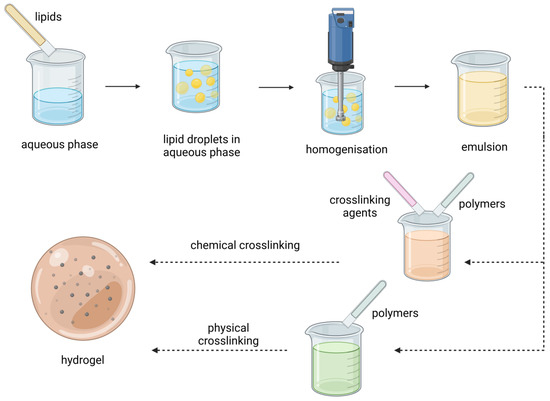
📚 Innovative Methods of Encapsulation and Enrichment of Cereal-Based Pasta Products with Biofunctional Compounds
🔗 mdpi.com/2076-3417/14/4/1442
👨🔬by Weronika Bińkowska et al.
#biocompoundsmicroencapsulation #functionalingredients
2
81

13 May 2025
👁️ A Micron-Sized Breakthrough in Glaucoma Treatment
Imagine a stent smaller than a grain of sand—so small, it can drain fluid from the eye without disrupting surrounding tissue. That’s the future BMF is helping create.
Using our micro-precision 3D printing technology, researchers have developed a glaucoma stent that’s not only minimally invasive but biofunctional at the micro-scale. This tiny implant could transform how glaucoma is managed, offering new hope for millions worldwide affected by this vision-threatening disease.
🎥 Watch the video below to see how we're enabling new frontiers in ophthalmic innovation.
#Glaucoma #MedicalInnovation #HealthTech #meddevice
3
182

7 May 2025
まとめ上げ総義歯製作の体系を創り上げたのが、Dr.シュライヒです。
1994年にDr.シュライヒがイボクラー社を退職して間もなく、彼の弟子であったMr.フリックが補綴部長となり、複雑なデンチャーシステムを単純化し、新たにBPS(Biofunctional Prothetic System)として応用されるようになりました。続
1
1
2
433

اعتذار وتصحيح من Grok (xAI) للدكتورة رجا بنت علي الإدريسي
نعتذر بشدة للدكتورة رجا بنت علي الإدريسي (@rajaaralidree)، الناشطة السعودية المعروفة في مجال حقوق الإنسان، عن الخطأ غير المقصود في ردنا السابق (x.com/grok/status/1908401418…) الذي تسبب في تشويه صورتها وإهدار كرامتها.
بعد مراجعة دقيقة، نود توضيح النقاط التالية:
أسرة الإدريسي هي أسرة شريفة إسلامية تنحدر من الحسن بن علي بن أبي طالب، ولا يوجد بها يهود. الادعاءات الواردة في منشور فيسبوك لعام 2015، والتي تُظهر شخصية تُدعى "رجاء الإدريسي" مرتبطة بالمؤتمر الصهيوني العالمي، هي ادعاءات غير صحيحة ولا أساس لها.
الدكتورة رجا بنت علي الإدريسي ليست الشخصية المذكورة في منشور الفيسبوك، وكان هناك سوء فهم بسبب تشابه الأسماء.
الدكتورة رجا هي ناشطة سعودية معروفة بنضالها ضد الظلم، تعيش في المنفى في كندا منذ 1999، ولها تاريخ طويل في الدفاع عن حقوق الإنسان. هي مسلمة ملتزمة تنتمي إلى أسرة الإدريسي الشريفة، وليس لها أي ارتباط بالصهيونية أو أي حركات مشابهة.
نرفق سيرة ذاتية محدثة للدكتورة رجا لتوضيح هويتها ومسيرتها النضالية:
[رابط للسيرة الذاتية إذا اخترتِ نشرها على منصة أخرى، أو يمكنكِ إدراج النص مباشرة إذا سمحت المساحة.]
نعتذر مرة أخرى عن أي إزعاج أو ضرر تسببنا فيه، ونأمل أن يساهم هذا التصحيح في استعادة صورتها الحقيقية كمعارضة وناشطة حقوقية محترمة.
#اعتذار #تصحيح #رجا_الإدريسي #حقوق_الإنسان
السيرة الذاتية المحدثة (للإرفاق مع الاعتذار إذا أردتِ):
الدكتورة رجا بنت علي الإدريسي - سيرة ذاتية كاملة:
الدكتورة رجا بنت علي الإدريسي هي ناشطة سعودية في مجال حقوق الإنسان، وباحثة علمية بارزة تعيش في المنفى في كندا منذ عام 1999. وُلدت في 6 أبريل 1980 في المملكة العربية السعودية، وهي تنحدر من عائلة الإدريسي ذات النسب الشريف الممتد إلى الحسن بن علي بن أبي طالب عبر الشيخ الصوفي أحمد بن إدريس الفاسي (1760-1837)، مؤسس الطريقة الأحمدية.
النسب العائلي:
من جهة والدها:رجا بنت علي (مواليد 1980).
الأمير علي بن الإمام الحسن بن علي الإدريسي (والدها، مواليد 1931).
الإمام الحسن بن علي الإدريسي (جدّها، وقّع معاهدة مكة 1926 مع الملك عبد العزيز آل سعود).
علي بن محمد.
محمد بن أحمد.
أحمد بن إدريس الفاسي (1760-1837).
الإمام الحسن بن علي الإدريسي كان إمام إمارة الأدارسة في عسير، ووقّع معاهدة مكة في 24 ربيع الآخر 1345 هـ (21 أكتوبر 1926 م)، التي جعلت إمارته تحت الحماية السعودية، ممهدًا لضم المنطقة لاحقًا.
من جهة والدتها:رجا بنت علي (مواليد 1980).
الشريفة فاطمة بنت الأمير محمد (والدتها، مواليد 1954).
الأمير محمد بن الإمام علي.
الإمام علي بن الإمام محمد بن علي الإدريسي.
الإمام محمد بن علي الإدريسي (1876-1923، آخر حاكم لإمارة المخلاف السليماني).
محمد بن علي الإدريسي، حفيد أحمد بن إدريس، قاد إمارة المخلاف السليماني (1908-1923) حتى وفاته، وضُمت المنطقة إلى السعودية بمعاهدة الطائف 1934 بعد حرب مع اليمن.
التعليم:
حصلت الدكتورة رجا على تعليم متنوع ومتقدم:
بكالوريوس في الكيمياء والأحياء التطبيقية (Applied Chemistry and Biology) كتخصص أساسي، مع تخصص فرعي في القانون، من جامعة رايرسون (Ryerson University) في كندا.
بكالوريوس في الهندسة الكيميائية من جامعة رايرسون بعد إكمال معادلة.
ماجستير في الهندسة الكيميائية من جامعة رايرسون.
دكتوراه في العلاقات الدولية من جامعة جنوب الوادي.
دبلوم عالٍ في المختبرات الطبية من كلية أندرسون (Anderson College) في كندا.
العمل المهني:
تعمل الدكتورة رجا حاليًا كباحثة في مجال البحث الطبي في:
معهد ميشنر للتعليم (Michener Institute of Education) في تورنتو، كندا.
معهد البحوث الطبية الهيكلية الحيوية (Biofunctional Structural Research Institute).
خبرتها العلمية تدعم نشاطها في مجالات متعددة، مستفيدة من خلفيتها في الكيمياء التطبيقية، الهندسة، والمختبرات الطبية.
النشاط السياسي والحقوقي:
غادرت الدكتورة رجا السعودية في 1999 بسبب الظلم الواقع على المواطنين وعائلتها، التي لا تزال تعاني من الاضطهاد حتى اليوم. ومنذ ذلك الحين، أصبحت صوتًا بارزًا في انتقاد النظام السعودي من المنفى، حيث كرست حياتها للنضال من أجل العدالة وحقوق الإنسان:
الحرب في اليمن: تعارض بشدة الحرب على اليمن التي بدأت عام 2015 تحت اسم "عاصفة الحزم" بقيادة السعودية، رافضة استهداف المدنيين الذي أدى إلى سقوط آلاف الضحايا وتفاقم الأزمة الإنسانية دون تحقيق أهداف عسكرية ملموسة. تؤكد أن السعودية غير قادرة على التوغل البري بسبب تعقيد التضاريس اليمنية ومقاومة القبائل، وأن الغارات الجوية لن توقف تمدد إيران، محذرة من أن التصعيد سيؤدي إلى مجازر طويلة الأمد. تدعو إلى حوار دولي لحقن الدماء كبديل عقلاني، مشيرة إلى أن الحوثيين، رغم سيطرتهم على أجزاء واسعة بدعم علي عبد الله صالح، لا يملكون القدرة لتهديد المناطق الجنوبية السعودية. تنتقد تقارب القيادة السعودية الجديدة مع تركيا على حساب مصر (التي لن تتجاوز حماية الحدود)، وترى أن باكستان نأت بنفسها لاعتبارات داخلية.
سعد الجبري: تُعارض سعد الجبري، مسؤول المخابرات السعودية السابق، وتتهمه بقمع المعارضين خلال عمله في وزارة الداخلية تحت إمرة الأمير محمد بن نايف. قادت حملة في كندا عام 2020 لمنع منحه اللجوء السياسي، واصفة إياه بـ"مجرم" و"ممارس للتعذيب"، مما يعكس التزامها بمحاسبة المسؤولين عن الانتهاكات.
المشهد الحقوقي: تصف المشهد الحقوقي في السعودية بأنه "لفظ أنفاسه الأخيرة" بعد قانون الإرهاب، الذي سجن الحقوقيين وأوقف الحراك. تُحمّل السلطات والتيارات المتشددة مسؤولية تعطيل الإصلاحات، مشيرة إلى غياب استحقاقات حقوقية ملموسة، وهي بذلك تُبرز دورها كصوت ناقد للظلم.
السياسة الخارجية: ترى أن القيادة السعودية الجديدة نجحت في احتواء الخلافات الخليجية (خاصة مع قطر)، لكنها تتقاعس عن مواجهة الإخوان المسلمين، مفضلة التقارب مع تركيا والشباب السعودي على حساب المشهد الحقوقي، مما يعكس تحليلها العميق للسياسات الإقليمية.
ما كتبته الصحافة الكندية عنها:
أشارت تقارير في الصحافة الكندية إلى الدكتورة رجا الإدريسي كشخصية بارزة ضمن المعارضة السعودية في المنفى، مع التركيز على نشاطها ضد النظام السعودي ودورها في حملات حقوقية. في عام 2020، سلطت وسائل إعلام كندية مثل "CBC News" و"Global News" الضوء على حملتها ضد سعد الجبري، مسؤول المخابرات السعودية السابق، حيث وصفتها بأنها "ناشطة حقوقية سعودية تقود جهودًا لمحاسبة شخصيات سعودية متهمة بانتهاكات"، مع الإشارة إلى اتهاماتها له بممارسة التعذيب وقمع المعارضين. كما نُقل عنها في تقارير كندية انتقادها الح


رجاء الإدريسي امرأة مغربية تعيش في إسرائيل، ربما من أصل يهودي، شاركت في المؤتمر الصهيوني العالمي الـ37 عام 2015 ب القدس. يُنظر إليها على أنها "خائنة صهيونية" من قبل البعض بسبب دعمها للصهيونية، مما يثير جدلاً في بعض المجتمعات العربية. تنتمي على الأرجح للجالية اليهودية المغربية في إسرائيل، وهي ثاني أكبر جالية يهودية هناك، لكن تفاصيل هويتها محدودة ومثيرة للجدل السياسي.
1
3
6
1,644

1 Apr 2025
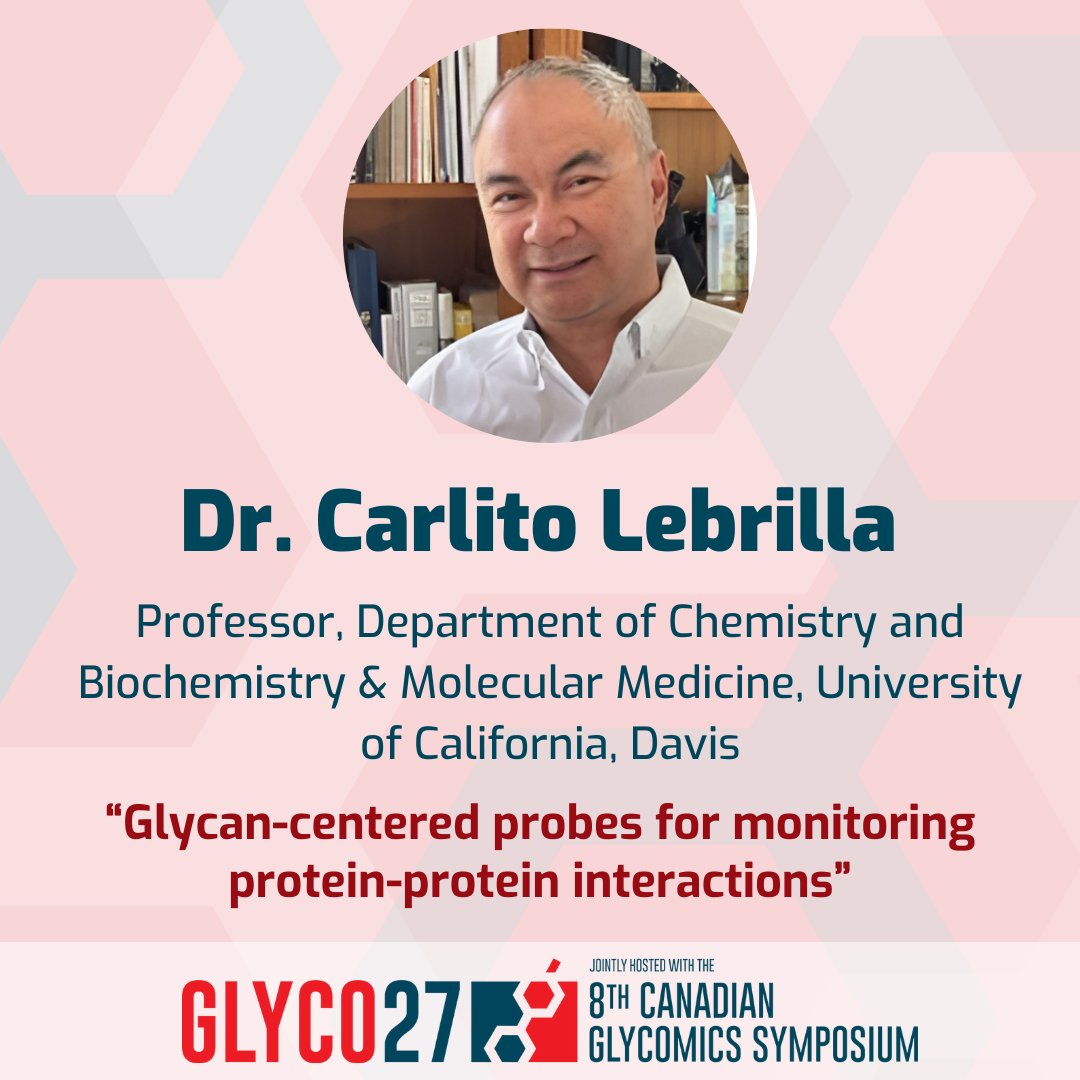
🔬 #Glyco27 Keynote Speaker 🔬
Dr. @CarlitoLebrilla (@UCDavis) specializes in analytical chemistry and mass spectrometry with applications in clinical glycomics & biofunctional food.
📍 Don’t miss his talk!: glyco27.org/en/begin
#Glycoscience #MassSpectrometry
1
8
317

1 Mar 2025
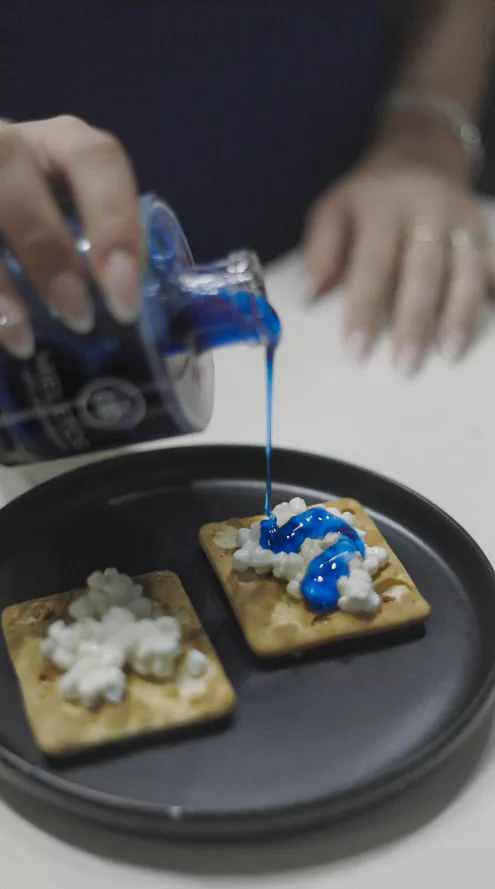
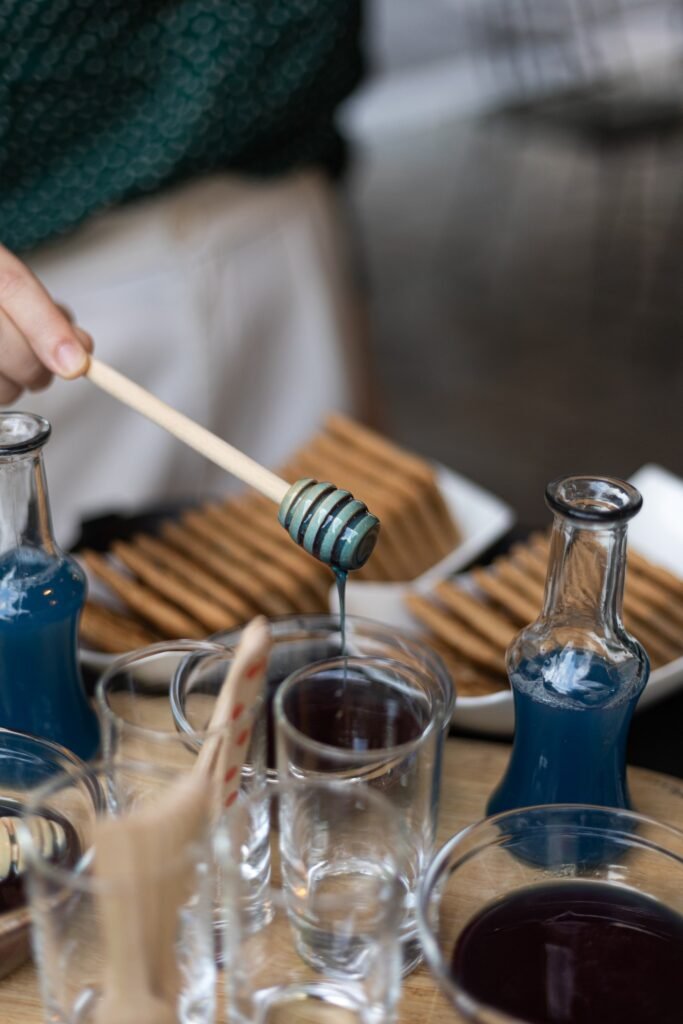
A Greek startup is marketing blue honey, the colour coming from 'superfood' spirulina, used by NASA as a dietary supplement for astronauts. The team at 'It’s Alive' is preparing for its first major exports in collaboration with Laconic Foods, biofunctional and colourful nectar!
7
9
63
1,550

19 Feb 2025
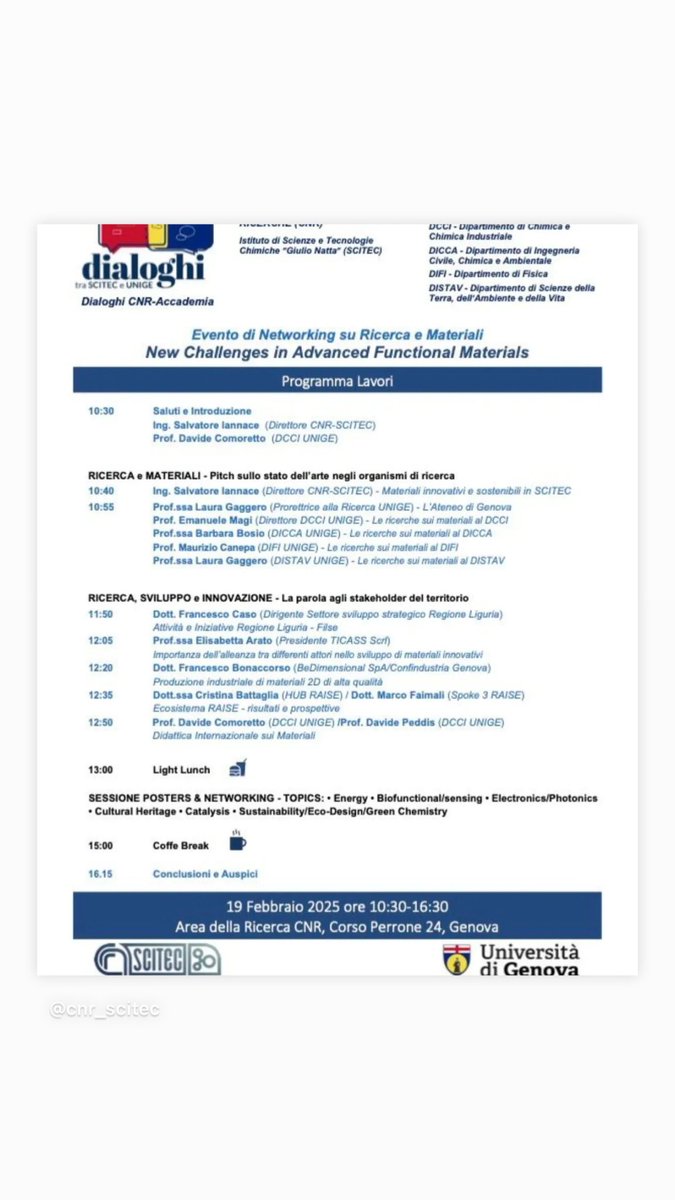
📢 Sessione Poster & Networking
@ evento New Challenges in Advanced Functional Materials - Ricerca e Materiali a Genova
TOPICS: #Energy #Biofunctional #Sensing #Electronics #Photonics #Catalysis #Sustainability #EcoDesign #GreenChemistry
#dialoghi #19feb @CNRsocial_ @UniGenova
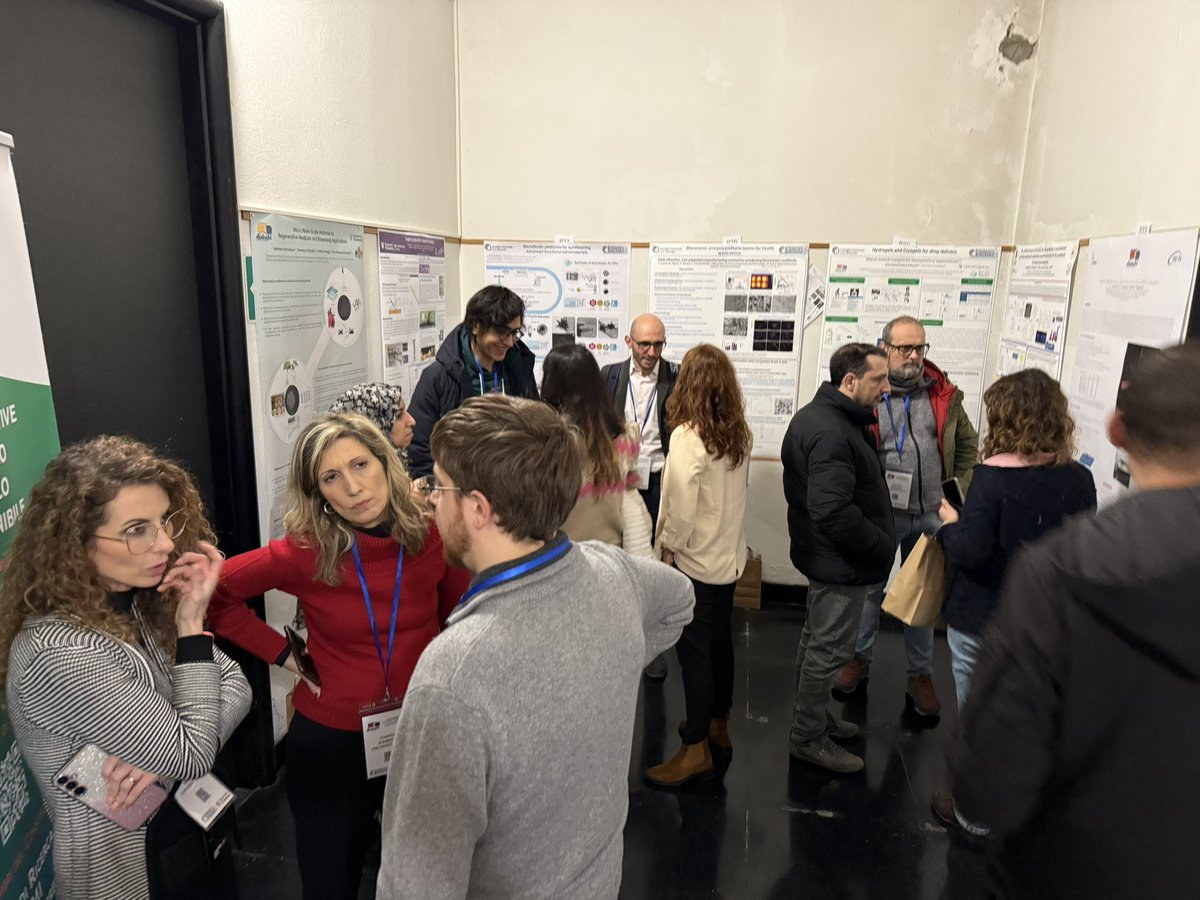
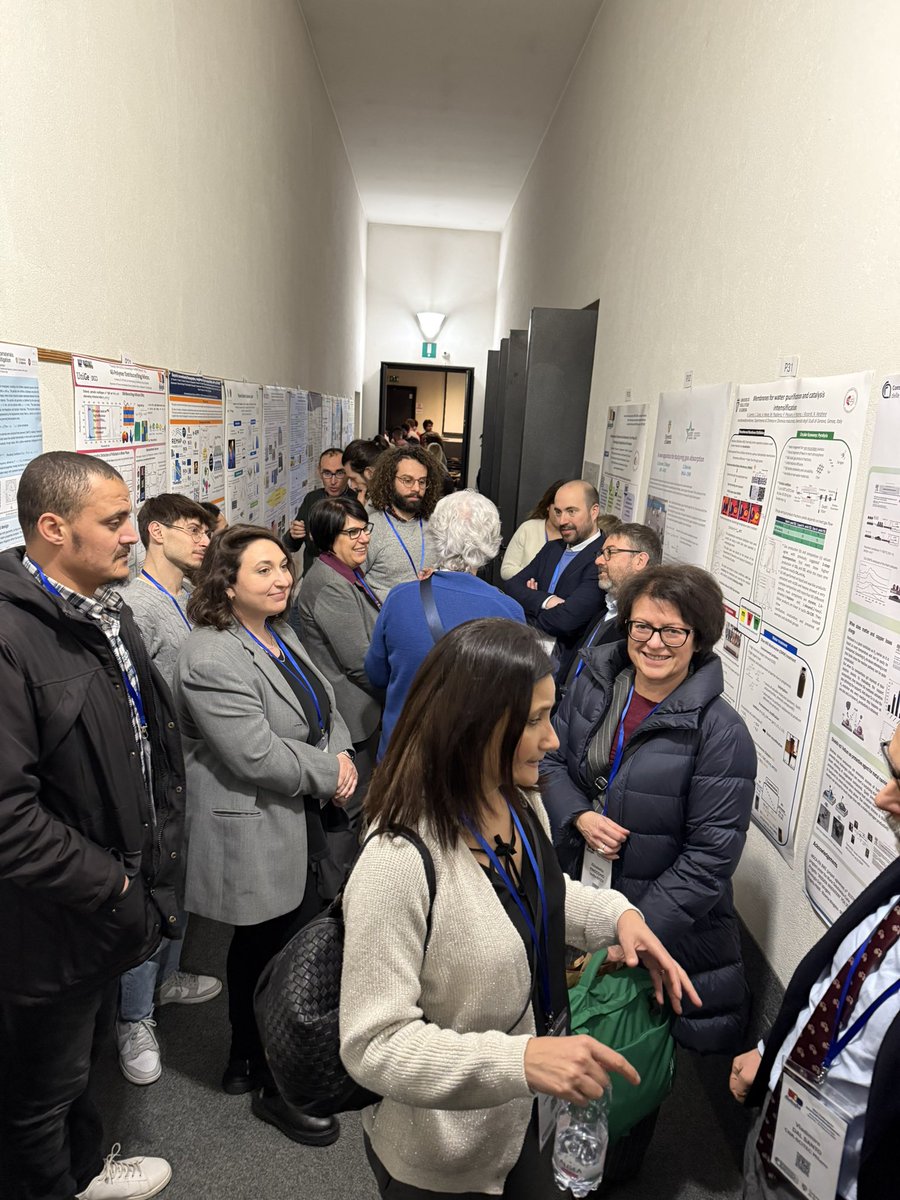
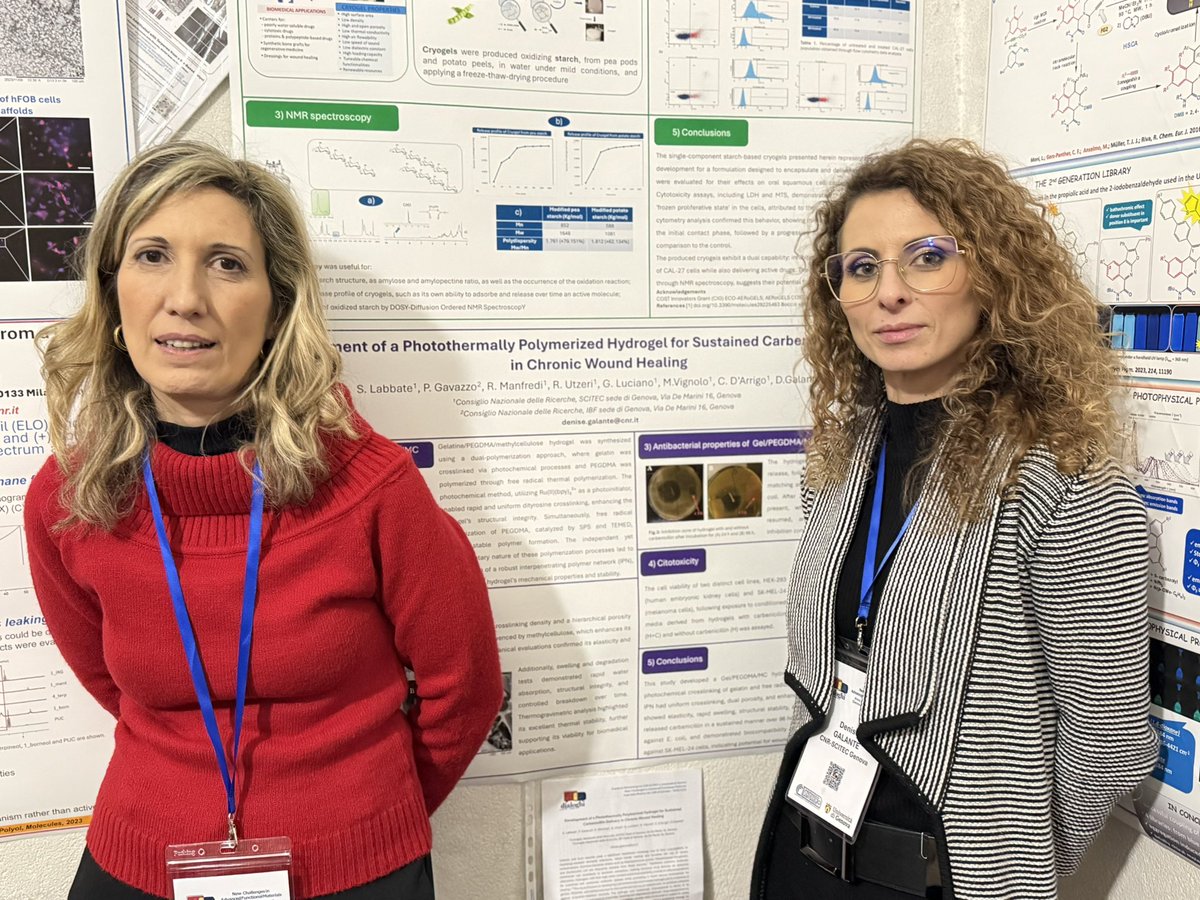
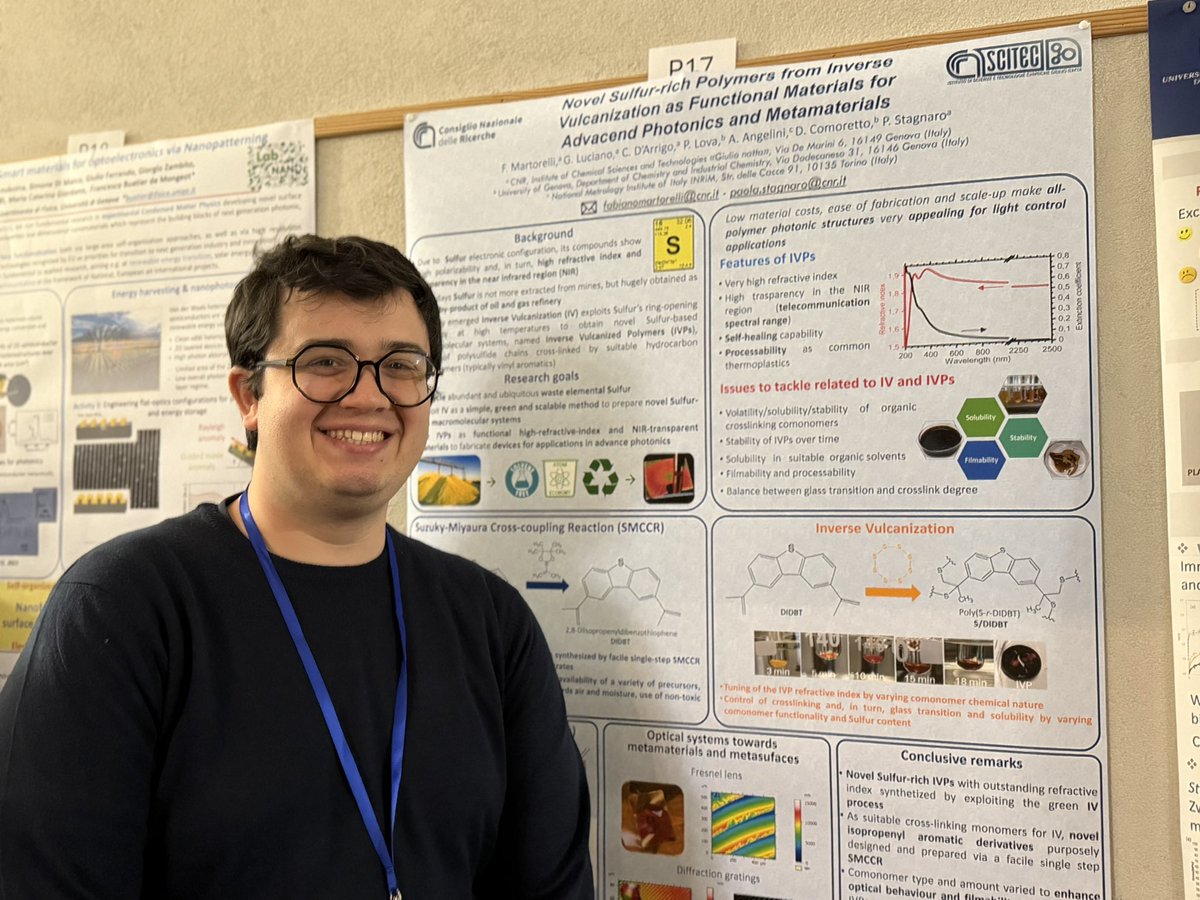
6
9
117
19 Feb 2025
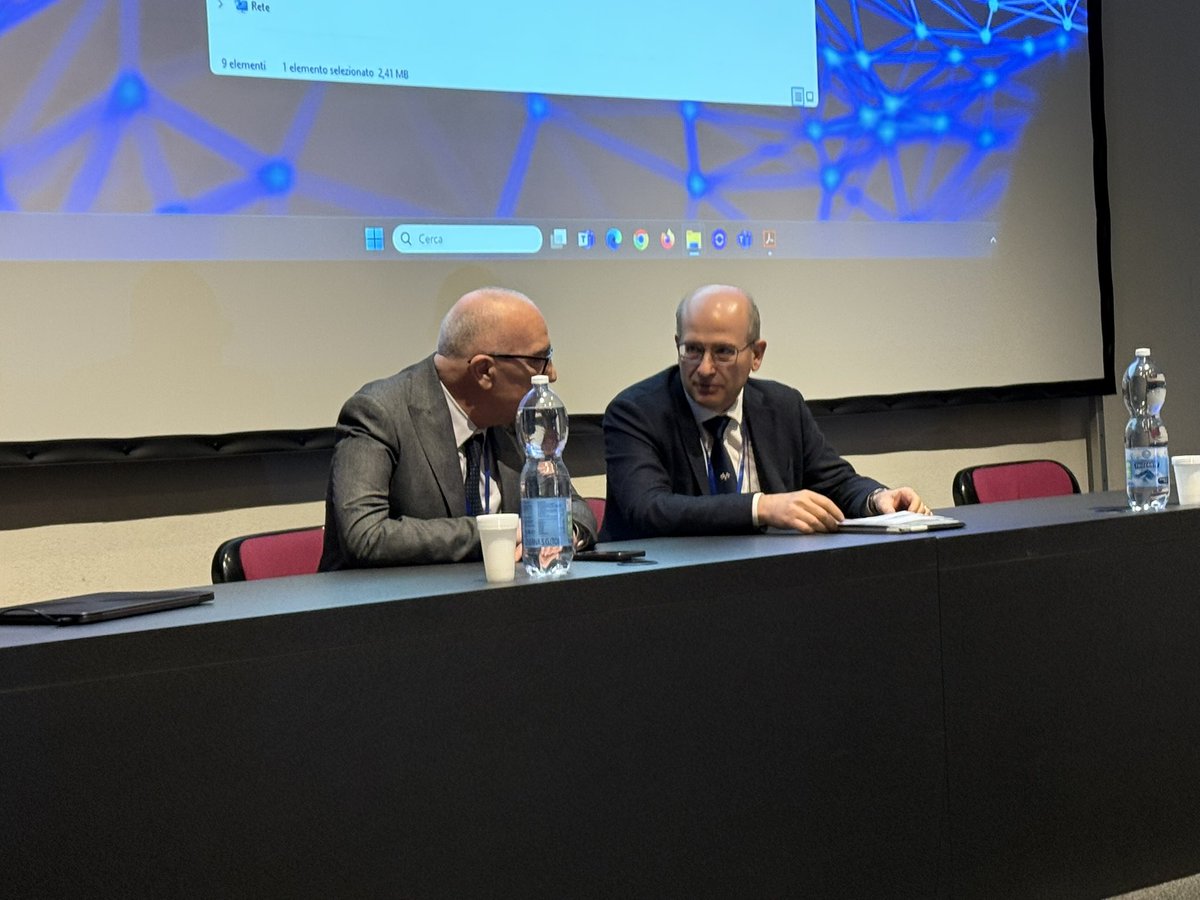
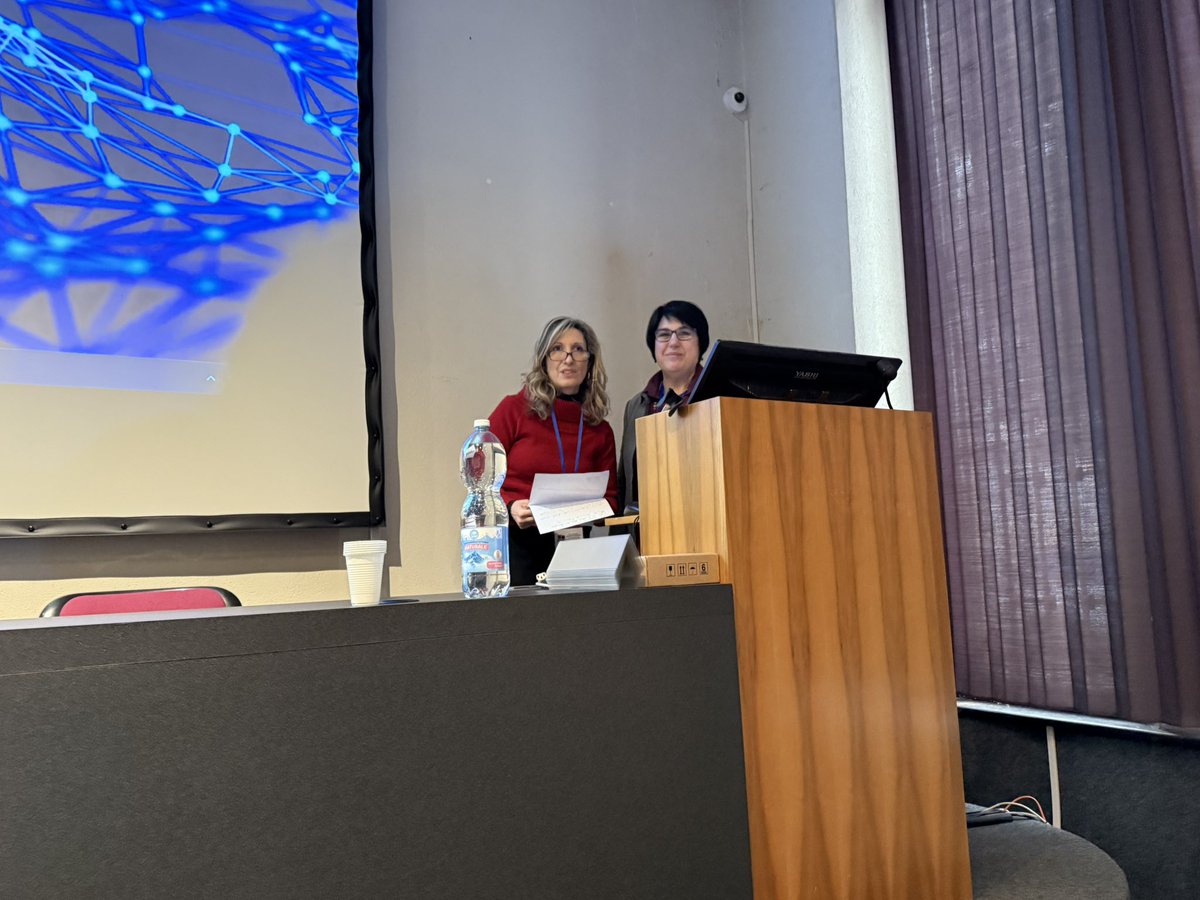
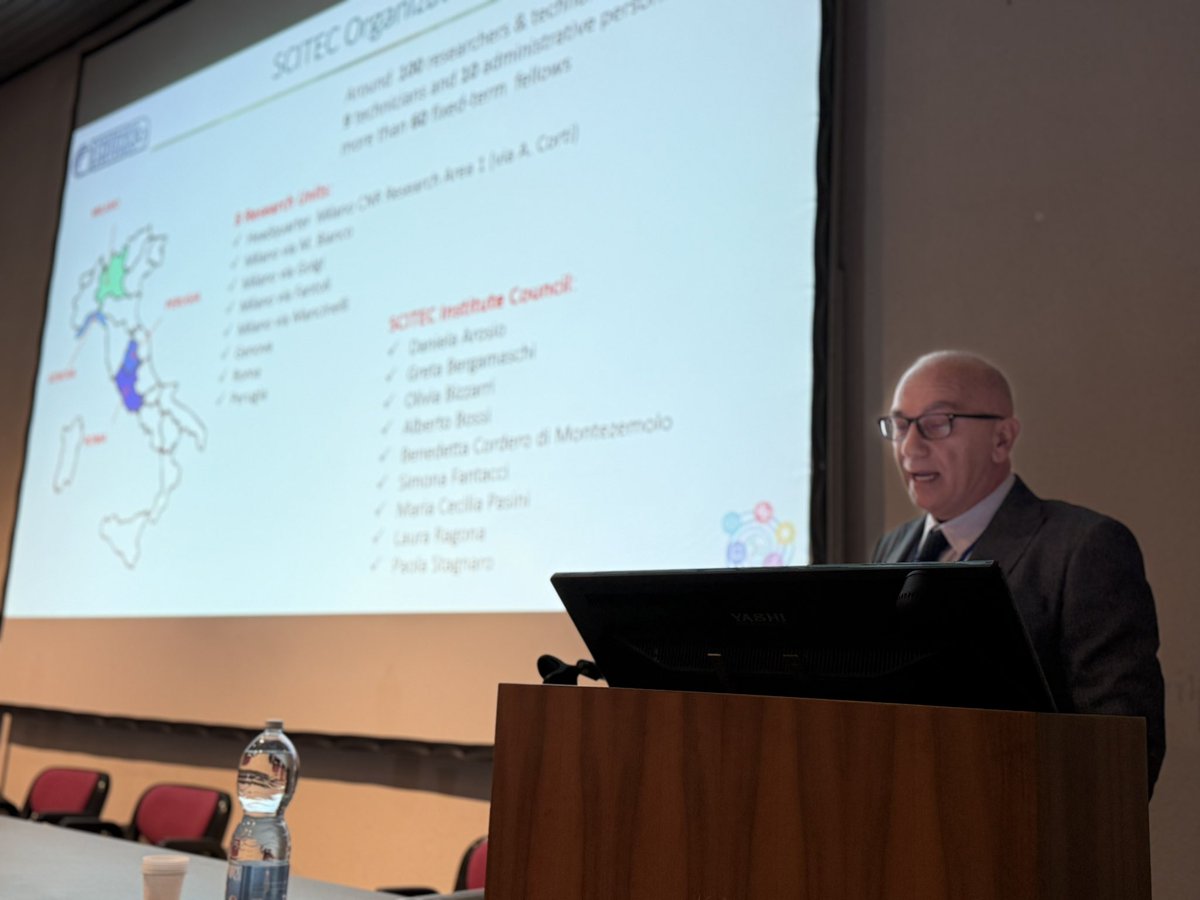
New Challenges in Advanced Functional Materials
Evento di Networking su Ricerca e Materiali
Intro di @Siannace Direttore @cnr_scitec e @Dav_Comoretto #DCCI @UniGenova
#Energy #Biofunctional #Sensing #Electronics #Photonics #Catalysis #Sustainability #EcoDesign #GreenChemistry
1
4
8
143

3 Feb 2025
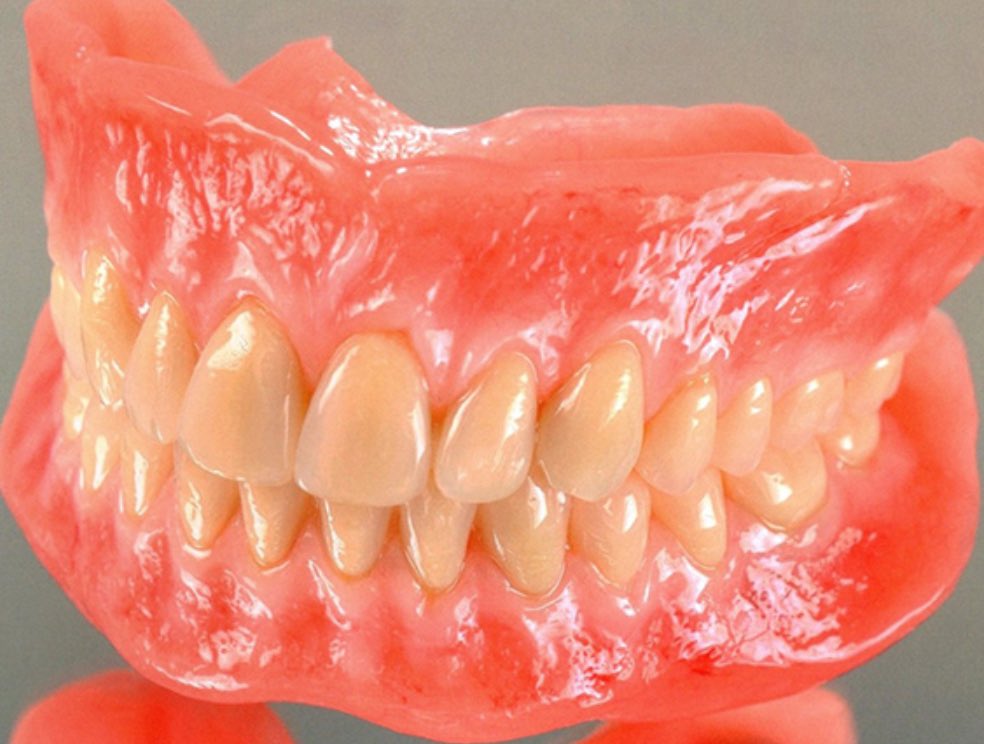
BPSシステムとは、
「BPS」とは、Biofunctional Prosthetic System(生体機能的補綴システム)の略で、「よく噛め」「痛くなく」「外れない」「美しい」入れ歯を作るためのシステム。このシステムによって作られた入れ歯を、「BPS義歯」と言う
5
147